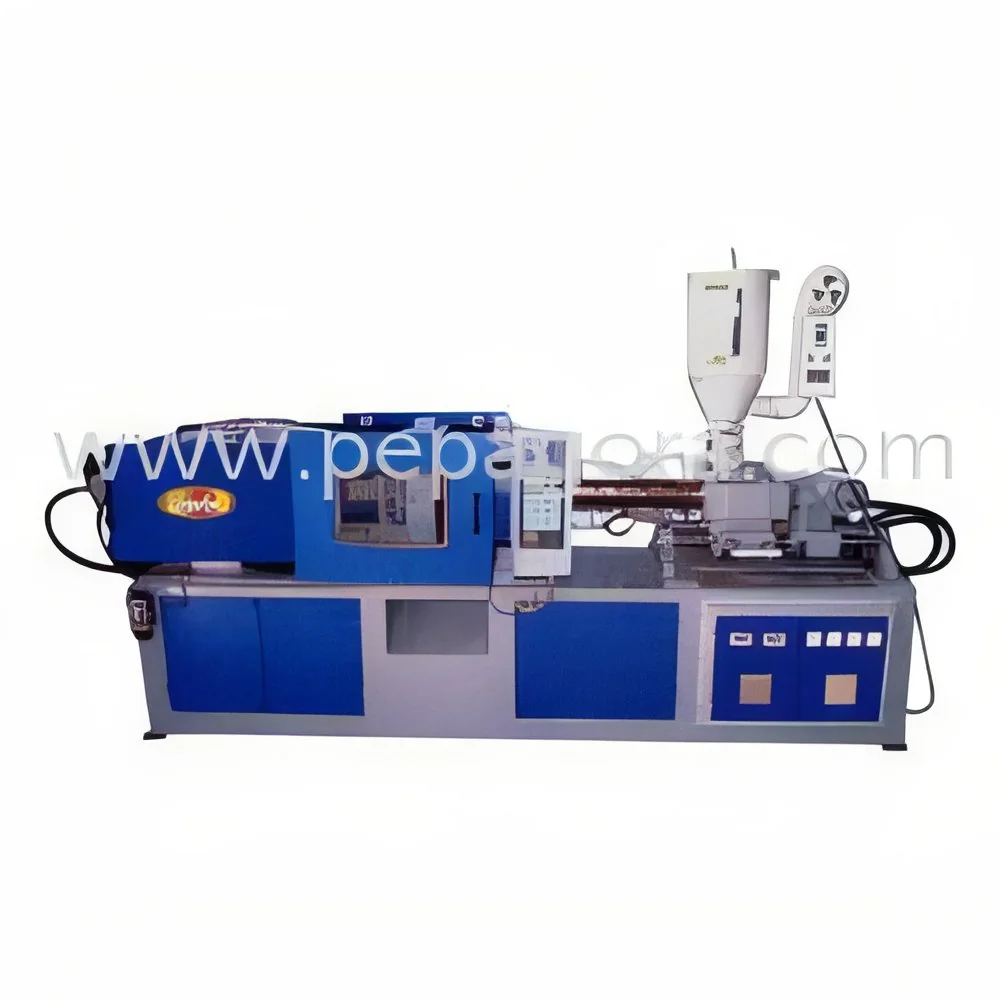
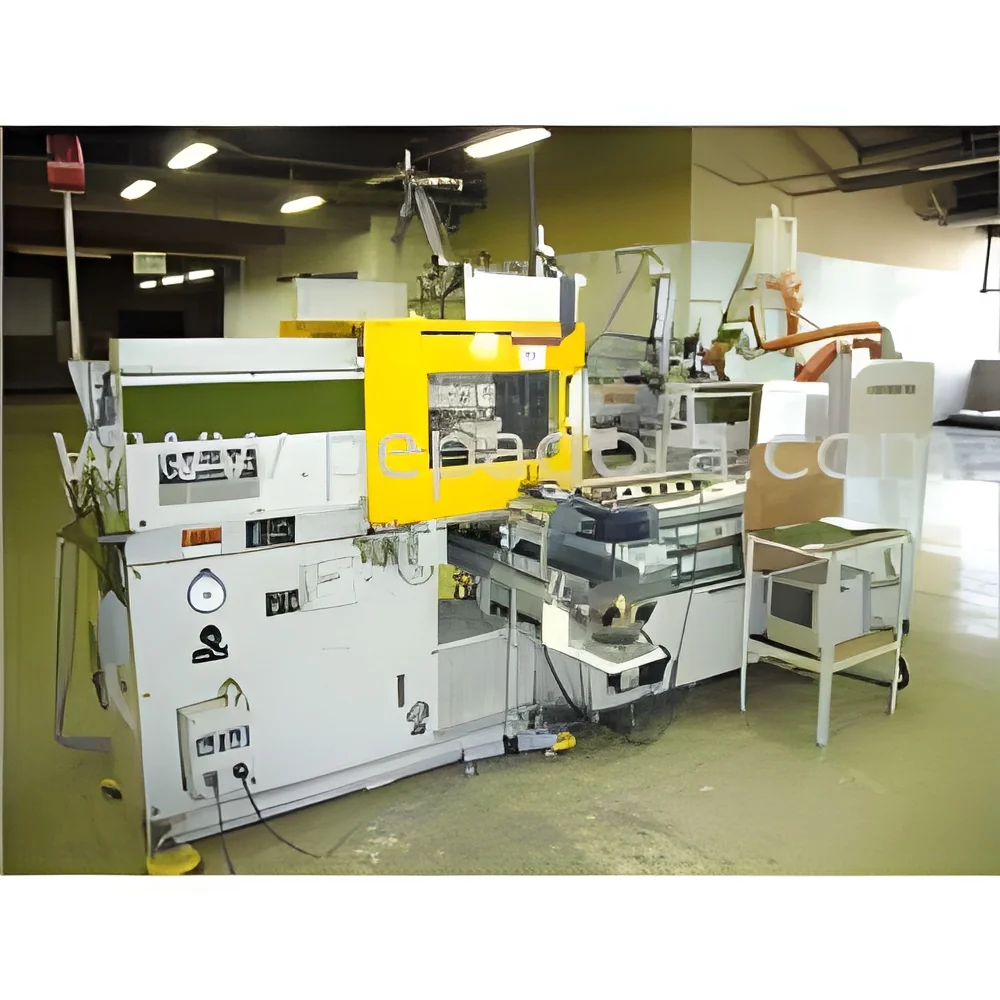
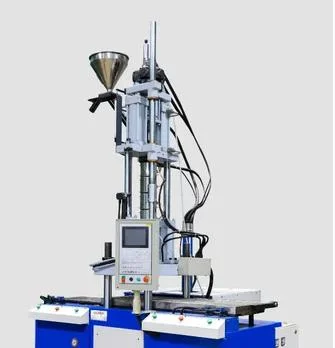
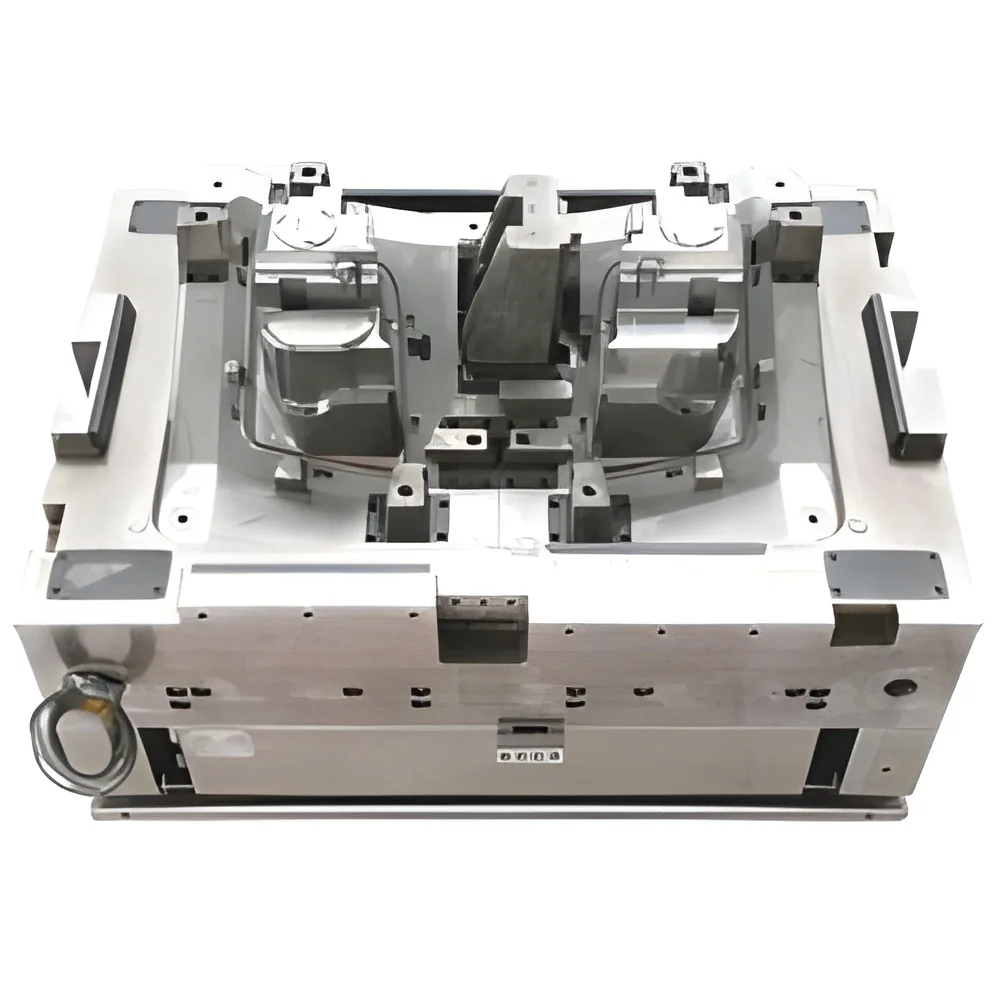
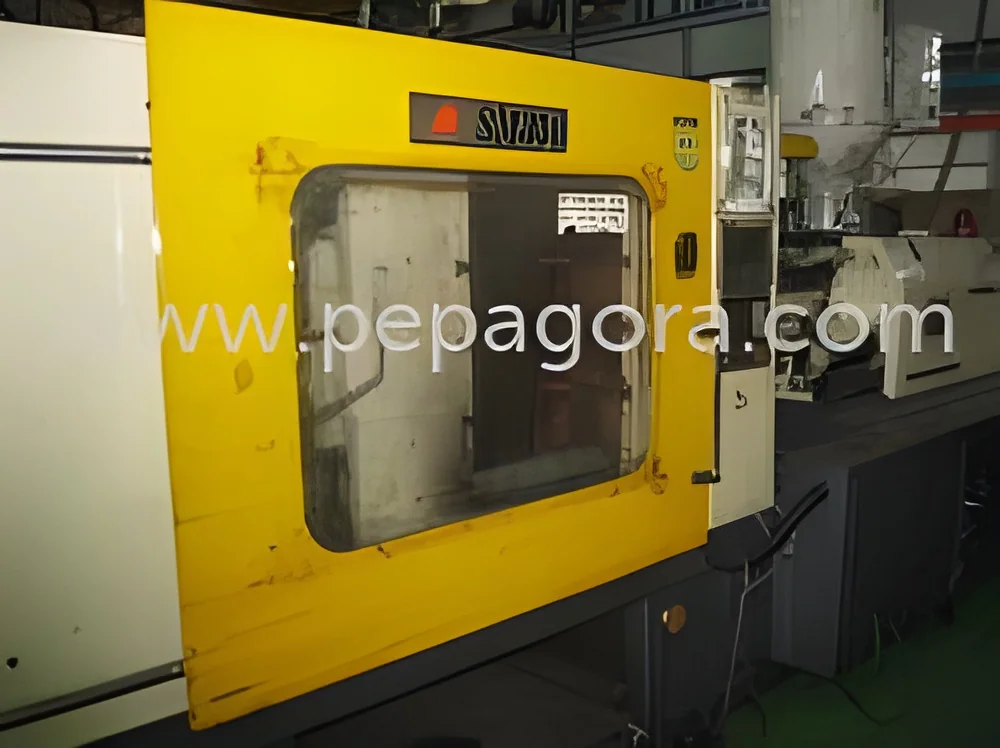
What are Injection Molding Machines?
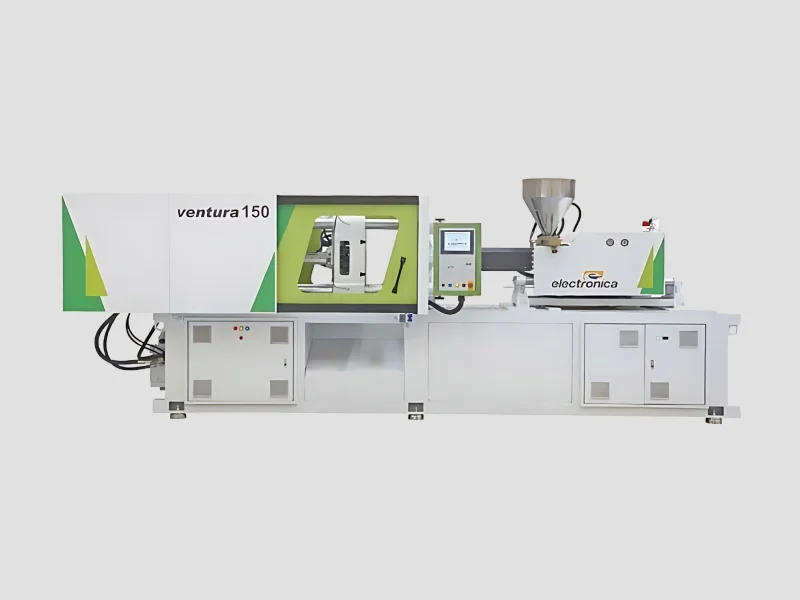
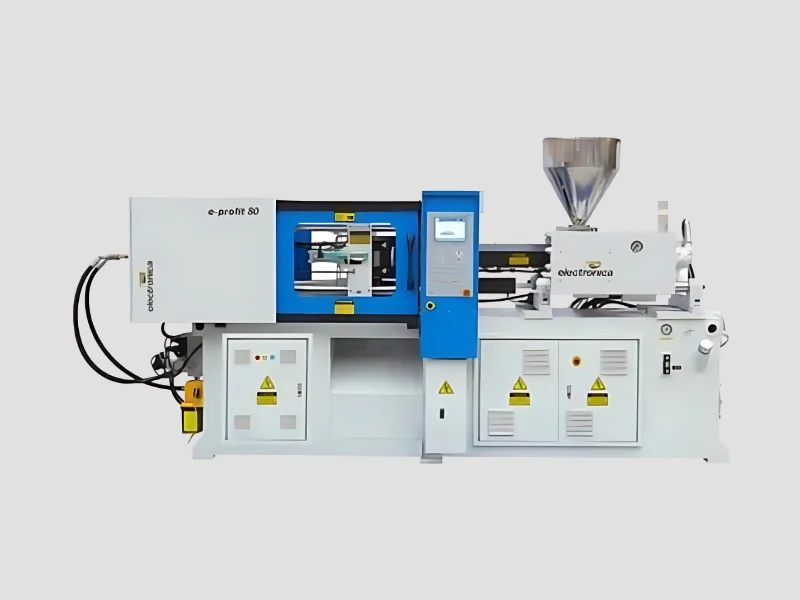
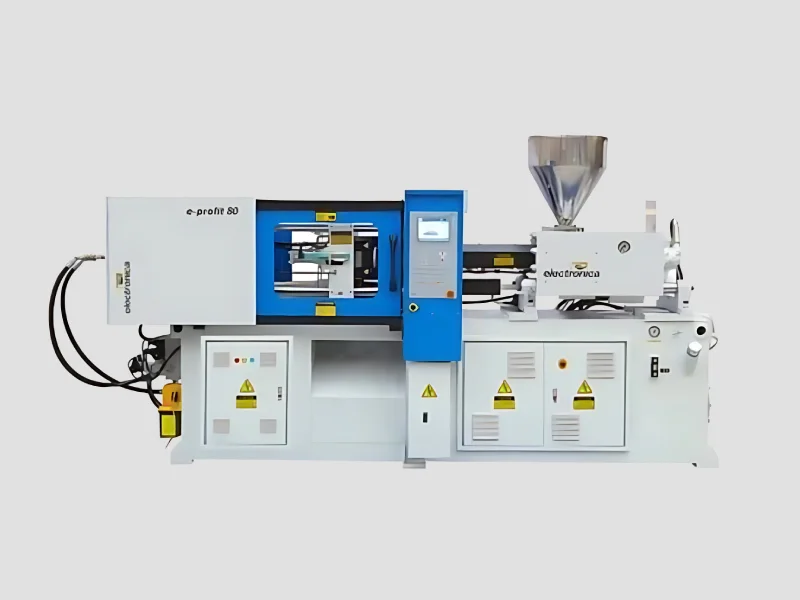
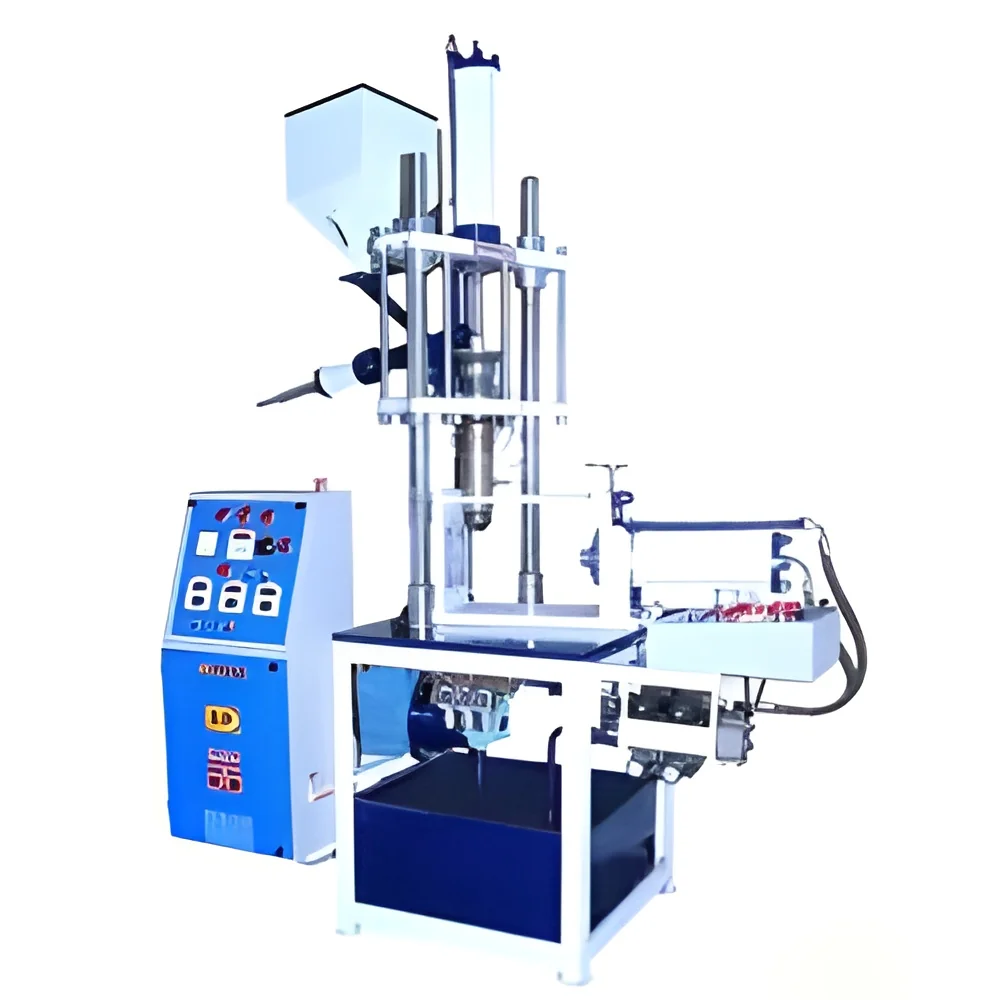
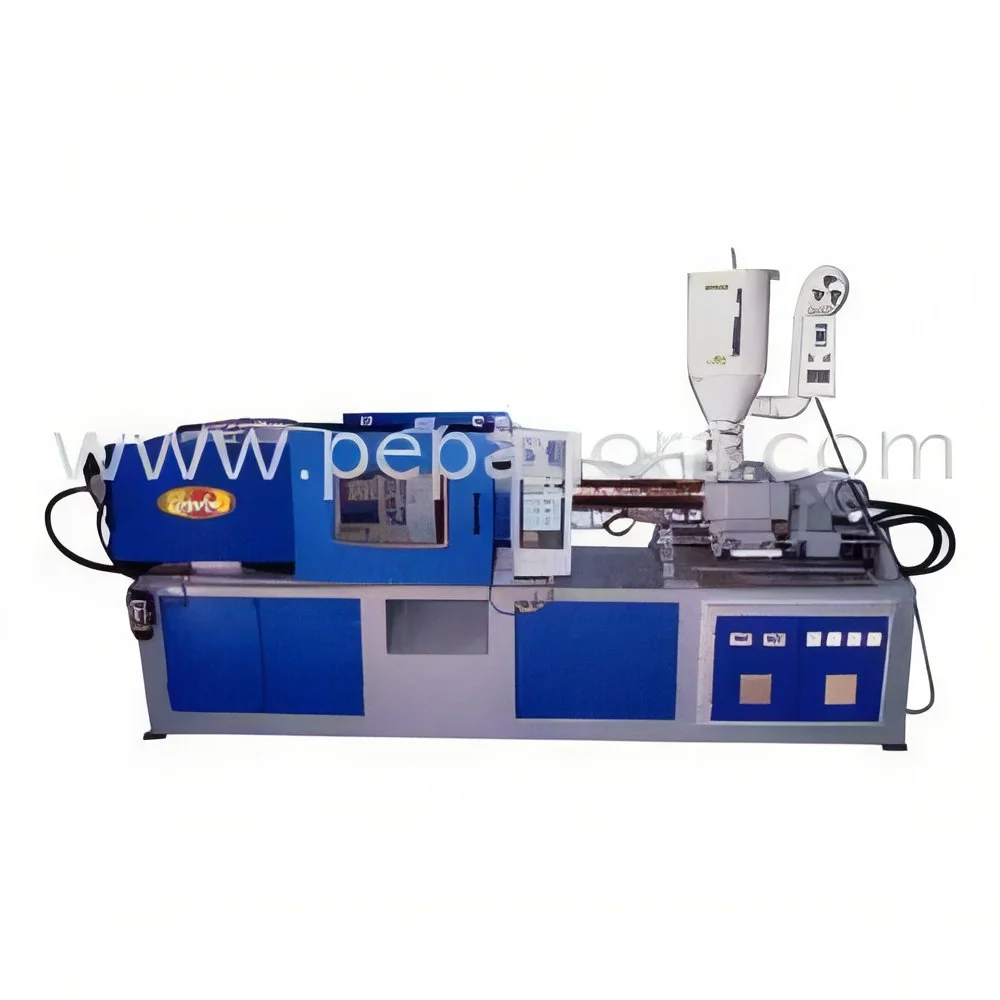
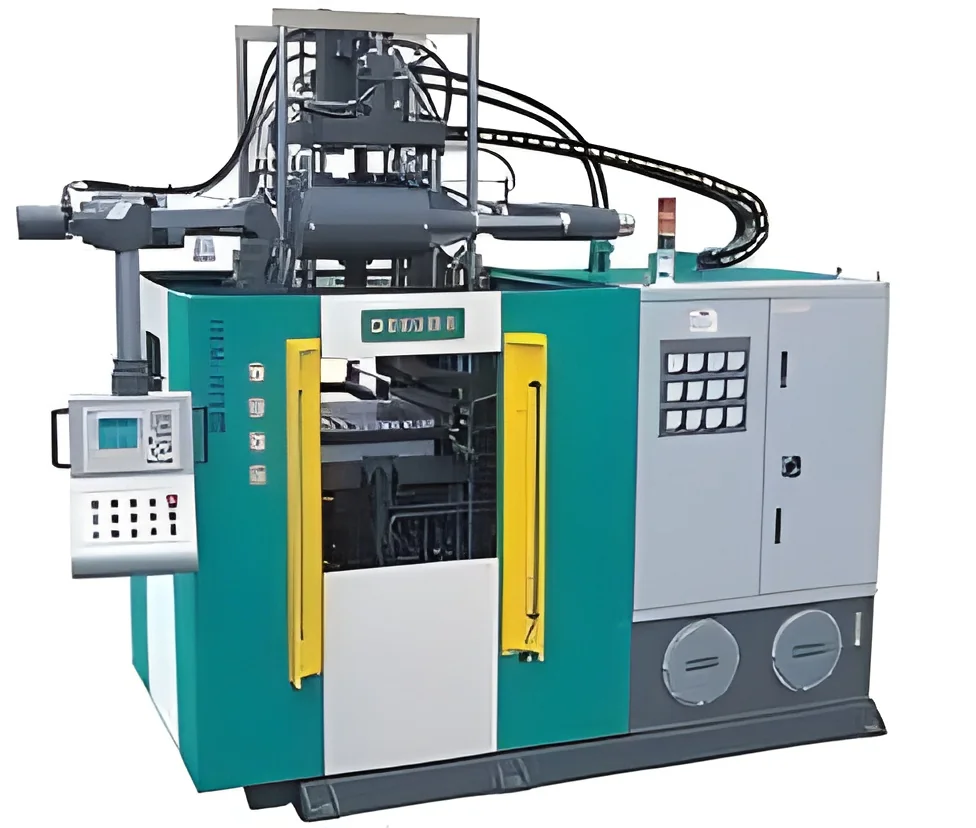
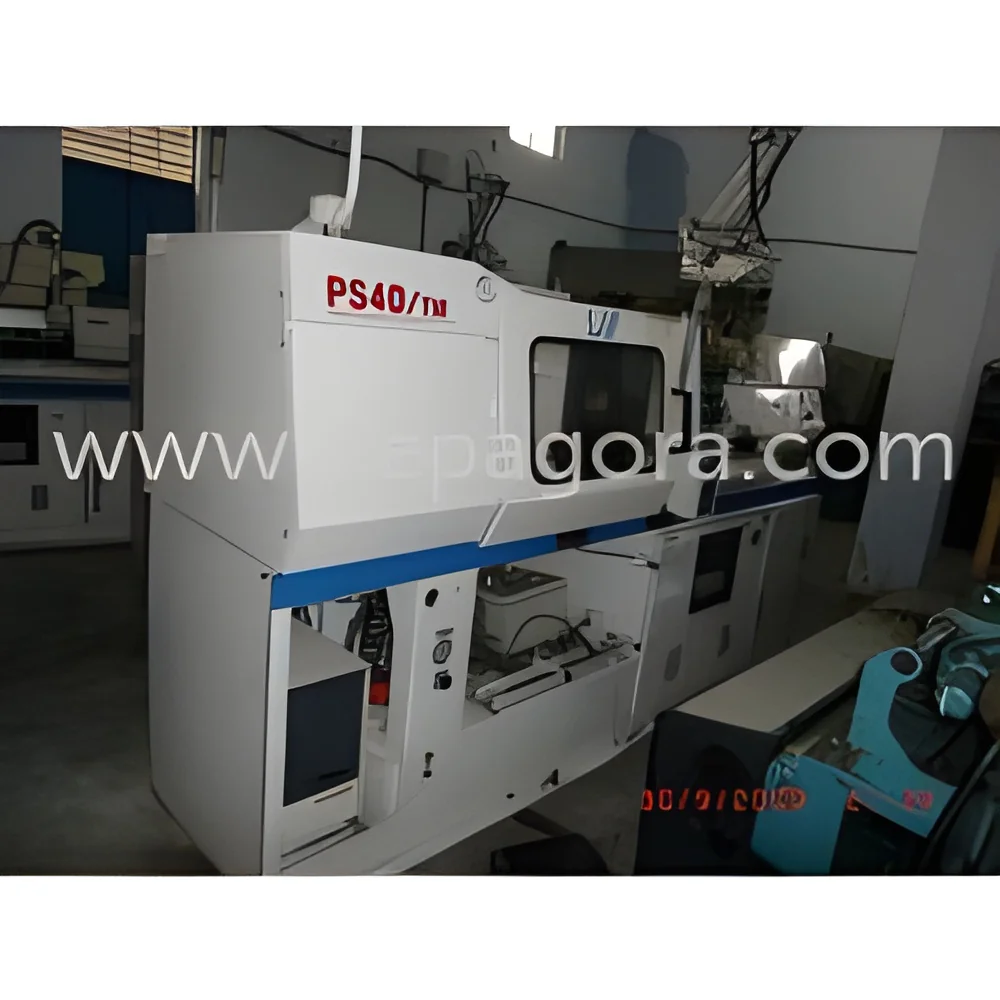
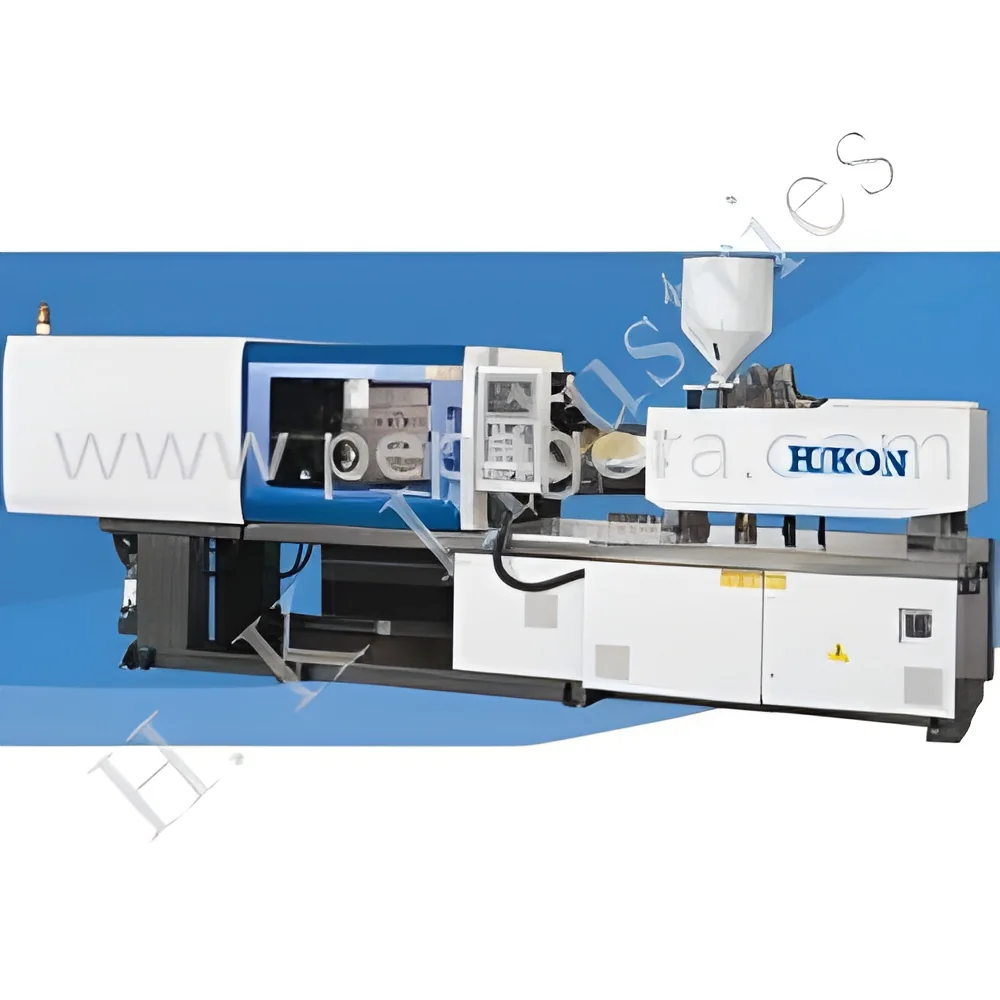
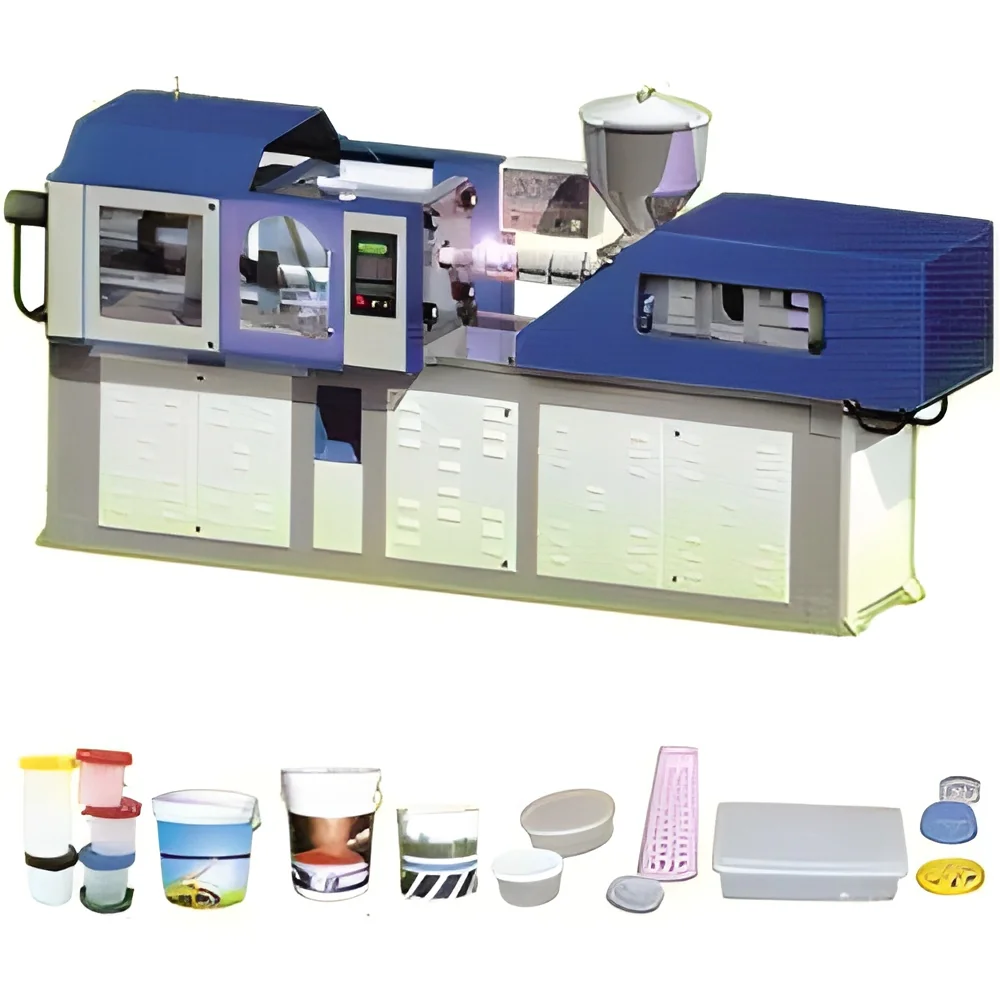
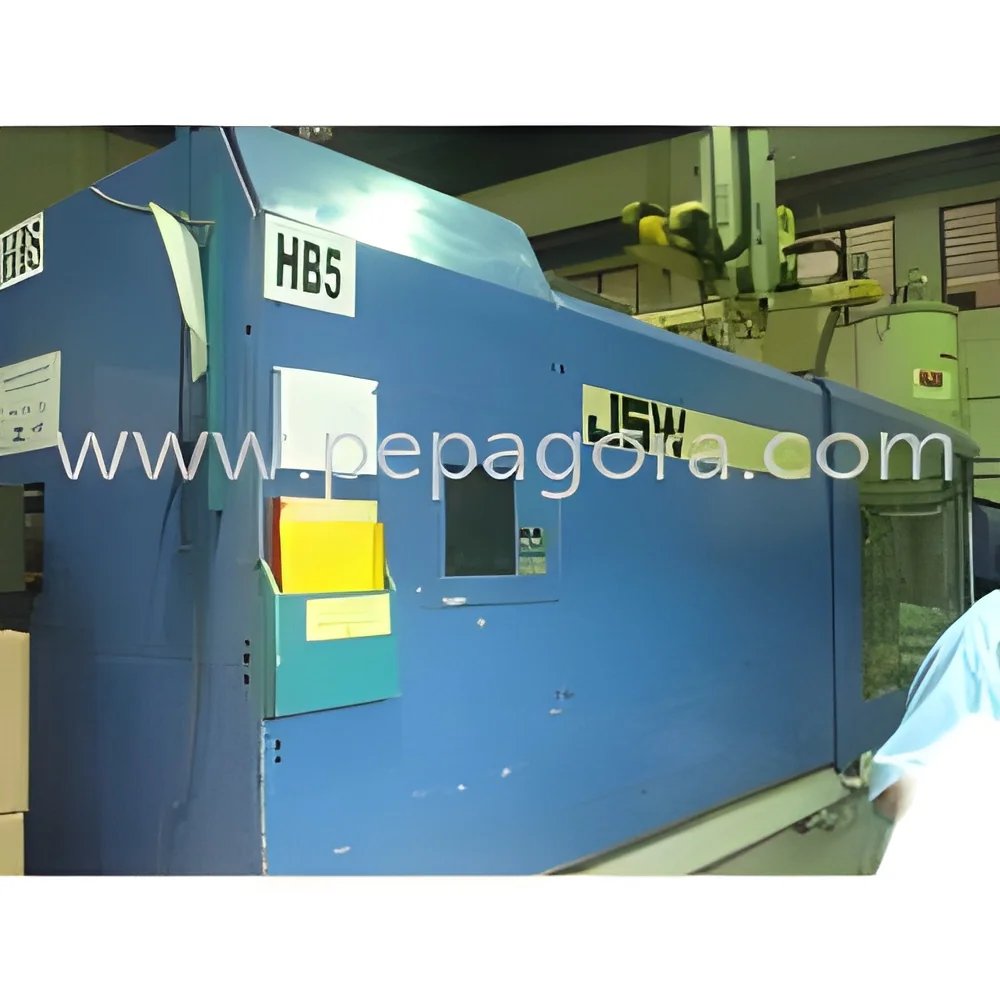
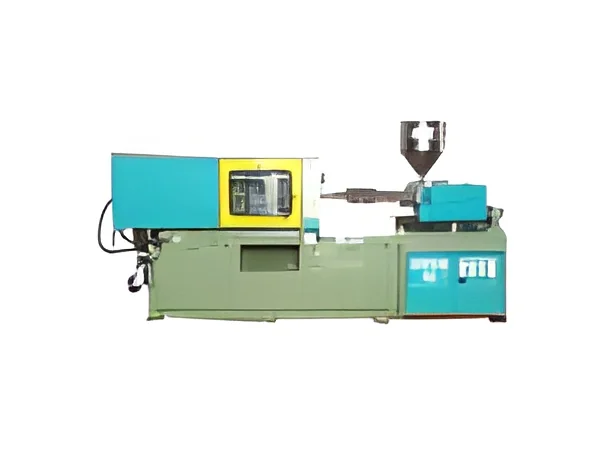
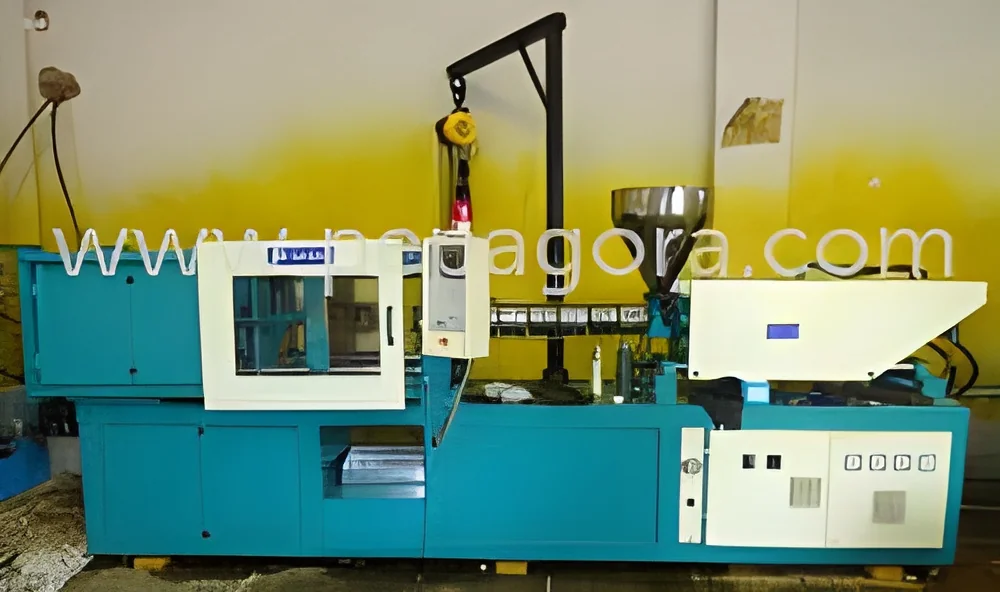
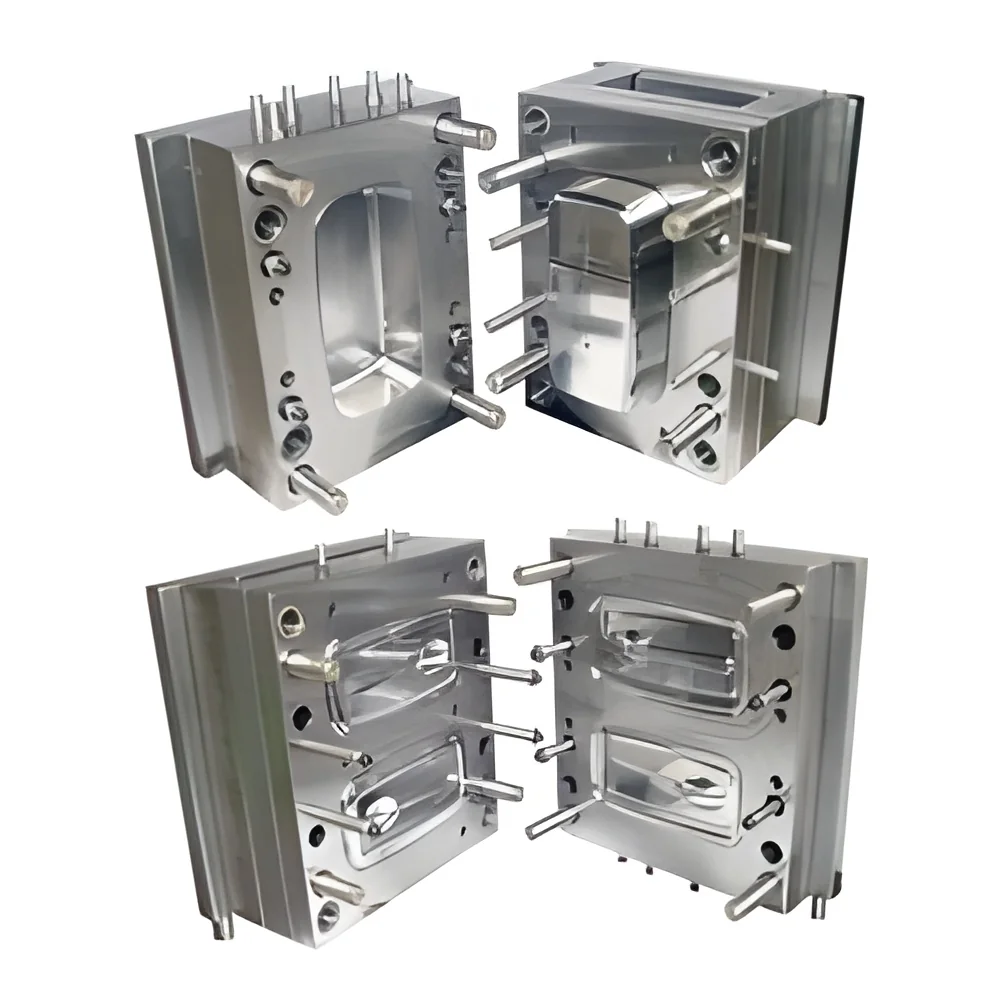
Injection molding machines are industrial machines used to manufacture plastic parts by injecting molten plastic into a mold. This process allows for the production of complex shapes and designs with high precision and efficiency. These machines are essential in the plastics manufacturing industry, where speed and consistency are crucial for meeting market demands.
The primary uses of injection molding machines include the production of a wide range of plastic products such as automotive components, household goods, packaging materials, and electronic housings. Businesses leverage these machines to produce high volumes of parts while maintaining quality and reducing waste. The relevance of injection molding machines in modern manufacturing cannot be overstated, as they contribute significantly to cost-effective production and innovation in product design.
As the global market for plastic products continues to grow, the demand for efficient and reliable injection molding machines has increased. Companies are increasingly investing in advanced machinery to enhance their production capabilities and stay competitive in various industries.
Key Features and Specifications
Injection molding machines come with several key features that enhance their performance and usability. Manufacturers design these machines to accommodate a range of production needs, with varying sizes and capabilities.
Key specifications include:
1. Clamping Force
- This refers to the force applied to keep the mold closed during injection.
- Typical ranges are from 30 tons to over 1000 tons, depending on the machine size.
2. Injection Volume
- This specifies the maximum volume of plastic that can be injected in one cycle.
- Common ranges vary from 100 cm³ to several liters, depending on the application.
3. Injection Speed
- This is the speed at which the molten plastic is injected into the mold.
- Speed can range from 30 mm/s to over 500 mm/s.
4. Cycle Time
- This indicates the total time taken to complete one injection cycle.
- Typical cycle times can be as low as 10 seconds for high-speed machines.
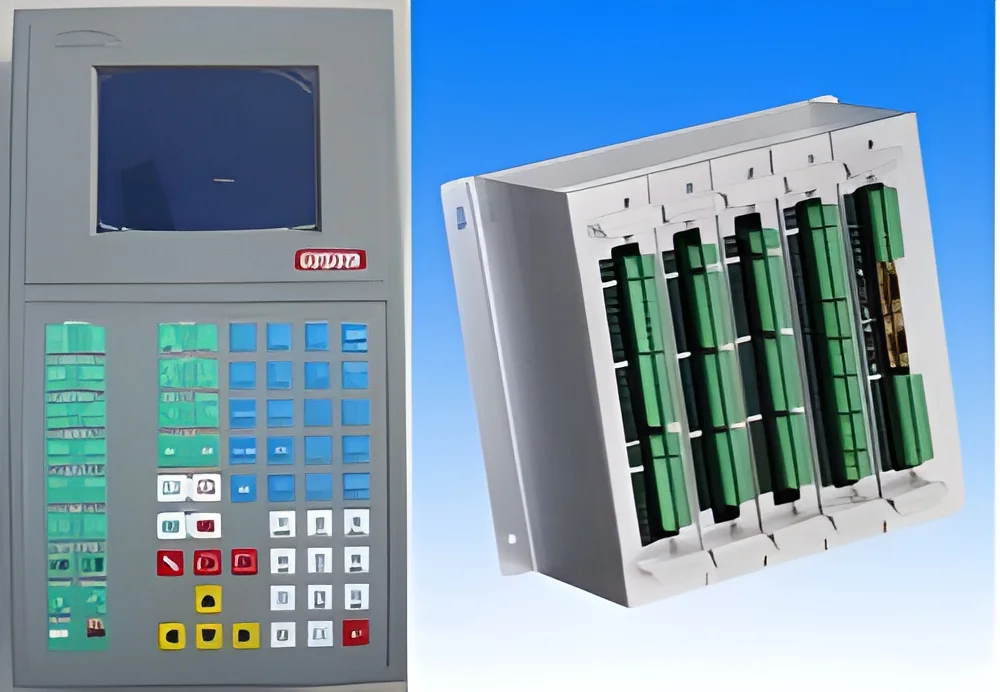
5. Control System
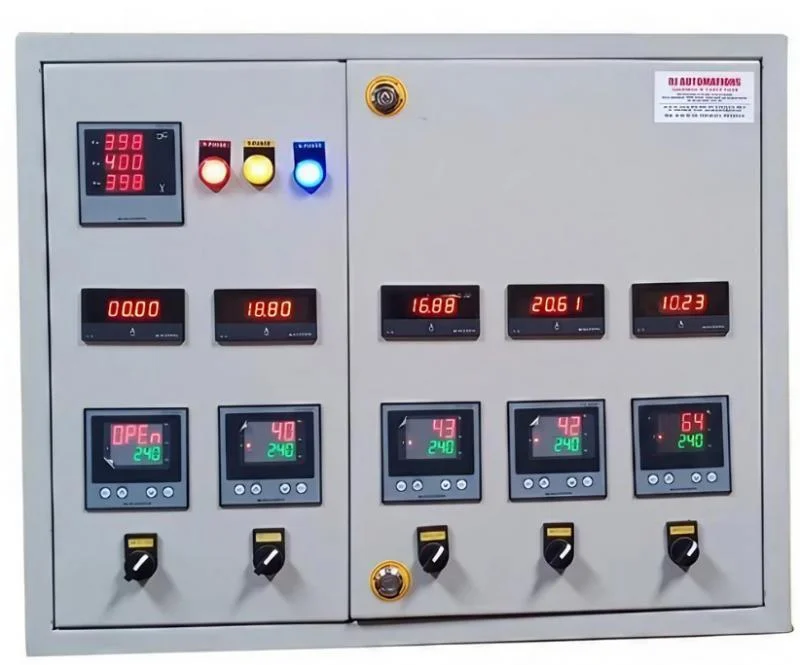
- Modern machines often feature advanced control systems for precise operation.
- Options may include PLC (Programmable Logic Controller) and servo motors for better efficiency.
6. Energy Consumption
- Energy-efficient models are available that reduce operational costs.
- Many machines are designed to consume less power than traditional models.
7. Mold Temperature Control
- Temperature control systems are vital for ensuring proper molding.
- Machines can include integrated heating/cooling systems for optimal performance.
8. Safety Features
- Safety mechanisms are integrated to protect operators and prevent accidents.
- Features may include emergency stop buttons and safety guards.
In summary, understanding these key specifications helps buyers make informed decisions when selecting injection molding machines that best fit their production needs.
Common Applications and Use Cases
Injection molding machines are versatile and serve various industries effectively.
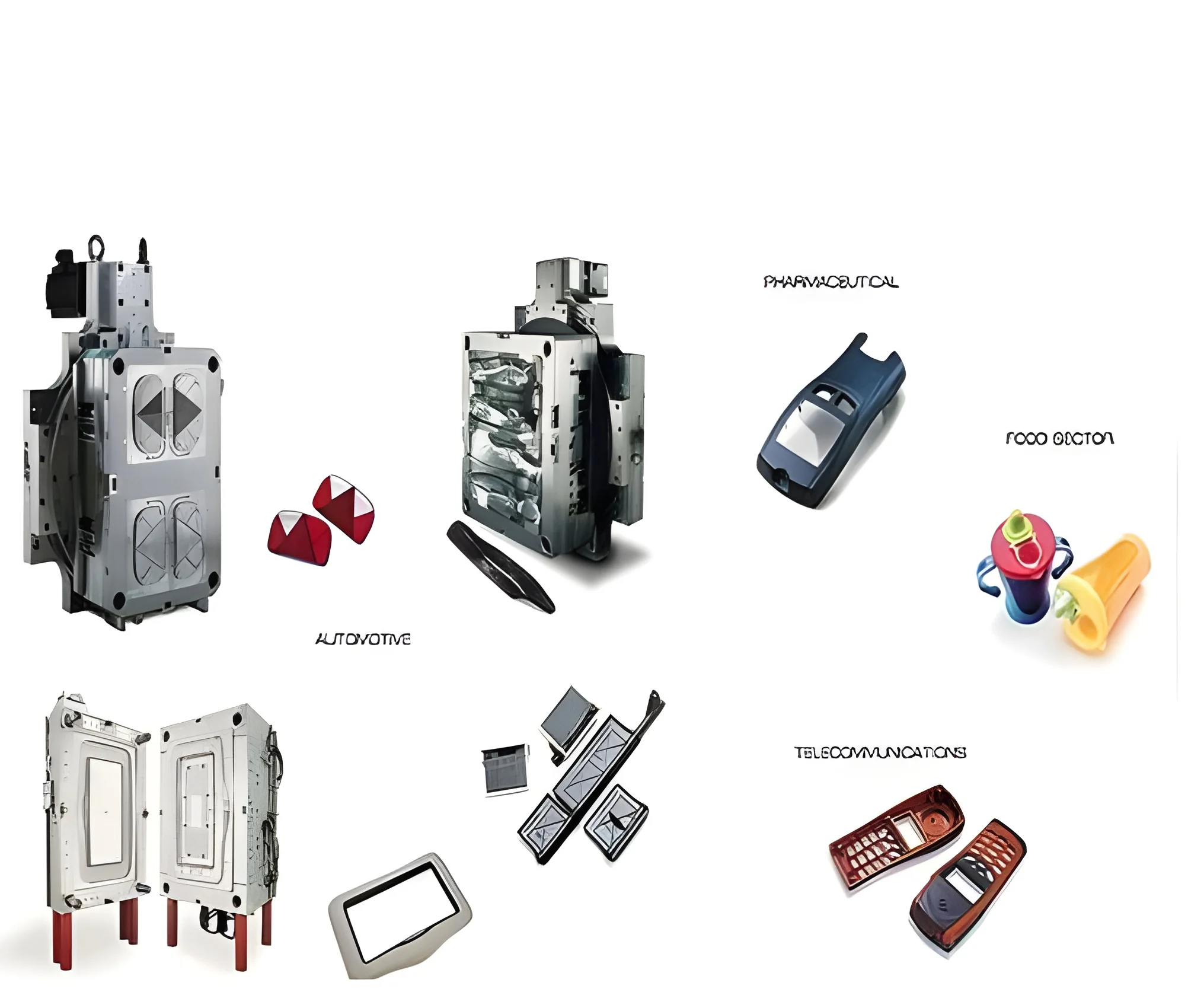
1. Automotive: These machines are used to produce car parts such as dashboards, bumpers, and interior components, ensuring durability and precision.
2. Consumer Goods: Many household items, like containers, toys, and kitchen utensils, are manufactured using injection molding, allowing for mass production.
3. Electronics: Injection molding is essential for producing enclosures and components for electronic devices, ensuring high-quality finishes and intricate designs.
4. Medical: The medical industry relies on injection molded parts for devices and packaging, where precision and hygiene are critical.
5. Packaging: Injection molding is frequently used in creating packaging solutions like bottles and caps, enabling efficient production and material usage.
6. Construction: Various building materials, such as plastic fittings and connectors, are manufactured using injection molding techniques.
7. Aerospace: The aerospace sector utilizes injection molding for lightweight and durable components that meet strict regulatory standards.
Product Variants and Subcategories
Injection molding machines come in various designs and configurations to meet different manufacturing needs.
Standard Injection Molding Machine
This is the most common type, suitable for a wide range of applications. It is designed for general-purpose use and can handle various materials, making it versatile for different industries.
Electric Injection Molding Machine
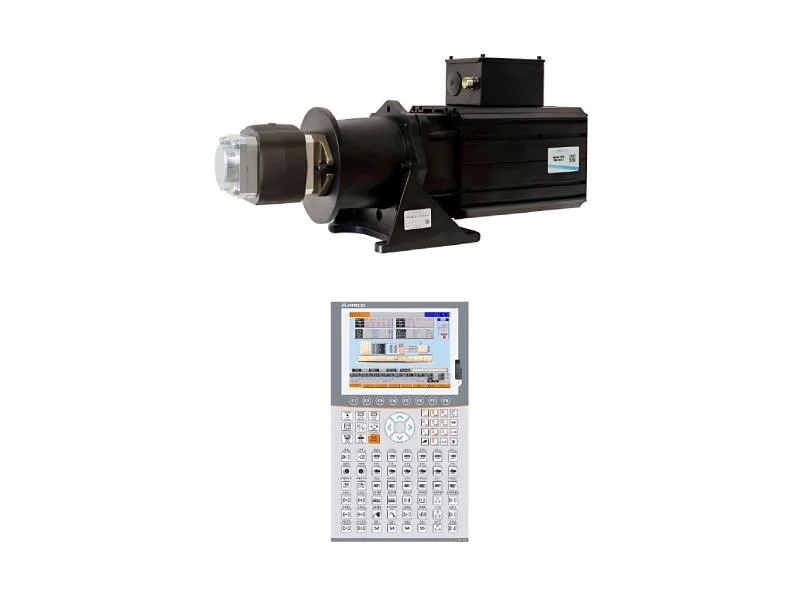
This variant uses electric motors for precise control and energy efficiency. It is ideal for high-speed applications and offers reduced operational costs due to lower energy consumption.
Hydraulic Injection Molding Machine
Hydraulic machines are known for their powerful clamping force and are suitable for heavy-duty applications. They are often used in industries that require large parts with high production volumes.
Multi-Material Injection Molding Machine
These machines allow the processing of multiple materials in a single cycle, enabling the production of complex parts with varied properties. They are particularly useful in industries requiring diverse material characteristics.
Benefits and Advantages
Investing in injection molding machines offers numerous benefits for businesses.
1. High Efficiency: These machines provide rapid production cycles, enabling manufacturers to meet high demand and increase output.
2. Cost-Effective Production: The process minimizes waste and optimizes material usage, leading to lower production costs over time.
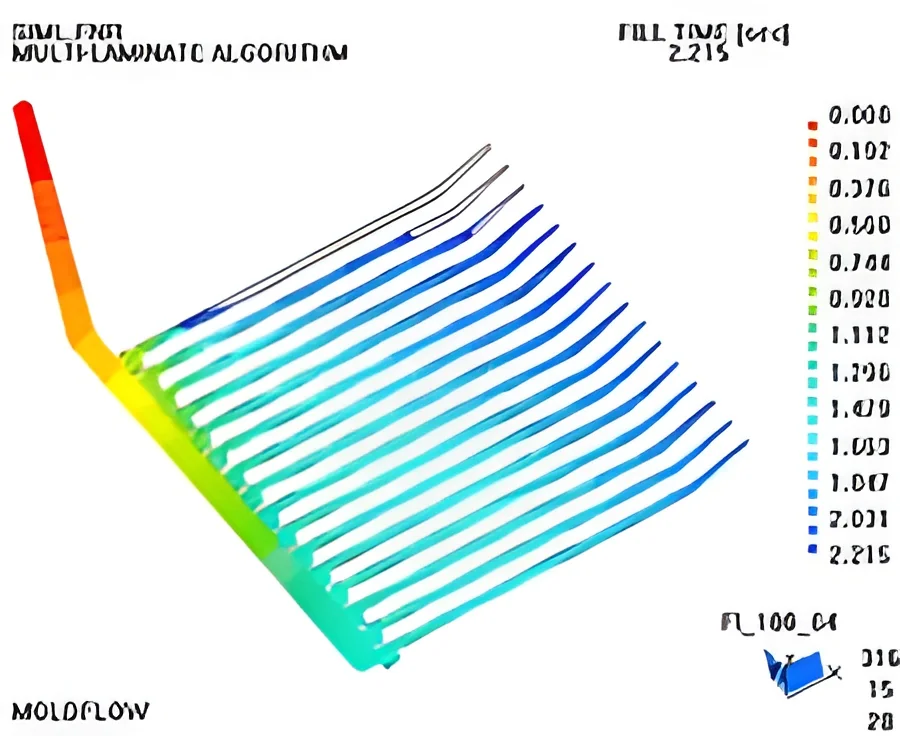
3. Design Flexibility: Injection molding allows for complex geometries and fine details, making it easier to innovate and customize products.
4. Consistent Quality: The precision of injection molding ensures uniformity in product quality, reducing the need for rework.
5. Scalability: Businesses can easily scale operations by increasing the number of machines or production cycles to meet changing market demands.
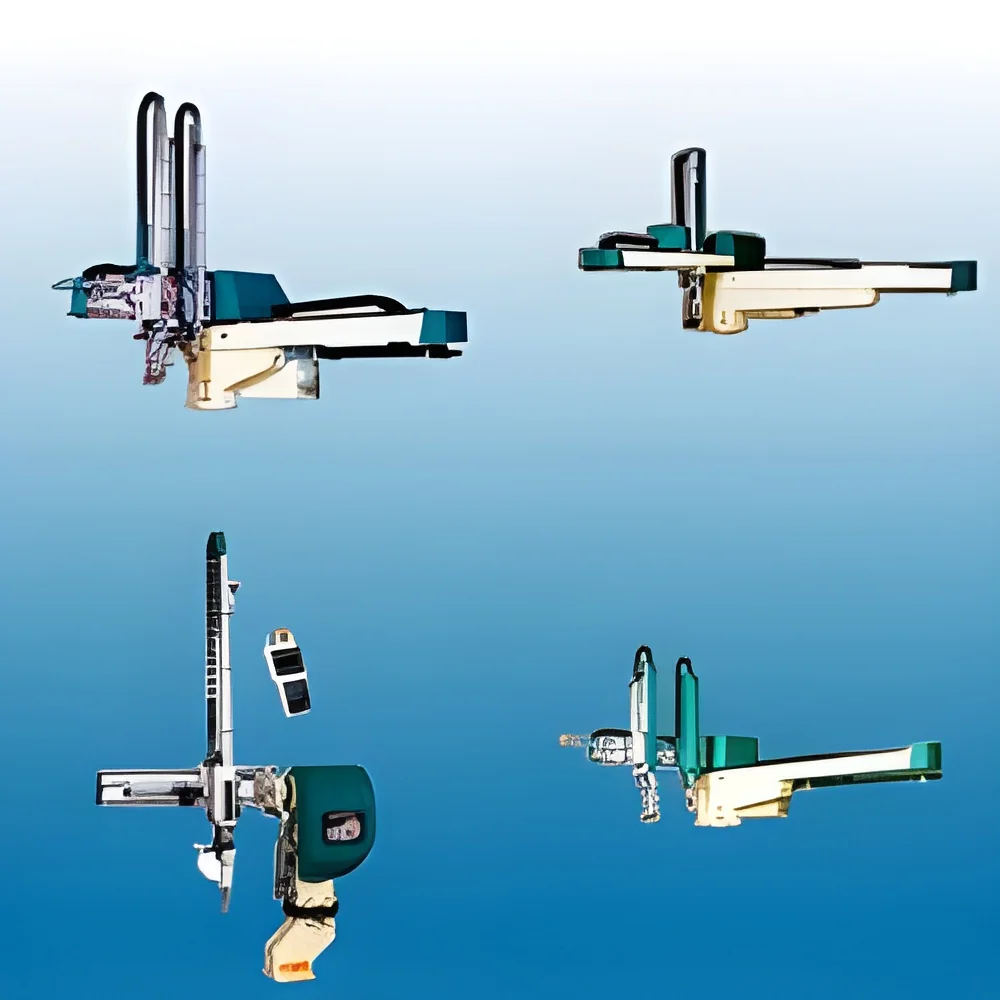
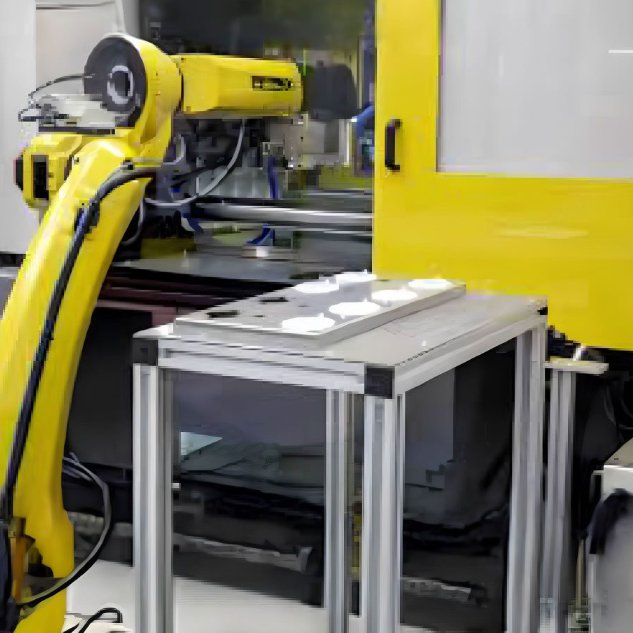
6. Reduced Labor Costs: Automation in injection molding machines decreases the need for manual labor, leading to cost savings and increased safety.
Buying Guide for B2B Buyers
When sourcing injection molding machines, it is essential to consider several factors to ensure a successful purchase.
1. Quality Assessment: Evaluate the build quality and performance of machines by reviewing specifications, customer feedback, and performance records. Look for machines with proven reliability and efficiency.
2. Supplier Verification: It is critical to vet suppliers to ensure they have a strong reputation and are capable of providing support. Check for references and inspect their manufacturing facilities if possible.
3. Pricing and MOQ: Understand the pricing structure and minimum order quantities. Assess how these factors align with your budget and production requirements, as well as any potential for discounts on bulk orders.
4. Delivery and Lead Times: Confirm the expected delivery dates and lead times for the machines. Ensure the timelines fit your production schedule to avoid disruptions.
5. Compliance Requirements: Verify that the machines meet relevant industry standards and regulations. This may include safety certifications and environmental compliance, depending on your region and industry.
Compliance and Certifications
Compliance with industry standards is crucial when it comes to injection molding machines. Key quality standards include ISO 9001, which ensures consistent quality management systems, and other relevant certifications such as CE, which indicates compliance with European safety, health, and environmental protection standards.
Safety and testing requirements are also significant. Manufacturers must ensure that their machines undergo rigorous testing to meet safety regulations and performance benchmarks. This guarantees that the machines operate safely and effectively within specified parameters.
In addition, regional compliance considerations are essential. Different countries may have specific regulations that impact the design and operation of injection molding machines. Buyers should be aware of these requirements to avoid penalties and ensure smooth operation.
Why Source Injection Molding Machines from Pepagora?
Pepagora provides a trusted platform for sourcing injection molding machines, offering numerous advantages to B2B buyers.
Verified Supplier Network: Pepagora ensures that all suppliers are thoroughly vetted, providing buyers with confidence in their sourcing decisions. This verification process helps mitigate risks associated with purchasing from unverified sources.
Streamlined RFQ Process: The platform offers an efficient Request for Quotation (RFQ) system, allowing buyers to easily compare quotes from multiple suppliers. This transparency helps businesses find competitive pricing and terms.
Trade Assurance and Support: Pepagora offers buyer protection through trade assurance, ensuring that transactions are secure. Additionally, the platform provides support throughout the purchasing process, helping buyers navigate any challenges that may arise.
Regional Coverage: With a strong presence in India, the GCC, and Southeast Asia, Pepagora connects buyers with suppliers across these regions. This geographic reach allows for better access to a diverse range of machines and suppliers, catering to various market needs.

 IN
IN