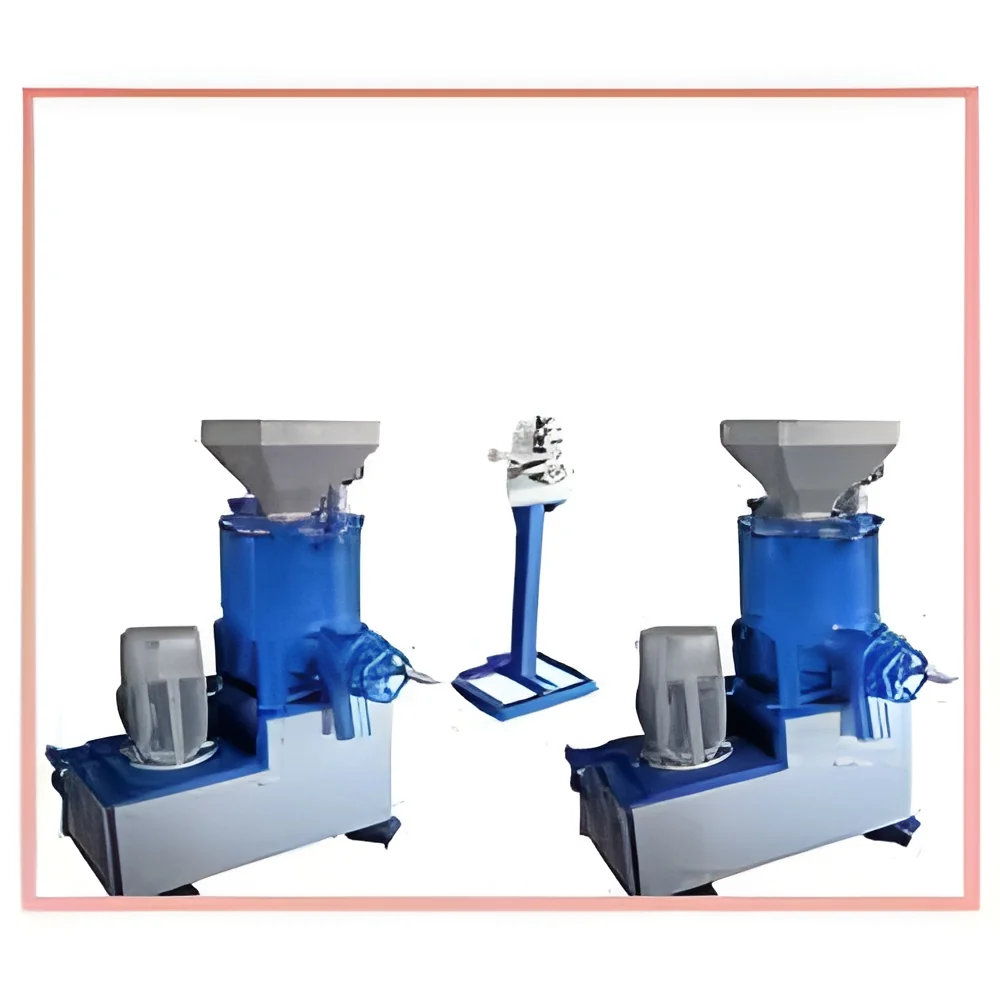
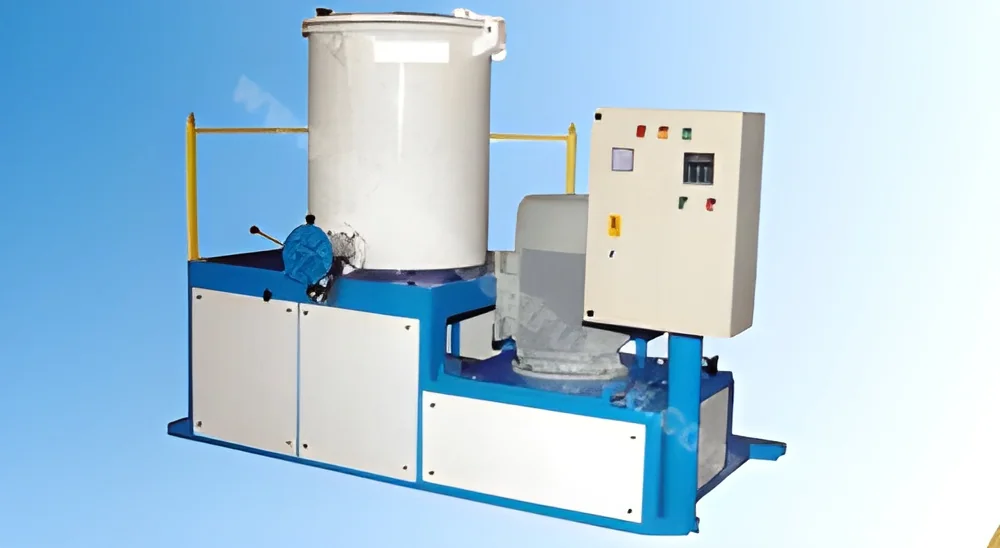
What are Plastic Mixers (Vertical, Horizontal)?
Plastic mixers, available in vertical and horizontal configurations, are essential industrial machines used for blending various types of plastic materials. These mixers help to achieve a uniform mixture, ensuring consistent quality in the final product. Vertical mixers utilize a vertical design, allowing for efficient mixing of materials with less space, whereas horizontal mixers provide a broader mixing surface, ideal for large volumes of material.
Plastic mixers find applications across several industries, including manufacturing, packaging, and recycling. They are commonly used in the production of plastic components, masterbatches, and compounds. The versatility of these mixers makes them suitable for both small-scale operations and large industrial processes. With the growing demand for plastic products, the significance of efficient mixing solutions has increased in the market.
As industries continue to evolve, the need for advanced mixing technology becomes crucial. Plastic mixers play a vital role in enhancing production efficiency and product quality. Their ability to accommodate various types of plastic materials positions them as a valuable asset in the manufacturing landscape.
๐๐ฒ๐ ๐๐ฒ๐ฎ๐๐๐ฟ๐ฒ๐ ๐ฎ๐ป๐ฑ ๐ฆ๐ฝ๐ฒ๐ฐ๐ถ๐ณ๐ถ๐ฐ๐ฎ๐๐ถ๐ผ๐ป๐
Plastic mixers come equipped with various features designed to enhance their performance and reliability. These features are crucial for ensuring optimal mixing results and meeting industry standards.
Key specifications include:
1. Mixing Capacity
- Refers to the volume of material the mixer can handle at one time.
- Typically ranges from 50 liters to several thousand liters.
2. Power Requirements
- Indicates the electrical power needed to operate the mixer.
- Commonly ranges from 1 kW to 60 kW depending on the model.
3. Mixing Speed
- The speed at which the mixer operates.
- Can vary from 30 to 300 revolutions per minute (RPM).
4. Construction Material
- Most mixers are made from stainless steel or high-quality carbon steel.
- Ensures durability and resistance to corrosion.
5. Control Systems
- Includes manual or automated control options.
- Advanced models offer programmable settings for specific mixing tasks.
6. Safety Features
- Incorporates emergency stop buttons and protective guards.
- Ensures safe operation during mixing processes.
7. Size and Dimensions
- Varies based on the mixer type, impacting installation and space requirements.
- Can range from compact units to large industrial setups.
8. Certification Standards
- Many mixers comply with international standards such as CE certification.
- Ensures quality and safety in operation.
In summary, understanding the key features and specifications of plastic mixers is essential for selecting the right equipment for specific industrial needs.
๐๐ผ๐บ๐บ๐ผ๐ป ๐๐ฝ๐ฝ๐น๐ถ๐ฐ๐ฎ๐๐ถ๐ผ๐ป๐ ๐ฎ๐ป๐ฑ ๐จ๐๐ฒ ๐๐ฎ๐๐ฒ๐
Plastic mixers serve a variety of industries, each with unique application needs.
1. Manufacturing: These mixers are critical in producing plastic components for automotive, electronics, and consumer goods. They ensure consistent material properties for high-quality production.
2. Packaging: In the packaging sector, plastic mixers are used to create films, containers, and closures. They help achieve uniformity in color and texture for appealing packaging solutions.
3. Recycling: Plastic mixers play a significant role in the recycling industry, where they blend recycled materials before extrusion or molding. This process improves the quality of recycled products.
4. Construction: In the construction industry, mixers are used to produce plastic additives and composites that enhance the properties of construction materials.
5. Medical: Plastic mixers are vital in the medical industry for creating components used in medical devices and equipment, where precision and quality are paramount.
6. Consumer Goods: The mixers help in formulating plastic materials for various consumer products, ensuring durability and aesthetic appeal.
7. Textiles: In the textile industry, plastic mixers aid in producing synthetic fibers and materials used in clothing and upholstery.
๐ฃ๐ฟ๐ผ๐ฑ๐๐ฐ๐ ๐ฉ๐ฎ๐ฟ๐ถ๐ฎ๐ป๐๐ ๐ฎ๐ป๐ฑ ๐ฆ๐๐ฏ๐ฐ๐ฎ๐๐ฒ๐ด๐ผ๐ฟ๐ถ๐ฒ๐
Plastic mixers come in a range of variants to cater to specific industrial needs. The diversity in design allows businesses to choose equipment that best fits their production requirements.
Vertical Plastic Mixers: These mixers are designed to occupy less floor space while providing efficient mixing capabilities. They are often used for smaller batches and where height constraints are a consideration.
Horizontal Plastic Mixers: Offering a larger mixing surface, horizontal mixers are ideal for bulk processing. They are suitable for industries requiring high volume production and extensive mixing capabilities.
Batch Plastic Mixers: This variant is designed for mixing fixed quantities of materials. It is perfect for applications where consistency in batch size is crucial.
Continuous Plastic Mixers: These mixers operate continuously to blend materials without interruption. They are ideal for high-volume production lines that require ongoing mixing.
๐๐ฒ๐ป๐ฒ๐ณ๐ถ๐๐ ๐ฎ๐ป๐ฑ ๐๐ฑ๐๐ฎ๐ป๐๐ฎ๐ด๐ฒ๐
Plastic mixers offer several advantages that contribute to improving industrial processes.
1. Enhanced Mixing Efficiency: These mixers ensure a uniform blend, reducing material inconsistencies and improving product quality.
2. Versatility: Plastic mixers can handle various types of plastics, making them suitable for diverse applications across multiple industries.
3. Time Savings: The efficient design of these mixers reduces mixing times, allowing for faster production cycles and increased throughput.
4. Cost-Effectiveness: By optimizing mixing processes, these mixers help minimize waste and reduce operational costs.
5. Customization Options: Many mixers can be tailored to specific operational needs, allowing businesses to achieve desired results.
6. Improved Safety Features: Modern mixers come equipped with advanced safety mechanisms, ensuring safe operation in industrial environments.
๐๐๐๐ถ๐ป๐ด ๐๐๐ถ๐ฑ๐ฒ ๐ณ๐ผ๐ฟ ๐๐ฎ๐ ๐๐๐๐ฒ๐ฟ๐
When sourcing Plastic Mixers (Vertical, Horizontal), it is essential to consider several factors to ensure the right fit for your business needs.
1. Quality Assessment: Evaluate the quality of materials and construction used in the mixers. Look for reputable manufacturers who adhere to industry standards.
2. Supplier Verification: Research and vet potential suppliers to confirm their reliability and track record. Check for customer reviews and industry certifications.
3. Pricing and MOQ: Understand the pricing structure and minimum order quantities. Ensure that the pricing aligns with your budget and production needs.
4. Delivery and Lead Times: Discuss logistics with suppliers to get accurate lead times for delivery. Factor this into your production schedule to avoid delays.
5. Compliance Requirements: Be aware of any regulatory requirements specific to your industry. Ensure that the mixers comply with necessary safety and quality standards.
๐๐ผ๐บ๐ฝ๐น๐ถ๐ฎ๐ป๐ฐ๐ฒ ๐ฎ๐ป๐ฑ ๐๐ฒ๐ฟ๐๐ถ๐ณ๐ถ๐ฐ๐ฎ๐๐ถ๐ผ๐ป๐
Compliance and certifications are critical aspects of ensuring the reliability and safety of plastic mixers. Many manufacturers adhere to relevant quality standards such as ISO 9001, which focuses on quality management systems. This certification demonstrates a commitment to consistent quality in production processes.
Additionally, industry certifications like CE indicate that the product meets European safety and environmental requirements. These certifications are essential for gaining trust from customers and ensuring safe operation in various applications.
Safety and testing requirements are also paramount. Manufacturers often conduct rigorous testing to ensure that mixers operate safely under specified conditions. Regional compliance considerations may vary, so it is important to check local regulations that may apply to the operation of plastic mixers.
Why Source Plastic Mixers (Vertical, Horizontal) from Pepagora?
Pepagora provides a trusted platform for sourcing Plastic Mixers (Vertical, Horizontal) with several key advantages. One of the standout features is our verified supplier network. We ensure that all suppliers meet strict quality and reliability standards, giving buyers confidence in their purchasing decisions.
Our streamlined RFQ process allows buyers to easily request quotations from multiple suppliers, enabling competitive pricing and better negotiation. This efficiency saves time and resources in the procurement process.
In addition, Pepagora offers trade assurance and support, providing buyer protection throughout the transaction. This feature ensures that your investment is safeguarded, enhancing trust in the sourcing process.
Lastly, Pepagora covers a broad geographical area, including India, the GCC, and Southeast Asia. This extensive reach enables businesses to find the right mixers that meet their needs regardless of their location.