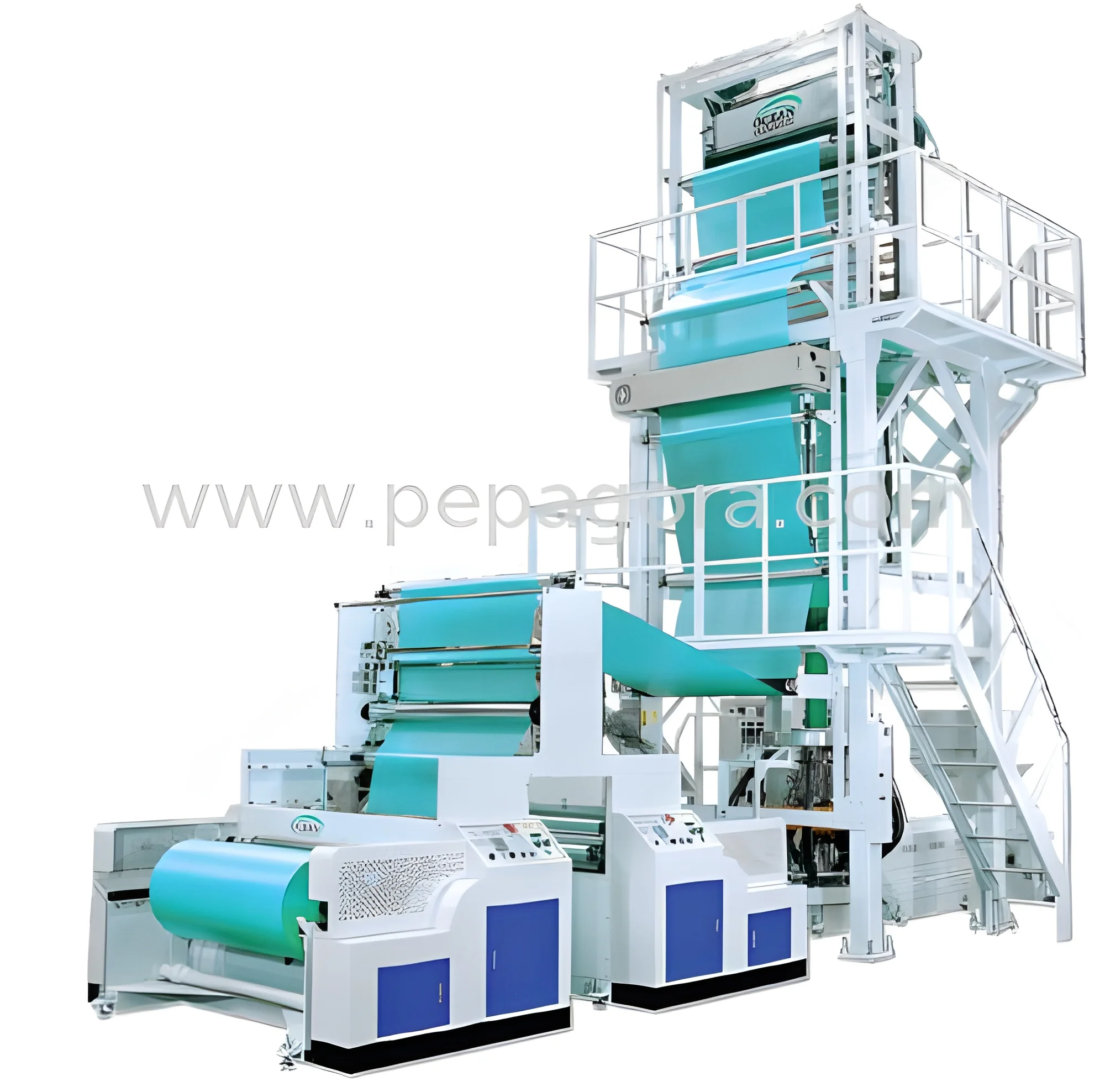
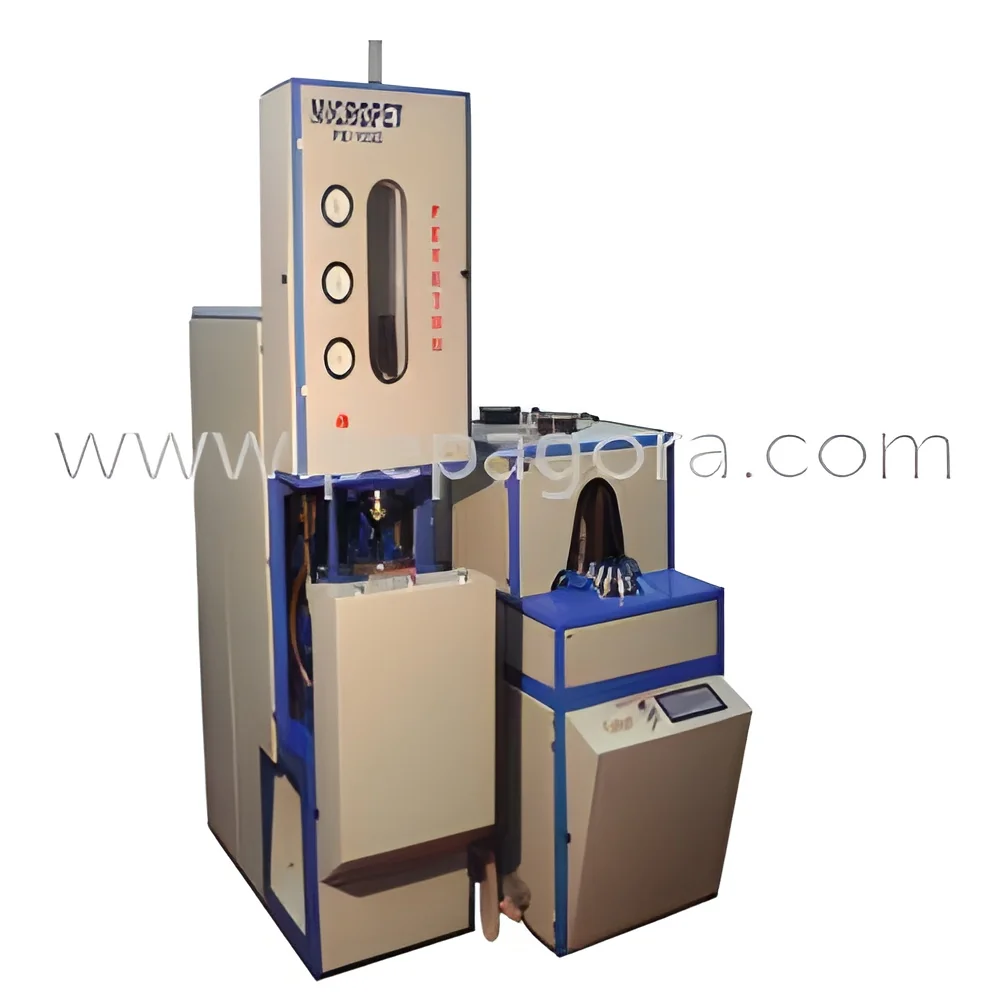
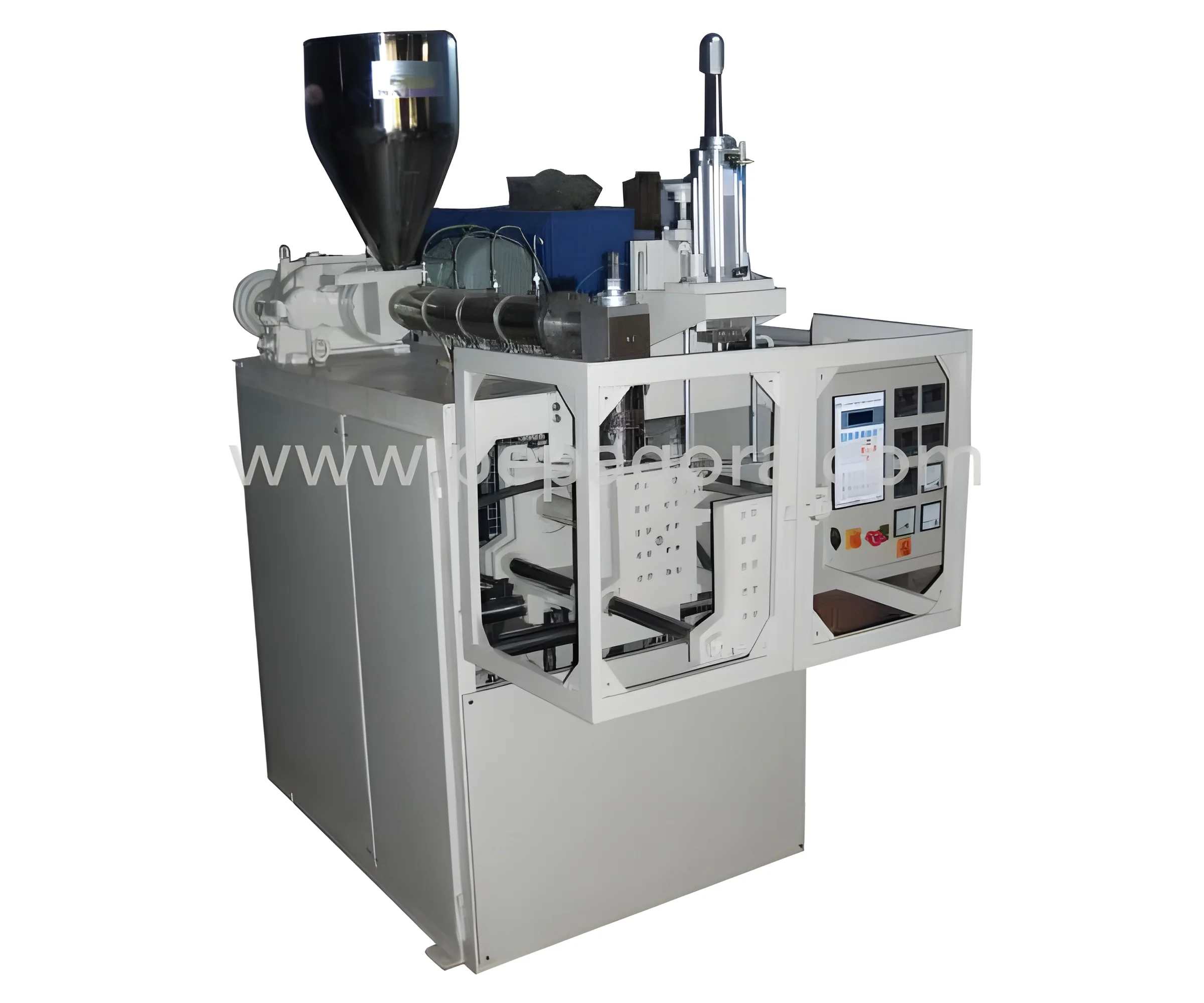
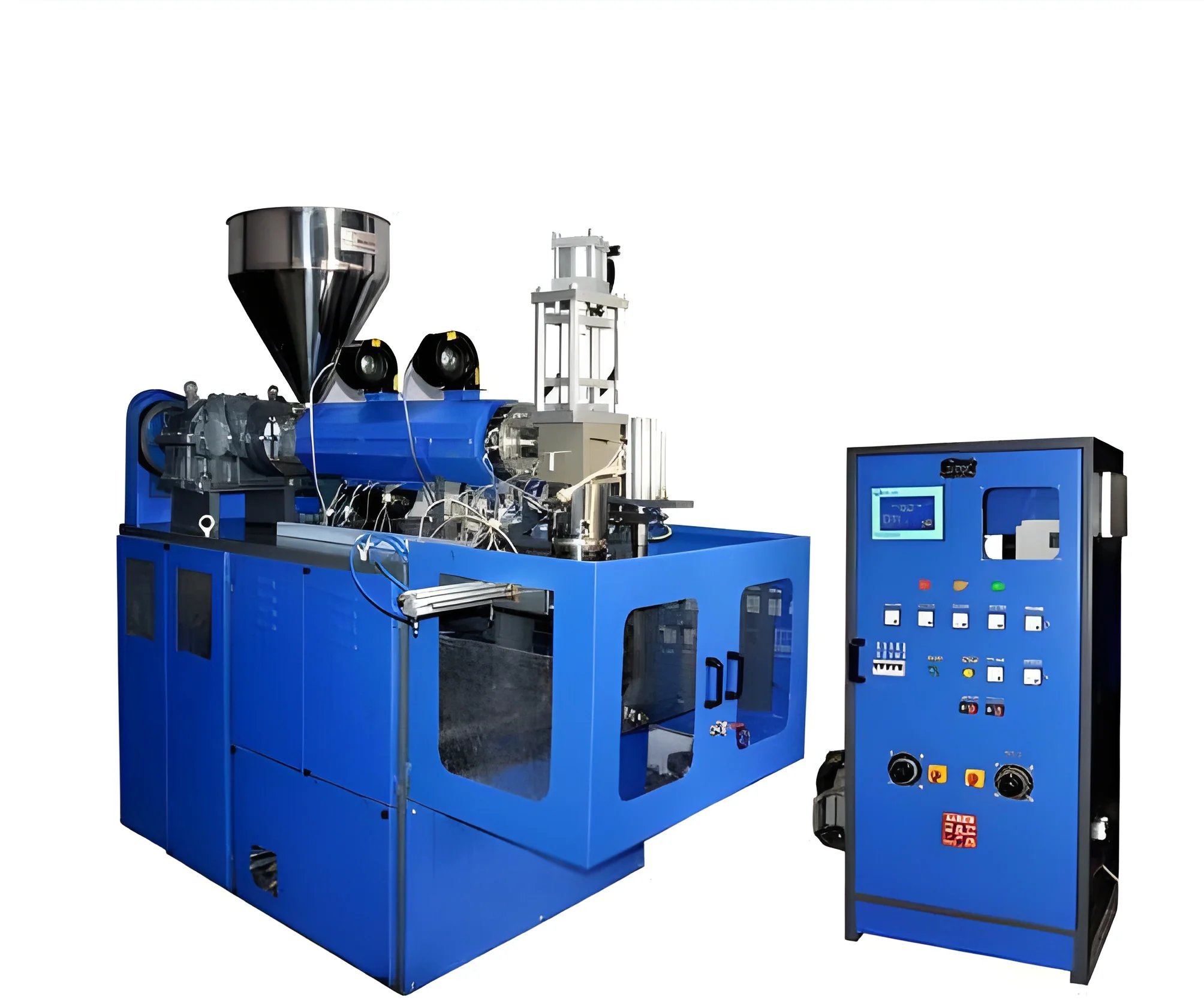
What are Plastic Blowing Machinery?
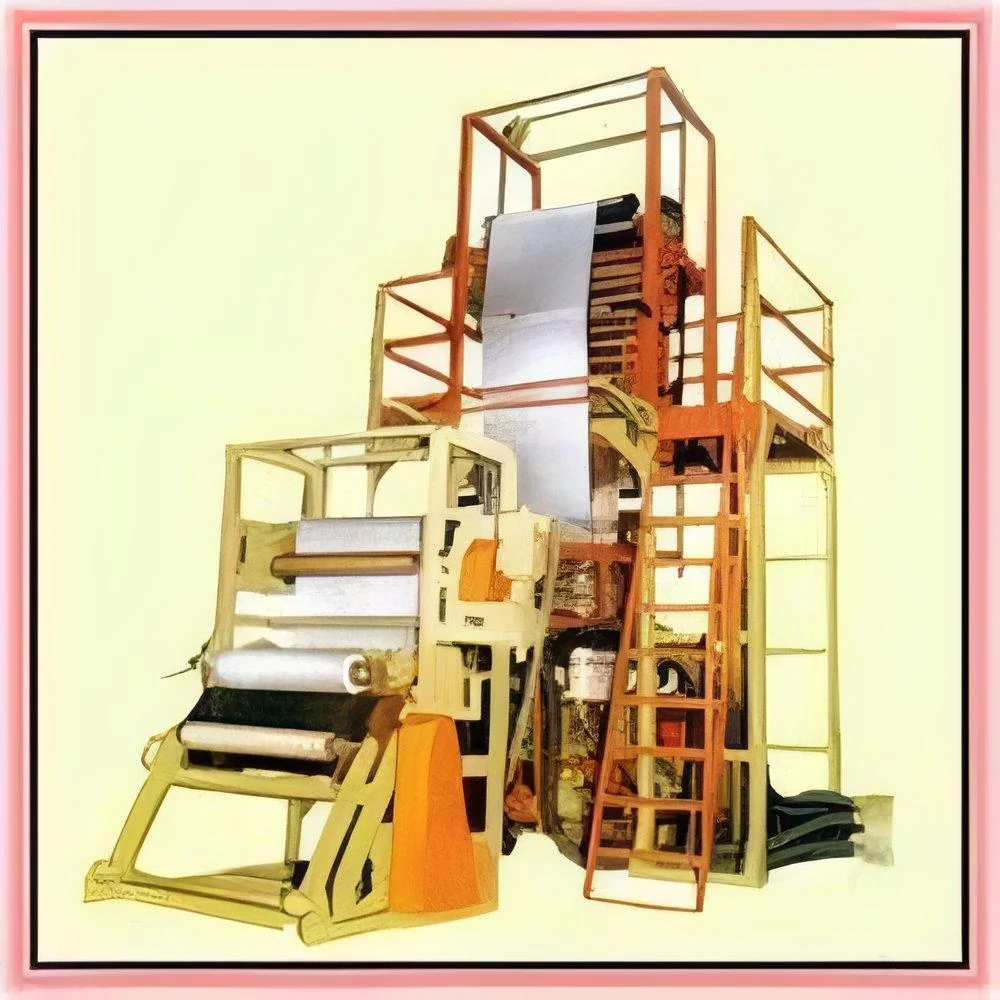
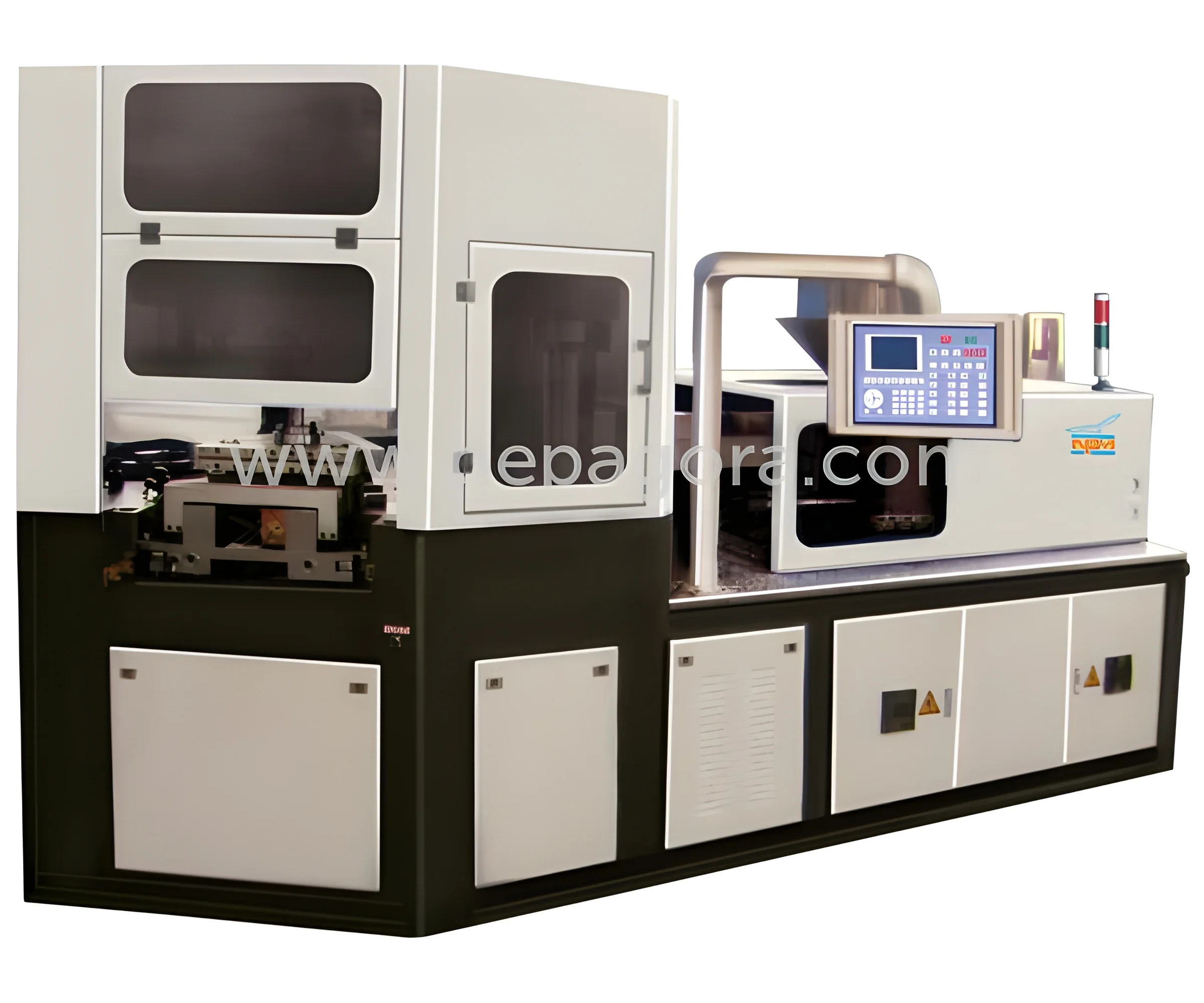
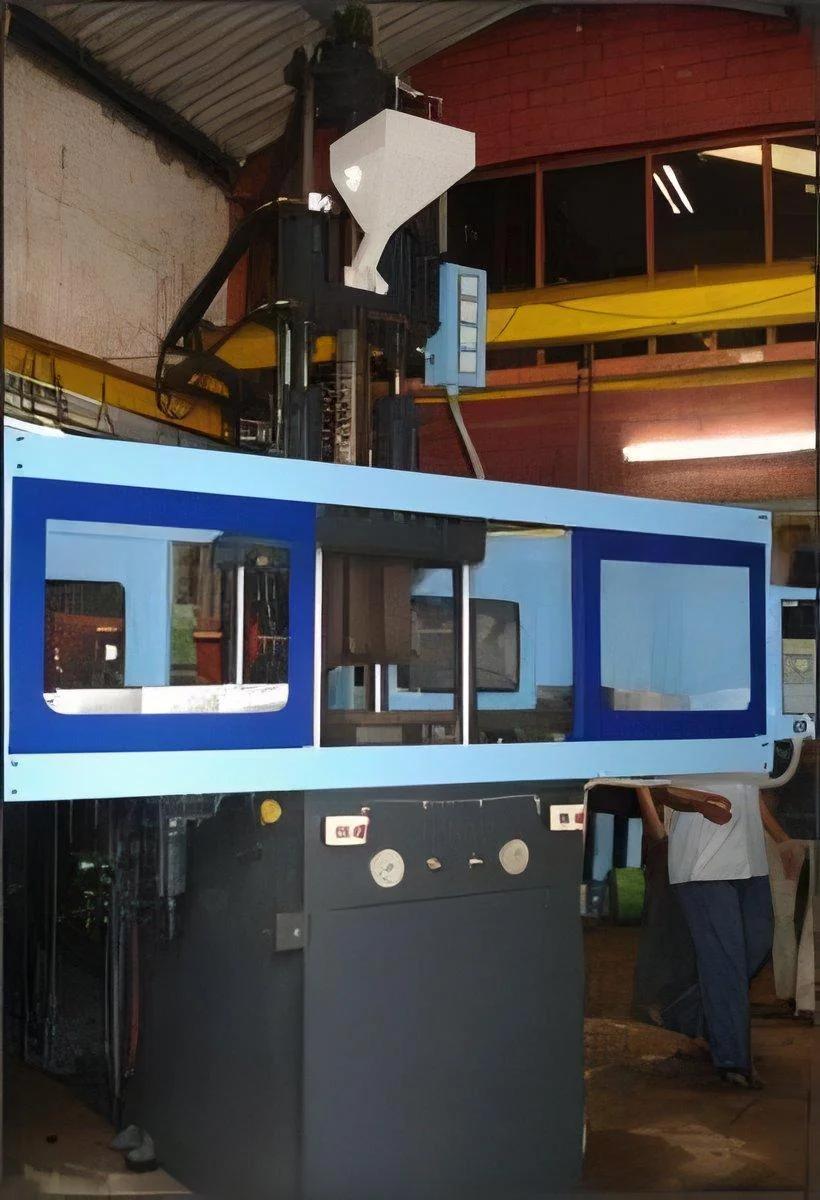
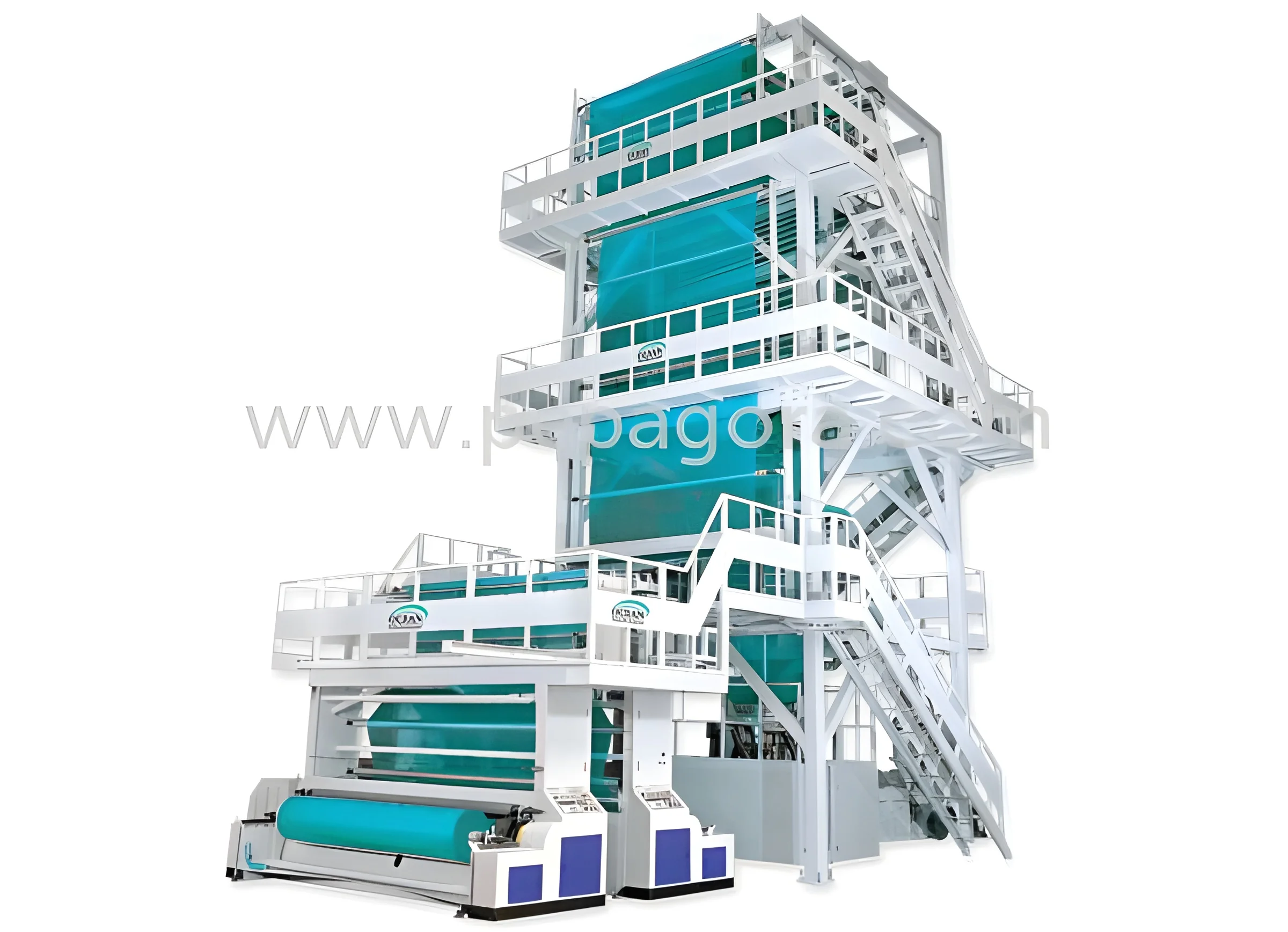
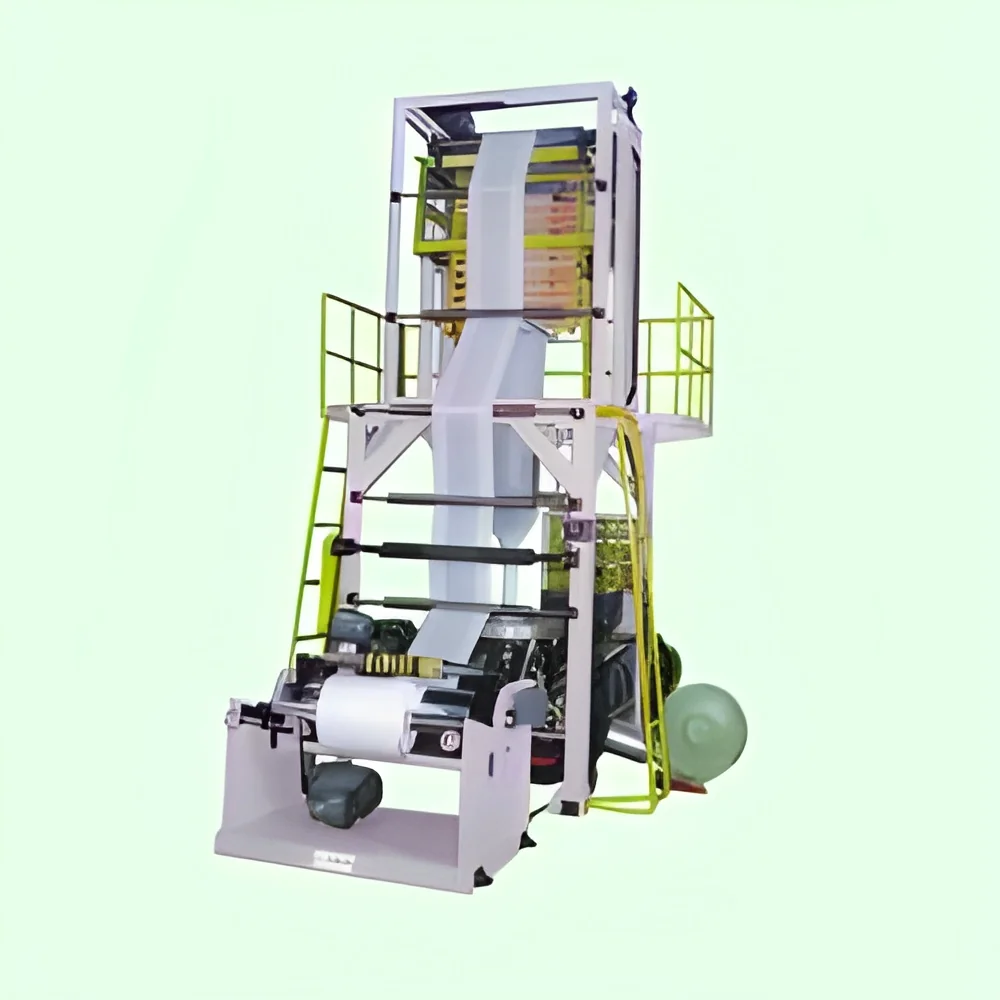
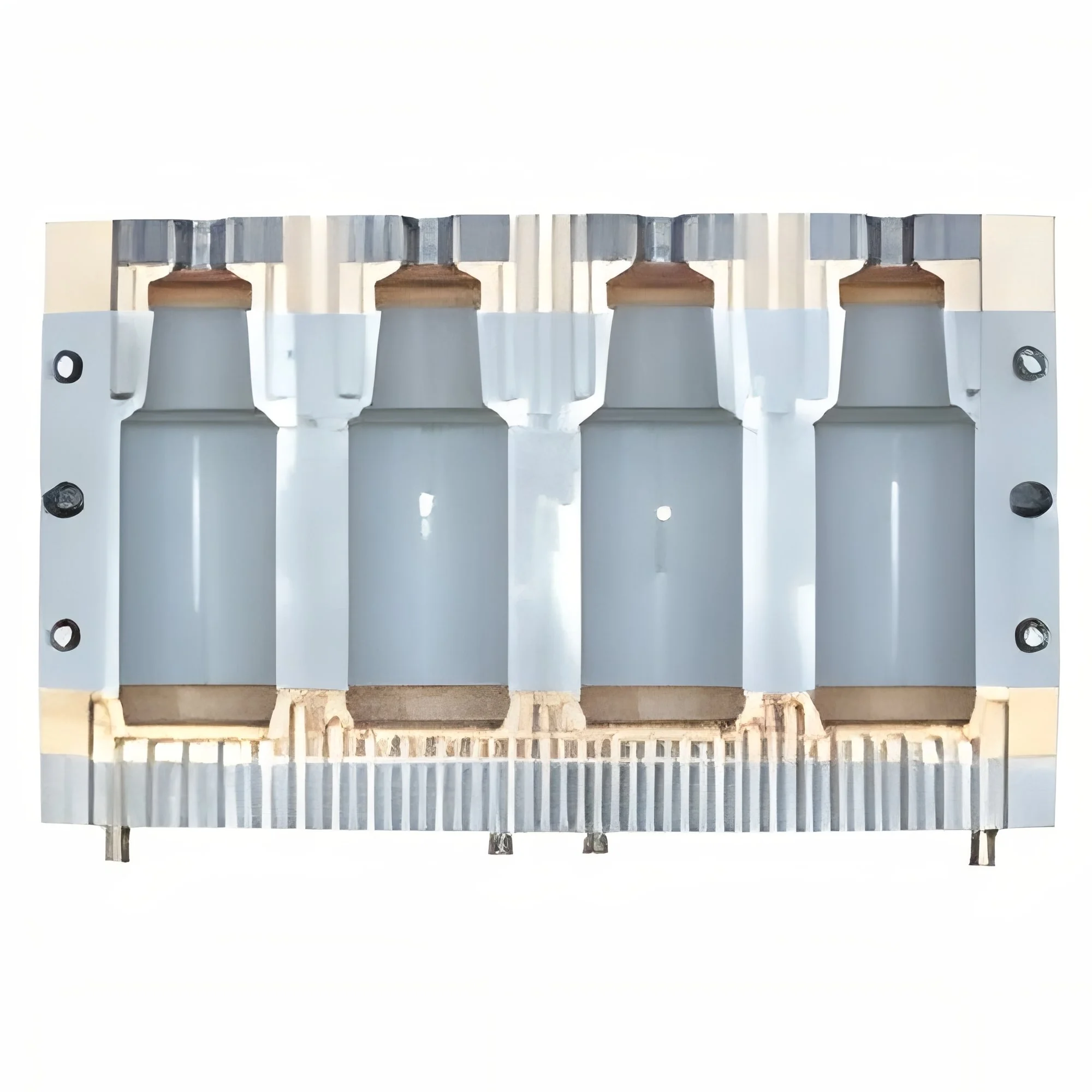
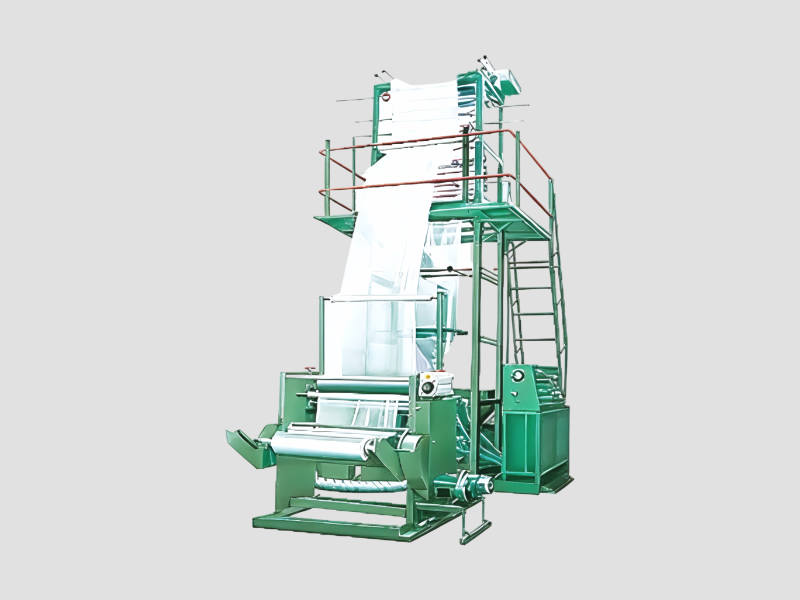
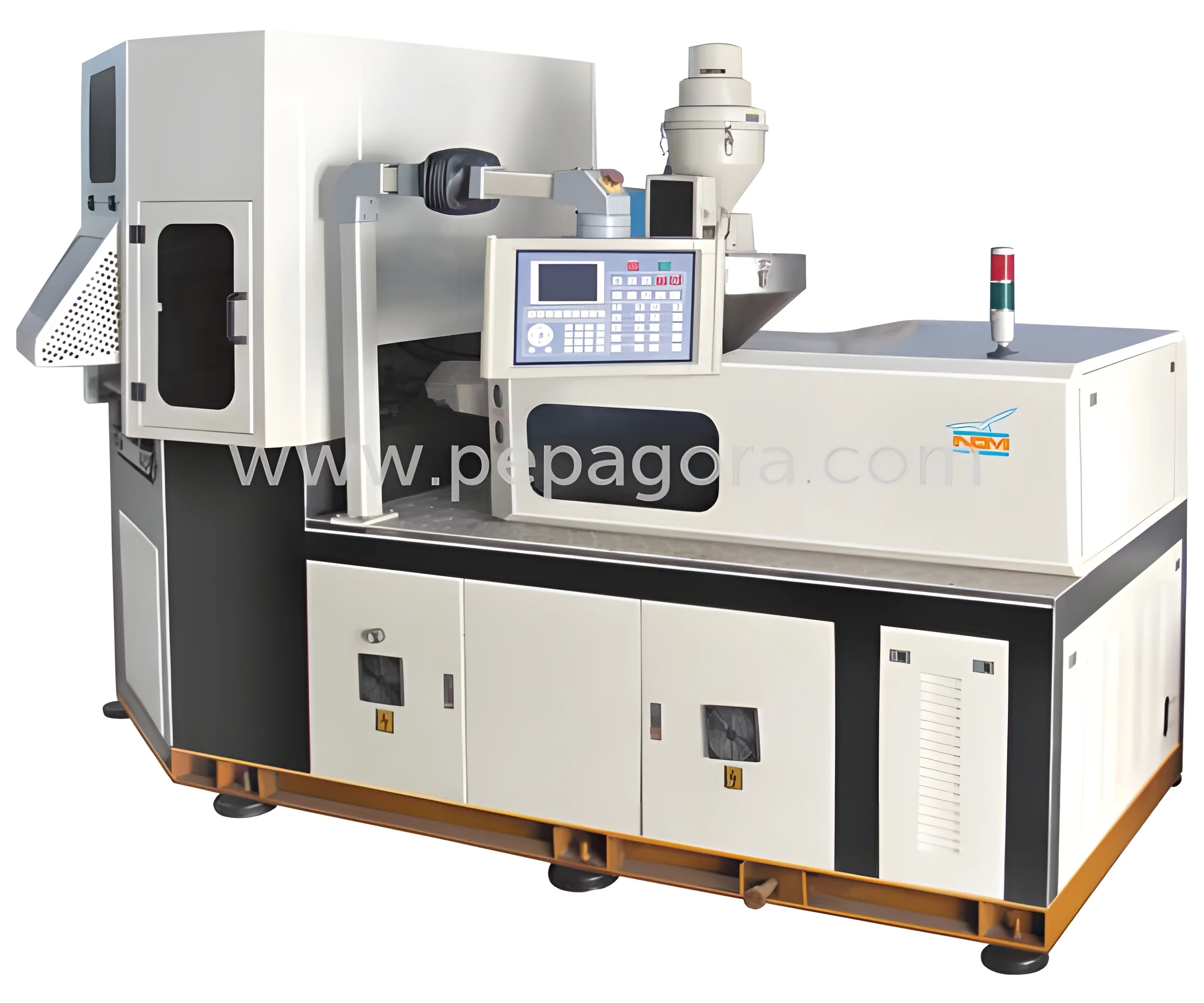
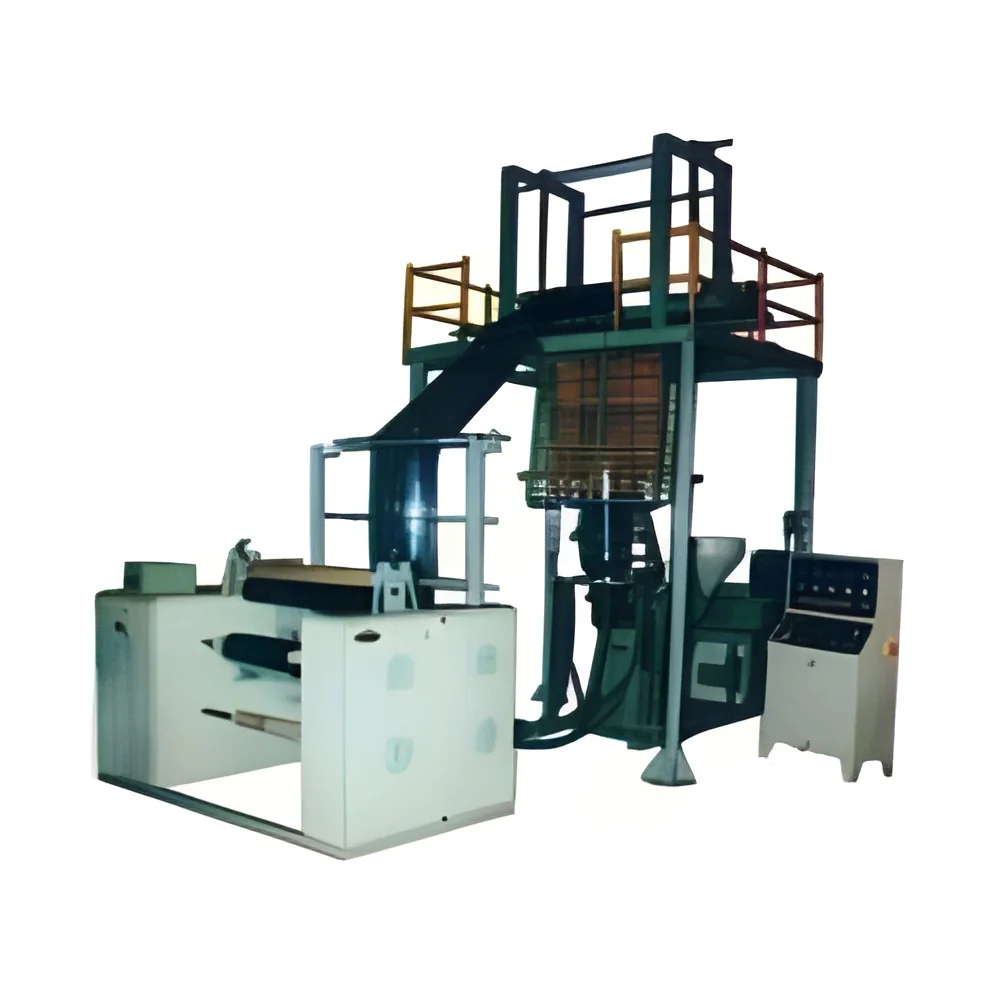
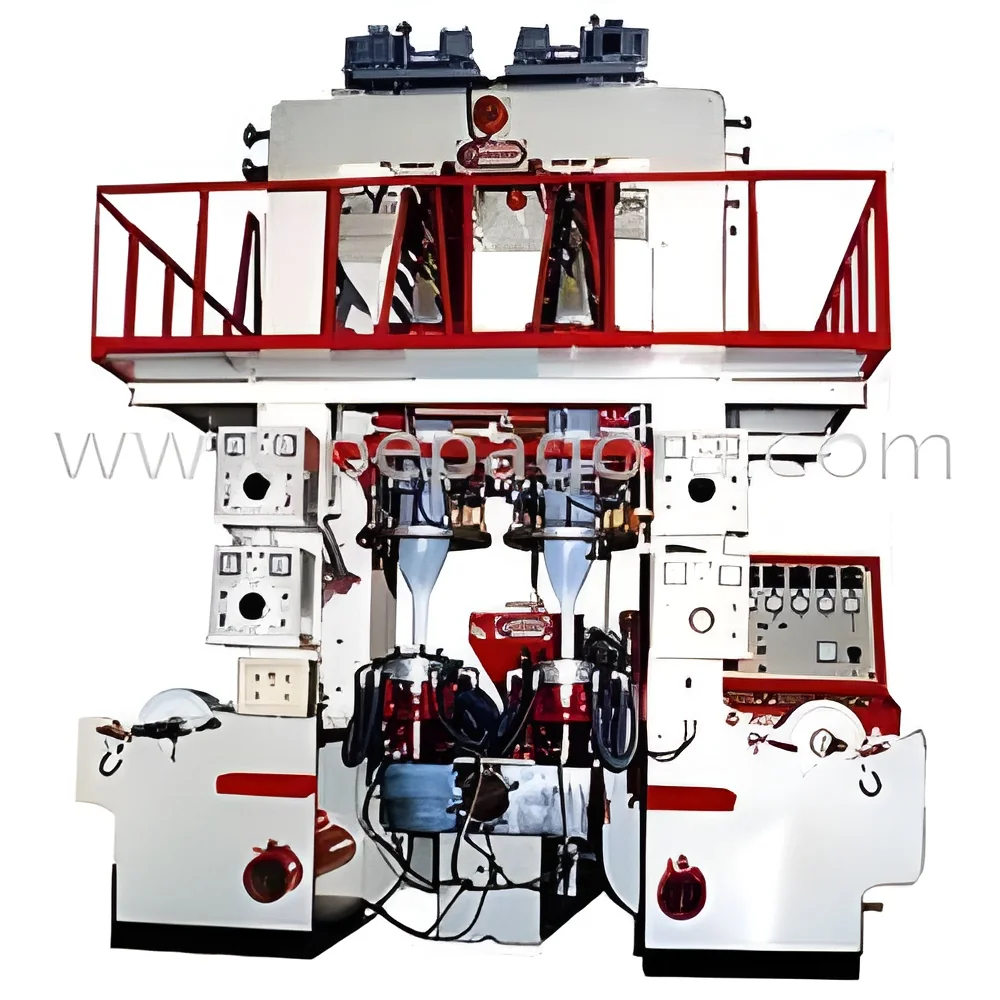
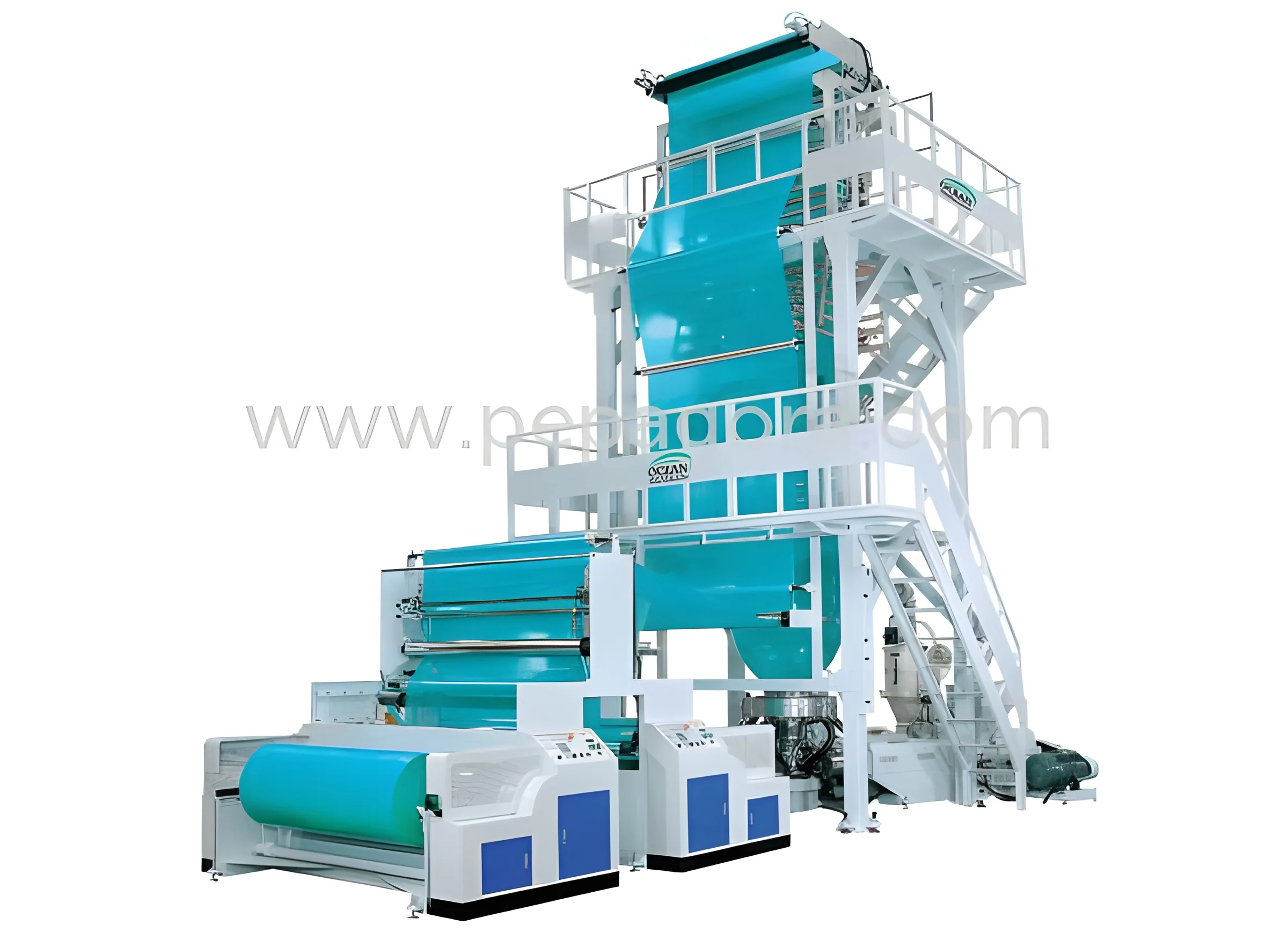
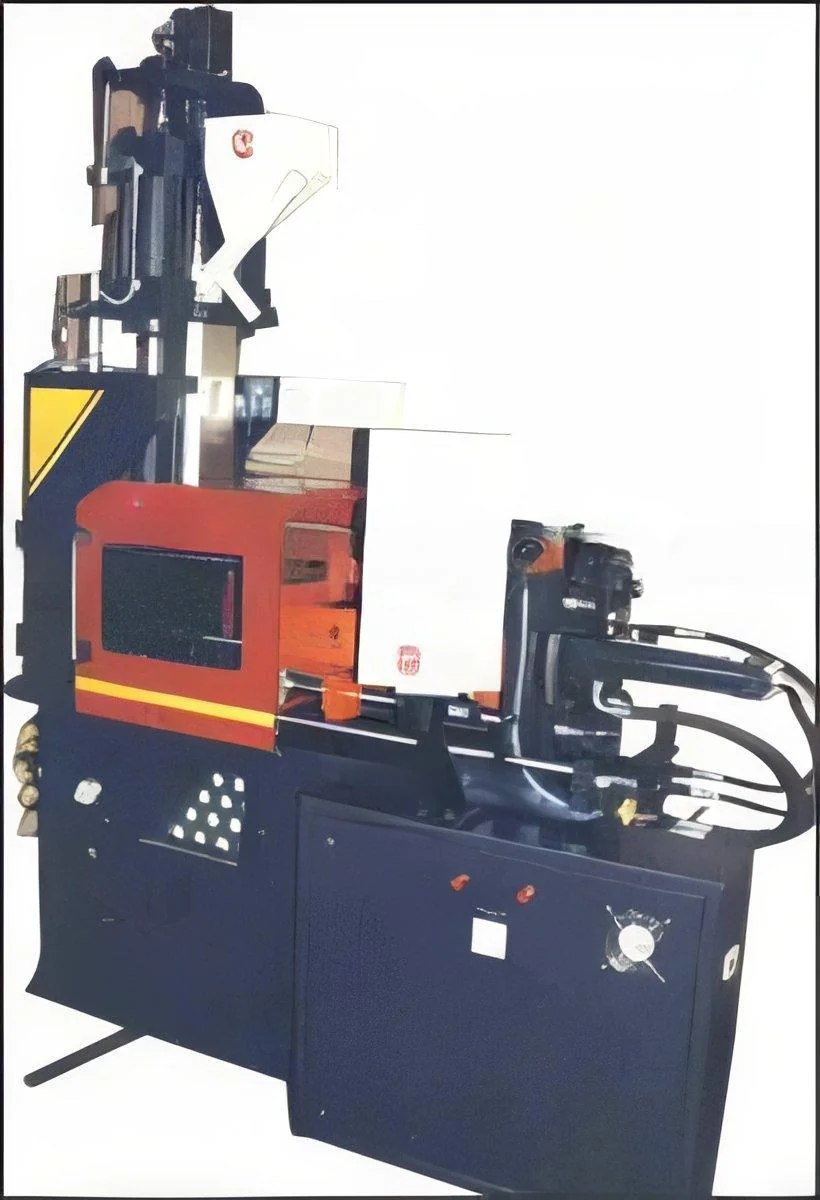
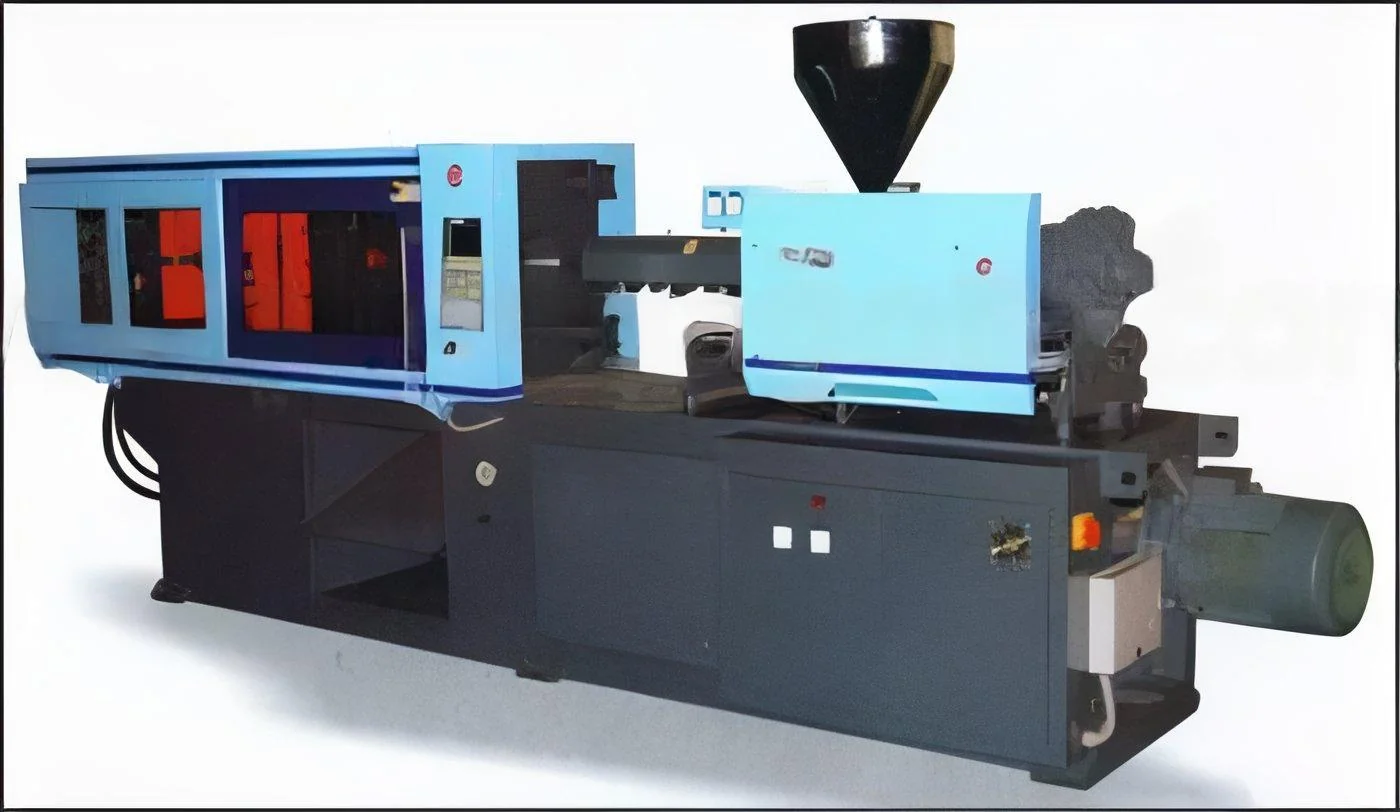
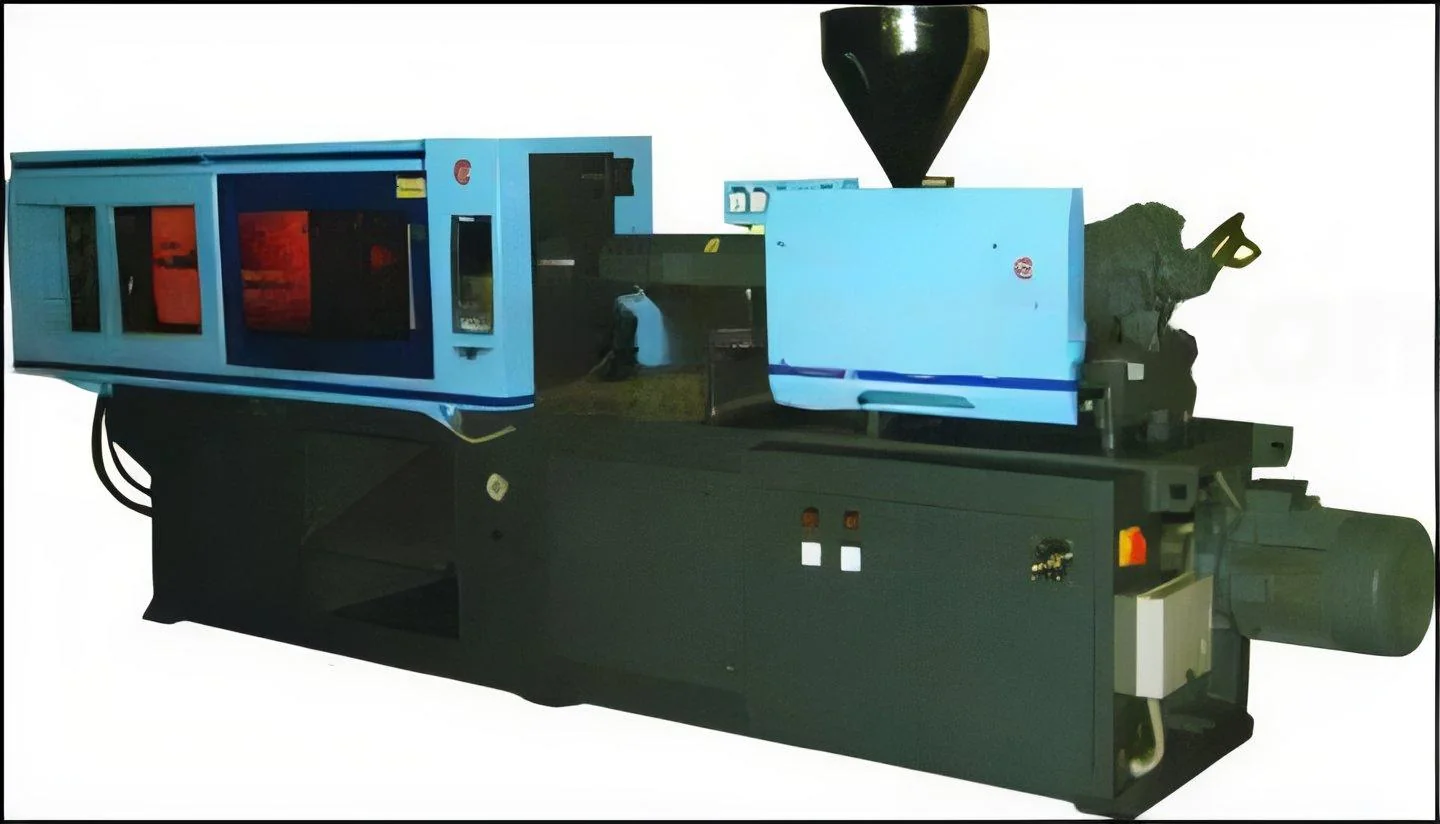
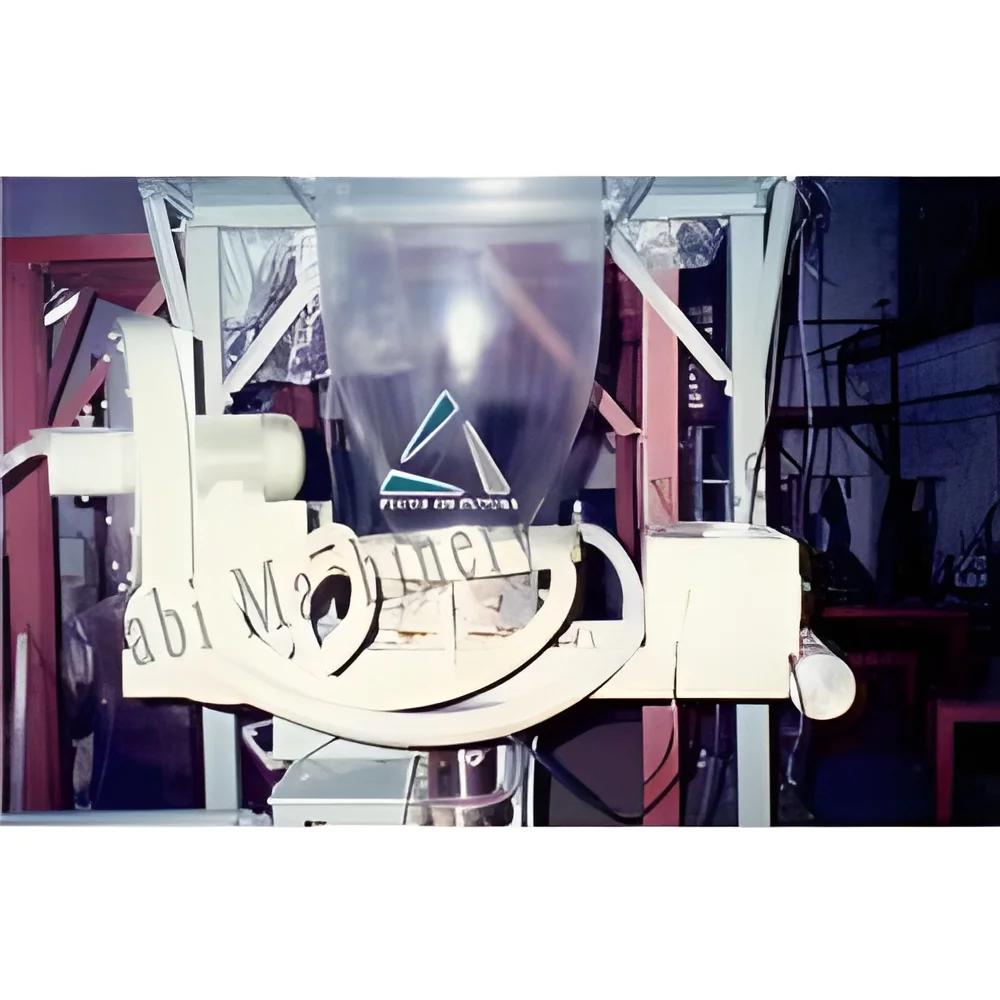
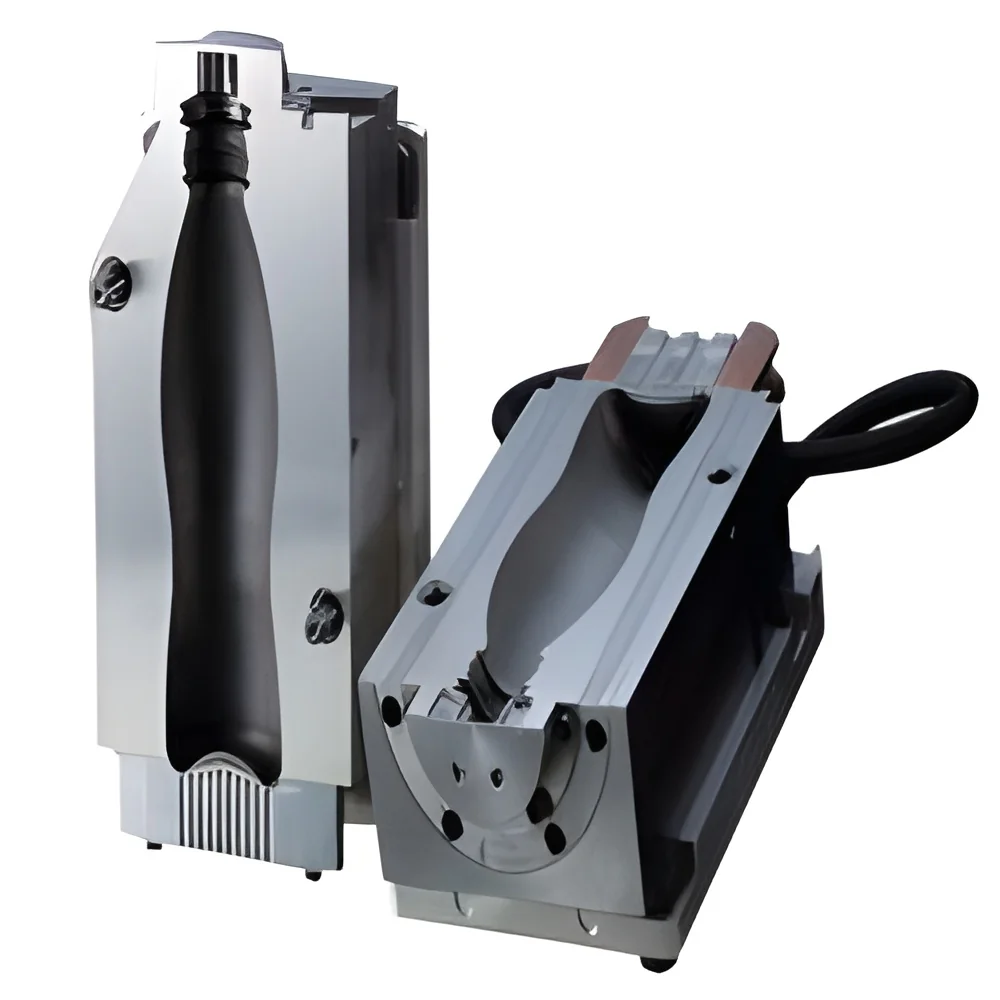
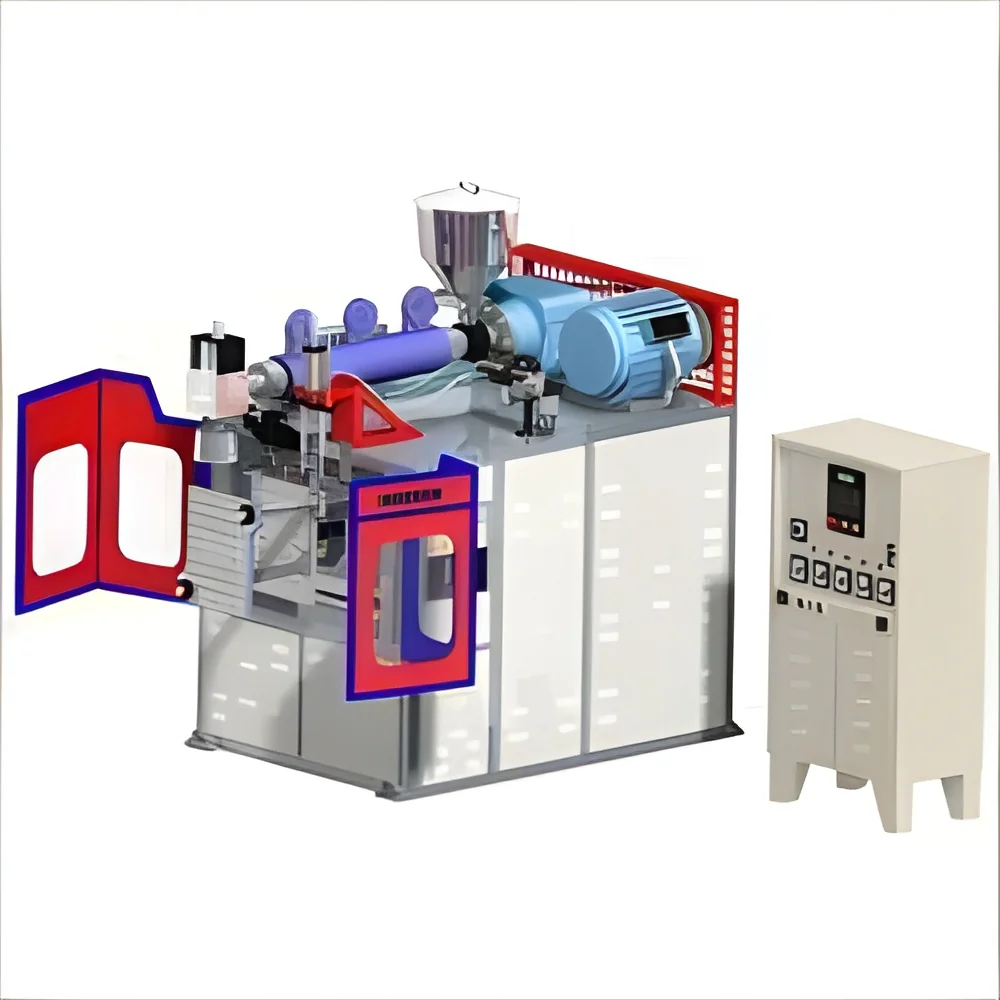
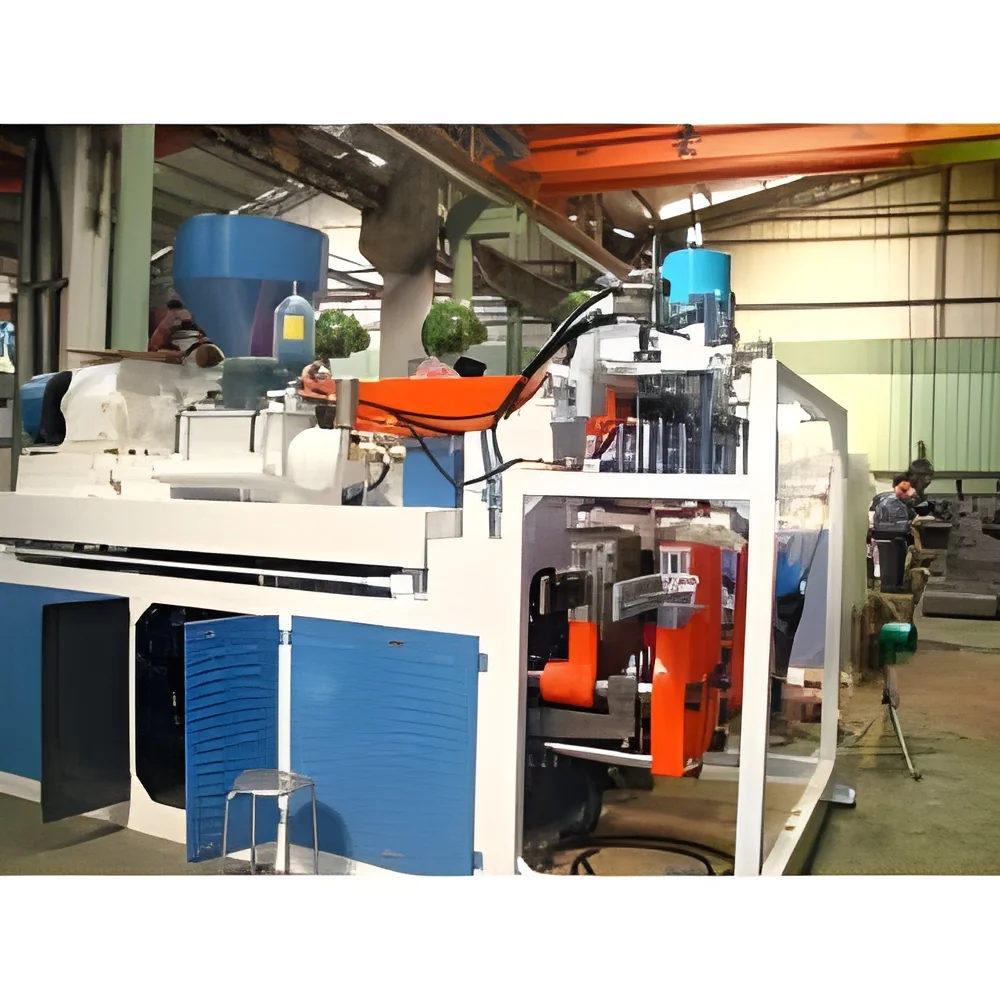
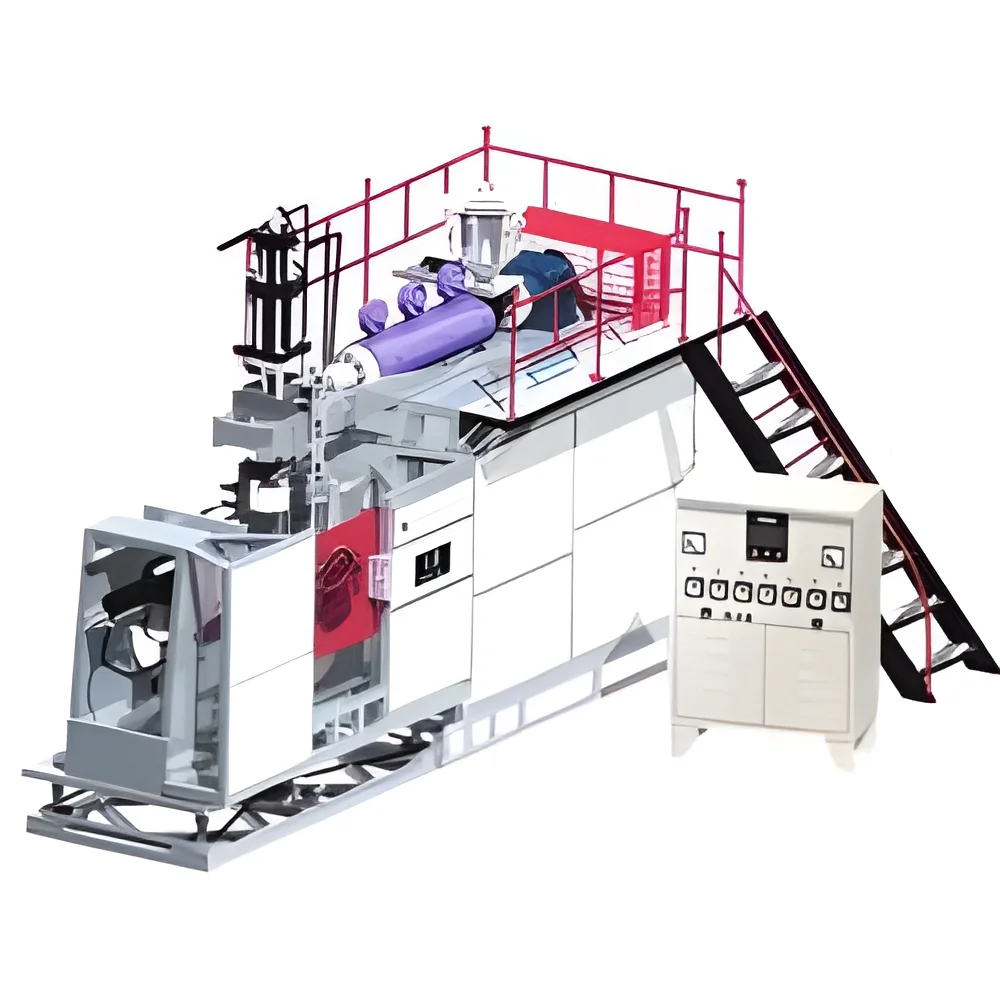
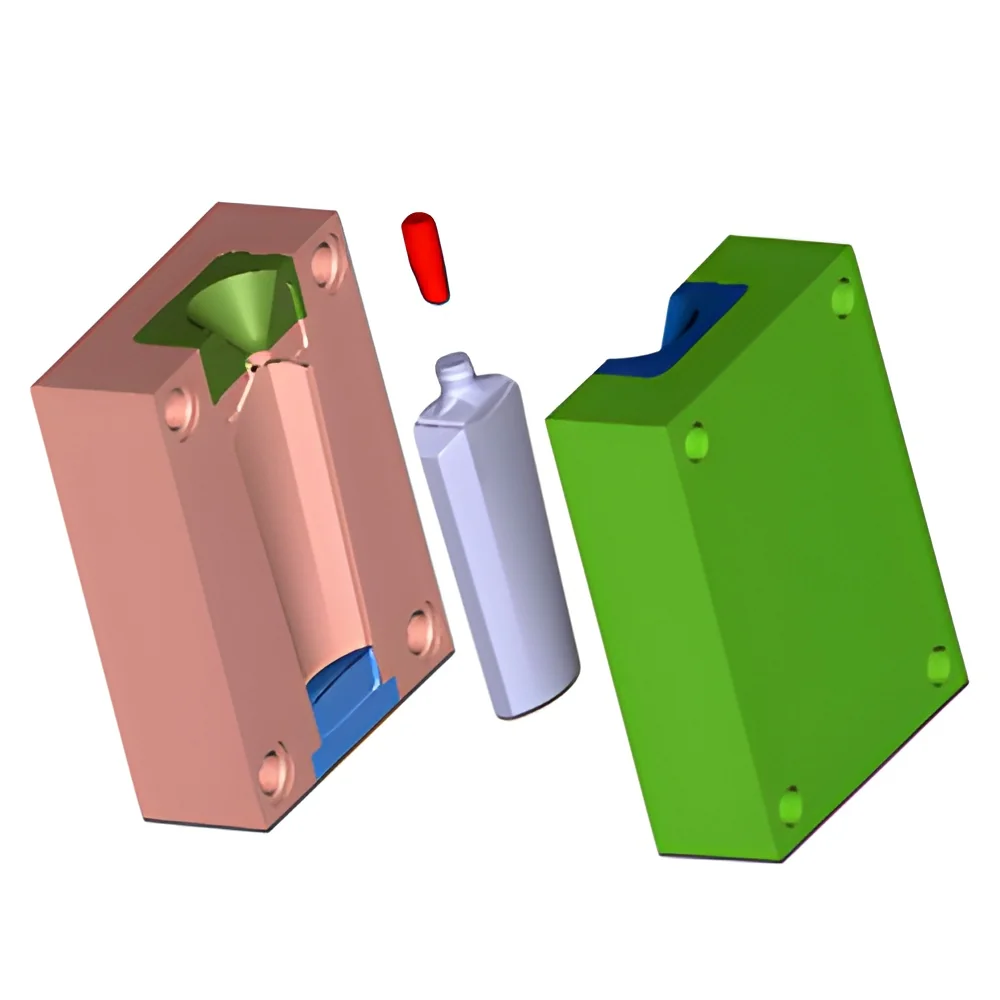
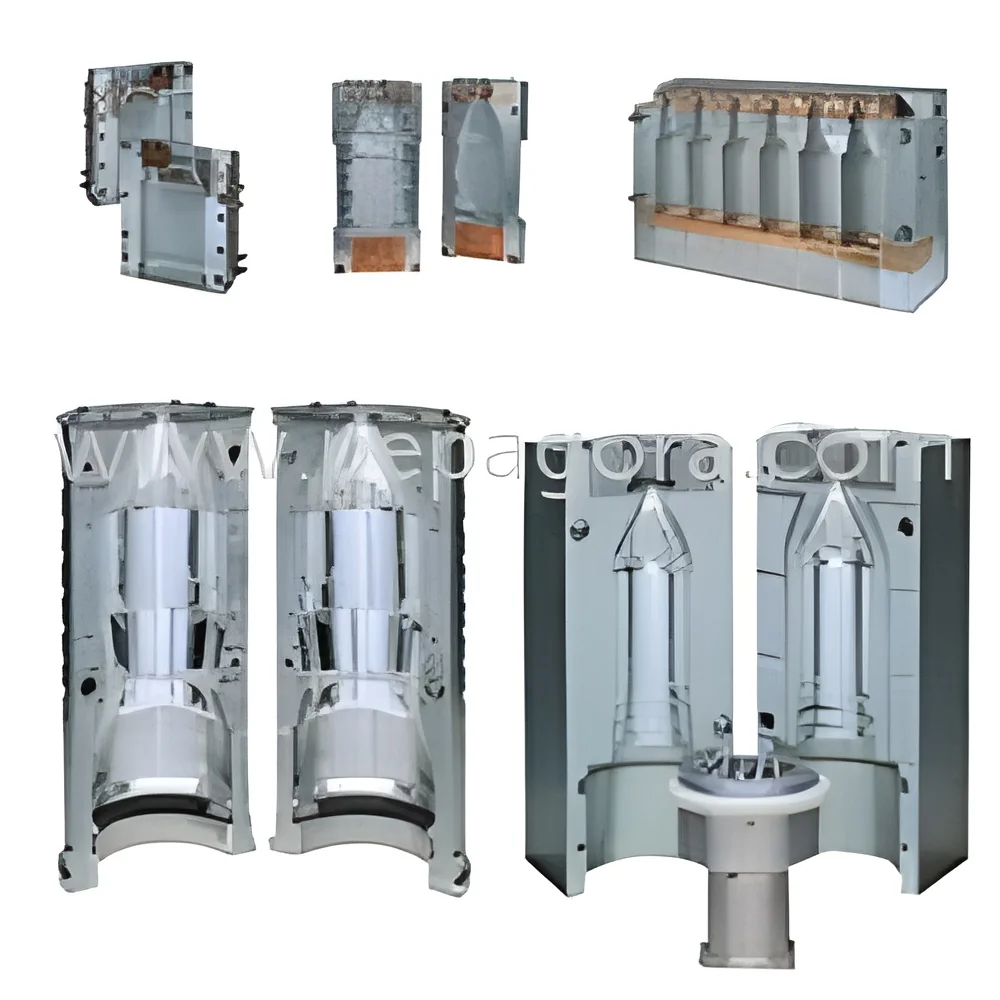
Plastic blowing machinery refers to a range of industrial machines designed to produce hollow plastic products through a process known as blow molding. This process involves the formation of plastic materials into specific shapes using air pressure. The machinery heats plastic resin until it becomes pliable, then forms it into a parison or preform. Air is blown into this preform to expand it into a mold, resulting in finished products like bottles, containers, and other hollow shapes.
The primary uses of plastic blowing machinery are found in various sectors including packaging, automotive, and consumer goods. Businesses leverage these machines to manufacture a wide array of plastic products, which are essential for efficient packaging solutions and durable consumer items. The ability to produce high volumes of plastic components quickly and consistently makes this machinery vital for manufacturers looking to meet market demands.
In the current market context, plastic blowing machinery plays a substantial role in supporting the growing demand for lightweight and cost-effective packaging solutions. As industries increasingly focus on sustainability and reducing material waste, advancements in plastic blowing technology are crucial. This machinery not only enhances productivity but also aids in the creation of innovative products that cater to evolving consumer preferences.
Key Features and Specifications
Plastic blowing machinery is equipped with several advanced features that enhance performance, efficiency, and product quality. When selecting equipment, it is important to understand its specifications to ensure it meets operational needs.
Key specifications include:
1. Production Capacity
- The amount of product produced per hour.
- Typically ranges from several hundred to thousands of units.
2. Material Compatibility
- Types of plastics that can be processed, such as PET, HDPE, or PVC.
- Machine specifications will vary based on the material used.
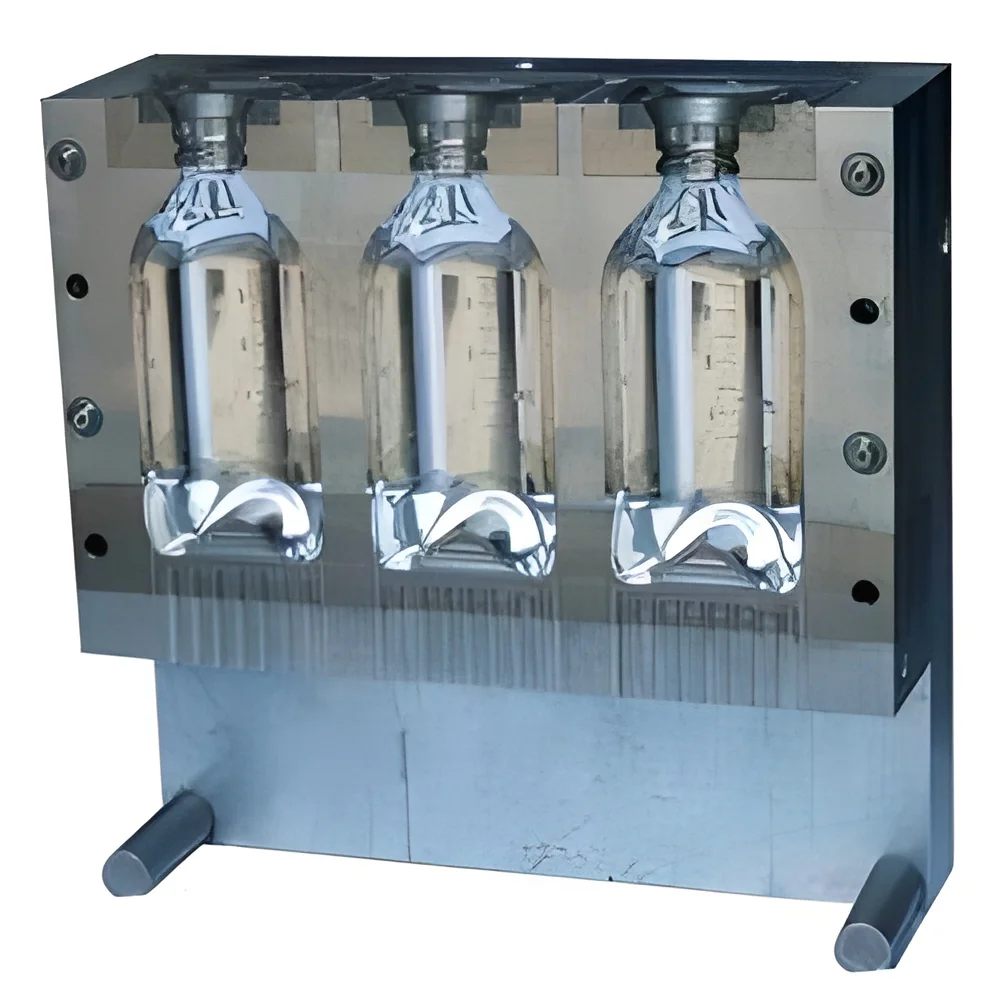
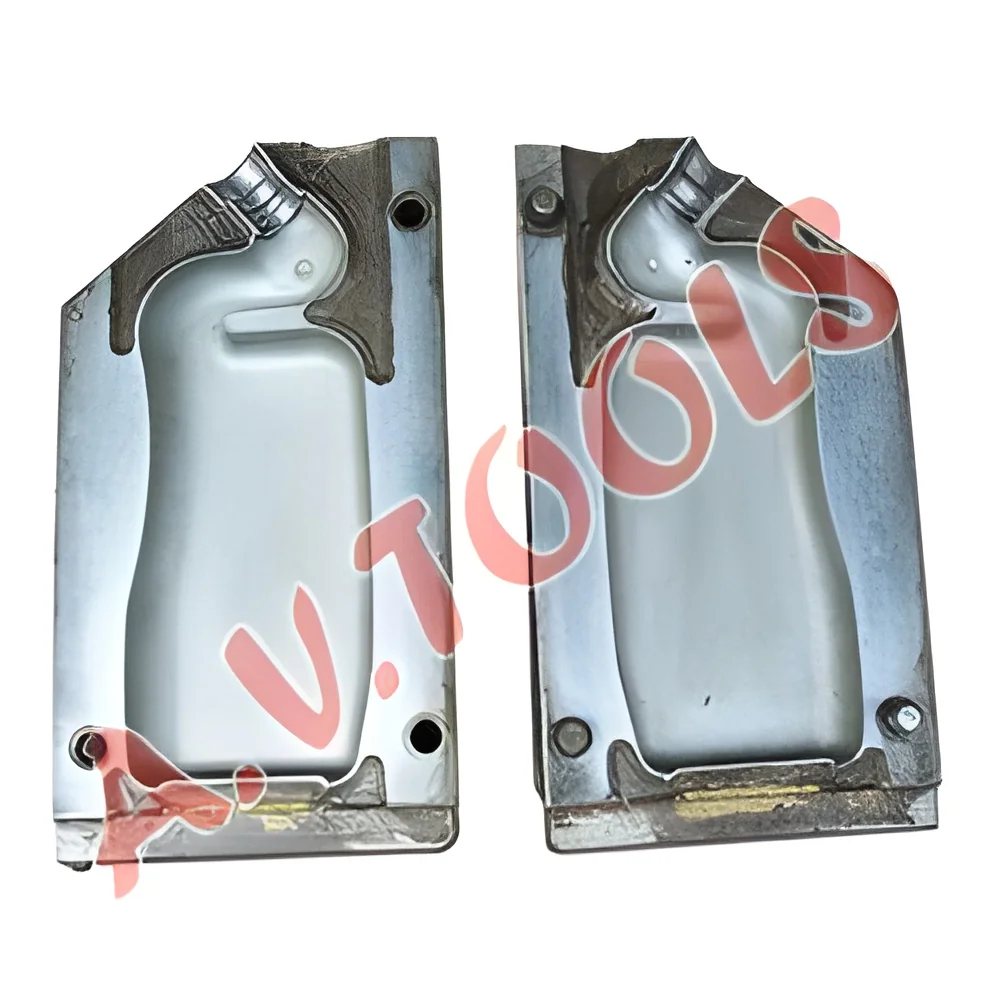
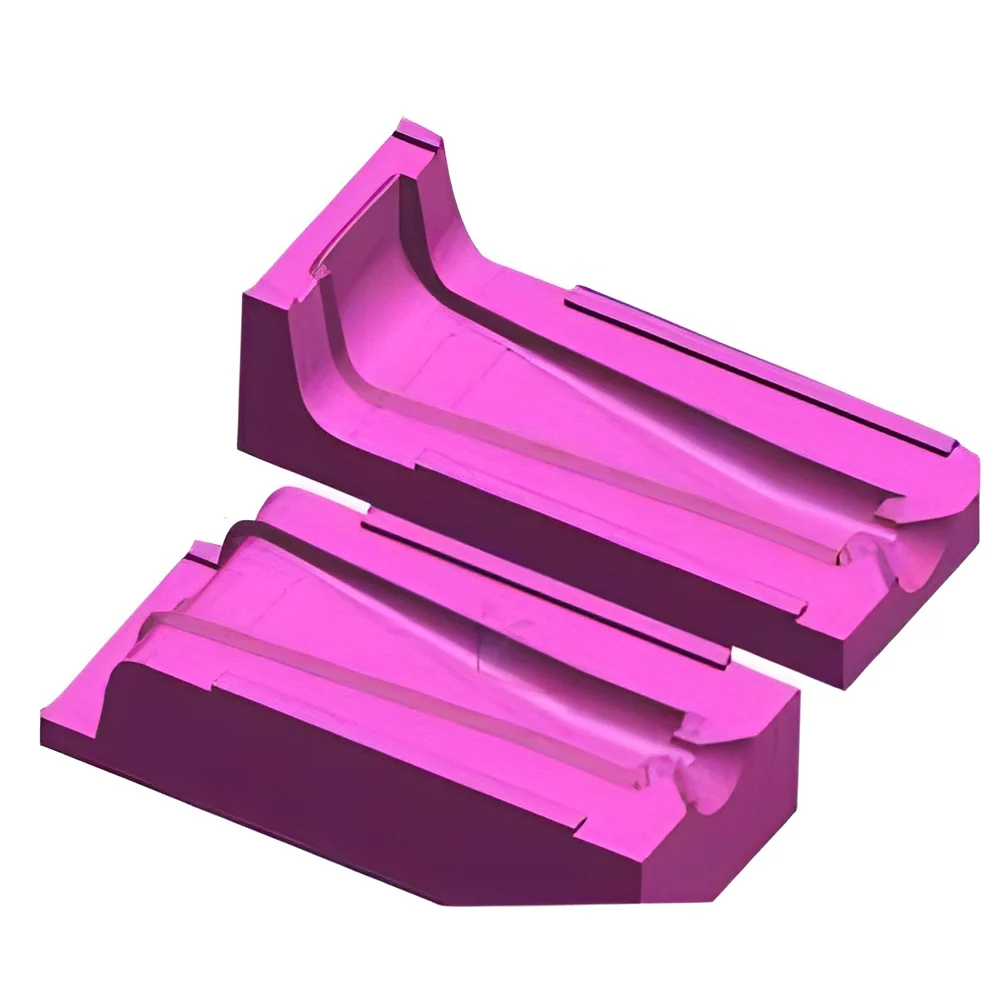
3. Mold Size
- Maximum dimensions of molds that can be used with the machinery.
- Important for determining the scale of production.
4. Energy Consumption
- Amount of energy required to operate the machinery.
- Efficiency ratings are crucial for cost management.
5. Control System
- Type of control system used, such as PLC for automation.
- Determines ease of use and production precision.
6. Cycle Time
- Time taken to complete one full production cycle.
- Influences productivity rates.
7. Maintenance Requirements
- Frequency and type of maintenance needed for optimal operation.
- Affects overall uptime and operational costs.
8. Safety Features
- Built-in safety mechanisms to prevent accidents.
- Essential for compliance with safety regulations.
These specifications collectively help businesses determine the right machinery for their production needs, ensuring efficiency and quality.
Common Applications and Use Cases
Plastic blowing machinery is utilized across a variety of industries, each with unique applications.
1. Packaging: This sector uses blowing machinery to produce bottles, jars, and containers for food, beverages, and pharmaceuticals. The efficient production of lightweight packaging helps reduce shipping costs and waste.
2. Automotive: In the automotive industry, plastic blowing machines create components such as fuel tanks and air ducts. These parts are essential for enhancing vehicle performance while reducing weight.
3. Consumer Goods: Many consumer products, including toys and household items, are manufactured using plastic blowing technology. This allows for the production of complex shapes and vibrant colors.
4. Industrial Supplies: Blowing machinery is also used to create industrial components like tanks and containers for chemicals and other materials, ensuring durability and resistance to harsh conditions.
5. Medical Devices: The healthcare sector employs plastic blowing machinery to produce sterile containers and other medical supplies. Precision and compliance with safety standards are critical in this application.
6. Electronics: Plastic housings for electronic devices are often produced using blow molding techniques, allowing for intricate designs and robust protection for sensitive components.
7. Agricultural Products: Equipment like tanks for fertilizers and chemicals can be efficiently produced with plastic blowing machinery, supporting the agricultural sector in maintaining productivity.
Product Variants and Subcategories
Plastic blowing machinery encompasses a range of variants to cater to different manufacturing needs.
Automatic Blowing Machines: These machines offer high efficiency and consistency in production. They are designed for high-volume operations and often feature advanced control systems for precise manufacturing.
Semi-Automatic Blowing Machines: These variants provide a balance between manual input and automated processes. They are suitable for medium-scale production and allow for flexibility in operation.
Single Stage Blowing Machines: Ideal for producing simpler shapes, single stage machines combine the processes of injection and blow molding, which can reduce production time and costs.
Double Stage Blowing Machines: These machines are used for more complex designs and typically provide higher quality outputs. They are particularly effective for producing products with thicker walls.
Benefits and Advantages
Sourcing plastic blowing machinery offers numerous advantages for businesses in various sectors.
1. Cost Efficiency: These machines optimize production processes, reducing material waste and labor costs, which translates to significant savings.
2. High Production Rates: With the ability to produce large quantities in a short time, plastic blowing machinery helps businesses meet market demands efficiently.
3. Versatility: The machinery can process a variety of plastic materials, allowing manufacturers to adapt to different product requirements.
4. Product Quality: Advanced technology ensures high-quality outputs with precise dimensions and finishes, which is crucial for customer satisfaction.
5. Reduced Lead Times: The streamlined production process with blowing machinery shortens lead times, enabling quicker delivery to market.
6. Customization Options: Many machines offer flexibility in design, allowing businesses to produce unique products tailored to specific consumer needs.
Buying Guide for B2B Buyers
When considering the purchase of plastic blowing machinery, buyers should evaluate several key factors to ensure they select the right equipment.
1. Quality Assessment: It is essential to assess the quality of the machinery, including materials used in construction and the reputation of the manufacturer. High-quality machines tend to have longer lifespans and lower maintenance costs.
2. Supplier Verification: Conduct thorough checks on potential suppliers to confirm their credibility and reliability. This may include reviewing certifications, client testimonials, and past performance.
3. Pricing and MOQ: Understand pricing structures and minimum order quantities (MOQ) offered by suppliers. This information can help in budgeting and ensuring that the investment aligns with production needs.
4. Delivery and Lead Times: Assess delivery schedules and lead times to ensure that the machinery can be operational when needed. Timely delivery is critical for maintaining production schedules.
5. Compliance Requirements: Consider regulatory compliance related to safety and quality standards. Ensuring the machinery meets necessary compliance can prevent costly legal issues and enhance product safety.
Compliance and Certifications
Plastic blowing machinery is subject to various compliance and certification standards that ensure quality and safety in manufacturing processes.
ISO 9001 is a widely recognized quality management standard that emphasizes consistent quality and continuous improvement. Equipment meeting this standard assures buyers of its reliability and performance.
The CE mark indicates that products comply with European health, safety, and environmental protection standards. This certification is crucial for businesses seeking to operate in markets with stringent regulatory requirements.
Additionally, manufacturers of plastic blowing machinery must adhere to safety and testing requirements to ensure that their equipment is safe for operators and meets industry benchmarks.
Regional compliance considerations may vary, and businesses should be aware of local regulations that govern plastic manufacturing processes to ensure full compliance.
Why Source Plastic Blowing Machinery from Pepagora?
Pepagora offers a trusted platform for sourcing plastic blowing machinery, providing numerous advantages for buyers in the industrial sector.
Verified Supplier Network: Pepagora features a network of verified suppliers, ensuring that buyers can connect with reliable manufacturers. This verification process helps mitigate risks associated with sourcing machinery.
Streamlined RFQ Process: The platform simplifies the request for quotation (RFQ) process, allowing buyers to easily compare offers from multiple suppliers. This efficiency saves time and enhances decision-making.
Trade Assurance and Support: Pepagora provides buyer protection through trade assurance. This support helps buyers feel confident in their purchases, knowing they have recourse in case of disputes.
Regional Coverage: With a focus on markets in India, the GCC, and Southeast Asia, Pepagora facilitates access to a wide range of suppliers and products, ensuring that buyers can find the right machinery for their specific needs.

 IN
IN