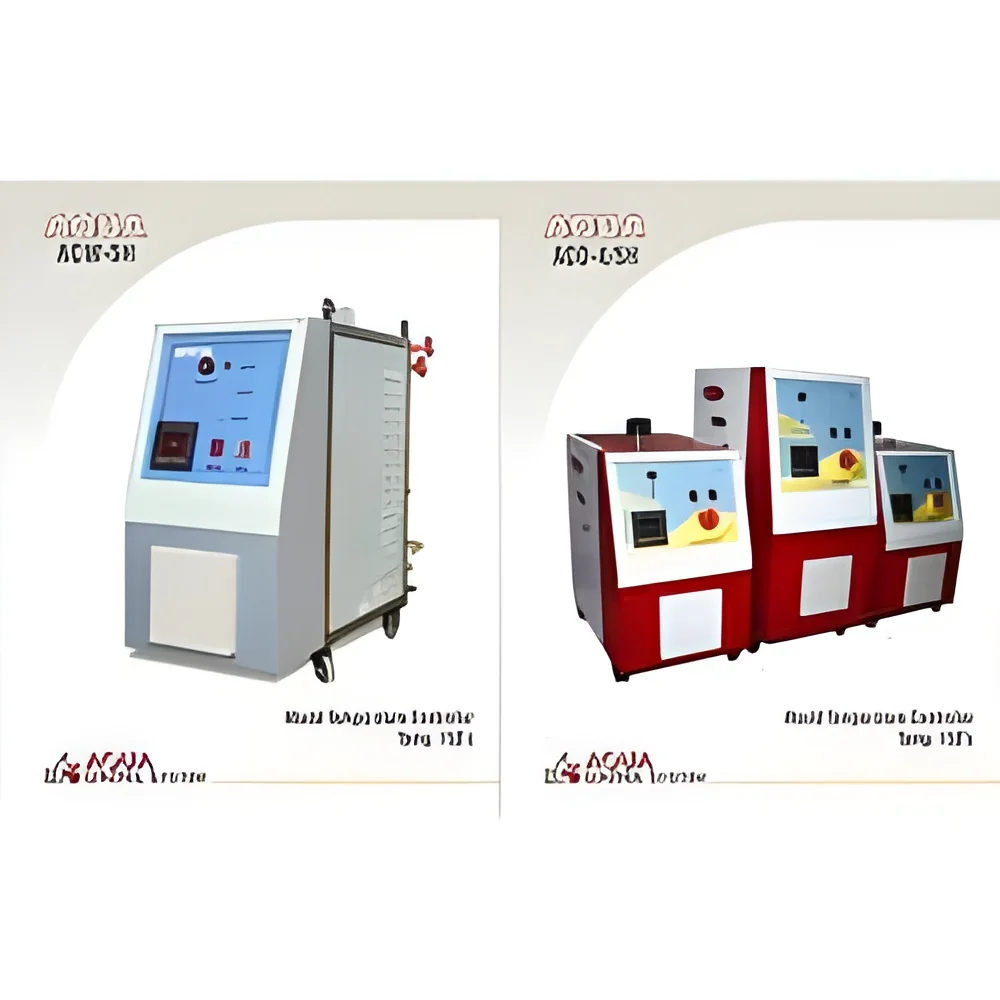
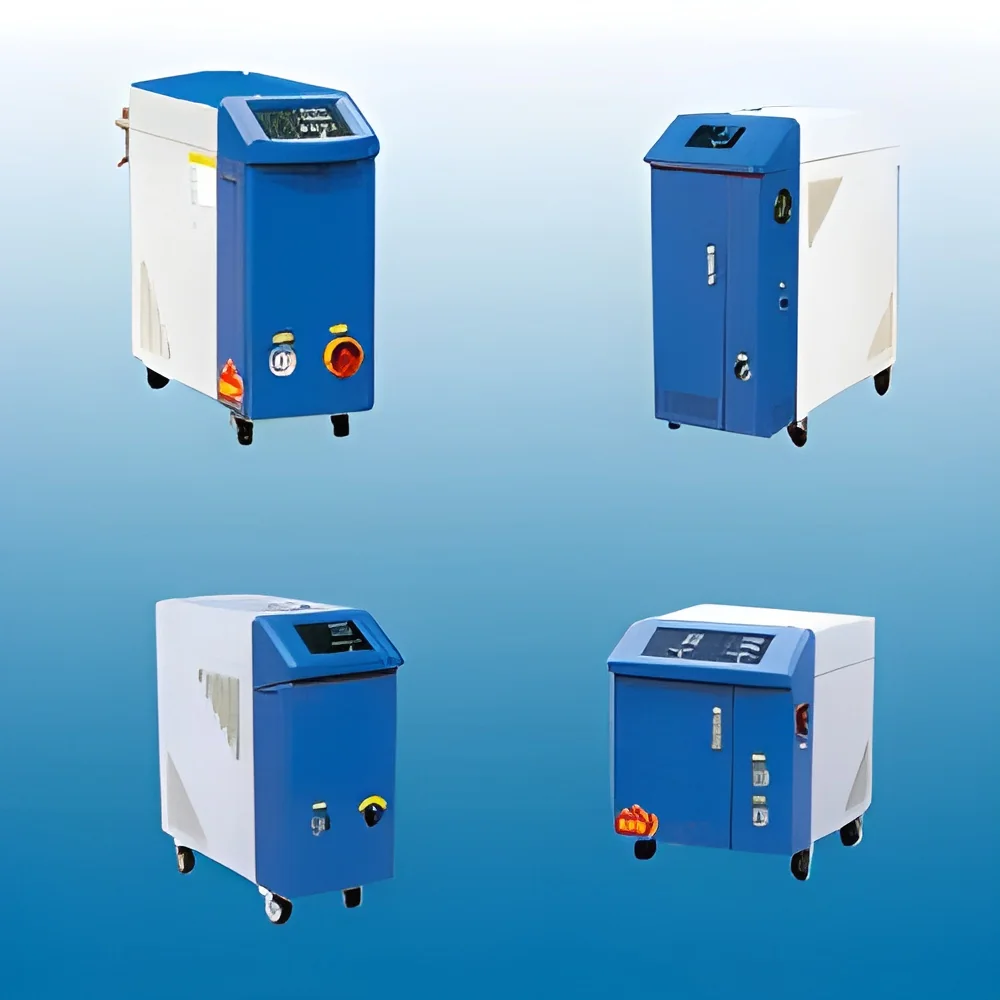
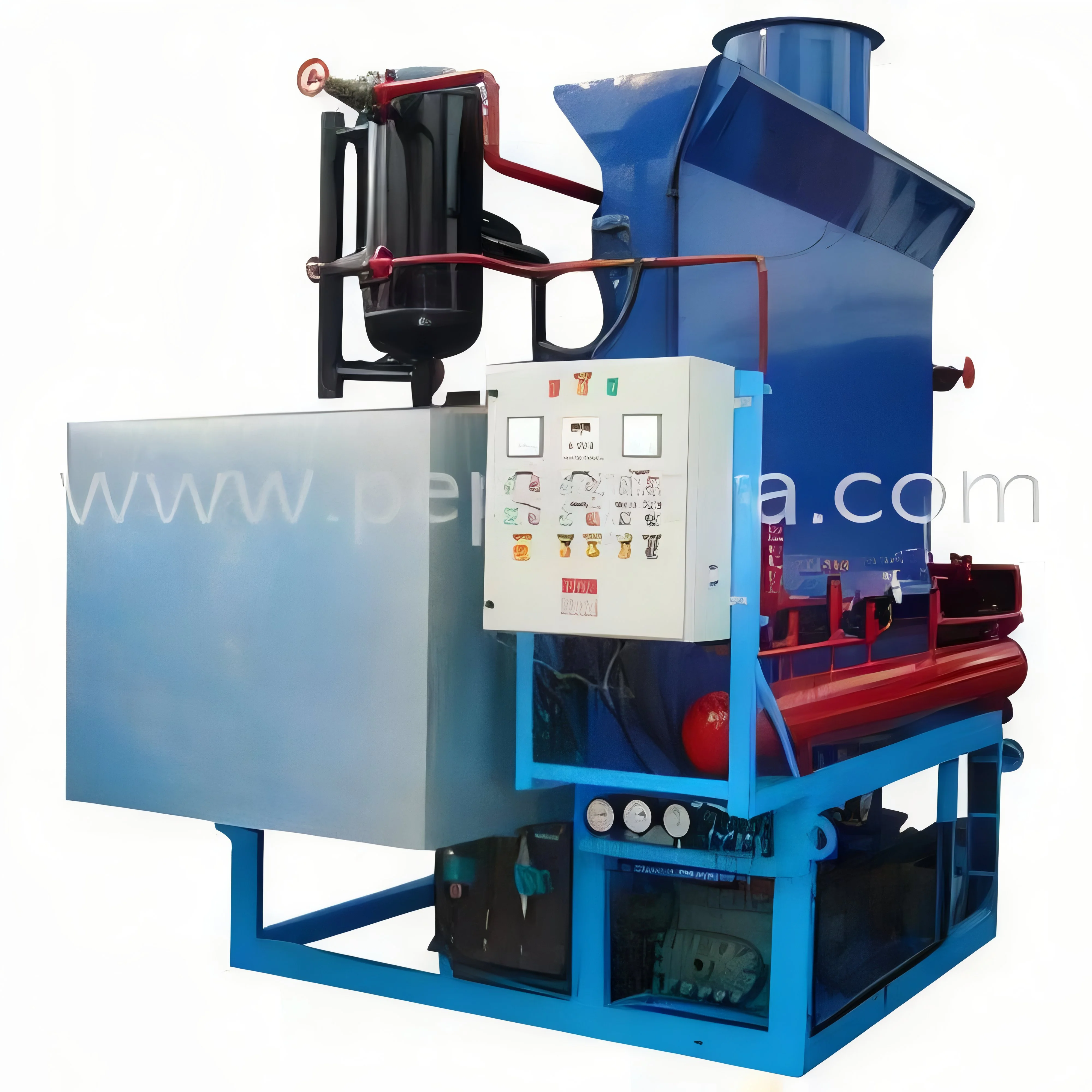
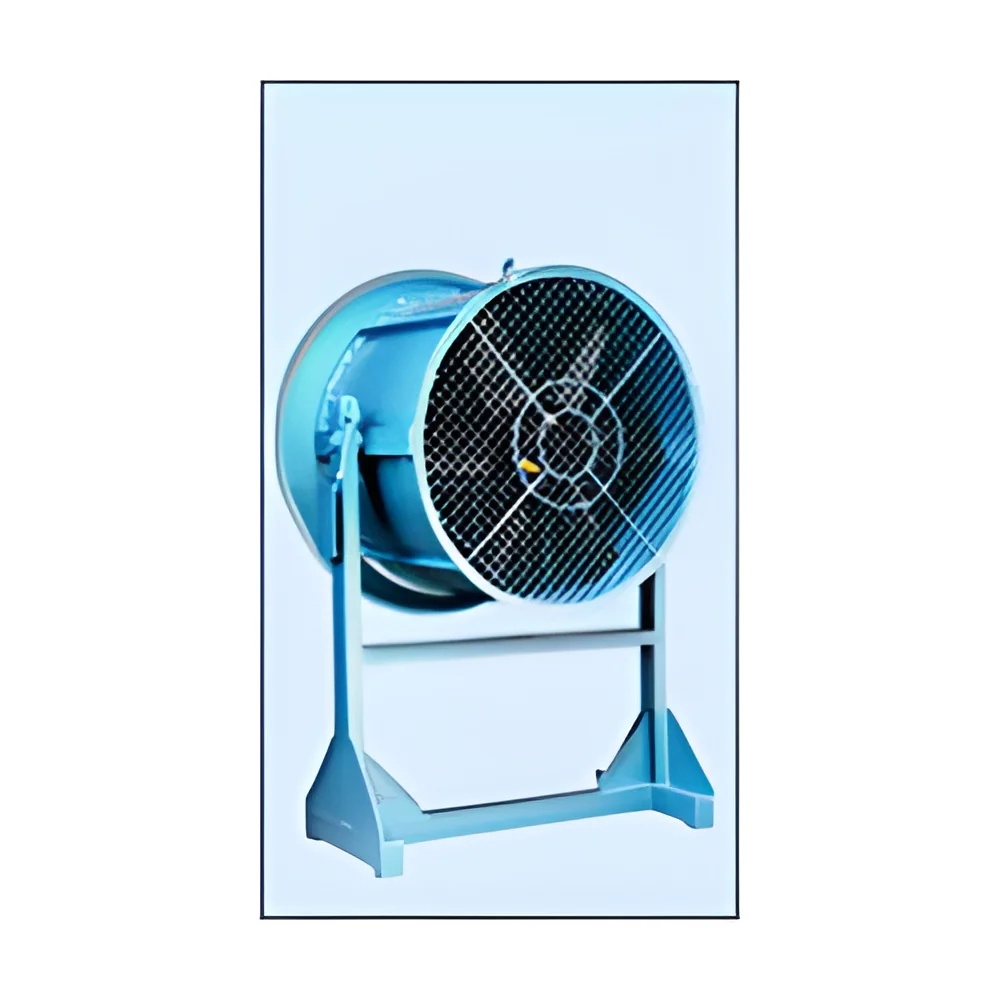
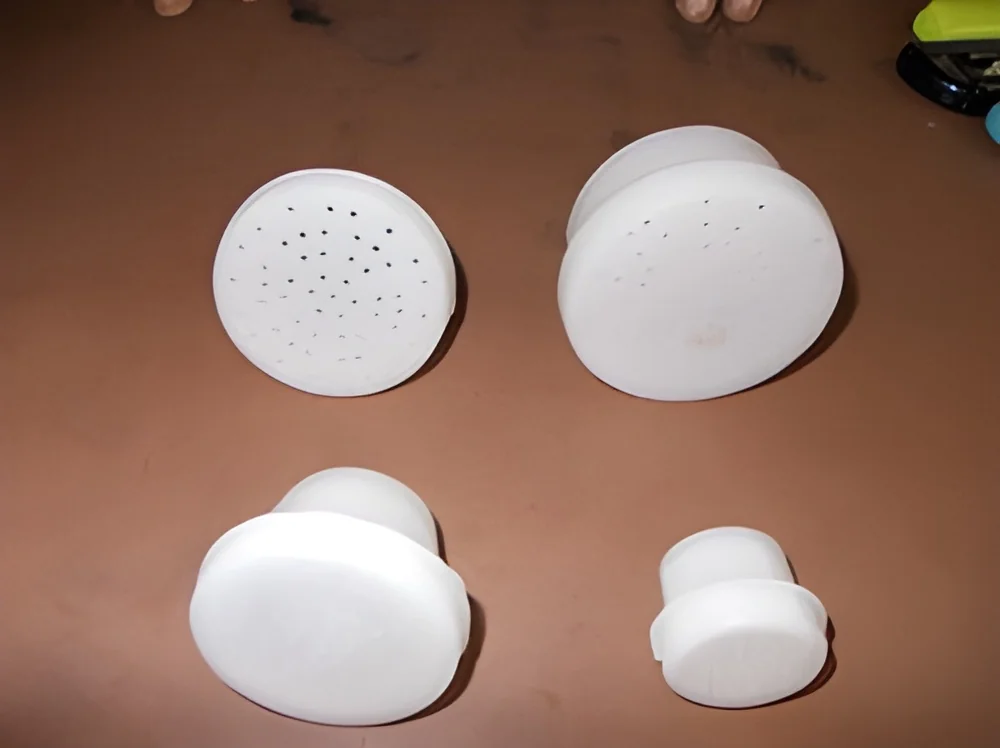
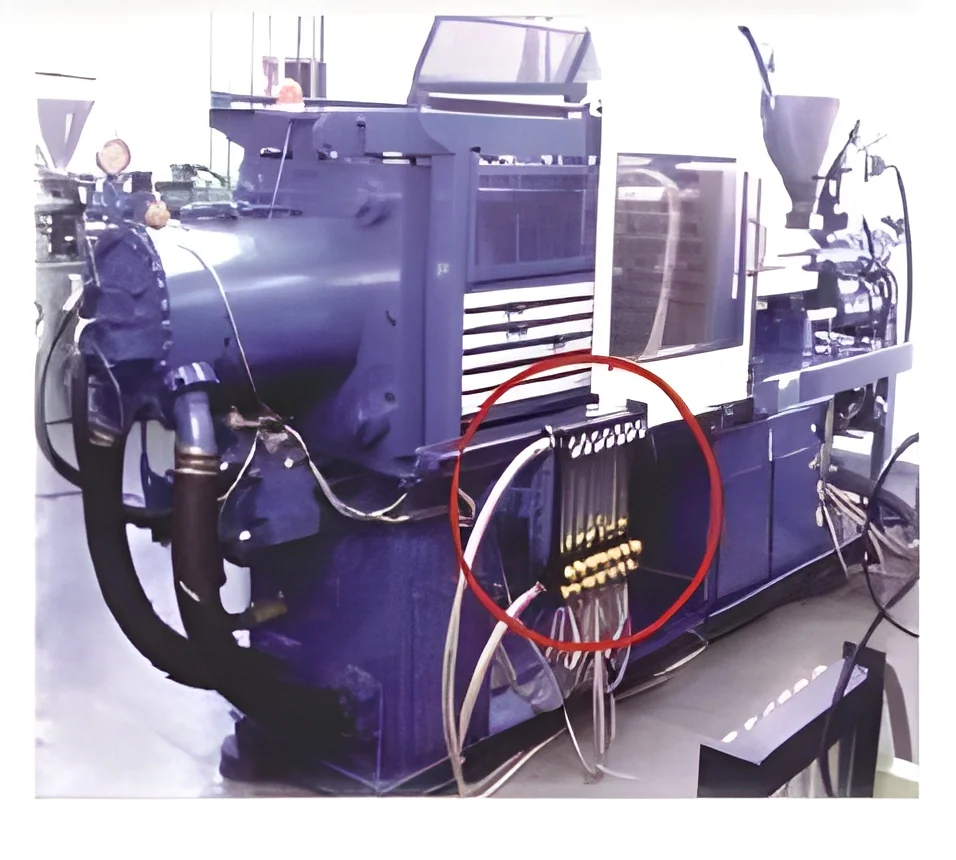
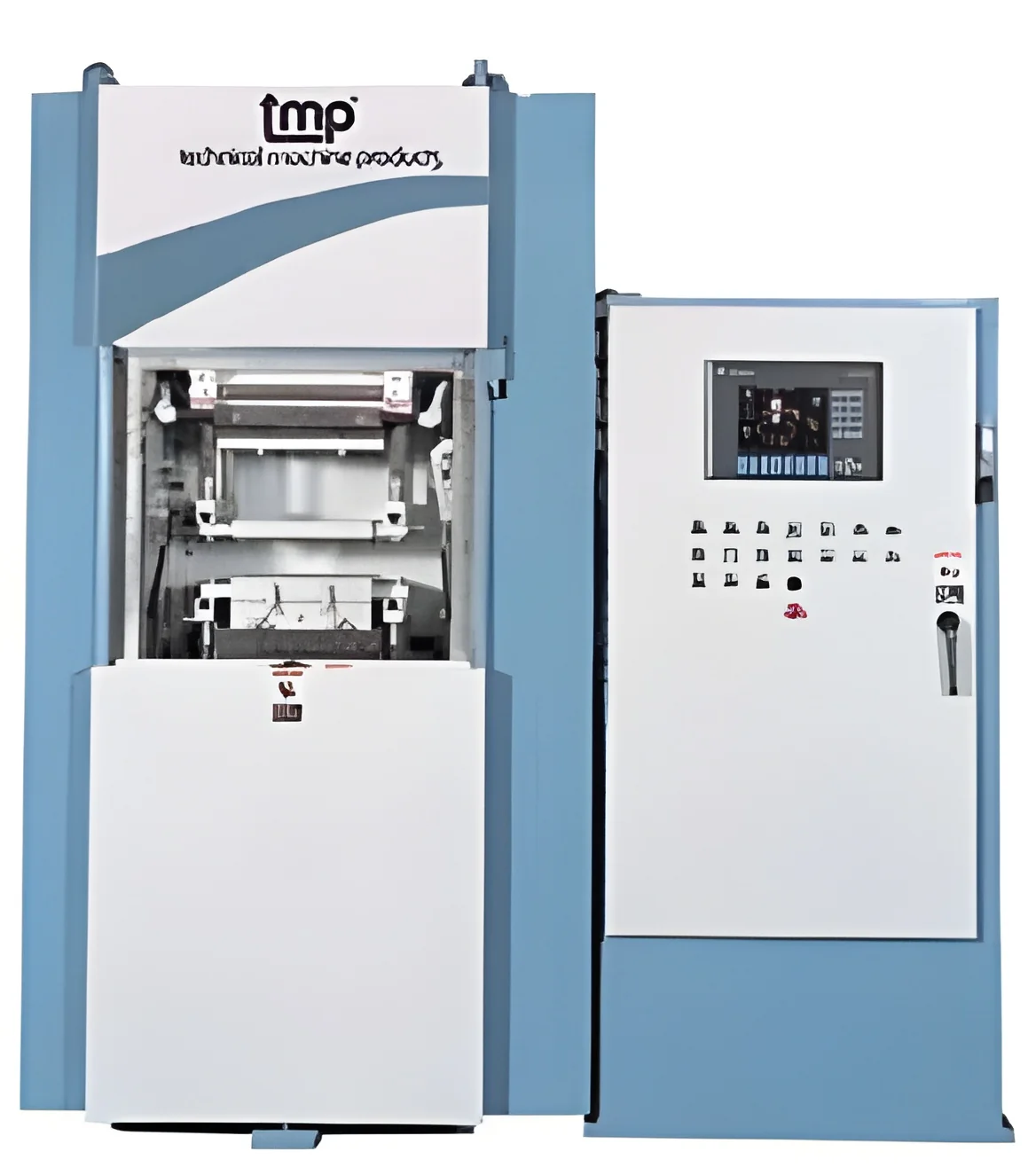
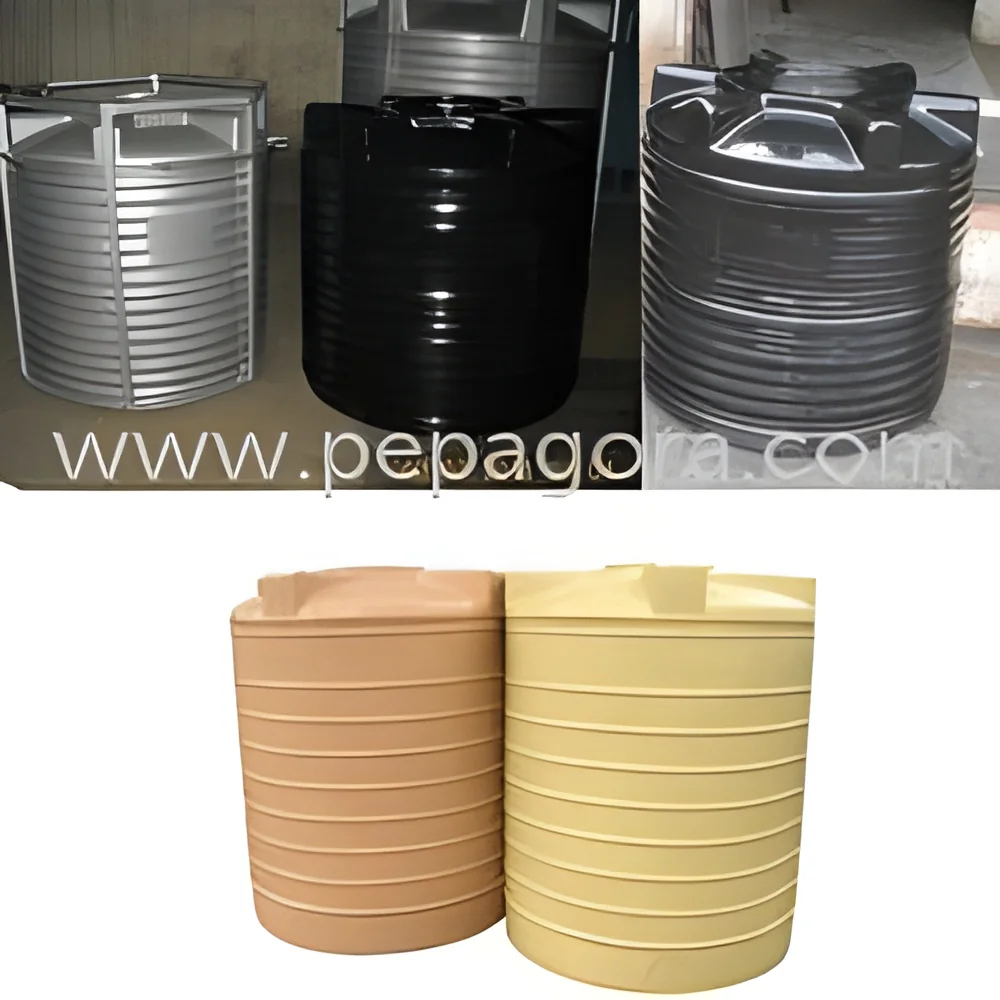
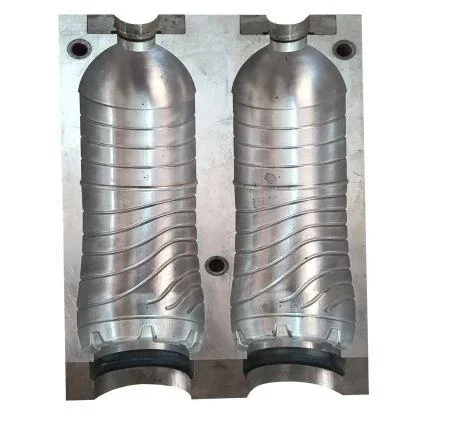
What are Plastic Water Tank Molding Equipment?
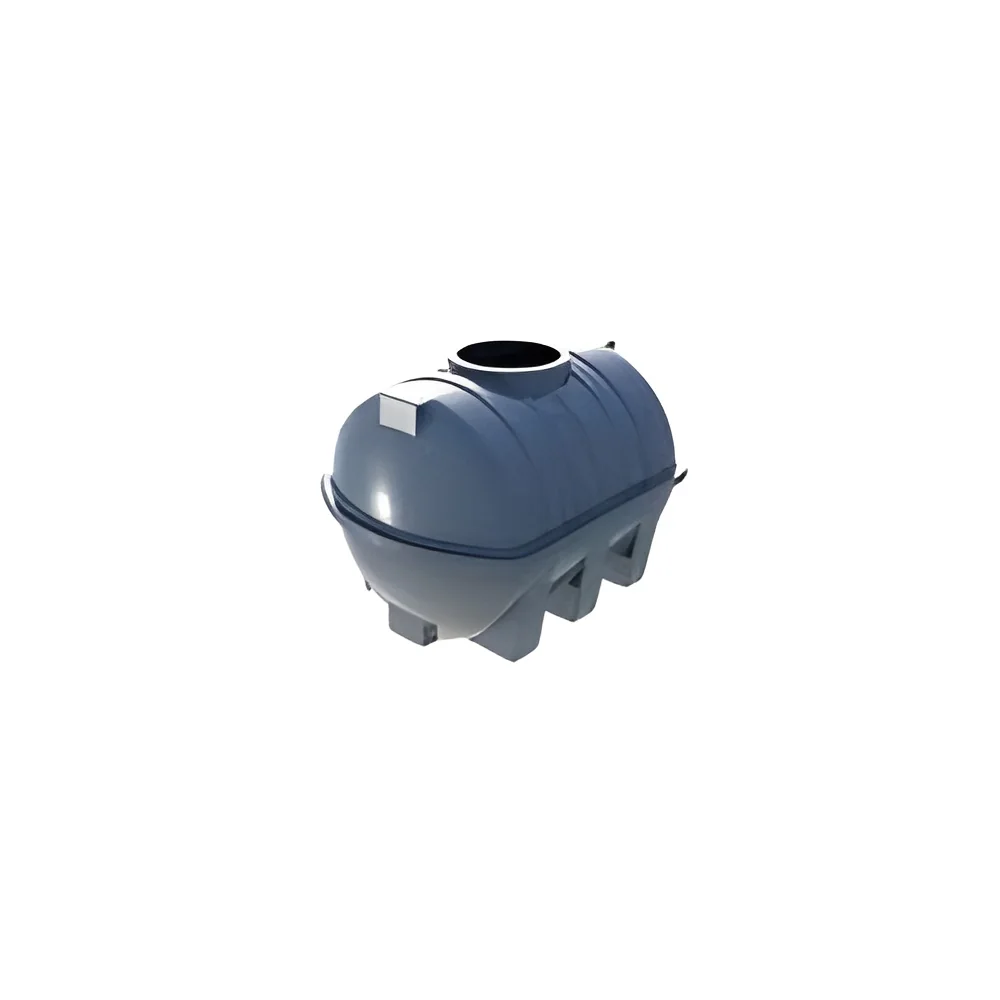
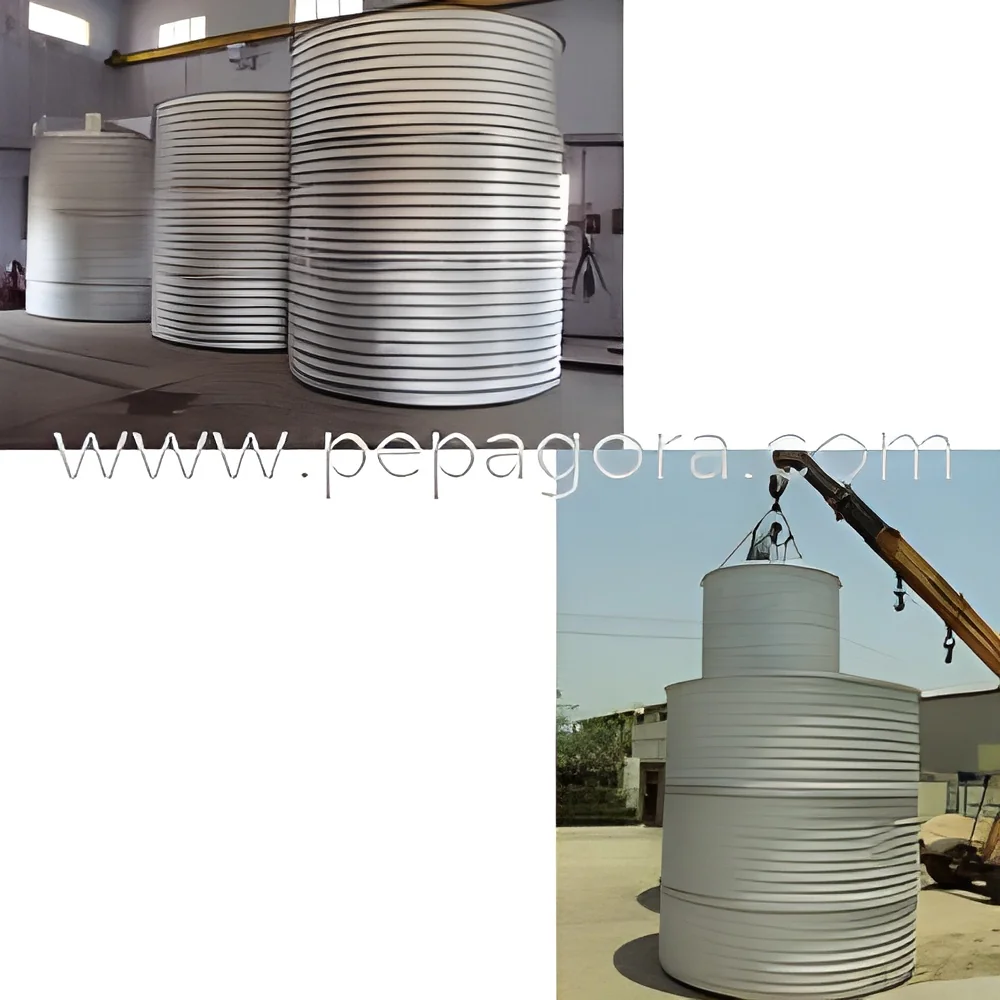
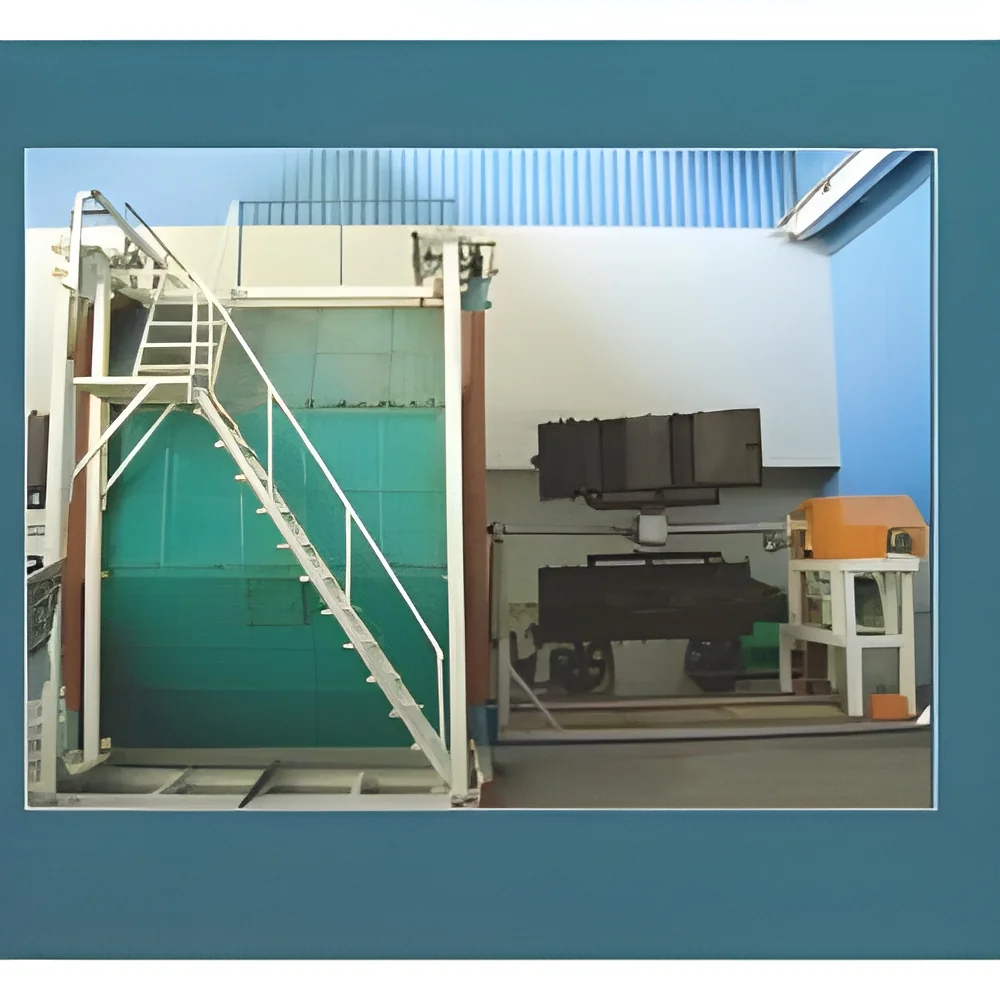
Plastic Water Tank Molding Equipment refers to specialized machinery designed for the production of plastic water tanks through various molding processes. These machines utilize techniques such as blow molding, rotational molding, and injection molding to create durable and lightweight tanks. The equipment is engineered to produce tanks in different sizes, shapes, and specifications, catering to a wide range of industrial and commercial applications.
The primary uses of this equipment extend across industries that require storage solutions for liquid substances, particularly water. Businesses involved in agriculture, construction, and municipal services frequently use plastic water tanks for irrigation, water supply, and rainwater harvesting. The versatility of the molding equipment allows manufacturers to customize tank designs to meet specific customer requirements, making it an essential component in many production lines.
In terms of industry relevance, the demand for plastic water tank molding equipment is driven by the growing need for efficient water storage solutions. As environmental concerns rise and water scarcity becomes more prevalent, industries are investing in technology that supports sustainable practices. This trend enhances the market context for plastic water tanks, as they offer a reliable, cost-effective, and environmentally friendly solution for water storage.
Key Features and Specifications
Plastic Water Tank Molding Equipment comes with several key features that enhance its functionality and efficiency. These features are designed to improve production quality and reduce operational costs.
Key specifications include:
1. Molding Type
- Various molding techniques available, including blow molding and rotational molding.
- Suitable for producing tanks of different shapes and sizes.
2. Production Capacity
- Capable of producing multiple tanks simultaneously.
- Production rates can vary based on machine size and configuration.
3. Material Compatibility
- Designed to work with a range of plastic materials, including HDPE and LDPE.
- Ensures durability and resistance to environmental factors.
4. Automation Level
- Options for manual, semi-automatic, and fully automatic operations.
- Enhances efficiency and reduces labor costs.
5. Energy Efficiency
- Equipped with features to minimize energy consumption during the production process.
- Contributes to lower operational costs.
6. Customization Options
- Ability to customize tank sizes and designs based on client specifications.
- Offers flexible manufacturing solutions.
7. Safety Features
- Incorporates safety mechanisms to protect operators and ensure compliance with industry standards.
- Includes emergency shut-off systems and safety guards.
In summary, the specifications of Plastic Water Tank Molding Equipment highlight its versatility and capability to meet diverse production needs.
Common Applications and Use Cases
Plastic Water Tank Molding Equipment is utilized across various industries, demonstrating its versatility and essential role in production processes.
1. Agriculture: Farmers use plastic water tanks for irrigation systems, ensuring a reliable water supply for crops. These tanks are resistant to UV rays and can withstand harsh weather conditions.
2. Construction: Construction companies employ plastic water tanks for temporary water storage on job sites. They are lightweight and easy to transport, making them ideal for construction projects.
3. Municipal Services: Local governments use plastic water tanks for community water supply systems and emergency water storage. The tanks are often used for rainwater harvesting and disaster response.
4. Industrial Manufacturing: Factories utilize water tanks in cooling and processing operations, ensuring a constant supply of water for machinery and production lines.
5. Residential Use: Homeowners install plastic water tanks for rainwater collection and storage, promoting water conservation and sustainability practices.
6. Fire Protection: Plastic water tanks are used in fire suppression systems, providing a readily available water source for firefighting efforts.
7. Aquaculture: Fish farms rely on plastic water tanks to maintain water quality and temperature for aquatic life, ensuring optimal growth conditions.
Product Variants and Subcategories
Plastic Water Tank Molding Equipment offers a range of variants tailored to meet specific production needs and market demands.
Standard Model
This model is designed for general use and is suitable for most applications. It can produce a variety of tank sizes, making it ideal for small to medium-scale manufacturing operations.
High-Capacity Model
Designed for large-scale production, this model features advanced automation and increased output capabilities. It is perfect for manufacturers looking to meet high demand efficiently.
Compact Model
The compact version is ideal for businesses with limited space. It offers flexibility and can be easily integrated into existing production lines without extensive modifications.
Energy-Efficient Model
This variant focuses on reducing energy consumption while maintaining high production standards. It is an excellent choice for environmentally conscious manufacturers looking to lower operational costs.
Benefits and Advantages
Investing in Plastic Water Tank Molding Equipment provides several key benefits that enhance operational efficiency and product quality.
1. Cost Efficiency: The equipment allows for mass production of water tanks, significantly reducing the per-unit cost of manufacturing.
2. Durability: Tanks produced with this equipment are made from high-quality plastics, ensuring long-lasting performance and resistance to various environmental conditions.
3. Customization: Manufacturers can easily tailor tank sizes and designs to meet specific customer requirements, enhancing customer satisfaction.
4. Reduced Labor Costs: Automation features minimize the need for manual labor, allowing businesses to allocate resources more effectively.
5. Quick Production Times: The equipment enables faster turnaround times for production, helping companies respond to market demands swiftly.
6. Environmentally Friendly: Plastic water tanks are often recyclable, and the manufacturing processes can be optimized to reduce waste and energy usage.
Buying Guide for B2B Buyers
When sourcing Plastic Water Tank Molding Equipment, it is essential for businesses to consider several factors to ensure they make informed purchasing decisions.
1. Quality Assessment: Evaluate the quality of machinery by checking for industry certifications and customer reviews. Look for equipment that meets international standards to ensure reliability and performance.
2. Supplier Verification: Vet suppliers by researching their background, experience, and reputation in the market. Choose suppliers who have a proven track record of delivering high-quality equipment.
3. Pricing and MOQ: Understand the pricing structure and minimum order quantities (MOQ) required by suppliers. Compare prices across different vendors to ensure competitive rates while considering the total cost of ownership.
4. Delivery and Lead Times: Factor in delivery times when planning production schedules. Ensure that suppliers can meet your timeline requirements to avoid disruptions in production.
5. Compliance Requirements: Stay informed about relevant regulatory and safety standards. Ensure the equipment complies with local and international regulations to avoid potential legal issues.
Compliance and Certifications
Plastic Water Tank Molding Equipment must adhere to various quality and safety standards to ensure reliable performance and protection for users.
Common quality standards include ISO 9001, which emphasizes effective quality management systems. Compliance with this standard ensures that manufacturers consistently produce high-quality products that meet customer expectations.
Additionally, certifications such as CE indicate that the equipment meets European safety, health, and environmental protection standards. This certification enhances the credibility of the equipment and assures buyers of its safety and reliability.
Manufacturers should also be aware of safety and testing requirements specific to their region. These may include guidelines for material safety, machinery operation, and environmental impact assessments.
Regional compliance considerations can vary significantly, so businesses must ensure that their equipment meets local regulations and standards to avoid potential penalties or operational setbacks.
Why Source Plastic Water Tank Molding Equipment from Pepagora?
Pepagora serves as a trusted platform for sourcing Plastic Water Tank Molding Equipment, providing numerous advantages for businesses in need of reliable machinery.
Verified Supplier Network: Pepagora ensures that all suppliers are thoroughly vetted, providing buyers with a selection of reputable manufacturers. This verification process gives buyers confidence in the quality of the equipment they are considering.
Streamlined RFQ Process: The platform offers a simplified request for quotation (RFQ) system that allows businesses to easily compare multiple suppliers and receive competitive pricing. This efficiency saves time and facilitates informed decision-making.
Trade Assurance and Support: Pepagora provides trade assurance, offering buyers protection throughout the purchasing process. This support includes assistance with transactions, ensuring that purchases are secure and meet expectations.
Regional Coverage: With a strong presence in India, the GCC, and Southeast Asia, Pepagora connects buyers with manufacturers in key regions. This geographic reach enables businesses to access a wide variety of products and suppliers tailored to their specific needs.

 IN
IN