What are Hot Knife Cutting Machines?
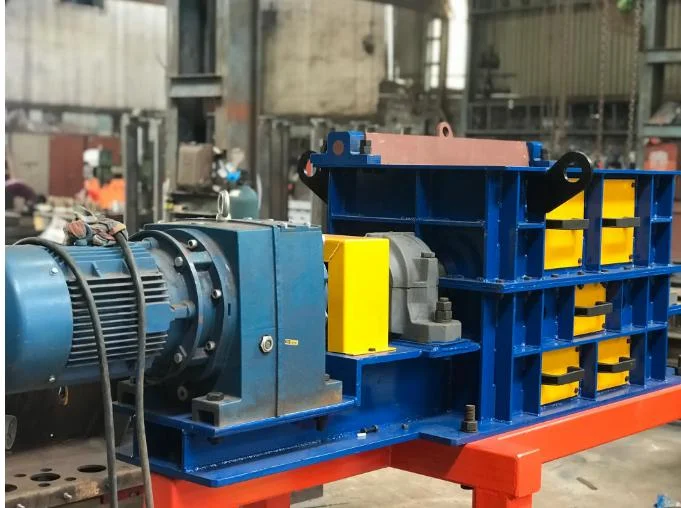
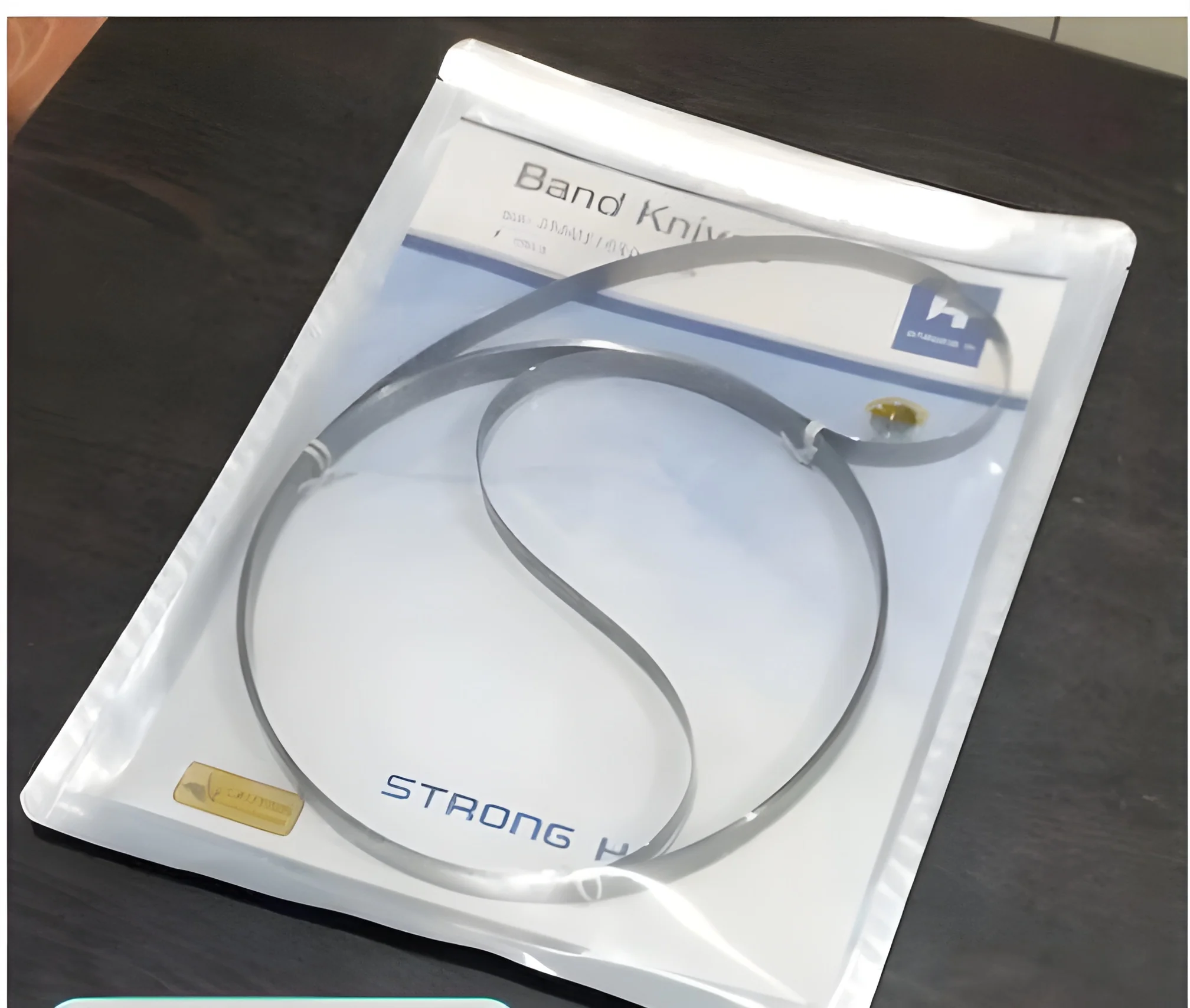
Hot Knife Cutting Machines are specialized tools designed for cutting various materials using heated blades. The blades are typically made of high-quality metal that can withstand elevated temperatures, allowing them to slice through materials with precision. These machines are known for their ability to produce clean cuts, reduce waste, and minimize fraying, making them suitable for a range of applications in industrial settings.
In terms of business applications, Hot Knife Cutting Machines are widely used in industries such as textiles, packaging, and foam manufacturing. They play a crucial role in the processing of materials like fabrics, plastic films, and foam sheets. Due to their efficiency and effectiveness, these machines have become essential in production lines where speed and accuracy are paramount.
The relevance of Hot Knife Cutting Machines in the market cannot be overstated. As industries evolve and demand for high-quality products increases, the need for reliable cutting solutions has grown. These machines are often favored for their performance, leading to a steady demand across various sectors.
Key Features and Specifications
Hot Knife Cutting Machines boast several features that enhance their performance and usability. Understanding these specifications is crucial for making informed purchasing decisions.
Key specifications include:
1. Cutting Temperature Range
- Generally operates at high temperatures to effectively cut through various materials.
- Exact temperature specifications may vary by model.
2. Blade Material
- Typically made from durable metals designed to withstand repeated heating cycles.
- Ensures longevity and consistent cutting performance.
3. Power Supply
- Usually available in electric models with varying power ratings.
- Some machines may offer battery-operated options for portability.
4. Cutting Width
- The width of the cut can vary based on the machine's design.
- Important for applications requiring different cut sizes.
5. Control Features
- Many machines include adjustable temperature controls for precision cutting.
- Some models may feature digital displays for ease of use.
6. Safety Features
- Often equipped with safety shut-off mechanisms to prevent overheating.
- Designed to minimize risks associated with high-temperature operations.
7. Weight and Portability
- Machines come in various weights, affecting their portability.
- Lighter models may be better suited for mobile applications.
8. Warranty and Support
- Typically offered by manufacturers to ensure customer satisfaction.
- Coverage can vary, so it is important to confirm details prior to purchase.
In summary, selecting a Hot Knife Cutting Machine involves understanding its key features and specifications, ensuring it meets the specific needs of your business.
Common Applications and Use Cases
Hot Knife Cutting Machines are versatile tools that find applications across multiple industries.
1. Textile Industry: These machines are widely used for cutting fabrics and textiles, ensuring clean edges and preventing fraying during production processes.
2. Packaging Industry: Hot Knife Cutting Machines effectively cut packaging materials, including plastic films and cardboard, facilitating efficient packaging solutions.
3. Foam Manufacturing: In the foam industry, these machines are essential for cutting foam sheets to desired sizes and shapes, maintaining accuracy and quality.
4. Automotive Industry: Used for cutting materials like insulation and upholstery in vehicle manufacturing, ensuring precise cuts for better fit and finish.
5. Signage and Displays: Hot Knife Cutting Machines are employed to cut materials for signs and displays, allowing for intricate designs and clean edges.
6. Crafts and Hobby: In smaller settings, these machines are used by artisans for detailed cutting of various materials, enhancing creativity and product quality.
7. Construction: Used for cutting insulation materials and other construction-related materials, ensuring efficiency in building projects.
Product Variants and Subcategories
Hot Knife Cutting Machines come in various configurations to cater to specific needs and applications.
Electric Hot Knife Cutting Machine: This variant is powered by electricity and is suitable for continuous use in industrial settings. It offers adjustable temperature settings for different materials.
Portable Hot Knife Cutter: Designed for mobility, this variant is lighter and often battery-operated. It’s ideal for on-site applications where flexibility is required.
Heavy-Duty Hot Knife Cutting Machine: This model is built for high-volume production environments, offering robust construction and enhanced cutting capabilities for thicker materials.
Precision Hot Knife Cutter: Focused on accuracy, this machine is designed for detailed work and is often used in industries requiring intricate cuts.
Benefits and Advantages
Investing in Hot Knife Cutting Machines brings numerous advantages to businesses.
1. Precision Cutting: These machines provide clean, precise cuts, reducing material waste and improving product quality.
2. Increased Efficiency: Hot Knife Cutting Machines operate quickly, enhancing production speed and efficiency in manufacturing processes.
3. Versatility: They can cut various materials, making them suitable for multiple industries and applications.
4. Reduced Fraying: The heated blades minimize fraying, ensuring better finishing and less post-cutting work.
5. Safety Features: Many machines come equipped with safety mechanisms, reducing the risk of accidents during operation.
6. Cost-Effectiveness: By improving cutting efficiency and reducing waste, these machines can lead to significant cost savings over time.
Buying Guide for B2B Buyers
When sourcing Hot Knife Cutting Machines, B2B buyers should consider several critical factors.
1. Quality Assessment: Look for machines built with high-quality materials and components. Check for reviews and testimonials to gauge the performance and reliability of the equipment.
2. Supplier Verification: It is essential to vet suppliers carefully. Ensure they have a good reputation in the industry and can provide references or case studies.
3. Pricing and MOQ: Understand the pricing structure and minimum order quantities. Compare prices among different suppliers to ensure competitive rates.
4. Delivery and Lead Times: Confirm delivery schedules and lead times to ensure that your production timelines are not disrupted.
5. Compliance Requirements: Investigate any regulatory compliance needed for the machines. Ensure that the products meet industry standards and certifications.
Compliance and Certifications
Compliance and certifications play a pivotal role in the manufacturing and operation of Hot Knife Cutting Machines.
These machines should adhere to relevant quality standards such as ISO 9001, which ensures consistent quality management systems. This standard is critical for manufacturers aiming to deliver reliable products.
Additionally, industry certifications such as CE indicate that the machines meet European safety and environmental requirements. This provides buyers with assurance regarding the safety of the equipment they are purchasing.
Safety and testing requirements should also be considered. Machines must undergo rigorous testing to ensure they operate safely and effectively.
It is important to be aware of regional compliance considerations, as regulations may vary by country or region. Buyers should ensure that the machines meet local industry standards to avoid legal complications.
Why Source Hot Knife Cutting Machines from Pepagora?
Pepagora offers a trusted platform for sourcing Hot Knife Cutting Machines, providing several key advantages for B2B buyers.
The Verified Supplier Network ensures that all suppliers are vetted for quality and reliability. This gives buyers confidence in their purchasing decisions, knowing they are dealing with reputable manufacturers.
The streamlined RFQ Process allows buyers to request quotations from multiple suppliers quickly. This efficiency helps in making informed decisions based on competitive pricing and specifications.
Trade Assurance and Support are integral aspects of Pepagora's offerings. Buyers benefit from protection measures that ensure their transactions are secure and satisfactory.
Finally, Pepagora's Regional Coverage spans across India, the GCC, and Southeast Asia. This wide geographical reach enables buyers to find suitable suppliers that meet their specific needs in their respective markets.

 IN
IN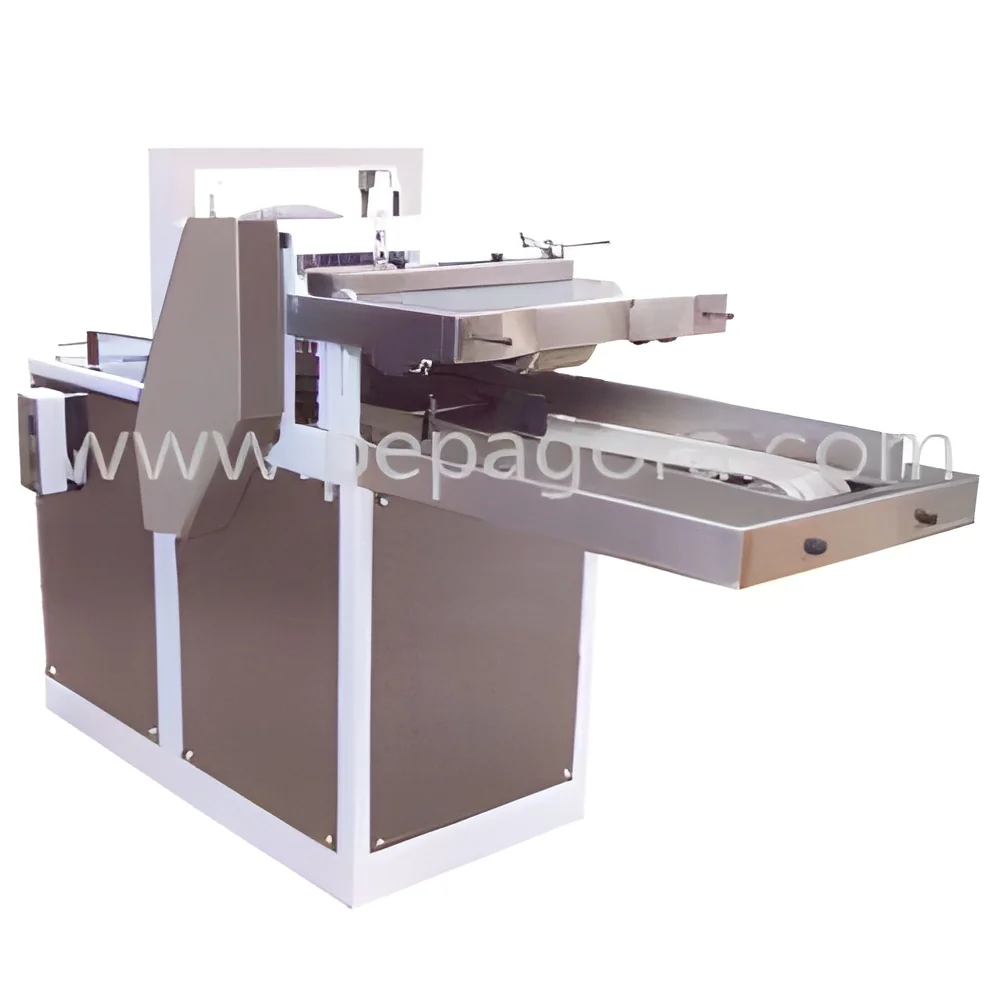


 India
India