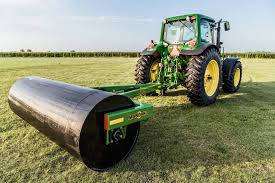
What are Farm Trailers & Trolleys?
Farm trailers and trolleys are essential vehicles designed for transporting goods, equipment, and produce across agricultural land. They come in various sizes and configurations, accommodating different cargo types, from crops and livestock to farming tools and machinery. These trailers and trolleys are typically towed by tractors or all-terrain vehicles, providing farmers with a versatile solution for their logistical needs.
The primary uses of farm trailers and trolleys include transporting harvested crops to storage facilities, delivering feed and supplies to livestock, and moving equipment between fields. They play a critical role in optimizing farm operations, enhancing efficiency, and reducing labor costs. In an increasingly competitive agricultural market, having reliable transportation options is vital for maintaining productivity and profitability.
In terms of industry relevance, the demand for farm trailers and trolleys continues to grow globally, spurred by advancements in farming practices and technology. As agriculture evolves, so does the need for innovative solutions that streamline operations. Businesses involved in agriculture, horticulture, and livestock management seek high-quality trailers and trolleys to improve efficiency and support sustainable practices.
Key Features and Specifications
Farm trailers and trolleys come with various features that cater to diverse agricultural needs. Understanding these specifications is essential for businesses looking to invest in reliable equipment.
Key specifications include:
1. Load Capacity
- The maximum weight the trailer or trolley can carry.
- Typically ranges from 1,000 kg to over 10,000 kg, depending on the model.
2. Material Construction
- Common materials include steel and aluminum for durability.
- Steel options often offer higher strength, while aluminum provides lighter weight.
3. Axle Configuration
- Determines stability and load distribution.
- Options include single axle, tandem axle, and tri-axle configurations.
4. Wheel Size
- Larger wheels enhance mobility over rough terrain.
- Sizes can vary from 12 inches to 20 inches or more.
5. Braking System
- Essential for safety during transport.
- Options include hydraulic brakes and electric brakes.
6. Towing Mechanism
- Compatibility with various towing vehicles.
- Standard hitch types include ball hitches and pin hitches.
7. Dimensions
- Vary based on capacity and design.
- Length and width can range significantly, affecting maneuverability.
8. Customization Options
- Many manufacturers offer bespoke designs to meet specific needs.
- Features can include sidewalls, tarps, and specialized attachments.
In summary, understanding the specifications of farm trailers and trolleys helps businesses choose models that best fit their operational requirements.
Common Applications and Use Cases
Farm trailers and trolleys serve a wide range of industries, each with specific applications that enhance operational efficiency.
1. Agriculture: Farmers use trailers to transport crops from fields to markets or storage facilities, ensuring timely delivery and minimal spoilage.
2. Horticulture: Garden centers and nurseries utilize trolleys to move plants and supplies efficiently, supporting growth and maintenance activities.
3. Livestock Management: Farmers rely on trailers to transport feed and livestock, facilitating better management of animal husbandry practices.
4. Construction: Some agricultural trolleys are adapted for use in construction, carrying materials and tools to job sites.
5. Landscaping: Landscaping companies use trailers to transport equipment and materials for projects, enhancing productivity and organization.
6. Forestry: In forestry operations, trailers are employed to transport timber and equipment, supporting sustainable logging practices.
7. Marine and Aquaculture: Trolleys are used to carry supplies and equipment in aquaculture facilities, aiding in the management of fish farming operations.
Product Variants and Subcategories
Farm trailers and trolleys come in various forms to meet specific needs, offering diverse options for businesses.
Standard Farm Trailer: These are versatile trailers designed for general agricultural use. They often feature robust construction and can be adapted for various types of cargo, making them suitable for most farming operations.
Dump Trailer: This variant is equipped with a hydraulic lift for easy unloading, ideal for transporting loose materials like gravel or soil. It enhances efficiency in loading and unloading processes.
Livestock Trailer: Specifically designed to transport animals, these trailers feature ventilation and secure enclosures to ensure the safety and comfort of livestock during transport.
Utility Trolley: Smaller and more maneuverable, utility trolleys are perfect for carrying tools, equipment, and smaller loads around farms or gardens.
Benefits and Advantages
Investing in farm trailers and trolleys offers numerous advantages for agricultural operations.
1. Increased Efficiency: These vehicles streamline the transport of goods and materials, saving time and labor costs.
2. Versatility: The ability to customize trailers and trolleys allows businesses to adapt them for various tasks, enhancing their utility.
3. Improved Safety: Modern trailers come with advanced braking and stability features, reducing the risk of accidents during transport.
4. Cost-Effective: Durable construction and long lifespan make farm trailers a wise investment, minimizing replacement costs over time.
5. Enhanced Productivity: By facilitating quicker transport of materials, these vehicles allow farmers to focus more on essential tasks rather than logistics.
6. Environmental Sustainability: Many trailers are designed with eco-friendly materials and practices, supporting sustainable farming efforts.
Buying Guide for B2B Buyers
When sourcing farm trailers and trolleys, several factors should be considered to ensure a satisfactory purchase.
1. Quality Assessment: Evaluate the materials and construction of trailers to ensure durability and reliability. Look for reputable brands with a history of quality manufacturing.
2. Supplier Verification: Vet suppliers thoroughly by checking their credentials, customer reviews, and industry certifications to ensure they meet quality standards.
3. Pricing and MOQ: Understand the pricing structure, including any bulk purchase discounts. Be aware of the minimum order quantity (MOQ) and how it aligns with your needs.
4. Delivery and Lead Times: Consider logistics, including shipping costs and delivery times, to ensure that your operations are not disrupted.
5. Compliance Requirements: Familiarize yourself with relevant regulations and standards to ensure that the trailers and trolleys meet safety and quality requirements.
Compliance and Certifications
Farm trailers and trolleys must adhere to various compliance standards to ensure safety and reliability in operation. Key standards include ISO 9001, which focuses on quality management systems, ensuring that manufacturers maintain consistent quality in their products.
Certification such as CE indicates compliance with European safety standards, which is crucial for products sold in the European market. Additionally, manufacturers often undergo rigorous testing to ensure their trailers meet safety and performance criteria.
Regional compliance considerations may vary based on local regulations governing agricultural equipment. It is essential for buyers to verify that the products meet all necessary compliance requirements for their specific region and industry.
Why Source Farm Trailers & Trolleys from Pepagora?
Pepagora offers a reliable platform for sourcing farm trailers and trolleys, providing several advantages to businesses.
Verified Supplier Network: Pepagora connects buyers with a network of verified suppliers, ensuring that you receive high-quality products from trusted manufacturers. This verification process enhances buyer confidence and reduces the risk of subpar purchases.
Streamlined RFQ Process: The request for quotation (RFQ) process on Pepagora is designed to be straightforward and efficient. Buyers can easily specify their requirements and receive competitive quotes from multiple suppliers, simplifying the decision-making process.
Trade Assurance and Support: With trade assurance measures in place, Pepagora protects buyers from potential risks associated with purchasing. The platform offers support throughout the sourcing process, ensuring that any concerns are promptly addressed.
Regional Coverage: Pepagora has a strong presence in key markets, including India, the GCC, and Southeast Asia. This geographic reach allows buyers to access a diverse range of products and suppliers tailored to their regional needs.

 IN
IN