What are Cataract & Corneal Surgery Tools?
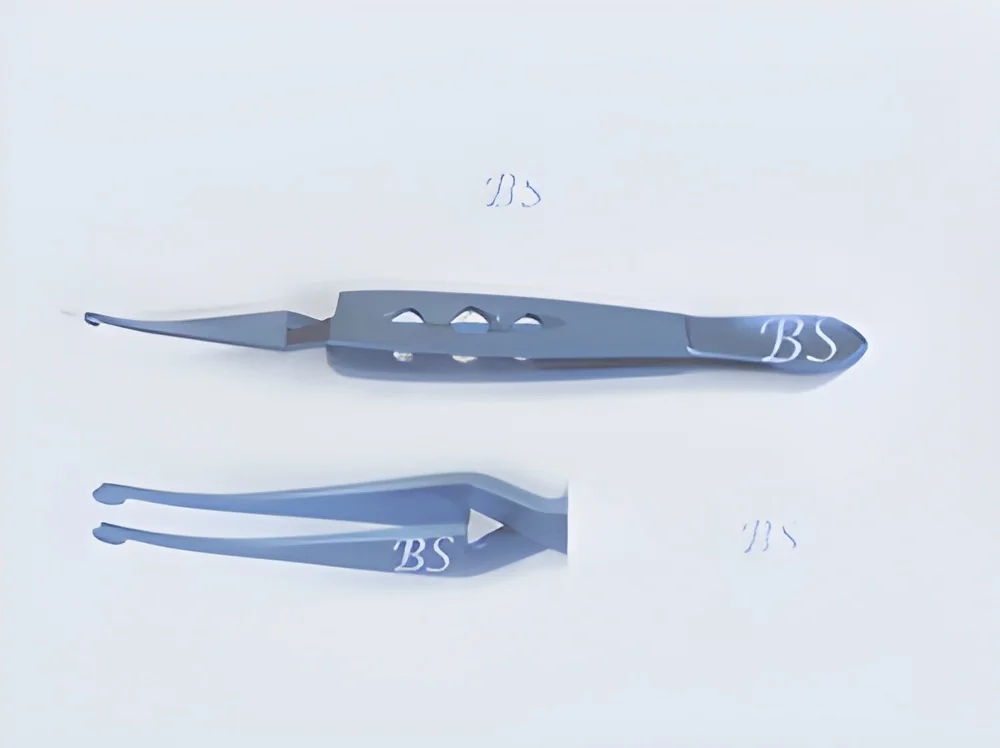
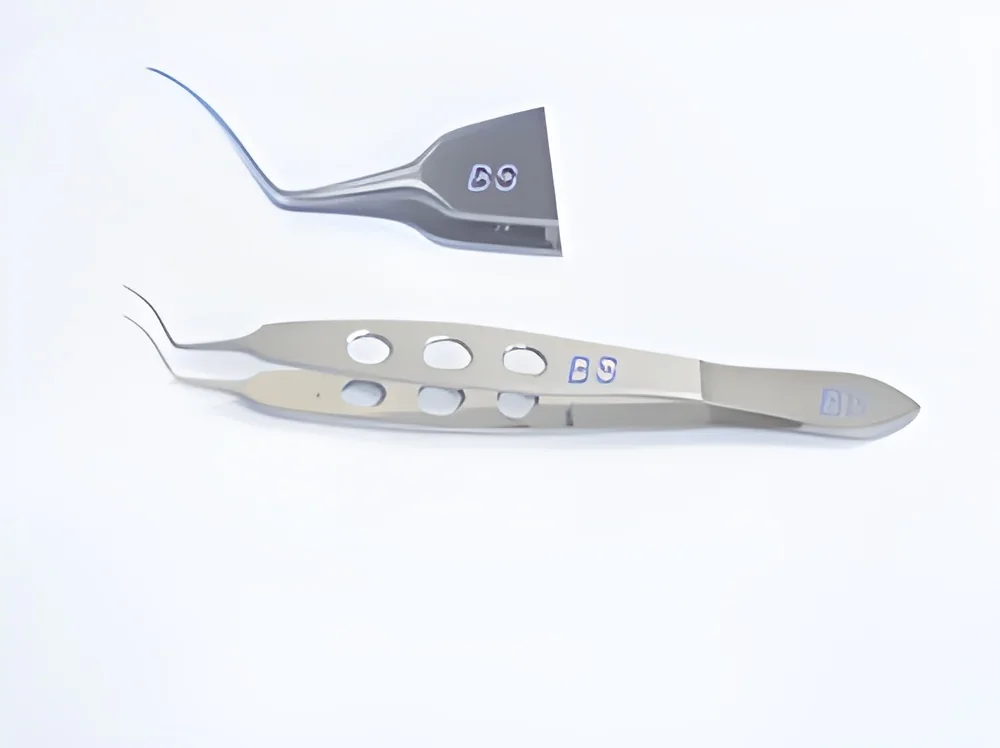
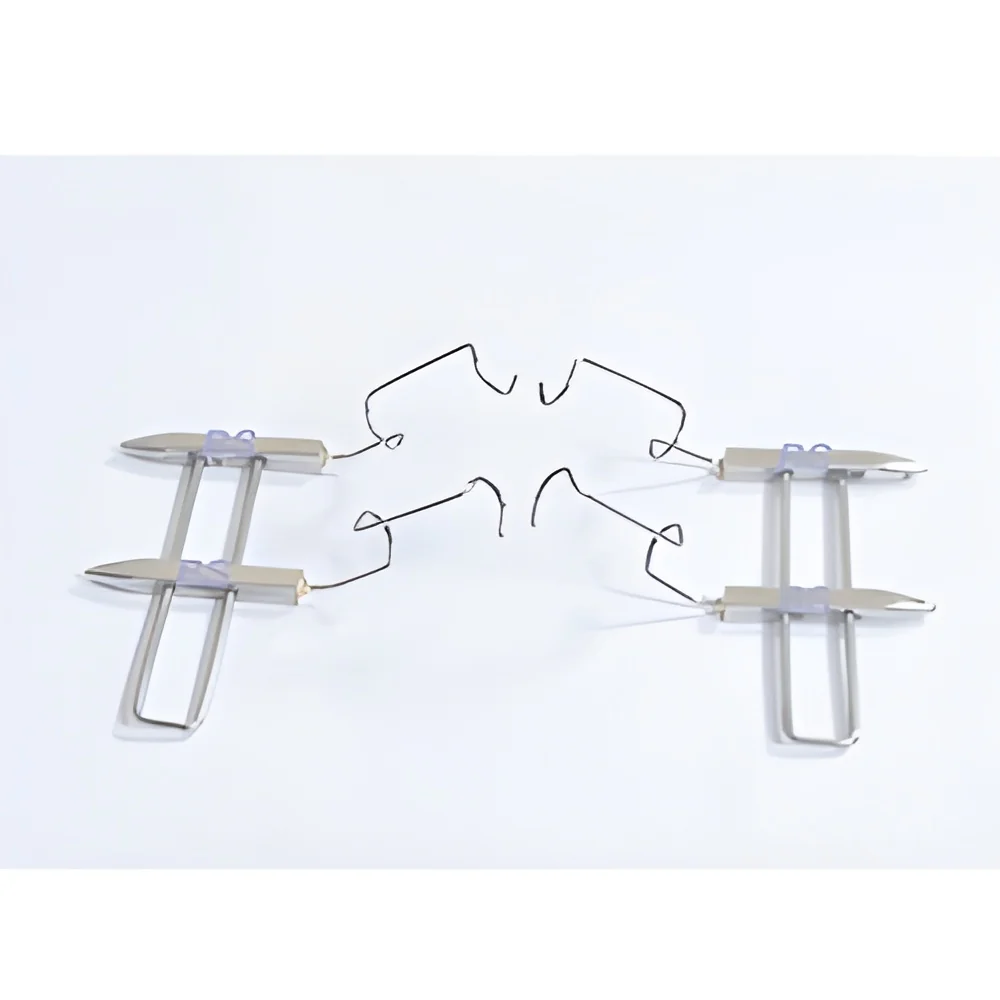
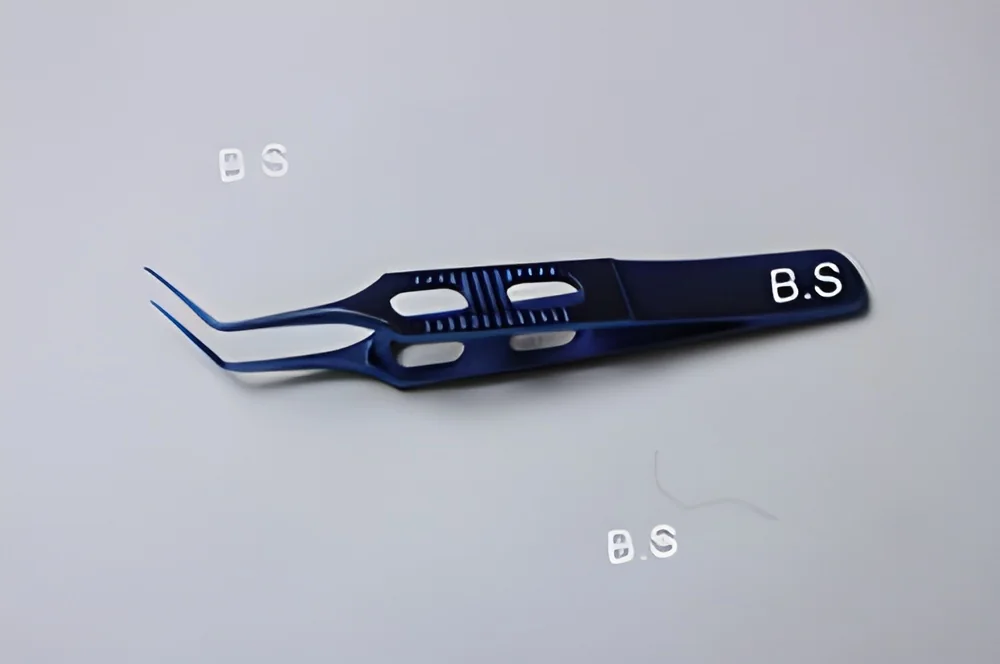
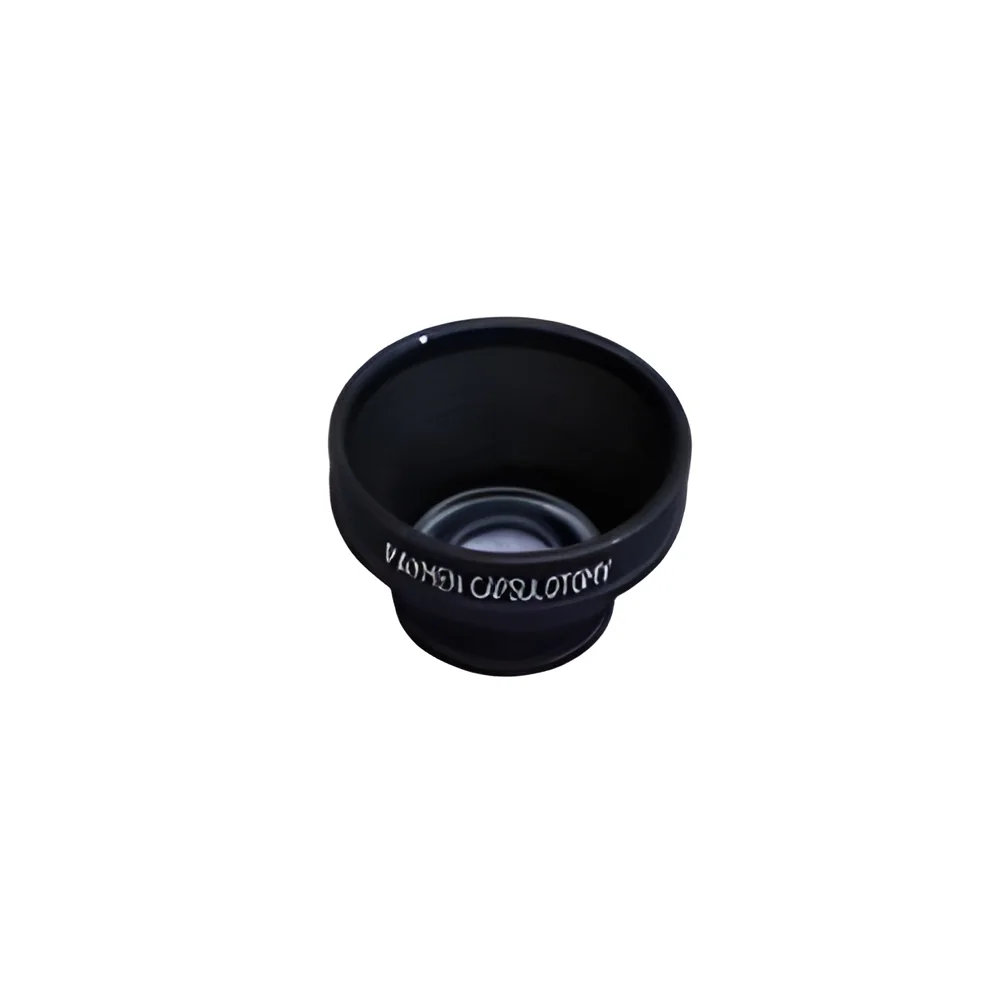
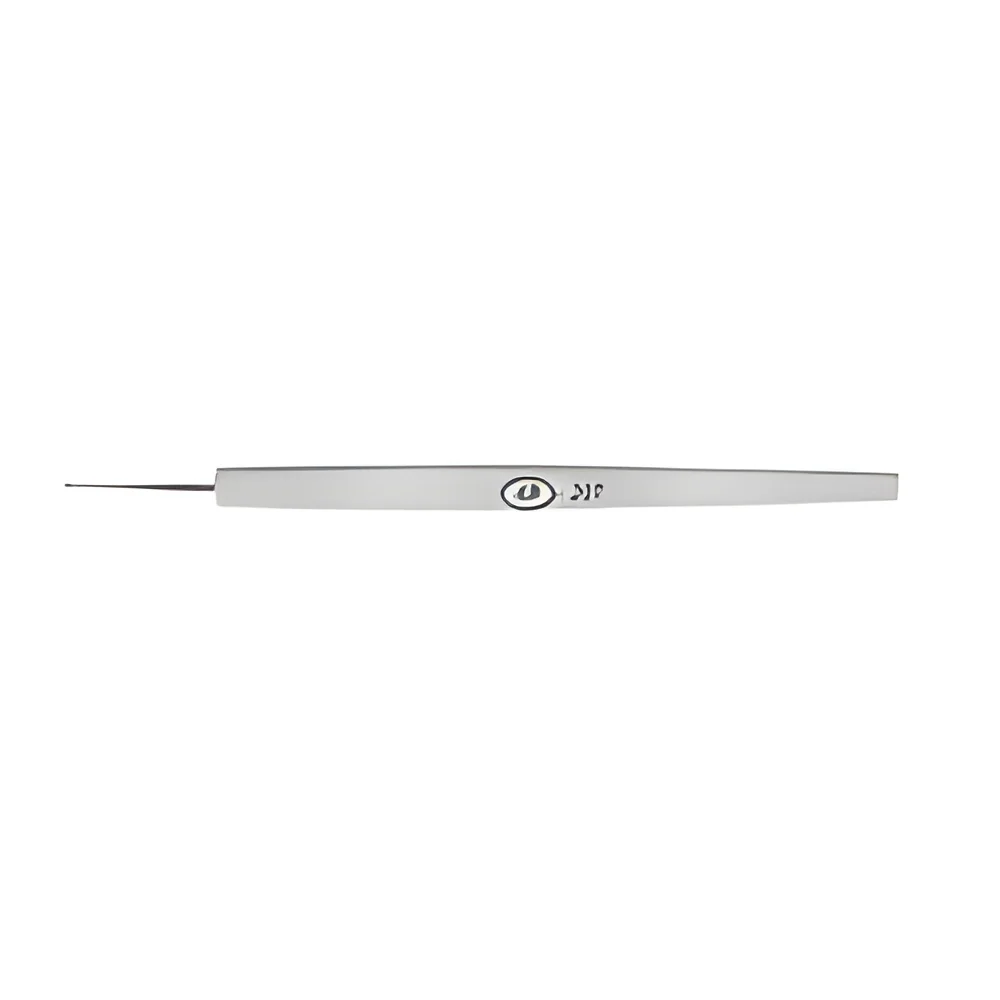
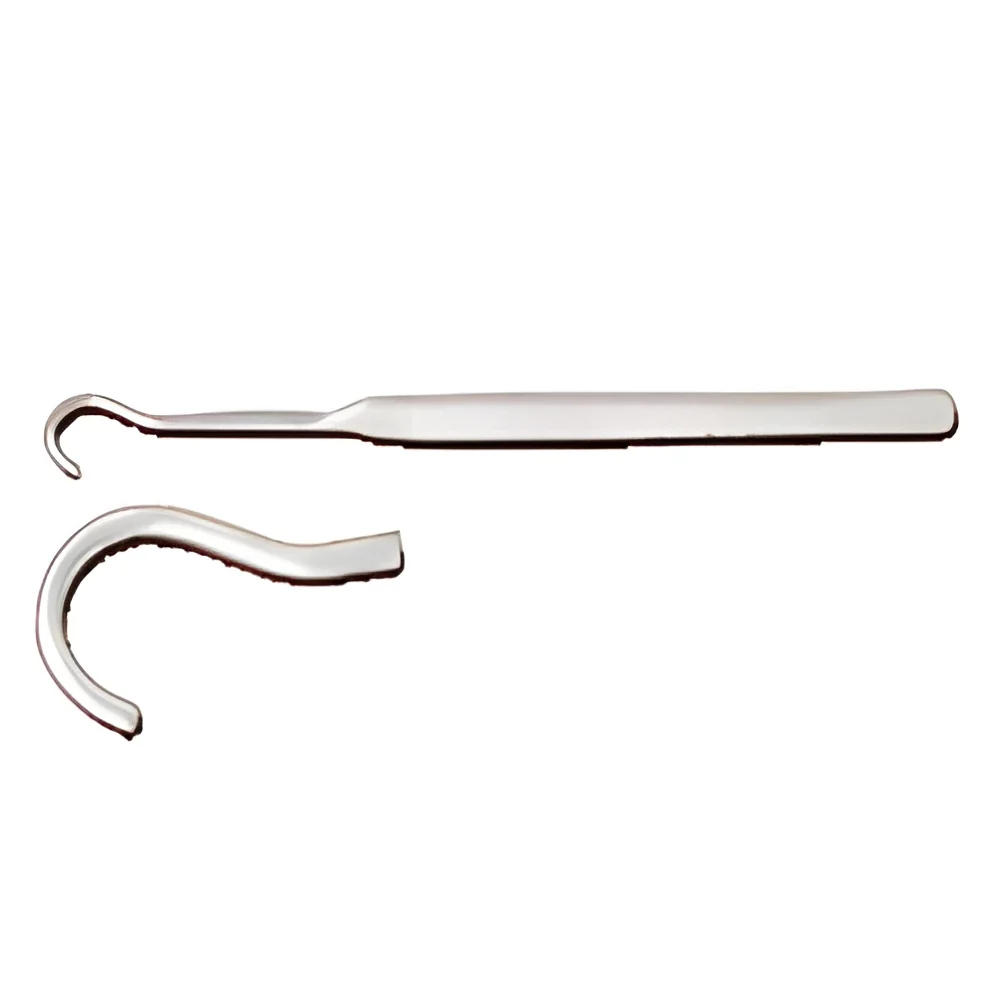
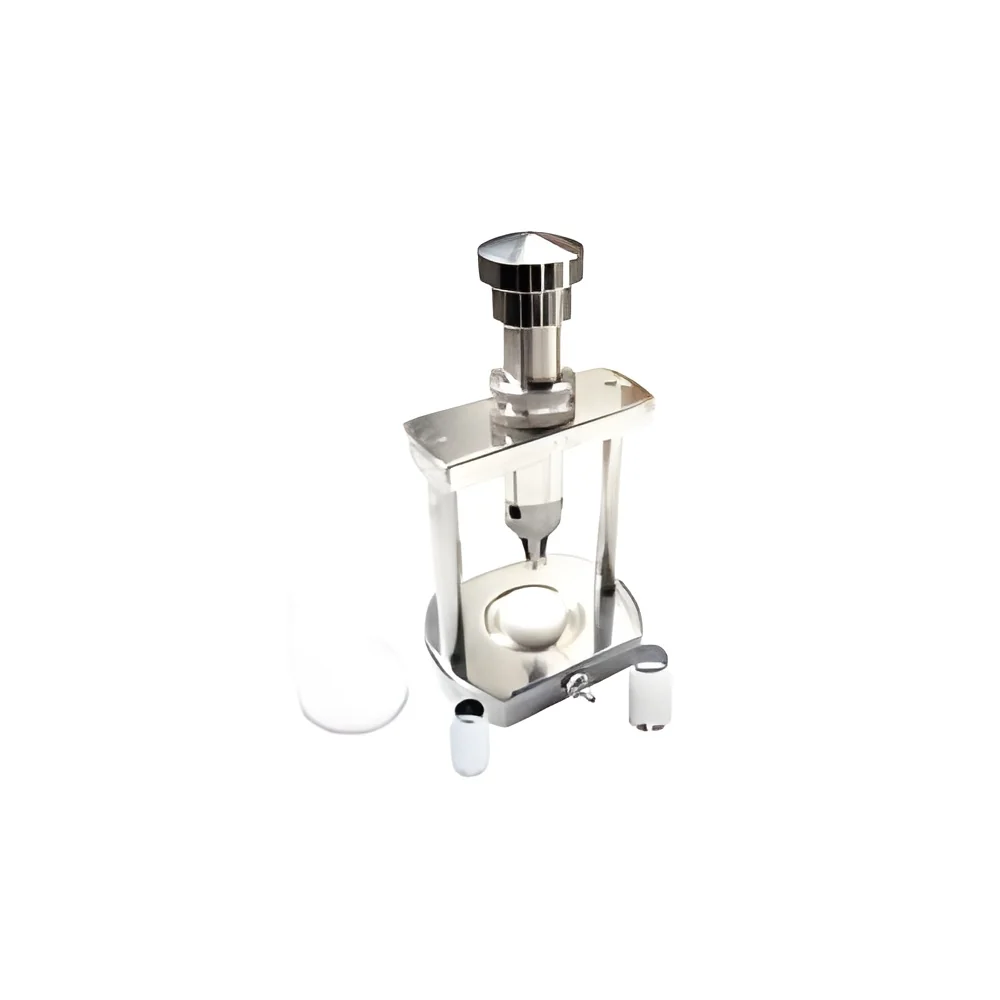
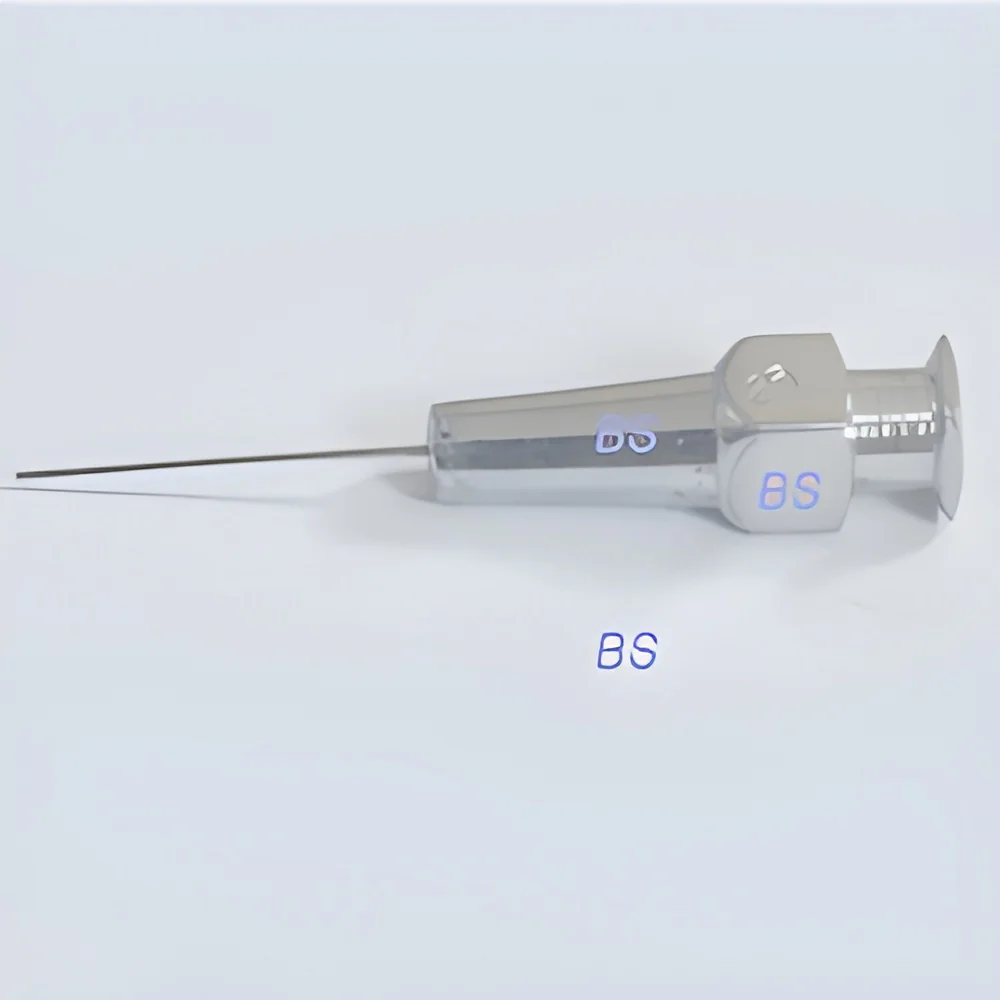
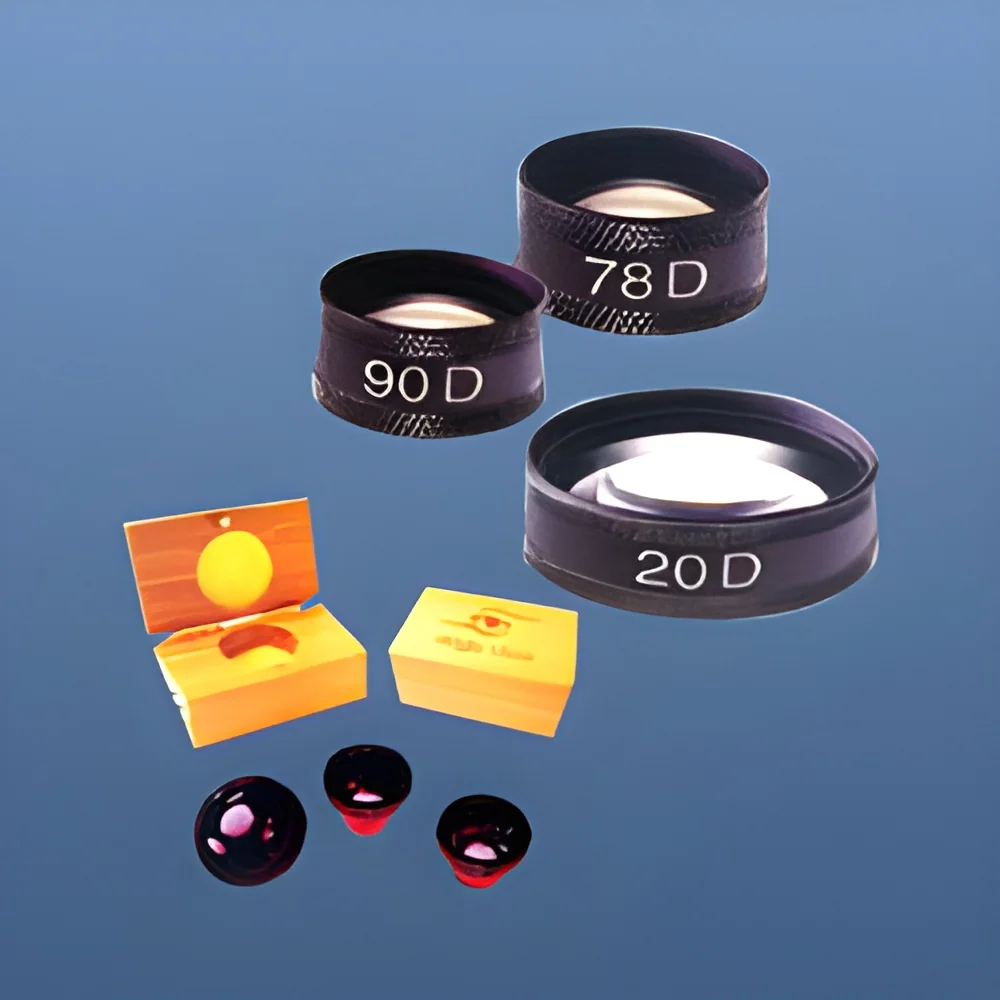
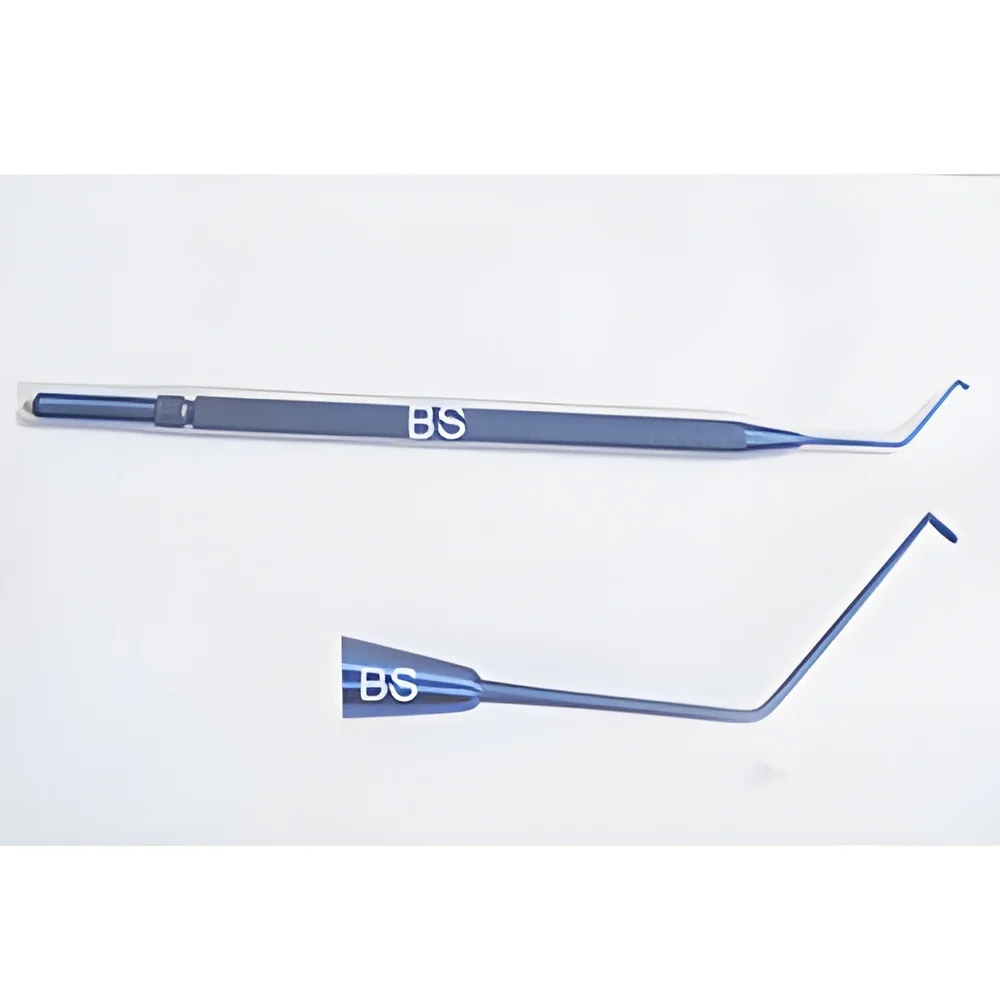
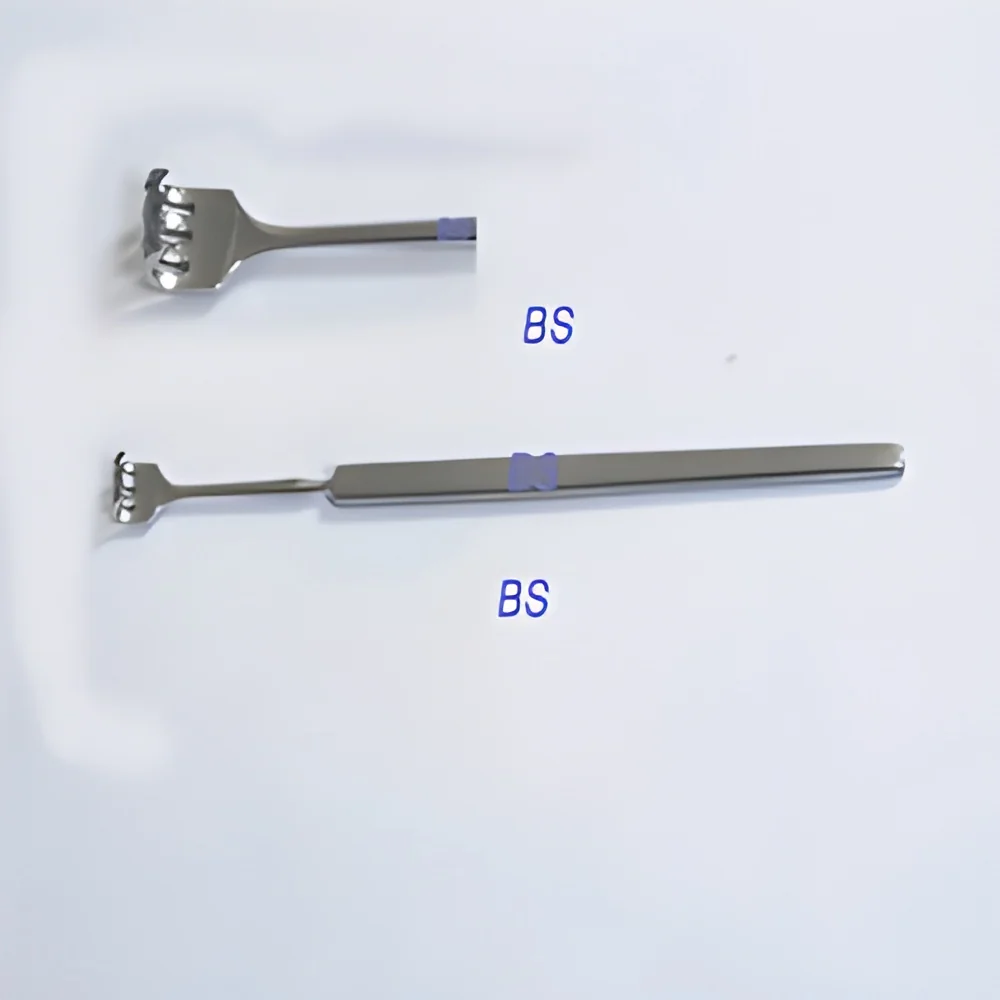
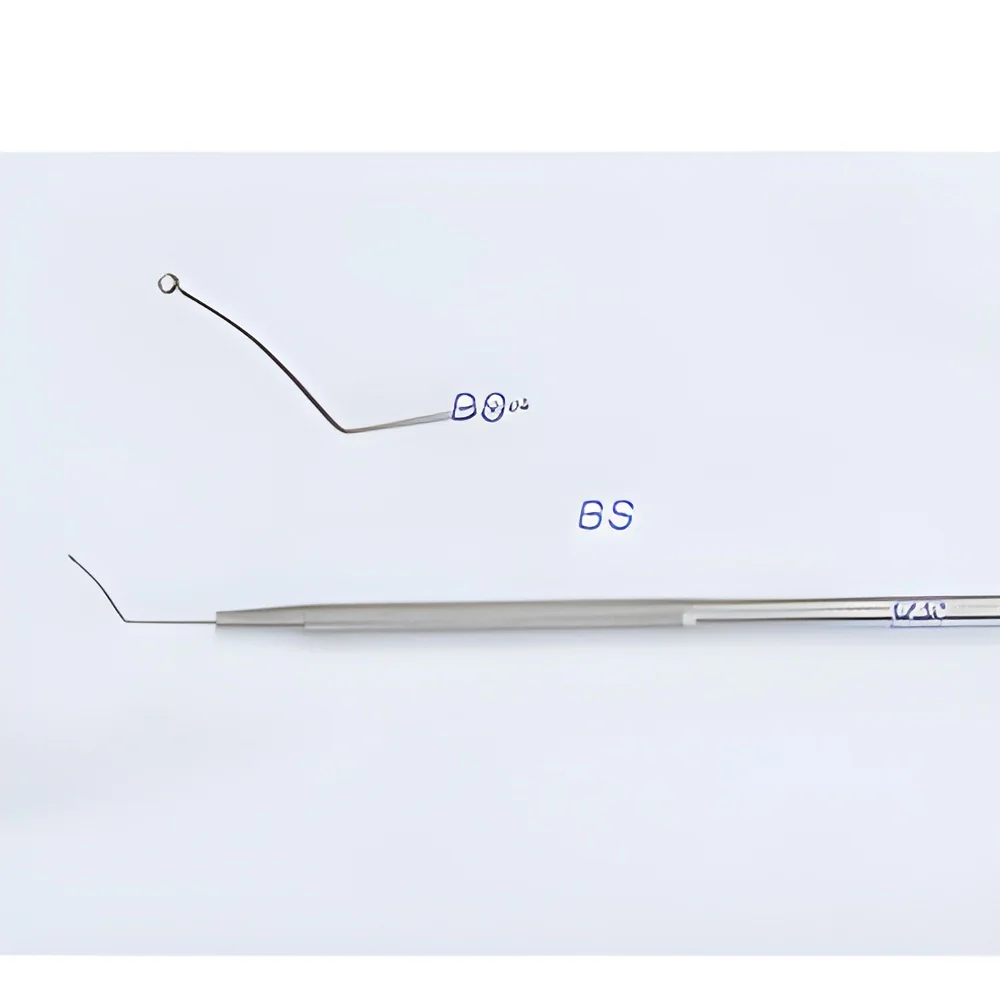
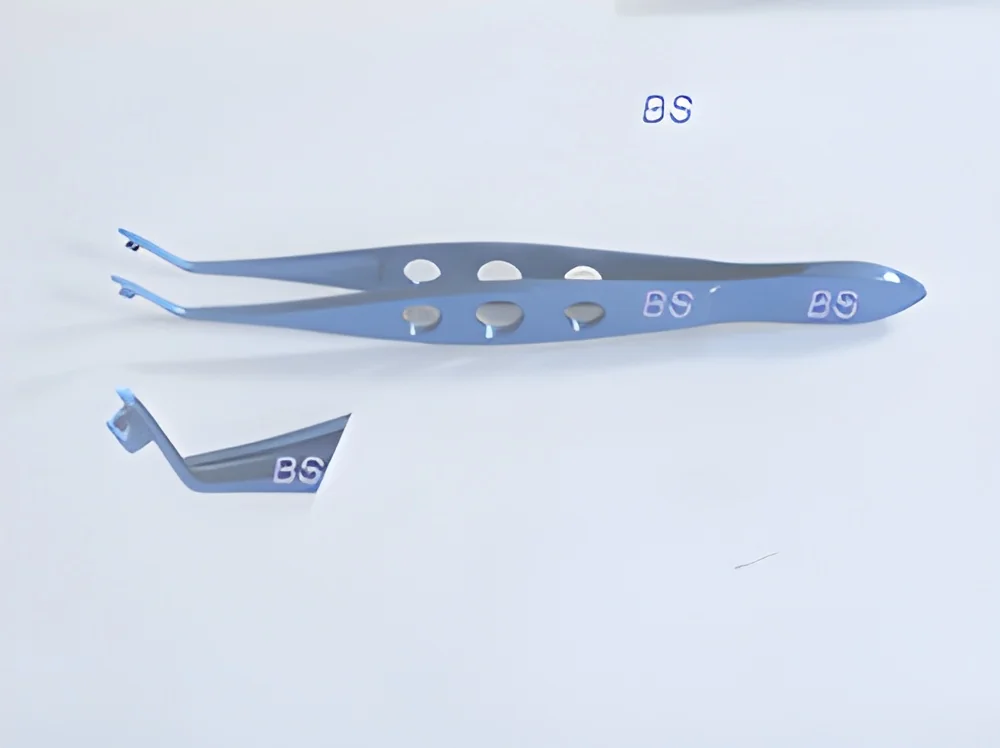
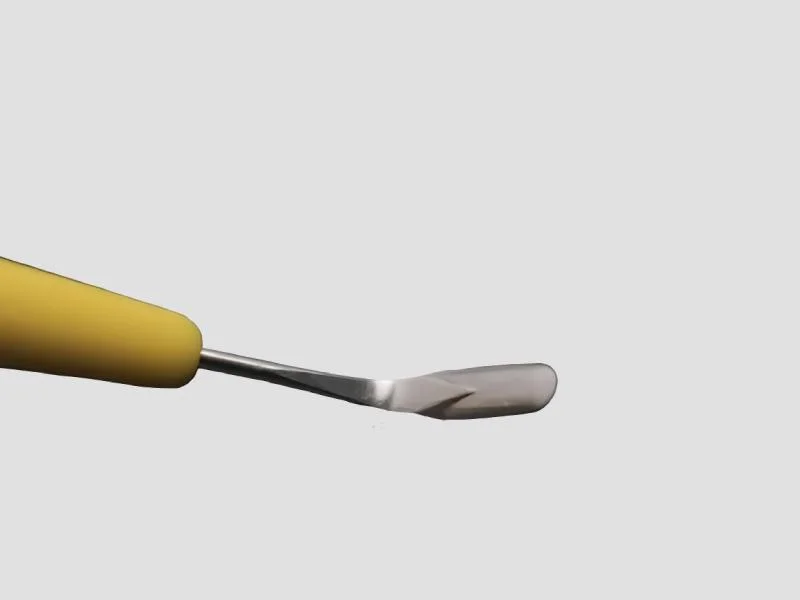
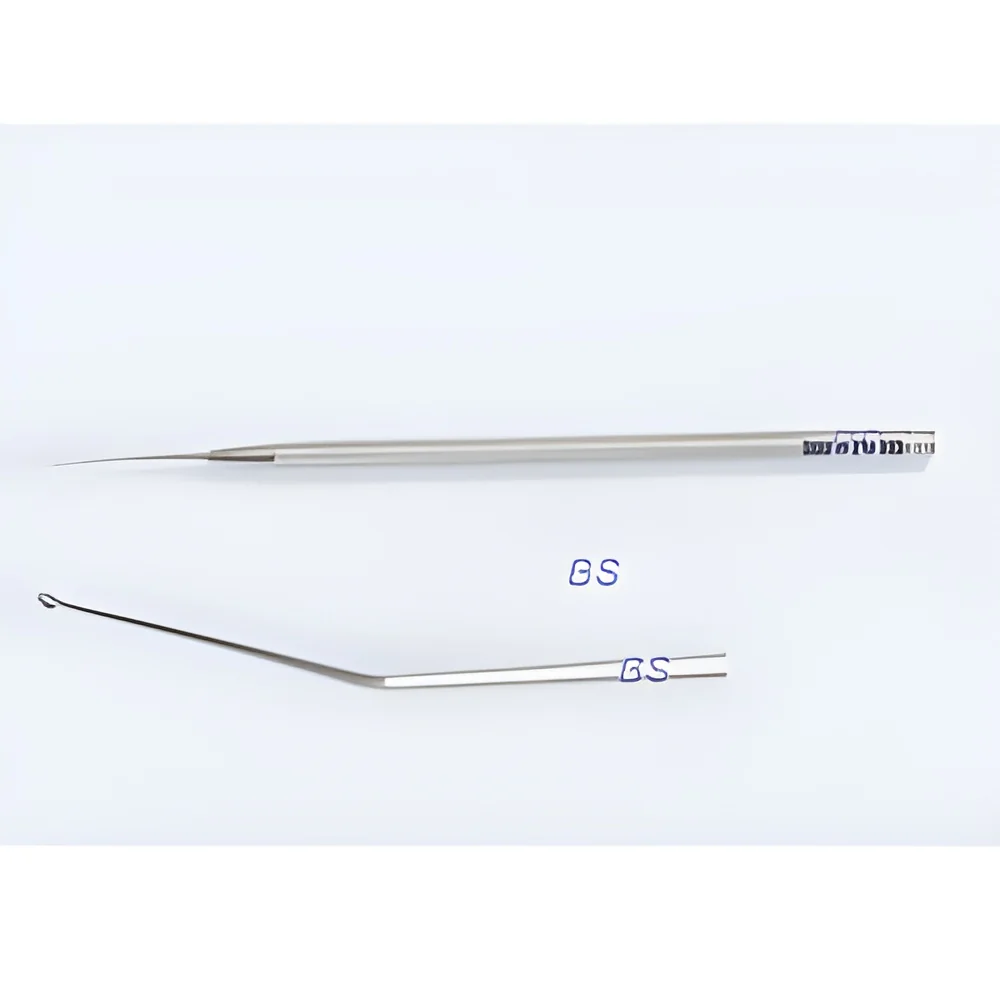
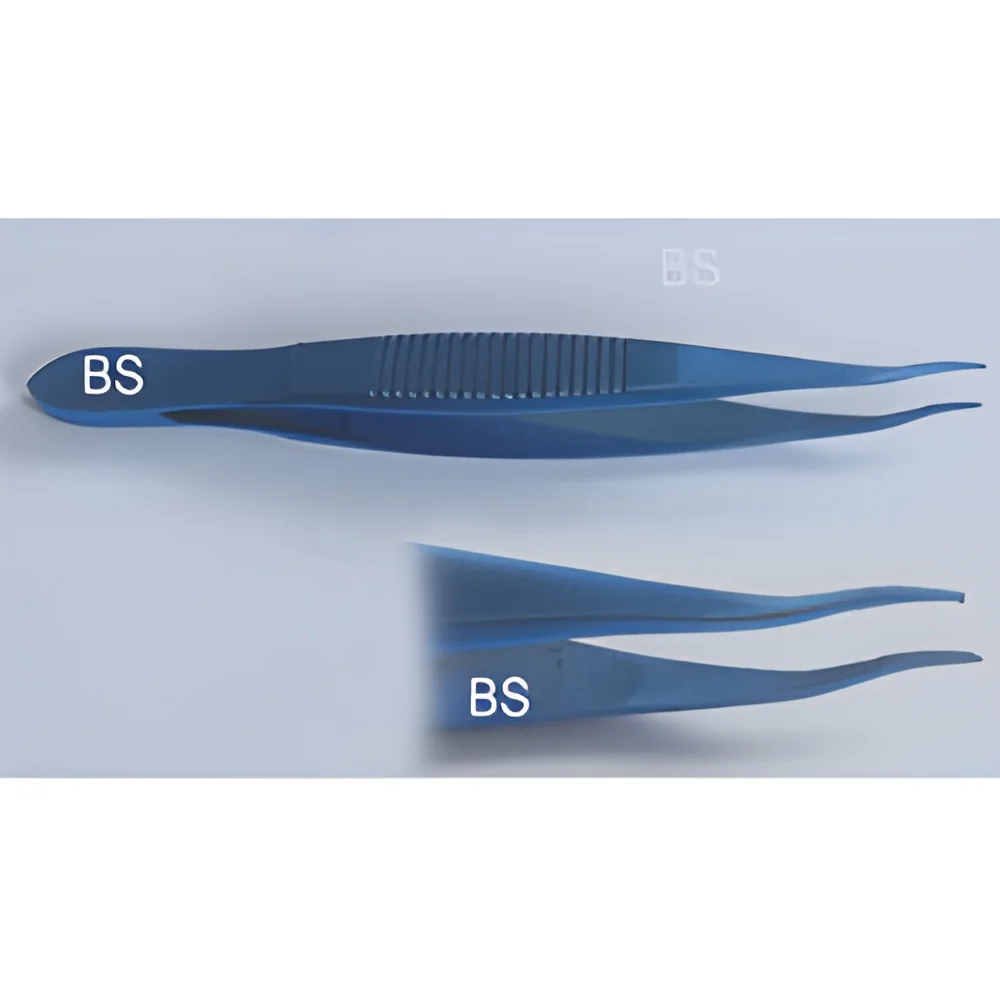
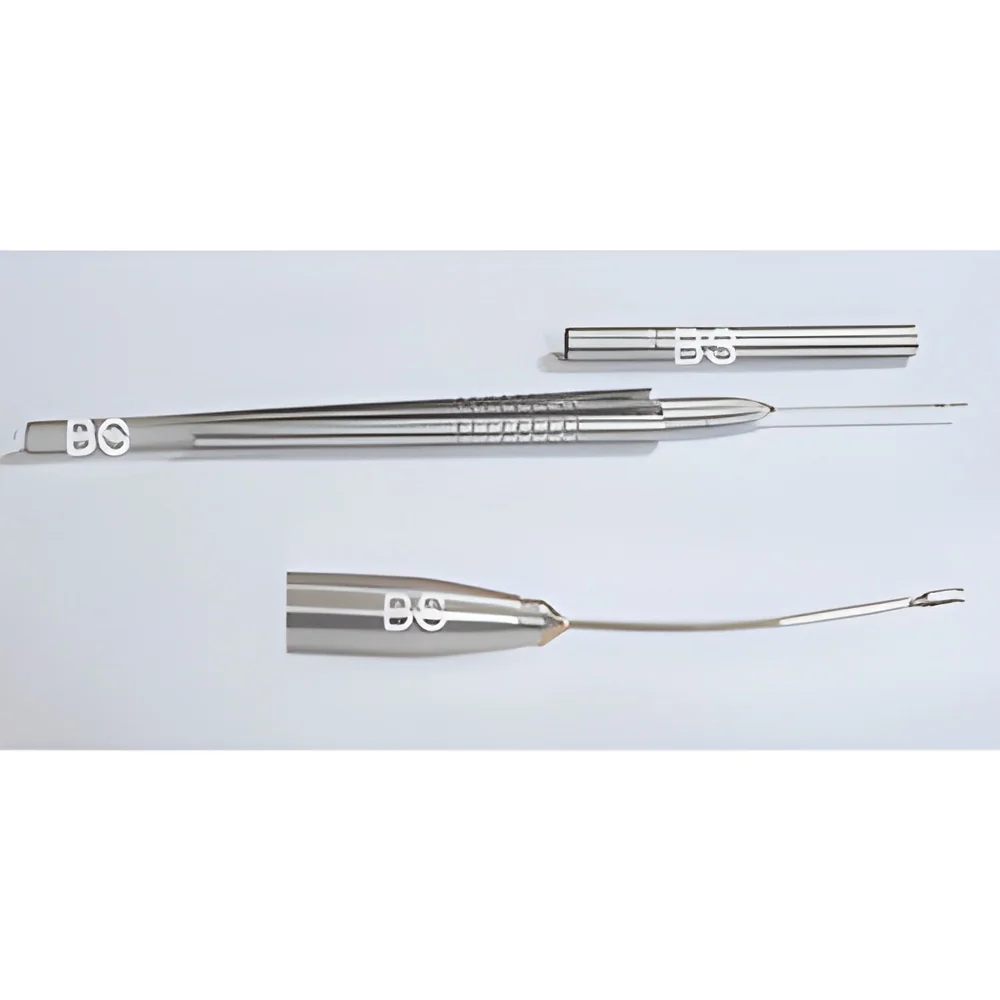
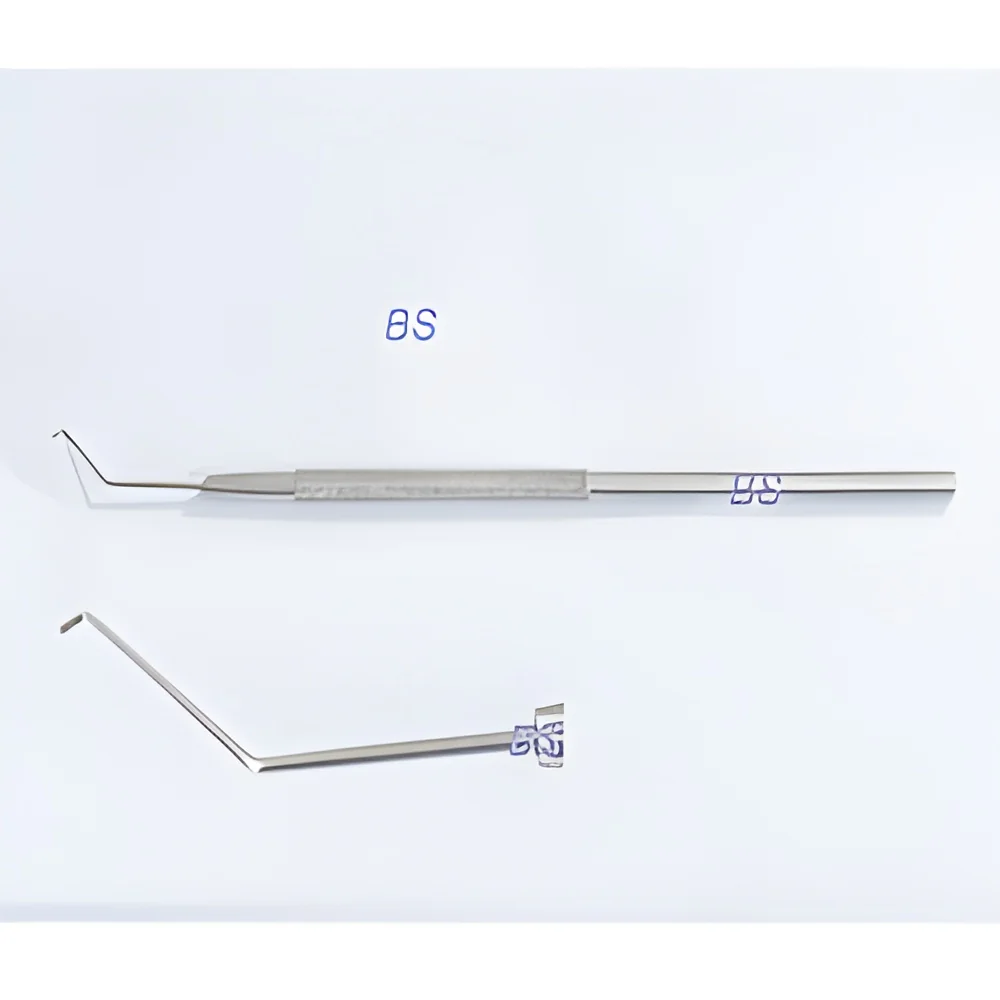
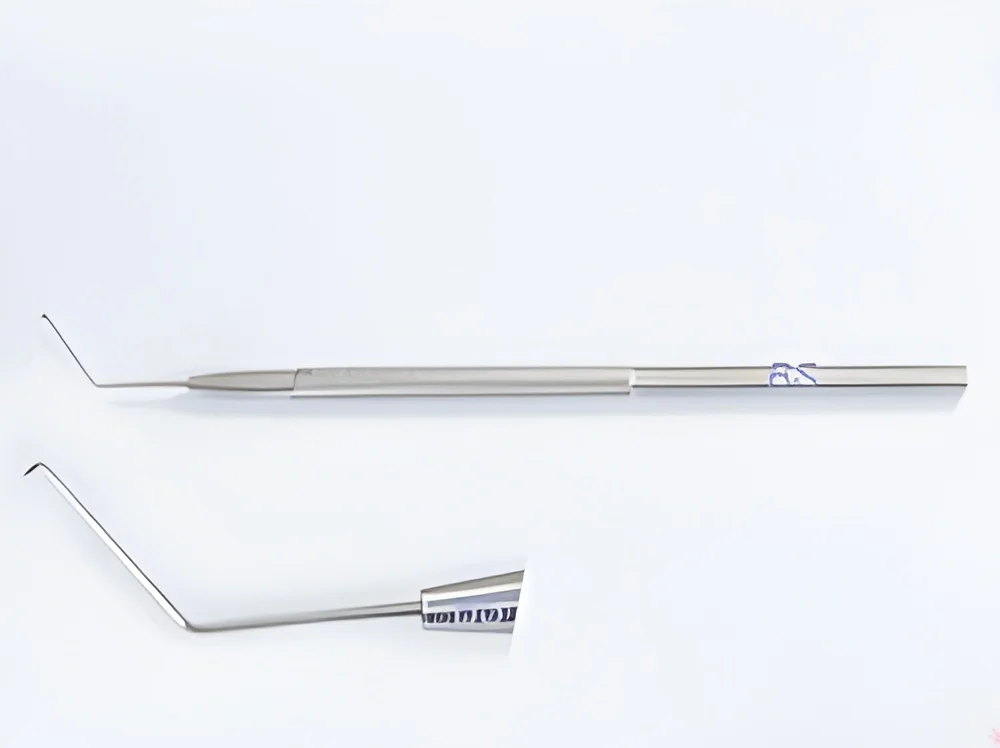
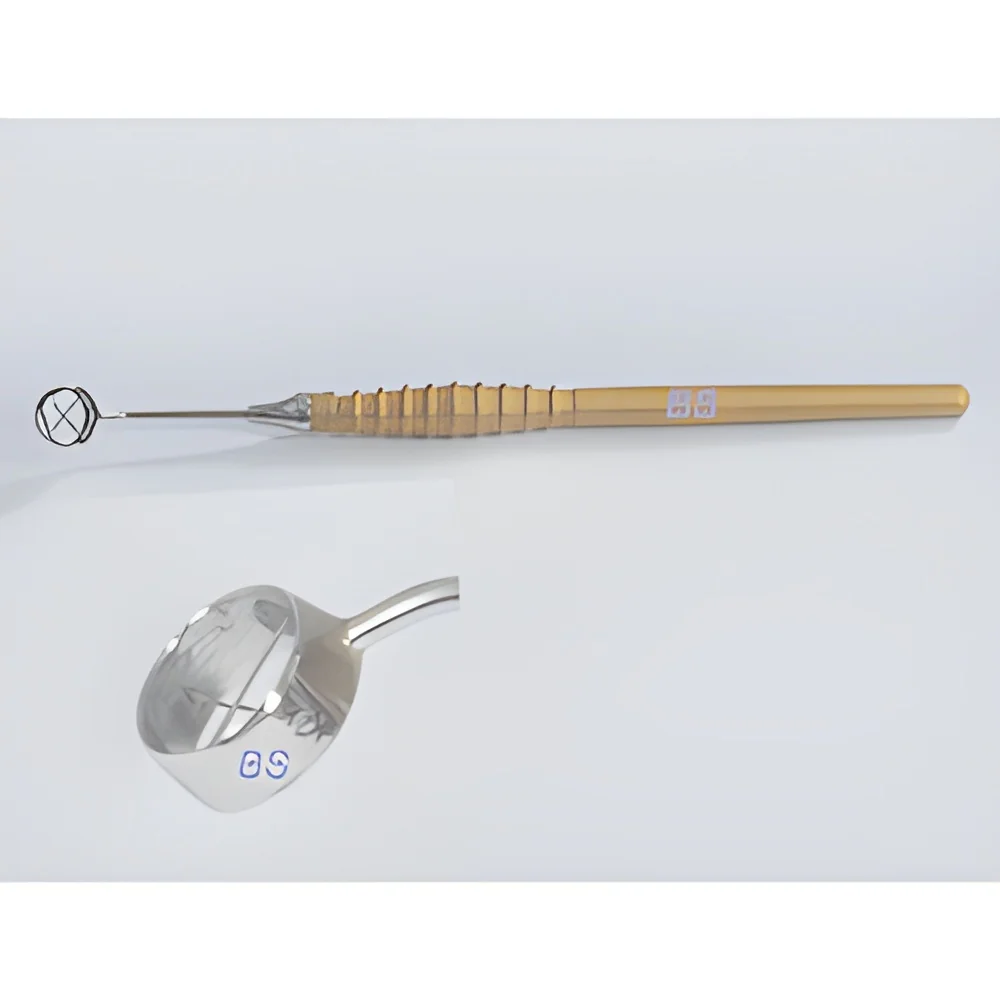
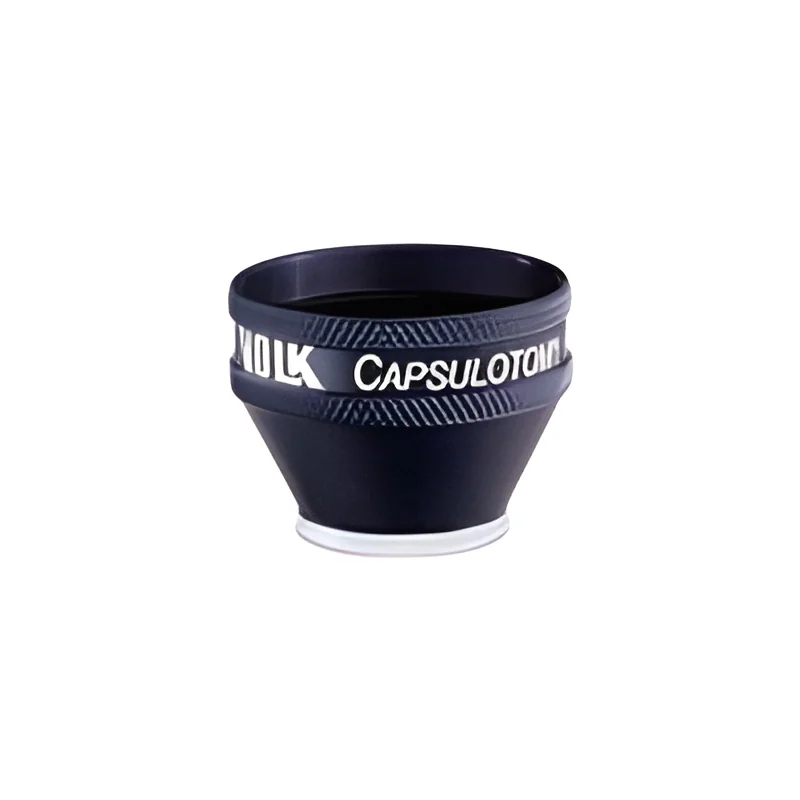
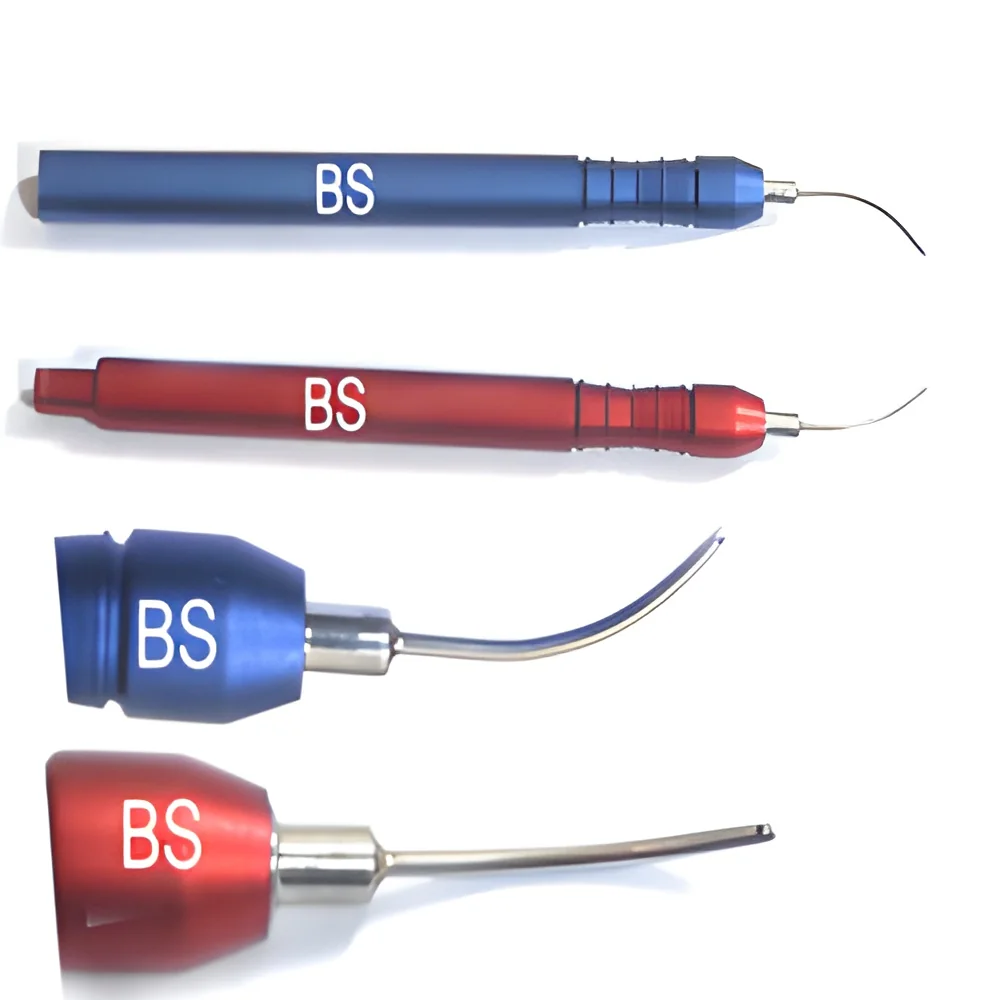
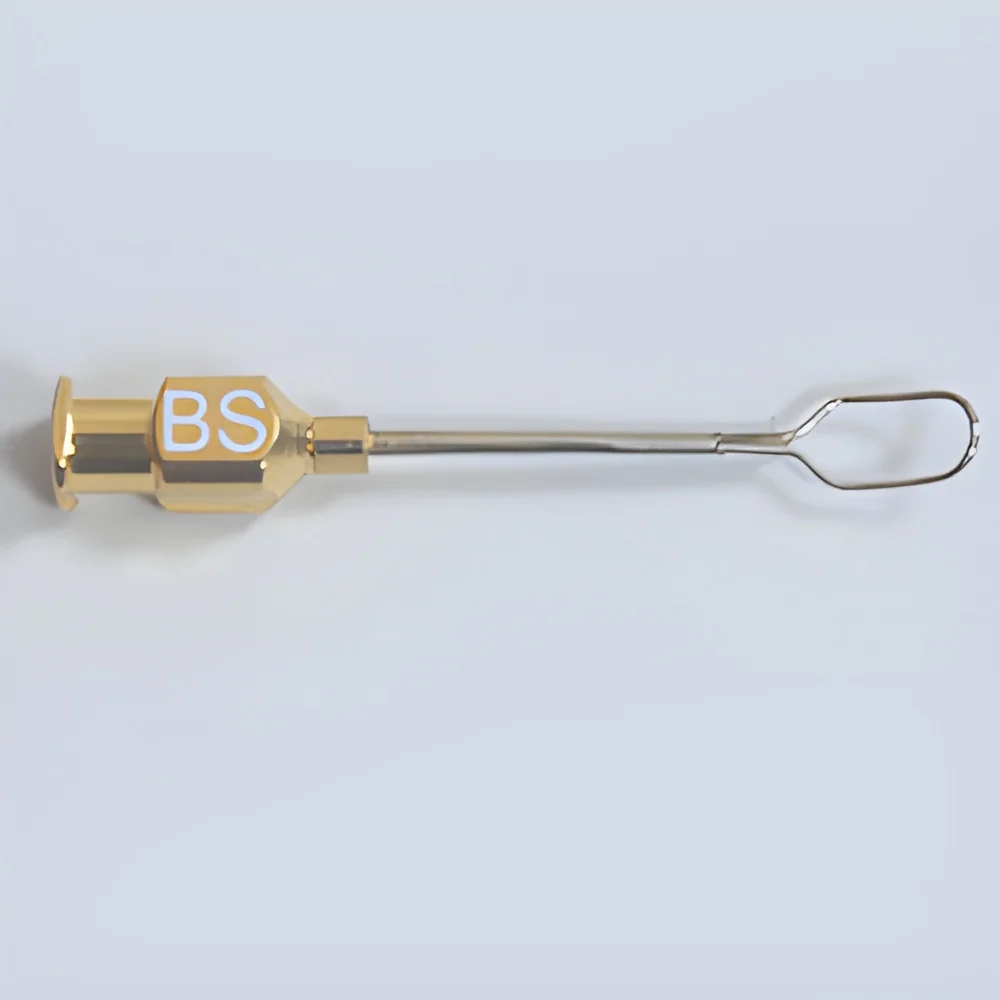
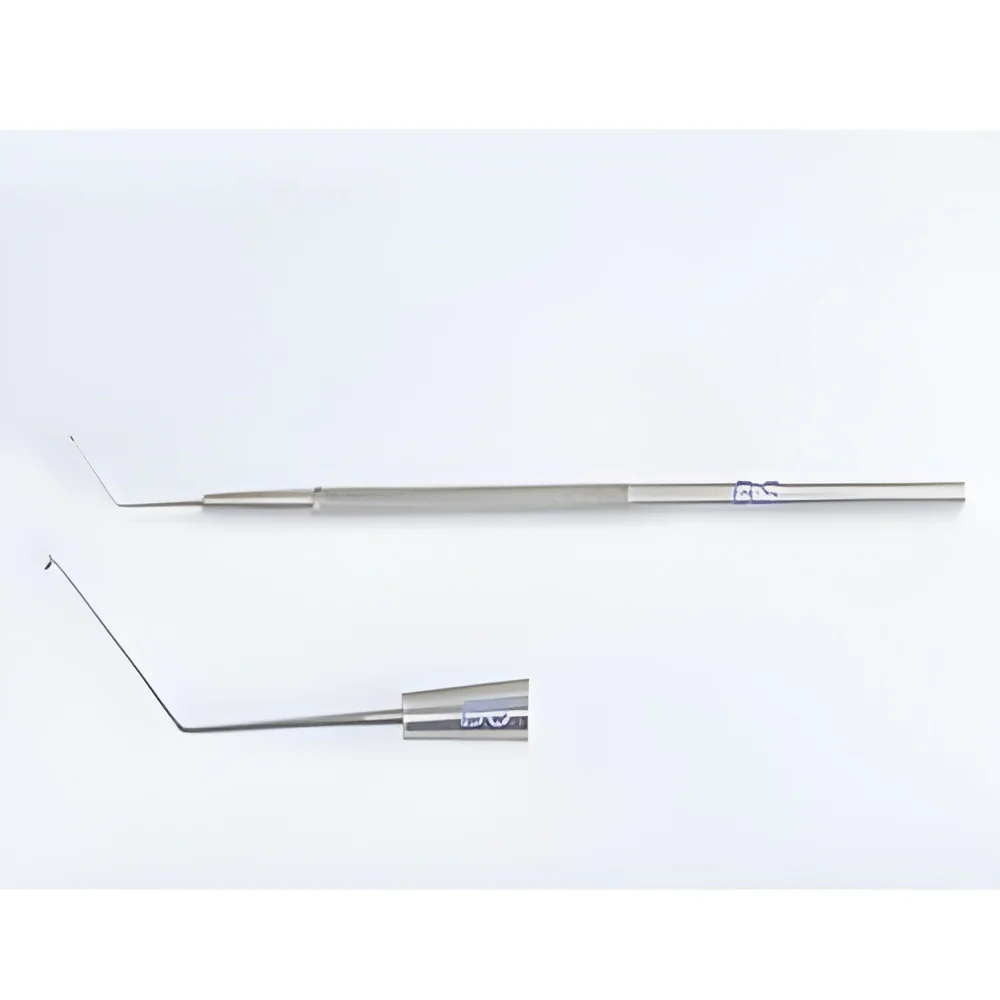
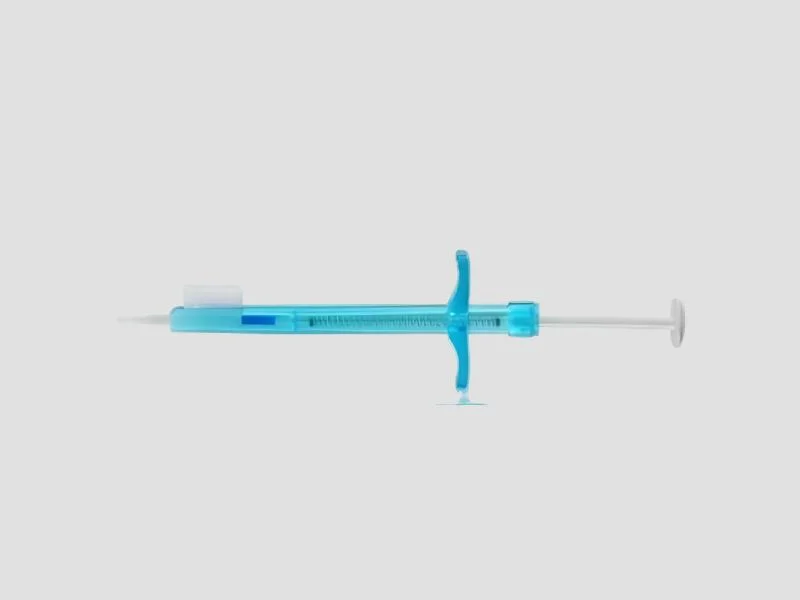
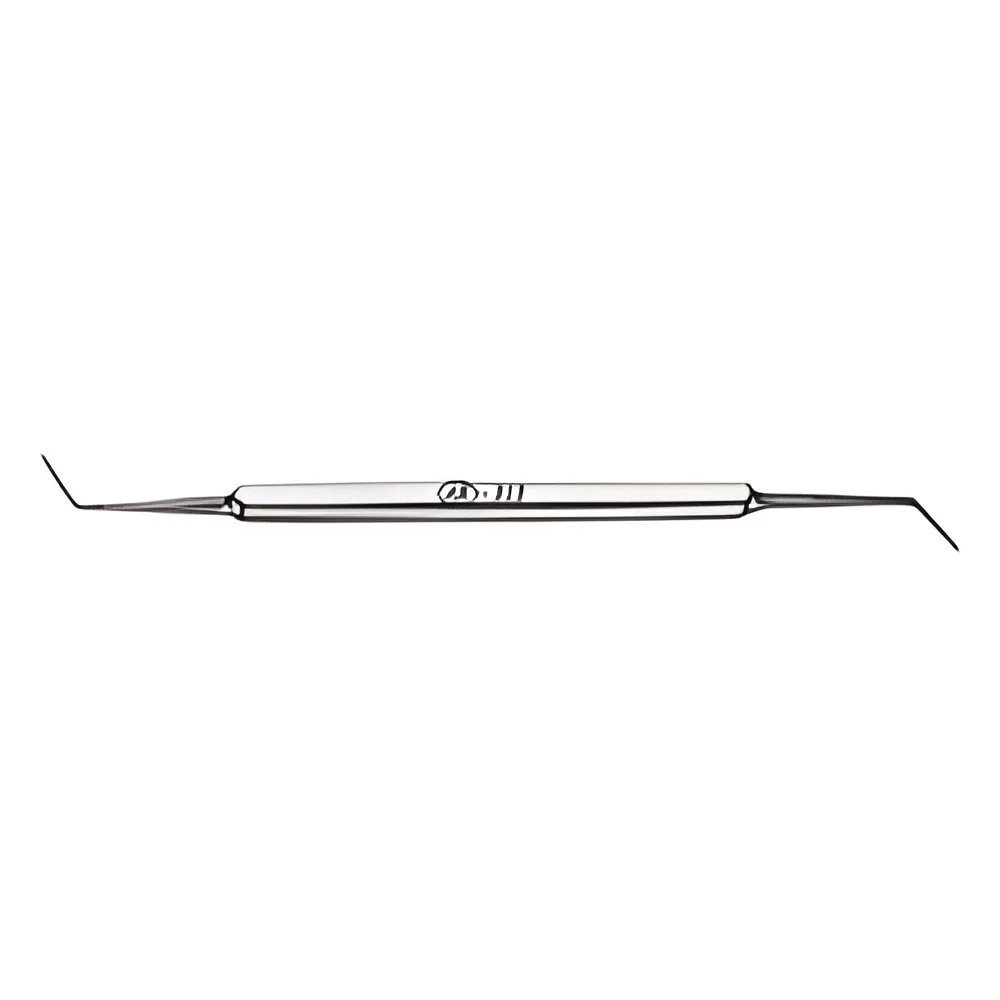
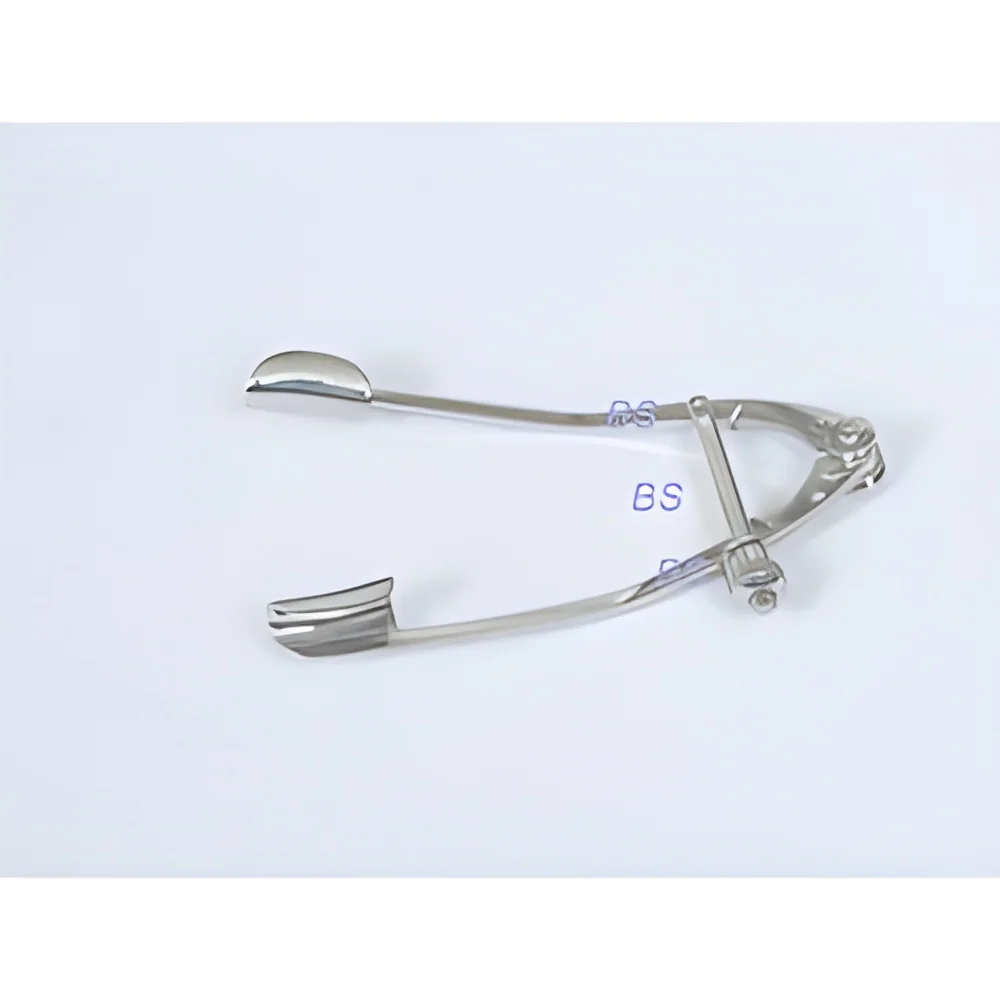
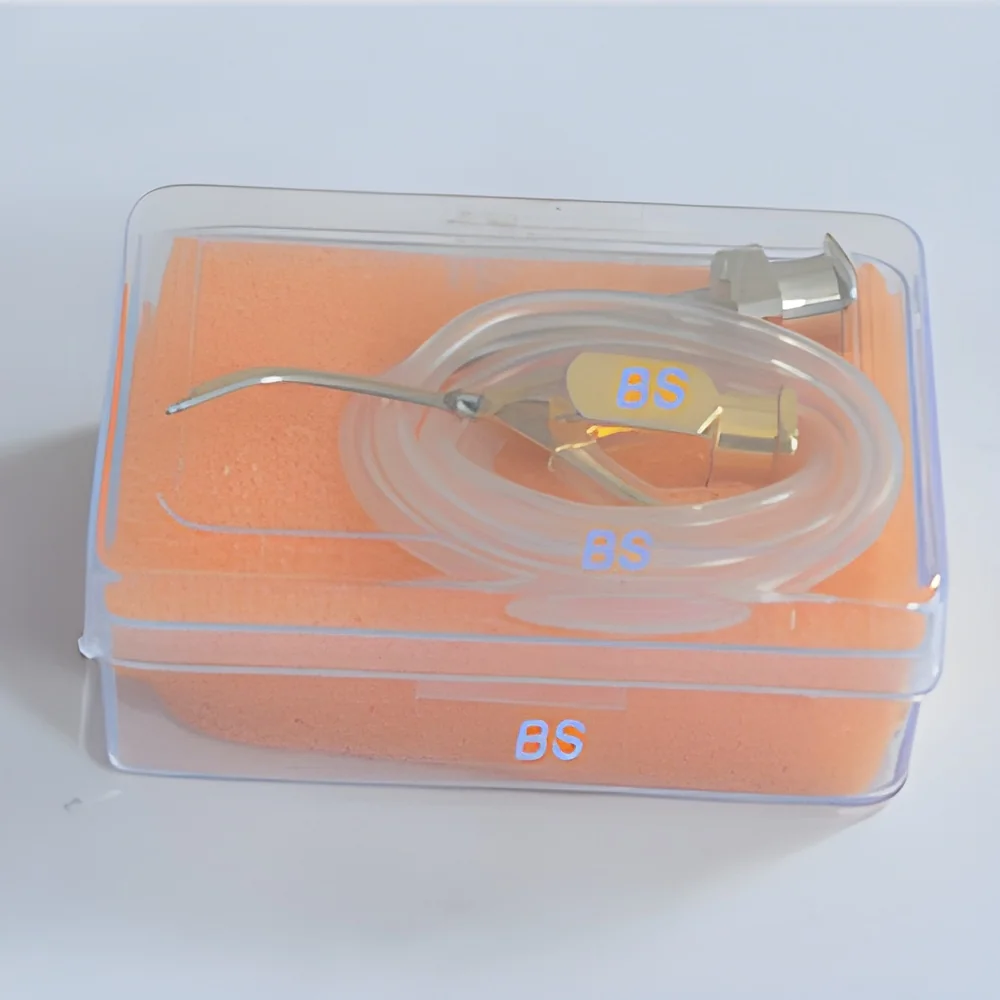
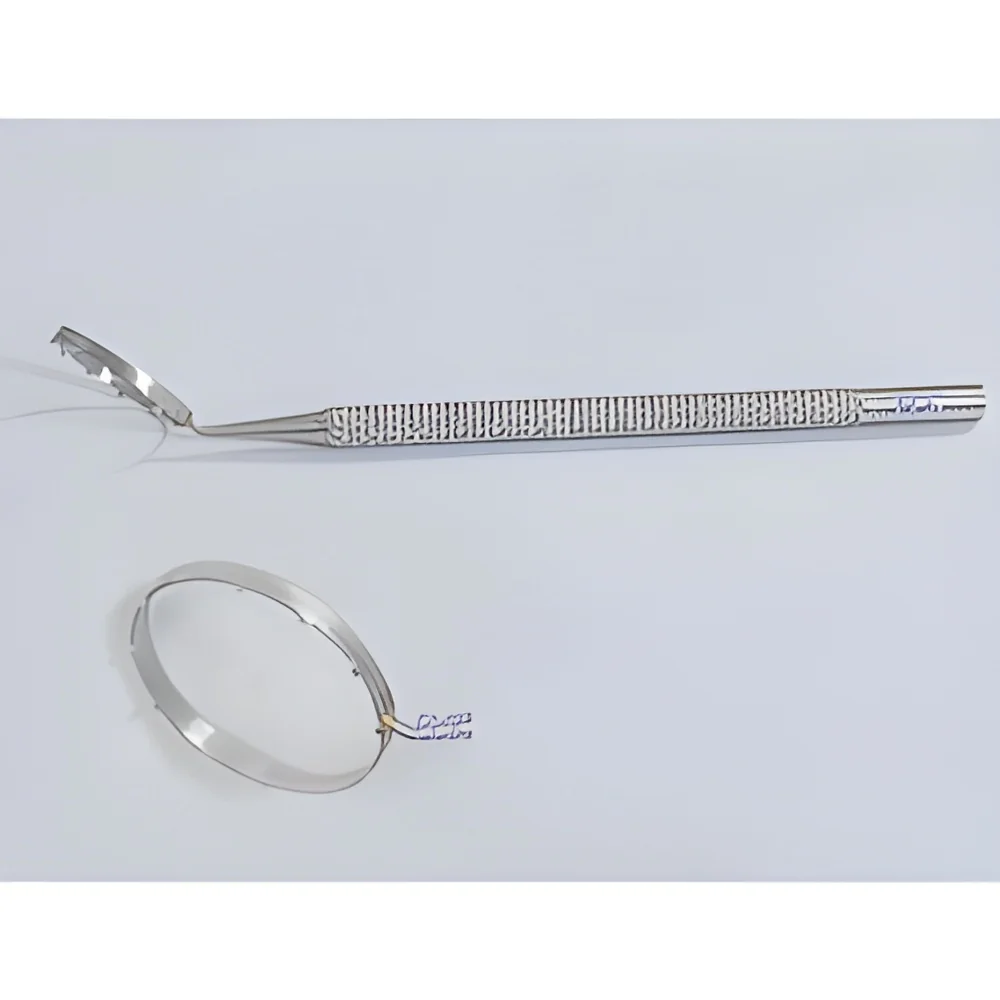
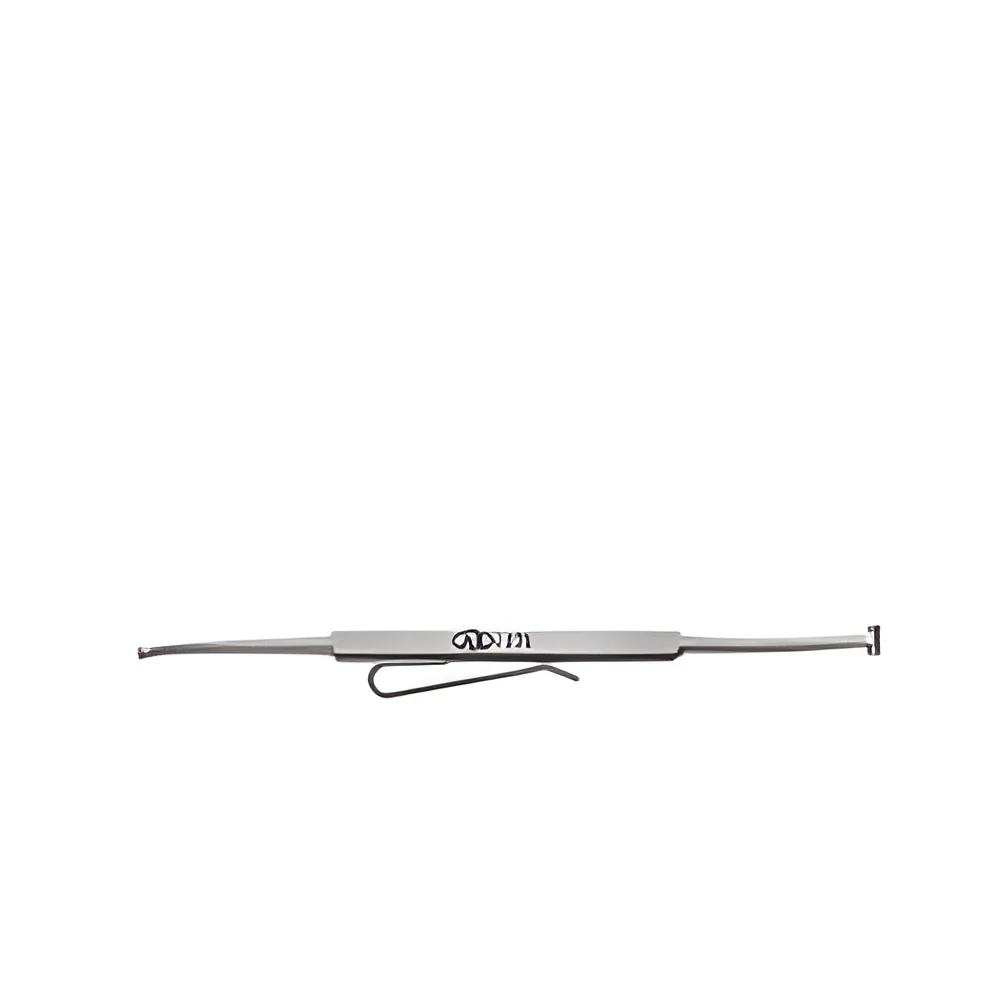
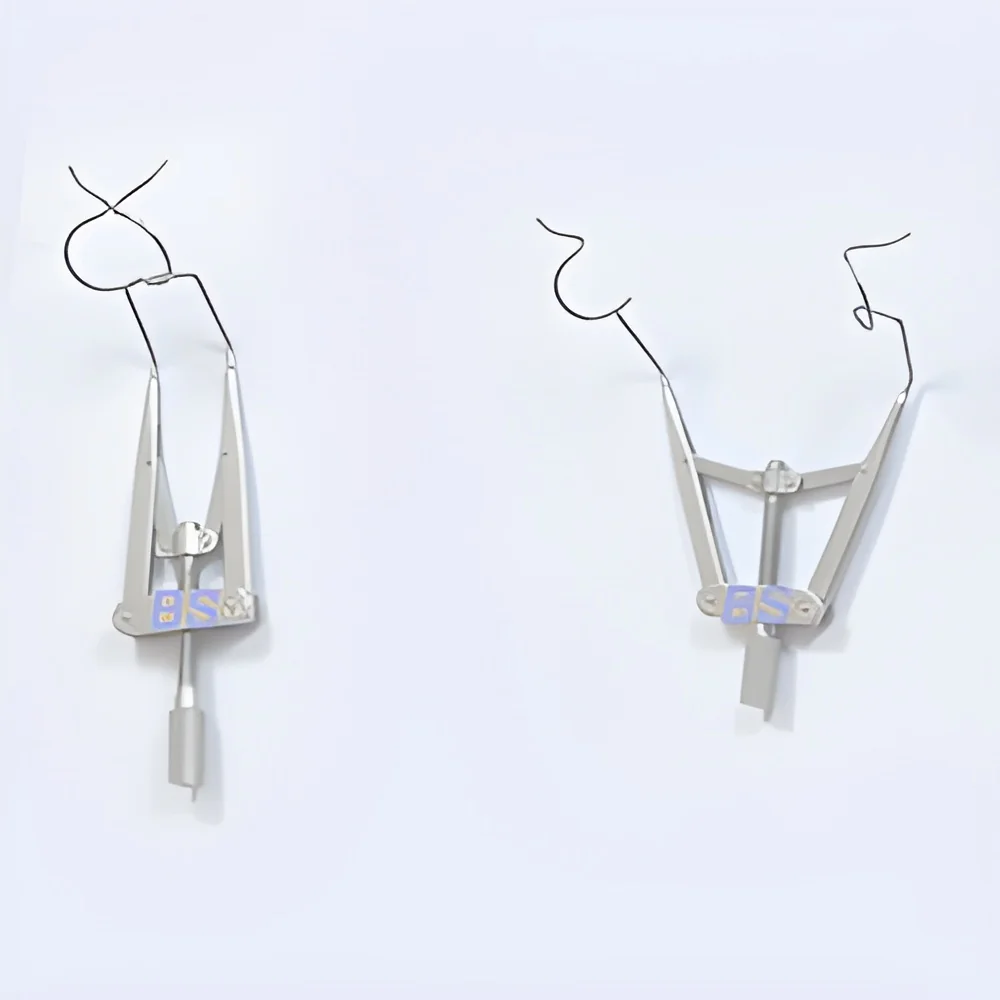
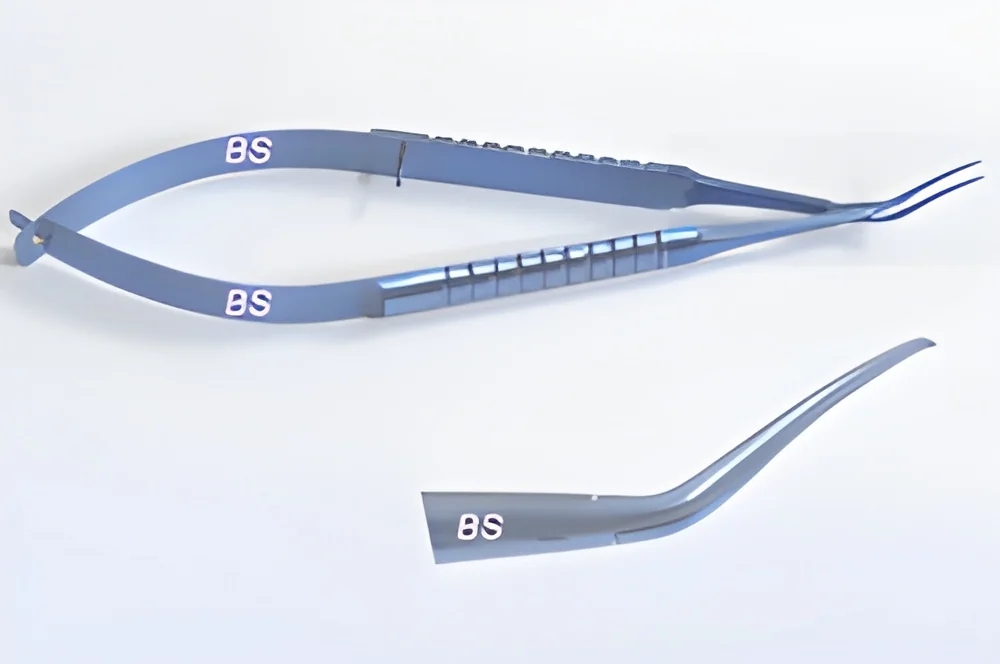
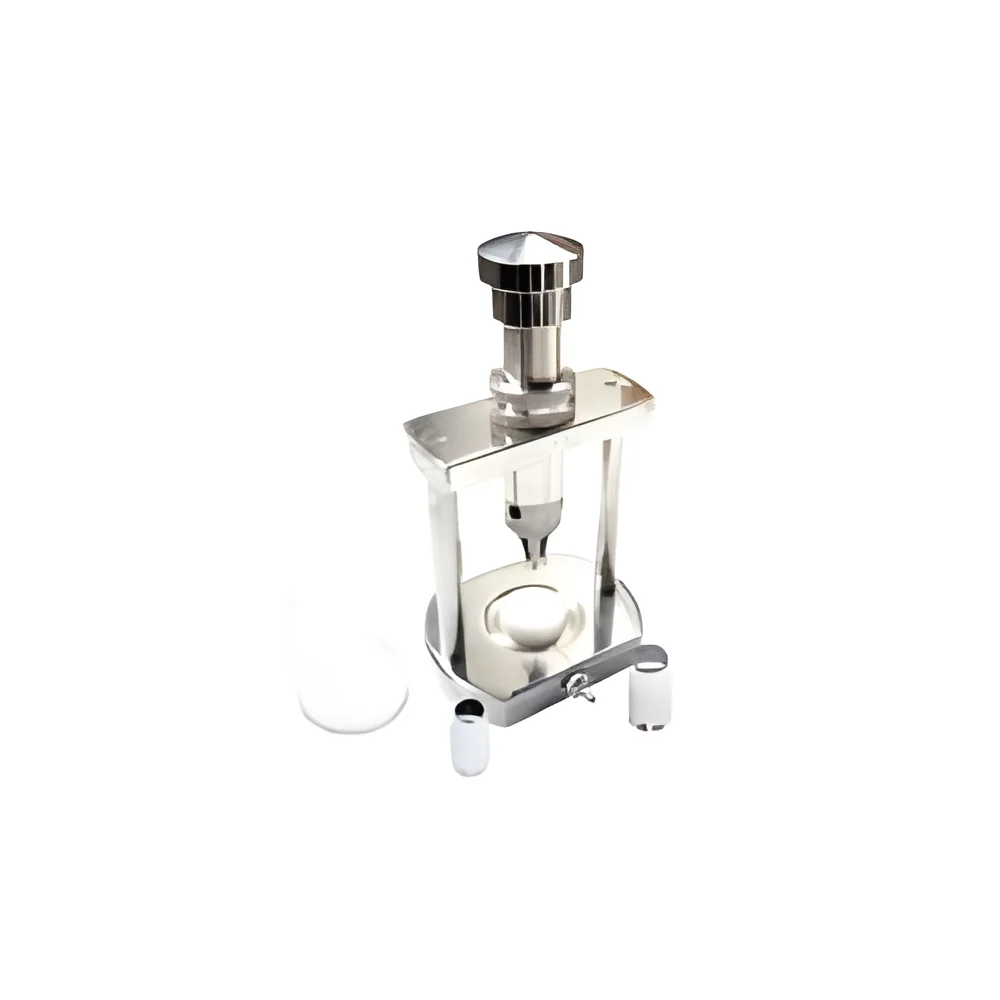
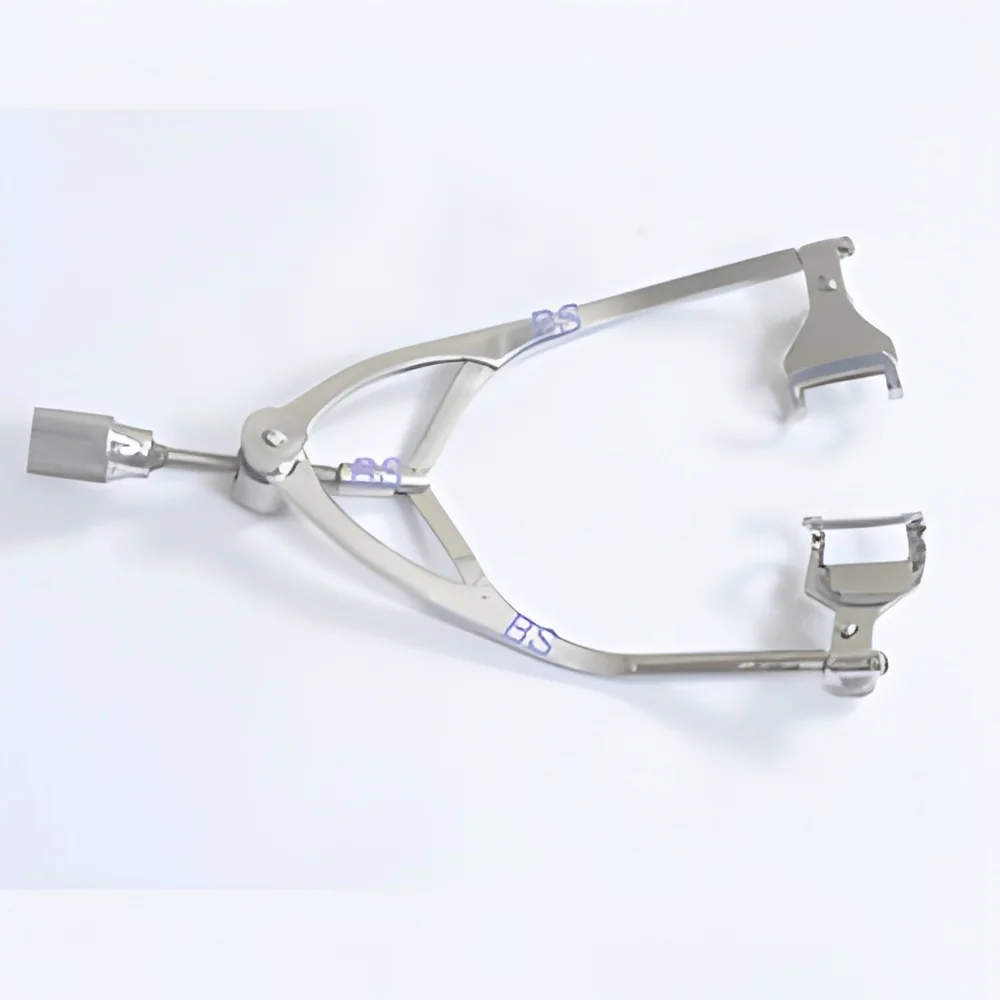
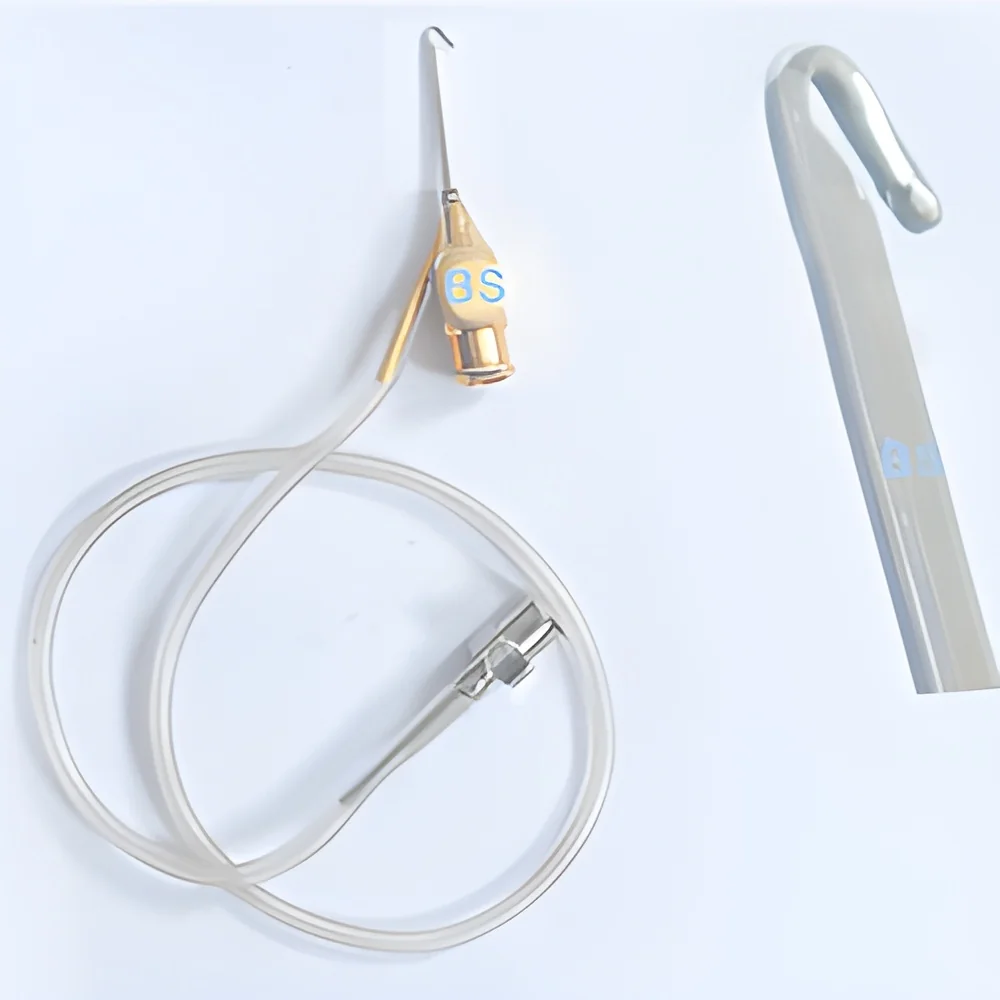
Cataract and corneal surgery tools are specialized instruments used in ophthalmic surgeries to treat conditions affecting the eye, particularly cataracts and corneal disorders. These tools are designed for precision and effectiveness, enabling surgeons to perform delicate procedures with a high degree of accuracy. The tools may include surgical blades, phacoemulsification devices, and various types of forceps and speculums, each tailored for specific surgical tasks.
These instruments are primarily utilized in hospitals, clinics, and surgical centers that provide eye care. Their applications range from routine cataract removal to more complex corneal transplants. As the global population ages and the demand for eye surgeries increases, the relevance of these tools in the medical field continues to grow. The market for cataract and corneal surgery tools is expanding, driven by advances in technology and increased awareness of eye health.
Key Features and Specifications
Cataract and corneal surgery tools come with a variety of features that ensure they meet the high standards required in surgical procedures. Understanding these specifications can help buyers make informed decisions.
Key specifications include:
1. Material Quality
- Typically made from stainless steel or titanium
- High durability and resistance to corrosion
2. Precision Engineering
- Designed for optimal performance in delicate surgeries
- Tight tolerances for consistent results
3. Ergonomic Design
- Handles shaped for comfortable grip
- Reduces hand fatigue during extended use
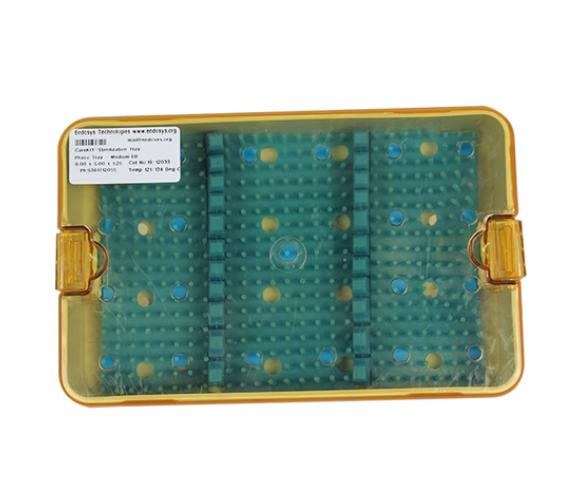
4. Autoclavable
- Tools can be sterilized using autoclaving methods
- Ensures safety and hygiene in surgical environments
5. Compatibility
- Tools designed to work with various surgical technologies
- Ensures interdisciplinary usability across different procedures
6. Lightweight Construction
- Easy to handle during procedures
- Reduces strain on the surgeon
7. CE Certification
- Complies with European safety and health standards
- Indicates reliability and quality assurance
In summary, the specifications of cataract and corneal surgery tools reflect their critical role in ensuring successful surgical outcomes while adhering to industry standards.
Common Applications and Use Cases
Cataract and corneal surgery tools find applications across several sectors within the medical field.
1. Ophthalmology Clinics: These tools are fundamental in performing cataract surgeries, allowing for the removal of cloudy lenses and replacement with artificial ones.
2. Hospitals: In surgical departments, these tools are essential for both elective and emergency eye surgeries, including corneal transplants and other corrective procedures.
3. Research Institutions: Tools are used in clinical studies to advance techniques and improve surgical outcomes in ophthalmology.
4. Medical Training Facilities: They are utilized in training new surgeons, providing hands-on experience with the latest technologies and techniques.
5. Private Eye Surgery Centers: Specialized centers use these tools to offer services focused solely on eye health and surgical corrections.
6. Telemedicine Providers: In remote consultations, these tools may be referenced to discuss surgical options and procedures with patients.
Product Variants and Subcategories
Cataract and corneal surgery tools come in various forms to cater to specific surgical needs.
Phacoemulsification Devices
These devices are crucial for cataract surgeries, employing ultrasound technology to break up the cloudy lens, making extraction easier. They often come with various tips and settings for different patient needs.
Surgical Blades
Used for precise incisions, surgical blades are available in multiple sizes and shapes to accommodate different types of eye surgeries. Their sharpness and design play a significant role in minimizing tissue damage.
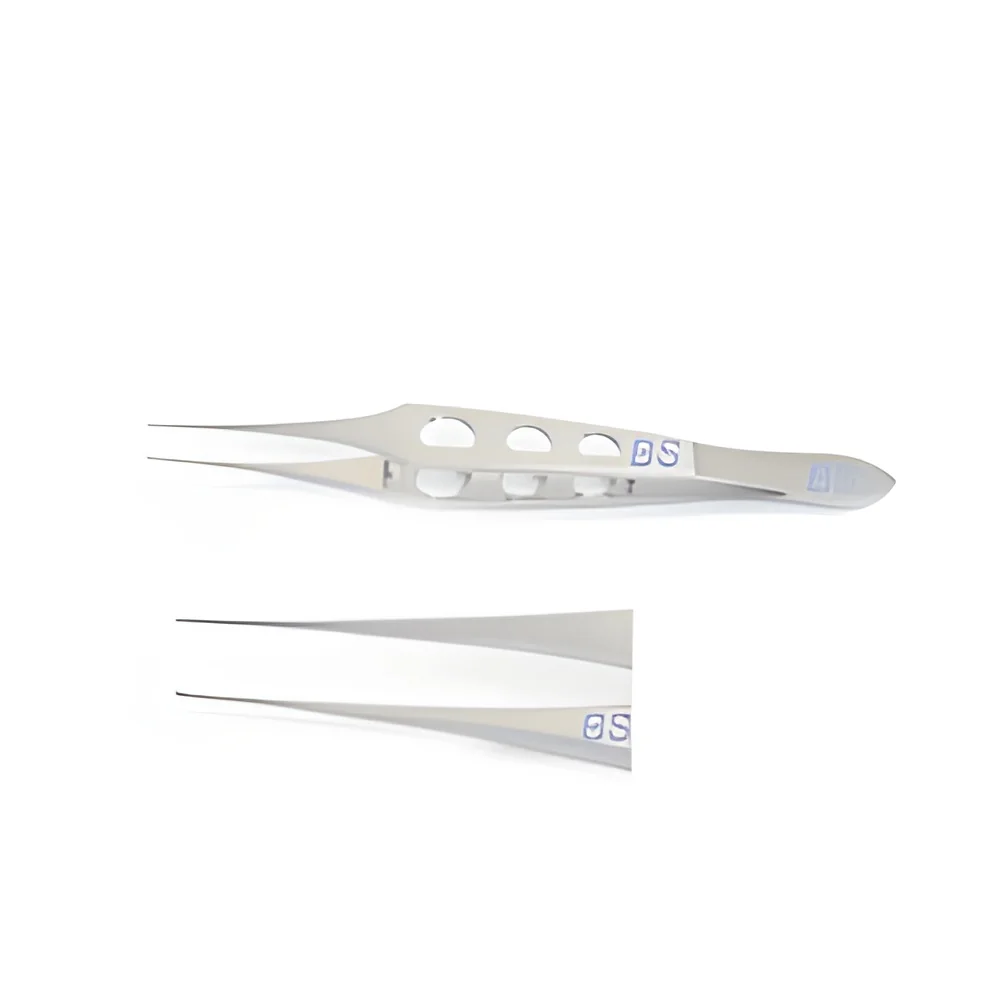
Forceps
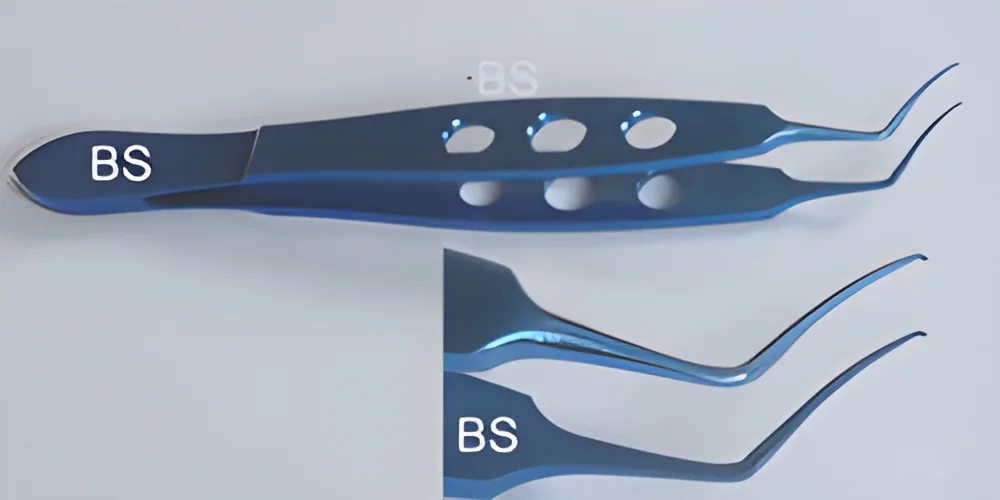
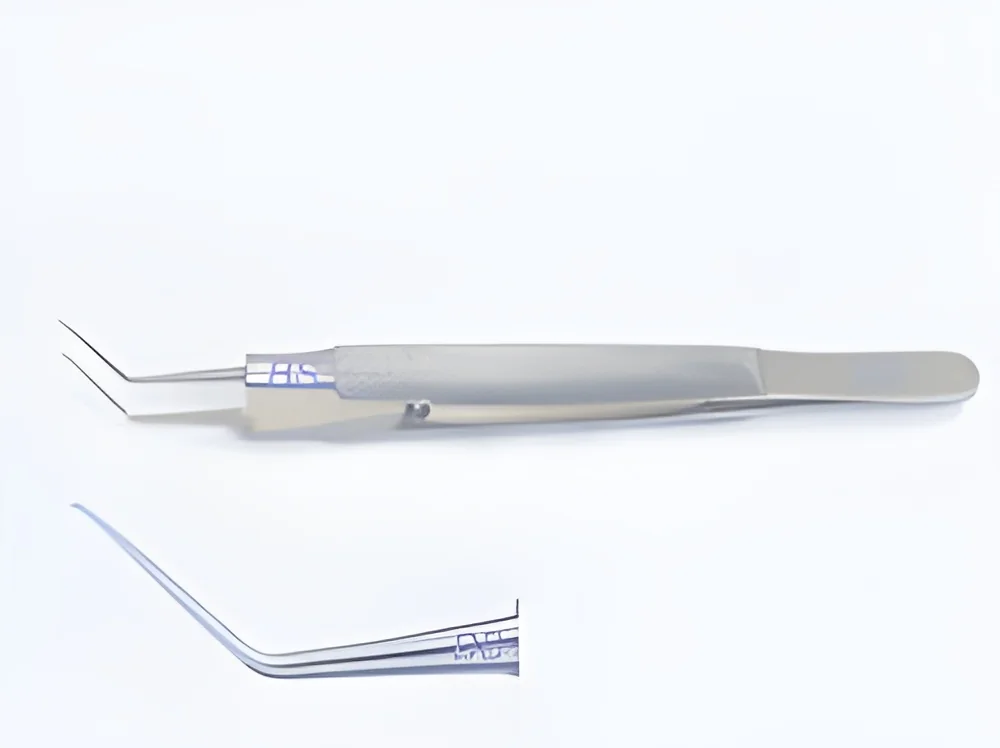
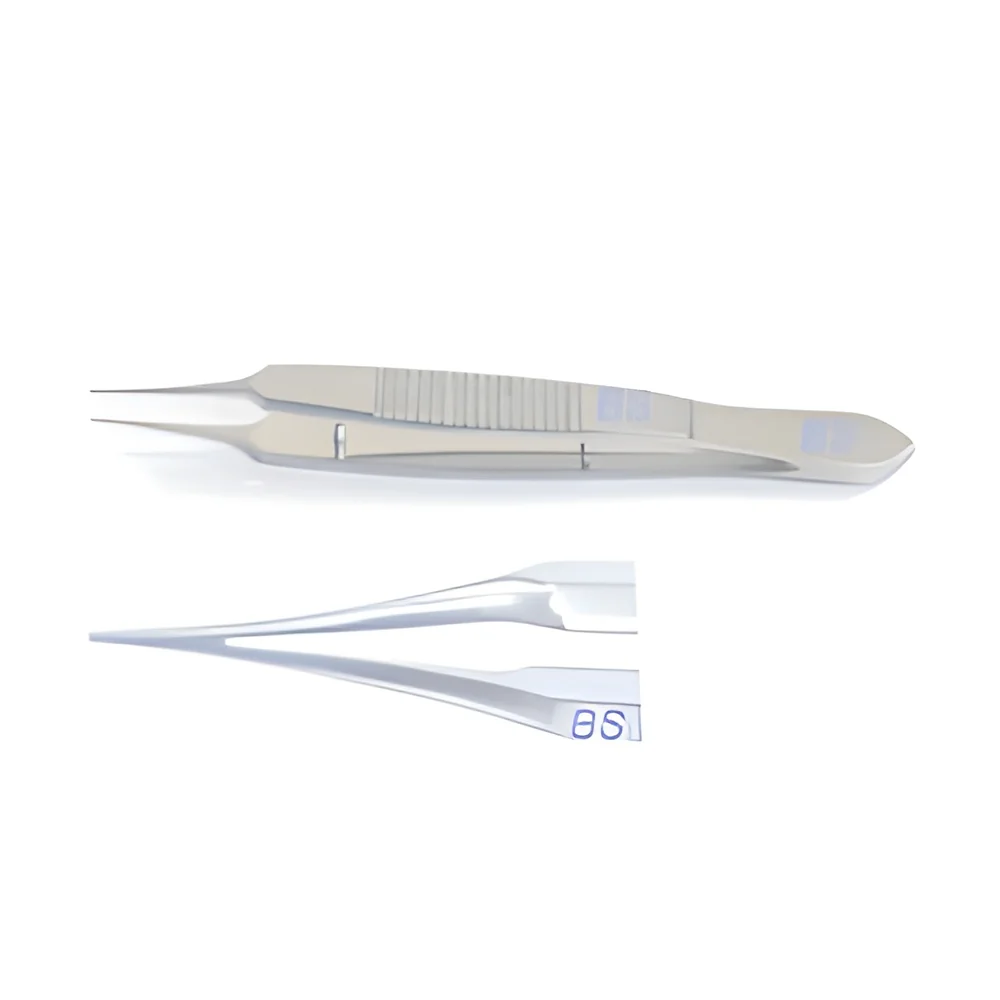
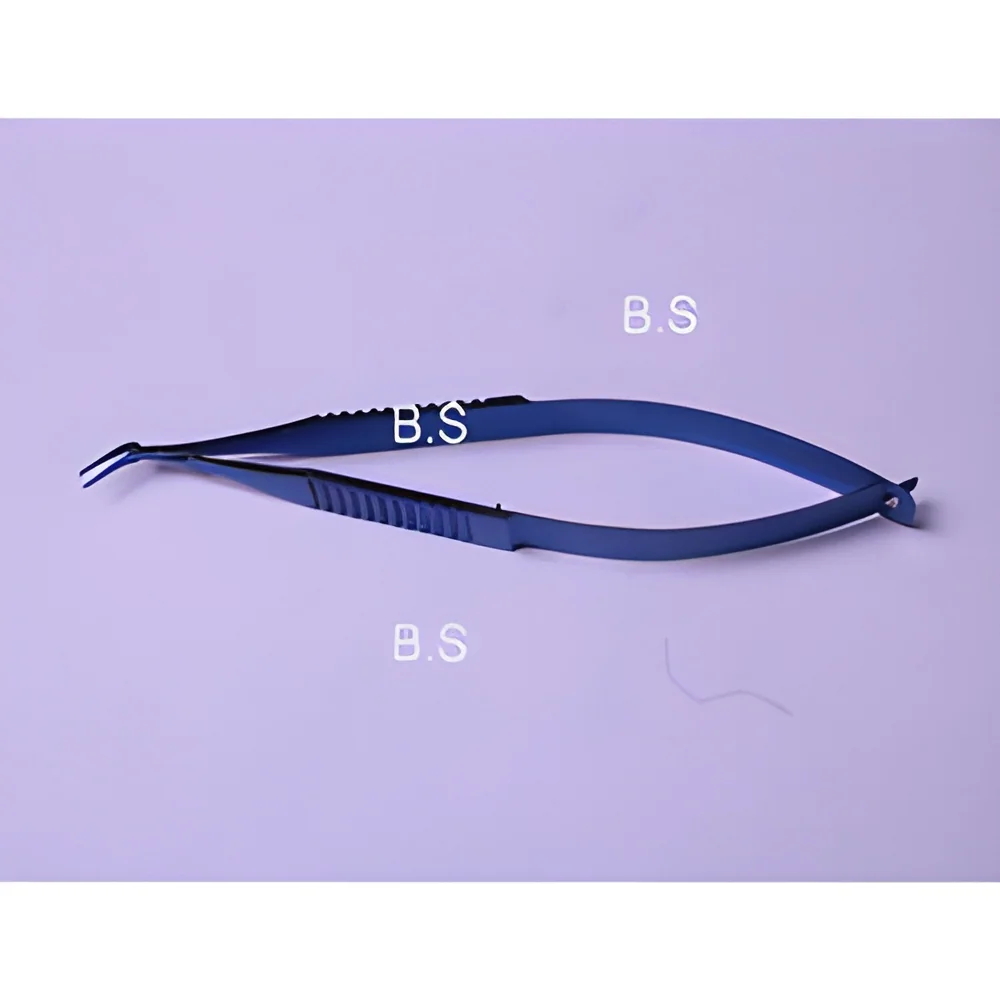
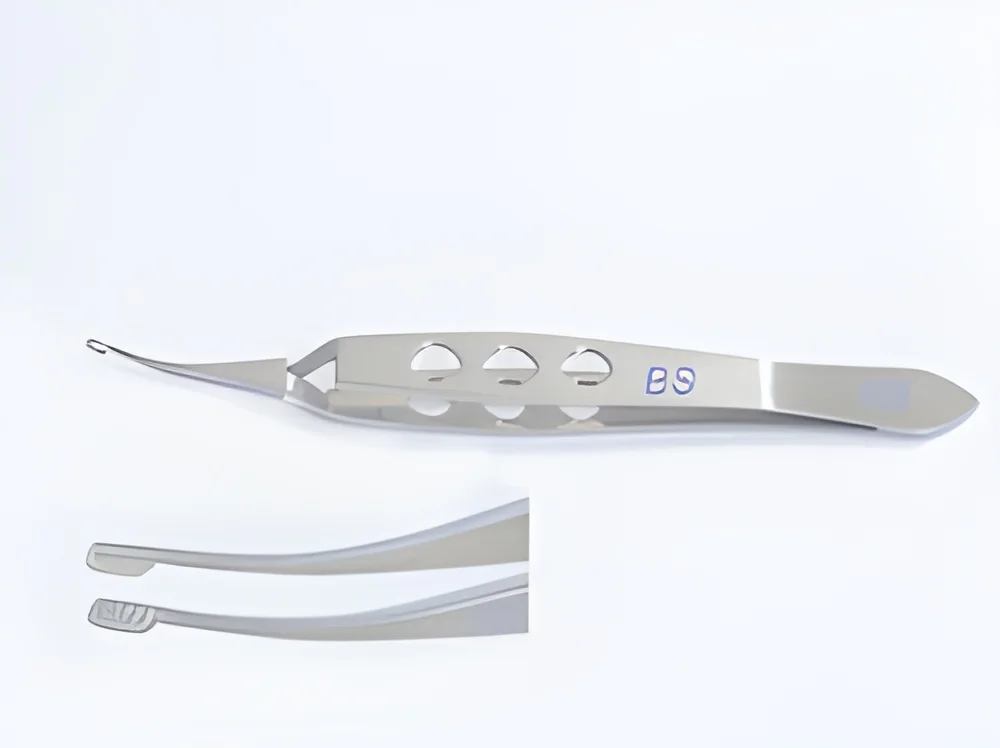
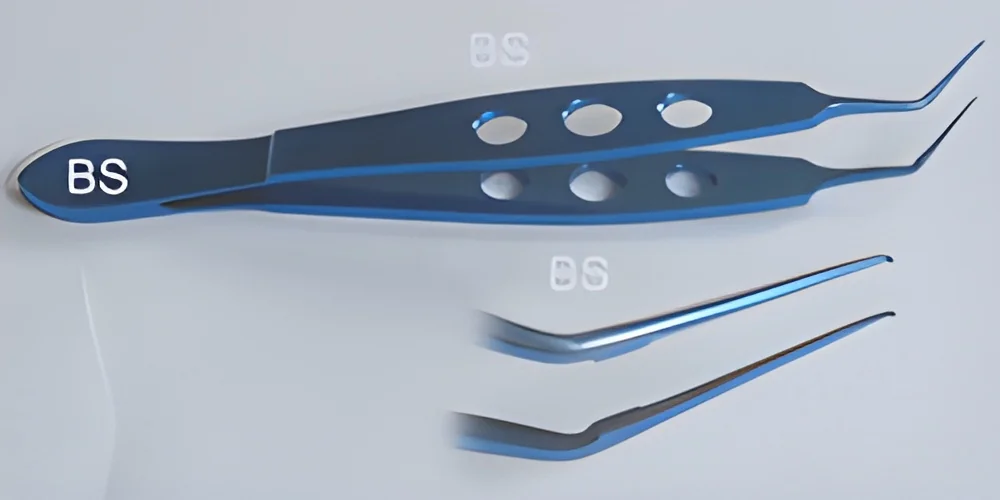
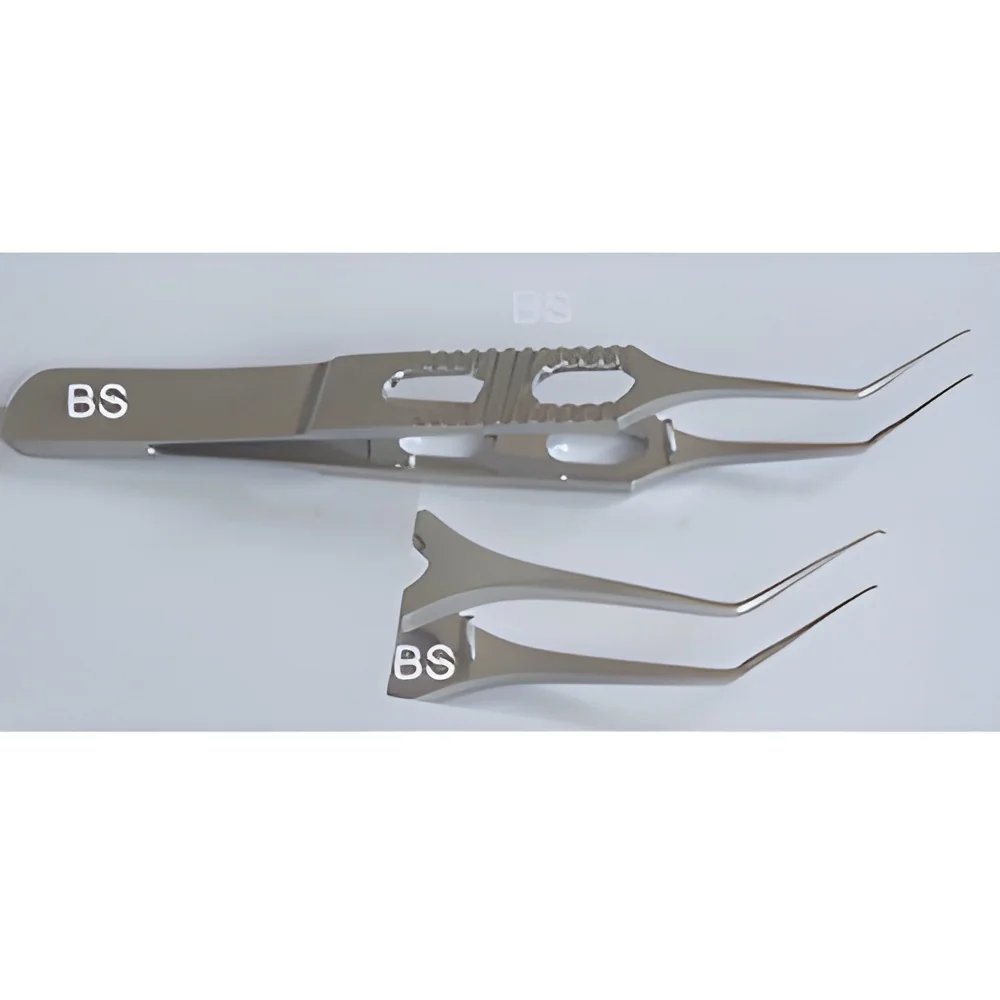
Ophthalmic forceps are specifically designed to hold and manipulate delicate eye tissues during surgery. They come in various styles, including angled and straight, to suit different procedural requirements.
Benefits and Advantages
The benefits of using high-quality cataract and corneal surgery tools are significant.
1. Enhanced Precision: These tools provide surgeons with the accuracy needed for delicate eye procedures, leading to improved patient outcomes.
2. Increased Efficiency: Advanced designs allow for quicker surgeries, reducing the time patients spend under anesthesia.
3. Improved Safety: High-quality materials and ergonomic designs help minimize the risk of complications during surgery.
4. Better Patient Comfort: Tools designed to minimize trauma to the eye contribute to quicker recovery times for patients.
5. Versatility: Many tools are designed to be multifunctional, allowing surgeons to use them across different types of procedures.
6. Compliance with Standards: Tools meet regulatory and safety standards, ensuring reliability and trustworthiness in clinical settings.
Buying Guide for B2B Buyers
When sourcing cataract and corneal surgery tools, several factors should be considered to ensure the right choice.
1. Quality Assessment: Look for tools manufactured from high-grade materials that meet industry standards. Evaluate the reputation of the manufacturer and any certifications.
2. Supplier Verification: Vet suppliers through third-party audits or customer reviews to ensure they have a track record of delivering reliable products.
3. Pricing and MOQ: Understand the price range for different tools and inquire about minimum order quantities. Compare costs among suppliers while considering quality.
4. Delivery and Lead Times: Consider the supplier's ability to deliver products promptly. Evaluate their logistics capabilities to ensure timely access to essential tools.
5. Compliance Requirements: Familiarize yourself with any regulatory requirements specific to your region, ensuring that the products meet necessary safety and quality standards.
Compliance and Certifications
Cataract and corneal surgery tools must adhere to various quality standards to ensure safety and effectiveness. ISO 9001 is a key standard that ensures manufacturers maintain high-quality processes and management systems. Compliance with this standard is essential for companies looking to produce reliable surgical instruments.
Additionally, many products may carry CE certification, indicating they meet European safety and health regulations. This certification is critical for gaining trust in markets that prioritize stringent compliance.
Safety and testing requirements are also paramount. Tools should undergo rigorous testing procedures to ensure they meet operational standards before being used in surgical environments. Regional compliance considerations may vary, so it is essential to be aware of local regulations that apply to medical devices.
Why Source Cataract & Corneal Surgery Tools from Pepagora?
Pepagora offers an exceptional platform for sourcing cataract and corneal surgery tools, providing several key advantages to B2B buyers.
Verified Supplier Network: Pepagora connects buyers with a network of verified suppliers, ensuring that all products meet high standards of quality and reliability. This verification process minimizes the risk of purchasing subpar instruments.
Streamlined RFQ Process: The platform simplifies the request for quotation process, allowing buyers to easily request and compare quotes from multiple suppliers. This efficiency helps in making informed purchasing decisions.
Trade Assurance and Support: Pepagora provides trade assurance to protect buyers' interests, ensuring that transactions are secure and that support is available for any issues that may arise during the purchasing process.
Regional Coverage: With a strong presence in markets such as India, the GCC, and Southeast Asia, Pepagora offers comprehensive coverage, making it easier for buyers to find suitable products tailored to their regional needs.

 IN
IN