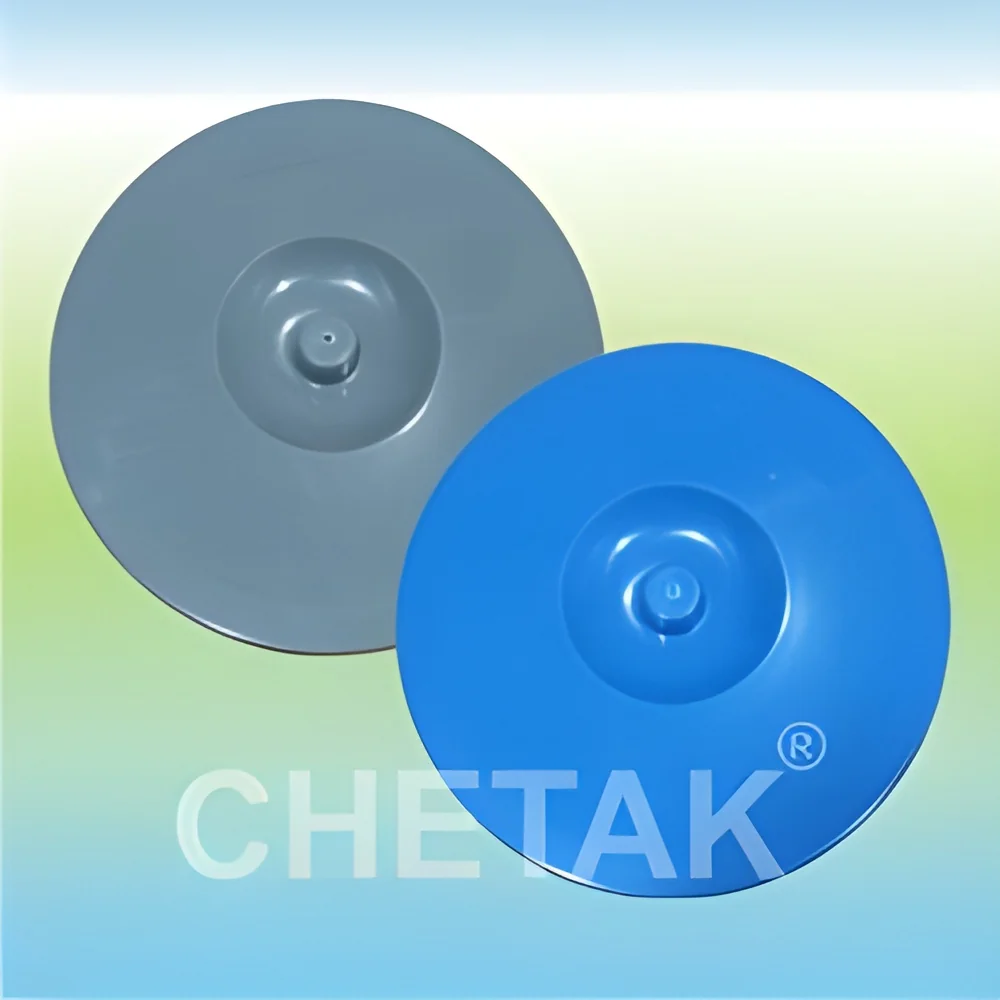
What are Sterilization Baskets?
Sterilization baskets are specialized containers designed to hold various instruments and items during the sterilization process in medical, dental, and laboratory settings. These baskets are typically made from durable materials such as stainless steel or high-grade plastic, which can withstand high temperatures and harsh chemical agents used in sterilization methods. Their structure often includes perforations or mesh designs to ensure effective steam or chemical penetration, which is crucial for achieving a thorough sterilization.
The primary uses of sterilization baskets span across multiple sectors, including healthcare facilities, laboratories, and manufacturing plants. In hospitals and clinics, they are vital for safely sterilizing surgical instruments, dental tools, and other medical equipment. Laboratories utilize them to sterilize glassware and other laboratory implements. In industrial applications, they can be used for sterilizing components that require high hygiene standards. As businesses increasingly prioritize cleanliness and safety, the demand for reliable sterilization solutions continues to grow.
In the context of industry relevance, sterilization baskets are essential for compliance with health and safety regulations. They play a critical role in infection control protocols, making them indispensable in environments where cleanliness is paramount. As industries around the world adhere to stricter regulatory standards, the market for sterilization baskets is expected to expand, driven by the need for reliable and effective sterilization solutions.
Key Features and Specifications
Sterilization baskets are designed with several key features that enhance their functionality and usability. Understanding these specifications is crucial for businesses looking to implement effective sterilization processes.
Key specifications include:
1. Material Composition
- Typically made from stainless steel or high-quality plastic
- Corrosion-resistant and suitable for high-temperature sterilization
2. Size and Dimensions
- Available in various sizes to accommodate different instruments
- Custom sizes may be offered by some manufacturers
3. Mesh Design
- Perforated or mesh structure for optimal sterilization efficiency
- Allows for steam or chemical penetration while preventing item displacement
4. Handle Design
- Ergonomically designed handles for easy handling
- Locking mechanisms may be included for secure transport
5. Weight Capacity
- Designed to hold a specific weight without compromising structural integrity
- Varies by basket size and material used
6. Compatibility with Sterilization Methods
- Suitable for autoclave, chemical, and dry heat sterilization
- Must meet specific operational parameters for each method
7. Compliance with Industry Standards
- Manufactured in accordance with relevant safety and quality regulations
- CE certified for market acceptability
8. Customization Options
- Some manufacturers offer options for customizing dimensions or features
- Tailored solutions for specific industry needs
In summary, the right selection of features and specifications can greatly enhance the effectiveness of sterilization processes. Businesses should carefully evaluate these aspects when choosing sterilization baskets.
Common Applications and Use Cases
Sterilization baskets find broad applications across various industries, each requiring specific solutions for their sterilization needs.
1. Healthcare Facilities: In hospitals and clinics, sterilization baskets are essential for processing surgical instruments, ensuring they are free from pathogens before use in medical procedures.
2. Dental Clinics: Dentists utilize these baskets to sterilize tools and equipment, adhering to strict hygiene standards to protect patient health.
3. Laboratories: In research and industrial laboratories, sterilization baskets are used to clean glassware and equipment, maintaining sterile environments for experiments.
4. Food Processing: In the food industry, these baskets help sterilize utensils and processing equipment to ensure food safety and compliance with health regulations.
5. Pharmaceutical Manufacturing: Sterilization baskets are crucial for sterilizing containers and equipment used in drug production, ensuring product safety and efficacy.
6. Veterinary Clinics: Vets use sterilization baskets to keep surgical instruments sterile, contributing to the health and safety of animals during procedures.
7. Electronics Manufacturing: In the electronics sector, sterilization baskets can be used to clean components that require high cleanliness levels to ensure product reliability.
Product Variants and Subcategories
Sterilization baskets come in various designs and configurations to meet diverse industry needs. Each variant offers unique features tailored to specific applications.
Standard Sterilization Baskets: These are the most common type, designed for general use in healthcare and laboratory settings. They typically feature a mesh design for efficient sterilization and are made from durable materials.
Specialized Sterilization Baskets: These variants are tailored for specific applications, such as dental or surgical use. They may include additional compartments or custom sizes to better accommodate unique instruments.
Stackable Sterilization Baskets: Designed for efficient storage and transport, these baskets can be stacked when not in use, saving valuable space in medical or laboratory environments.
Multi-level Sterilization Baskets: These baskets offer multiple levels or tiers for organizing instruments, allowing for maximum use of space while ensuring that all items receive adequate sterilization.
Benefits and Advantages
Investing in sterilization baskets offers numerous benefits that can enhance operational efficiency and safety.
1. Improved Sterilization Efficiency: The perforated design ensures thorough exposure to sterilization agents, leading to more effective sterilization outcomes.
2. Enhanced Durability: Made from high-quality materials, these baskets are resistant to wear and tear, ensuring long-term use and reliability.
3. Cost-Effective Solution: By protecting instruments during sterilization, these baskets can reduce replacement costs for damaged items.
4. Compliance with Regulations: Using certified sterilization baskets helps businesses meet health and safety standards, reducing the risk of non-compliance penalties.
5. Versatility of Use: With various designs available, these baskets can cater to multiple industries, making them a flexible choice for different applications.
6. Safe Handling: Ergonomic designs and secure locking mechanisms facilitate safe and easy handling, reducing the risk of accidents during transportation.
Buying Guide for B2B Buyers
When sourcing sterilization baskets, businesses should consider several important factors to ensure they select the right products for their needs.
1. Quality Assessment: Evaluate the material quality and manufacturing processes of sterilization baskets. Look for certifications that indicate adherence to industry standards.
2. Supplier Verification: Vet potential suppliers by checking their reputation and customer reviews. Ensure they have a reliable track record in delivering quality products.
3. Pricing and MOQ: Understand the pricing structure and minimum order quantities (MOQ) to align with budget constraints and operational needs.
4. Delivery and Lead Times: Inquire about lead times for orders and delivery schedules to ensure timely receipt of products, which is crucial for maintaining operations.
5. Compliance Requirements: Ensure that the sterilization baskets meet all relevant regulatory requirements specific to your industry, such as CE marking or other safety certifications.
Compliance and Certifications
Sterilization baskets must adhere to a range of compliance standards and certifications to ensure safety and effectiveness in various applications.
Relevant quality standards include ISO 9001, which focuses on quality management systems, and HACCP, which emphasizes food safety in food-related processes. Additionally, Good Distribution Practices (GDP) may apply in pharmaceutical settings to ensure the quality of sterilized products throughout the supply chain.
Industry certifications, such as CE certification, validate that sterilization baskets meet European health and safety requirements. This certification assures buyers of the product's quality and compliance with necessary regulations.
Safety and testing requirements are also critical. Sterilization baskets should undergo rigorous testing to confirm their durability and effectiveness under various sterilization methods.
Regional compliance considerations may vary, so it is essential for manufacturers and suppliers to stay informed about local regulations and standards that apply to sterilization practices.
Why Source Sterilization Baskets from Pepagora?
Pepagora provides a trusted platform for sourcing sterilization baskets, offering several key advantages for B2B buyers.
Verified Supplier Network: Pepagora features a robust network of verified suppliers who are committed to quality and reliability. Each supplier undergoes thorough vetting processes to ensure they meet industry standards.
Streamlined RFQ Process: The request for quotation (RFQ) system simplifies the buying process. Buyers can easily request quotes from multiple suppliers, comparing options to find the best fit for their needs.
Trade Assurance and Support: Pepagora offers trade assurance services to protect buyers throughout the purchasing process. This includes support in resolving disputes and ensuring satisfaction with orders.
Regional Coverage: With a strong presence in India, the GCC, and Southeast Asia, Pepagora connects buyers with suppliers across these regions, facilitating efficient sourcing and logistics for sterilization baskets.

 IN
IN