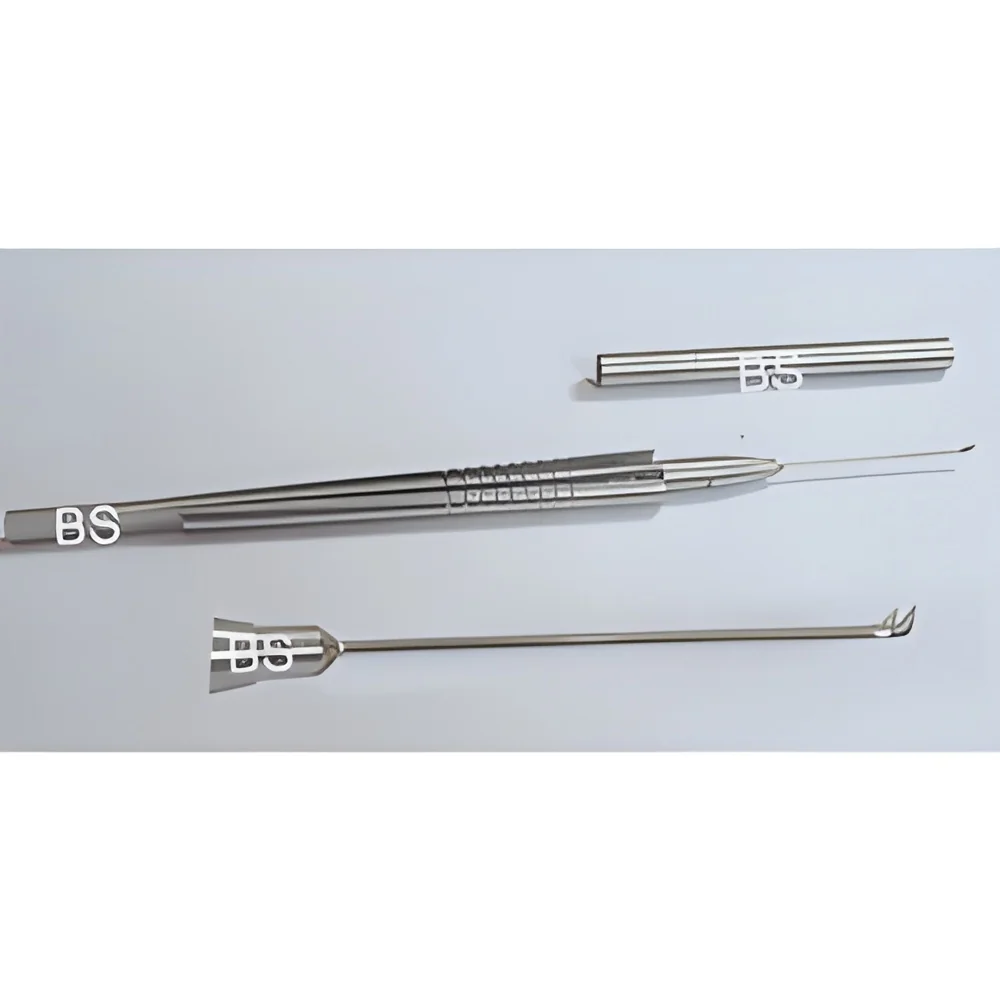
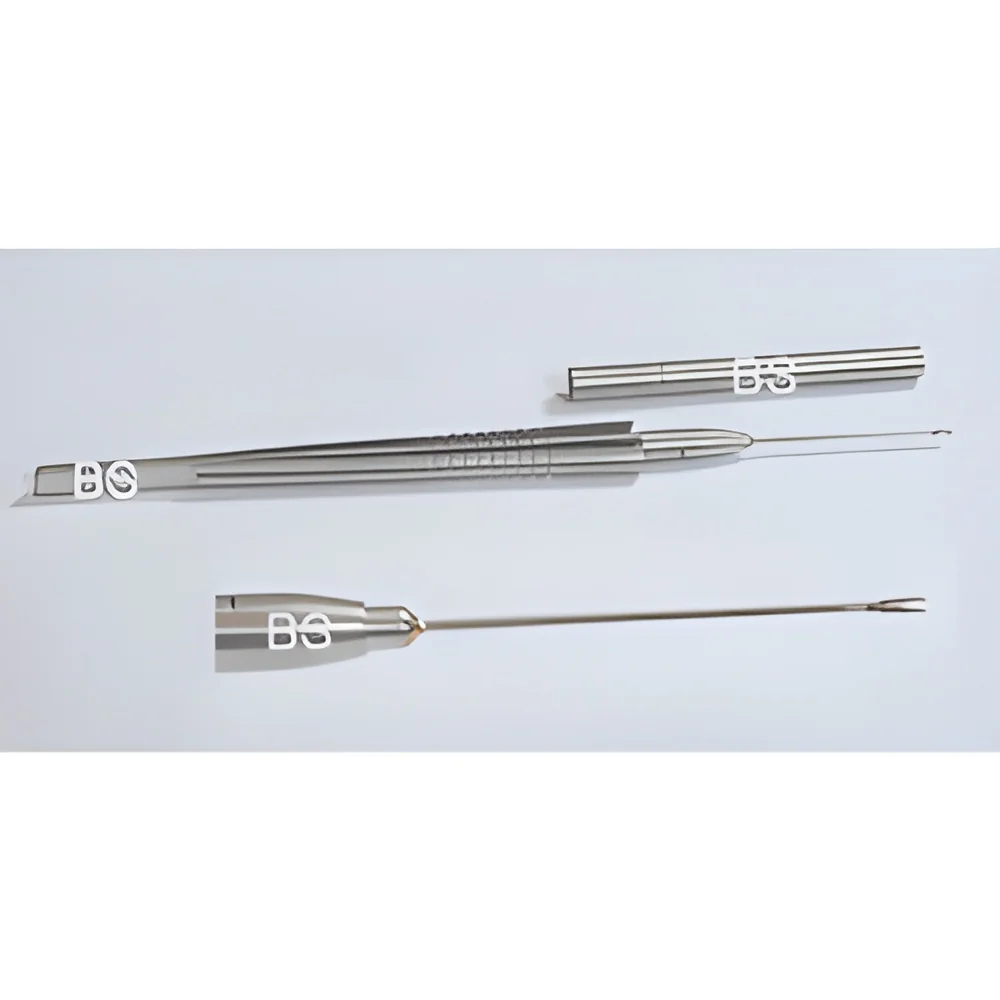
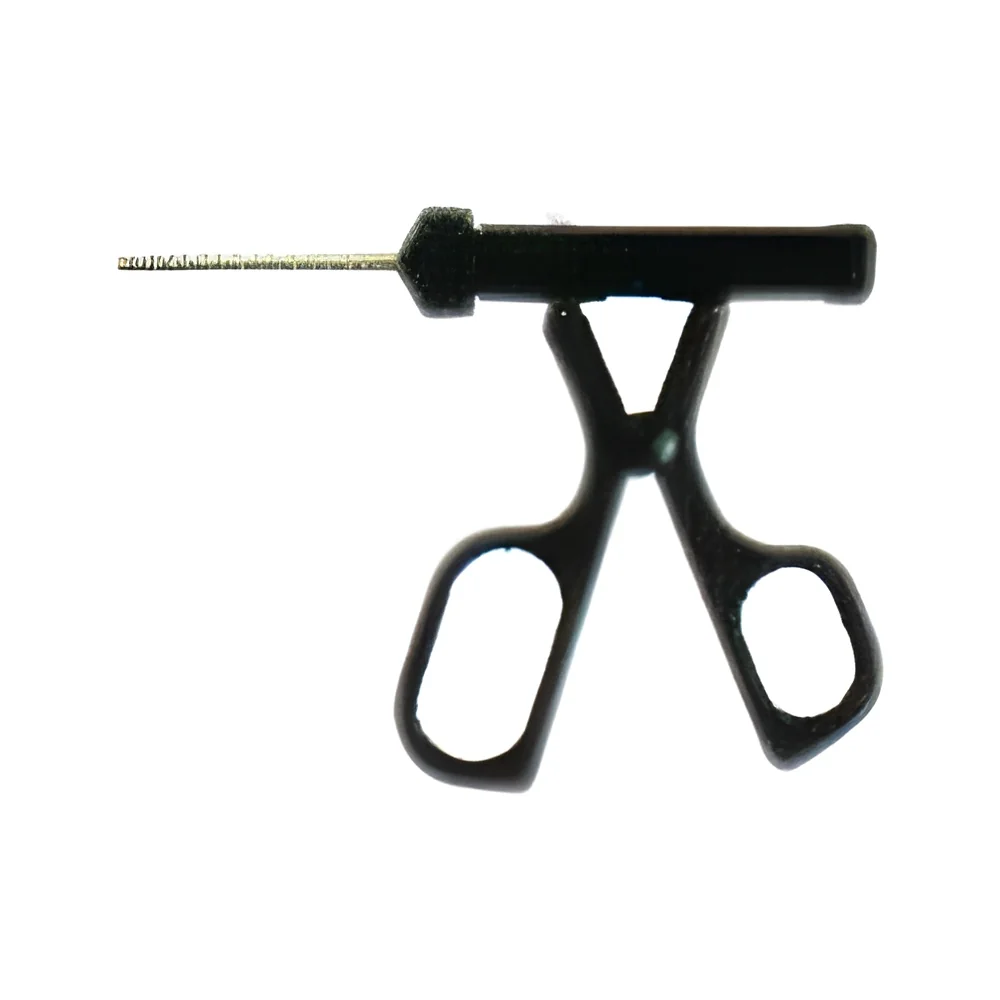
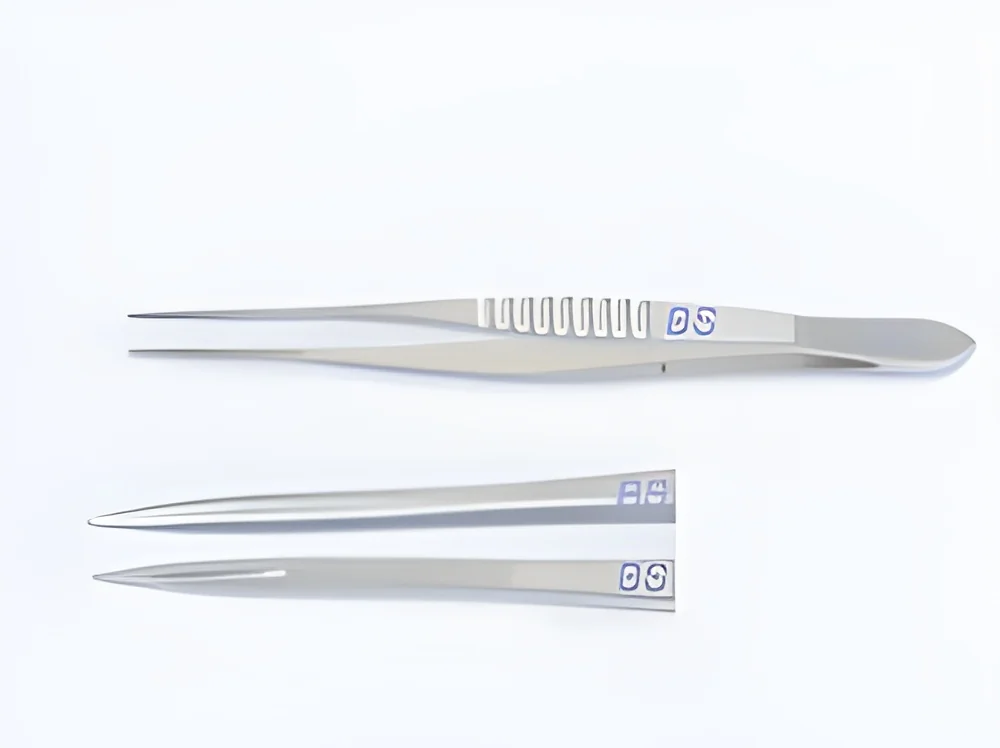
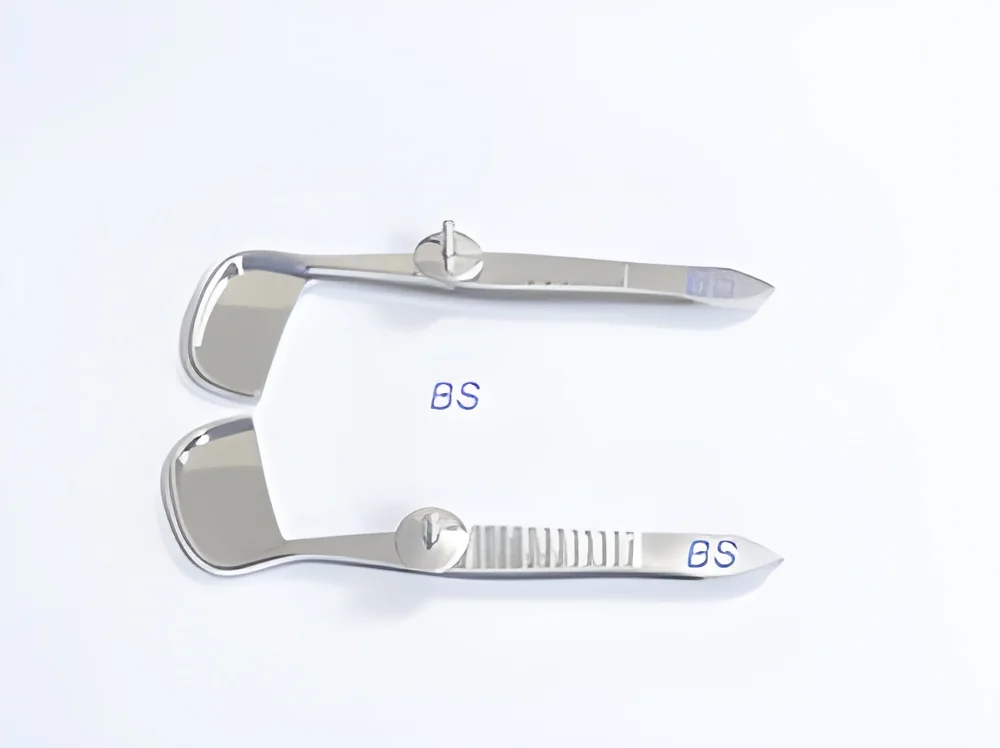
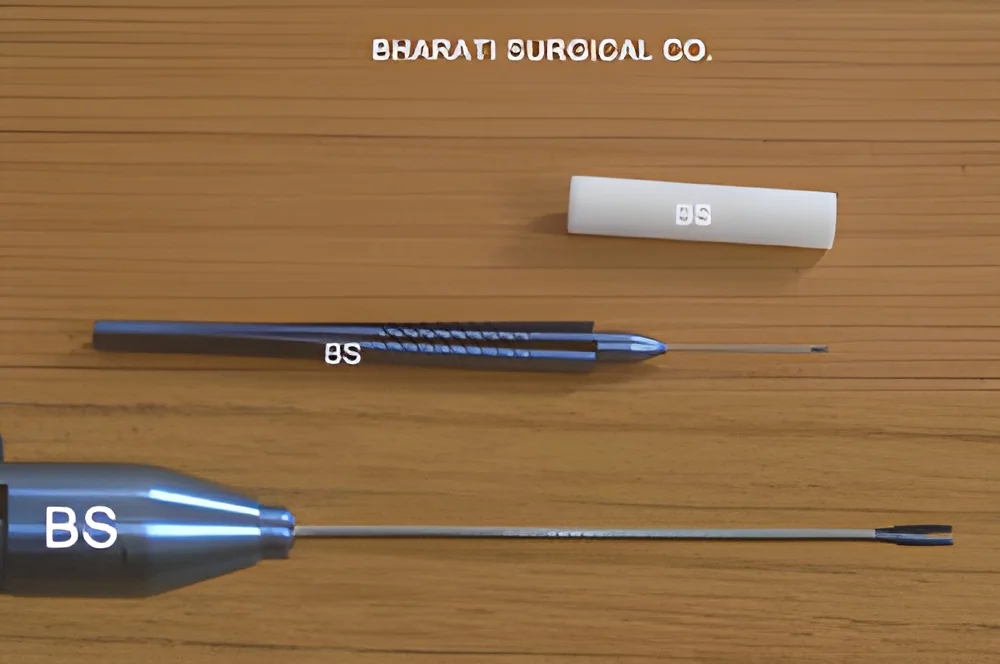
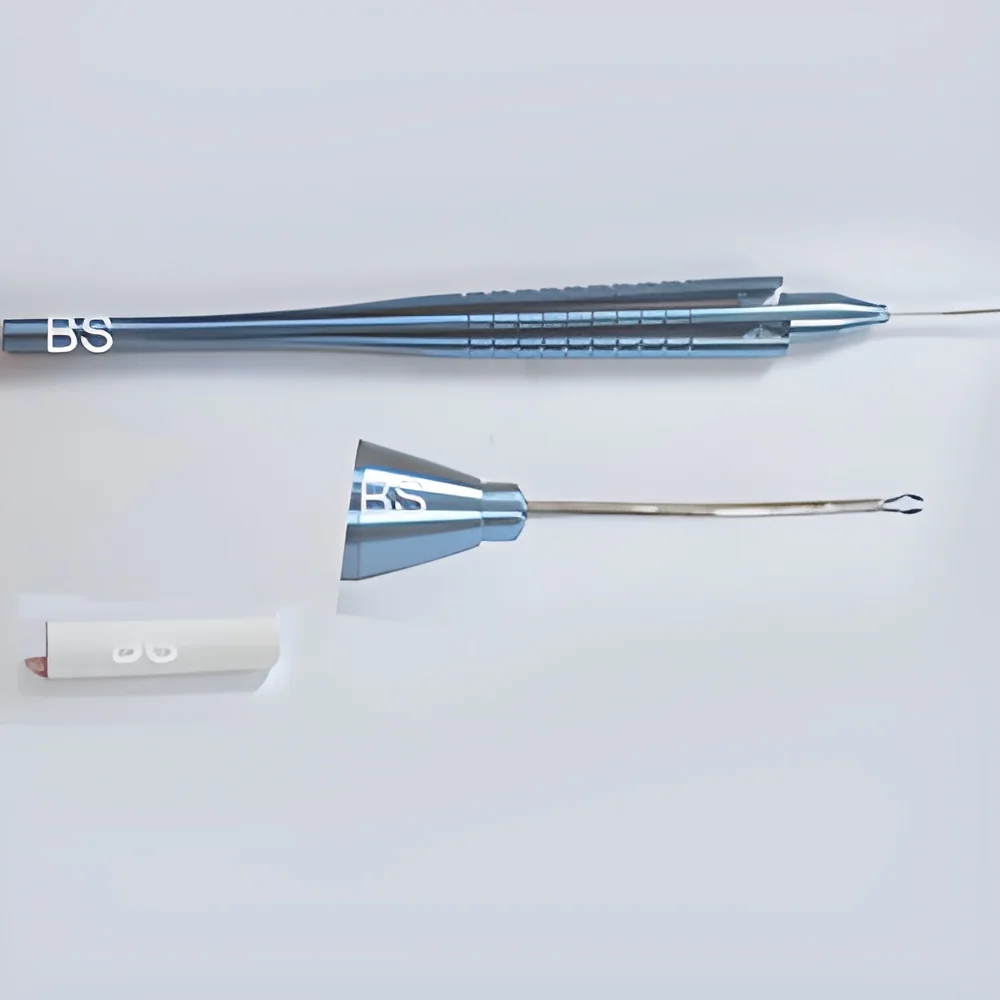
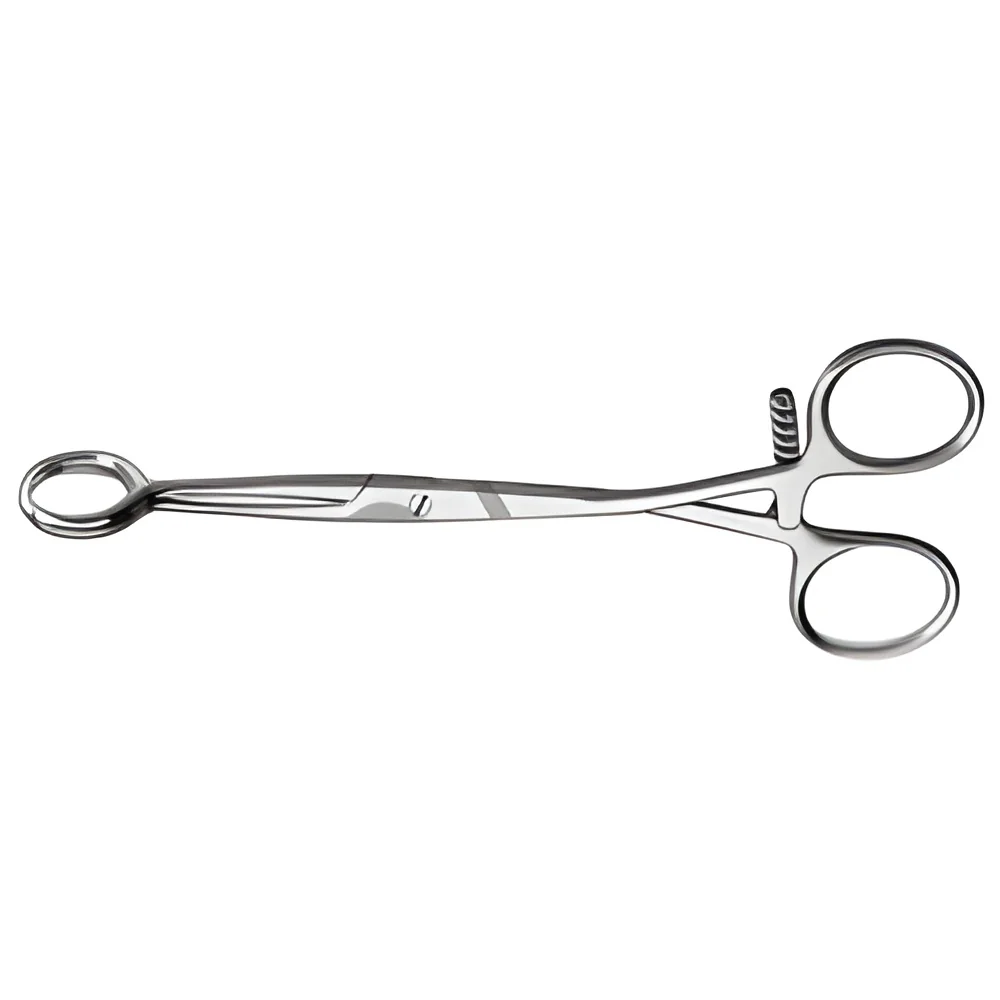
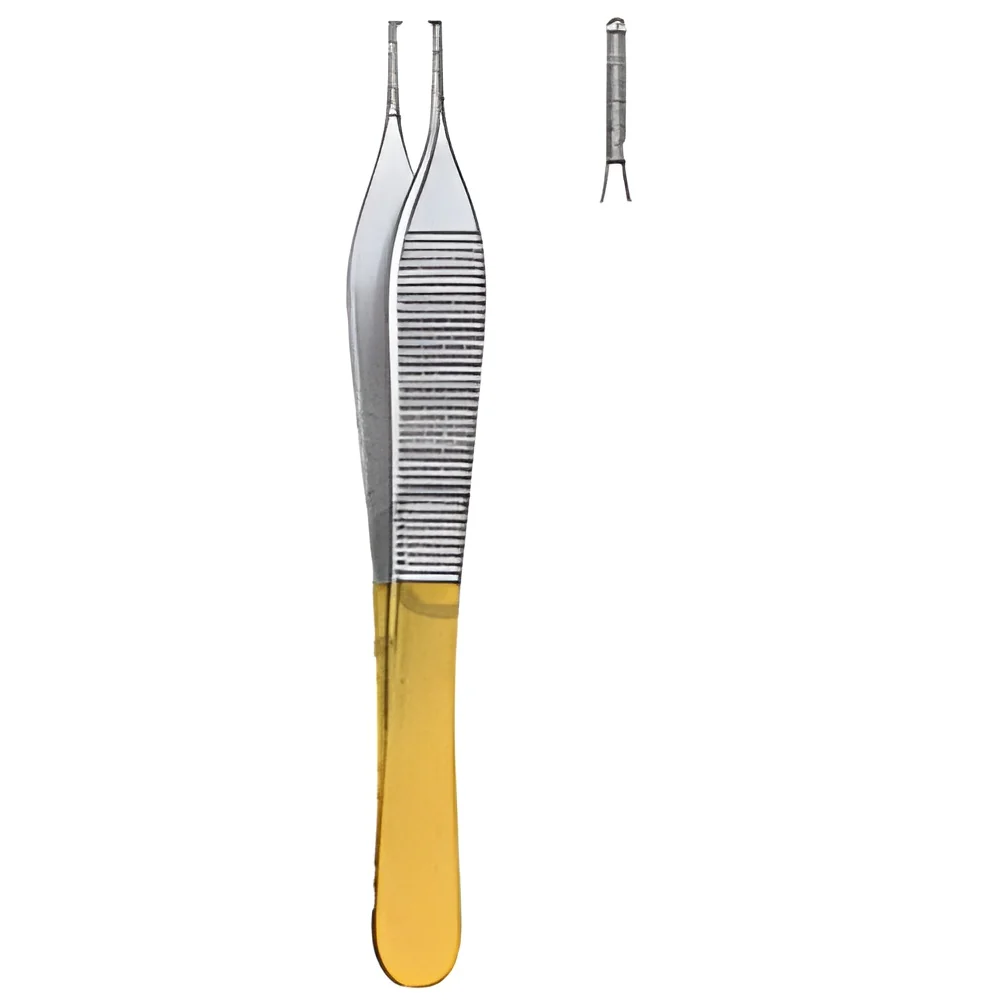
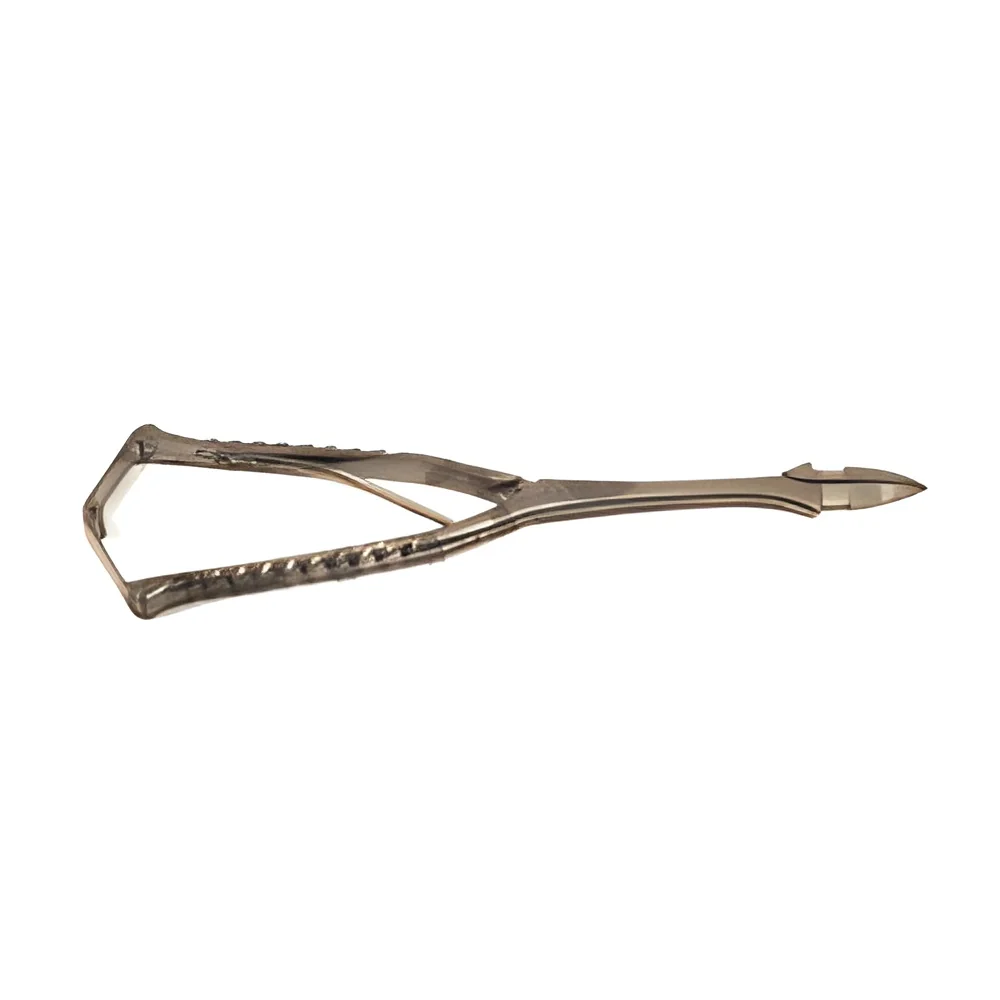
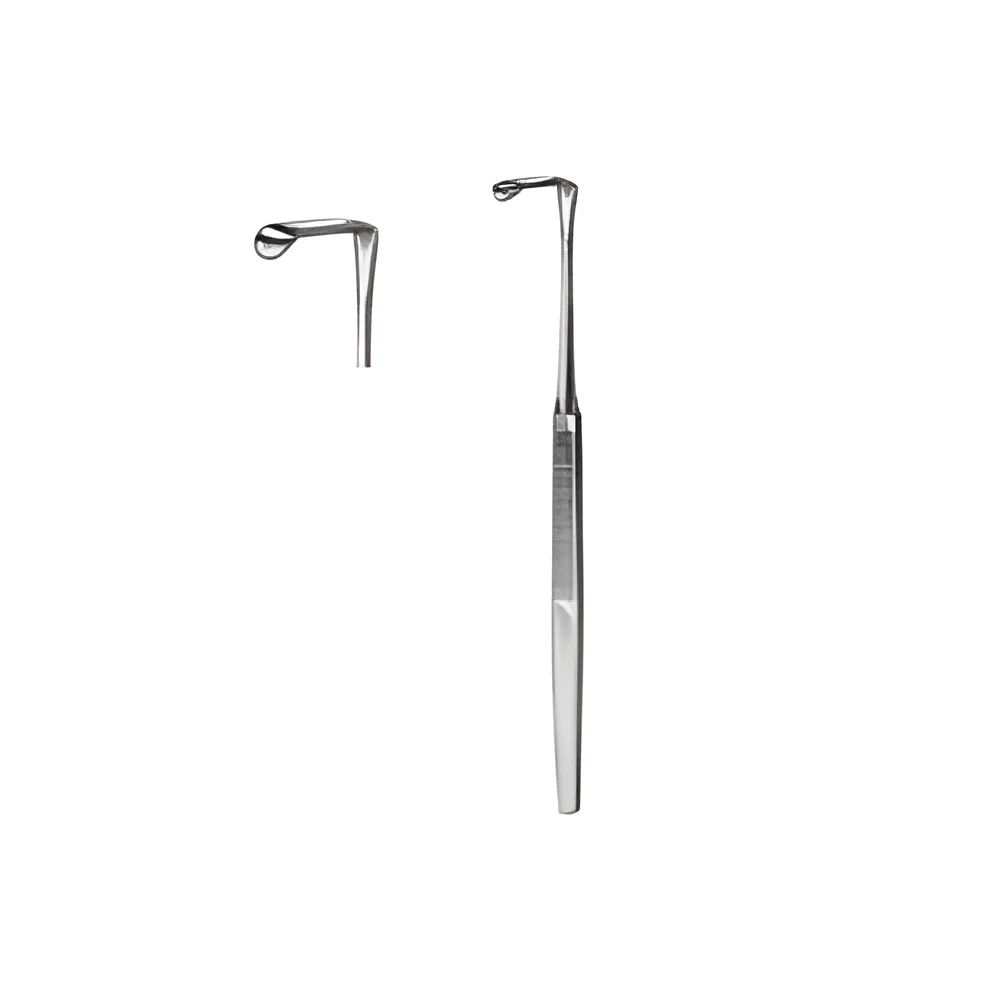
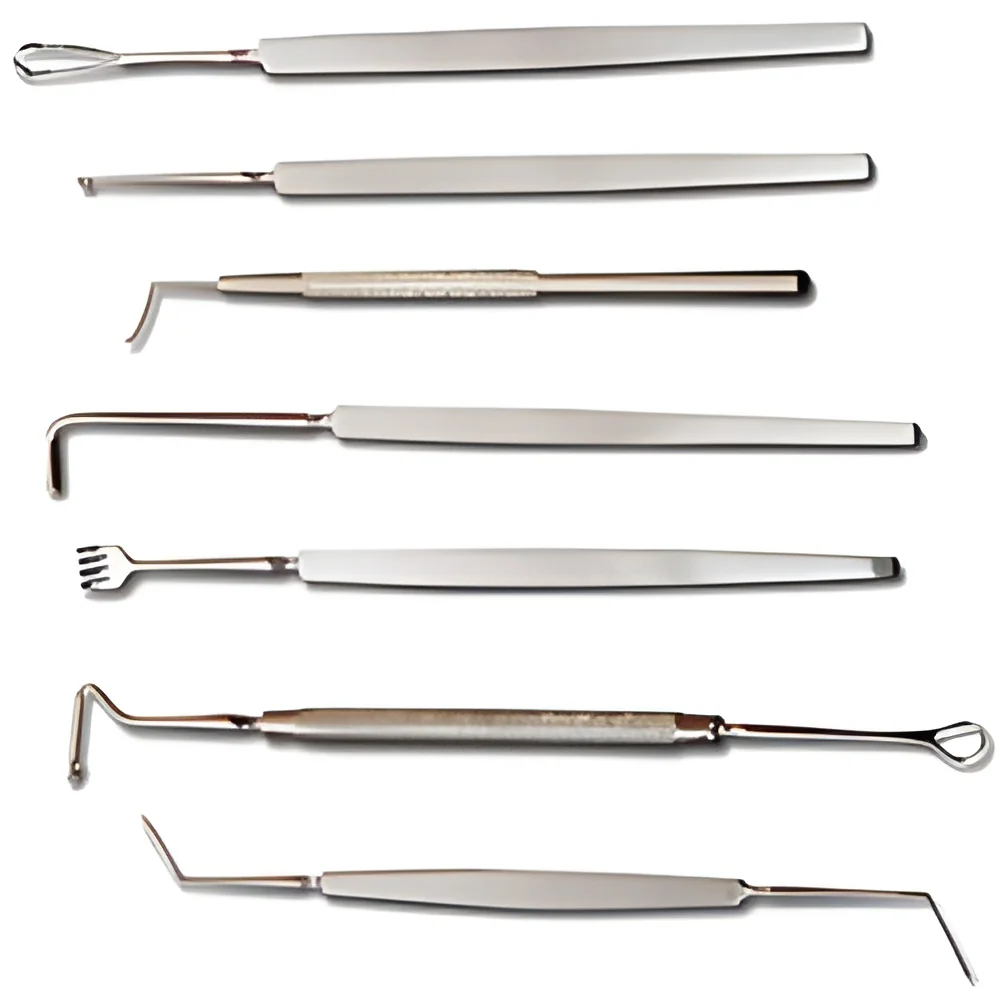
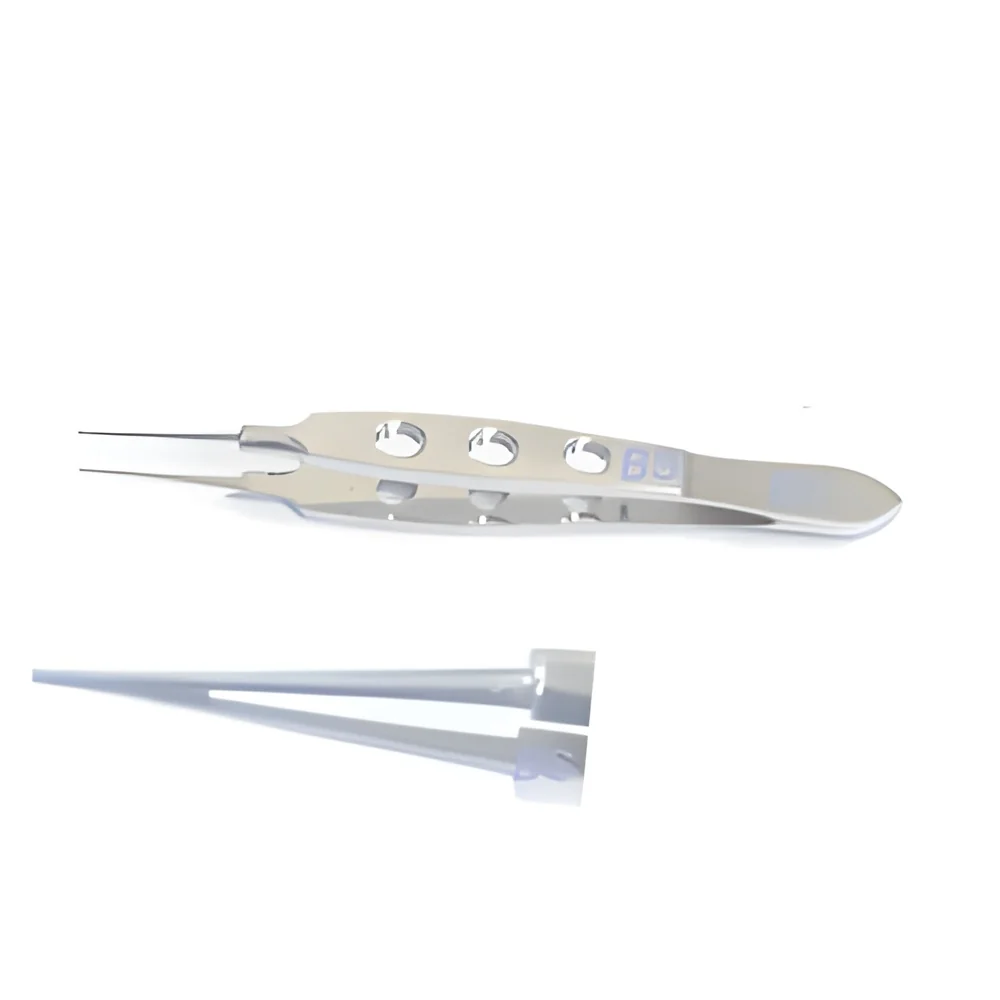
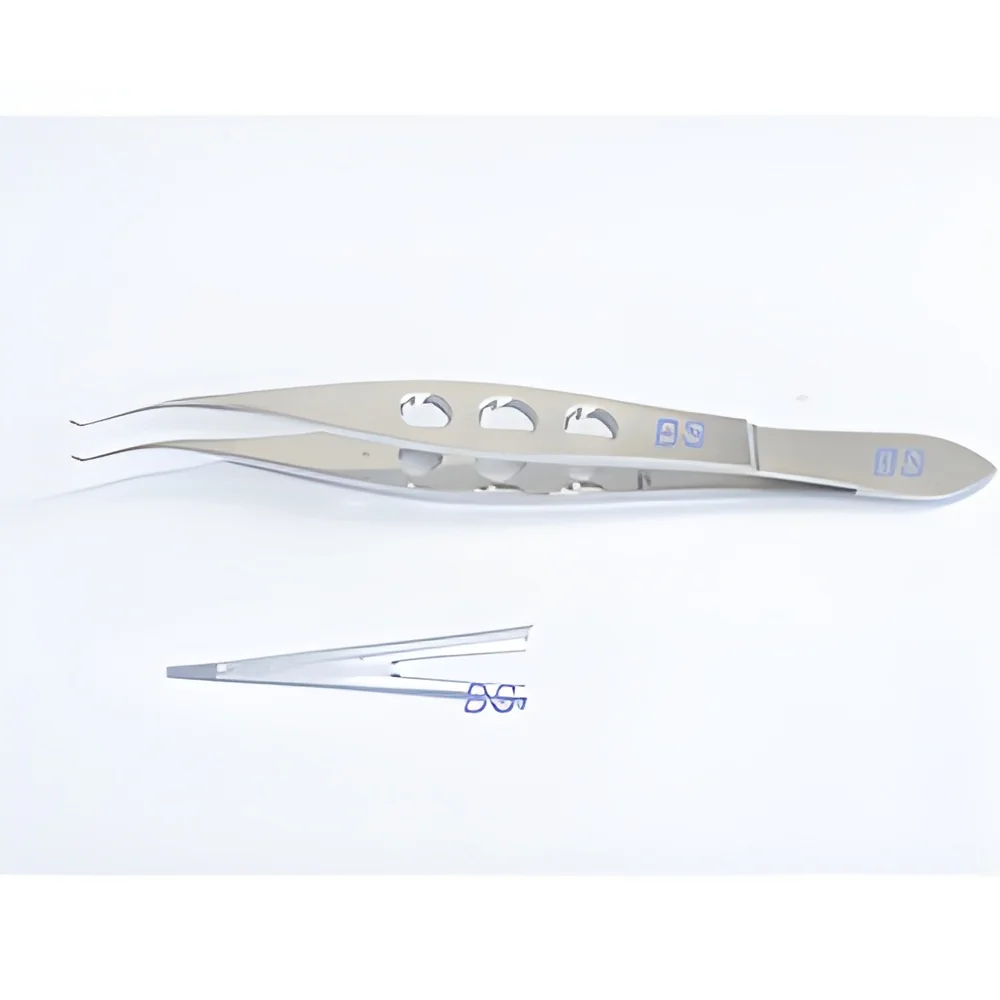
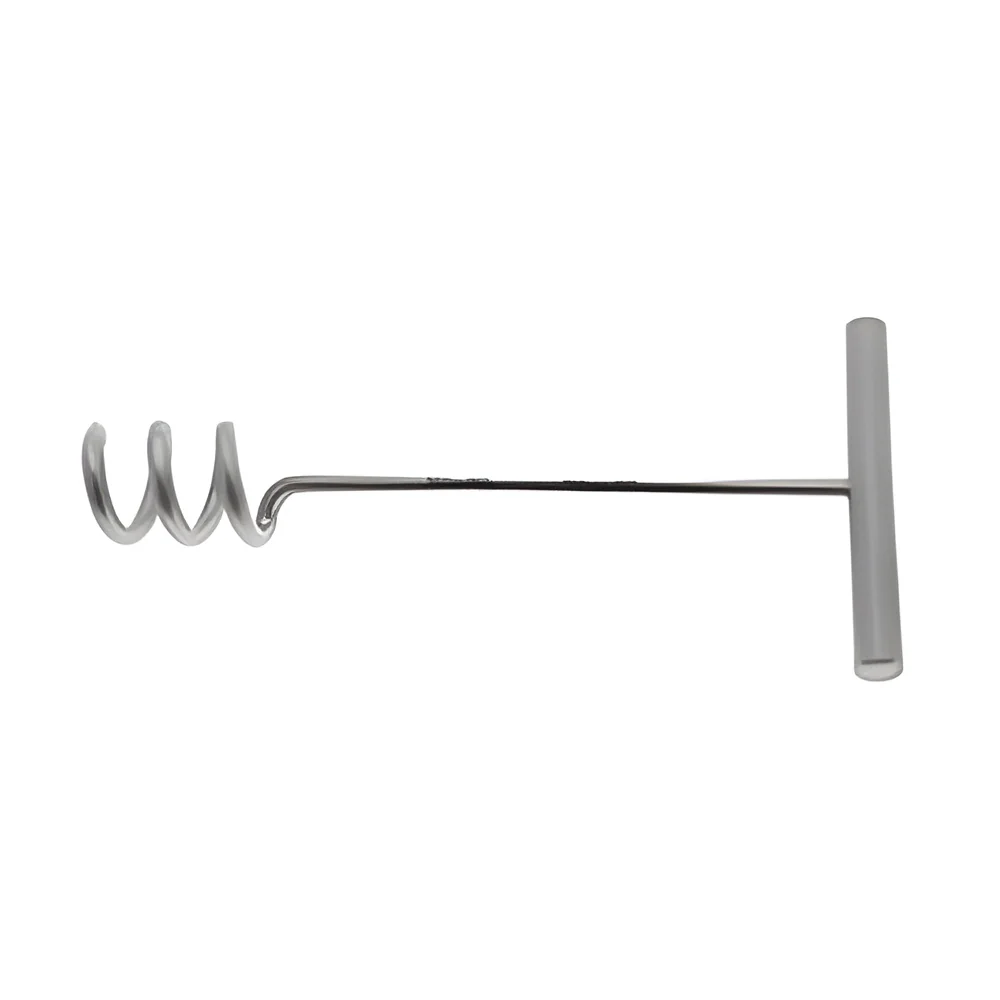
What are Forceps?
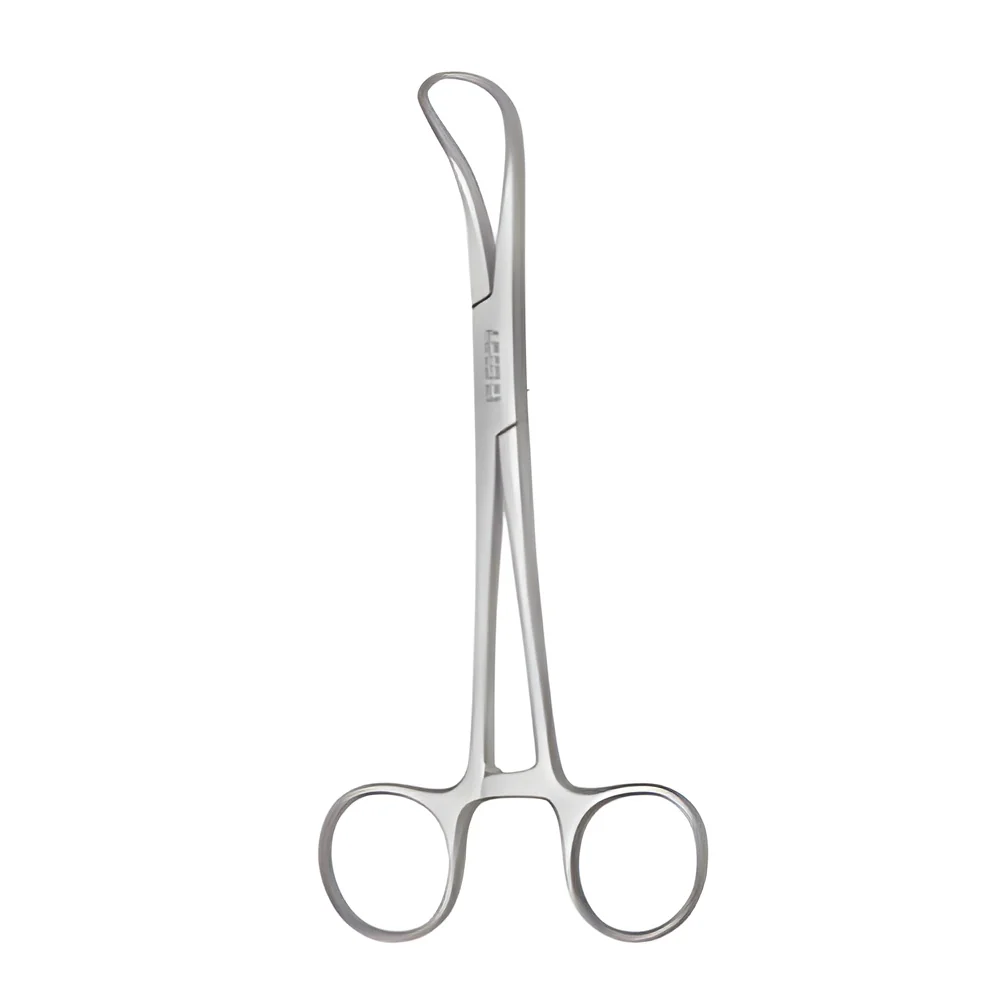
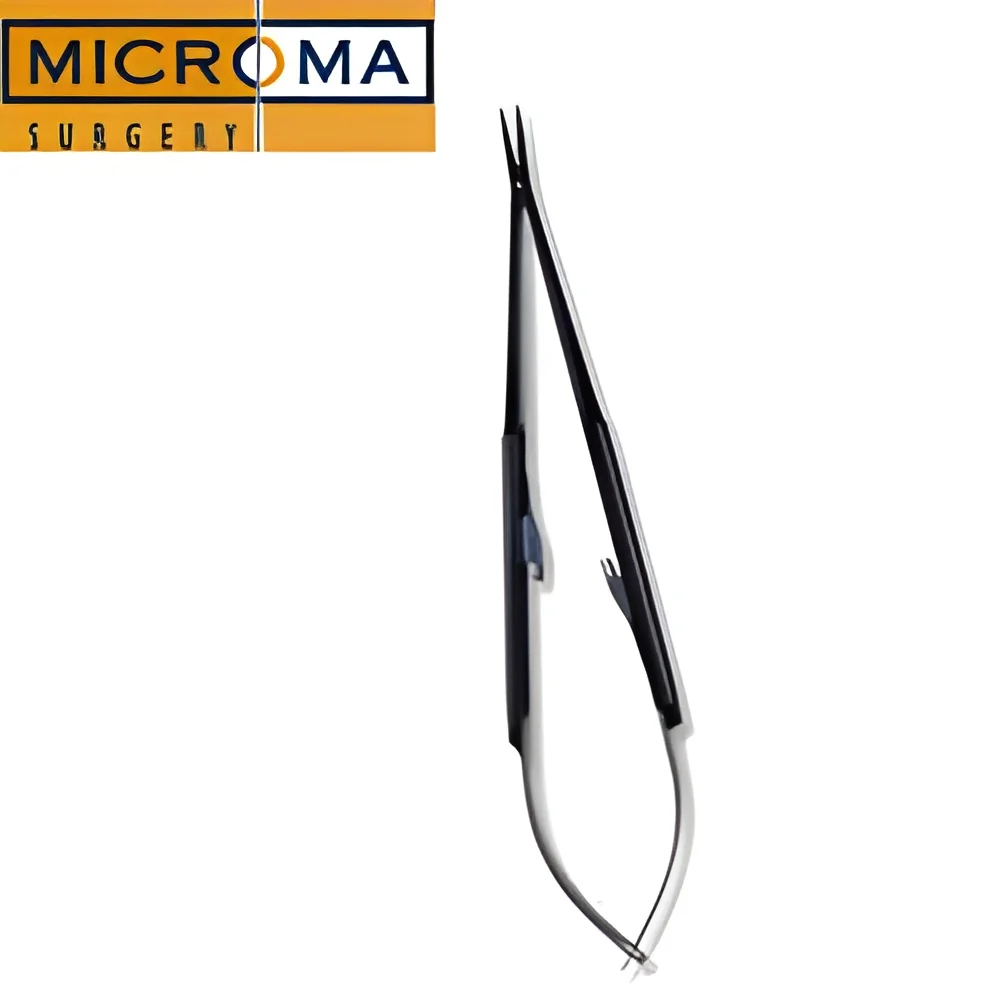
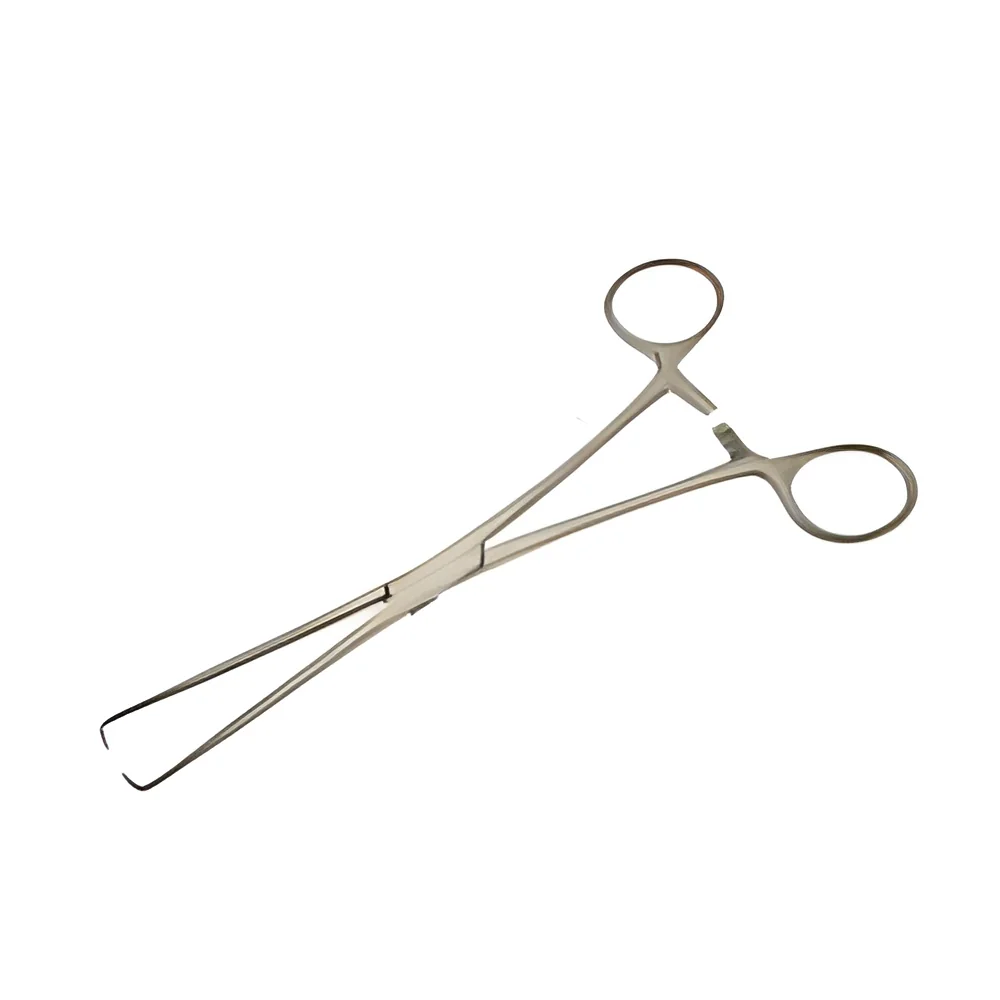
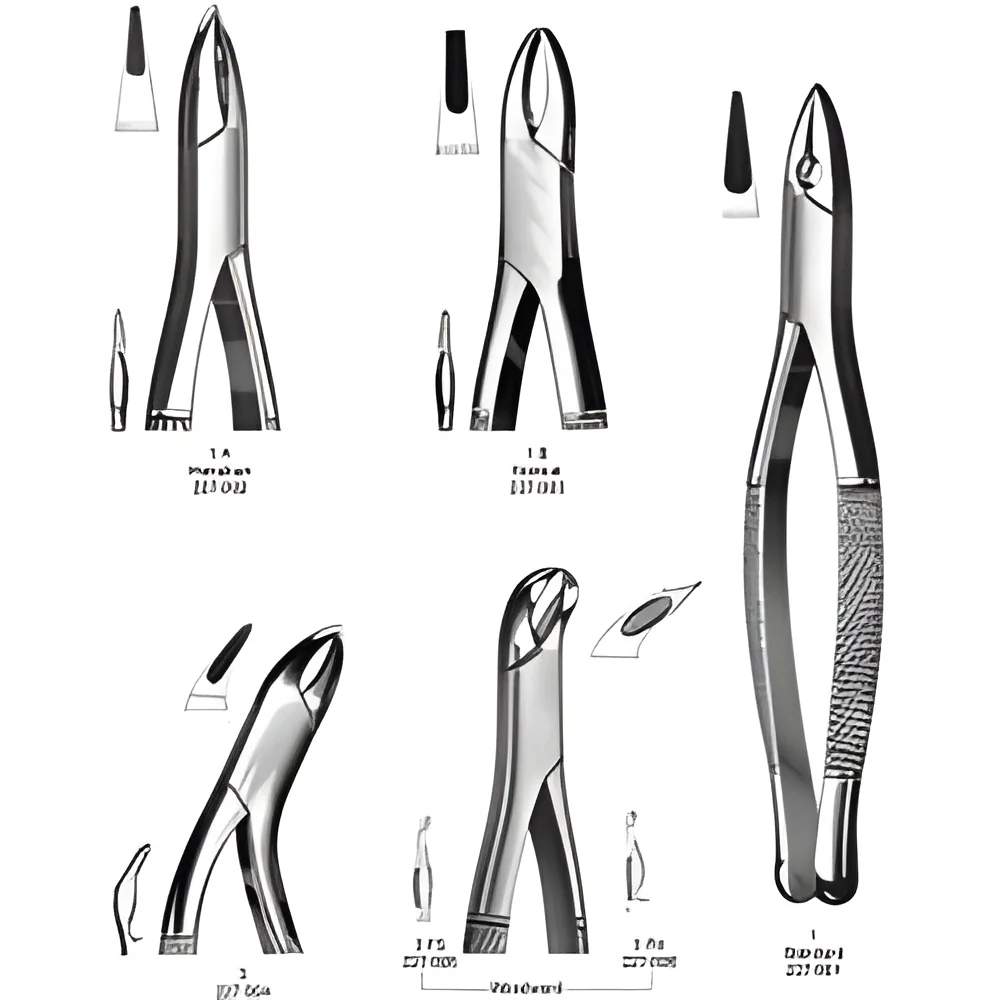
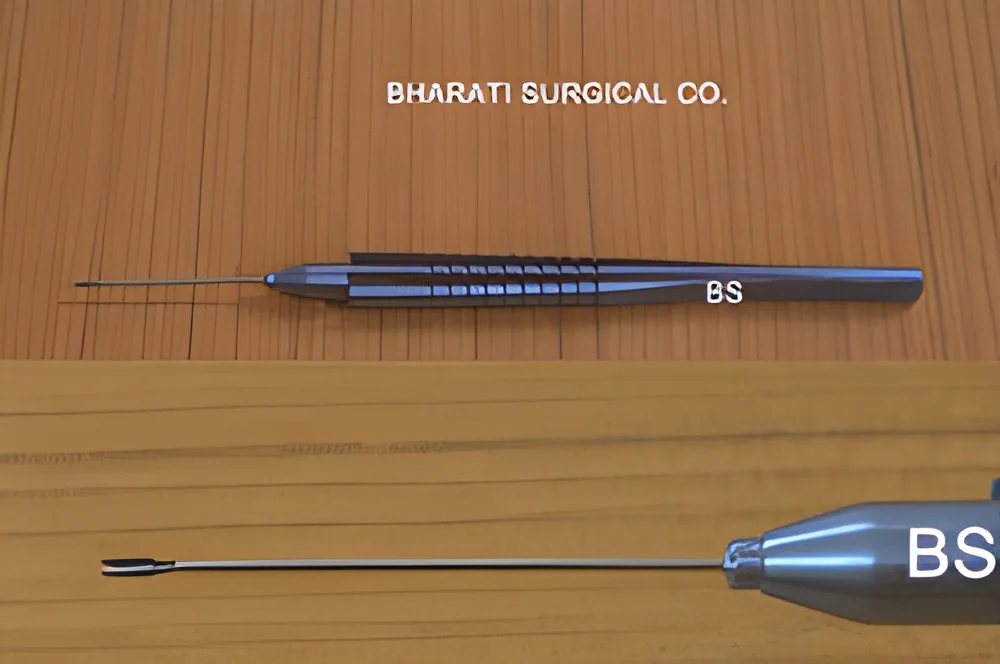
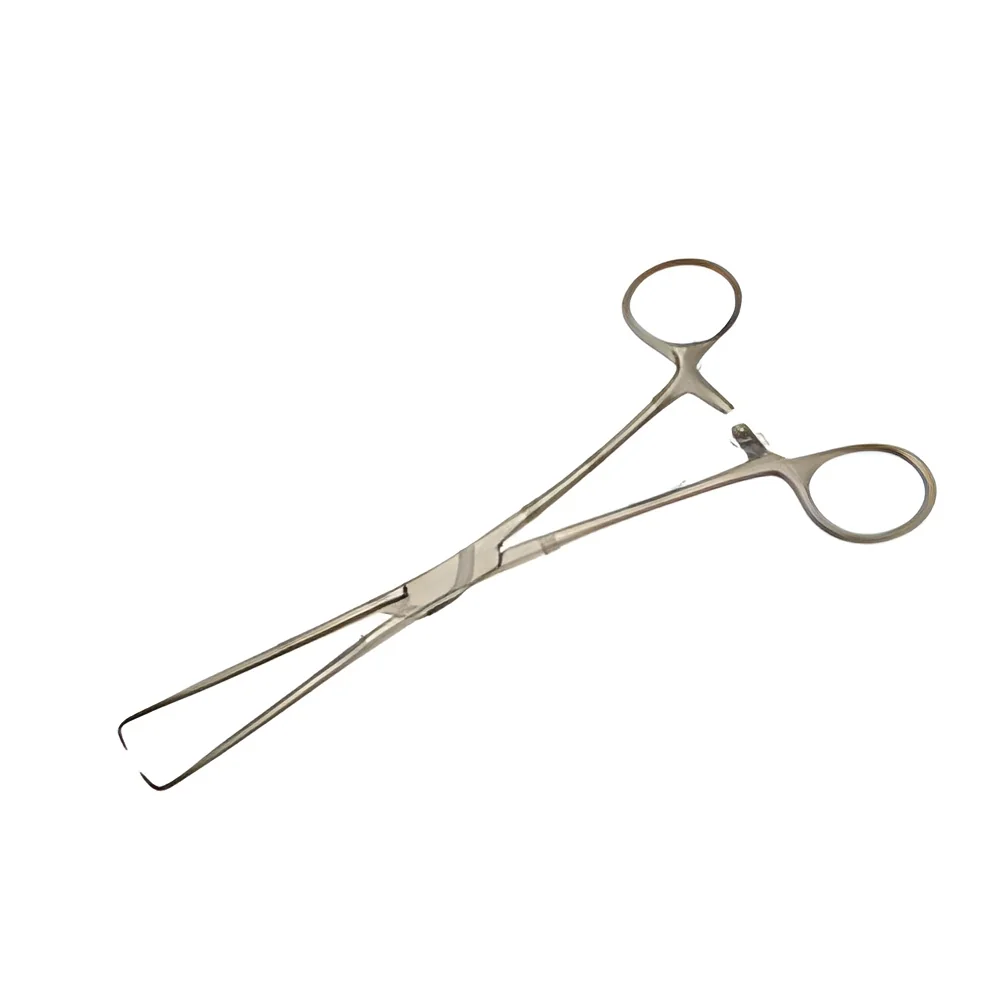
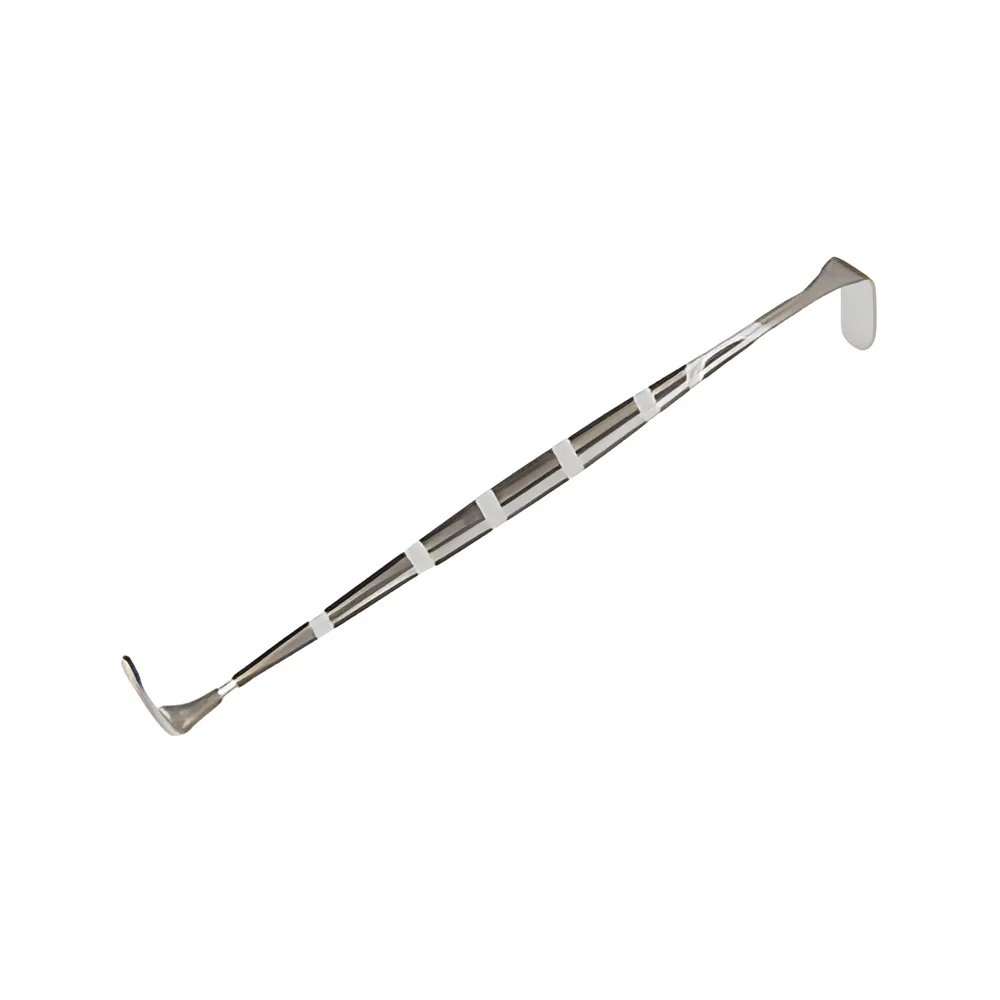
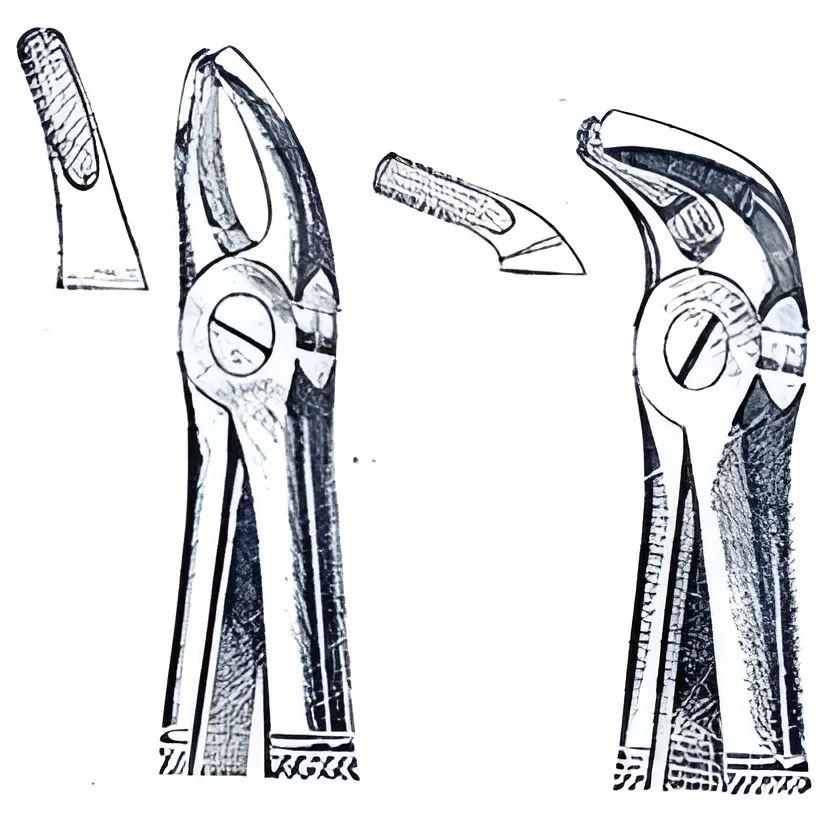
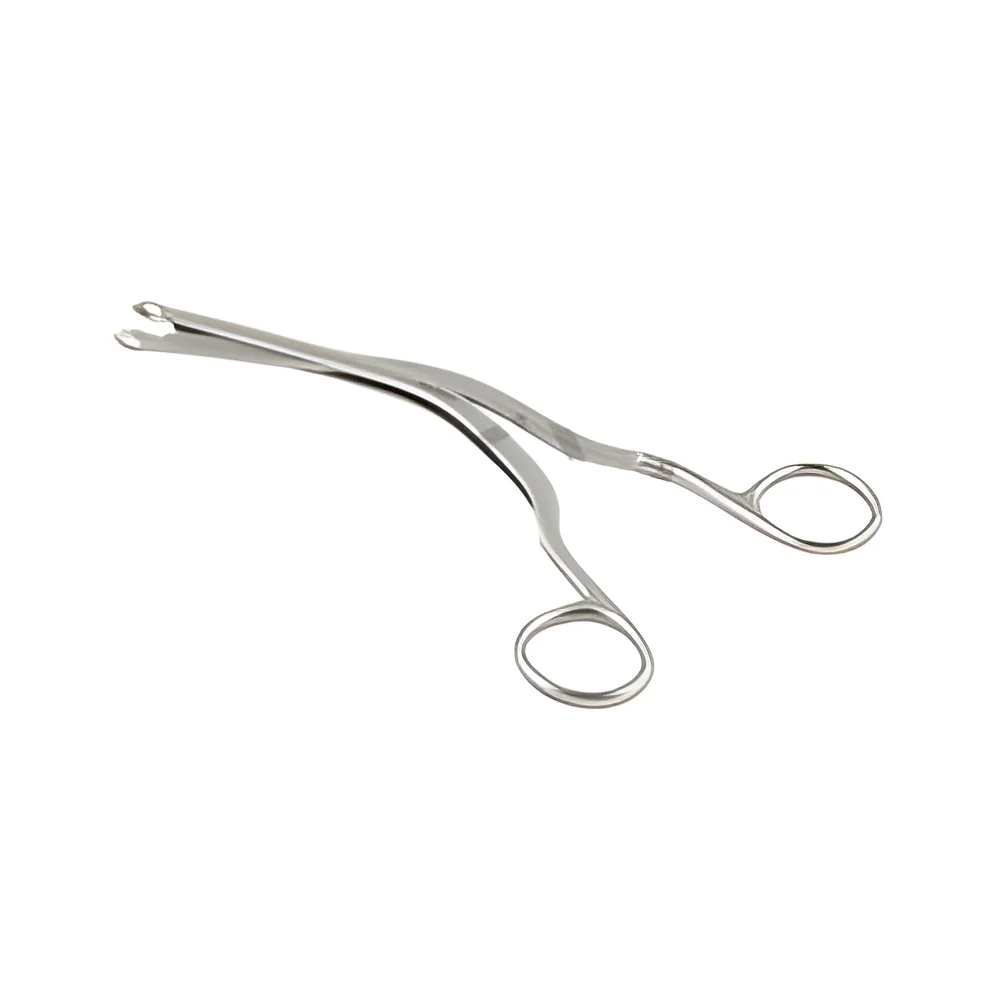
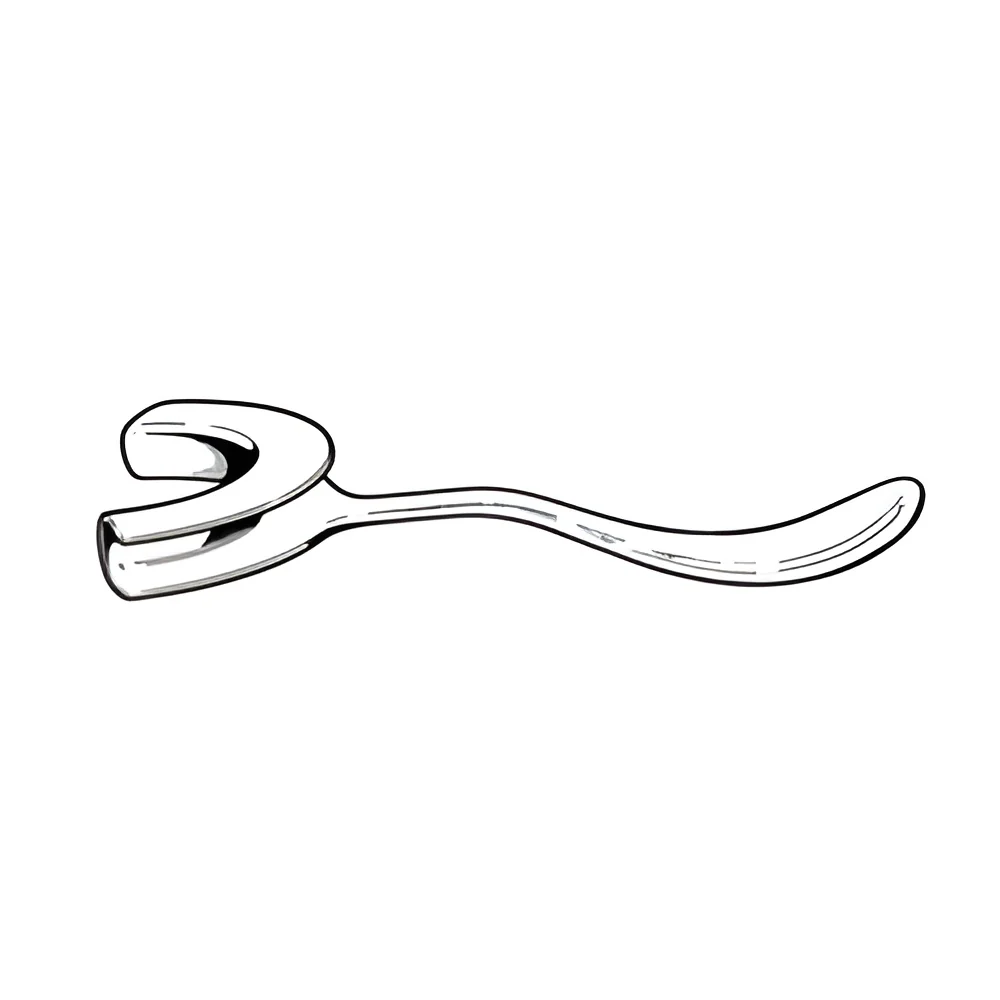
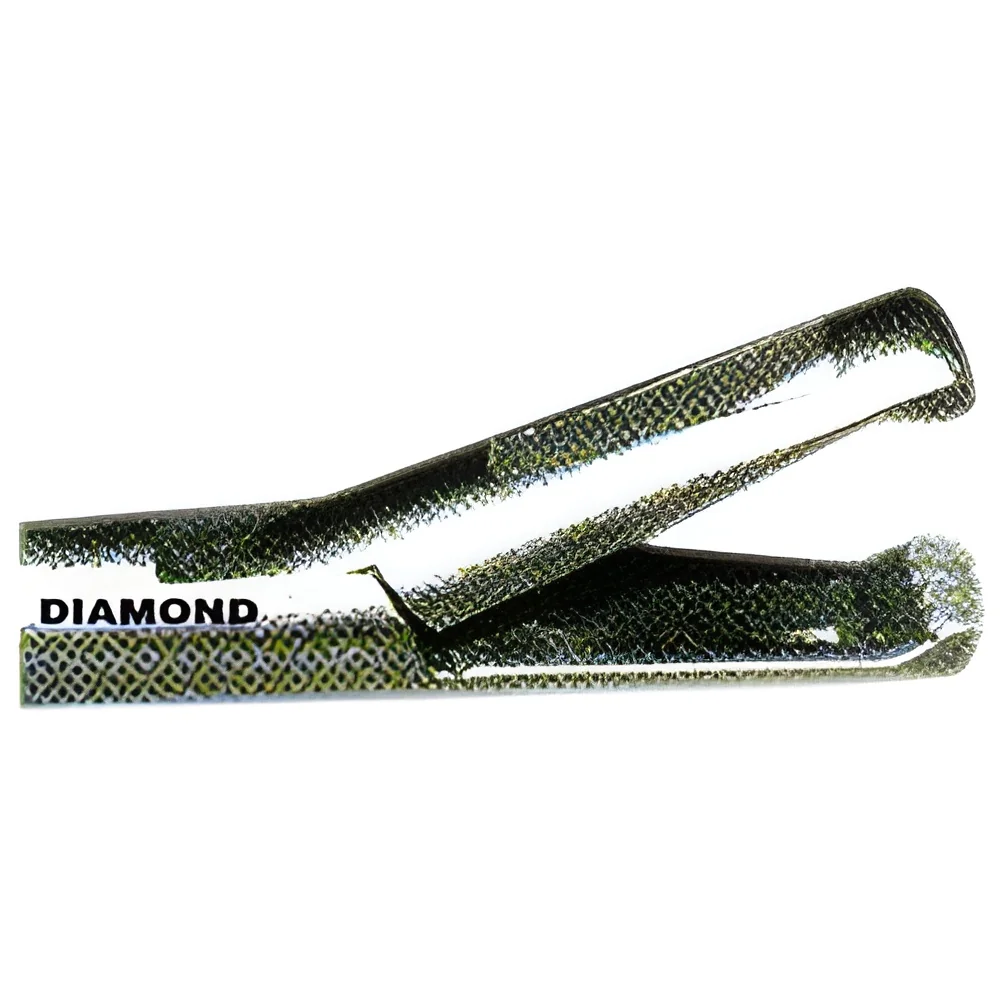
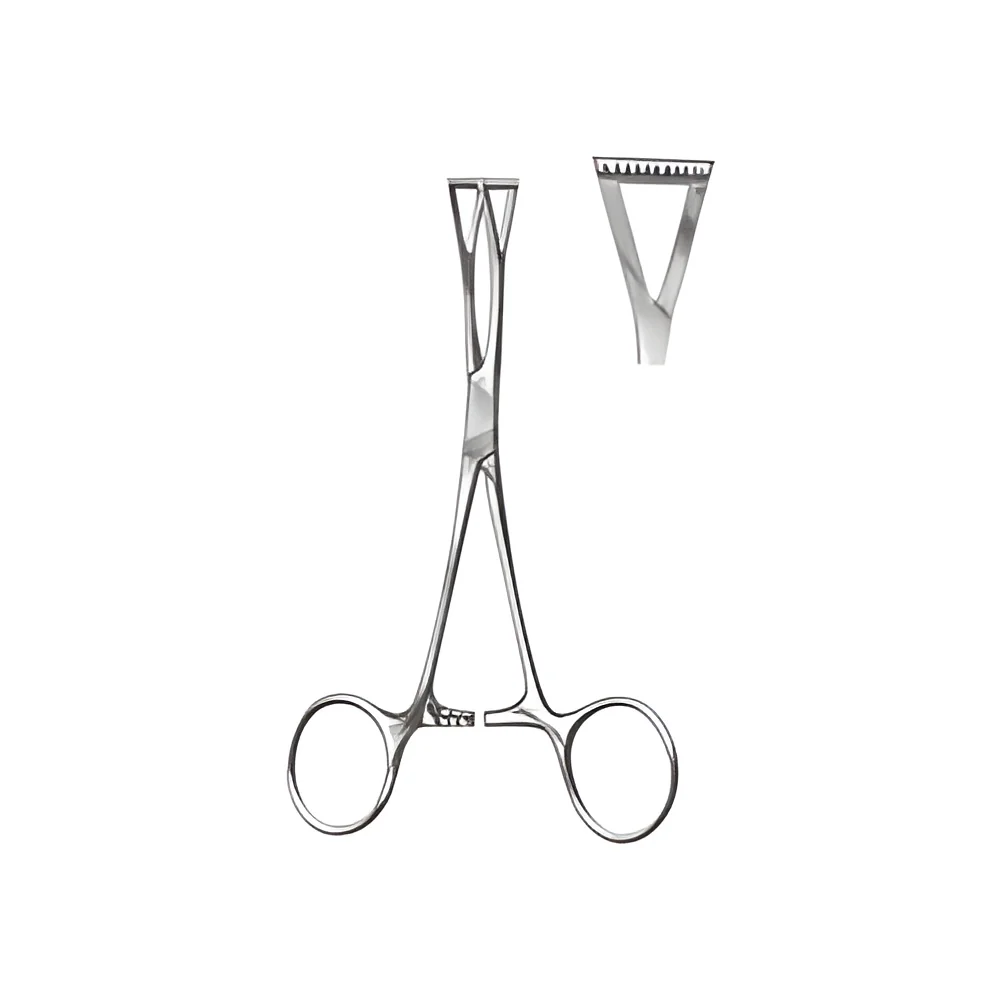
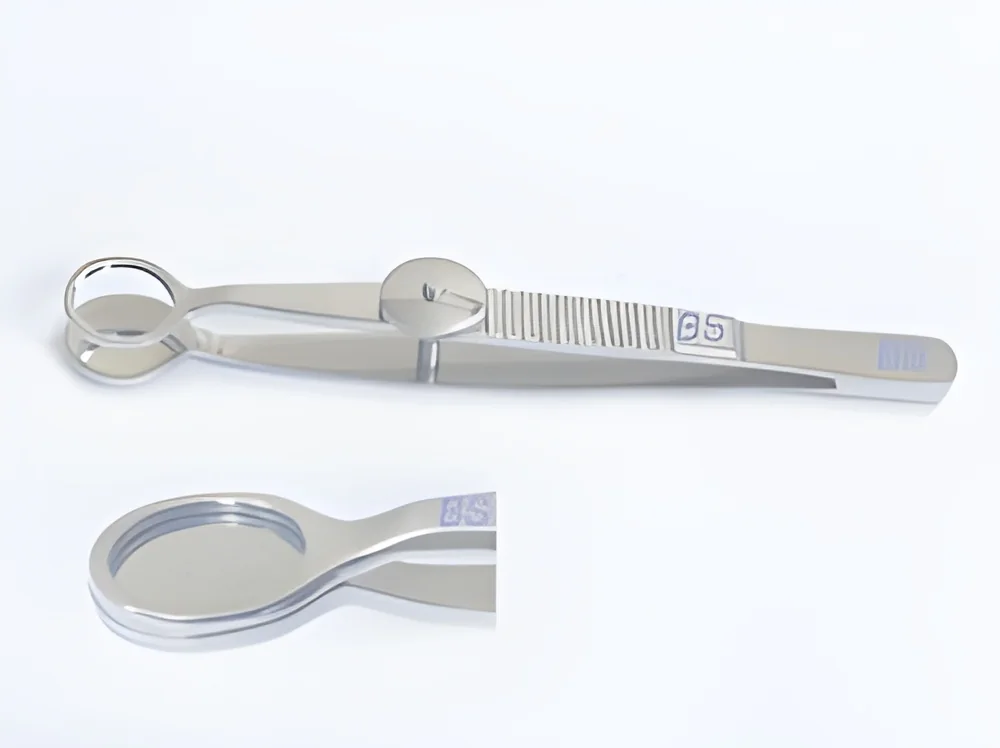
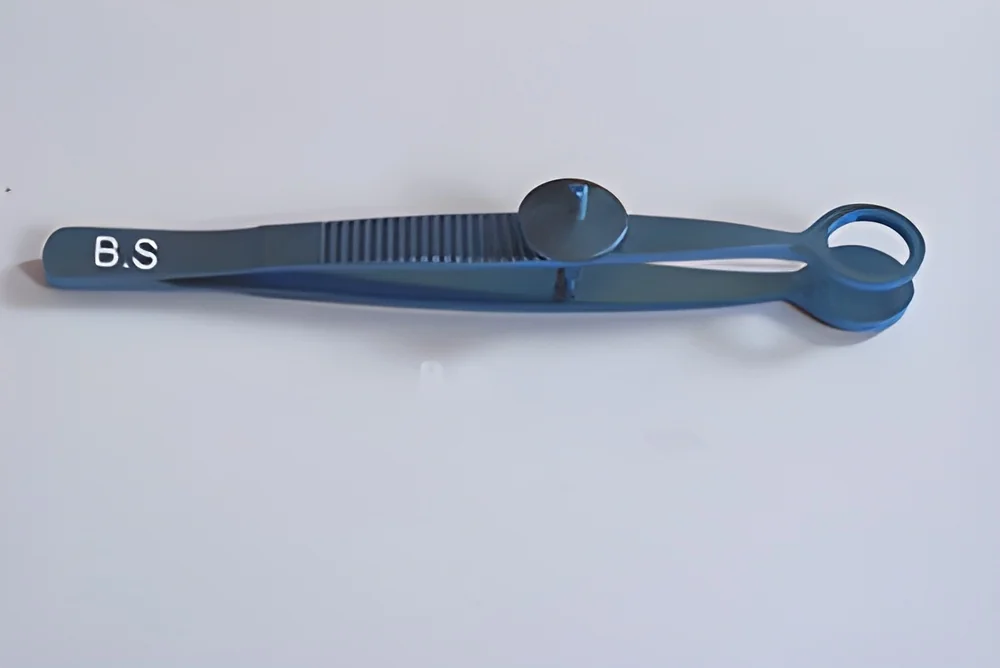
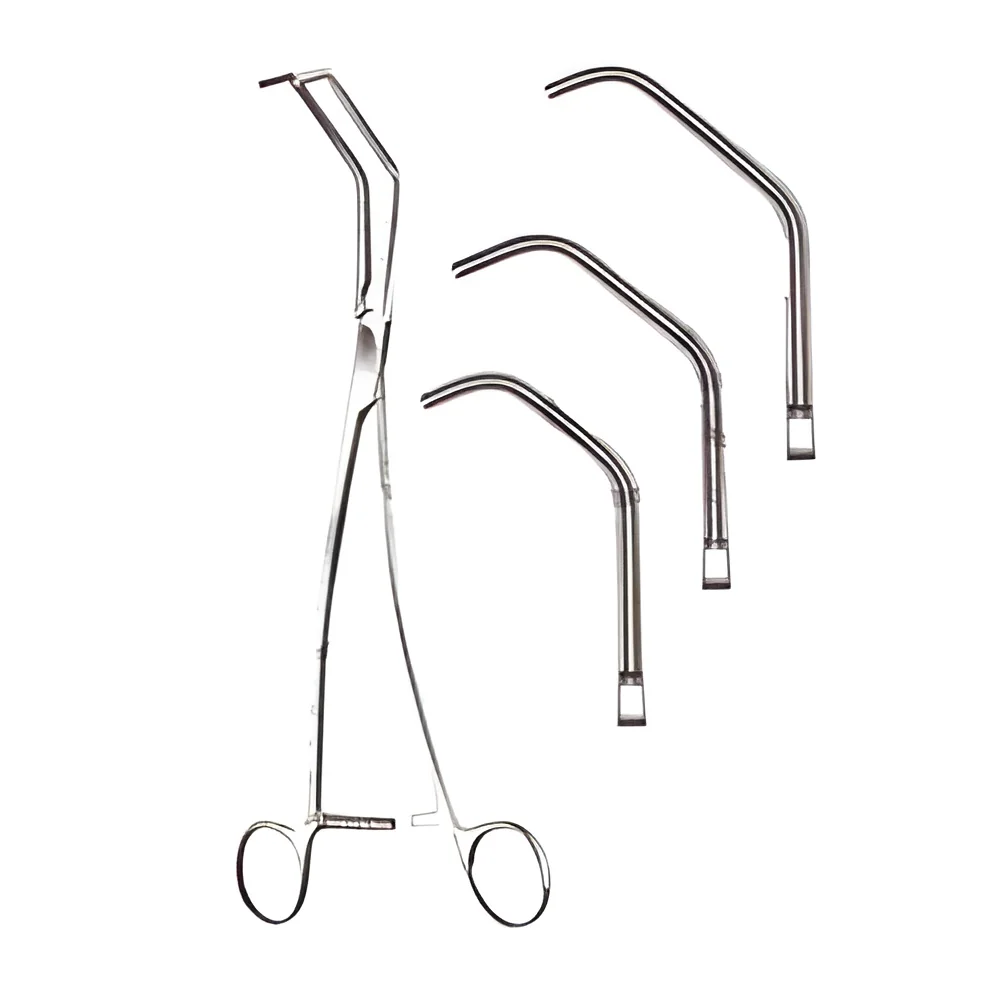
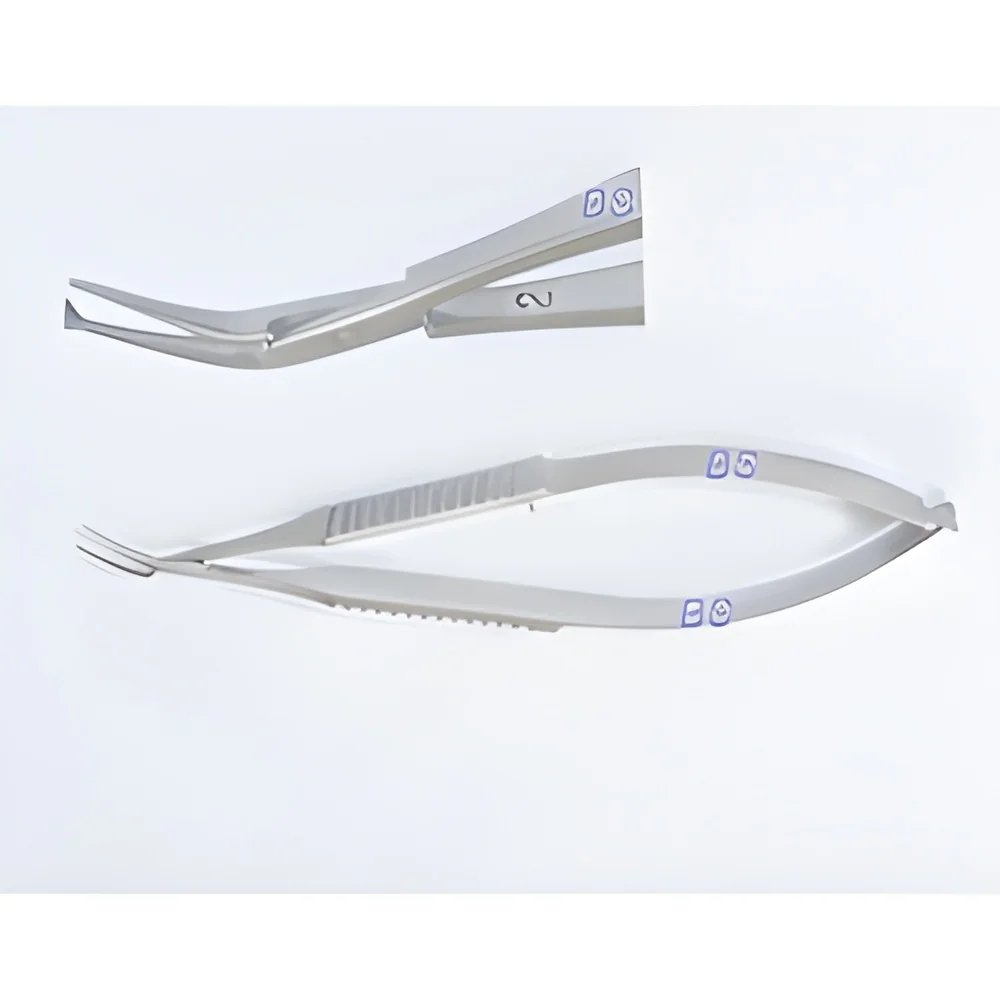
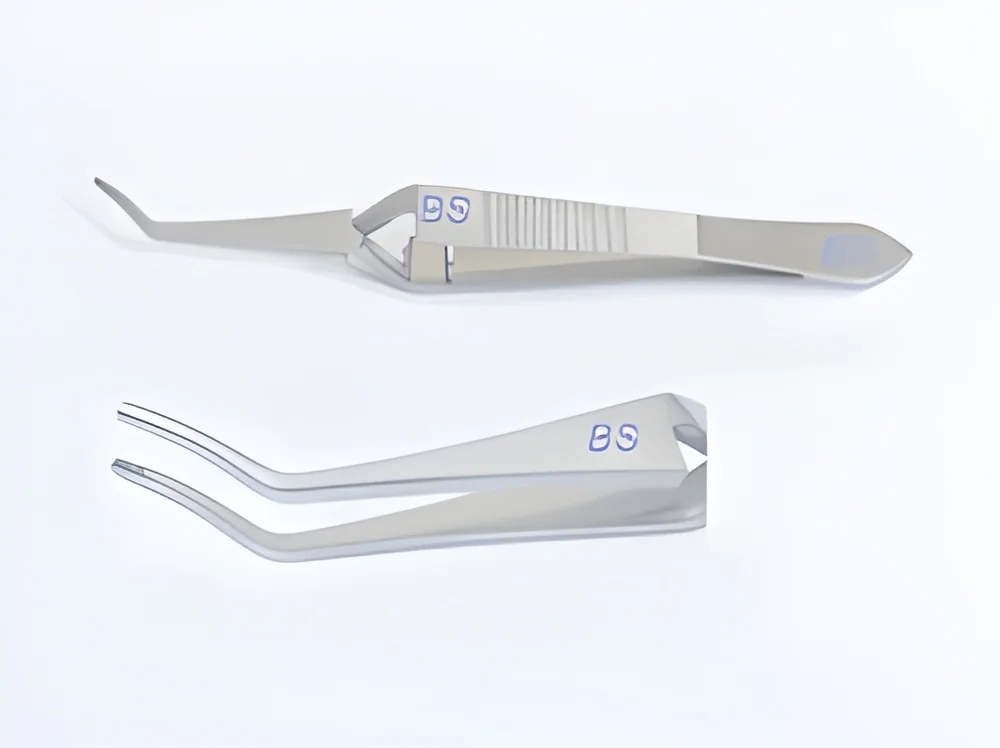
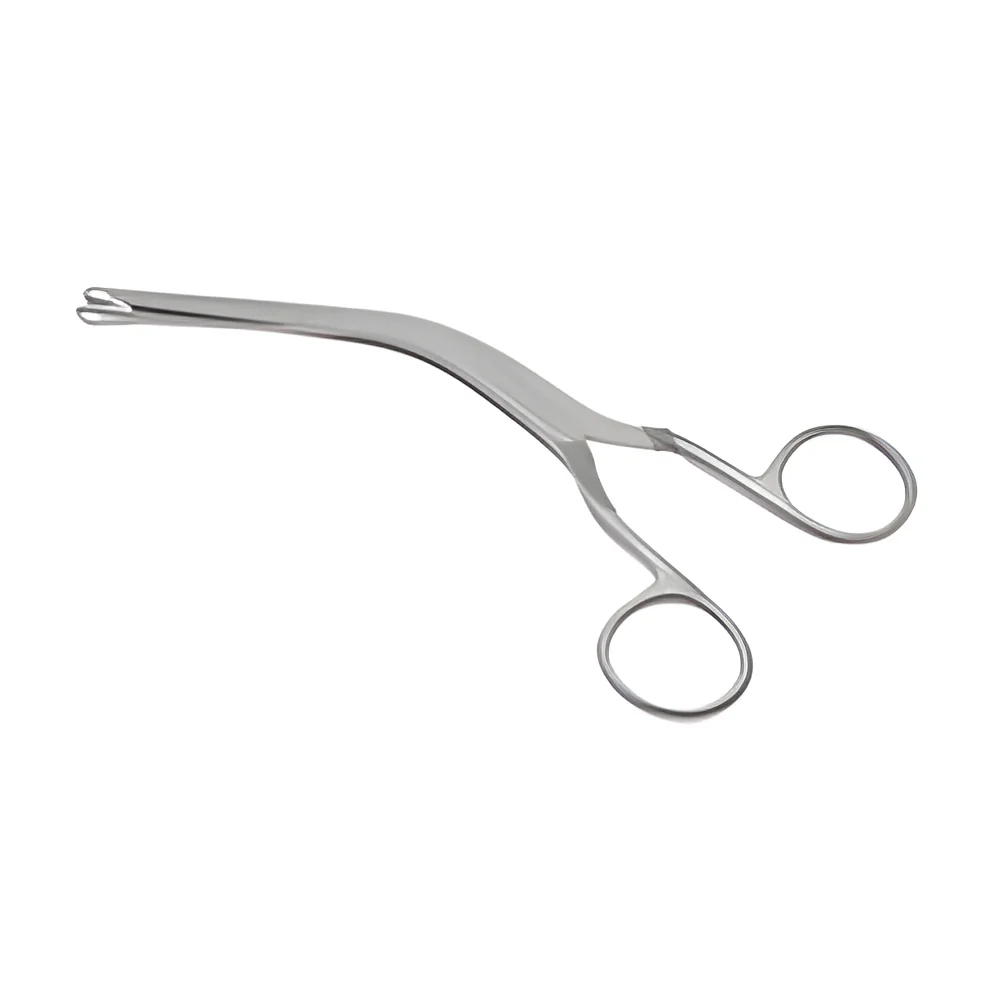
Forceps are versatile hand-held tools used primarily for grasping, manipulating, and holding objects in various settings. They are designed to provide a firm grip and precise control, making them essential in many industrial, medical, and laboratory applications. Forceps come in various shapes and sizes, tailored to different tasks and materials, ensuring that users can select the right tool for their specific needs.
In business applications, forceps are commonly used in medical fields for surgical procedures, in laboratories for handling delicate specimens, and in manufacturing for assembly and quality control processes. Their ability to securely hold items, even in challenging environments, makes them indispensable across multiple industries. The demand for quality forceps continues to grow as industries evolve and require more specialized tools.
The relevance of forceps in the market is evident, with increasing innovations and designs aimed at enhancing functionality and user comfort. As industries push for greater efficiency and precision, the development of advanced forceps reflects the ongoing need for reliable tools that support these objectives.
Key Features and Specifications
Forceps are characterized by several essential features that support their varied applications. Understanding these specifications helps businesses make informed purchasing decisions.
Key specifications include:
1. Material Composition
- Typically made from stainless steel or other durable materials
- Ensures resistance to corrosion and longevity
2. Grip Design
- Ergonomically designed handles for comfort during use
- Options for textured grips to prevent slippage
3. Length
- Available in various lengths, commonly ranging from 5 inches to 12 inches
- Longer lengths for deeper access, shorter lengths for precision tasks
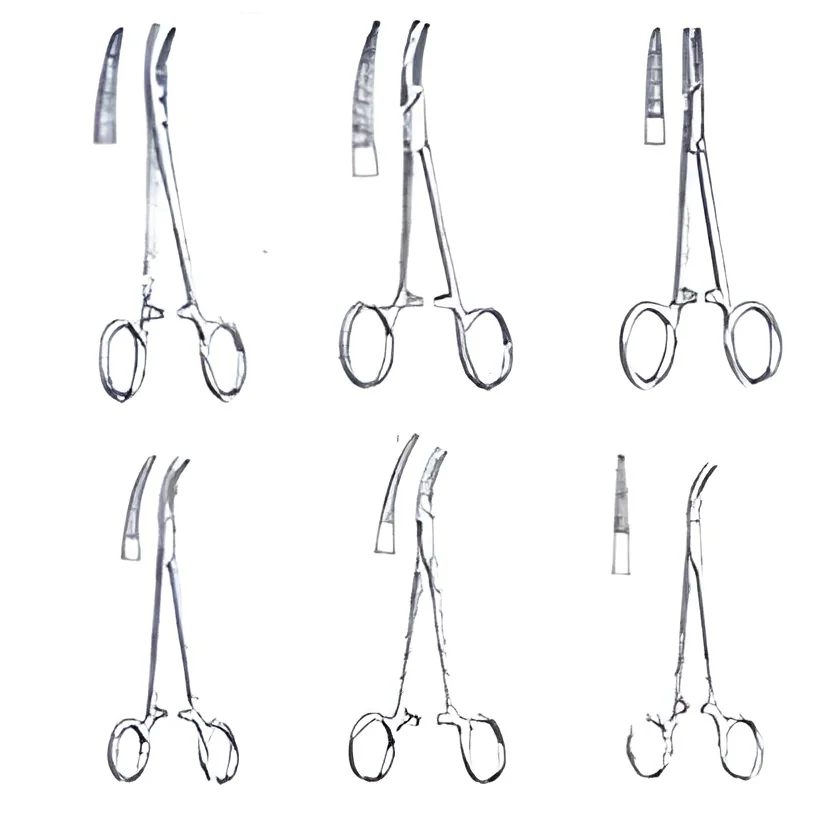
4. Tip Configuration
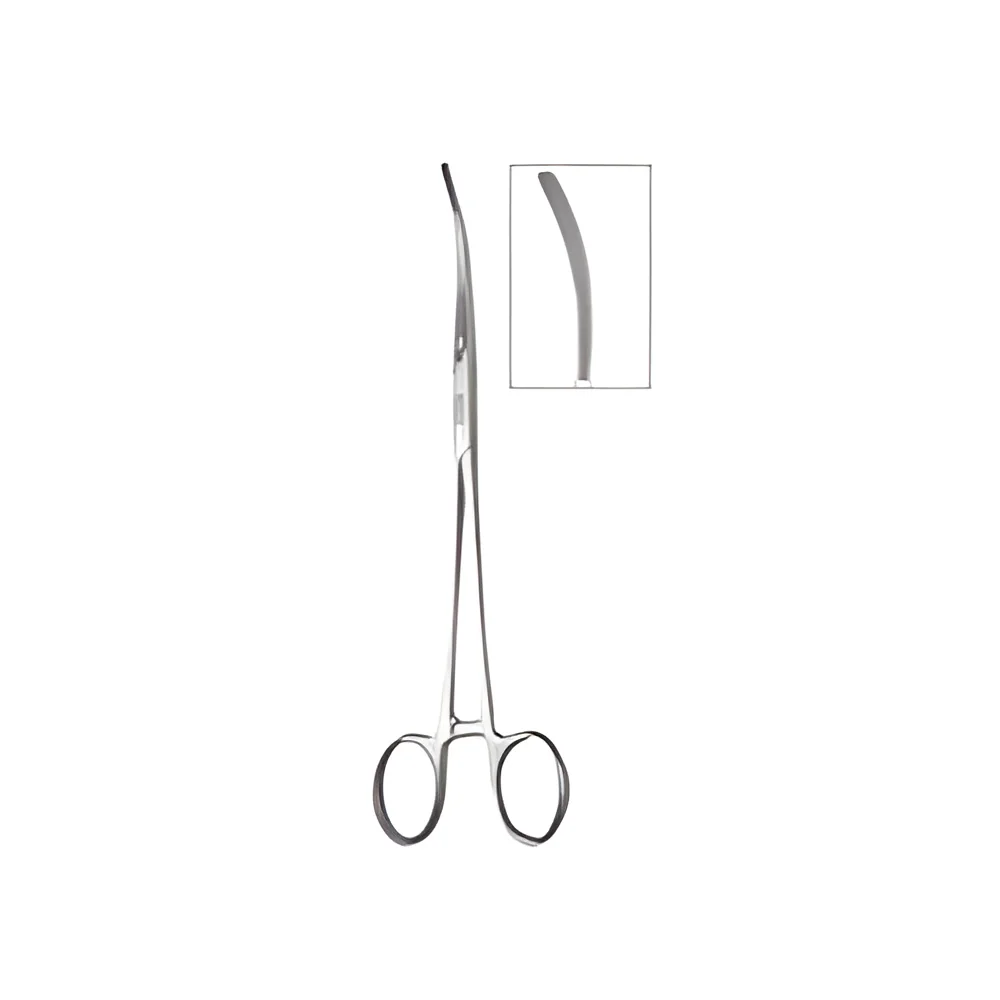
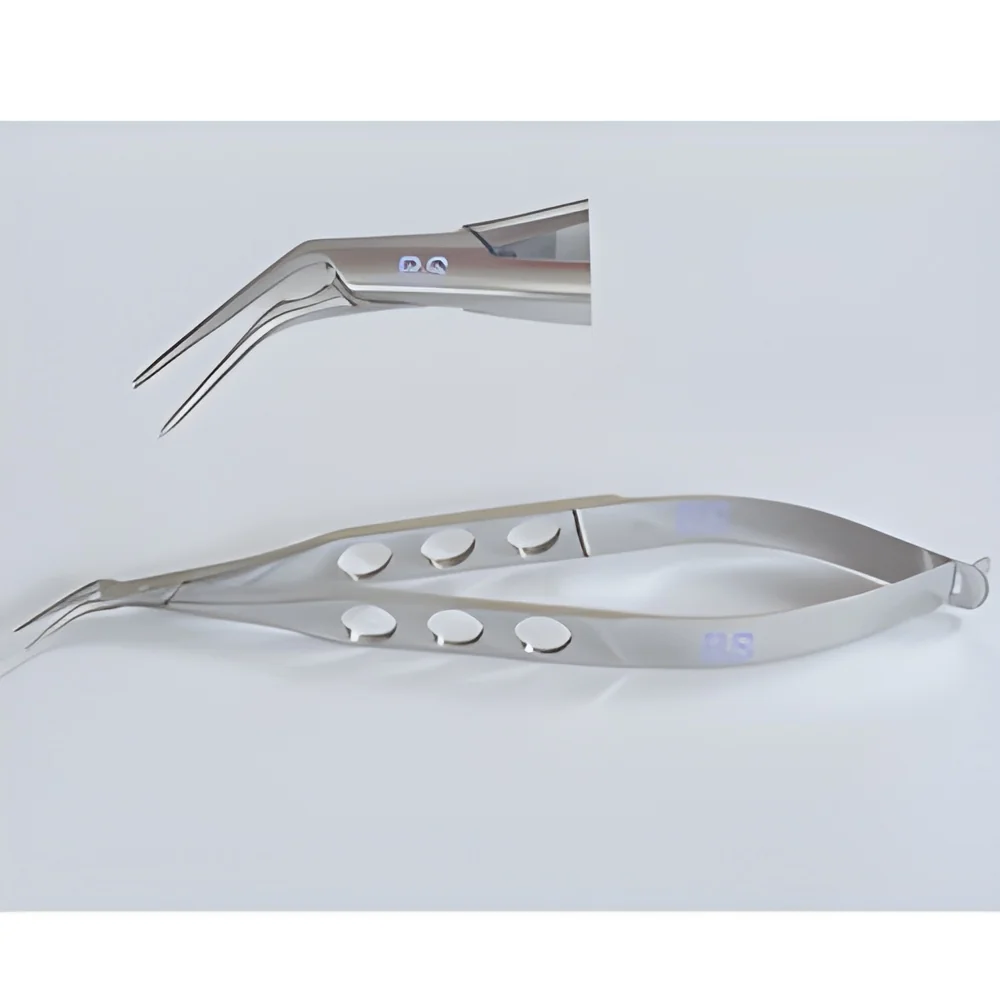
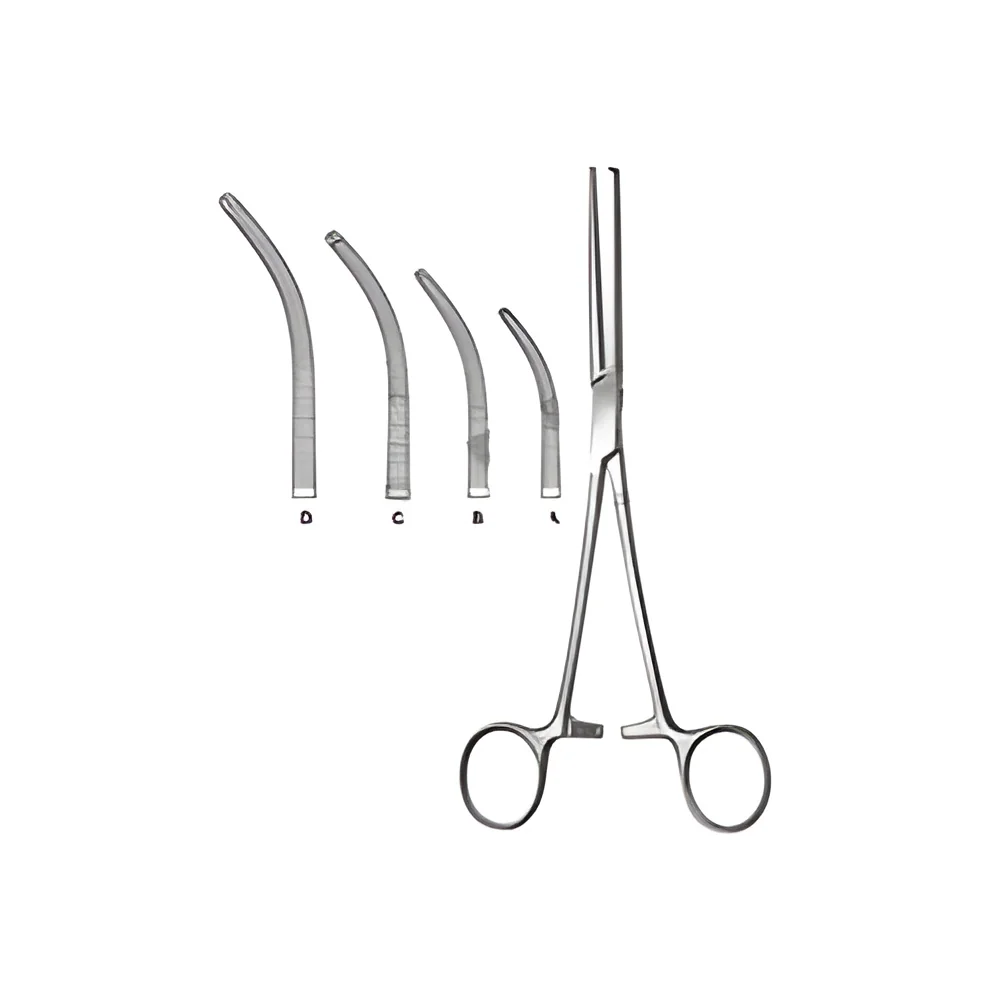
- Different tip shapes, such as straight, curved, or serrated
- Each shape serves specific functions, from precision grasping to secure holding
5. Weight
- Lightweight options available for ease of handling
- Heavier designs may provide additional stability in certain applications
6. Sterilization Compatibility
- Many forceps are designed for easy sterilization
- Autoclavable options ensure compliance with hygiene standards
7. Certification
- CE certification indicates compliance with European safety and quality standards
In summary, the diverse features and specifications of forceps cater to a wide range of applications, making them a crucial tool in various sectors.
Common Applications and Use Cases
Forceps are utilized across numerous industries, showcasing their versatility and importance.
1. Medical Industry: In surgical settings, forceps are essential for grasping tissue, holding sutures, or manipulating instruments. Their design allows for precision in delicate procedures.
2. Laboratory Settings: Forceps are used to handle samples, perform dissections, and manipulate small components. Their fine tips provide the necessary control for intricate tasks.
3. Manufacturing: In assembly lines, forceps assist in positioning small parts and ensuring quality control. Their grip helps in maintaining efficiency and accuracy during production.
4. Food Industry: Forceps are employed for serving and processing food products. They ensure sanitary handling and reduce the risk of contamination.
5. Electronics: In electronic assembly, forceps are used to manipulate small components and wires. Their precision aids in the delicate assembly of devices.
6. Veterinary Medicine: Forceps play a critical role in animal surgeries, allowing for safe handling of tissues and instruments.
7. Arts and Crafts: In creative environments, forceps assist in the handling of small materials, providing artists with precision and control during their projects.
Product Variants and Subcategories
Forceps come in various forms to meet specific needs across industries. This diversity allows businesses to select the most appropriate type for their applications.
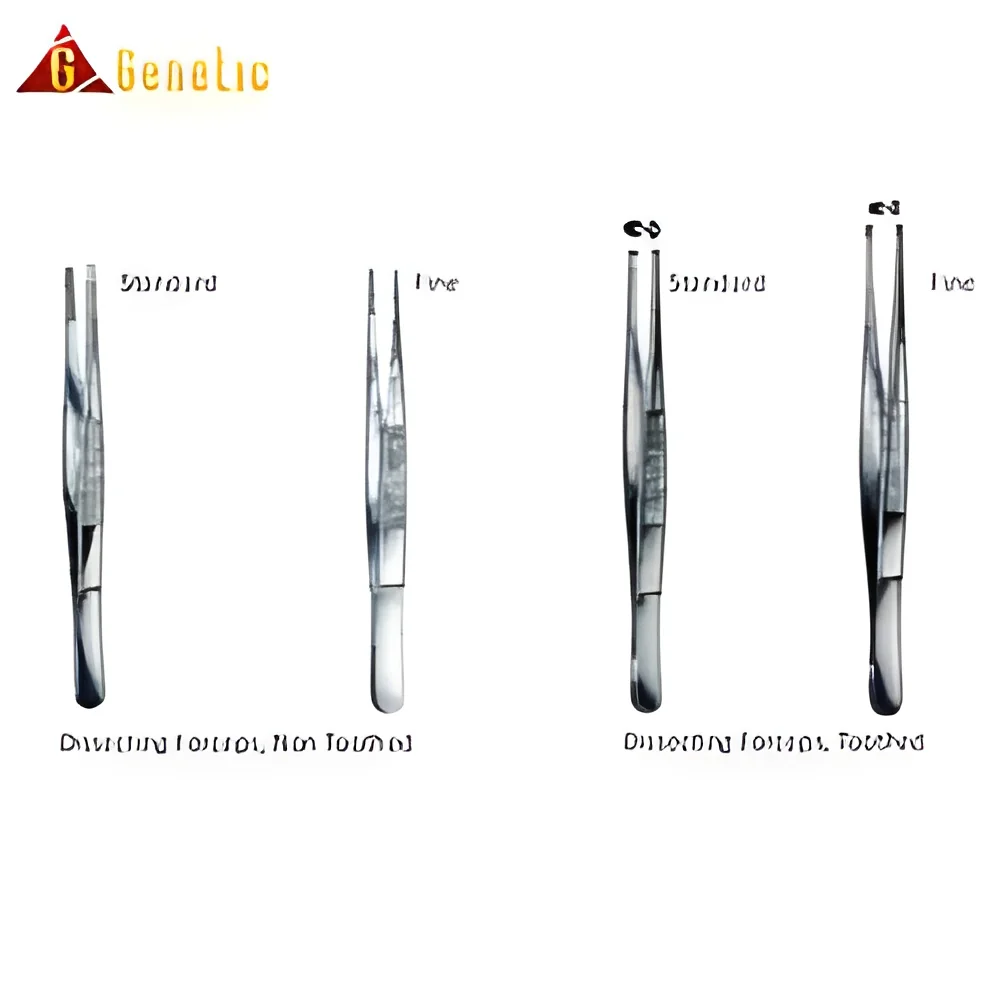
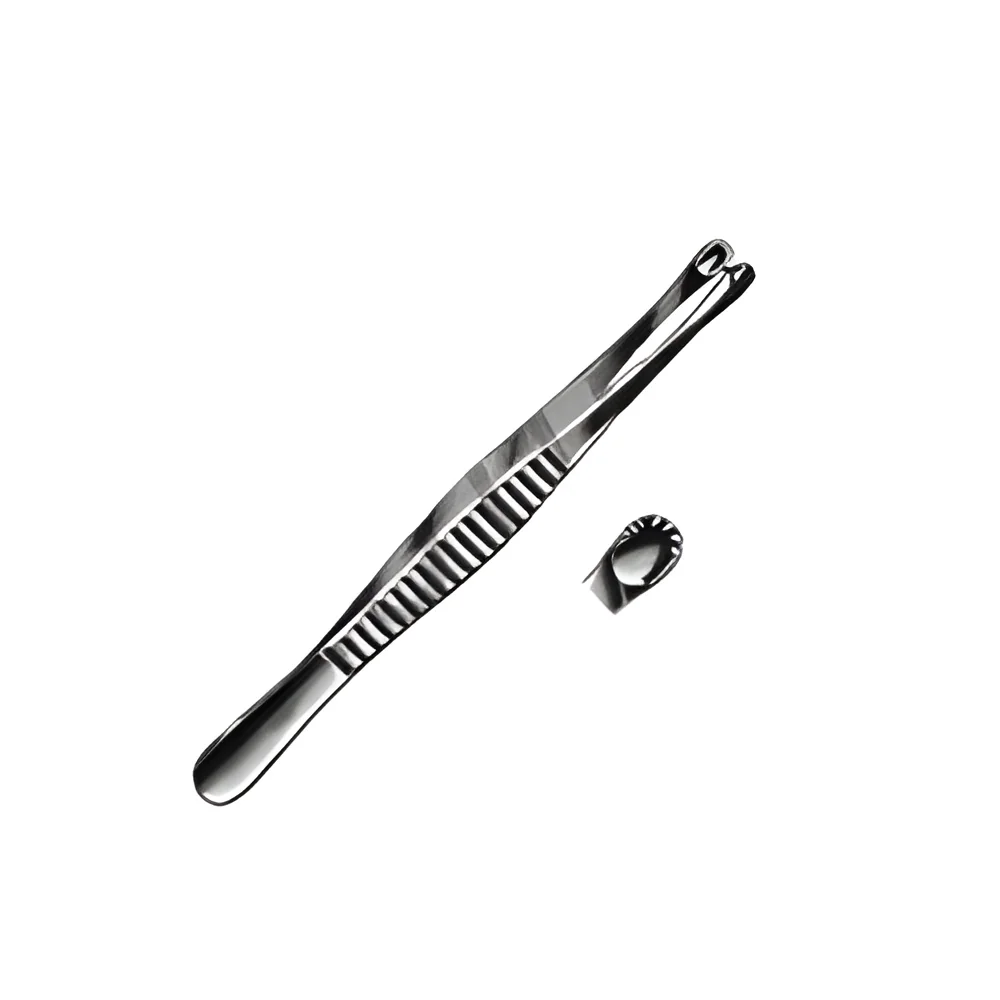
Tissue Forceps
These forceps are designed for surgical use, featuring a fine tip for grasping delicate tissues. They are commonly used in medical procedures for suturing and handling soft tissues, ensuring precision.
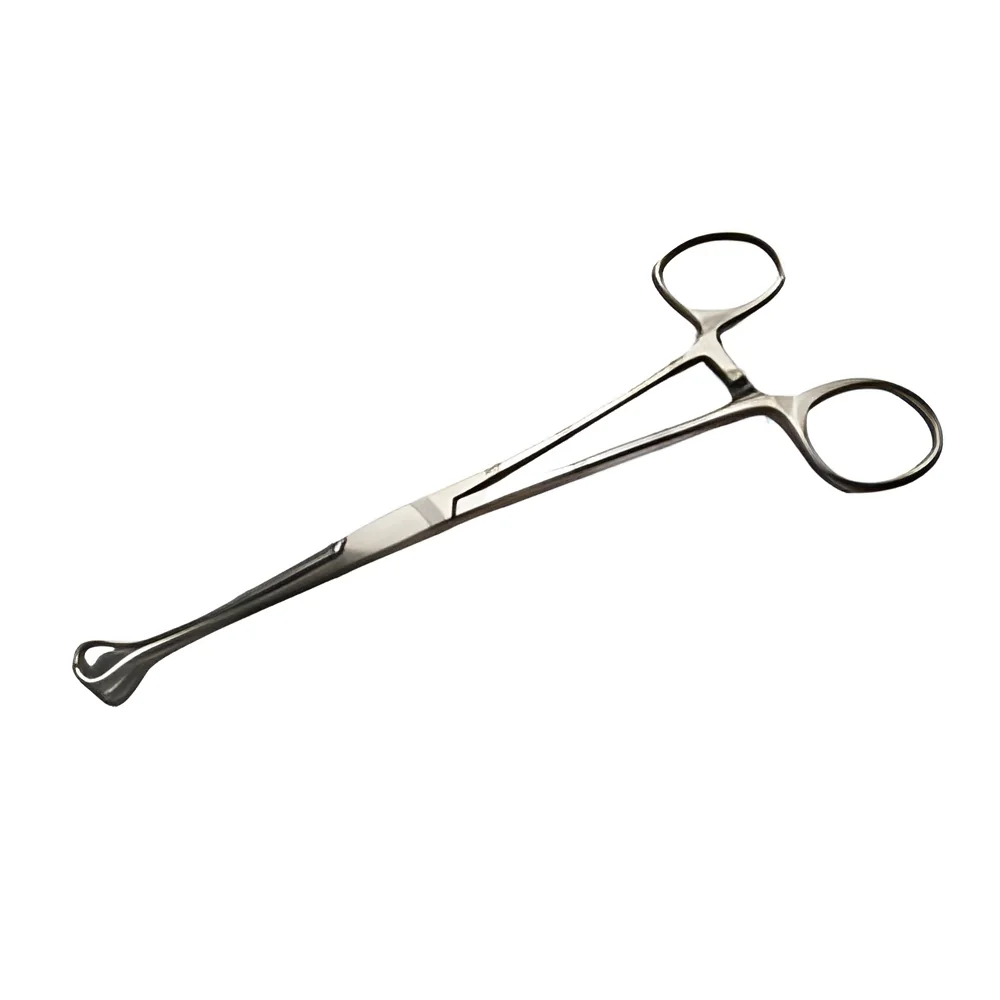
Hemostatic Forceps
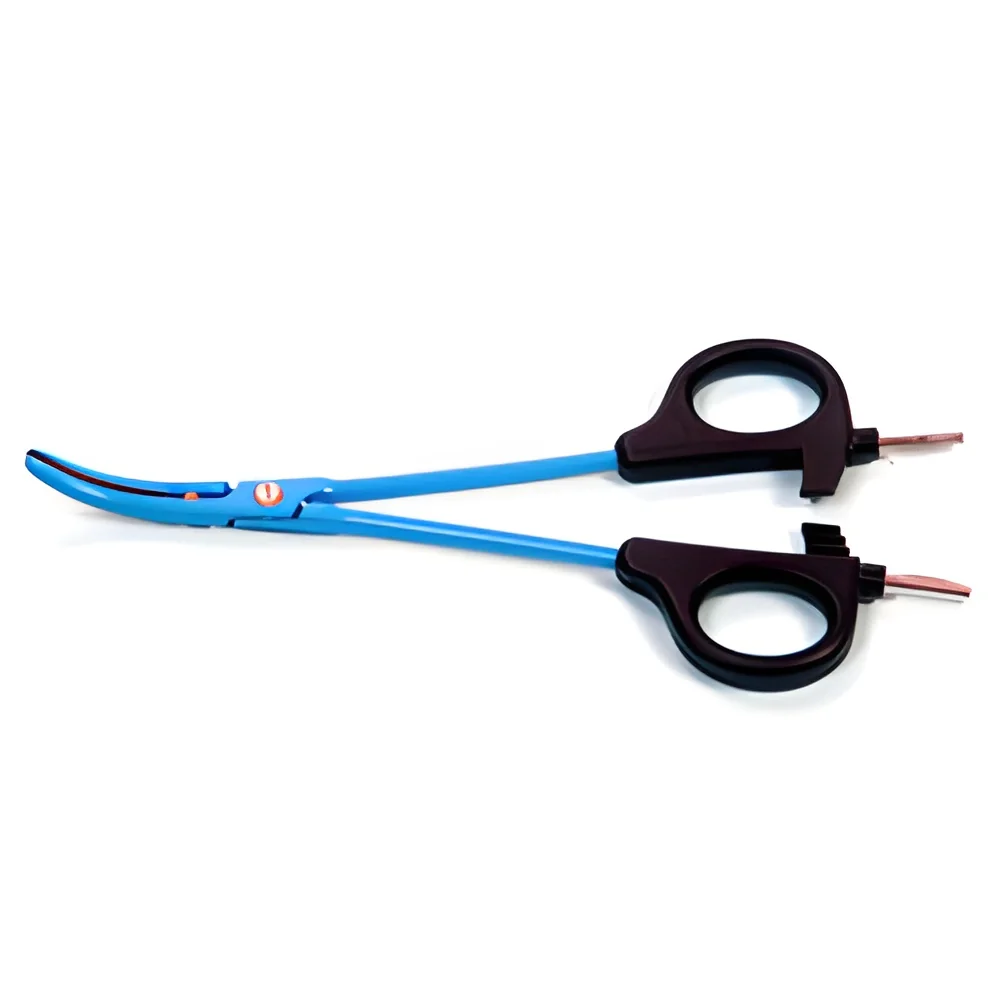
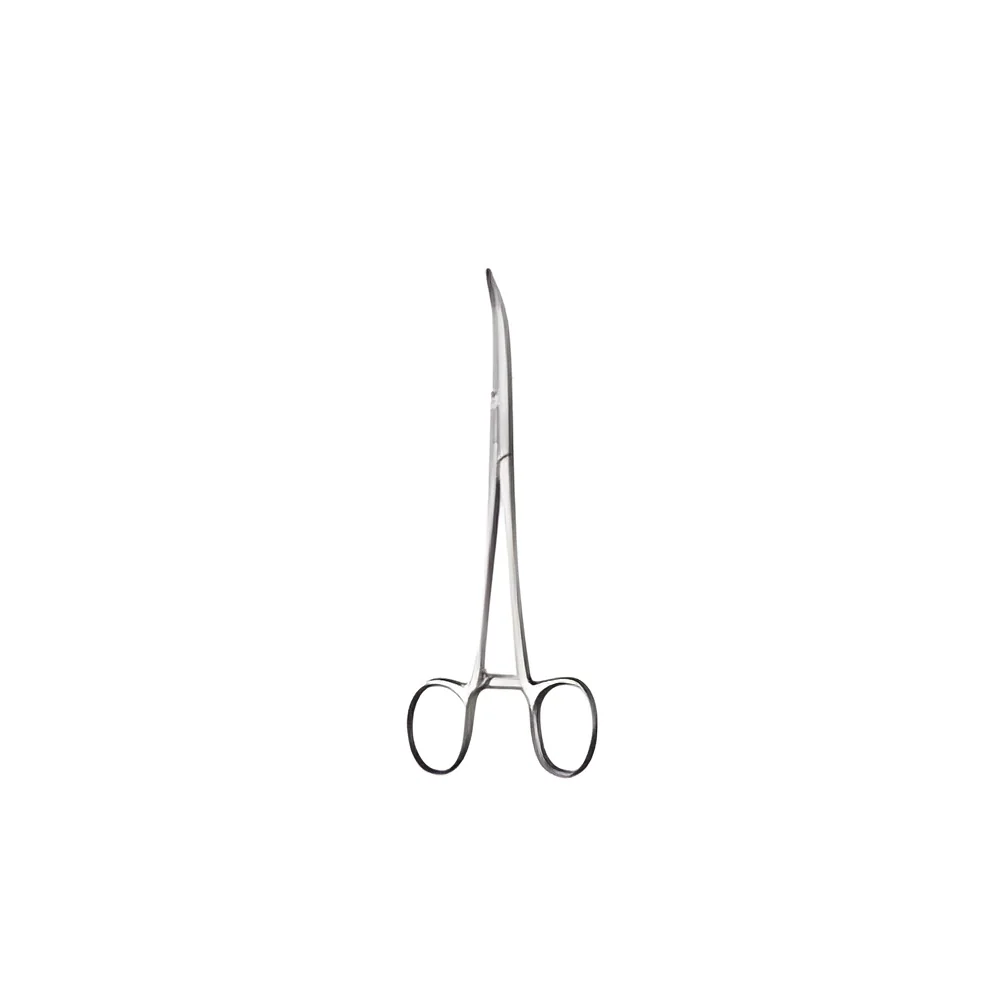
These forceps are essential in surgical settings for clamping blood vessels and controlling bleeding. Their locking mechanism provides a secure grip, making them vital during surgeries.
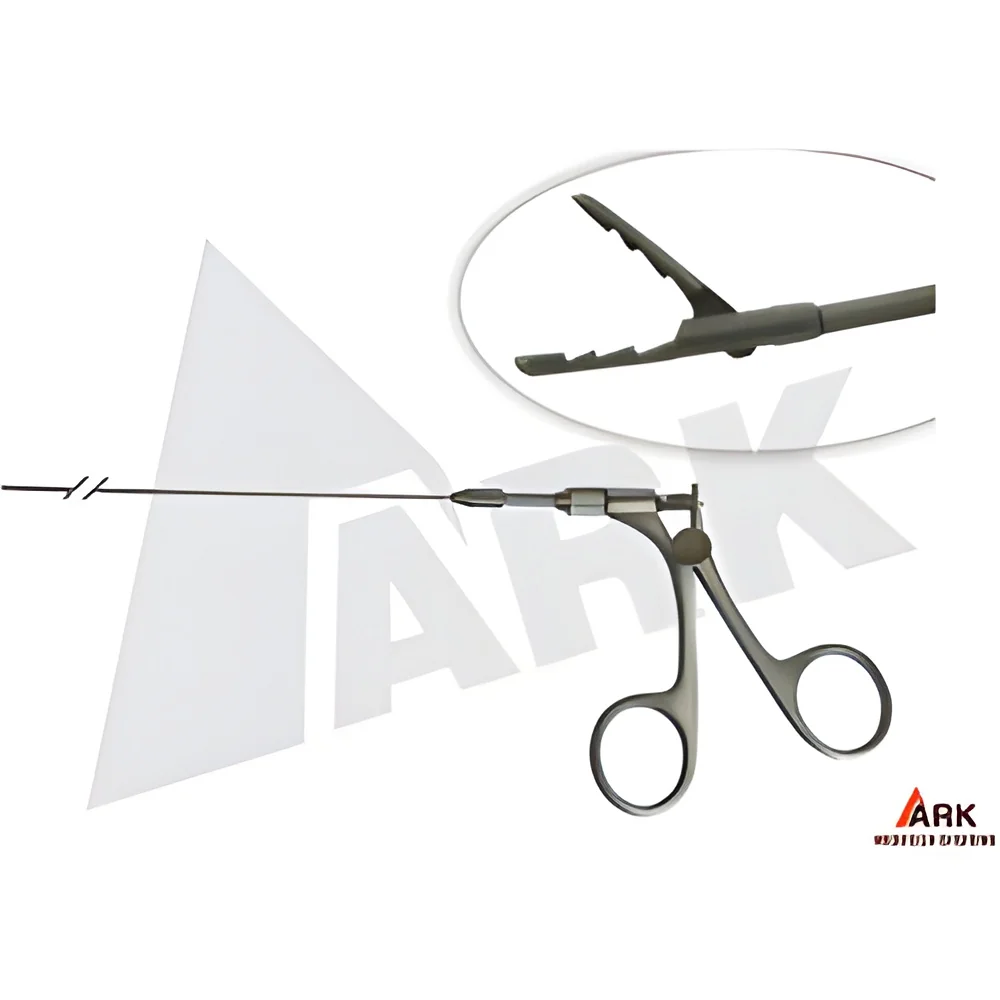
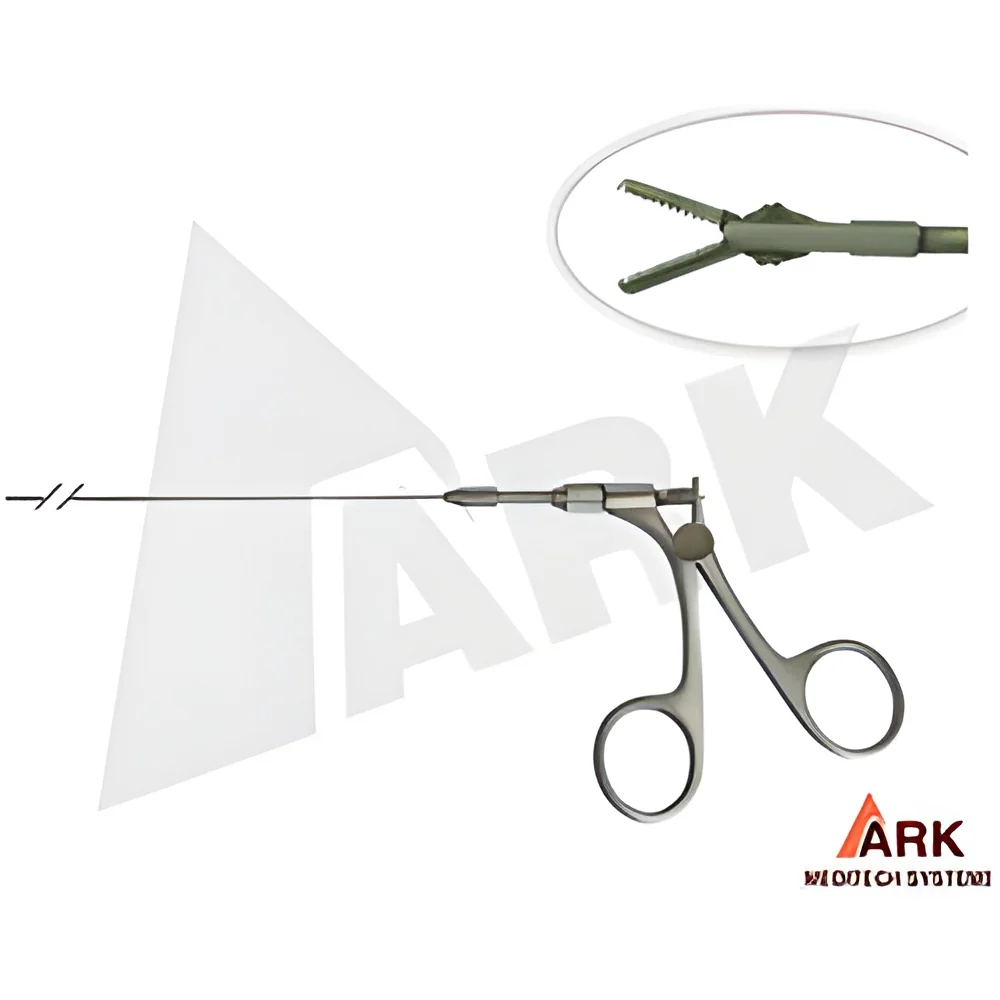
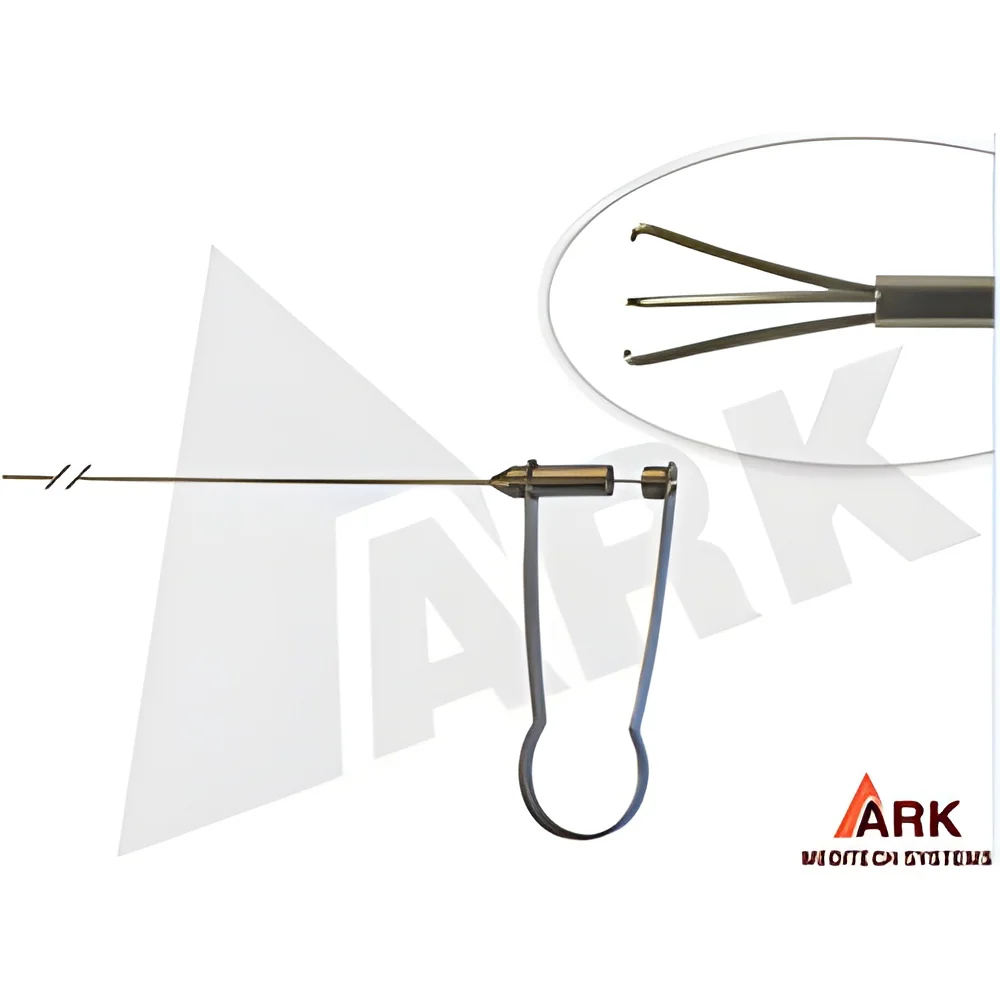
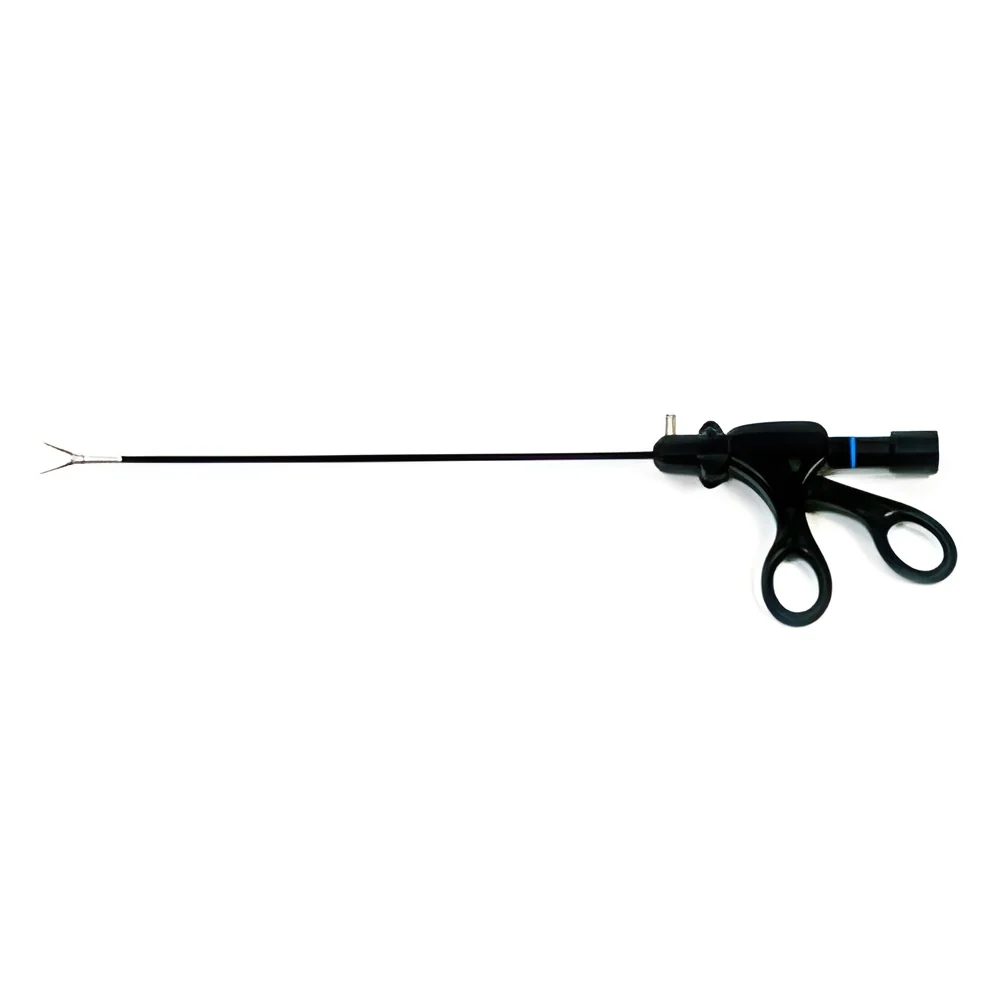
Alligator Forceps
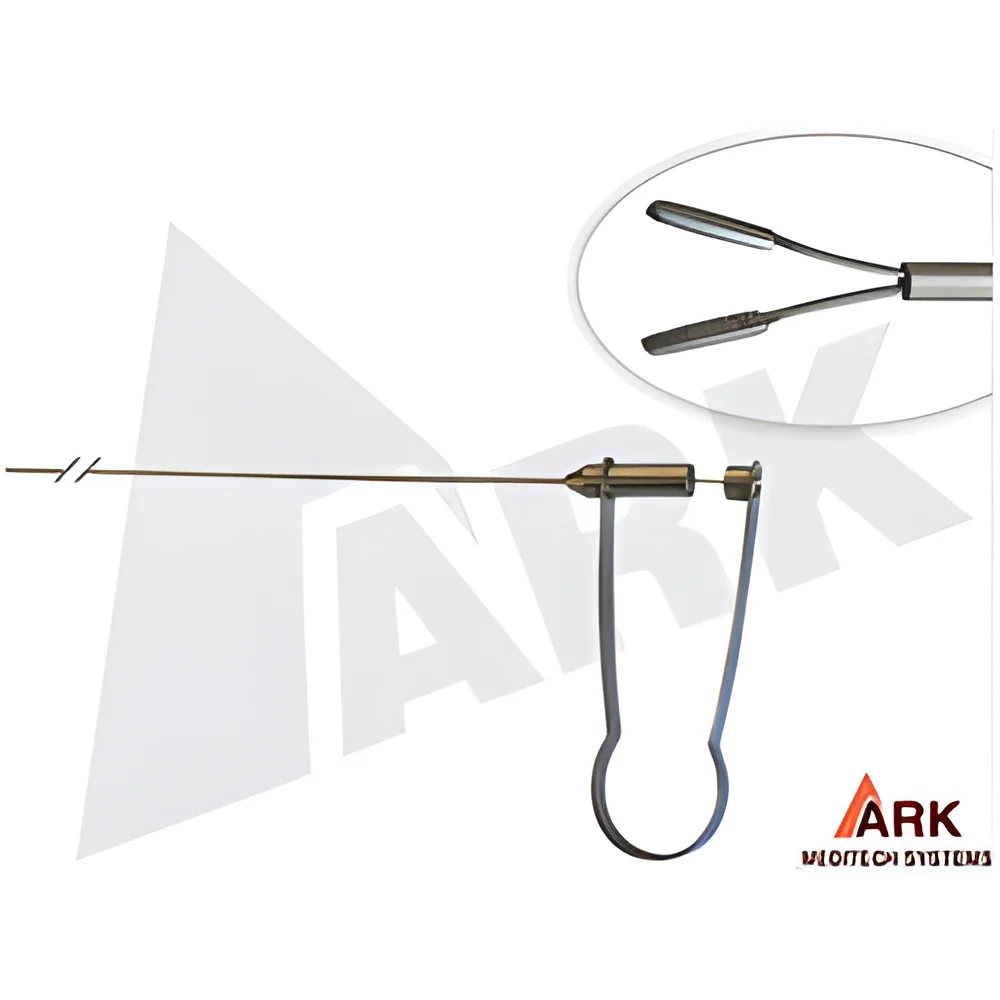
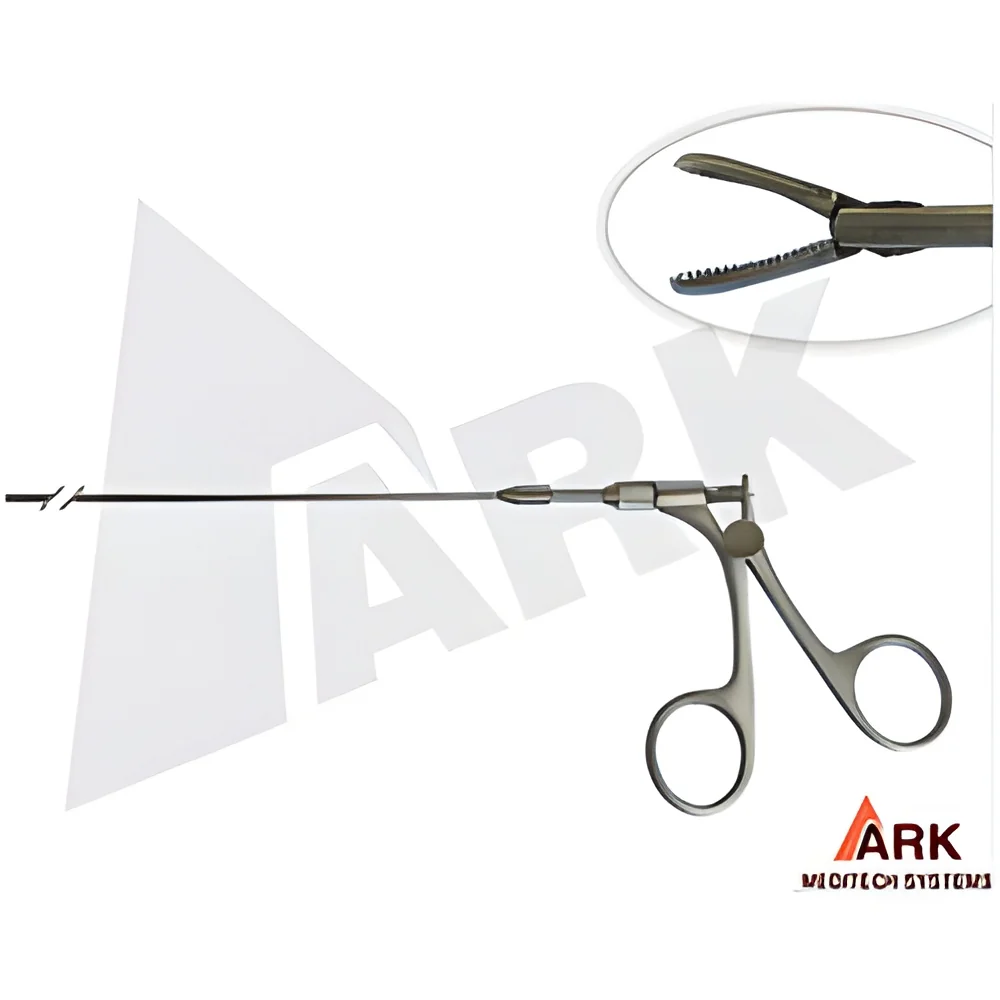
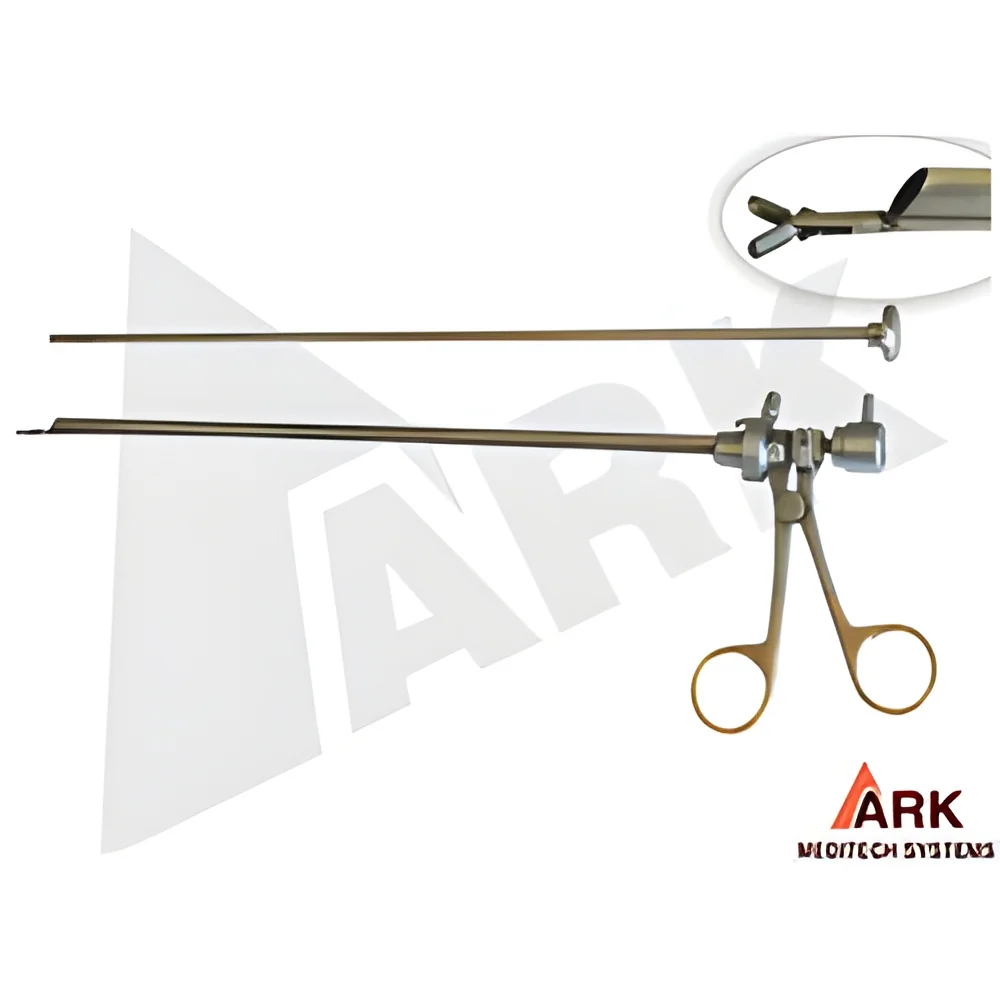
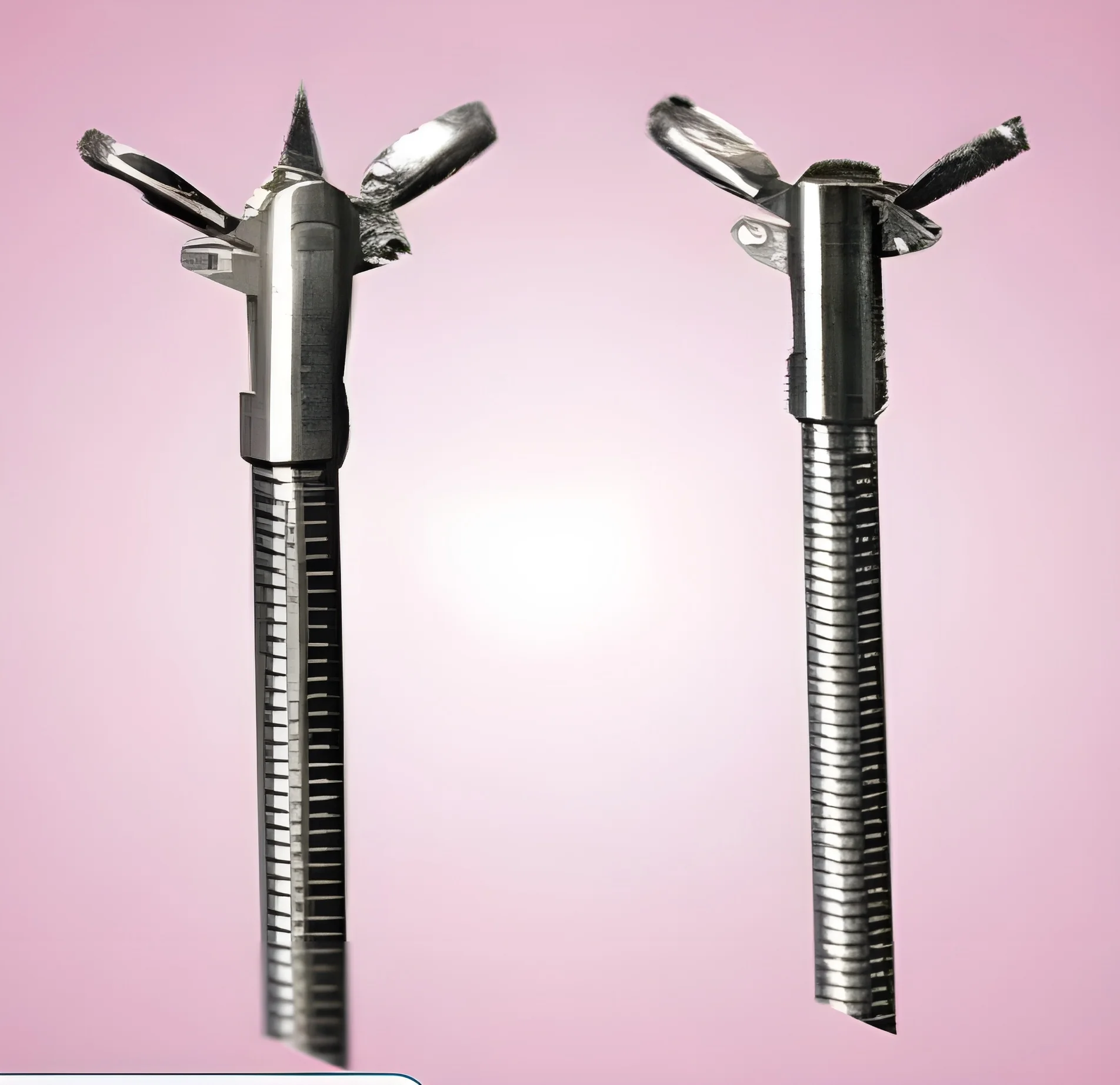
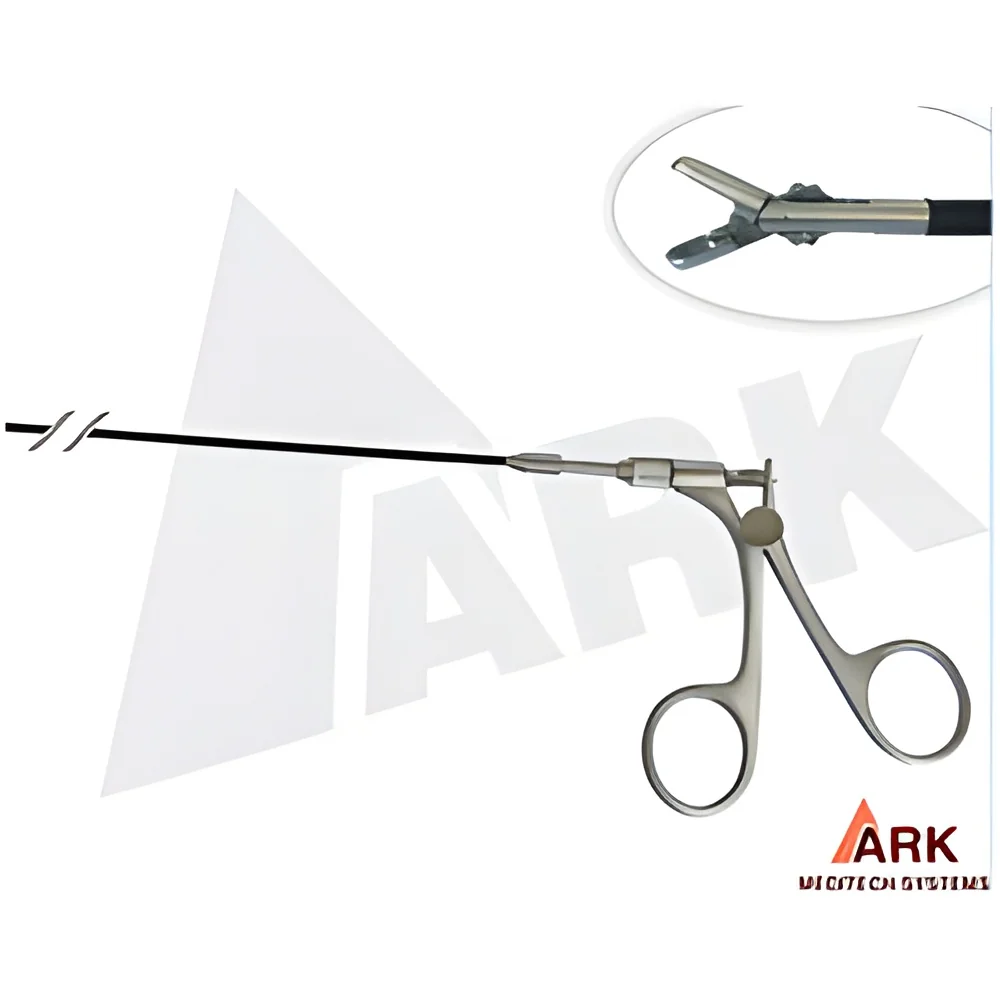
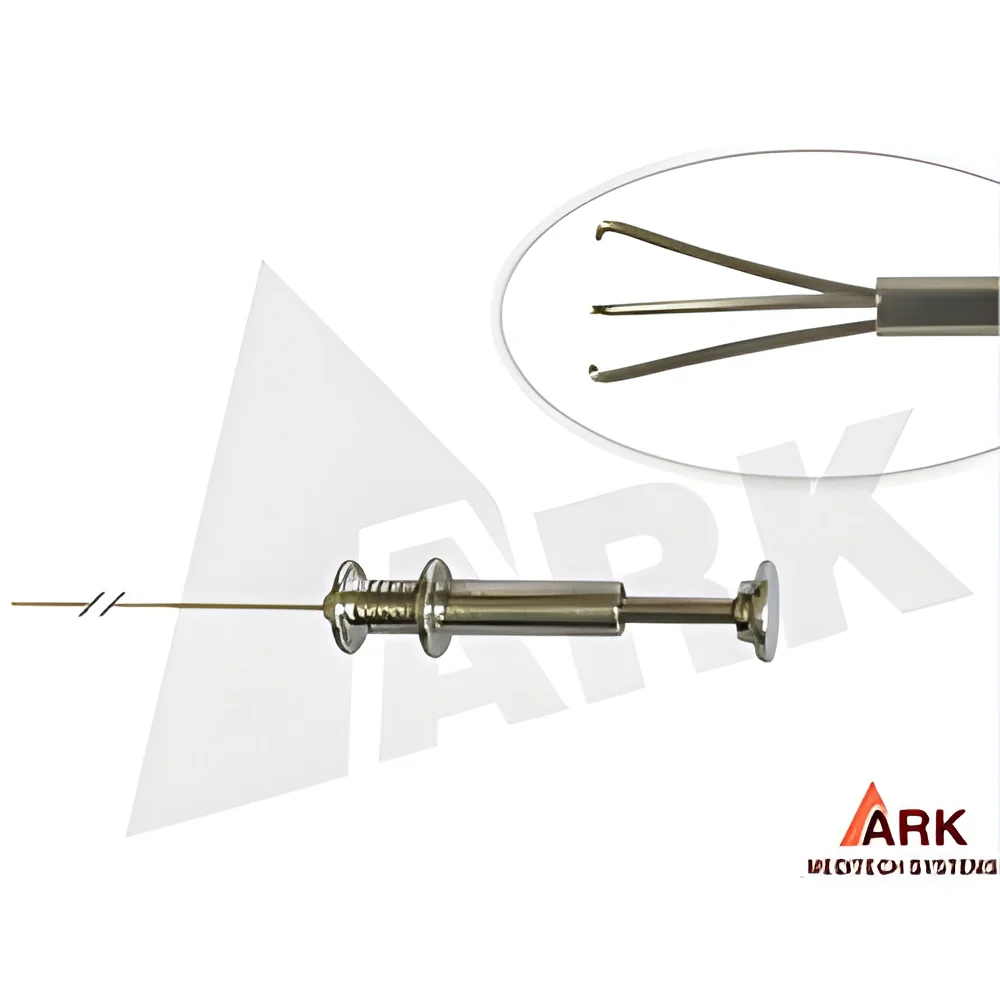
Used primarily in endoscopic procedures, alligator forceps have a long, narrow design that allows access to hard-to-reach areas. They are instrumental in capturing and retrieving small objects within the body.
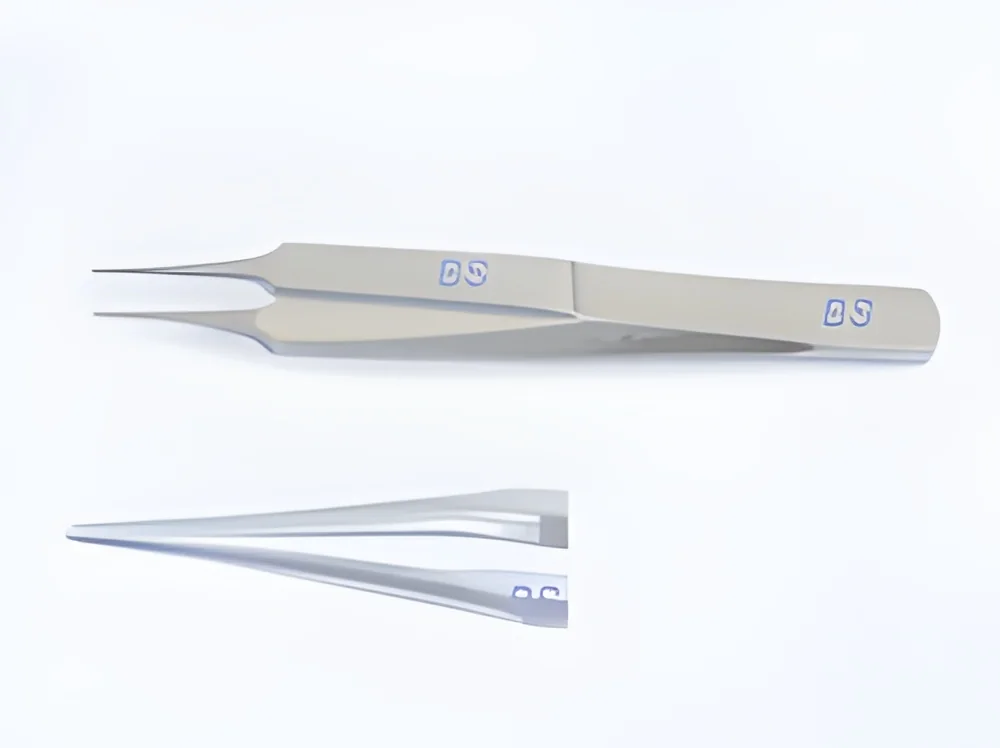
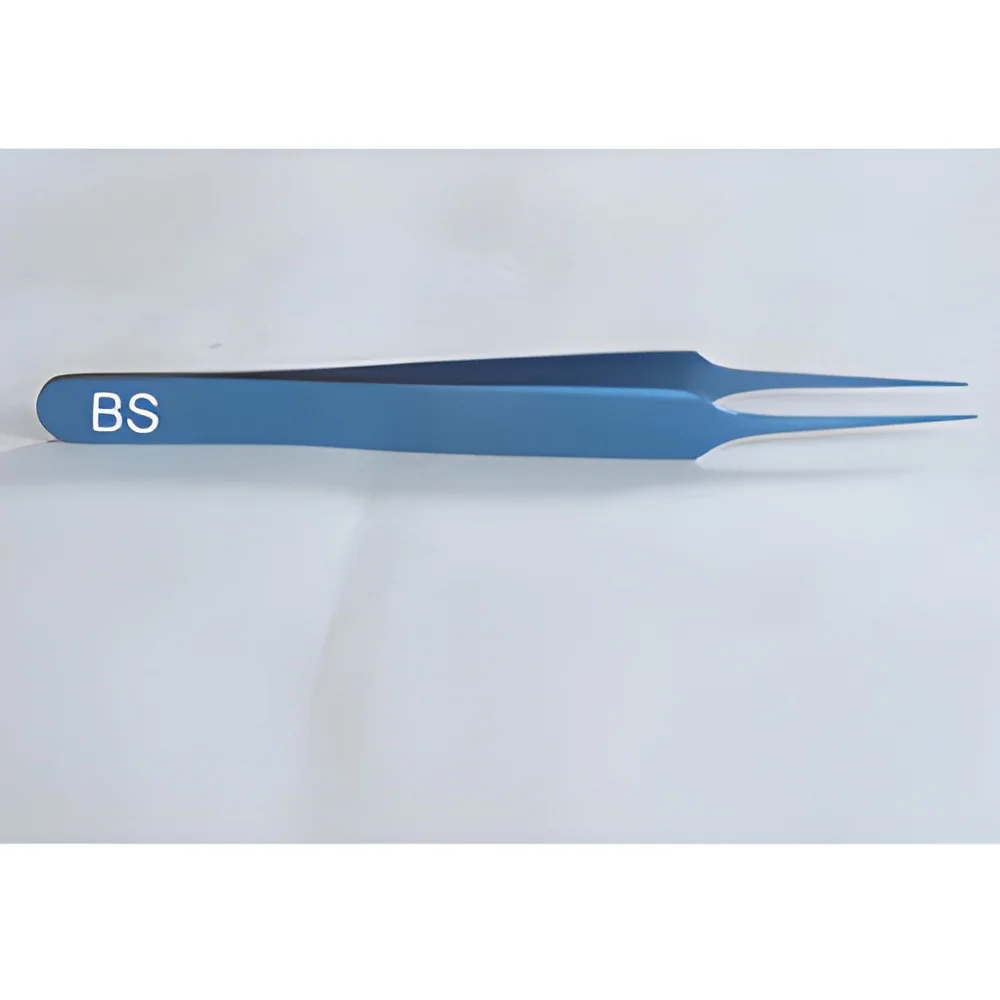
Tweezers
Although often considered a simpler variant, tweezers are widely used in laboratory and craft settings for precise handling. Their lightweight design and fine tips make them versatile tools for various tasks.
Benefits and Advantages
The use of forceps presents several advantages, enhancing operational efficiency and safety across applications.
Key benefits include:
1. Enhanced Precision: Forceps allow for accurate handling of delicate items, reducing the risk of damage or contamination.
2. Improved Grip: Their design provides a secure grasp, minimizing the chances of slippage during use.
3. Ergonomic Comfort: Many forceps are designed to reduce hand fatigue, enabling prolonged use without discomfort.
4. Versatility: Forceps can be utilized across various industries, making them a multifunctional tool for businesses.
5. Easy Sterilization: Many models are designed for easy cleaning and sterilization, ensuring compliance with hygiene standards.
6. Cost-Effective: Durable materials ensure a long lifespan, offering a good return on investment for businesses.
Buying Guide for B2B Buyers
When sourcing forceps, businesses should consider several critical factors to ensure they select the best options for their needs.
1. Quality Assessment: Evaluate the material and build quality of the forceps. Look for options made from high-grade stainless steel or other durable materials that can withstand rigorous use.
2. Supplier Verification: Research potential suppliers to ensure they have a reputation for delivering high-quality products. Verify their certifications and customer reviews to assess reliability.
3. Pricing and MOQ: Understand the pricing structure and minimum order quantities. Ensure that the costs align with your budget while considering the quality of the products.
4. Delivery and Lead Times: Discuss logistics and expected lead times with suppliers. Timely delivery is essential for maintaining production schedules.
5. Compliance Requirements: Confirm that the forceps meet any relevant industry standards and regulations. This is crucial for ensuring safety and effectiveness in their intended applications.
Compliance and Certifications
Compliance with industry standards and certifications is vital for ensuring the quality and safety of forceps.
Relevant quality standards include ISO 9001, which outlines requirements for a quality management system. This standard is crucial for manufacturers to ensure consistent quality in their products.
HACCP is another critical standard, particularly in food handling applications, as it ensures that products meet safety requirements to prevent contamination.
The CE certification indicates that forceps comply with European Union safety standards, providing assurance to buyers about the quality and reliability of the products.
Additionally, safety and testing requirements should be adhered to, ensuring that forceps are thoroughly tested for performance and durability. Businesses should also consider regional compliance, as different regions may have specific regulations for medical and industrial tools.
Why Source Forceps from Pepagora?
Pepagora offers a reliable platform for sourcing forceps, providing numerous advantages for B2B buyers.
Verified Supplier Network: Pepagora features a network of verified suppliers, ensuring that buyers can trust the quality of the products they purchase. This verification process helps mitigate risks associated with sourcing.
Streamlined RFQ Process: The request for quotation process is designed to be efficient, allowing buyers to receive competitive pricing and fast responses from suppliers. This system enhances the purchasing experience.
Trade Assurance and Support: Pepagora provides trade assurance, protecting buyers from potential issues during transactions. This added layer of support fosters confidence in the sourcing process.
Regional Coverage: Pepagora caters to a wide geographic reach, including India, the Gulf Cooperation Council (GCC) countries, and Southeast Asia. This extensive coverage ensures that businesses can access quality forceps regardless of their location.

 IN
IN