IN
IN₹
Apparel & Fashion
Description
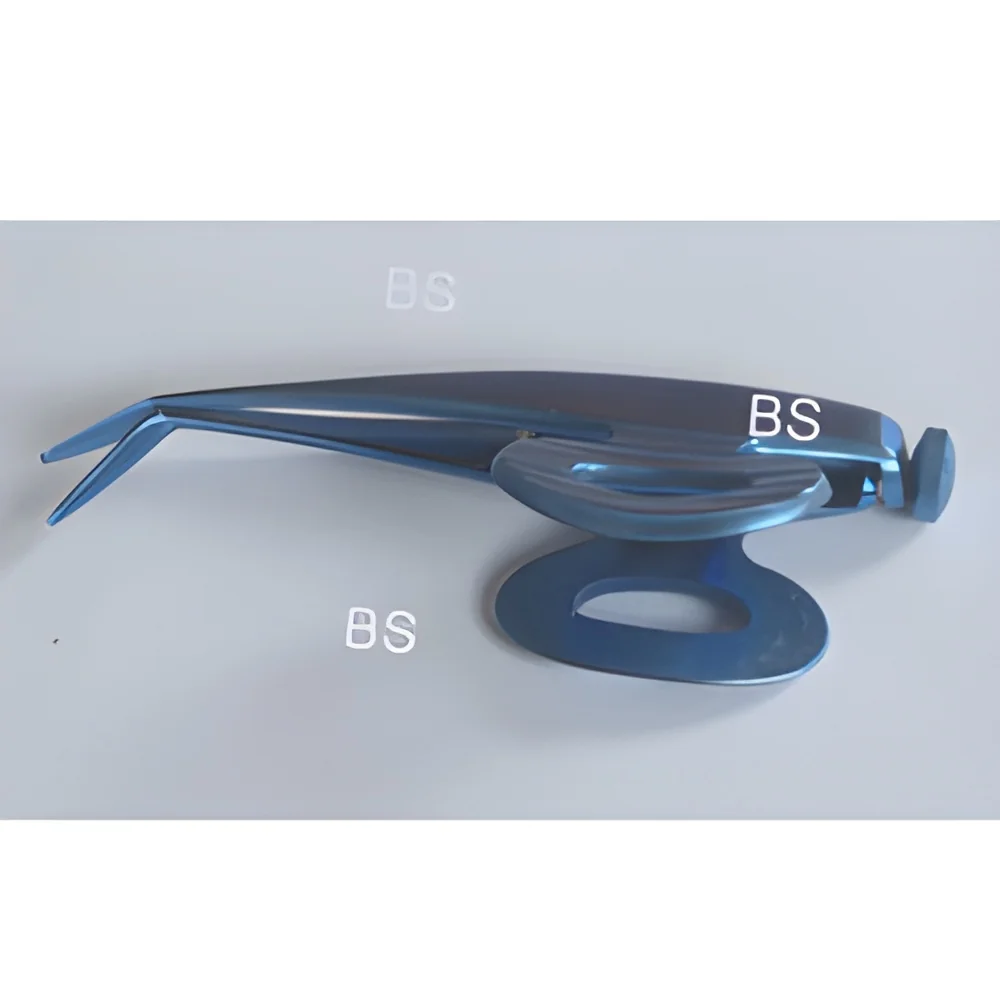
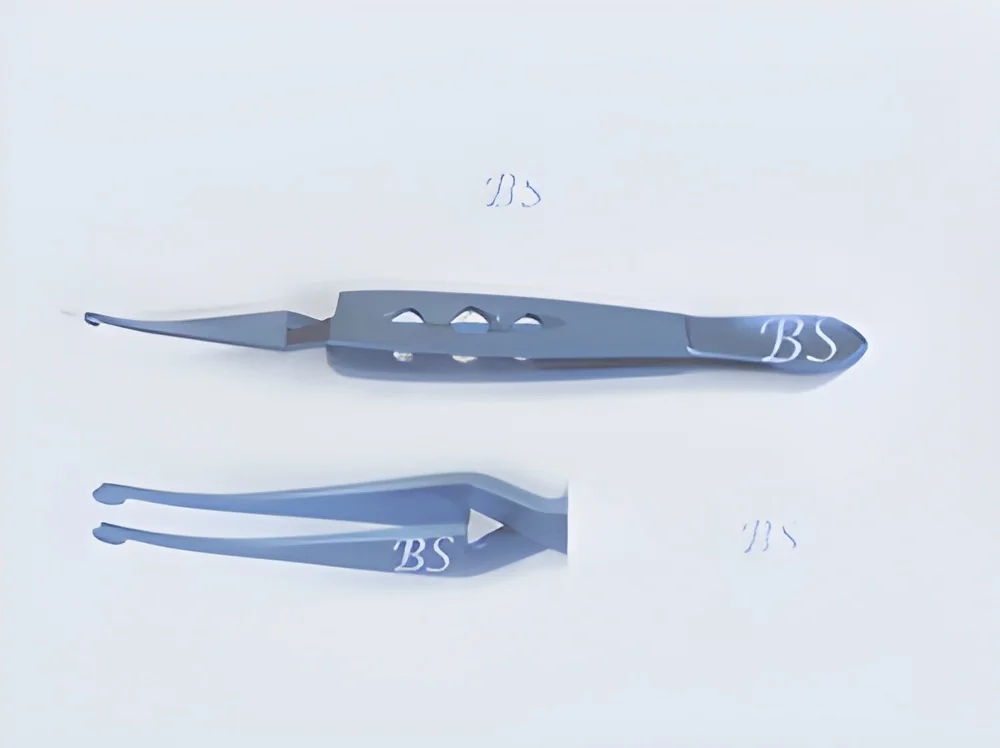
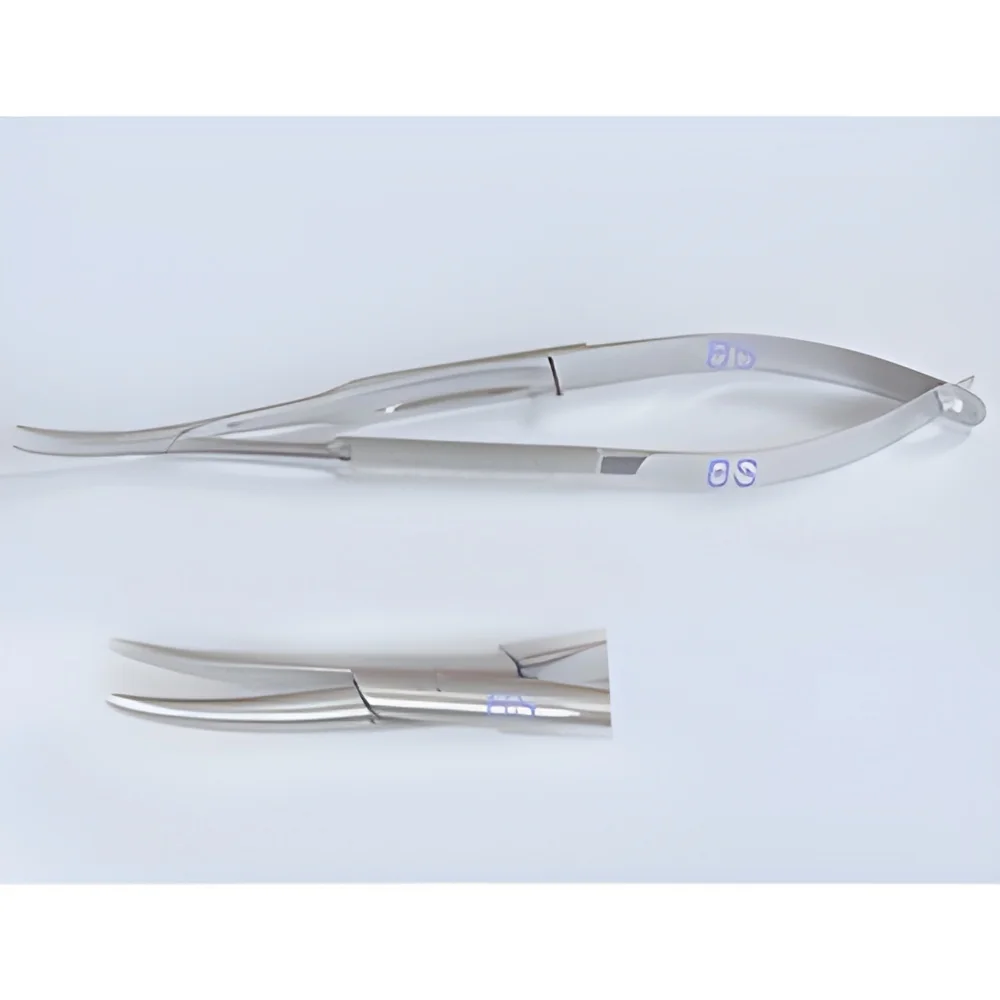
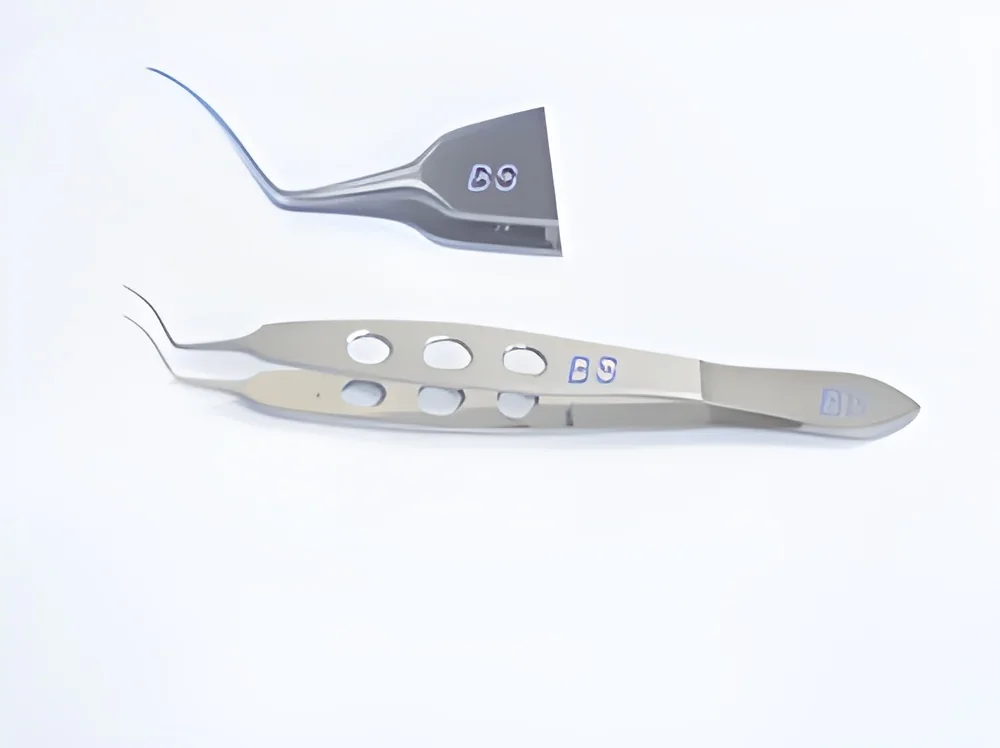
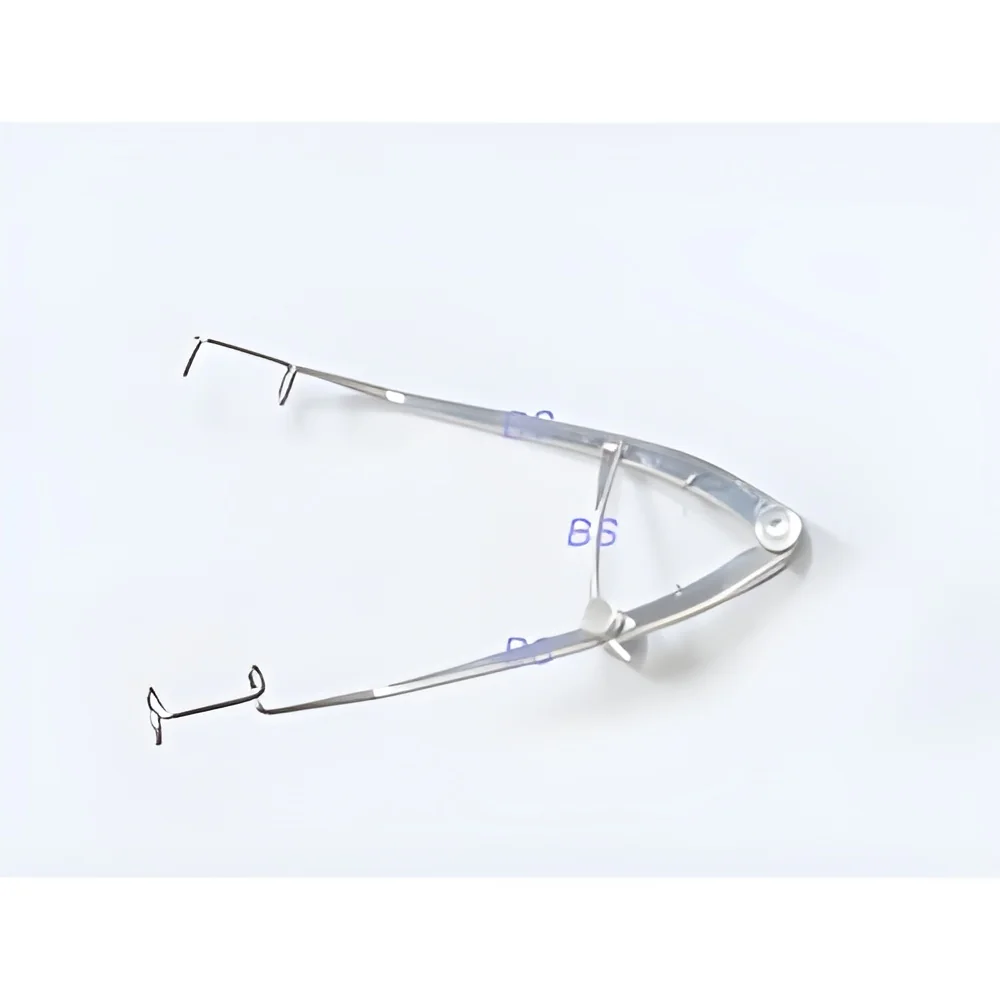
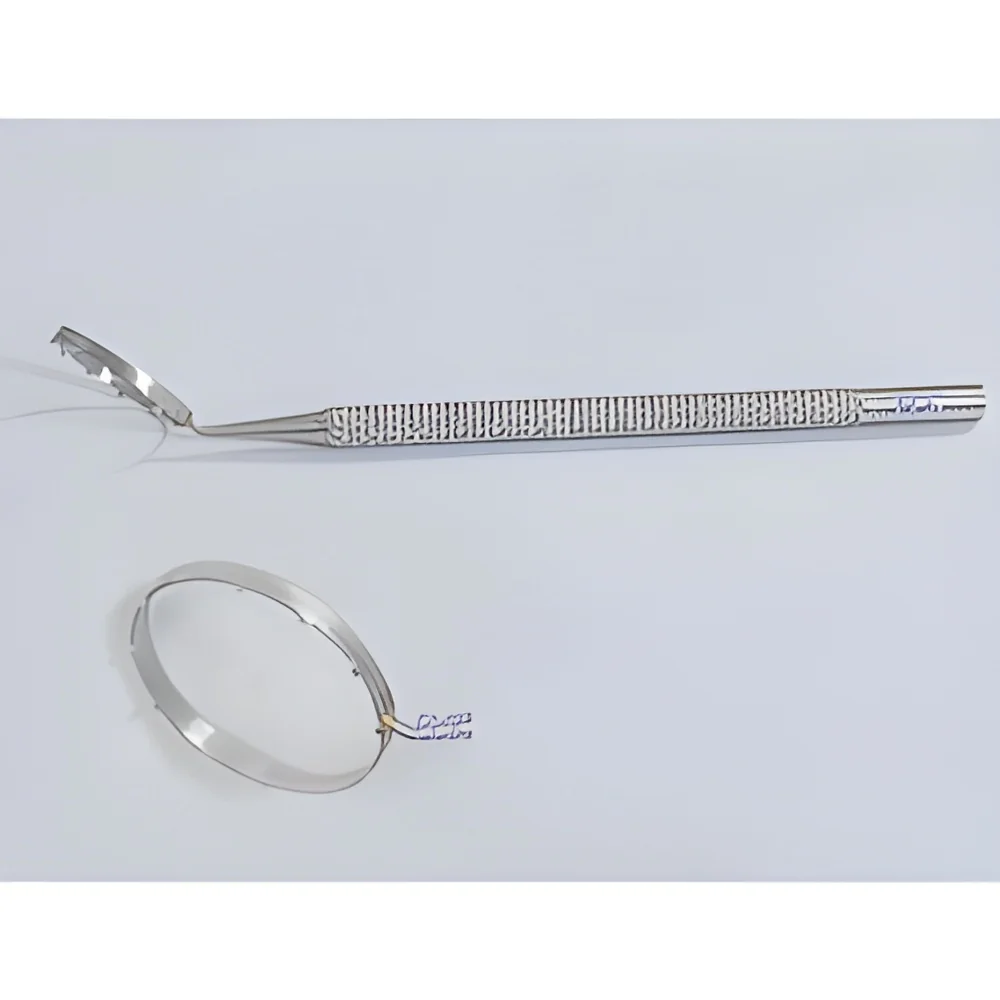
The Ophthalmic Surgery Globe Fixation Ring represents a cornerstone of precision in ophthalmic surgical instrument sets. Manufactured from high-grade stainless steel, this device is engineered with concentric grooves specifically to stabilize the eyeball, or globe, during critical phases of eye surgery. Its core purpose is to provide surgeons with a secure, immobile platform, facilitating clear cornea phaco incisions and the accurate placement of intraocular lenses (IOLs). The robust, medical-grade material ensures the instrument can endure the rigors of repeated use and sterilization cycles without compromising its integrity or performance. This focus on durability and precise function makes it a trusted and essential tool for achieving successful surgical outcomes where stability is paramount.

This instrument is primarily utilized within ophthalmology departments, specialized eye hospitals, and ambulatory surgical centers. It finds its most critical application in cataract surgery u...
The Ophthalmic Surgery Globe Fixation Ring represents a cornerstone of precision in ophthalmic surgical instrument sets. Manufactured from high-grade stainless steel, this device is engineered with concentric grooves specifically to stabilize the eyeball, or globe, during critical phases of eye surgery. Its core purpose is to provide surgeons with a secure, immobile platform, facilitating clear cornea phaco incisions and the accurate placement of intraocular lenses (IOLs). The robust, medical-grade material ensures the instrument can endure the rigors of repeated use and sterilization cycles without compromising its integrity or performance. This focus on durability and precise function makes it a trusted and essential tool for achieving successful surgical outcomes where stability is paramount.

This instrument is primarily utilized within ophthalmology departments, specialized eye hospitals, and ambulatory surgical centers. It finds its most critical application in cataract surgery units, where phacoemulsification is a standard procedure. The globe fixation ring is a vital asset for ophthalmic surgeons, corneal specialists, and refractive surgeons who perform anterior segment surgeries. Its use also extends to teaching and training institutions, where demonstrating and learning precise surgical technique requires reliable, high-quality instrumentation. The device supports a wide range of professionals in settings that demand the highest standards of surgical care and patient safety.

The business value of this globe fixation ring is rooted in its contribution to surgical efficiency, reliability, and improved patient care. For medical facilities, investing in this high-quality instrument means acquiring a durable asset that withstands countless autoclave cycles, offering an excellent long-term return on investment. Its consistent and reliable performance helps reduce procedure times and minimizes the risk of intraoperative complications, which can directly impact patient recovery and satisfaction. By enabling greater surgical precision, this tool supports the reputation of medical practices for successful outcomes, fostering trust and potentially reducing operational risks associated with complex ophthalmic procedures.

Key Features:
- Constructed from premium, medical-grade stainless steel for superior durability and corrosion resistance.
- Features precision-engineered concentric grooves designed for optimal globe stabilization and surgical control.
- Specifically engineered to facilitate clear cornea phaco incisions and intraocular lens (IOL) insertion.
- Built to withstand repeated sterilization in autoclaves without degradation of form or function.
- Ergonomic design ensures secure, comfortable handling for the surgeon during lengthy procedures.

Benefits:
- Enhances surgical precision and stability, leading to more predictable and successful patient outcomes.
- Durable stainless steel construction ensures a long service life and excellent value for medical facilities.
- Withstands rigorous sterilization protocols, maintaining hygiene and performance over time.
- Reduces the risk of surgical complications by providing a secure and stable operative field.
- Supports surgical efficiency, potentially shortening procedure times and improving operating room workflow.
Specifications
| Additional Information | |
|---|---|
| Country of Origin | India |
Application
The Ophthalmic Surgery Globe Fixation Ring is a precision surgical instrument designed to secure and stabilize the eyeball during delicate ophthalmic procedures. Its primary function is to provide a firm, controlled platform, enabling surgeons to perform accurate incisions and insertions with enhanced safety and reduced risk of complications. This instrument is fundamental for improving surgical outcomes in vision correction and cataract treatments, where millimeter-level precision is non-negotiable.
This specialized tool is indispensable in modern ophthalmic operating rooms, particularly for procedures like phacoemulsification and anterior segment surgery. The unique concentric groove design offers superior grip and counter-traction, making it critical for clear cornea surgeries and intraocular lens implantation. Its construction ensures minimal tissue trauma while maximizing procedural efficiency and control, supporting surgeons in clinics, hospitals, and ambulatory surgery centers worldwide.
- Stabilizing the globe during clear cornea phacoemulsification for cataract removal.
- Providing essential counter-traction for precise incisions in corneal transplant procedures.
- Securing the eye during intraocular lens (IOL) implantation surgeries.
- Assisting in various anterior segment ophthalmic surgeries requiring firm globe stabilization.
- Used in refractive surgery procedures to ensure a stable operative field for the surgeon.
Trade Details
| Available Stock | In Stock |
| Sample Availability | No |
Payment Terms
| Payment Terms |
|
Company Profile

Bharati Surgical Co, Maharashtra
 Maharashtra, India
Maharashtra, IndiaHealth & Personal Care•Manufacturer•Distributor / Wholesaler•Importer / Exporter
Factory Details
Factory SizeBelow 1000 sqm
Annual Production Capacity0
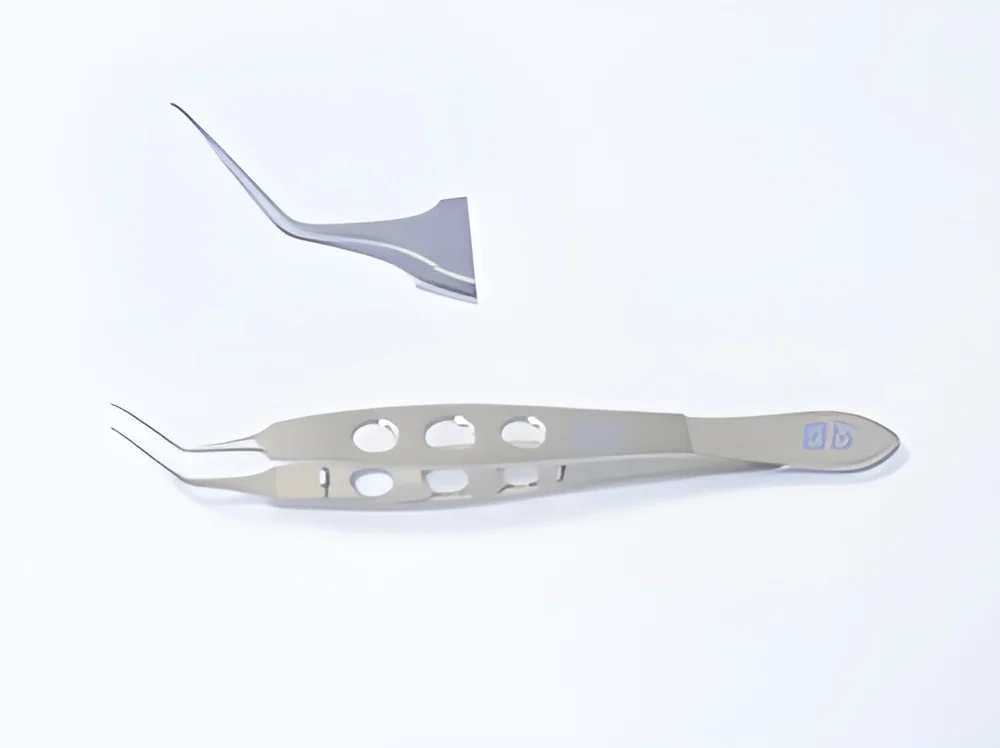
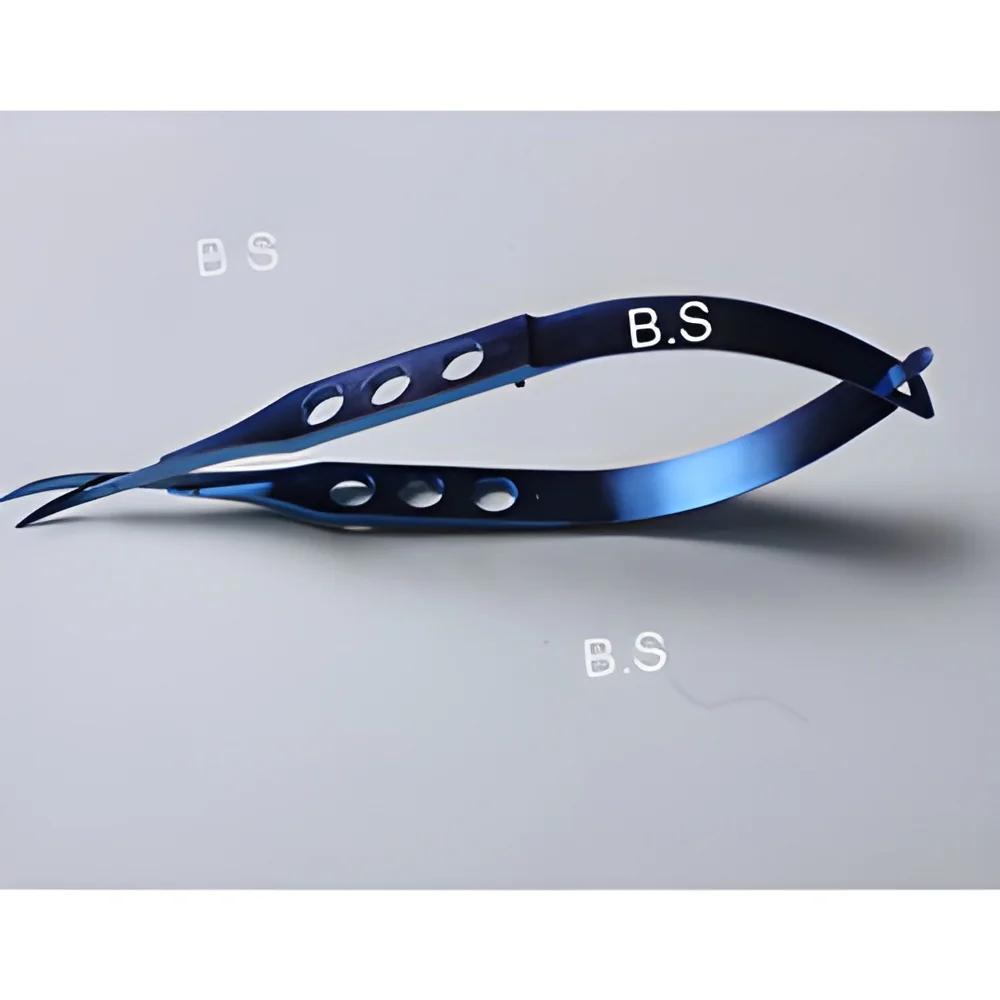
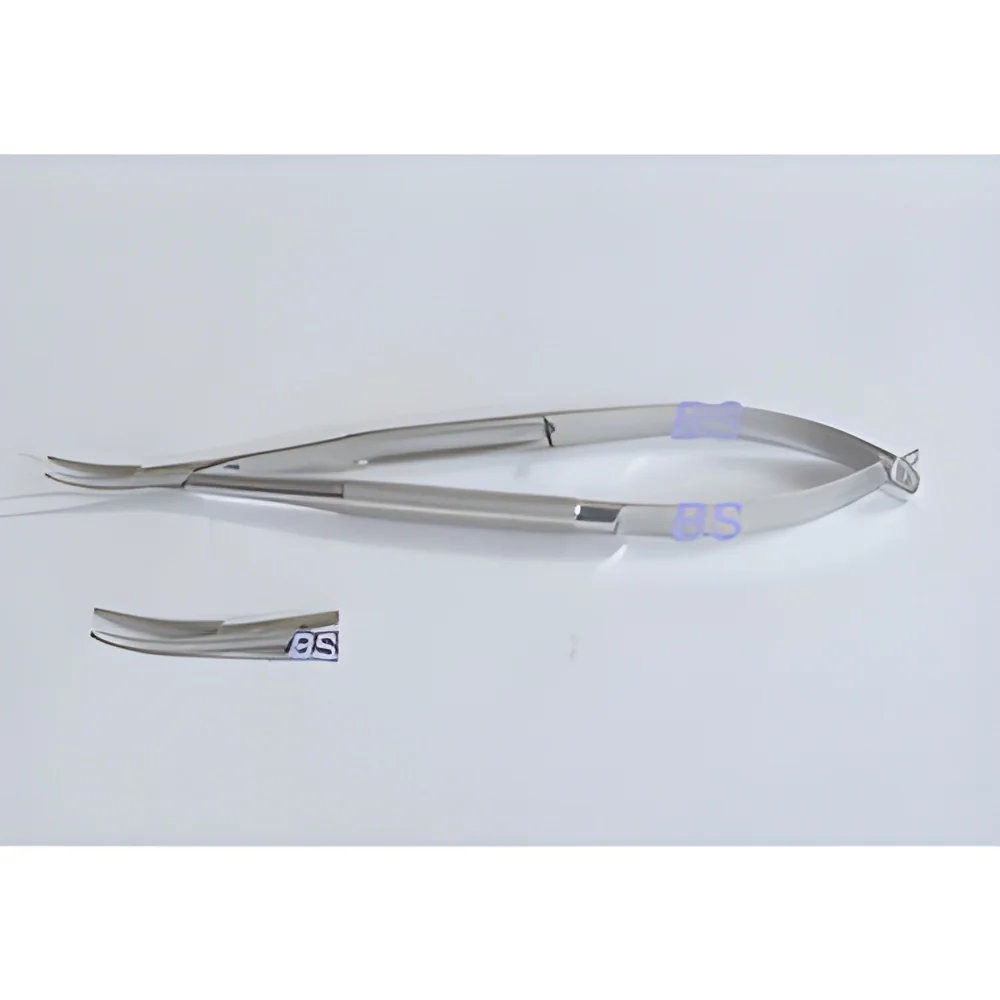
Ophthalmic Surgery Globe Fixation Ring Stainless Steel Concentric Grooves
Ophthalmic surgery globe fixation ring in premium stainless steel with concentric grooves for stabilizing the eye during clear cornea phaco incisions and IOL insertion. A reliable, high-quality instrument for medical professionals.
Min. Order Quantity: 1 unit
Shipping
Shipping fee and delivery date to be negotiated. Contact supplier now for more details.
Bharati Surgical Co
 Maharashtra, India
Maharashtra, IndiaHealth & Personal CareManufacturer