IN
IN₹
Apparel & Fashion
Description
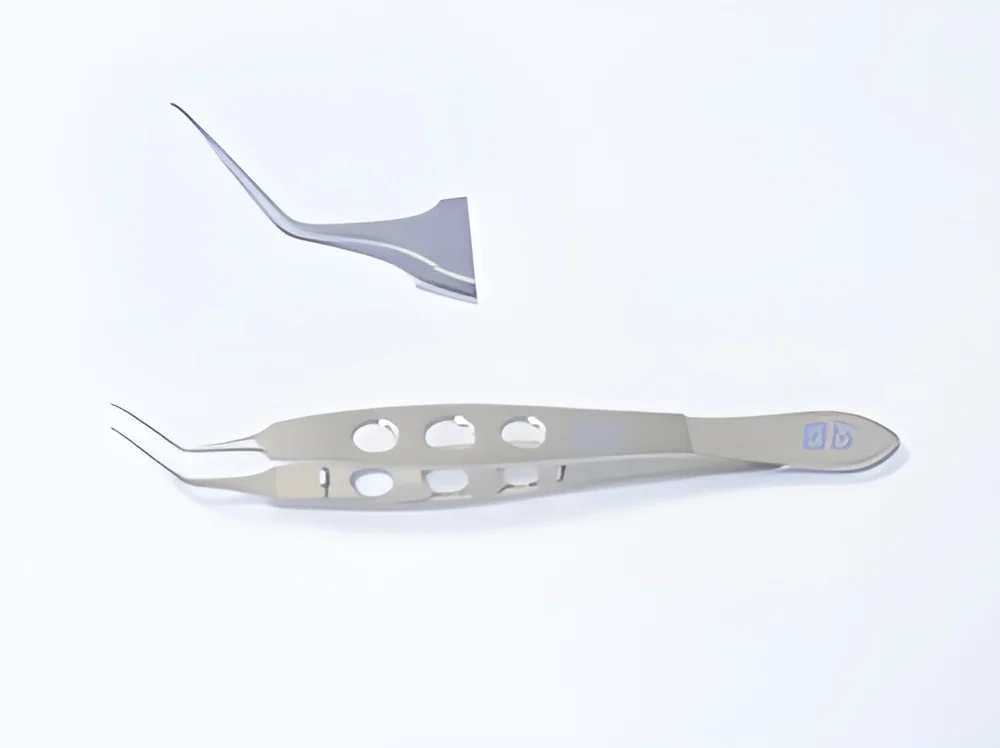
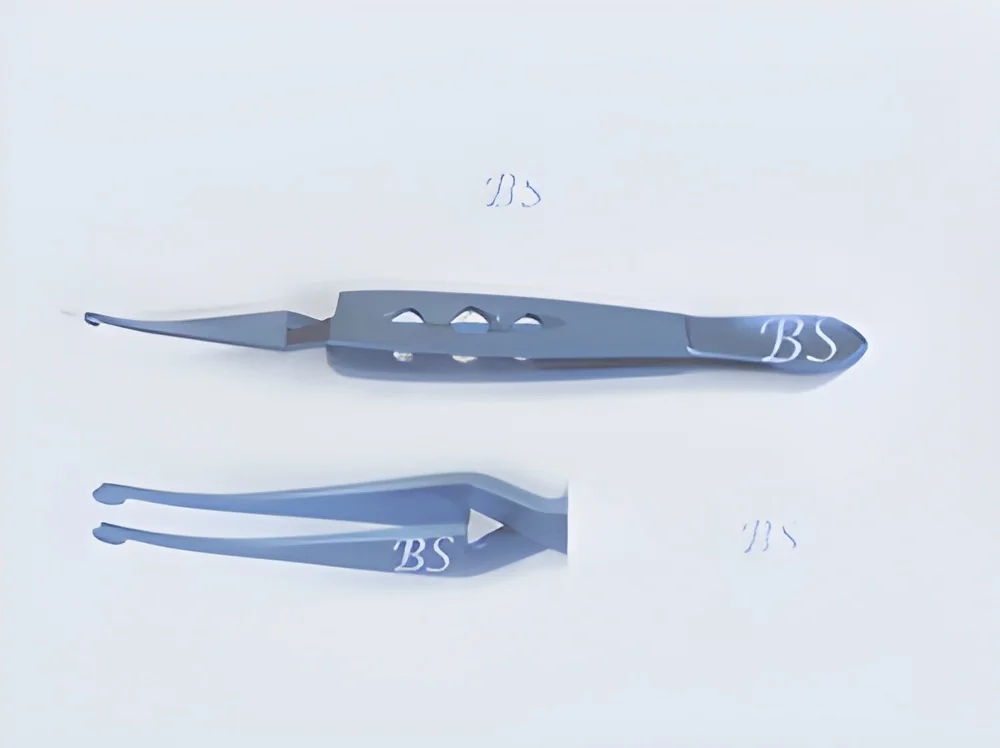
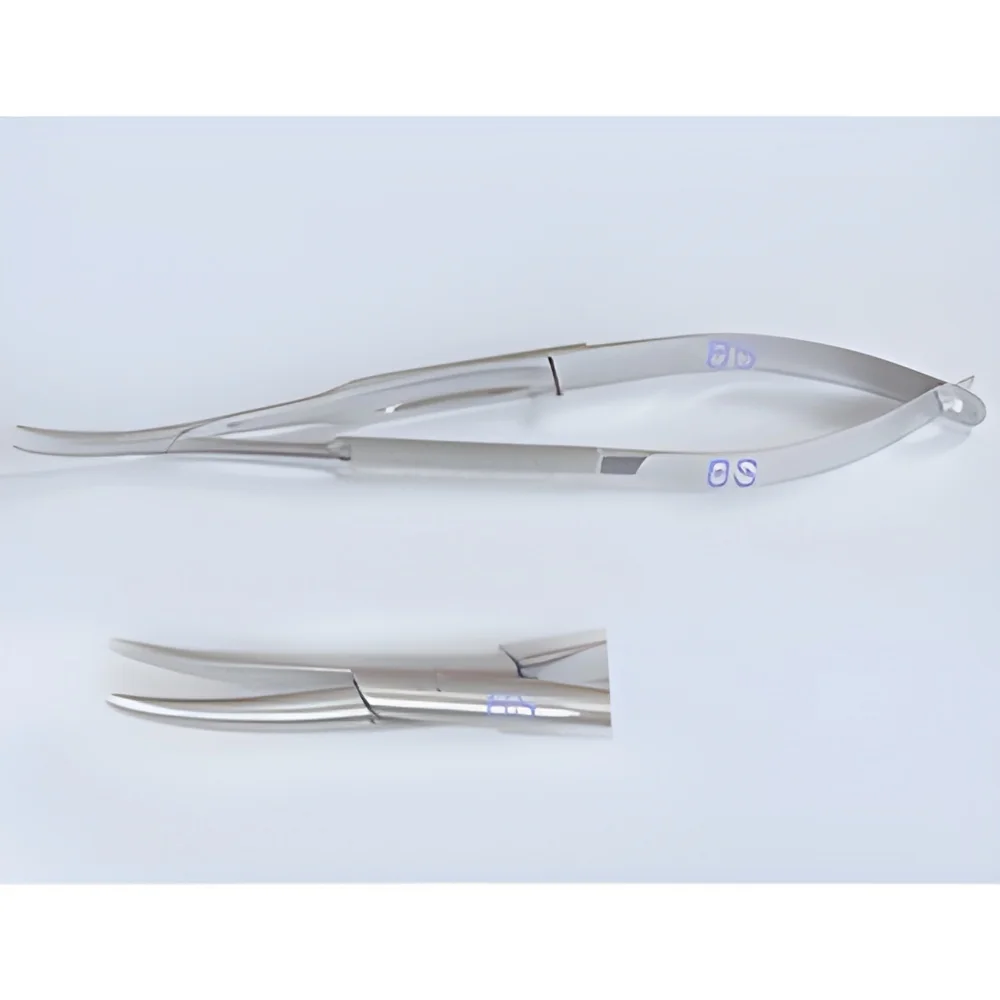
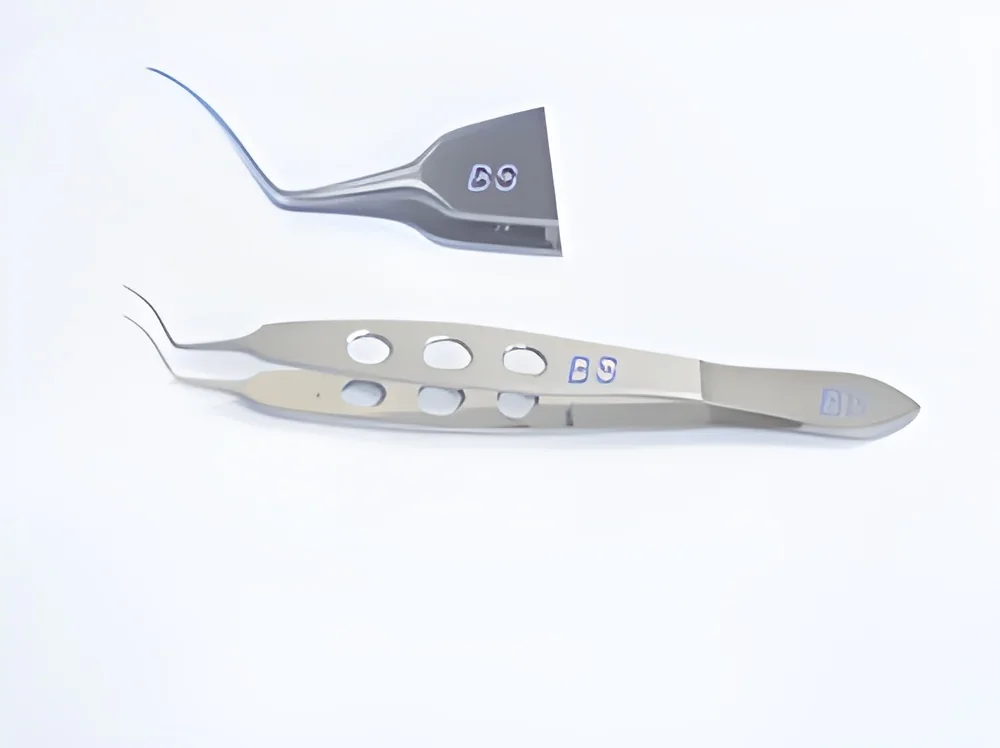
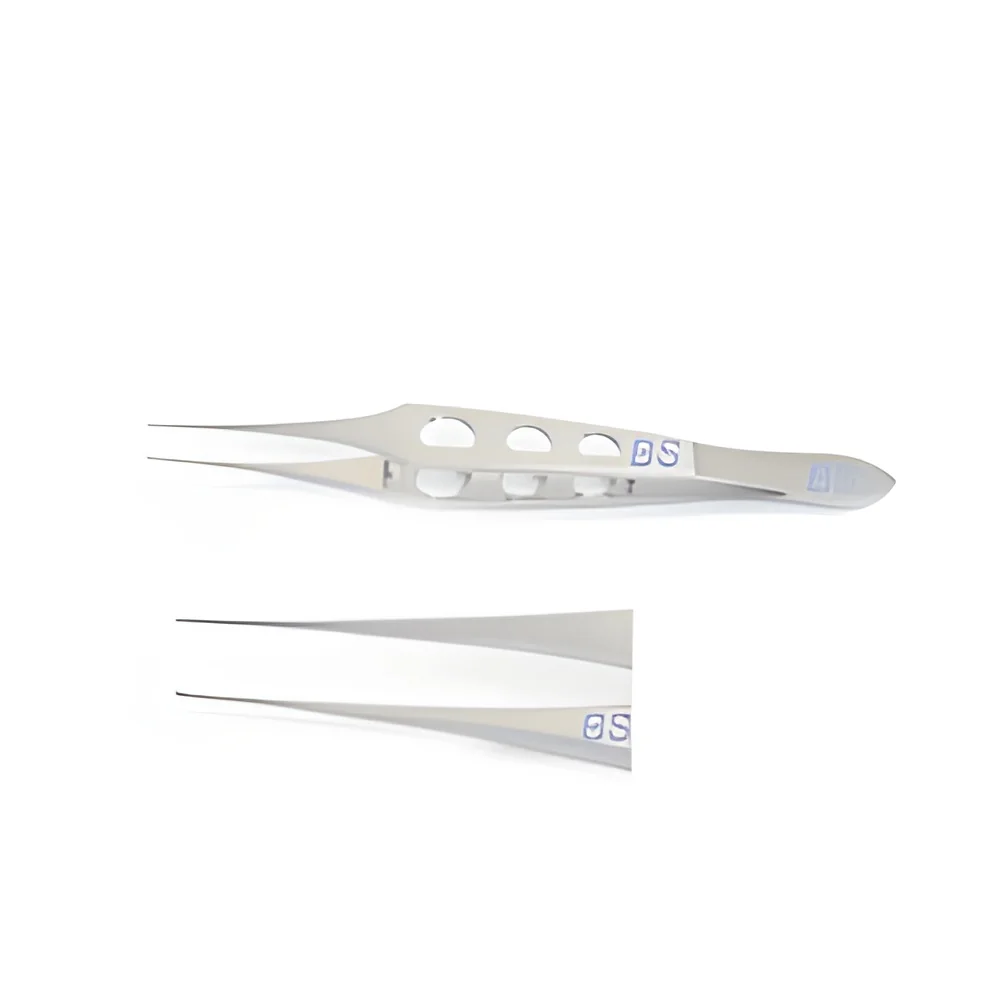
The Ophthalmic Surgery Corneal Forceps are precision-crafted instruments designed for the exacting requirements of corneal and anterior segment surgery. Featuring ultra-fine 0.12 mm teeth and a dedicated 5 mm tying platform, these forceps offer surgeons an exceptional balance of secure tissue grip and gentle handling to prevent iatrogenic damage. The straight shaft configuration provides optimal alignment, control, and unobstructed visual field access during intricate procedures. Manufactured from high-grade, medical-grade materials, these forceps ensure consistent performance, durability, and resistance to sterilization cycles, making them a reliable mainstay in the operating room. Their ergonomic design minimizes hand fatigue, supporting surgeon steadiness and precision throughout lengthy operations.

These forceps are primarily deployed within the ophthalmology sector, serving a critical role in hospitals, ambulatory surgery centers, and specialized eye care clinics. They are fundam...
The Ophthalmic Surgery Corneal Forceps are precision-crafted instruments designed for the exacting requirements of corneal and anterior segment surgery. Featuring ultra-fine 0.12 mm teeth and a dedicated 5 mm tying platform, these forceps offer surgeons an exceptional balance of secure tissue grip and gentle handling to prevent iatrogenic damage. The straight shaft configuration provides optimal alignment, control, and unobstructed visual field access during intricate procedures. Manufactured from high-grade, medical-grade materials, these forceps ensure consistent performance, durability, and resistance to sterilization cycles, making them a reliable mainstay in the operating room. Their ergonomic design minimizes hand fatigue, supporting surgeon steadiness and precision throughout lengthy operations.

These forceps are primarily deployed within the ophthalmology sector, serving a critical role in hospitals, ambulatory surgery centers, and specialized eye care clinics. They are fundamental instruments for procedures such as corneal transplantation (both full-thickness and lamellar), complex cataract surgery, repair of corneal perforations, and refractive surgical enhancements. Medical device distributors and wholesalers supply these tools to surgical teams globally, ensuring access to high-precision instrumentation that aligns with advancing surgical techniques focused on minimally invasive approaches and improved patient recovery profiles.

Investing in these corneal forceps delivers tangible value through enhanced procedural efficiency and surgical outcomes. Their reliable, predictable performance helps reduce operative time and mitigates risks associated with tissue handling, contributing to lower complication rates. For distributors, these instruments represent a trusted, high-demand product line with strong repeat purchase potential from satisfied surgical professionals. The robust construction ensures long-term service life, reducing total cost of ownership and reinforcing your supply partnership as a source of dependable, quality surgical tools. Their design-focused differentiation supports a reputation for supplying instruments that meet the practical needs of the operating surgeon.

Key Features:
- 0.12 mm ultra-fine teeth for secure, atraumatic grip on delicate corneal tissue.
- 5 mm dedicated tying platform optimized for precise suture placement and knot tying.
- Straight shaft design for superior control, alignment, and surgical field visibility.
- Constructed from high-quality, medical-grade materials for durability and sterilization compatibility.
- Ergonomic handle design to promote comfort and reduce fatigue during prolonged use.

Benefits:
- Enables precise tissue manipulation with minimal trauma, supporting better patient healing.
- Provides a stable platform for accurate suturing, enhancing wound closure integrity.
- Improves surgical dexterity and visibility, allowing for confident execution of complex steps.
- Offers long-lasting reliability and performance consistency through repeated sterilization.
- Supports surgeon comfort and control, which can contribute to improved procedural outcomes.
Specifications
| Additional Information | |
|---|---|
| Country of Origin | India |
Application
These specialized corneal forceps are engineered for the demanding environment of ophthalmic microsurgery. The 0.12 mm teeth provide a secure, atraumatic grip on delicate corneal tissue, while the 5 mm tying platform is perfectly sized for precise suture placement. The straight shaft design enhances surgical control and visibility, allowing for accurate maneuvers in confined spaces. This combination makes the instrument indispensable for procedures where millimeter-level precision directly impacts patient outcomes and recovery.
Trusted by ophthalmologists in hospitals and specialty surgical centers, these forceps meet the rigorous standards of modern eye care. They are essential for a range of vision-restoring and corrective procedures, supporting surgeons in achieving optimal results with minimal tissue trauma. For medical equipment suppliers, these reliable forceps represent a core component of a comprehensive ophthalmic instrument portfolio, serving professionals who require tools that perform consistently in high-stakes surgical settings.
- Performing corneal transplant surgeries (penetrating keratoplasty) for secure handling of donor grafts.
- Suturing corneal wounds and lacerations during trauma repair procedures.
- Assisting in cataract surgery for precise capsulorhexis and wound construction.
- Conducting keratoplasty and other lamellar corneal surgeries requiring fine tissue manipulation.
- Supporting ophthalmic surgical training programs for teaching microsurgical techniques.
Trade Details
| Available Stock | In Stock |
| Sample Availability | No |
Payment Terms
| Payment Terms |
|
Company Profile

Bharati Surgical Co, Maharashtra
 Maharashtra, India
Maharashtra, IndiaHealth & Personal Care•Manufacturer•Distributor / Wholesaler•Importer / Exporter
Factory Details
Factory SizeBelow 1000 sqm
Annual Production Capacity0
Ophthalmic Surgery Corneal Forceps 0.12mm Teeth 5mm Tying Platform
Ophthalmic Surgery Corneal Forceps with 0.12mm teeth and 5mm tying platform deliver precision and reliability for delicate eye surgeries, featuring a straight shaft for superior control.
Min. Order Quantity: 1 unit
Shipping
Shipping fee and delivery date to be negotiated. Contact supplier now for more details.
Bharati Surgical Co
 Maharashtra, India
Maharashtra, IndiaHealth & Personal CareManufacturer