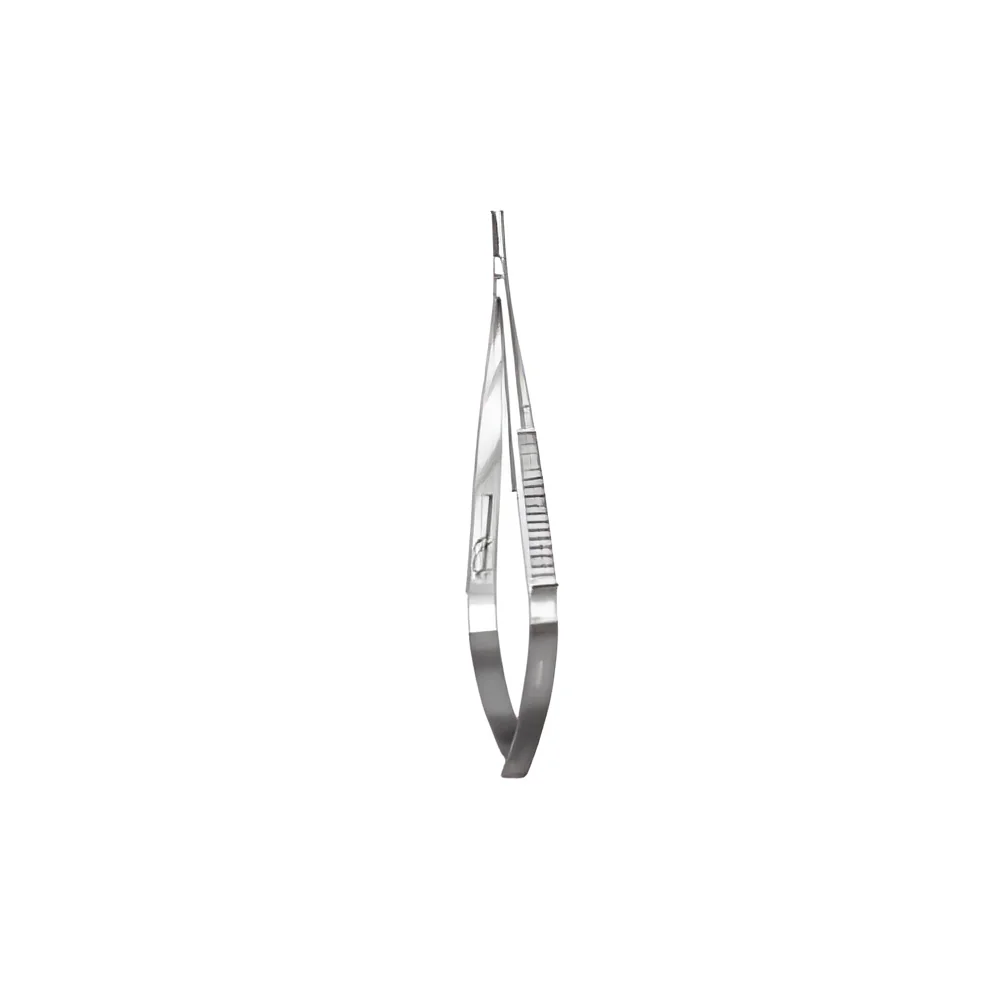
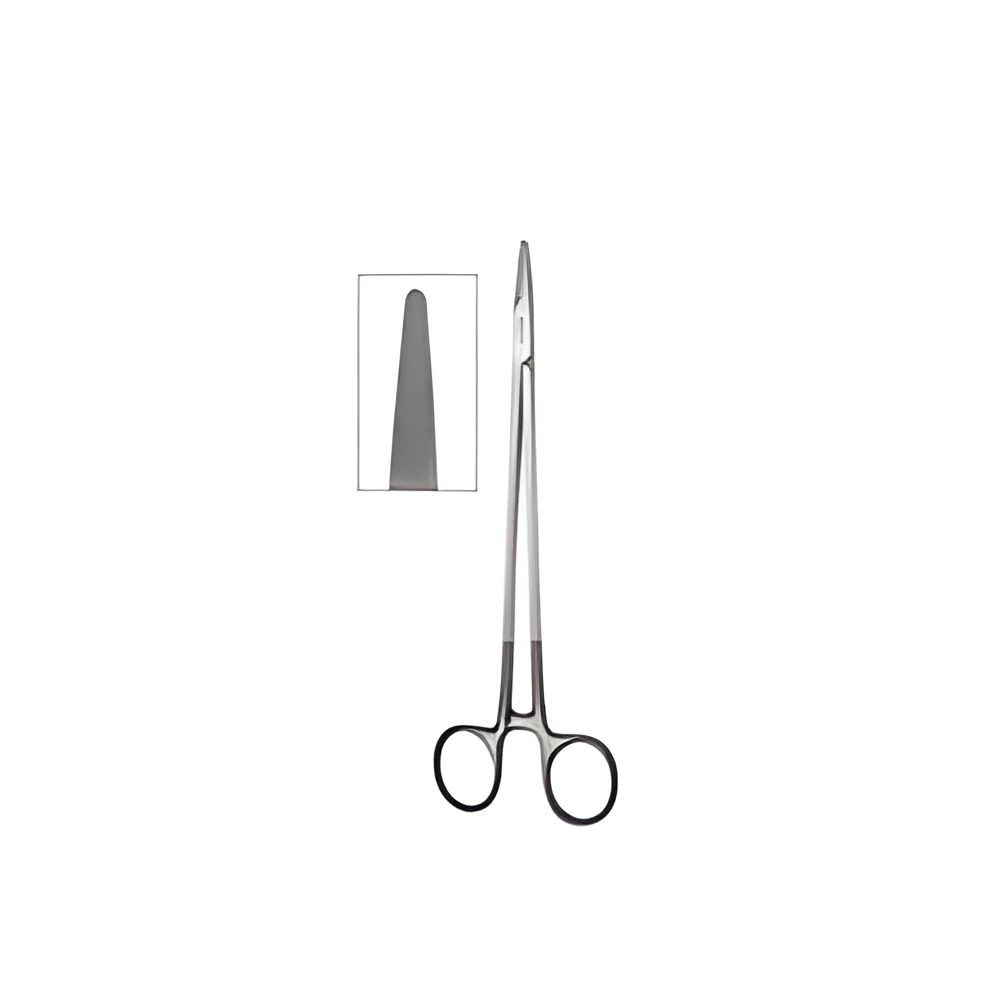
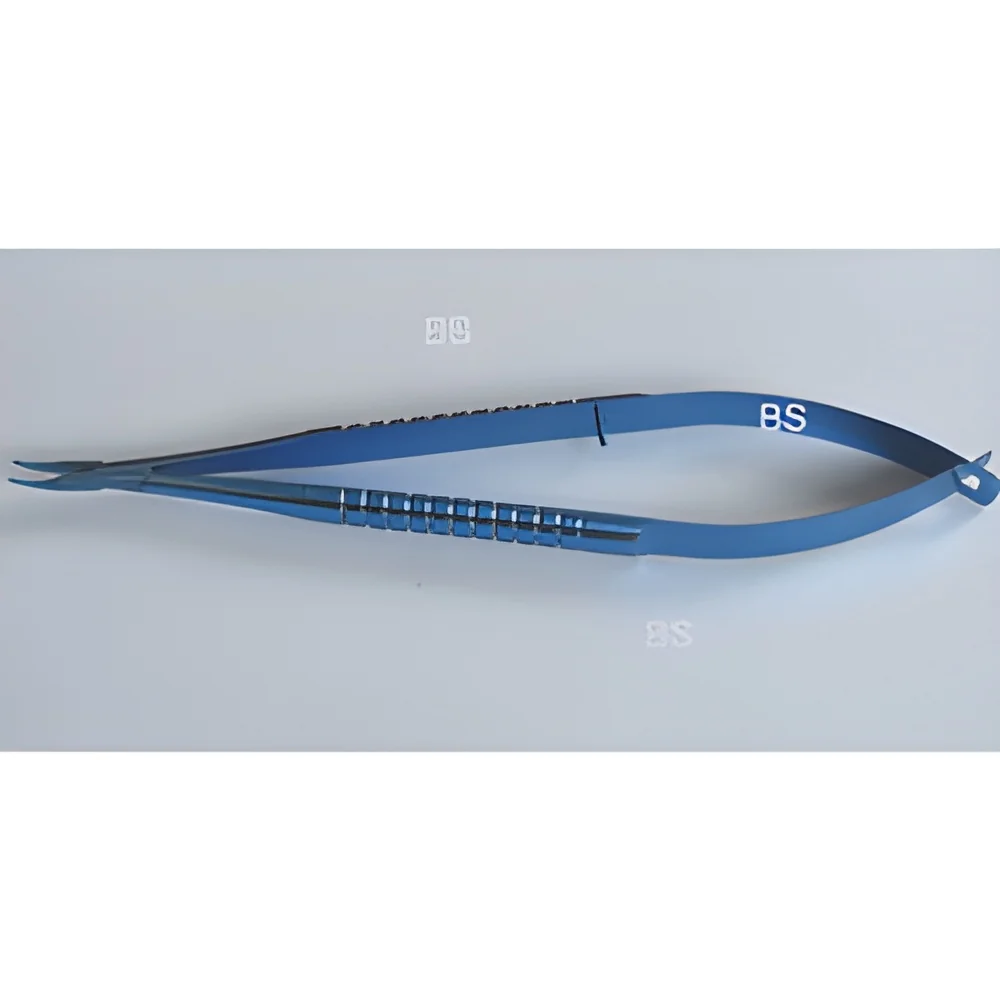
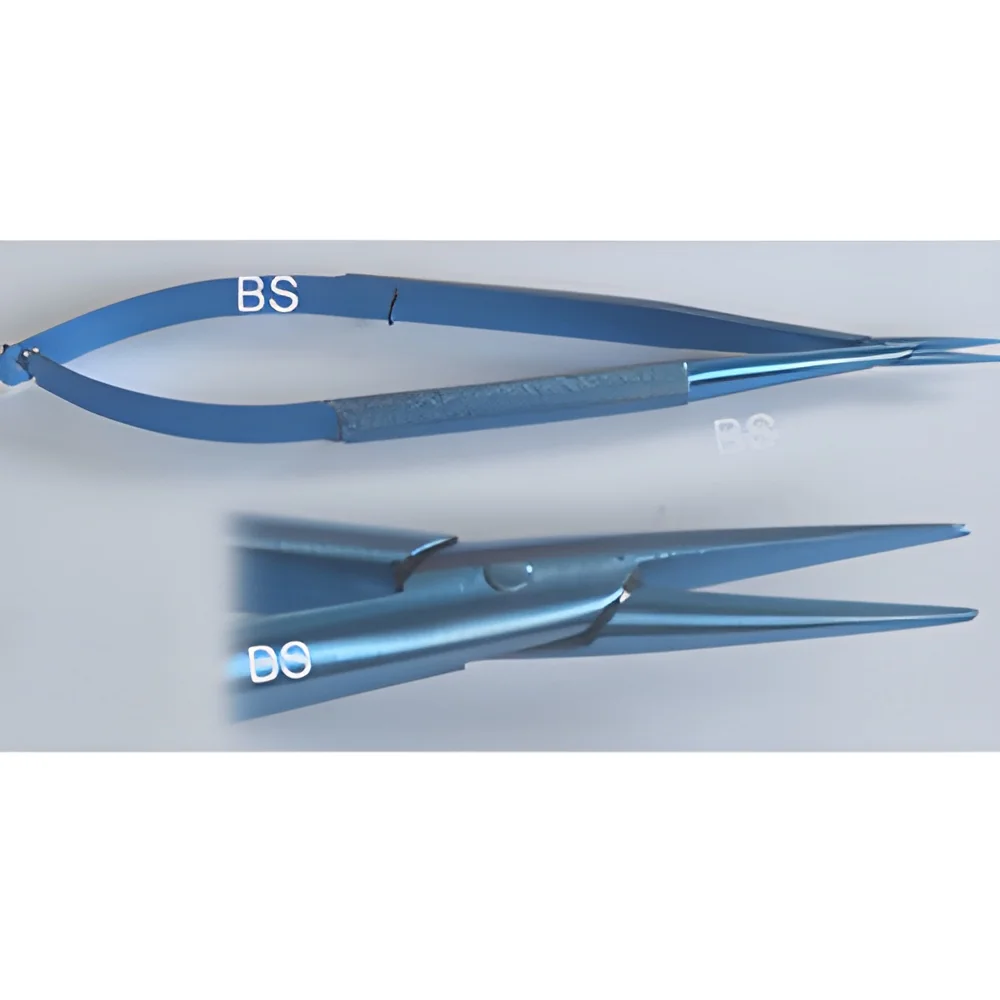
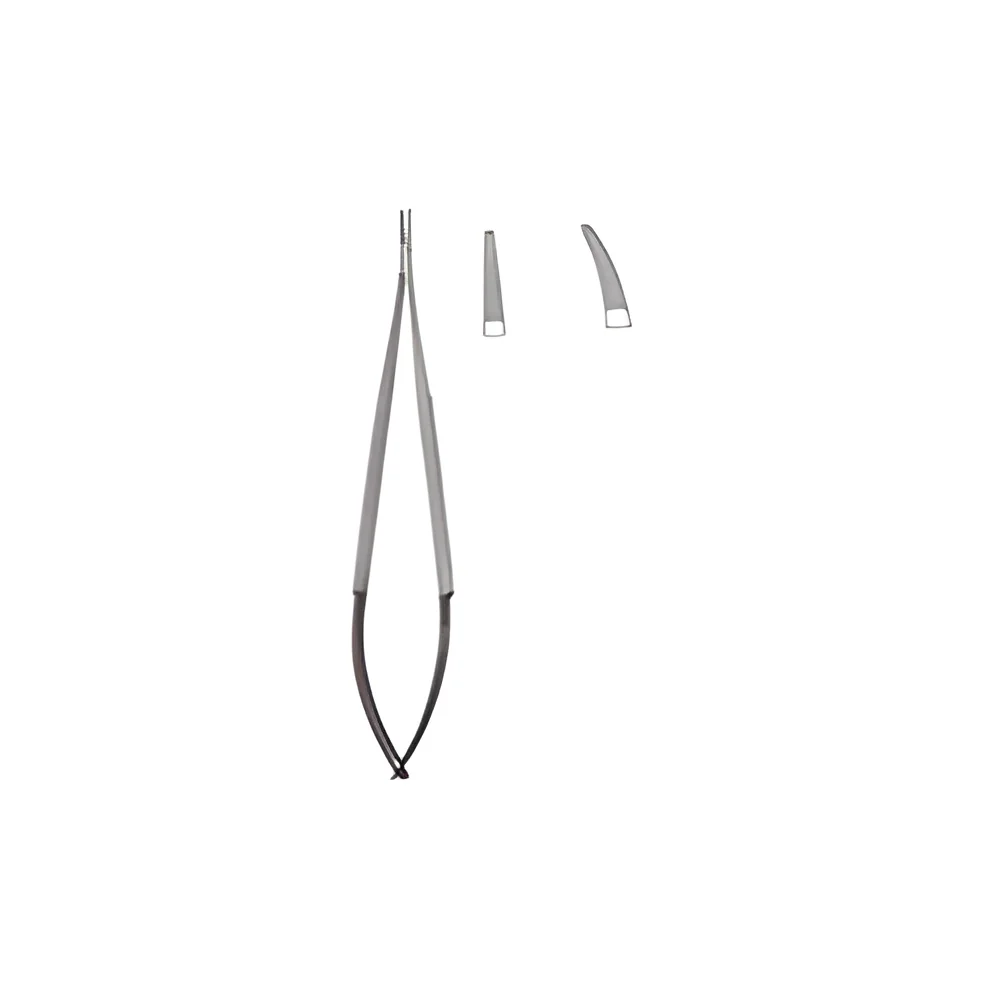
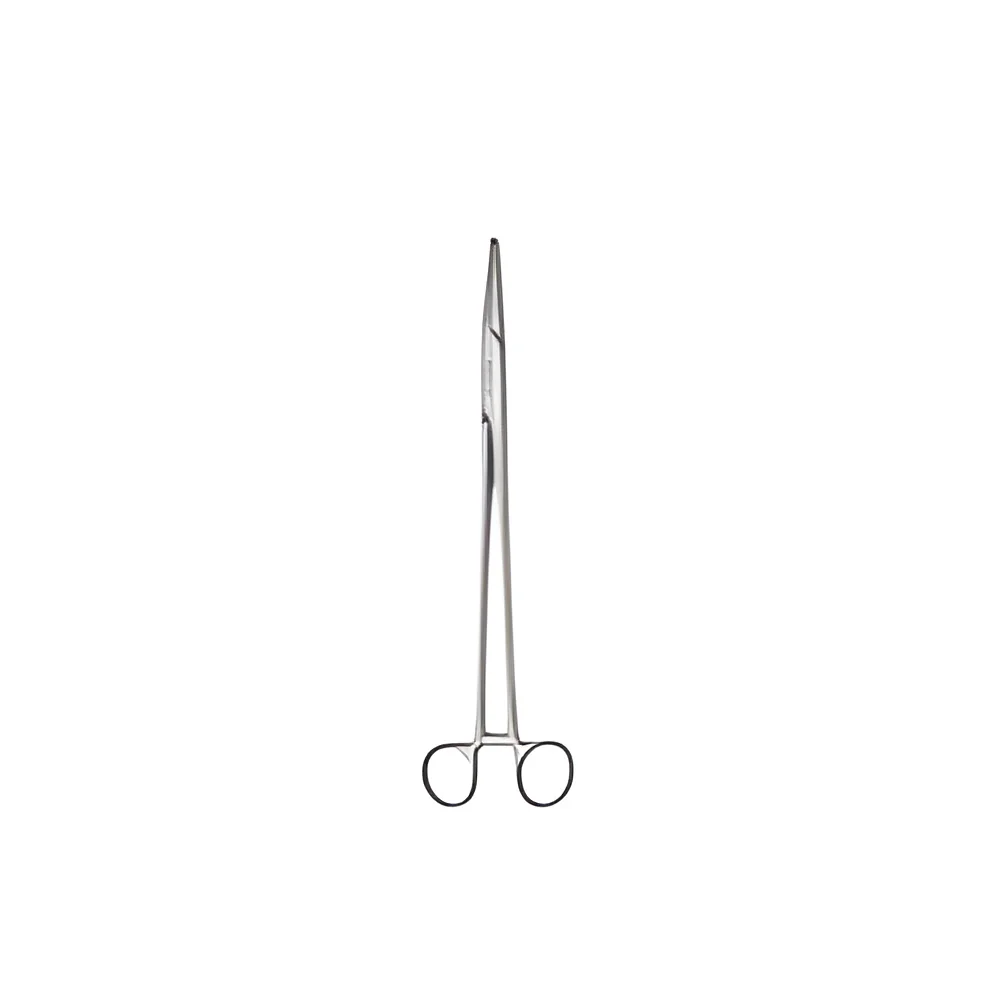
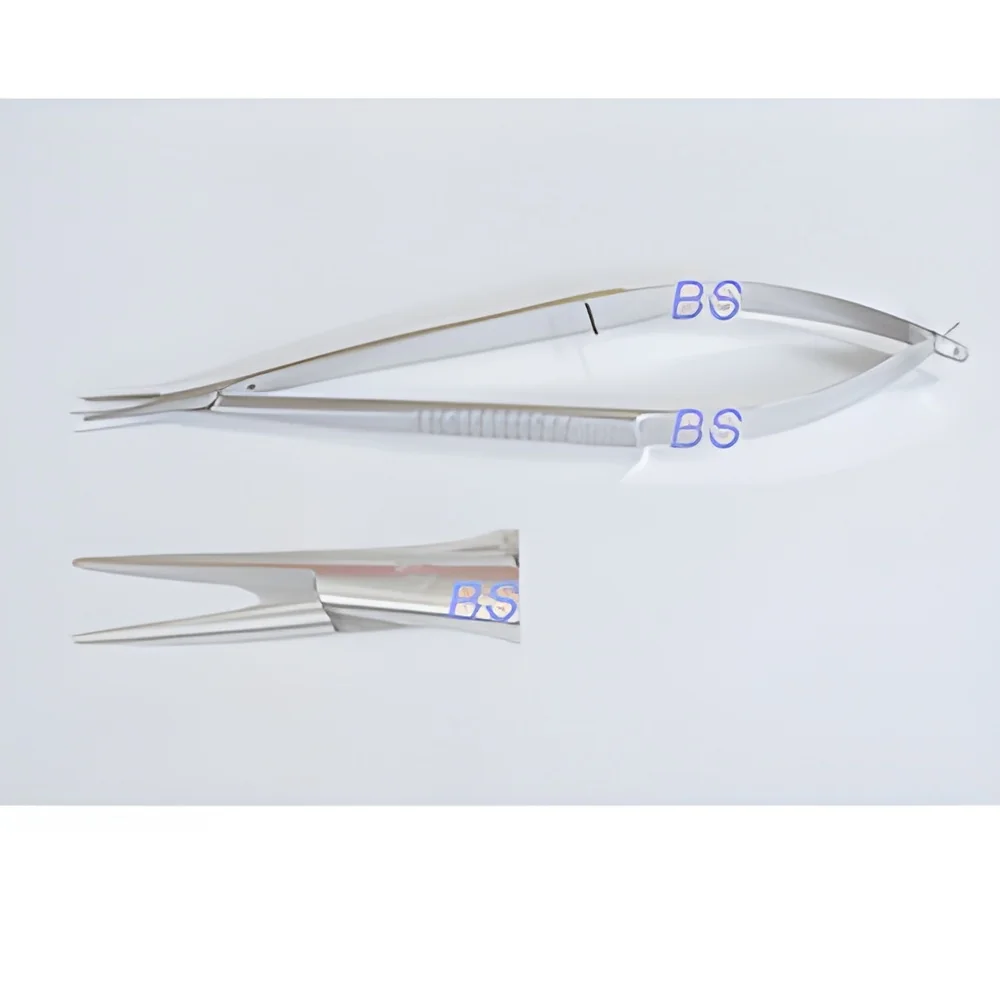
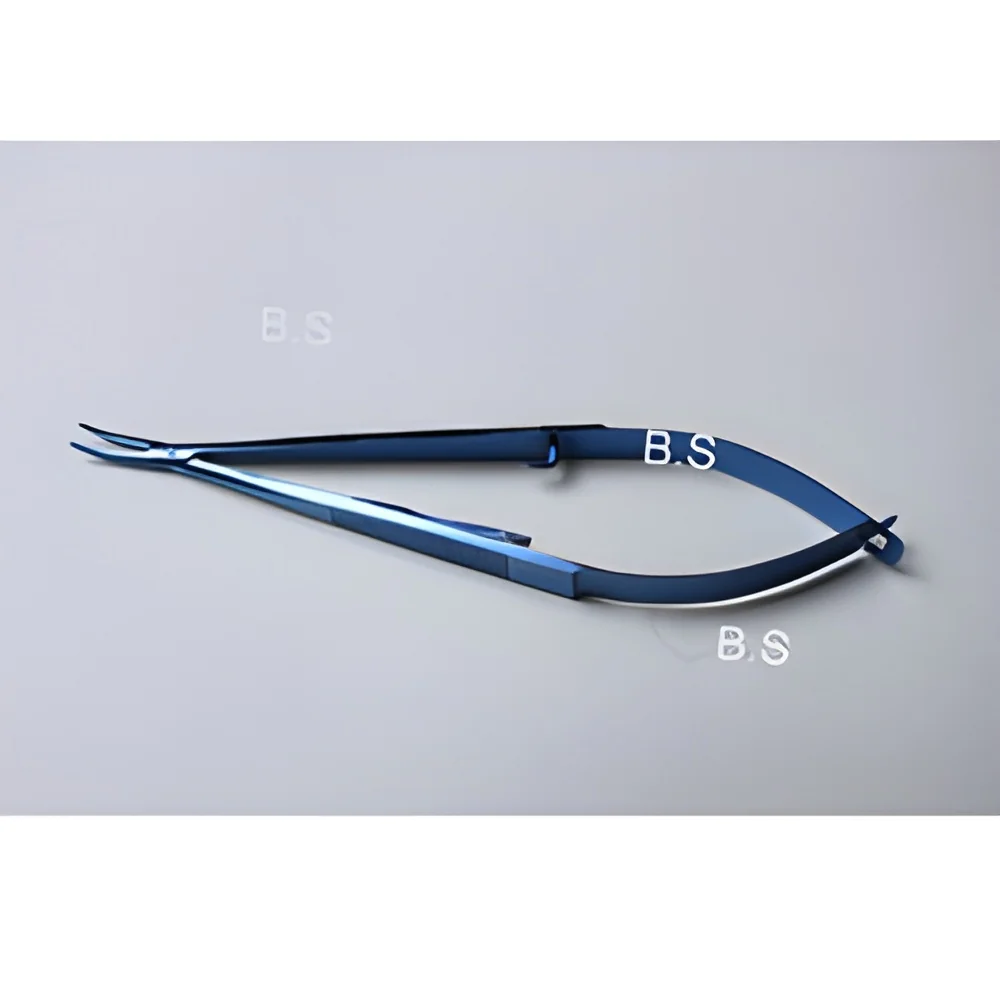
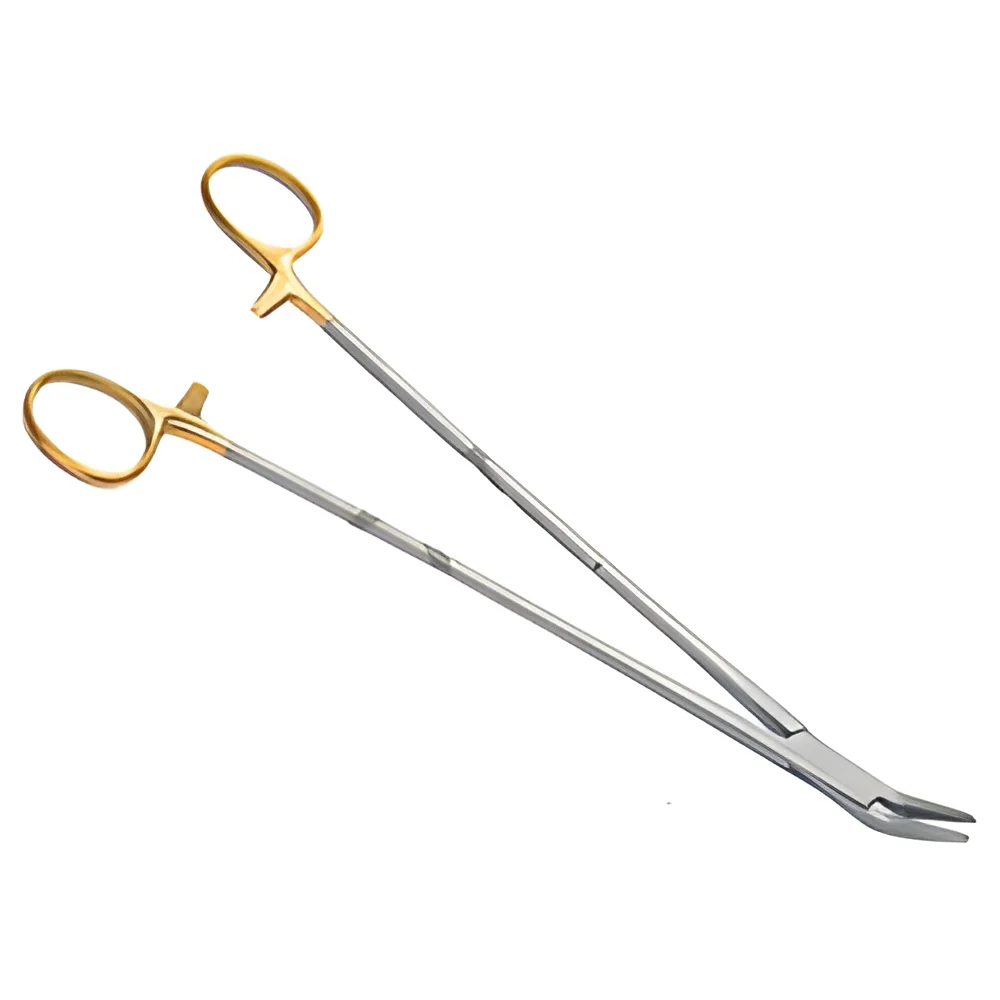
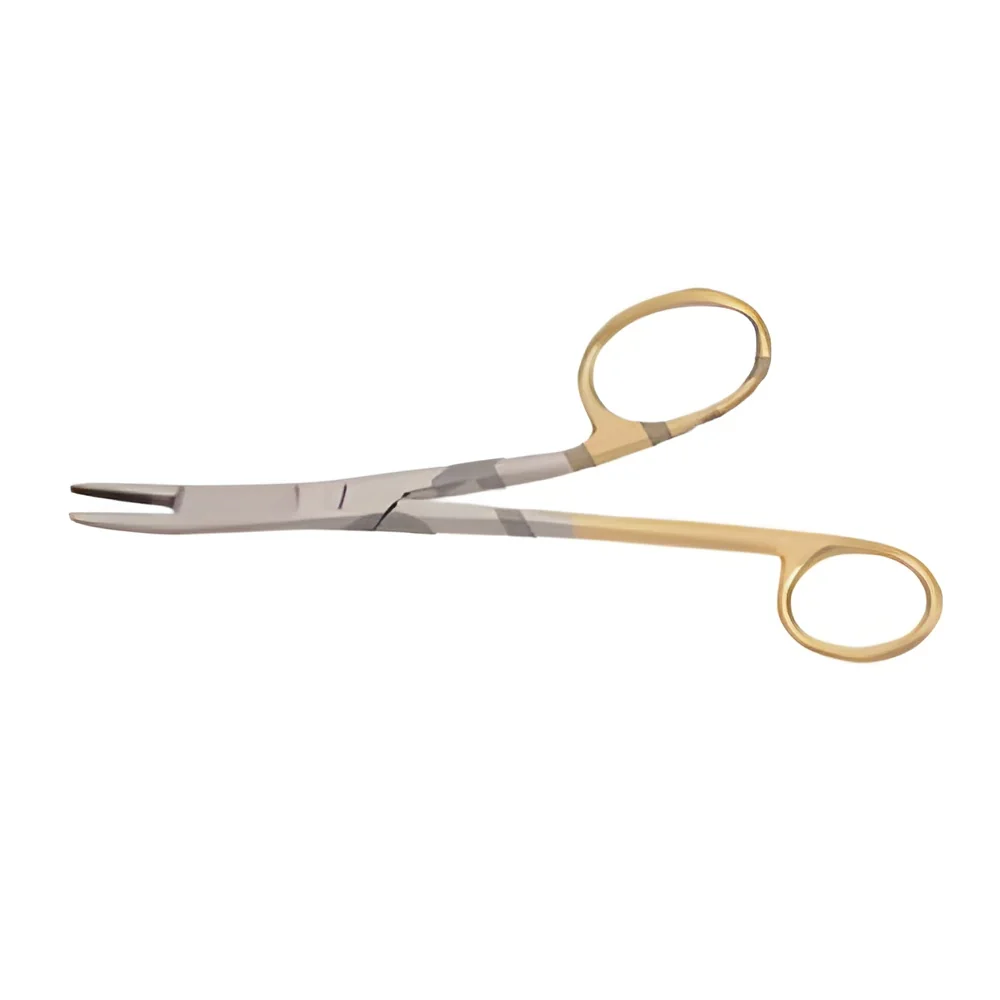
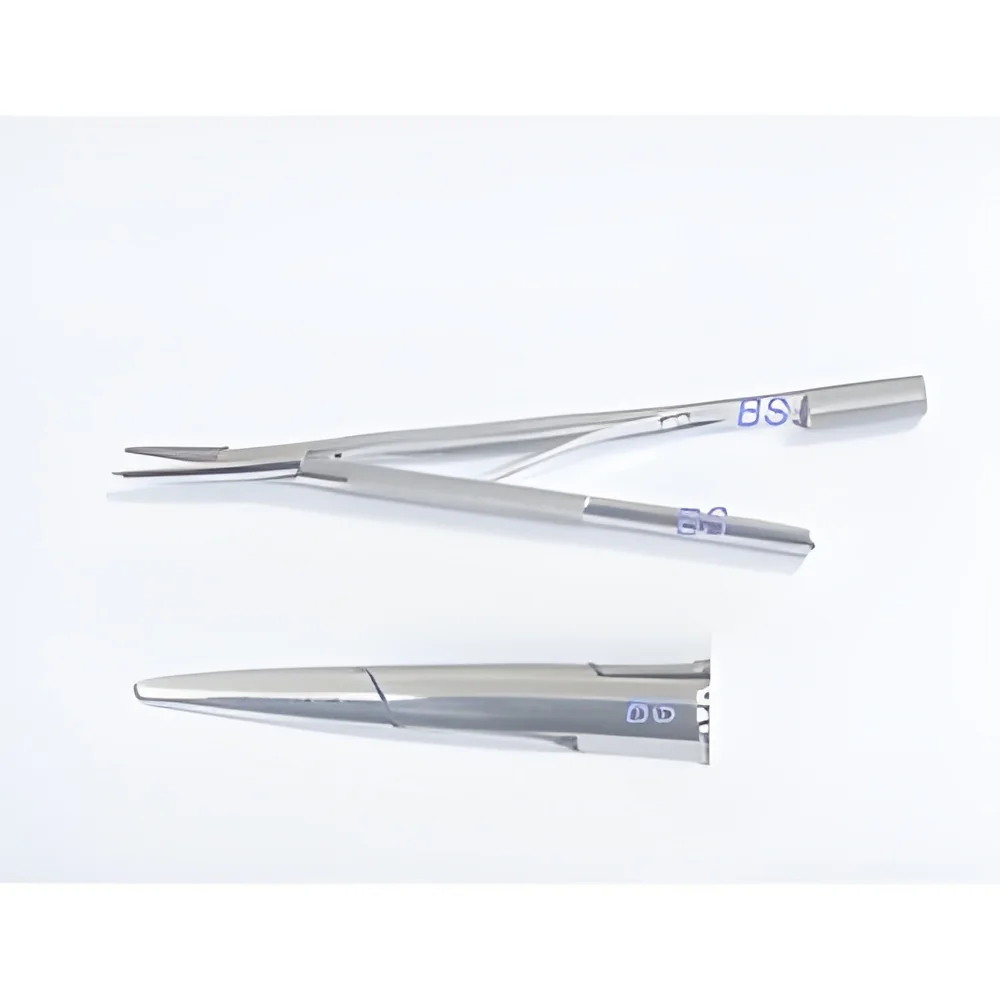
What are Needle Holders?
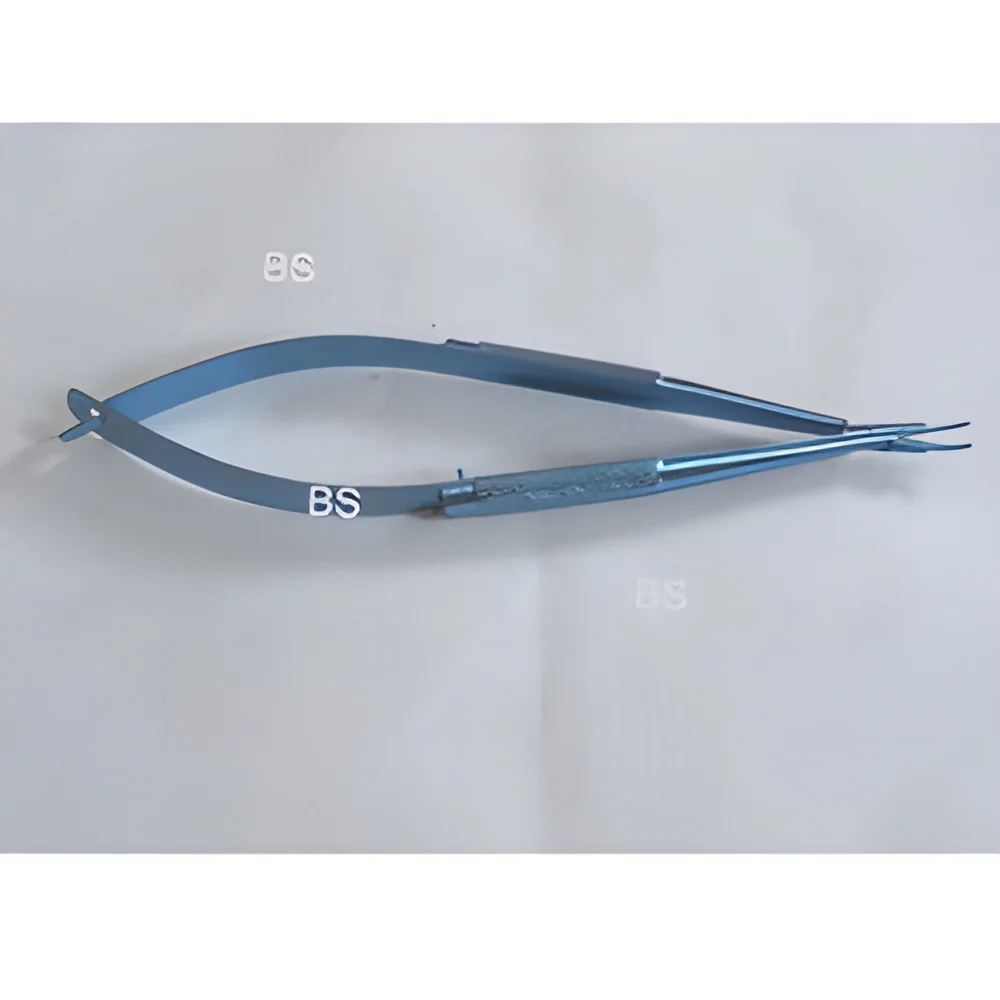
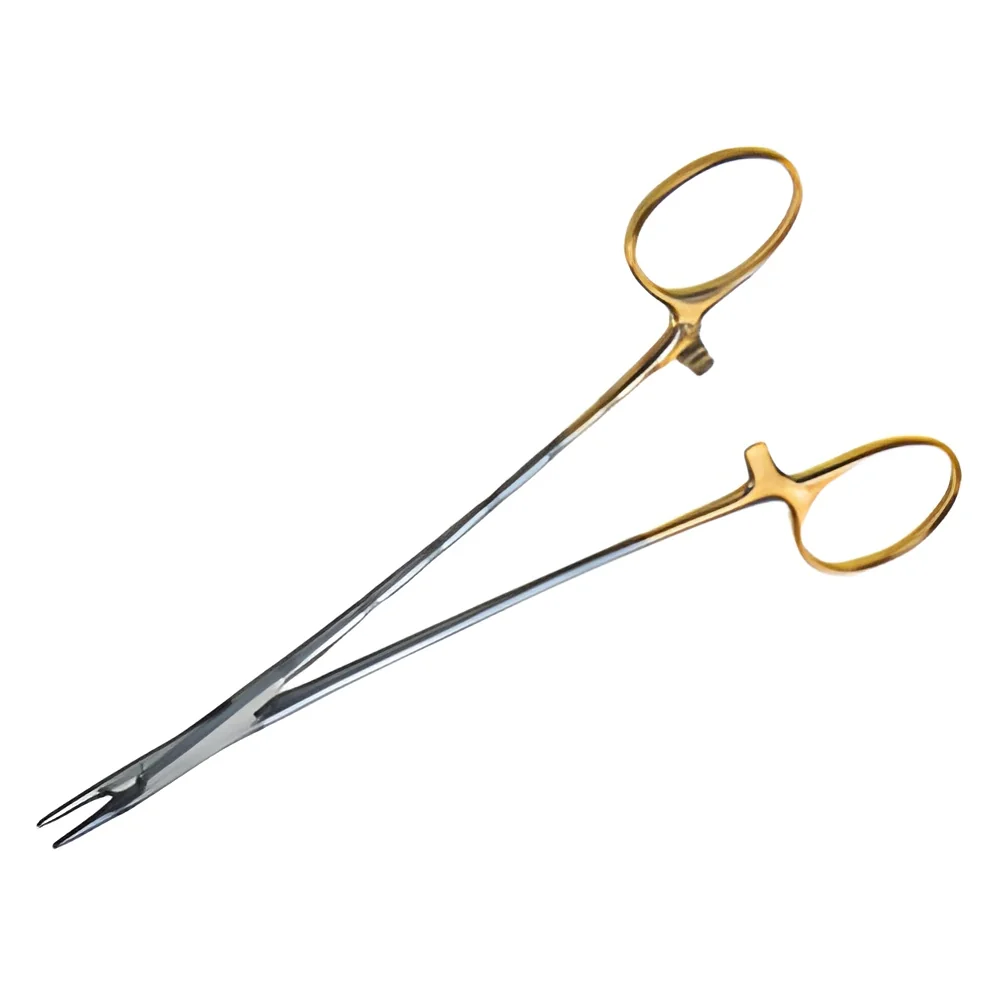
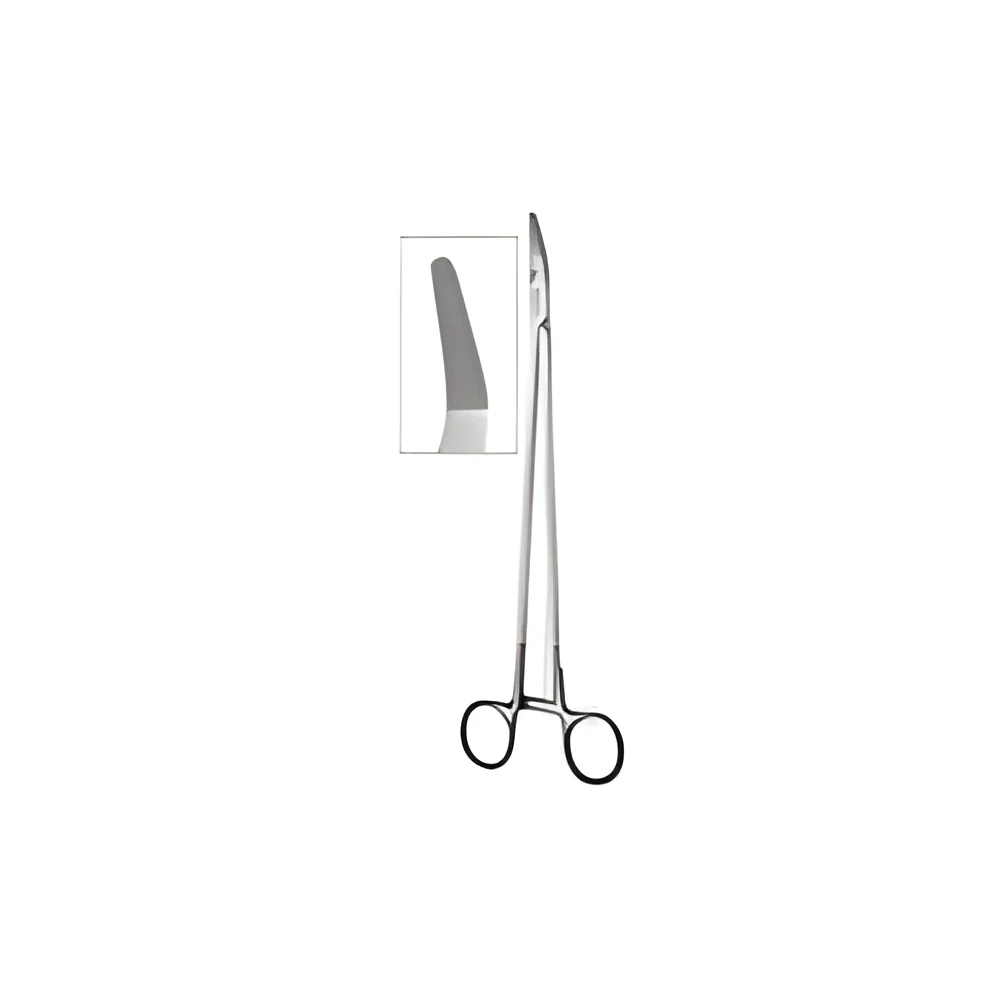
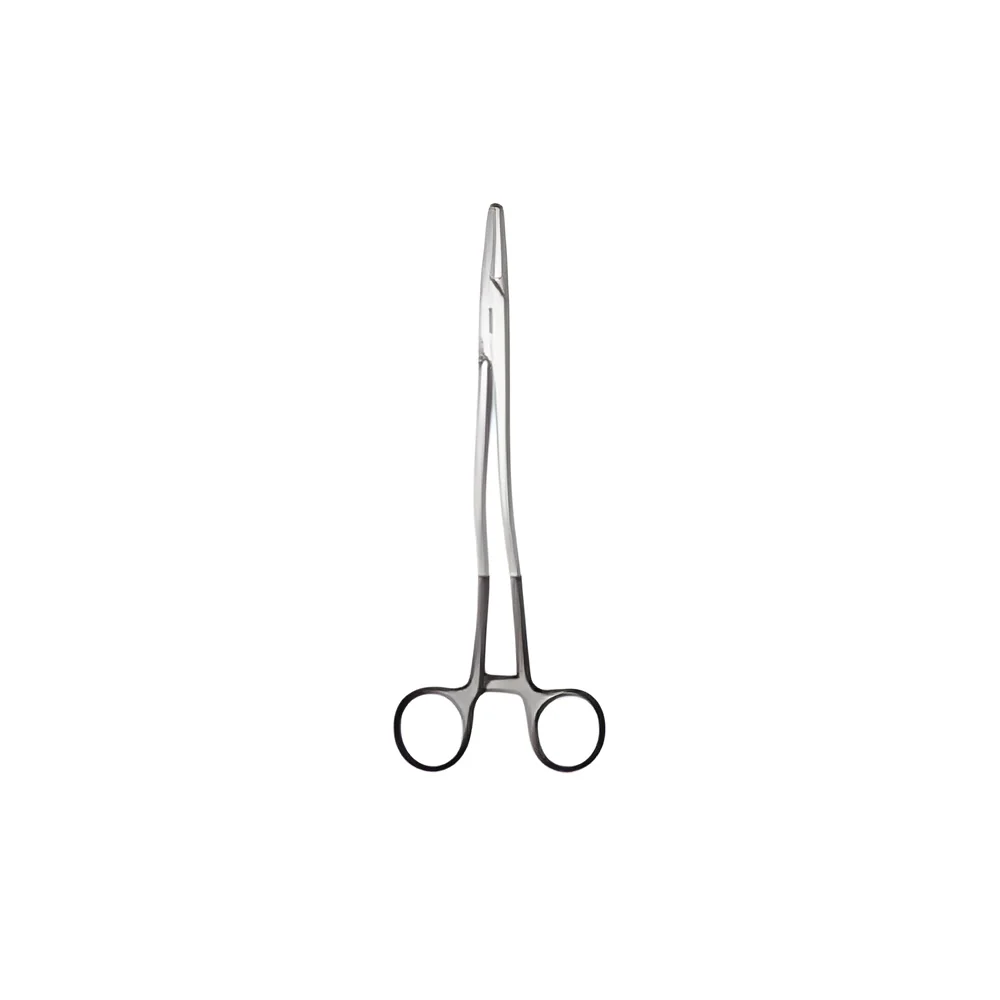
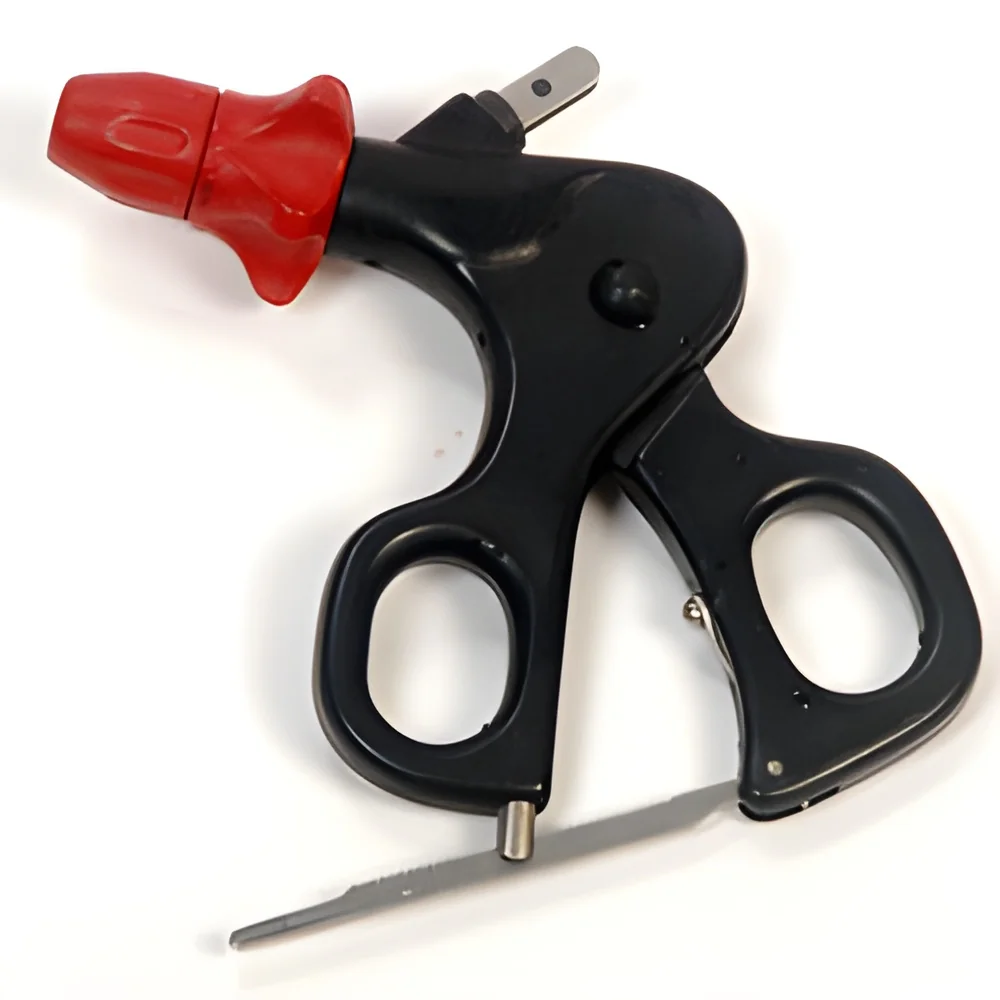
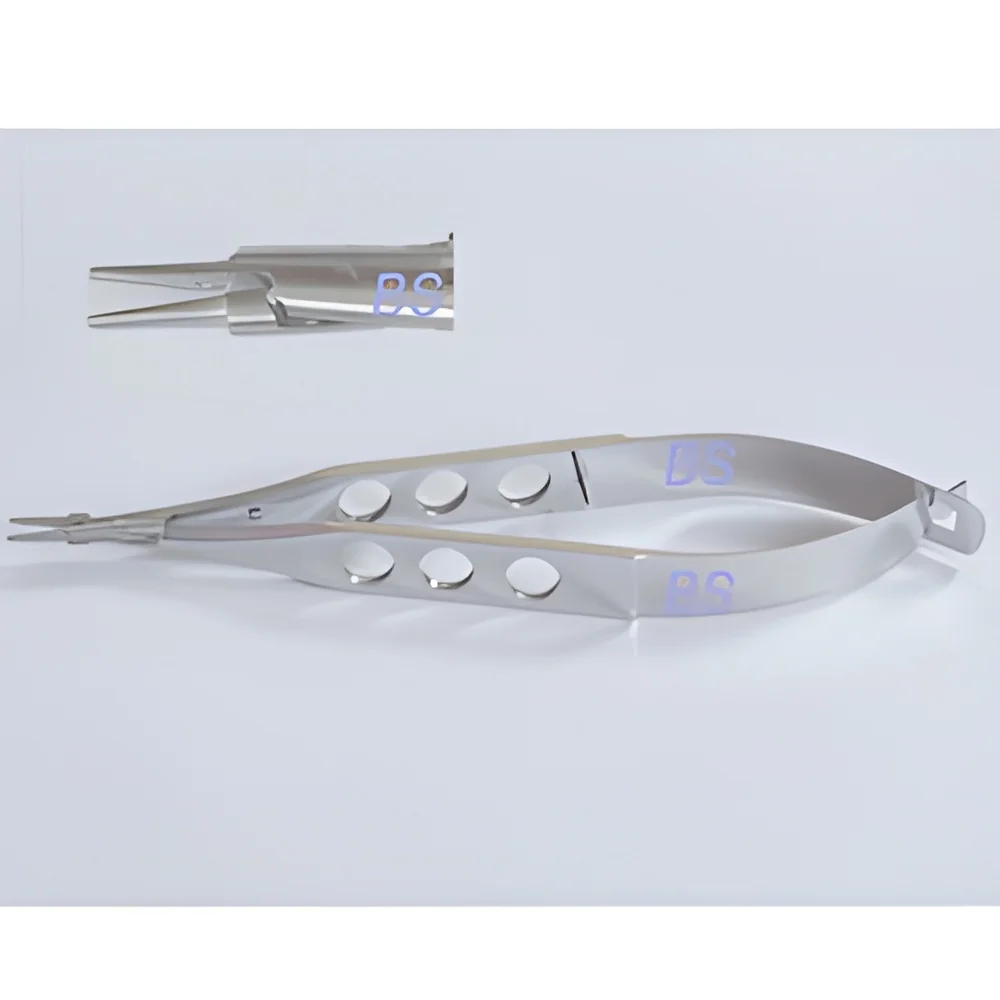
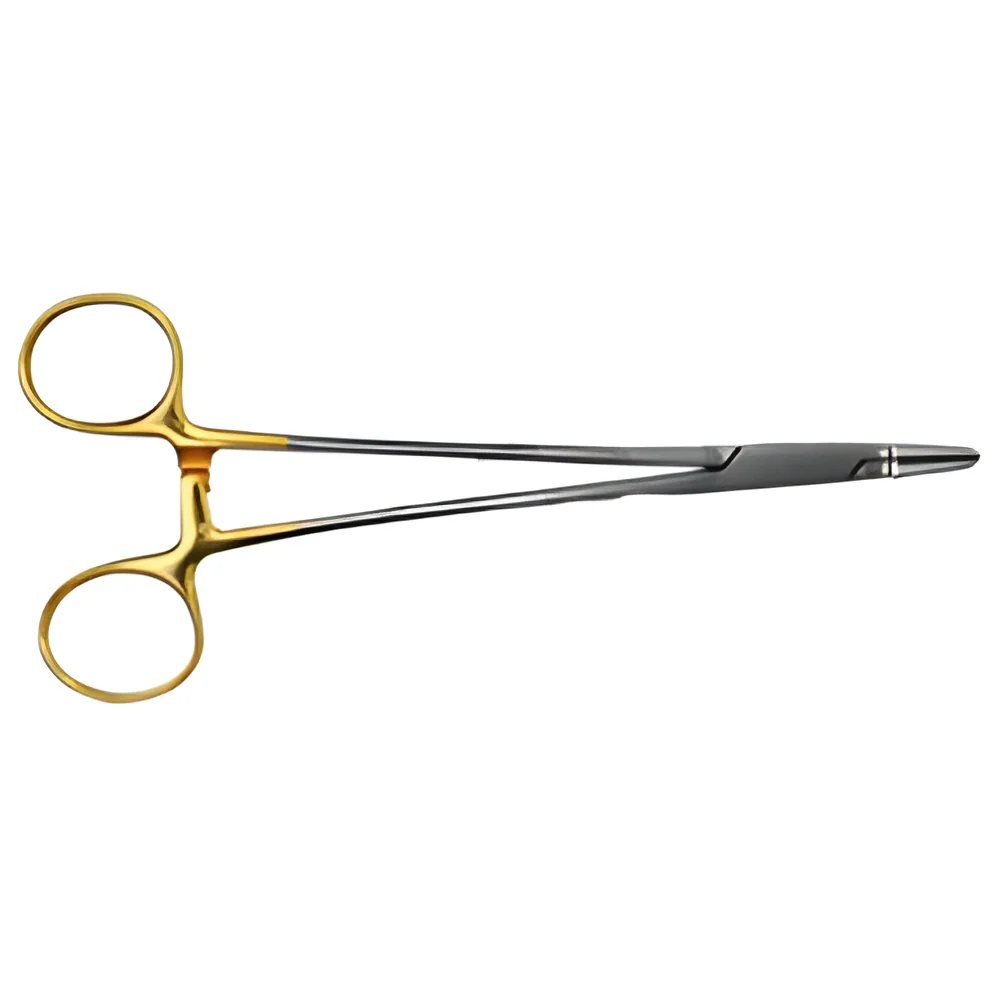
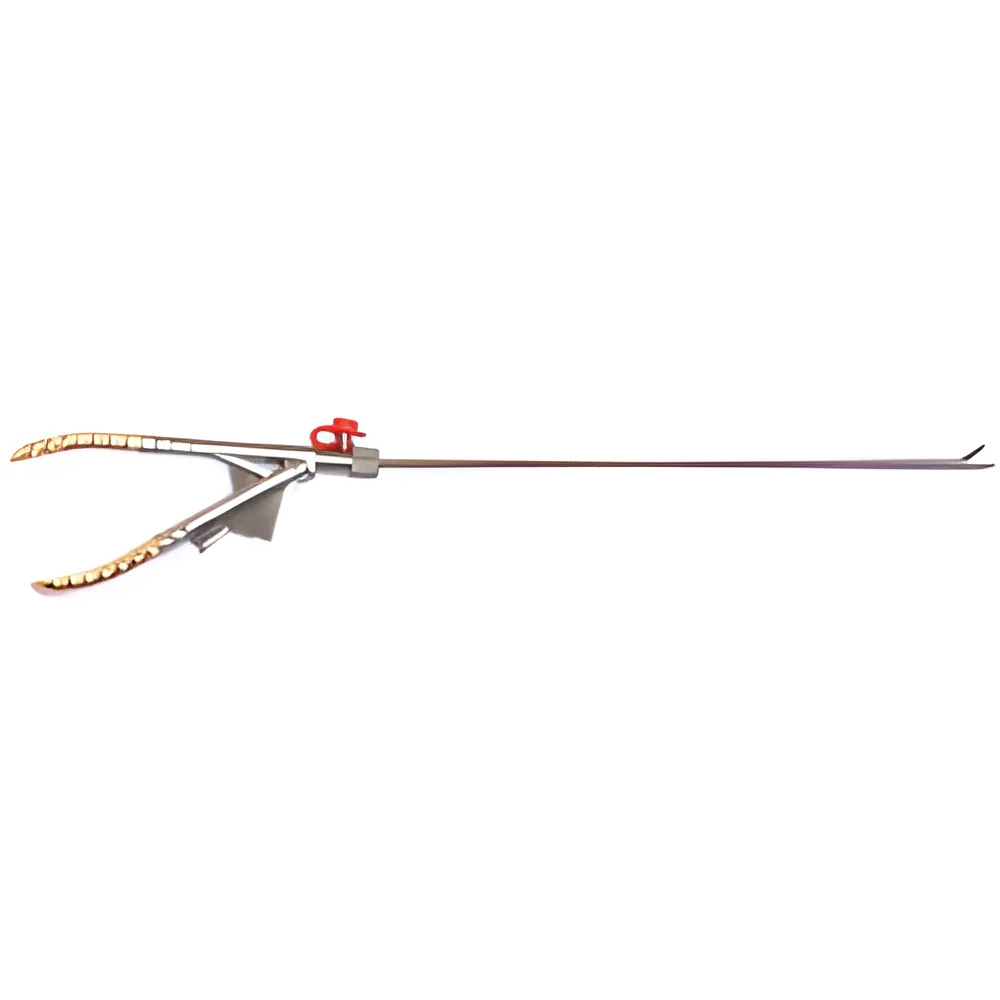
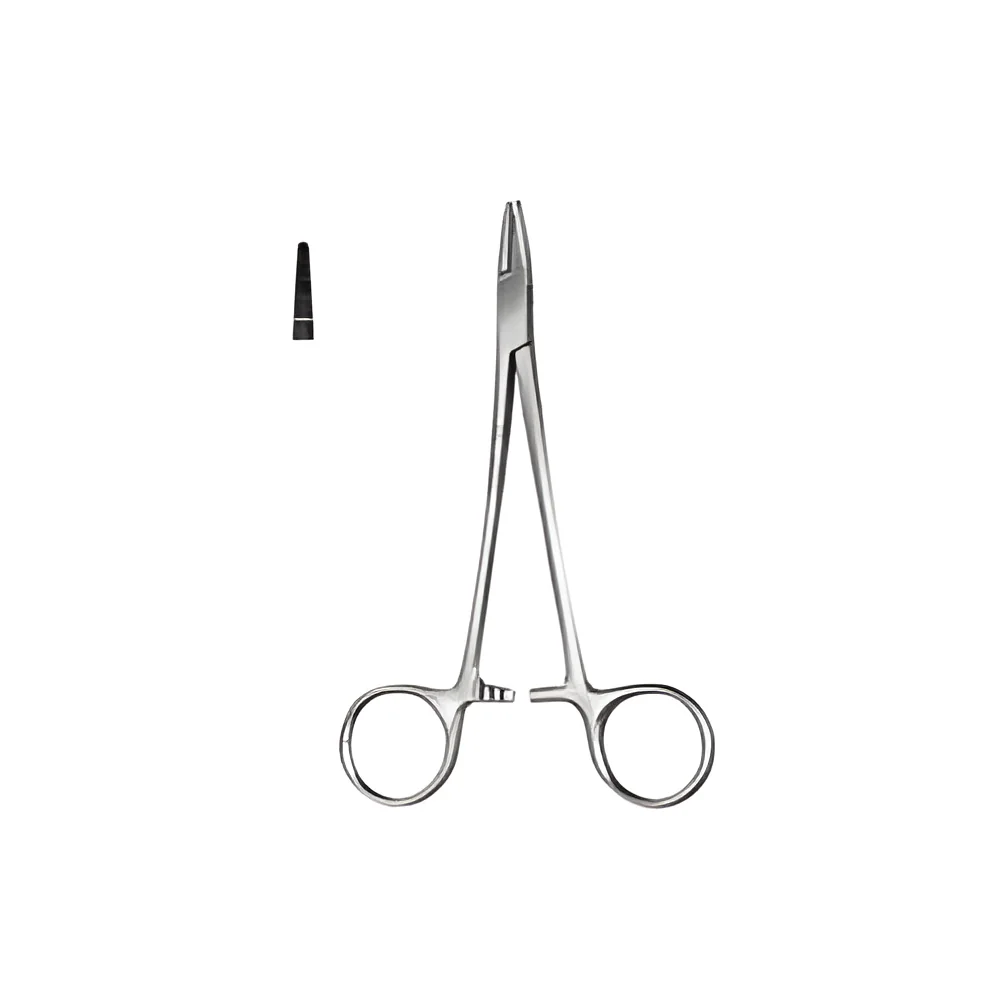
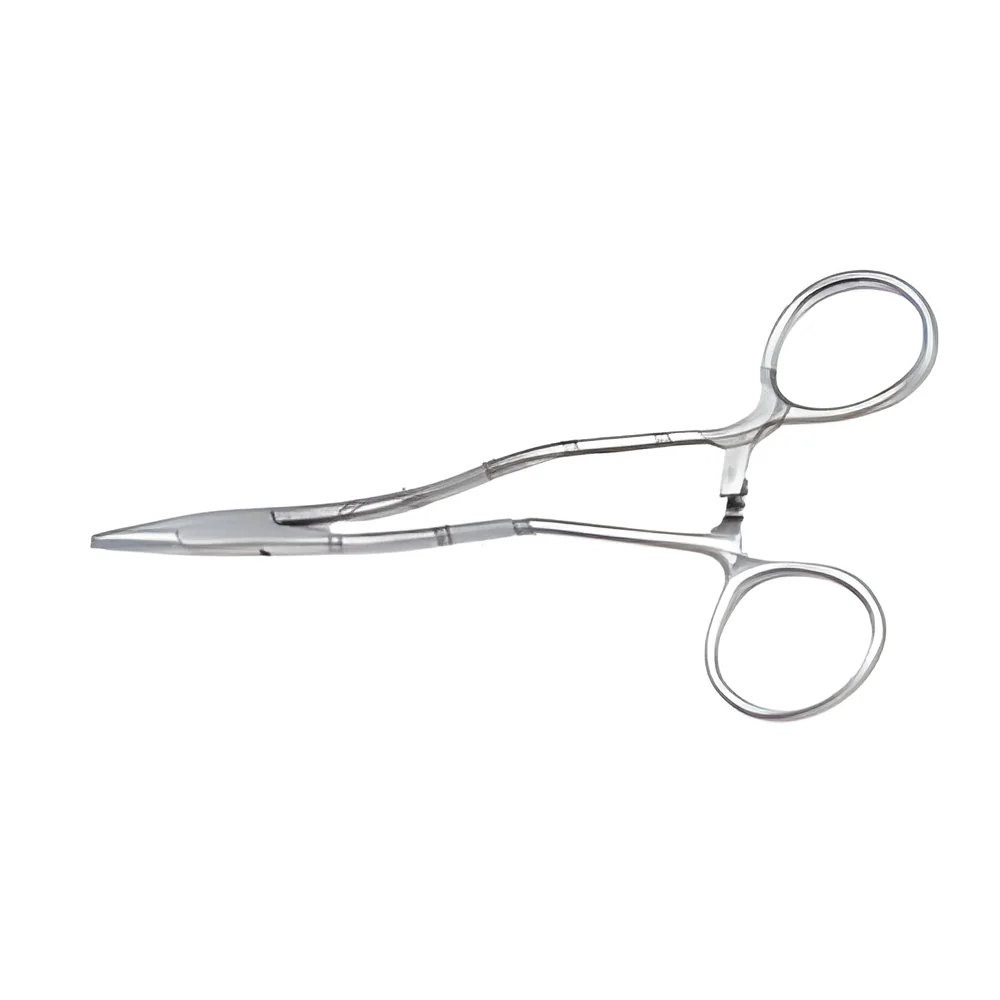
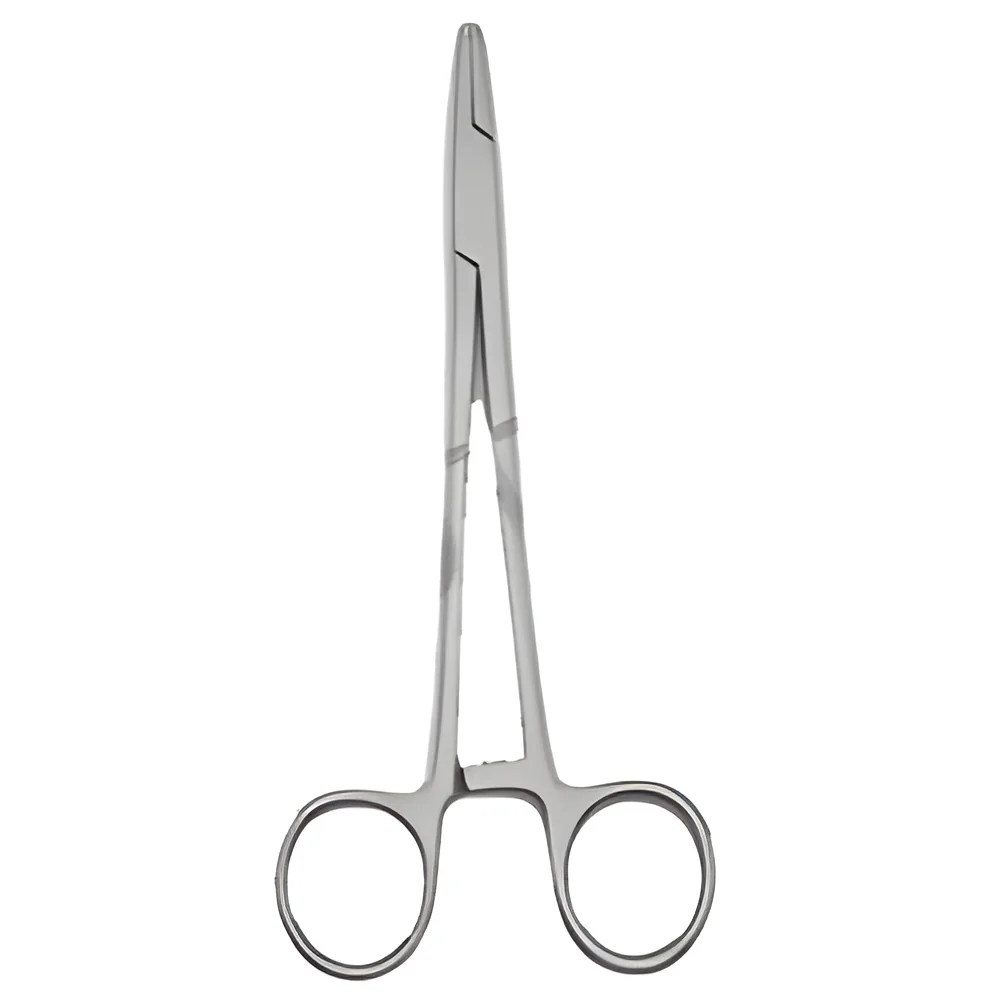
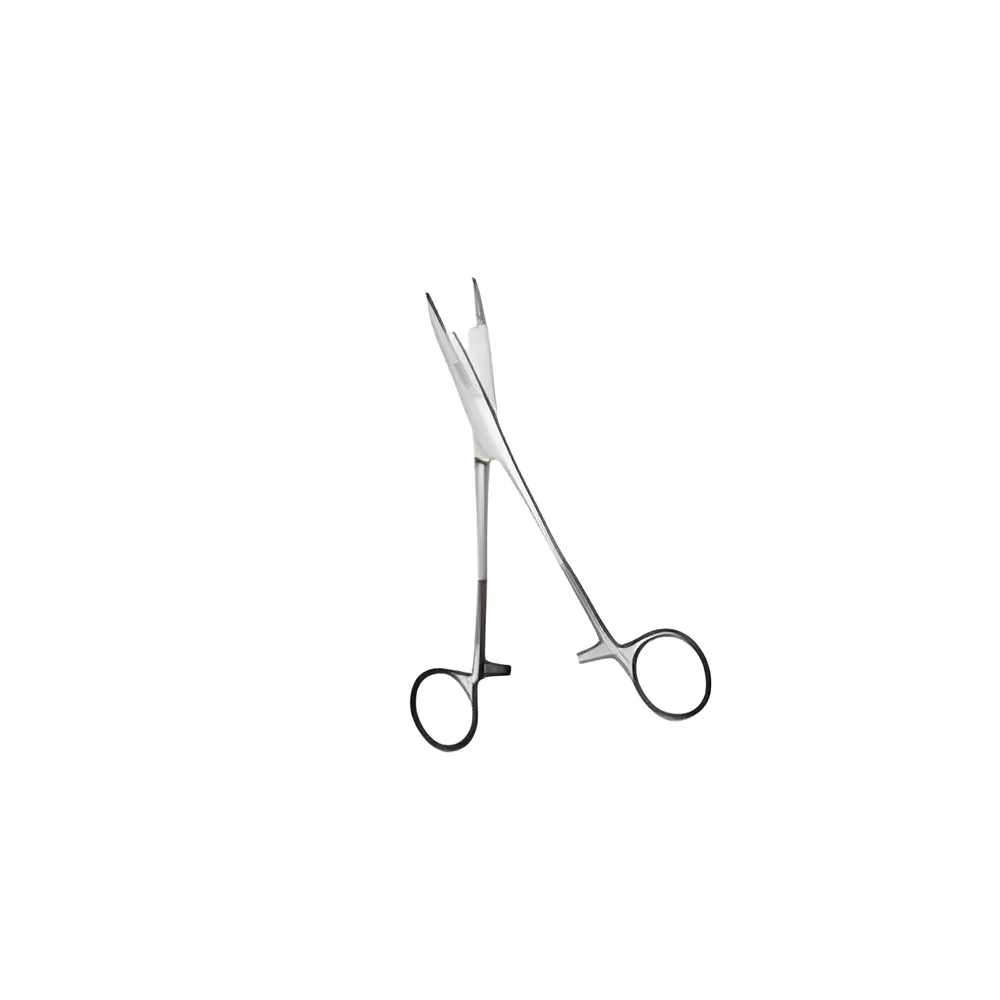
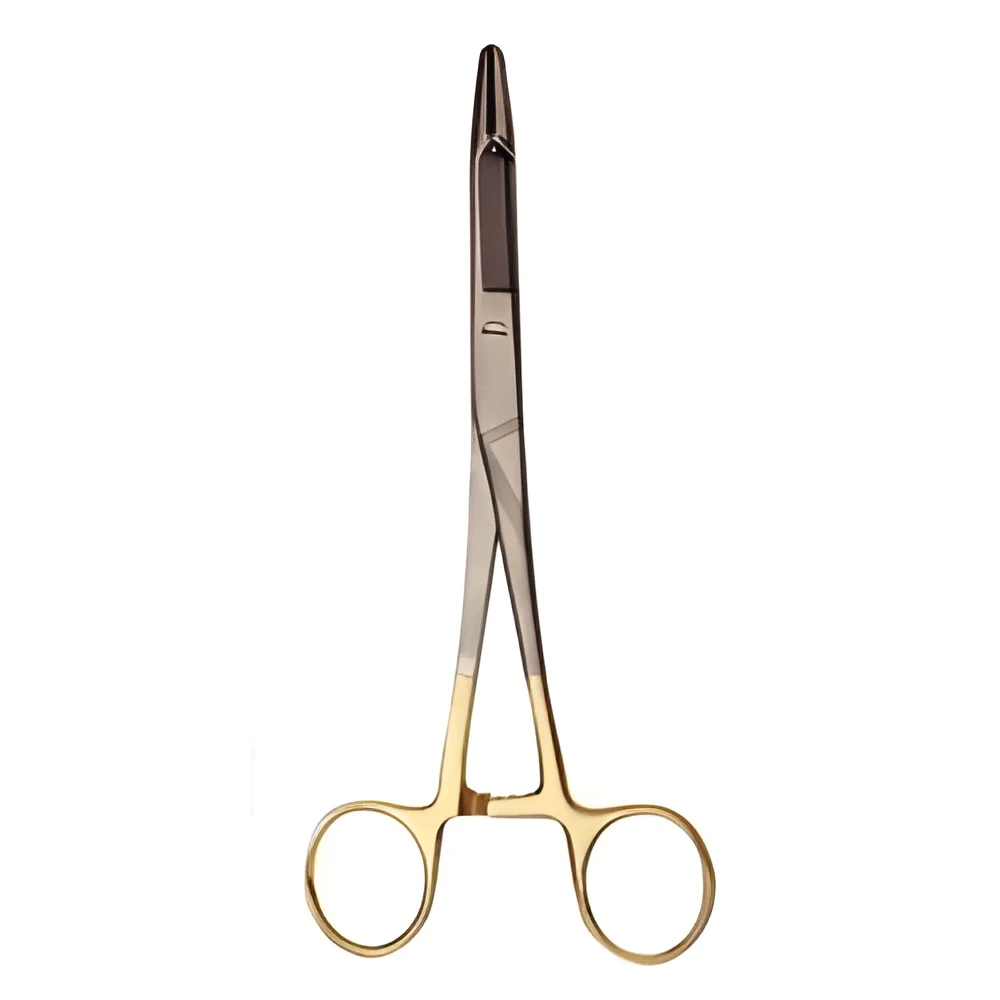
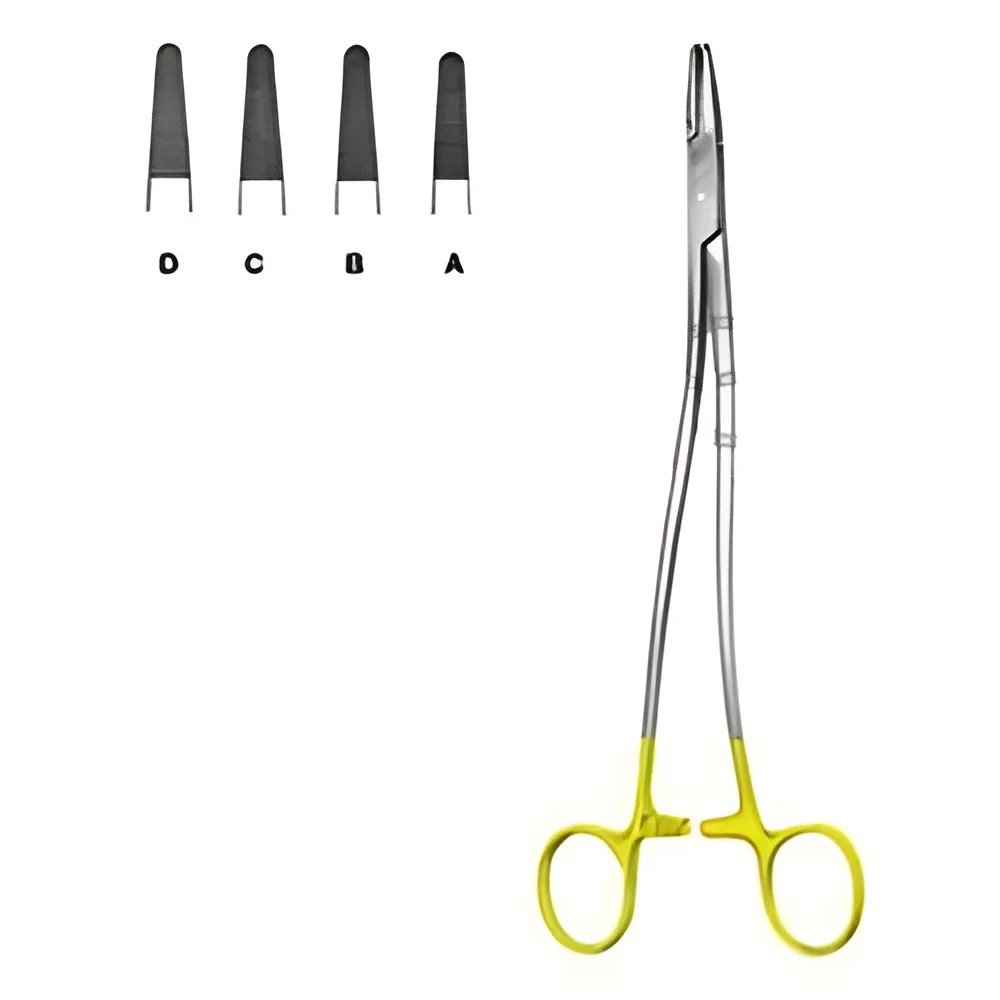
Needle holders are specialized tools designed primarily for grasping and manipulating needles during various procedures. These instruments are essential in fields such as surgery, textiles, and crafting, where precision and control are crucial. Needle holders typically feature a locking mechanism that allows users to securely hold the needle, ensuring accurate placement without slipping.
In professional environments, needle holders are widely used for suturing in medical settings, as well as for stitching fabric in the textile industry. Their design allows for a firm grip on needles of various sizes, catering to specific tasks such as surgical procedures or fabric repairs. The importance of these tools extends to crafts where intricate needlework is required, making them versatile across multiple industries.
The market for needle holders is influenced by advancements in manufacturing technology and the growing demand for precision instruments in sectors like healthcare and textiles. As industries evolve, the need for reliable and efficient needle holders continues to rise, highlighting their relevance in modern applications.
Key Features and Specifications
Needle holders come equipped with several essential features that enhance their functionality and usability. Understanding these specifications is crucial for selecting the right tool for specific applications.
Key specifications include:
1. Material Composition
- Typically made from stainless steel for durability and resistance to corrosion.
- Ensures longevity and easy maintenance.
2. Locking Mechanism
- Features a secure locking system that prevents needle slippage during use.
- Offers one-handed operation for convenience.
3. Size Variability
- Available in various sizes to accommodate different needle types and applications.
- Common sizes include 5 inches, 6.5 inches, and 8 inches.
4. Tip Design
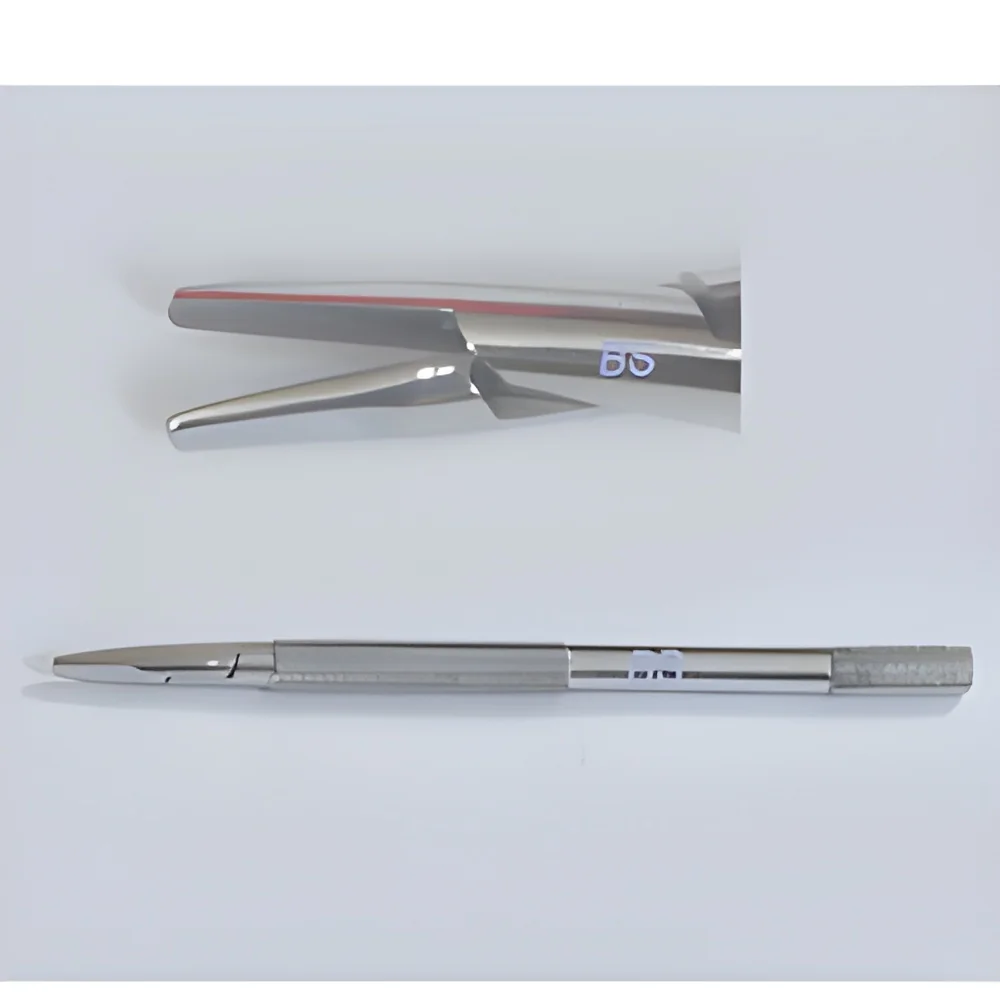
- Tips can be tapered or serrated for enhanced grip.
- Tapered tips are ideal for delicate procedures, while serrated tips provide a firmer hold.
5. Weight
- Lightweight design enhances maneuverability.
- Facilitates prolonged use without causing hand fatigue.
6. Autoclavable
- Designed to be sterilized in autoclaves for medical applications.
- Ensures compliance with hygiene standards.
7. Ergonomic Handle
- Features a comfortable grip to reduce hand strain.
- Allows for better control during intricate tasks.
8. Brand Variability
- Different manufacturers may offer unique design elements.
- Quality and performance may vary based on brand reputation.
In summary, the key features and specifications of needle holders significantly contribute to their effectiveness and reliability in various applications.
Common Applications and Use Cases
Needle holders find utility across a range of industries, each with specific applications that highlight their importance.
1. Medical Industry: Needle holders are predominantly used in surgical settings for suturing and securing needles during operations, enhancing precision and control.
2. Textile Manufacturing: In the textile industry, needle holders assist in sewing and stitching processes, allowing for accurate needle manipulation and fabric handling.
3. Crafting and Hobbyist Use: Crafters use needle holders for sewing, quilting, and embroidery, providing the necessary grip for intricate needlework.
4. Veterinary Practices: Veterinarians rely on needle holders for suturing wounds and performing surgical procedures on animals, ensuring safe handling of needles.
5. Upholstery: In upholstery, needle holders help artisans sew heavy fabrics together, making it easier to manage larger materials.
6. Leatherworking: Leatherworkers utilize needle holders for stitching leather pieces, enabling precise needle placement for durable seams.
7. Automotive Repair: In automotive applications, needle holders assist technicians in sewing materials used in vehicle upholstery and interiors.
Product Variants and Subcategories
Needle holders are available in various designs to suit different needs and preferences. Each variant offers unique features tailored to specific tasks.
Standard Needle Holder
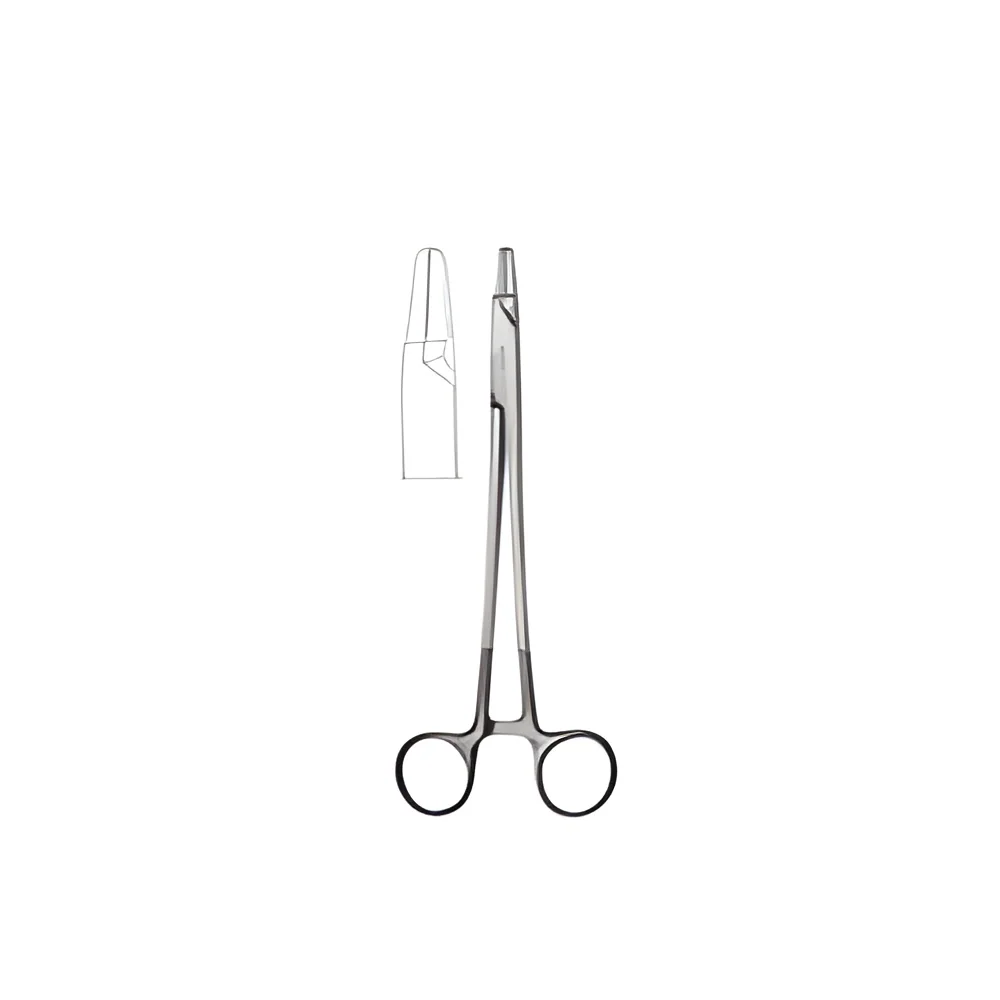
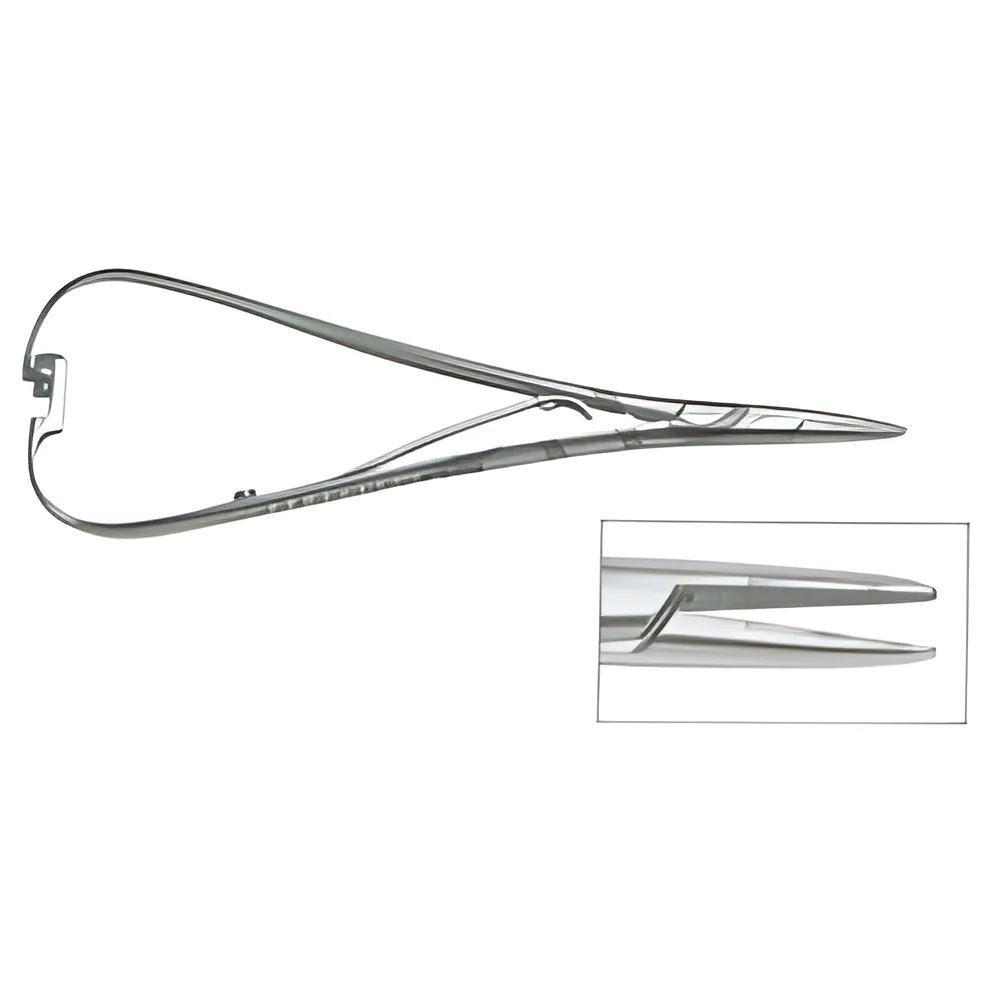
This variant is designed for general use in medical and textile applications. It typically features a locking mechanism and ergonomic handle, making it suitable for a wide range of tasks.
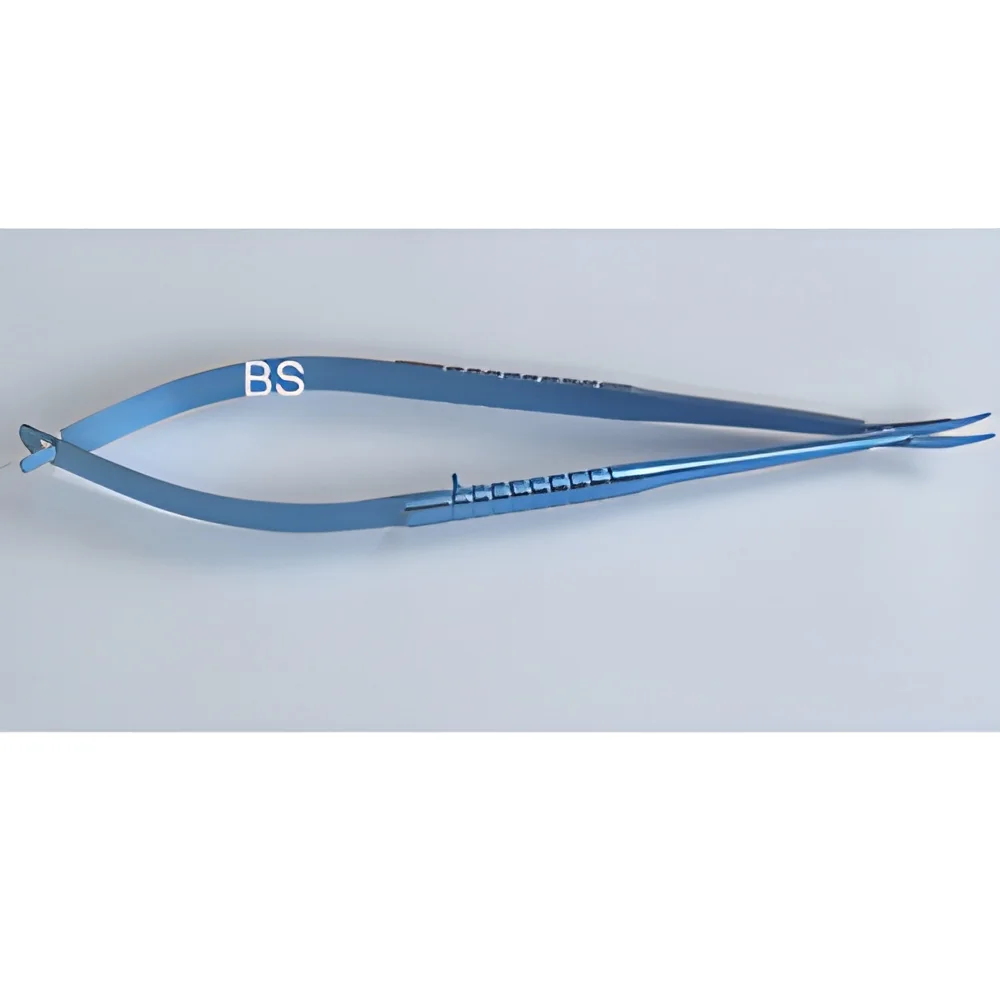
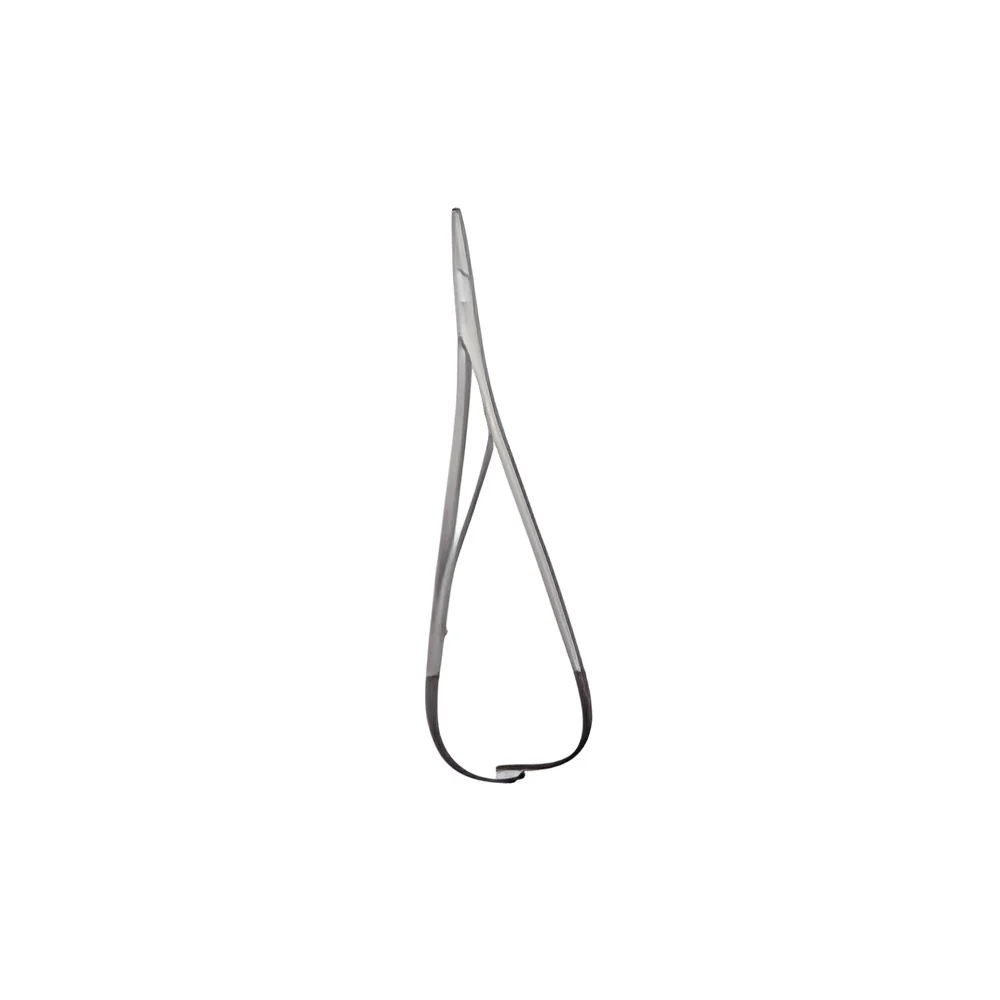
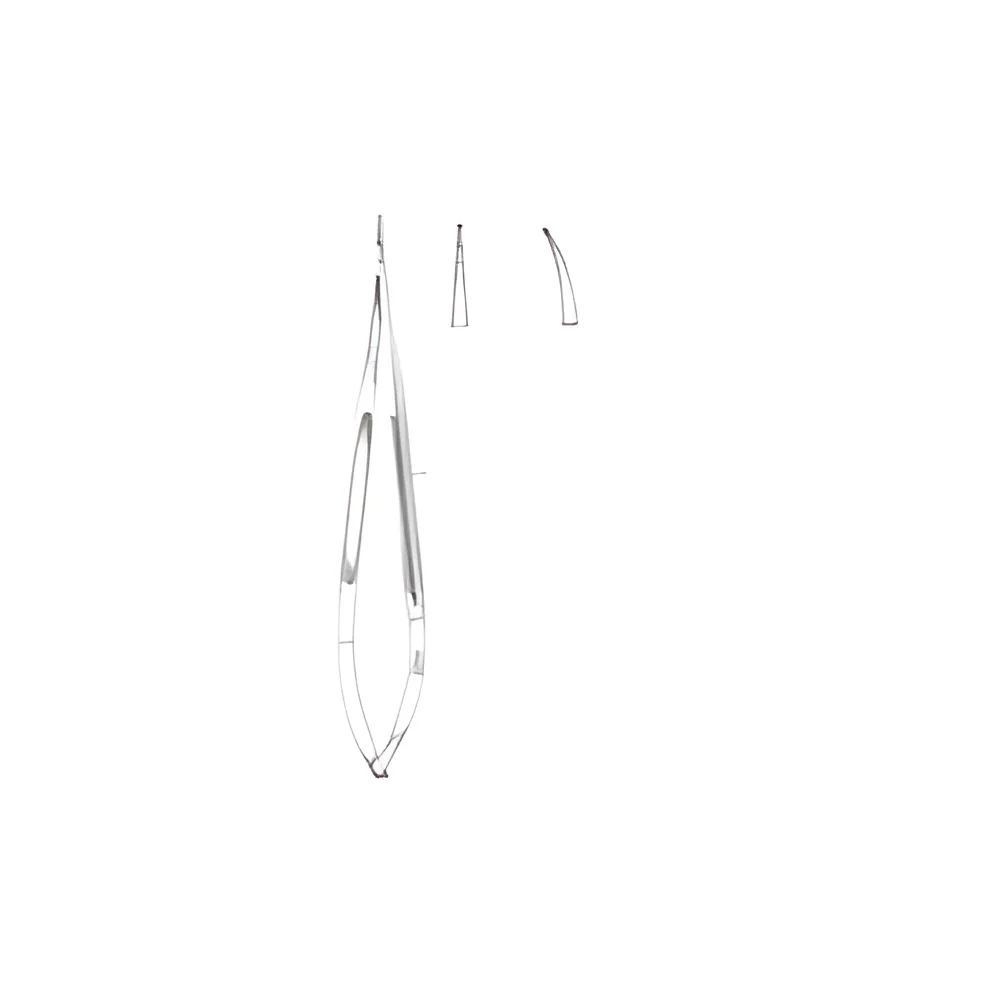
Micro Needle Holder
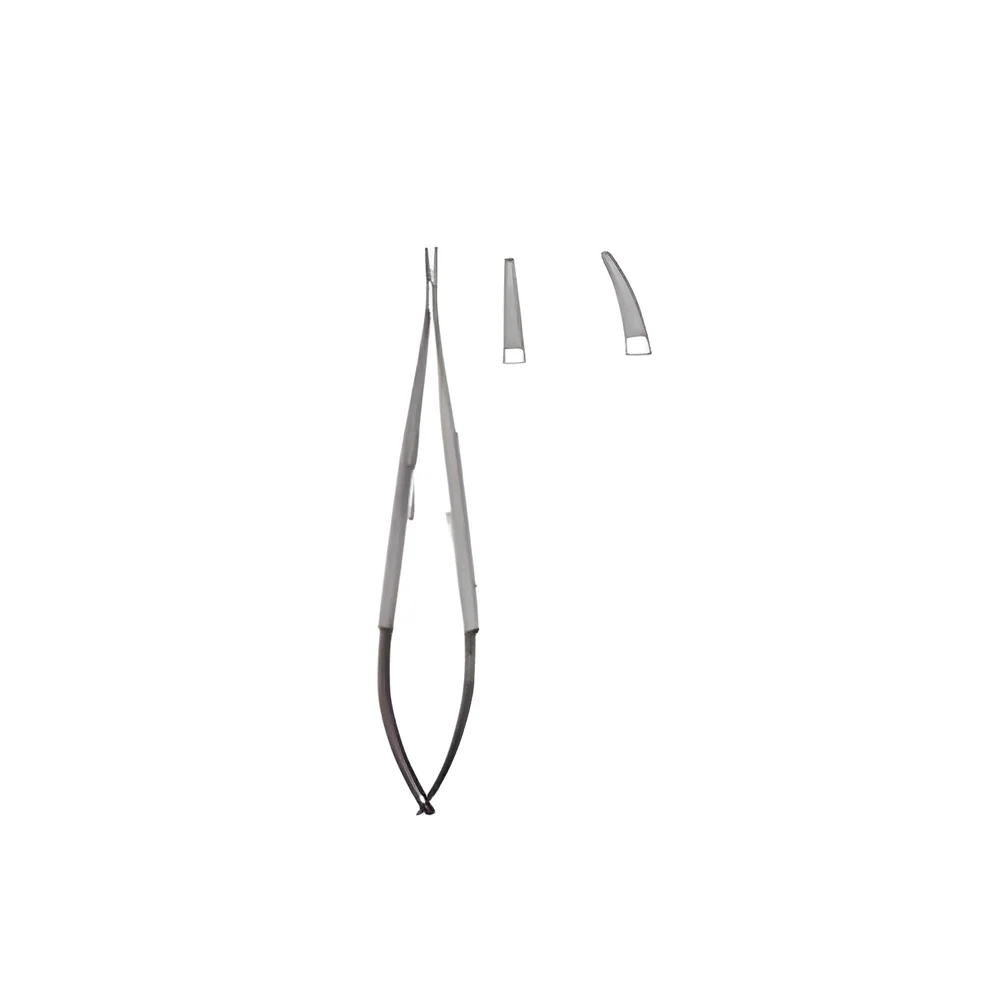
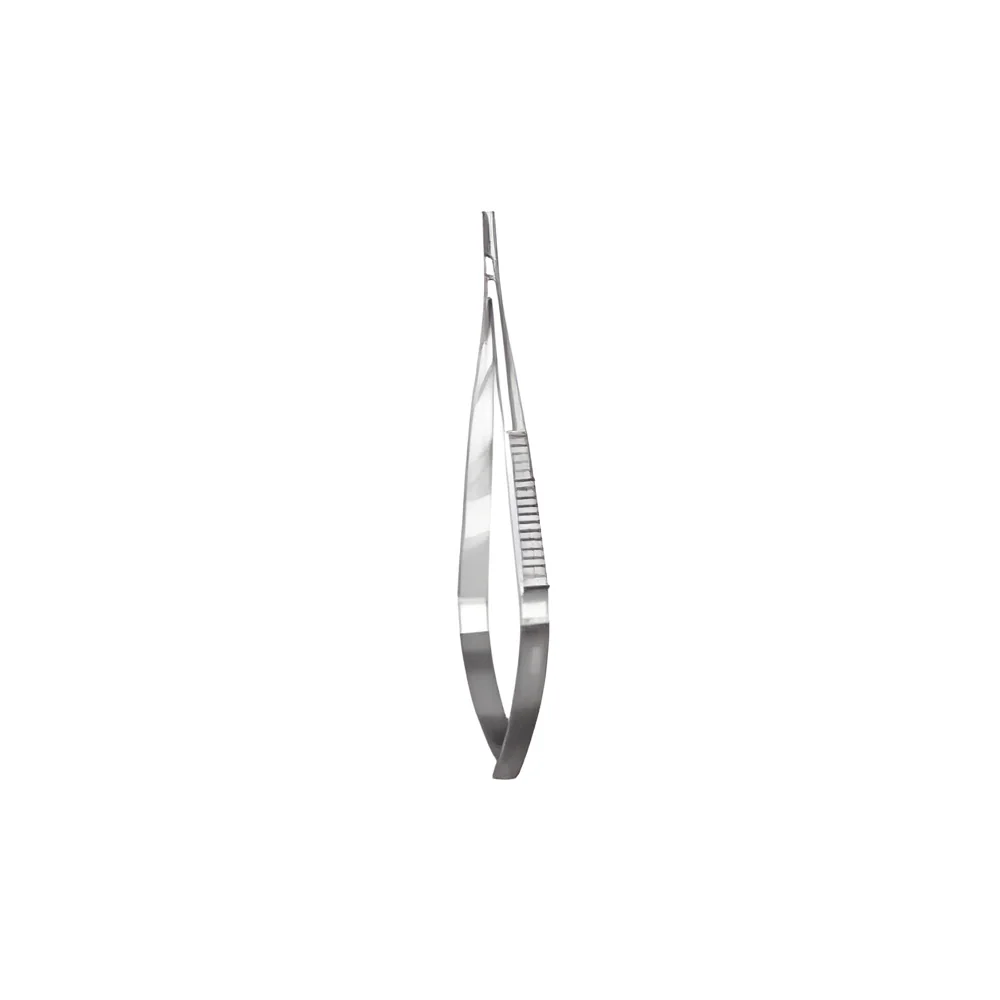
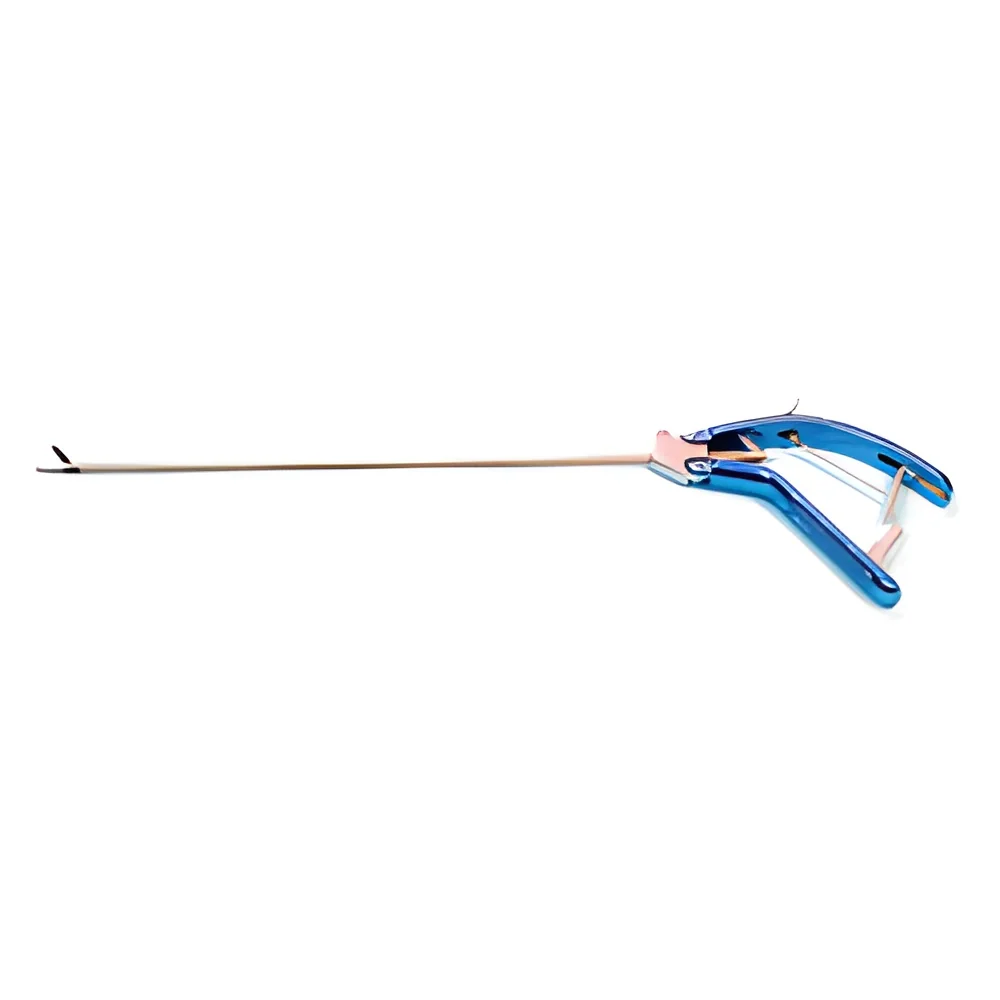
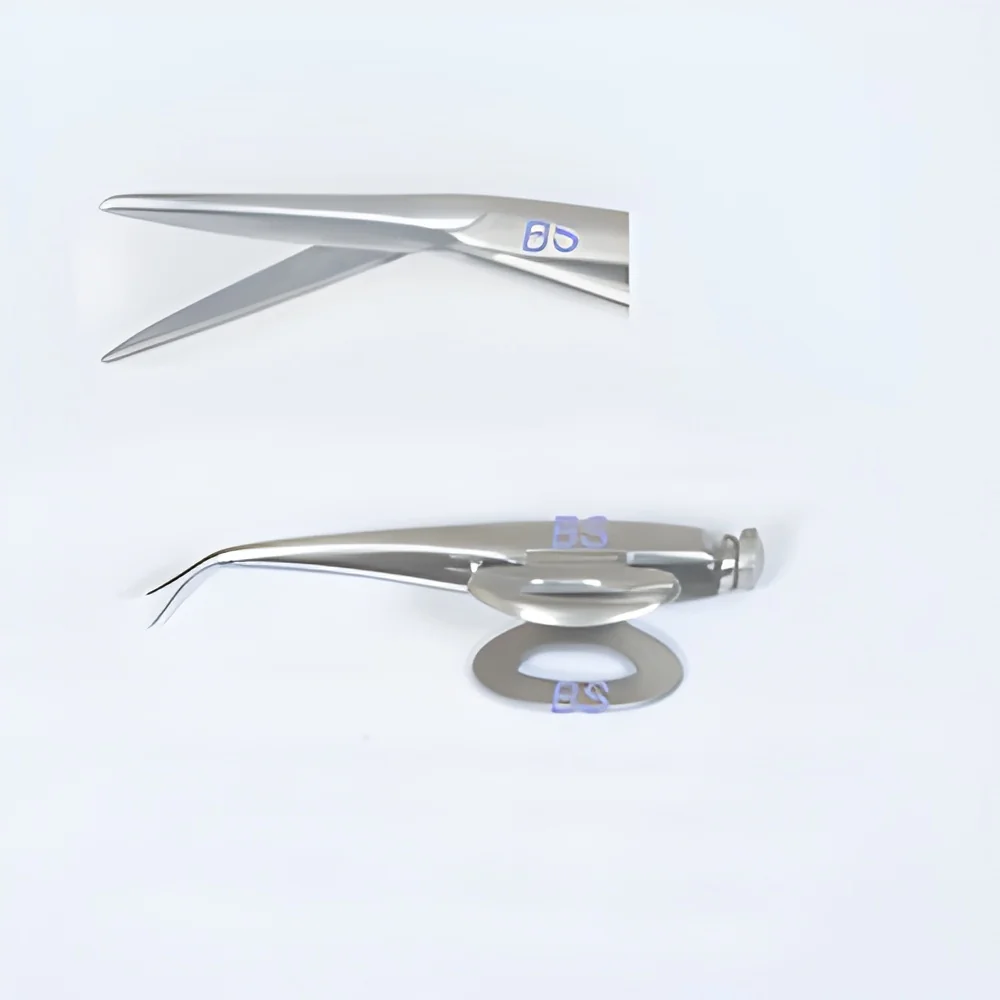
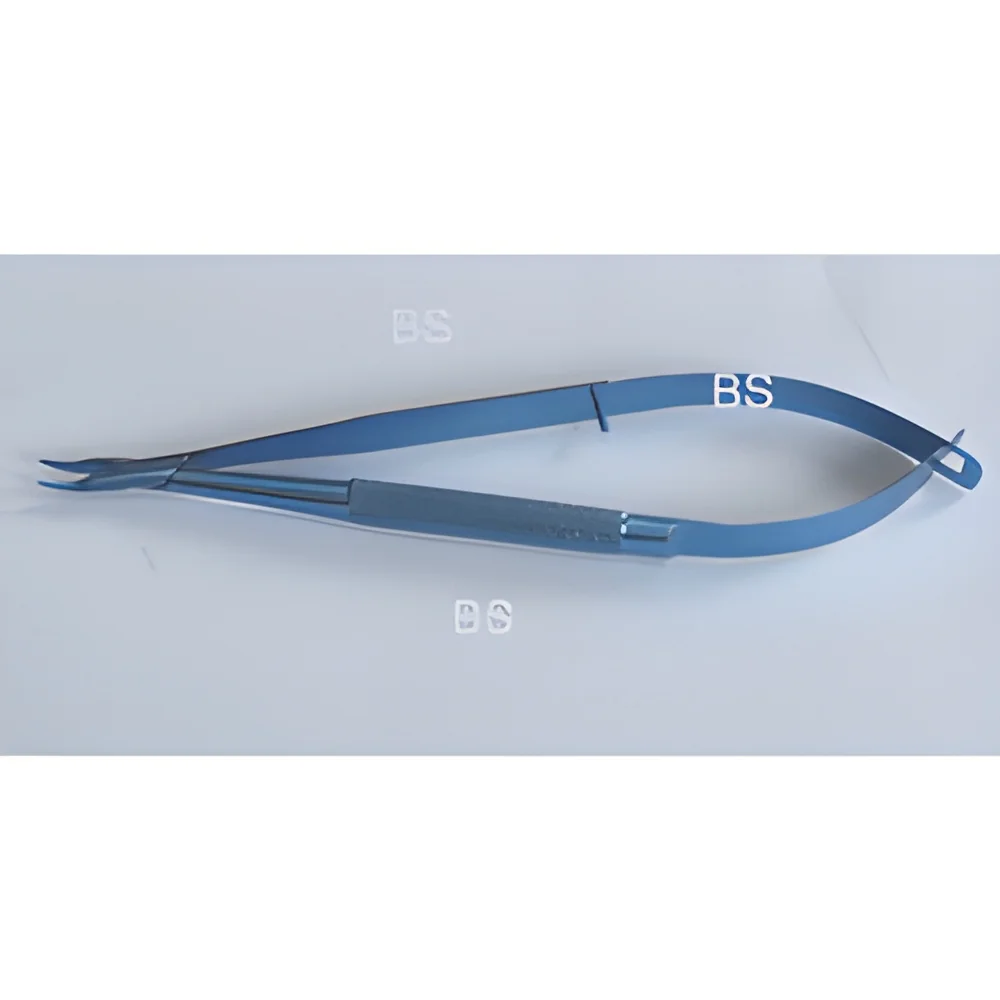
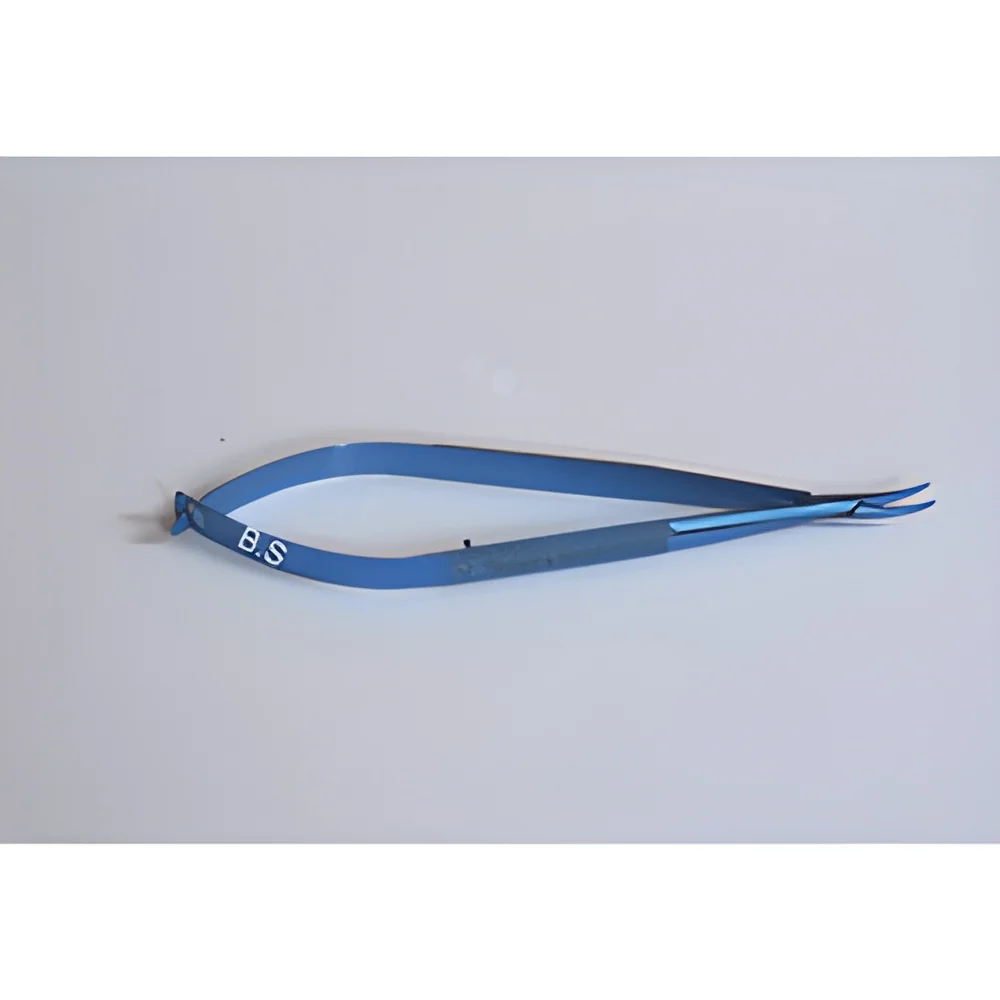
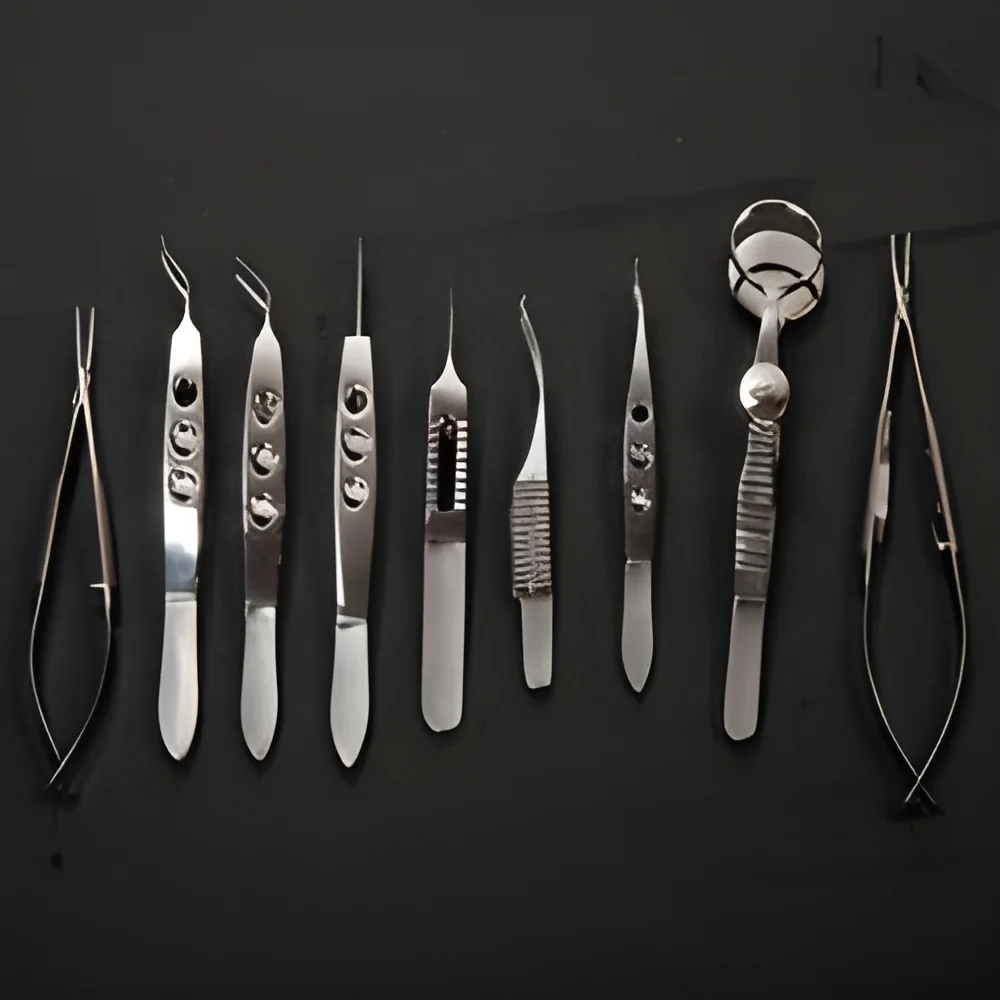
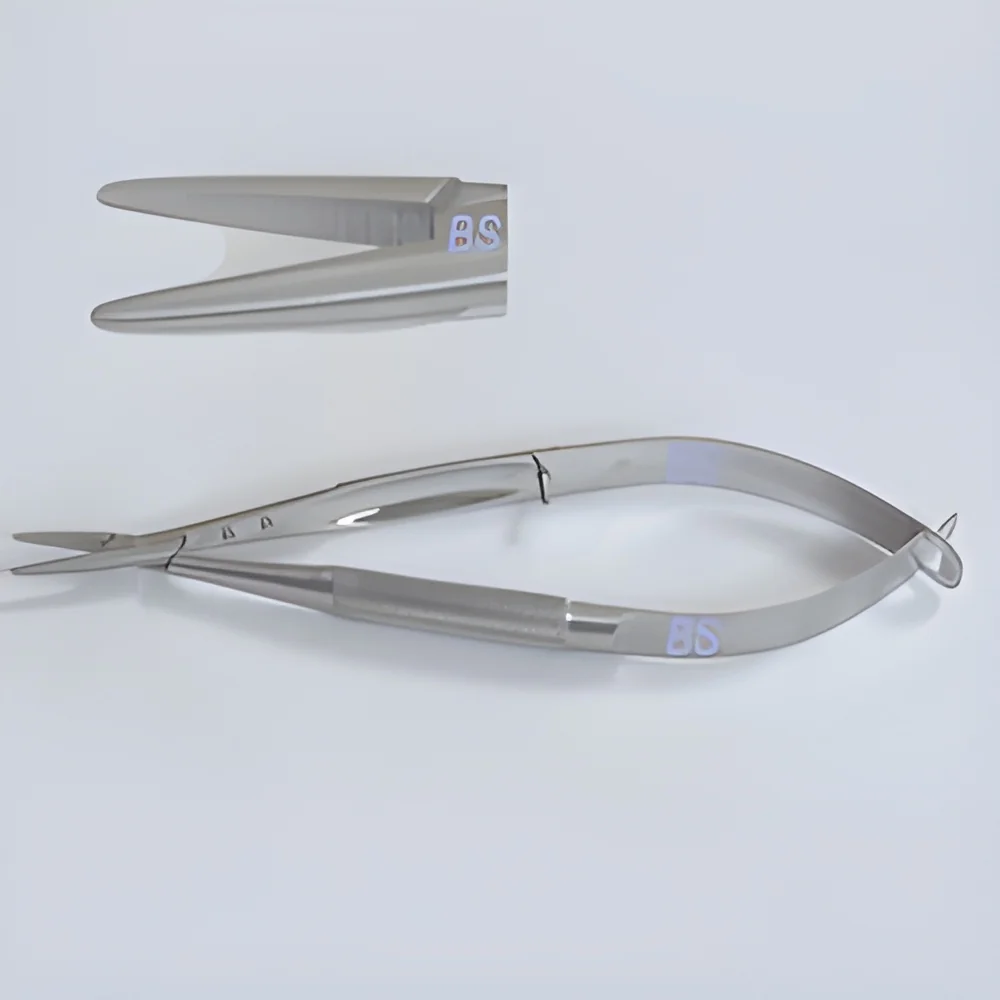
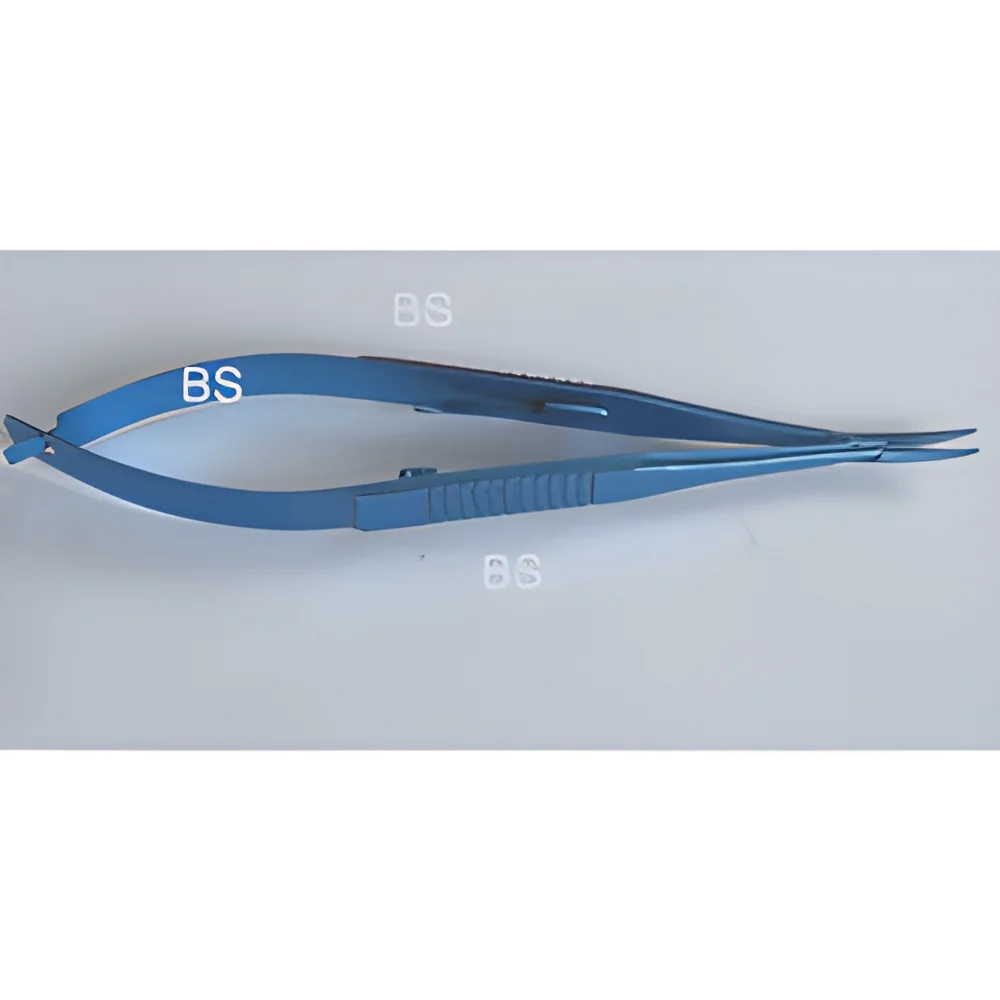
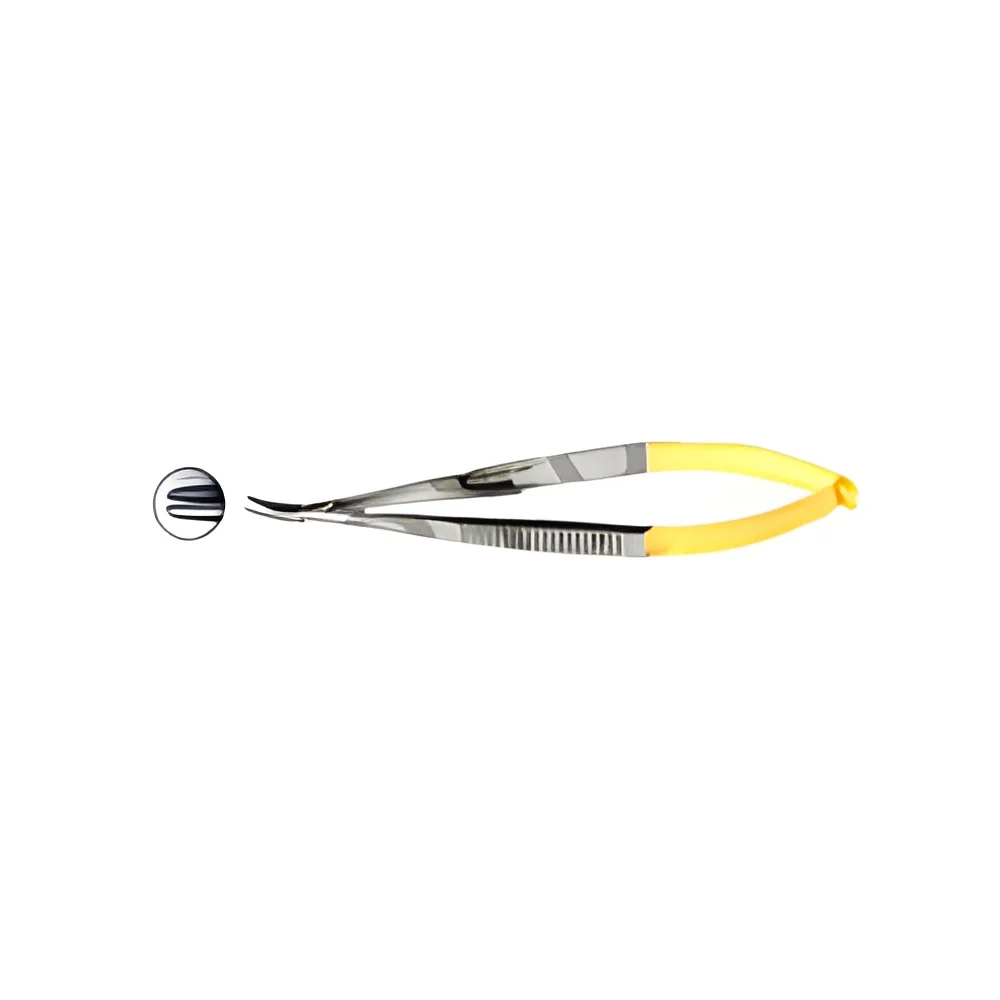
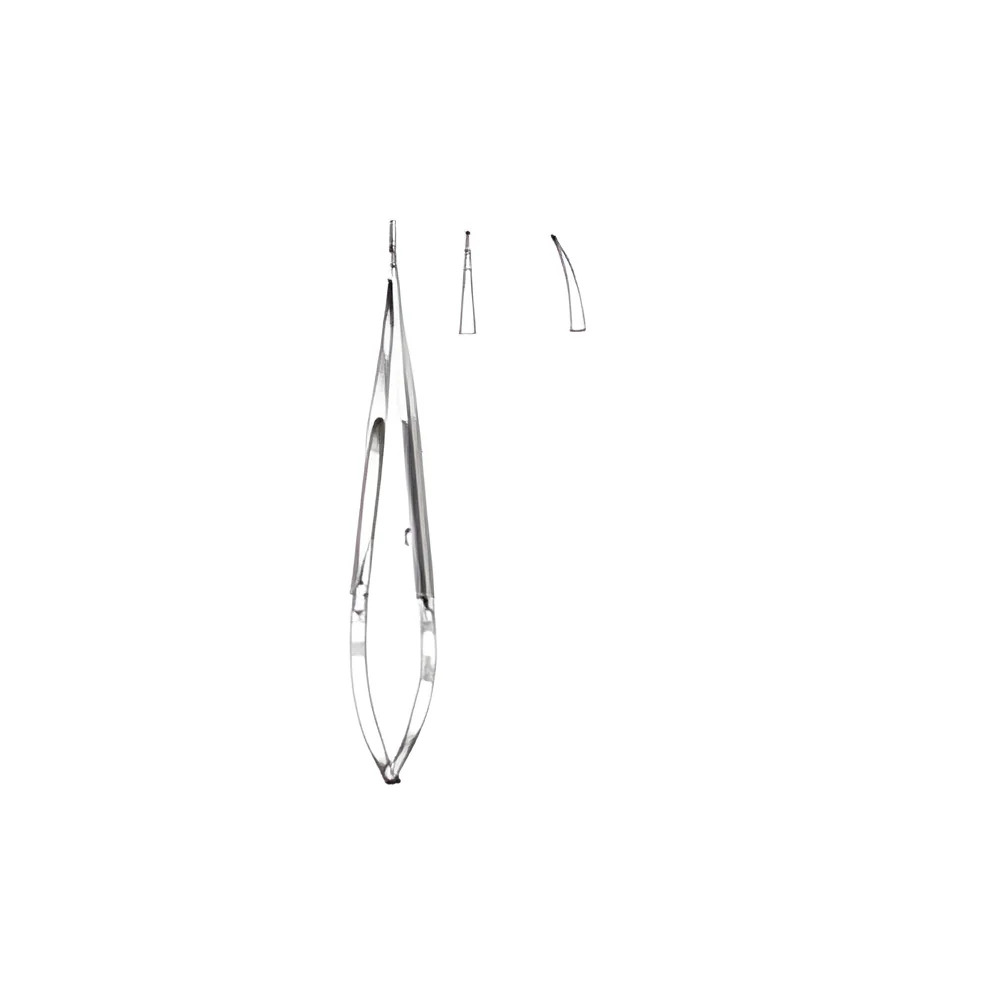
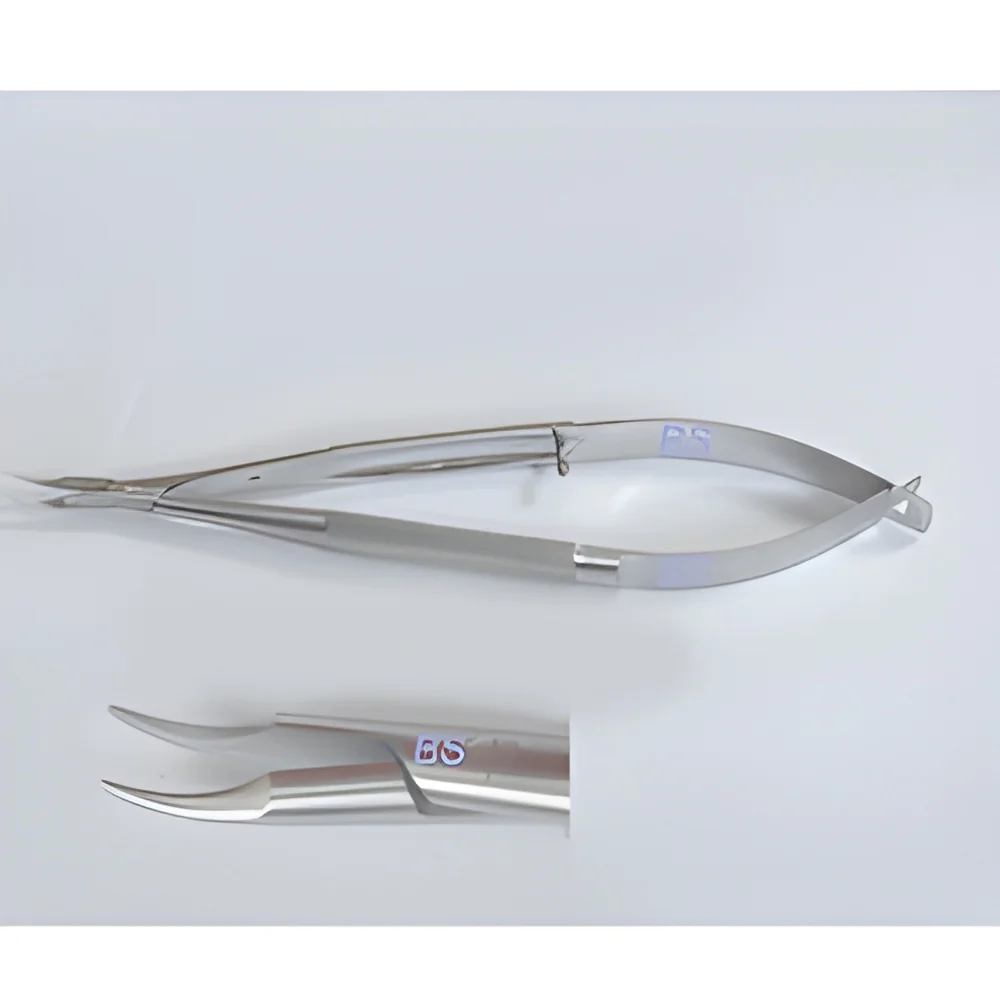
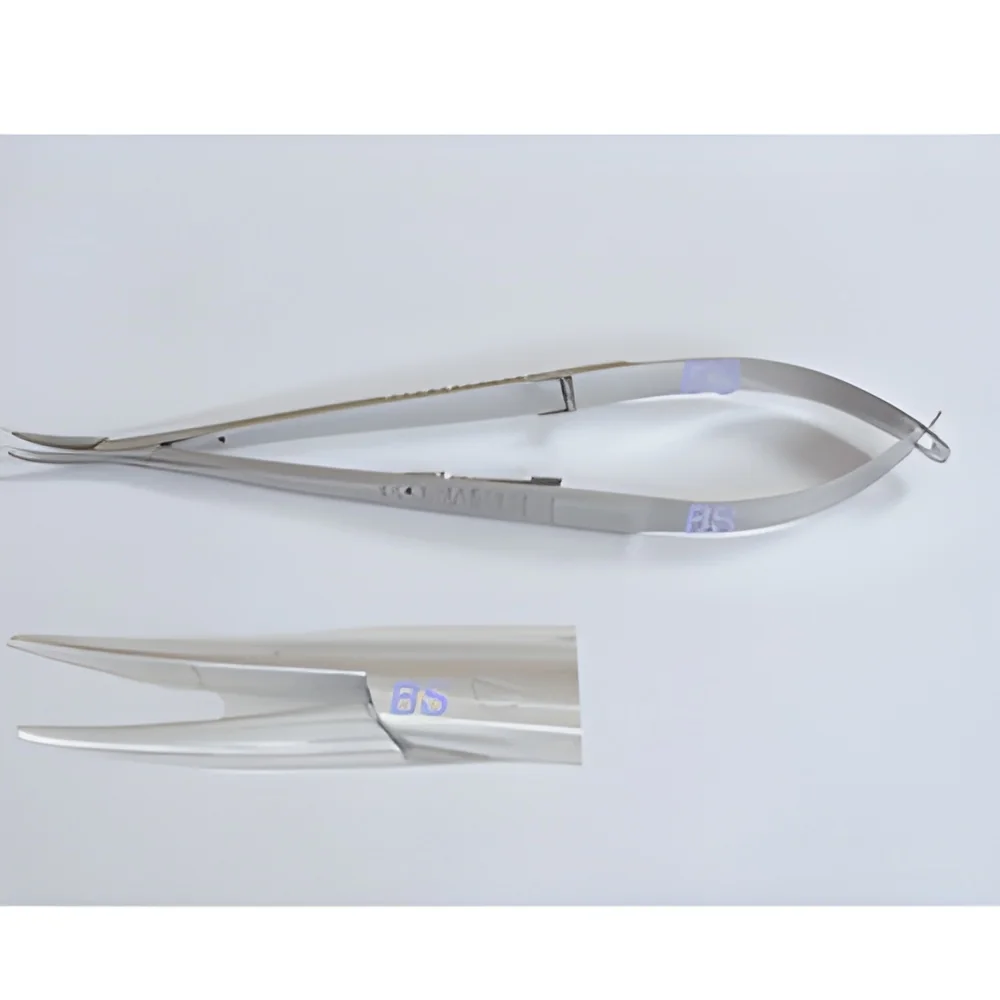
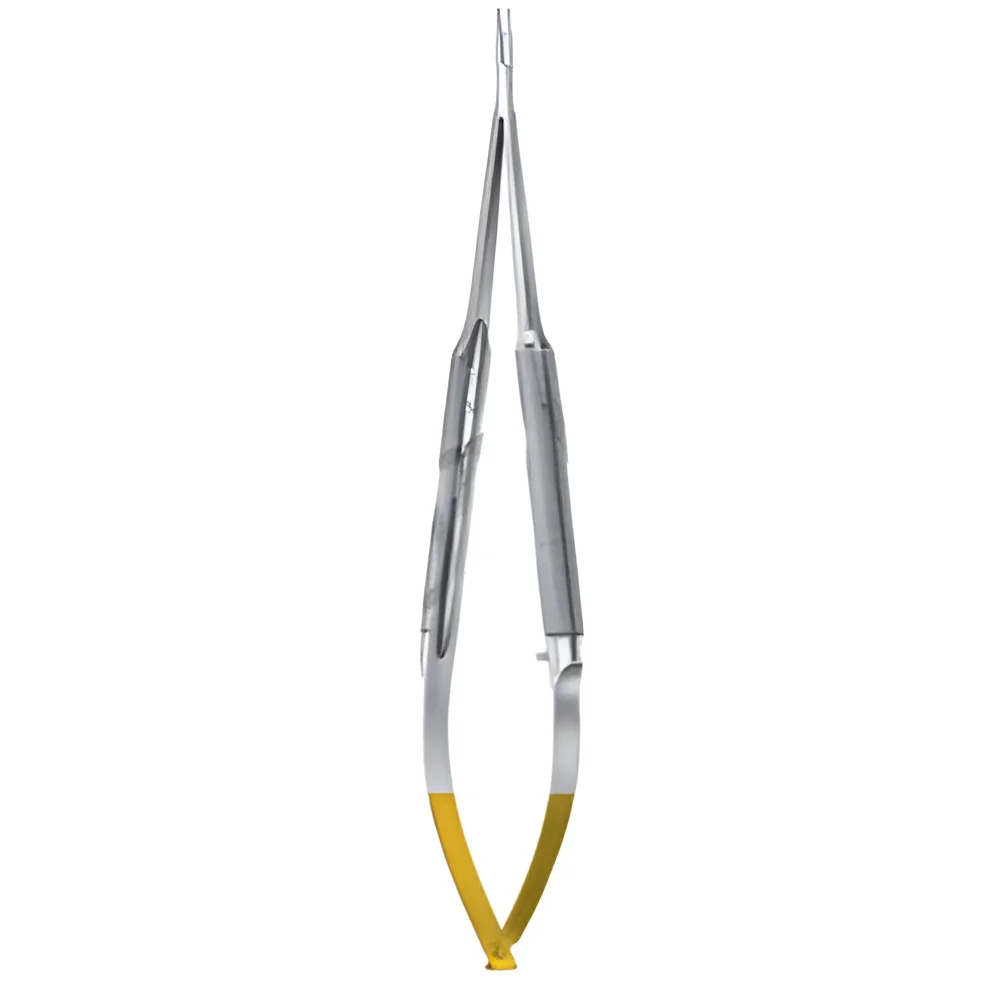
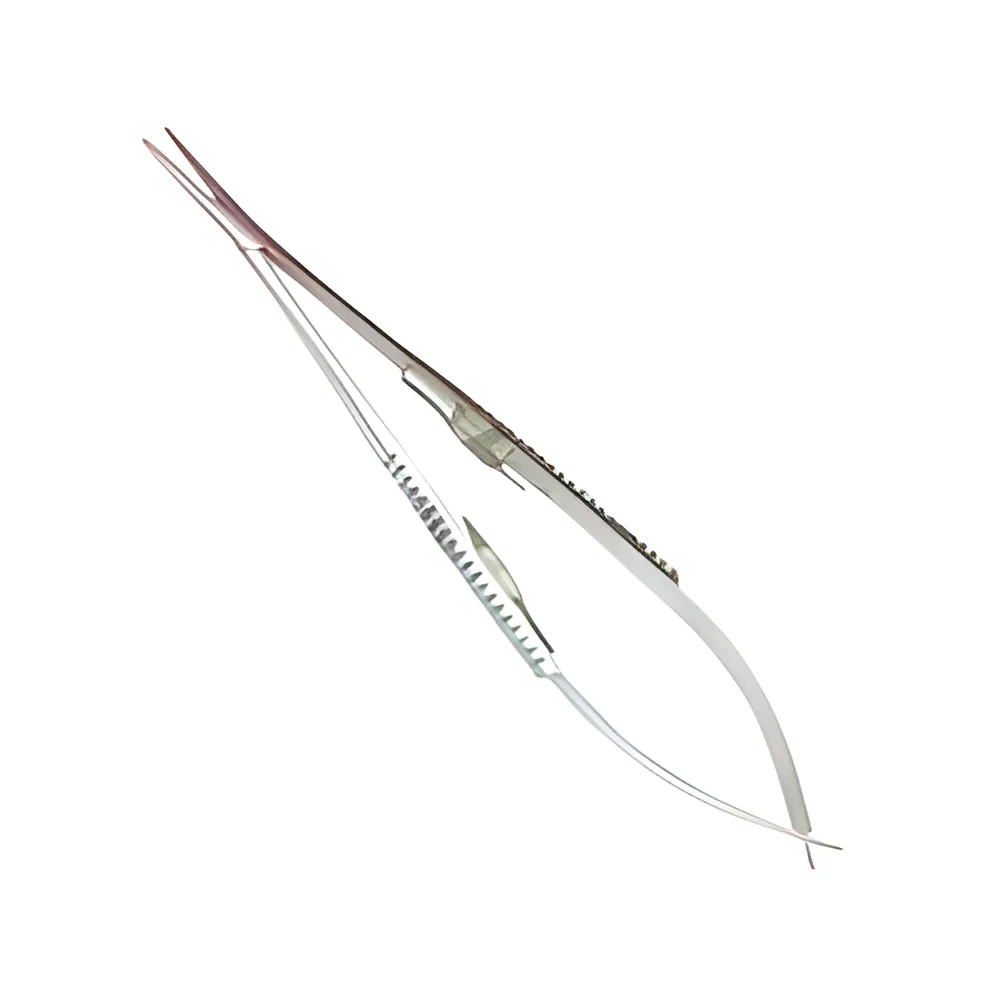
Ideal for delicate procedures, the micro needle holder is smaller and designed for precision tasks, such as suturing in minimally invasive surgeries or detailed crafting work.
Heavy-Duty Needle Holder
Constructed for tougher materials, the heavy-duty variant is used in industries like upholstery and automotive repair. It offers enhanced grip and durability for handling thicker needles and fabrics.
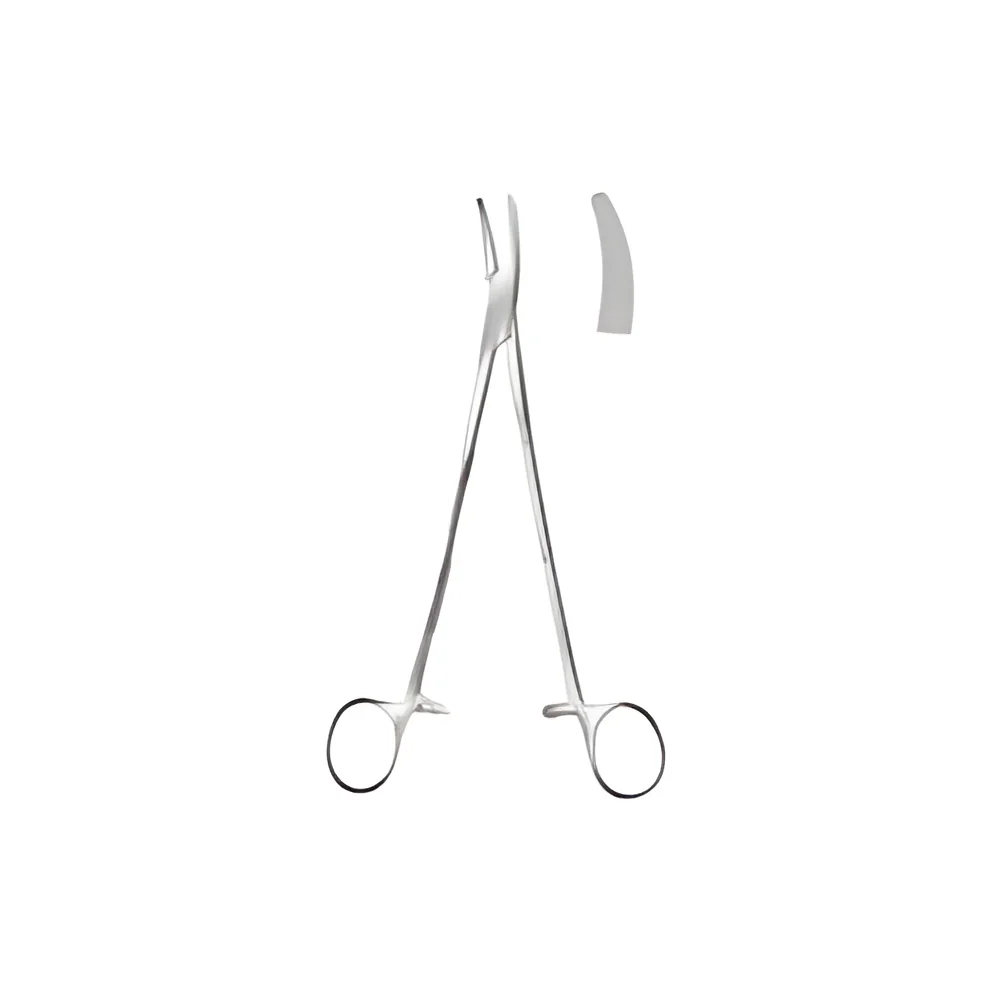
Curved Needle Holder
This specialized variant is designed for use in applications where access to tight spaces is required, such as certain surgical procedures or intricate sewing projects.
Benefits and Advantages
Choosing the right needle holder provides several advantages that enhance productivity and ease of use.
1. Enhanced Precision: Needle holders allow for better control over needle placement, which is vital in surgical and crafting applications.
2. Reduced Hand Fatigue: Ergonomically designed handles minimize strain on the hands during prolonged use, improving user comfort.
3. Secure Grip: The locking mechanism ensures that needles remain securely held, preventing slippage and enhancing safety during procedures.
4. Versatility: Needle holders can be used across various industries, making them adaptable tools for different tasks and applications.
5. Easy Maintenance: Made from durable materials like stainless steel, these tools are simple to clean and sterilize, ensuring compliance with hygiene standards.
6. Increased Efficiency: With their design tailored for specific applications, needle holders enhance workflow and productivity in professional settings.
Buying Guide for B2B Buyers
When sourcing needle holders for business use, it is essential to consider several factors to ensure you make informed purchasing decisions.
1. Quality Assessment: Evaluate the material and construction of needle holders. Look for stainless steel options that offer durability and resistance to corrosion.
2. Supplier Verification: Vet potential suppliers to ensure they provide high-quality products and reliable service. Check for reviews, certifications, and industry reputation.
3. Pricing and MOQ: Understand the pricing structure and minimum order quantities required by suppliers. Compare costs to find the best value while meeting your business needs.
4. Delivery and Lead Times: Inquire about delivery schedules and lead times to ensure timely access to needle holders. This is crucial for maintaining production schedules.
5. Compliance Requirements: Ensure that the needle holders meet any relevant regulatory standards for your industry, such as safety certifications and quality benchmarks.
Compliance and Certifications
Needle holders must adhere to various compliance standards to ensure safety and effectiveness in their intended applications. Key quality standards include ISO 9001, which focuses on quality management systems, and CE certification, indicating compliance with European health, safety, and environmental protection standards.
In addition to these certifications, manufacturers often implement safety and testing requirements to guarantee product reliability. These may involve rigorous testing for durability and performance under various conditions.
Regional compliance considerations can also play a significant role in sourcing needle holders. It is important to understand the specific regulations that apply in different markets, ensuring that products meet local standards for safety and quality.
Why Source Needle Holders from Pepagora?
Pepagora provides a trusted platform for sourcing needle holders, offering numerous advantages to B2B buyers.
Verified Supplier Network: Pepagora connects buyers with a network of verified suppliers, ensuring access to high-quality products and services. This verification process helps buyers make informed decisions.
Streamlined RFQ Process: The platform features a user-friendly Request for Quotation (RFQ) system, allowing buyers to easily solicit quotes from multiple suppliers. This efficiency enables better comparison and selection.
Trade Assurance and Support: Pepagora offers trade assurance, providing buyers with protection during transactions. This support enhances confidence in sourcing decisions.
Regional Coverage: With a strong presence in regions like India, the GCC, and Southeast Asia, Pepagora facilitates access to a wide range of suppliers and products, catering to diverse market needs.
By choosing Pepagora, businesses can enhance their sourcing experience for needle holders and ensure they obtain the right tools for their specific applications.

 IN
IN