
 IN
INGynecology & Obstetrics Instruments
58 products available
What are Gynecology & Obstetrics Instruments?
Key Features and Specifications
Common Applications and Use Cases
Product Variants and Subcategories
Benefits and Advantages
Buying Guide for B2B Buyers
Compliance and Certifications
Why Source Gynecology & Obstetrics Instruments from Pepagora?








Frequently Asked Questions
What are Gynecology & Obstetrics Instruments?
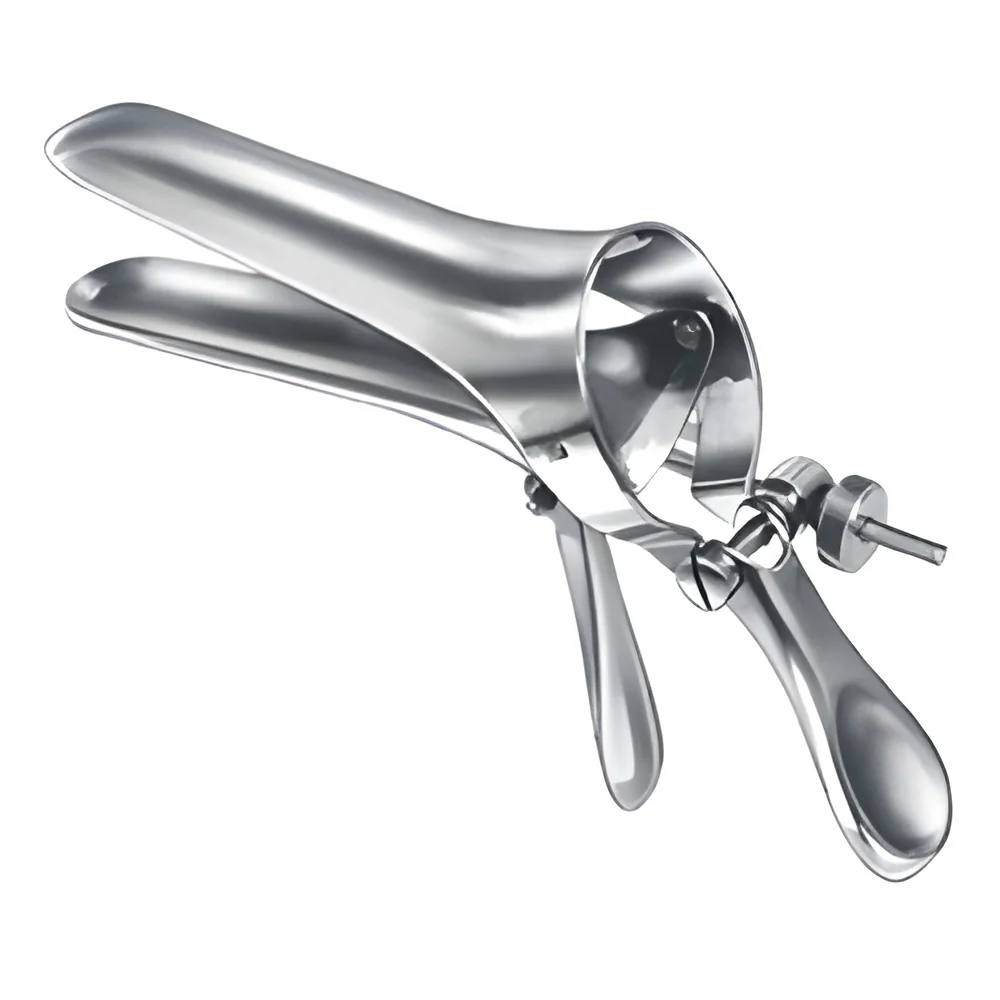
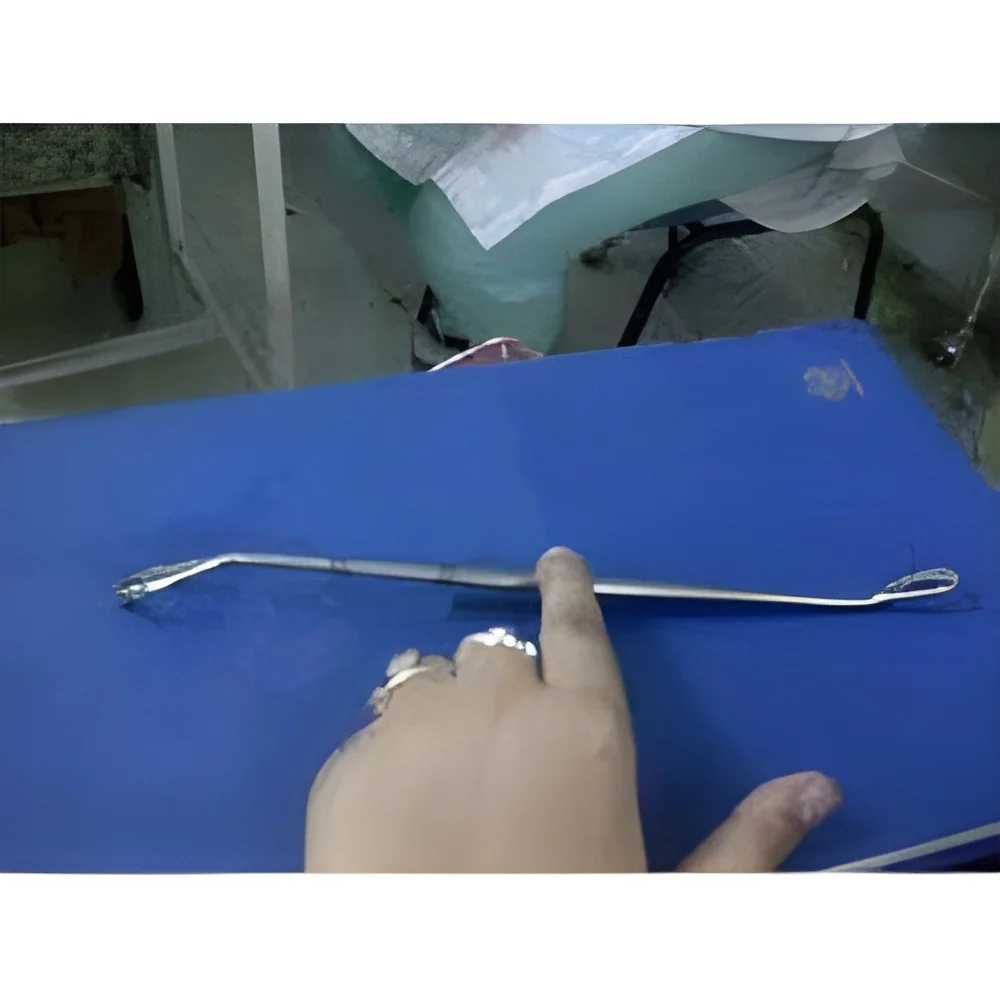
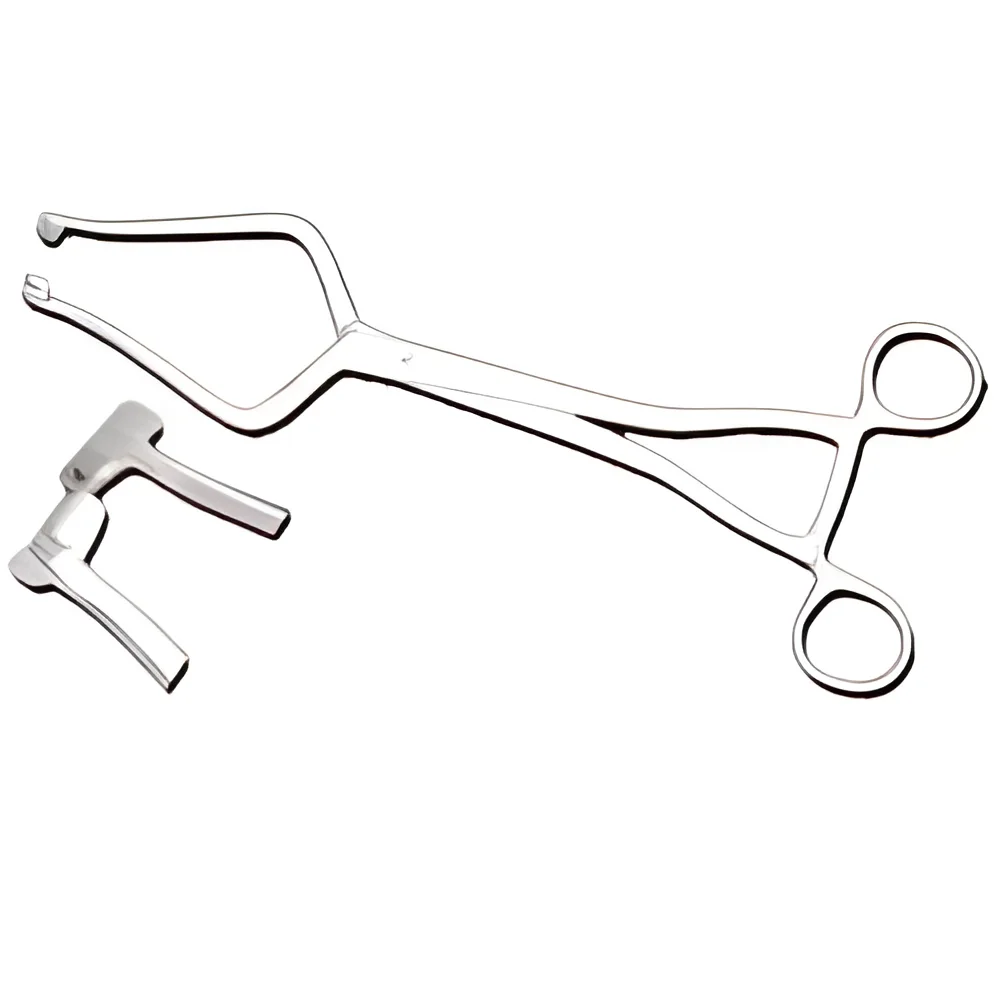
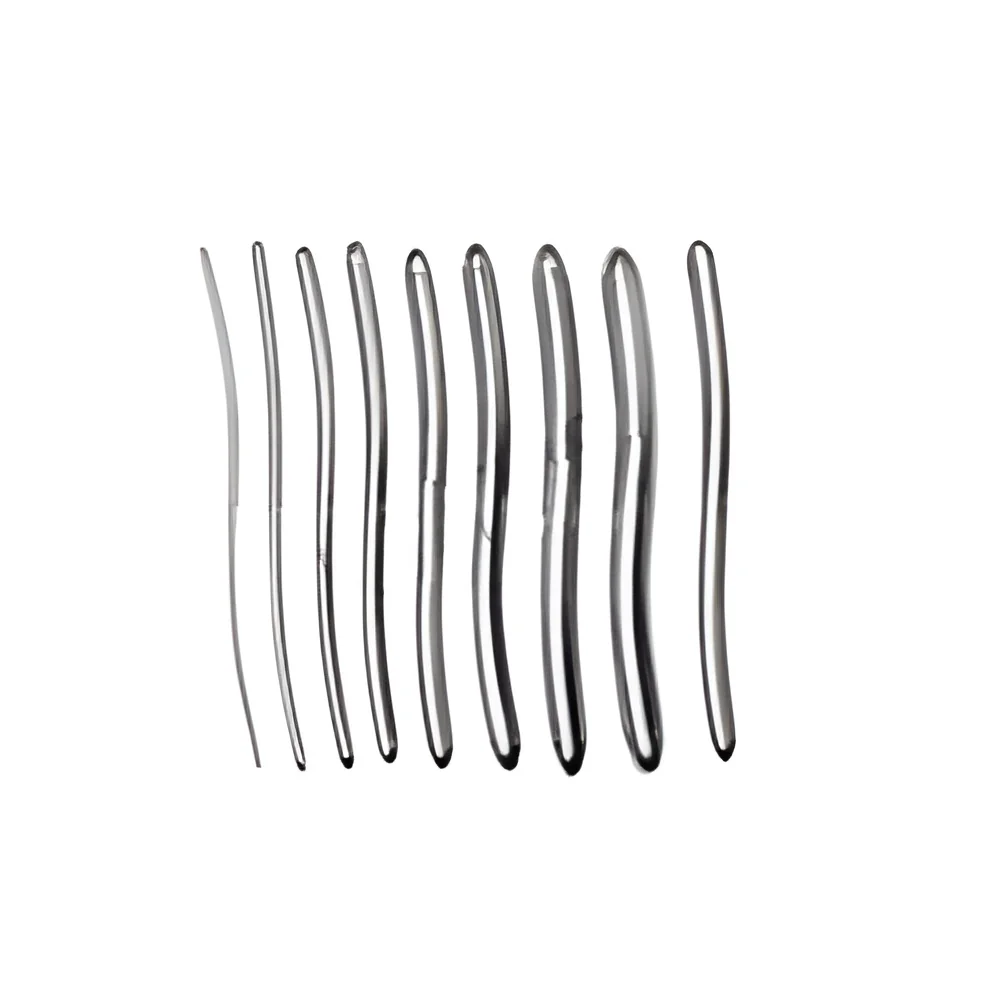
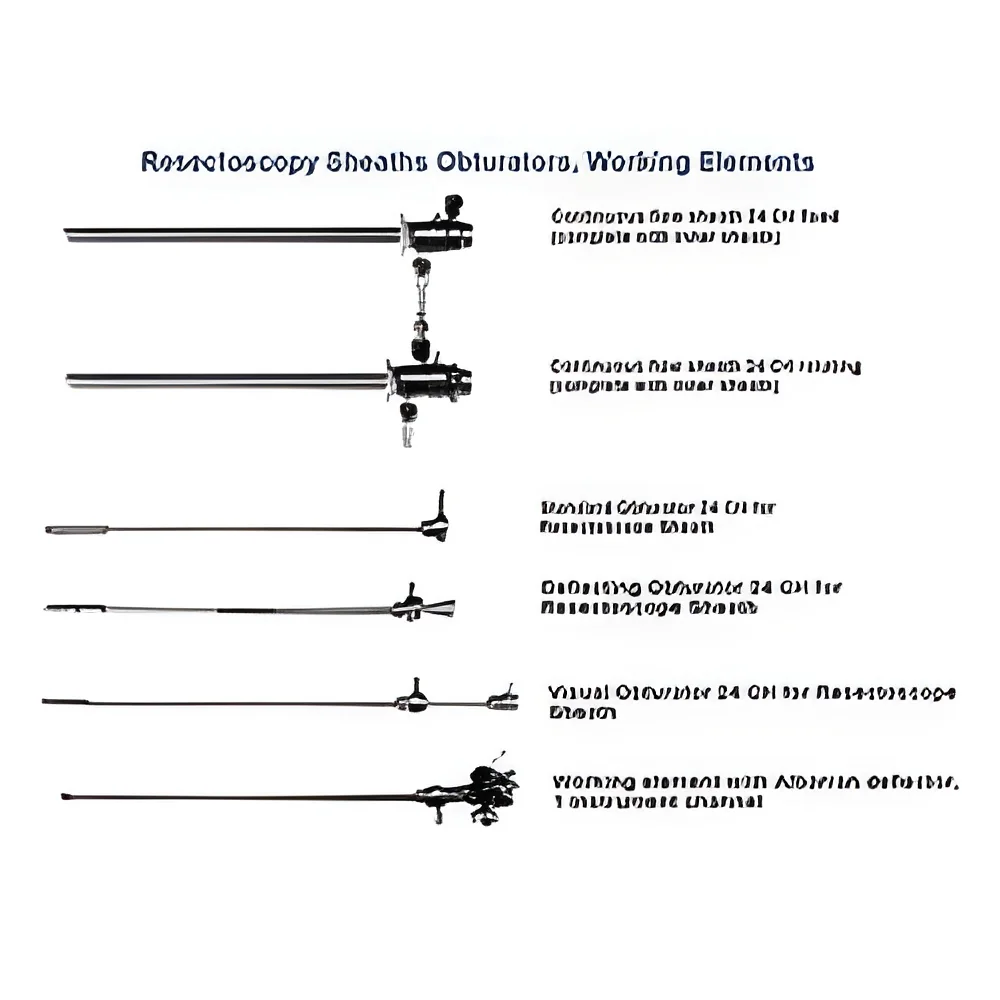
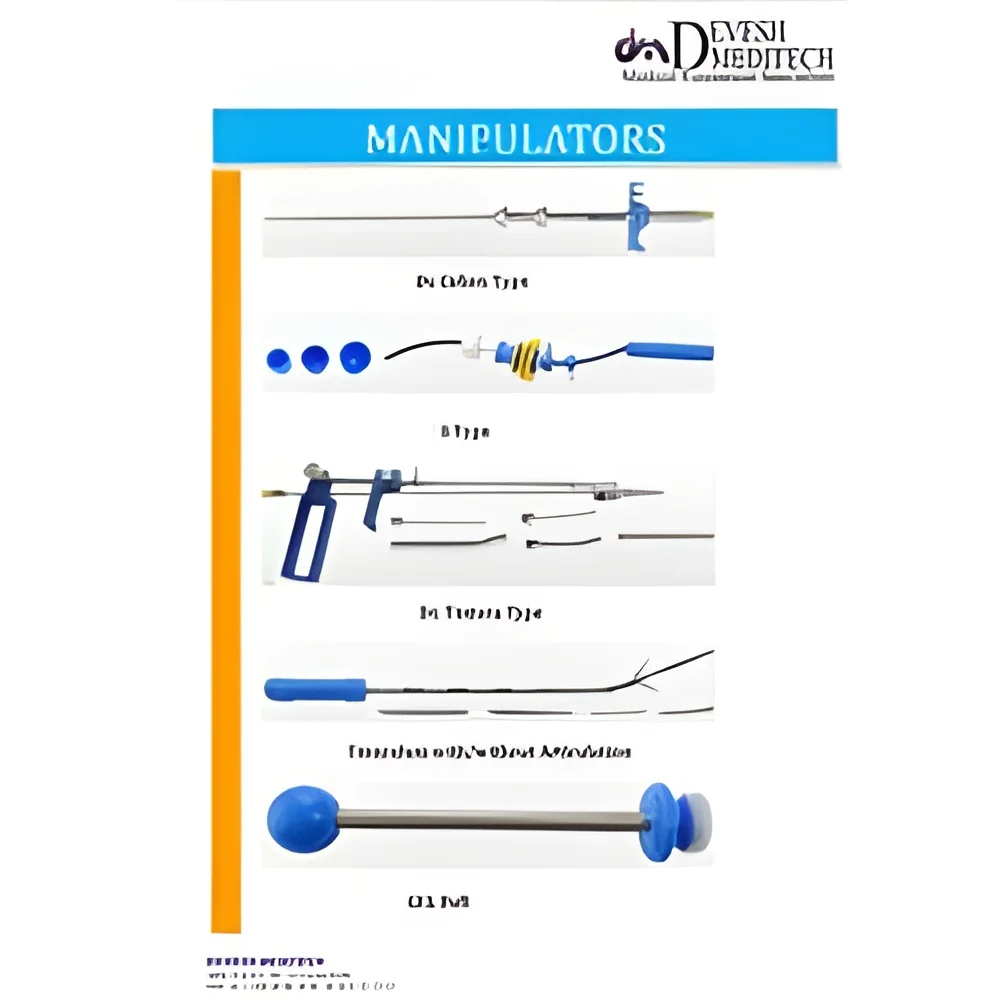
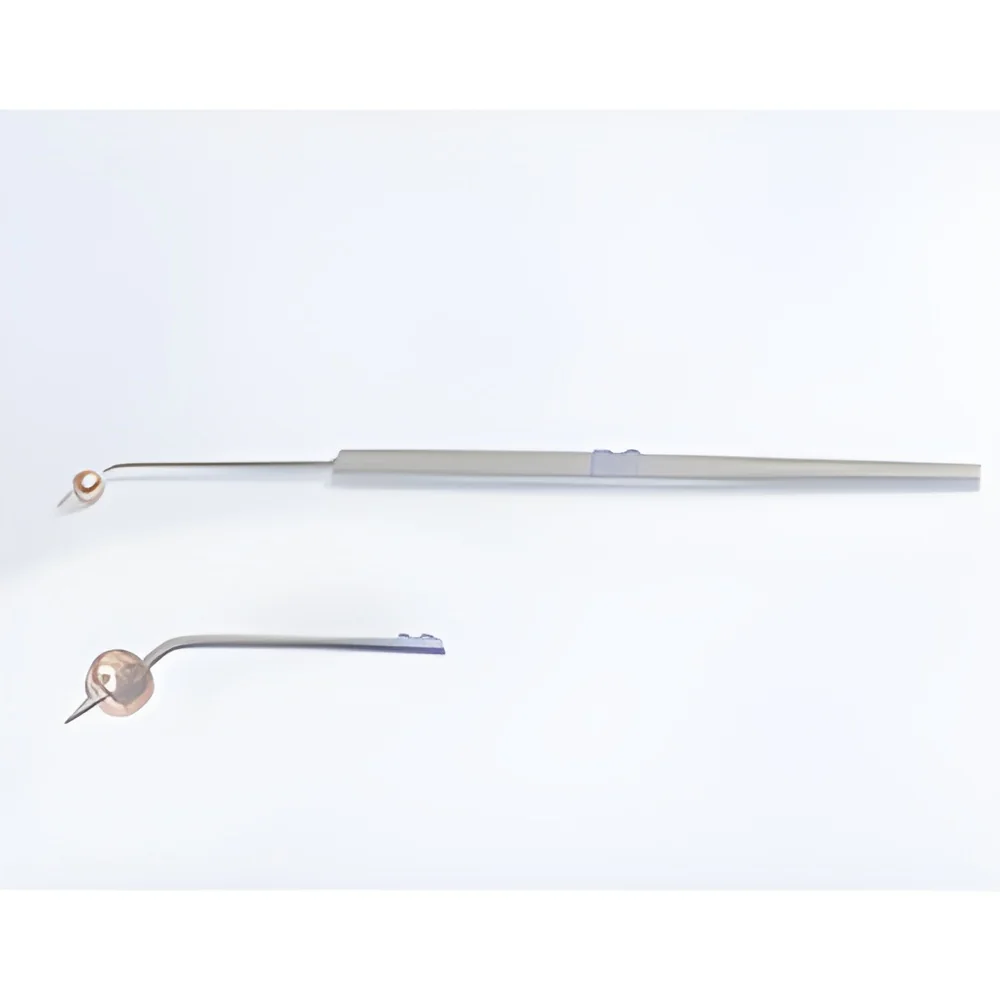
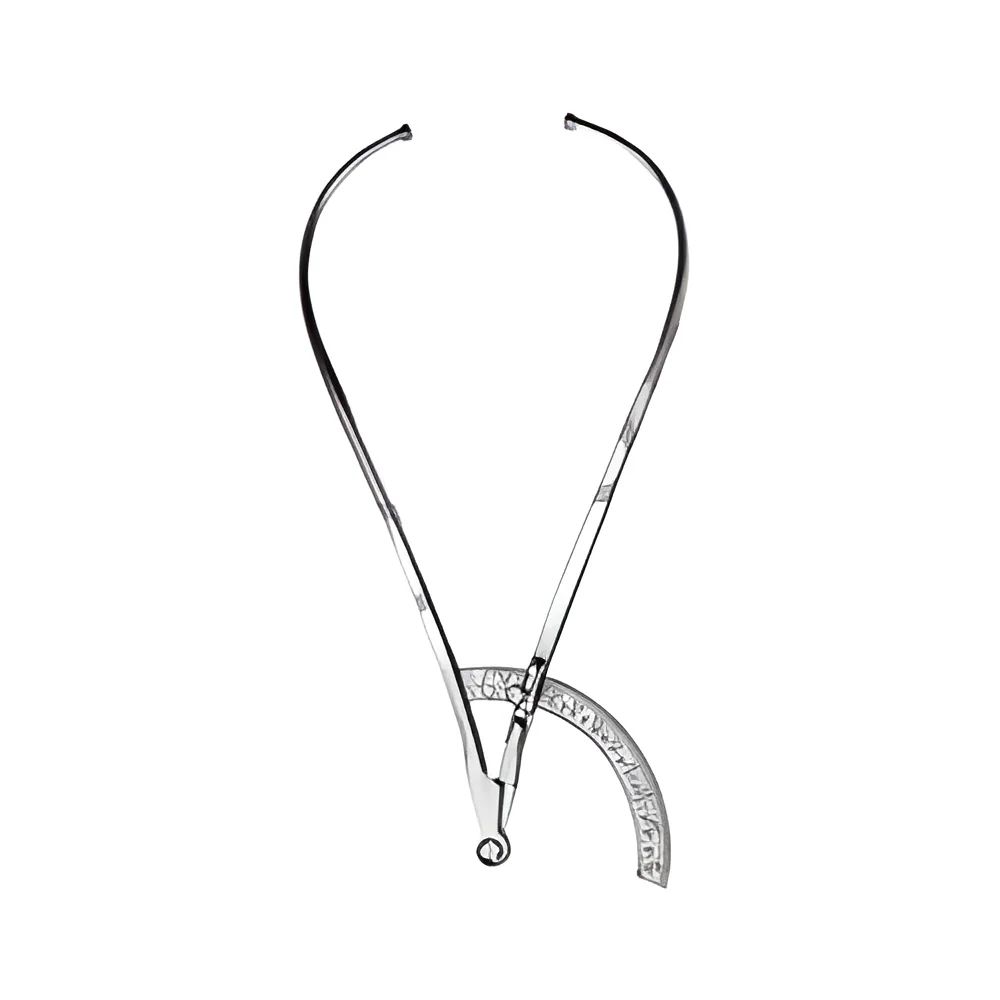
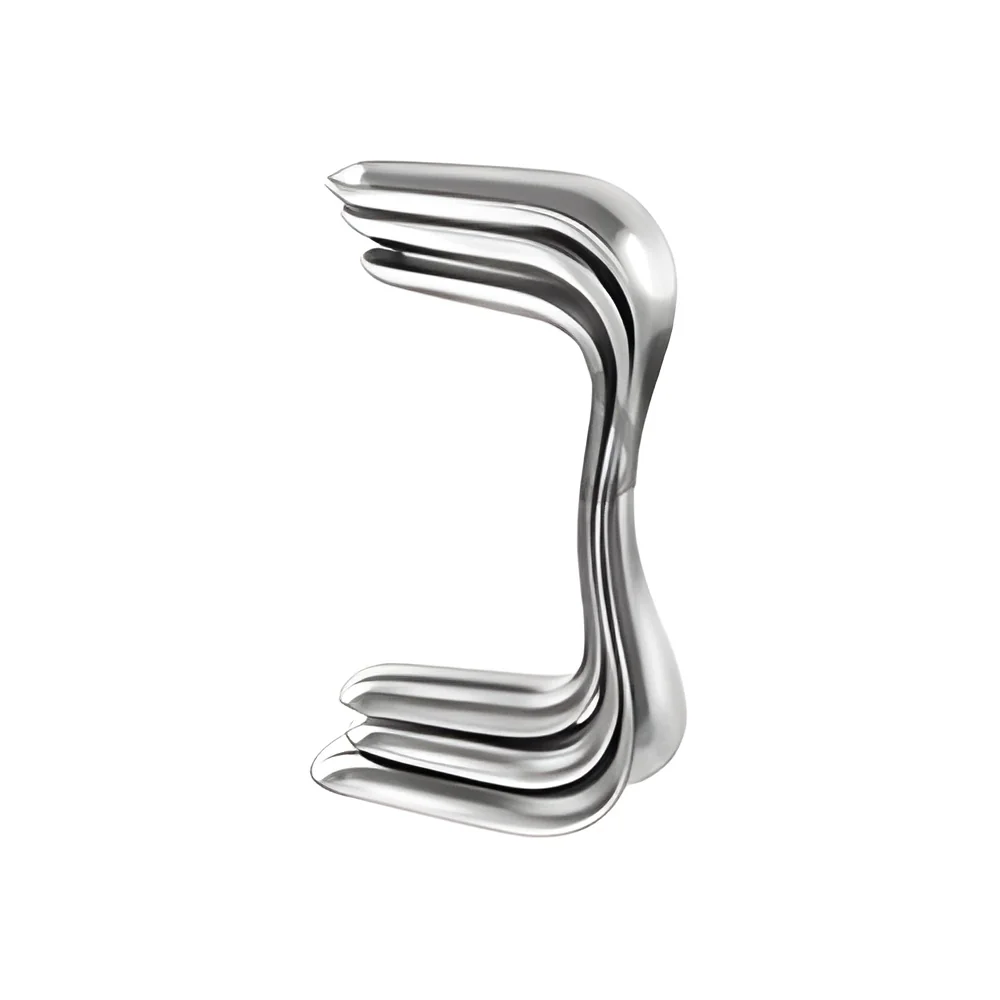
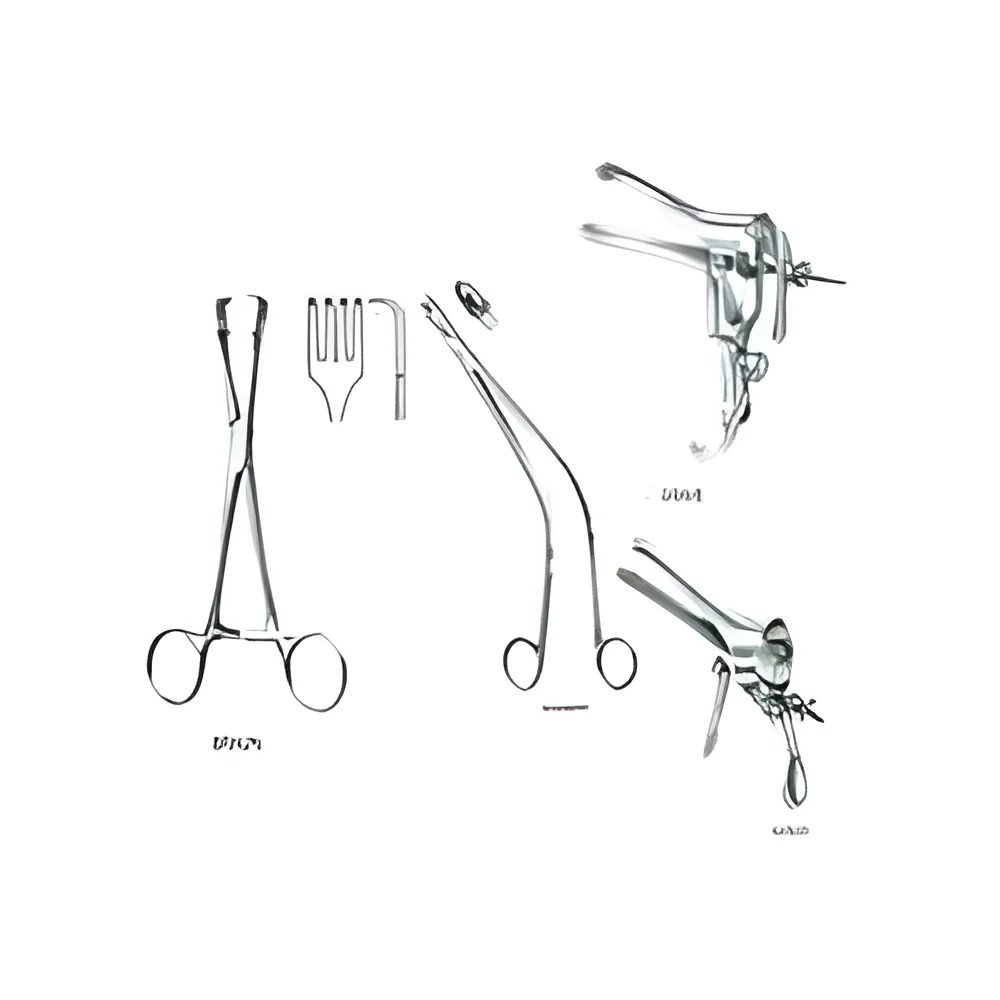
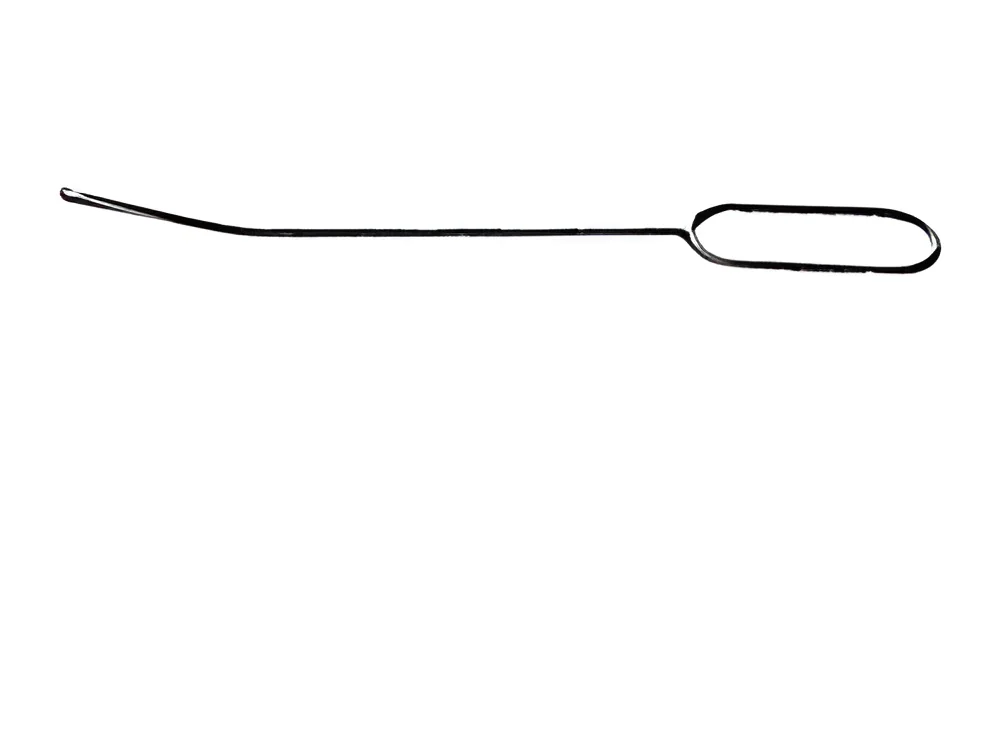
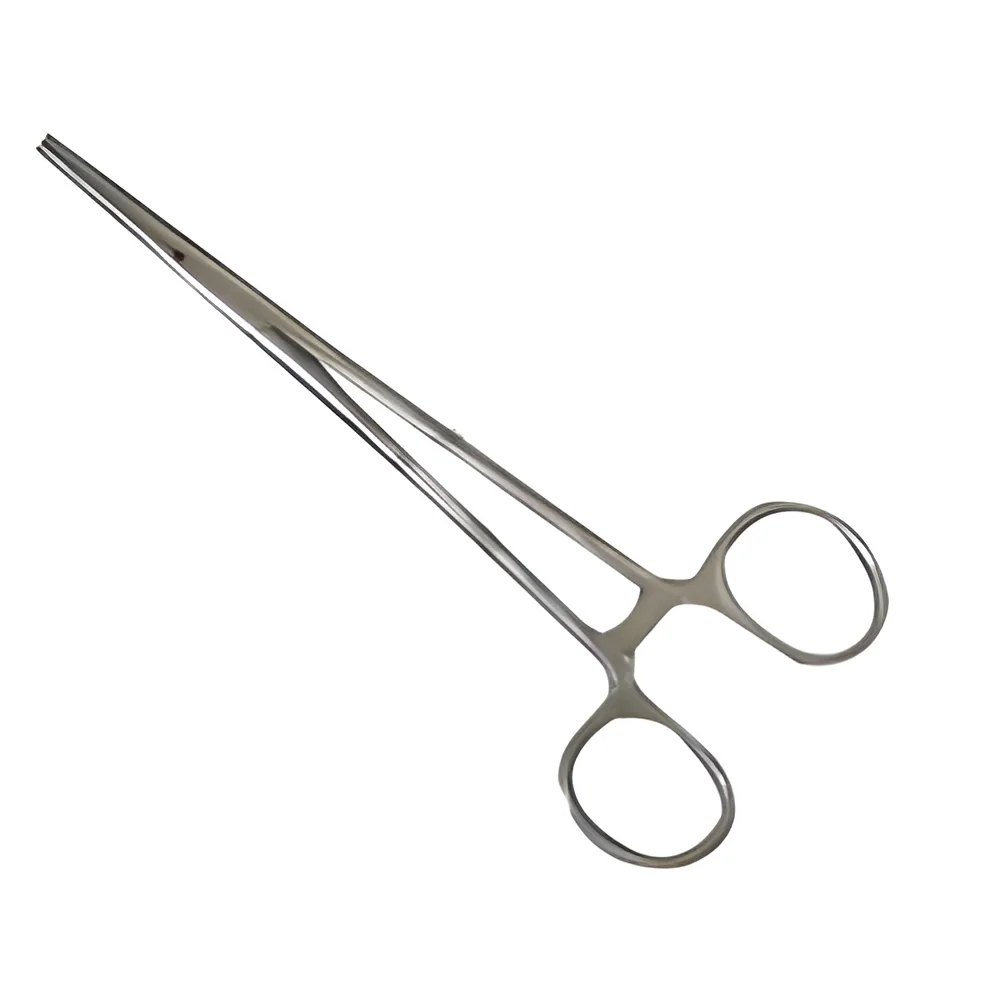
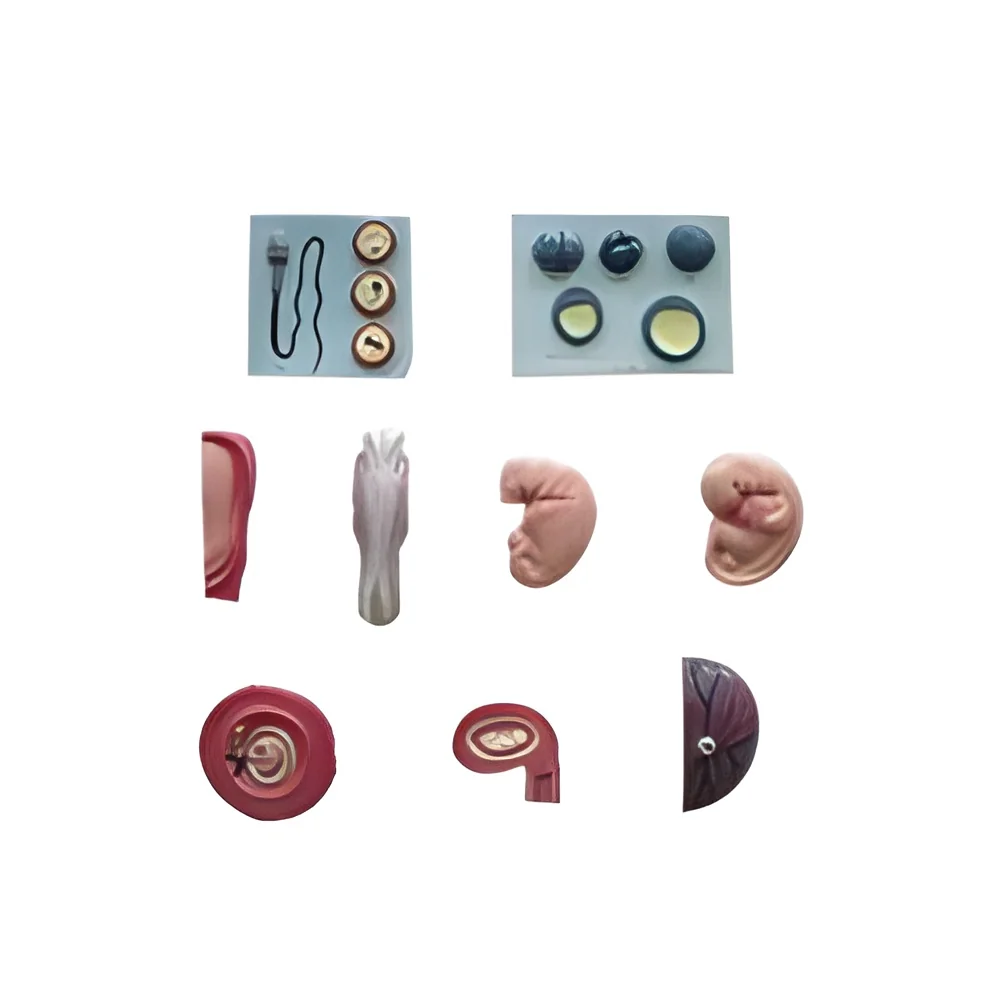
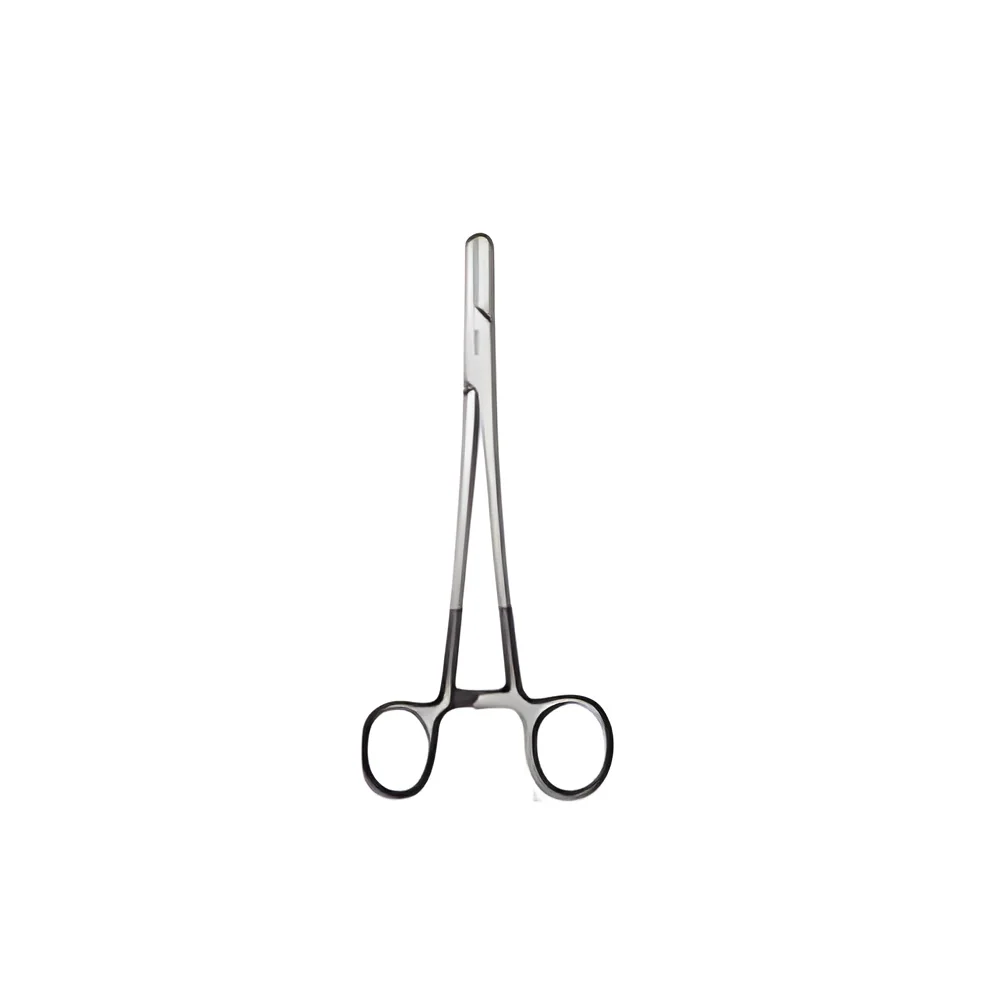
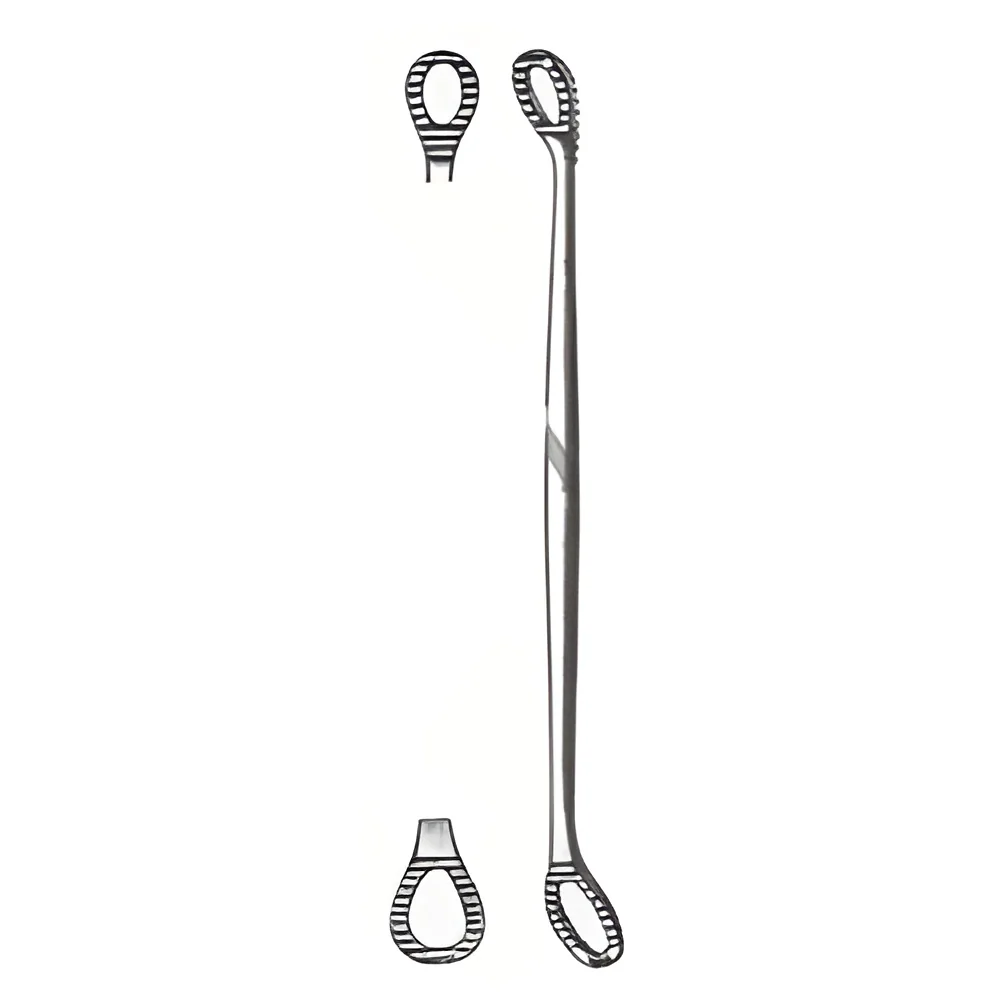
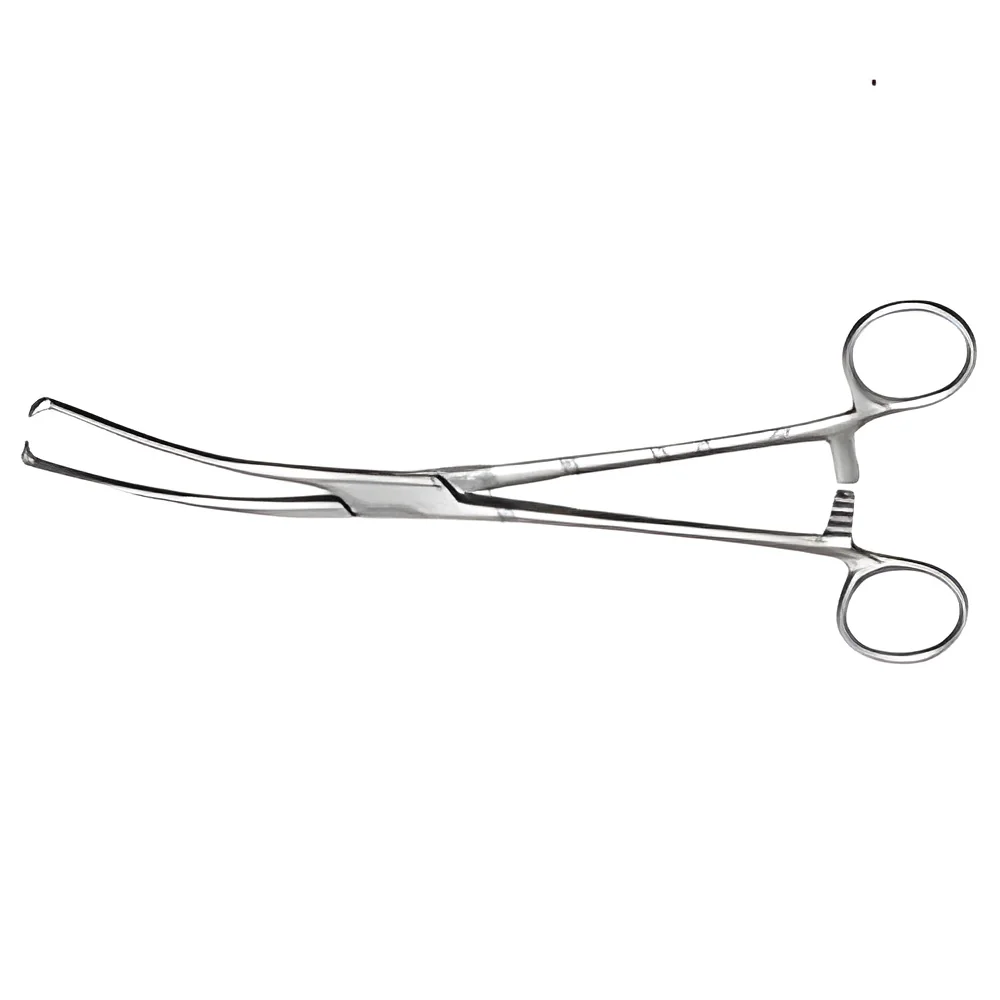
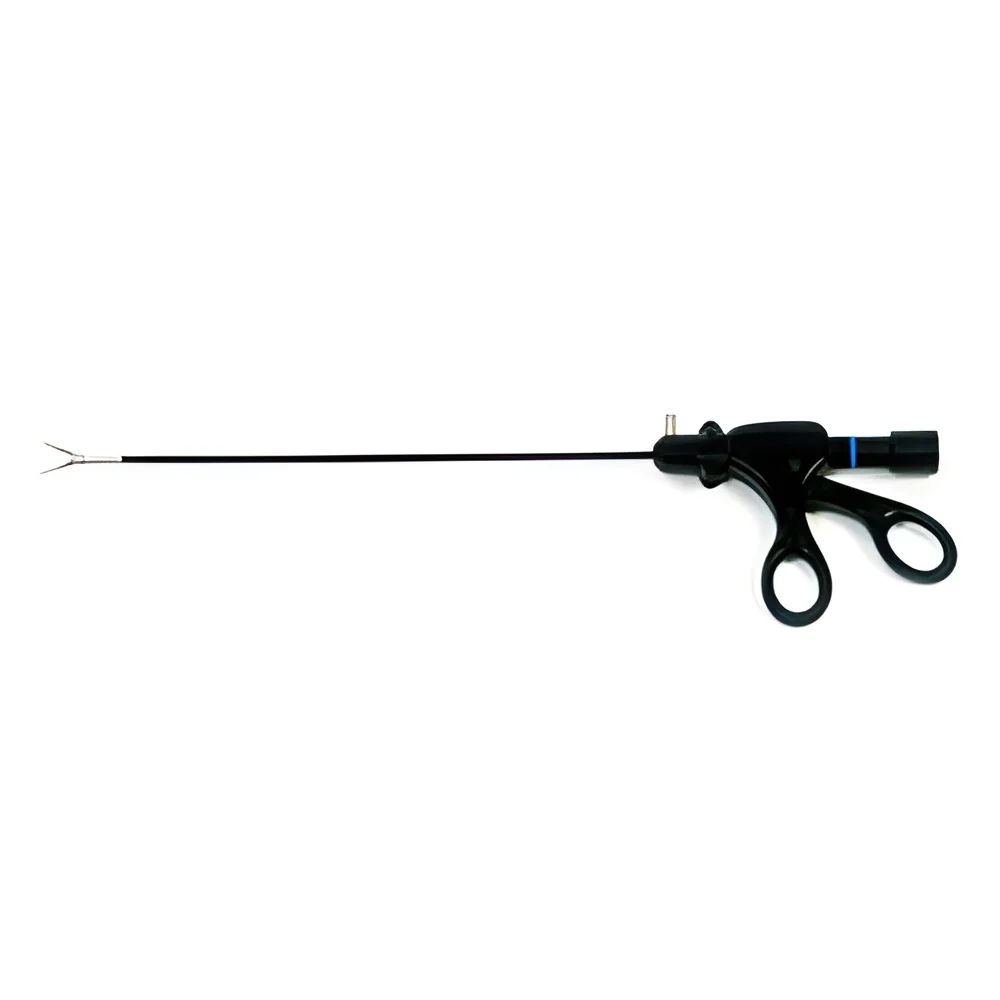
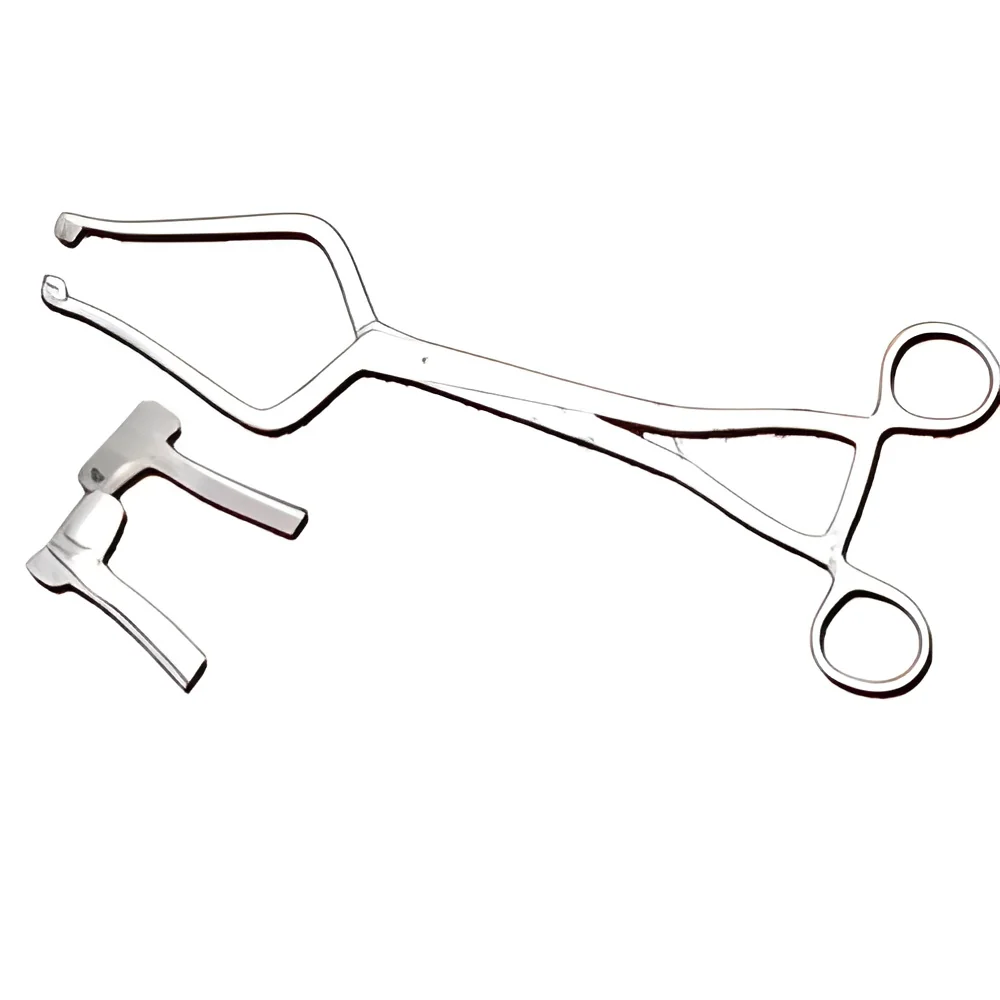
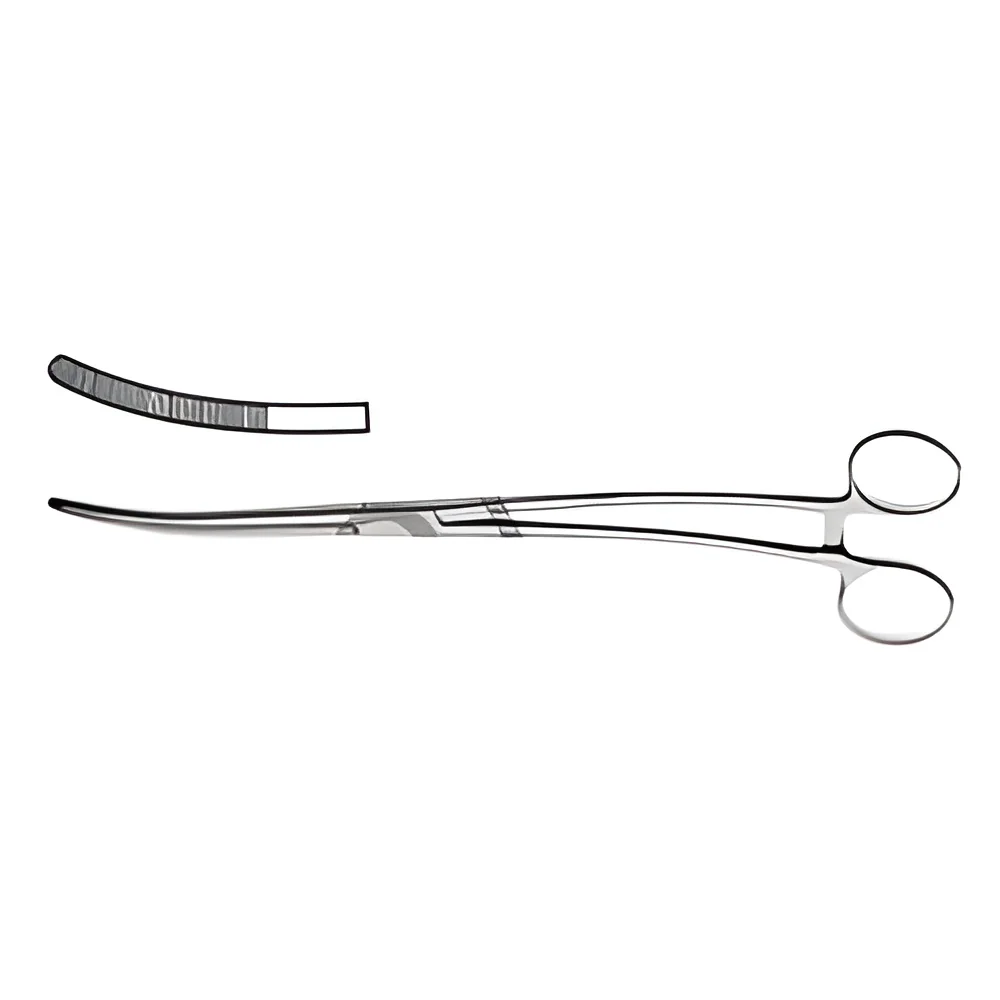
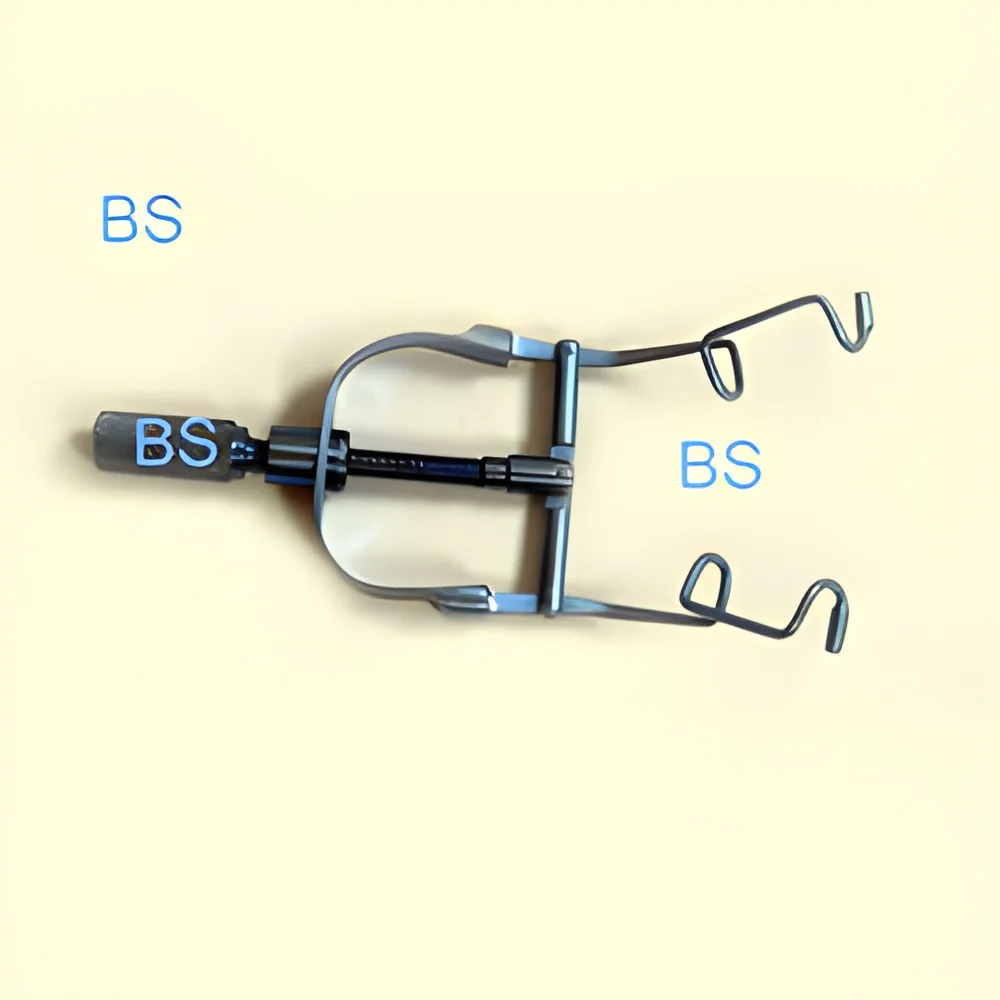
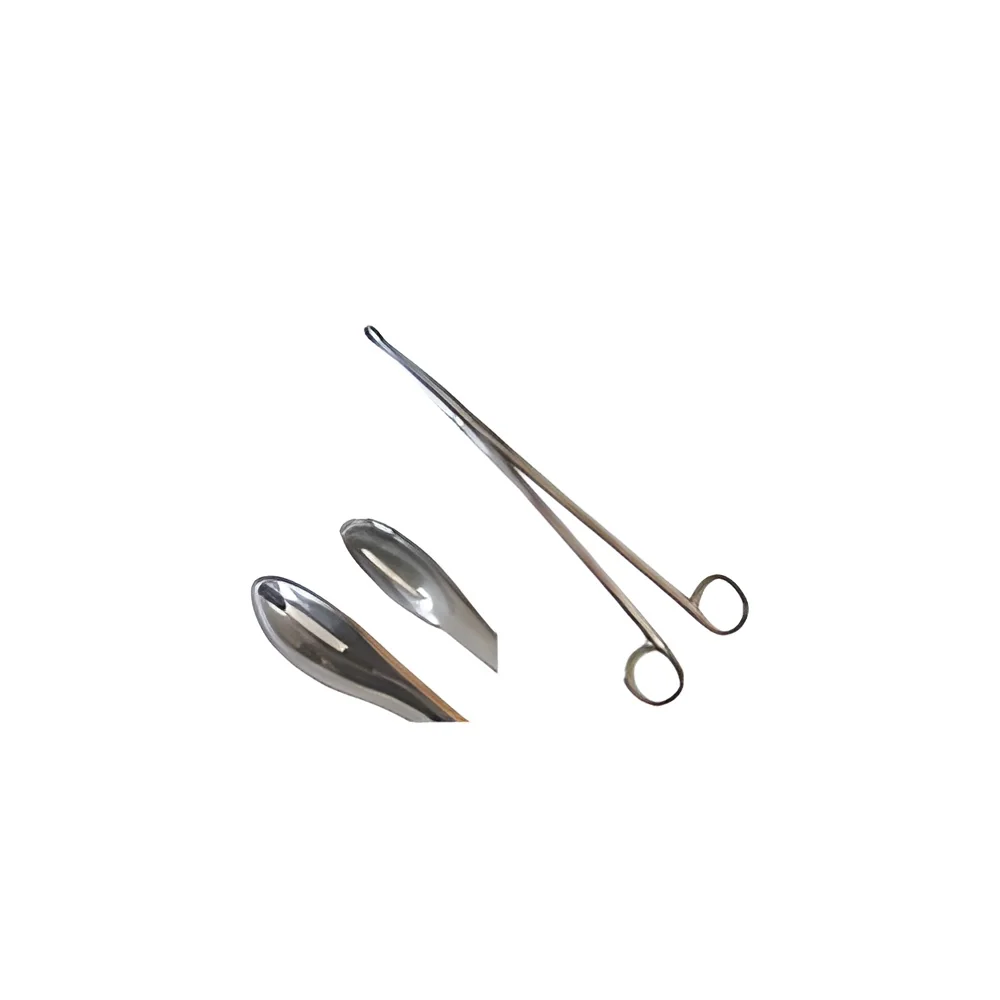
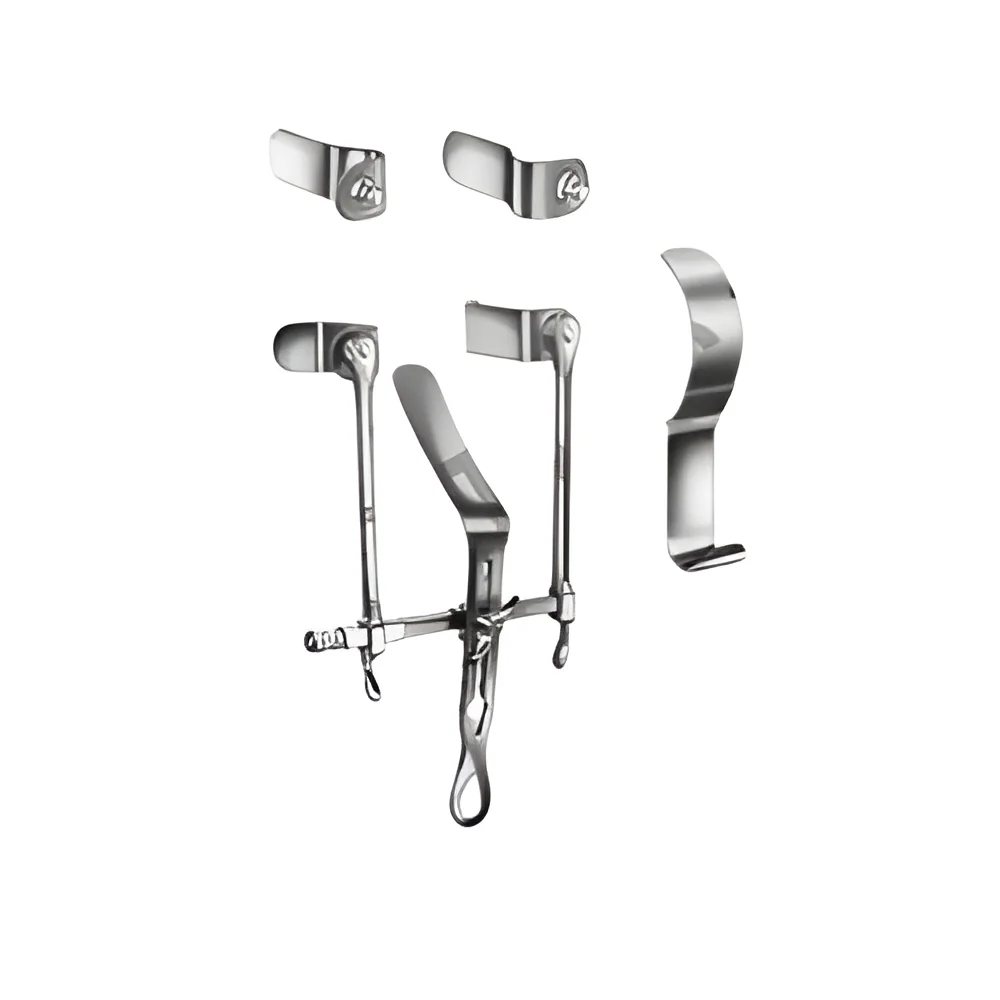
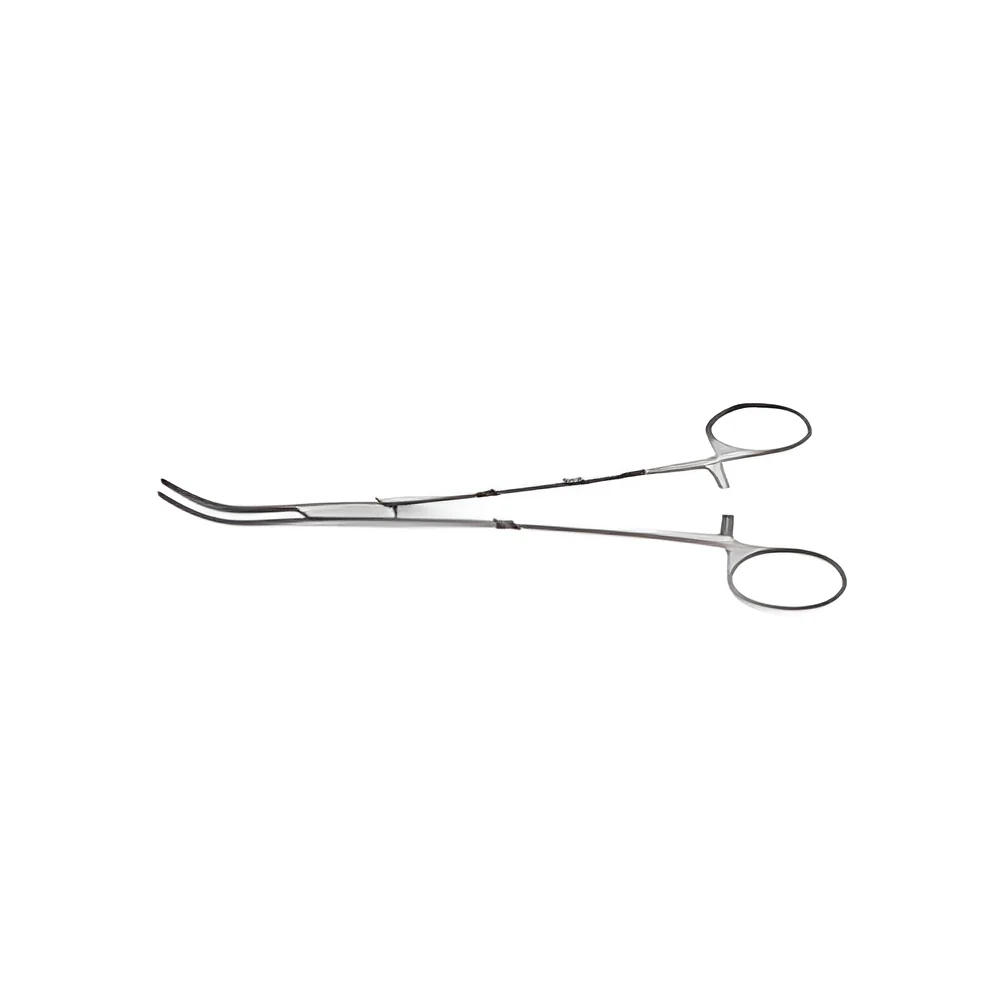
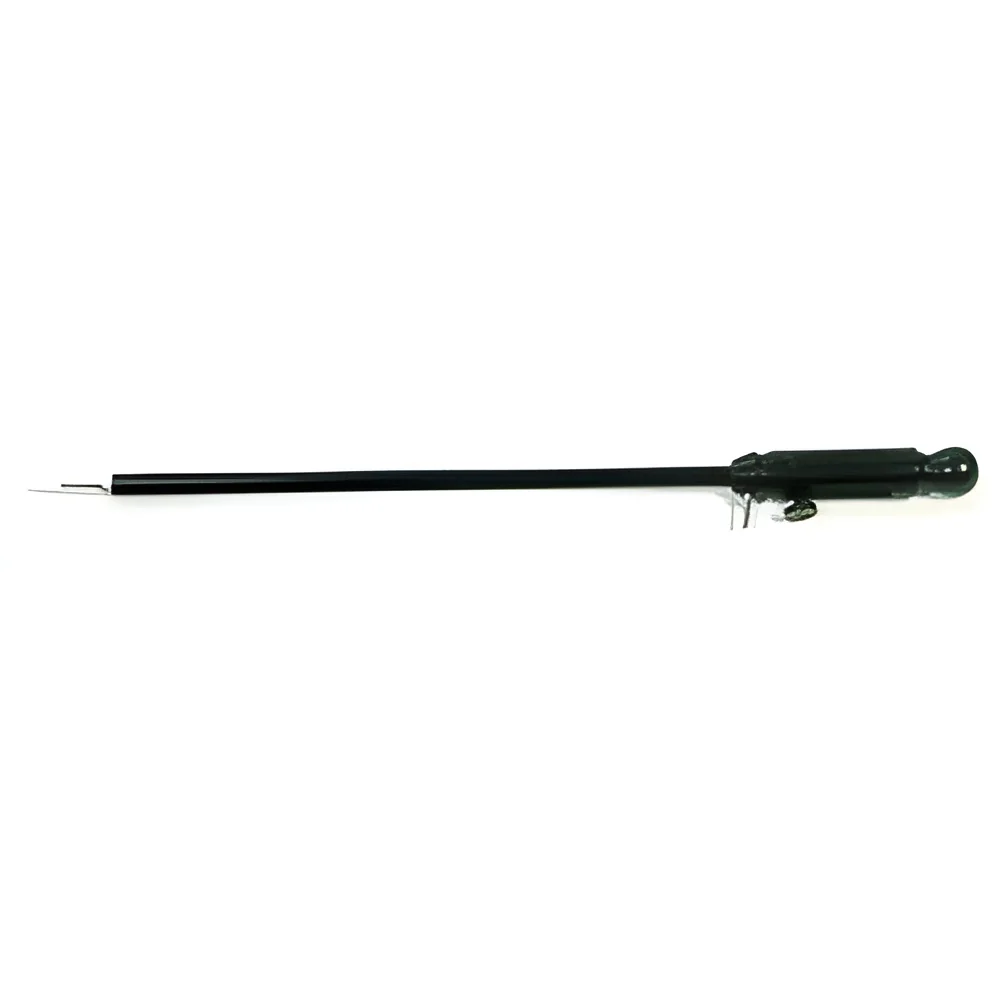
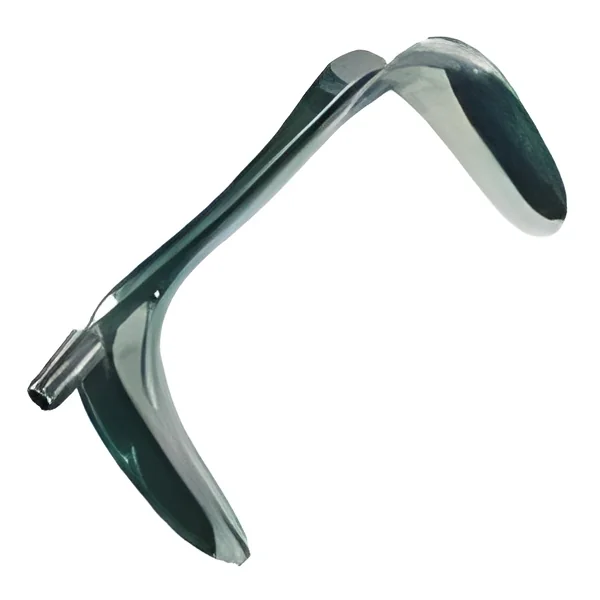
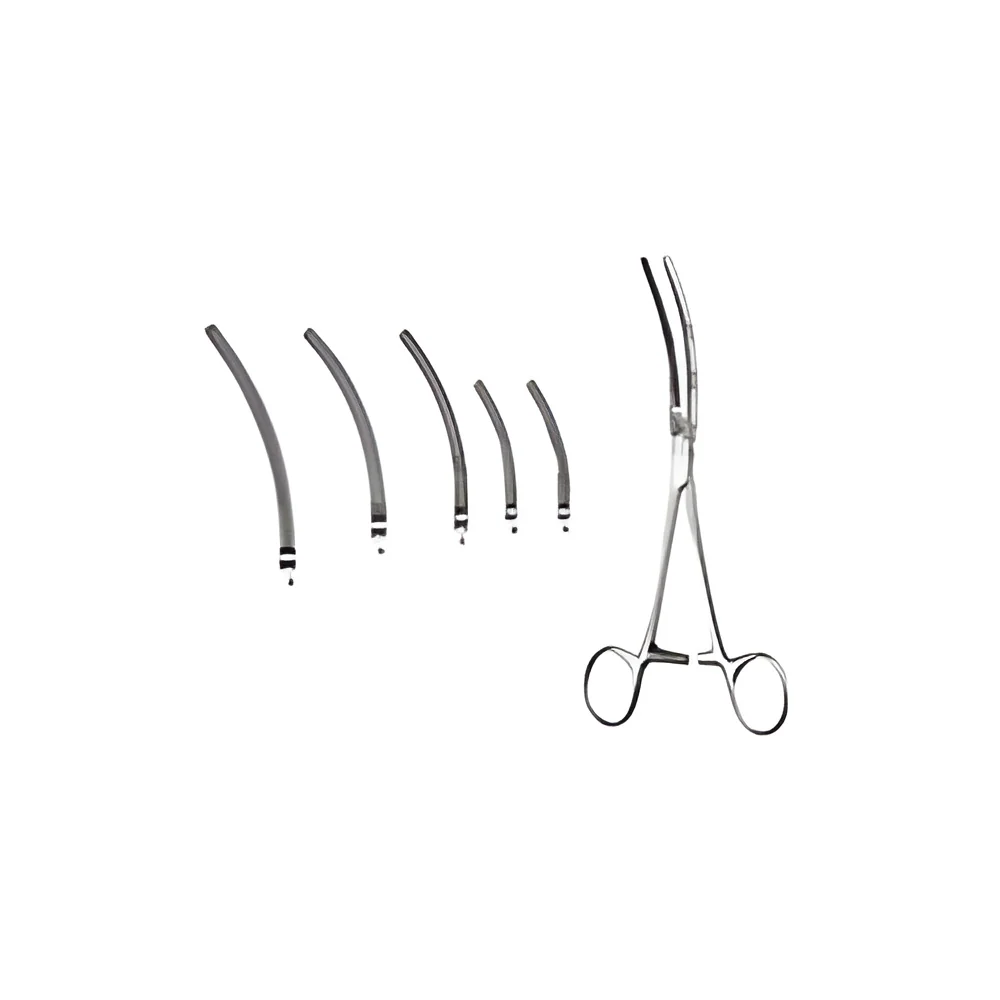
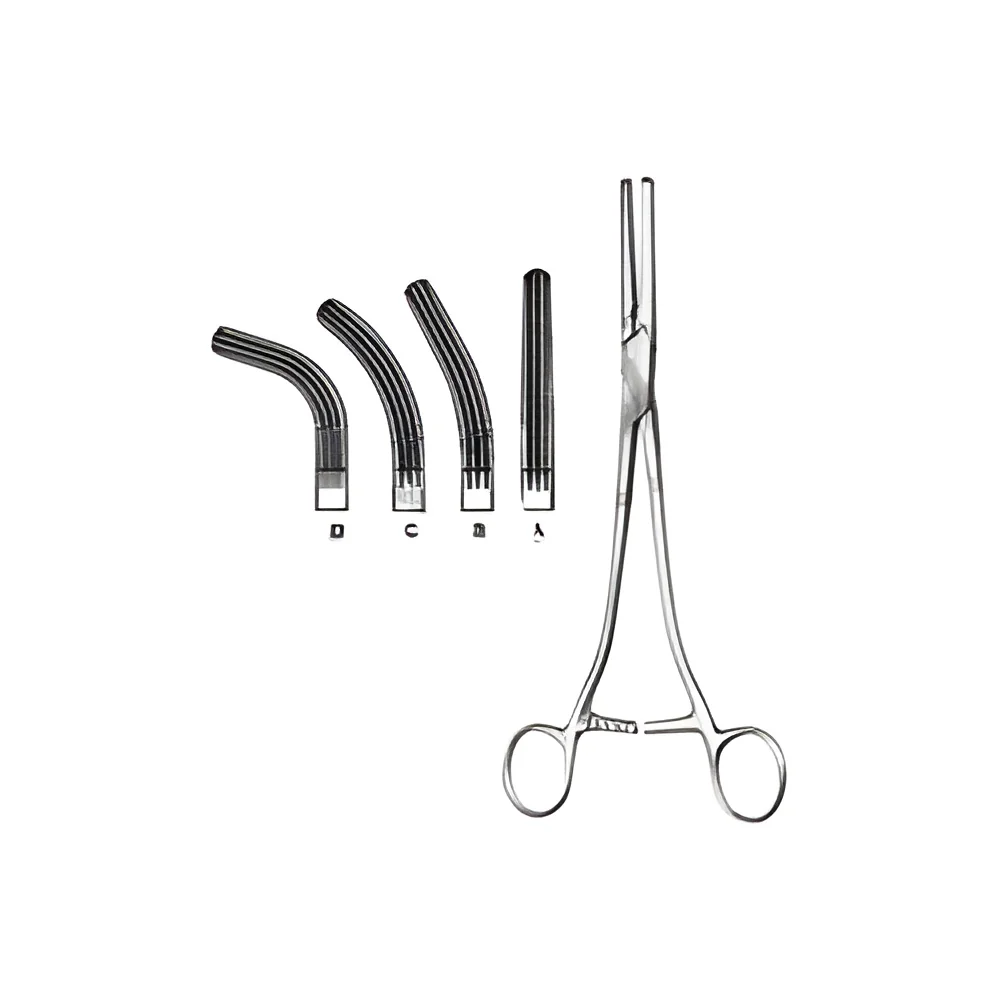
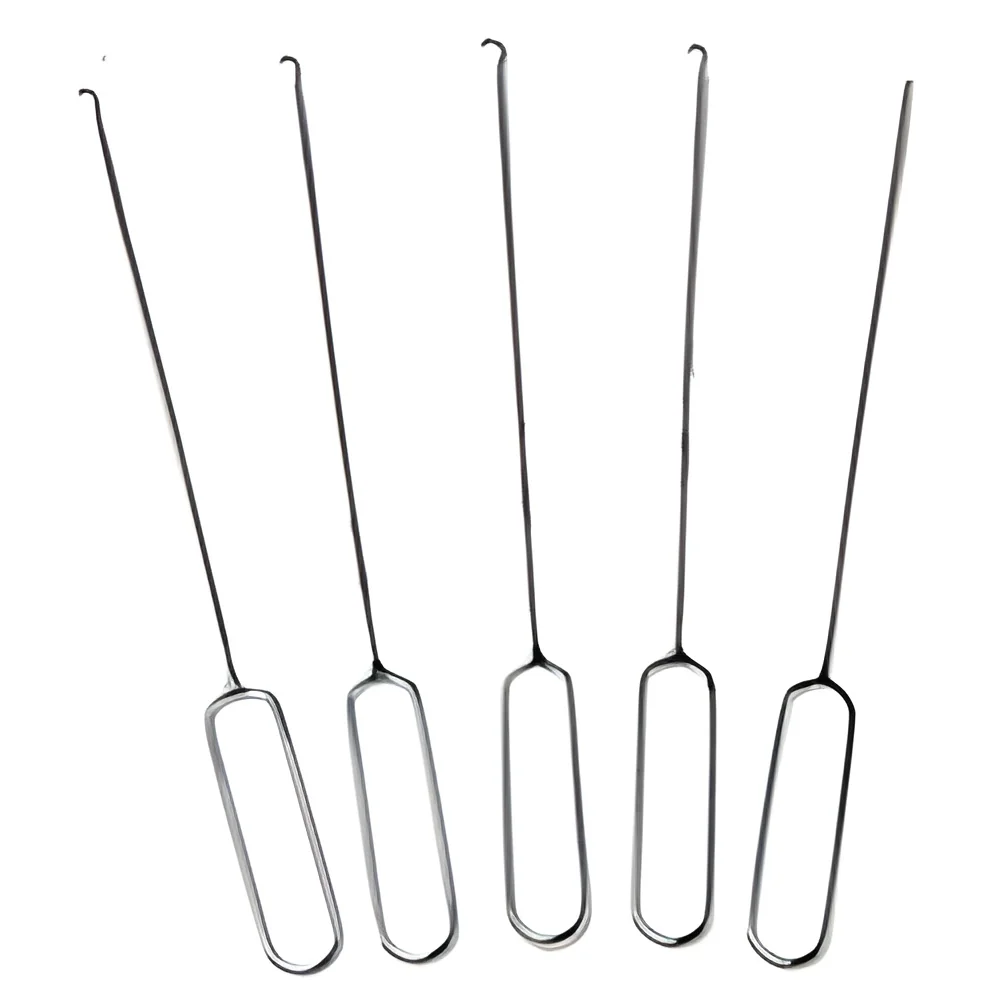
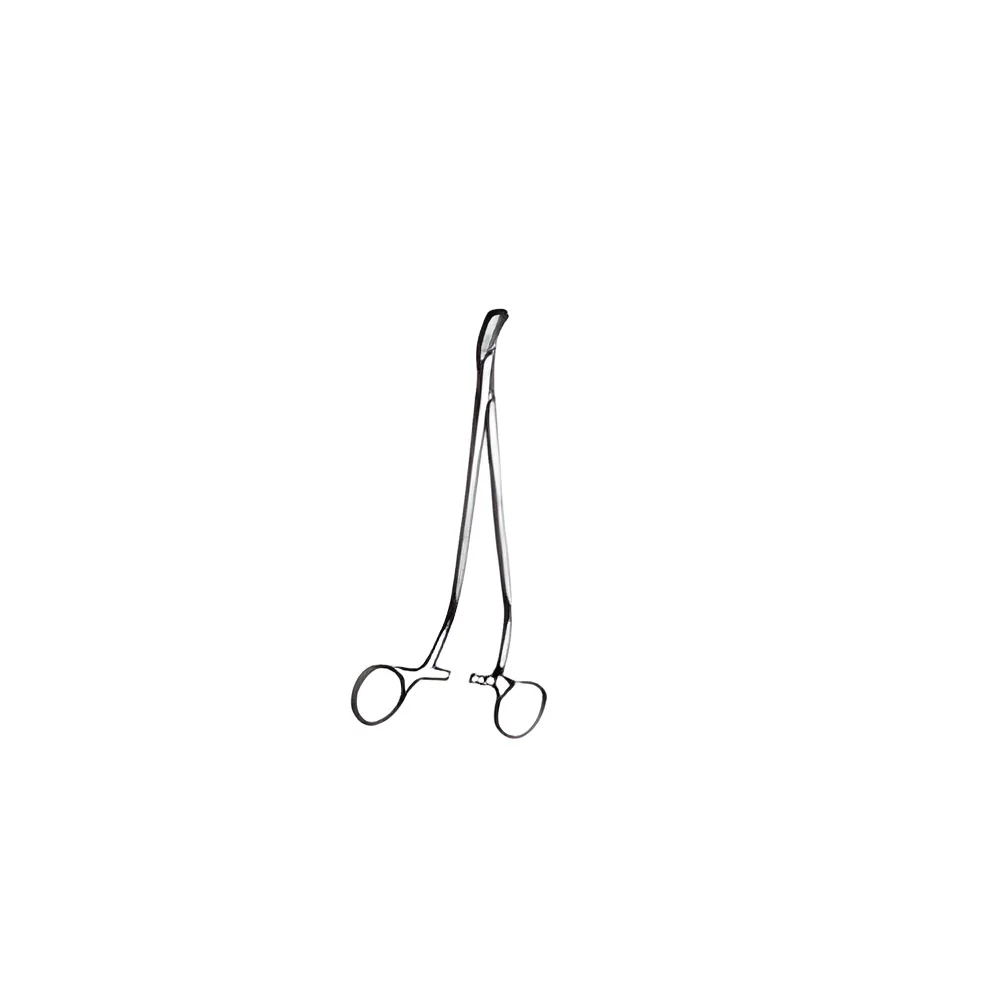
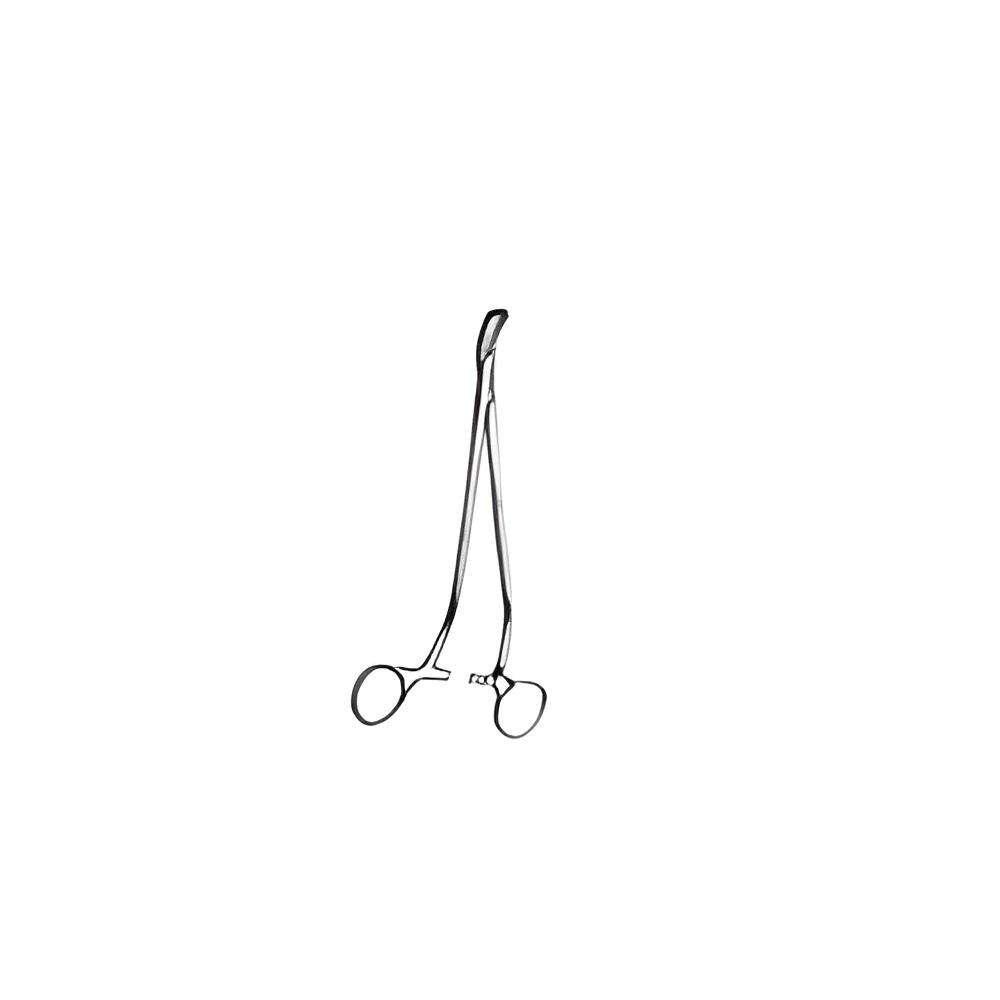
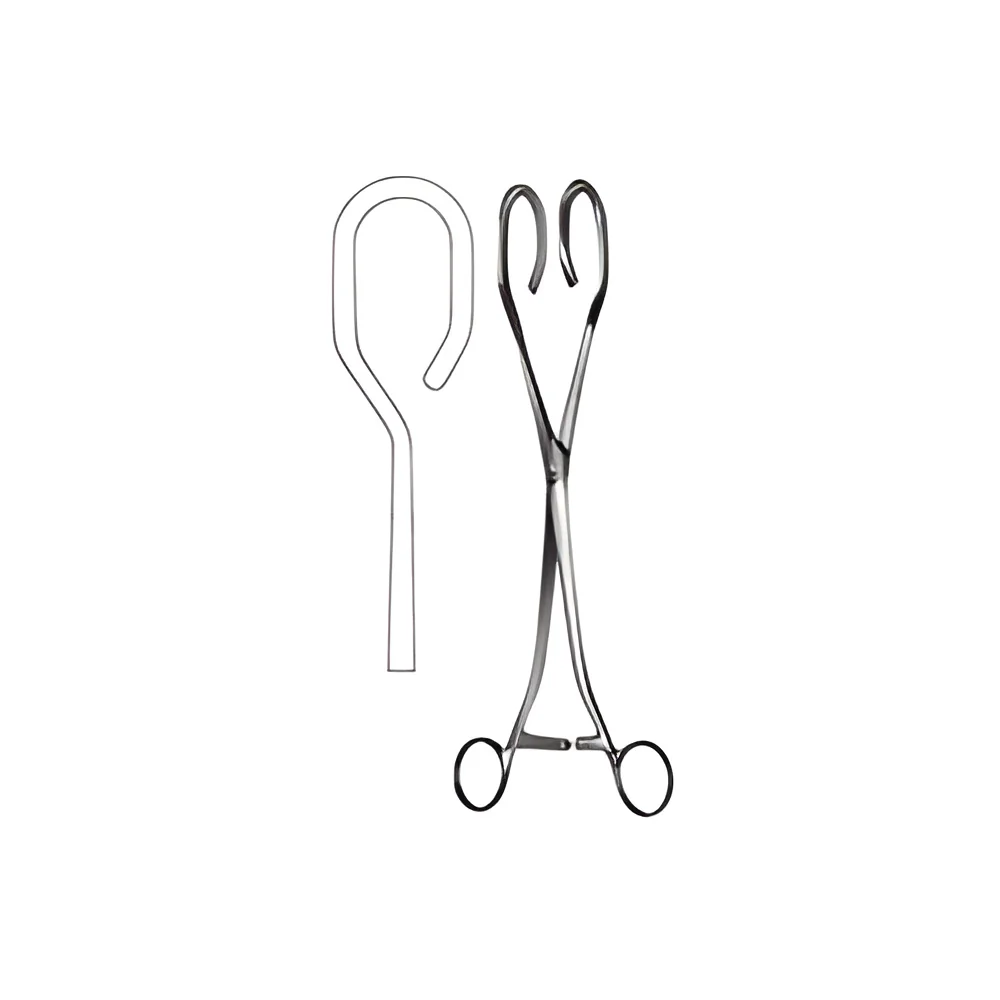
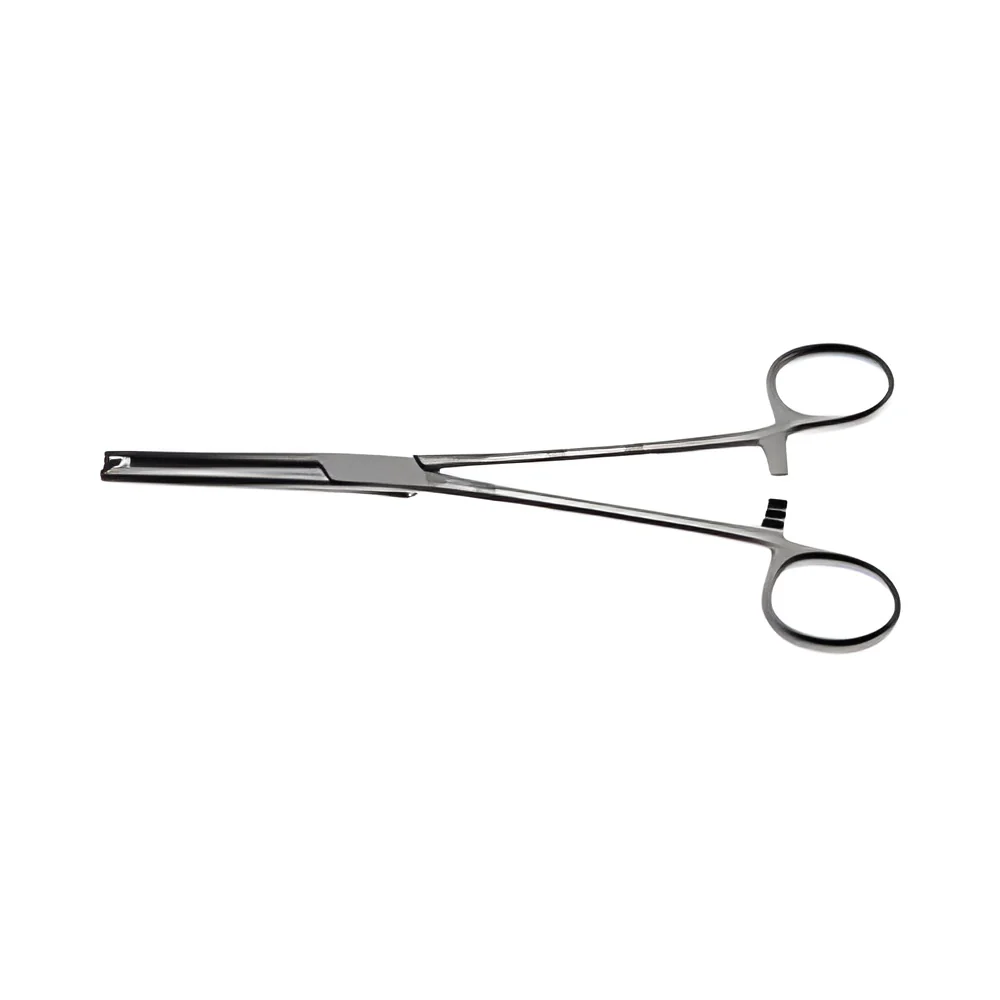
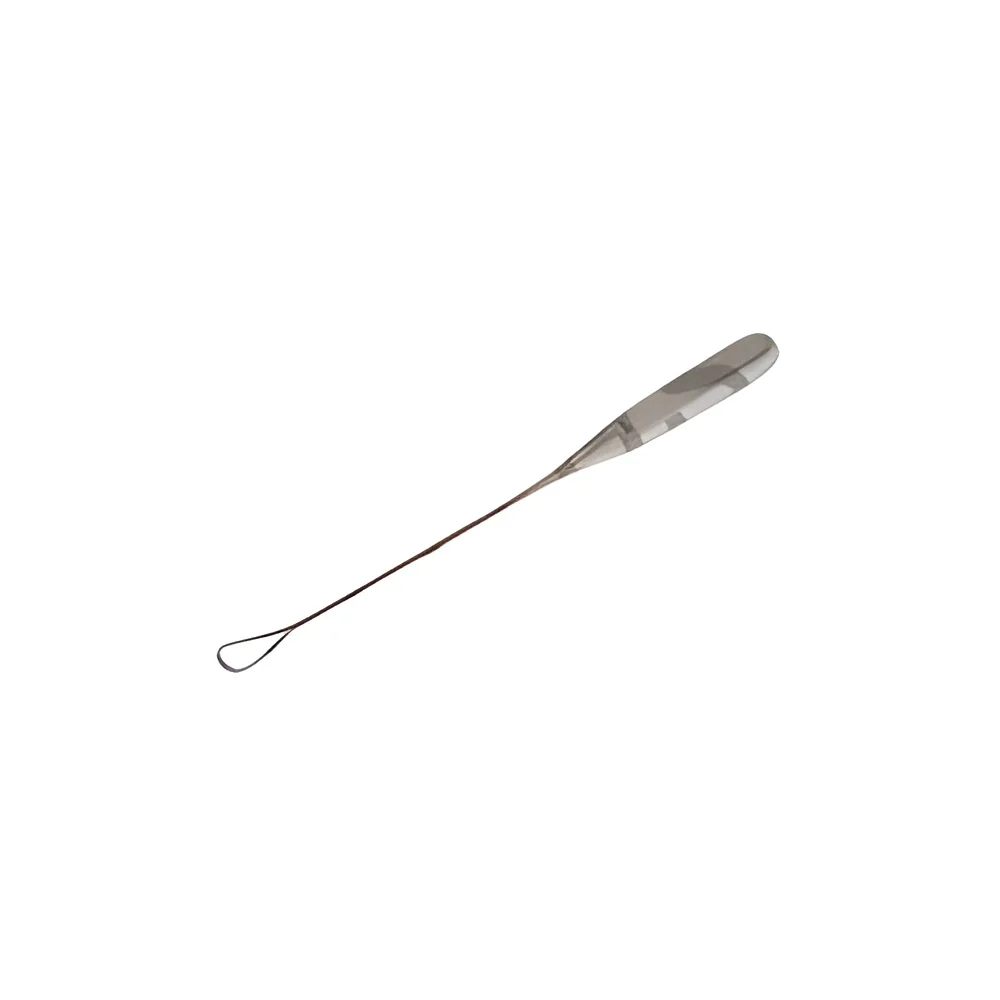
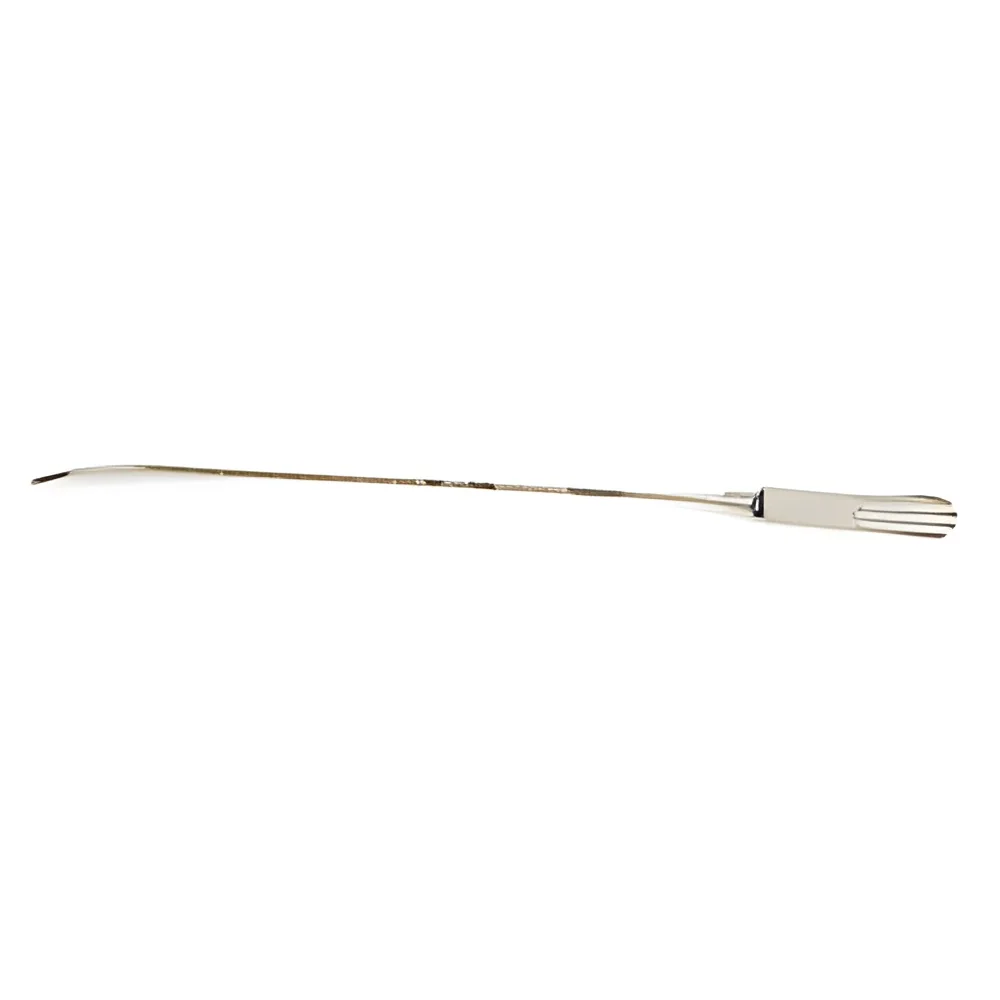
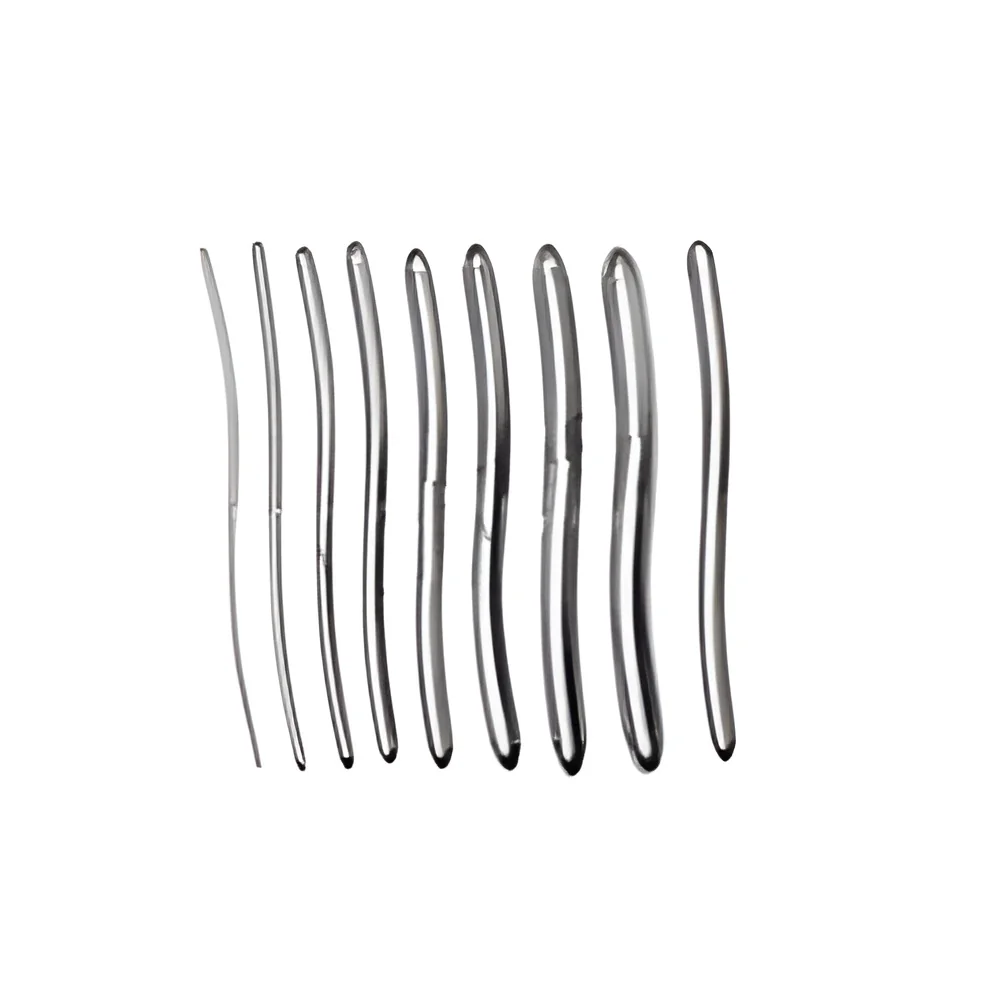
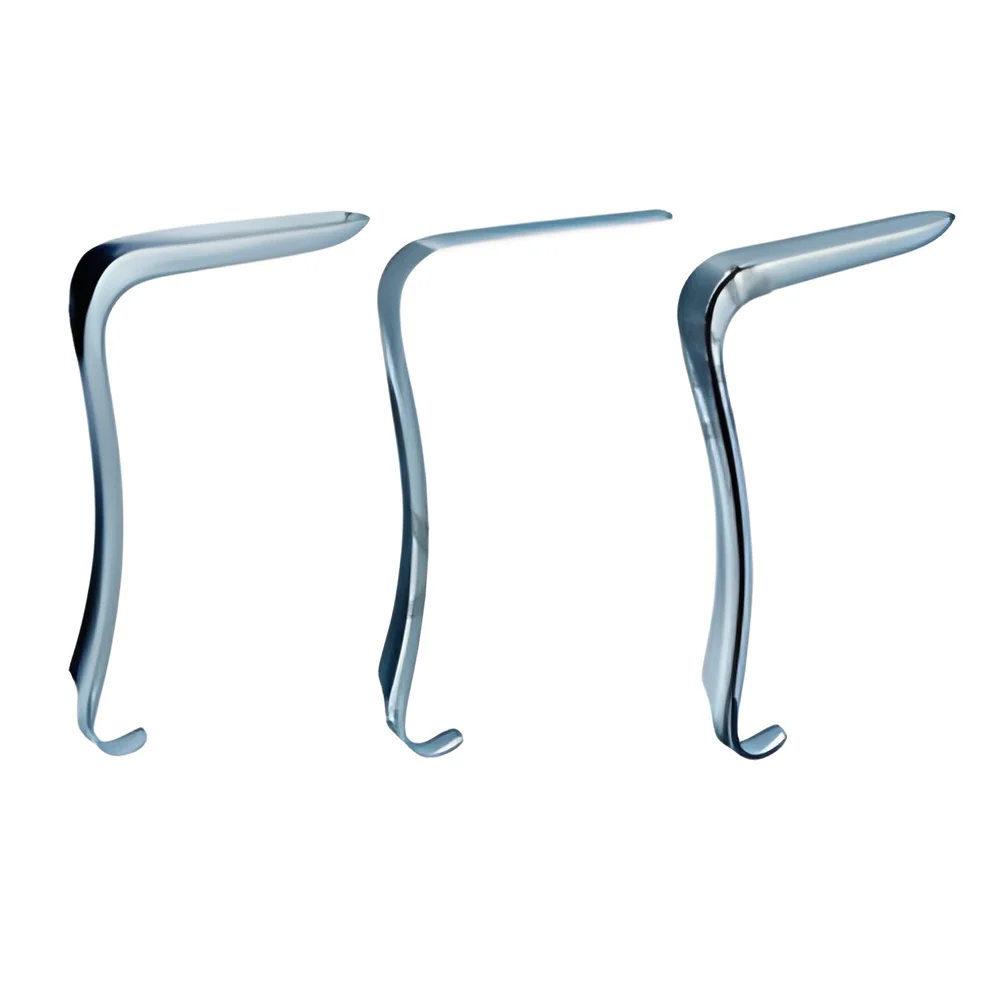
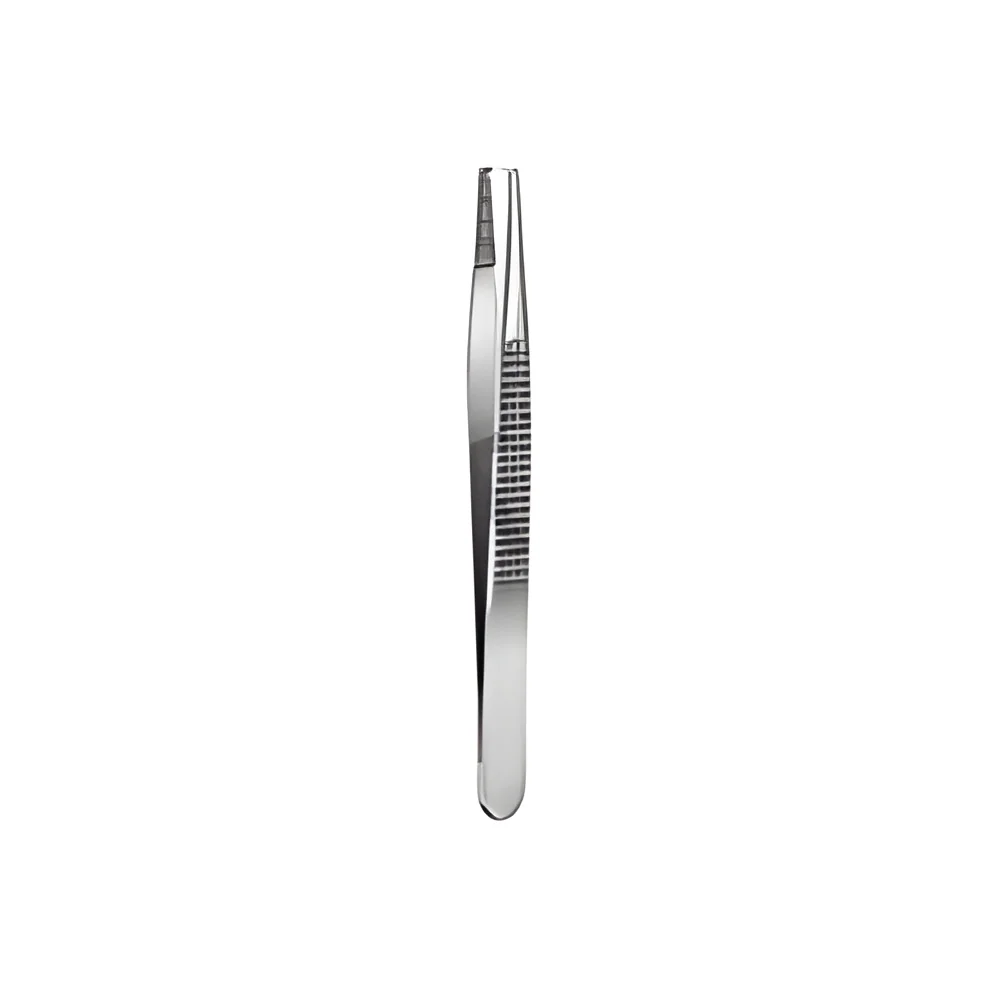
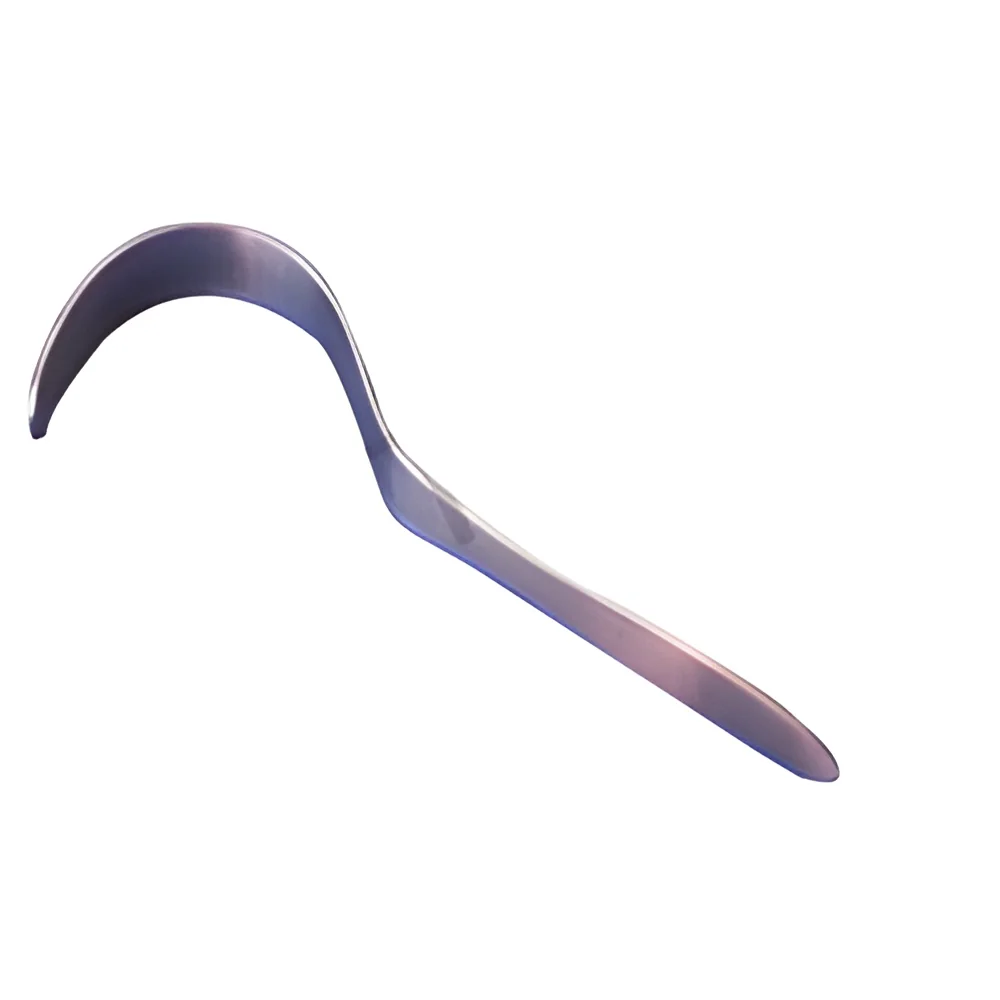
Gynecology & Obstetrics Instruments are specialized tools and devices used in the medical field for the diagnosis, treatment, and care of women's reproductive health and childbirth. These instruments include a variety of tools such as forceps, speculums, and surgical instruments designed specifically for gynecological and obstetric procedures.
What are the different types of Gynecology & Obstetrics Instruments?
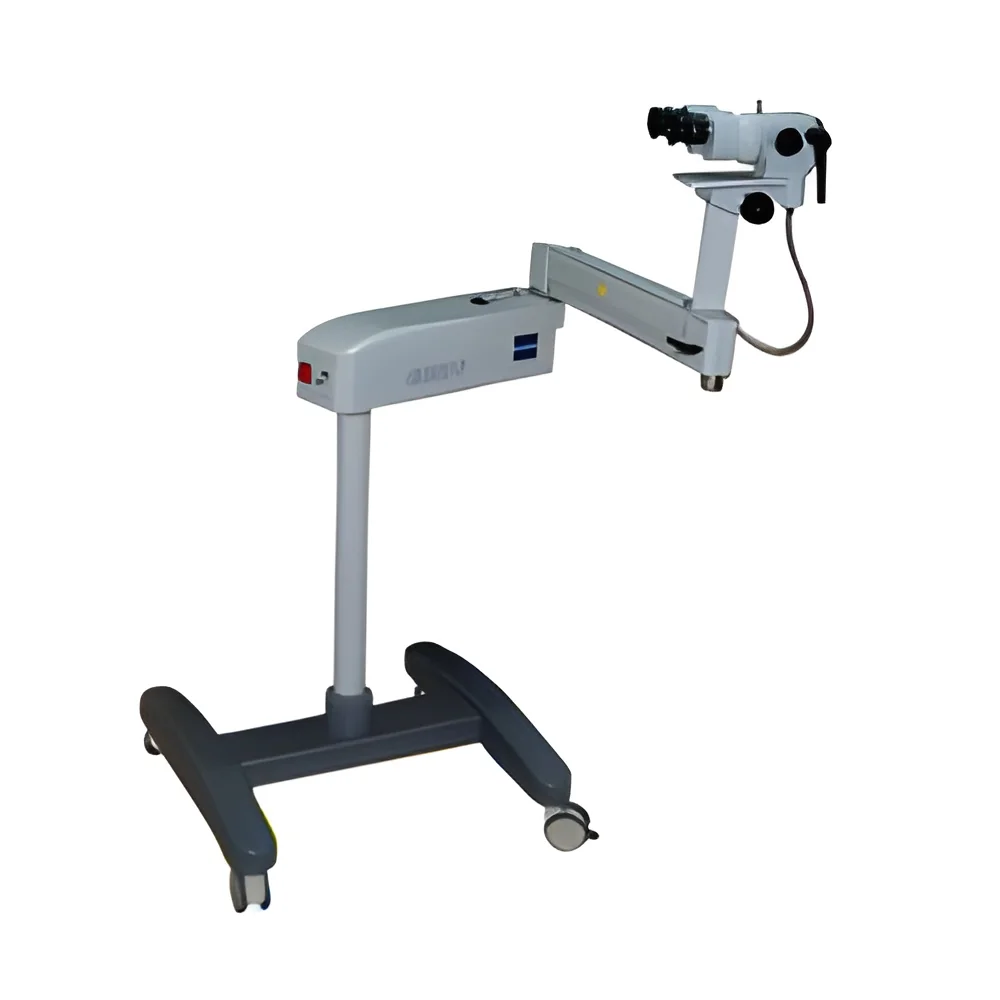
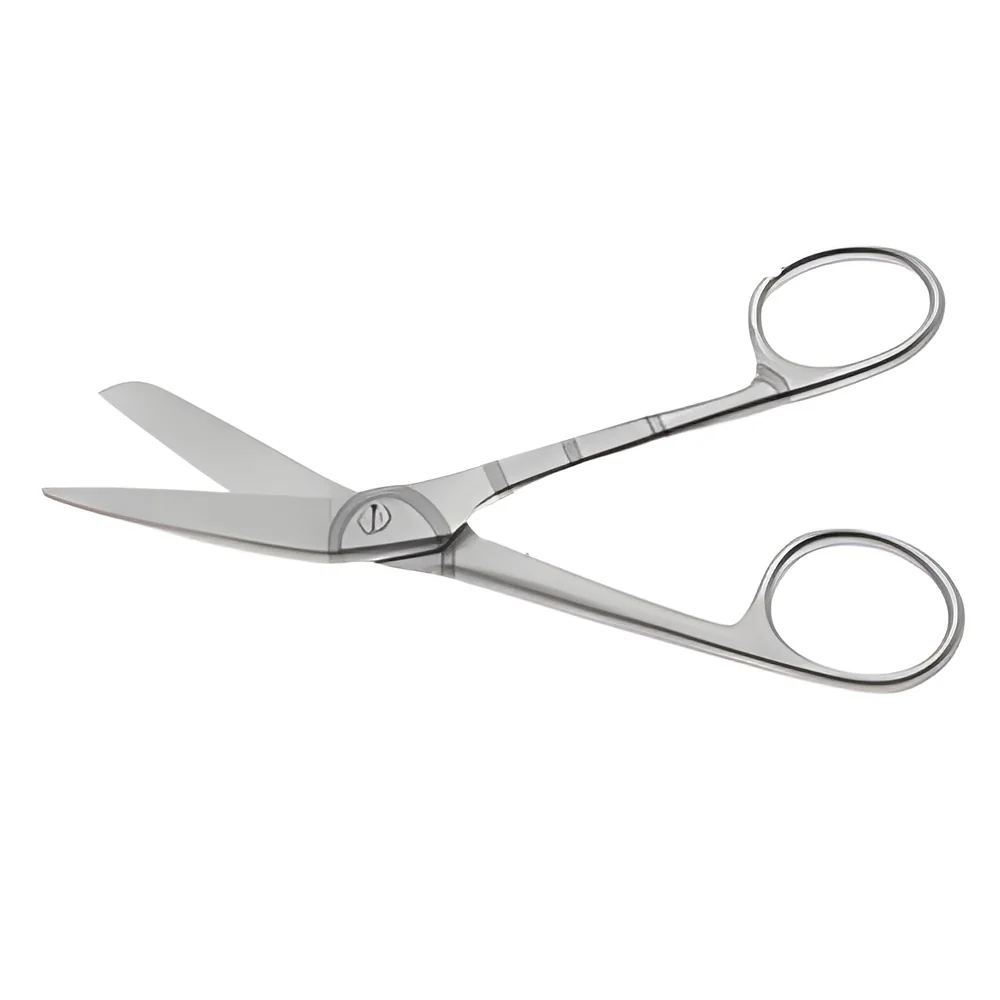
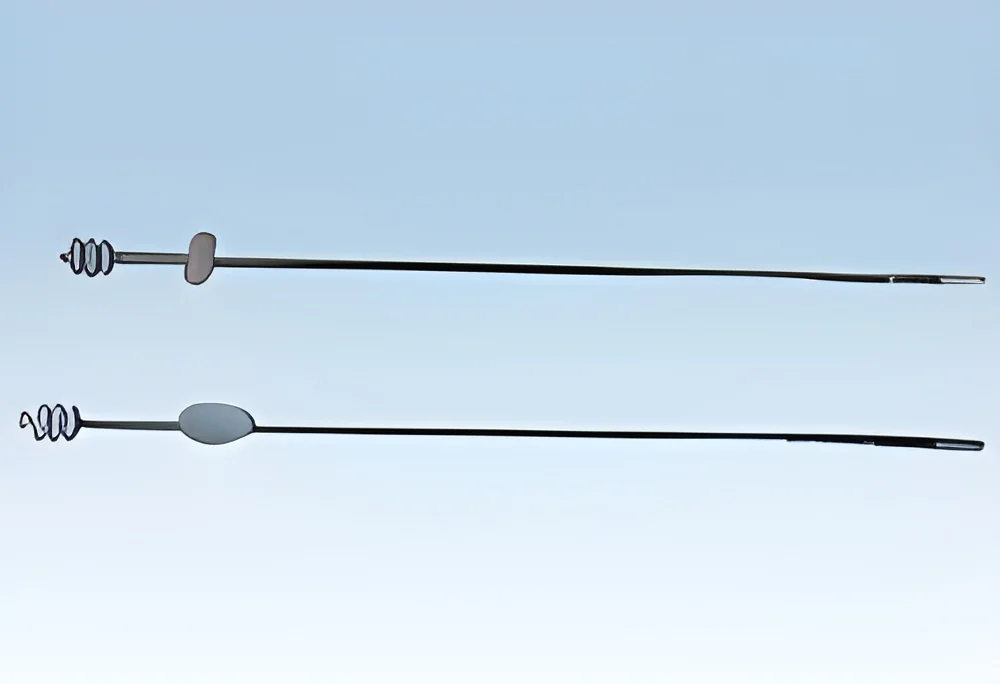
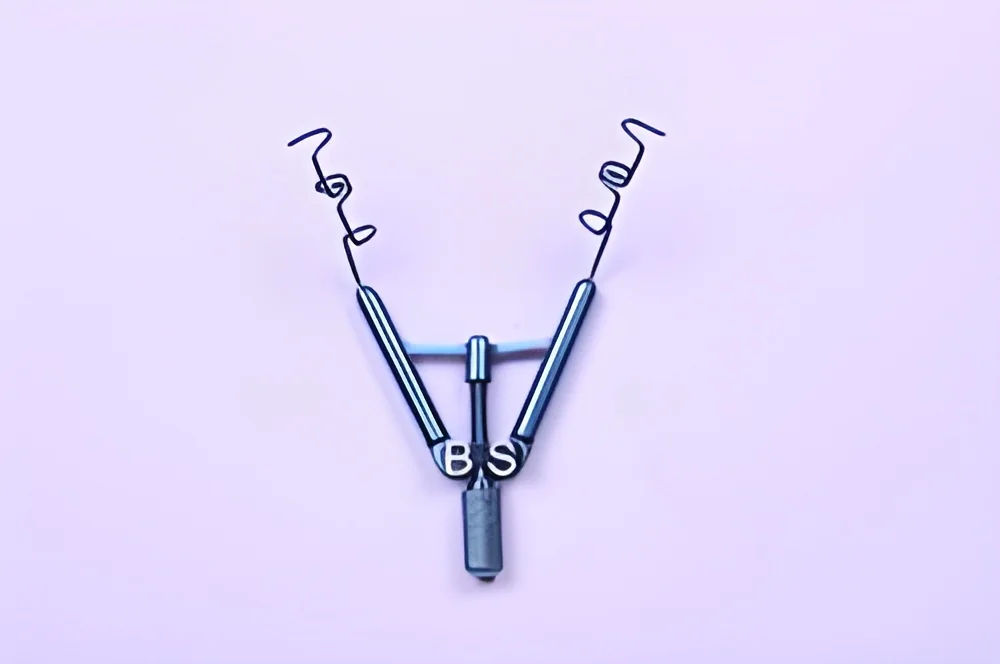
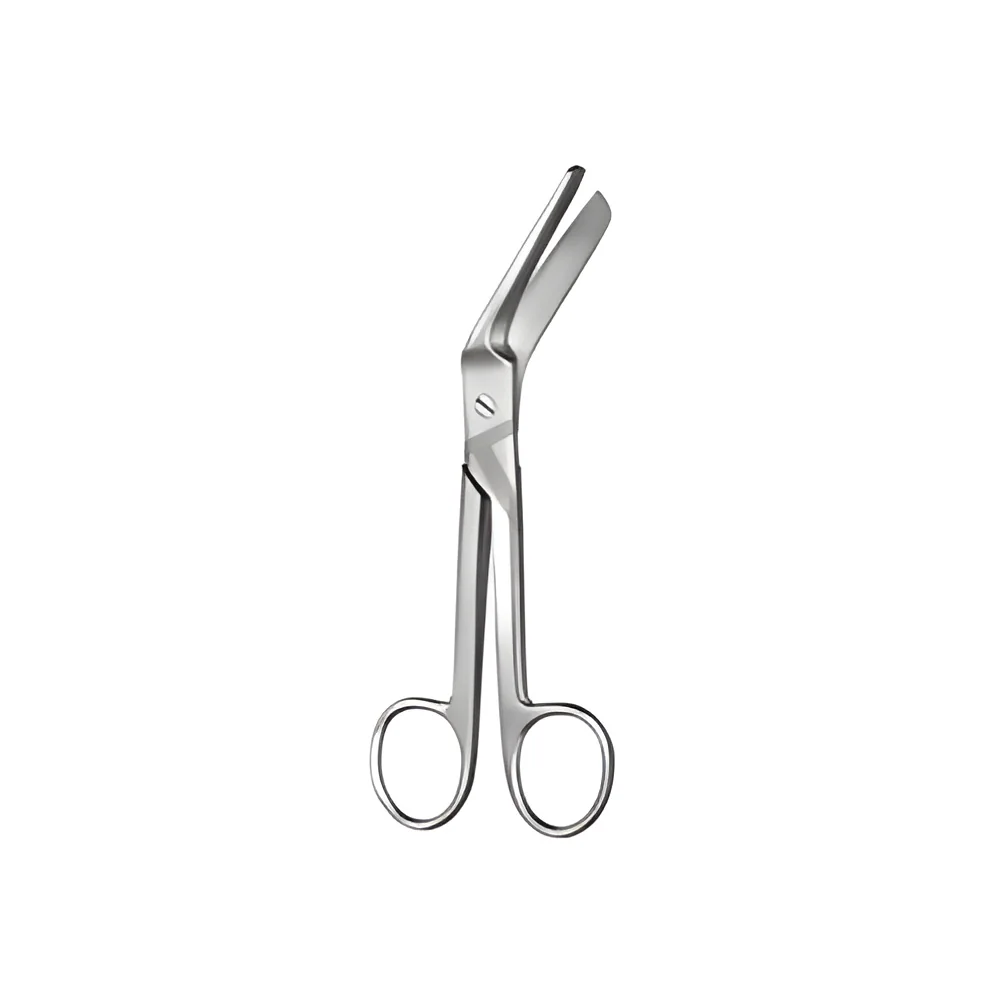
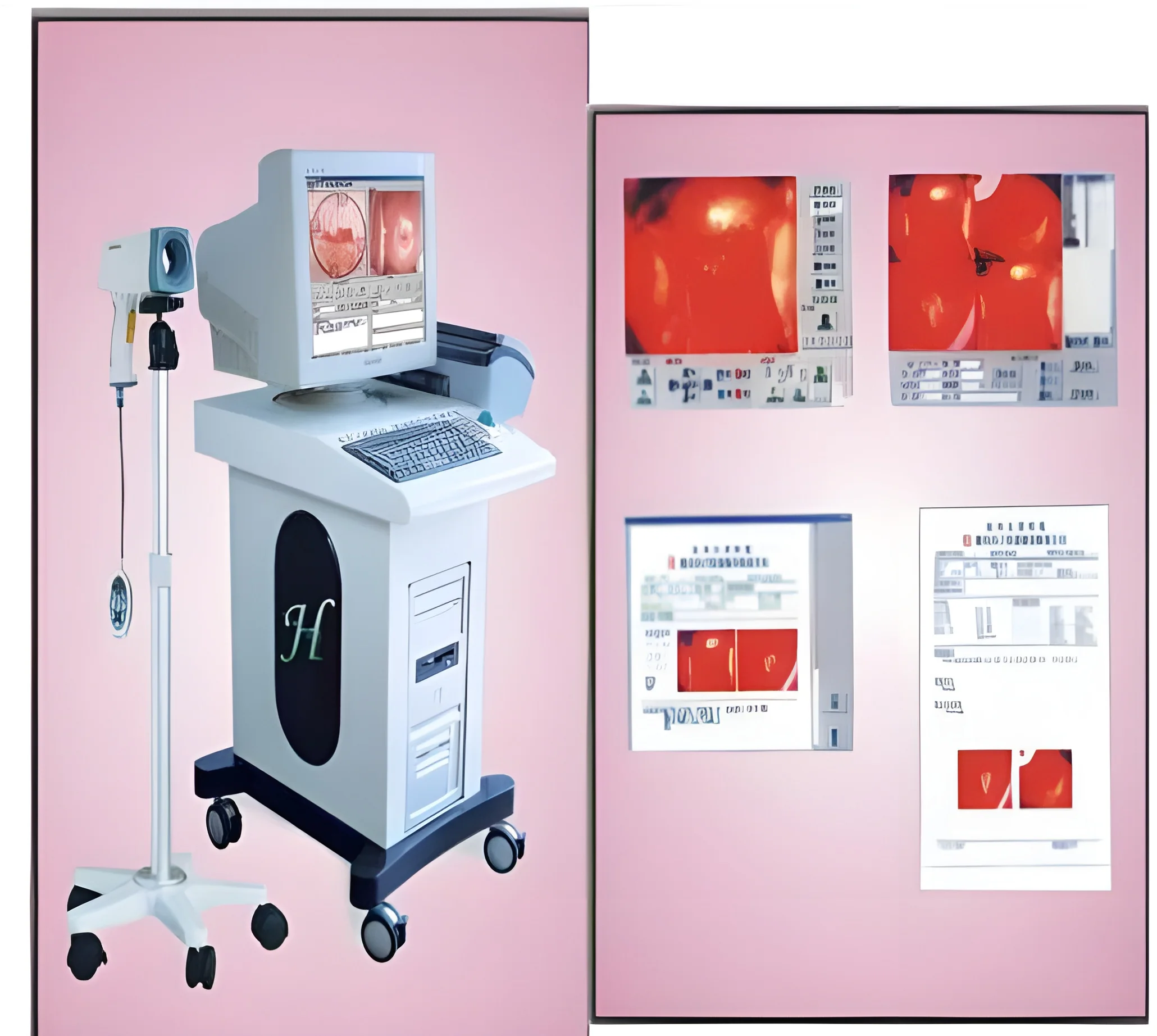
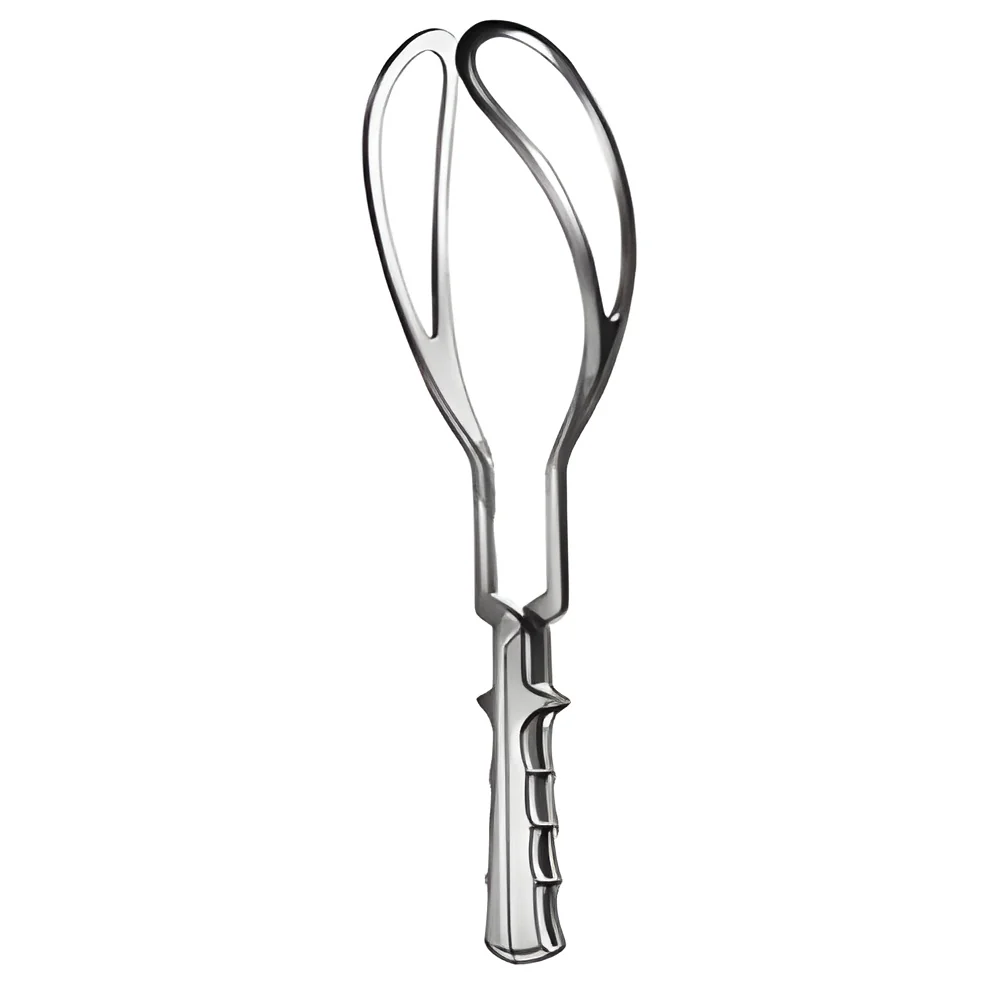
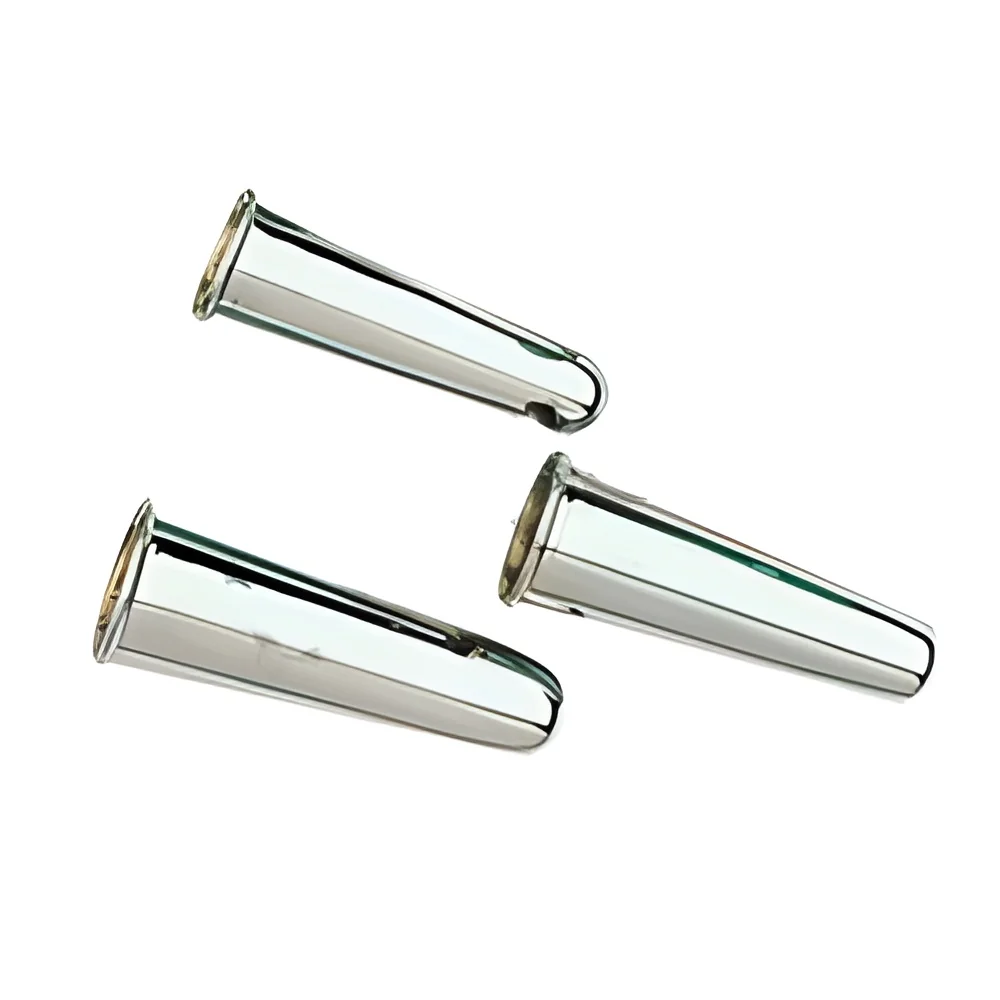
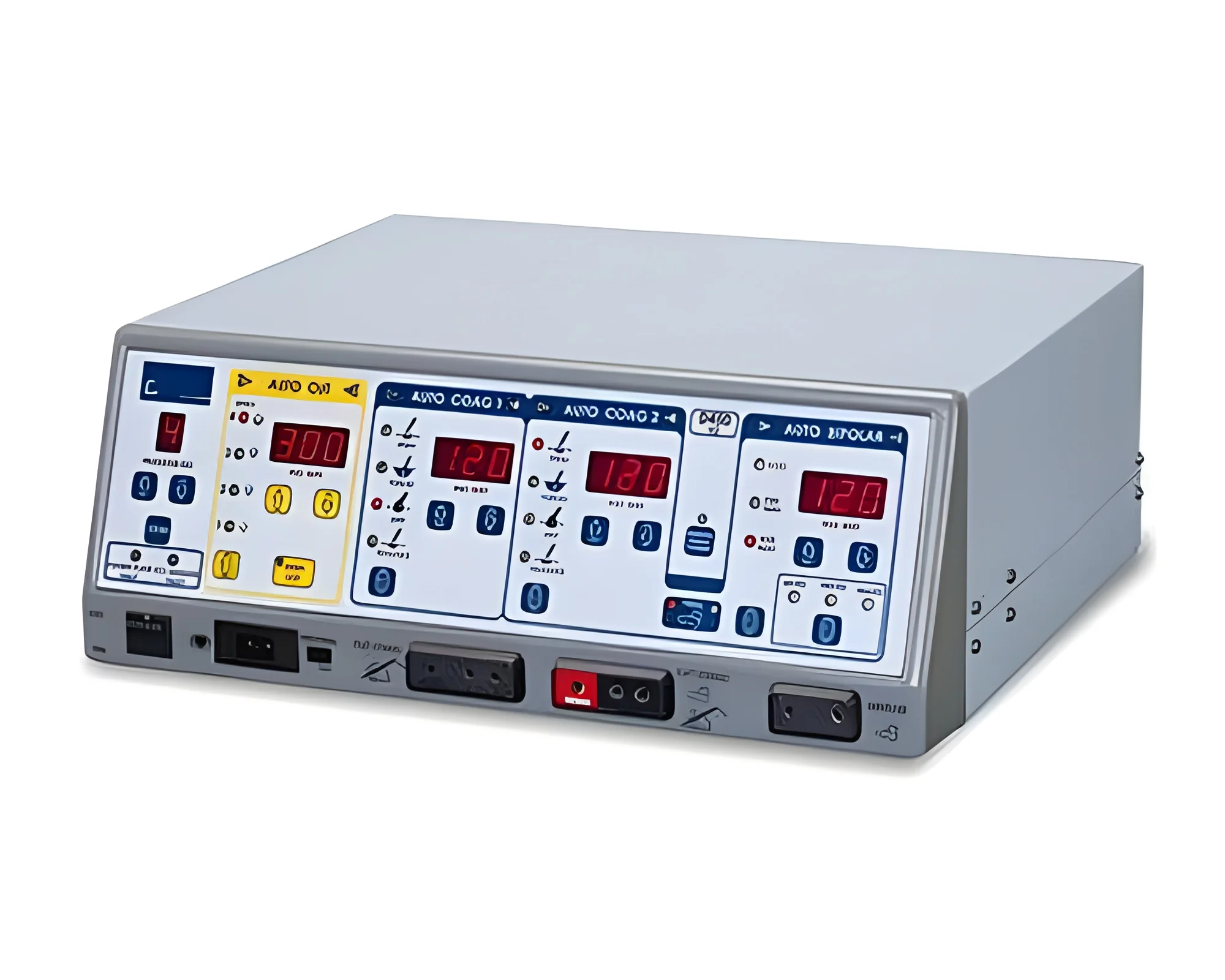
The different types of Gynecology & Obstetrics Instruments include diagnostic tools like ultrasound machines, surgical instruments like scalpels and scissors, and examination tools such as speculums and colposcopes. Additionally, there are instruments designed for specific procedures, including forceps for delivery and intrauterine devices for contraception.
How do I choose the right Gynecology & Obstetrics Instruments?
Choosing the right Gynecology & Obstetrics Instruments involves considering the specific medical procedures you will perform, the quality and reliability of the instruments, and the needs of your practice. It is also important to consult with experienced healthcare professionals and review product specifications to ensure they meet clinical standards.
What are the standard specifications for Gynecology & Obstetrics Instruments?
Standard specifications for Gynecology & Obstetrics Instruments typically include dimensions, material composition, sterilization compatibility, and ergonomic design. These specifications ensure the instruments are safe, effective, and suitable for use in medical environments.
What is the price range for Gynecology & Obstetrics Instruments?
The price range for Gynecology & Obstetrics Instruments varies widely depending on the type and brand of the instruments. Generally, basic examination tools can start at a few hundred Indian Rupees, while advanced surgical instruments and diagnostic equipment may range from several thousand to tens of thousands of Rupees.
What quality standards apply to Gynecology & Obstetrics Instruments?
Gynecology & Obstetrics Instruments must meet various quality standards, including those set by regulatory bodies such as the Bureau of Indian Standards (BIS) and international standards like ISO. These standards ensure that instruments are manufactured with high-quality materials and undergo rigorous testing for safety and effectiveness.
Where can I find Gynecology & Obstetrics Instruments suppliers in India?
You can find Gynecology & Obstetrics Instruments suppliers in India by searching online B2B marketplaces like Pepagora, attending medical trade shows, or networking within the healthcare community. These platforms provide listings of manufacturers and suppliers, allowing you to compare products and prices.
Can Gynecology & Obstetrics Instruments be customized?
Yes, many manufacturers of Gynecology & Obstetrics Instruments offer customization options to meet specific clinical needs. Customization can include changes in instrument size, design alterations, or the incorporation of specialized features based on the requirements of healthcare providers.
What is the typical minimum order quantity for Gynecology & Obstetrics Instruments?
The typical minimum order quantity (MOQ) for Gynecology & Obstetrics Instruments varies by supplier and product type. Generally, MOQs can range from a few pieces for smaller items to larger quantities for bulk orders of surgical instruments.
What is the typical lead time for Gynecology & Obstetrics Instruments?
The typical lead time for Gynecology & Obstetrics Instruments can vary based on the supplier and the complexity of the order. Generally, lead times can range from a few days for readily available items to several weeks for custom orders or specialized instruments.
Why Businesses Trust Pepagora
Thousands of companies trust Pepagora to source smarter and sell faster
Expand Your Sales Globally

Source Smarter,Grow Faster
