IN
IN₹
Apparel & Fashion
Description
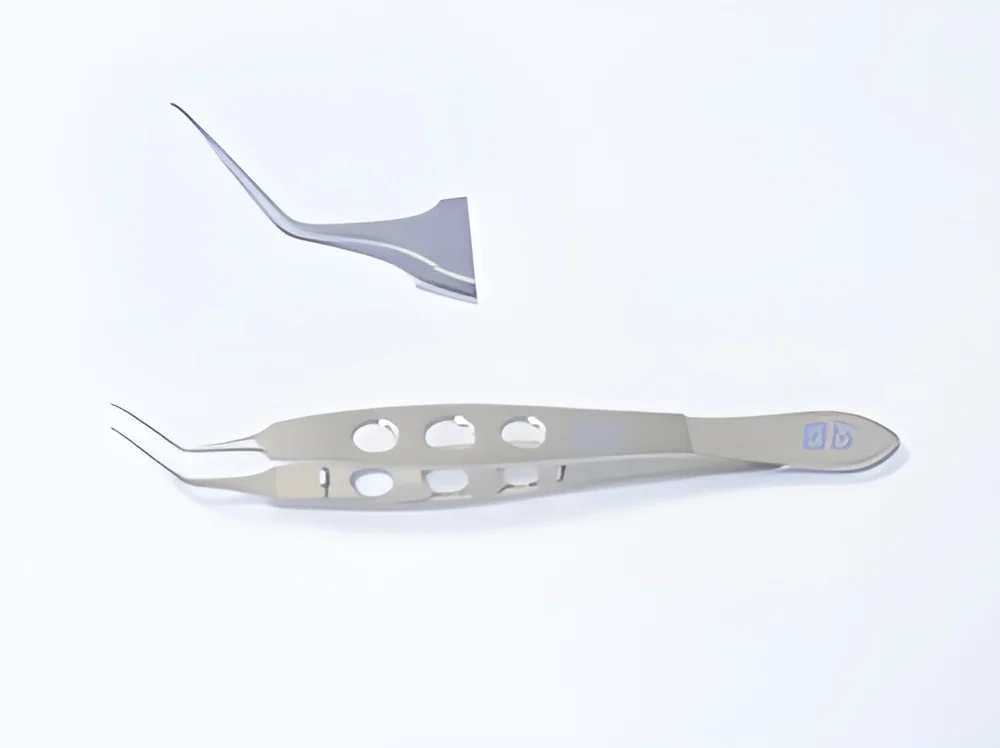
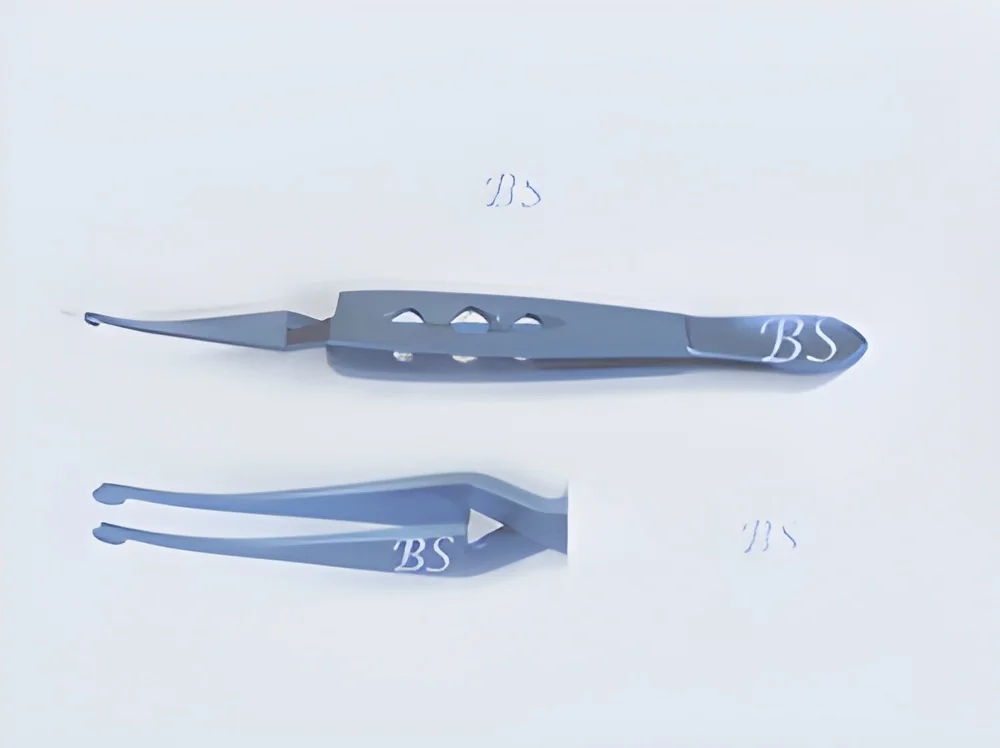
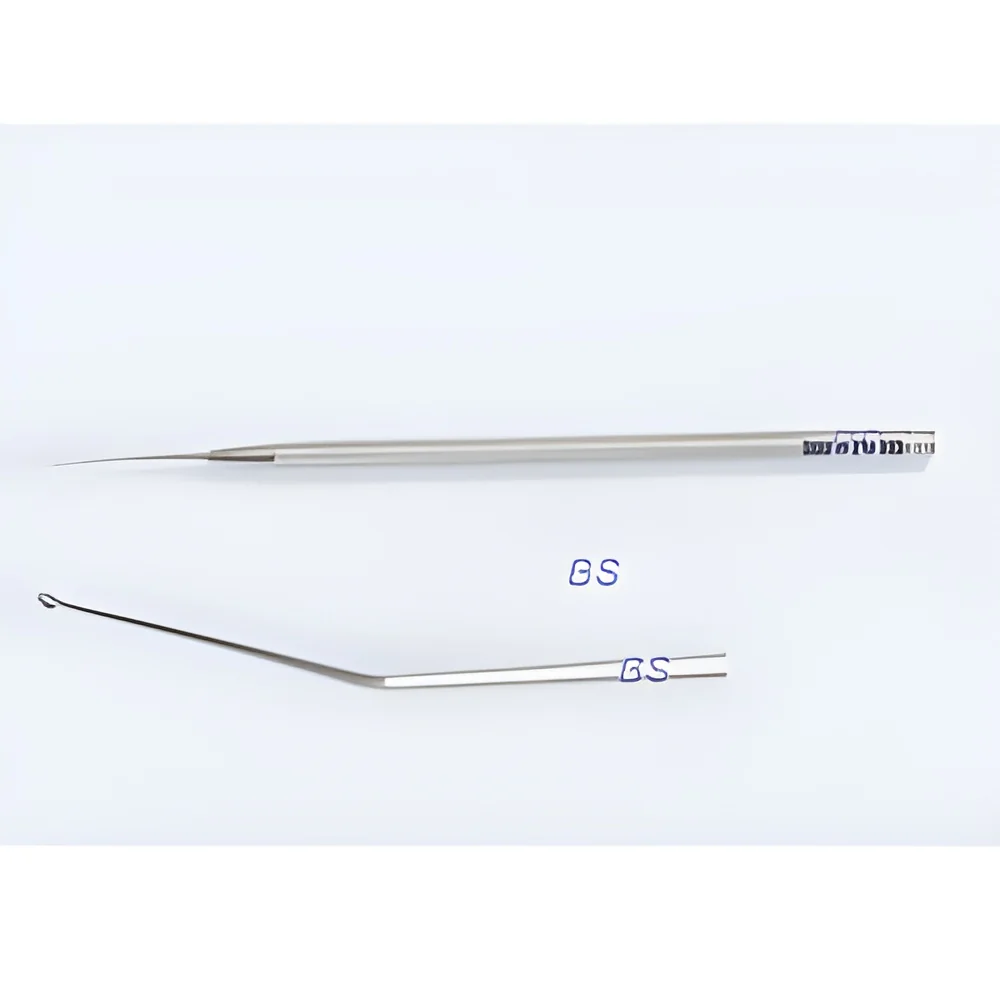
The Ophthalmic Nucleus Spatula represents precision surgical instrumentation specifically engineered for cataract surgery requirements. This specialized tool features an 11mm angled shaft with a distinctive disc tip configuration that provides surgeons with exceptional control during phacoemulsification procedures. Crafted from premium medical-grade stainless steel, it ensures consistent performance and durability in operating room environments. The spatula's design focuses on enabling delicate manipulation of the lens nucleus, allowing for smooth rotation and controlled cracking without compromising delicate ocular structures. Its balanced construction and polished surface finish make it an essential instrument for ophthalmic surgeons who demand reliability and precision in every surgical procedure.

This instrument serves critical functions in ophthalmology departments, specialized eye hospitals, and surgical centers worldwide. Ophthalmologists and cataract surgeons utilize the Nucle...
The Ophthalmic Nucleus Spatula represents precision surgical instrumentation specifically engineered for cataract surgery requirements. This specialized tool features an 11mm angled shaft with a distinctive disc tip configuration that provides surgeons with exceptional control during phacoemulsification procedures. Crafted from premium medical-grade stainless steel, it ensures consistent performance and durability in operating room environments. The spatula's design focuses on enabling delicate manipulation of the lens nucleus, allowing for smooth rotation and controlled cracking without compromising delicate ocular structures. Its balanced construction and polished surface finish make it an essential instrument for ophthalmic surgeons who demand reliability and precision in every surgical procedure.

This instrument serves critical functions in ophthalmology departments, specialized eye hospitals, and surgical centers worldwide. Ophthalmologists and cataract surgeons utilize the Nucleus Spatula during phacoemulsification procedures where precise nucleus management determines surgical success. The device supports both private practices and large healthcare institutions performing high-volume cataract surgeries. Its medical-grade construction meets stringent operating room requirements and complies with international surgical instrument standards. The spatula proves particularly valuable in advanced cataract techniques that require meticulous nucleus manipulation, establishing it as fundamental equipment in contemporary ophthalmic surgical practice and patient care protocols.

Medical professionals choosing this Nucleus Spatula benefit from its exceptional reliability and surgical precision capabilities. The instrument's medical-grade stainless steel construction ensures long-term durability and corrosion resistance, delivering outstanding value through extended service life and consistent performance. Its reliable operation reduces procedural risks and enhances surgical outcomes, establishing it as a trusted choice among surgical teams. The spatula's thoughtful design minimizes tissue trauma and improves surgical efficiency, ultimately contributing to better patient recovery experiences and satisfaction levels. Healthcare providers can confidently integrate this instrument knowing it meets the highest standards of ophthalmic surgical instrumentation and performance expectations.

Key Features:
- Medical-grade stainless steel construction ensuring durability and longevity
- 11mm angled shaft design providing optimal surgical control and access
- Disc tip configuration enabling secure nucleus manipulation and rotation
- Precision engineering specifically for phacoemulsification procedures
- Smooth surface finish preventing tissue damage during surgical use

Benefits:
- Enhanced surgical precision during delicate cataract procedures
- Reduced tissue trauma through specialized disc tip design
- Consistent performance in high-volume surgical environments
- Long-term durability withstanding repeated sterilization cycles
- Improved procedural efficiency and patient outcomes
Specifications
| Additional Information | |
|---|---|
| Country of Origin | India |
Application
The Ophthalmic Nucleus Spatula delivers exceptional precision in cataract surgery procedures. Its 11mm angled shaft provides optimal control while the disc tip ensures secure nucleus manipulation without tissue damage. Manufactured from medical-grade stainless steel, this instrument withstands repeated sterilization cycles while maintaining perfect balance and maneuverability within the eye's anterior chamber during delicate surgical interventions.
Surgical teams rely on this precision instrument for consistent performance in demanding ophthalmic environments. The spatula's specialized design enables smooth nucleus rotation and controlled cracking during phacoemulsification, making it indispensable for modern cataract removal techniques. Medical facilities value its durability and reliability in high-volume surgical settings where instrument performance directly impacts patient outcomes and procedural efficiency.
- Phacoemulsification procedures for cataract removal and lens replacement
- Nucleus rotation and manipulation during advanced ophthalmic surgeries
- Lens cracking and division in modern cataract extraction techniques
- Anterior chamber instrumentation for precise cataract management
- Ophthalmic surgical centers and hospital operating theaters
Trade Details
| Available Stock | In Stock |
| Sample Availability | No |
Payment Terms
| Payment Terms |
|
Company Profile

Bharati Surgical Co, Maharashtra
 Maharashtra, India
Maharashtra, IndiaHealth & Personal Care•Manufacturer•Distributor / Wholesaler•Importer / Exporter
Factory Details
Factory SizeBelow 1000 sqm
Annual Production Capacity0
Ophthalmic Nucleus Spatula For Cataract Surgery 11mm Angled Shaft
Premium Ophthalmic Nucleus Spatula for cataract surgery features an 11mm angled shaft and disc tip. This medical-grade stainless steel instrument ensures precise nucleus manipulation during phacoemulsification procedures for reliable surgical performance.
Min. Order Quantity: 1 unit
Shipping
Shipping fee and delivery date to be negotiated. Contact supplier now for more details.
Bharati Surgical Co
 Maharashtra, India
Maharashtra, IndiaHealth & Personal CareManufacturer