What are Pipette?
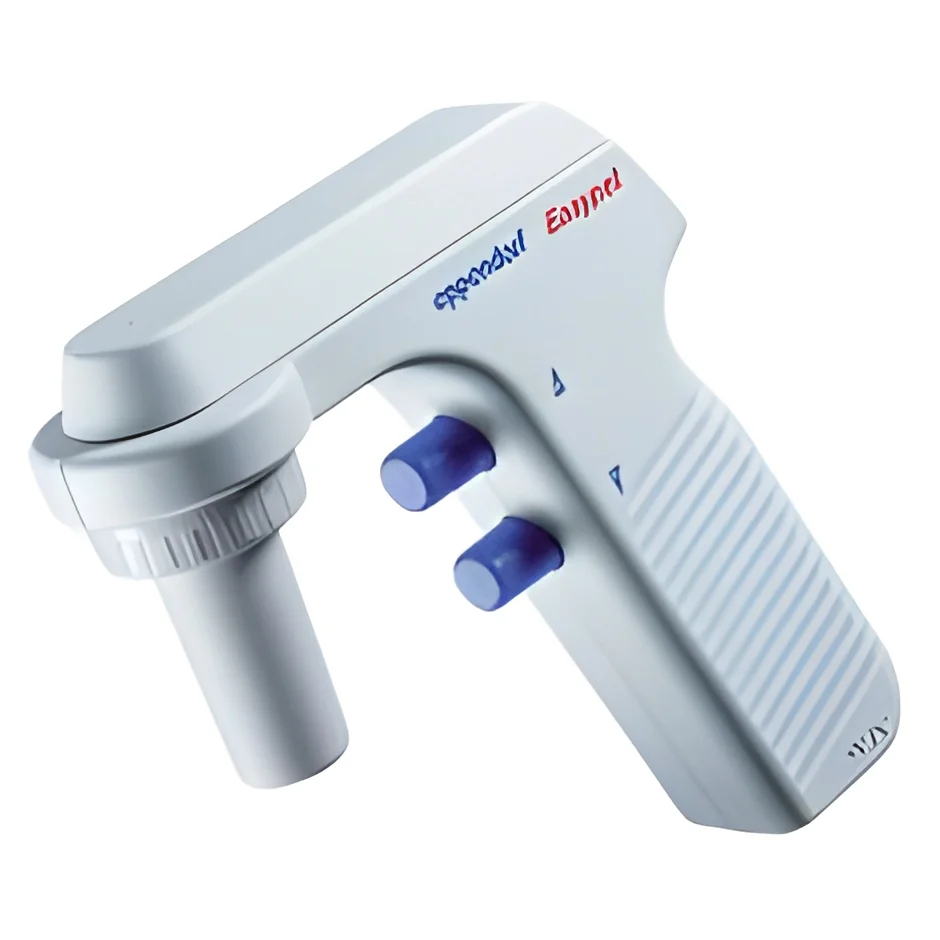
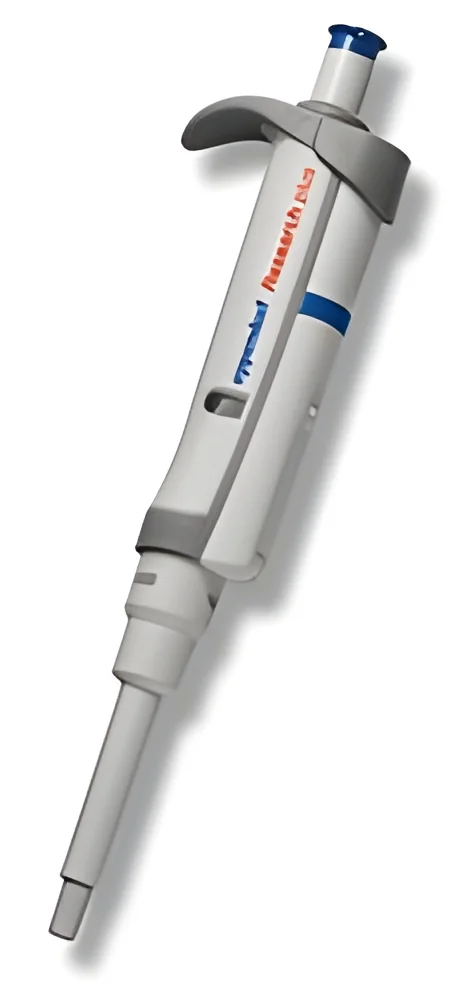
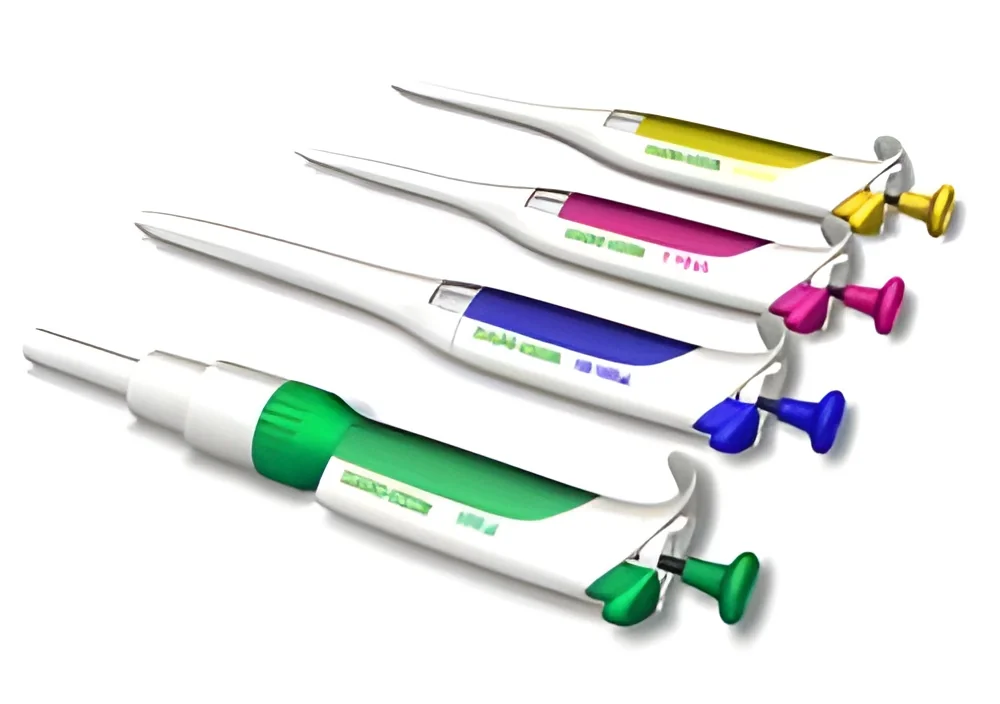
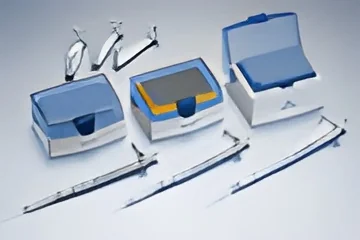
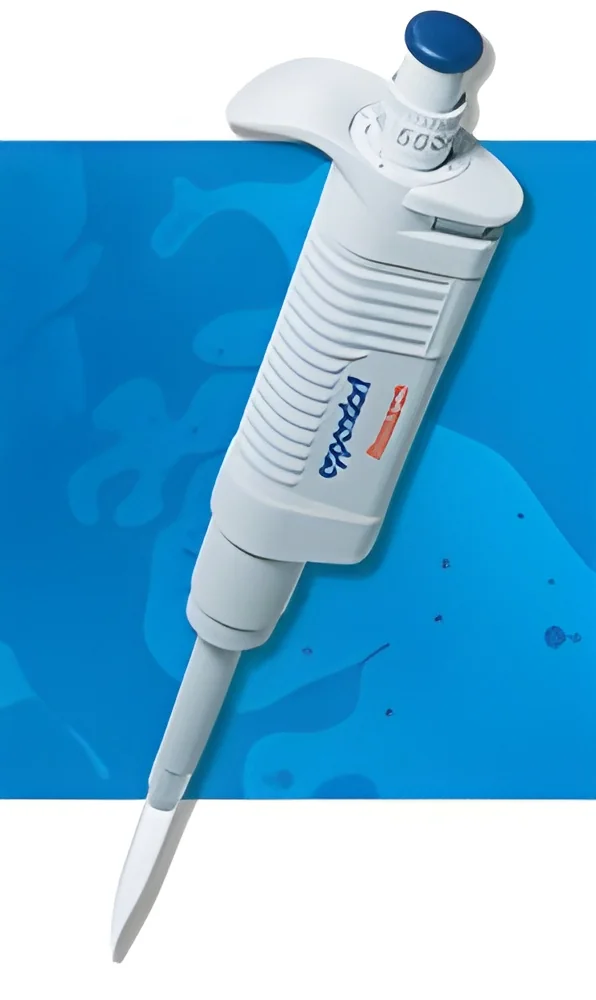
A pipette is a laboratory instrument used to transport a measured volume of liquid. It is commonly utilized in scientific research, medical laboratories, and various industrial applications. Pipettes come in different types and designs, including manual, electronic, and automated models. They are essential tools in any setting that requires precise liquid handling.
Pipettes serve a multitude of purposes, from simple tasks like transferring small amounts of liquid to more complex applications such as conducting experiments and preparing samples for analysis. Their accuracy and reliability make them indispensable in fields such as biotechnology, pharmaceuticals, and environmental testing. With advancements in technology, pipettes have evolved to offer enhanced features, ensuring better control and efficiency in liquid handling processes.
As industries continue to prioritize precision and reproducibility, the demand for high-quality pipettes is on the rise. The market reflects a growing interest in both traditional and innovative pipetting solutions, catering to the diverse needs of laboratory professionals and researchers across various sectors.
Key Features and Specifications
Pipettes are equipped with several features that enhance their usability and efficiency. Understanding these specifications is vital for making informed purchasing decisions.
Key specifications include:
1. Volume Range
- Pipettes can typically handle volumes ranging from microliters to milliliters, depending on the model.
- Common ranges include 1-10 µL, 10-100 µL, and 100-1000 µL.
2. Accuracy and Precision
- Pipettes are designed to deliver precise liquid volumes with minimal error.
- Accuracy is often expressed as a percentage, with high-quality models offering less than 1% deviation.
3. Ergonomic Design
- Many pipettes feature ergonomic grips and lightweight materials to reduce user fatigue during repetitive tasks.
- Adjustable finger rests enhance comfort and control.
4. Calibration Features
- Some pipettes come with built-in calibration systems to ensure consistent performance over time.
- Regular calibration checks are essential for maintaining accuracy.
5. Material Composition
- Pipettes are typically made from durable plastics or glass, providing resistance to chemical corrosion.
- The choice of material can affect the pipette's longevity and performance in specific environments.
6. Tips Compatibility
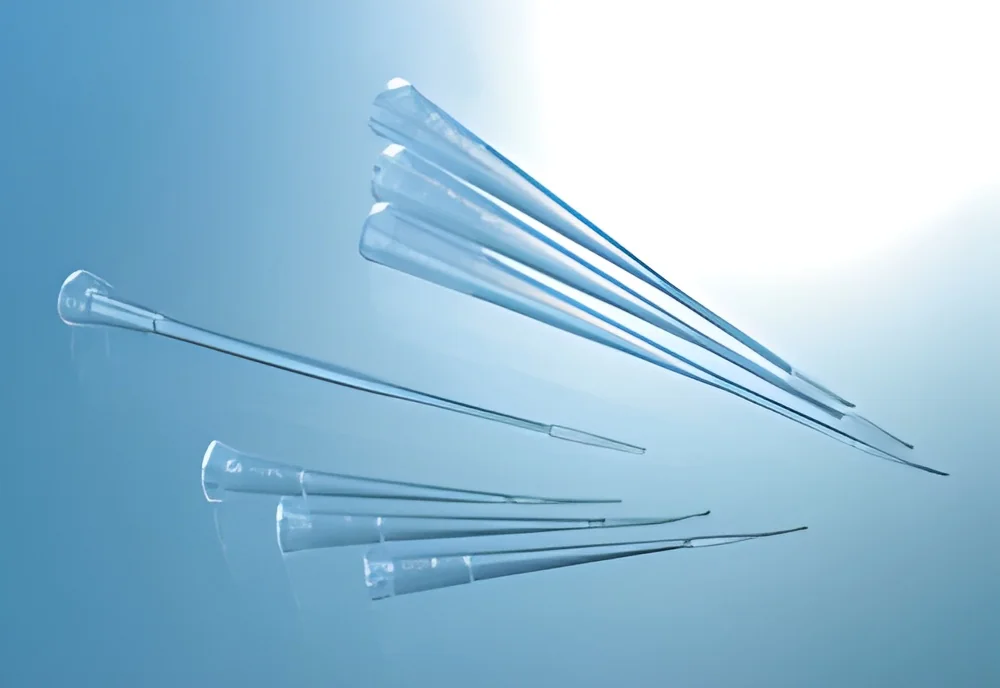
- Pipettes require specific disposable tips, which can be either universal or compatible with particular brands.
- The choice of tips influences the pipetting accuracy and liquid retention.
7. Electronic Features
- Electronic pipettes may include programmable settings for repetitive tasks, reducing user error.
- Features like volume adjustment and speed control enhance usability.
8. Maintenance Requirements
- Regular cleaning and maintenance are necessary to ensure optimal performance and longevity.
- Some models offer easy disassembly for thorough cleaning.
In summary, understanding the key features and specifications of pipettes is essential for selecting the right tool for your laboratory needs.
Common Applications and Use Cases
Pipettes are versatile instruments used across various industries. Their precision makes them suitable for numerous applications.
1. Biotechnology: In the biotechnology sector, pipettes are used for preparing samples, conducting PCR, and performing cell culture work. Their ability to deliver accurate volumes is crucial for experimental success.
2. Pharmaceuticals: In pharmaceutical laboratories, pipettes serve in drug formulation and quality control testing. Ensuring precise measurements is critical in developing safe and effective medications.
3. Environmental Testing: Pipettes are employed in environmental laboratories to analyze water, soil, and air samples. Accurate liquid handling is vital for obtaining valid results in these tests.
4. Food and Beverage: In food safety laboratories, pipettes are used for testing contaminants and ensuring product quality. They help in the accurate measurement of additives and preservatives.
5. Clinical Diagnostics: Pipettes are essential in clinical laboratories for conducting various tests, including blood analysis and diagnostic assays. Their precision directly impacts patient care and treatment decisions.
6. Academic Research: In educational institutions, pipettes are used in teaching laboratories for hands-on training in liquid handling techniques. They are fundamental tools for aspiring scientists.
7. Chemical Analysis: Pipettes are used in chemical laboratories for titrations and sample preparation. Their accuracy is crucial for obtaining reliable analytical results.
Product Variants and Subcategories
Pipettes come in various variants, each designed for specific applications and user preferences.
Manual Pipette: This type is operated by hand and is ideal for basic liquid handling tasks. Manual pipettes are cost-effective and widely used in laboratories.
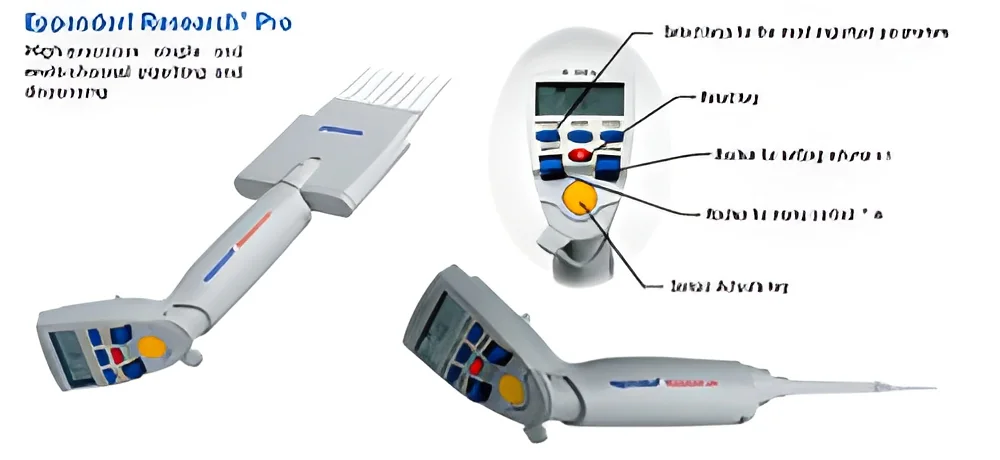
Electronic Pipette: These pipettes offer programmable features, allowing users to set specific volumes and speeds. They are particularly useful for repetitive tasks, reducing strain on the user.
Multichannel Pipette: Designed for simultaneous liquid handling, multichannel pipettes can dispense multiple samples at once. They are often used in high-throughput applications, enhancing efficiency.
Adjustable Volume Pipette: This variant allows users to adjust the volume settings according to their needs. It provides flexibility for different experiments without the need for multiple pipettes.
Benefits and Advantages
Pipettes offer several advantages that make them essential tools in laboratory settings.
Key benefits include:
1. Precision: Pipettes provide accurate liquid measurements, reducing the risk of errors in experiments and analyses.
2. Versatility: They are suitable for a wide range of applications across different industries, making them valuable tools in various laboratory environments.
3. User-Friendly: Modern pipettes feature ergonomic designs and user-friendly interfaces, enhancing comfort and ease of use.
4. Time Efficiency: With options like electronic and multichannel pipettes, tasks can be completed faster, increasing overall productivity in the lab.
5. Reliability: High-quality pipettes are built to withstand rigorous use, ensuring consistent performance over time.
6. Easy Maintenance: Many pipettes are designed for easy cleaning and maintenance, ensuring their longevity and reliability in the lab.
Buying Guide for B2B Buyers
When sourcing pipettes, it is essential to consider several key factors to ensure you purchase the right product.
1. Quality Assessment: Evaluate the quality of pipettes by looking for certifications and compliance with industry standards. High-quality instruments will provide more accurate results and last longer.
2. Supplier Verification: Vet suppliers thoroughly to ensure they offer genuine products and reliable service. Check references and read reviews to gauge their reputation in the market.
3. Pricing and MOQ: Consider the pricing structure and minimum order quantities when making purchases. Compare different suppliers to find a balance between cost and quality.
4. Delivery and Lead Times: Understand the logistics involved in sourcing pipettes, including delivery times and shipping costs. Ensure that suppliers can meet your timelines.
5. Compliance Requirements: Be aware of any regulatory compliance requirements that apply to your industry. Make sure the pipettes you choose meet these standards to avoid potential issues.
Compliance and Certifications
Pipettes must adhere to various quality standards to ensure their reliability and performance in laboratory settings. Common standards include ISO 9001, which focuses on quality management systems, and HACCP, which is crucial in food safety applications.
Industry certifications, such as CE, indicate that pipettes meet European safety, health, and environmental protection standards. These certifications assure buyers of the product’s compliance with relevant regulations.
Safety and testing requirements are also vital, as they ensure that pipettes can be used safely in various applications. It is important to verify that the pipettes comply with safety standards relevant to their intended use.
Regional compliance considerations can vary, so it is important for buyers to be aware of local regulations that may impact their purchase decisions.
Why Source Pipette from Pepagora?
Pepagora provides a trusted platform for sourcing pipettes with several key advantages that benefit B2B buyers.
Verified Supplier Network: Pepagora connects buyers with a network of verified suppliers, ensuring that products meet quality standards. This reduces the risk of sourcing inferior products.
Streamlined RFQ Process: The request for quotation system simplifies the procurement process, allowing buyers to receive competitive quotes from multiple suppliers quickly. This saves time and enables informed decision-making.
Trade Assurance and Support: Pepagora offers trade assurance for buyers, providing protection against potential disputes. This support ensures a secure purchasing experience and builds trust between buyers and suppliers.
Regional Coverage: With a strong presence in India, the GCC, and Southeast Asia, Pepagora facilitates access to pipette suppliers across these regions. This geographic reach enables businesses to source products efficiently and effectively, catering to local market needs.

 IN
IN