
 IN
Neurosurgery Instruments
13 products available
What are Neurosurgery Instruments?
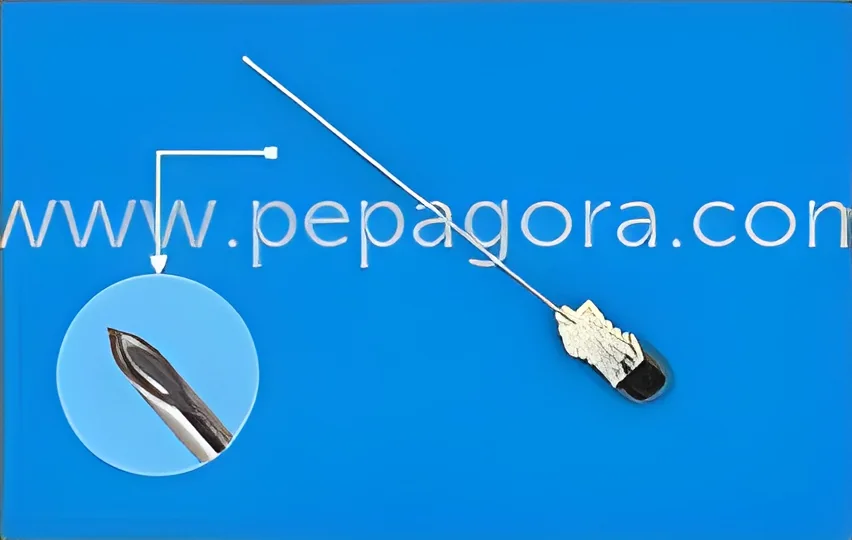
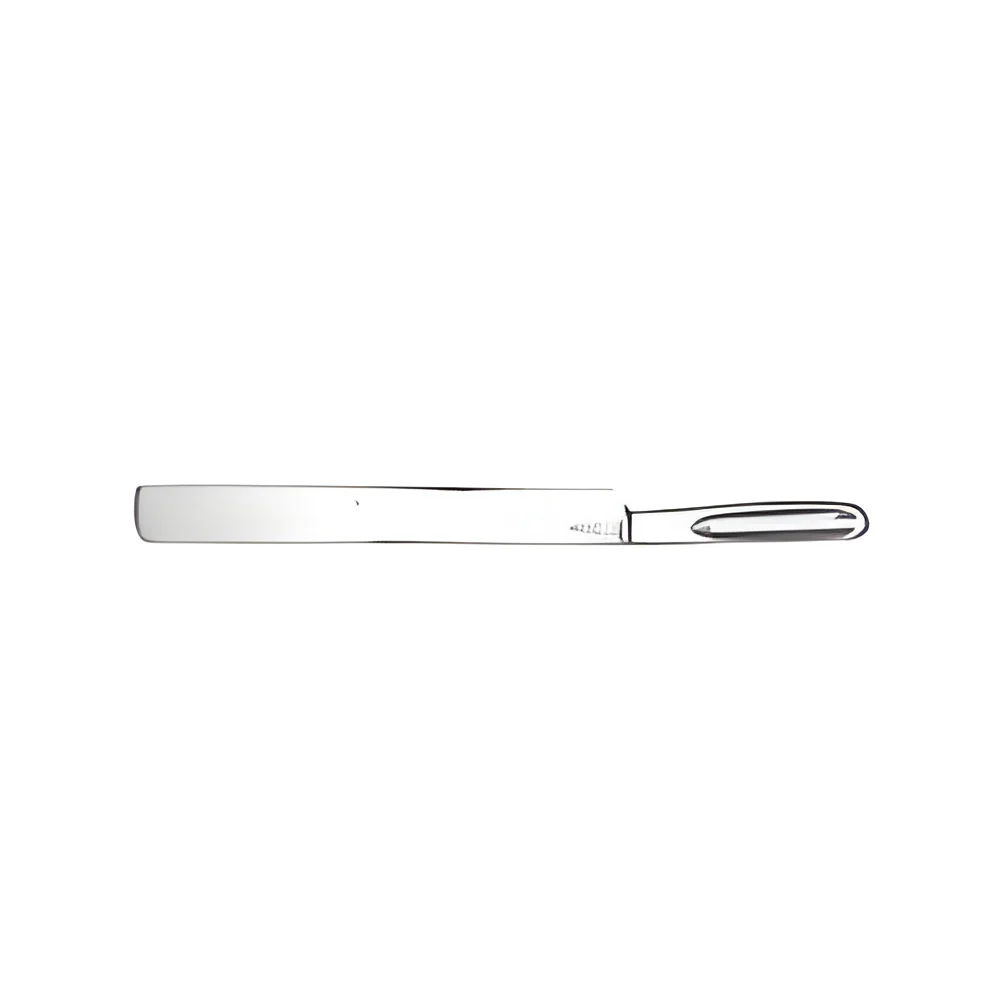
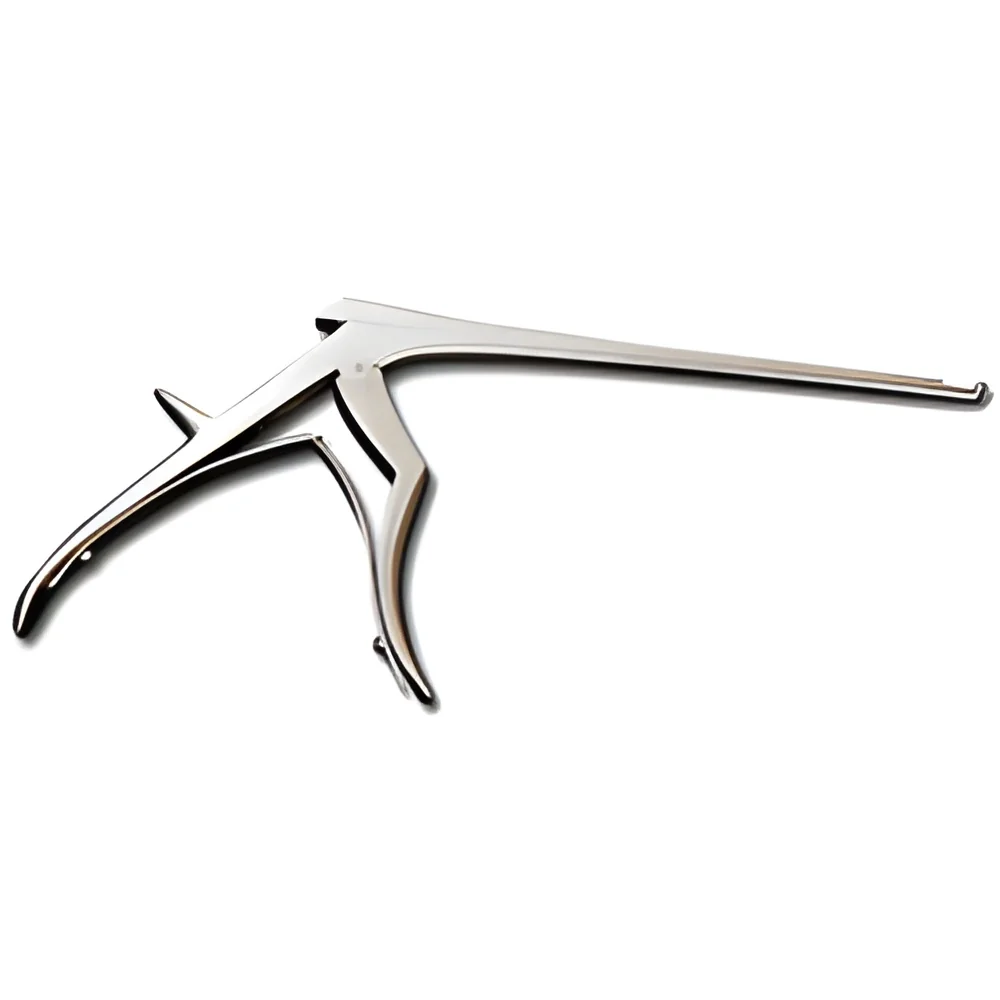
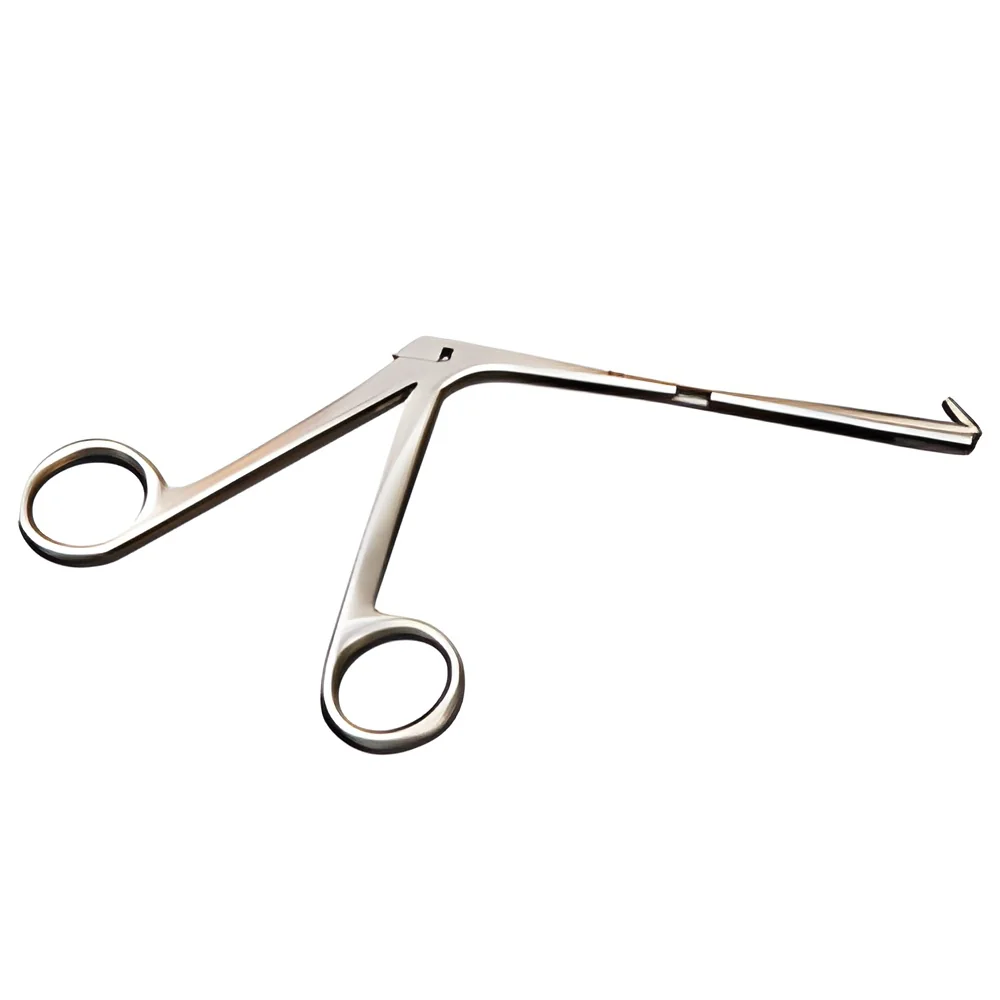
Neurosurgery instruments are specialized tools designed for performing surgical procedures on the brain, spinal cord, and other parts of the nervous system. These instruments are essential for neurosurgeons to carry out delicate operations with precision and safety. Common types include scalpels, forceps, retractors, and suction devices, each tailored for specific tasks during surgery. The construction of these instruments often involves high-grade materials to ensure durability and sterility.
The primary uses of neurosurgery instruments include tumor excision, spinal fusion, and the treatment of traumatic brain injuries. In a clinical setting, these instruments facilitate complex procedures that require meticulous attention to detail. Businesses in the healthcare sector, particularly hospitals and surgical centers, rely heavily on high-quality neurosurgery instruments to ensure patient safety and procedural success. As the demand for advanced surgical techniques grows, the relevance of these instruments in the medical field continues to expand, reflecting an evolving market driven by innovation and technological advancement.
Key Features and Specifications
Neurosurgery instruments come with a range of features and specifications that cater to the unique needs of surgical procedures. These features ensure that the instruments can perform reliably under the demanding conditions of operating rooms.
Key specifications include:
1. Material Composition
- Made from stainless steel or titanium for durability
- Corrosion-resistant properties for prolonged use
2. Sterilization Compatibility
- Designed to withstand autoclave sterilization
- Safe for use with various sterilization methods
3. Ergonomic Design
- Instruments are designed for comfort and precision
- Handles optimized for grip and control during surgery
4. Size Variations
- Instruments available in various sizes to accommodate different surgical needs
- Custom sizes may be available based on surgeon preferences
5. Weight Considerations
- Lightweight designs to minimize hand fatigue
- Balanced weight distribution for better handling
6. Precision Tips
- Fine tips for delicate procedures
- Options for different shapes to suit various applications
7. Functionality
- Multi-functional instruments that allow for several tasks
- Specialized tools for specific neurosurgical procedures
8. Packaging and Sterility
- Individually packaged to ensure sterility
- Clear labeling for easy identification and usage instructions
In summary, the features and specifications of neurosurgery instruments are critical for ensuring effectiveness and safety in surgical environments. These instruments are designed to meet the rigorous demands of neurosurgical practices.
Common Applications and Use Cases
Neurosurgery instruments play a vital role across various medical fields.
1. Hospitals: Instruments are used in neurosurgical departments for procedures like tumor removal and spinal surgery, ensuring safe and effective operations.
2. Research Facilities: Used in experimental procedures and clinical trials aimed at developing new surgical techniques and instruments.
3. Medical Training Institutions: Instruments are utilized in educational settings to train future neurosurgeons in surgical techniques and practices.
4. Rehabilitation Centers: Instruments may also be involved in post-operative procedures, aiding in recovery and rehabilitation of patients.
5. Emergency Departments: Instruments are critical in trauma cases where immediate neurosurgical intervention is necessary.
6. Outpatient Surgery Centers: Used in less invasive procedures that require precision and care, providing a cost-effective solution for patients.
7. International Medical Missions: Instruments are essential for providing surgical care in remote areas, often where resources are limited.
Product Variants and Subcategories
Neurosurgery instruments come in various forms to cater to specialized needs within the field.
Scalpel Sets
These sets include a variety of blades and handles for precise cutting during surgery. Scalpel sets are essential for making incisions with accuracy, minimizing tissue damage.
Forceps
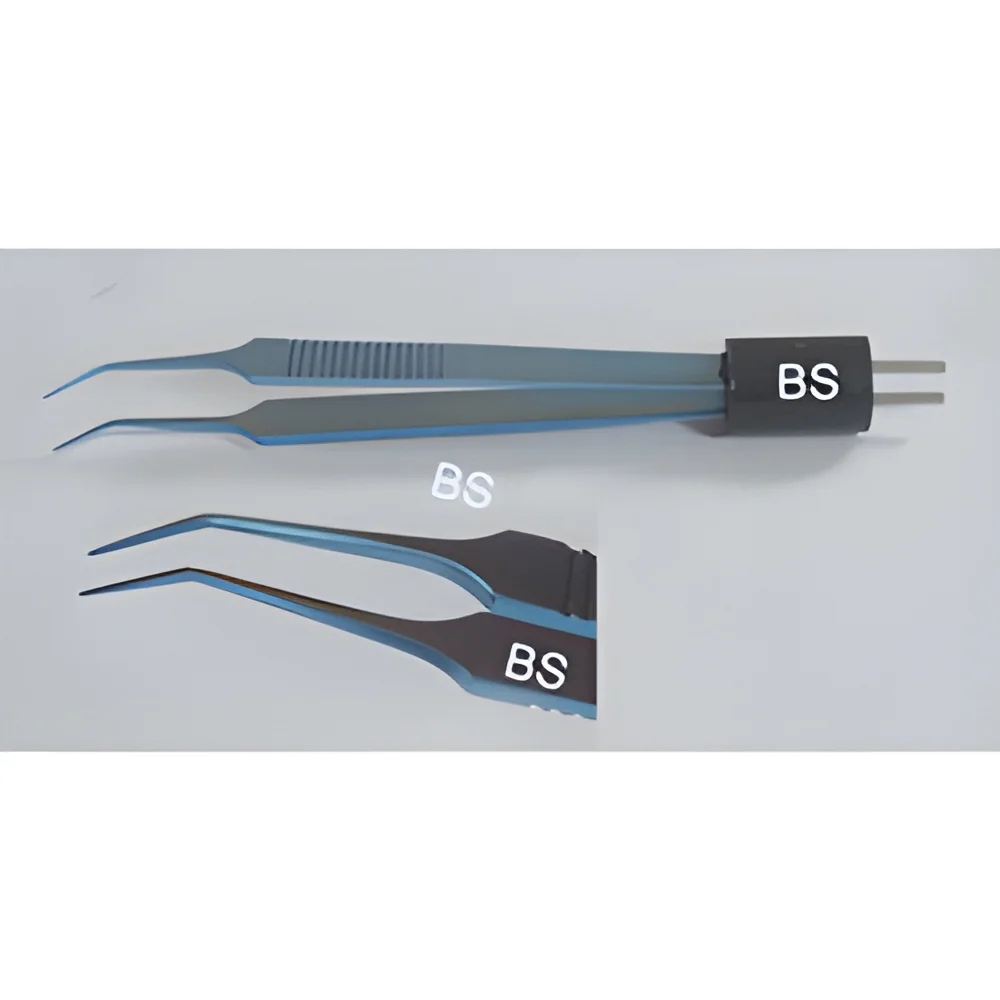
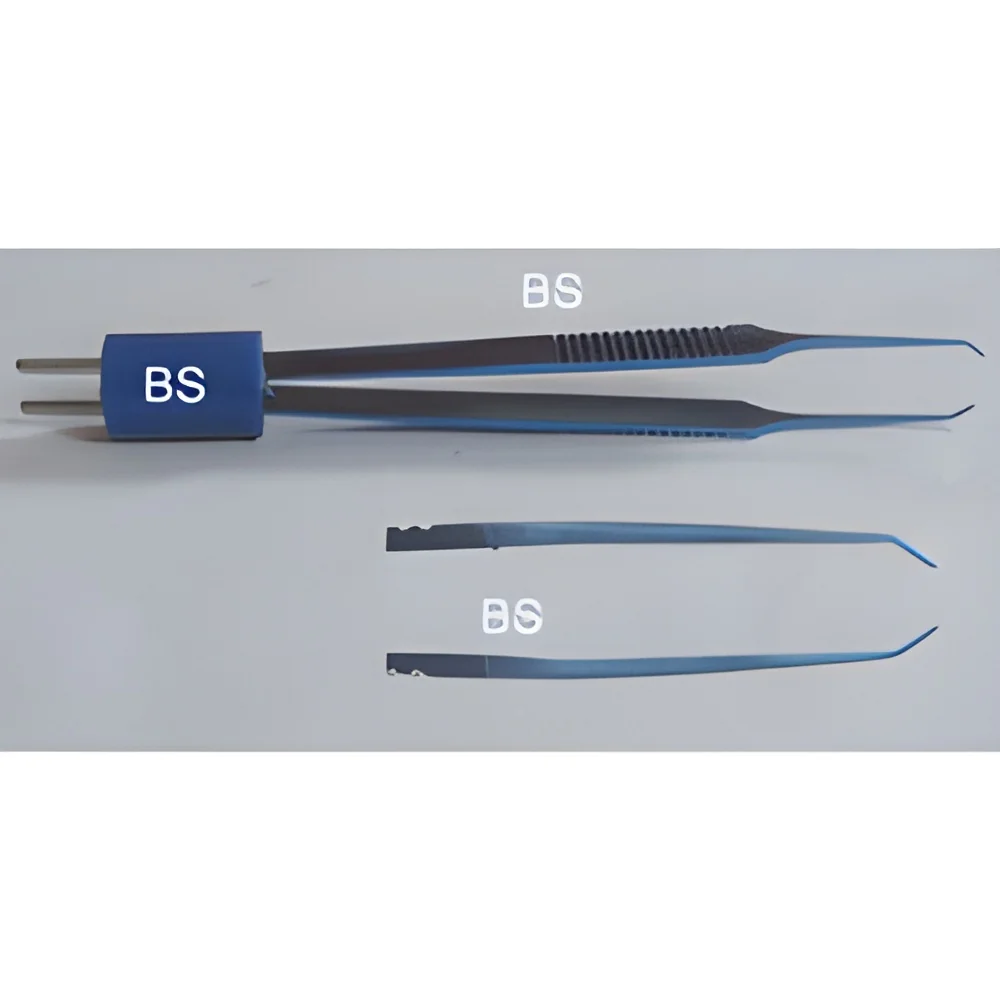
Available in numerous designs, forceps are used to grasp, hold, or manipulate tissues and other structures during surgery. They are vital for facilitating delicate procedures.
Suction Devices
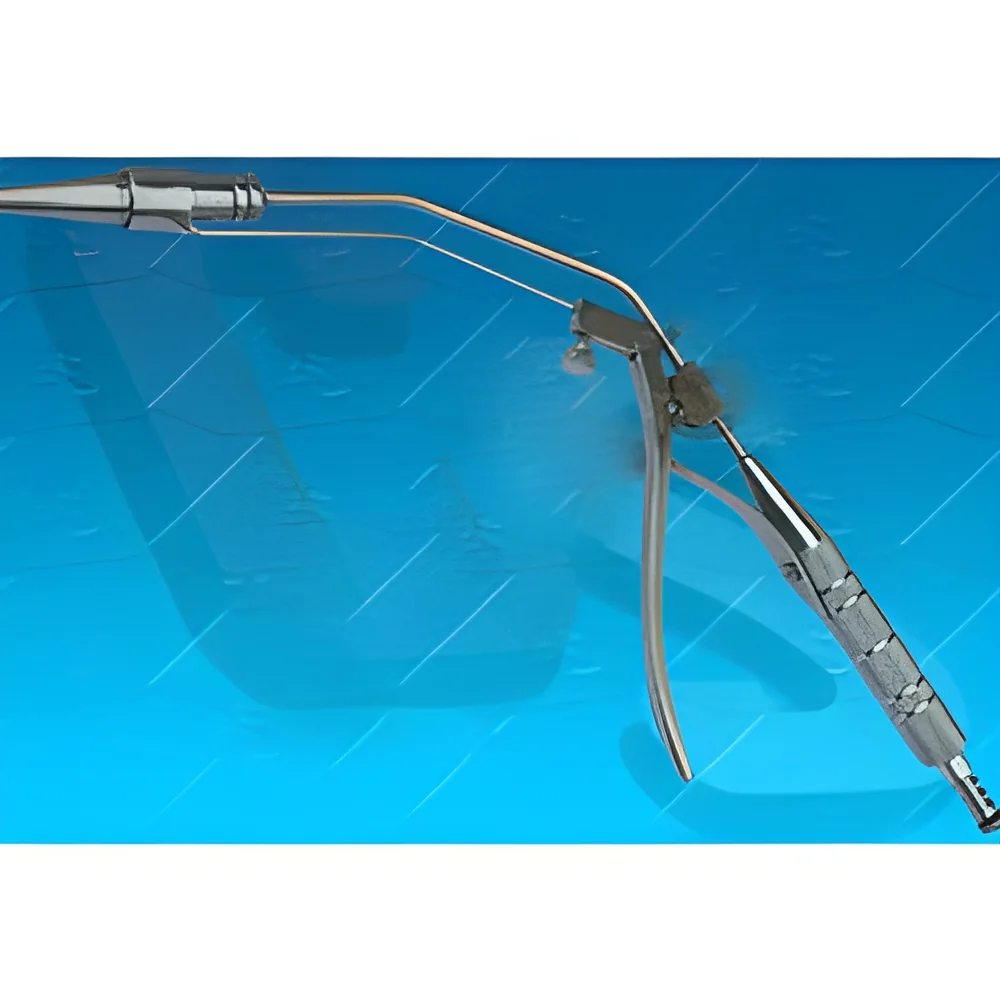
These instruments help clear blood and fluids from the surgical site, providing better visibility and access during operations. They are crucial in maintaining a clean working environment.
Retractors
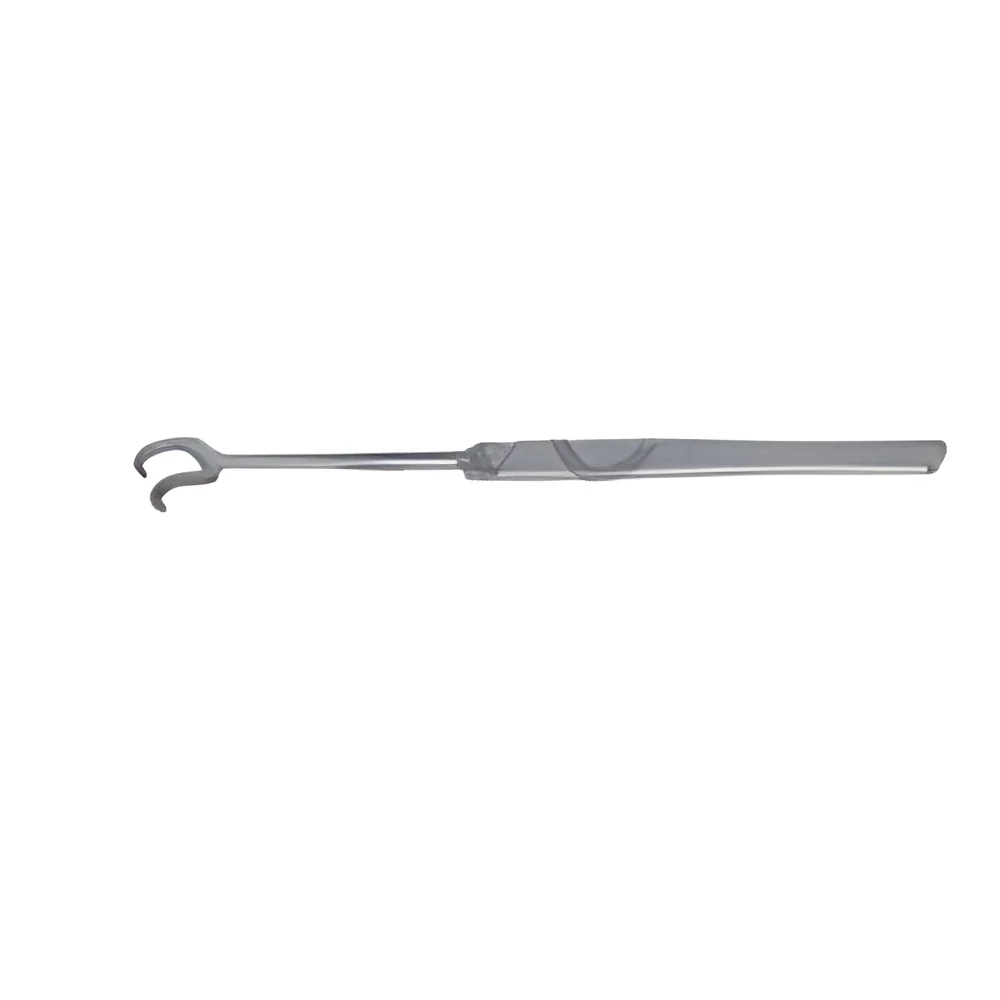
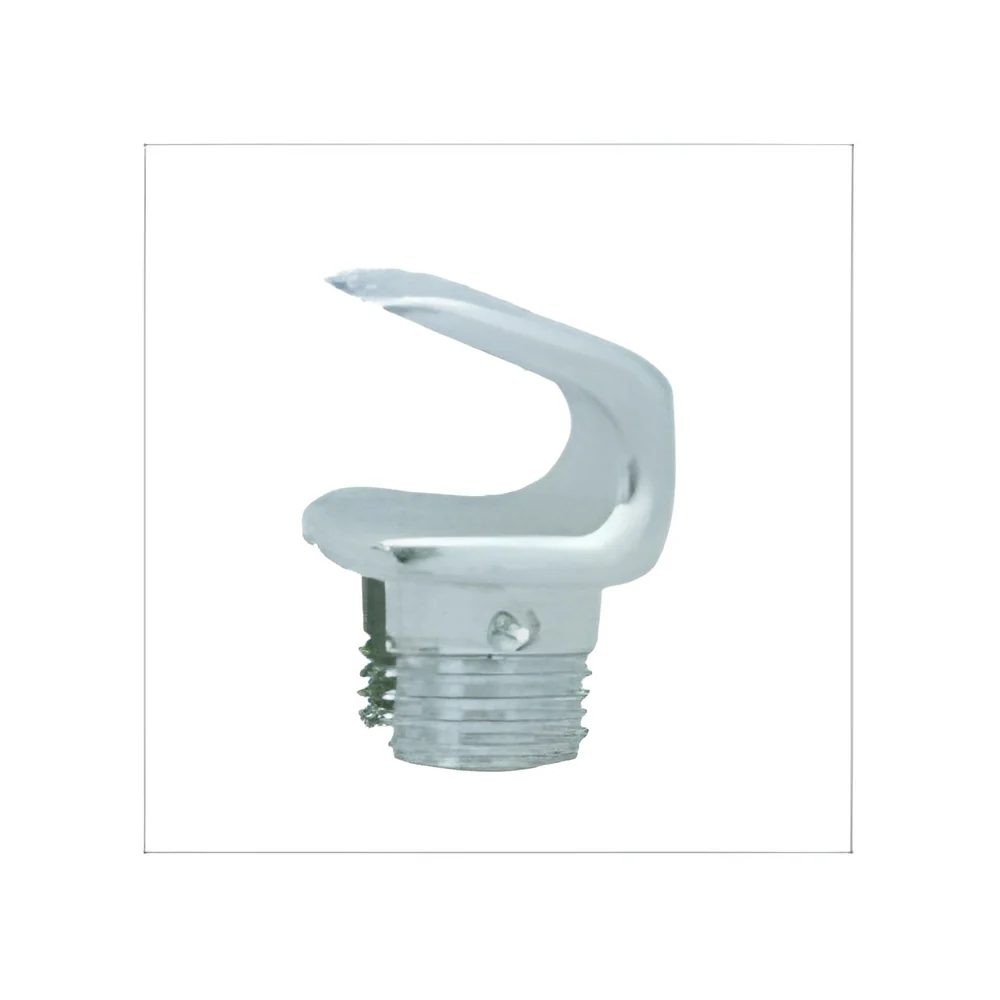
Used to hold back tissues, retractors allow surgeons to access the surgical site effectively. They come in various shapes and sizes for different applications.
Benefits and Advantages
Neurosurgery instruments offer numerous benefits that enhance surgical outcomes.
1. Precision: These instruments are designed for high precision, allowing surgeons to perform intricate procedures effectively.
2. Durability: Made from high-quality materials, these instruments are built to withstand repeated use while maintaining their effectiveness.
3. Sterility: Instruments are manufactured to meet stringent sterilization standards, reducing the risk of infection during surgical procedures.
4. Ergonomics: Many instruments feature ergonomic designs that reduce hand fatigue and improve control, enabling surgeons to focus on the task at hand.
5. Versatility: A wide range of instruments are available, making it easier for surgeons to find the right tool for various procedures.
6. Compliance: Instruments often meet regulatory standards, ensuring they are safe and effective for use in clinical settings.
Buying Guide for B2B Buyers
When sourcing neurosurgery instruments, it is essential for B2B buyers to consider several key factors.
1. Quality Assessment: Ensure that instruments meet established quality standards. Look for certifications and testing results that confirm their reliability and safety.
2. Supplier Verification: Vet suppliers to confirm their credibility in the industry. Research their history, customer reviews, and compliance with regulations.
3. Pricing and MOQ: Understand the pricing structure and minimum order quantities, which can vary significantly based on the supplier and instrument type.
4. Delivery and Lead Times: Discuss logistics thoroughly with suppliers. Ensure they can meet your delivery needs to avoid delays in surgical procedures.
5. Compliance Requirements: Familiarize yourself with the regulatory landscape relevant to neurosurgery instruments, including any specific certifications required in your region.
Compliance and Certifications
Neurosurgery instruments must adhere to various compliance and certification standards to ensure safety and efficacy.
One relevant standard is ISO 9001, which pertains to quality management systems. This ensures that manufacturers maintain consistent quality in their products.
In addition, many neurosurgery instruments carry CE certification, indicating they meet European Union safety and health standards. This certification is crucial for market acceptance in many regions.
Safety and testing requirements are also paramount. Instruments should be tested for durability and functionality in real-world surgical environments to assure reliability.
Regional compliance considerations may vary, so it is essential to stay informed about local regulations that affect the manufacture and distribution of neurosurgery instruments.
Why Source Neurosurgery Instruments from Pepagora?
Pepagora offers a reliable platform for sourcing neurosurgery instruments, providing several advantages for buyers.
The verified supplier network ensures that buyers are connected with reputable manufacturers and distributors in the industry. This reduces the risk of sourcing substandard products and enhances trust in the purchasing process.
The streamlined RFQ process allows buyers to easily request quotes from multiple suppliers, simplifying the comparison of pricing and specifications. This efficiency can lead to better purchasing decisions and cost savings.
Trade assurance and support are integral to Pepagora’s offerings. Buyers can benefit from protections that safeguard their transactions, ensuring that they receive the products as promised.
Moreover, Pepagora’s regional coverage extends across India, the GCC, and Southeast Asia, making it easier for businesses in these areas to access high-quality neurosurgery instruments tailored to local needs.





Frequently Asked Questions
What are Neurosurgery Instruments?
Neurosurgery instruments are specialized tools used in surgical procedures involving the brain, spinal cord, and other parts of the nervous system. These instruments are designed to provide precision, safety, and efficiency during neurosurgical operations.
What are the different types of Neurosurgery Instruments?
Different types of neurosurgery instruments include scalpels, forceps, retractors, and suction devices, among others. Each type is designed for specific functions and procedures, ensuring that surgeons have the necessary tools for various neurosurgical tasks.
How do I choose the right Neurosurgery Instruments?
Choosing the right neurosurgery instruments involves considering the specific surgical procedure, the surgeon's preferences, and the instrument's design and material. Consulting with experienced professionals and reviewing product specifications can help ensure the selection of appropriate instruments.
What are the standard specifications for Neurosurgery Instruments?
Standard specifications for neurosurgery instruments typically include material quality, size, weight, and ergonomic design. Instruments must meet stringent medical standards to ensure safety and effectiveness during surgical procedures.
What is the price range for Neurosurgery Instruments?
The price range for neurosurgery instruments can vary significantly based on the type of instrument, brand, and materials used. Generally, prices can range from a few thousand to several lakhs of Indian Rupees, depending on the complexity and technology involved.
What quality standards apply to Neurosurgery Instruments?
Neurosurgery instruments must comply with various quality standards, including ISO certifications and local regulatory requirements. These standards ensure that the instruments are safe, effective, and suitable for medical use.
Where can I find Neurosurgery Instruments suppliers in India?
You can find neurosurgery instruments suppliers in India through B2B marketplaces like Pepagora, medical supply exhibitions, and industry directories. Researching online and reaching out to manufacturers directly can also provide a list of reliable suppliers.
Can Neurosurgery Instruments be customized?
Yes, many manufacturers offer customization options for neurosurgery instruments to meet specific surgical needs or preferences. Customization may include variations in size, material, and design features.
What is the typical minimum order quantity for Neurosurgery Instruments?
The typical minimum order quantity (MOQ) for neurosurgery instruments can vary by supplier and product type. Generally, MOQs may range from one unit for specialized items to larger quantities for standard instruments.
What is the typical lead time for Neurosurgery Instruments?
The typical lead time for neurosurgery instruments can vary based on factors such as product availability, customization requests, and supplier location. Generally, lead times can range from a few days to several weeks.
Why Businesses Trust Pepagora
Thousands of companies trust Pepagora to source smarter and sell faster
Expand Your Sales Globally

Source Smarter,Grow Faster
