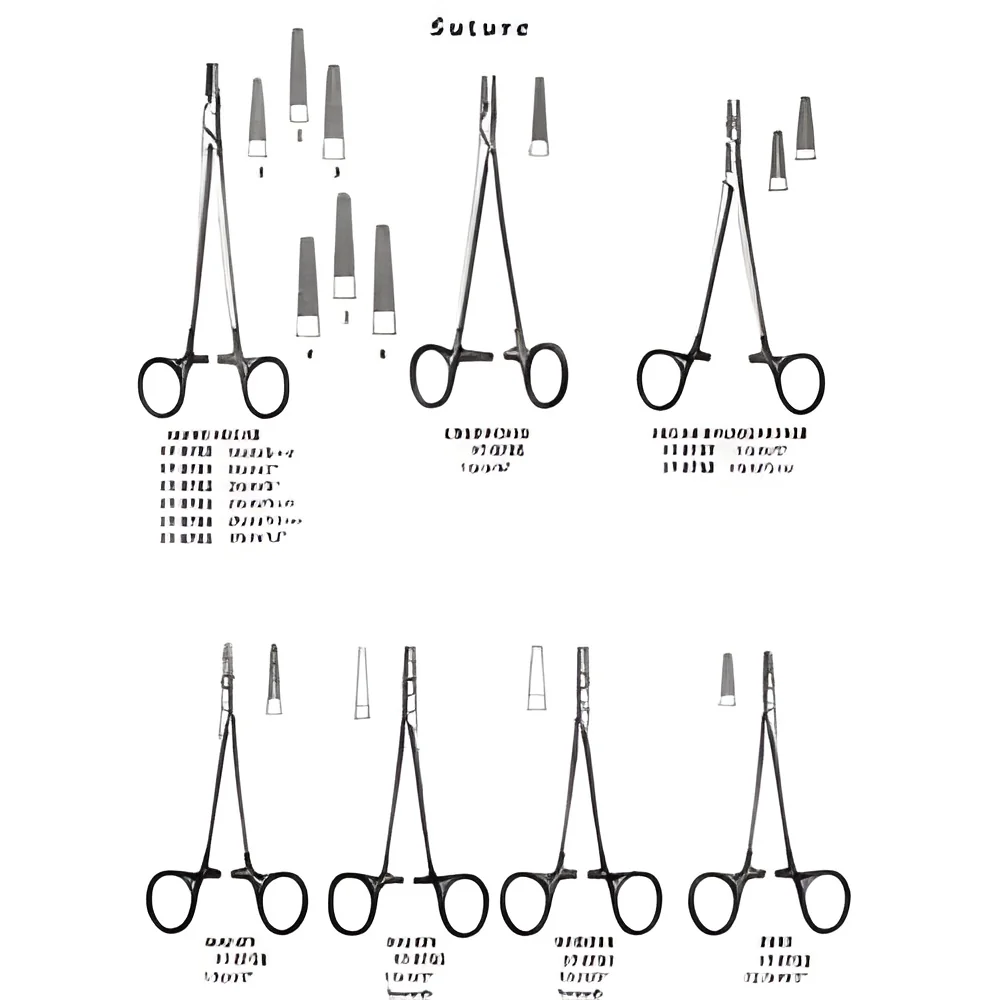
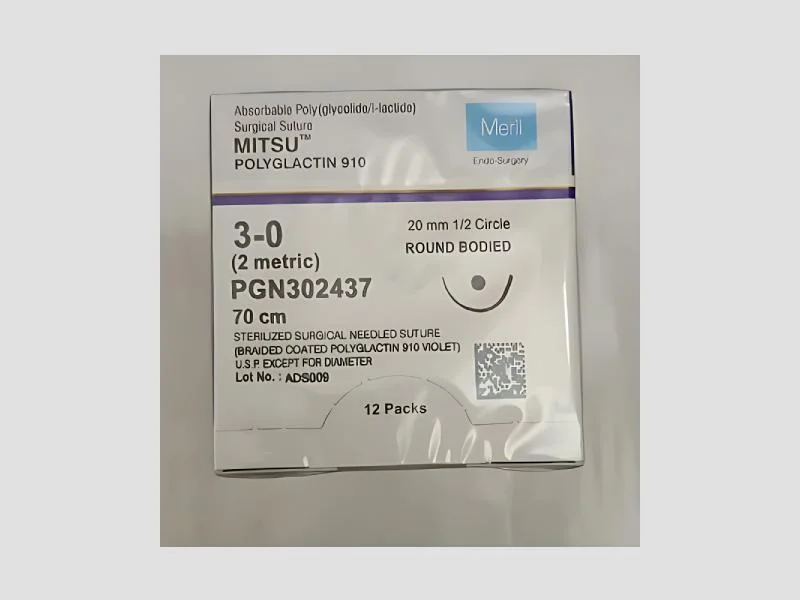
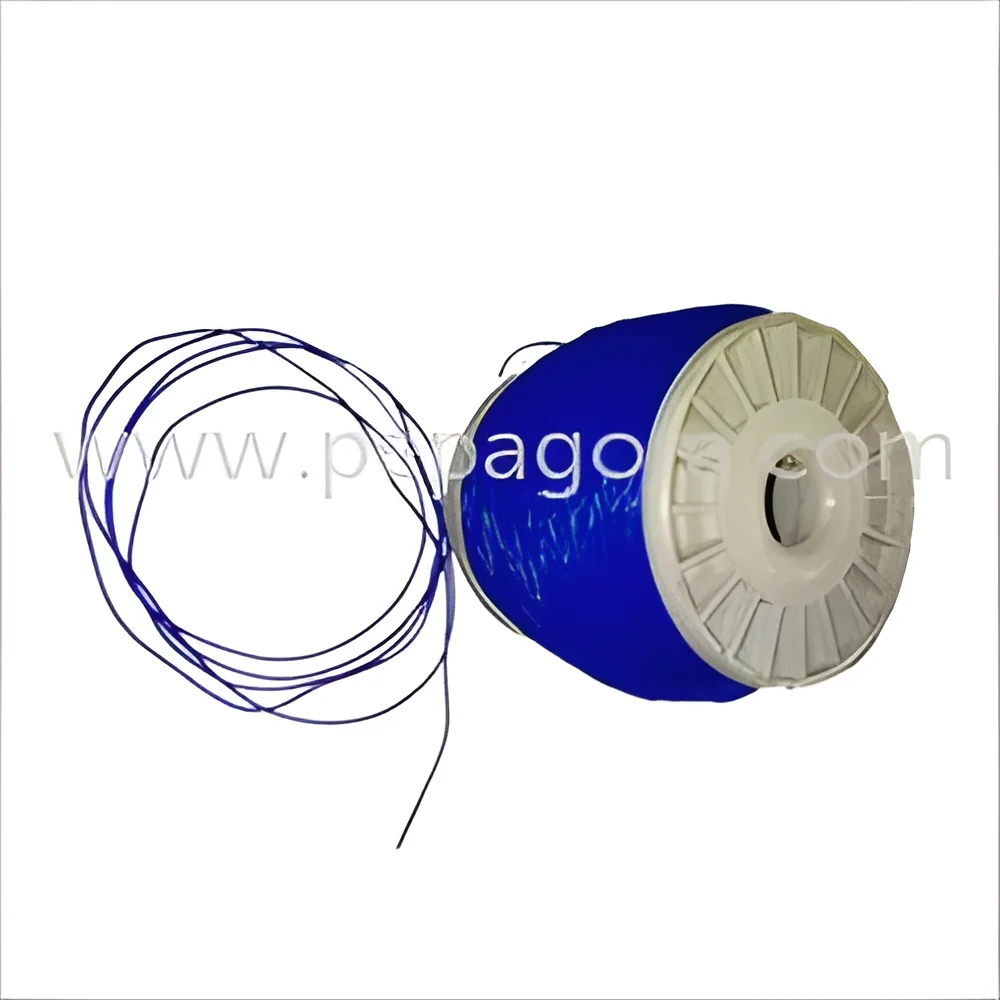
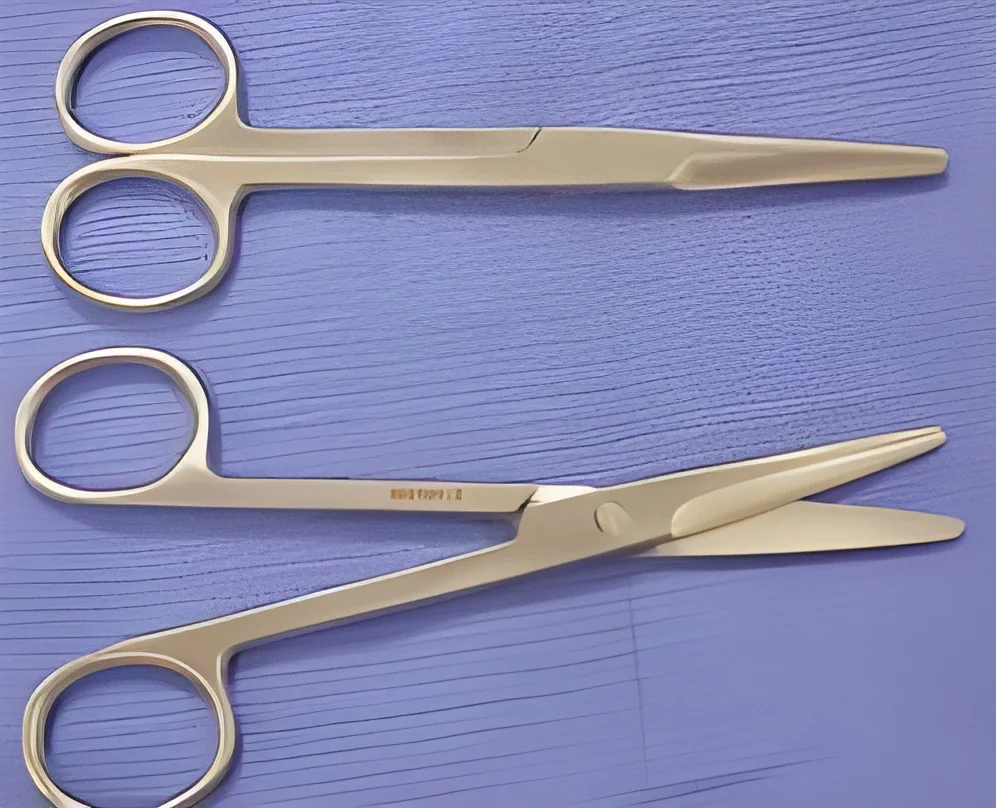
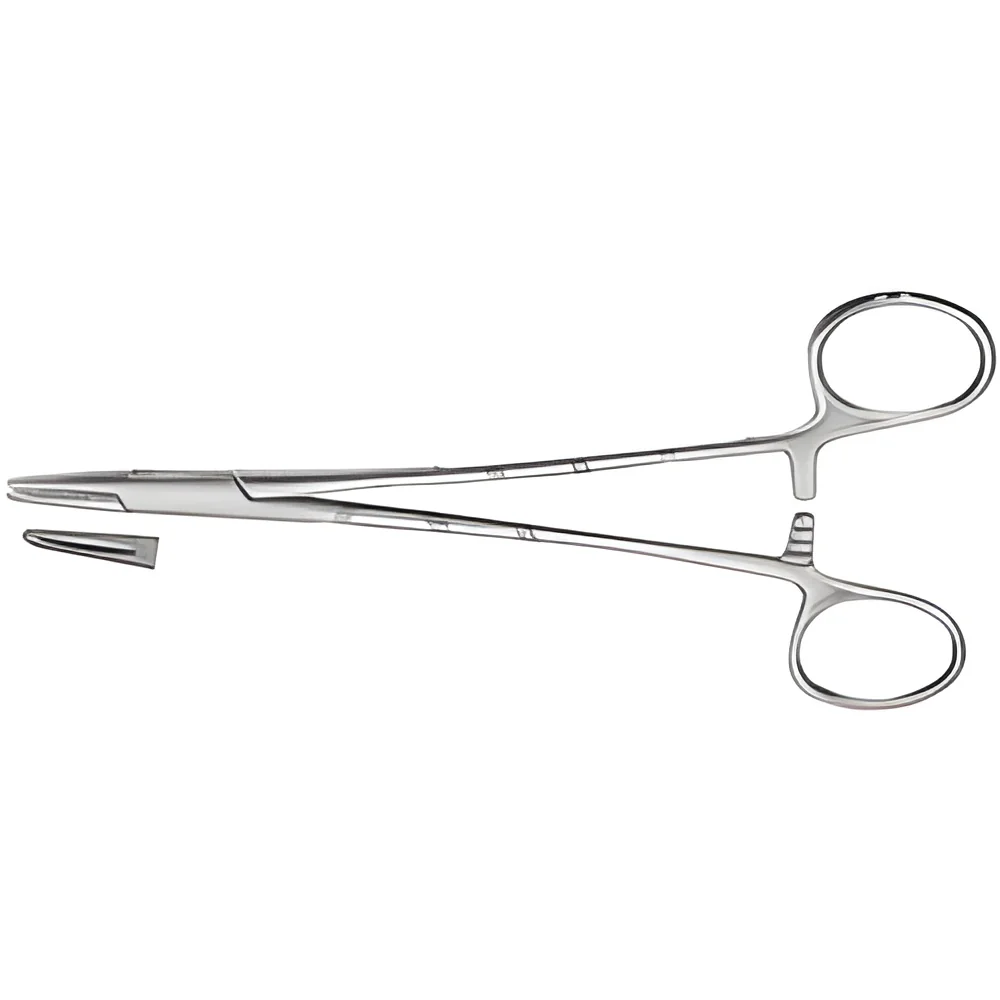
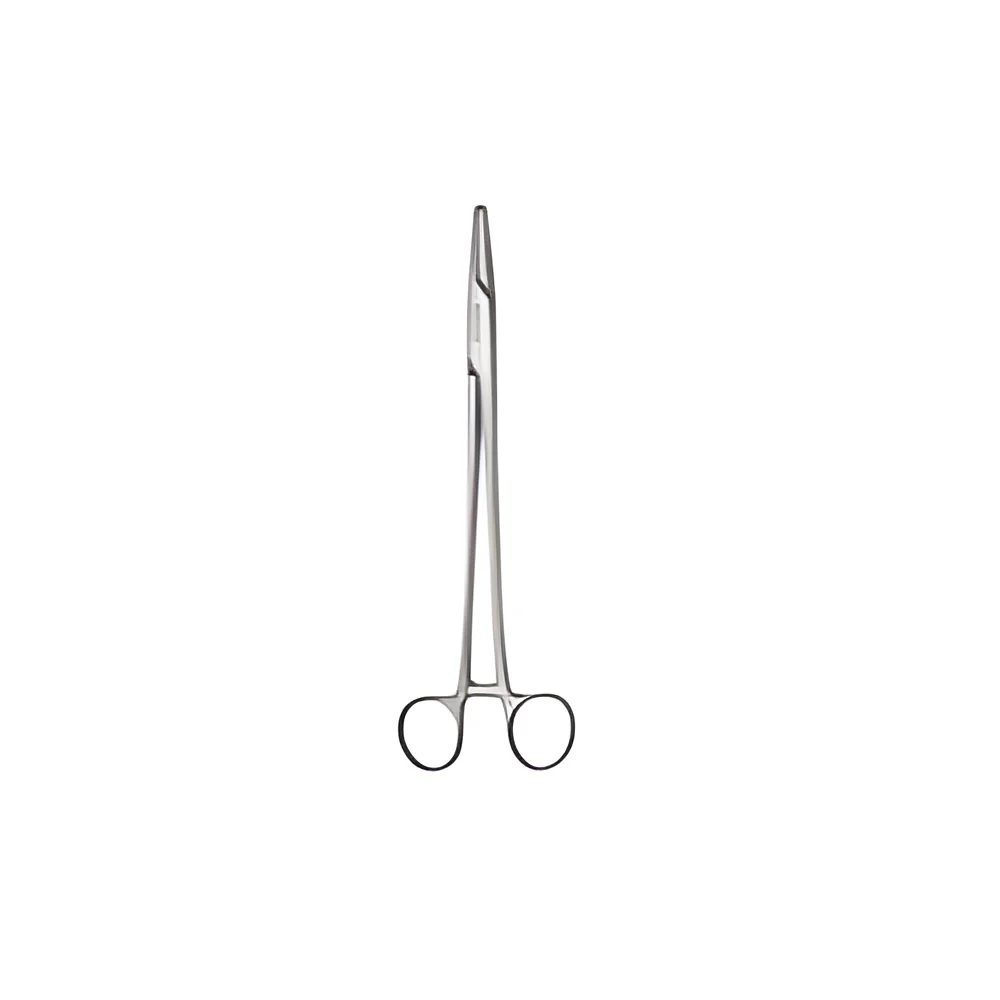
What are Suture?
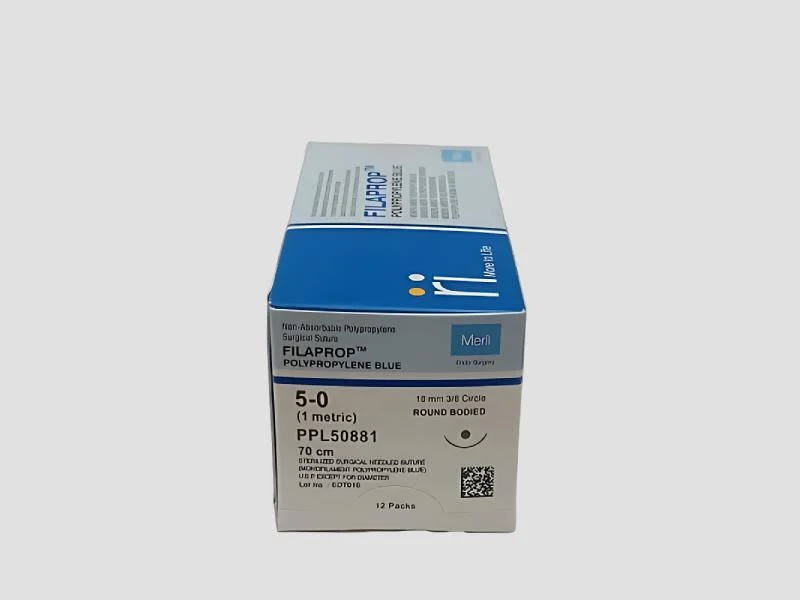
Sutures are medical devices used to close wounds or surgical incisions. They are typically made from a variety of materials, including absorbable and non-absorbable options, designed to hold tissue together during the healing process. Sutures can be categorized based on their material composition, structure, and intended use. The primary purpose of sutures is to facilitate wound healing by providing mechanical support until the body can naturally repair itself.
In the medical field, sutures play a critical role in various surgical procedures, including general surgery, orthopedic surgery, and cosmetic procedures. They are essential for ensuring proper healing and minimizing complications such as infection or dehiscence. Sutures are widely used in hospitals, clinics, and outpatient settings, reflecting their importance in patient care. The suture market is influenced by advancements in materials and technology, leading to innovative solutions that enhance surgical outcomes and patient safety.
Key Features and Specifications
Sutures come with a range of features and specifications that cater to different surgical needs. Understanding these specifications is vital for healthcare providers when selecting the appropriate suture for specific procedures.
Key specifications include:
1. Material Type
- Options include synthetic, natural, absorbable, and non-absorbable materials.
- Each type has distinct properties affecting healing times and tissue compatibility.
2. Diameter
- Measured in USP sizes, indicating the thickness of the suture.
- Common sizes range from 0 (thick) to 11-0 (very thin).
3. Length
- Available in various lengths to accommodate different surgical applications.
- Standard lengths can range from 30 cm to 150 cm.
4. Needle Type
- Sutures may come with various needle types, including cutting, tapered, or reverse cutting.
- The choice of needle affects the ease of penetration through tissue.
5. Absorption Rate
- Absorbable sutures are designed to dissolve over time, with rates varying from days to several months.
- Non-absorbable sutures are intended for long-term support.
6. Coating
- Some sutures are coated for smoother passage through tissue.
- Coatings can also enhance knot security and reduce tissue drag.
7. Sterility
- Sutures are typically provided in sterile packaging for single-use applications.
- Ensuring sterility is crucial for preventing infections during surgical procedures.
8. Certifications
- Many sutures carry certifications such as CE to indicate compliance with safety and quality standards.
Sutures are a vital component in surgical practice, and understanding their specifications can significantly impact surgical outcomes.
Common Applications and Use Cases
Sutures are utilized across a wide range of medical industries, reflecting their versatility and importance.
1. General Surgery: In general surgery, sutures are used for closing incisions after procedures such as appendectomies or cholecystectomies. They provide essential support to promote healing and minimize scarring.
2. Orthopedic Surgery: Sutures play a critical role in orthopedic procedures, such as repairing ligaments or tendons. They help stabilize the repair site and facilitate recovery.
3. Cosmetic Surgery: In cosmetic surgery, sutures are used to achieve precise closures and minimize visible scarring. Techniques like subcuticular suturing are common in aesthetic procedures.
4. Veterinary Medicine: Sutures are also essential in veterinary practices for closing wounds and performing surgeries on animals. The materials and techniques may vary based on the species treated.
5. Obstetrics and Gynecology: Sutures are used during childbirth and gynecological surgeries to repair lacerations or surgical sites, ensuring proper healing for the mother.
6. Cardiovascular Surgery: In cardiovascular operations, sutures are critical for closing incisions in the heart or blood vessels, ensuring hemostasis and promoting healing.
7. Dental Surgery: Sutures are commonly employed in dental surgeries, such as tooth extractions or gum grafts, to secure tissue and aid in recovery.
Product Variants and Subcategories
Sutures come in various forms, each designed for specific surgical applications.
Absorbable Sutures: These sutures are made from materials that dissolve over time, eliminating the need for removal. They are commonly used in internal tissues where long-term support is not necessary.
Non-Absorbable Sutures: Made from materials that do not dissolve, these sutures are intended for use in areas requiring long-term support. They may be used in skin closures or in surgeries where sutures need to remain in place.
Monofilament Sutures: These sutures consist of a single strand, providing a smooth passage through tissue. They are less likely to harbor bacteria but can be more challenging to handle.
Braided Sutures: Made from multiple strands woven together, braided sutures offer greater strength and security. They are often easier to tie but may increase tissue drag.
Benefits and Advantages
Sutures offer numerous benefits that enhance surgical procedures and patient outcomes.
1. Tissue Support: Sutures provide mechanical support to tissues during the healing process, ensuring proper alignment and function.
2. Reduced Infection Risk: Sterile sutures minimize the risk of infections at the surgical site, promoting safer healing.
3. Versatile Applications: With various types and materials, sutures can be tailored for both internal and external applications across numerous medical fields.
4. Improved Healing Times: Proper suture selection can contribute to faster healing and better surgical outcomes.
5. Patient Comfort: Modern sutures are designed to minimize discomfort and promote a seamless healing experience for patients.
6. Cost-Effectiveness: Sutures are generally an affordable solution for wound closure, making them accessible for various healthcare settings.
Buying Guide for B2B Buyers
When sourcing sutures for your organization, several factors should be considered to ensure quality and reliability.
1. Quality Assessment: Evaluate the quality of sutures by examining certifications and compliance with industry standards. Look for suppliers that adhere to stringent quality control measures.
2. Supplier Verification: Vet potential suppliers by reviewing their reputation, customer reviews, and compliance with regulatory requirements. Ensure they have a proven track record in the medical device industry.
3. Pricing and MOQ: Understand the pricing structure and minimum order quantities (MOQ) associated with sutures. Compare prices from different suppliers to find competitive options.
4. Delivery and Lead Times: Inquire about delivery schedules and lead times to ensure timely availability of sutures for your operations. Efficient logistics are crucial in maintaining workflow.
5. Compliance Requirements: Familiarize yourself with the necessary compliance and regulatory requirements for sutures in your region. Ensure that suppliers meet these standards to avoid legal issues.
Compliance and Certifications
Sutures must adhere to various quality standards and regulatory requirements to ensure safety and efficacy.
Quality standards such as ISO 9001 ensure that manufacturers follow best practices in quality management systems. This certification indicates that the company is committed to continuous improvement and customer satisfaction.
Industry certifications like CE mark compliance signify that the sutures meet European health and safety standards. This certification is crucial for gaining access to international markets and ensuring product reliability.
Safety and testing requirements are essential to validate the performance of sutures. Manufacturers must conduct rigorous testing to evaluate the materials, durability, and biocompatibility of their products.
Regional compliance considerations may vary based on local regulations. It is important to be aware of the specific requirements in your area to guarantee that the sutures meet all necessary legal standards.
Why Source Suture from Pepagora?
Pepagora provides a trusted platform for sourcing sutures, offering several key advantages for B2B buyers.
Verified Supplier Network: Pepagora connects buyers with a network of verified suppliers, ensuring that all listed products meet high-quality standards. This verification process provides peace of mind and reduces procurement risks.
Streamlined RFQ Process: The platform features a streamlined request for quotation (RFQ) system, making it easy for buyers to obtain competitive pricing and options from multiple suppliers quickly.
Trade Assurance and Support: Pepagora offers trade assurance and support for buyers, safeguarding transactions and ensuring that any issues are addressed promptly. This buyer protection enhances confidence in purchasing decisions.
Regional Coverage: With a strong presence in India, the GCC, and Southeast Asia, Pepagora facilitates access to a wide range of sutures, catering to diverse market needs. This geographic reach allows buyers to source products that best fit their operational requirements.

 IN
IN