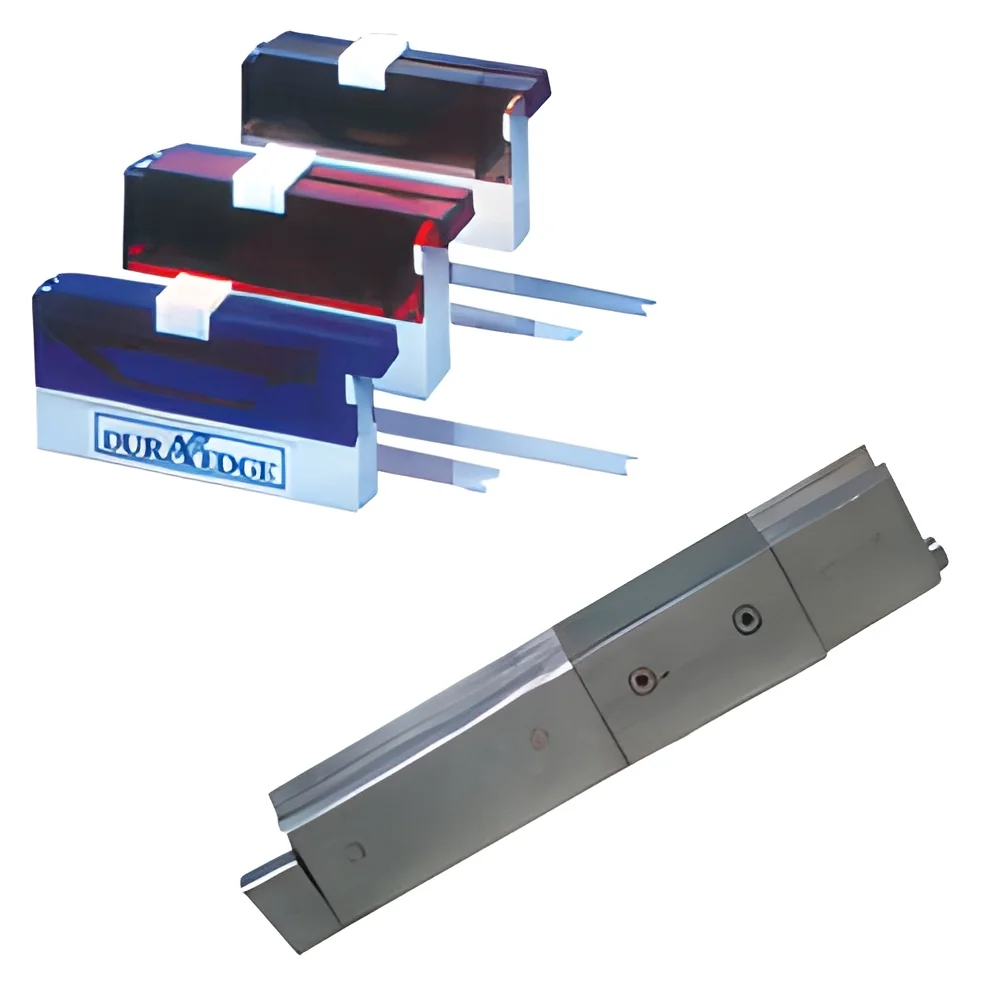
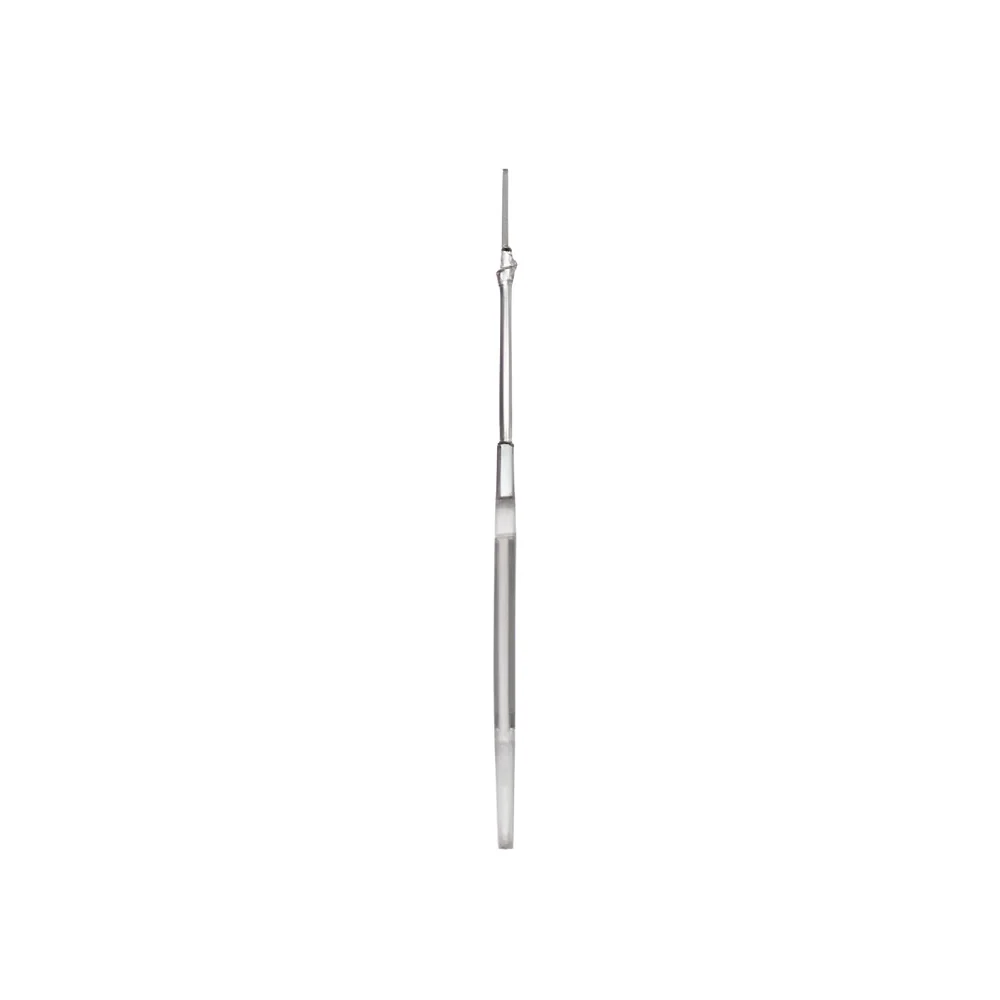
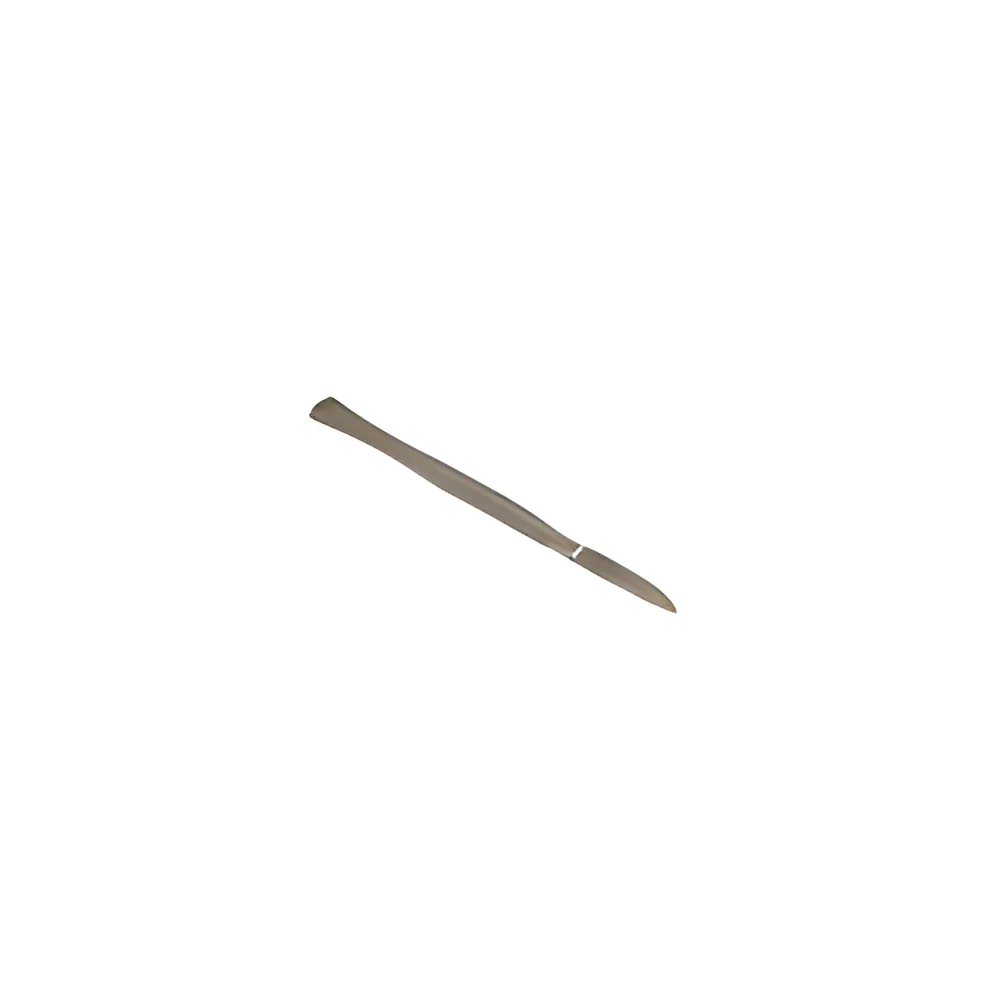
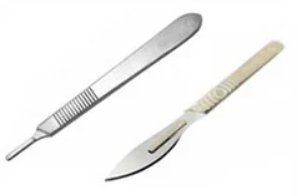
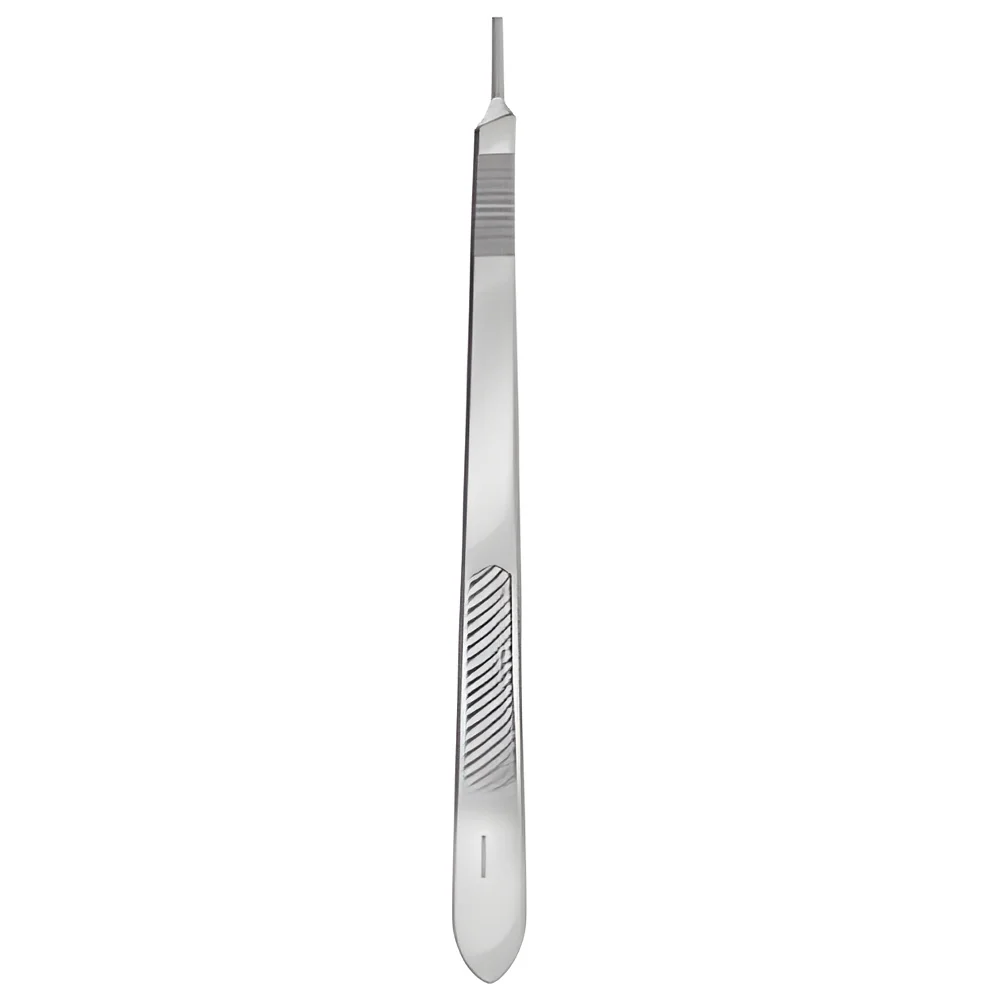
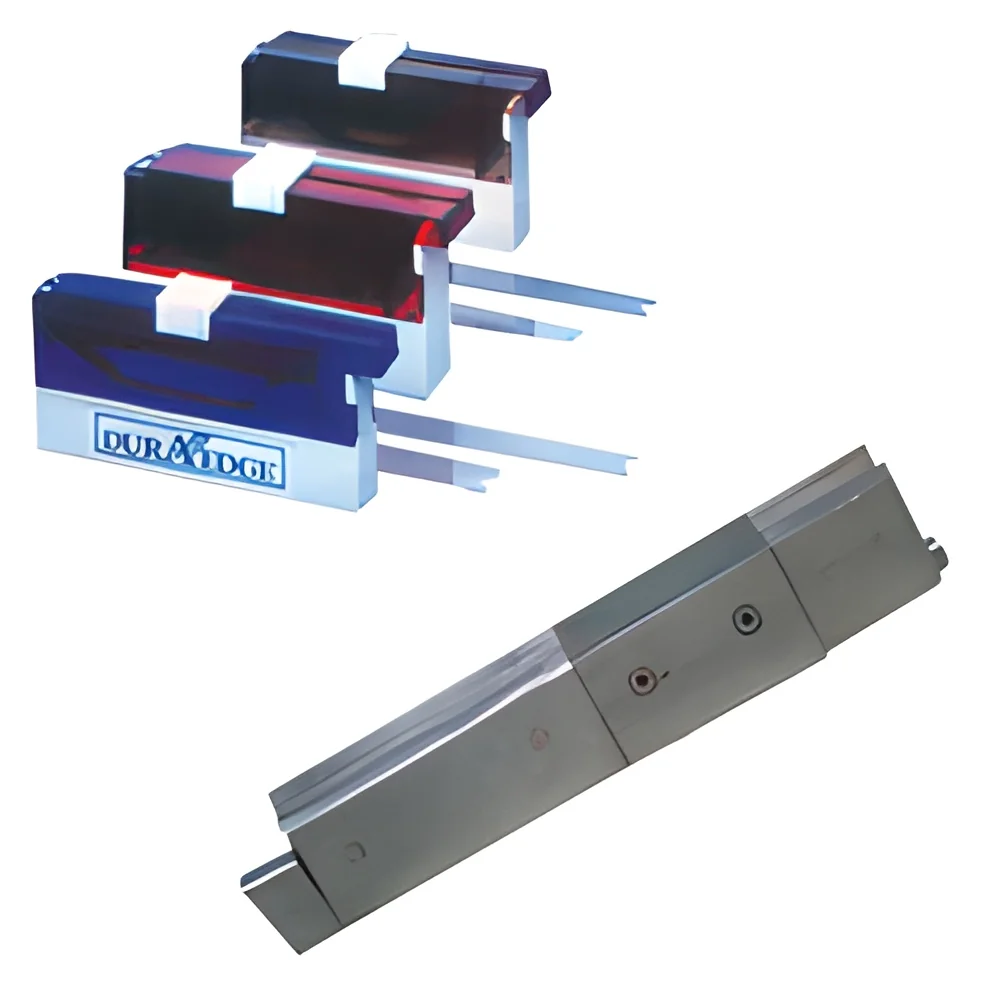
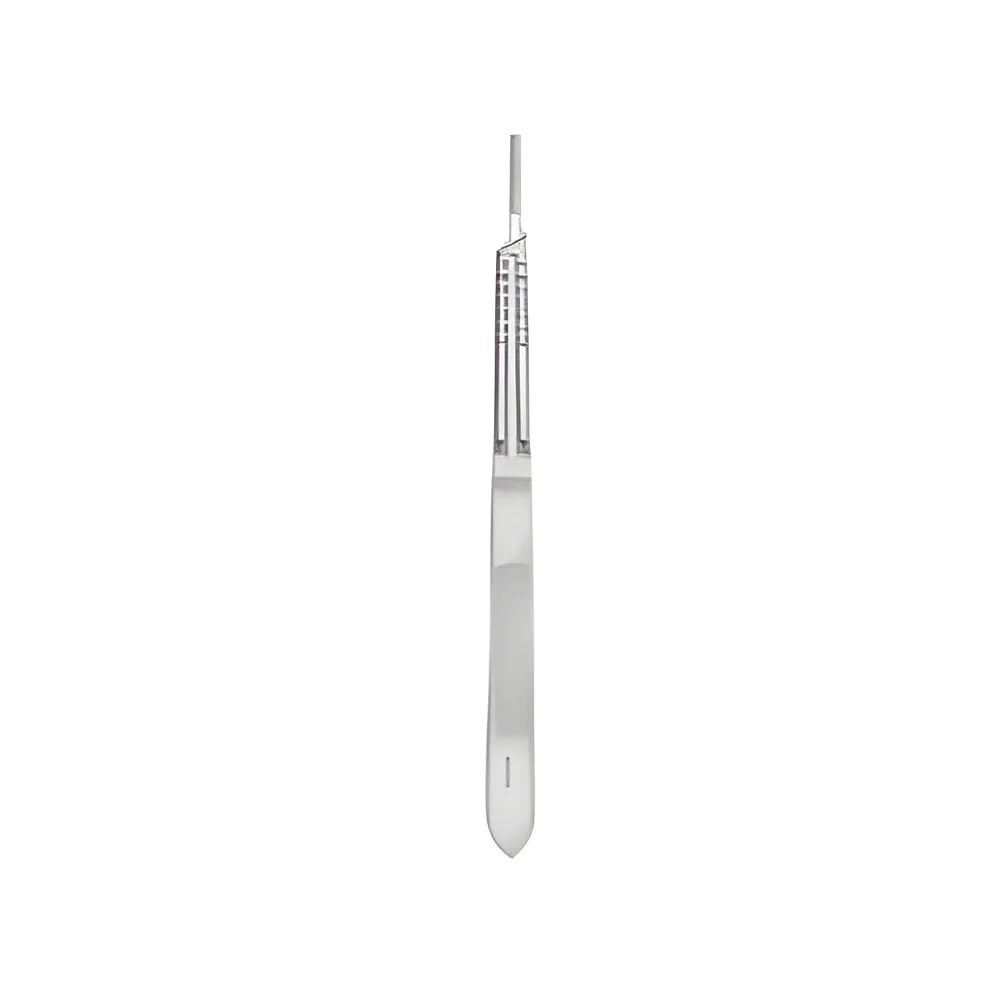
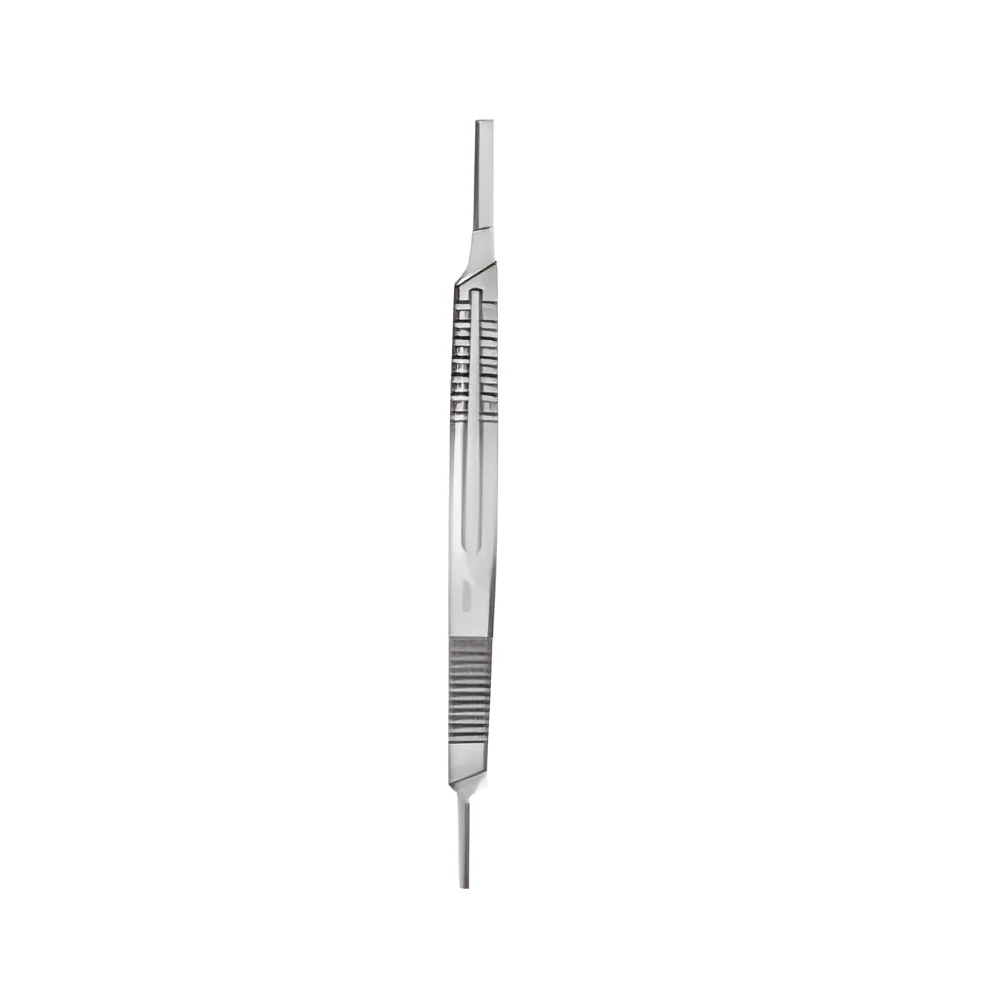
What are Scalpels & Blades?
Scalpels and blades are precision cutting instruments used primarily in medical, surgical, and industrial applications. They are designed for accuracy and control, allowing for clean incisions on various materials. Scalpels typically feature a handle and a replaceable blade, while blades can come in various shapes and sizes depending on their intended use. The sharpness and design of these tools make them essential for tasks that require meticulous cutting.
These instruments are widely used in healthcare settings, particularly in surgical procedures, where precision is critical. Beyond the medical field, scalpels and blades find applications in laboratories, manufacturing, and even in artisan crafts. They are crucial for tasks ranging from dissection in biological studies to cutting materials in production environments. The demand for high-quality scalpels and blades continues to grow, driven by advancements in medical technology and the need for efficiency across various industries.
In today's market, the relevance of scalpels and blades extends beyond their basic functions. As industries evolve, the specifications and features of these tools are becoming more advanced, catering to specialized needs. This has led to a competitive landscape where manufacturers strive to meet stringent standards for quality and safety, ensuring that users receive reliable and effective cutting tools.
Key Features and Specifications
Scalpels and blades are characterized by a range of features and specifications that enhance their performance and usability. Understanding these specifications is essential for selecting the right product for specific applications.
Key specifications include:
1. Blade Material
- High-quality stainless steel is commonly used for its corrosion resistance and durability.
- Some blades may be made from carbon steel for enhanced sharpness.
2. Blade Shapes
- Various shapes are available, including straight, curved, and specialty designs.
- Each shape serves a specific purpose, enhancing cutting efficiency.
3. Handle Design
- Ergonomic handles provide comfort and control during use.
- Available in disposable and reusable options.
4. Sterilization Options
- Blades can be pre-sterilized or designed for easy sterilization.
- Compliance with health standards is vital in medical applications.
5. Size Variations
- Scalpels and blades come in different sizes to accommodate various tasks.
- Smaller blades are ideal for intricate work, while larger blades are suited for broader cuts.
6. Packaging Types
- Blades may be sold individually or in bulk packaging.
- Individual packaging often includes sterile options for medical use.
7. Customization Options
- Some manufacturers offer customization for specific blade shapes or handle designs.
- Custom solutions can meet unique industry requirements.
In summary, understanding the features and specifications of scalpels and blades is crucial for making informed purchasing decisions. These factors significantly influence their performance, safety, and suitability for various applications.
Common Applications and Use Cases
Scalpels and blades are versatile tools used across numerous industries. Their precision and reliability make them indispensable in various settings.
1. Healthcare: In surgical procedures, scalpels are used for making incisions and performing dissections. They are vital for surgeons, enabling them to execute complex procedures with accuracy.
2. Laboratory: In research and testing environments, scalpels are employed for dissection and sample preparation. Their precision allows scientists to handle delicate specimens without damage.
3. Manufacturing: In production lines, scalpels and blades are utilized for cutting materials such as plastics, fabrics, and metals. They help ensure clean cuts, which is essential for quality control.
4. Arts and Crafts: Artists and hobbyists use scalpels for detailed cutting tasks in paper crafting, model making, and other creative endeavors. Their sharpness allows for intricate designs.
5. Veterinary Applications: Scalpels are also used in veterinary medicine for surgical operations on animals. Their precision aids in ensuring successful outcomes in various procedures.
6. Culinary: In professional kitchens, scalpels may be used for precise cutting techniques, especially in food presentation and preparation.
7. Forensic Analysis: In forensic labs, scalpels are crucial for evidence collection and analysis. They allow for careful handling of materials without contamination.
Product Variants and Subcategories
Scalpels and blades come in a variety of forms to suit different user needs and applications. Each variant is designed with specific features tailored to particular tasks.
Disposable Scalpels: These are single-use instruments that come pre-sterilized. They are ideal for use in surgical procedures where hygiene is paramount, eliminating the need for sterilization between uses.
Reusable Scalpels: Designed for multiple uses, these scalpels allow for blade replacement while retaining the handle. They are economical and can be sterilized for continued use in various settings.
Surgical Blades: These blades are specifically designed for surgical applications. They come in various shapes and sizes to meet the specific requirements of different surgical procedures.
Crafting Blades: These blades are designed for use in arts and crafts. They are typically smaller and allow for more detailed cutting work, making them suitable for creative projects.
Microtome Blades: Used in laboratories, these blades are designed for slicing thin sections of specimens for microscopic examination. They require a high degree of sharpness and precision.
Benefits and Advantages
Choosing the right scalpels and blades offers several advantages that enhance performance and efficiency in various applications.
1. Precision Cutting: Scalpels provide exceptional sharpness, allowing for clean and accurate cuts. This is essential in surgical procedures and detailed crafting.
2. Versatility: With various shapes and sizes, scalpels and blades can handle a wide range of tasks across multiple industries, from healthcare to manufacturing.
3. Safety Features: Many scalpels come with safety mechanisms to prevent accidental cuts, ensuring user safety during handling and use.
4. Quality Materials: High-quality materials enhance durability and performance, providing long-lasting tools that withstand rigorous use.
5. Cost-Effective Options: The availability of disposable and reusable scalpels allows buyers to choose products that meet their budget and usage needs.
6. Compliance with Standards: Many scalpels and blades meet industry standards for quality and safety, ensuring users can trust their reliability in critical applications.
Buying Guide for B2B Buyers
When sourcing scalpels and blades, B2B buyers should consider several critical factors to ensure they select the best products for their needs.
1. Quality Assessment: Evaluate the quality of materials and manufacturing processes. Look for products that comply with industry standards, such as CE certification.
2. Supplier Verification: Research and vet potential suppliers to ensure they have a track record of reliability and quality in their products. This can include checking references and reviews.
3. Pricing and MOQ: Understand the pricing structure and minimum order quantities (MOQ) required by suppliers. This will help in budgeting and planning inventory needs.
4. Delivery and Lead Times: Consider the logistics involved in sourcing these products. Ensure that suppliers can meet your delivery timelines to avoid disruptions in operations.
5. Compliance Requirements: Be aware of any regulatory compliance needed for your industry. This may include health and safety standards, especially for medical applications.
Compliance and Certifications
Compliance and certifications are critical in ensuring that scalpels and blades meet industry standards for safety and quality. Relevant quality standards include ISO 9001, which outlines the criteria for quality management systems. This certification assures buyers that the products have undergone rigorous quality checks.
Additionally, HACCP (Hazard Analysis Critical Control Point) standards may apply, particularly in food-related applications. This approach focuses on food safety through effective management of hazards.
CE marking is another important certification for scalpels and blades sold in Europe, indicating compliance with EU safety regulations. This certification is essential for medical devices and ensures products are safe for use.
Safety and testing requirements are also crucial. Manufacturers must conduct thorough testing to confirm that their products are safe and effective for their intended uses. Regional compliance considerations may vary and should be reviewed based on local regulations and industry practices.
Why Source Scalpels & Blades from Pepagora?
Pepagora provides a trusted platform for sourcing scalpels and blades, offering several key advantages to buyers.
One significant benefit is the verified supplier network. Pepagora ensures that all suppliers are thoroughly vetted, providing buyers with confidence in the quality and reliability of the products they are purchasing.
The streamlined RFQ process simplifies the quotation system, allowing buyers to request and receive quotes from multiple suppliers efficiently. This saves time and helps in making informed purchasing decisions.
Trade assurance and support are additional features that Pepagora offers to protect buyers. This includes safeguards to ensure that transactions are secure and that buyers receive the products as described.
Finally, Pepagora boasts regional coverage across India, the GCC, and Southeast Asia. This extensive reach means that buyers can source products locally, ensuring faster delivery times and reduced logistics costs.

 IN
IN