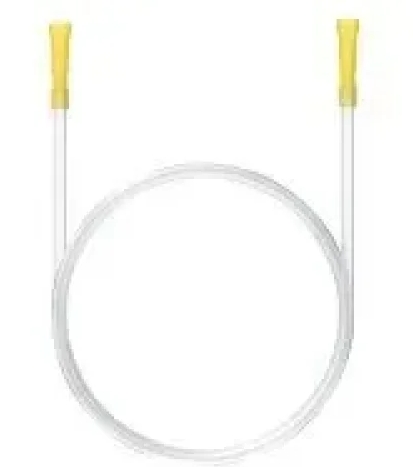
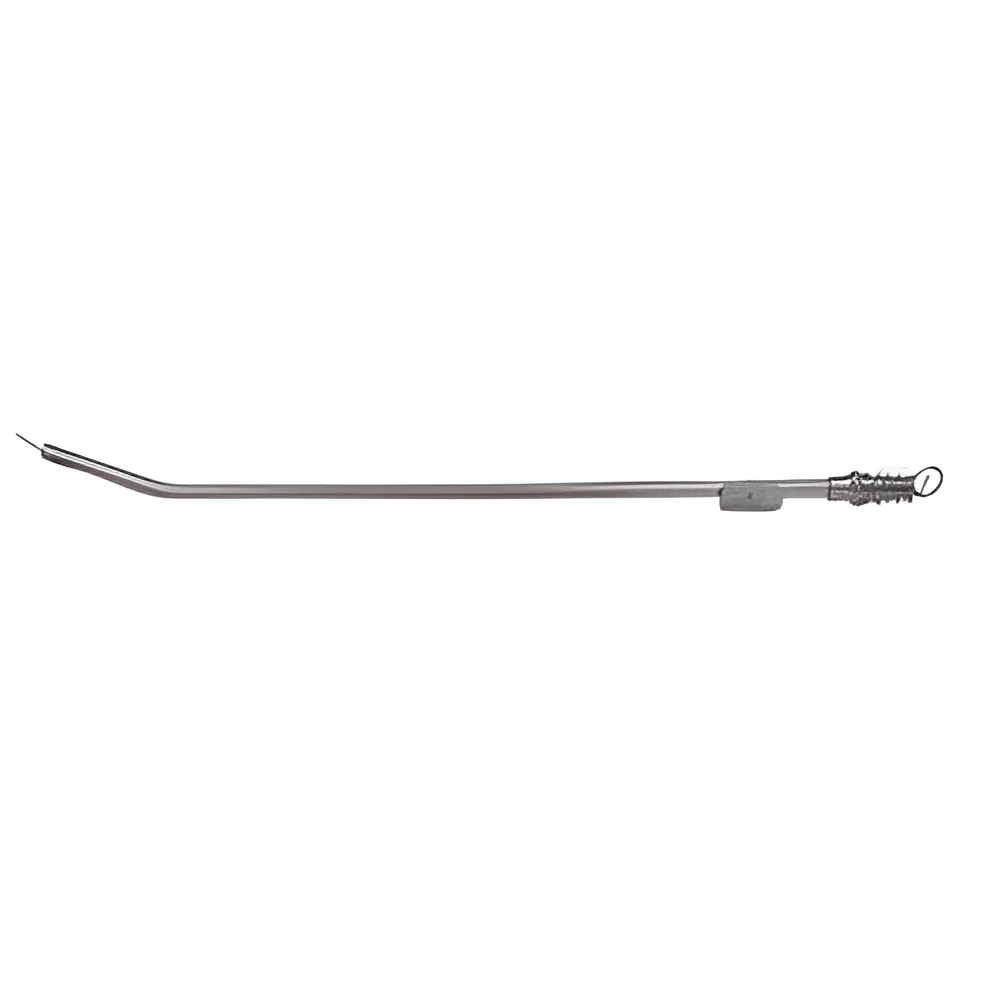
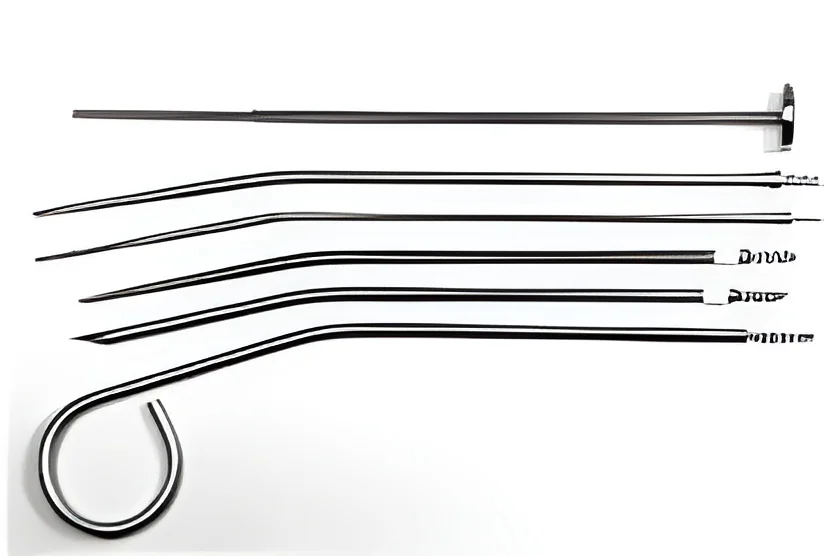
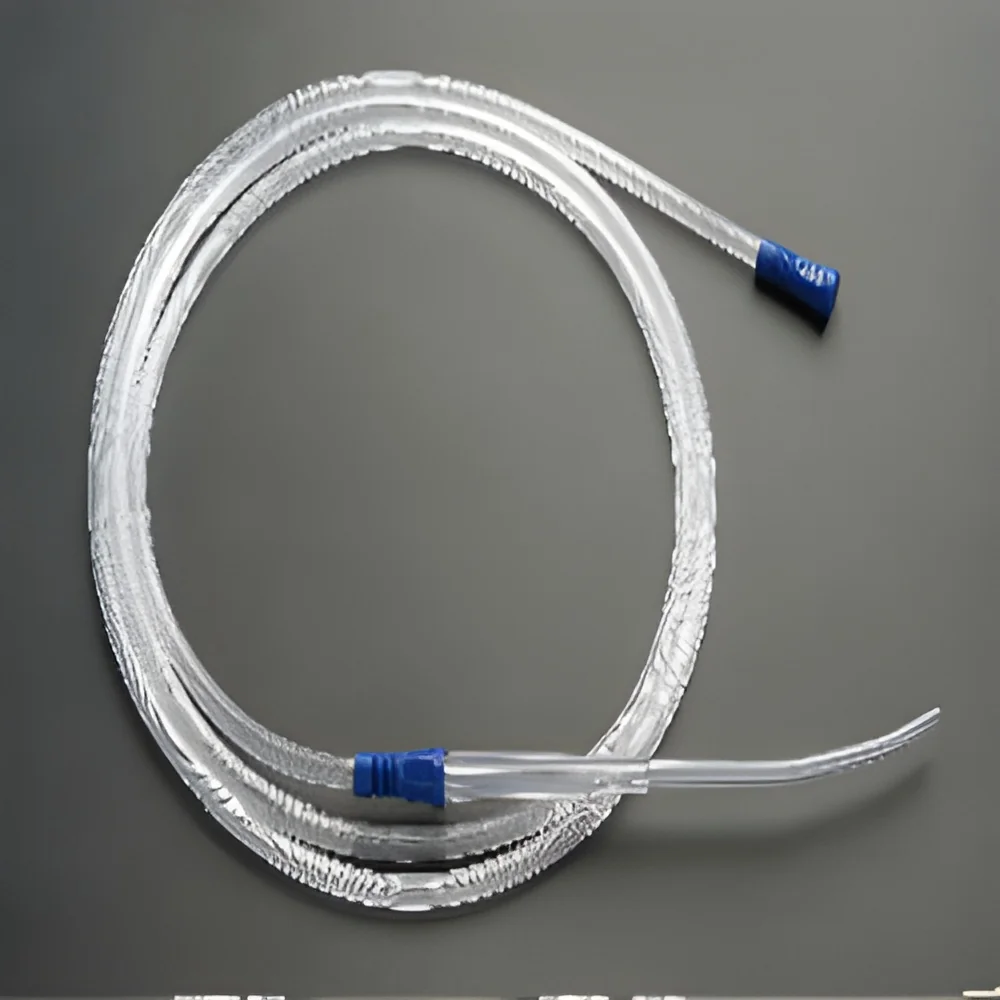
What are Surgical Suction Tips & Tubing?
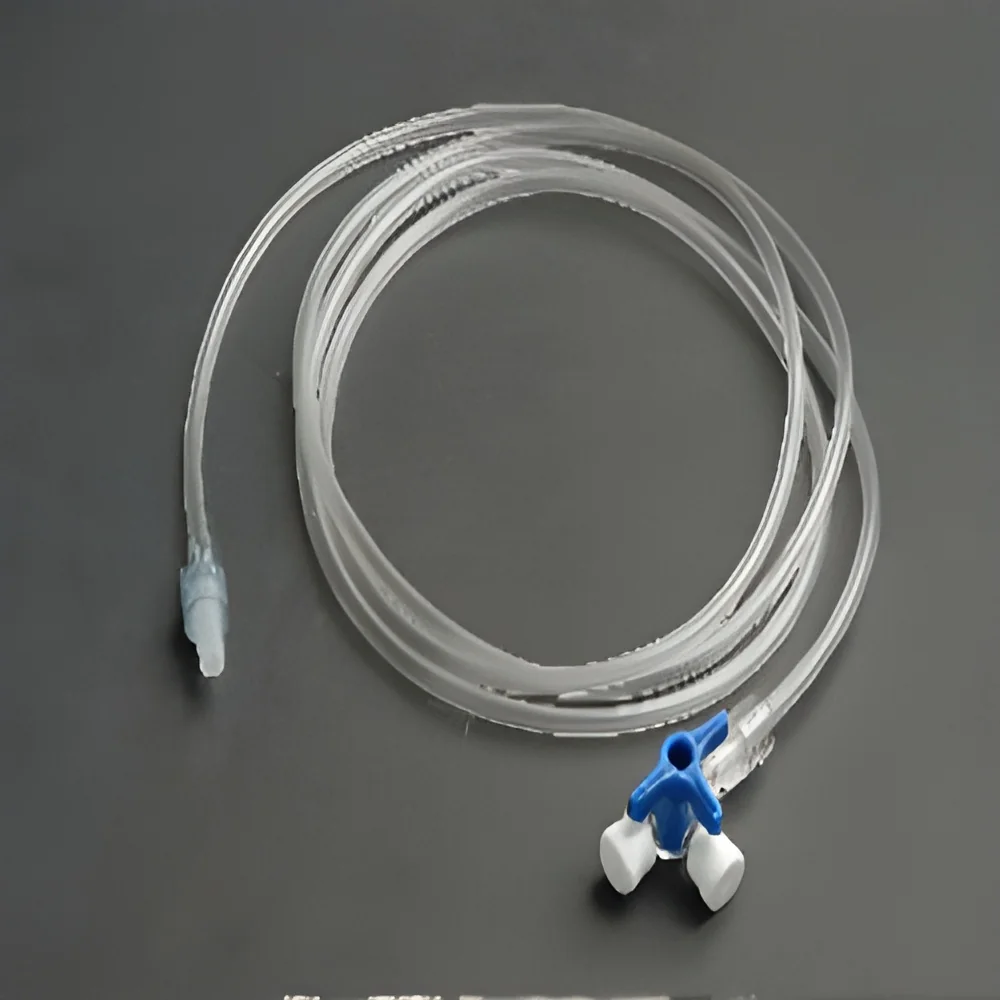
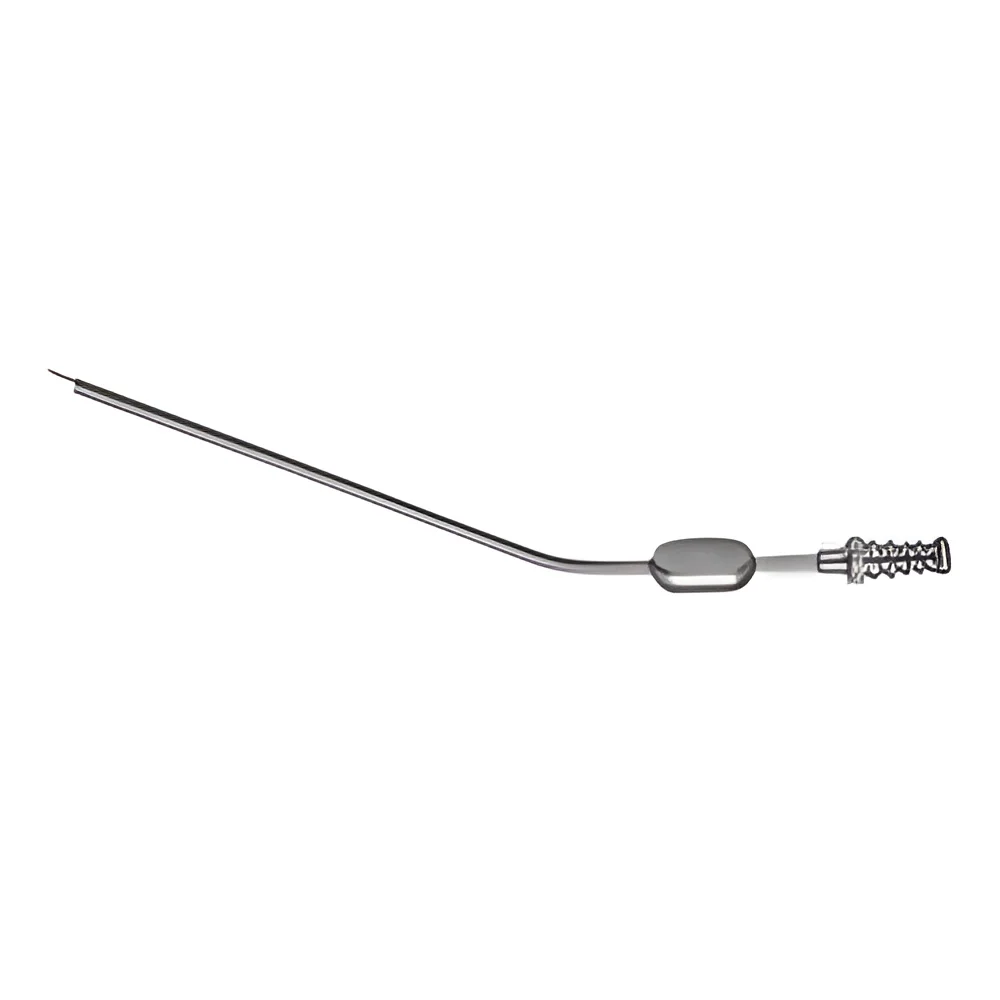
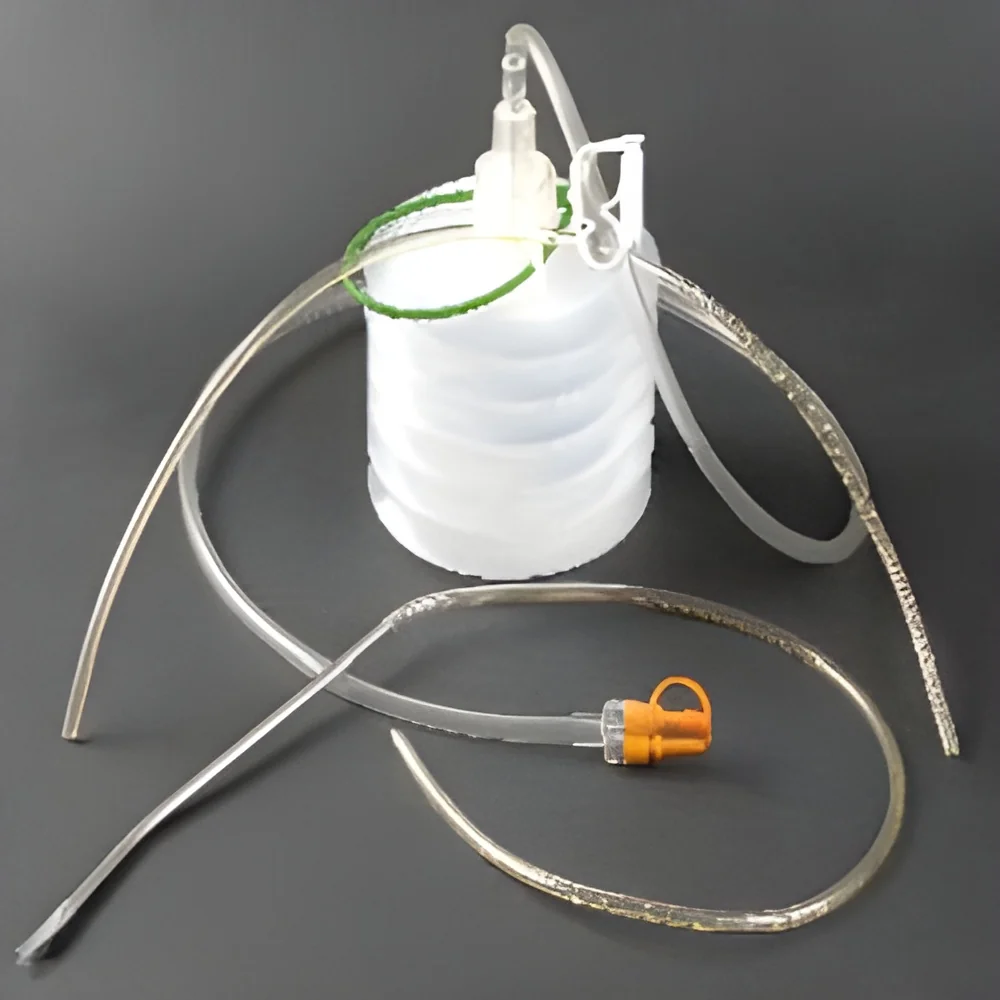
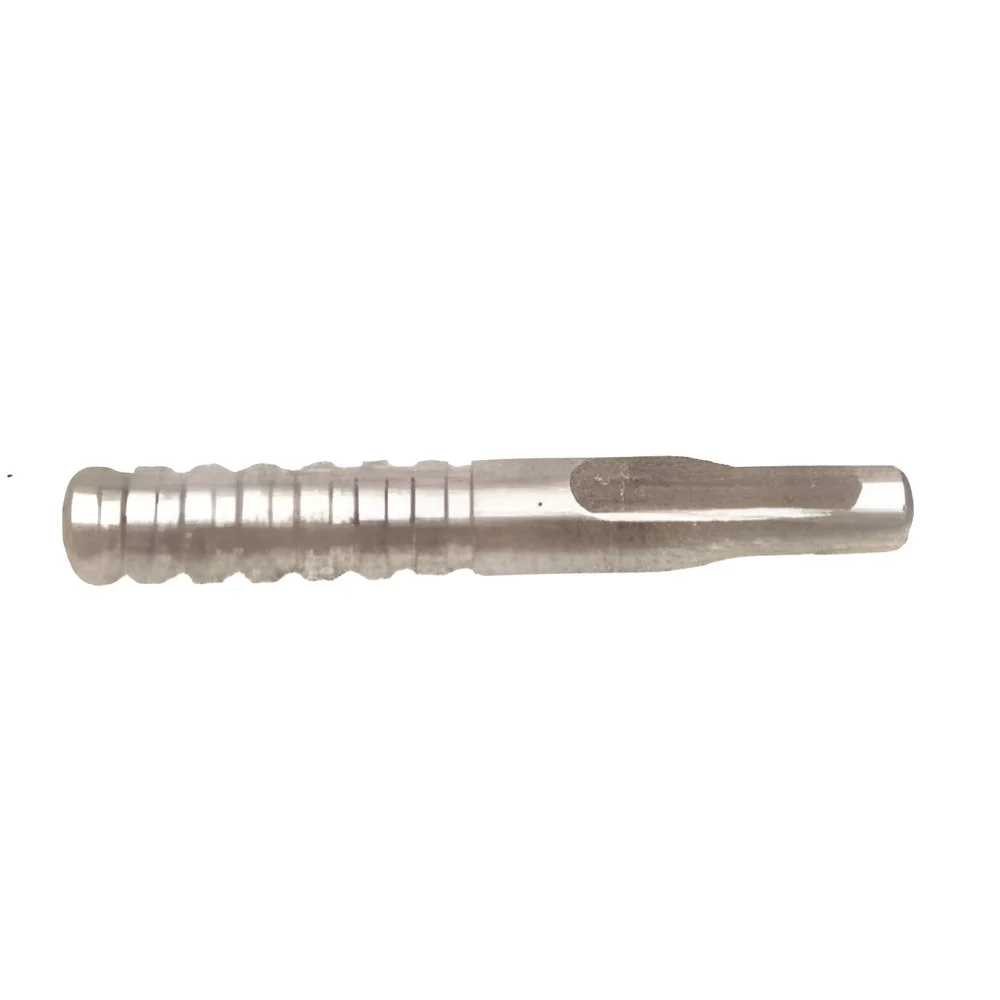
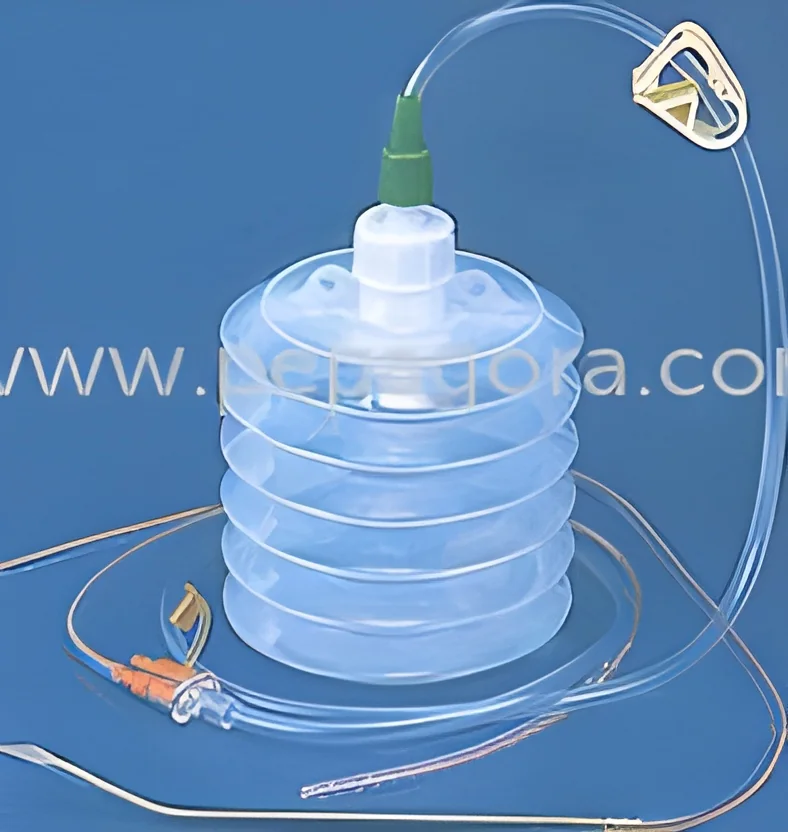
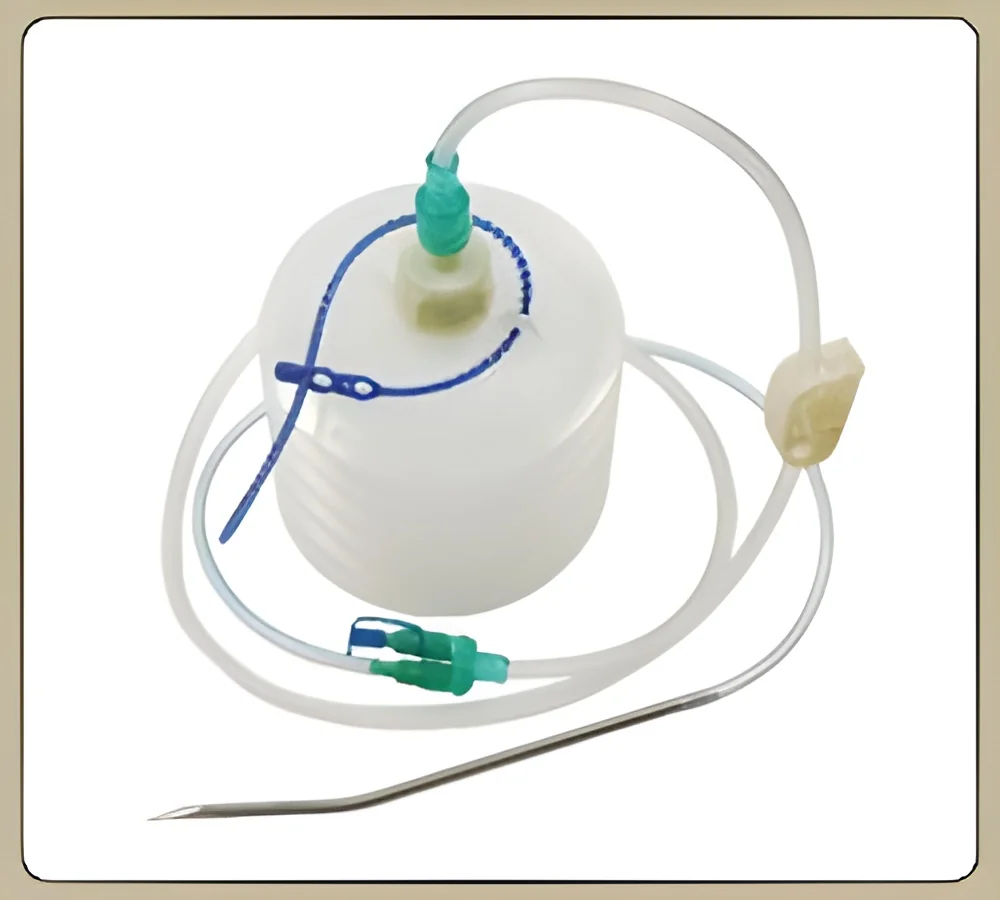
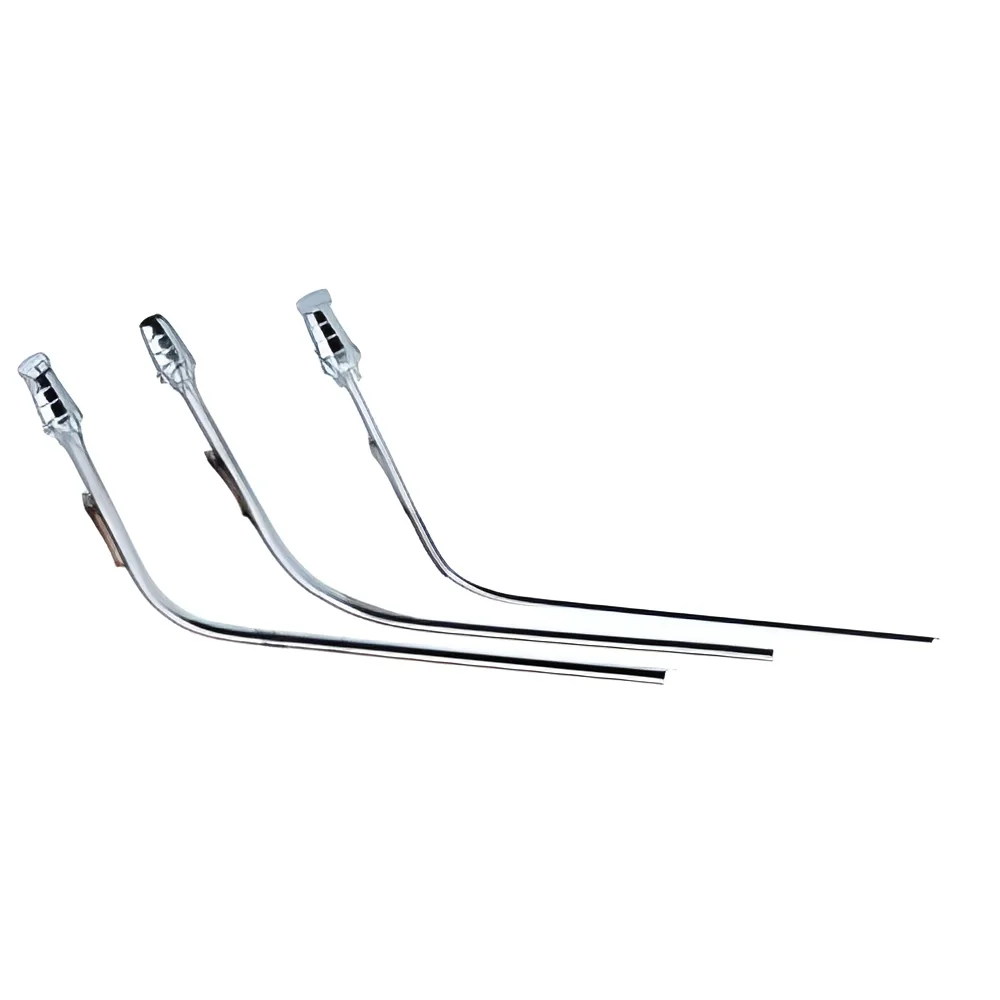
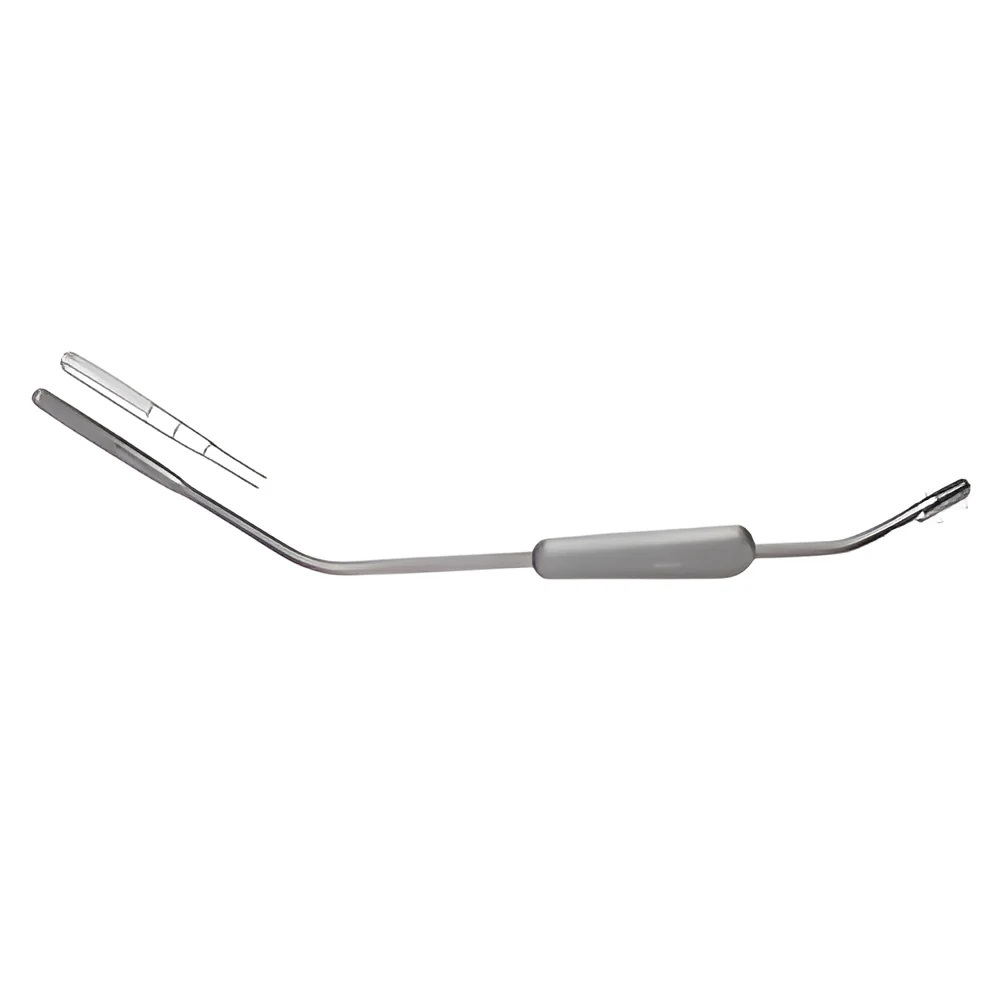
Surgical suction tips and tubing are essential medical devices used in various surgical procedures to remove fluids and debris from a patient's body. These tools typically consist of a hollow tube with a tip that can be shaped in different forms to facilitate the efficient removal of blood, mucus, or other bodily fluids. The design of these tips allows for precise suction in tight areas, ensuring that the surgical site remains clear and visible to the medical team.
These devices are primarily employed in operating rooms, emergency care, and clinical settings where fluid management is crucial. Their applications range from general surgery to specialized fields such as obstetrics and gynecology, urology, and orthopedics. The relevance of surgical suction tips and tubing in the medical industry is significant, as they contribute to patient safety and improved surgical outcomes by preventing fluid accumulation during procedures.
Key Features and Specifications
Surgical suction tips and tubing come with several defining characteristics that ensure their effectiveness and reliability in medical settings. Understanding these features is important for making informed purchasing decisions.
Key specifications include:
1. Material Composition
- Typically made from medical-grade plastics or silicone for durability and biocompatibility.
- Ensures safety and reduces the risk of allergic reactions.
2. Tip Design
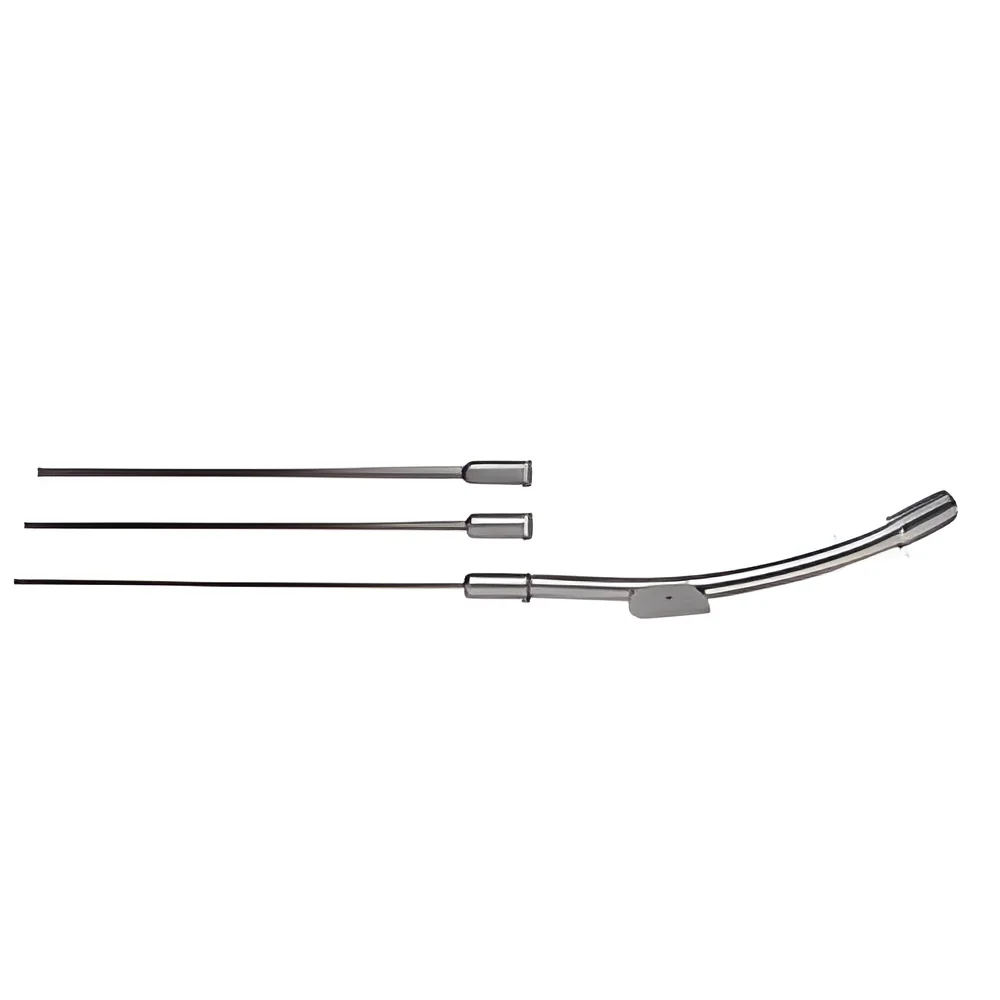
- Available in various shapes and sizes, including curved, straight, and angled tips.
- Designed to enhance suction efficiency and maneuverability.
3. Diameter Options
- Available in multiple diameters to accommodate different surgical needs.
- Common sizes range from 5mm to 12mm, depending on the application.
4. Length Variability
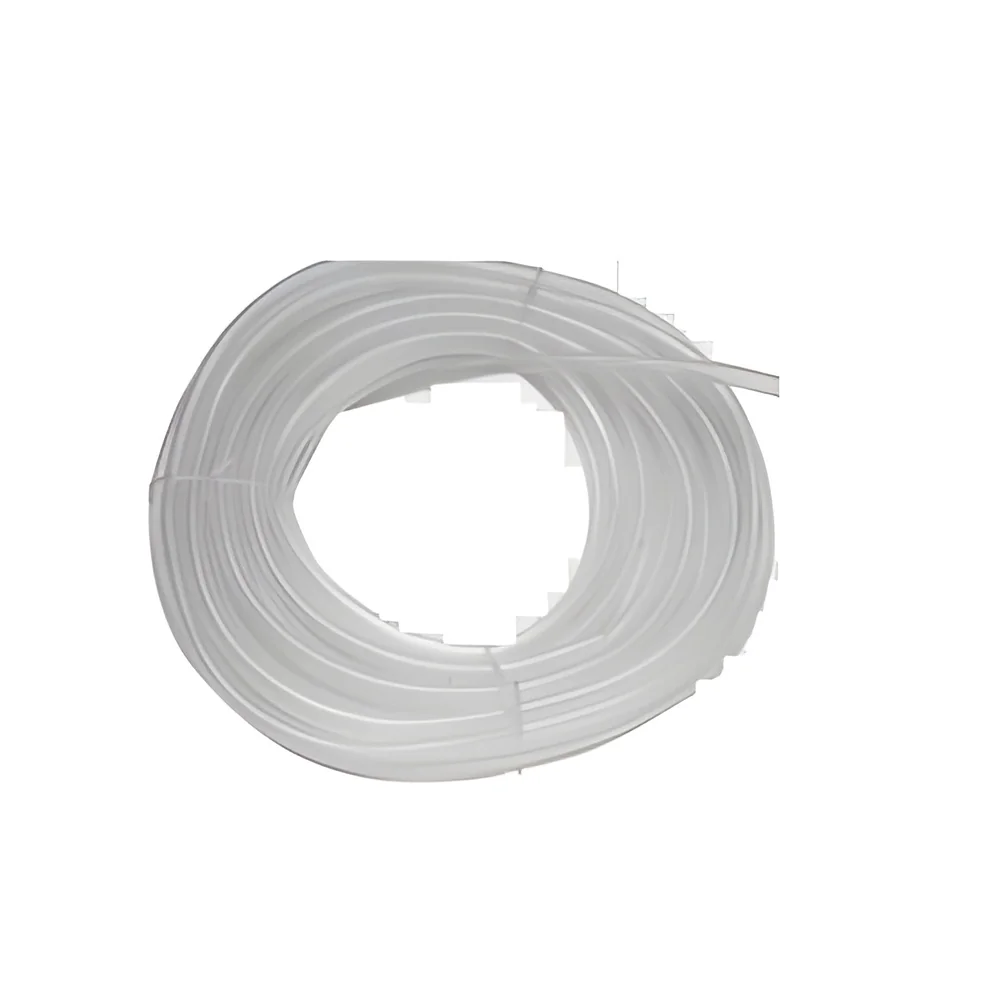
- Tubing lengths can vary, typically from 30cm to 150cm.
- Longer tubing options provide flexibility in positioning during procedures.
5. Connector Types
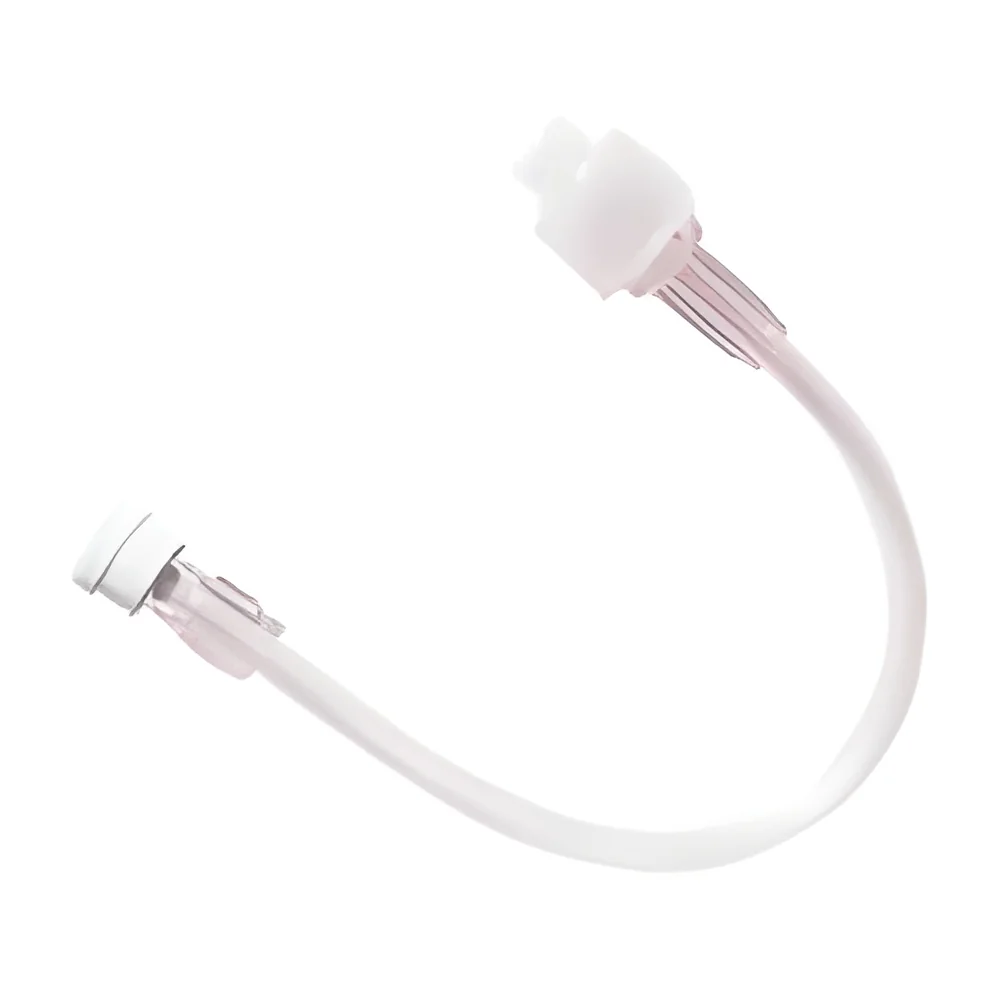
- Compatible with standard suction systems and machines.
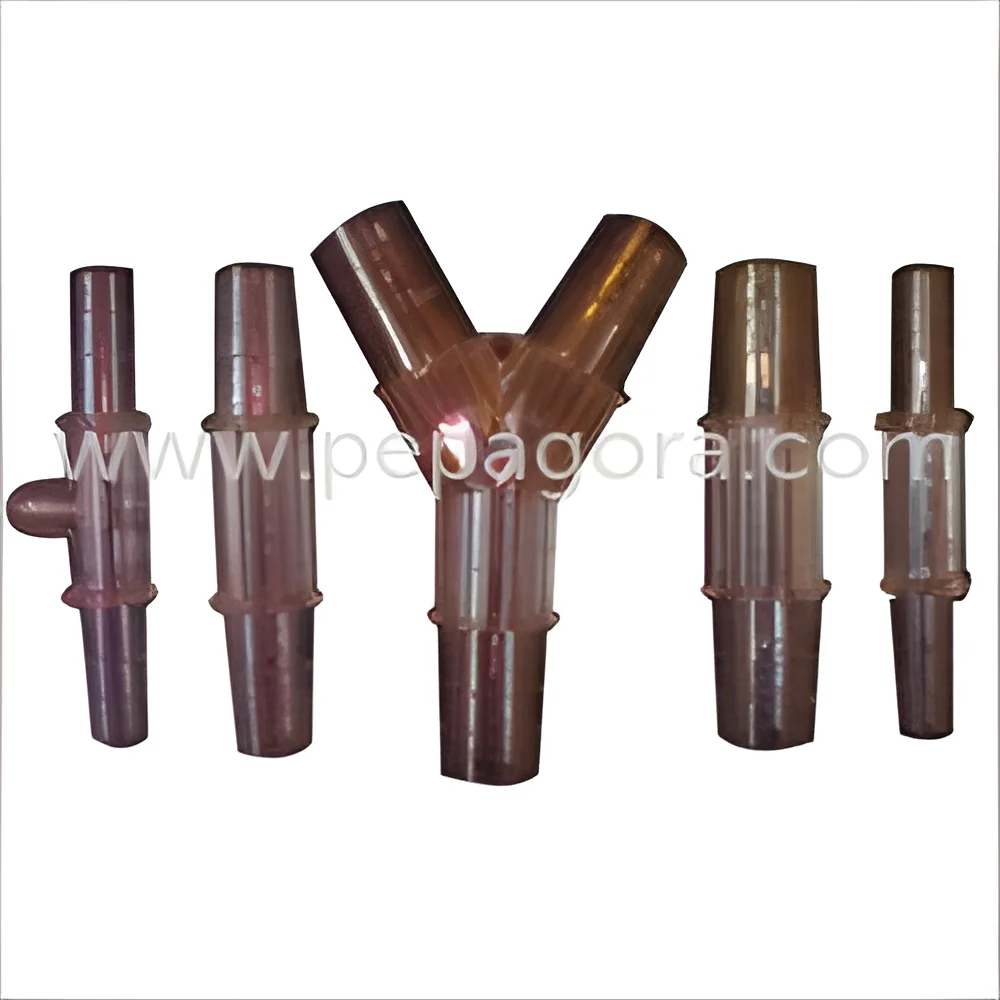
- Includes options for Luer lock and slip connectors for secure attachment.
6. Sterilization Method
- Designed for single-use or reusable applications based on the material.
- Reusable options must withstand autoclave sterilization processes.
7. Flow Rate
- Engineered to optimize fluid removal depending on the procedure.
- Flow rates can vary significantly based on the tip design and suction pressure.
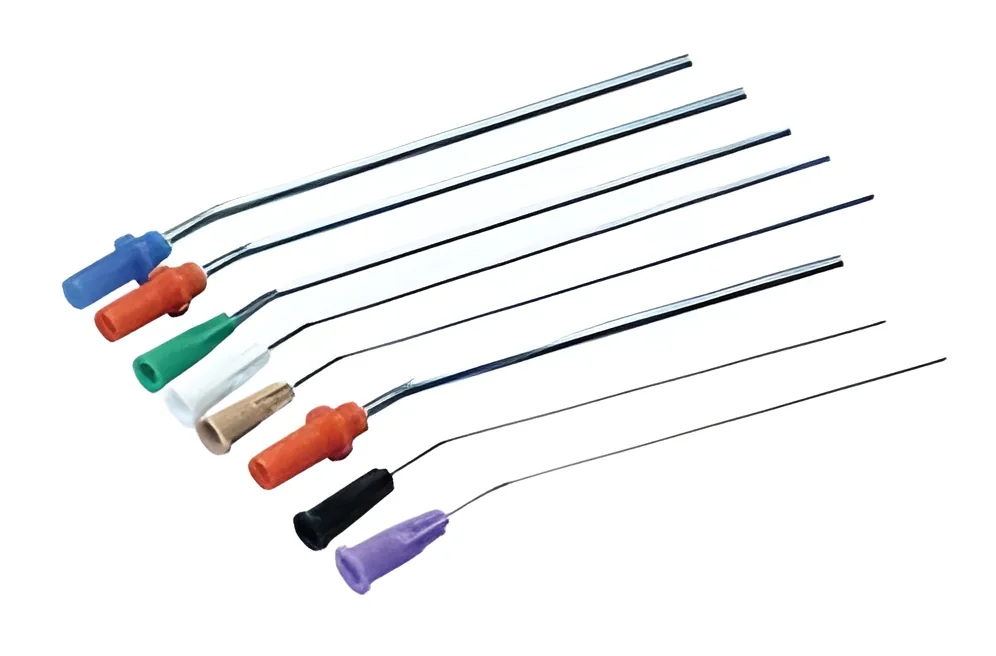
8. Color Coding
- Often color-coded for easy identification and usage in surgical environments.
- Helps staff quickly select the appropriate tip for specific procedures.
These specifications ensure that surgical suction tips and tubing meet the high standards required in medical practices, contributing to increased safety and efficiency.
Common Applications and Use Cases
Surgical suction tips and tubing find extensive use across various medical fields, highlighting their versatility.
1. General Surgery: In general surgical procedures, these tools are used to clear the surgical site of blood and other fluids, allowing for better visibility and safer operations.
2. Obstetrics: During childbirth, suction tips are employed to assist in the removal of amniotic fluid and other secretions, ensuring a clearer delivery environment.
3. Urology: In urological surgeries, these devices help in the efficient drainage of fluids and debris from the bladder and surrounding areas.
4. Orthopedics: Surgical suction is critical in orthopedic procedures to maintain a clear field, particularly during joint surgeries where fluid accumulation is common.
5. Cardiothoracic Surgery: Suction tips are essential in heart surgeries, where managing blood and other fluids is vital to the success of the procedure.
6. Gastroenterology: In endoscopic procedures, suction tips help remove excess fluids to provide a clear view of the digestive tract.
7. Emergency Medicine: In trauma cases, these tools are crucial for quickly clearing airways or surgical sites of blood and other fluids.
Product Variants and Subcategories
Surgical suction tips and tubing come in various variants to cater to different surgical requirements.
Standard Suction Tips
These are the most common type used in general surgeries. They are designed for effective fluid removal and come in various sizes to fit different surgical scenarios.
Specialized Suction Tips
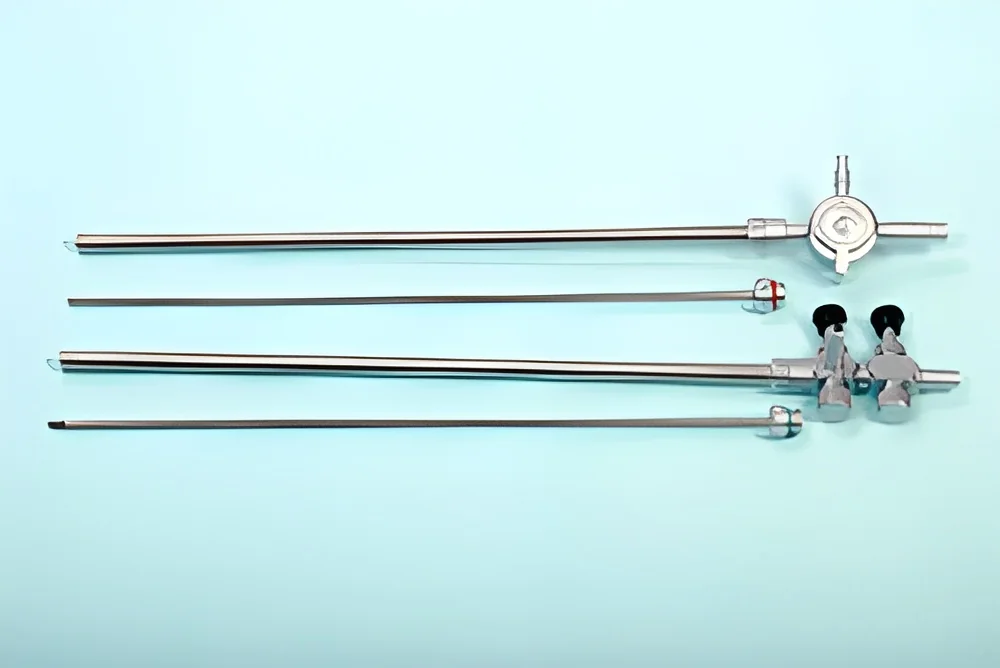
These tips are designed for specific procedures, such as endoscopic surgeries. They often feature unique shapes or mechanisms to enhance suction capability in confined spaces.
Long Tubing Options
These variants provide extended reach and flexibility for surgical teams. They are beneficial in larger operating rooms or when multiple practitioners need to work in tandem.
Benefits and Advantages
Using surgical suction tips and tubing offers numerous benefits that enhance surgical efficiency and patient safety.
1. Improved Visibility: By effectively removing fluids, these tools maintain a clear view of the surgical site, allowing for precision and better outcomes.
2. Reduced Risk of Complications: Efficient suction minimizes the chances of fluid accumulation, which can lead to complications during and after surgery.
3. Enhanced Efficiency: These devices streamline the surgical process, enabling quicker fluid removal and allowing the surgical team to focus on the procedure.
4. Versatile Applications: With various designs and specifications, surgical suction tips and tubing can be used across multiple specialties and procedures.
5. Compliance with Safety Standards: High-quality suction devices are designed to meet medical safety standards, ensuring they are safe for patient use.
6. Cost-Effective Solutions: Investing in reliable surgical suction devices can lead to long-term savings by reducing the need for additional interventions due to complications.
Buying Guide for B2B Buyers
When sourcing surgical suction tips and tubing, several factors must be considered to ensure quality and functionality.
1. Quality Assessment: Evaluate the materials and manufacturing processes of the products. Look for suppliers that provide certifications indicating compliance with medical safety standards.
2. Supplier Verification: Vet suppliers thoroughly to ensure they have a reliable track record in delivering quality medical devices. Assess their reputation, customer reviews, and compliance with industry regulations.
3. Pricing and MOQ: Understand the pricing structure and minimum order quantities (MOQ) set by suppliers. Compare costs across different vendors to find the best value for your needs.
4. Delivery and Lead Times: Inquire about the delivery process and expected lead times. Timely delivery is critical in medical settings, so ensure that suppliers can meet your scheduling needs.
5. Compliance Requirements: Confirm that the products meet relevant regulatory standards and certifications, such as CE marking. This ensures that the tools are safe and effective for use in medical environments.
Compliance and Certifications
Surgical suction tips and tubing must adhere to various compliance and certification standards to ensure safety and efficacy in medical applications.
Relevant quality standards include ISO 9001 for quality management systems, which ensures that manufacturers maintain high-quality production practices. Additionally, compliance with HACCP (Hazard Analysis Critical Control Point) standards ensures that the manufacturing process effectively manages safety risks.
Industry certifications like CE indicate that the products meet European safety, health, and environmental protection standards. This certification is crucial for medical devices marketed in Europe.
Safety and testing requirements are also critical, as these products must undergo rigorous testing to ensure they can withstand the demands of surgical environments. Manufacturers should provide documentation of these tests to assure buyers of their products' reliability.
Regional compliance considerations may also vary, with specific requirements depending on the market where the products will be used. Understanding these regulations is essential for ensuring that the products meet local legal standards.
Why Source Surgical Suction Tips & Tubing from Pepagora?
Pepagora stands out as a trusted platform for sourcing surgical suction tips and tubing, offering several key advantages for B2B buyers.
Verified Supplier Network: Pepagora connects buyers with a network of verified suppliers, ensuring that only high-quality products are available. This verification process helps mitigate risks associated with sourcing medical devices.
Streamlined RFQ Process: The platform features an efficient Request for Quotation (RFQ) system that simplifies the sourcing process. Buyers can easily compare quotes from multiple suppliers, helping them make informed purchasing decisions.
Trade Assurance and Support: Pepagora provides trade assurance, ensuring that buyers are protected throughout the procurement process. This support builds confidence in transactions and fosters long-term business relationships.
Regional Coverage: With a focus on markets in India, the GCC, and Southeast Asia, Pepagora offers extensive geographic coverage. This regional focus allows buyers to find suitable suppliers who understand local market dynamics and compliance requirements.

 IN
IN