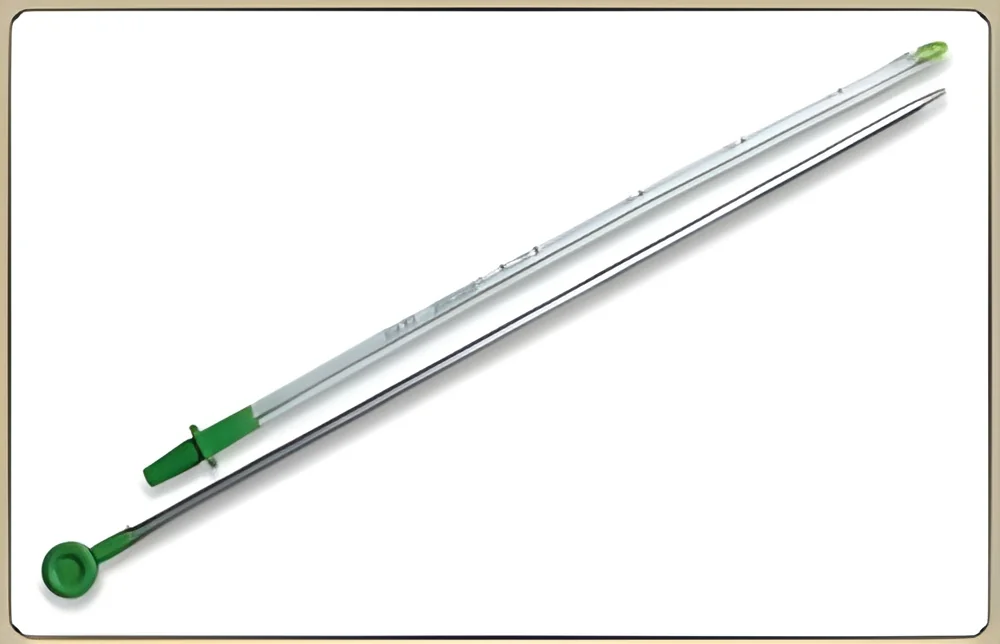
What are Trocars & Cannulas?
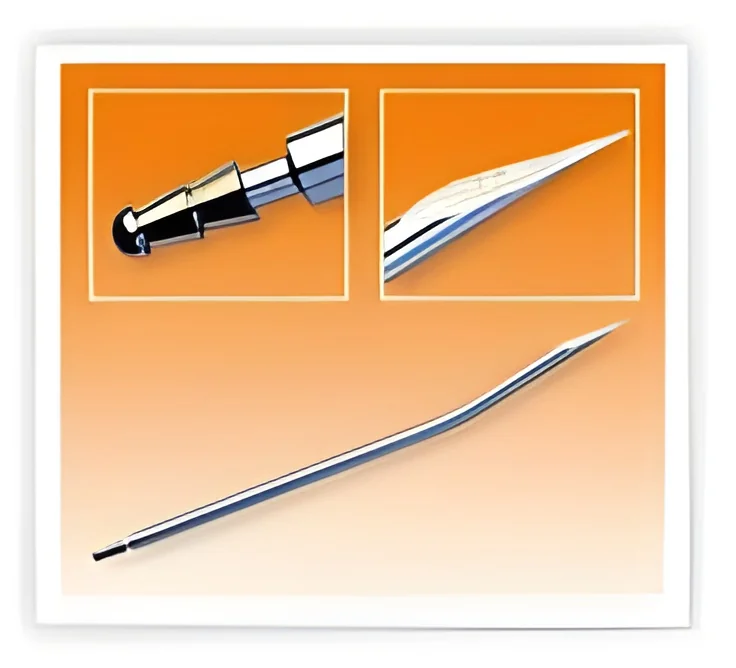
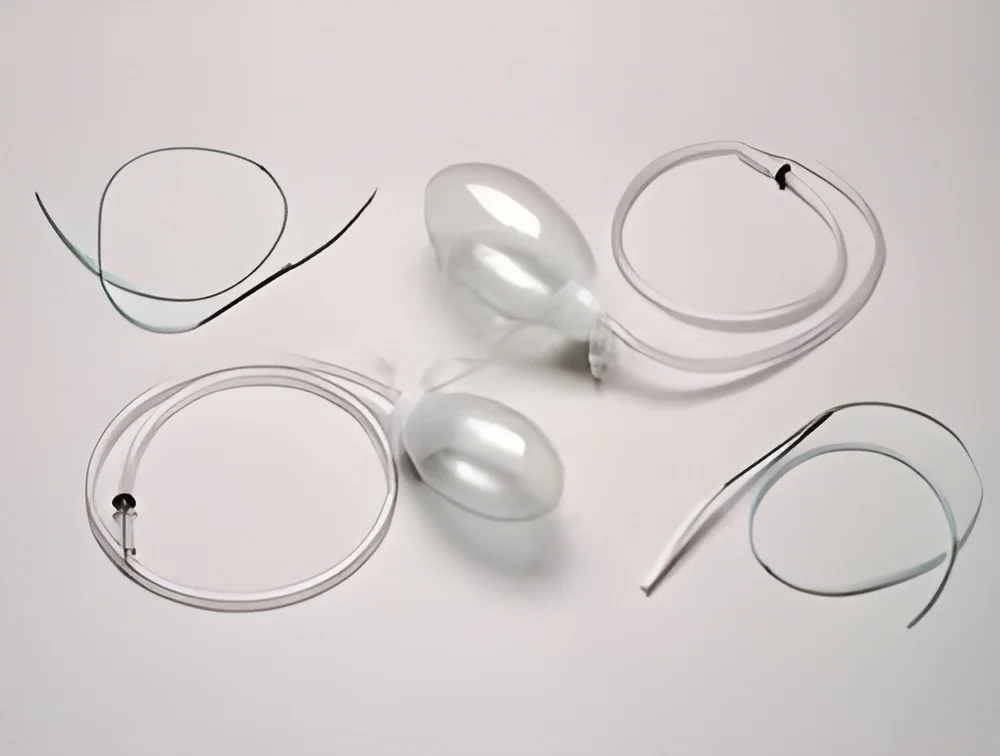
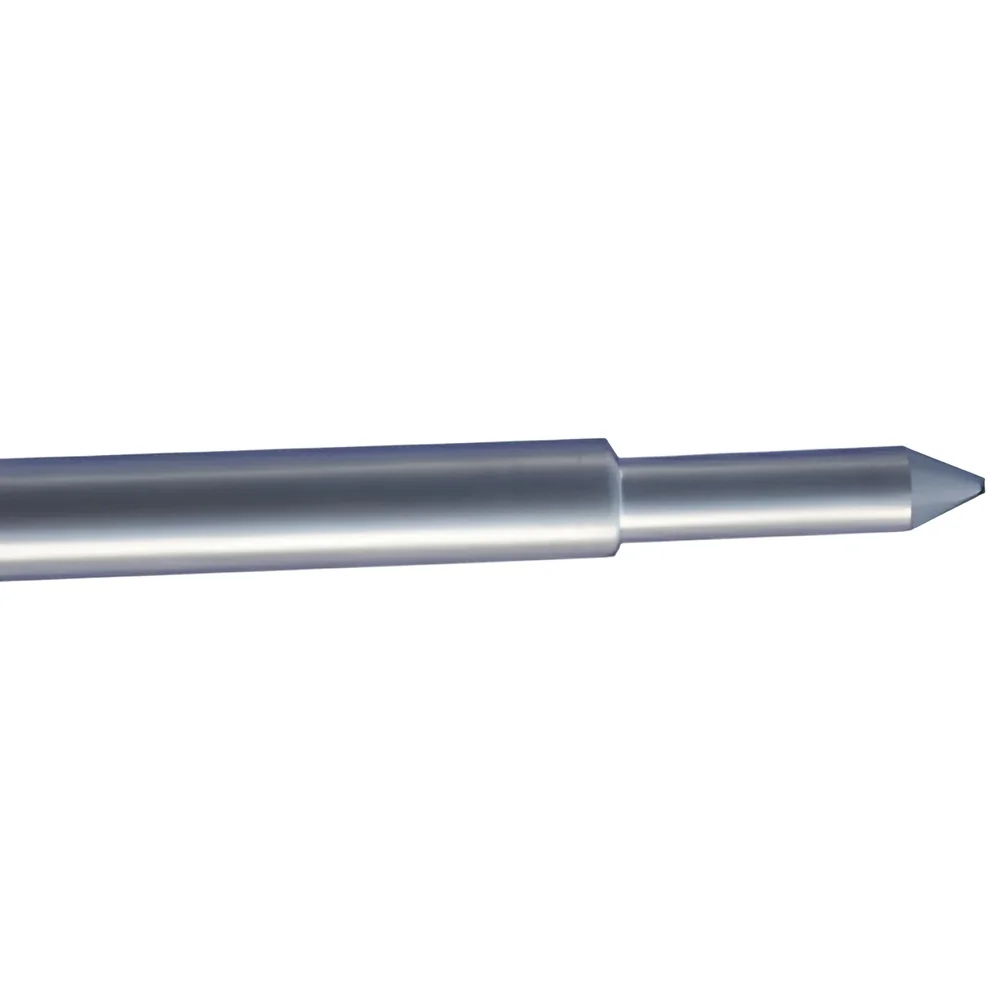
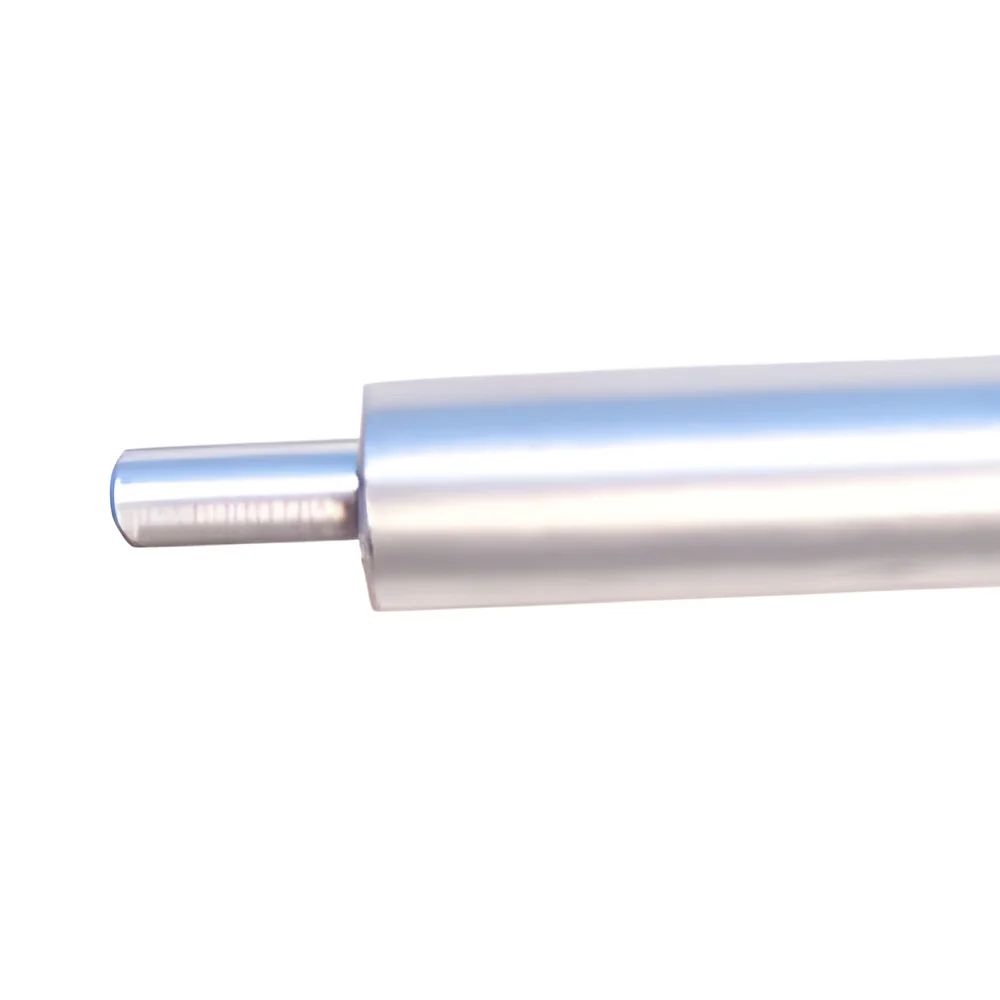
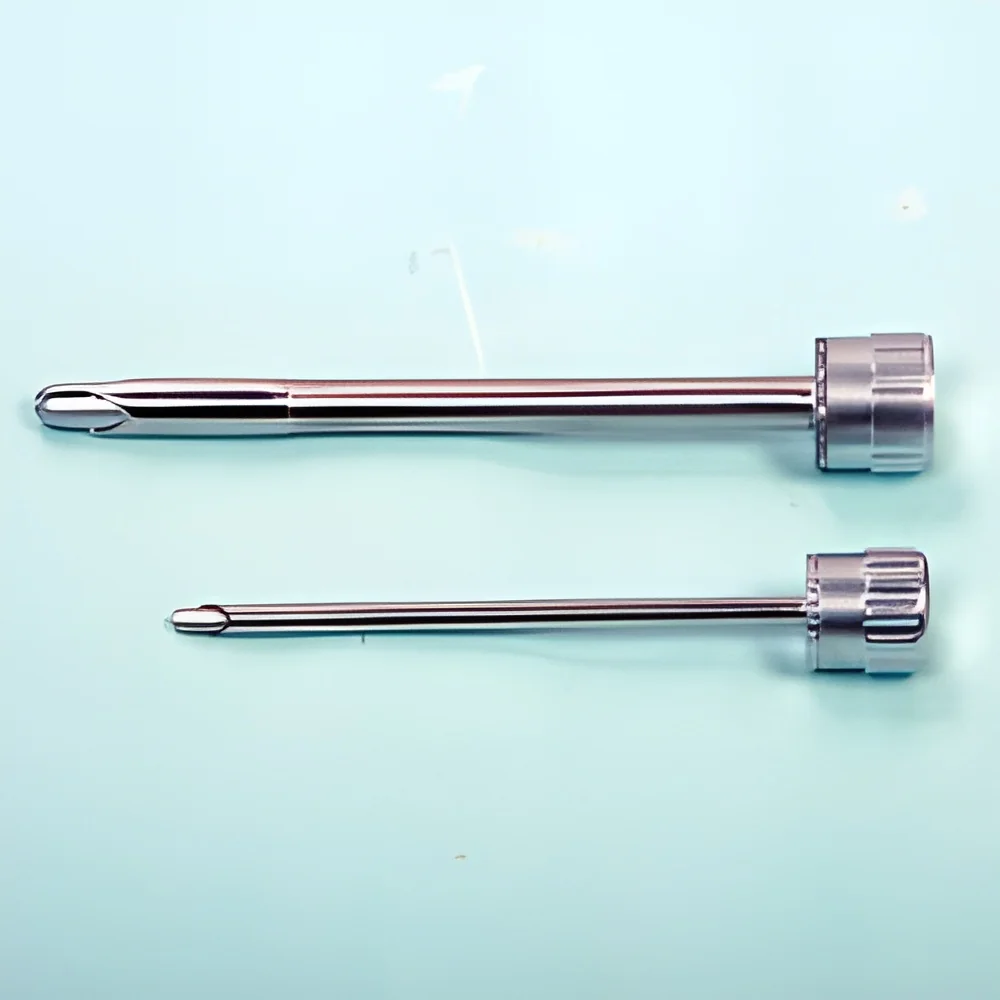
Trocars and cannulas are essential surgical instruments used primarily in minimally invasive procedures. A trocar is a sharp pointed surgical instrument that is used to make an incision in the body to allow for the insertion of a cannula. Cannulas, on the other hand, are hollow tubes that can be inserted into the body for various purposes, such as the introduction of instruments, drainage of fluids, or the administration of medications. Together, these tools facilitate procedures by allowing access to internal areas of the body with minimal disruption to surrounding tissues.
These instruments are widely utilized in various medical fields, including general surgery, gynecology, and urology. In laparoscopic surgery, for example, trocars and cannulas enable surgeons to perform complex operations through small incisions, significantly reducing recovery time and minimizing the risk of infection. The demand for these devices is driven by the growing trend towards minimally invasive surgical techniques, which are favored for their benefits in patient recovery and overall healthcare efficiency.
As the healthcare industry continues to evolve, the market for trocars and cannulas is expected to expand. Innovations in design and materials are being developed to enhance functionality and safety. Additionally, the increasing prevalence of chronic diseases requiring surgical intervention further underscores the relevance of these instruments in modern medical practice.
Key Features and Specifications
Trocars and cannulas come with a variety of features and specifications designed to meet the needs of different surgical procedures. Understanding these specifications is crucial for selecting the right instruments for various applications.
Key specifications include:
1. Material Composition
- Typically made from medical-grade stainless steel, plastics, or other biocompatible materials
- Ensures durability and reduces the risk of infection
2. Size and Diameter Options
- Available in various sizes, usually ranging from 5mm to 12mm
- Allows for selection based on the specific surgical requirements
3. Design Features
- Some trocars come with safety shields to prevent accidental punctures
- Cannulas may have various tip designs for specific applications
4. Sterilization Methods
- Can be designed for single-use or reusable applications
- Must be sterilized according to medical standards to ensure patient safety
5. Compatibility with Instruments
- Designed to be compatible with a range of laparoscopic instruments
- Ensures flexibility in surgical procedures
6. Packaging and Sterility
- Usually provided in sterile packaging to maintain cleanliness until use
- Important for reducing infection risk during surgeries
7. Color Coding
- Often color-coded for easy identification
- Helps in quick selection during surgical procedures
8. Manufacturer Certifications
- Compliance with industry standards such as UL and CE
- Ensures that products meet safety and quality requirements
In summary, the features and specifications of trocars and cannulas are critical for their effective use in surgical procedures. Understanding these characteristics aids healthcare professionals in making informed decisions when selecting instruments for specific applications.
Common Applications and Use Cases
Trocars and cannulas serve various industries, primarily focused on healthcare and medical applications.
1. General Surgery: Used for laparoscopic procedures, enabling surgeons to perform operations through small incisions, minimizing recovery time for patients.
2. Gynecology: Frequently used in minimally invasive gynecological surgeries, such as laparoscopic hysterectomies and ovarian cyst removals.
3. Urology: Applied in procedures like laparoscopic nephrectomy, allowing for precise access to the kidneys with minimal impact on surrounding tissues.
4. Veterinary Medicine: Used in animal surgeries for similar minimally invasive techniques, enhancing recovery times and reducing complications.
5. Emergency Medicine: Trocars may be used for immediate access to the thoracic cavity in emergency situations, such as trauma cases.
6. Cosmetic Surgery: Employed in procedures requiring minimal scarring, such as liposuction and other aesthetic surgeries.
7. Interventional Radiology: Trocars and cannulas are utilized to access blood vessels for procedures like biopsies and catheter placements.
In each of these industries, the use of trocars and cannulas demonstrates the critical role these instruments play in enhancing surgical efficiency and patient outcomes.
Product Variants and Subcategories
Trocars and cannulas are available in diverse variants, each tailored to specific surgical needs and preferences.
Standard Trocar
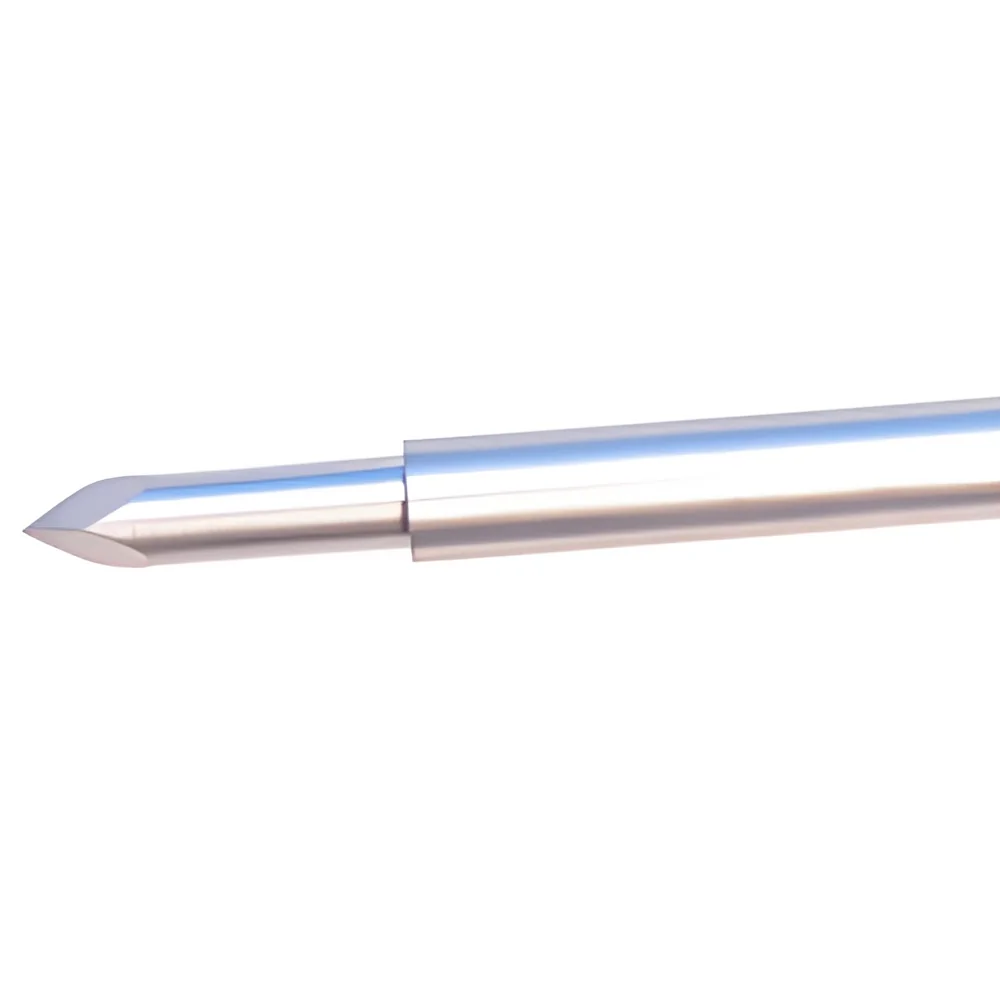
This variant typically features a sharp, pointed tip for easy penetration into tissues. It is designed for general laparoscopic procedures and can accommodate various cannula sizes.
Bladed Trocar
This variant includes a blade mechanism that allows for a more precise entry into the body. It is often used in surgeries requiring greater accuracy and control.
Optical Trocar
Equipped with a built-in camera, this trocar provides visualization during insertion, enhancing safety and accuracy in laparoscopic procedures.
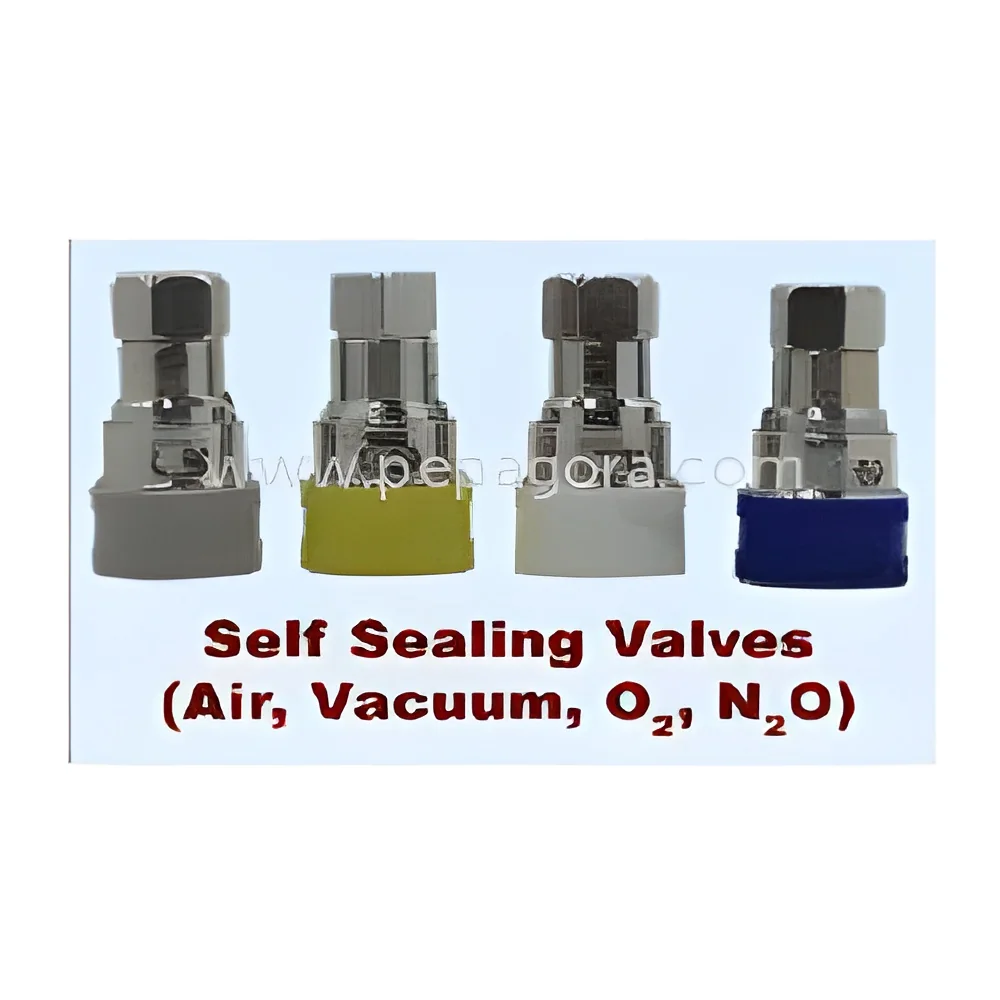
Cannula with Valve
This type of cannula includes a valve mechanism to control the flow of fluids or gases. It is particularly useful in procedures requiring the administration of medications or drainage of fluids.
Safety Trocar
Designed with a safety mechanism to prevent accidental injuries, this variant is ideal for high-risk surgical environments.
Benefits and Advantages
Trocars and cannulas offer several benefits that enhance surgical procedures and patient outcomes.
1. Minimally Invasive: Reduces recovery time and minimizes scarring compared to traditional open surgery.
2. Versatility: Suitable for a wide range of surgical applications across various medical fields.
3. Enhanced Precision: Allows surgeons to perform delicate procedures with greater accuracy and control.
4. Reduced Risk of Infection: Sterile packaging and single-use options help mitigate the risk of surgical site infections.
5. Improved Patient Outcomes: Shorter recovery times and reduced complications contribute to overall better health outcomes.
6. Cost-Effectiveness: Minimally invasive procedures often result in lower hospital stays and associated costs.
These advantages make trocars and cannulas indispensable tools in modern surgical practices.
Buying Guide for B2B Buyers
When sourcing trocars and cannulas, it is essential for B2B buyers to consider several critical factors to ensure effective procurement.
1. Quality Assessment: Evaluate the quality of the instruments by reviewing manufacturer certifications and adherence to industry standards. This helps ensure reliability and safety in surgical applications.
2. Supplier Verification: Vet suppliers by checking their reputation, customer feedback, and compliance with regulatory standards. Reliable suppliers often have a proven track record in the industry.
3. Pricing and MOQ: Understand the pricing structure and minimum order quantities (MOQ) to optimize budget planning. Consider bulk purchasing for cost efficiency.
4. Delivery and Lead Times: Assess the supplier's ability to meet delivery deadlines and manage lead times effectively. Timely delivery is crucial in maintaining surgical schedules.
5. Compliance Requirements: Ensure all products meet necessary regulatory compliance requirements and certifications, such as UL and CE, to guarantee safety and quality.
Compliance and Certifications
Trocars and cannulas must adhere to various quality standards and certifications to ensure their safety and effectiveness in medical applications. Key standards include ISO 9001, which outlines requirements for a quality management system, and HACCP, focusing on food safety but applicable in ensuring the safety of medical devices.
Industry certifications such as UL and CE indicate that these instruments meet stringent safety and performance standards. These certifications are critical for gaining the trust of healthcare professionals and ensuring compliance with regional regulations.
Moreover, safety and testing requirements involve rigorous examination of materials, designs, and manufacturing processes to prevent defects and ensure patient safety. Regional compliance considerations also play a vital role, as different areas may have specific regulations governing the use of medical devices.
Why Source Trocars & Cannulas from Pepagora?
Pepagora provides a trusted platform for sourcing trocars and cannulas, offering several key advantages to B2B buyers.
Verified Supplier Network: Pepagora ensures that all suppliers are thoroughly vetted, guaranteeing that buyers can source high-quality instruments from reliable manufacturers. This verification process helps mitigate risks associated with procurement.
Streamlined RFQ Process: The request for quotation (RFQ) process at Pepagora is user-friendly and efficient, allowing buyers to quickly gather quotes from multiple suppliers. This streamlining saves time and effort in the sourcing process.
Trade Assurance and Support: Pepagora offers trade assurance to protect buyers against potential issues, providing peace of mind during the purchasing process. Additionally, dedicated support teams are available to assist with any inquiries or concerns.
Regional Coverage: With a strong presence in India, the GCC, and Southeast Asia, Pepagora offers extensive geographic reach. This regional coverage enables B2B buyers to access a diverse range of products and suppliers tailored to their specific markets.
In conclusion, sourcing trocars and cannulas from Pepagora equips buyers with the tools and support needed for successful procurement in the medical industry.

 IN
IN