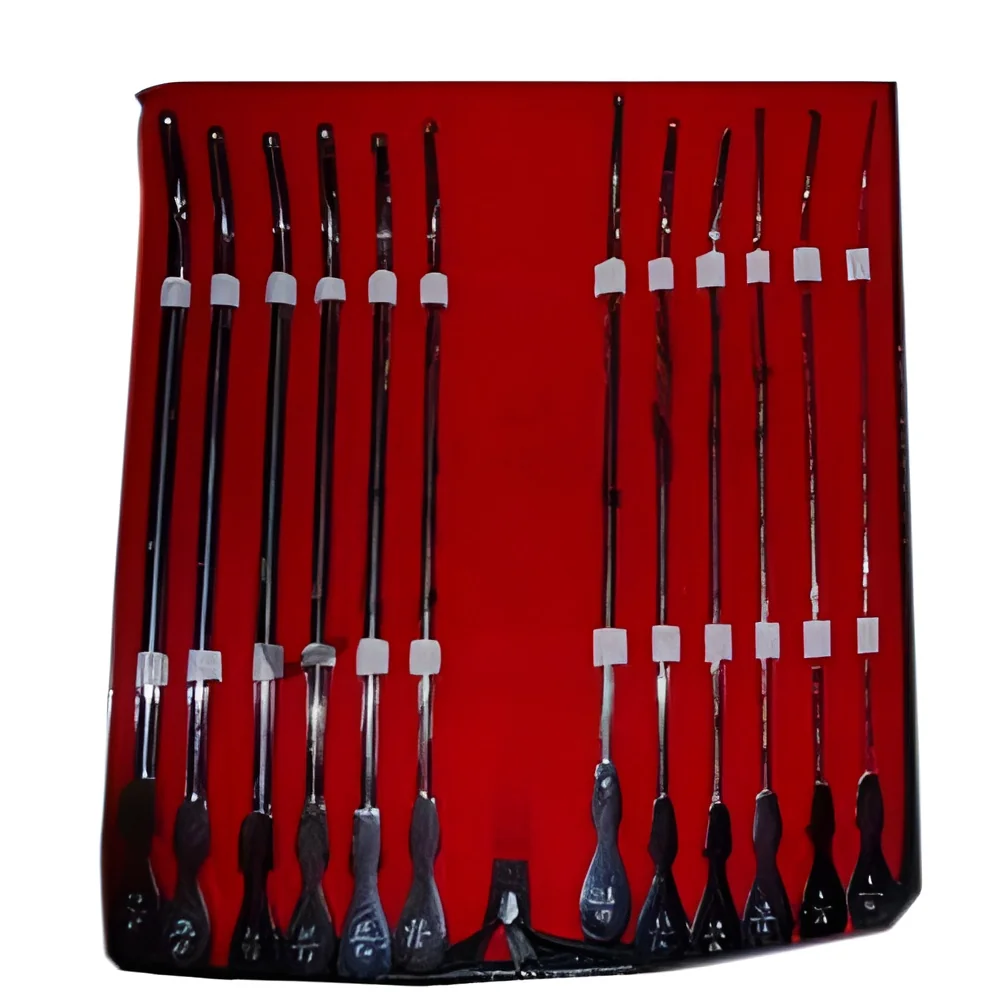
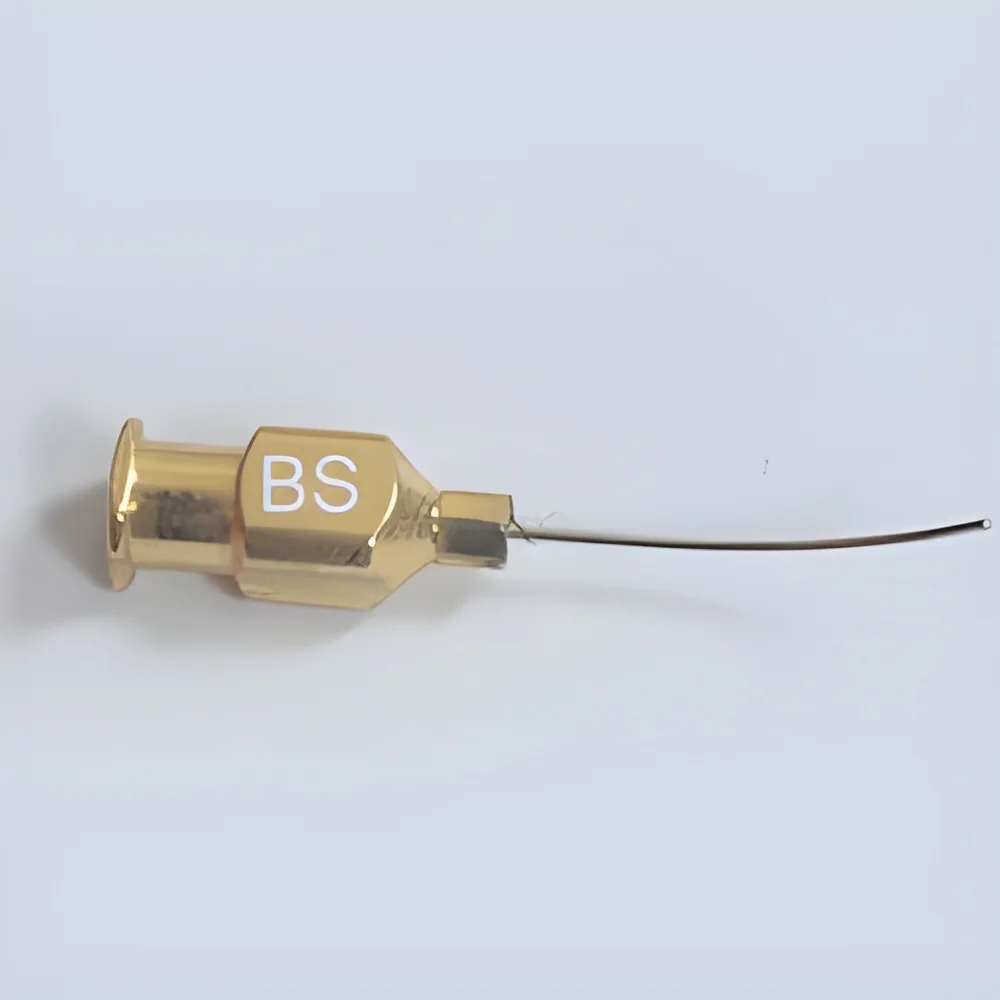
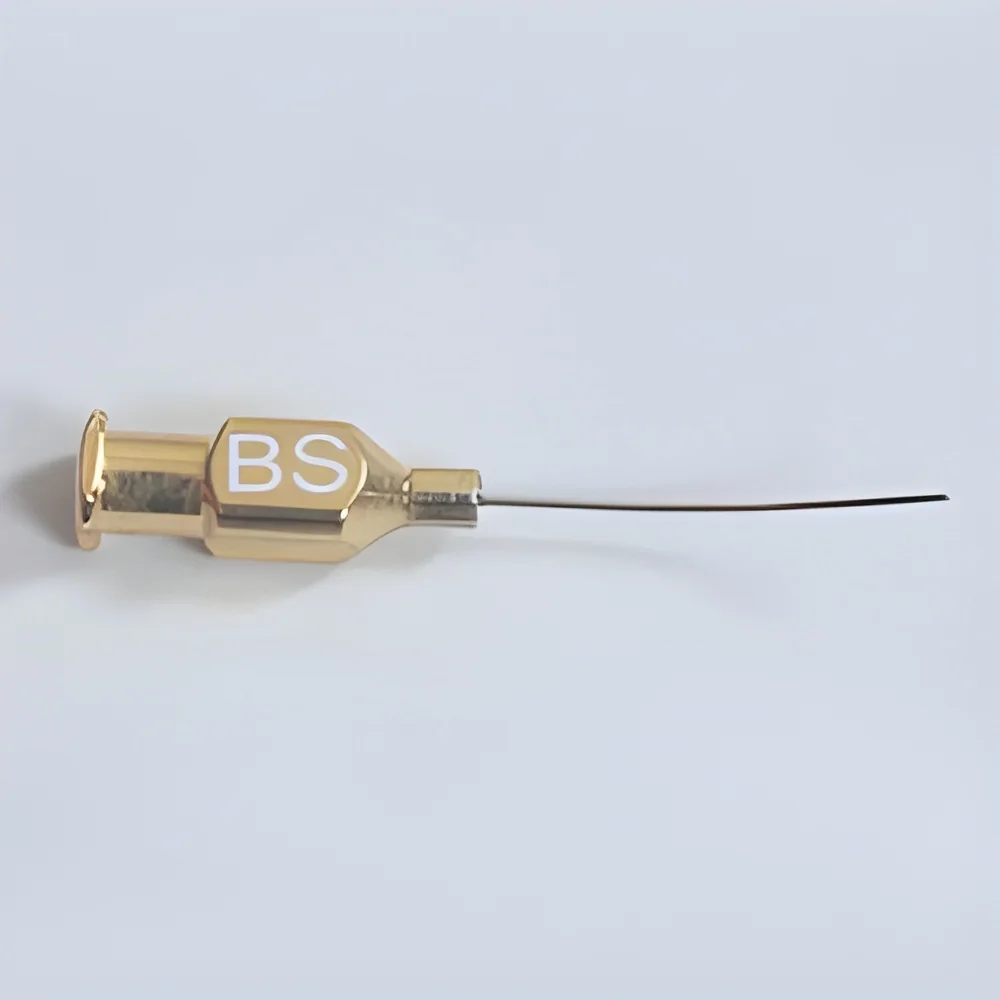
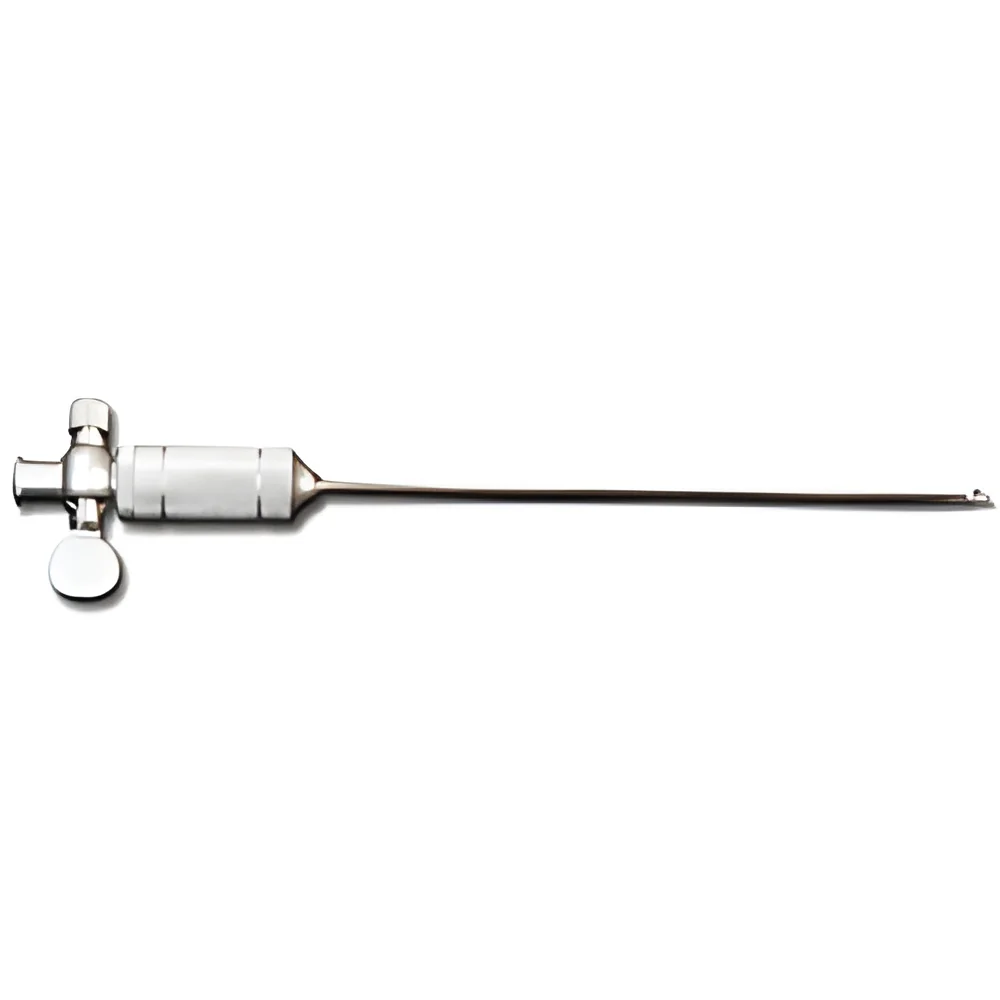
What are Plastic Surgery Instruments?
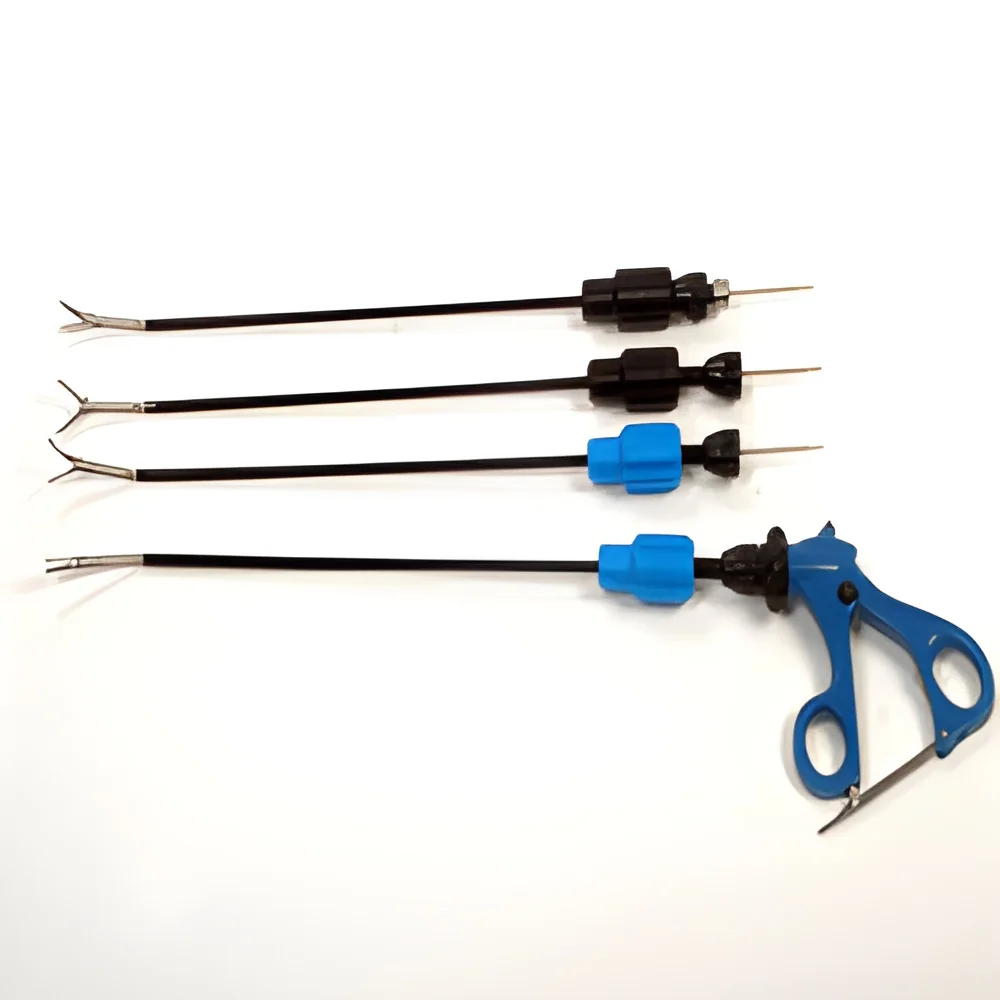
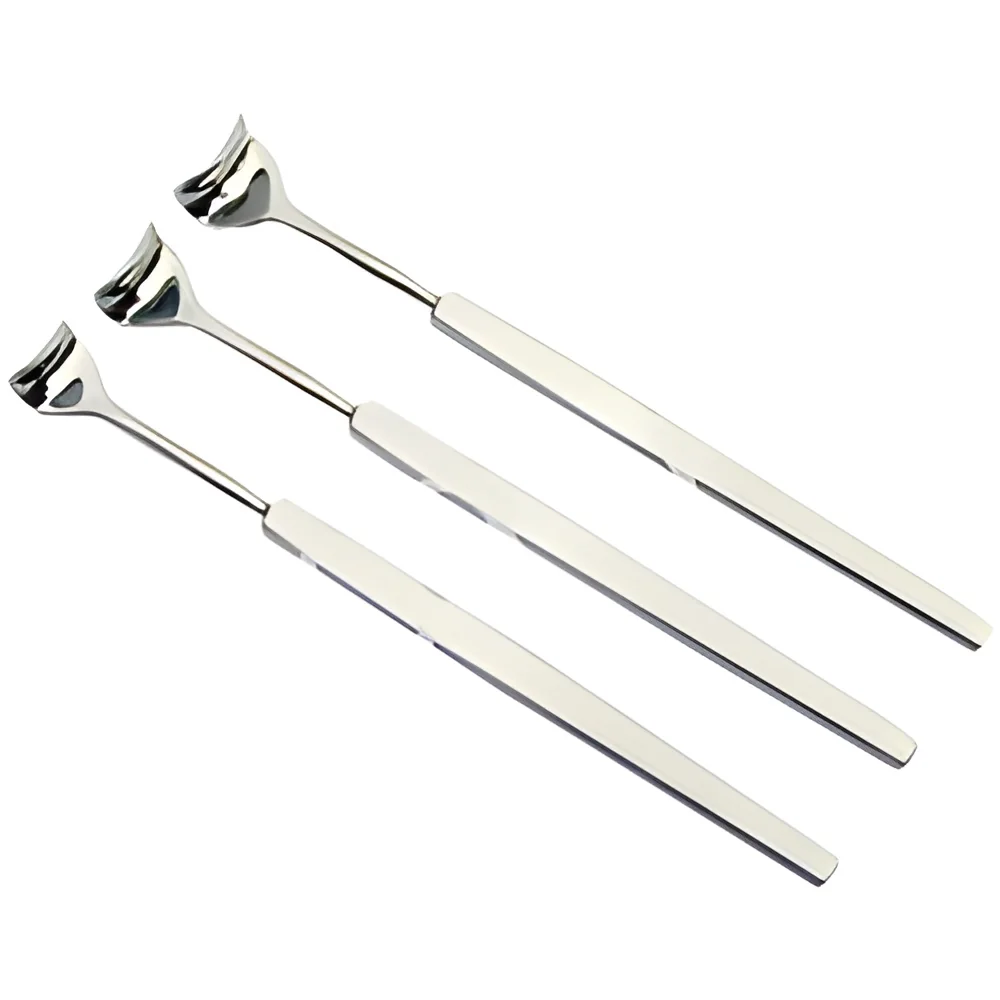
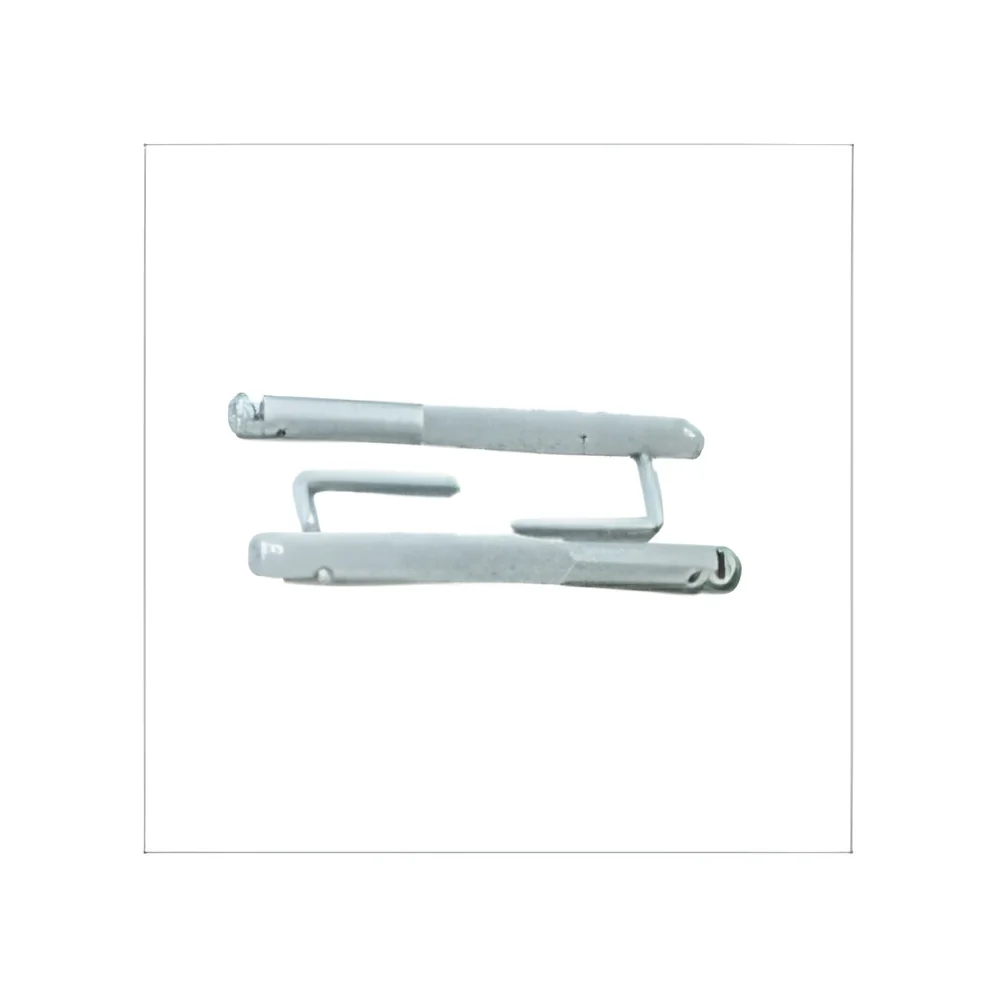
Plastic surgery instruments are specialized tools designed for surgical procedures that enhance or reconstruct the physical appearance of patients. These instruments are crafted to meet the unique demands of plastic surgery, which often involves intricate and precise operations. The range of instruments includes scalpels, scissors, forceps, and retractors, each tailored for specific tasks within the surgical process.
The primary uses of plastic surgery instruments are evident in various procedures, including cosmetic surgery, reconstructive surgery, and trauma surgery. They facilitate tasks such as cutting, suturing, and manipulating tissues, ensuring that surgeries are performed with safety and accuracy. In the B2B context, these instruments are crucial for hospitals, surgical centers, and clinics specializing in plastic surgery, where precision and quality are paramount.
In terms of industry relevance, the market for plastic surgery instruments is expanding rapidly, driven by increasing demand for cosmetic procedures and advancements in surgical techniques. As the global plastic surgery market grows, the need for high-quality instruments that can withstand rigorous use and comply with safety standards becomes more critical for healthcare providers.
Key Features and Specifications
Plastic surgery instruments are characterized by their high-quality materials, precision engineering, and ergonomic designs. These features ensure that surgeons can perform delicate procedures with confidence and reliability.
Key specifications include:
1. Material Composition
- Made from stainless steel or titanium for durability and corrosion resistance
- Non-reactive to bodily tissues for enhanced safety
2. Sterilization Compatibility
- Designed for easy sterilization through autoclaving or chemical methods
- Ensures compliance with hygiene standards in surgical settings
3. Ergonomic Design
- Features comfortable grips and balanced weight for prolonged use
- Reduces hand fatigue during lengthy surgeries
4. Precision Edge
- Sharp cutting edges for clean incisions
- Ensures minimal tissue damage and faster healing
5. Variety of Sizes
- Available in multiple sizes to accommodate different procedures
- Allows for tailored solutions based on surgical requirements
6. Customization Options
- Some instruments can be customized to meet specific surgical needs
- Enhances versatility for various types of procedures
7. CE Certification
- Compliance with European standards for safety and performance
- Provides assurance of quality for healthcare providers
8. Compatibility with Surgical Techniques
- Instruments designed to support both traditional and minimally invasive techniques
- Facilitates innovation in surgical practices
In summary, the key features and specifications of plastic surgery instruments emphasize their importance in surgical excellence and patient safety. These instruments are engineered to meet the rigorous demands of the plastic surgery field.
Common Applications and Use Cases
Plastic surgery instruments serve a broad range of applications across different industries.
1. Healthcare: Used in hospitals and clinics for cosmetic and reconstructive surgeries, ensuring precision and safety during procedures.
2. Medical Training: Essential for training medical students and residents in surgical techniques, providing hands-on experience with quality tools.
3. Research and Development: Utilized in medical research settings to develop new surgical techniques and instruments, contributing to advancements in plastic surgery.
4. Aesthetic Clinics: Employed in aesthetic practices for non-invasive and minimally invasive cosmetic procedures, enhancing patient satisfaction and outcomes.
5. Veterinary Medicine: Adapted for use in veterinary plastic surgery, allowing for similar precision in animal care.
6. Military Medicine: Used in combat and trauma care situations where plastic surgery techniques may be necessary for injury repair.
7. Emergency Medical Services: Essential for first responders dealing with traumatic injuries requiring immediate surgical intervention.
Product Variants and Subcategories
Plastic surgery instruments encompass a diverse range of tools, each designed for specific surgical needs.
Scalpels
Scalpels are precision cutting instruments used for making incisions in the skin and other tissues. Their sharp blades allow for clean cuts, minimizing tissue damage and promoting quicker healing.
Forceps
Forceps are versatile gripping instruments used to hold, grasp, or manipulate tissues during surgery. They come in various shapes and sizes, tailored to specific surgical tasks.
Scissors
Surgical scissors are specially designed for cutting tissues, sutures, and other materials during surgical procedures. Their precision design allows for controlled cutting and minimal trauma to surrounding areas.
Needle Holders
Needle holders are essential for suturing, providing a secure grip on needles while stitching tissues. Their ergonomic design ensures ease of use during complex procedures.
Benefits and Advantages
Plastic surgery instruments offer numerous benefits that enhance surgical performance and patient care.
1. Enhanced Precision: The design and engineering of these instruments allow for high levels of accuracy during surgical procedures, reducing the risk of complications.
2. Improved Safety: High-quality materials and sterilization compatibility ensure that instruments are safe for use, protecting patients from infections and other risks.
3. Ergonomic Comfort: Instruments designed with ergonomics in mind reduce hand fatigue for surgeons, enabling longer and more complex procedures to be performed effectively.
4. Versatility: A wide variety of instruments allows surgeons to select the best tools for each procedure, enhancing their ability to perform diverse surgical techniques.
5. Compliance Assurance: Instruments that meet industry standards and certifications provide confidence to healthcare providers regarding their quality and safety.
6. Cost-Effectiveness: Durable instruments reduce the need for frequent replacements, offering better value over time for surgical practices.
Buying Guide for B2B Buyers
When sourcing Plastic Surgery Instruments, it is essential for B2B buyers to consider several key factors to ensure they make informed decisions.
1. Quality Assessment: Buyers should evaluate the quality of materials and craftsmanship. Look for instruments made from high-grade stainless steel or titanium, ensuring they can withstand frequent sterilization and use.
2. Supplier Verification: It is crucial to vet suppliers thoroughly, checking their certifications and reputation in the industry. A reliable supplier should have a proven track record of providing high-quality instruments.
3. Pricing and MOQ: Understand the pricing structure and minimum order quantities. Price should reflect the quality of the instruments, and suppliers should offer competitive rates without compromising on safety.
4. Delivery and Lead Times: Assess the logistics capabilities of suppliers, including delivery timelines. Timely delivery is critical in medical settings, where delays can impact patient care.
5. Compliance Requirements: Ensure that the instruments meet all relevant regulatory standards and certifications, such as CE certification, to guarantee safety and effectiveness in surgical environments.
Compliance and Certifications
Plastic surgery instruments must comply with various quality standards and certifications to ensure their safety and effectiveness in medical settings.
ISO 9001 is a widely recognized standard that outlines quality management systems. Instruments that meet this standard demonstrate a commitment to quality and continuous improvement in manufacturing processes.
The CE certification indicates that the instruments comply with European health, safety, and environmental protection standards. This certification is crucial for ensuring that surgical tools are safe for use in medical procedures.
Safety and testing requirements are critical in the manufacturing of plastic surgery instruments. These instruments undergo rigorous testing to ensure they meet performance criteria and are safe for patient use.
Additionally, regional compliance considerations must be addressed. Different countries or regions may have specific regulations governing the use and manufacturing of surgical instruments, necessitating adherence to local laws and standards.
Why Source Plastic Surgery Instruments from Pepagora?
Pepagora provides a trusted platform for sourcing Plastic Surgery Instruments, offering several key advantages for B2B buyers.
Verified Supplier Network: Pepagora has a network of verified suppliers, ensuring that buyers can access high-quality instruments from reputable manufacturers. This verification process helps mitigate risks associated with sourcing.
Streamlined RFQ Process: The platform simplifies the request for quotation (RFQ) process, allowing buyers to easily compare options and make informed purchasing decisions. This efficiency saves time and resources in procurement.
Trade Assurance and Support: Buyers benefit from trade assurance programs that protect their investments. Pepagora provides support throughout the sourcing process, ensuring a smooth experience from inquiry to delivery.
Regional Coverage: With a presence in India, the GCC, and Southeast Asia, Pepagora offers geographic reach that connects buyers with suppliers in key markets. This broad coverage enhances accessibility and convenience for businesses looking to source plastic surgery instruments.
In conclusion, Pepagora stands out as a reliable source for plastic surgery instruments, combining quality assurance, efficiency, and comprehensive support to meet the needs of B2B buyers.

 IN
IN