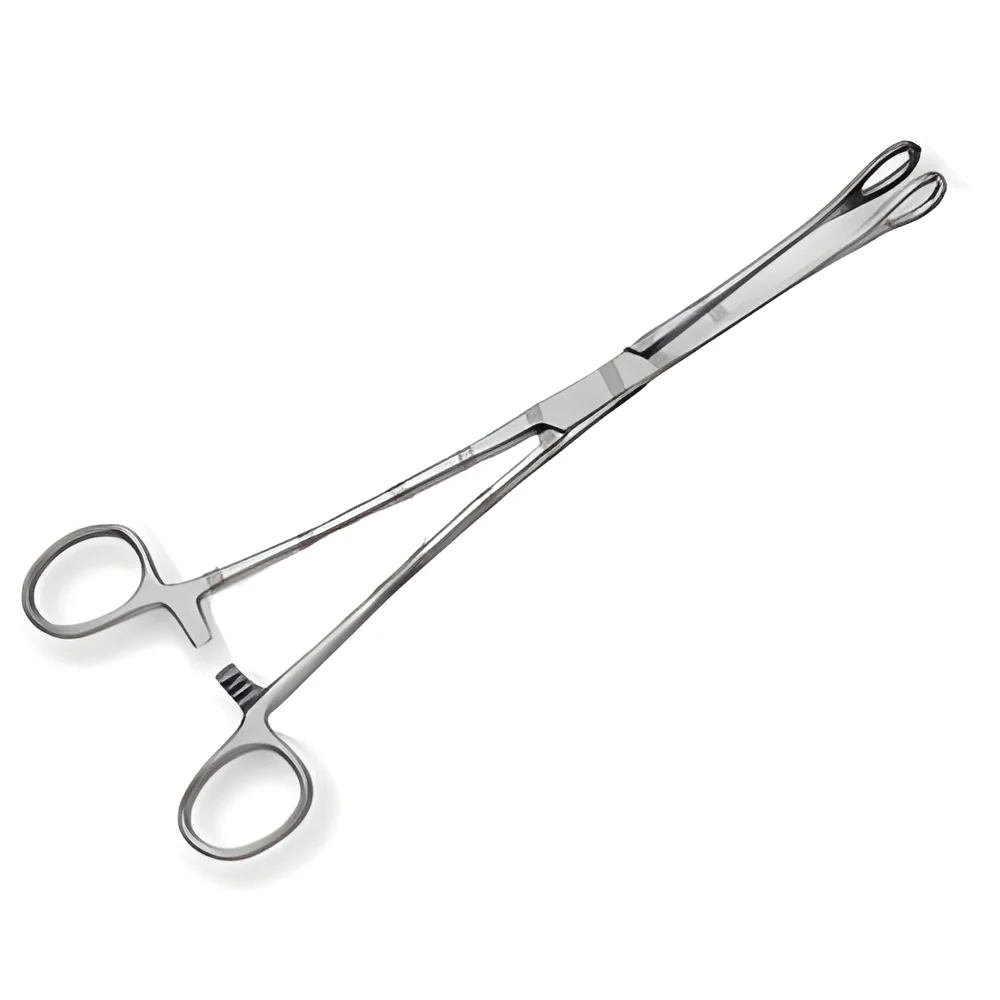
What are Sponge Holding Forceps?
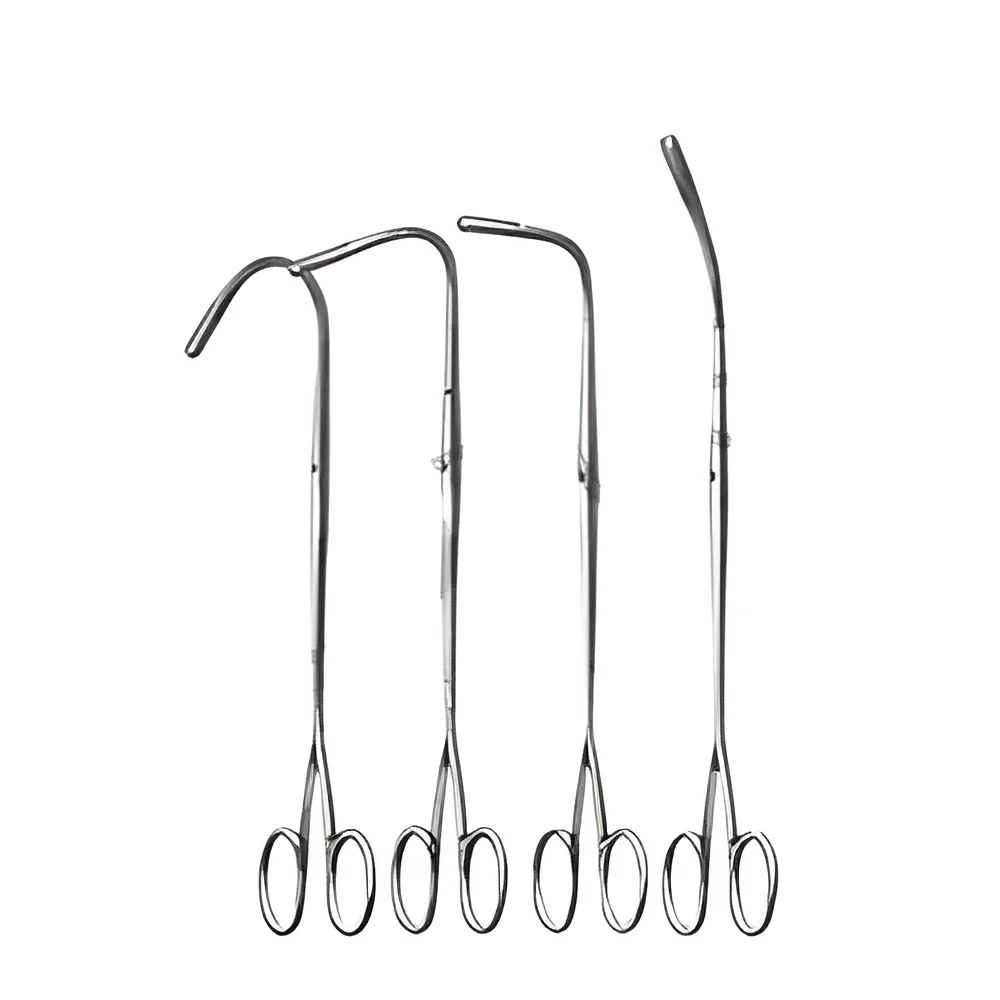
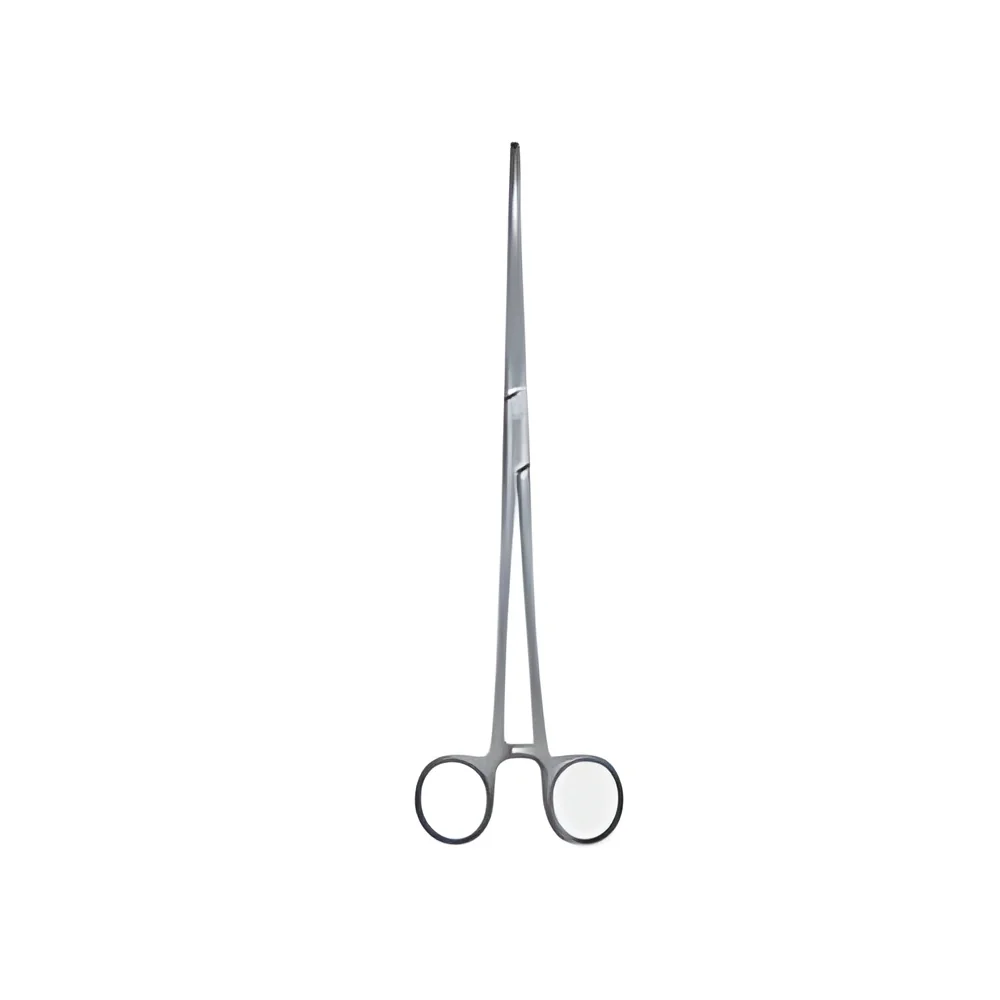
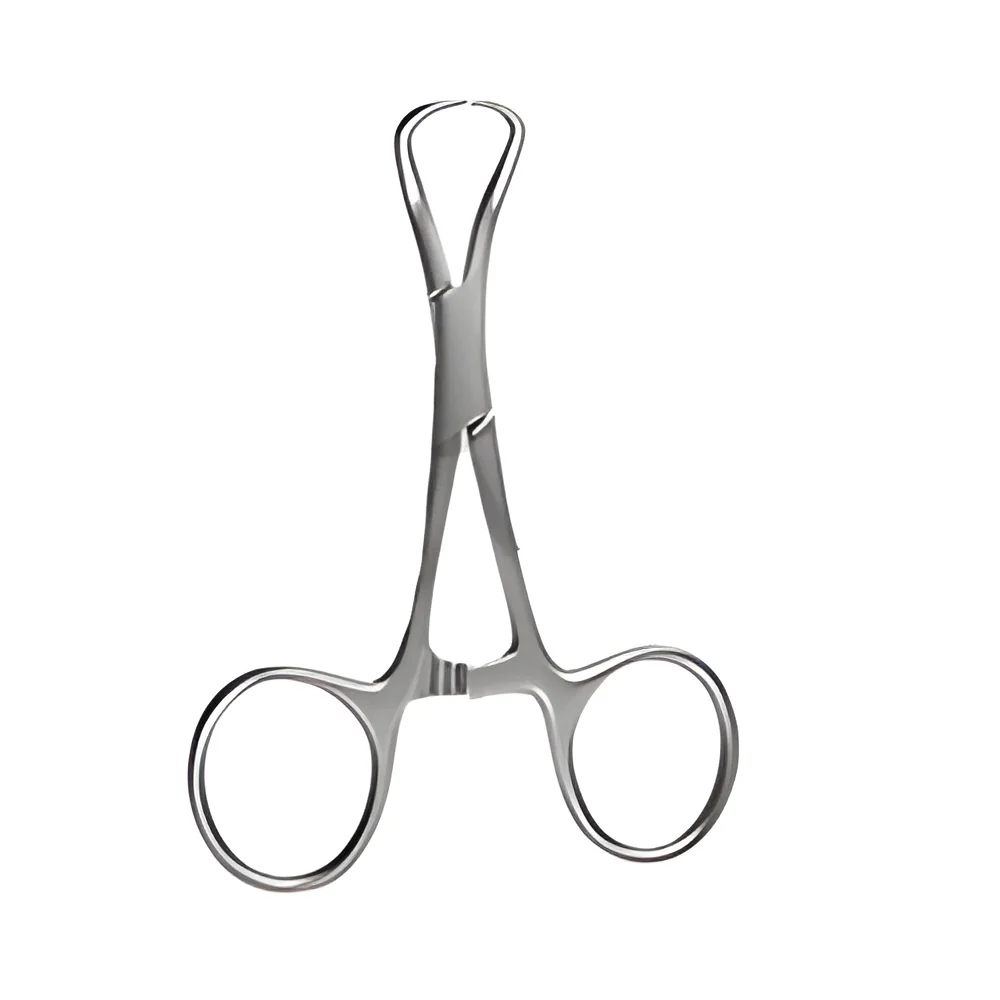
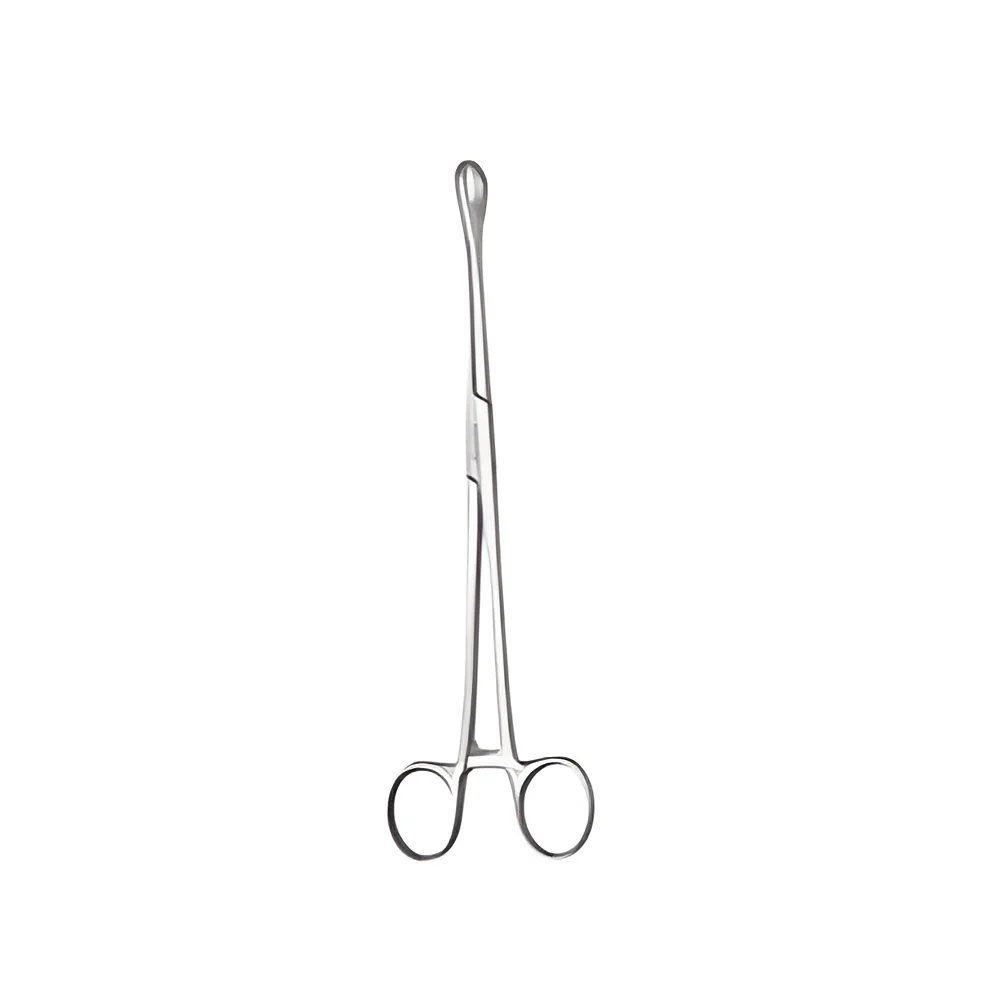
Sponge holding forceps are specialized surgical instruments designed to securely grasp and manipulate sponges during medical procedures. These forceps are typically long and slender, allowing for precise control and access to areas that require careful handling. Their design ensures that sponges can be held firmly without causing damage, making them essential tools in various surgical environments.
These forceps are primarily used in surgical settings, particularly during operations that require the use of sponges to absorb blood and other fluids. They help maintain a clean operative field by managing sponges effectively. The ability to quickly and securely grasp sponges is vital in minimizing the risk of contamination and ensuring patient safety during surgical procedures.
In the context of the healthcare industry, sponge holding forceps are crucial tools in various surgical specialties, including general surgery, gynecology, and orthopedics. The demand for high-quality surgical instruments continues to rise as healthcare providers focus on improving patient outcomes and operational efficiency. As such, sponge holding forceps play an important role in maintaining the integrity of surgical practices across different medical settings.
Key Features and Specifications
Sponge holding forceps come with several key features that enhance their usability and effectiveness in surgical procedures. Understanding these specifications is essential for selecting the right tool for specific applications.
Key specifications include:
1. Material
- Typically made from stainless steel for durability and corrosion resistance.
- Ensures longevity and reliability in surgical environments.
2. Length
- Common lengths range from 8 to 12 inches.
- Longer designs provide better reach during surgeries.
3. Jaw Design
- Features serrated jaws for improved grip on sponges.
- Allows for secure handling without slippage.
4. Locking Mechanism
- Many models include a locking feature to maintain grip.
- Facilitates hands-free use during procedures.
5. Weight
- Weights vary, with some models being lightweight for ease of maneuverability.
- Important for reducing hand fatigue during prolonged use.
6. Sterilization Compatibility
- Designed to withstand autoclave sterilization processes.
- Ensures compliance with hygiene standards in medical facilities.
7. Tip Design
- Available in curved or straight tips to suit various applications.
- Curved tips are often preferred for accessing difficult areas.
8. CE Certification
- Many sponge holding forceps are CE certified for compliance with health and safety regulations.
- Indicates adherence to industry standards for quality and safety.
In summary, the specifications of sponge holding forceps are designed to enhance their functionality and ensure they meet the demanding requirements of surgical environments.
Common Applications and Use Cases
Sponge holding forceps are utilized in a variety of medical fields, demonstrating their versatility and importance in healthcare.
1. General Surgery: In general surgical procedures, these forceps help control and manage sponges during operations, ensuring a clean and safe environment.
2. Gynecology: During gynecological surgeries, sponge holding forceps are essential for handling sponges and gauzes used to absorb fluids, contributing to effective surgical outcomes.
3. Orthopedics: In orthopedic surgeries, these instruments assist in managing sponges when dealing with significant blood loss, helping to maintain visibility and cleanliness.
4. Cardiac Surgery: Sponge holding forceps are critical in cardiac surgeries, where precision and cleanliness are paramount to successful outcomes.
5. Pediatric Surgery: In pediatric procedures, the size and design of sponge holding forceps facilitate delicate handling of sponges in smaller surgical areas.
6. Trauma Surgery: These forceps are vital in trauma situations, where rapid absorption of fluids is necessary to stabilize patients.
7. Cosmetic Surgery: In cosmetic procedures, sponge holding forceps help in maintaining a sterile environment, crucial for aesthetic outcomes.
Product Variants and Subcategories
Sponge holding forceps come in various forms to cater to specific surgical needs. While there are no officially recognized subcategories, different models may offer unique features.
Standard Sponge Holding Forceps
These are the most commonly used variants, characterized by their straightforward design and effective gripping mechanism. They are suitable for a wide range of surgical applications.
Locking Sponge Holding Forceps
These variants include a locking mechanism that allows surgeons to secure sponges without continuous hand pressure. They are ideal for lengthy procedures where maintaining grip is essential.
Curved vs. Straight Sponge Holding Forceps
Curved variants are designed for accessing deeper or angled surgical sites, whereas straight variants are often used in open surgical fields. Both types are integral to surgical practice.
Benefits and Advantages
Sponge holding forceps offer several benefits that enhance their value in surgical settings.
1. Enhanced Control: The design of sponge holding forceps provides surgeons with precise control over sponges, improving maneuverability during procedures.
2. Reduced Contamination Risk: By securely gripping sponges, these forceps minimize the risk of contamination, ensuring a sterile surgical environment.
3. Increased Efficiency: The ability to quickly access and handle sponges allows for smoother surgical workflows, reducing procedure times.
4. Ergonomic Design: Many models are designed with ergonomics in mind, helping reduce hand fatigue during extended use.
5. Versatility: Sponge holding forceps can be utilized across various surgical specialties, making them a valuable addition to any surgical toolkit.
6. Easy Sterilization: The materials used in these forceps allow for easy cleaning and sterilization, adhering to strict hygiene standards.
Buying Guide for B2B Buyers
When sourcing sponge holding forceps, it is essential to consider several key factors to ensure quality and reliability.
1. Quality Assessment: Look for forceps made from high-grade stainless steel and ensure they meet industry standards. Review certifications to validate quality claims.
2. Supplier Verification: Vet potential suppliers by checking their credentials, customer reviews, and compliance with health regulations. A reliable supplier is crucial for consistent product quality.
3. Pricing and MOQ: Understand the pricing structure and minimum order quantities. This information is vital for budgeting and inventory management.
4. Delivery and Lead Times: Confirm the supplier’s ability to meet your delivery requirements. Efficient logistics ensure that your surgical team has the necessary tools when needed.
5. Compliance Requirements: Ensure that the forceps meet regulatory standards such as CE certification. Compliance with local and international regulations is key to maintaining a safe surgical environment.
Compliance and Certifications
Sponge holding forceps must adhere to relevant quality standards to ensure they are safe for medical use. Compliance with ISO 9001 standards indicates a commitment to quality management systems, ensuring consistency and reliability in products.
The CE certification is an essential marker for medical devices in Europe, signifying that the product meets safety and performance requirements. It is crucial for healthcare providers to source instruments that carry this certification to ensure compliance with regional regulations.
Safety and testing requirements are also vital for sponge holding forceps. Manufacturers should conduct thorough testing to validate the performance and safety of their products under various conditions.
Additionally, regional compliance considerations may vary. Understanding local regulations is essential for healthcare providers to ensure that the instruments used in procedures meet all necessary legal and safety standards.
Why Source Sponge Holding Forceps from Pepagora?
Pepagora offers a trusted platform for sourcing sponge holding forceps, providing several key advantages to B2B buyers.
Verified Supplier Network: Pepagora has established a robust network of verified suppliers, ensuring that buyers have access to high-quality products. The verification process helps mitigate risks associated with sourcing from unproven suppliers.
Streamlined RFQ Process: The request for quotation (RFQ) system on Pepagora simplifies the purchasing process. Buyers can easily compare prices and specifications from multiple suppliers, leading to informed decision-making.
Trade Assurance and Support: Pepagora prioritizes buyer protection through trade assurance. This feature gives buyers confidence in their purchases, knowing that they are supported throughout the transaction process.
Regional Coverage: With a strong presence in India, the GCC, and Southeast Asia, Pepagora provides extensive geographic reach. This allows buyers to access local suppliers while benefiting from the platform's comprehensive resources.

 IN
IN