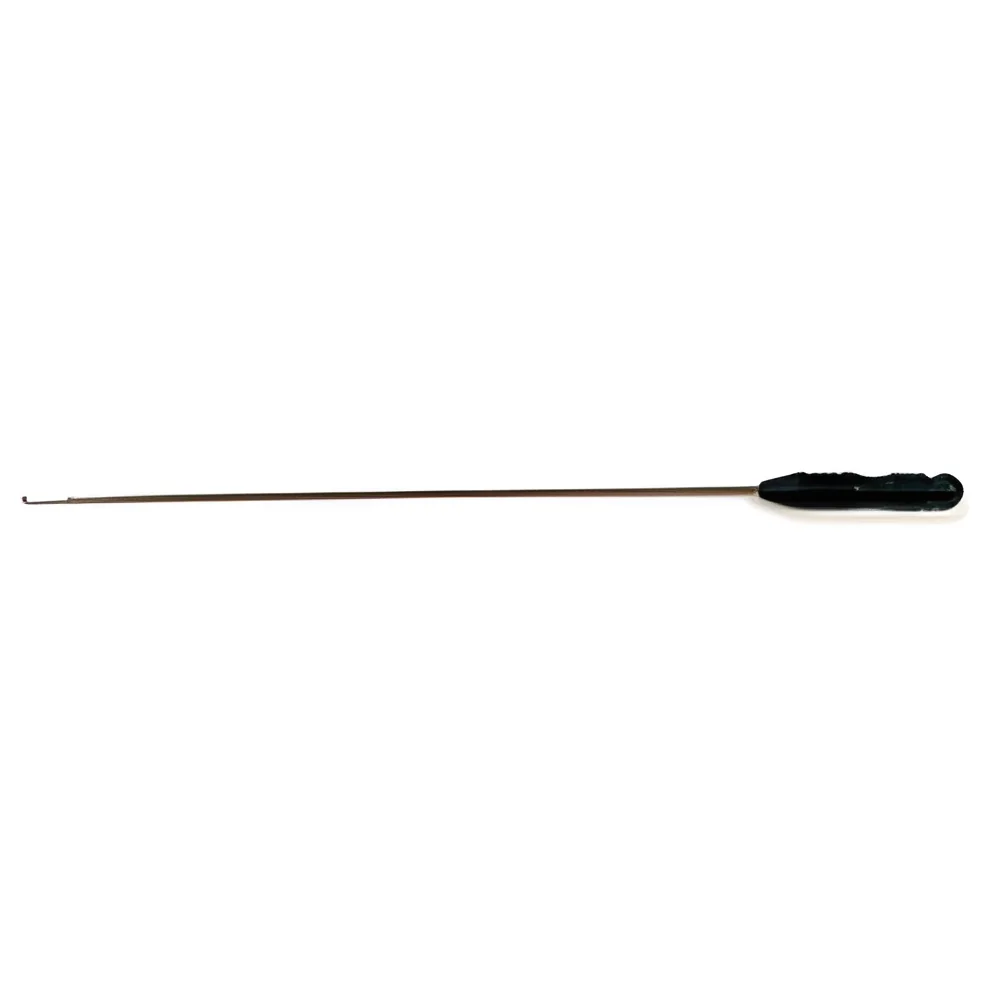
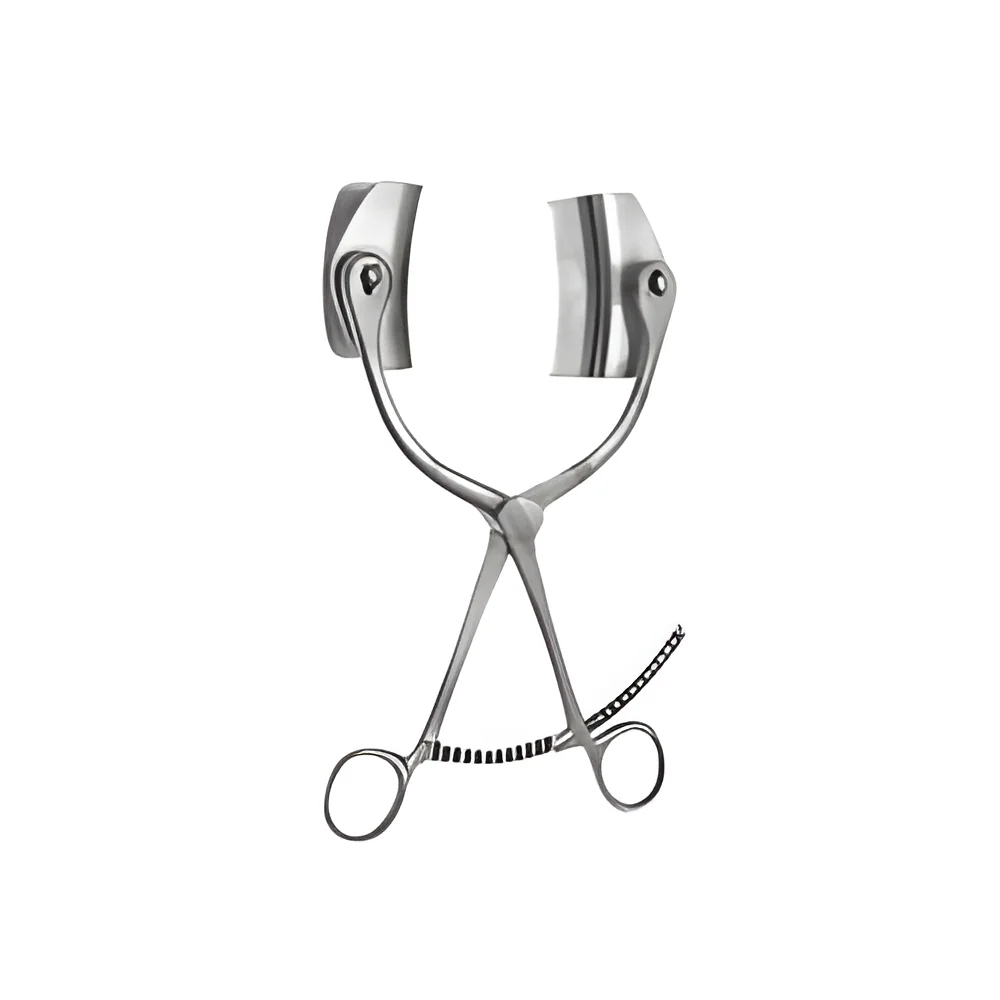
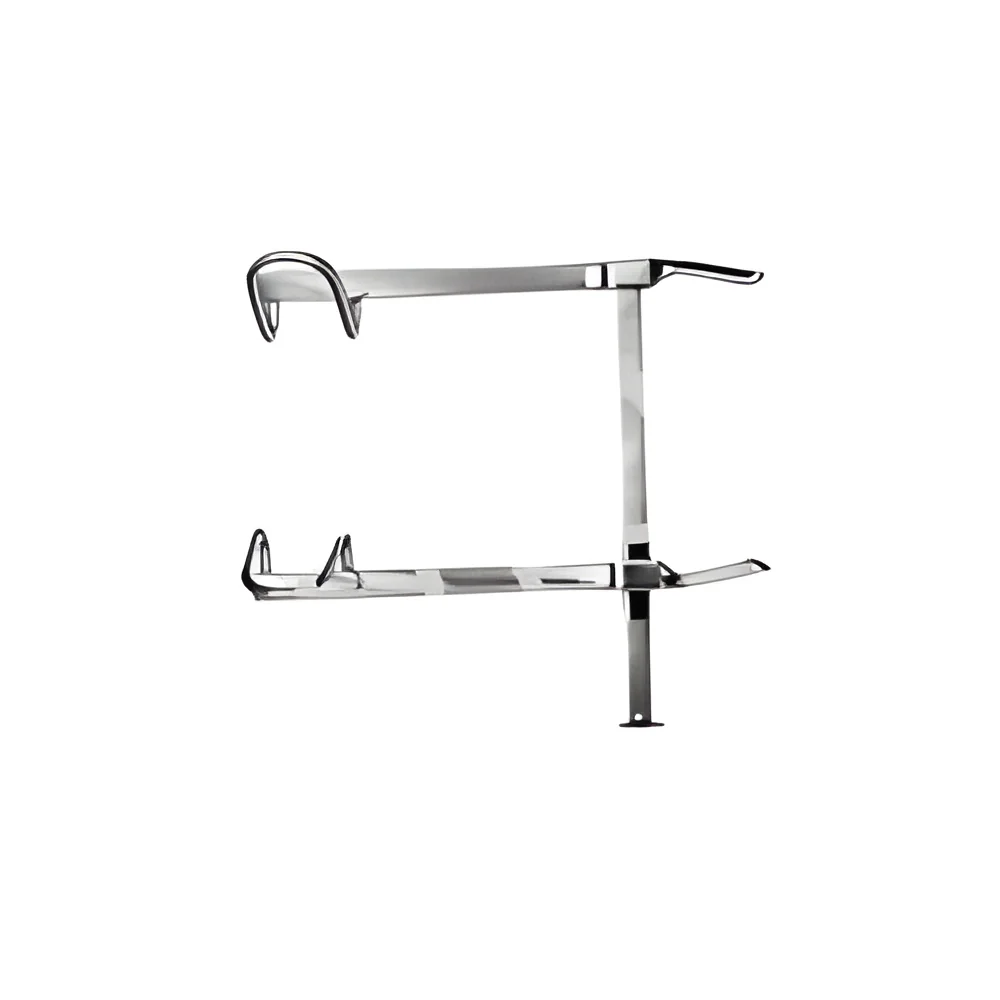
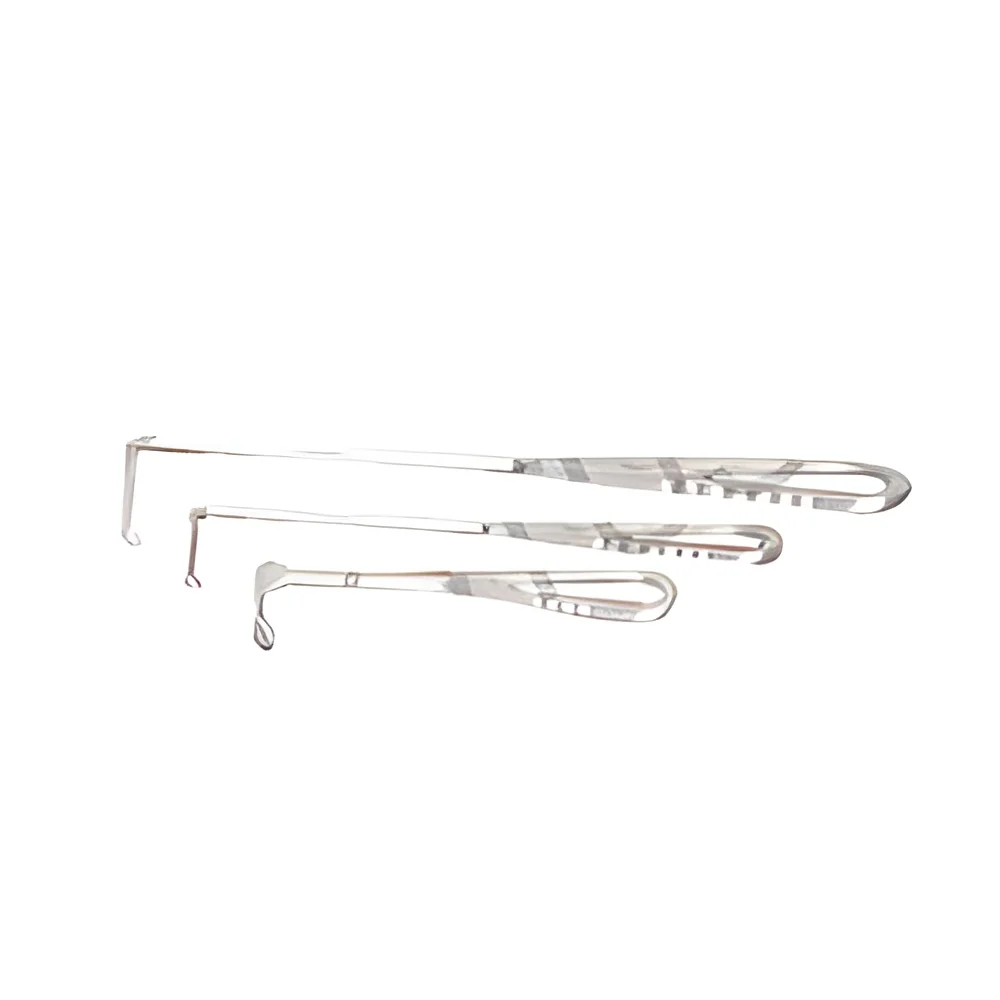
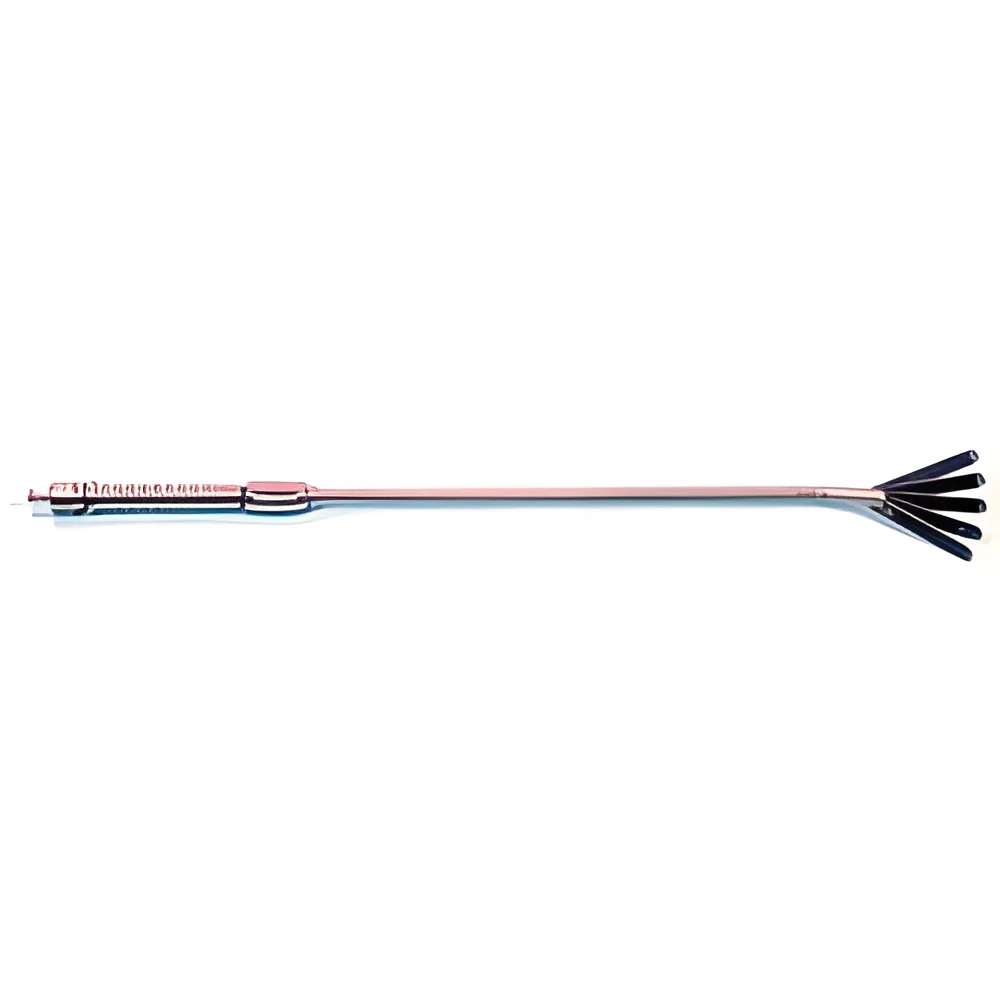
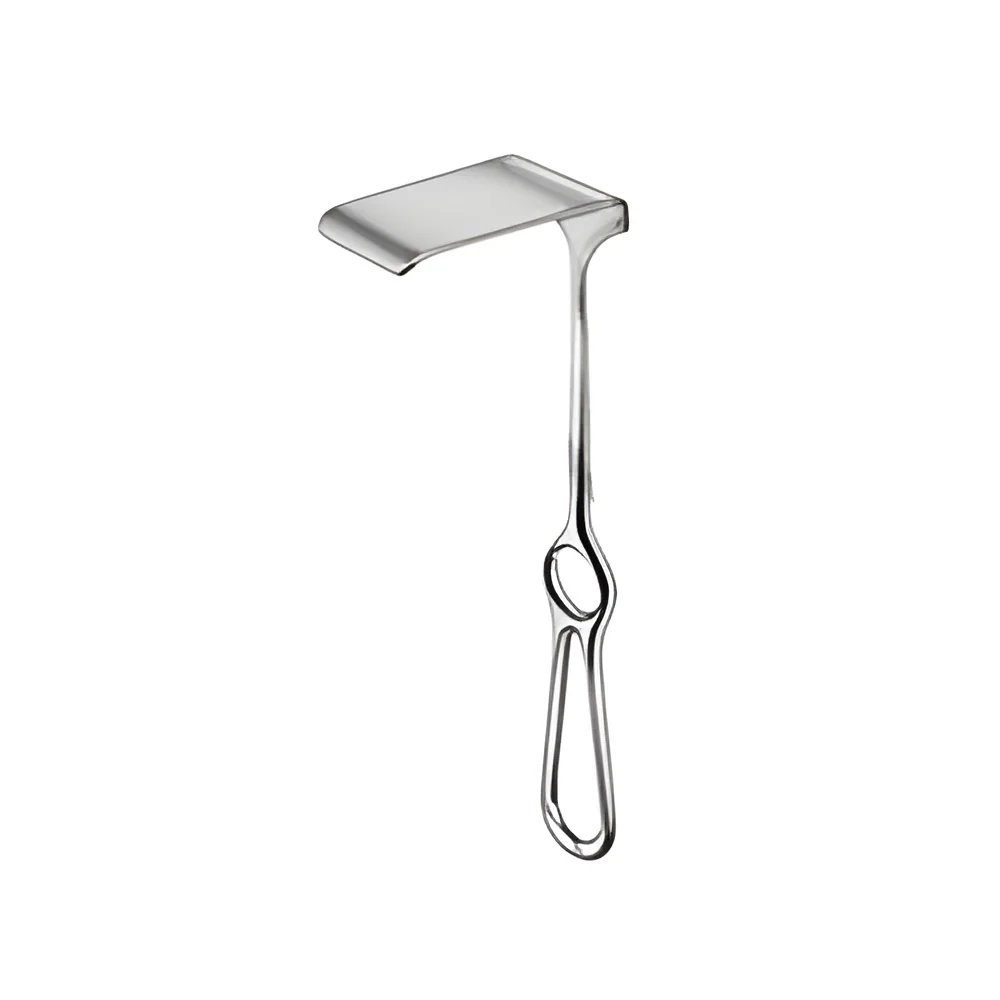
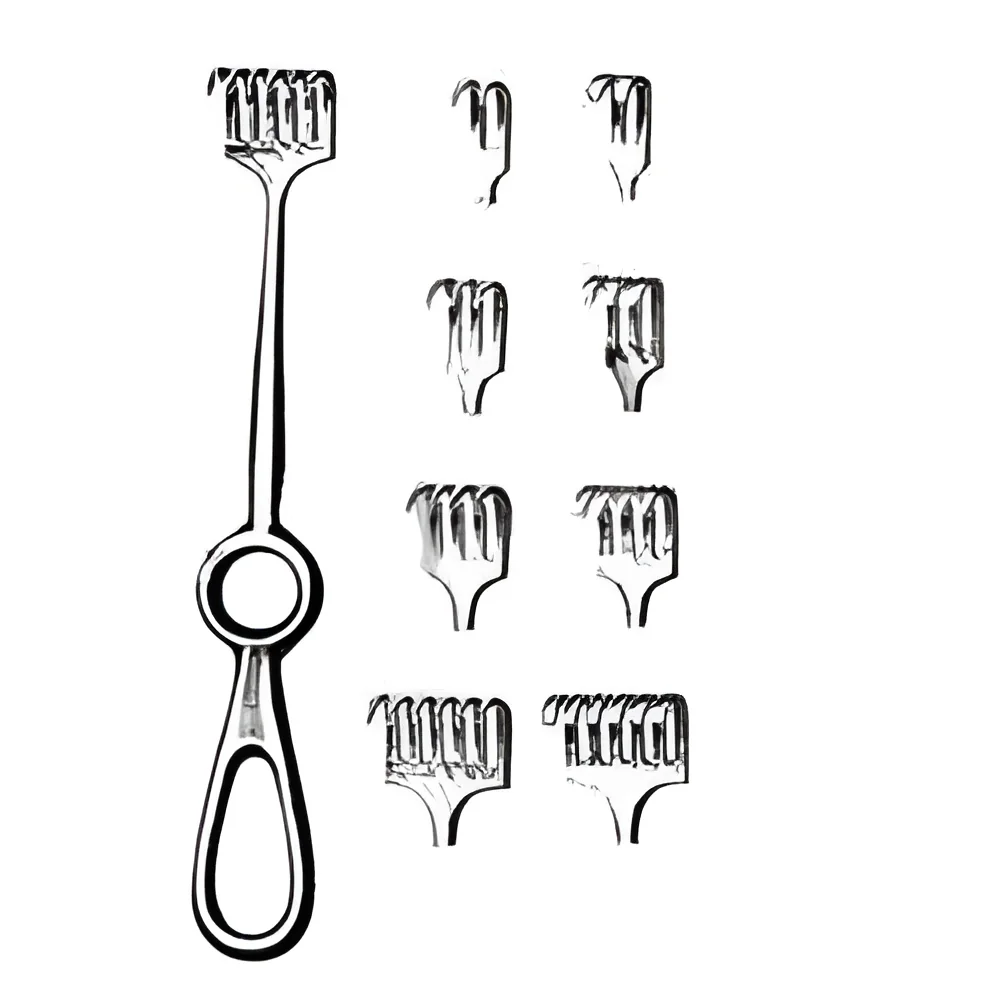
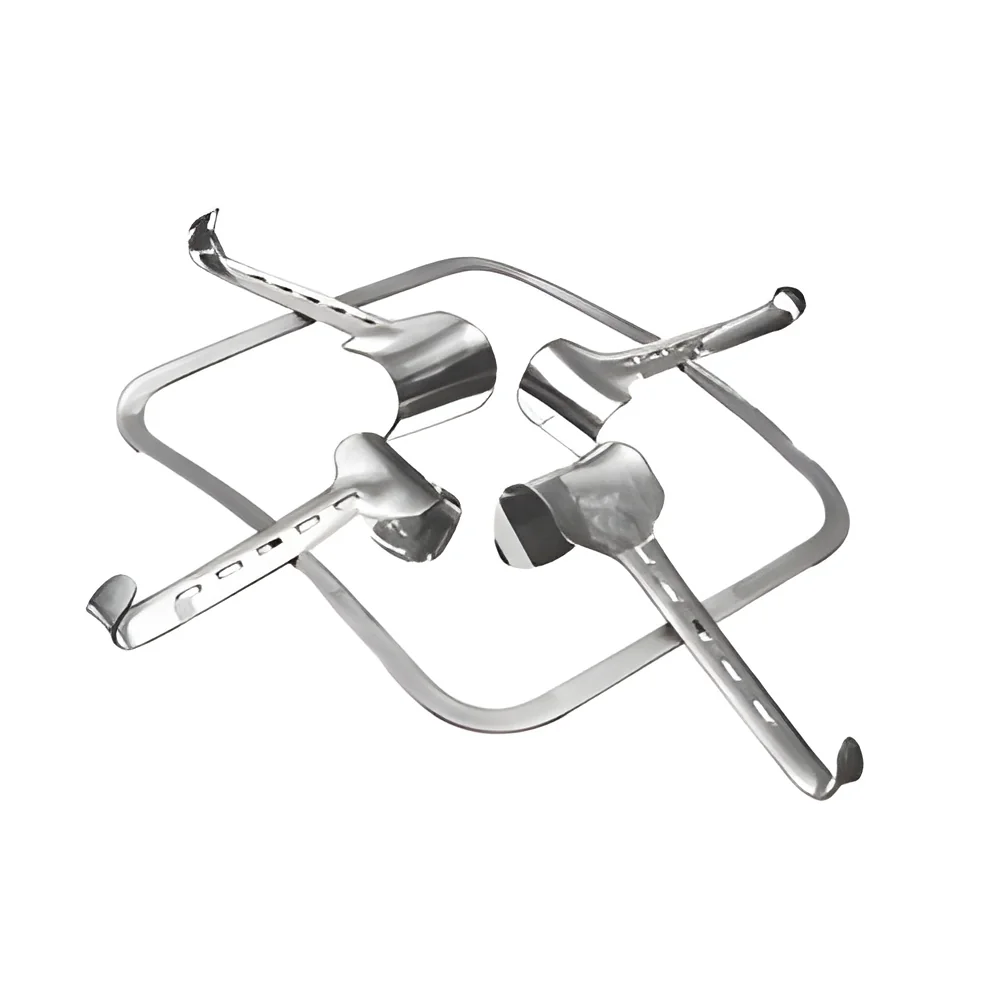
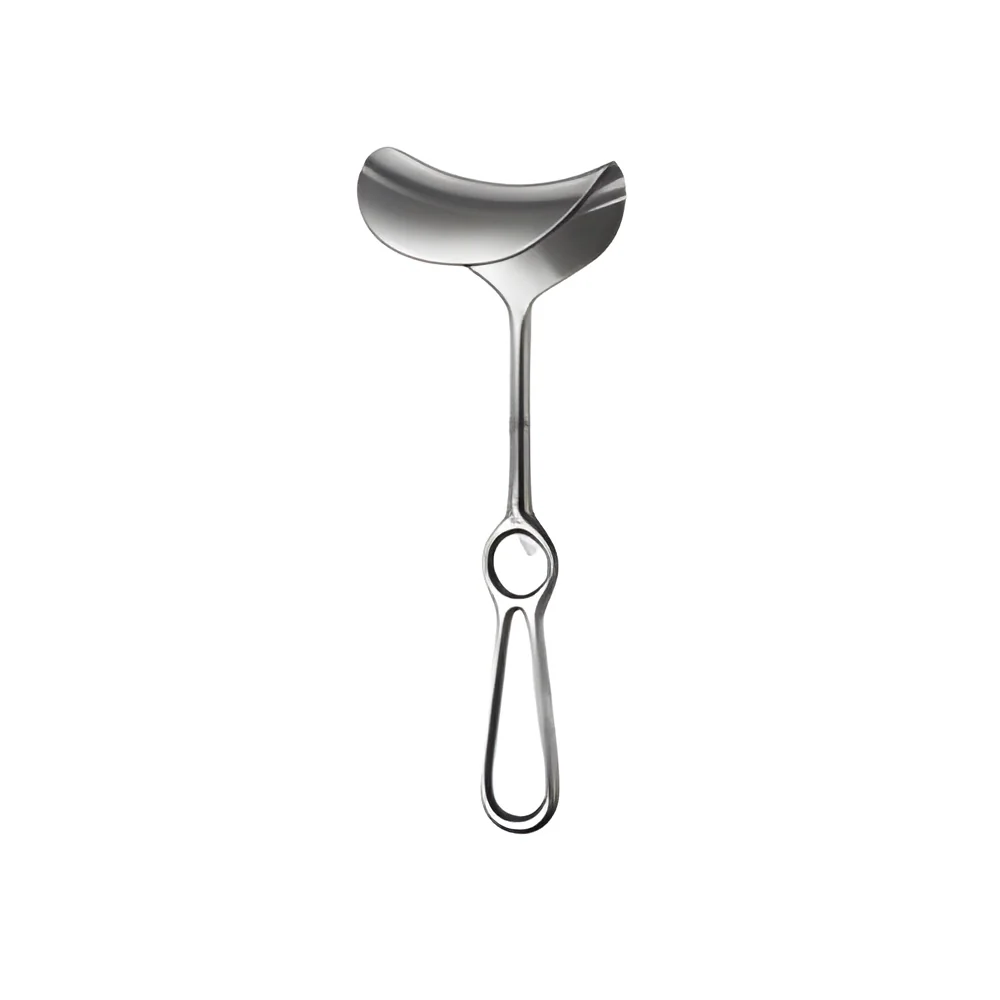
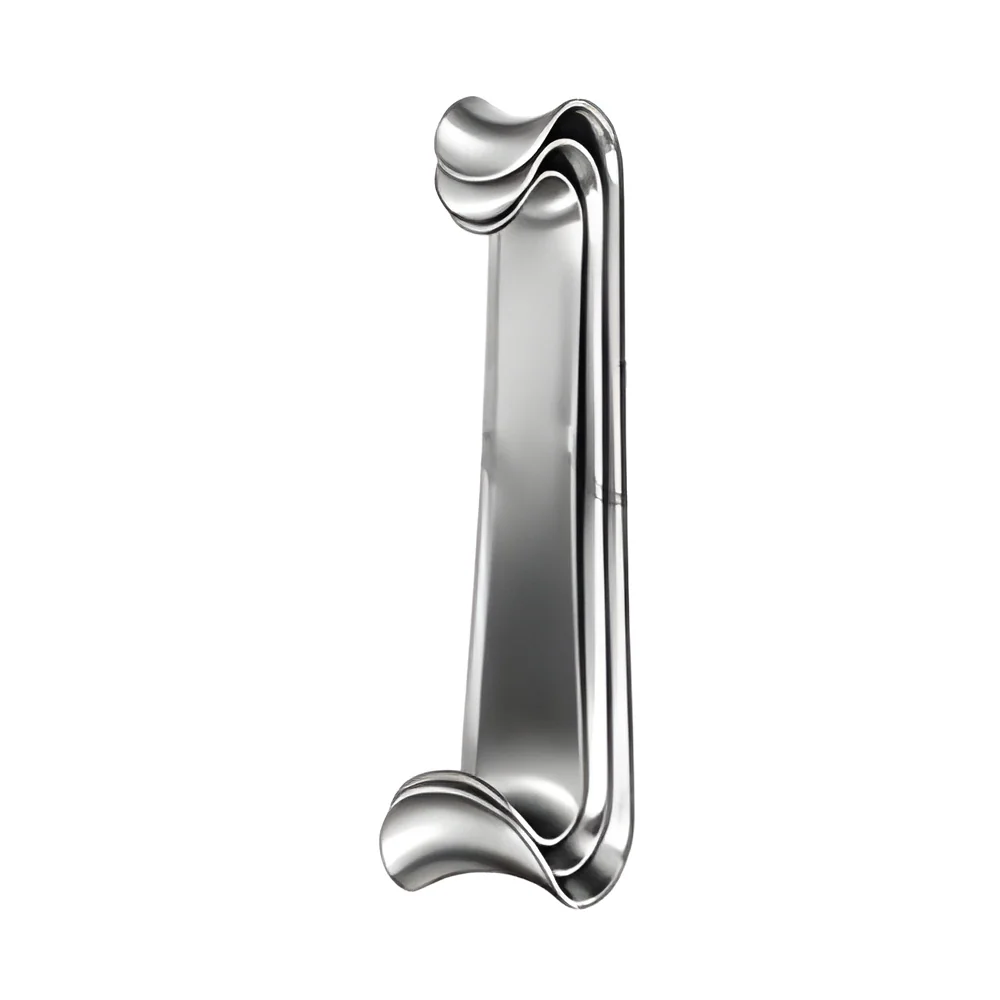
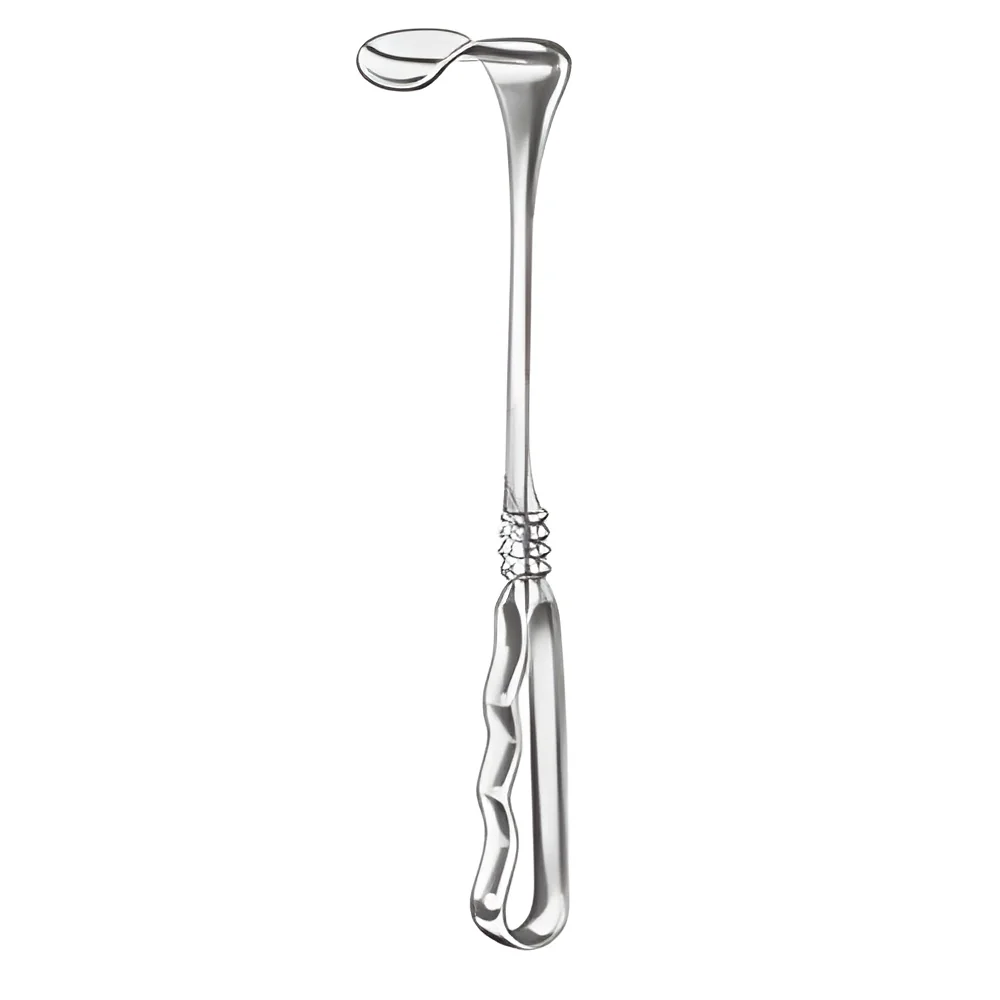
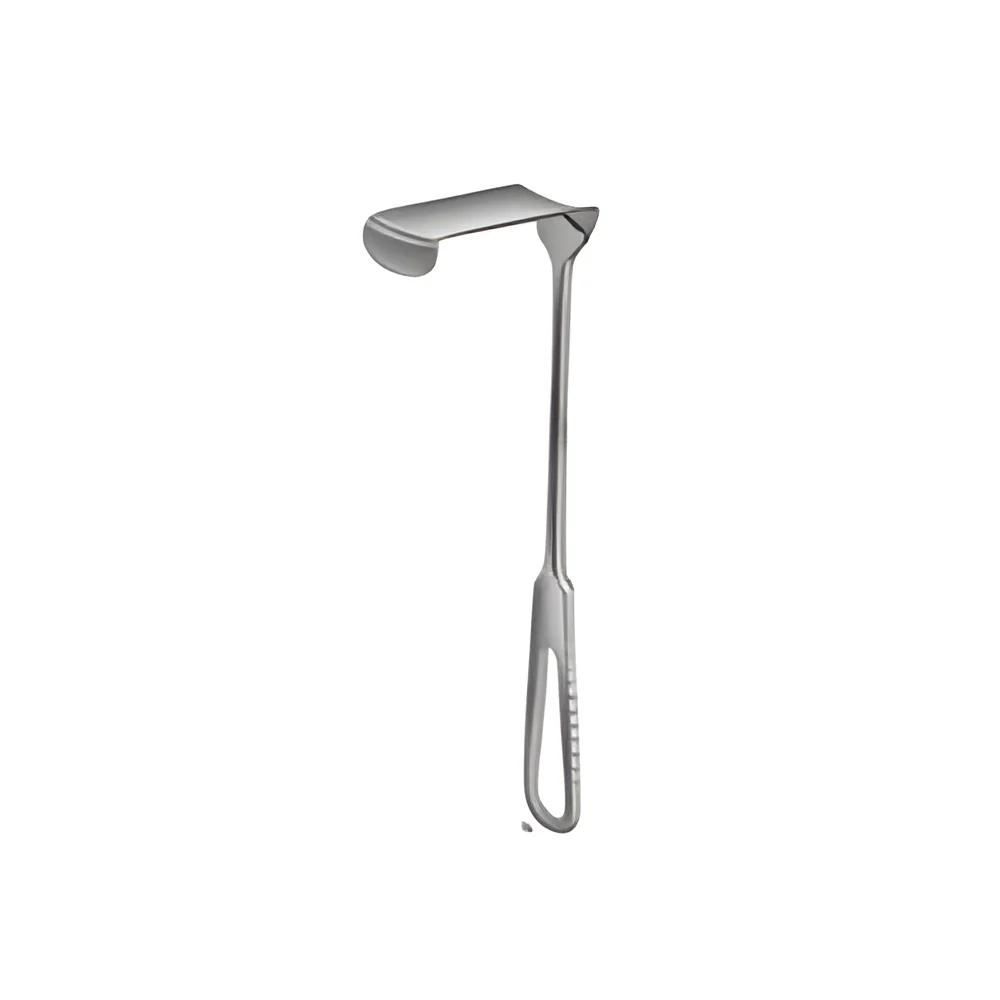
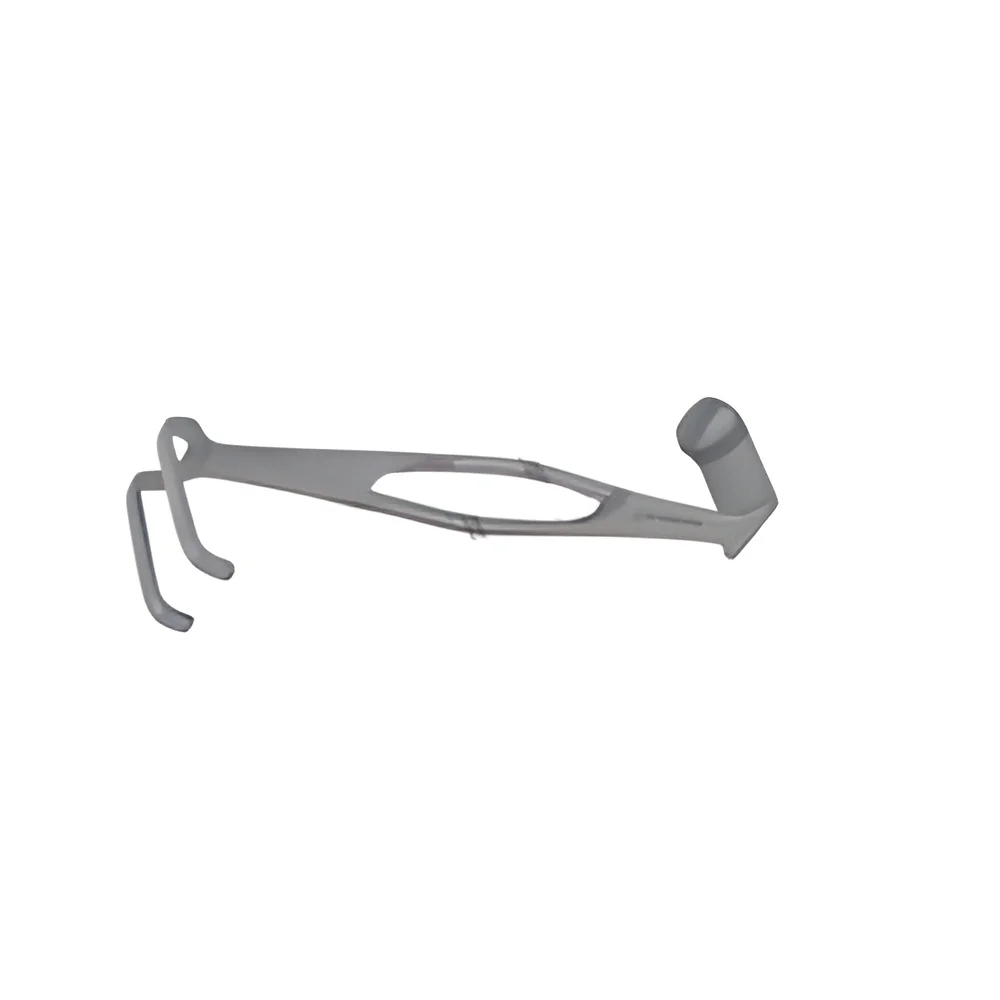
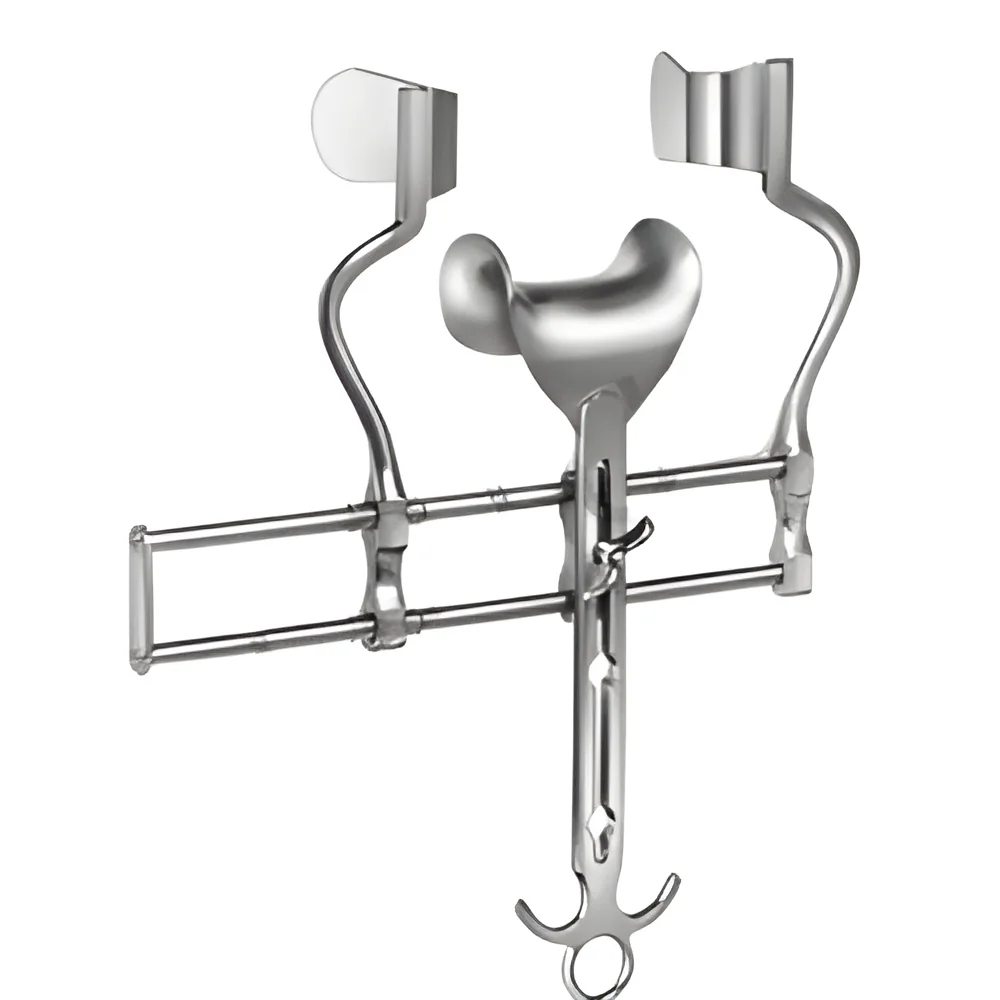
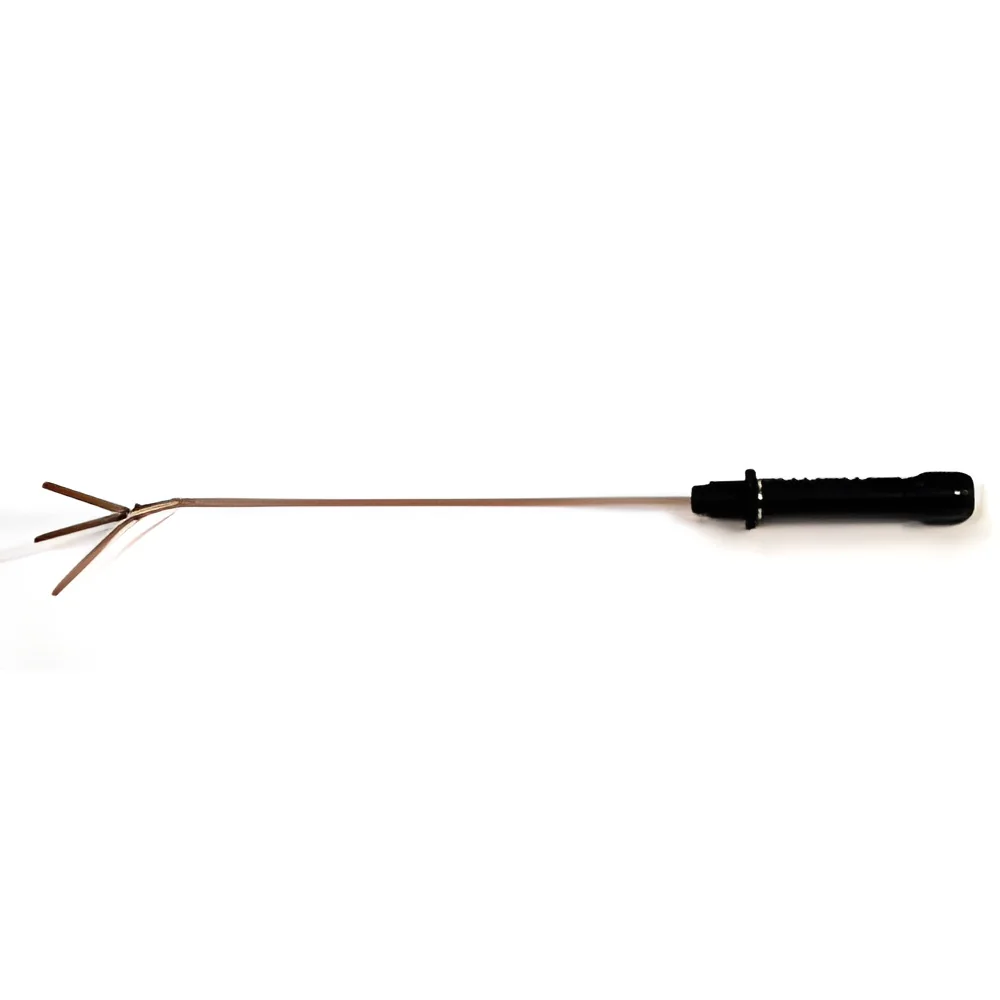
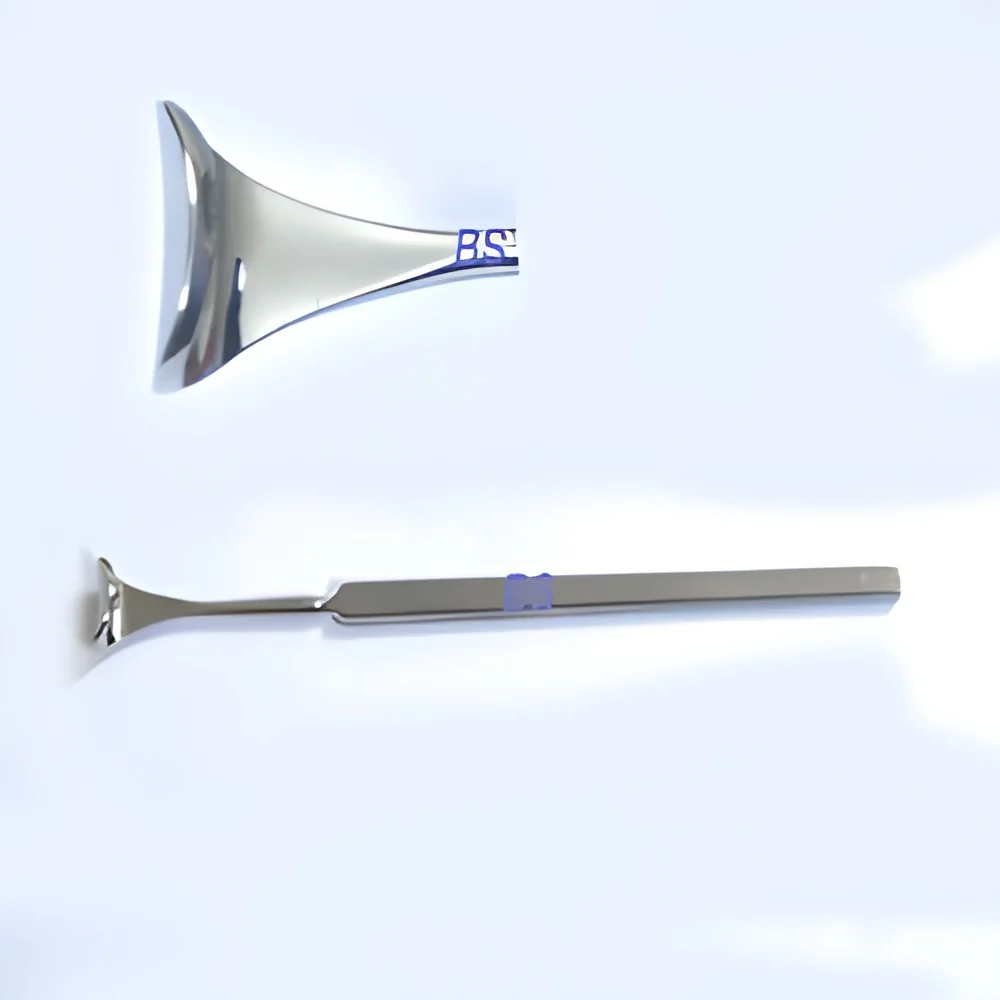
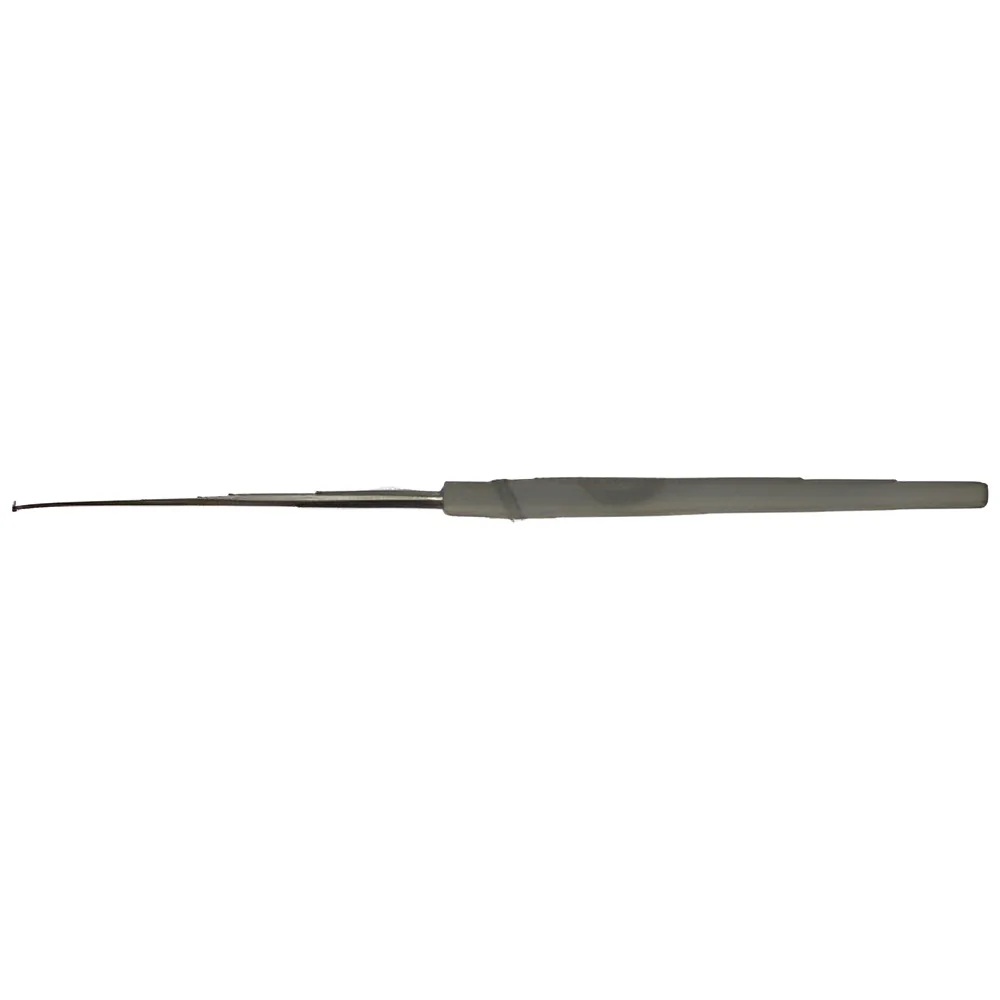
What are Retractors (Self-Retaining & Manual)?
Retractors, both self-retaining and manual, are essential tools used in various industrial applications to hold open or retract tissue, materials, or components. Self-retaining retractors are designed to maintain their position without additional support, while manual retractors require user intervention to hold them in place. These tools are commonly used in medical, manufacturing, and construction settings, providing visibility and access to critical areas during operations.
The primary applications of retractors encompass surgical procedures, assembly lines, and any task requiring hands-free operation. In the medical field, retractors are crucial for visibility and access during surgeries. In manufacturing, they assist workers in accessing machinery and components safely. Their diverse capabilities make them valuable across multiple sectors, enhancing efficiency and safety.
As industries evolve, the demand for high-quality retractors continues to grow. The market is expanding, driven by technological advancements and an increasing focus on safety and efficiency. Businesses seek reliable retractors that meet rigorous standards, making it essential for suppliers to offer products that adhere to relevant certifications.
šš²š šš²š®šššæš²š š®š»š± š¦š½š²š°š¶š³š¶š°š®šš¶š¼š»š
Retractors come with various features and specifications that cater to different industry needs. Understanding these specifications helps businesses select the right retractor for their applications.
Key specifications include:
1. Material Composition
- Typically made from stainless steel or high-grade plastics
- Offers durability and resistance to corrosion
2. Design Type
- Available in both self-retaining and manual designs
- Provides flexibility based on user requirements
3. Size Options
- Various sizes to accommodate different applications
- Customizable dimensions available for specific needs
4. Weight Capacity
- Designed to support varying weights depending on the model
- Ensures stability during use
5. Ergonomic Features
- Designed for comfort during prolonged use
- Reduces user fatigue and enhances precision
6. Sterilization Compatibility
- Suitable for sterilization processes in medical applications
- Ensures compliance with health standards
7. Compliance Standards
- Adheres to relevant quality and safety standards
- Indicates reliability and trustworthiness for users
Retractors' diverse specifications ensure they meet the various demands of industries, enhancing their functionality and reliability.
šš¼šŗšŗš¼š» šš½š½š¹š¶š°š®šš¶š¼š»š š®š»š± šØšš² šš®šš²š
Retractors are versatile tools with applications across several industries, enhancing operational efficiency and safety.
1. Medical Industry: Used extensively in surgical procedures to hold back tissue and improve visibility for surgeons. Their design facilitates easier access to the surgical site.
2. Manufacturing: Employed in assembly lines for maintaining access to machinery and components. They help workers manage tasks efficiently and safely.
3. Construction: Utilized for holding open spaces or components, allowing workers to operate tools effectively without obstruction.
4. Automotive: Used in vehicle assembly and repair to provide access to engine components, ensuring a safer working environment.
5. Aerospace: Applied in assembly processes where precision and access are critical, helping technicians perform tasks with ease.
6. Research Laboratories: Used in various experimental setups to ensure stability and accessibility to samples or equipment.
7. Education: Employed in training settings to demonstrate surgical techniques or industrial practices, providing hands-on learning opportunities.
š£šæš¼š±šš°š š©š®šæš¶š®š»šš š®š»š± š¦ššÆš°š®šš²š“š¼šæš¶š²š
Retractors come in a variety of forms, catering to specific needs and applications within various industries.
Self-Retaining Retractors
These retractors are designed to hold themselves in place, allowing for hands-free operation. They are especially useful in surgical settings, providing stability and access without constant user intervention.
Manual Retractors
Manual retractors require user input to maintain their position. They are commonly used in both medical and industrial applications where flexibility is needed, allowing users to adjust positioning as required.
šš²š»š²š³š¶šš š®š»š± šš±šš®š»šš®š“š²š
Retractors offer numerous benefits that enhance safety and efficiency in various applications.
1. Enhanced Visibility: Retractors provide clear access to work areas, allowing for better visibility during complex tasks.
2. Increased Safety: By holding materials or tissues in place, they reduce the risk of accidents and injuries.
3. Versatile Use: Suitable for a variety of industries, retractors can be adapted for specific applications, making them a valuable investment.
4. Ergonomic Design: Many models focus on comfort and ease of use, which can lead to fewer workplace injuries.
5. Improved Efficiency: By facilitating hands-free operation, retractors allow users to focus on their tasks, enhancing productivity.
6. Compliance with Standards: Retractors often meet industry-specific regulations, ensuring that users adhere to safety and quality requirements.
šššš¶š»š“ ššš¶š±š² š³š¼šæ šš®š šššš²šæš
When sourcing retractors (self-retaining and manual), businesses should consider several important factors to make informed purchasing decisions.
1. Quality Assessment: Evaluate the build quality and materials used in retractors. Look for suppliers that adhere to strict quality standards to ensure durability and reliability.
2. Supplier Verification: Vet suppliers thoroughly to ensure they have a track record of providing high-quality products. Check reviews and testimonials from other clients.
3. Pricing and MOQ: Consider the price range and minimum order quantities (MOQ) set by suppliers. Ensure costs align with your budget while maintaining quality.
4. Delivery and Lead Times: Assess the logistics of suppliers, including their delivery times. Timely delivery is essential for maintaining operational efficiency.
5. Compliance Requirements: Understand any regulatory requirements that apply to your industry. Ensure that the retractors sourced meet necessary compliance standards.
šš¼šŗš½š¹š¶š®š»š°š² š®š»š± šš²šæšš¶š³š¶š°š®šš¶š¼š»š
Retractors must adhere to stringent quality and safety standards to ensure their reliability across various applications. Relevant quality standards include ISO 9001, which emphasizes effective quality management systems. Compliance with HACCP (Hazard Analysis Critical Control Points) is crucial in food industry applications where safety is paramount.
Additionally, retractors should meet CE certification requirements, indicating conformity with health, safety, and environmental protection standards. Safety and testing requirements vary by industry, necessitating that products undergo rigorous testing to ensure they function as intended.
Regional compliance considerations may also apply, depending on the market in which the retractors are utilized. Buyers should ensure that products sourced comply with local regulations to avoid potential legal issues.
Why Source Retractors (Self-Retaining & Manual) from Pepagora?
Pepagora offers a trusted platform for sourcing retractors (self-retaining and manual), providing several key advantages for B2B buyers.
Verified Supplier Network: Pepagora connects businesses with a network of verified suppliers, ensuring that buyers have access to high-quality products from reputable sources.
Streamlined RFQ Process: The request for quotation (RFQ) system simplifies the sourcing process, allowing buyers to receive and compare quotes efficiently. This feature helps businesses make informed purchasing decisions.
Trade Assurance and Support: Buyers benefit from trade assurance programs that protect their investments. Pepagora provides support throughout the purchasing process, ensuring a smooth transaction.
Regional Coverage: With a geographic reach that includes India, the GCC, and Southeast Asia, Pepagora offers extensive market coverage, connecting buyers with suppliers in various regions. This reach enables businesses to find the right retractors to meet their specific needs.