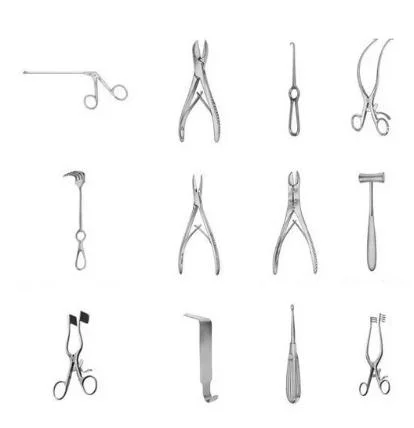
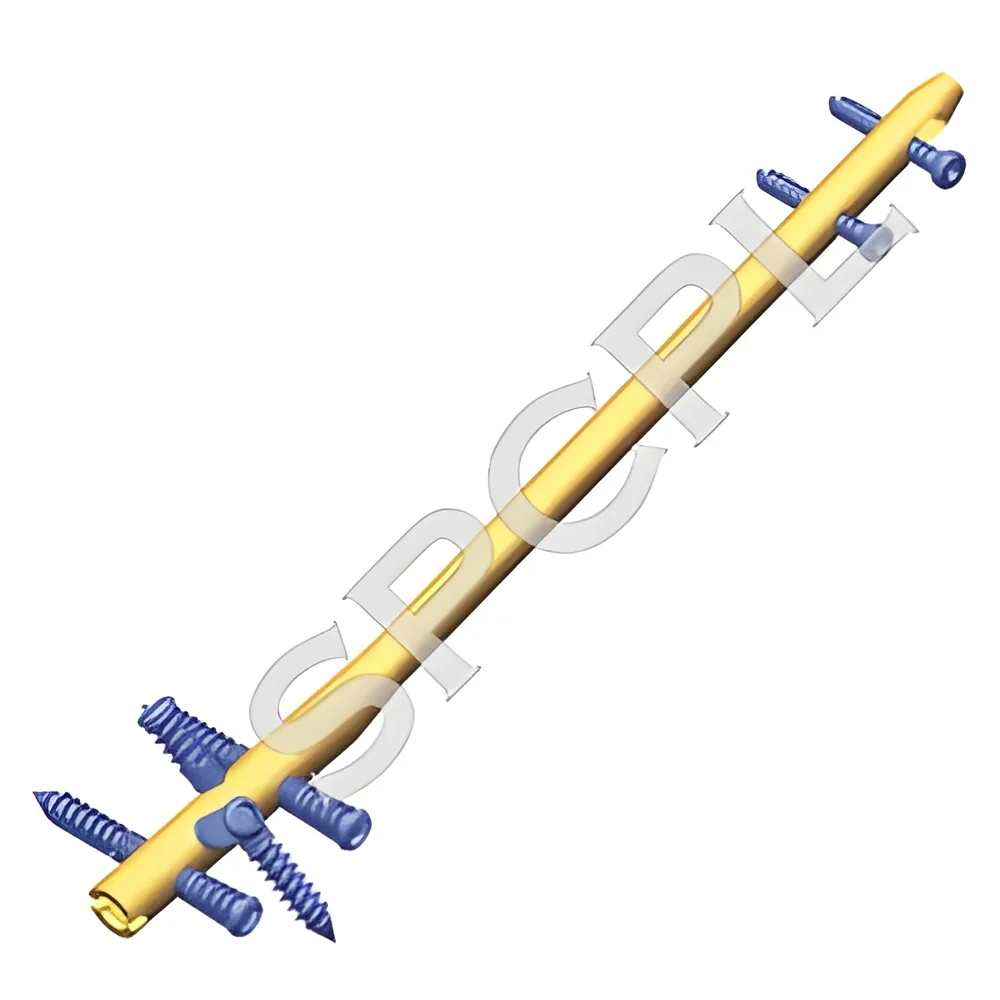
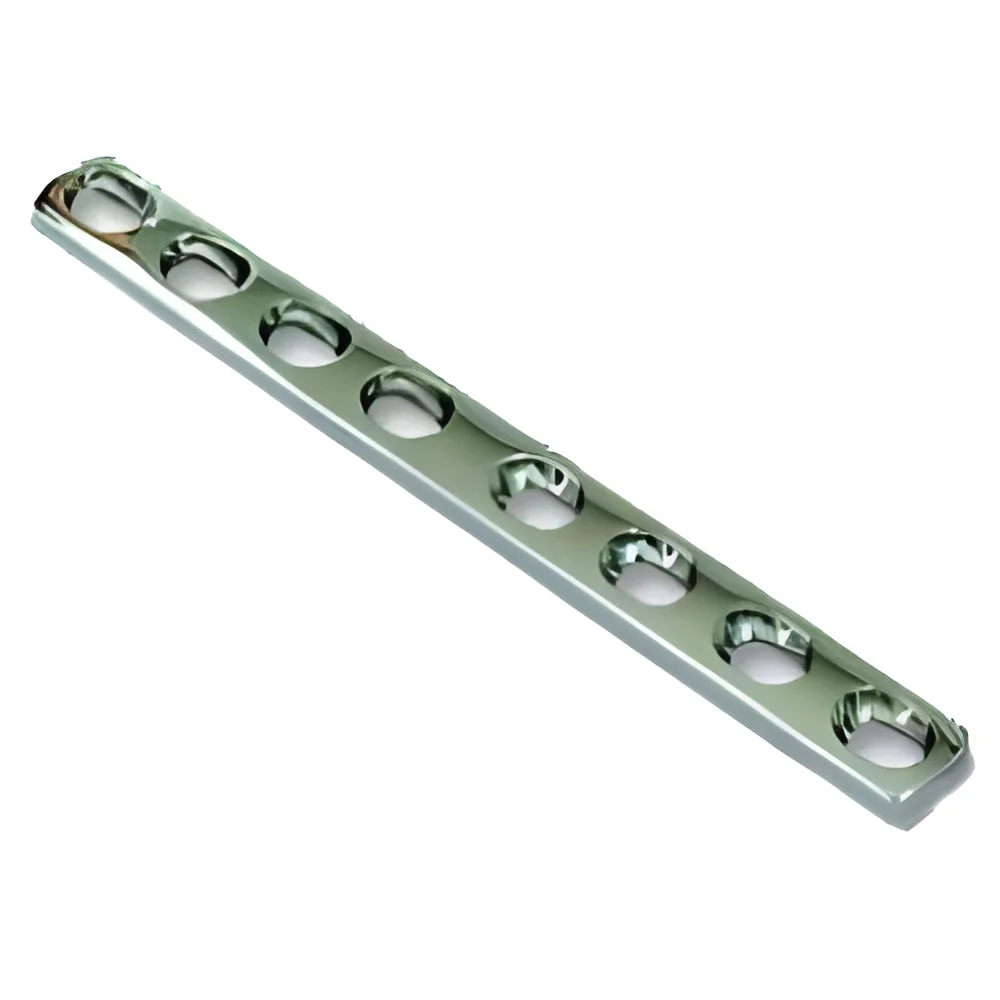
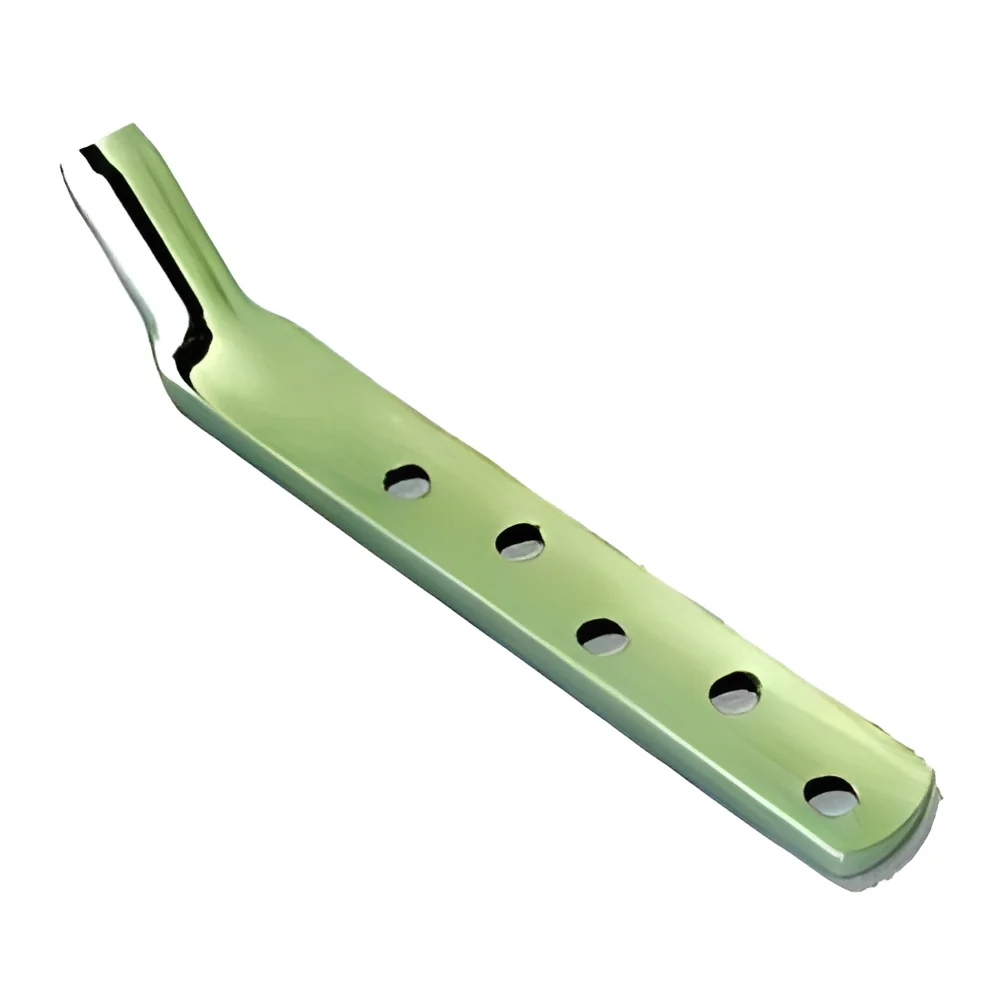
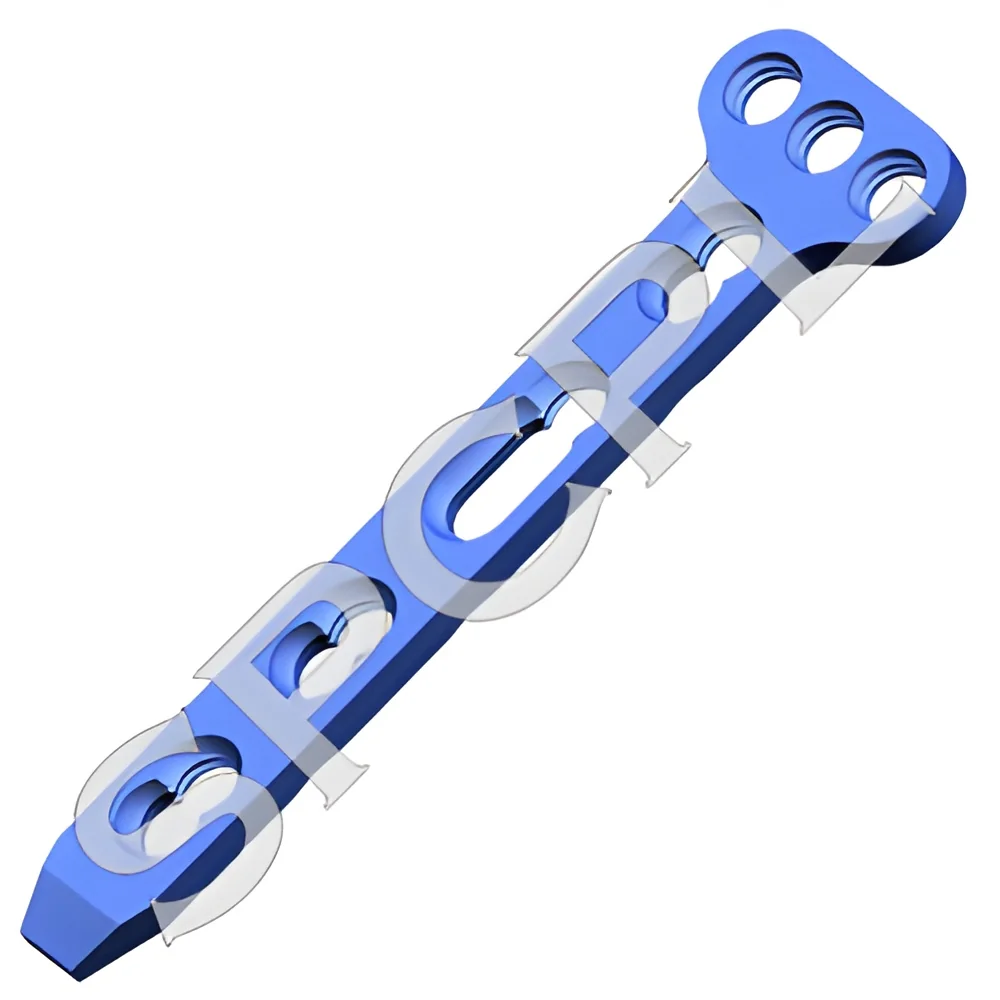
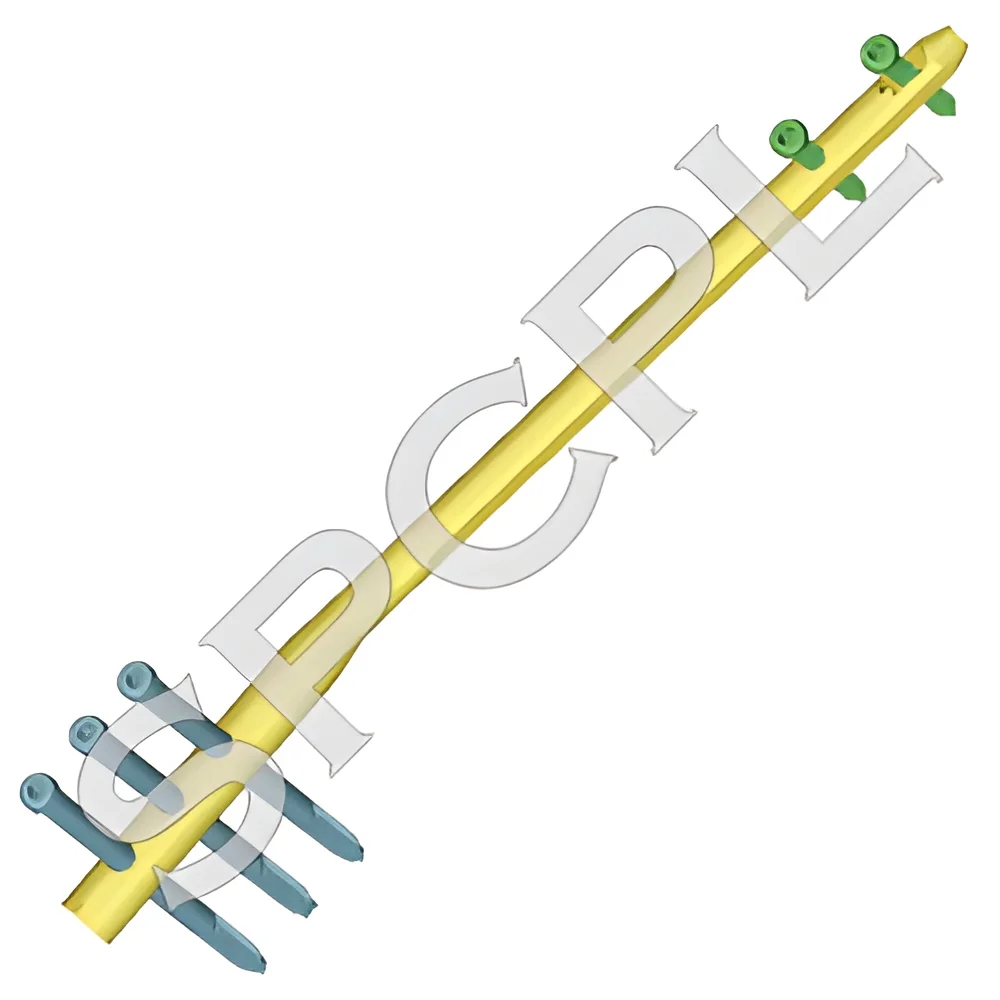
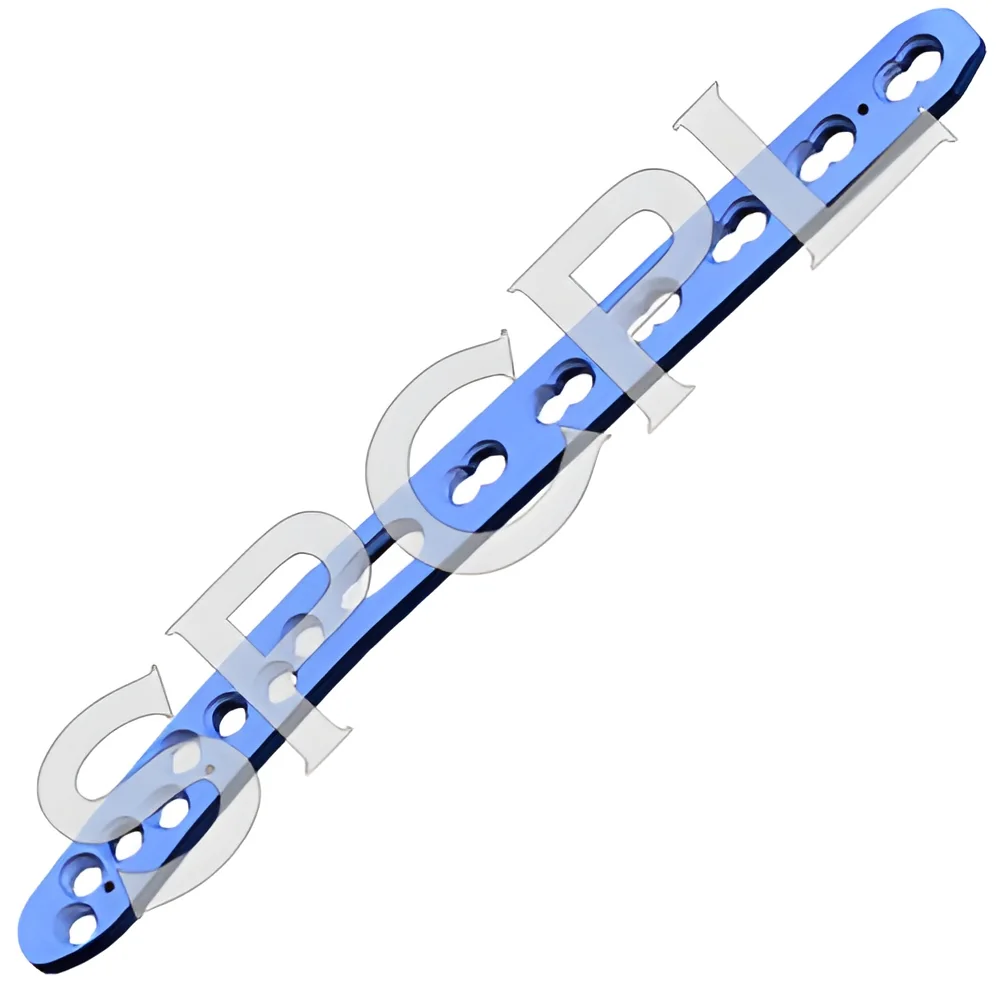
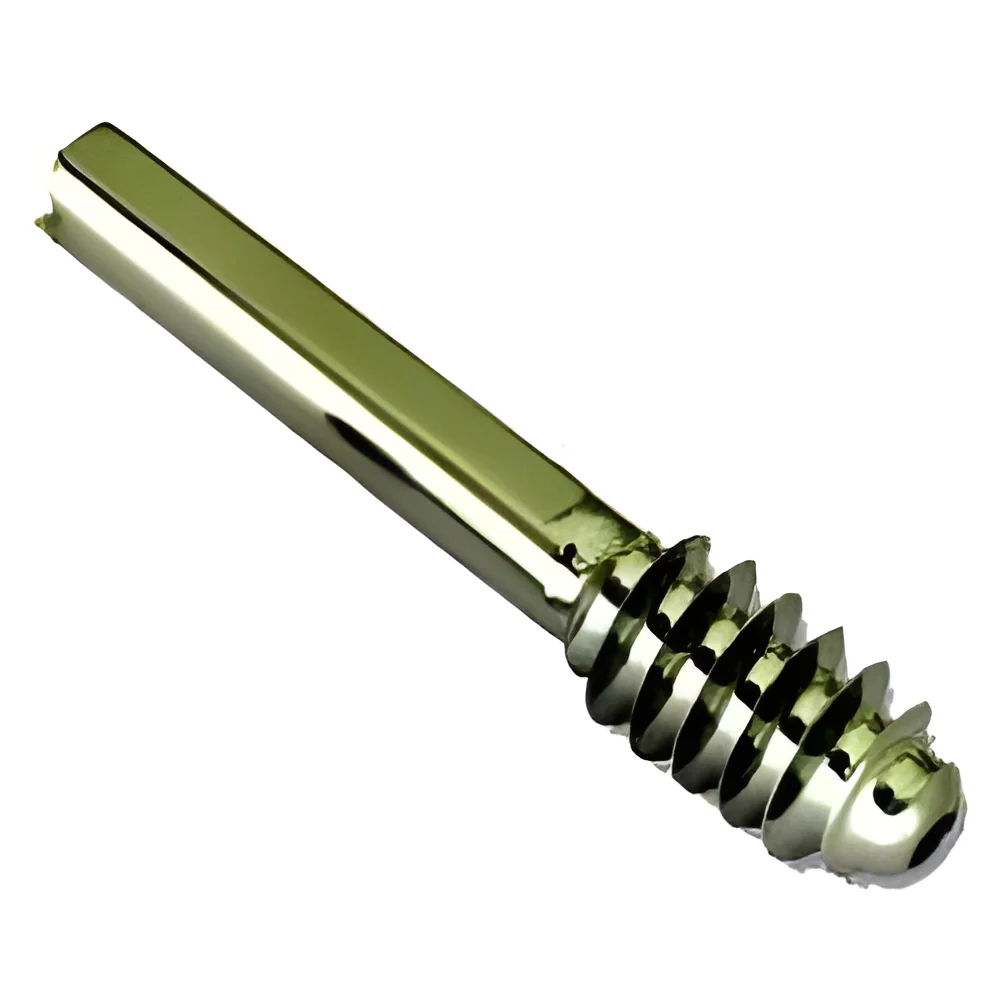
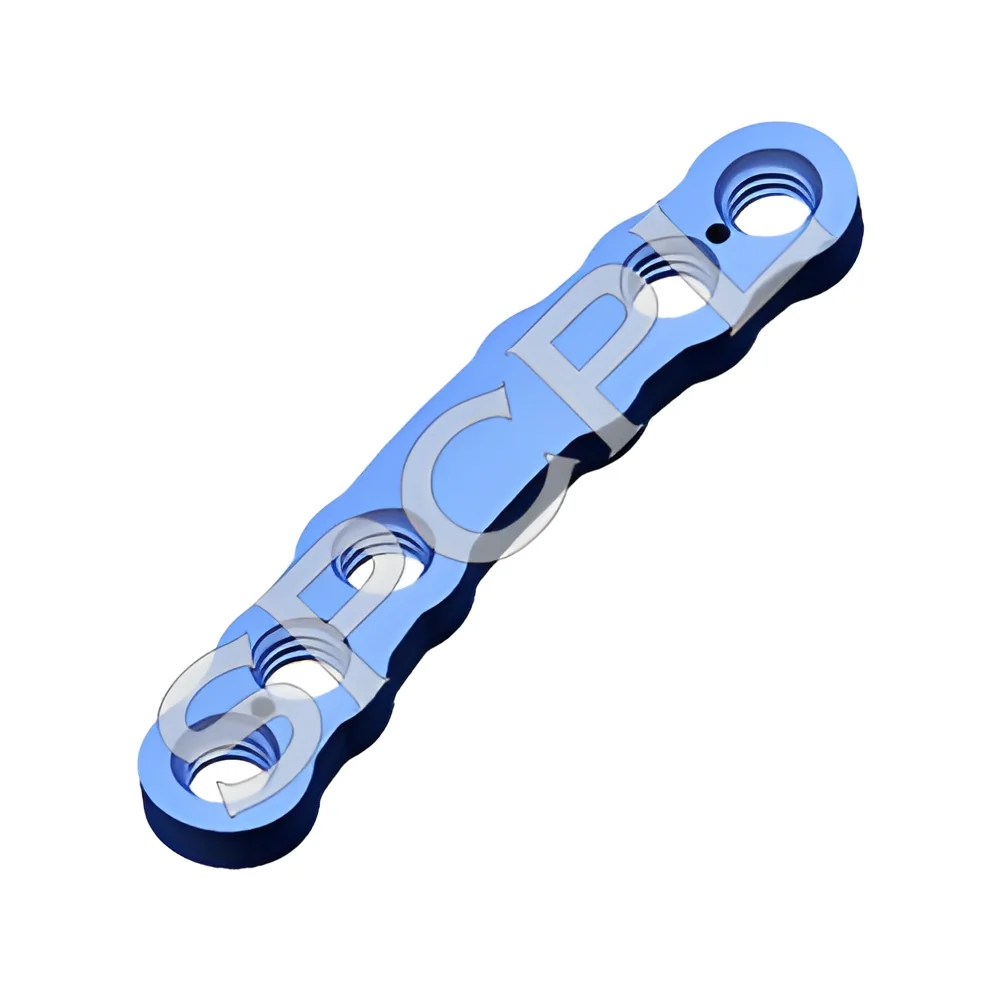
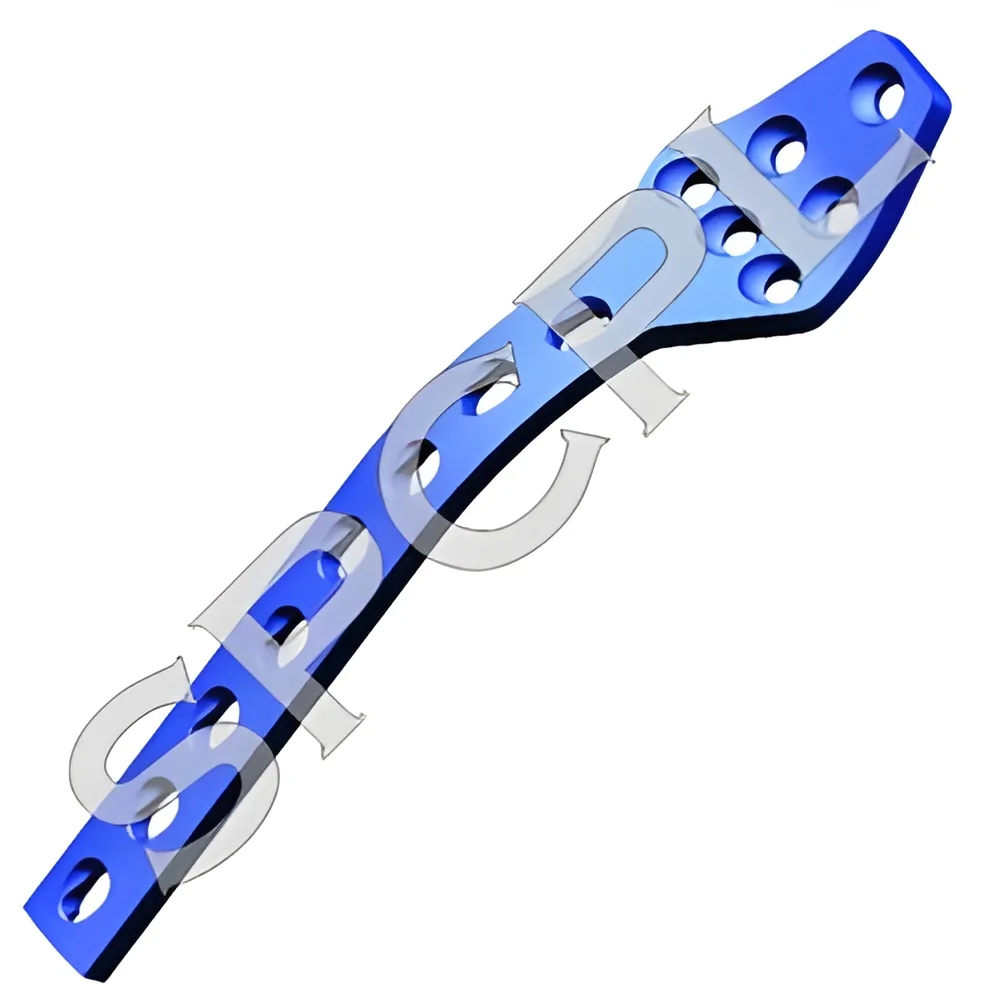
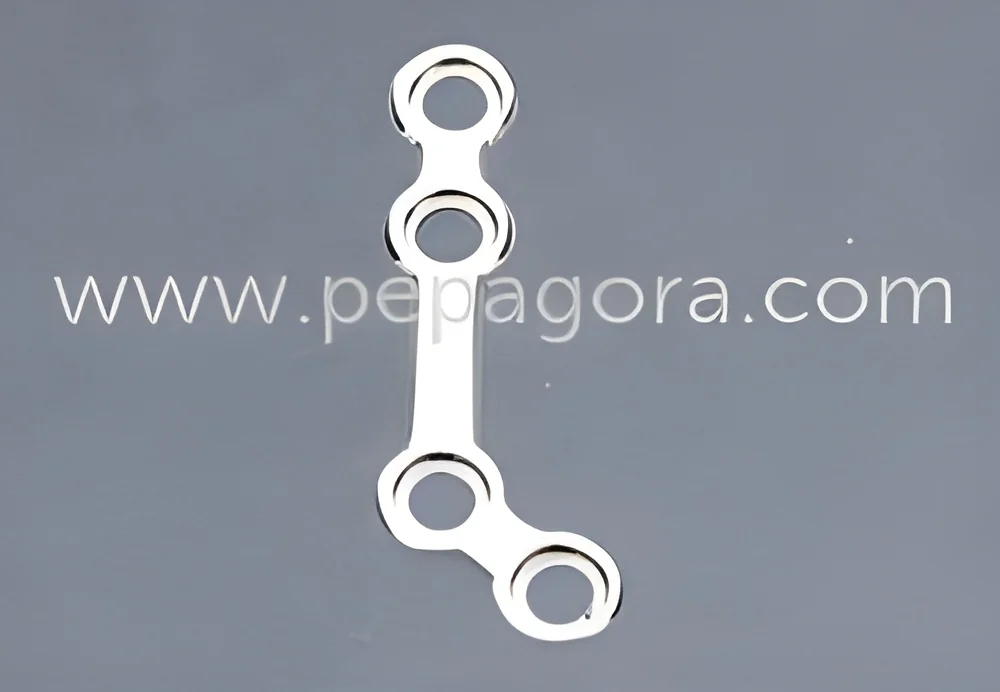
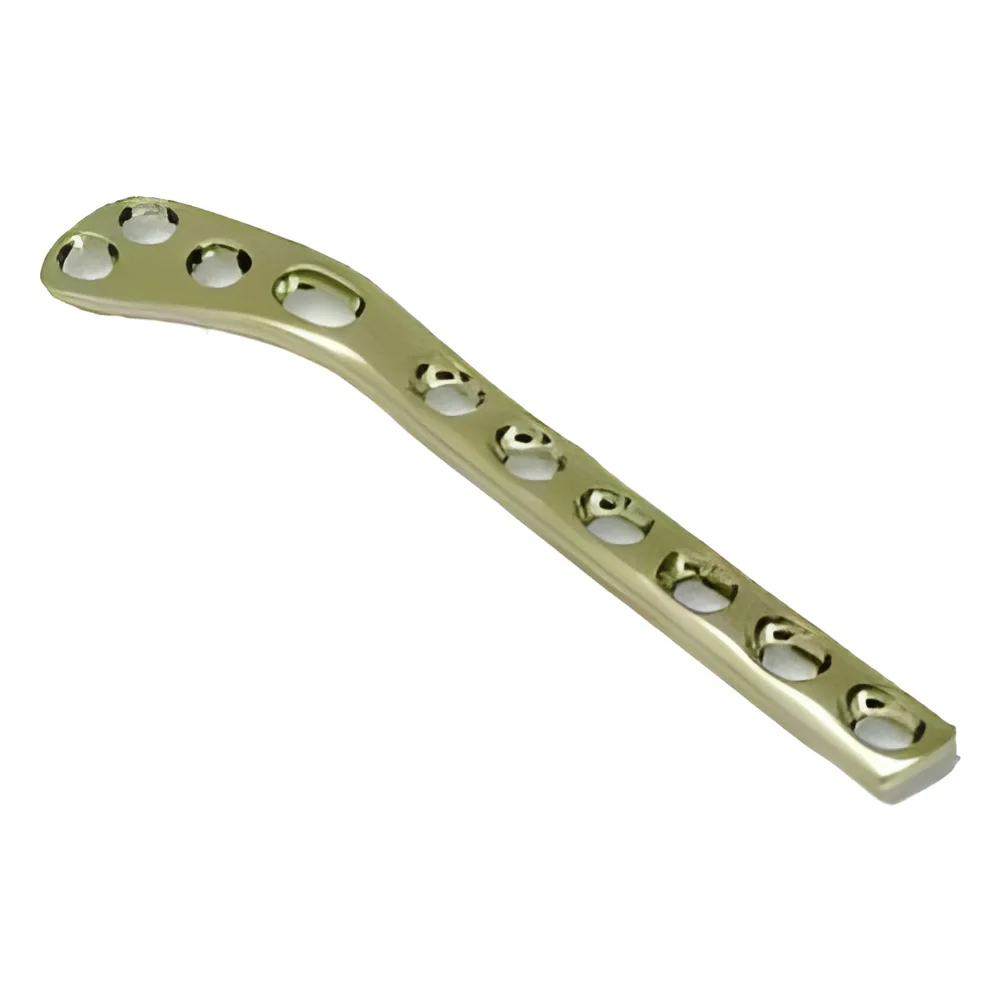
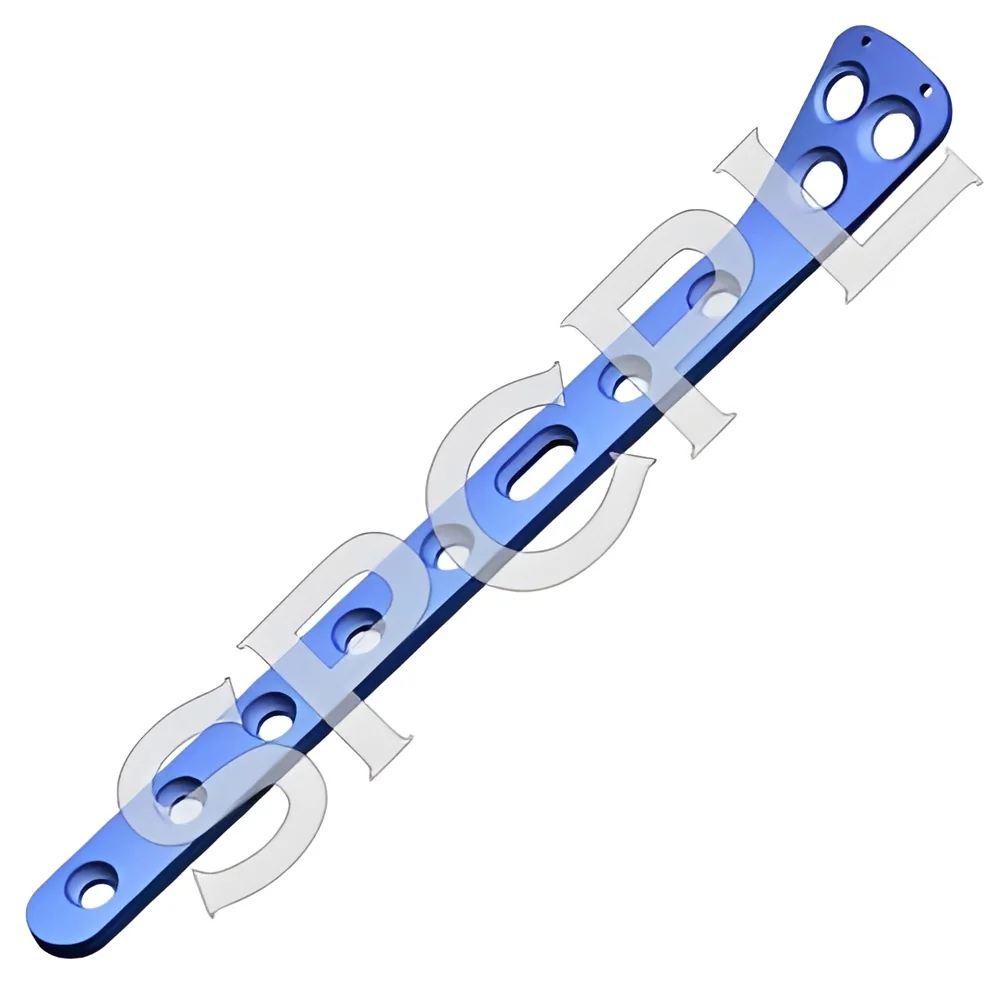
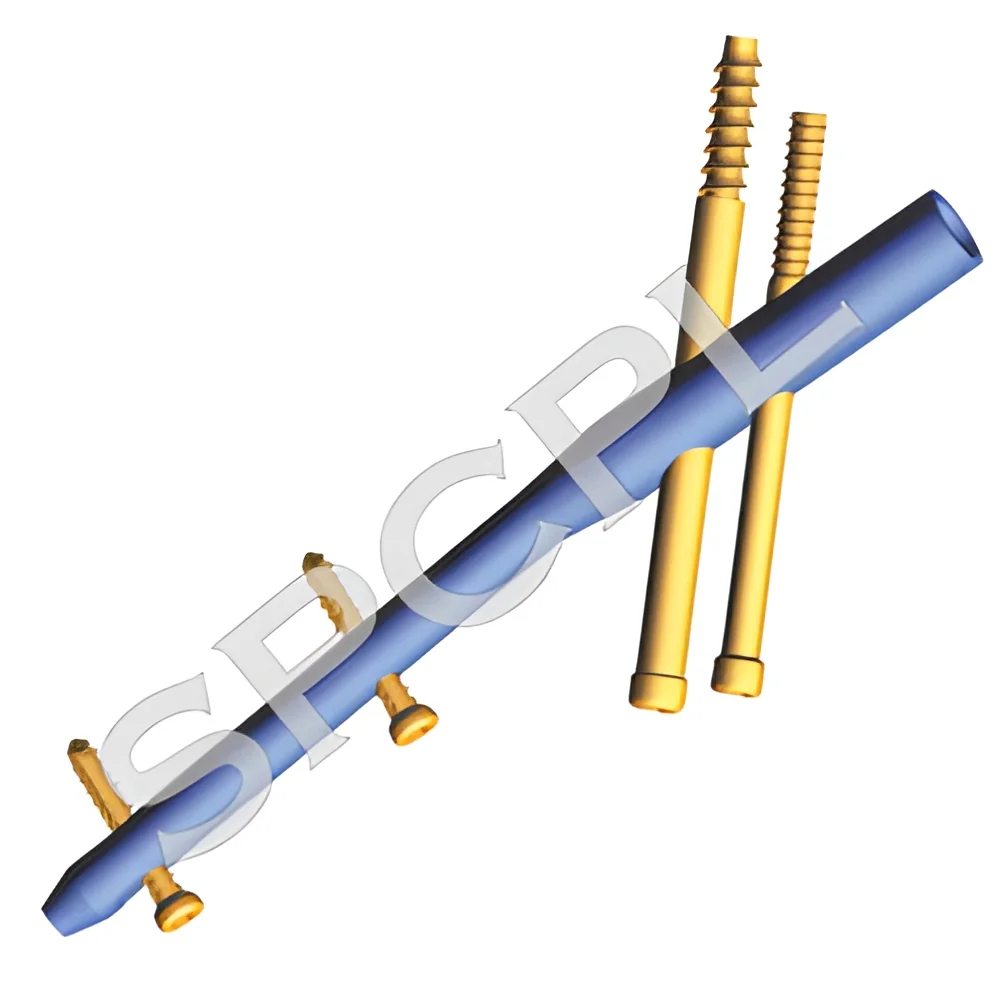
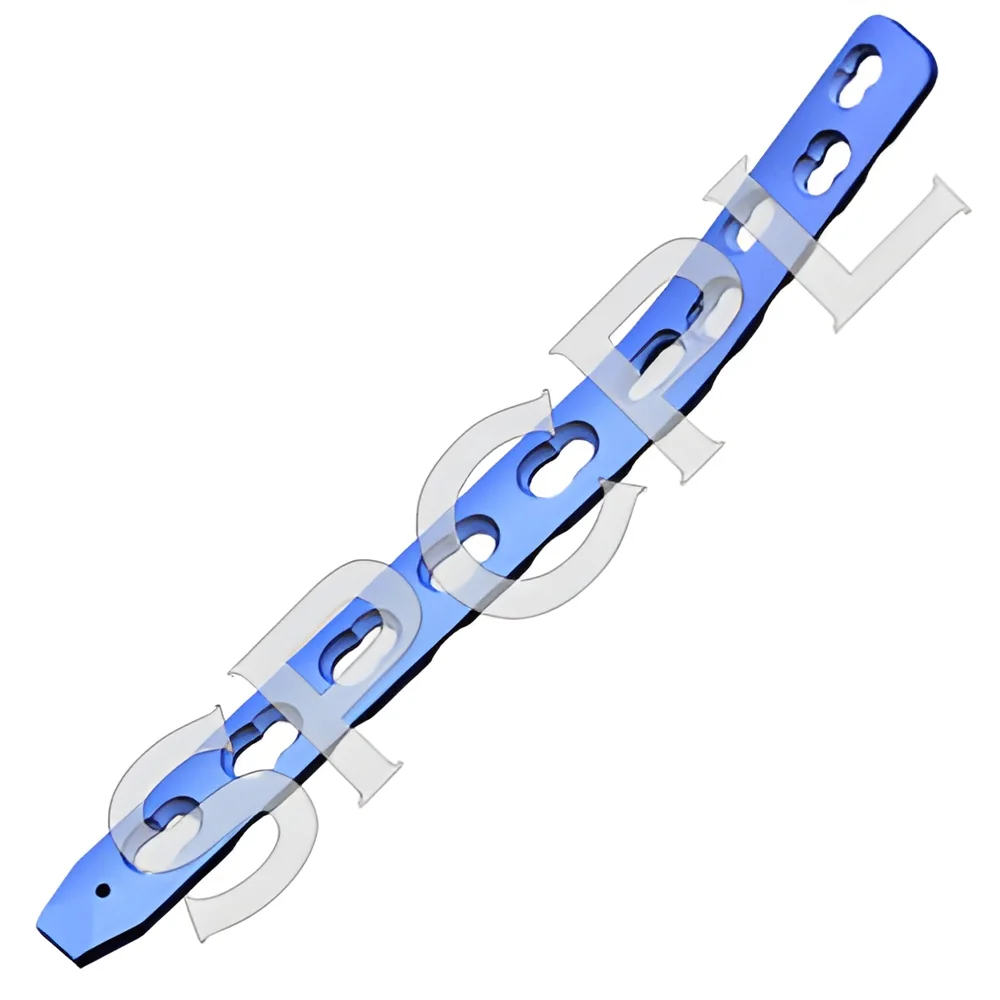
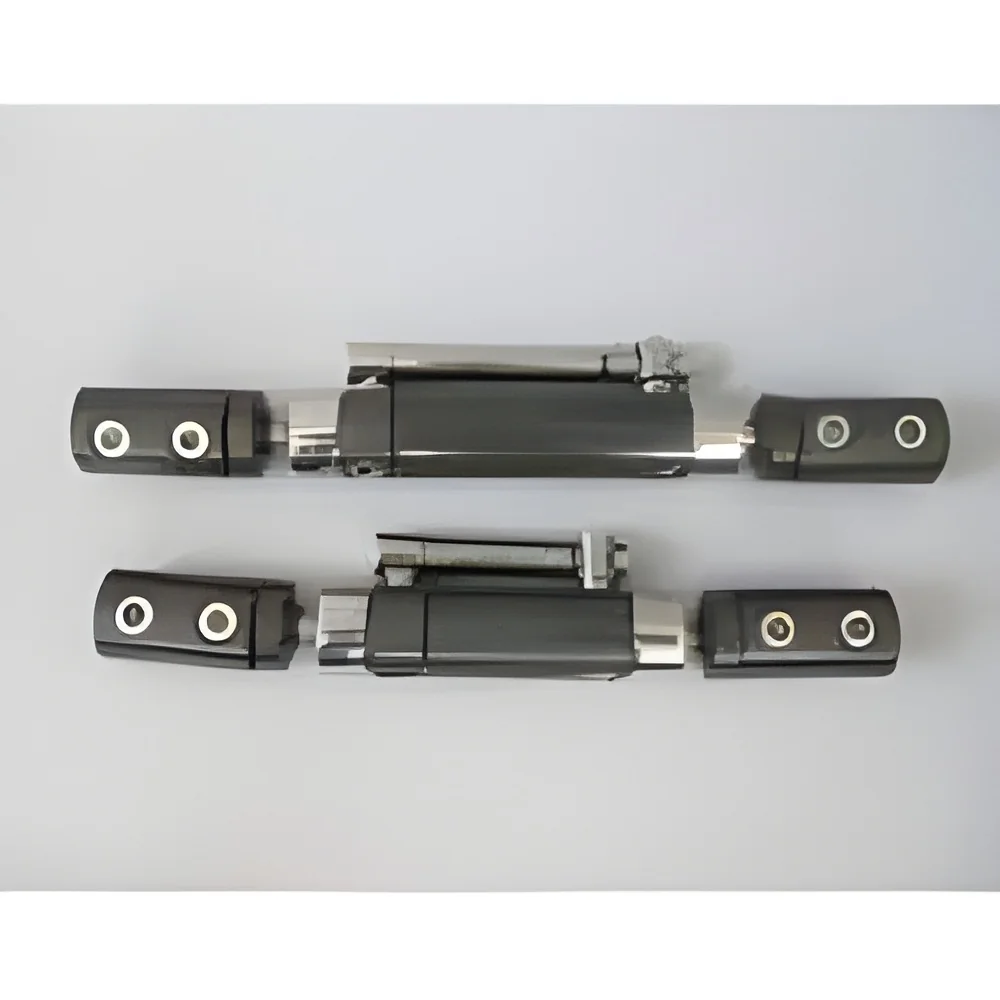
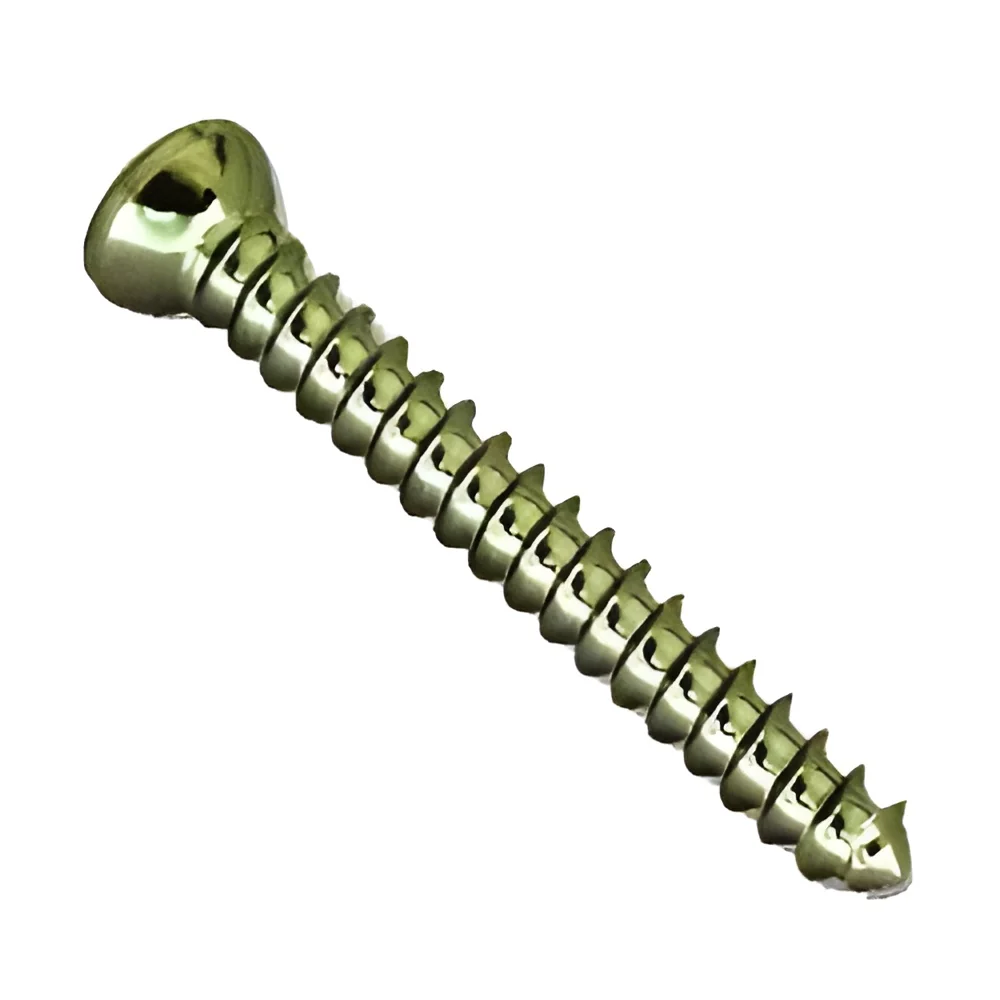
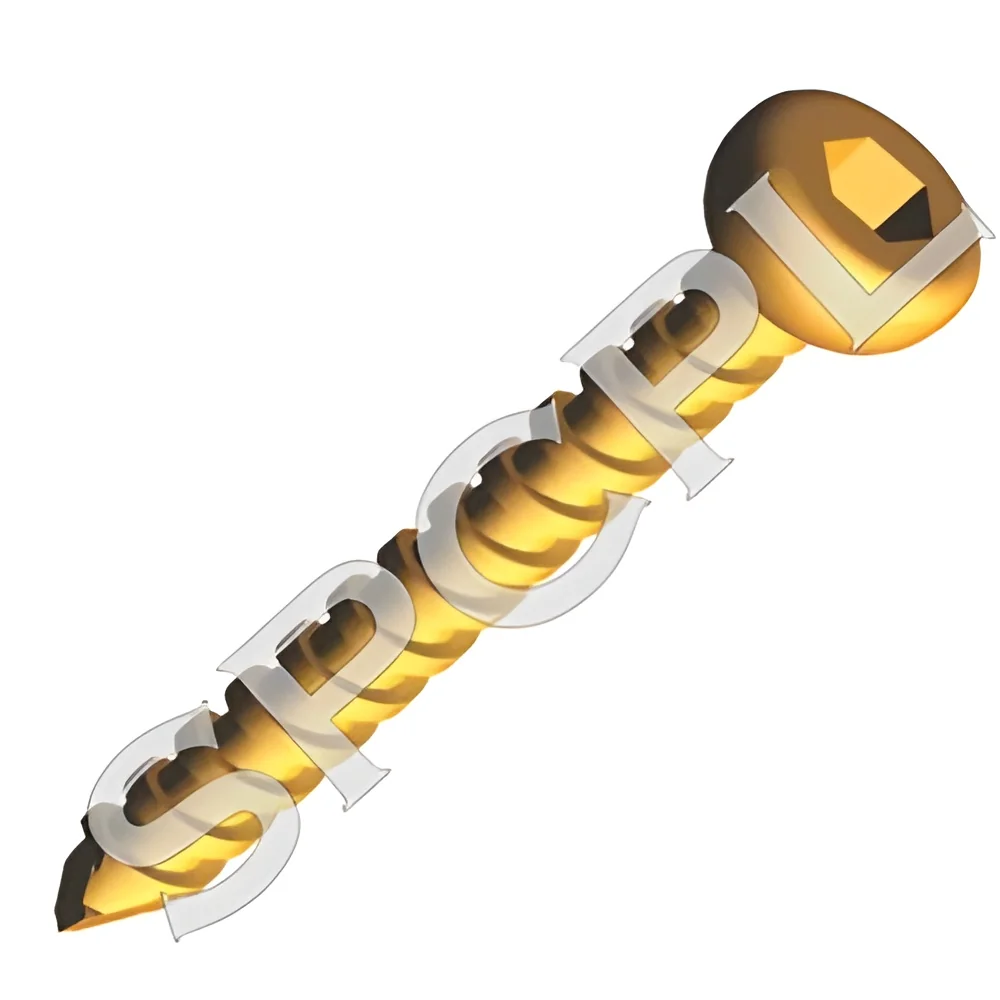
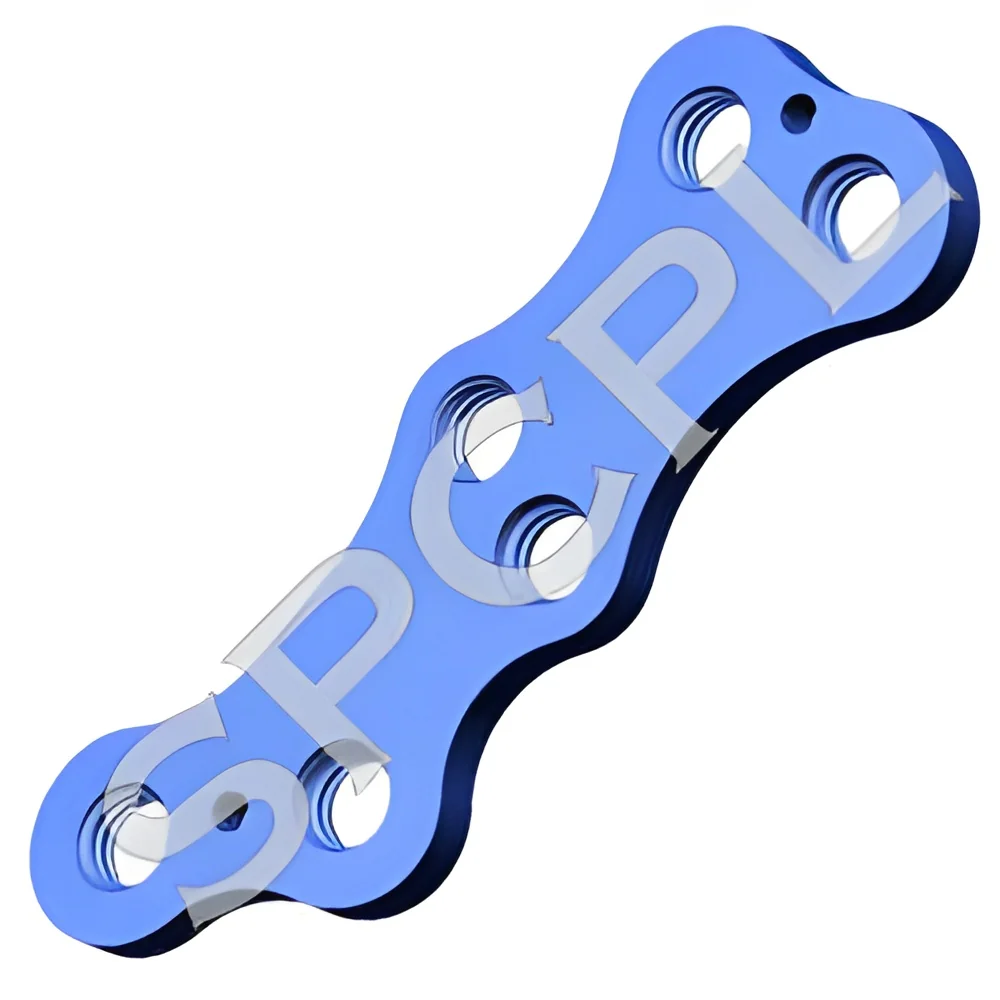
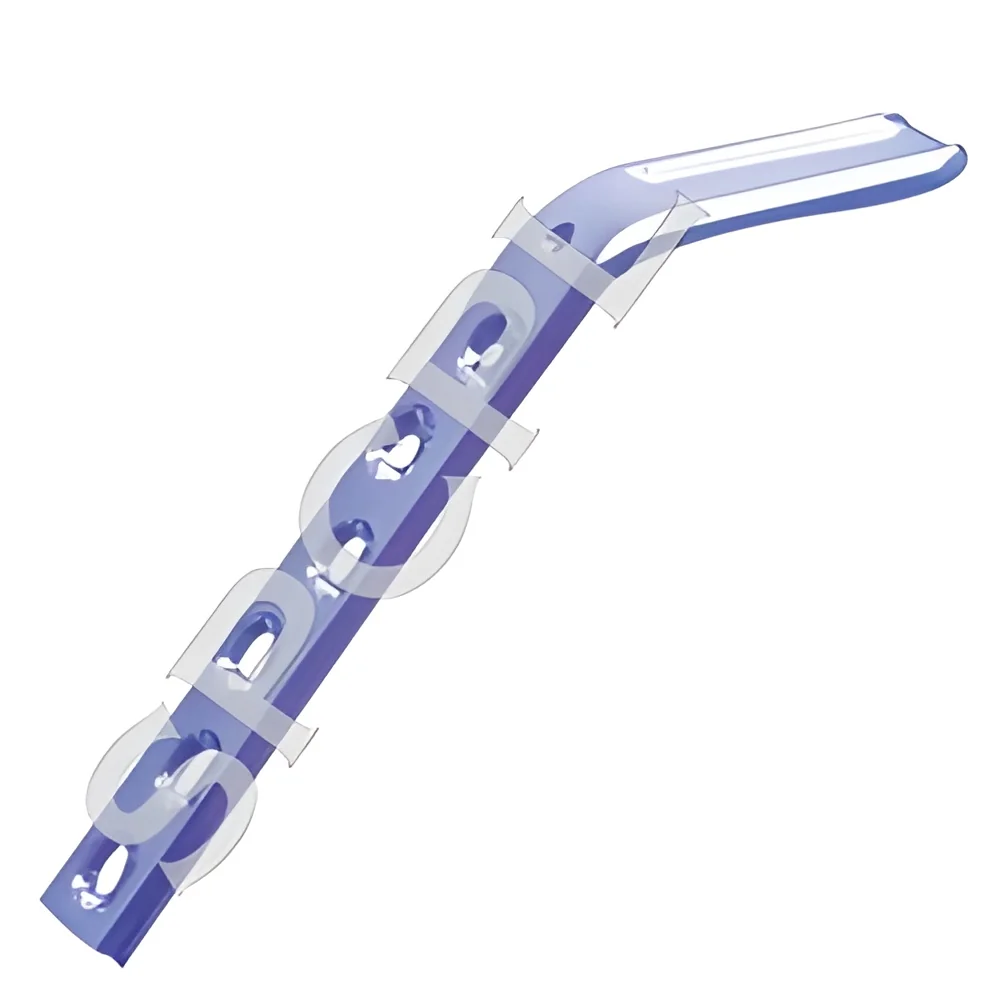
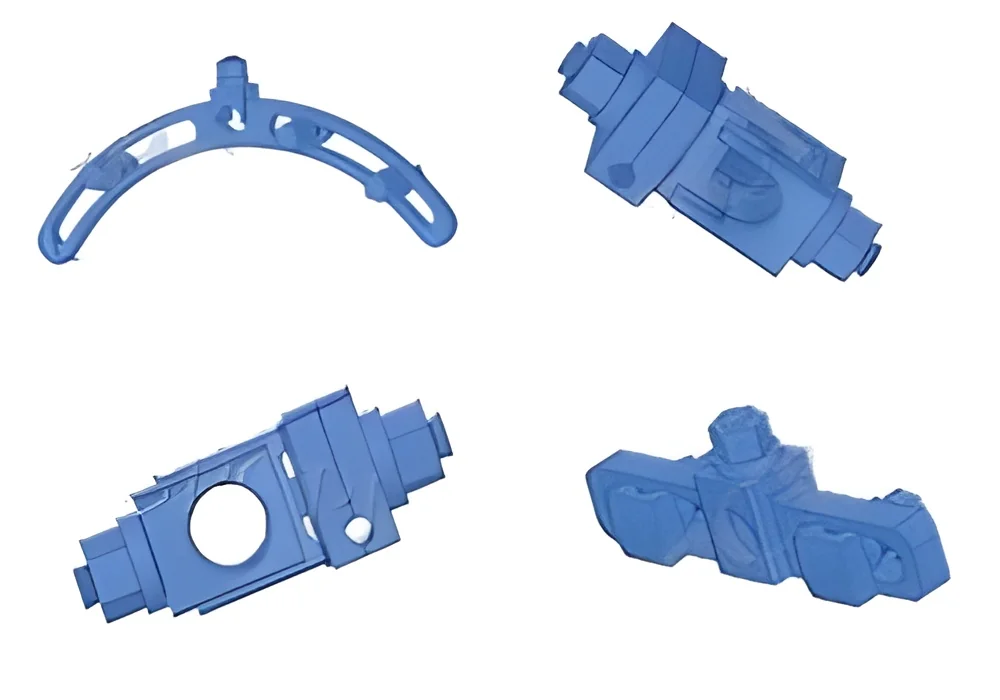
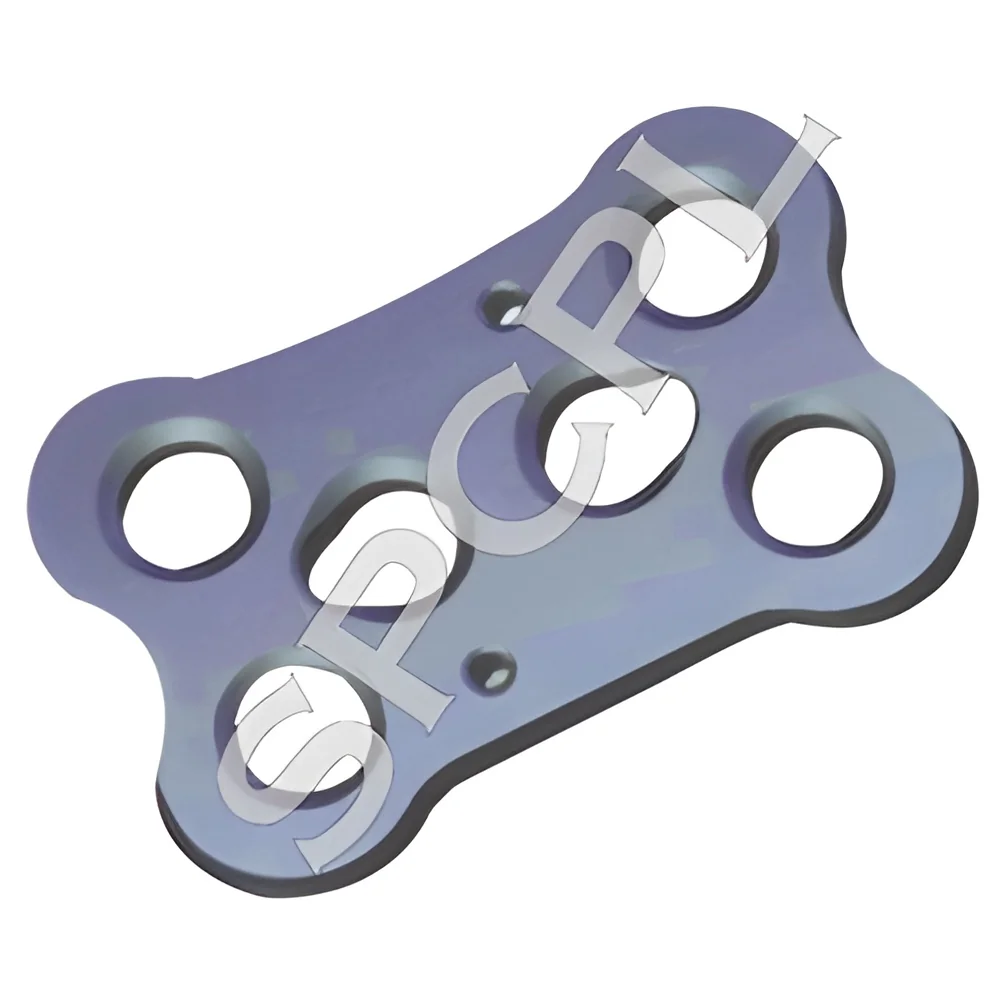
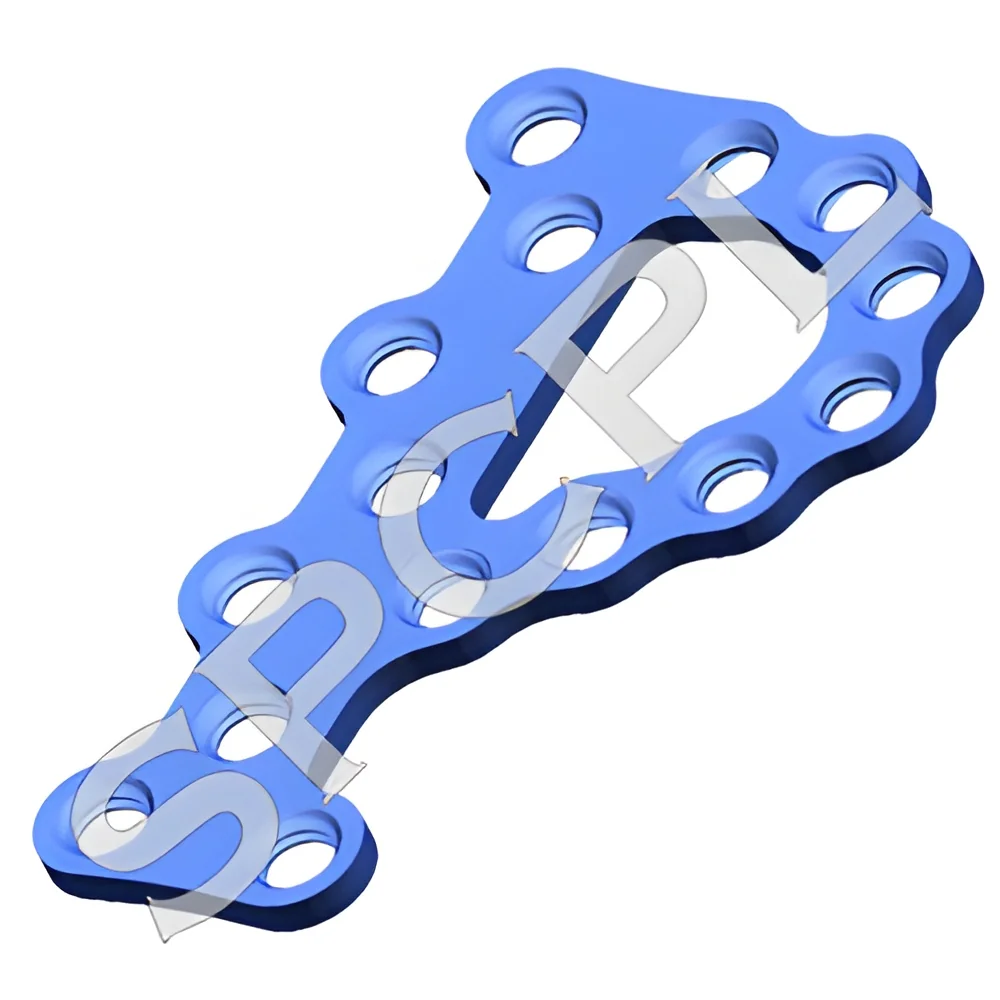
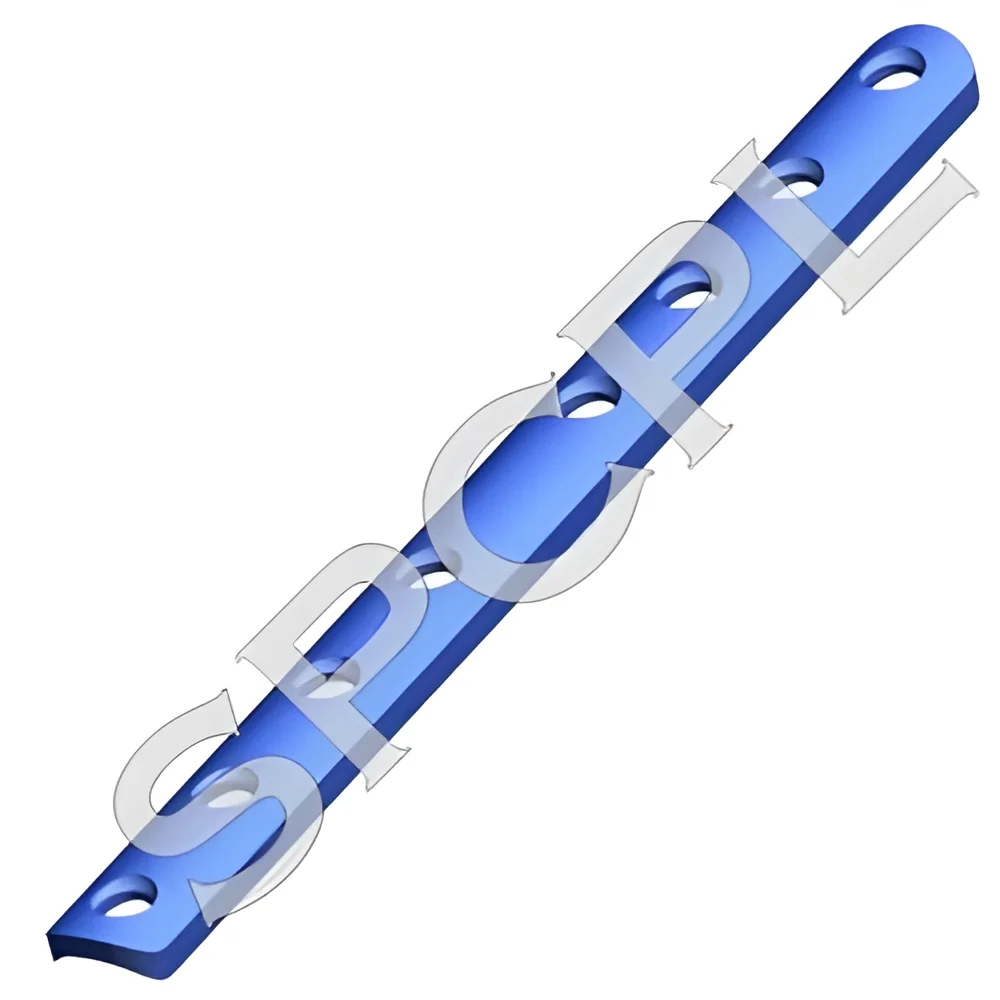
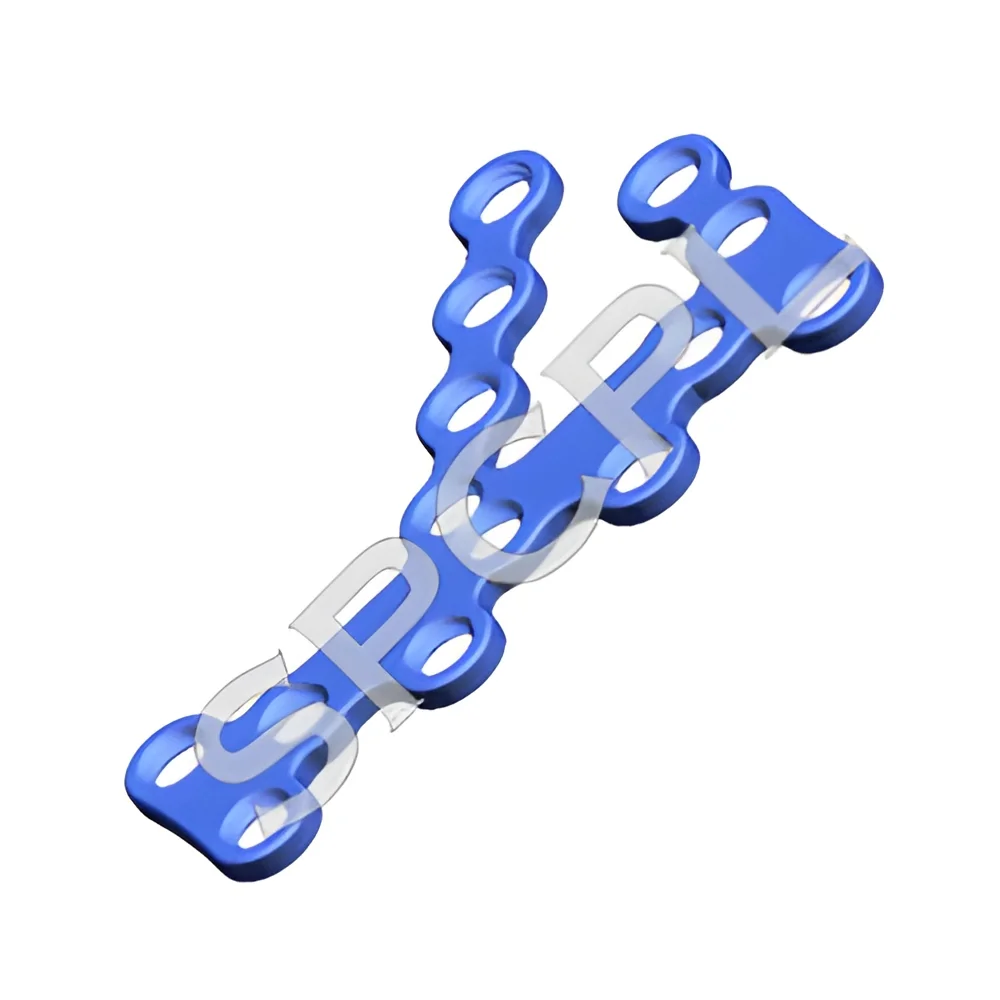
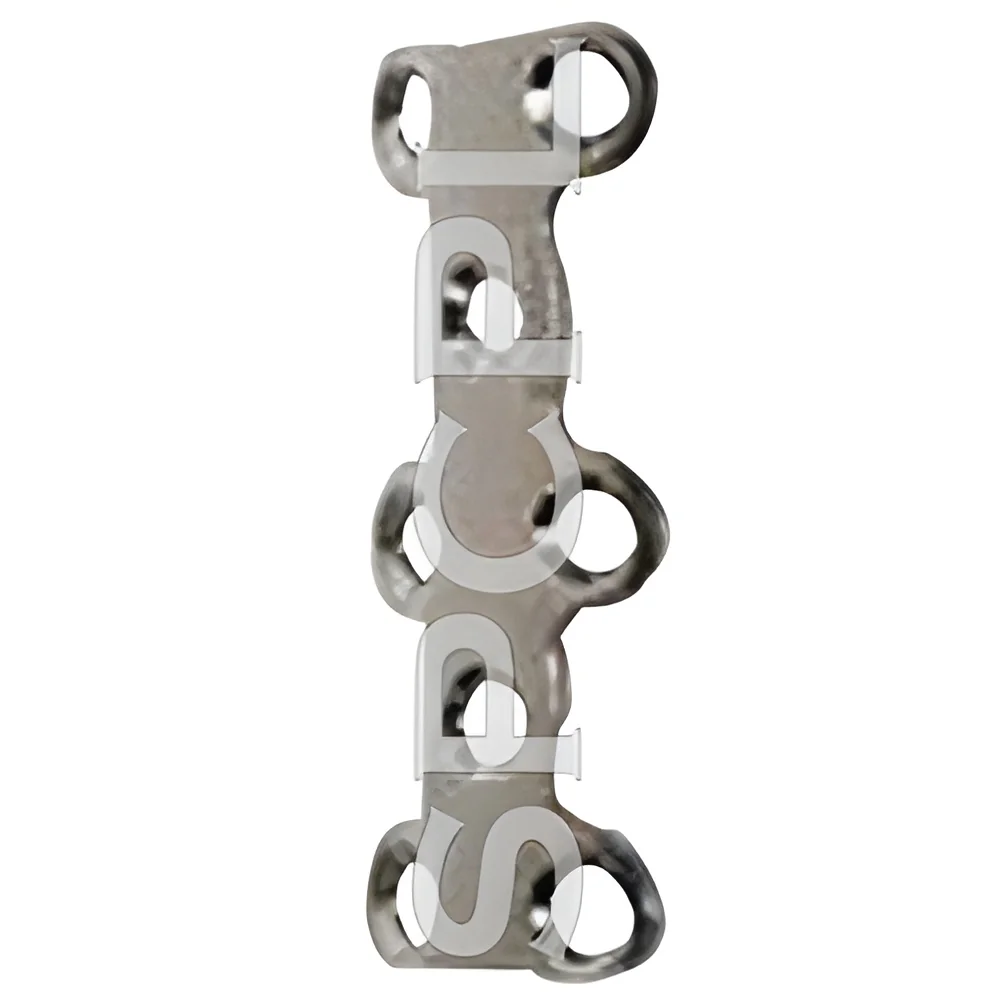
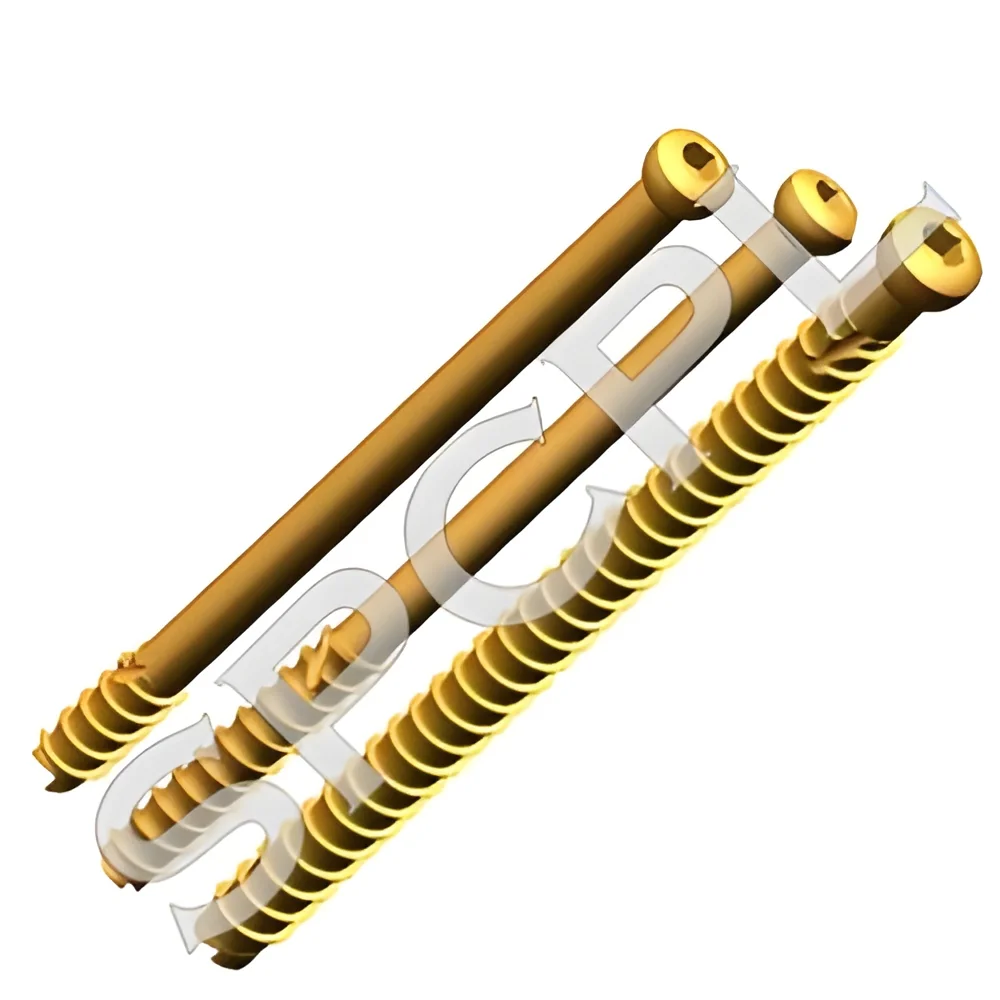
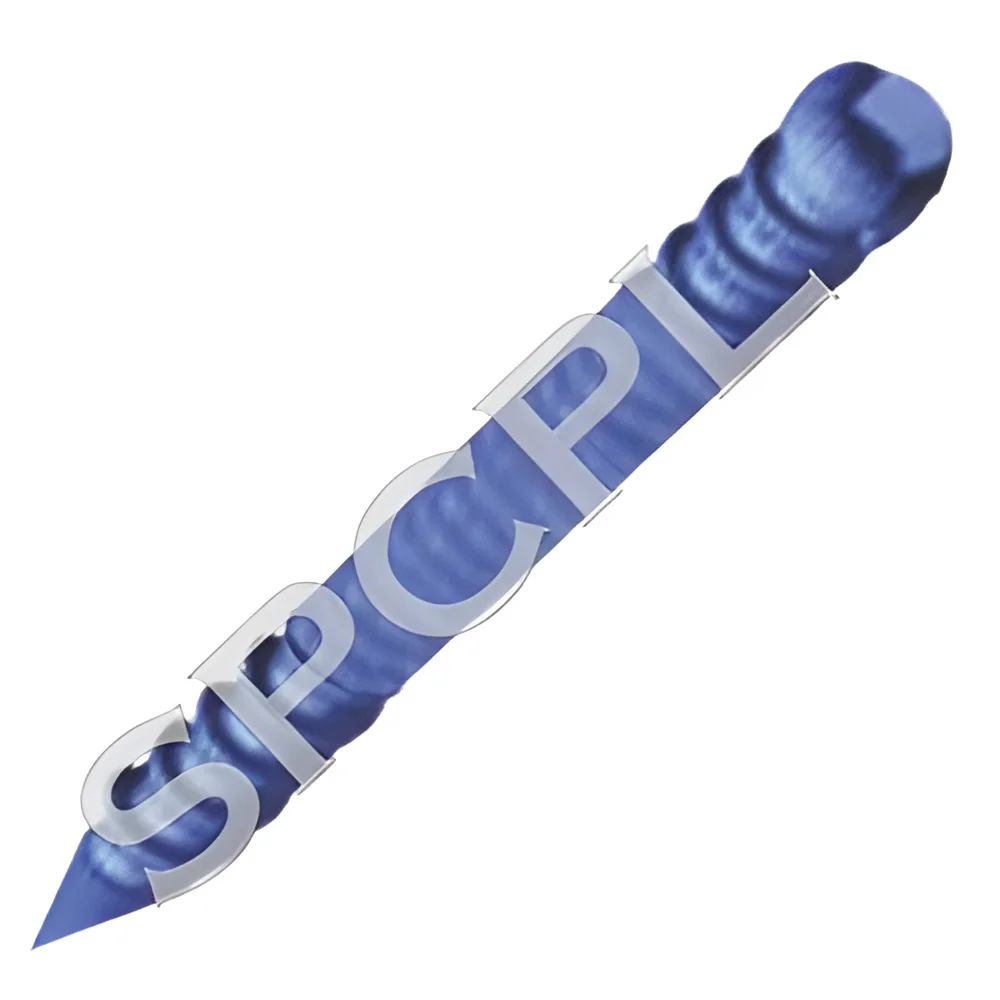
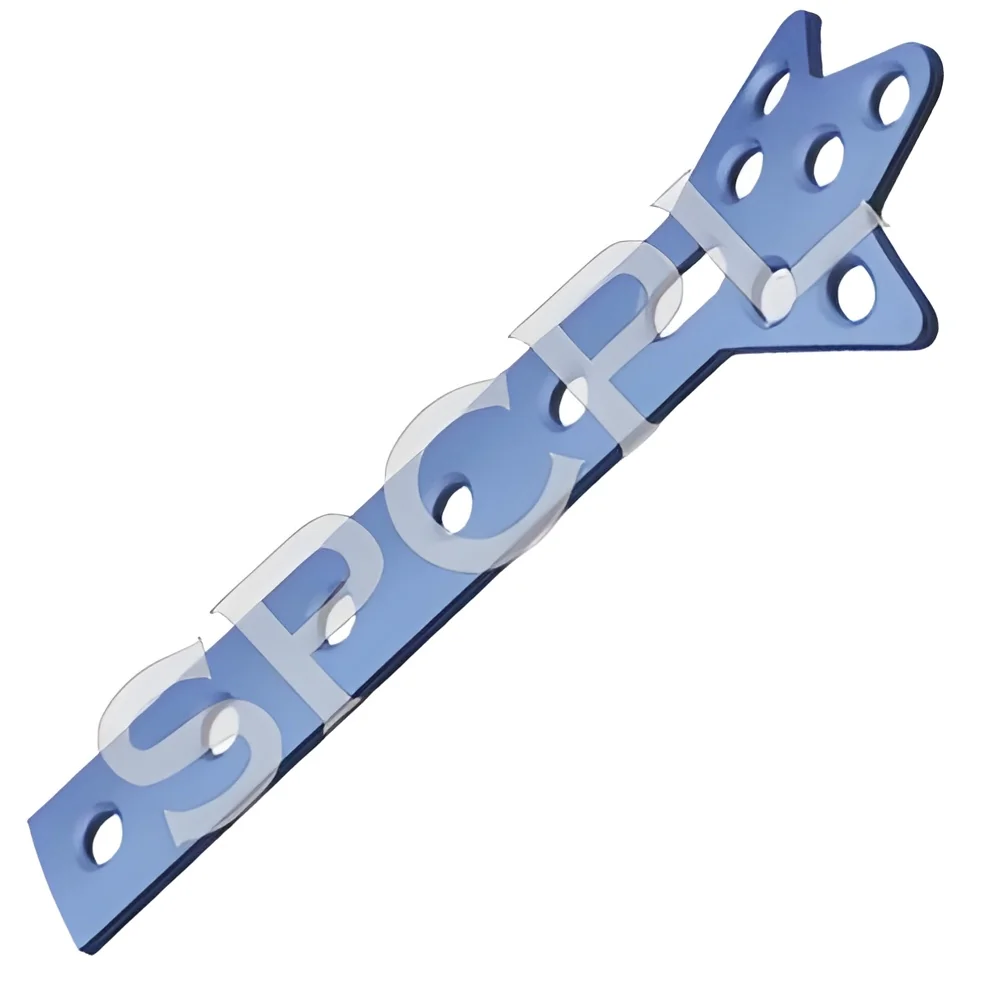
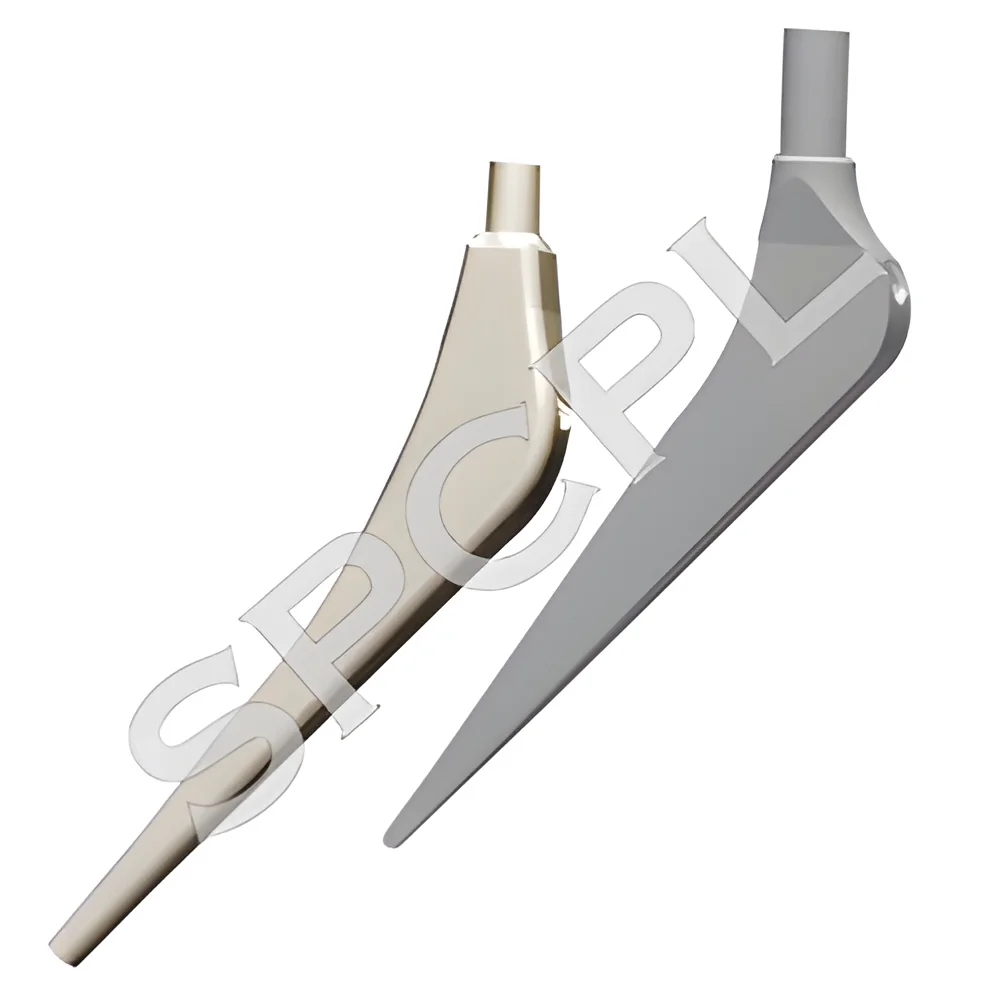
What are Orthopedic Surgical Instruments?
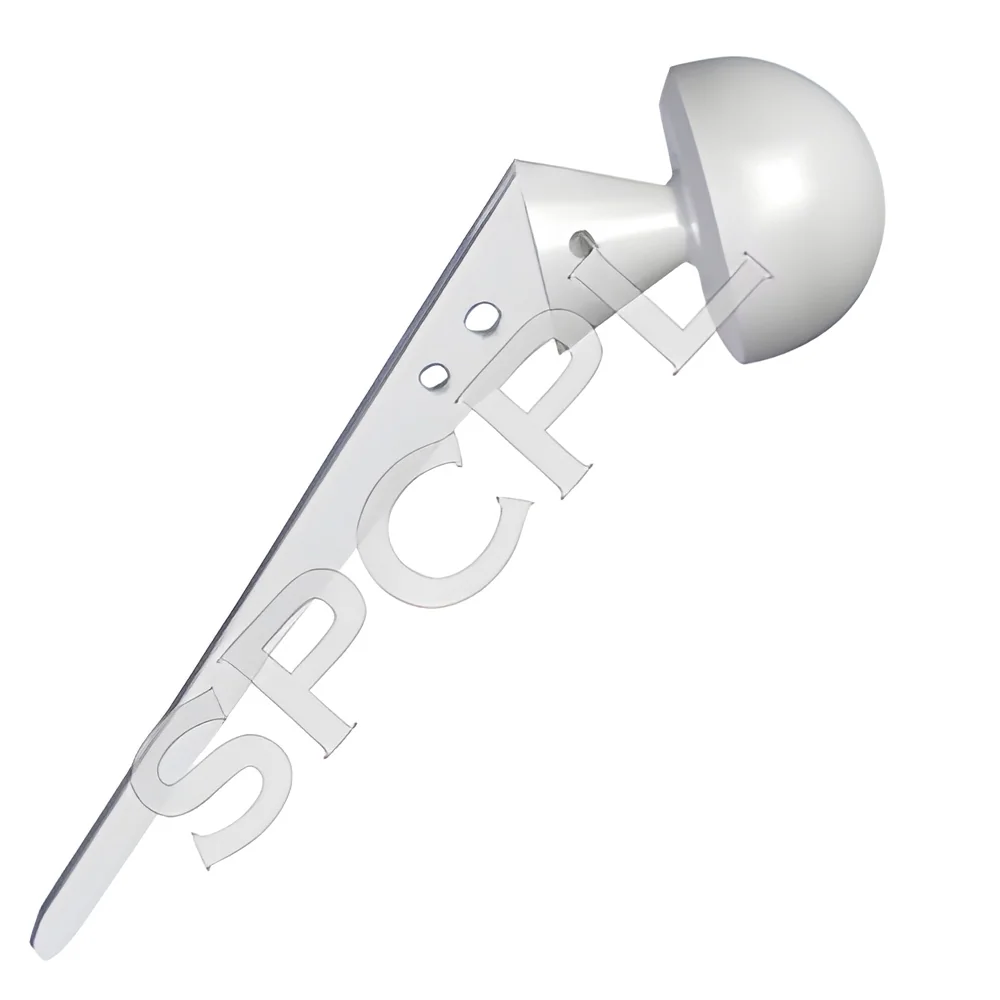
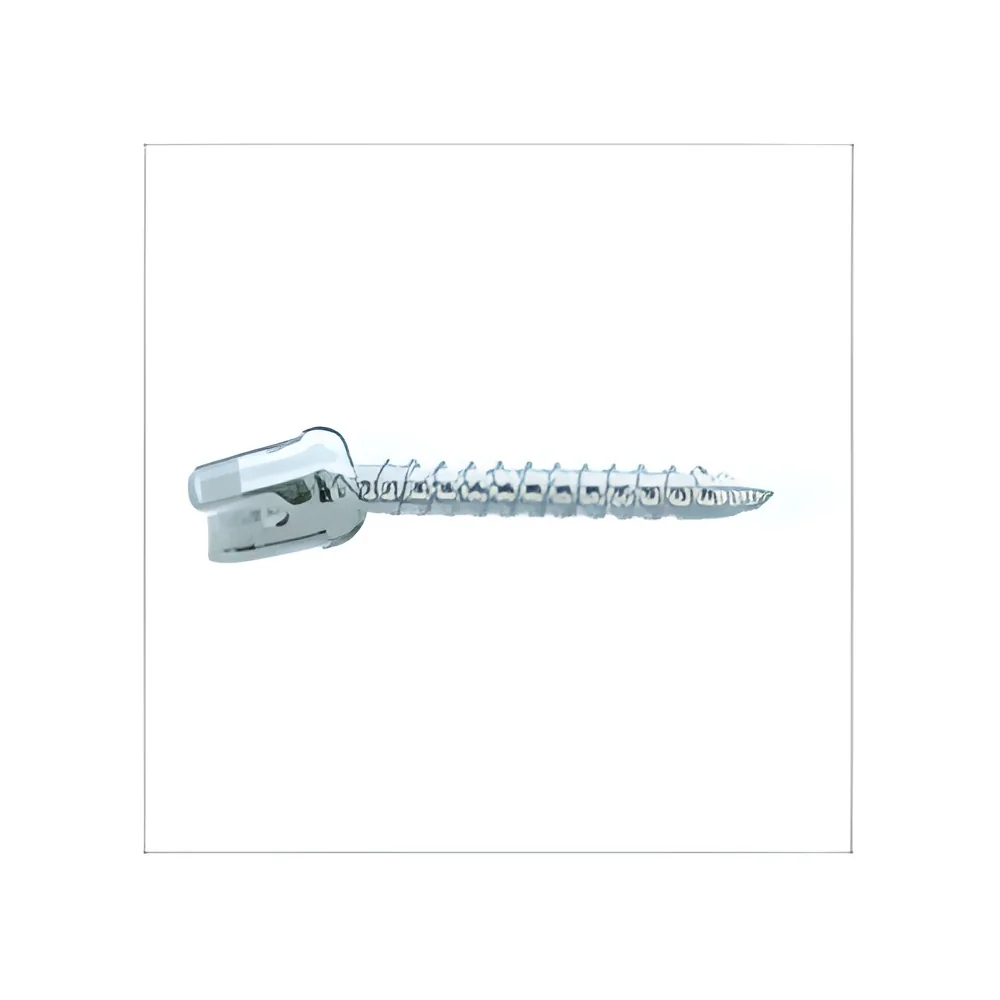
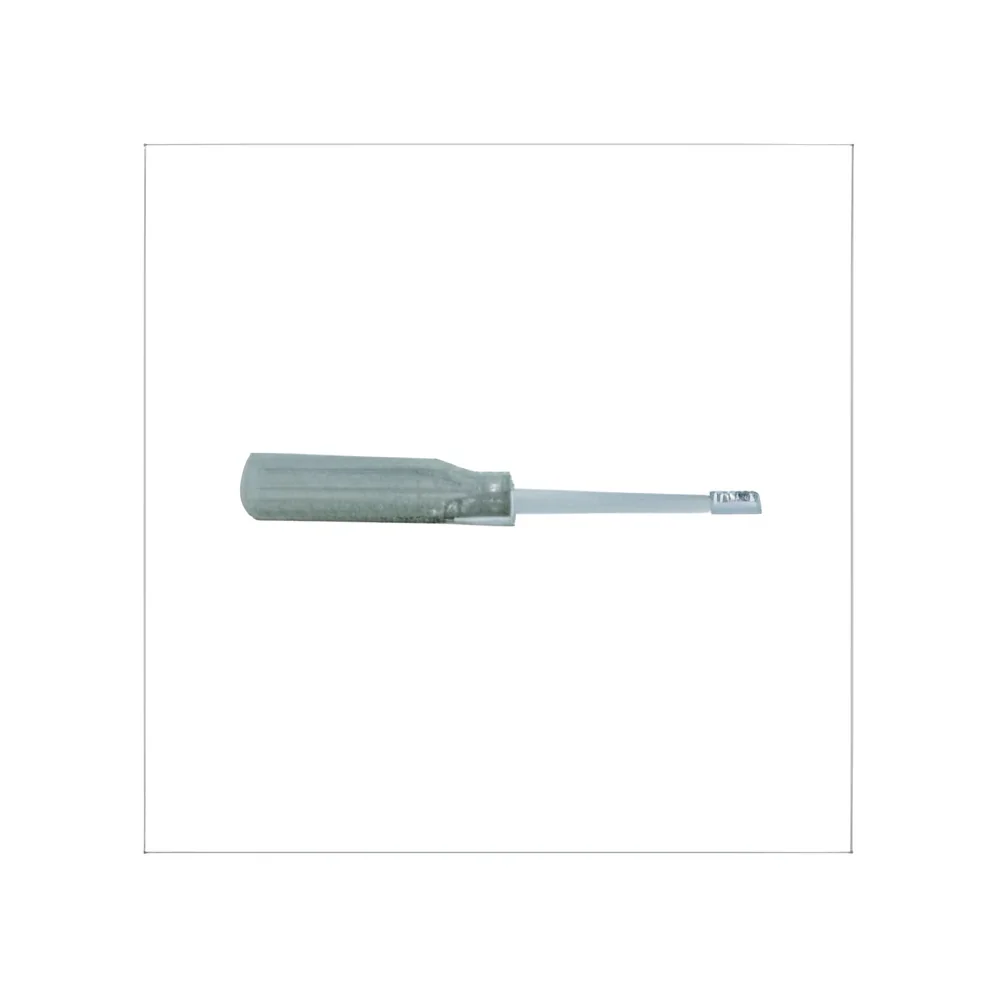
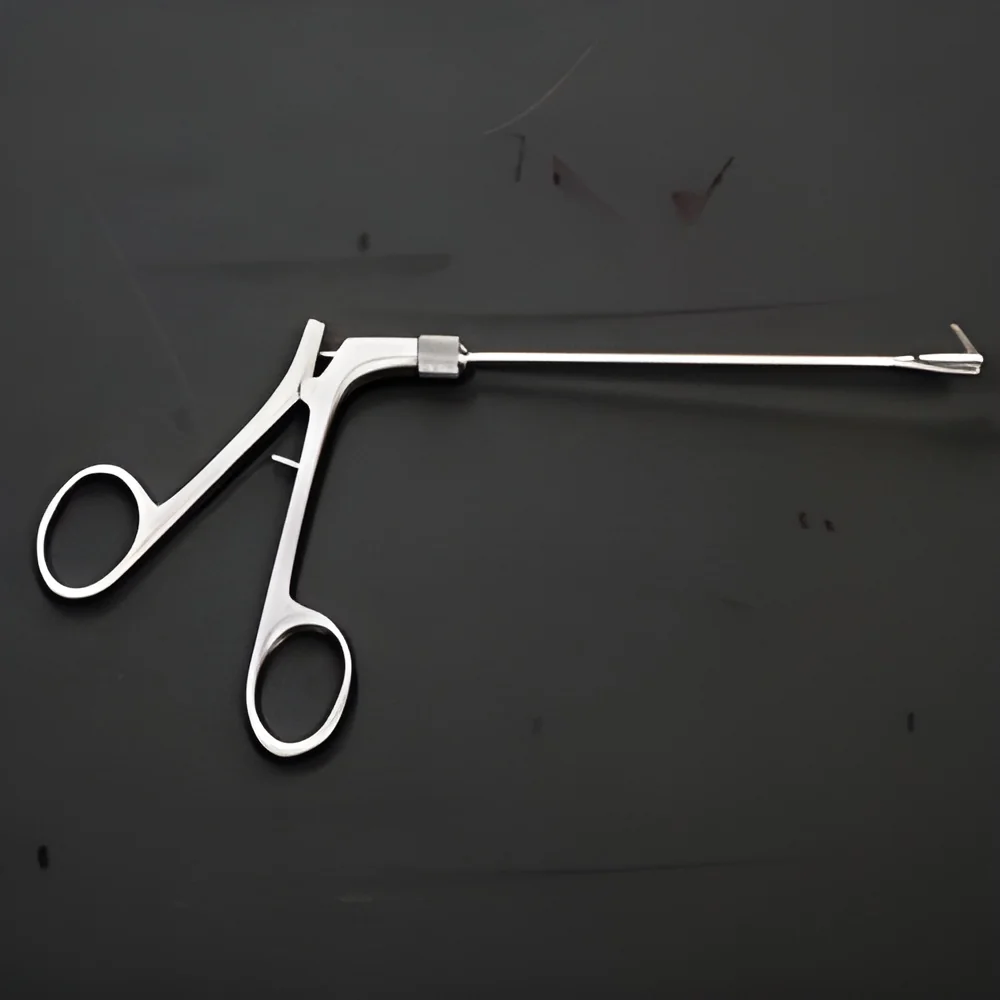
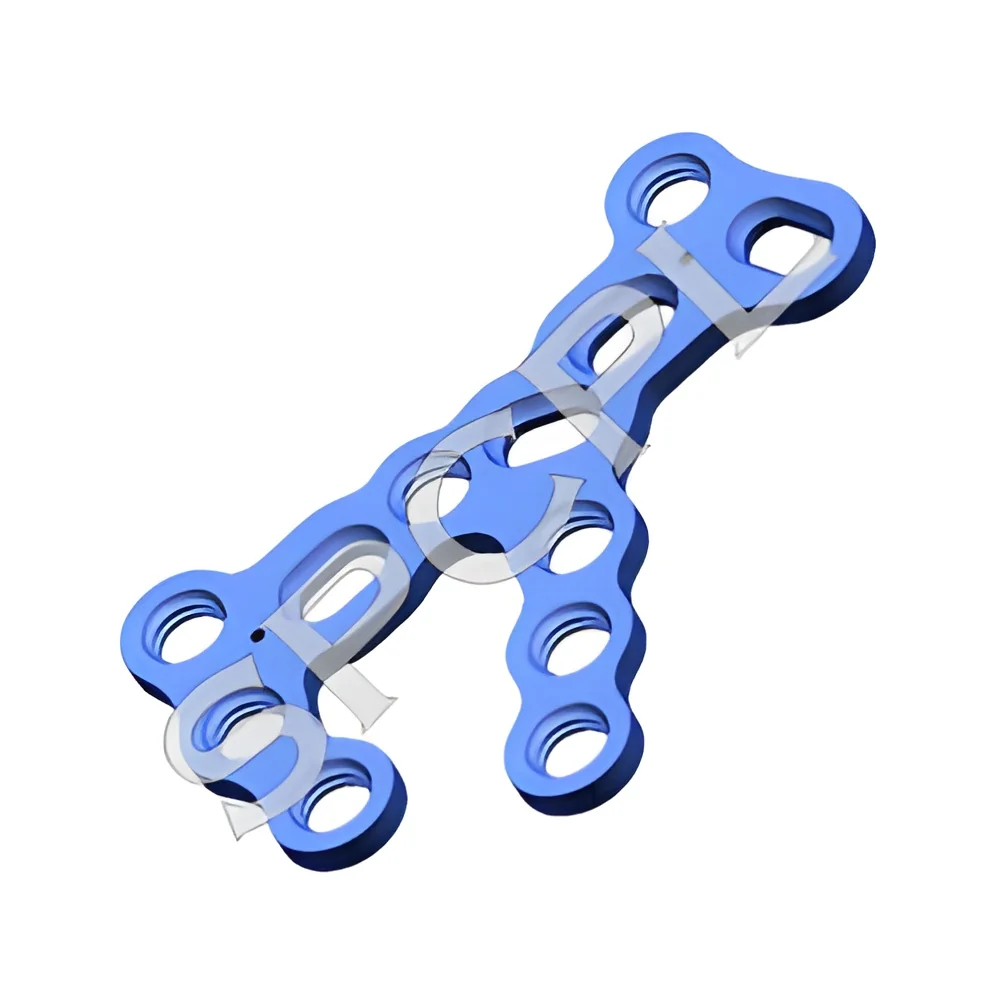
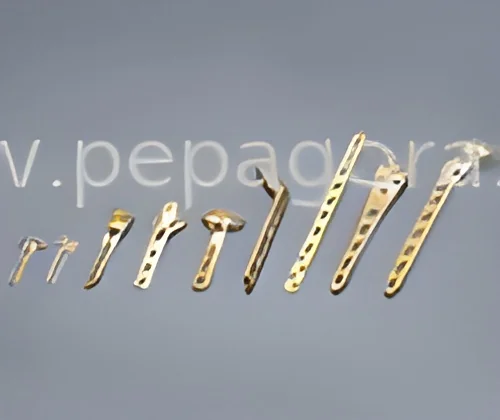
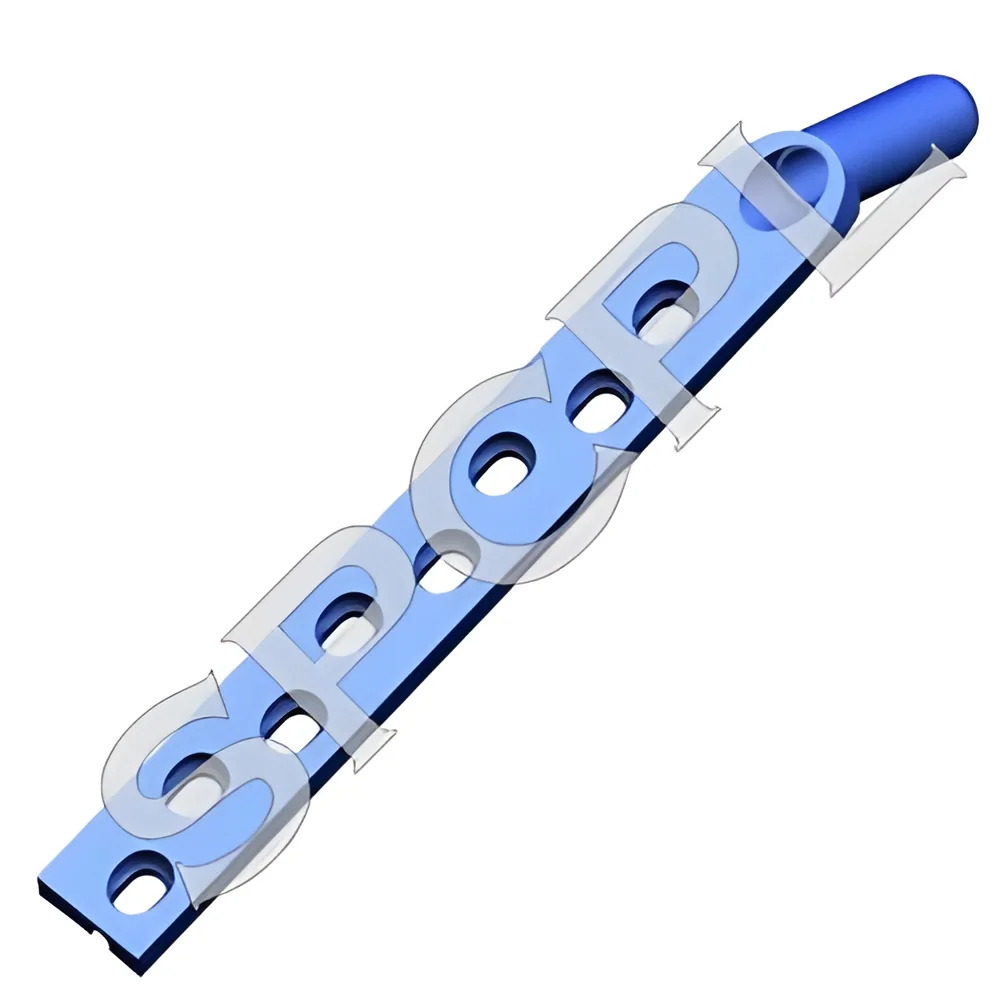
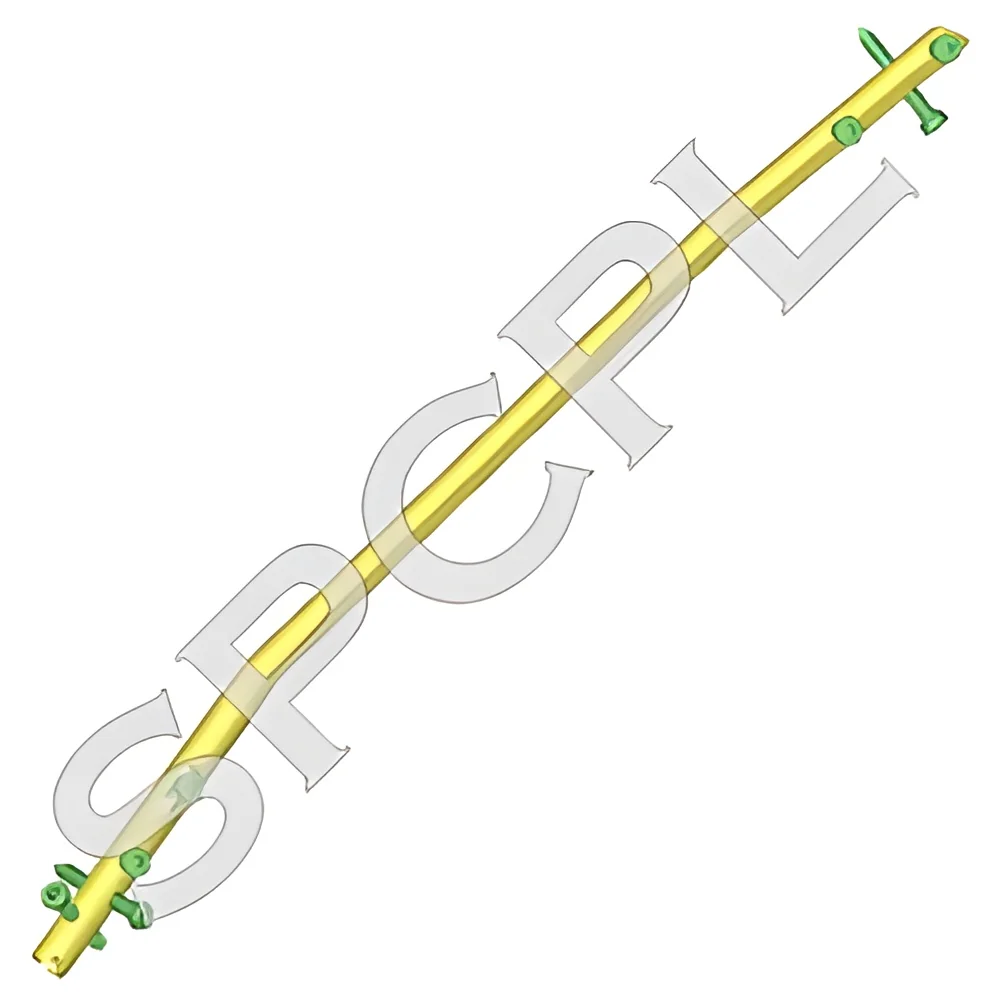
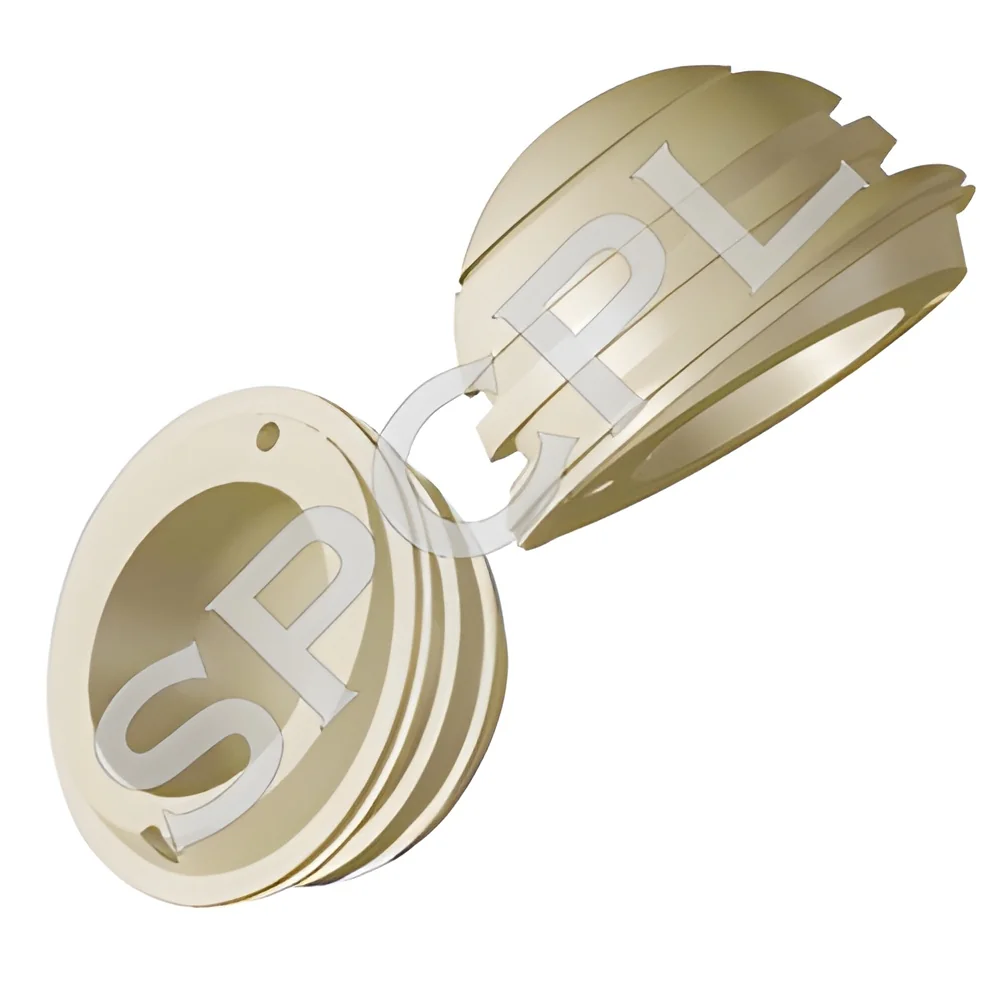
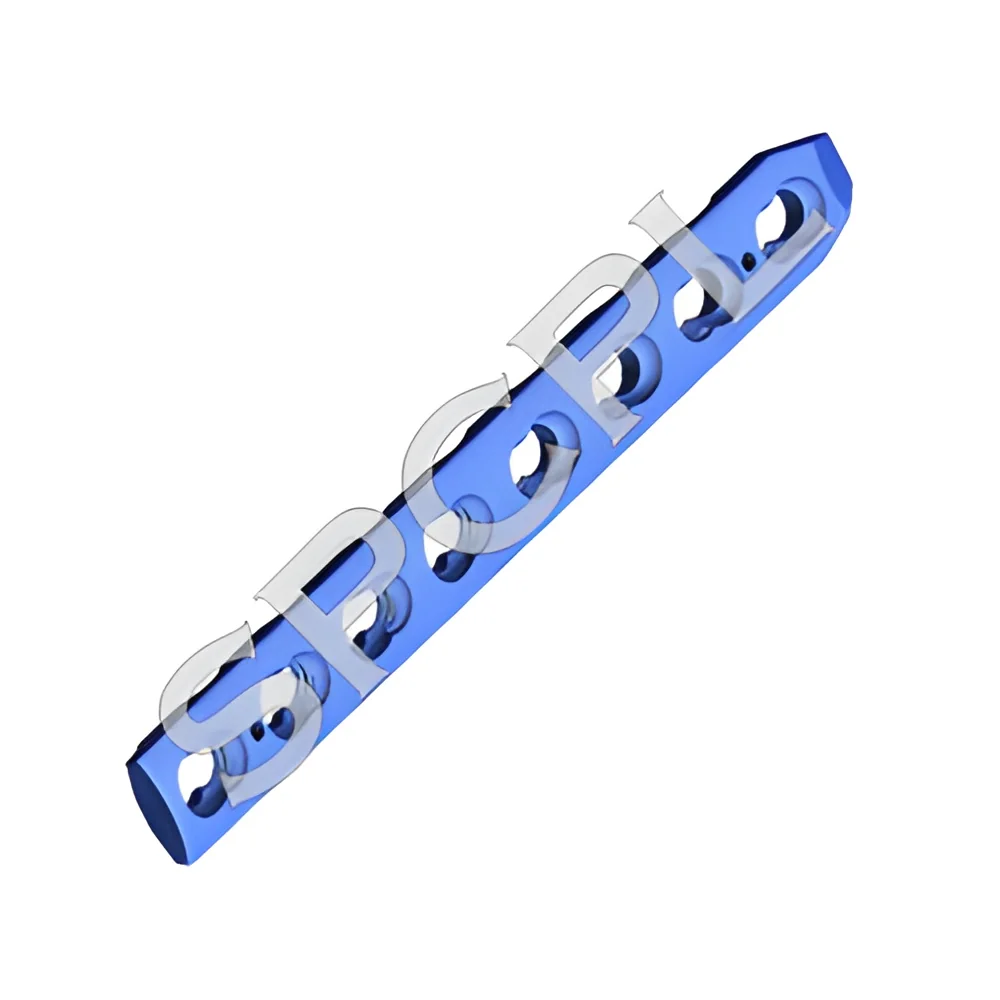
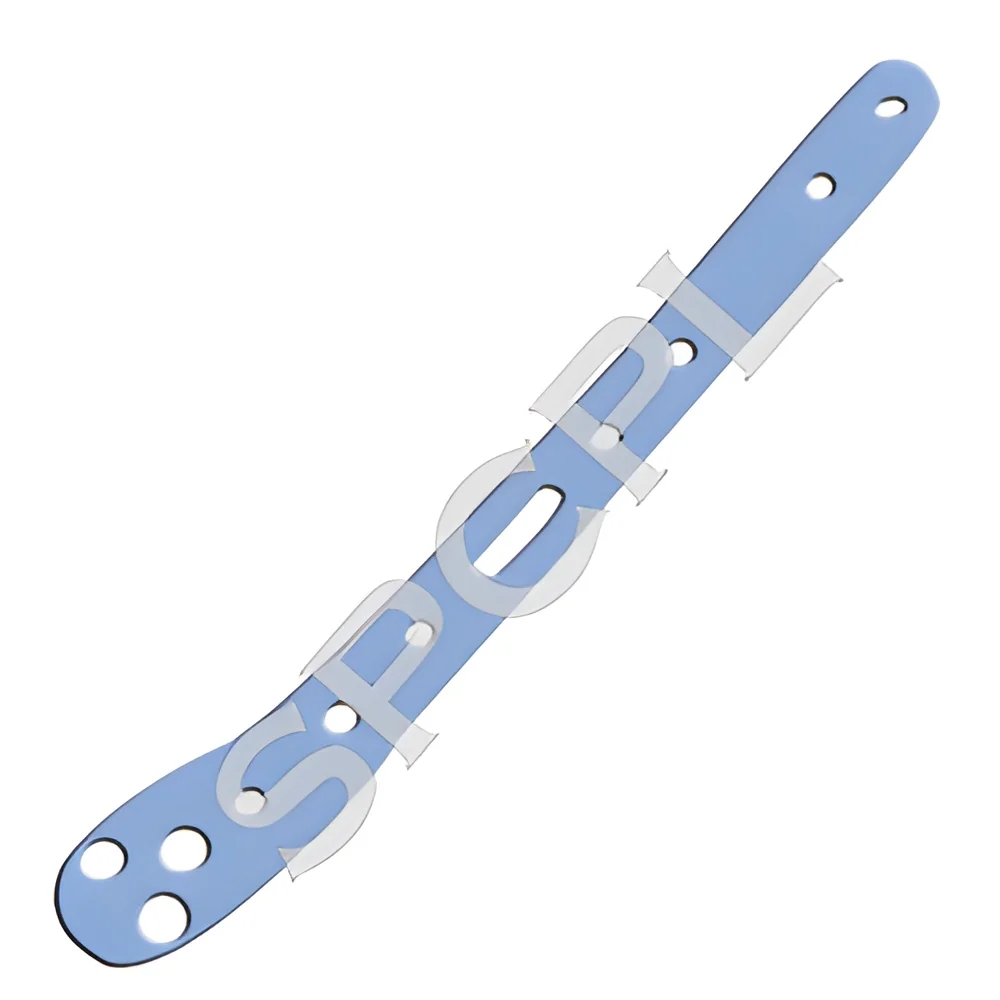
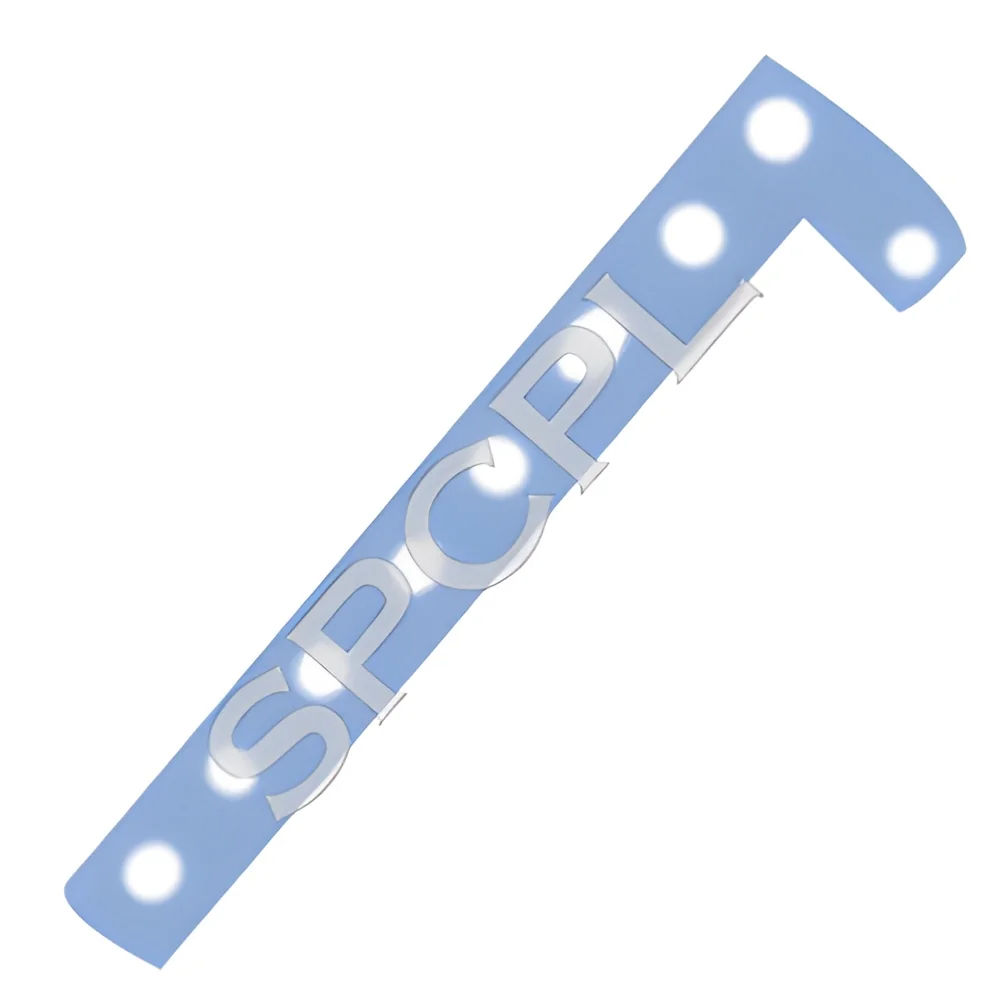
Orthopedic surgical instruments are specialized tools designed for use in orthopedic surgeries, which involve the treatment of musculoskeletal disorders. These instruments are engineered to assist surgeons in procedures that require precision, control, and the ability to navigate complex anatomical structures. They come in a variety of shapes and sizes, tailored to meet the specific needs of different surgical interventions.
The primary uses of orthopedic surgical instruments include repairing fractures, joint replacements, arthroscopic surgeries, and spinal surgeries. These instruments are essential in hospitals, surgical centers, and clinics that specialize in orthopedic care. As the demand for orthopedic procedures continues to grow due to an aging population and increasing physical activity levels, the market for these instruments is expanding significantly. Businesses in the healthcare sector rely on high-quality orthopedic instruments to ensure successful patient outcomes and efficient surgical operations.
Key Features and Specifications
Orthopedic surgical instruments are characterized by their precision, durability, and ergonomic design. When selecting instruments, it is crucial to consider their specifications to ensure suitability for specific surgical applications.
Key specifications include:
1. Material Composition
- Typically made from stainless steel or titanium
- Offers resistance to corrosion and wear
2. Sterilization Compatibility
- Instruments must withstand autoclave sterilization
- Ensures compliance with hygiene standards
3. Ergonomic Design
- Features that promote ease of use and reduce surgeon fatigue
- Includes textured grips and balanced weight distribution
4. Instrument Type
- Includes cutting tools, retractors, and fixation devices
- Each type serves a unique purpose in surgical procedures
5. Size Variability
- Available in multiple sizes to accommodate different patient anatomies
- Ensures optimal fit and function in various surgical contexts
6. Precision Engineering
- Instruments are manufactured to exacting tolerances for accuracy
- Critical for minimizing surgical complications
7. Certification
- Compliance with CE certification for safety and efficacy
- Assures quality in the medical device industry
In summary, understanding these features and specifications is essential for healthcare providers to select the right instruments for their surgical needs.
Common Applications and Use Cases
Orthopedic surgical instruments serve various industries with specific applications tailored to each.
1. Hospitals: Surgical teams use these instruments in operating rooms for procedures such as joint replacements and fracture repairs.
2. Specialty Clinics: These clinics utilize orthopedic instruments for outpatient surgeries like arthroscopy, where minimally invasive techniques are employed.
3. Rehabilitation Centers: Instruments may be used in pre-operative assessments and post-operative care to facilitate recovery.
4. Research Institutions: Used in studies aimed at advancing orthopedic techniques and developing new surgical methods.
5. Medical Training Facilities: Essential for training new surgeons in the proper techniques for orthopedic procedures.
Product Variants and Subcategories
Orthopedic surgical instruments come in a diverse range of variants to meet the needs of various surgical procedures.
Scissors and Bone Cutters
These instruments are designed for cutting soft tissues and bone with precision. They are vital in orthopedic surgeries to ensure clean and accurate incisions.
Drills and Reamers
Used for creating precise holes in bone for the insertion of screws or other fixation devices. Their design allows for controlled drilling in orthopedic applications.
Retractors
Essential for holding back tissues and providing visibility during surgery. Various shapes and sizes cater to different surgical fields and techniques.
Forceps and Clamps
These instruments are used for grasping and holding tissues or organs during surgery. The variety includes locking and non-locking mechanisms to suit surgical preferences.
Benefits and Advantages
Orthopedic surgical instruments offer numerous benefits that enhance surgical outcomes.
1. Enhanced Precision: Instruments are designed for accuracy, reducing the risk of complications during surgery.
2. Improved Ergonomics: The design minimizes surgeon fatigue, allowing for longer and more comfortable procedures.
3. Durability: High-quality materials ensure that instruments withstand repeated use and sterilization processes.
4. Versatility: A wide range of instruments can be used across various surgical procedures, providing flexibility to surgical teams.
5. Compliance with Standards: Instruments meet industry certifications, ensuring safety and reliability in medical applications.
6. Cost-Effectiveness: Investing in high-quality instruments reduces long-term costs associated with replacements and repairs.
Buying Guide for B2B Buyers
When sourcing orthopedic surgical instruments, several factors should be taken into account to ensure informed purchasing decisions.
1. Quality Assessment: Evaluate the quality of materials and craftsmanship. Look for instruments that meet industry standards for safety and performance.
2. Supplier Verification: Research and vet suppliers to ensure they have a good reputation and provide reliable products. Check for customer reviews and testimonials.
3. Pricing and MOQ: Understand the pricing structure and minimum order quantities required by suppliers. This helps in budgeting and planning purchases.
4. Delivery and Lead Times: Inquire about logistics, including delivery times and shipping methods. Timely delivery is crucial in healthcare settings.
5. Compliance Requirements: Ensure that the instruments comply with relevant regulations and certifications, such as CE marking, to guarantee their safety and efficacy.
Compliance and Certifications
Orthopedic surgical instruments must meet various quality standards and industry certifications to ensure their safety and effectiveness in surgical applications. Key standards include ISO 9001, which outlines quality management systems, and CE certification, which indicates compliance with European health and safety regulations.
In addition to these standards, instruments must undergo rigorous testing to verify their safety and performance. This includes assessments for durability, sterilization compatibility, and resistance to corrosion. Regional compliance considerations vary, with different countries having specific regulations that govern the manufacturing and use of medical devices.
Why Source Orthopedic Surgical Instruments from Pepagora?
Pepagora provides a trusted platform for sourcing orthopedic surgical instruments with several key advantages.
Verified Supplier Network: The platform features a network of verified suppliers, ensuring that buyers can access high-quality products from reputable manufacturers. This reduces the risk of purchasing substandard instruments.
Streamlined RFQ Process: Pepagora offers a simplified request for quotation (RFQ) process, allowing buyers to easily compare prices and specifications from multiple suppliers. This facilitates informed purchasing decisions.
Trade Assurance and Support: Buyers are protected through trade assurance policies that ensure product quality and timely delivery. Customer support is readily available to assist with any inquiries.
Regional Coverage: Pepagora serves a broad geographic area, including India, the GCC, and Southeast Asia, making it easier for businesses to find the right suppliers for their specific market needs. This extensive network supports efficient sourcing and procurement processes.

 IN
IN