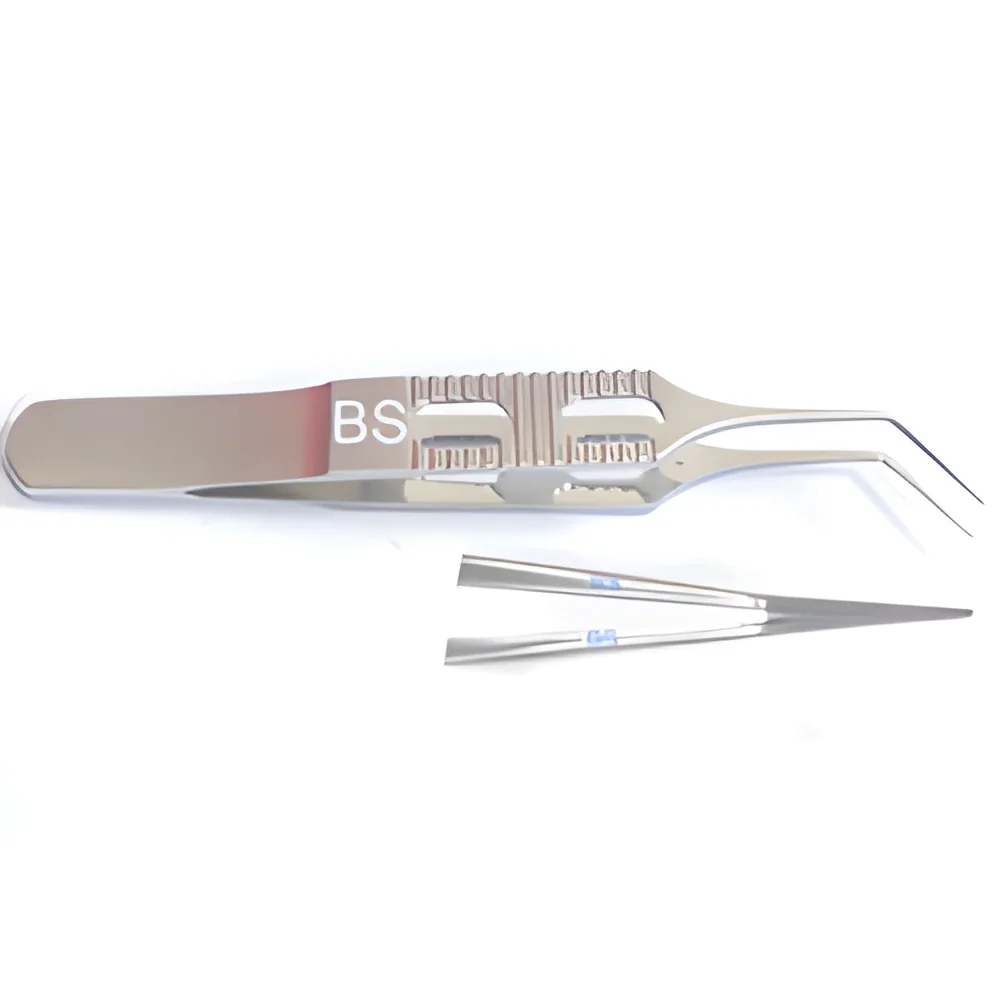
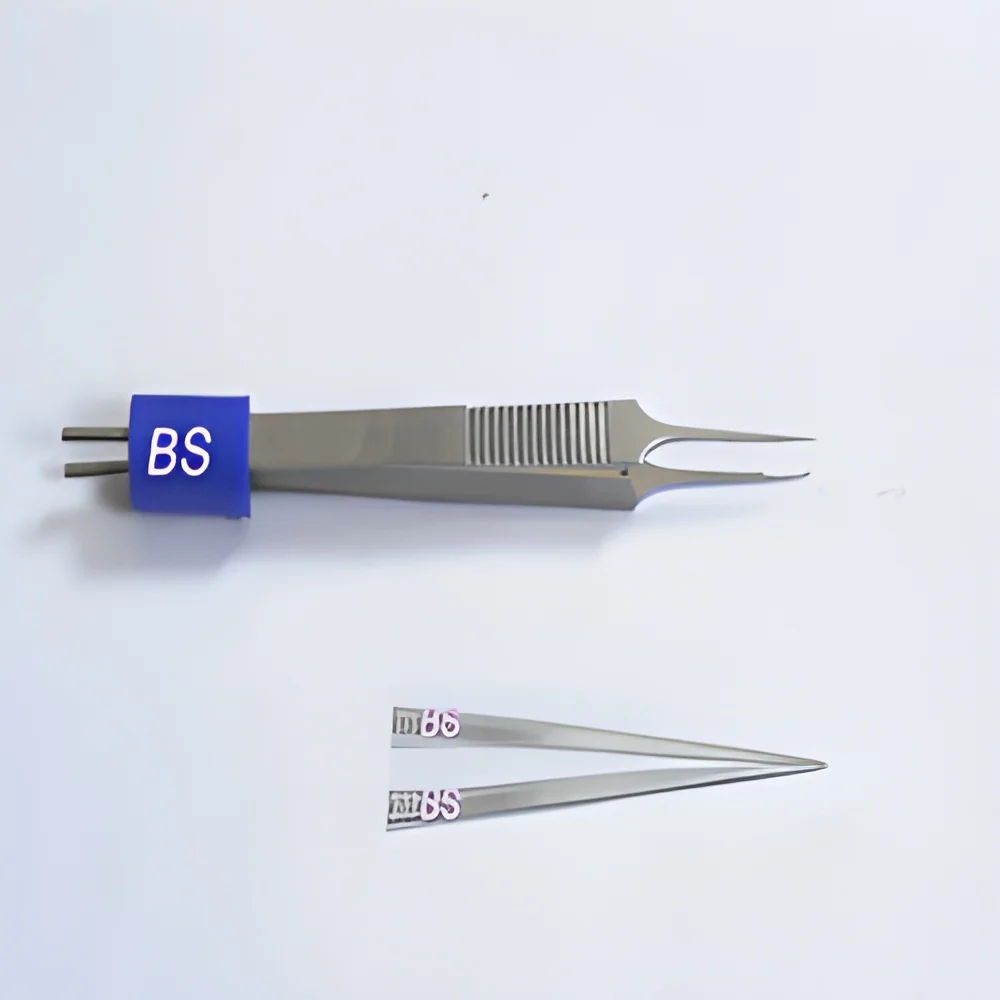
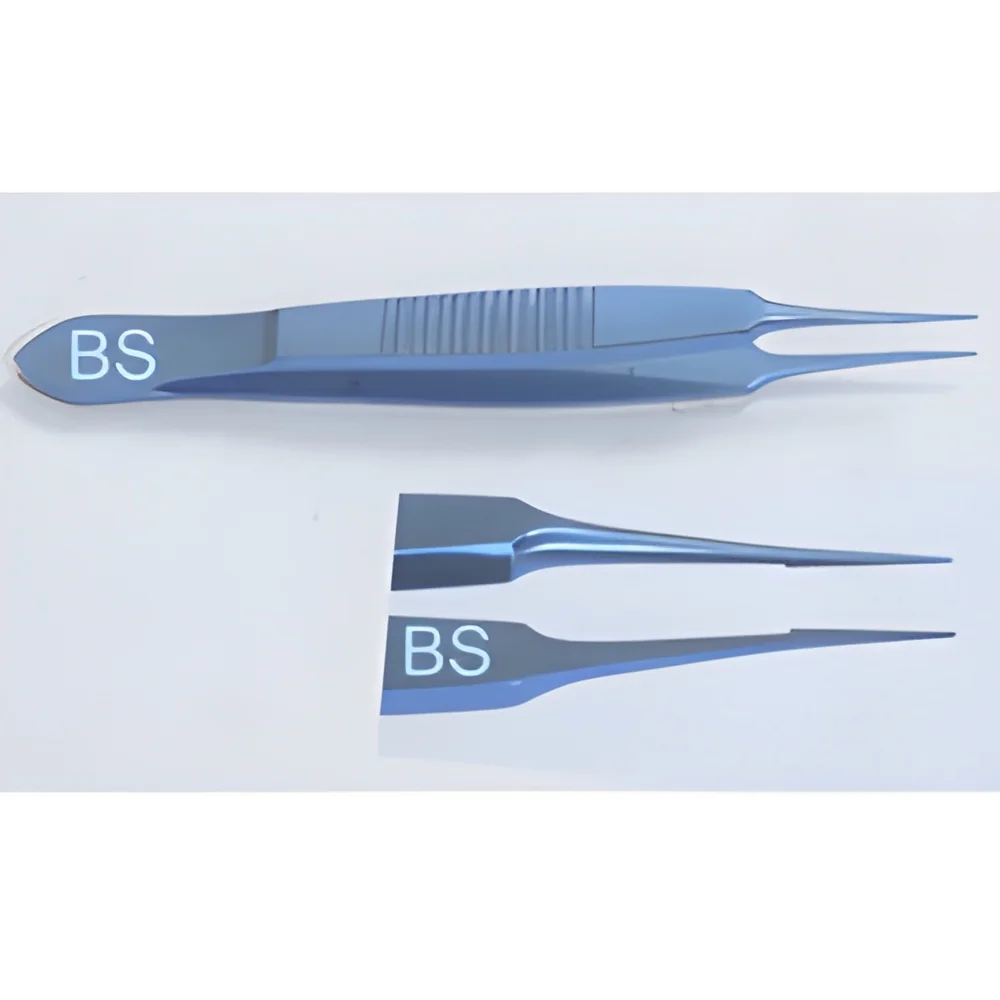
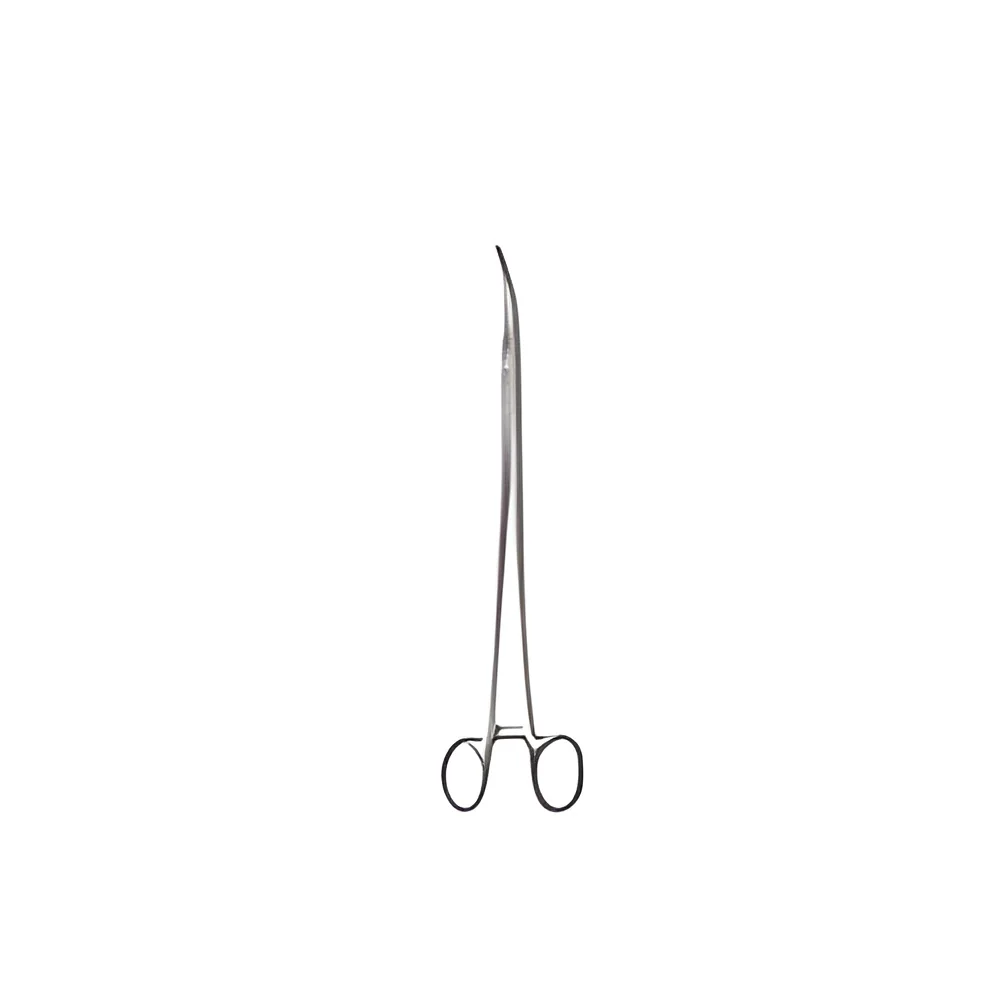
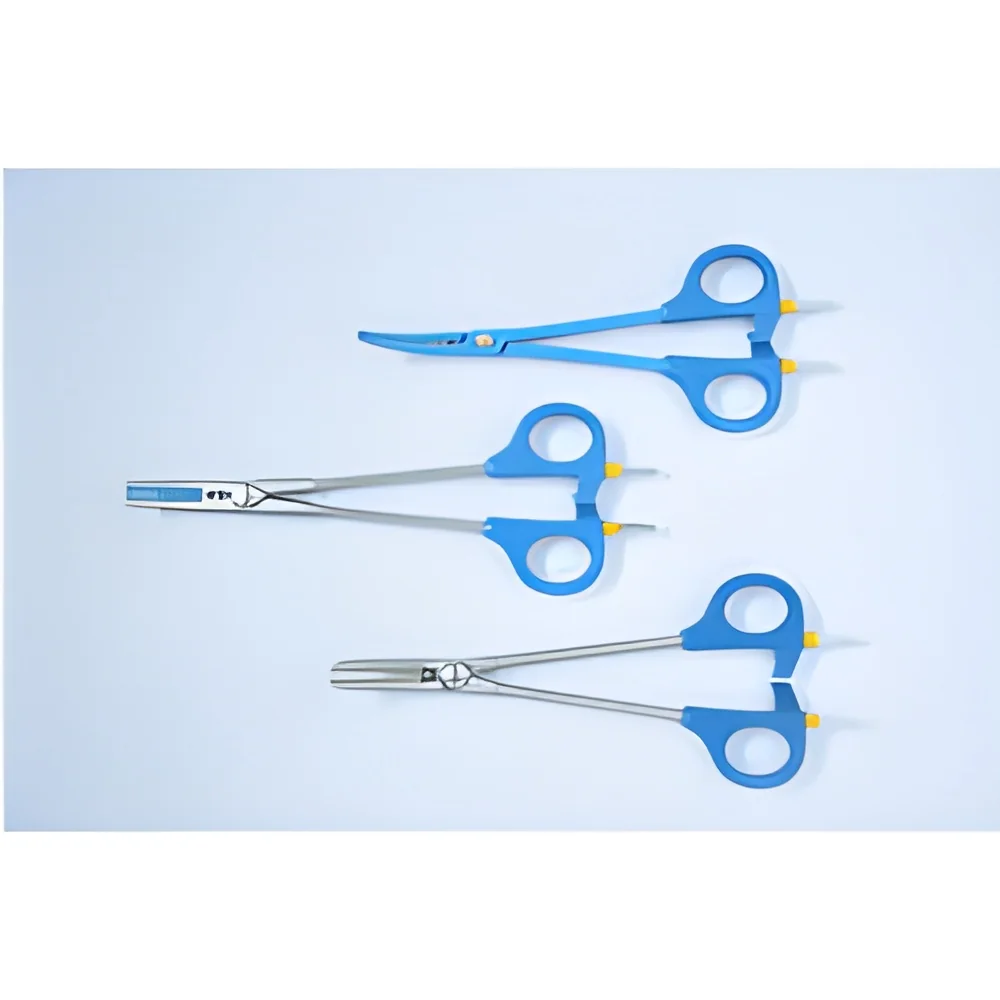
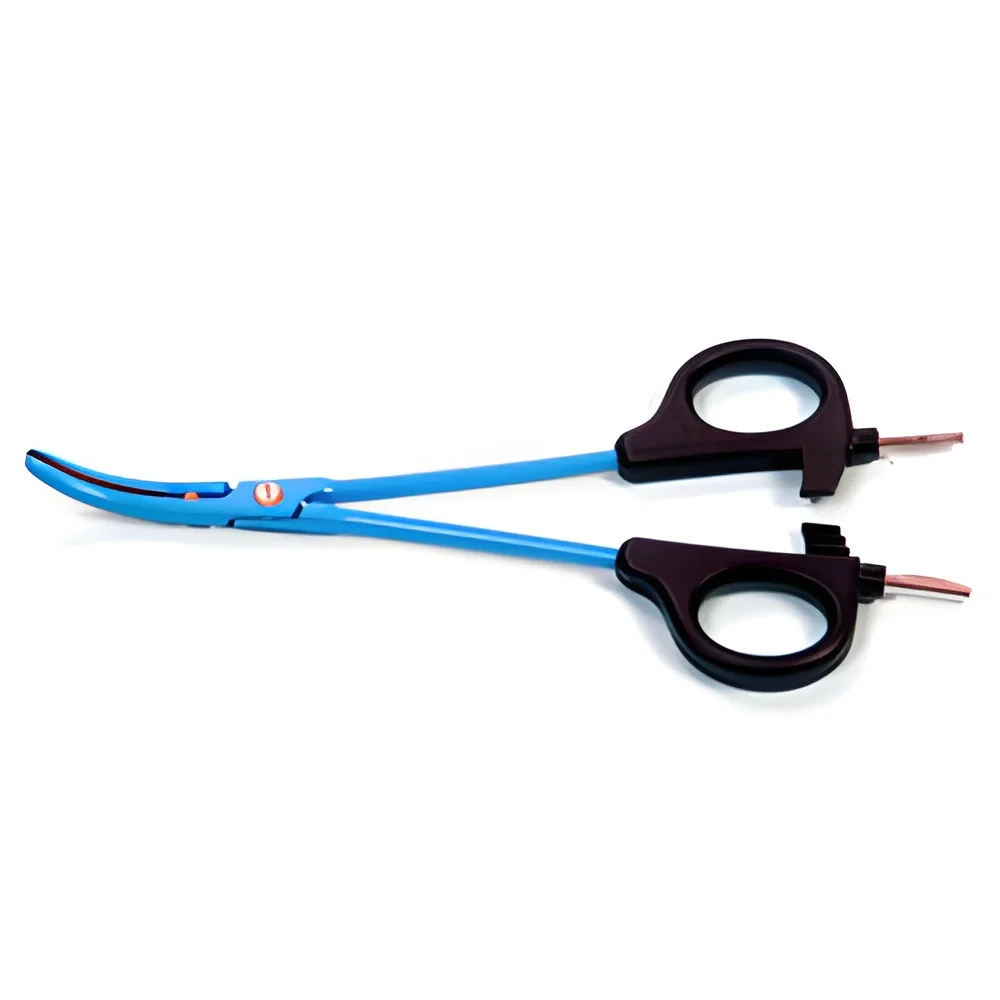
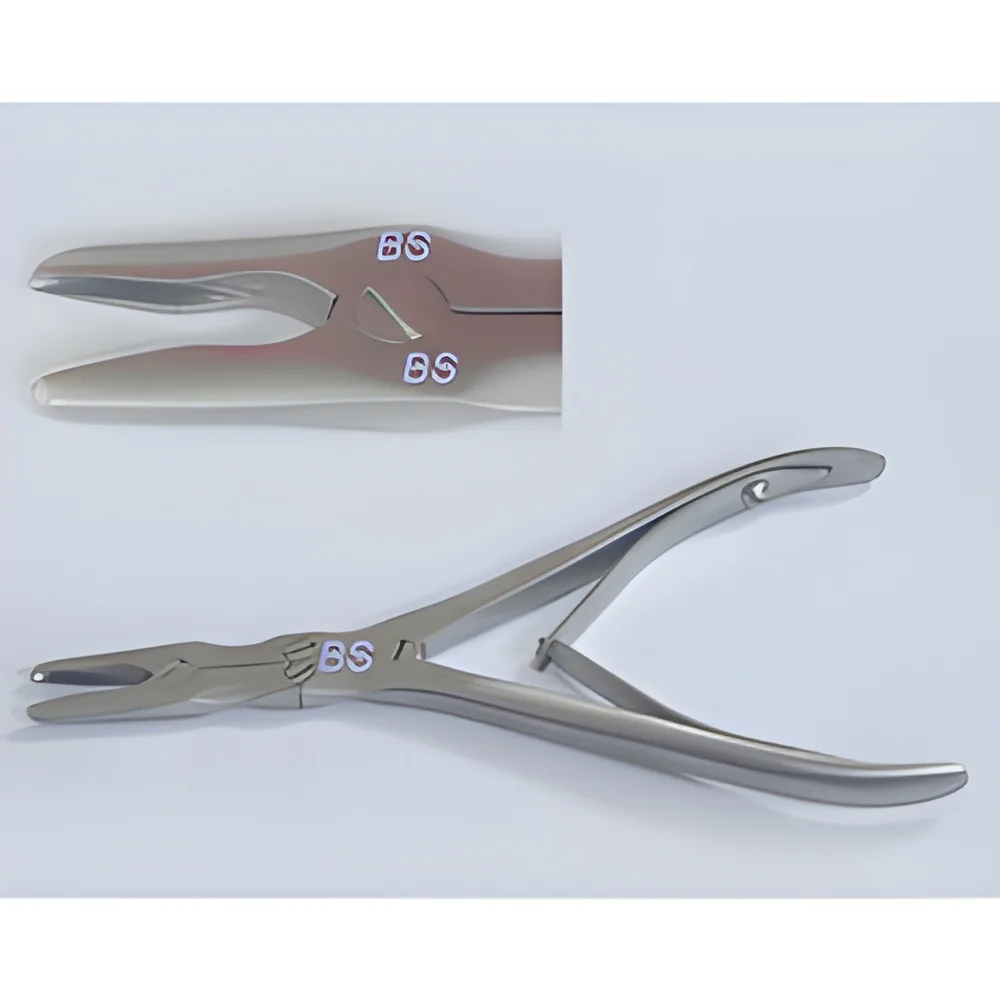
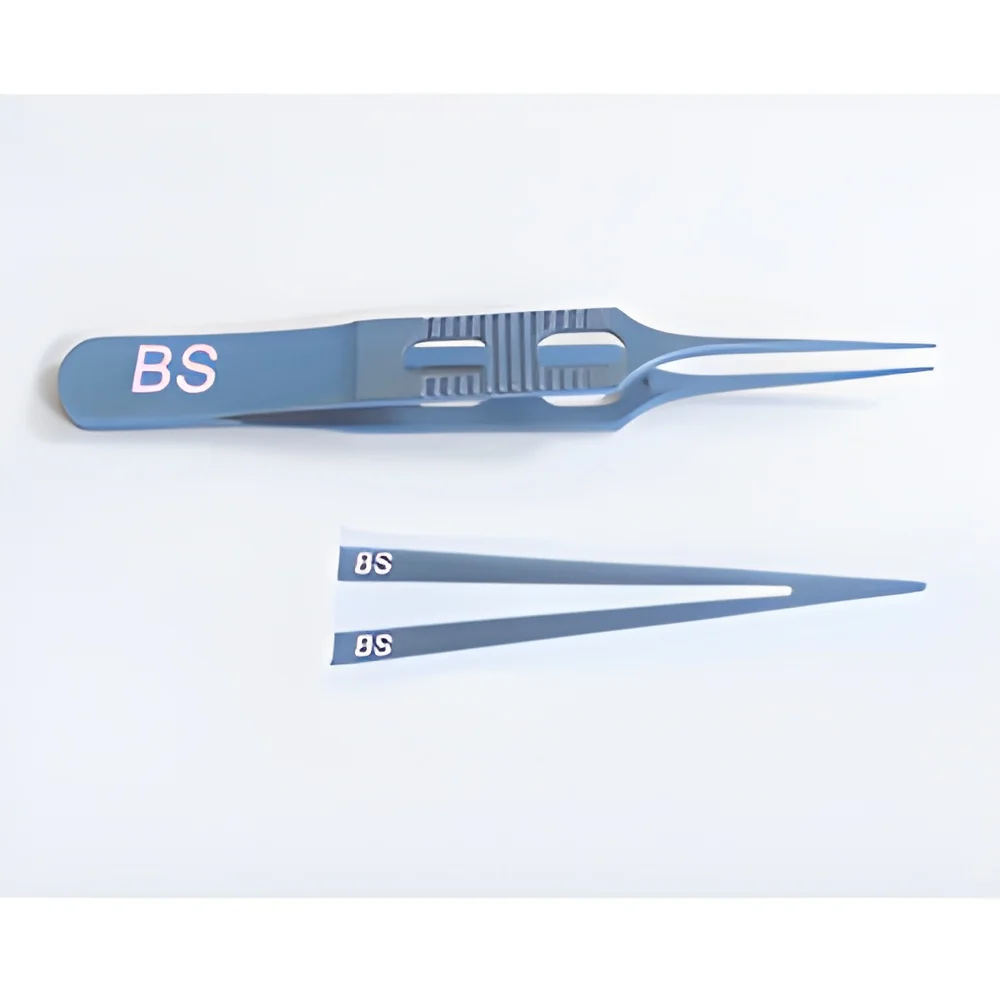
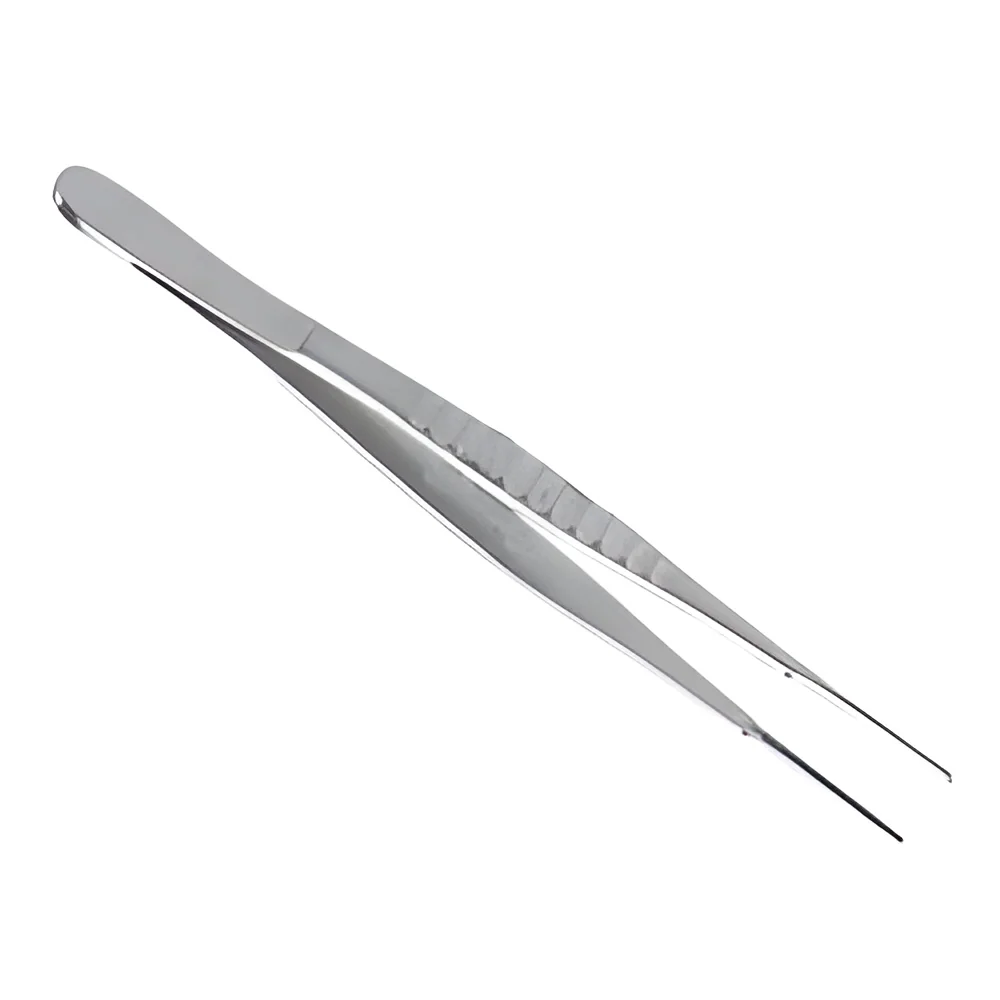
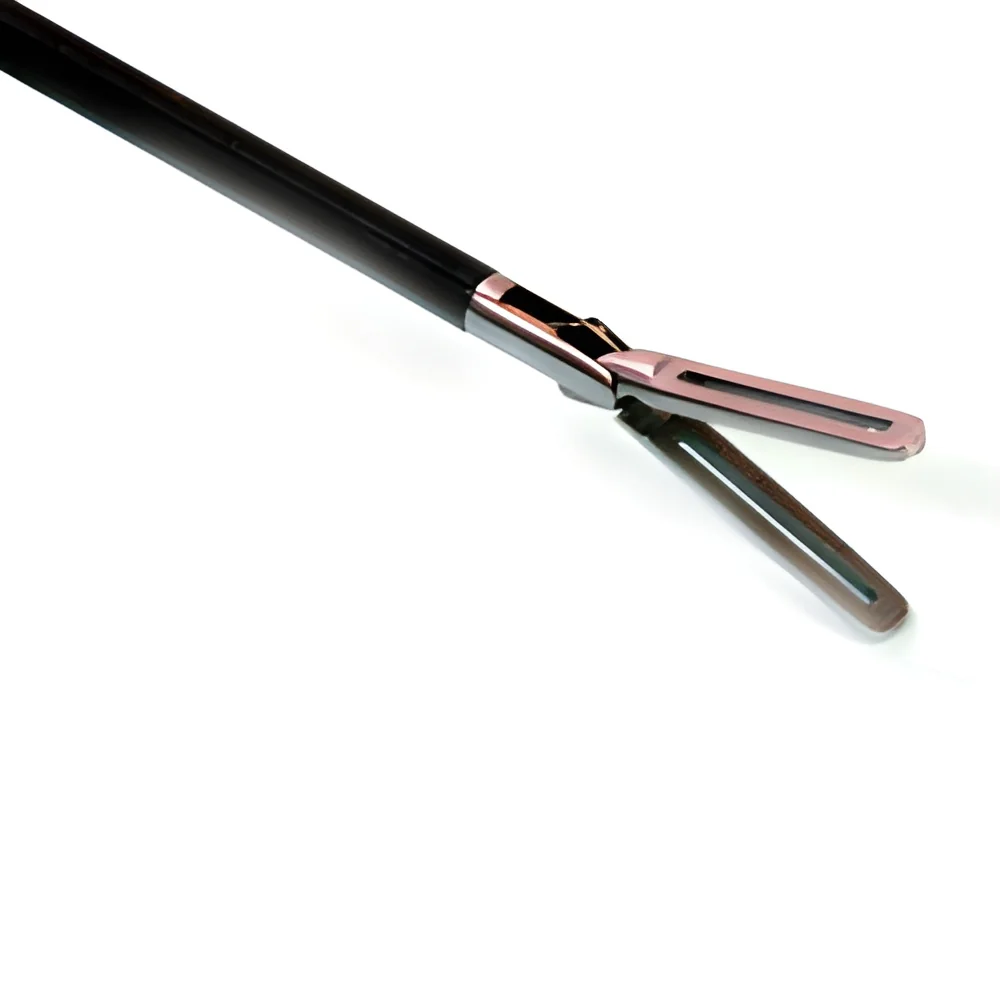
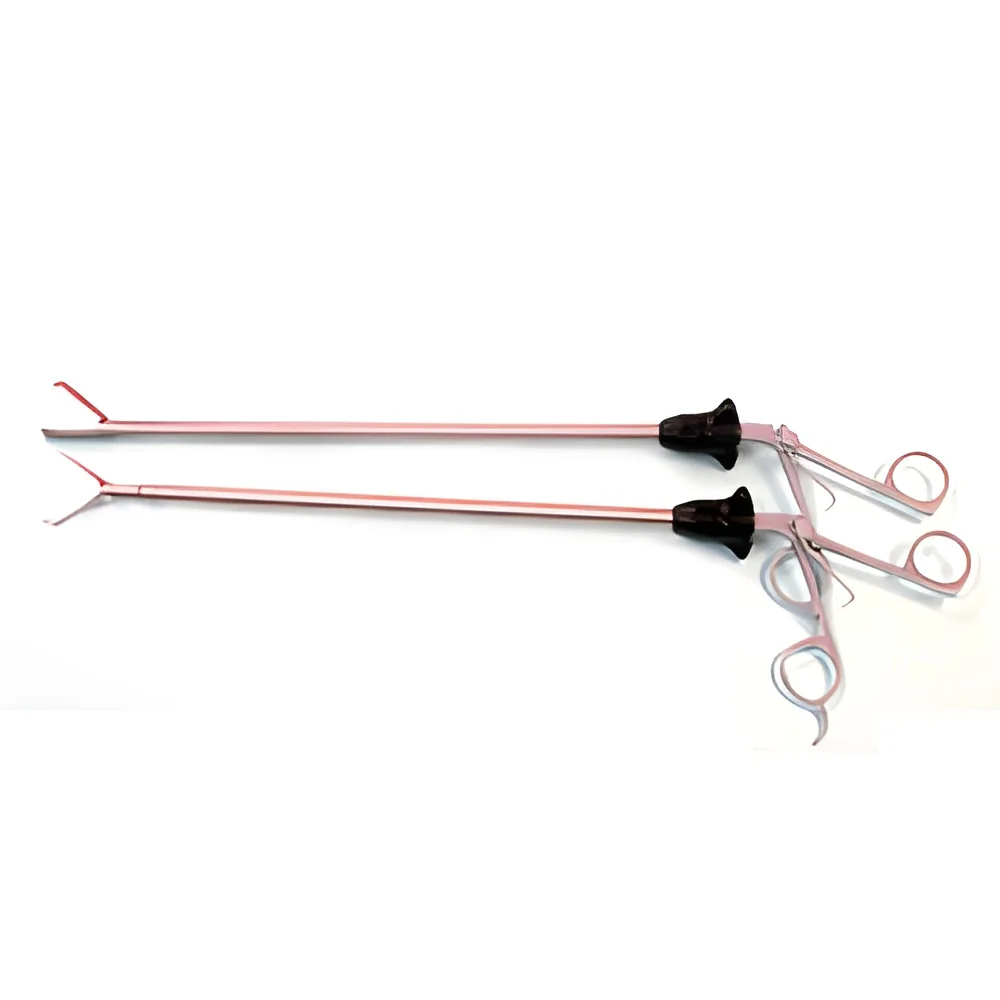
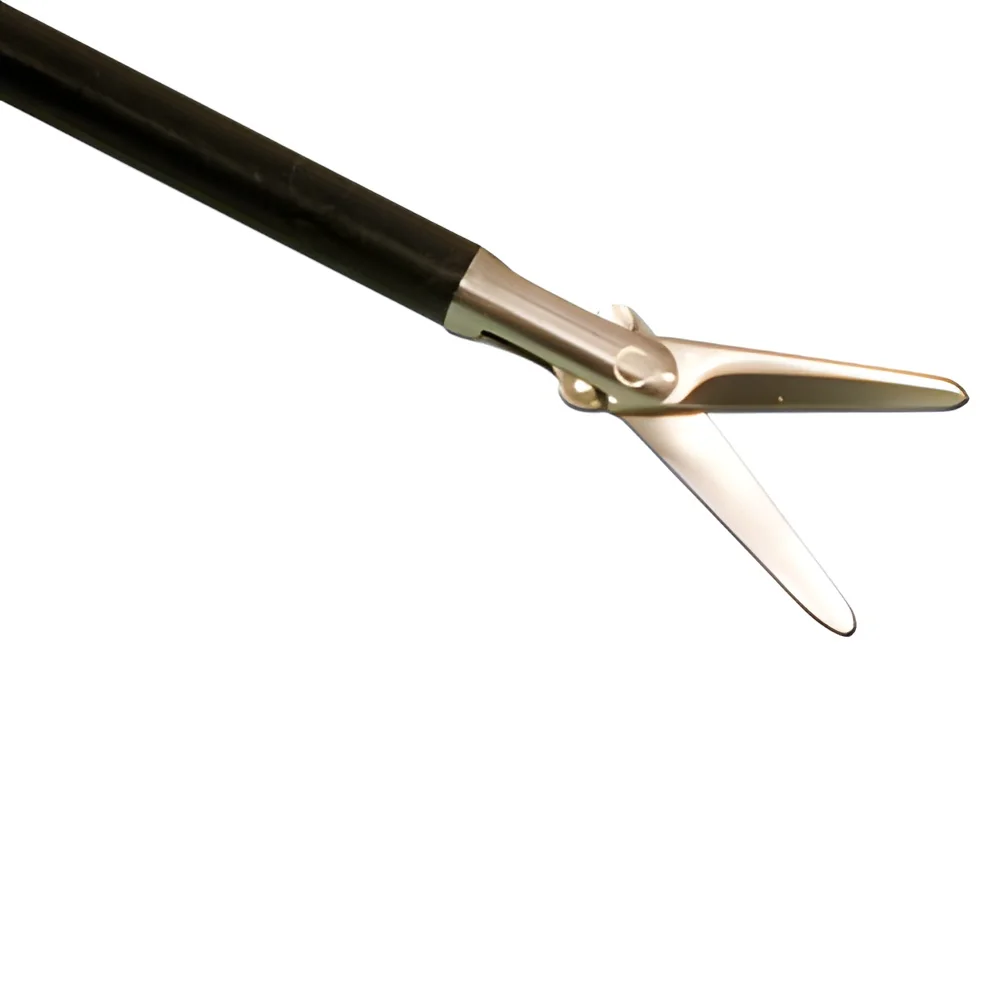
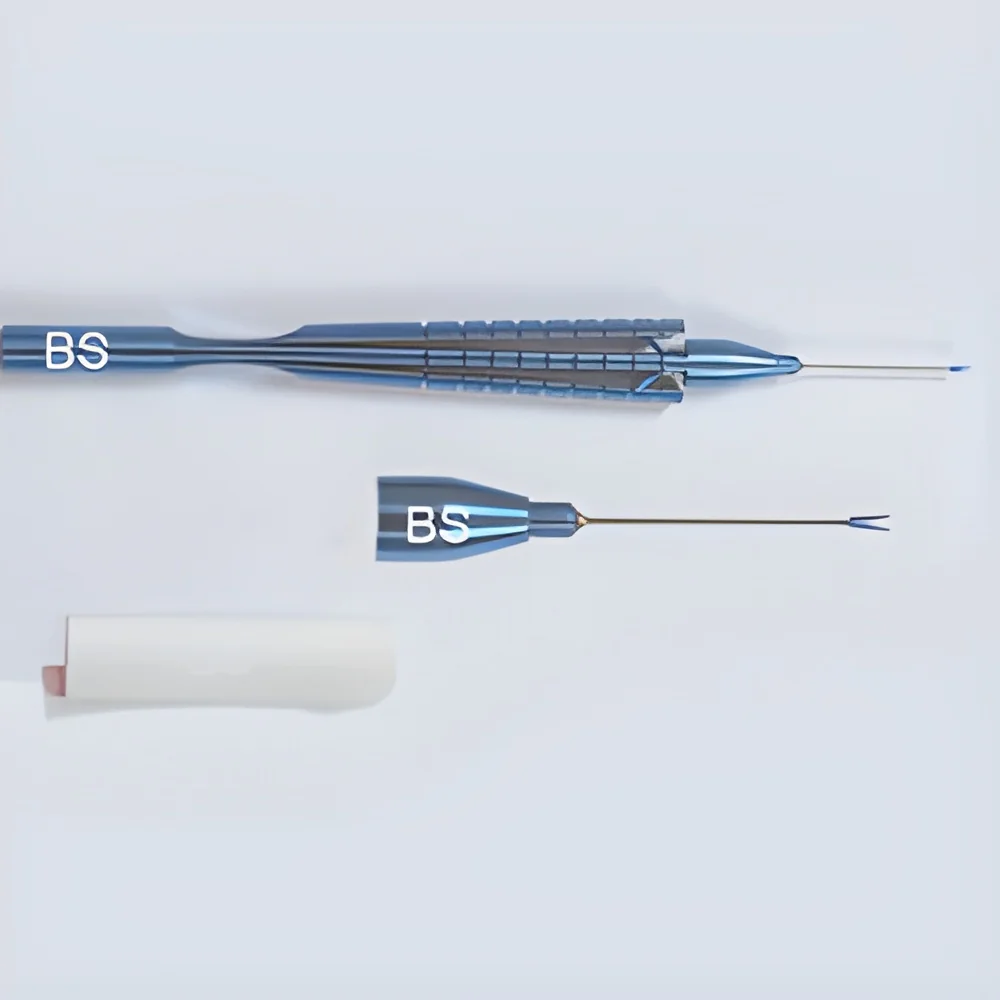
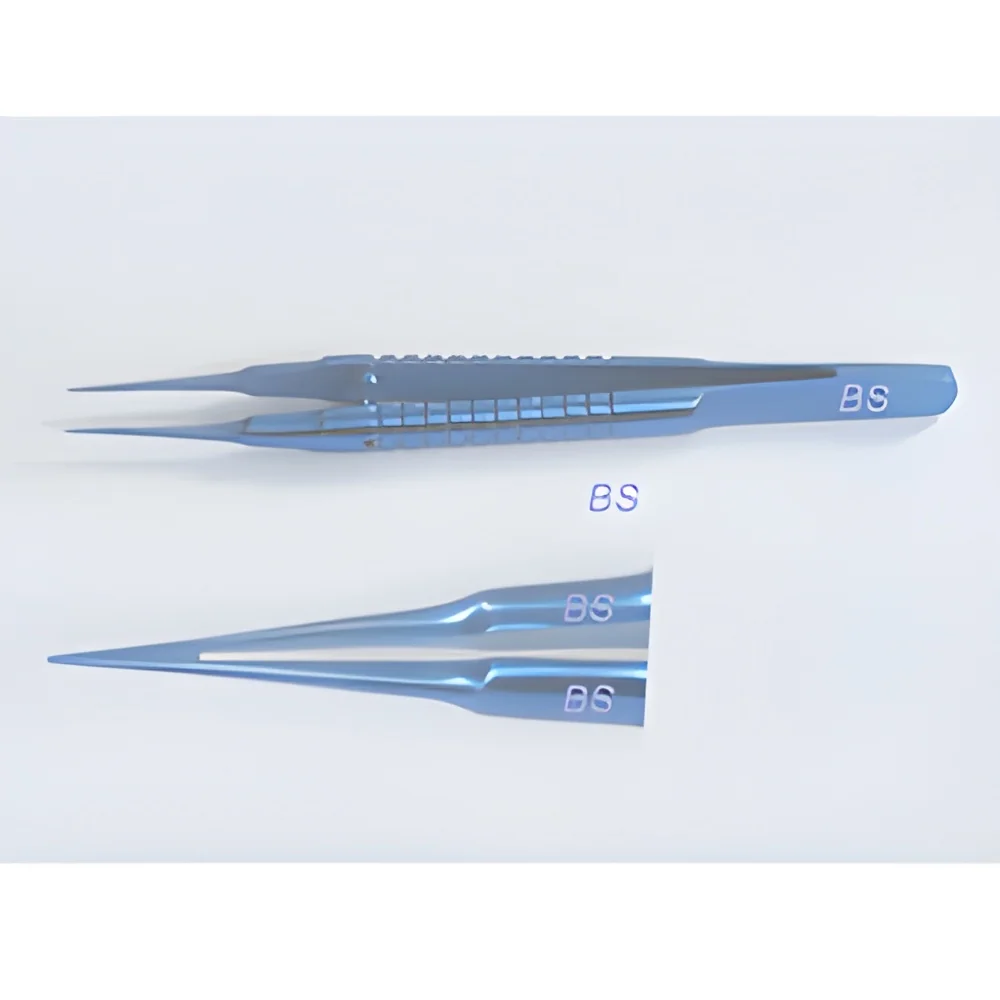
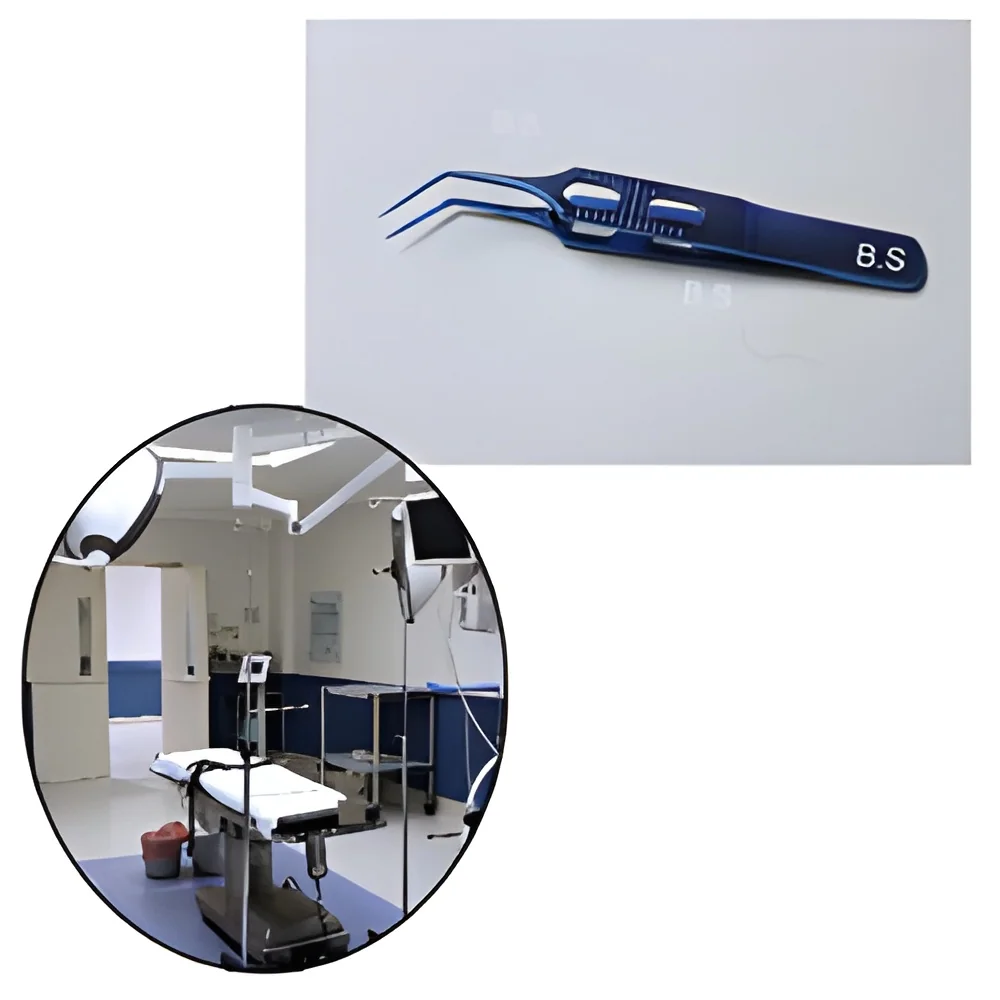
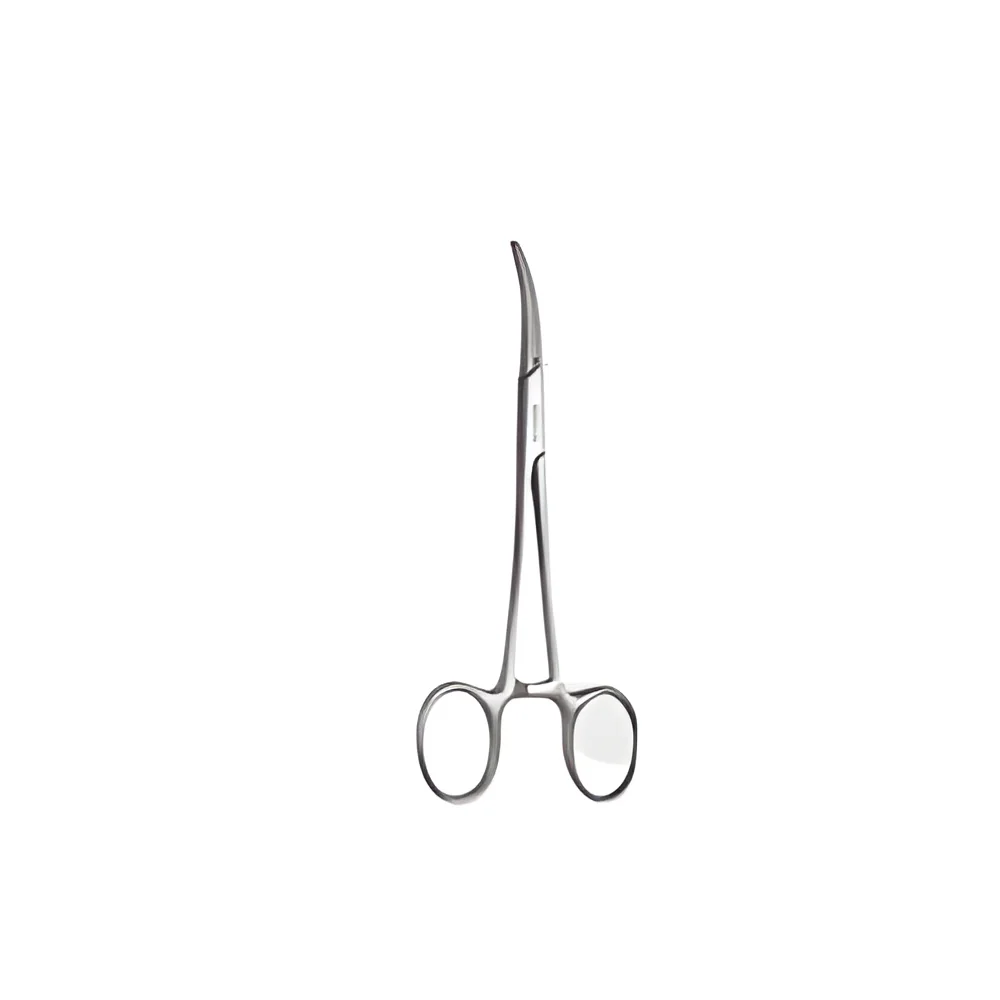
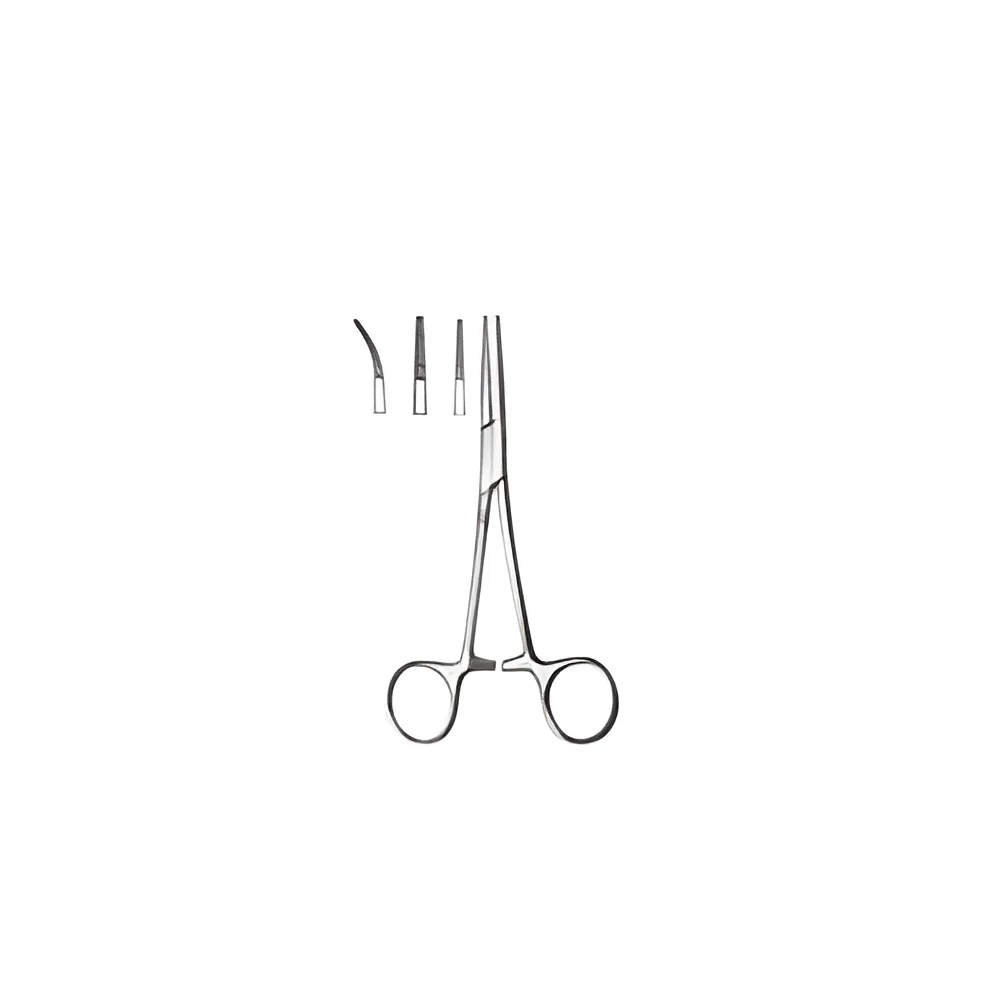
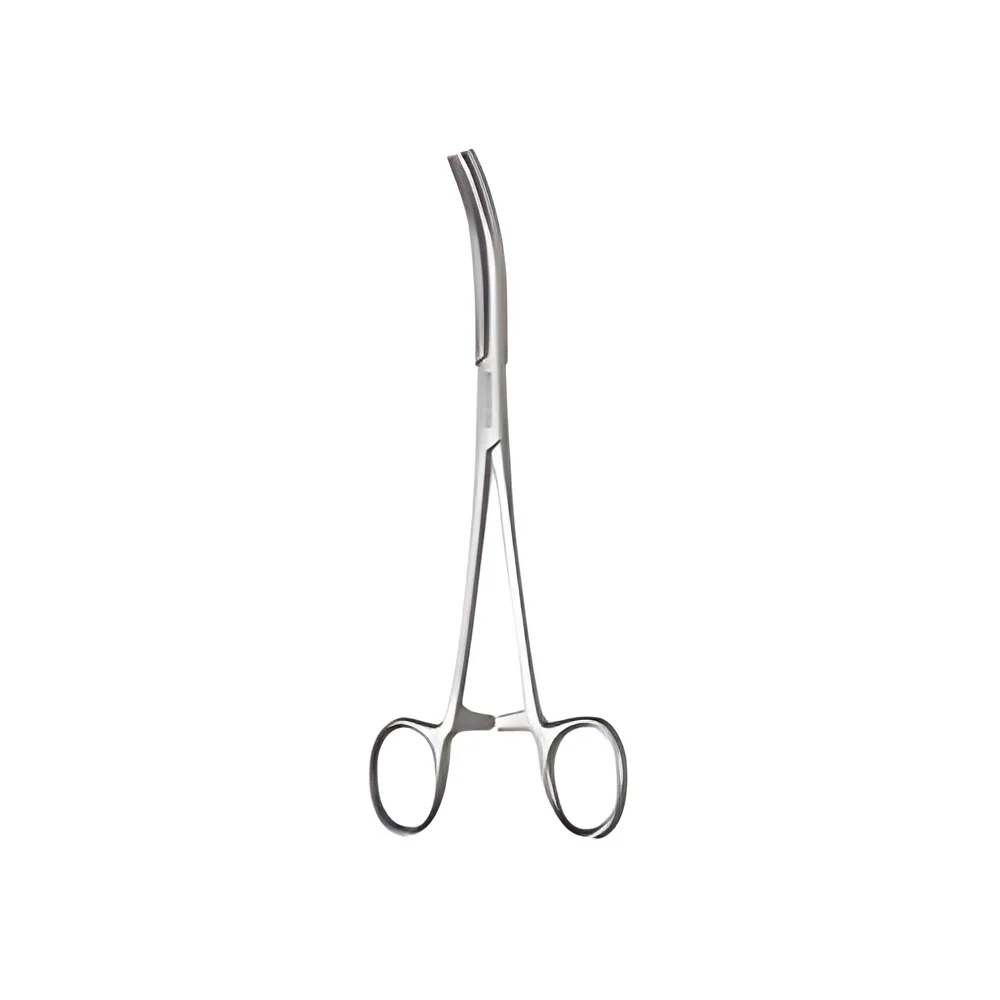
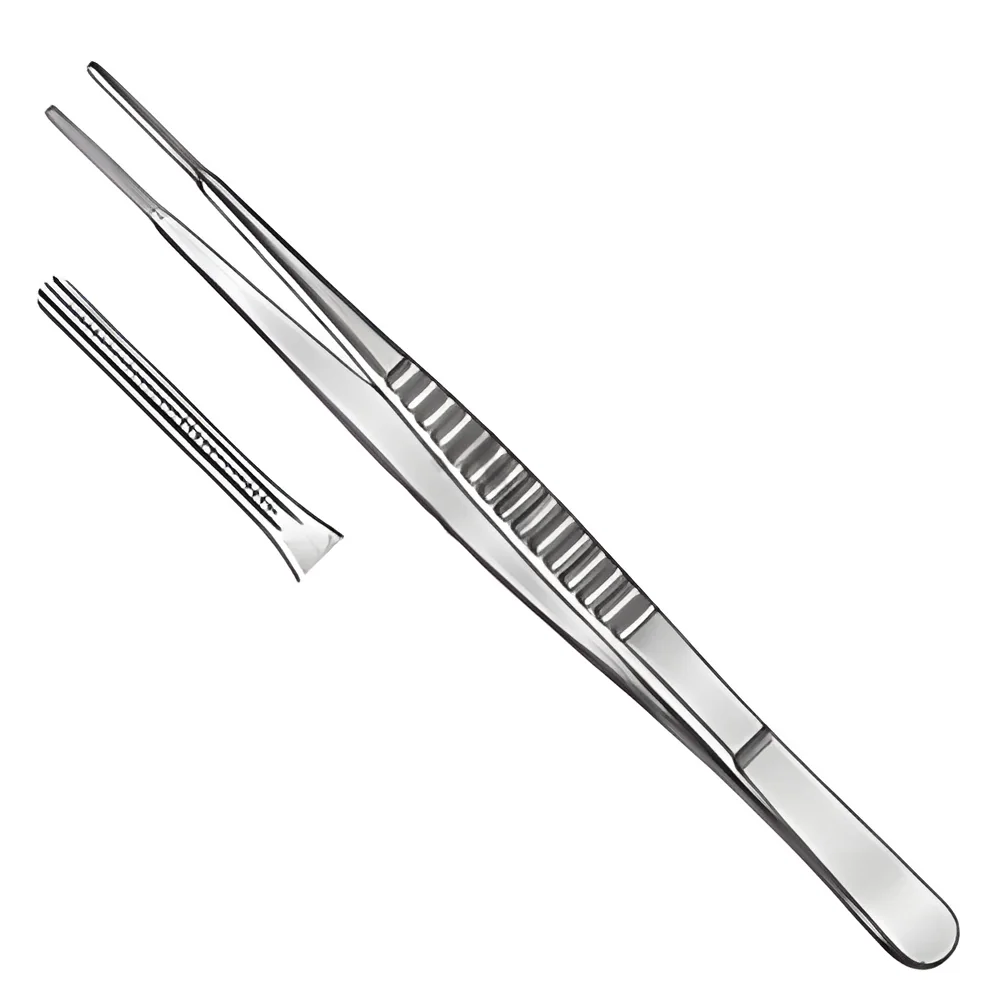
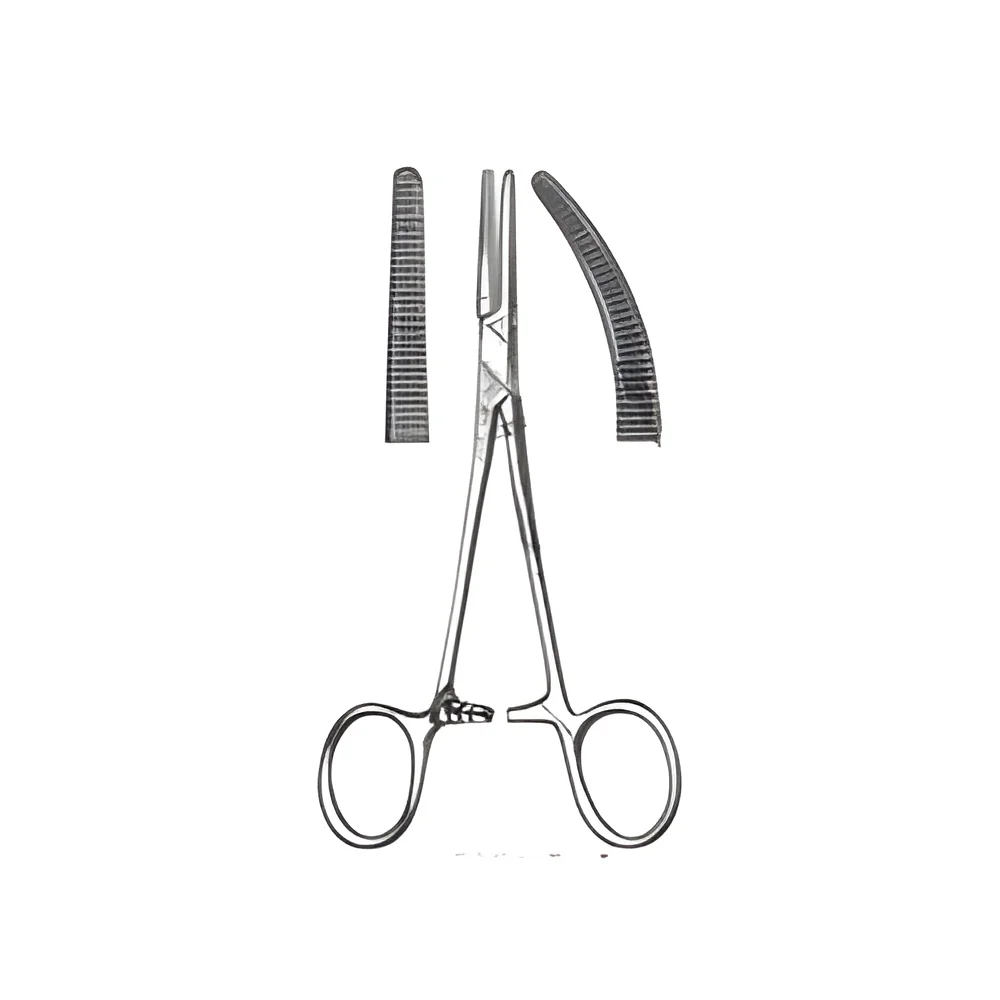
What are Forceps (Tissue, Dressing, Artery)?
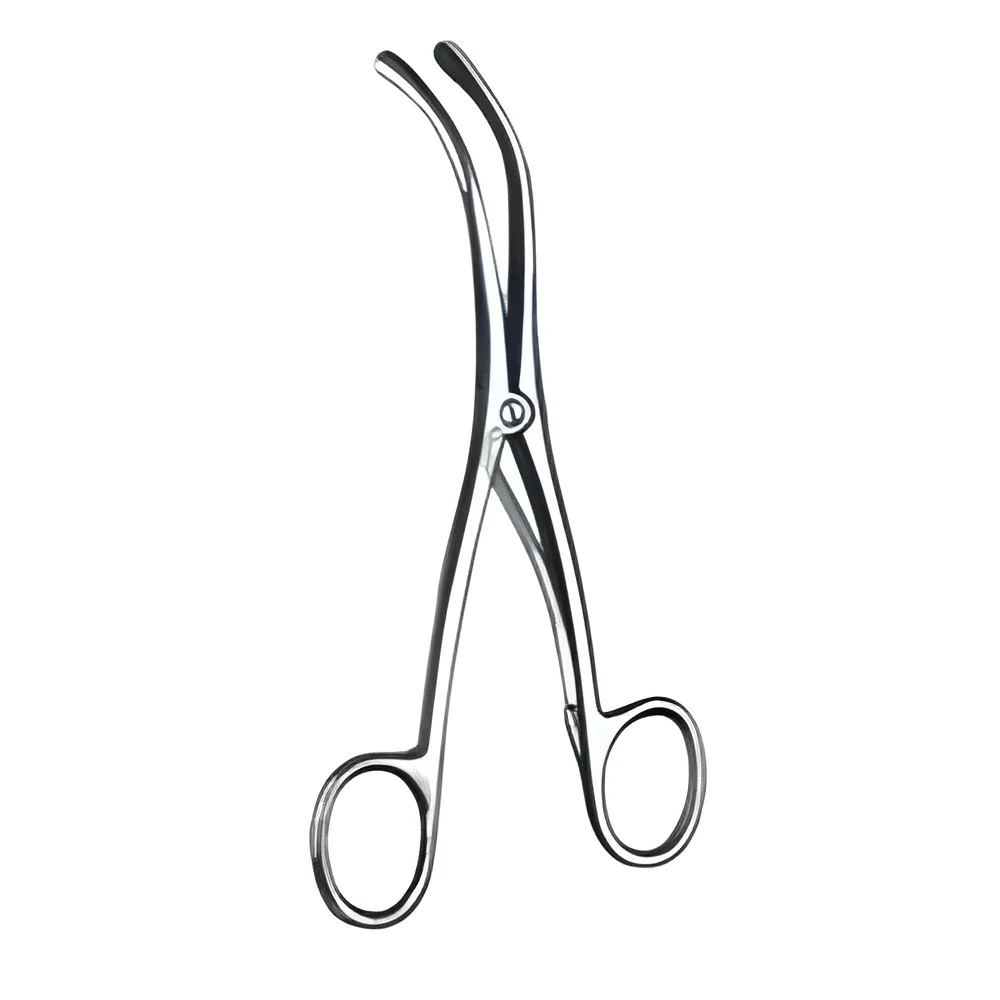
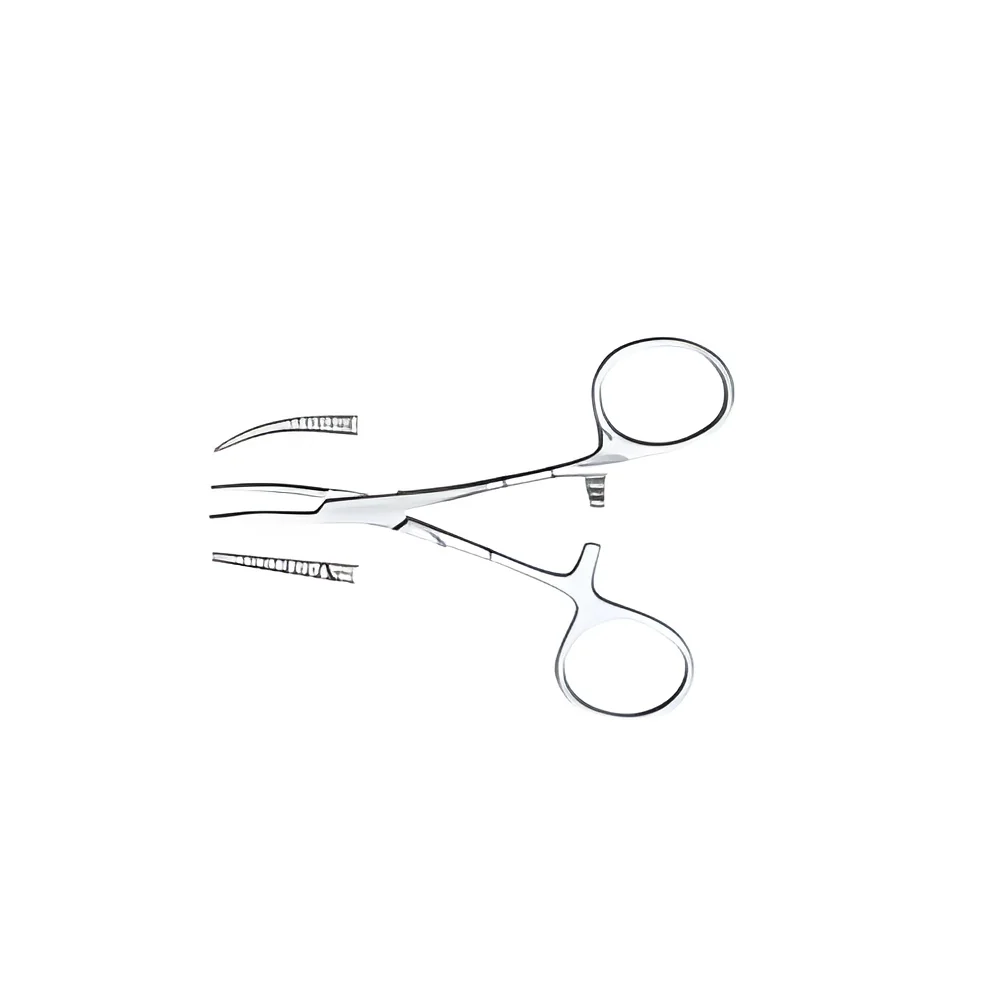
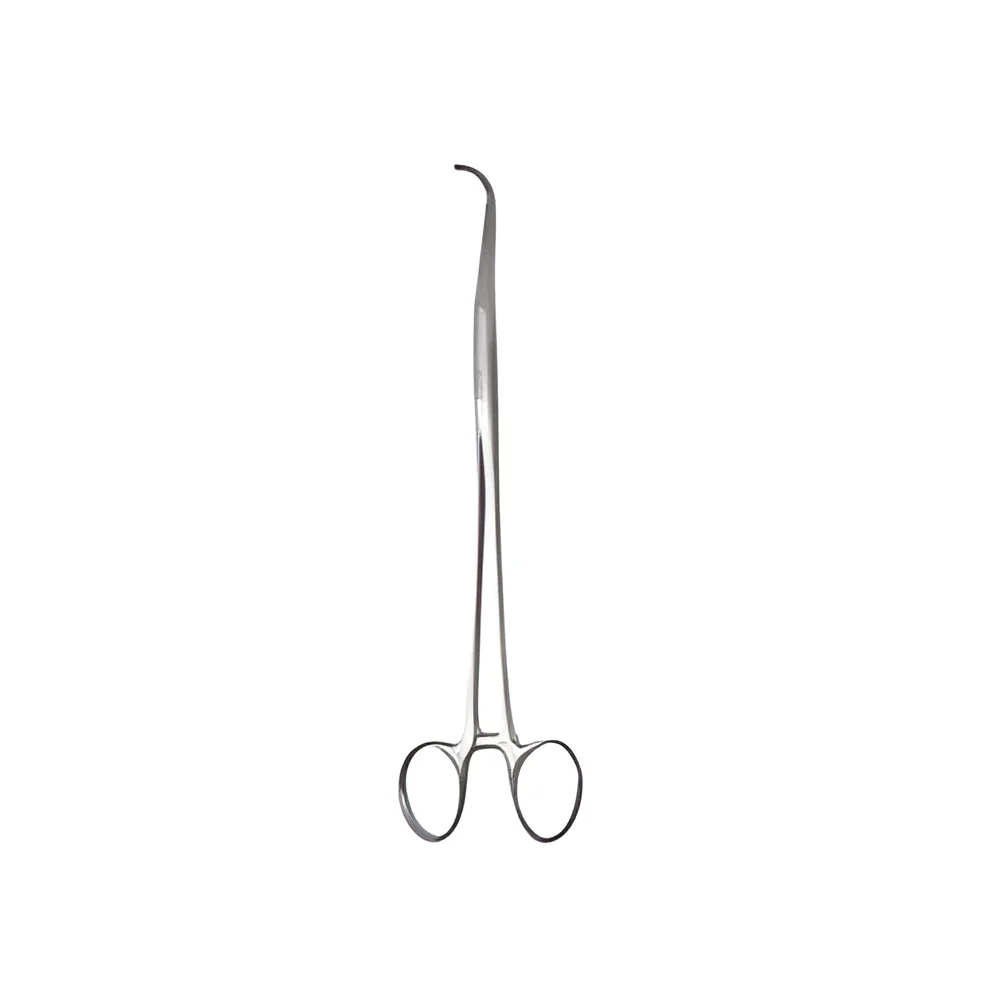
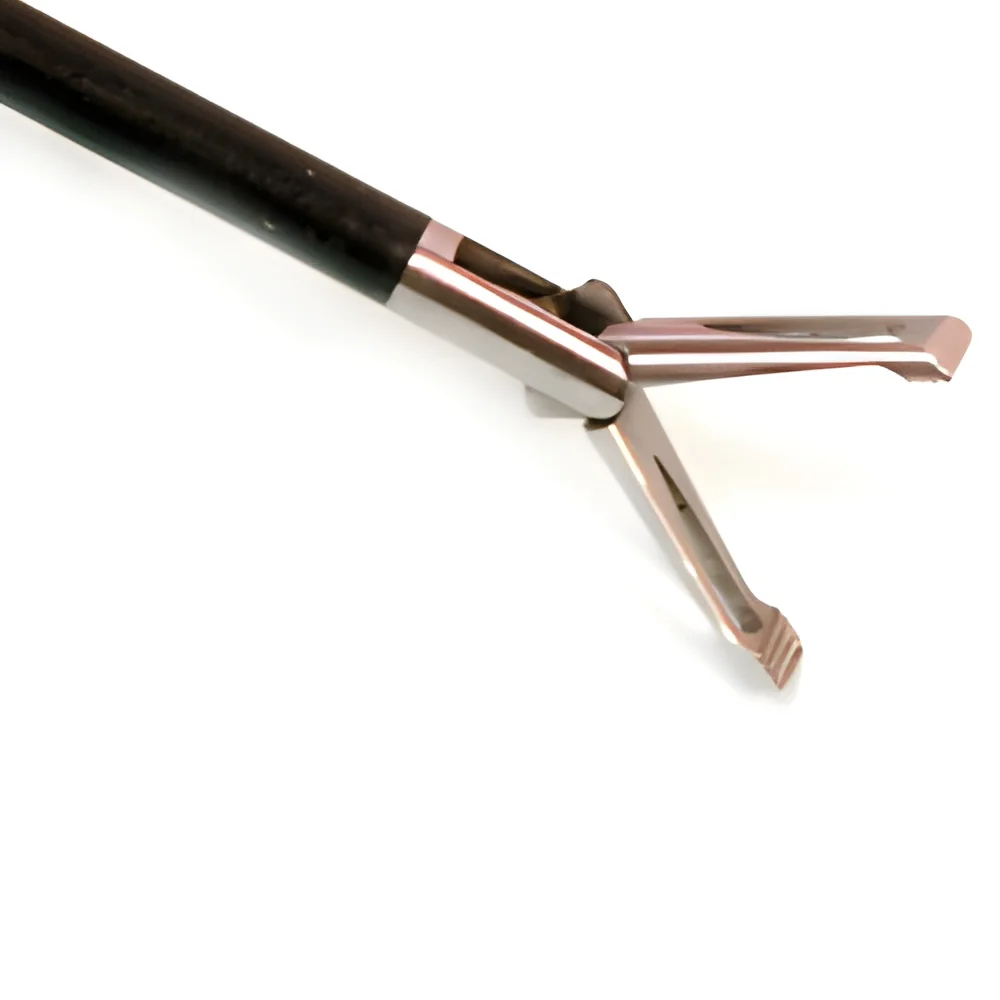
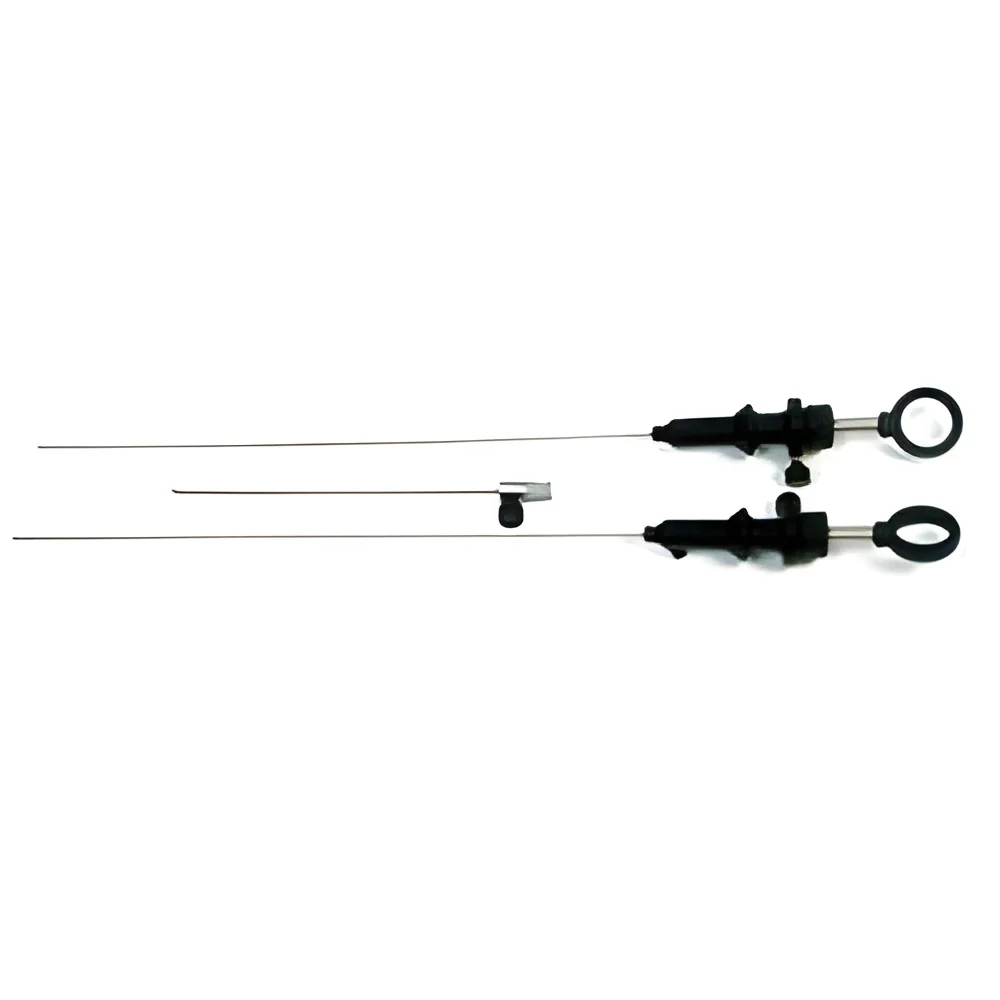
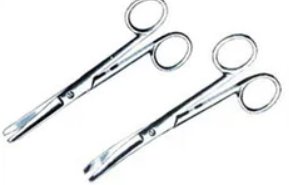
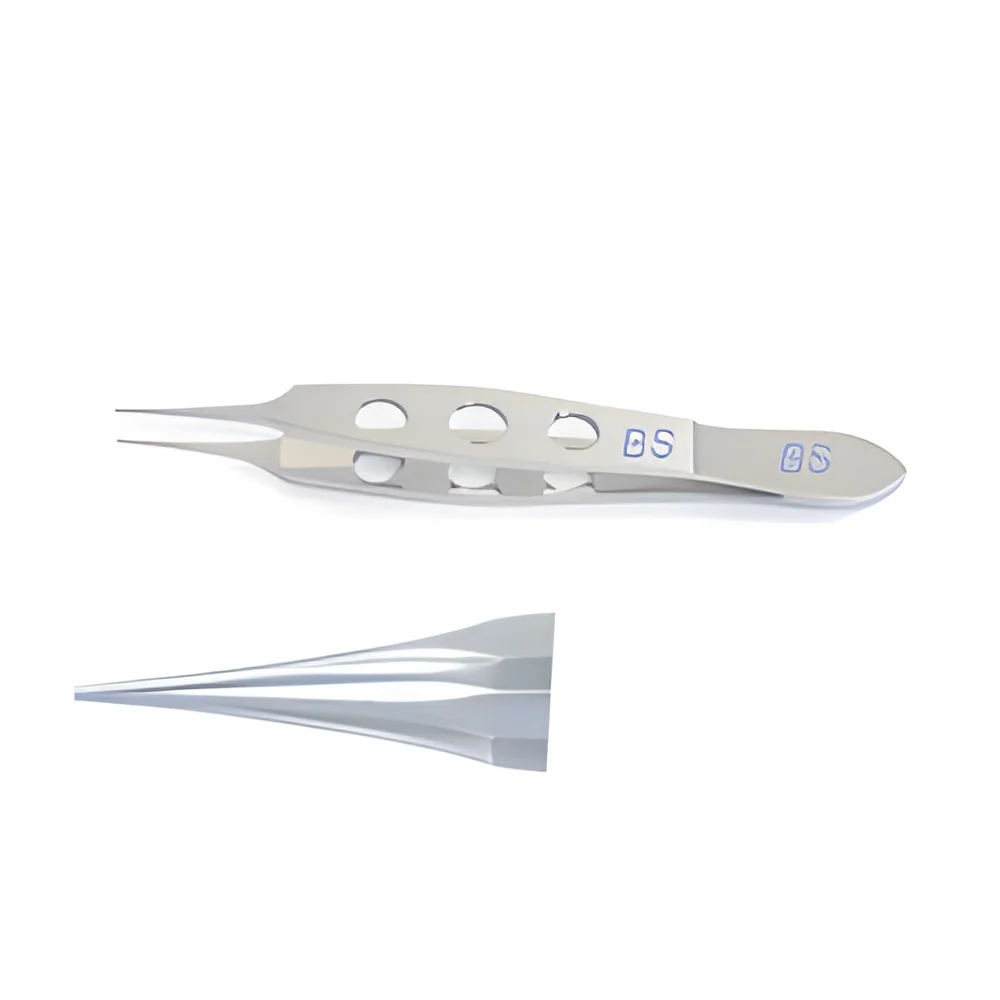
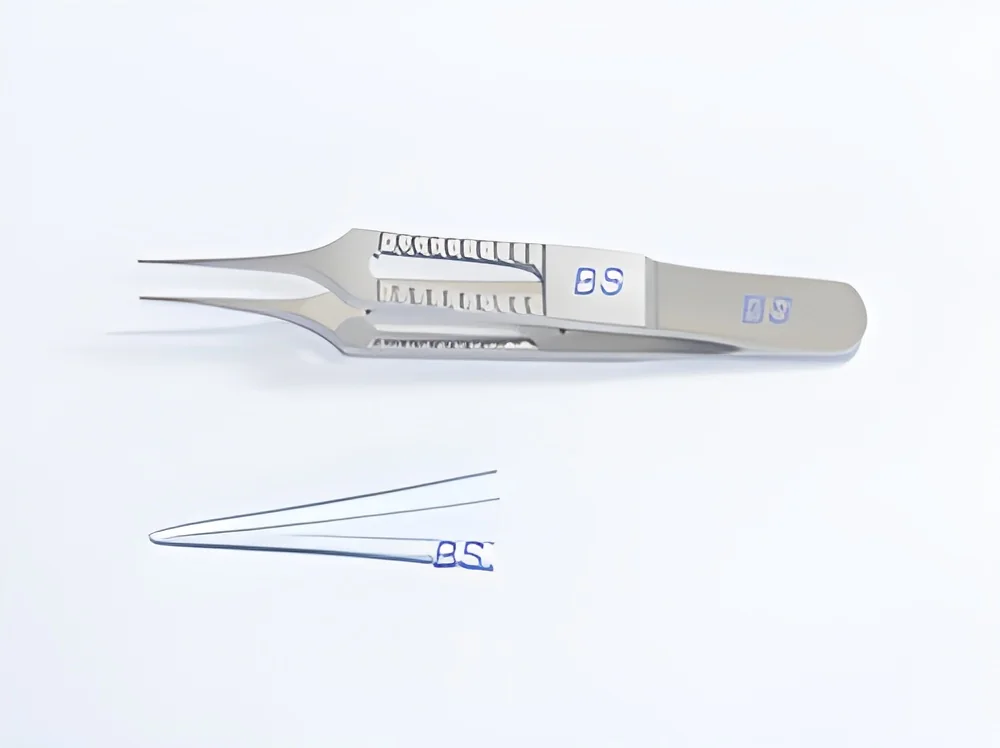
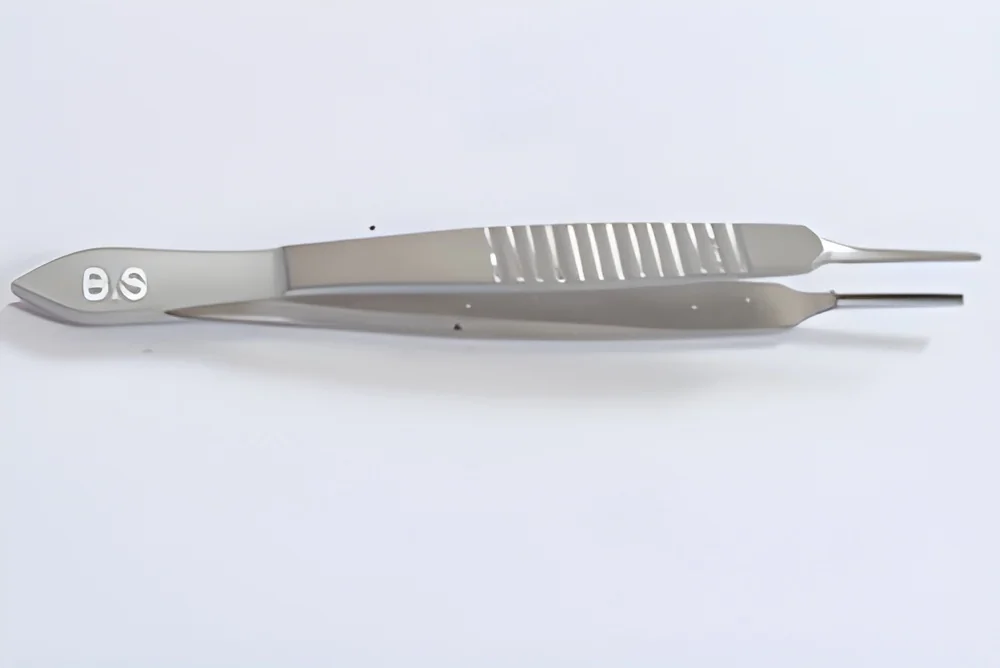
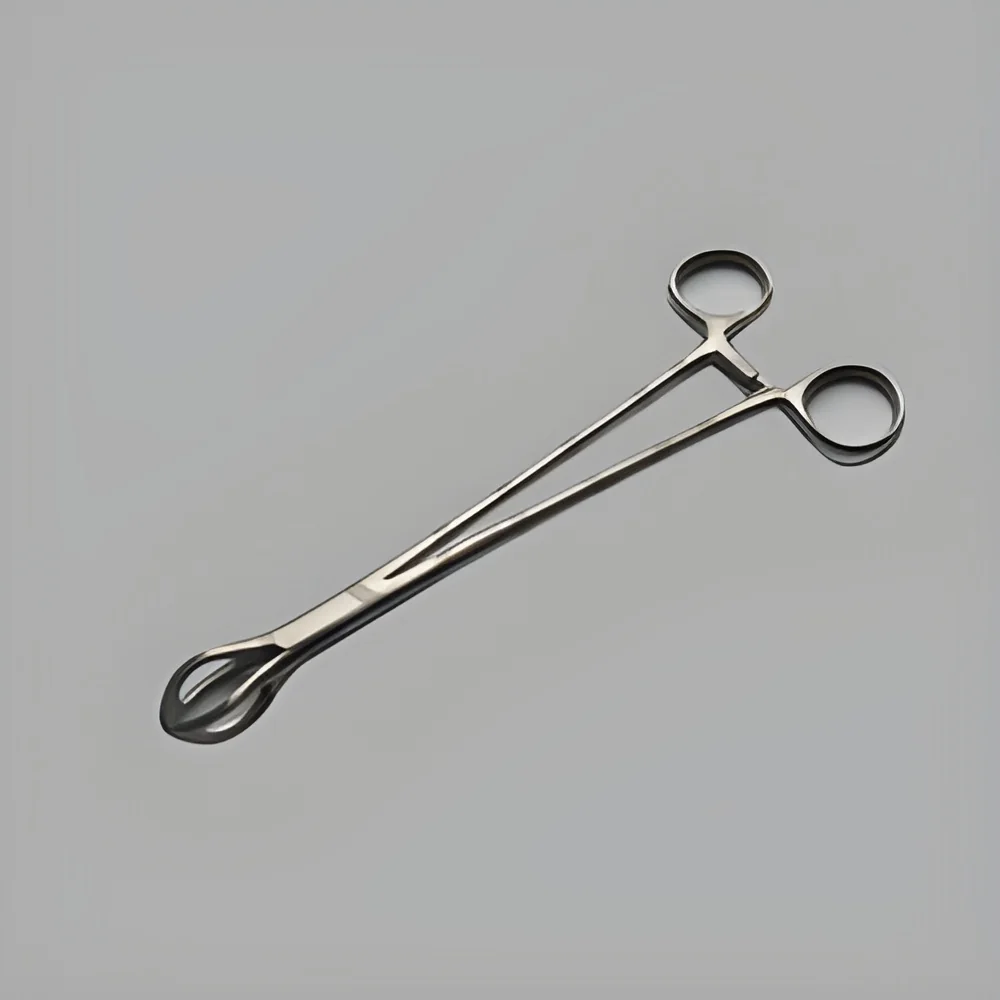
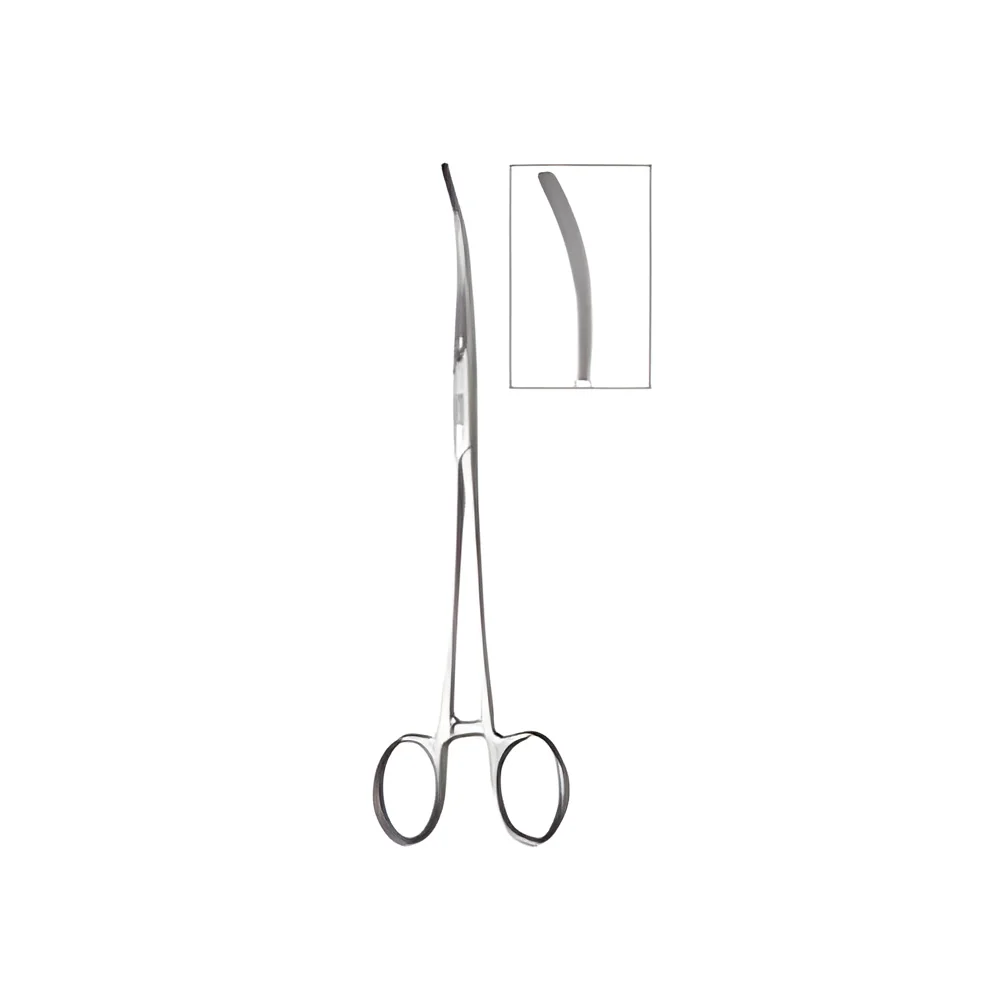
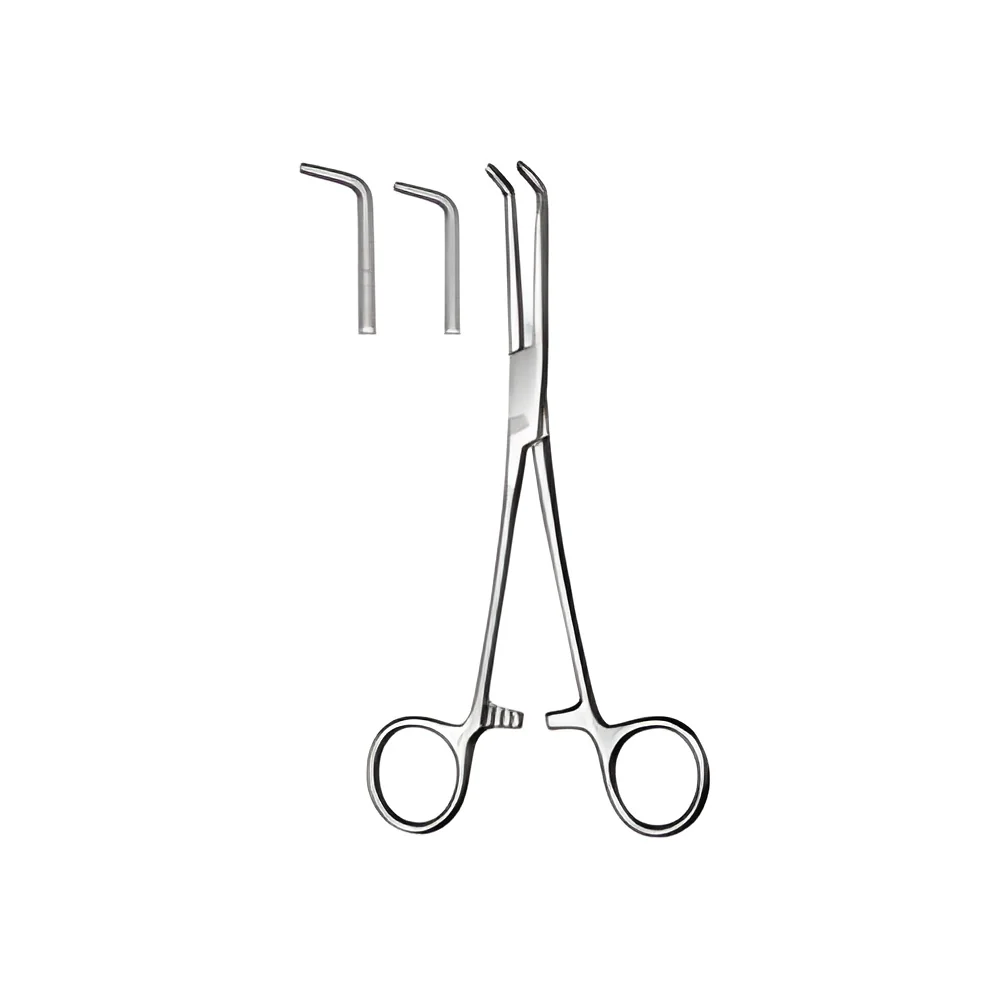
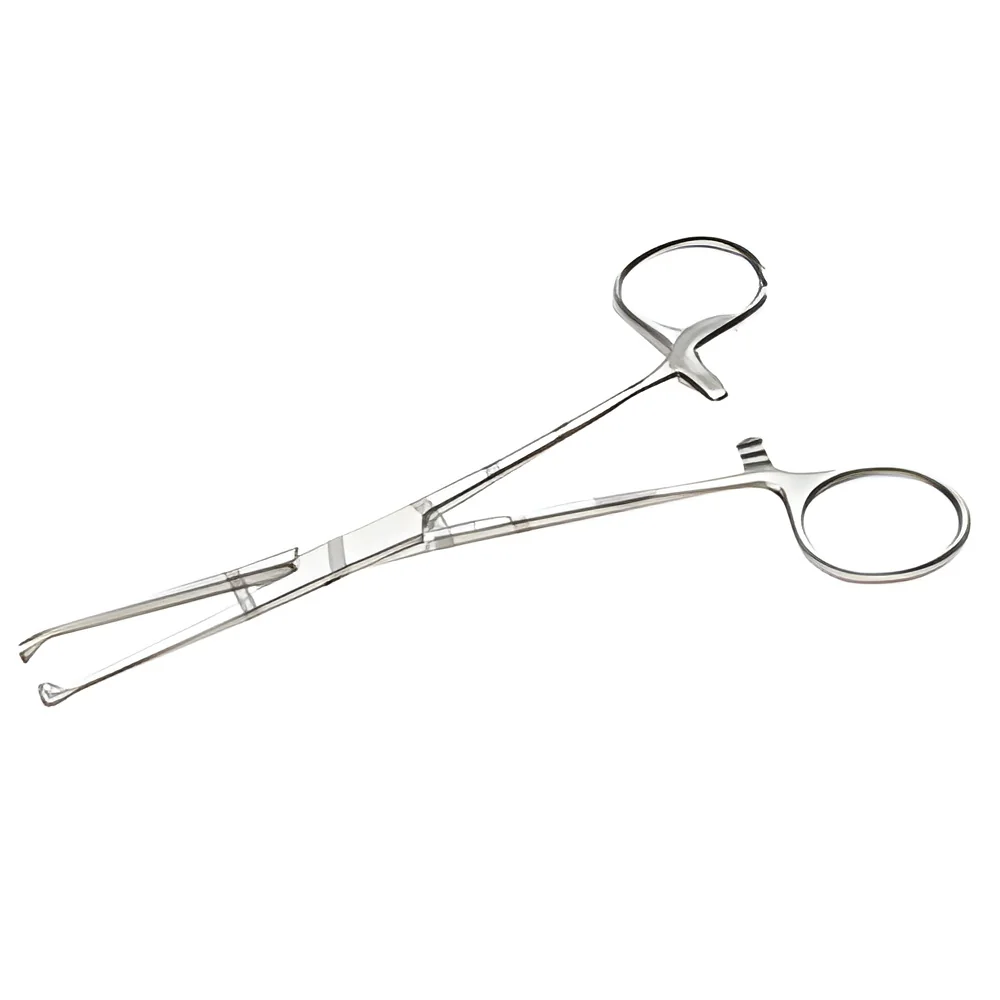
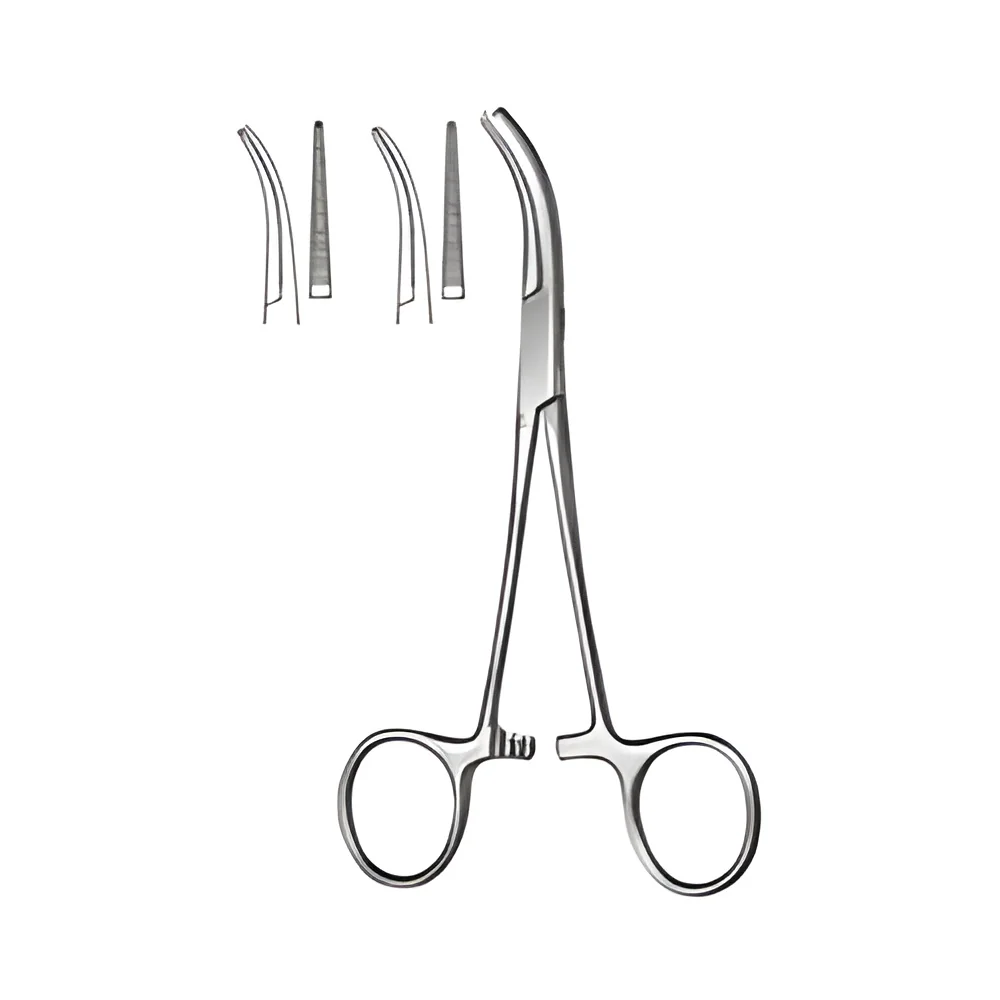
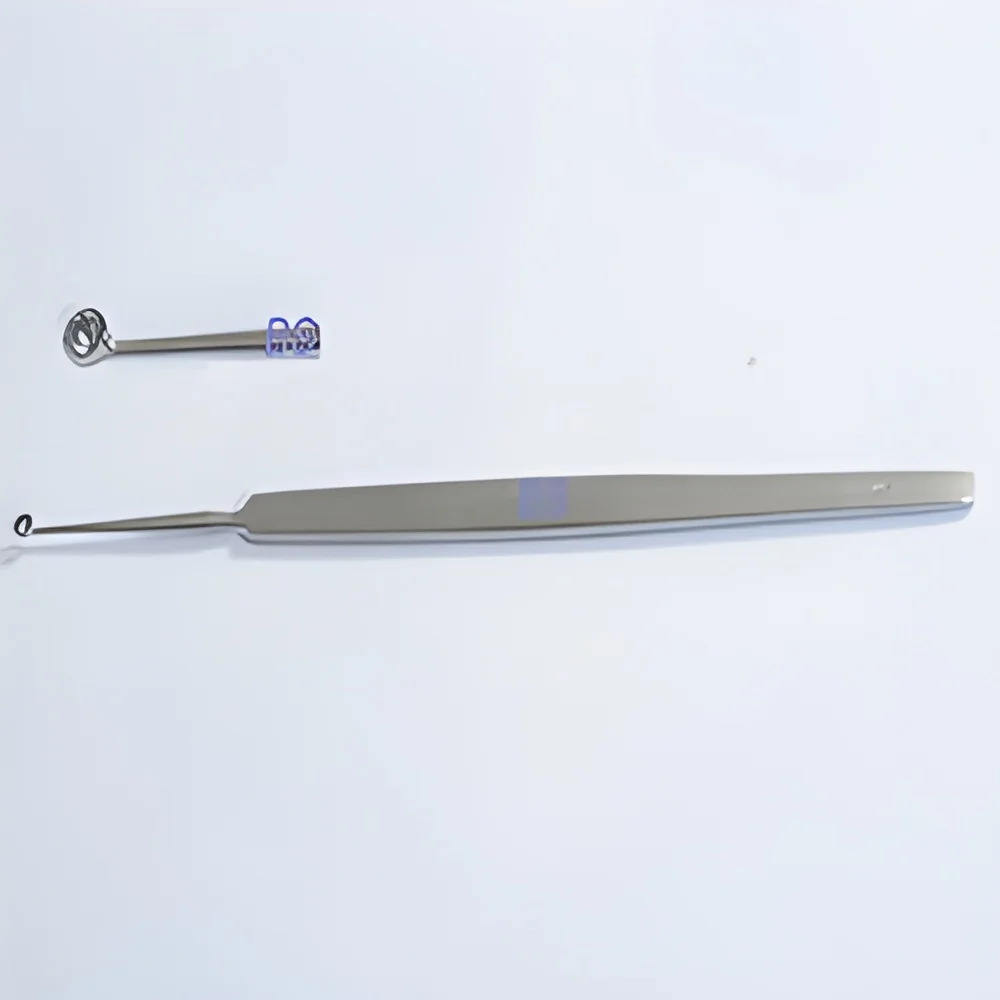
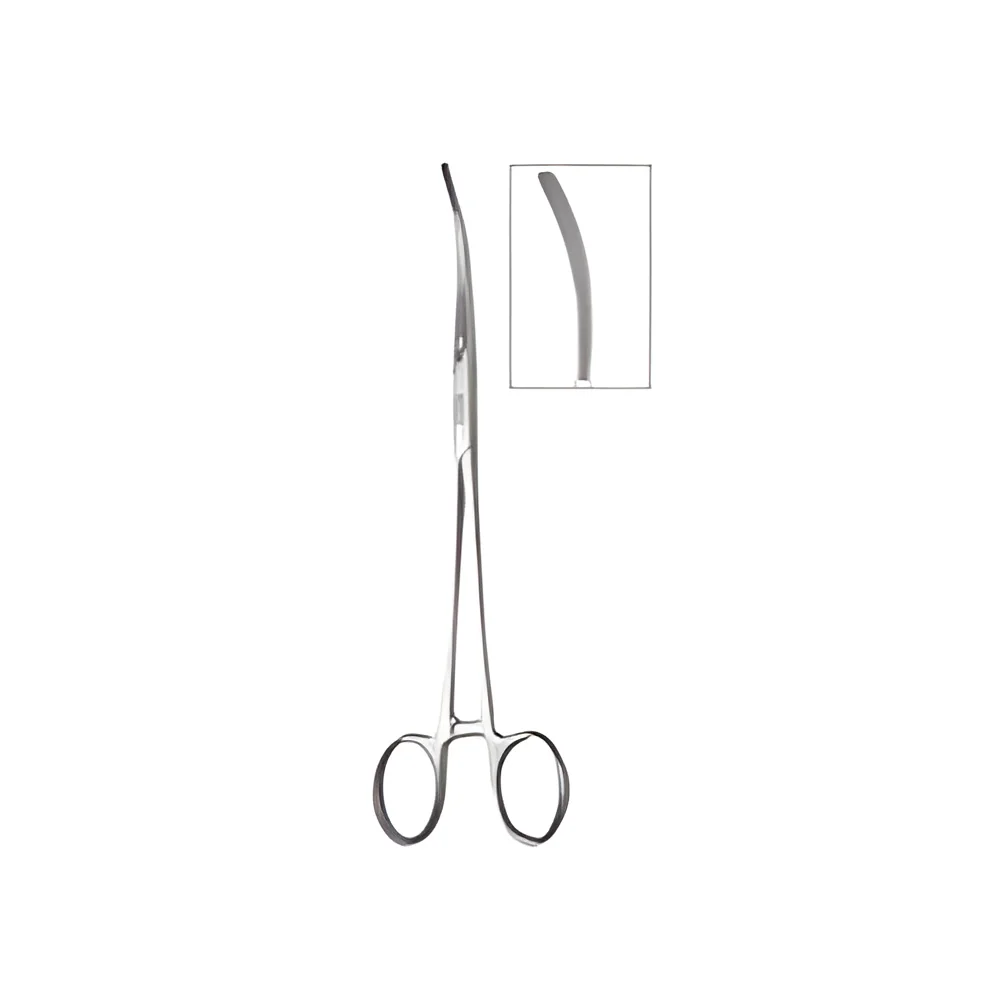
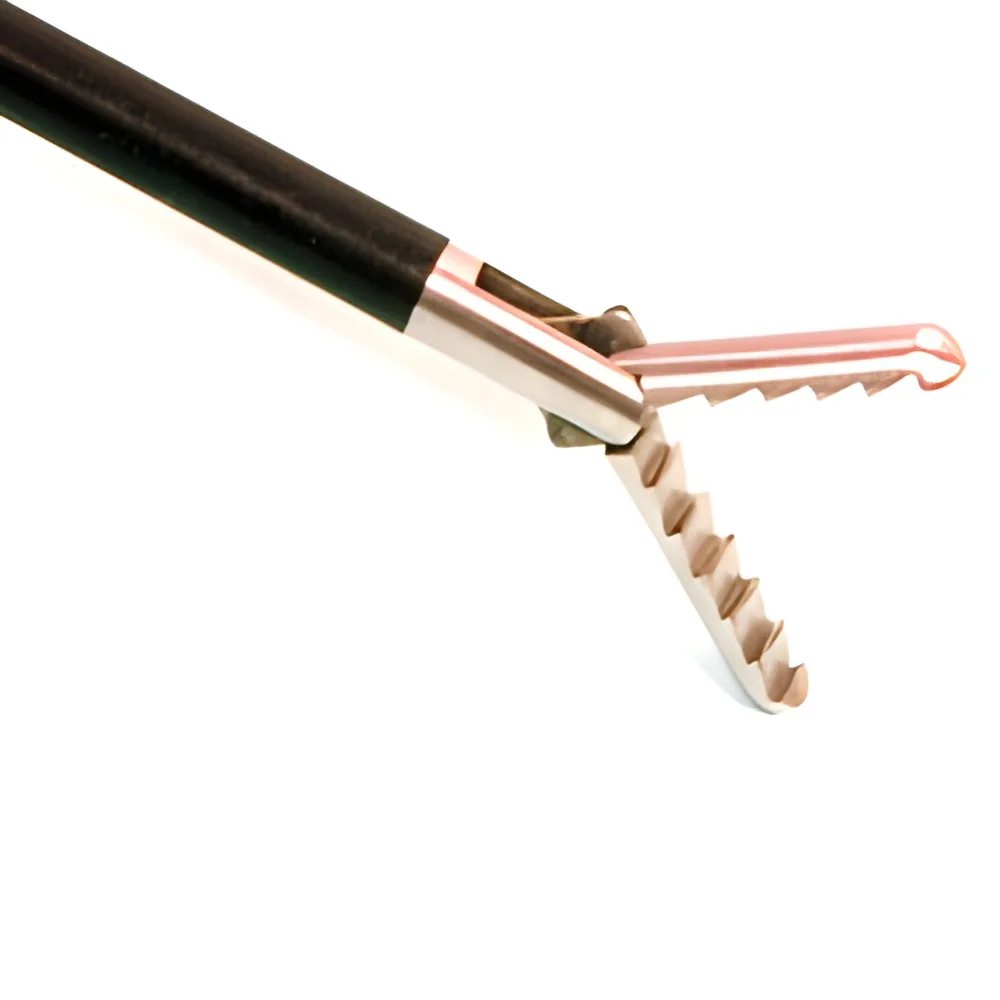
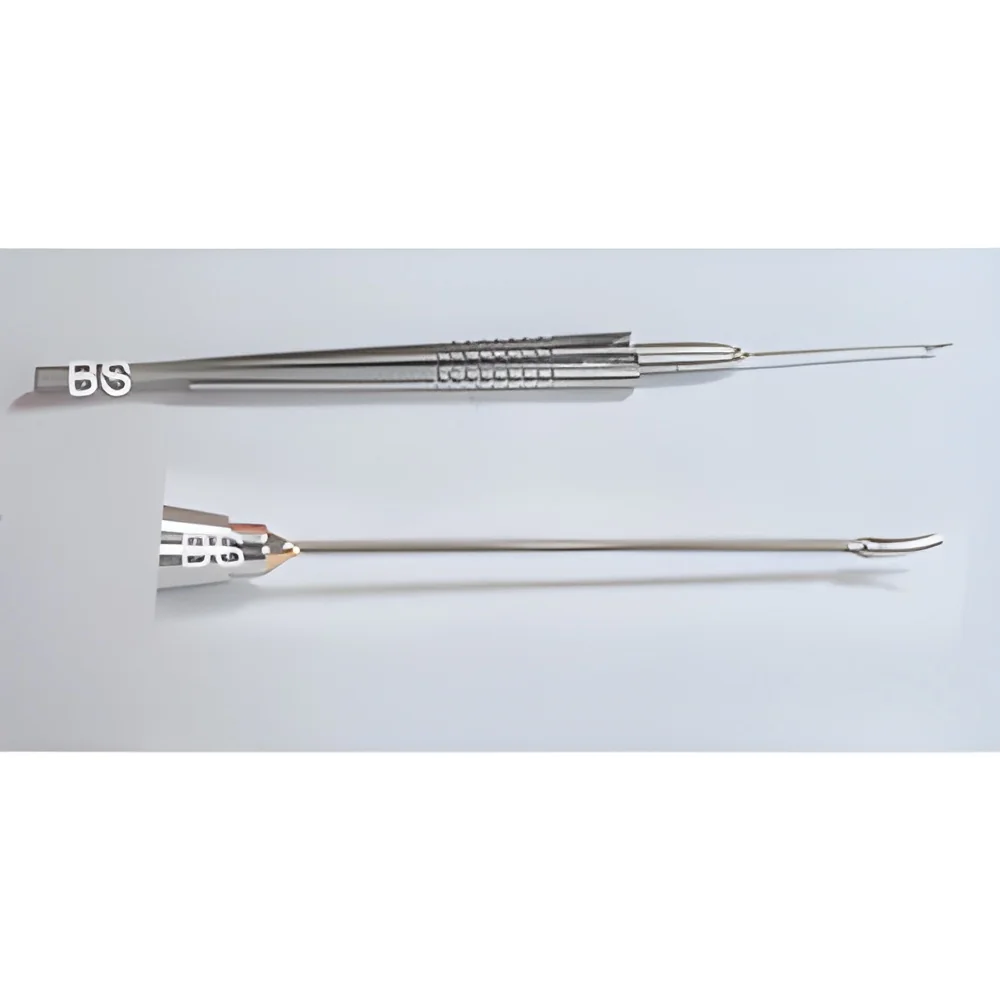
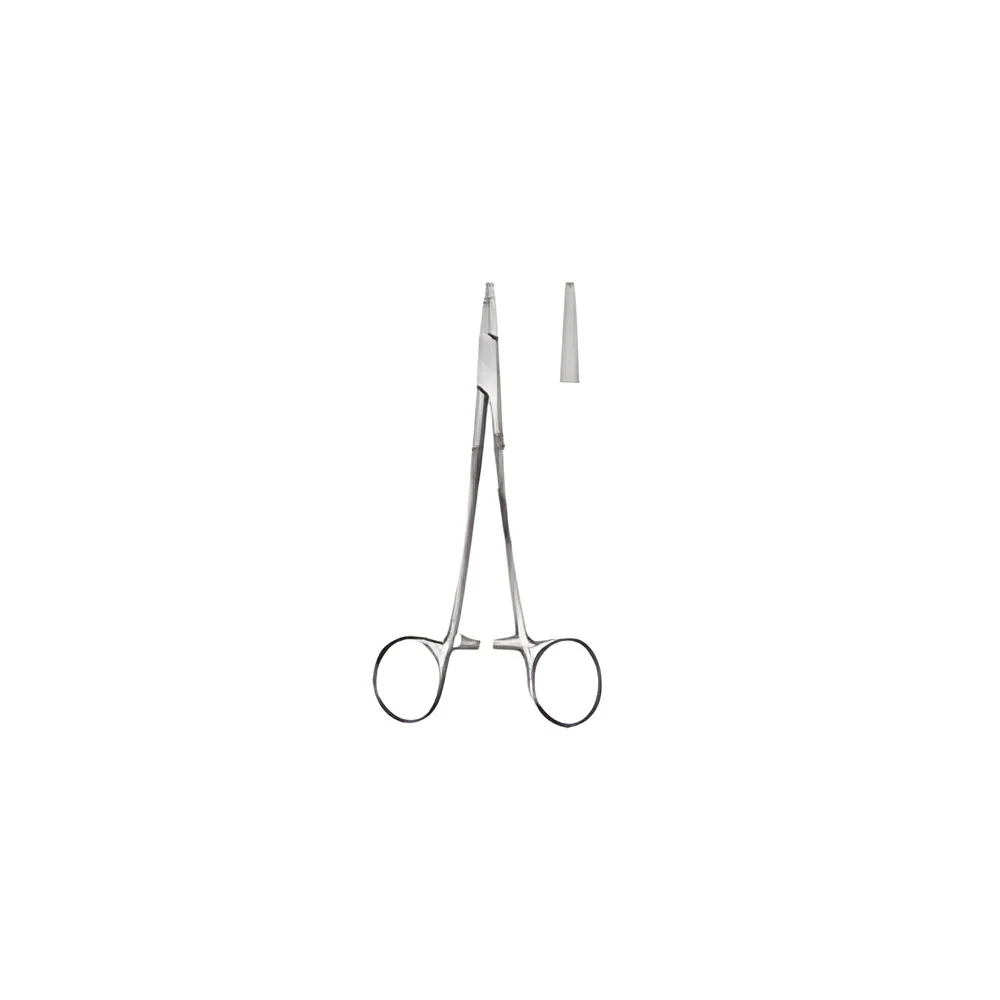
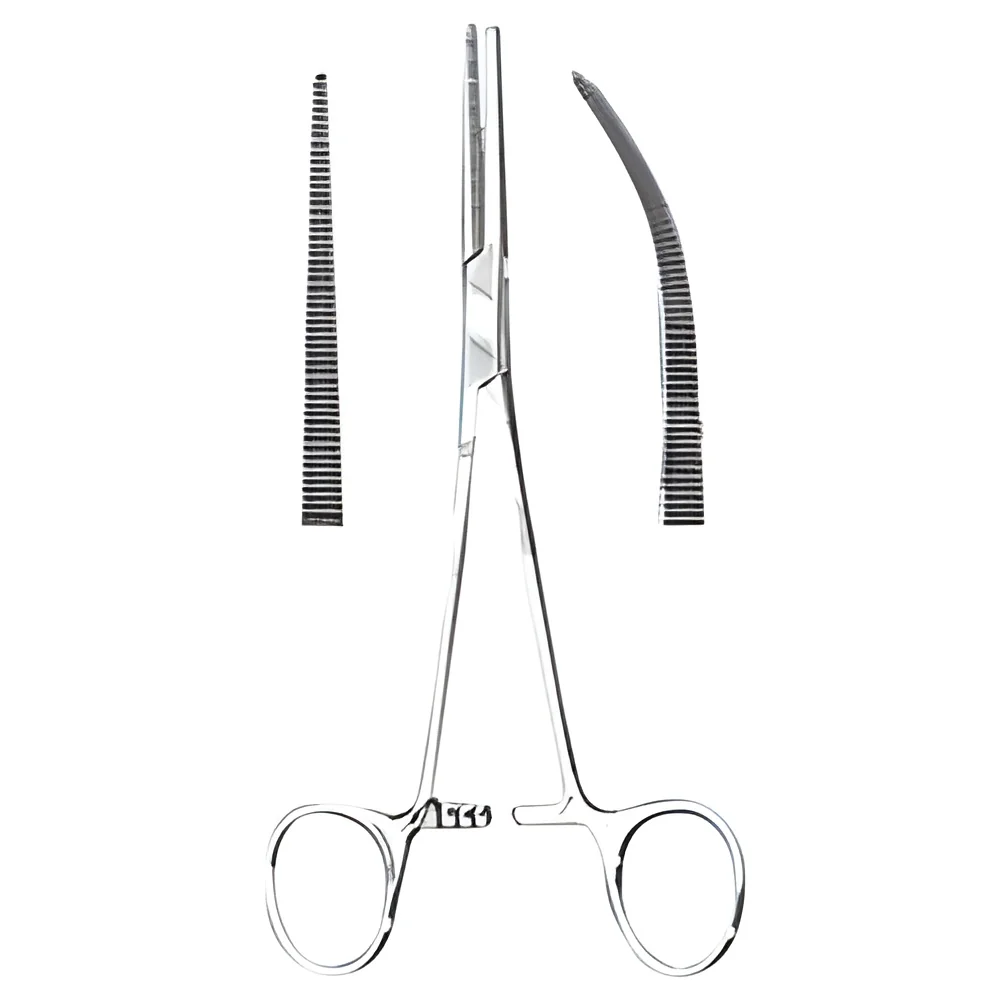
Forceps are specialized tools used in various medical and surgical applications for grasping, holding, or manipulating tissues and other objects. These instruments come in different designs tailored to specific functions, including tissue forceps for handling soft tissues, dressing forceps for managing dressings and bandages, and artery forceps for clamping blood vessels during surgical procedures. Forceps play a crucial role in ensuring precision and control during delicate operations.
The primary uses of forceps extend across numerous medical and surgical fields, including general surgery, orthopedic surgery, and emergency medicine. They are essential in procedures that require meticulous handling of tissues, such as suturing, wound dressing, and securing blood vessels. In the B2B context, healthcare facilities, surgical centers, and medical supply companies rely on high-quality forceps to meet the demands of their operations, making them integral to maintaining patient care standards.
The market for forceps is significant, driven by the growing healthcare sector and advancements in surgical techniques. As hospitals and clinics seek out reliable and efficient tools, the demand for specialized forceps continues to rise. Understanding the various types and specifications of forceps is vital for businesses aiming to supply or utilize these tools effectively.
𝗞𝗲𝘆 𝗙𝗲𝗮𝘁𝘂𝗿𝗲𝘀 𝗮𝗻𝗱 𝗦𝗽𝗲𝗰𝗶𝗳𝗶𝗰𝗮𝘁𝗶𝗼𝗻𝘀
Forceps (Tissue, Dressing, Artery) come with a range of features that suit their specific applications. When selecting forceps, it is important to consider their design, material, and functionality.
Key specifications include:
1. Material Composition
- Stainless steel or plastic options
- Corrosion resistance and durability
2. Design Type
- Different shapes such as curved, straight, and locking
- Ergonomic designs for ease of use
3. Size Variations
- Available in multiple sizes for different applications
- Length ranges typically from 4 to 10 inches
4. Weight
- Lightweight for easy handling
- Varies by design and material choice
5. Sterilization Compatibility
- Suitable for autoclave or chemical sterilization
- Ensures compliance with hygiene standards
6. Tip Configuration
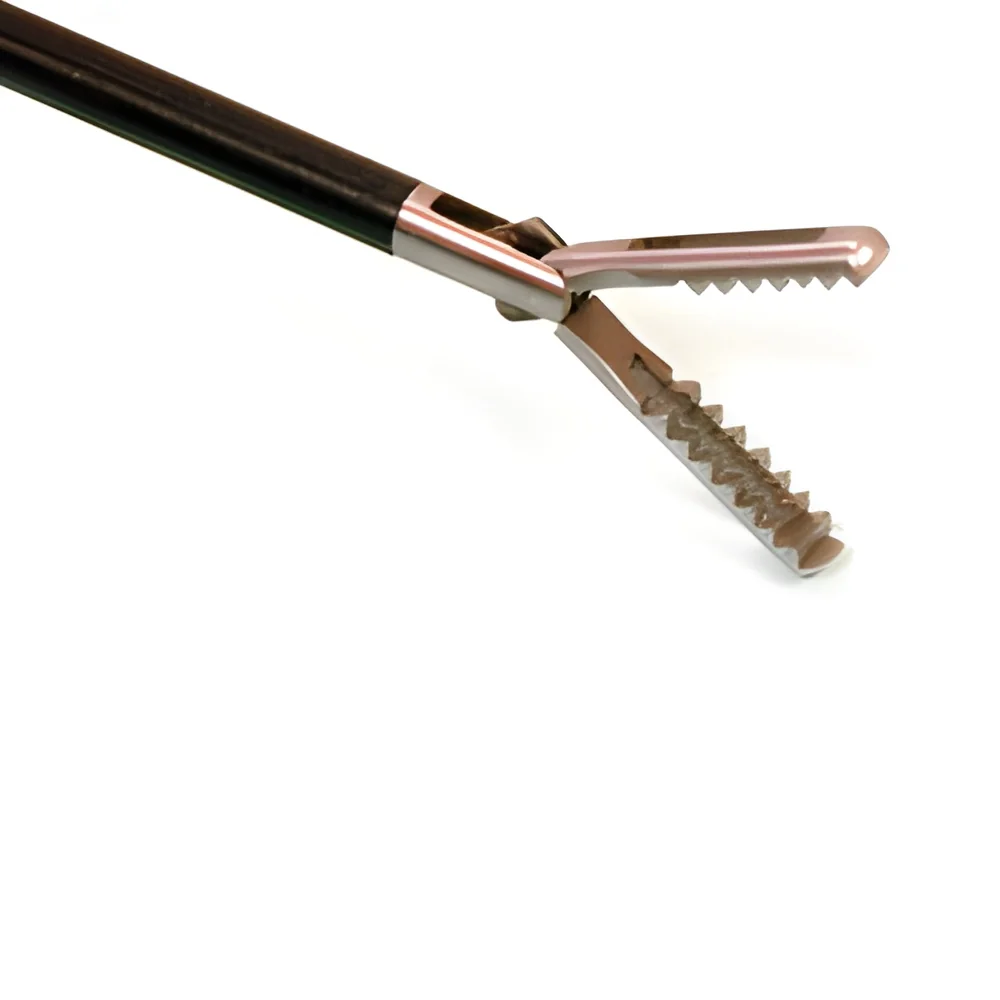
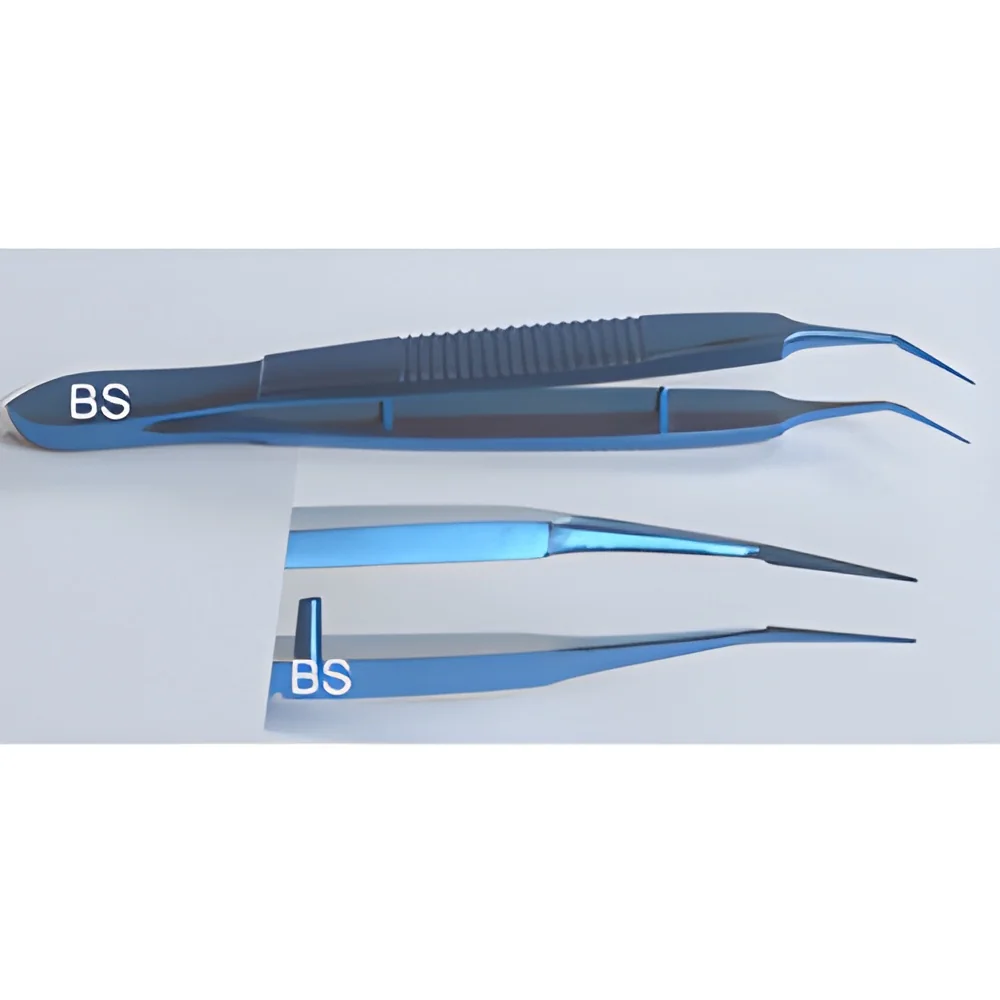
- Smooth or serrated tips for different gripping needs
- Fine tips for delicate tissue handling
7. Locking Mechanism
- Some models feature a locking mechanism for secure grip
- Enhances efficiency during prolonged procedures
8. Certification
- CE certified to meet safety and quality standards
- Assurance of reliability in clinical settings
Forceps are integral tools in medical applications, and understanding their specifications ensures informed purchasing decisions.
𝗖𝗼𝗺𝗺𝗼𝗻 𝗔𝗽𝗽𝗹𝗶𝗰𝗮𝘁𝗶𝗼𝗻𝘀 𝗮𝗻𝗱 𝗨𝘀𝗲 𝗖𝗮𝘀𝗲𝘀
Forceps are versatile instruments used in various industries and settings.
1. Healthcare: In hospitals and clinics, forceps are used during surgeries, wound care, and tissue manipulation, ensuring precision and control in medical procedures.
2. Dental: Dentists utilize specialized forceps for extracting teeth and handling soft tissues, providing necessary support during oral surgeries.
3. Veterinary: In veterinary practices, forceps are essential for surgical procedures on animals, enabling safe and effective manipulation of tissues.
4. Laboratory: In research and laboratory settings, forceps assist in handling samples and delicate materials, helping maintain cleanliness and precision.
5. Beauty: In the beauty industry, forceps are used for applying or removing eyelash extensions and in other cosmetic procedures, ensuring accuracy in application.
6. Industrial: In manufacturing, forceps may be used for handling small parts and components, particularly in assembly line settings.
7. Food Processing: Forceps can be employed in food handling processes, ensuring hygiene and safety while managing food products.
𝗣𝗿𝗼𝗱𝘂𝗰𝘁 𝗩𝗮𝗿𝗶𝗮𝗻𝘁𝘀 𝗮𝗻𝗱 𝗦𝘂𝗯𝗰𝗮𝘁𝗲𝗴𝗼𝗿𝗶𝗲𝘀
The diversity of forceps allows for tailored applications in various fields.
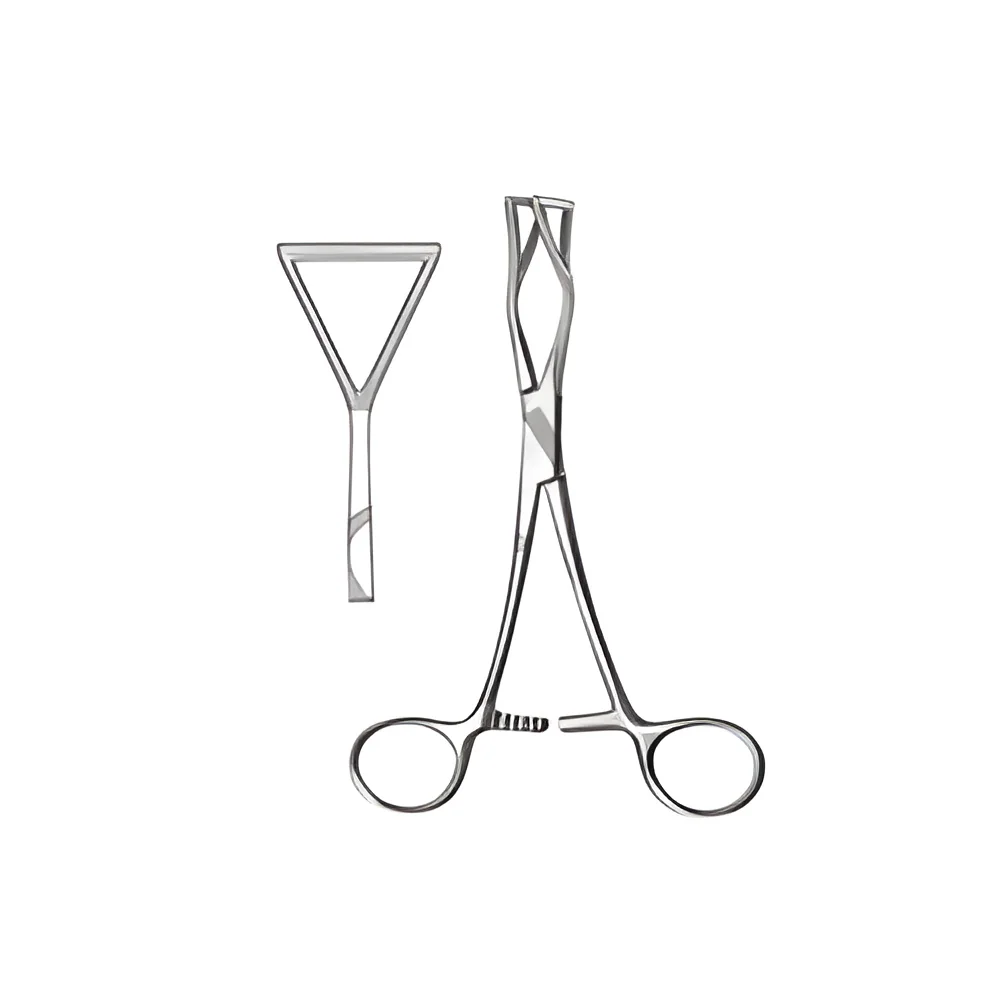
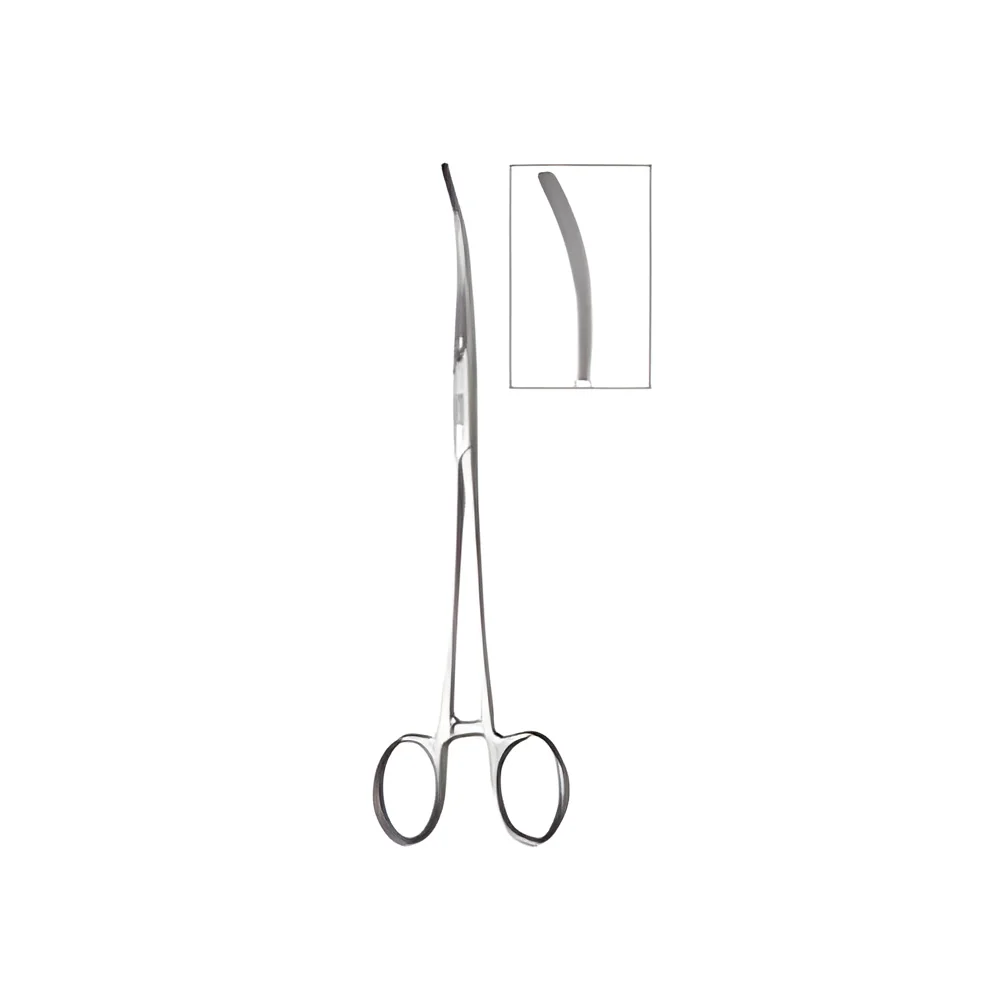
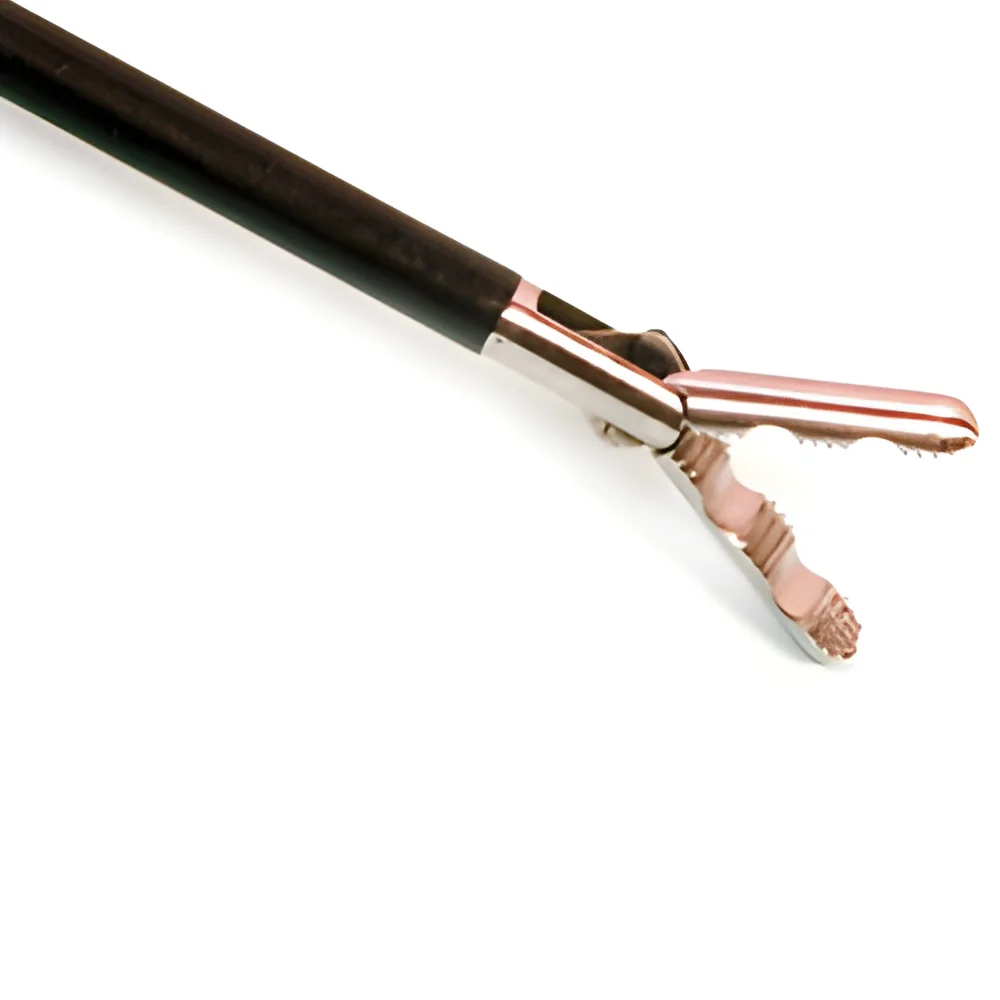
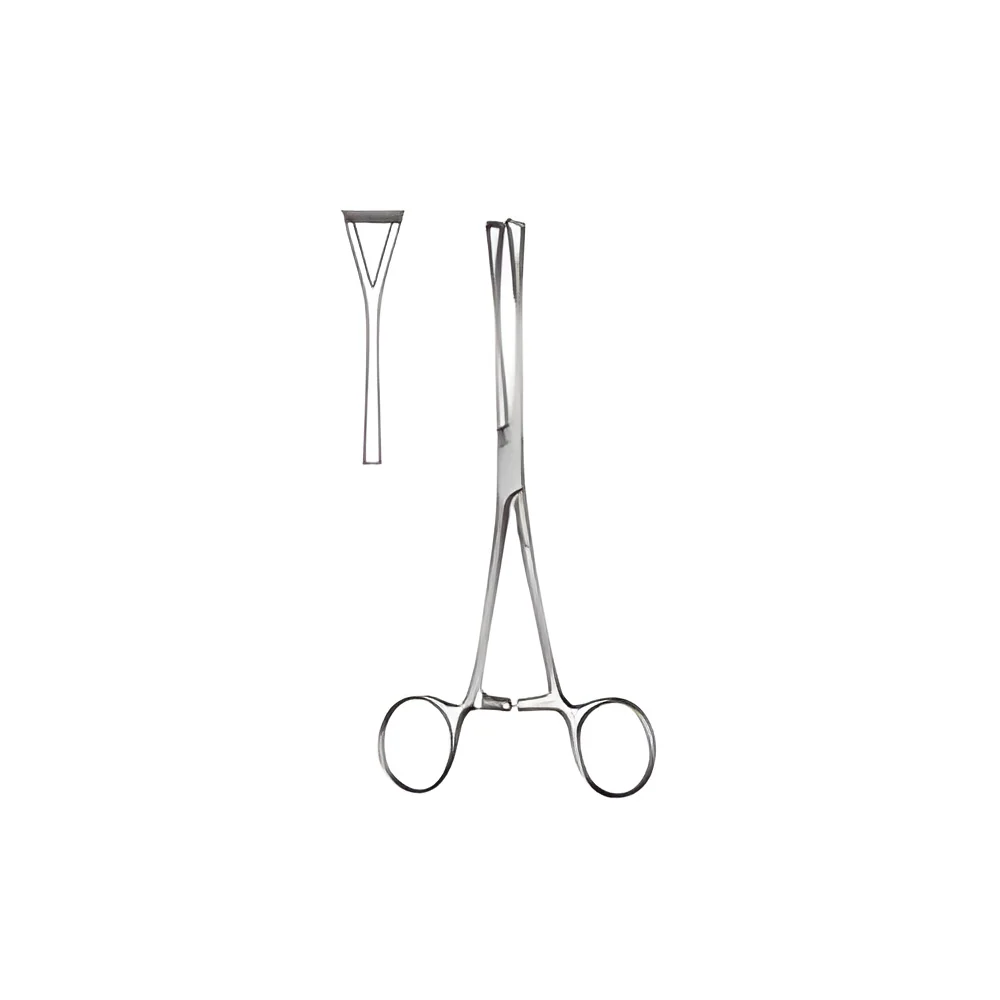
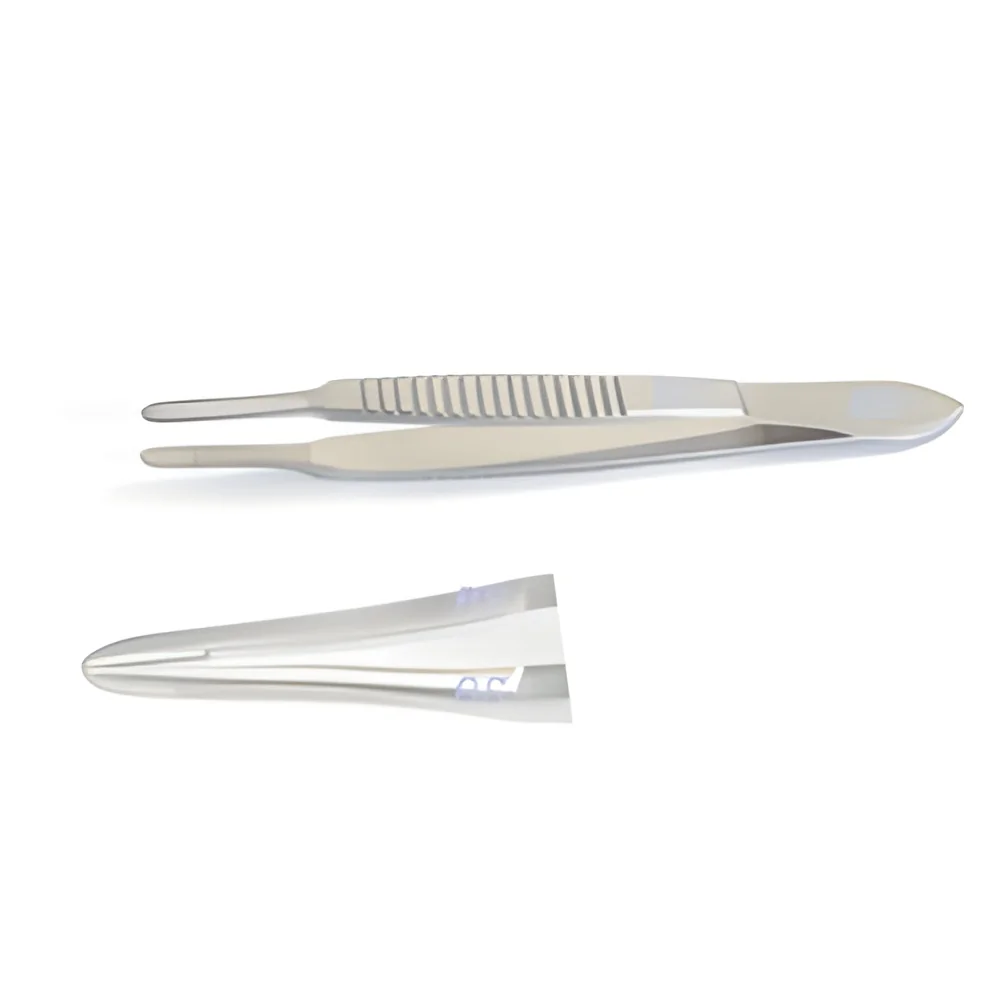
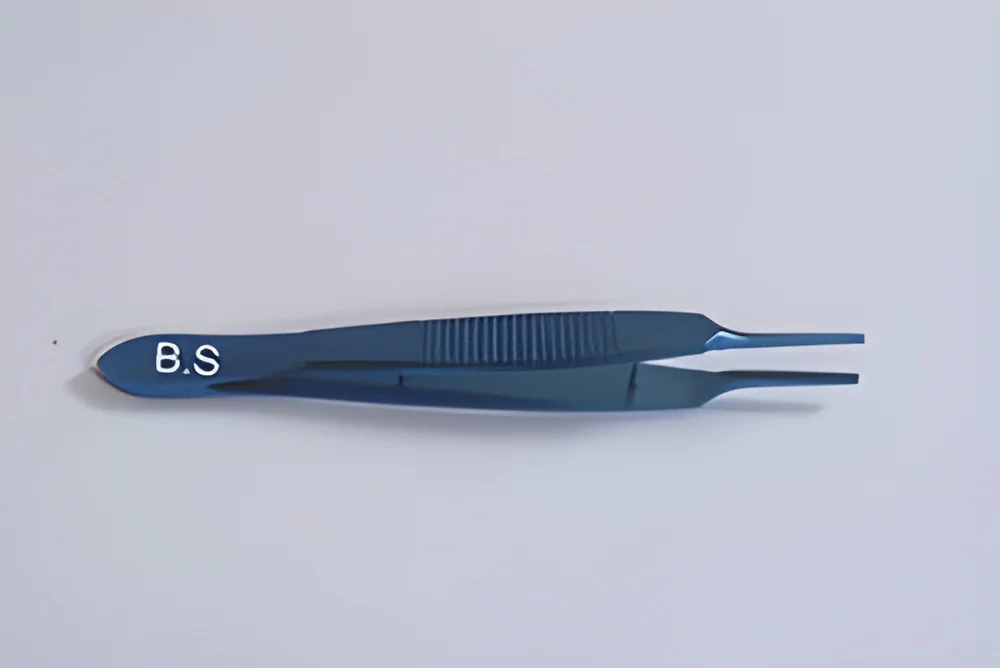
Tissue Forceps: These forceps are designed specifically for grasping and manipulating soft tissues. They may feature serrated or smooth tips to accommodate different tissue types, making them invaluable in surgical settings.
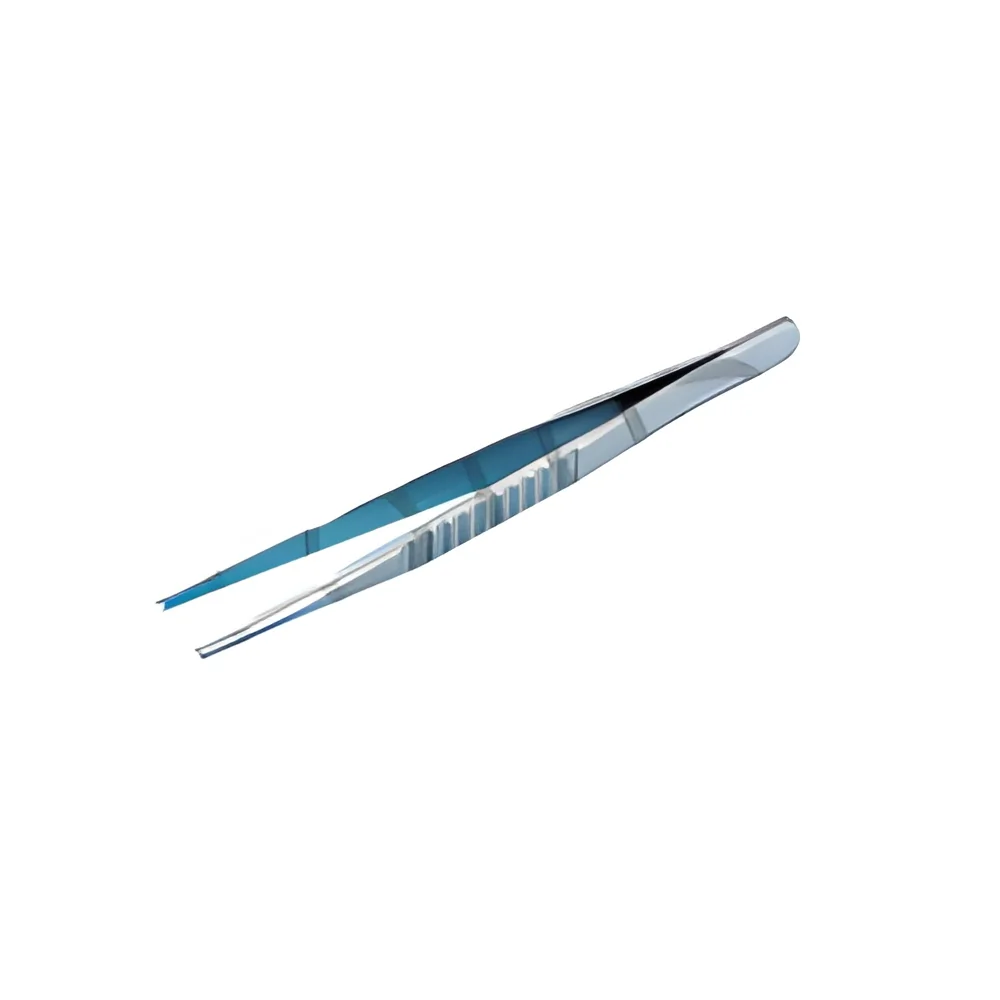
Dressing Forceps: Used primarily for handling dressings and gauze, dressing forceps have a flat, wide tip that allows for easy placement and removal of materials without damaging the underlying tissue.
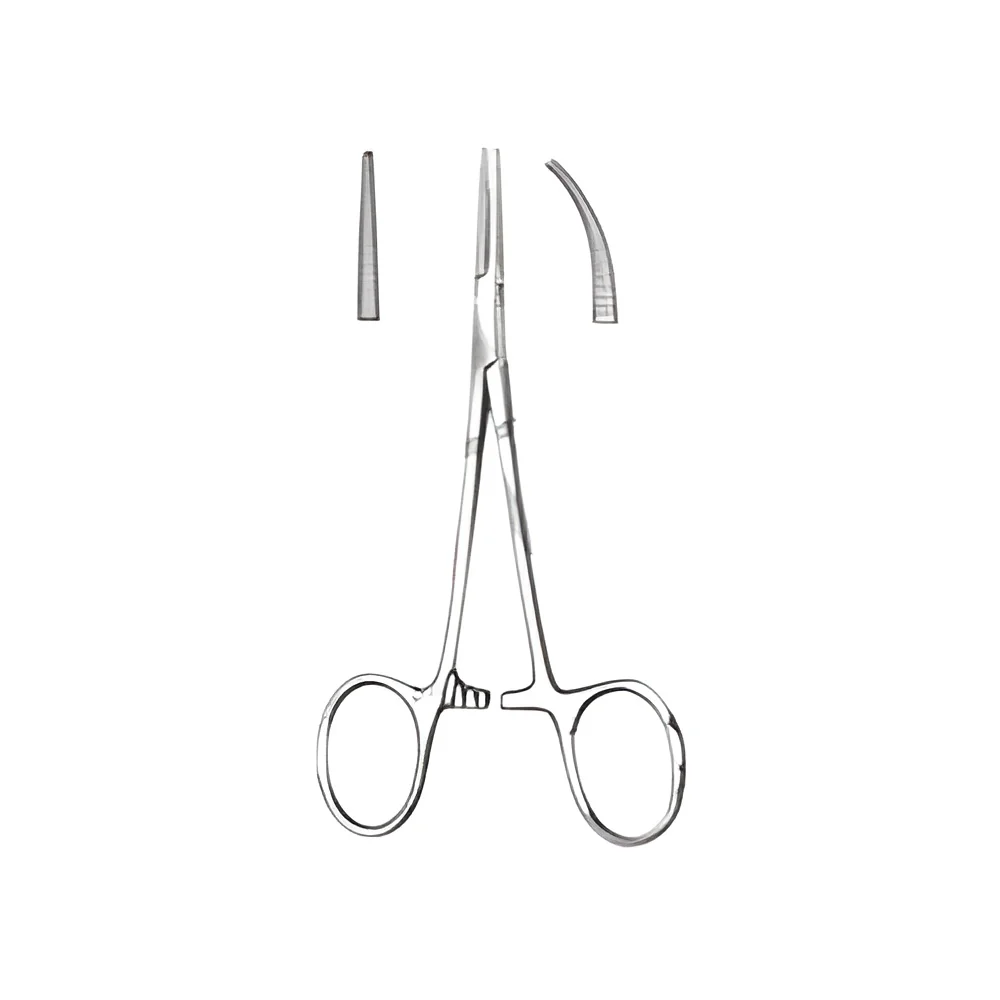
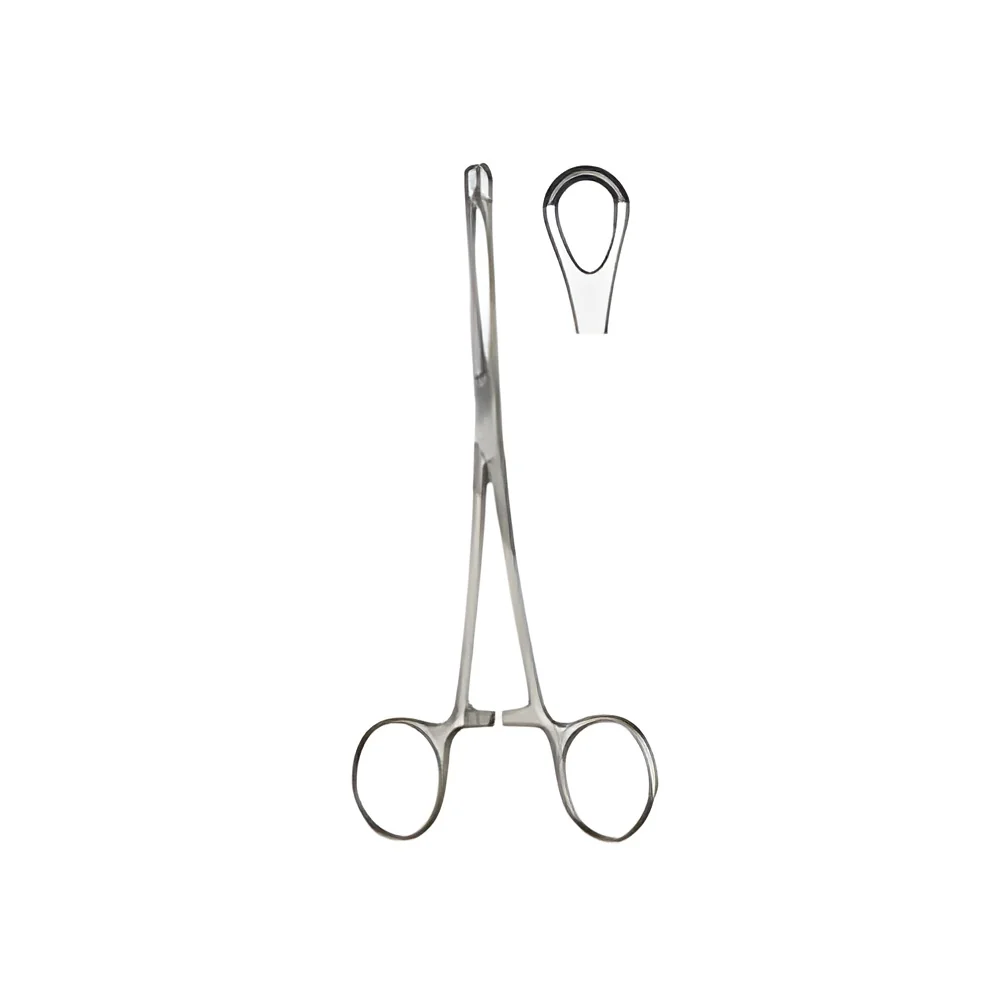
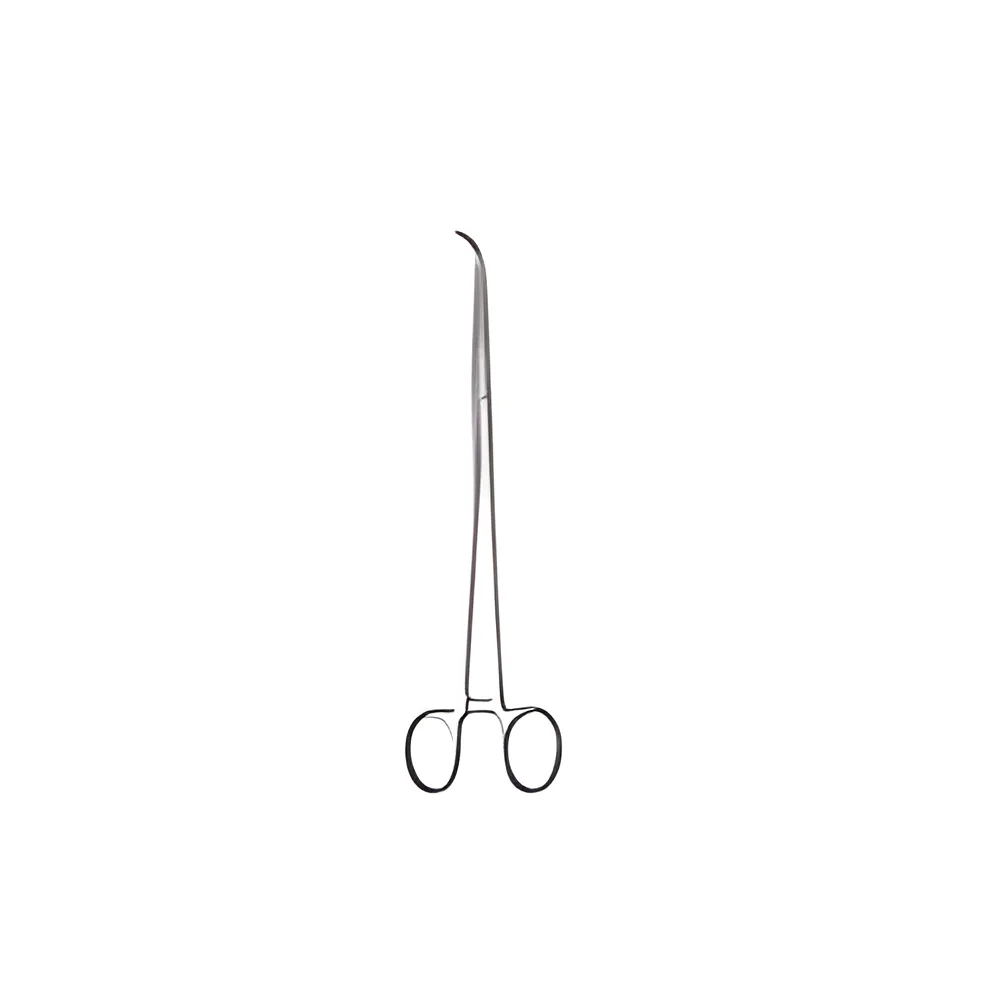
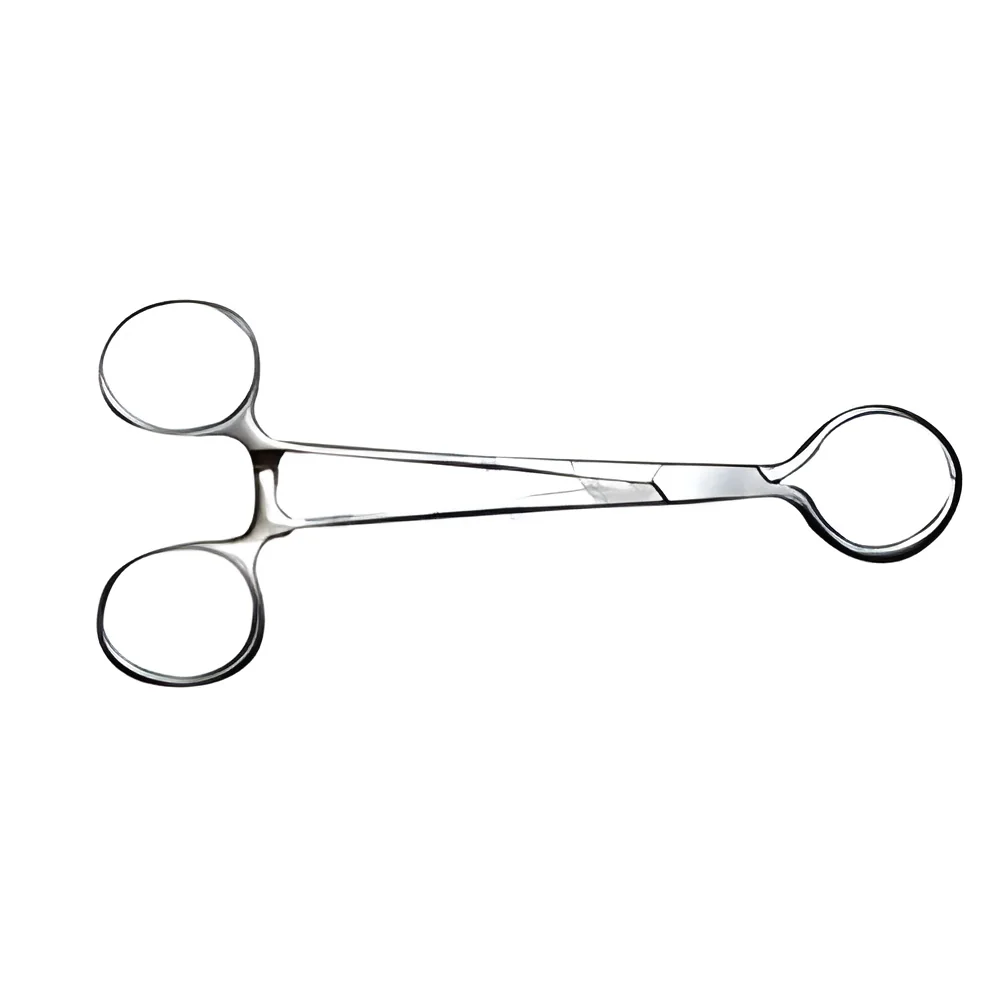
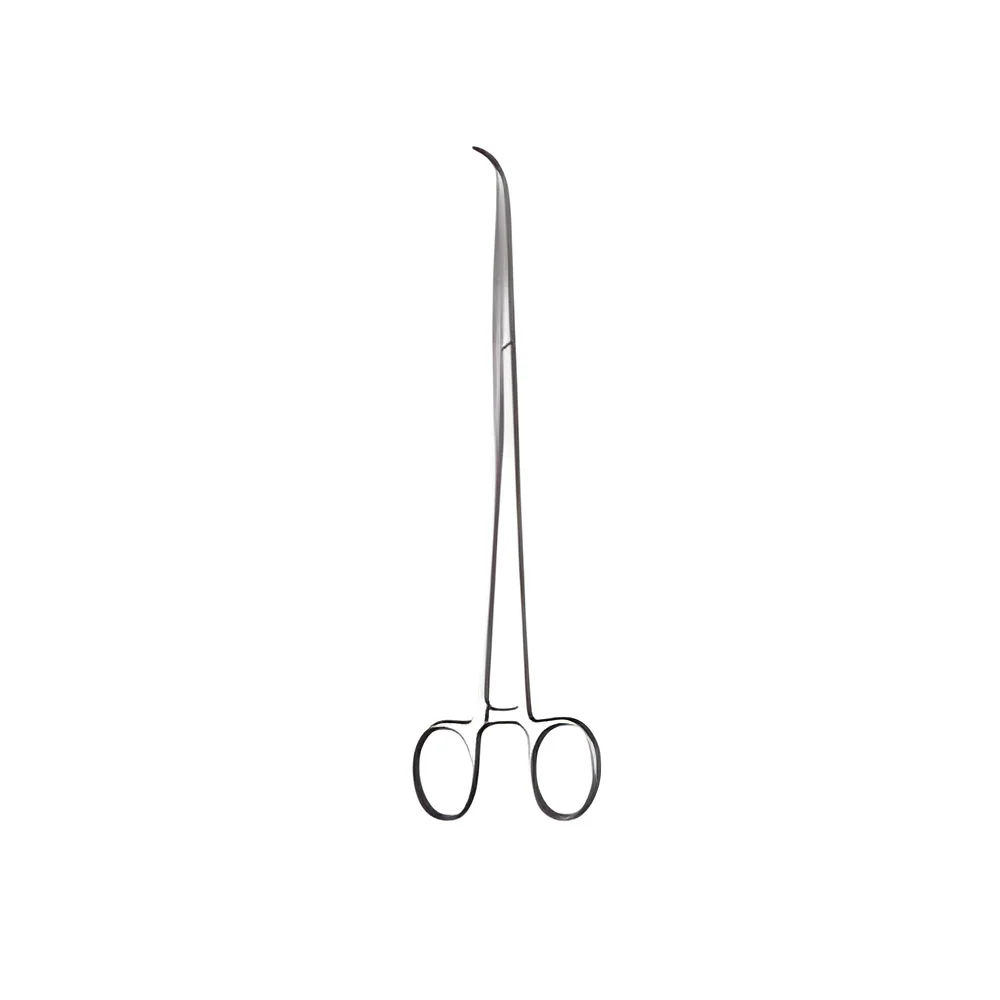
Artery Forceps: Designed for clamping blood vessels during surgical procedures, artery forceps typically feature a locking mechanism to maintain grip. They are essential for controlling bleeding and ensuring patient safety.
𝗕𝗲𝗻𝗲𝗳𝗶𝘁𝘀 𝗮𝗻𝗱 𝗔𝗱𝘃𝗮𝗻𝘁𝗮𝗴𝗲𝘀
Choosing high-quality forceps comes with numerous advantages that enhance operational efficiency.
1. Precision Handling: Forceps allow for precise manipulation of tissues, which is critical in surgical procedures.
2. Improved Safety: By securely grasping materials, forceps help minimize the risk of accidental injury during operations.
3. Ergonomic Design: Many forceps are designed with comfort in mind, reducing hand fatigue during extended use.
4. Versatility: With various types available, forceps can be used across multiple medical and industrial applications.
5. Durable Construction: Made from high-quality materials, forceps are built to withstand repeated sterilization and rigorous use.
6. Enhanced Control: Forceps provide greater control over delicate procedures, leading to better patient outcomes.
𝗕𝘂𝘆𝗶𝗻𝗴 𝗚𝘂𝗶𝗱𝗲 𝗳𝗼𝗿 𝗕𝟮𝗕 𝗕𝘂𝘆𝗲𝗿𝘀
When sourcing Forceps (Tissue, Dressing, Artery), it is crucial to consider several factors to ensure quality and reliability.
1. Quality Assessment: Evaluate forceps based on their material, design, and durability. Look for options that are CE certified, ensuring compliance with safety standards.
2. Supplier Verification: Vet suppliers thoroughly by reviewing their reputation, customer feedback, and compliance with industry regulations to ensure reliable sourcing.
3. Pricing and MOQ: Understand the pricing structure and minimum order quantities. This helps in budgeting and ensures that you meet procurement needs without overspending.
4. Delivery and Lead Times: Consider logistics and the supplier's ability to meet delivery timelines. Timely access to forceps is critical for healthcare and industrial operations.
5. Compliance Requirements: Ensure that the forceps meet all relevant compliance standards and regulations applicable in your region, particularly in healthcare settings.
𝗖𝗼𝗺𝗽𝗹𝗶𝗮𝗻𝗰𝗲 𝗮𝗻𝗱 𝗖𝗲𝗿𝘁𝗶𝗳𝗶𝗰𝗮𝘁𝗶𝗼𝗻𝘀
Forceps (Tissue, Dressing, Artery) must adhere to several quality standards and certifications to ensure safety and efficacy.
ISO 9001 is an important quality management standard that ensures consistent quality in manufacturing processes, which is critical for medical instruments.
HACCP (Hazard Analysis Critical Control Point) standards may also apply, particularly in contexts where forceps are used in food processing or handling.
CE certification is a key requirement for medical devices in Europe, indicating that the product meets safety and performance standards established by the European Union.
Safety and testing requirements are vital to guarantee that forceps perform reliably without compromising user or patient safety. Regular testing and compliance with regional regulations further enhance the credibility of the products.
Why Source Forceps (Tissue, Dressing, Artery) from Pepagora?
Pepagora offers a trusted platform for sourcing Forceps (Tissue, Dressing, Artery) with several key advantages that benefit B2B buyers.
Verified Supplier Network: Our platform connects buyers with verified suppliers, ensuring that all products meet high-quality standards. This network fosters trust and reliability for sourcing essential medical instruments.
Streamlined RFQ Process: Pepagora simplifies the quotation process, allowing buyers to submit requests for quotes efficiently. This saves time and enhances communication between buyers and suppliers.
Trade Assurance and Support: Buyers benefit from trade assurance, which provides protection throughout the purchasing process. Our dedicated support team is available to assist with any inquiries or issues that may arise.
Regional Coverage: With a strong presence in India, the GCC, and Southeast Asia, Pepagora facilitates access to a broad range of suppliers and products. This geographic reach ensures that buyers can find the specific forceps they need, regardless of location.