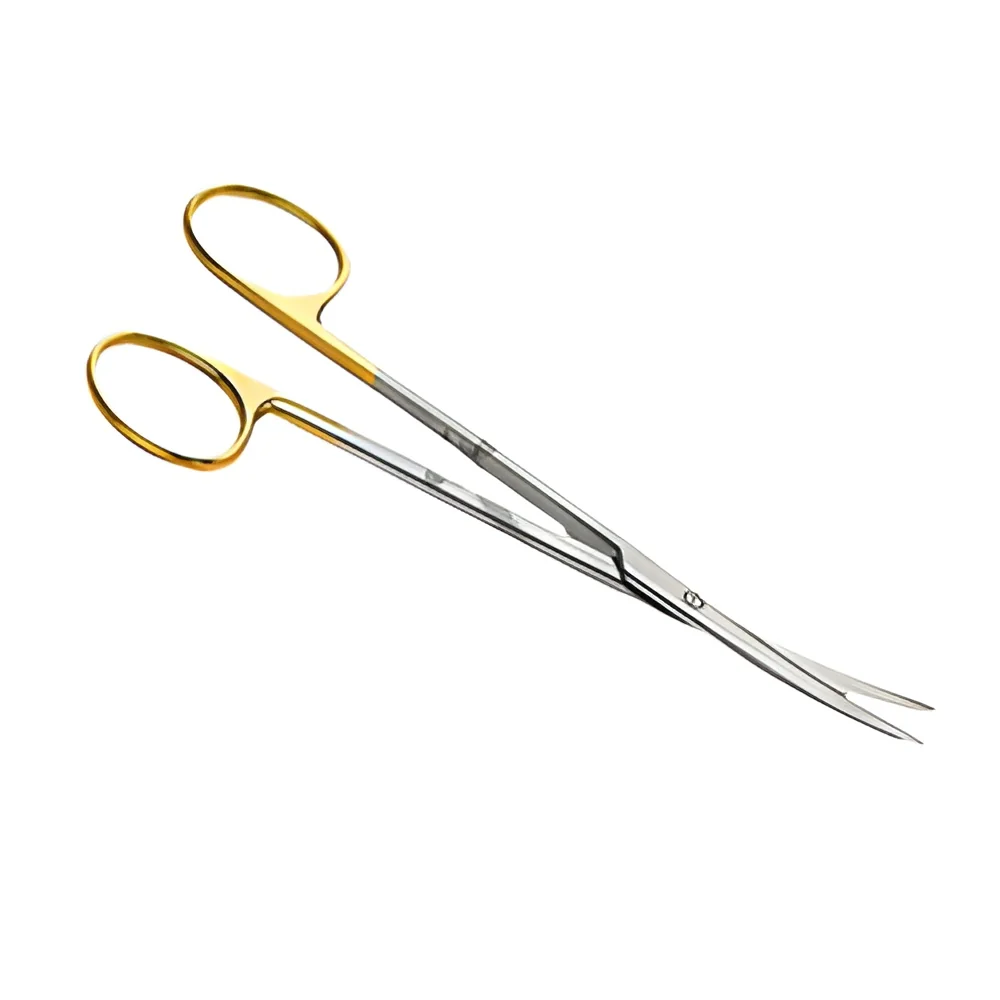
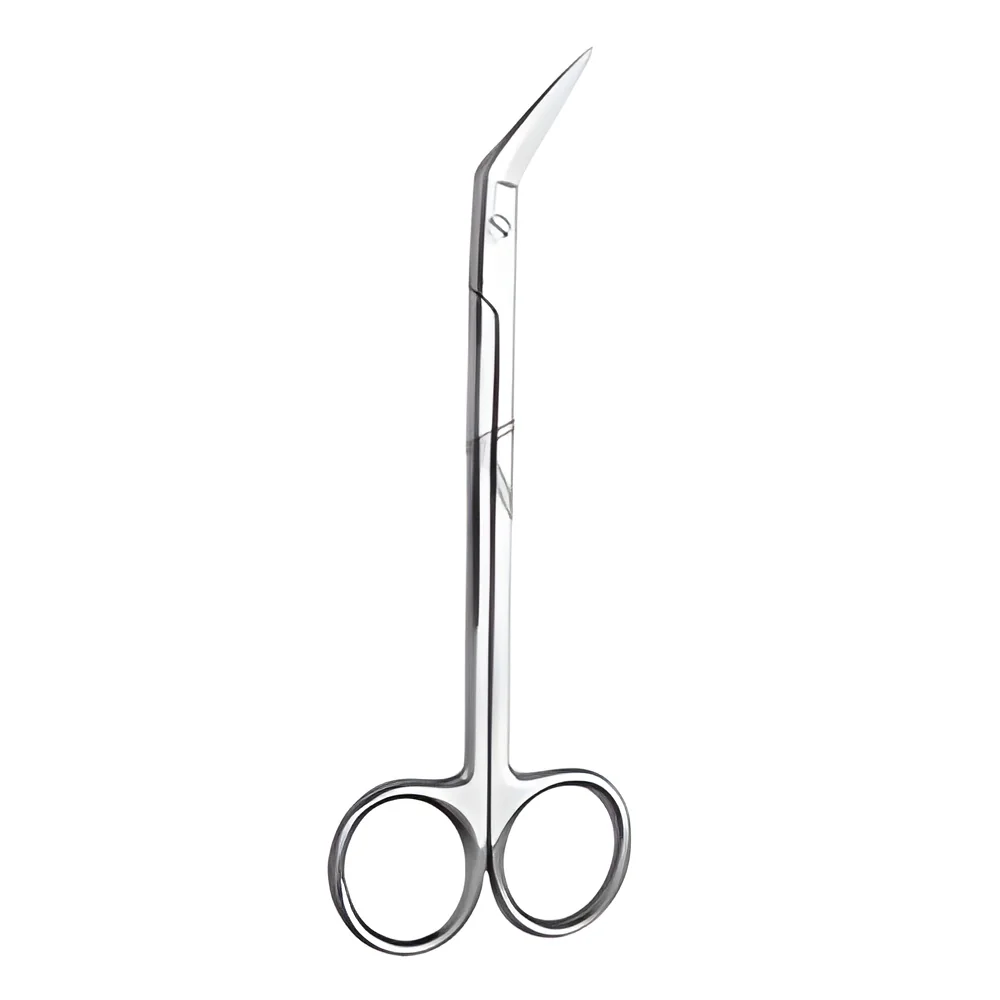
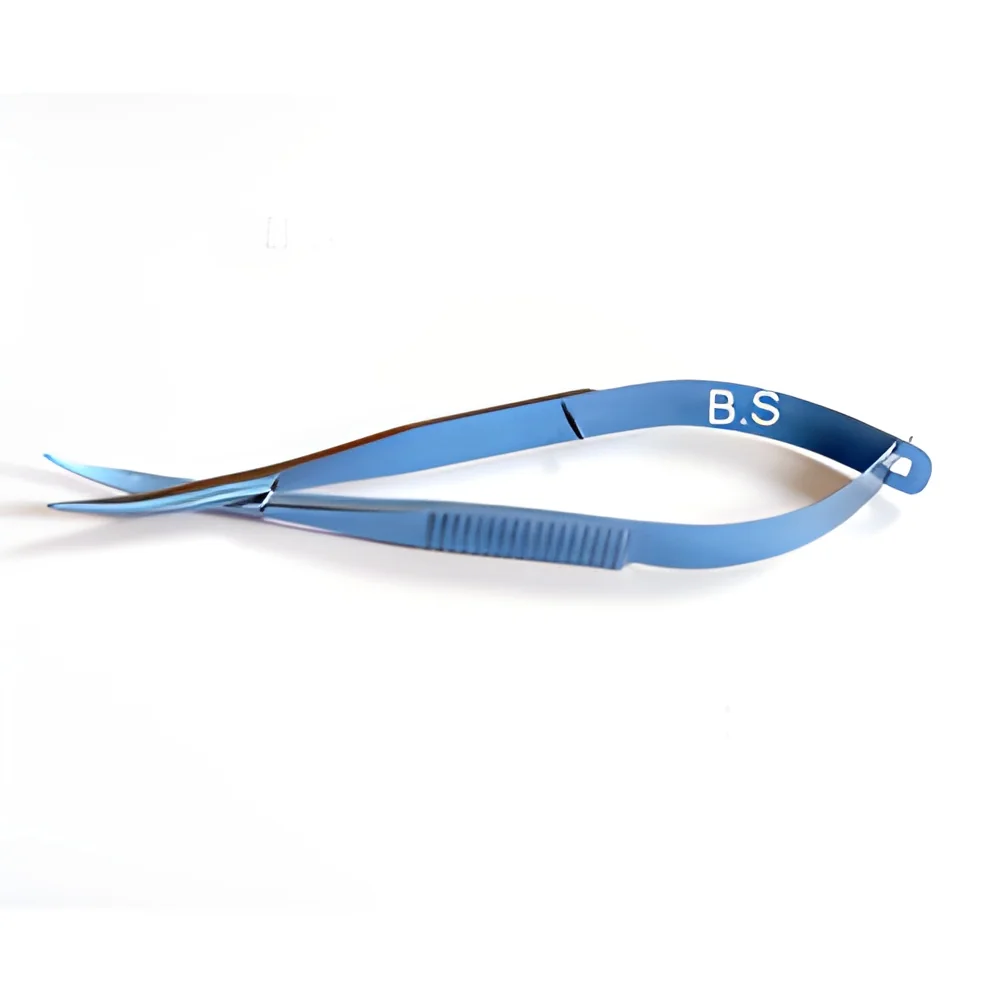
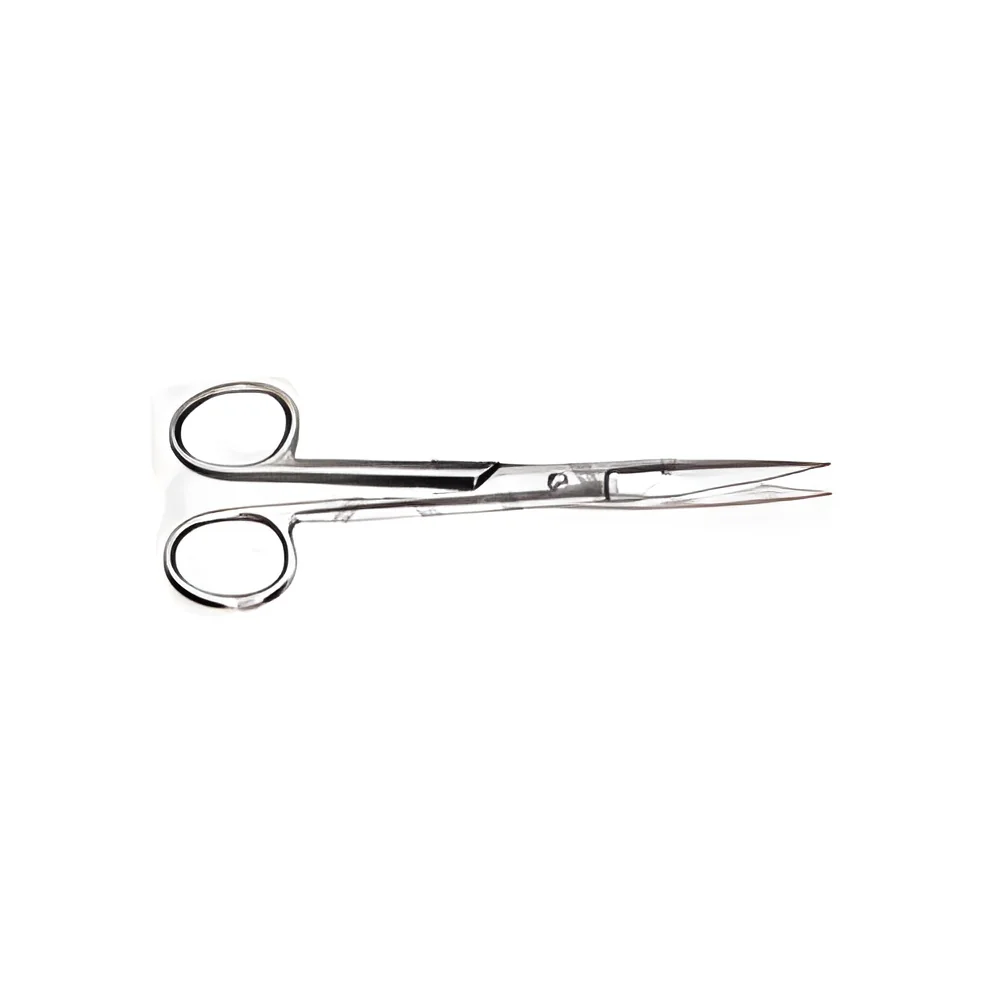
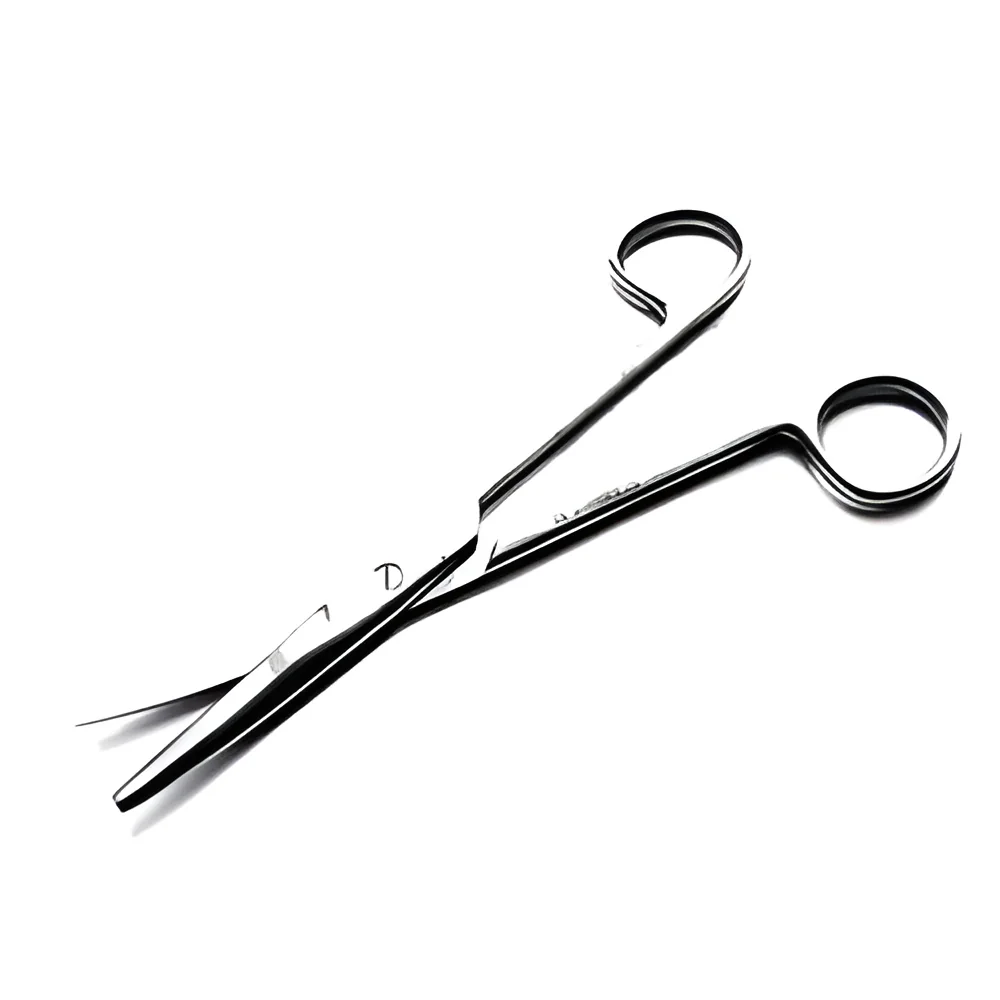
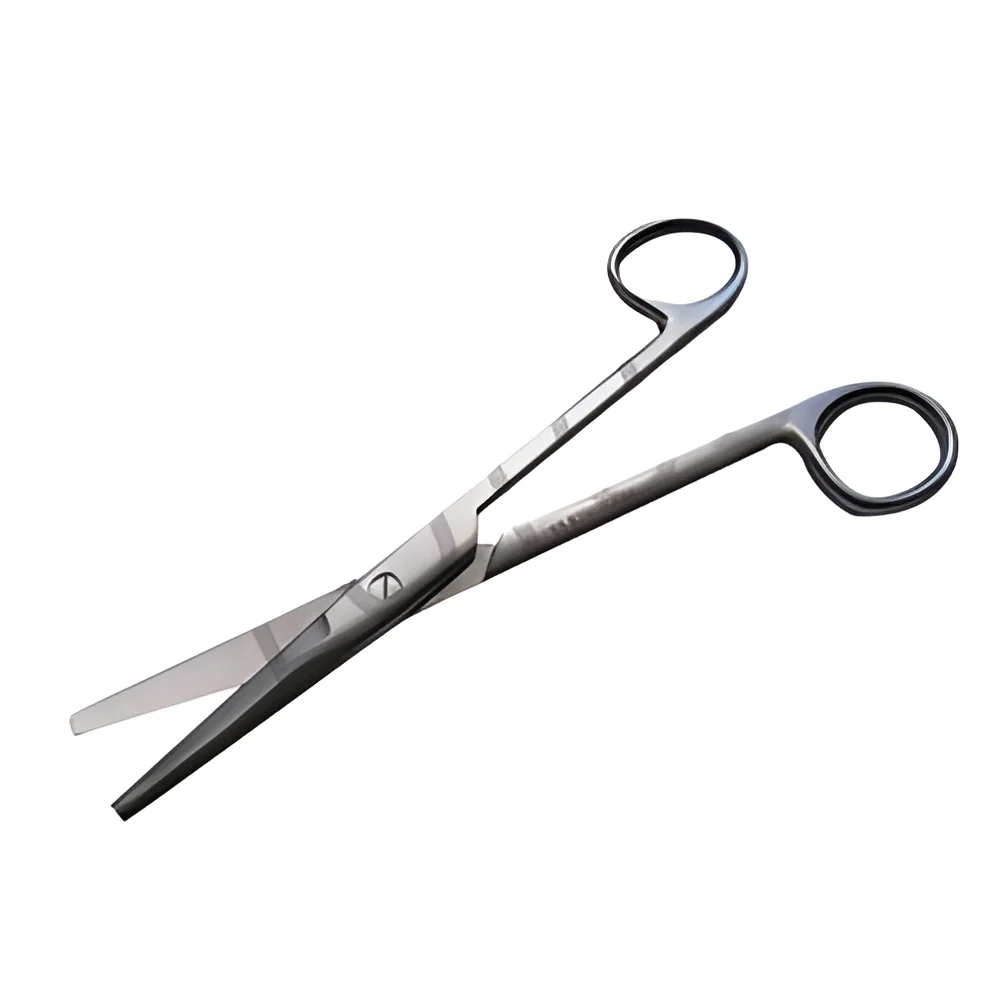
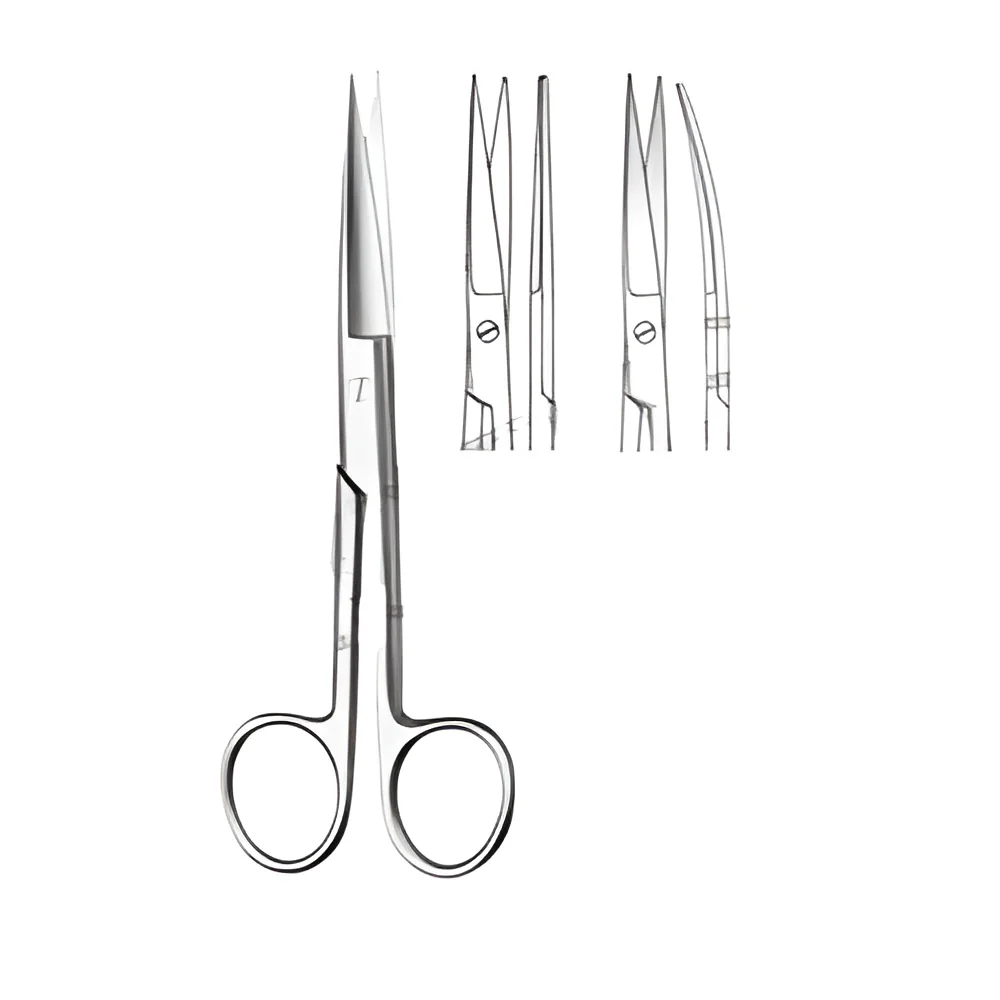
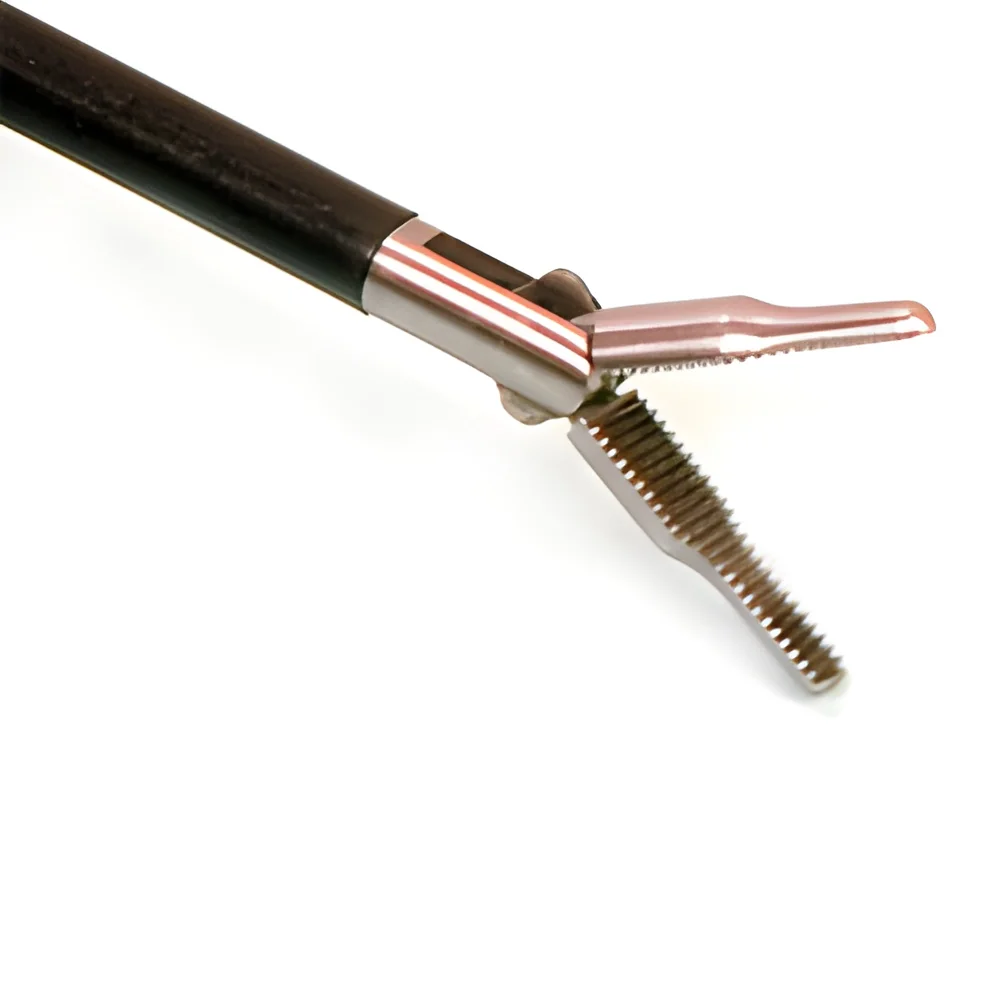
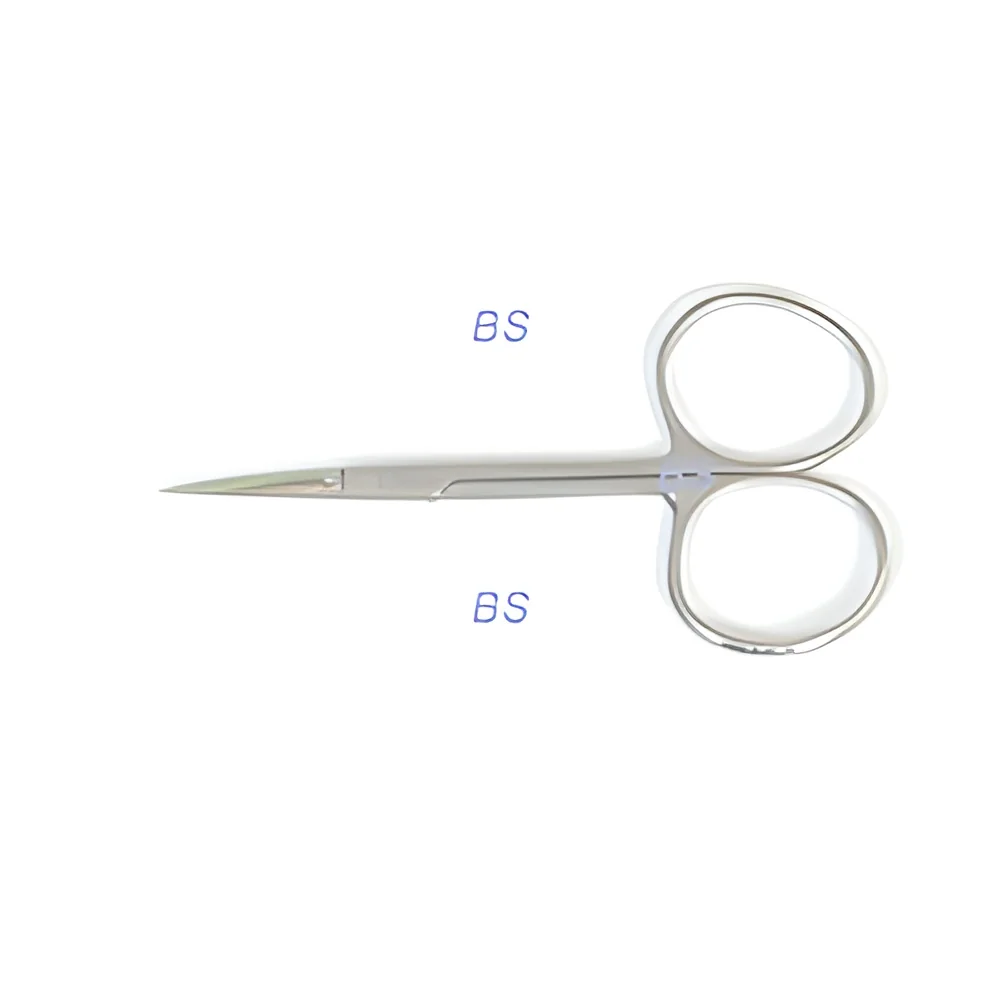
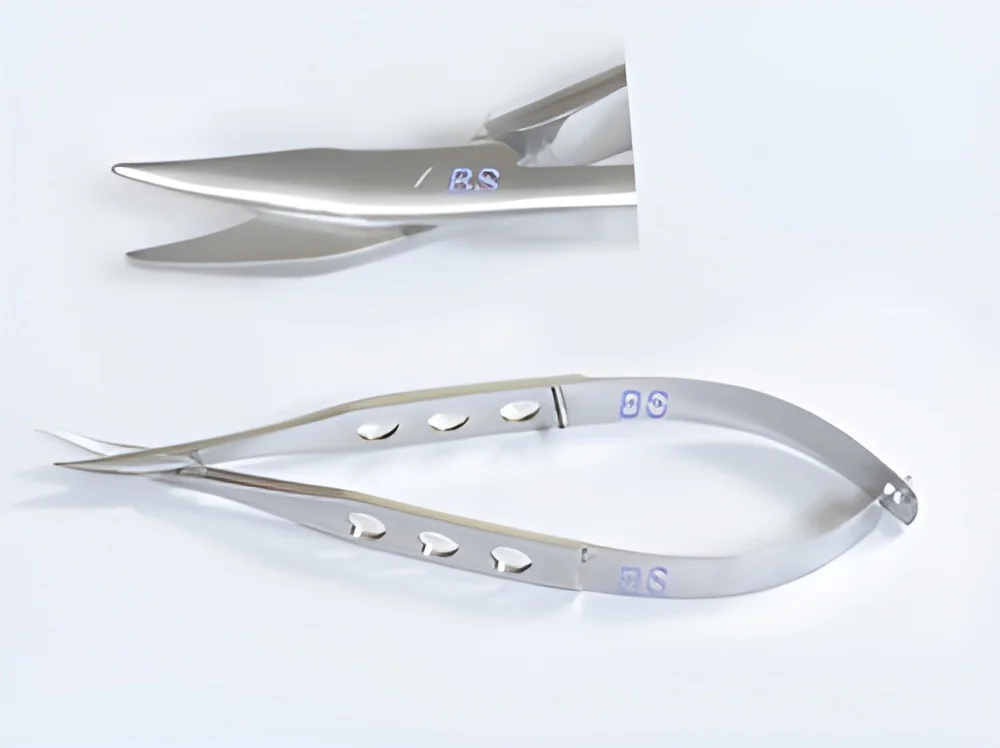
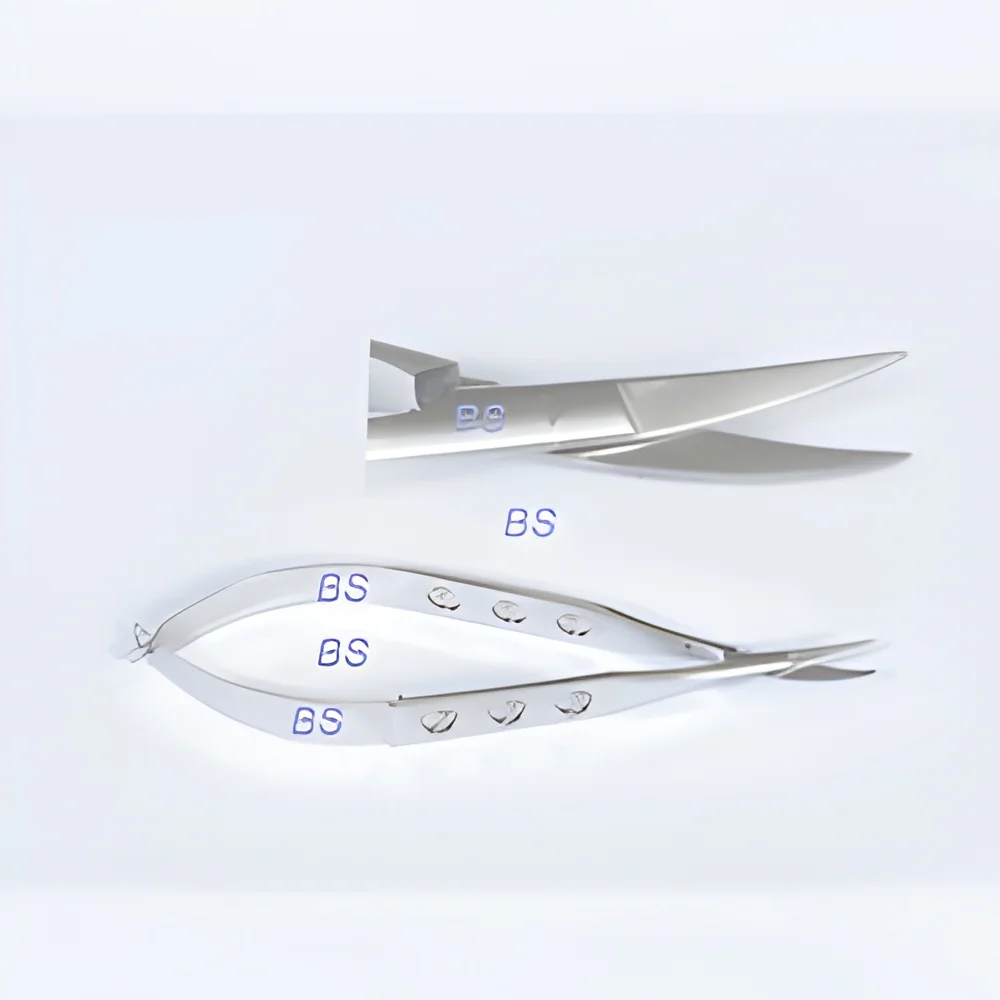
𝗪𝗵𝗮𝘁 𝗮𝗿𝗲 𝗠𝗲𝗱𝗶𝗰𝗮𝗹 𝗦𝗰𝗶𝘀𝘀𝗼𝗿𝘀?
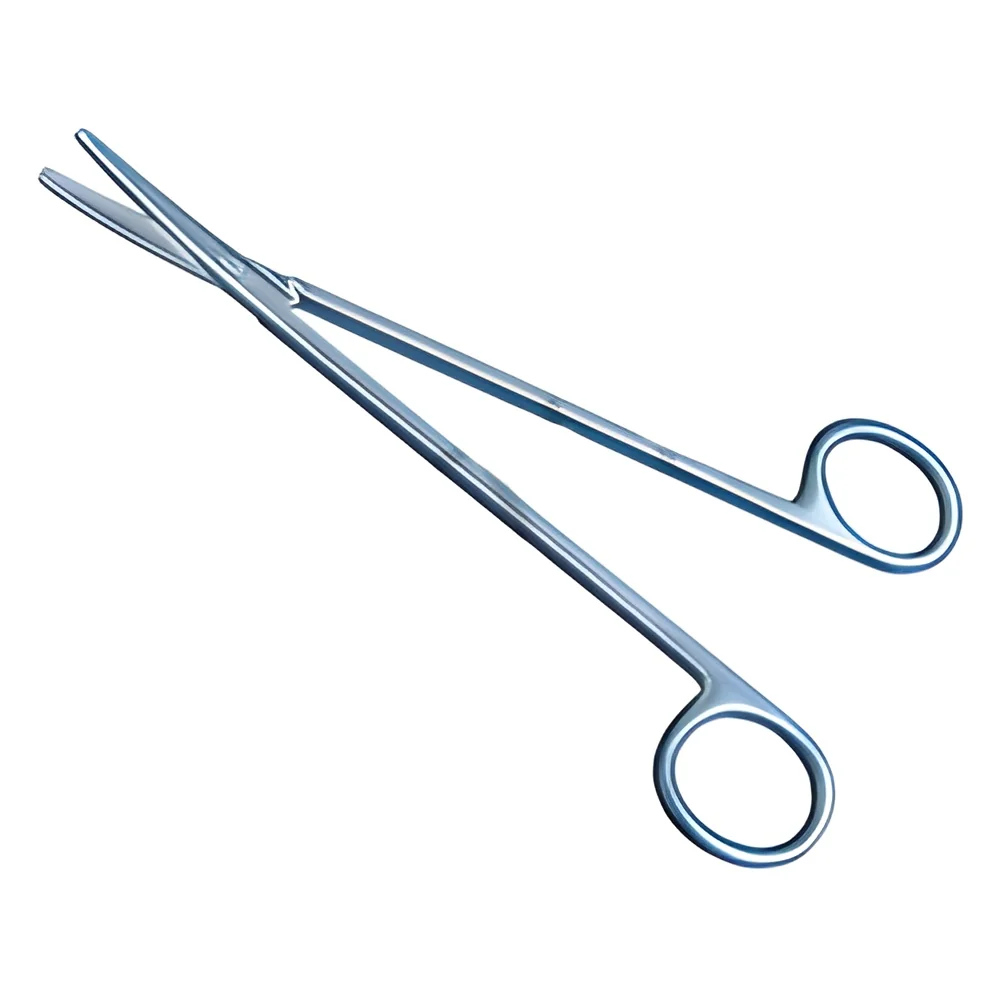
Medical scissors are specialized cutting instruments designed for use in various healthcare settings. These tools are engineered for precision and durability, making them essential for a wide range of surgical and clinical applications. Medical scissors are typically made from high-quality stainless steel, which provides resistance to corrosion and wear, ensuring their longevity in demanding environments.
The primary uses of medical scissors include cutting sutures, bandages, and various types of tissue during surgical procedures. They are commonly utilized by surgeons, nurses, and other medical professionals in hospitals, clinics, and outpatient facilities. The demand for medical scissors has grown with the expanding healthcare sector, emphasizing the need for reliable and efficient surgical tools that can enhance patient care and safety.
In an industry increasingly focused on quality and compliance, medical scissors play a vital role in surgical success. The market for these instruments is influenced by technological advancements, such as the development of ergonomic designs and improved materials. As healthcare providers strive for better outcomes, the importance of high-quality medical scissors cannot be overstated.
𝗞𝗲𝘆 𝗙𝗲𝗮𝘁𝘂𝗿𝗲𝘀 𝗮𝗻𝗱 𝗦𝗽𝗲𝗰𝗶𝗳𝗶𝗰𝗮𝘁𝗶𝗼𝗻𝘀
Medical scissors come with a variety of features and specifications that cater to different surgical needs. Understanding these specifications is essential for making informed purchasing decisions.
Key specifications include:
1. Blade Type
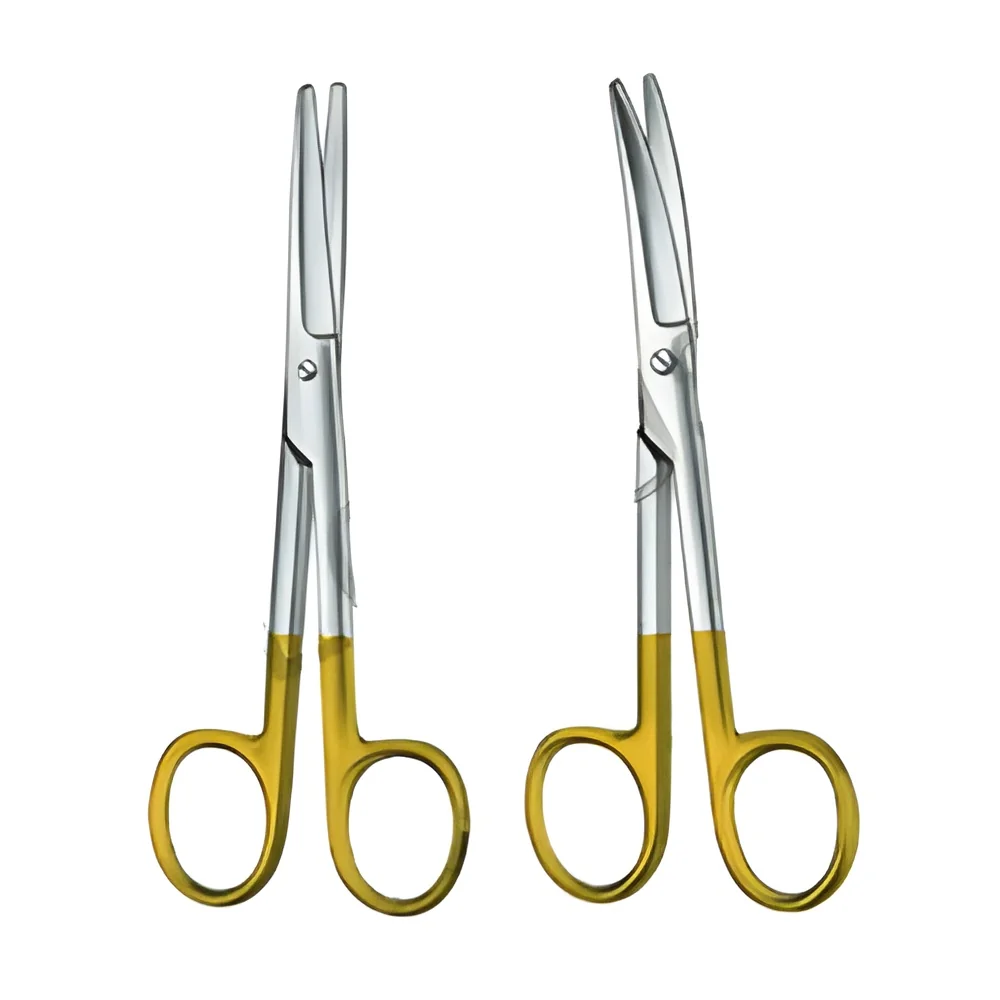
- Straight or curved blades are available for different cutting needs.
- Blade lengths typically range from 4 to 8 inches, depending on the application.
2. Handle Design
- Ergonomic handles are designed for comfort and ease of use.
- Available in both finger ring and thumb loop styles.
3. Material Composition
- Made from high-grade stainless steel for durability and corrosion resistance.
- Some variants may feature titanium coatings for enhanced performance.
4. Sterilization Compatibility
- Medical scissors are designed to withstand autoclave sterilization.
- Compatibility with various sterilization methods is crucial for maintaining hygiene.
5. Weight
- Lightweight designs reduce hand fatigue during prolonged use.
- Typical weights range from 50 to 100 grams.
6. Finish
- Scissors may have a polished or matte finish, affecting grip and visibility.
- Anti-glare finishes are available to enhance visibility during procedures.
7. Tip Design
- Blunt or sharp tips are available for different cutting tasks.
- Tip shapes can vary to accommodate specific surgical techniques.
8. Safety Features
- Some scissors are equipped with safety locks to prevent accidental injury.
- Designed to minimize the risk of cutting unintended materials.
In summary, the variety of features and specifications available for medical scissors allows healthcare providers to select the right tool for their specific needs, enhancing both efficiency and safety in clinical settings.
𝗖𝗼𝗺𝗺𝗼𝗻 𝗔𝗽𝗽𝗹𝗶𝗰𝗮𝘁𝗶𝗼𝗻𝘀 𝗮𝗻𝗱 𝗨𝘀𝗲 𝗖𝗮𝘀𝗲𝘀
Medical scissors are versatile tools used across various healthcare sectors.
1. Surgical Procedures: In operating rooms, surgical scissors are essential for cutting tissues and sutures. They are used by surgeons during different types of surgeries, including orthopedic and cardiovascular procedures.
2. Emergency Medicine: First responders utilize medical scissors to quickly access and cut through clothing or bandages in emergency situations. Their ability to provide swift access to injuries makes them indispensable.
3. Wound Care: Nurses and healthcare professionals use medical scissors in clinics and hospitals to trim dressings and manage wound care. Their precision allows for careful handling of delicate tissues.
4. Veterinary Medicine: Medical scissors are also used in veterinary practices for surgical procedures and routine animal care. The tools are adapted to accommodate the unique needs of animal anatomy.
5. Dental Procedures: In dental offices, specialized scissors are employed for cutting sutures and other materials. Their precision is critical in ensuring patient comfort and safety during dental surgeries.
6. Laboratory Settings: Medical scissors can be used in laboratories for cutting samples and materials during research and testing. Their versatility extends beyond clinical applications.
7. Home Healthcare: Caregivers often use medical scissors to assist with home wound care and bandage changes. Their design makes them suitable for use by non-professionals with proper training.
𝗣𝗿𝗼𝗱𝘂𝗰𝘁 𝗩𝗮𝗿𝗶𝗮𝗻𝘁𝘀 𝗮𝗻𝗱 𝗦𝘂𝗯𝗰𝗮𝘁𝗲𝗴𝗼𝗿𝗶𝗲𝘀
Medical scissors come in various types, each designed for specific applications.
Mayo Scissors
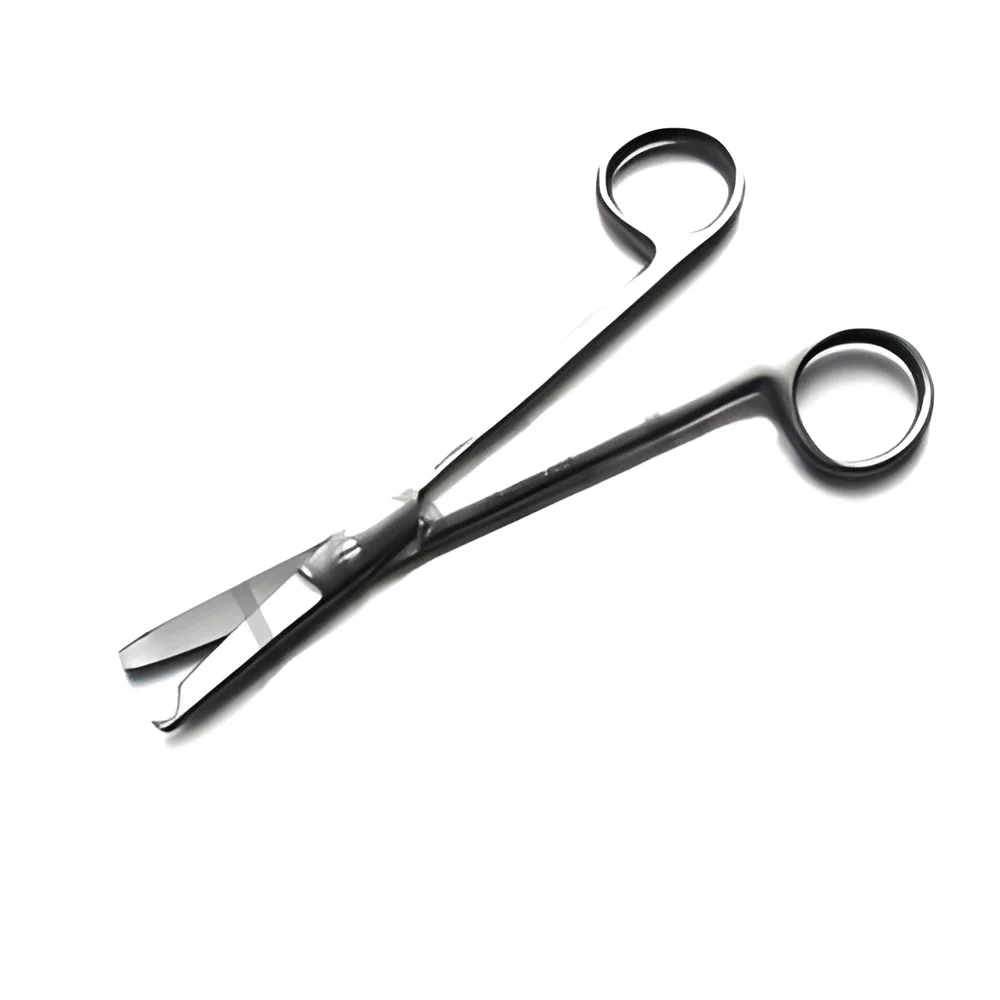
Mayo scissors are widely used in surgical settings for cutting heavy tissues and sutures. They feature a robust design with a blunt tip for greater control. Their length and strength make them ideal for diverse surgical applications.
Metzenbaum Scissors
Metzenbaum scissors are designed for cutting delicate tissues. They are typically longer with tapered blades, allowing for precision cutting in areas requiring finesse. These scissors are commonly used in soft tissue dissection.
Iris Scissors
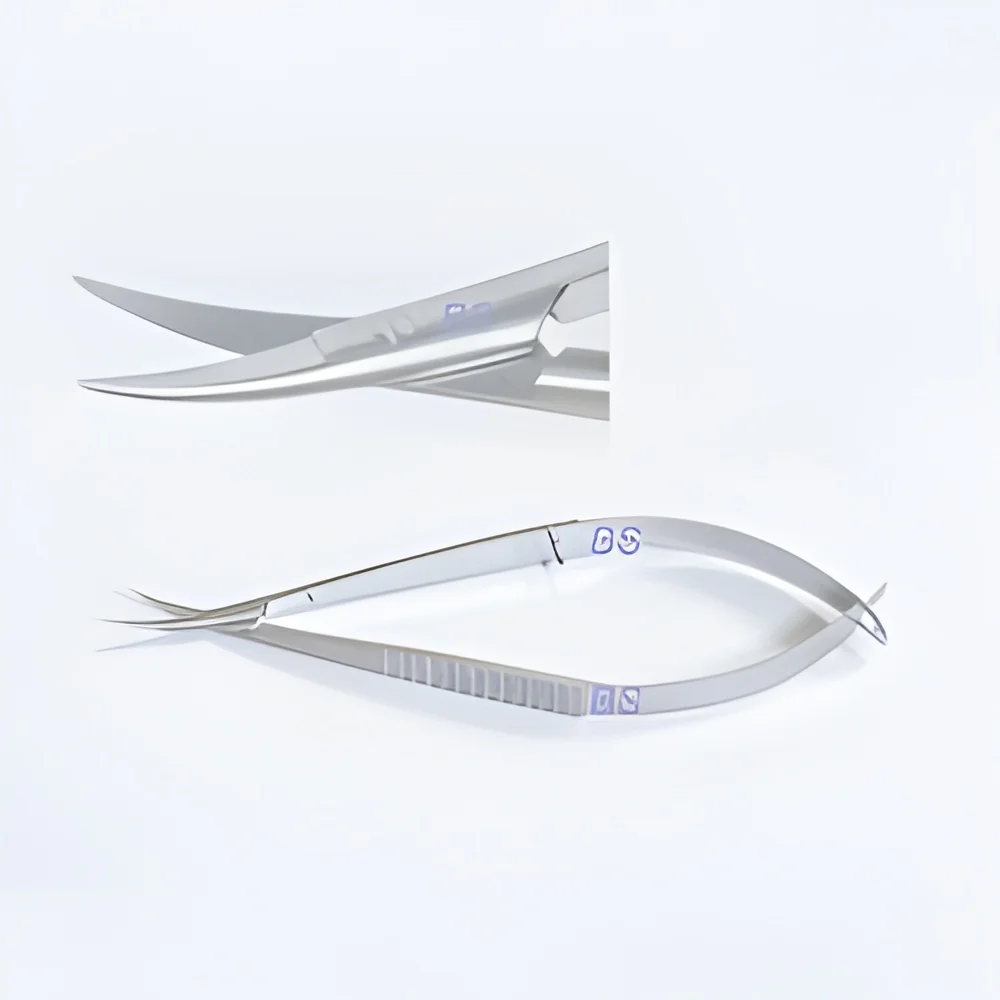
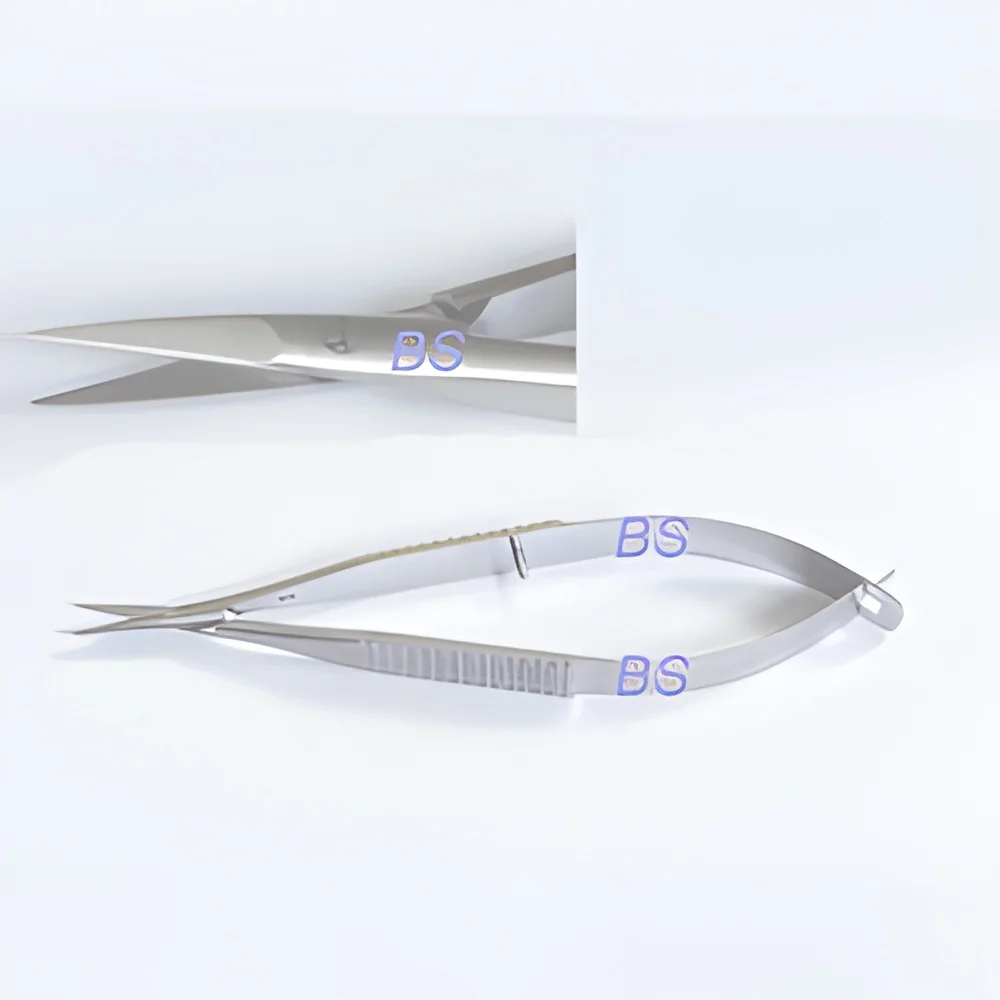
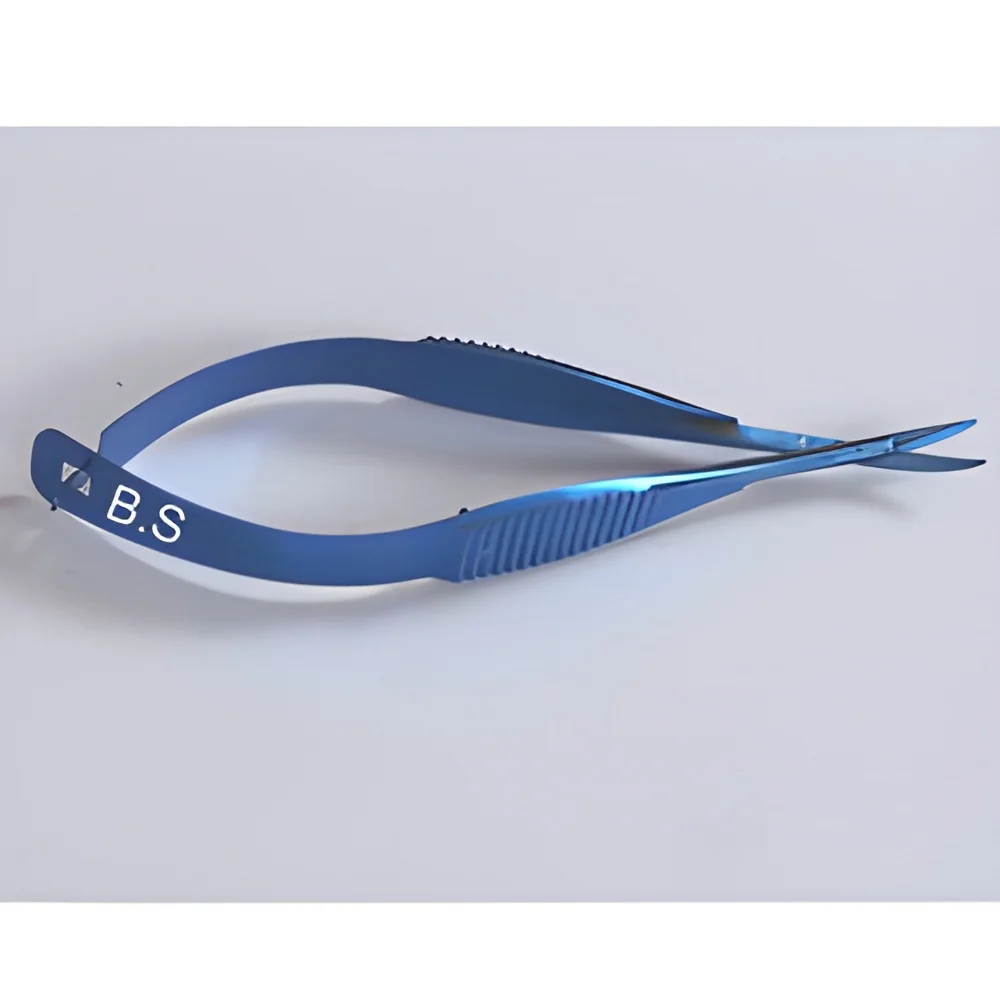
Iris scissors are small, fine scissors that are ideal for intricate work, such as in ophthalmic procedures. Their precision design allows for detailed cutting, making them essential in eye surgeries.
Bandage Scissors
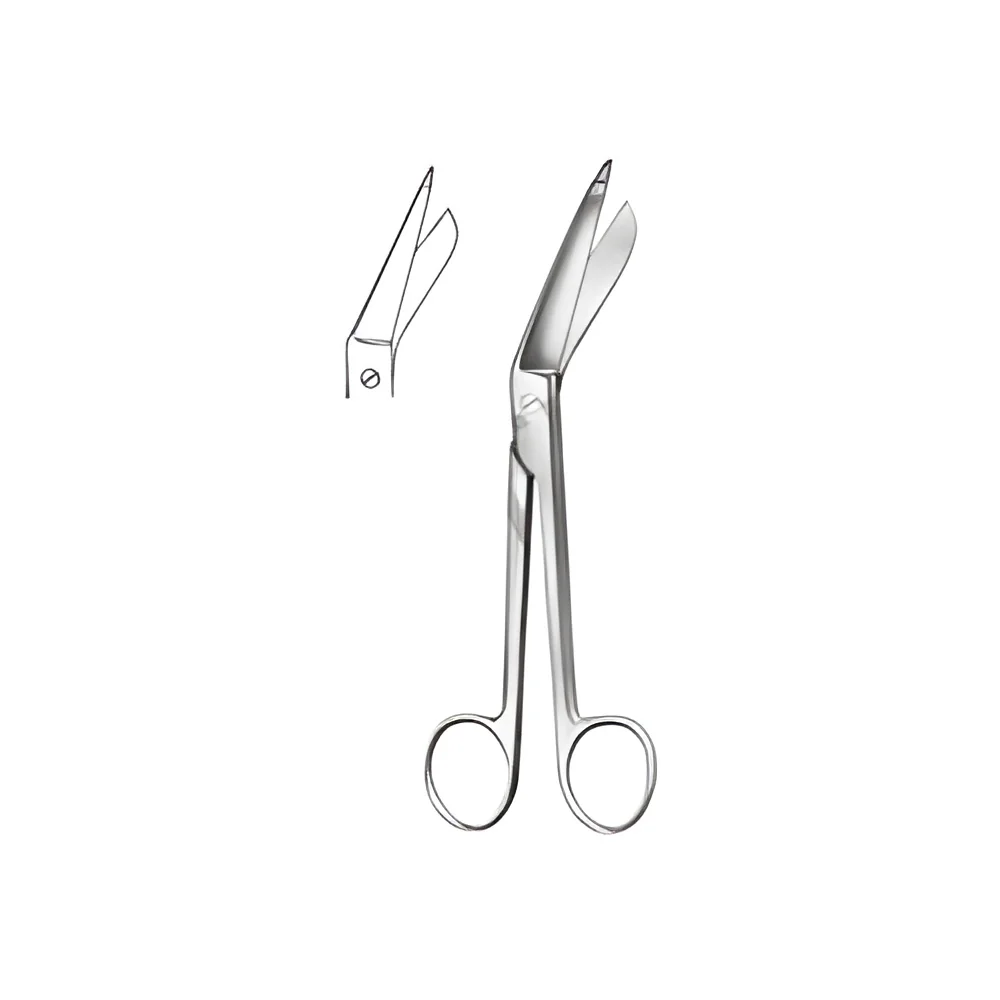
Bandage scissors feature a blunt tip on one side, designed specifically for safely cutting through bandages without risking injury to the patient. They are commonly found in first aid kits and medical supply cabinets.
𝗕𝗲𝗻𝗲𝗳𝗶𝘁𝘀 𝗮𝗻𝗱 𝗔𝗱𝘃𝗮𝗻𝘁𝗮𝗴𝗲𝘀
Medical scissors offer numerous benefits that enhance their value in healthcare settings.
Key benefits include:
1. Precision Cutting: Medical scissors are designed for accuracy, ensuring clean cuts that reduce tissue damage during procedures.
2. Ergonomic Design: Many scissors feature ergonomic handles that improve comfort and reduce hand fatigue for medical professionals during long surgical sessions.
3. Durability: Constructed from high-quality materials, medical scissors provide long-lasting performance, even in high-demand environments.
4. Hygiene Compliance: Designed for sterilization, these scissors help maintain strict hygiene standards essential in healthcare to prevent infection.
5. Versatility: The wide range of medical scissors available allows healthcare providers to find the right tool for various procedures and applications.
6. Safety Features: Many models include safety locks or blunt tips, reducing the risk of accidental injury during use.
𝗕𝘂𝘆𝗶𝗻𝗴 𝗚𝘂𝗶𝗱𝗲 𝗳𝗼𝗿 𝗕𝟮𝗕 𝗕𝘂𝘆𝗲𝗿𝘀
When sourcing medical scissors, it is essential for B2B buyers to consider several factors to ensure they make informed decisions.
1. Quality Assessment: Buyers should evaluate the quality of materials and construction. Look for scissors made from high-grade stainless steel and check for any certifications that indicate compliance with industry standards.
2. Supplier Verification: It is crucial to vet suppliers to ensure they have a good reputation and provide reliable products. This includes checking references and reviewing their history in the industry.
3. Pricing and MOQ: Understanding the pricing structure and minimum order quantities (MOQ) is vital for budget planning. Buyers should compare prices across multiple suppliers to ensure they are getting competitive offers.
4. Delivery and Lead Times: Buyers need to consider logistics, including lead times for delivery. Timely delivery is essential for maintaining inventory levels and ensuring that medical professionals have the tools they need.
5. Compliance Requirements: It is important to verify that the medical scissors meet local and international compliance standards, such as CE certification and any other relevant regulations.
𝗖𝗼𝗺𝗽𝗹𝗶𝗮𝗻𝗰𝗲 𝗮𝗻𝗱 𝗖𝗲𝗿𝘁𝗶𝗳𝗶𝗰𝗮𝘁𝗶𝗼𝗻𝘀
Medical scissors must adhere to various compliance and certification standards to ensure safety and quality in healthcare settings.
Relevant quality standards include ISO 9001, which focuses on maintaining quality management systems, ensuring that products meet customer and regulatory requirements.
Industry certifications, such as CE marking, indicate that the scissors meet European health, safety, and environmental protection standards. This certification is crucial for products used in healthcare environments.
Safety and testing requirements are also significant. Medical scissors should undergo rigorous testing to ensure they perform safely and effectively during surgical procedures.
Additionally, regional compliance considerations vary, and it is essential for suppliers to be aware of local regulations governing medical devices to avoid compliance issues.
𝗪𝗵𝘆 𝗦𝗼𝘂𝗿𝗰𝗲 𝗠𝗲𝗱𝗶𝗰𝗮𝗹 𝗦𝗰𝗶𝘀𝘀𝗼𝗿𝘀 𝗳𝗿𝗼𝗺 𝗣𝗲𝗽𝗮𝗴𝗼𝗿𝗮?
Pepagora offers a trusted platform for sourcing medical scissors, providing several key advantages for B2B buyers.
Verified Supplier Network: With a robust network of verified suppliers, Pepagora ensures that buyers have access to high-quality products from reputable manufacturers. This network supports buyers in finding reliable sources for their medical supplies.
Streamlined RFQ Process: The Request for Quotation (RFQ) system at Pepagora simplifies the procurement process. Buyers can easily submit their specifications and receive competitive quotes from multiple suppliers, saving time and effort.
Trade Assurance and Support: Pepagora provides trade assurance, protecting buyers against potential risks in transactions. This support instills confidence in the purchasing process, ensuring that buyers receive the products they need.
Regional Coverage: Pepagora has a wide geographic reach, covering regions such as India, the GCC, and Southeast Asia. This broad coverage allows buyers to connect with suppliers in various markets, enhancing their sourcing capabilities.

 IN
IN