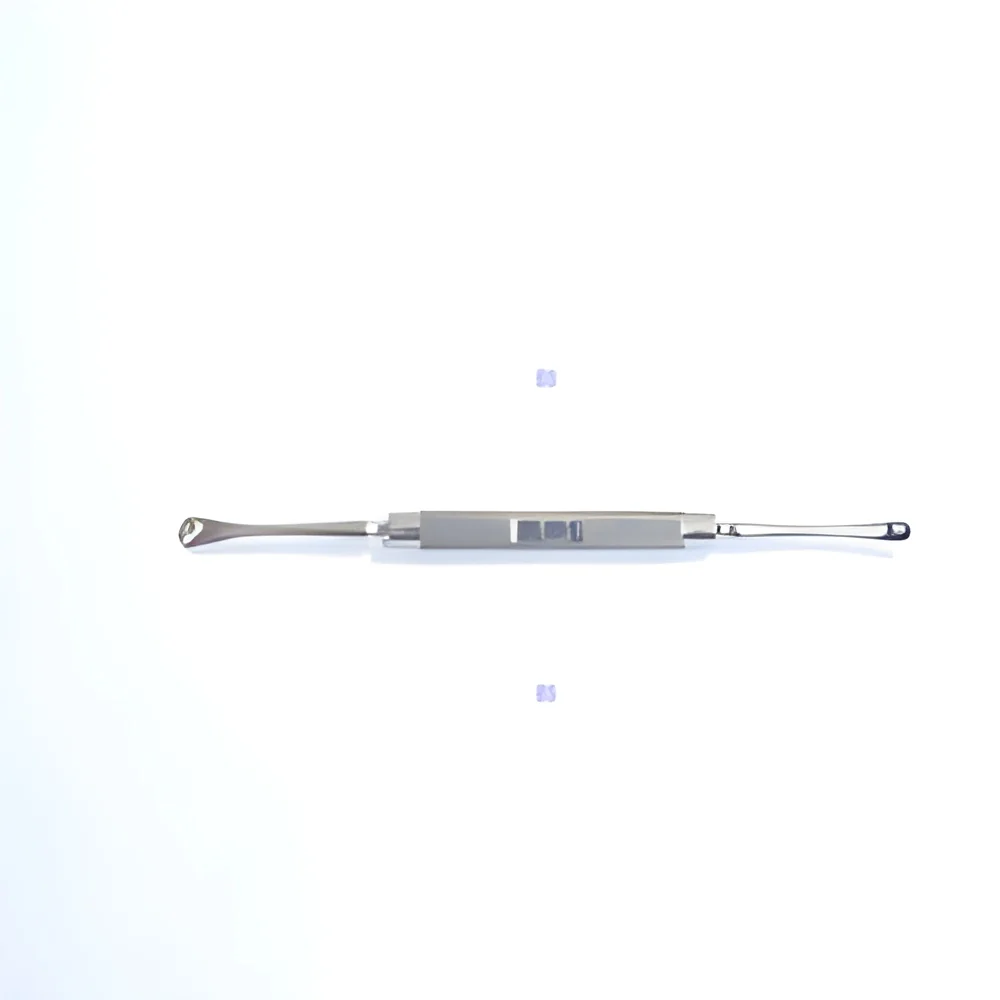
What are Dental Elevators?
Dental elevators are specialized hand instruments used in dentistry to facilitate the extraction of teeth. These tools assist dental professionals in loosening teeth from their surrounding structures, making extractions easier and less traumatic for patients. Dental elevators come in various designs and sizes, tailored to specific dental procedures and tooth types. They are essential tools in oral surgery and general dentistry practices.
The primary use of dental elevators is to aid in the removal of teeth that are impacted, broken, or otherwise difficult to extract. Dentists employ these tools to elevate or luxate the tooth, breaking the periodontal ligament and allowing for smoother extraction. In addition to tooth extractions, dental elevators are also used for extracting roots and fragments left behind after a tooth has been removed. As a critical instrument in dental procedures, they support a wide range of business applications within dental practices, oral surgery centers, and educational institutions.
In the current market, dental elevators are vital for the successful operation of dental practices. The increasing prevalence of dental issues and the aging population requiring dental care have led to a rise in demand for effective extraction tools. As a result, the market for dental elevators continues to grow, with innovations in design and materials improving their functionality and efficiency.
Key Features and Specifications
Dental elevators are characterized by several key features that define their performance and usability. Understanding these specifications is essential for dental professionals and suppliers when selecting the right tools for their needs.
Key specifications include:
1. Blade Design
- Varies from straight to curved shapes
- Used for different extraction techniques and tooth positions
2. Handle Type
- Ergonomic designs for improved grip and control
- Material choices include stainless steel for durability and ease of sterilization
3. Size Options
- Available in various sizes to accommodate different tooth types
- Ensures versatility for dental practitioners
4. Tip Thickness
- Varies to provide suitable elevation force depending on tooth condition
- Thinner tips for more delicate procedures
5. Length of Instrument
- Standard lengths to reach posterior teeth effectively
- Longer handles available for deeper access
6. Weight
- Balanced weight for ease of handling
- Consideration for prolonged use during procedures
7. Sterilization Compatibility
- Designed for autoclave sterilization
- Compliance with safety standards for dental instruments
8. Non-slip Grip
- Enhanced handle designs to prevent slippage during use
- Improves precision in delicate extractions
These features ensure that dental elevators are not only effective but also safe and comfortable for both dentists and patients.
Common Applications and Use Cases
Dental elevators serve a variety of industries beyond just general dentistry, highlighting their versatility and importance.
1. General Dentistry: In routine dental practices, elevators are used for tooth extractions, especially in cases of decay or damage where teeth cannot be restored.
2. Oral Surgery: Oral surgeons frequently use dental elevators for complex extractions, including impacted wisdom teeth and root remnants.
3. Pediatric Dentistry: Smaller elevators are designed specifically for children's teeth, allowing for gentle extractions with minimal discomfort.
4. Veterinary Dentistry: Dental elevators are also applicable in veterinary practices for animal tooth extractions, ensuring safe and effective procedures.
5. Dental Education: Dental schools utilize elevators in training programs, teaching students the proper techniques for tooth extraction and surgical procedures.
6. Emergency Dental Services: In urgent care scenarios, elevators help quickly remove damaged or infected teeth to alleviate pain and prevent further complications.
7. Research and Development: Dental manufacturers and researchers utilize elevators in clinical studies to innovate and improve extraction techniques and tools.
Product Variants and Subcategories
Dental elevators come in diverse forms to meet the specific needs of dental professionals. Each variant is tailored to different extraction challenges.
Standard Elevator
This variant features a straight blade designed for general extraction purposes. It is commonly used for anterior teeth and provides reliable performance in routine extractions.
Periotome Elevator
This specialized elevator is designed with a thin blade ideal for periodontal surgeries. It minimizes trauma to the surrounding tissues, making it suitable for delicate extractions.
Root Tip Elevator
Designed specifically for extracting root fragments, this variant has a slender blade that can navigate narrow spaces to remove residual tooth roots effectively.
Surgical Elevator
This type features a robust design suitable for complex surgical extractions. It provides the leverage needed for difficult cases and is often used in oral surgery settings.
Benefits and Advantages
Dental elevators offer numerous benefits that enhance the extraction process in dental practices.
1. Enhanced Precision: Elevators provide improved control during tooth extraction, reducing the risk of damage to surrounding tissues.
2. Reduced Trauma: The design of dental elevators allows for less invasive extractions, promoting quicker recovery times for patients.
3. Versatility: With various shapes and sizes, dental elevators can be adapted for different extraction scenarios, making them essential tools in any dental practice.
4. Improved Ergonomics: Many elevators feature ergonomic designs that reduce hand fatigue, allowing for prolonged use without discomfort.
5. Cost-Effective: Investing in quality dental elevators can lead to more efficient extractions and fewer complications, ultimately saving time and resources for dental practices.
6. Sterilization Compatibility: Dental elevators are designed for easy sterilization, ensuring compliance with health regulations and maintaining patient safety.
Buying Guide for B2B Buyers
When sourcing dental elevators, there are several key factors that B2B buyers should consider to ensure they select the right products.
1. Quality Assessment: Look for dental elevators made from high-quality materials, such as surgical-grade stainless steel. Consider the manufacturer's reputation for producing durable and reliable instruments.
2. Supplier Verification: Vet potential suppliers by checking their certifications, customer reviews, and industry standing. Ensure they comply with relevant health and safety standards.
3. Pricing and MOQ: Evaluate pricing structures and minimum order quantities to find options that align with your budget and operational needs. Seek bulk purchase discounts when possible.
4. Delivery and Lead Times: Confirm logistics arrangements, including shipping times and delivery methods. Reliable delivery is crucial to maintaining workflow in your dental practice.
5. Compliance Requirements: Ensure that the dental elevators meet necessary compliance and certification standards, such as CE marking, to guarantee safety and efficacy in dental procedures.
Compliance and Certifications
Dental elevators must adhere to various quality and safety standards to ensure their effectiveness and safety in clinical settings. Key quality standards include ISO 9001, which establishes criteria for quality management systems, ensuring that manufacturers consistently provide high-quality products.
Additionally, compliance with CE certification is essential for dental instruments sold in the European market. This certification indicates that the products meet health, safety, and environmental protection standards.
Safety testing requirements are crucial as well, ensuring that dental elevators are free from defects and perform as intended during procedures. Regional compliance considerations may vary, so it is important to be aware of local regulations regarding dental instrument use and manufacturing.
Why Source Dental Elevators from Pepagora?
Pepagora offers a reliable platform for sourcing dental elevators, providing significant advantages to B2B buyers in the dental industry.
Verified Supplier Network: Pepagora has established a rigorous vetting process for suppliers, ensuring that buyers have access to high-quality products and trusted manufacturers. This network fosters confidence in purchasing decisions.
Streamlined RFQ Process: The Request for Quotation system allows buyers to efficiently compare quotes and select the best offers suited to their needs. This process simplifies procurement and saves valuable time.
Trade Assurance and Support: Pepagora provides trade assurance, protecting buyers against non-compliance and ensuring that their investments are secure. Dedicated support teams are available to assist buyers throughout the purchasing process.
Regional Coverage: With a strong presence in India, the GCC, and Southeast Asia, Pepagora allows buyers to tap into regional markets and access a diverse range of dental products, including dental elevators. This coverage enhances the ability to find the right tools for various dental practices.

 IN
IN