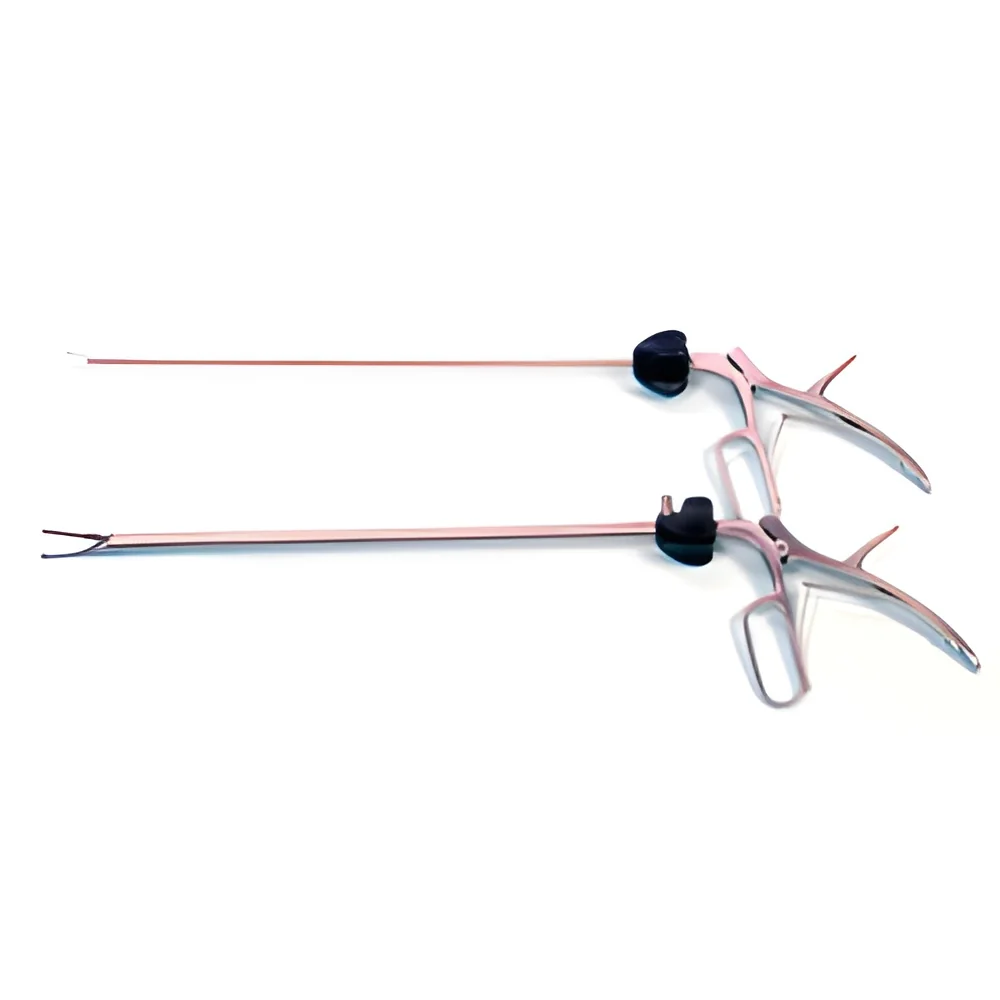
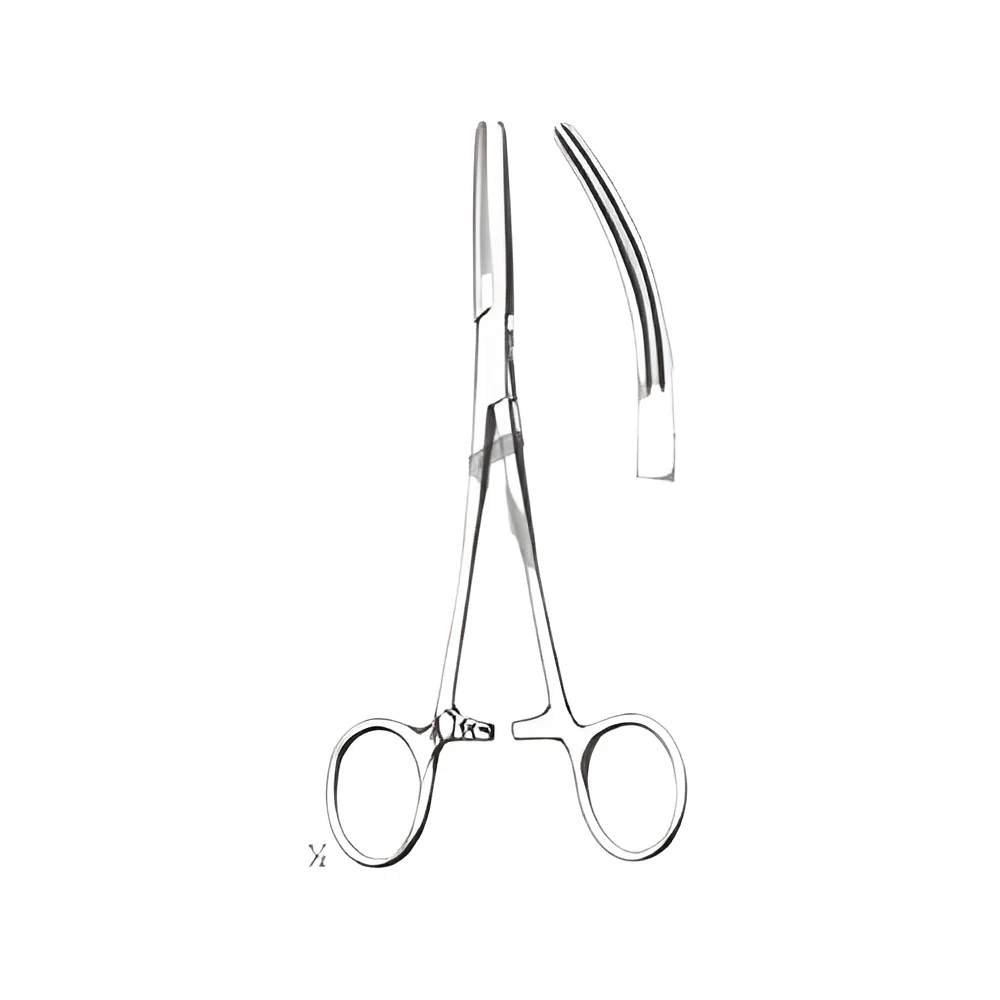
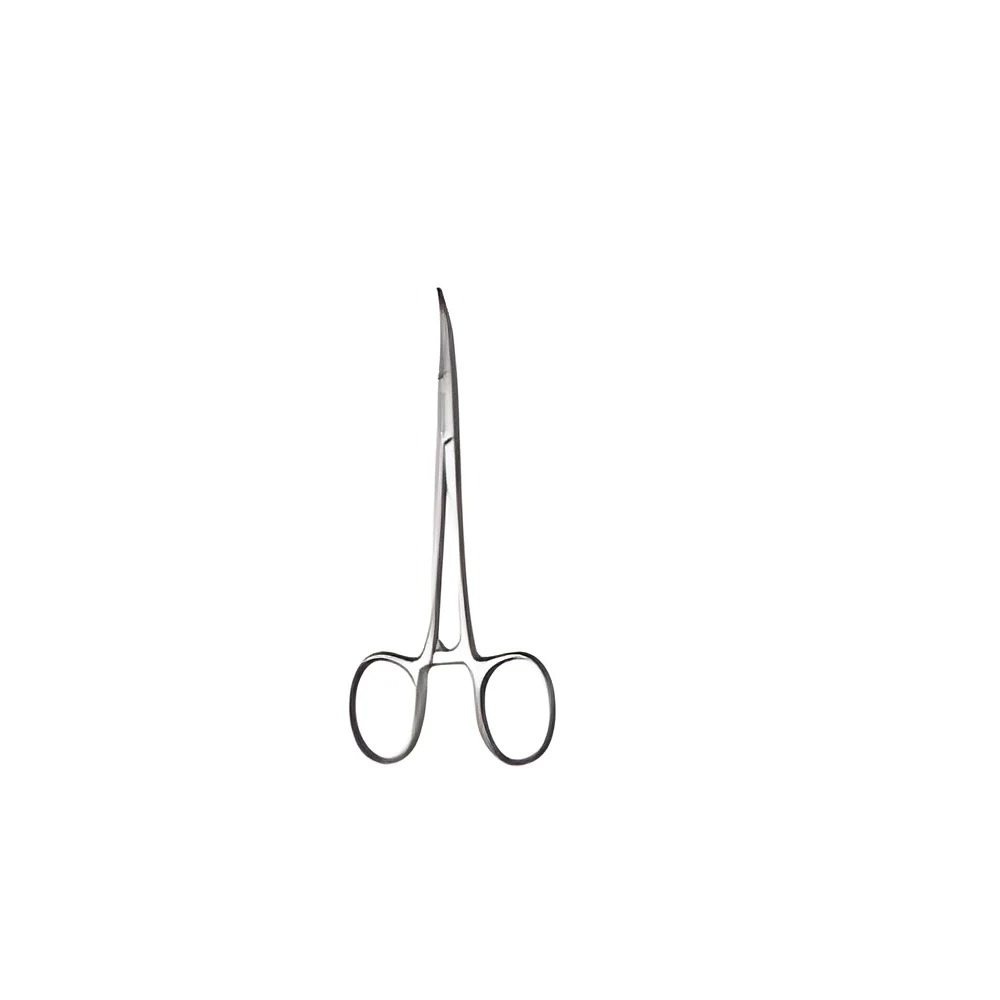
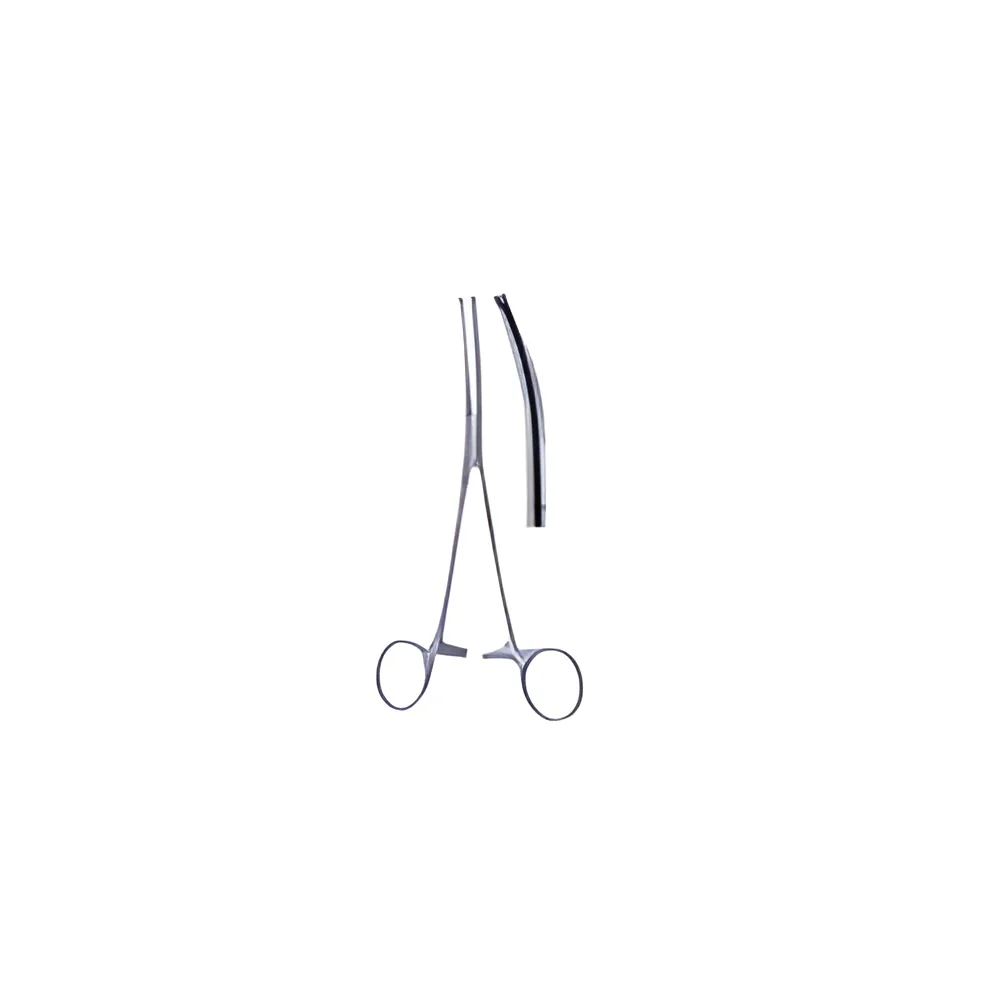
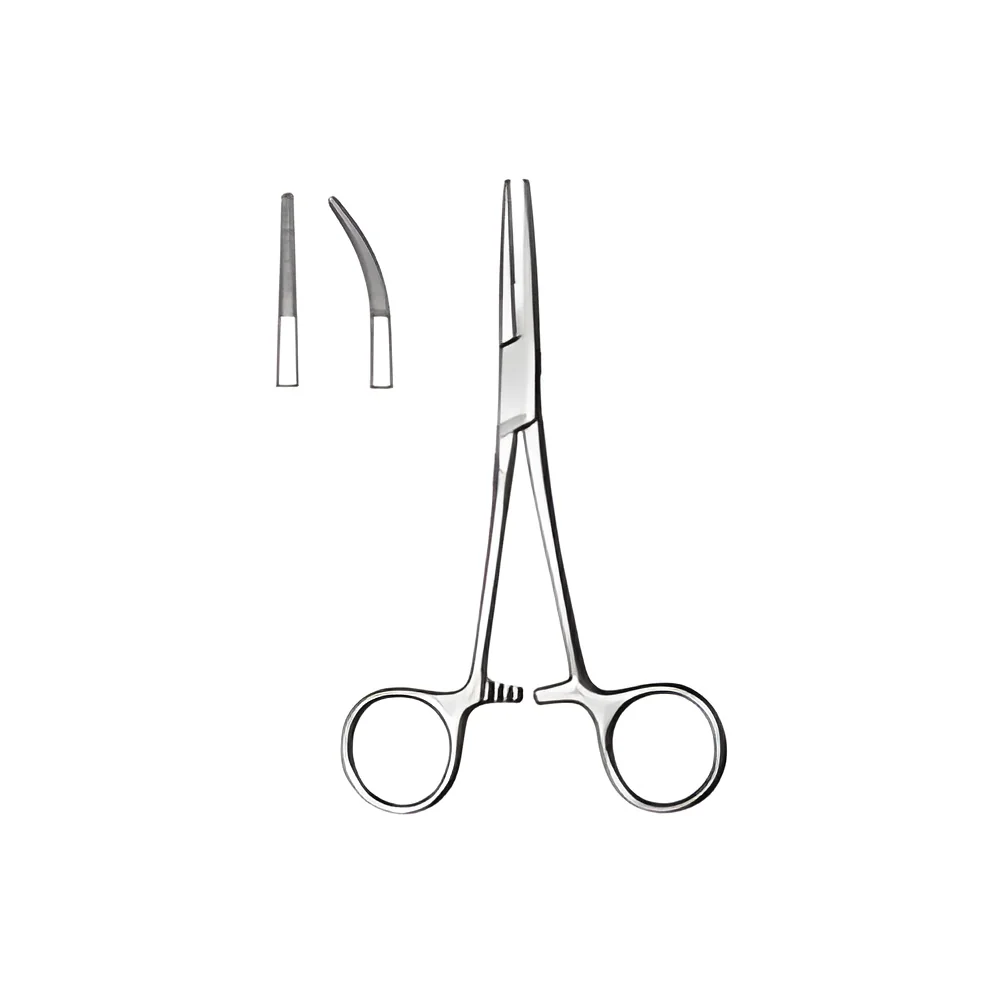
What are Hemostats & Clamps?
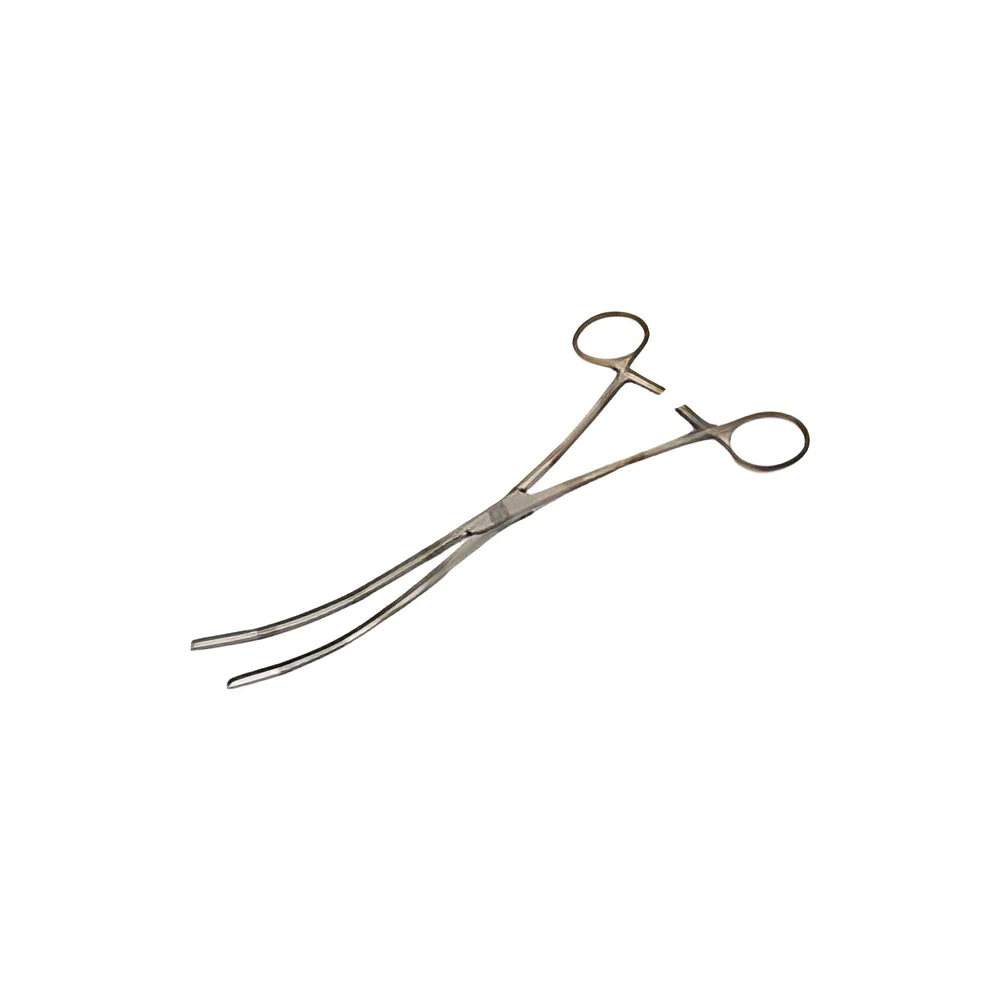
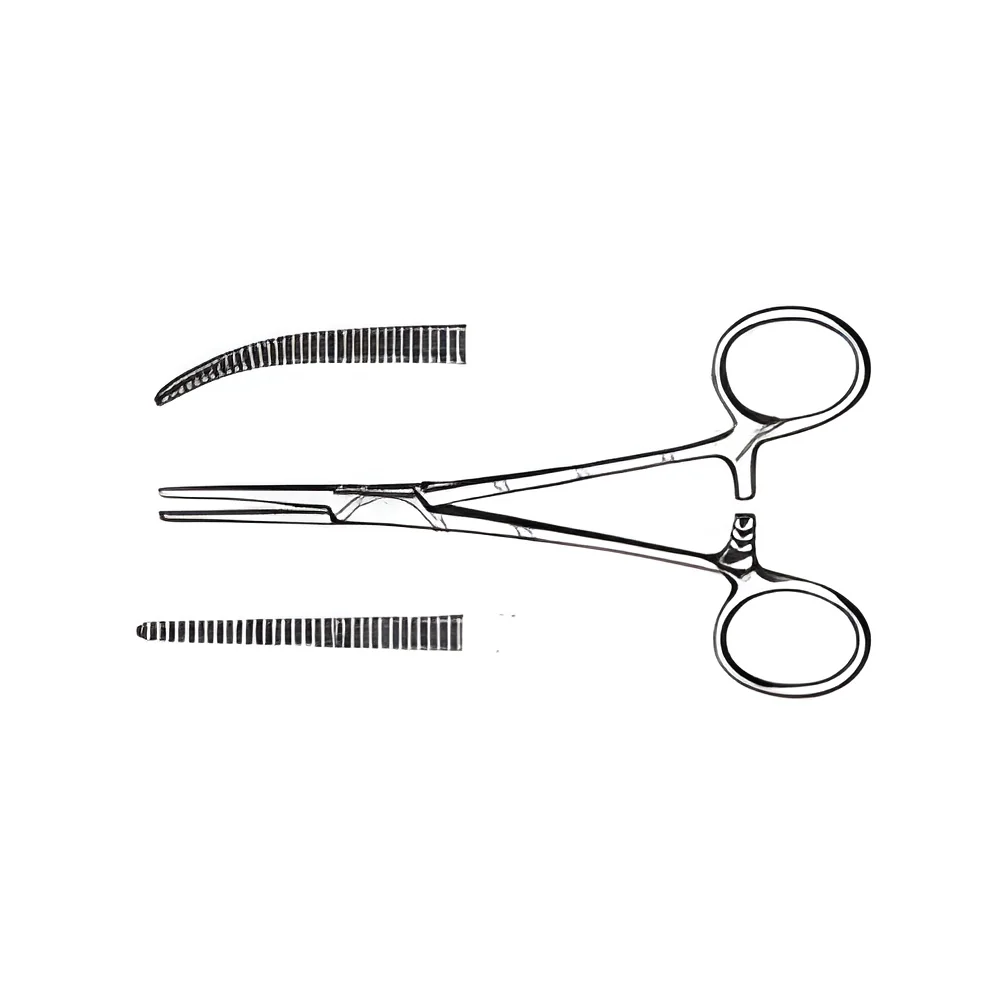
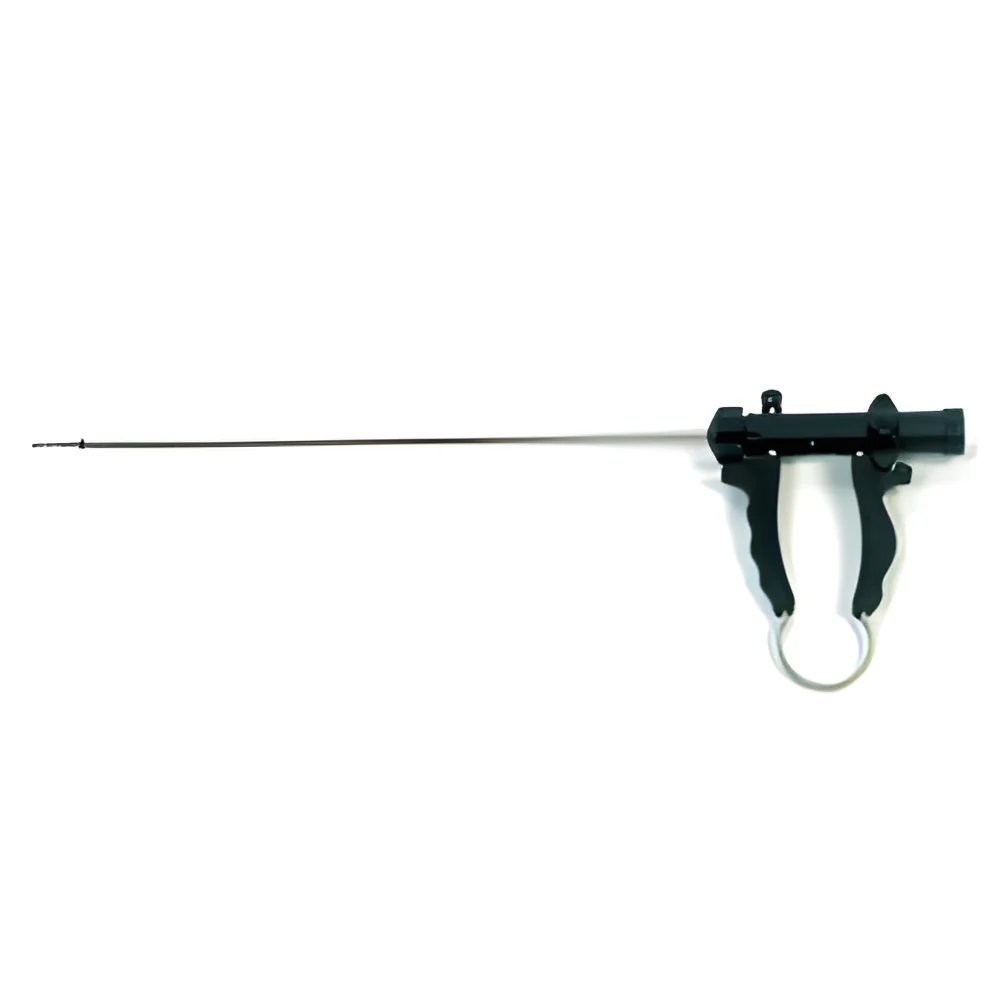
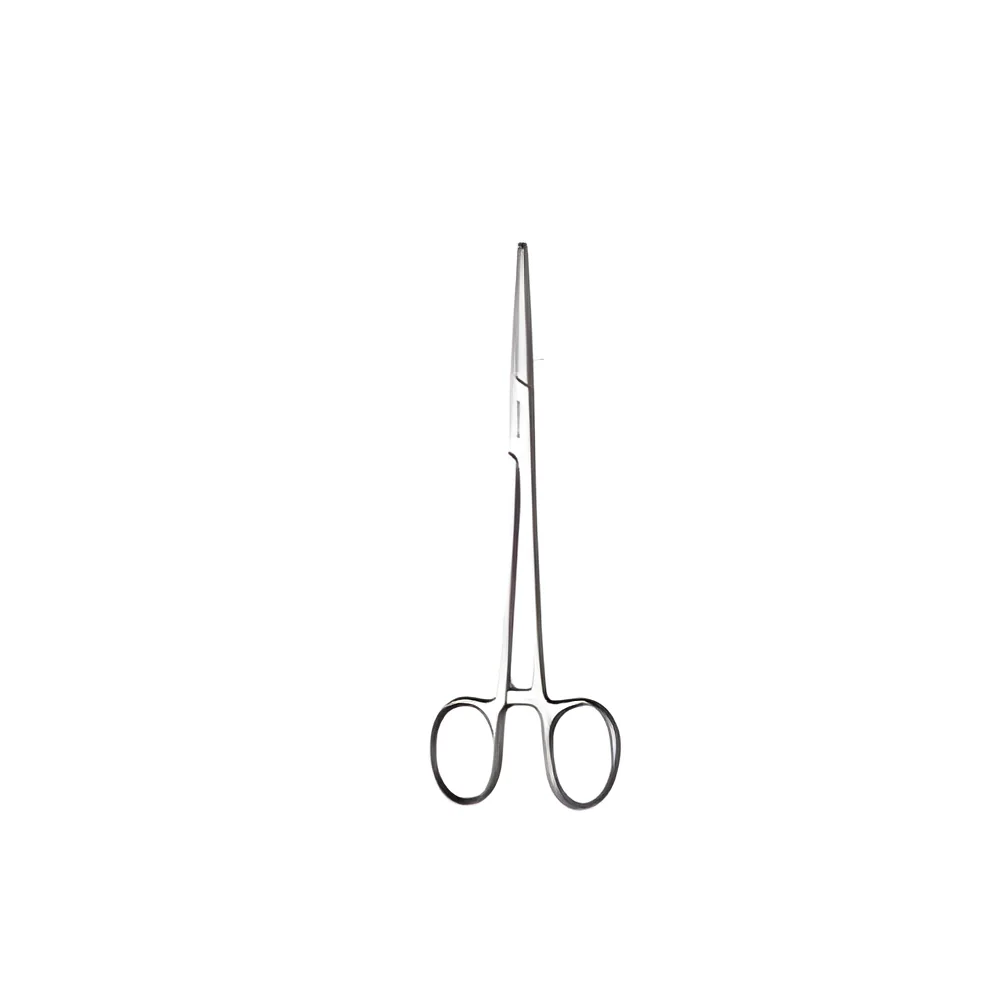
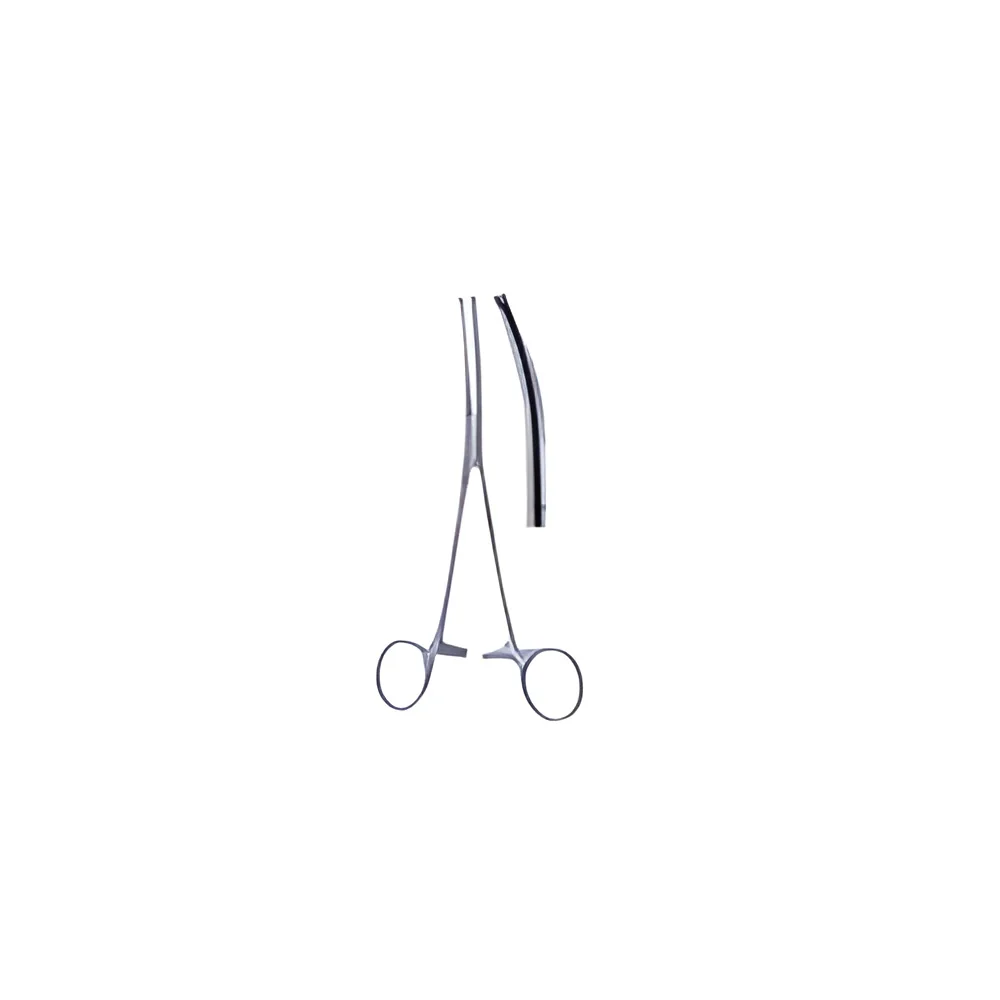
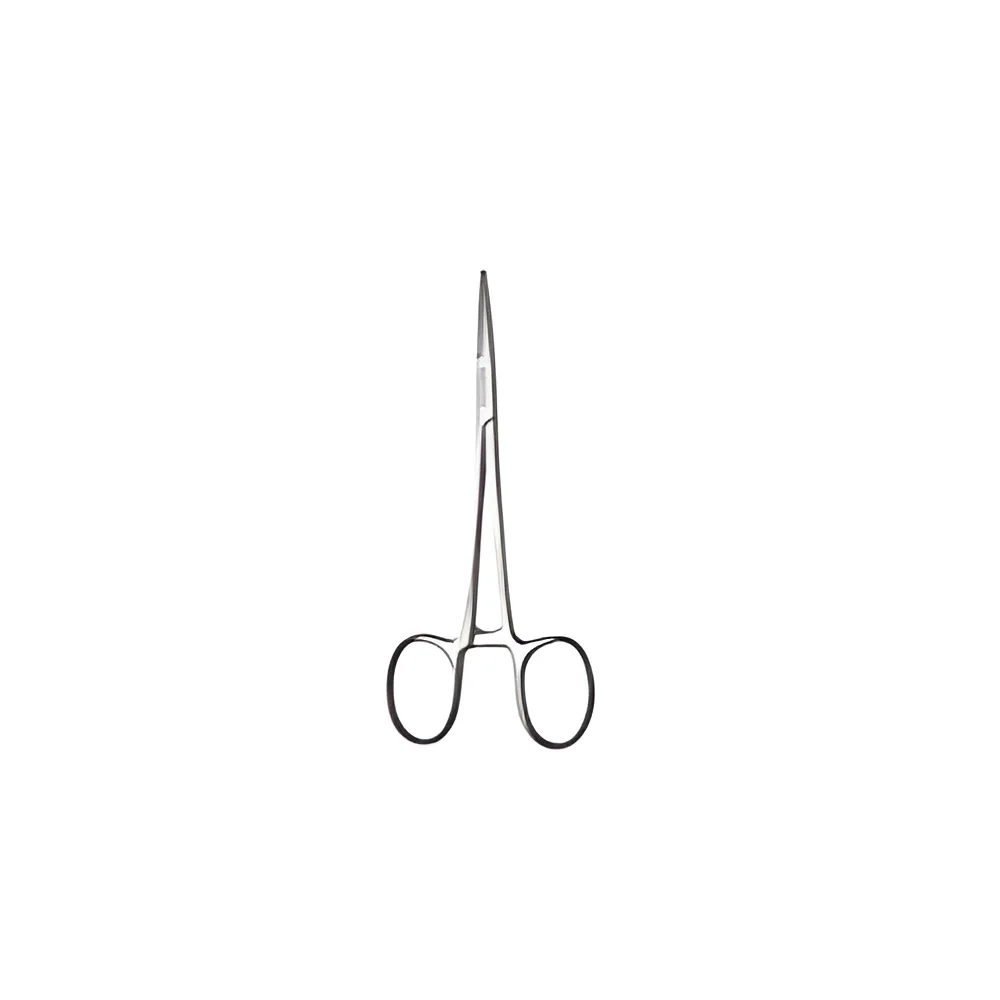
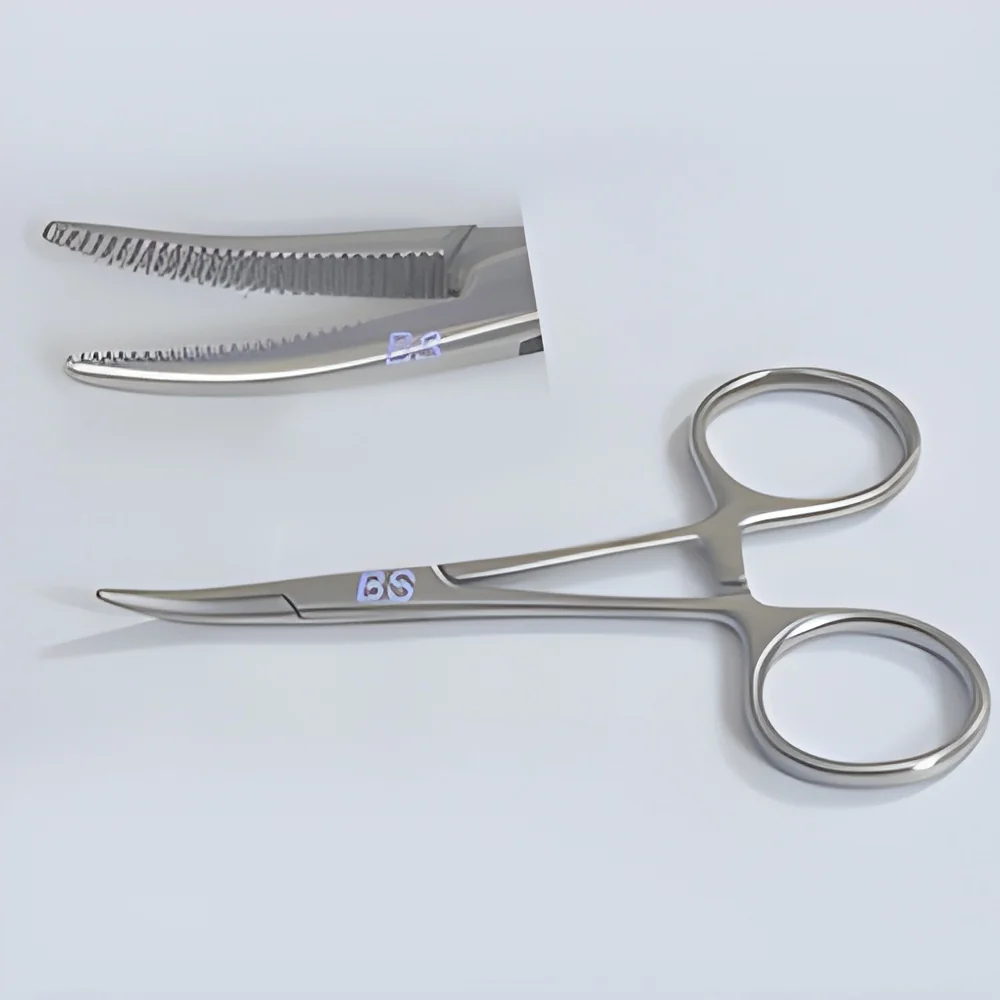
Hemostats and clamps are crucial surgical instruments used to control bleeding during medical procedures. Hemostats, also known as hemostatic forceps, are designed to grasp tissue and compress blood vessels to prevent blood loss. Clamps, on the other hand, are used to occlude blood vessels or tissues, ensuring a clear surgical field. Both types of instruments come in various sizes and shapes, suitable for different surgical contexts, from minor outpatient procedures to complex surgeries.
In the healthcare industry, these tools are essential in various applications, including surgery, trauma care, and veterinary medicine. They are primarily utilized in operating rooms, emergency departments, and outpatient clinics. The versatility and reliability of hemostats and clamps make them indispensable tools for healthcare providers, contributing to patient safety and successful surgical outcomes. The demand for these instruments continues to grow as surgical procedures become more advanced, underscoring their relevance in the medical market.
Key Features and Specifications
Hemostats and clamps come with a range of features and specifications that cater to different surgical needs. Understanding these details is essential for healthcare professionals when selecting the right instruments for their operations.
Key specifications include:
1. Material Composition
- Surgical stainless steel is commonly used for its durability and corrosion resistance.
- Some variants may incorporate plastic or composite materials for lightweight designs.
2. Length Options
- Instruments typically range from 5 to 12 inches to accommodate various surgical scenarios.
- Different lengths allow for precision in handling tissues and vessels.
3. Locking Mechanism
- Many hemostats feature a ratchet locking mechanism for secure clamping.
- This ensures that the instrument maintains pressure without continuous manual effort.
4. Tip Design
- Serrated, straight, or curved tips provide different gripping capabilities.
- Specialized designs may enhance visibility or access in complex surgical fields.
5. Sterilization Compatibility
- Instruments are designed to withstand autoclave sterilization processes.
- Ensures compliance with hygiene standards in medical environments.
6. Weight
- Lightweight designs reduce hand fatigue during prolonged procedures.
- Heavier options may provide better stability for certain applications.
7. Color Coding
- Some manufacturers utilize color coding for easy identification during surgeries.
- Helps in quickly selecting the required instrument from a surgical tray.
8. CE Certification
- Compliance with CE certification signifies adherence to European safety and health standards.
- Provides assurance of quality for healthcare facilities.
These features contribute to the overall functionality and performance of hemostats and clamps, enabling healthcare professionals to choose the right tools for their specific needs.
Common Applications and Use Cases
Hemostats and clamps serve a wide array of industries beyond just healthcare. Their unique design and functionality make them suitable for various applications.
1. Surgical Medicine: Hemostats are crucial for controlling bleeding during surgeries, ensuring a clear operative field and reducing complications.
2. Veterinary Care: These instruments are widely used in animal surgeries to manage bleeding and secure tissues, similar to their application in human medicine.
3. Emergency Services: In trauma care, hemostats and clamps are vital for controlling hemorrhaging in critical situations, providing immediate care to patients.
4. Dental Procedures: Dentists utilize clamps for tissue management during oral surgeries, enhancing visibility and control.
5. Laboratory Research: In biological and medical research, hemostats are employed for handling specimens and managing fluids.
6. Industrial Applications: Certain industries use clamps for securing components during assembly, showcasing their versatility beyond medical use.
7. Educational Institutions: Medical training programs use these instruments for teaching surgical techniques and practices, ensuring students gain practical experience.
Product Variants and Subcategories
Hemostats and clamps come in various designs that cater to different surgical needs and preferences. Each variant offers specific features that enhance functionality.
Standard Hemostats: These are versatile instruments with straight or curved tips designed for general surgical use. They are ideal for grasping tissues and controlling bleeding.
Kochers: This variant features a serrated jaw for a strong grip on tough tissues. Kochers are commonly used in orthopedic surgeries and other procedures requiring secure clamping.
Mosquito Hemostats: Smaller and more delicate than standard hemostats, mosquito hemostats are used in pediatric surgeries or areas requiring precision. Their size allows for fine tissue manipulation.
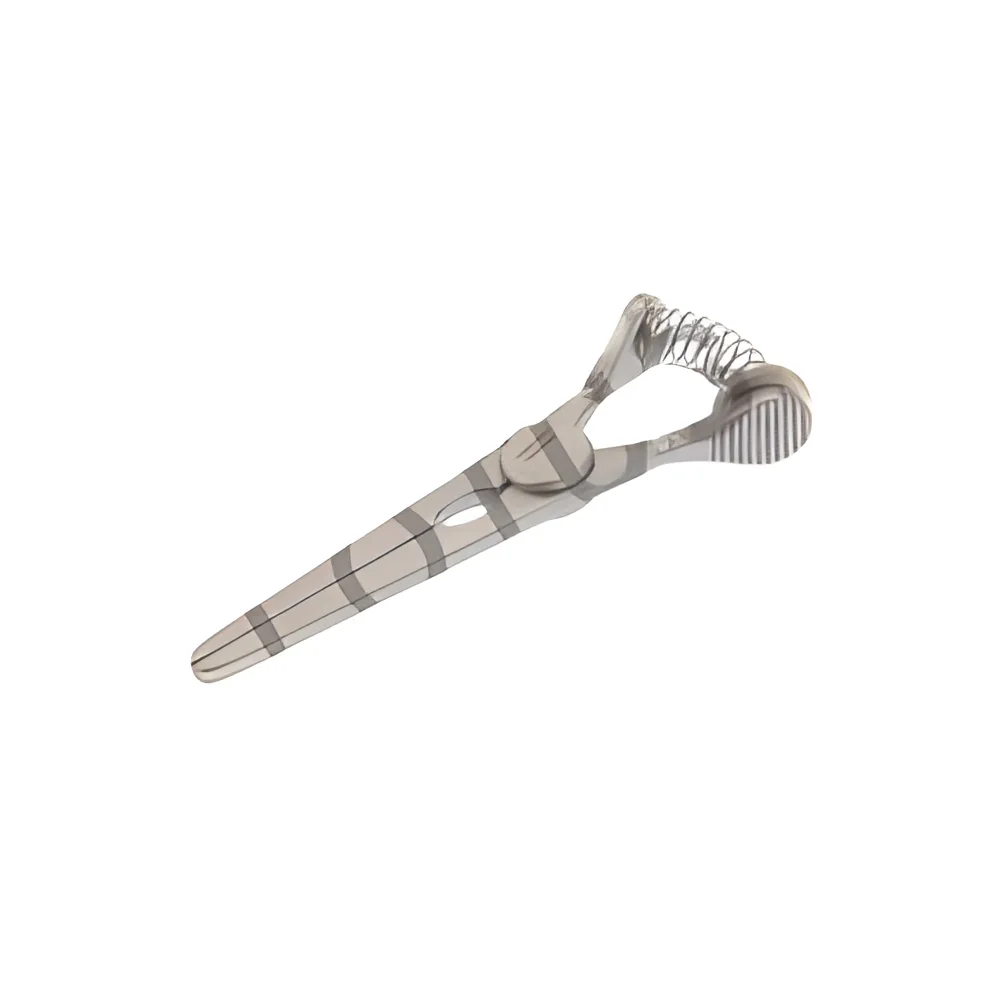
Hemostatic Clamps: Designed specifically for occluding larger blood vessels, these clamps feature a robust locking mechanism that ensures maximum pressure retention.
Cavalier Clamps: These clamps are unique for their design that allows for quick release and re-engagement, making them suitable for rapid surgical interventions.
Benefits and Advantages
Choosing the right hemostats and clamps offers numerous benefits for healthcare providers. These advantages enhance surgical efficiency and patient safety.
1. Enhanced Control: The design of hemostats and clamps ensures precise control over tissues and blood vessels, leading to better surgical outcomes.
2. Reduced Blood Loss: Effective occlusion and compression minimize hemorrhaging during procedures, lowering the risk of complications.
3. Increased Efficiency: The various designs and locking mechanisms allow for quicker handling and greater operational efficiency in surgeries.
4. Versatility: The wide range of sizes and types makes these instruments applicable in various medical fields, from surgery to emergency medicine.
5. Reliability: High-quality materials provide durability and reliability, ensuring that instruments can withstand the demands of frequent use.
6. Compliance Assurance: Instruments with CE certification ensure adherence to safety and health standards, providing peace of mind for medical professionals.
Buying Guide for B2B Buyers
When sourcing hemostats and clamps, B2B buyers should consider several factors to ensure they select the best products for their needs.
1. Quality Assessment: Evaluate the materials and manufacturing processes of the hemostats and clamps. Look for instruments made from high-grade surgical stainless steel for durability and long-term use.
2. Supplier Verification: Vet suppliers thoroughly by checking their credentials, certifications, and customer reviews. A reliable supplier should have a proven track record in delivering quality surgical instruments.
3. Pricing and MOQ: Analyze pricing structures and minimum order quantities (MOQ) offered by different suppliers. Competitive pricing can help manage budget constraints while ensuring quality.
4. Delivery and Lead Times: Consider logistics and delivery timelines when selecting suppliers. Timely delivery is crucial for maintaining stock levels in healthcare facilities.
5. Compliance Requirements: Ensure that the products meet relevant regulatory standards, such as CE certification, to guarantee safety and efficacy in medical settings.
Compliance and Certifications
Compliance with industry standards and certifications is critical for hemostats and clamps. These elements ensure that the instruments are safe and effective for use in medical settings.
Quality standards such as ISO 9001 emphasize quality management systems that enhance product quality and customer satisfaction. Adhering to these standards ensures consistent manufacturing processes.
HACCP (Hazard Analysis Critical Control Point) guidelines are also relevant in ensuring safety during the production of surgical instruments. Compliance with these standards reduces risks associated with contamination.
CE certification indicates that the products meet European Union health and safety requirements. This certification is essential for suppliers looking to market their instruments in Europe and other regions.
Additionally, safety and testing requirements must be met during the design and manufacturing processes. Regular testing ensures that instruments maintain their integrity and functionality over time.
Regional compliance considerations may vary, as different countries have specific regulations governing medical devices. Understanding these requirements is essential for suppliers and buyers alike.
Why Source Hemostats & Clamps from Pepagora?
Pepagora provides a trusted platform for sourcing hemostats and clamps, offering several key advantages for B2B buyers in the healthcare sector.
Verified Supplier Network: Pepagora connects buyers with a network of verified suppliers who are committed to quality and compliance. This ensures that buyers can source reliable instruments with confidence.
Streamlined RFQ Process: The request for quotation process is designed to be user-friendly, allowing buyers to easily request pricing and specifications from multiple suppliers. This saves time and facilitates informed decision-making.
Trade Assurance and Support: Pepagora offers trade assurance, protecting buyers during transactions. This support enhances buyer confidence and ensures a secure purchasing environment.
Regional Coverage: With a strong presence in India, the GCC, and Southeast Asia, Pepagora provides extensive geographical reach. Buyers can access a diverse array of products tailored to their regional requirements, ensuring they find the best solutions for their needs.

 IN
IN