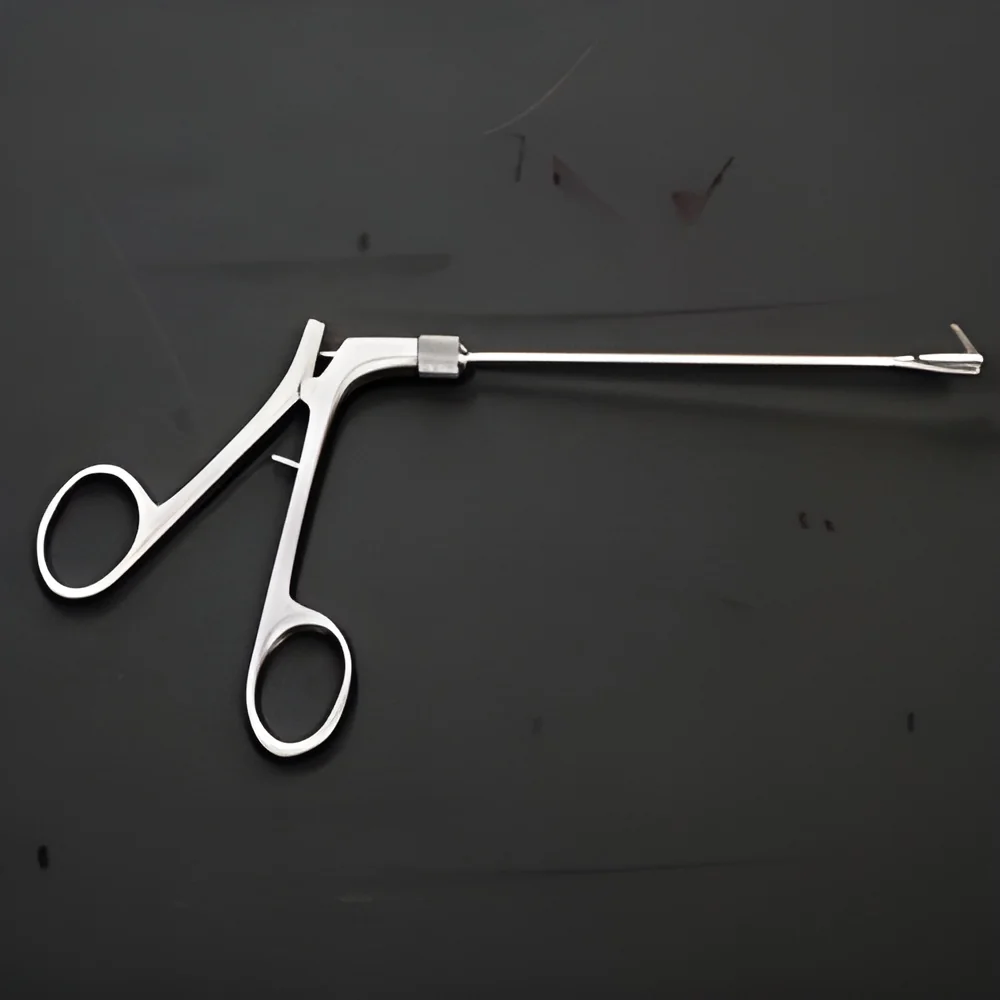
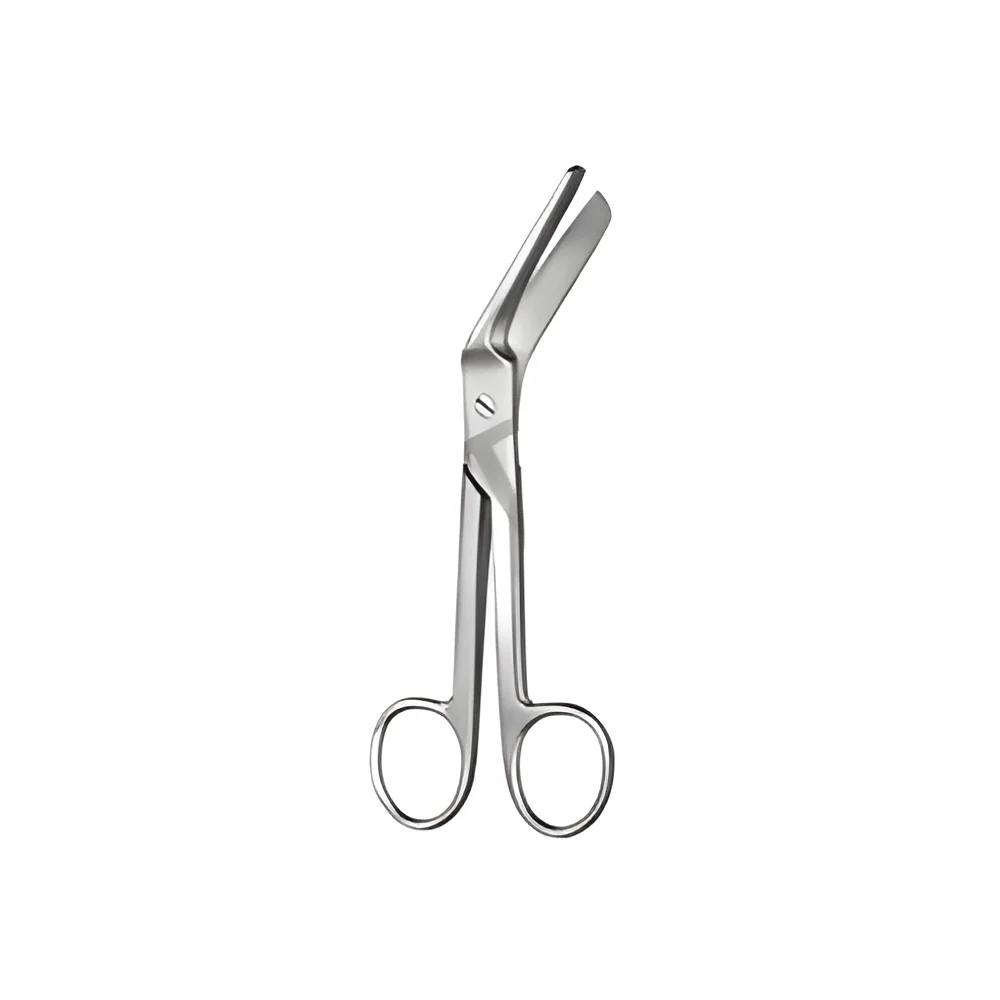
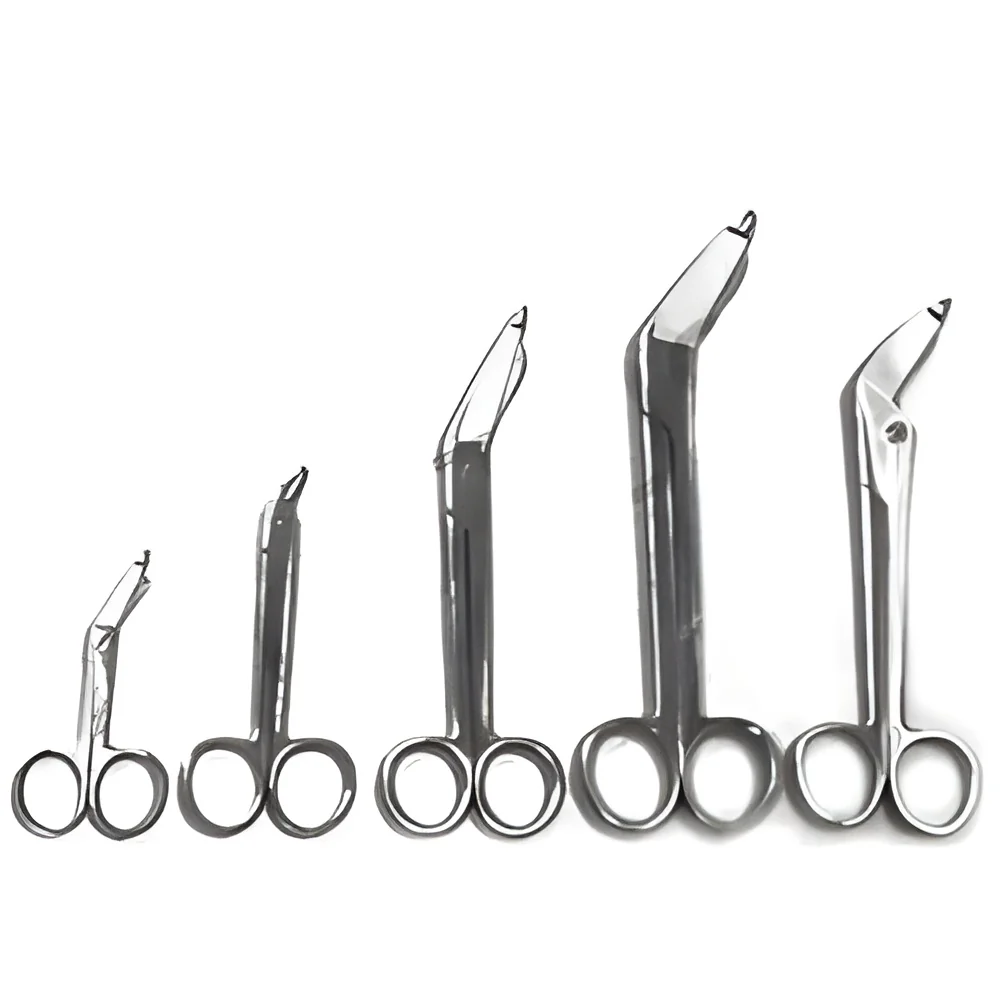
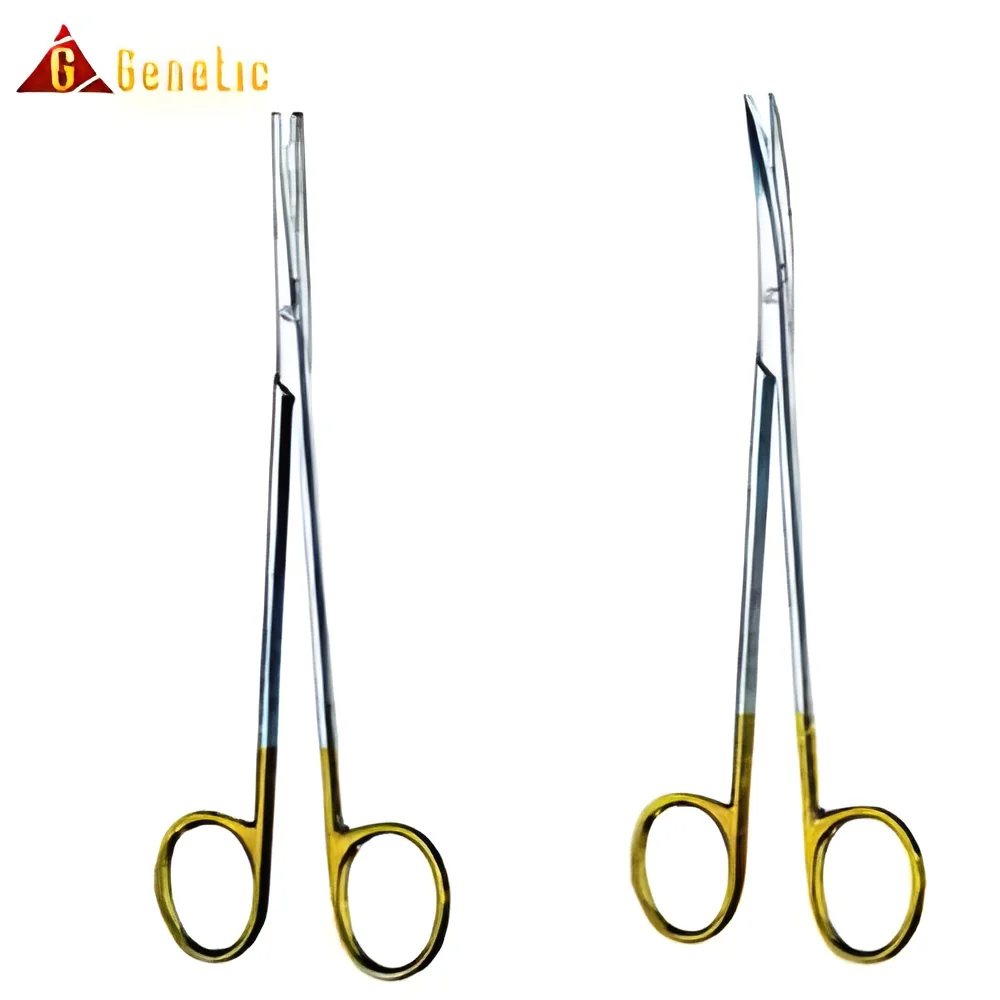
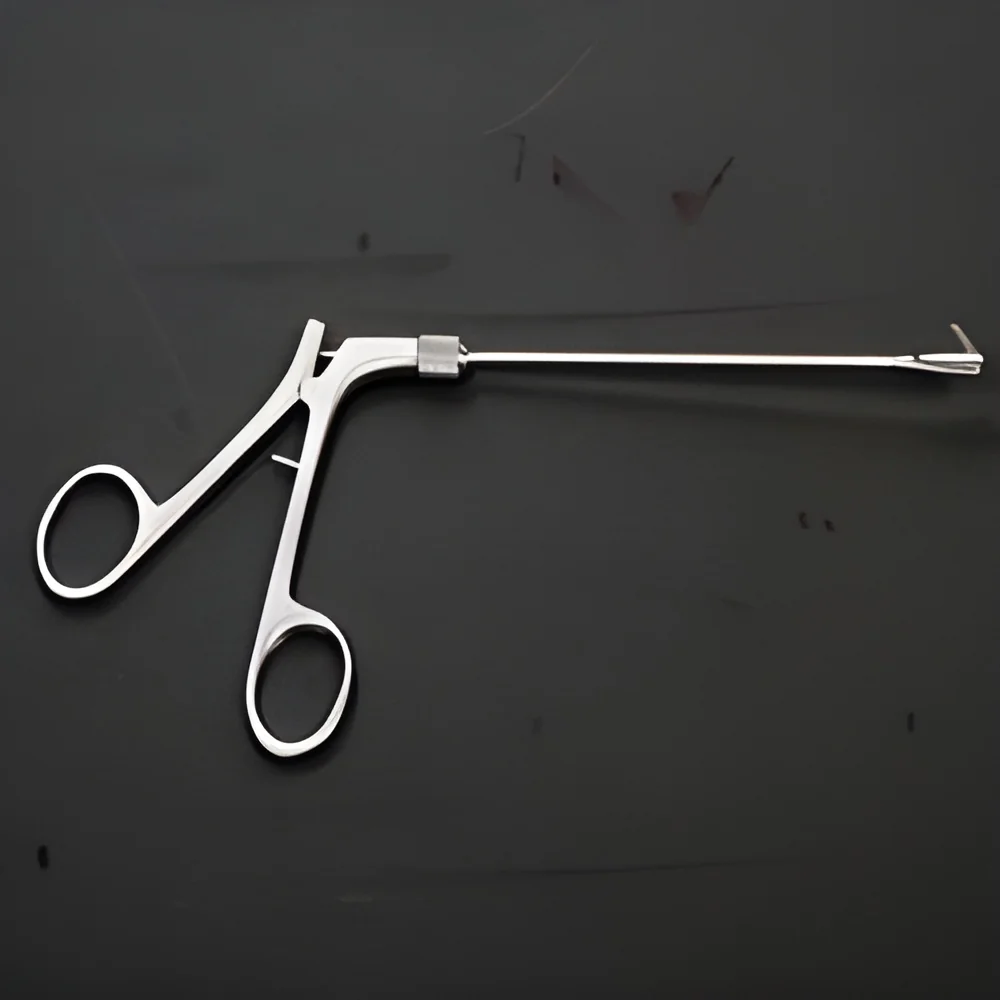
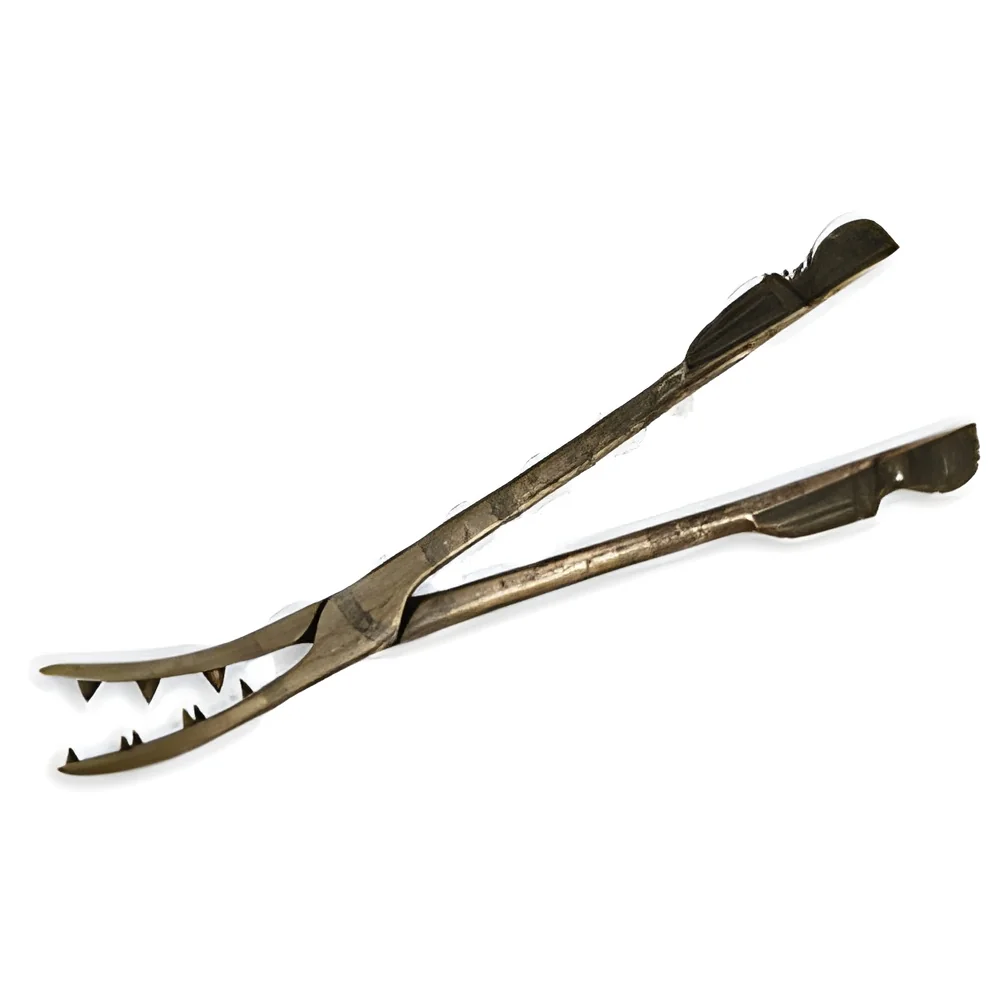
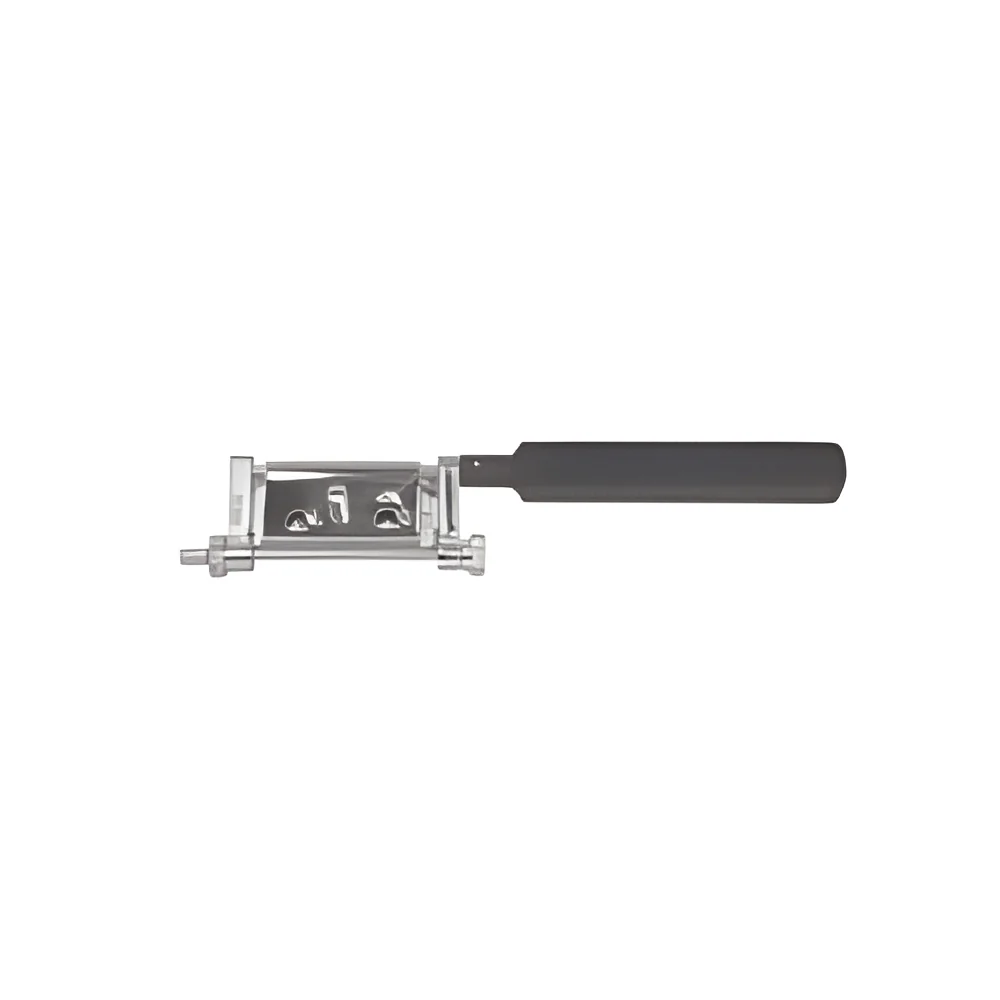
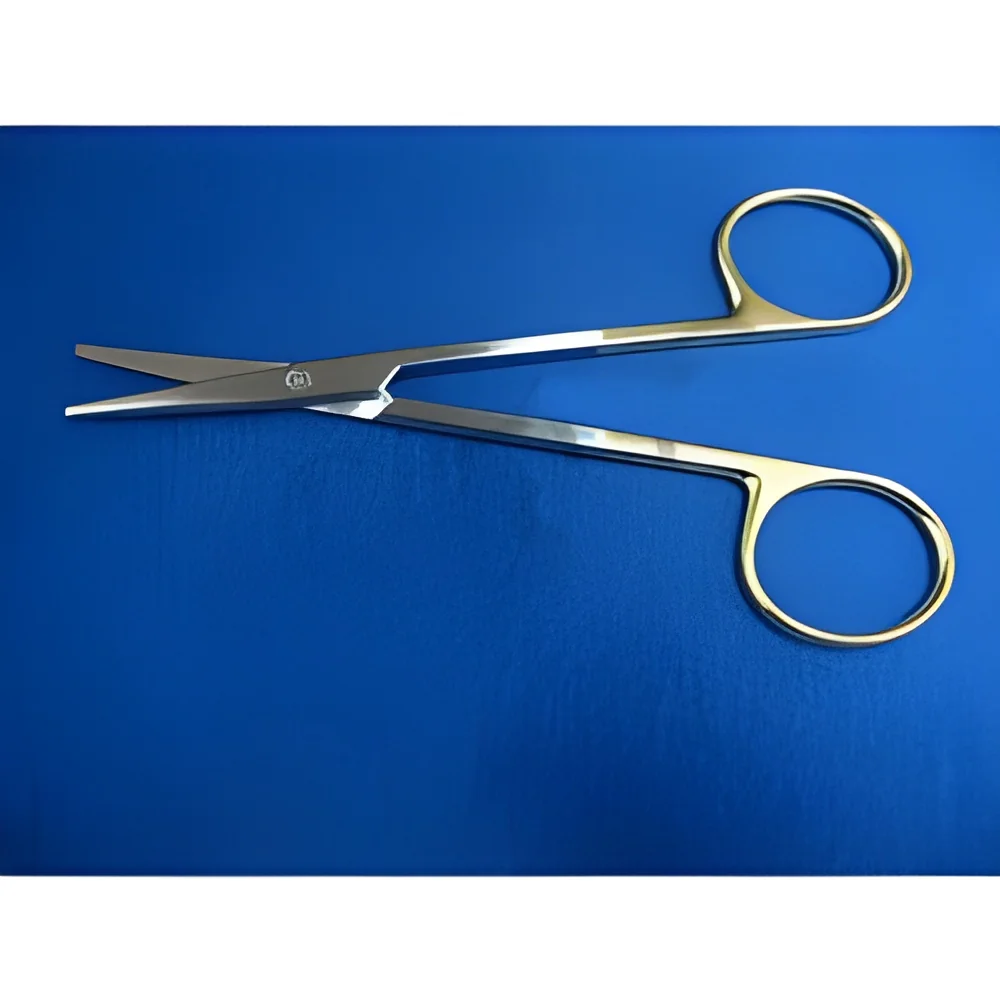
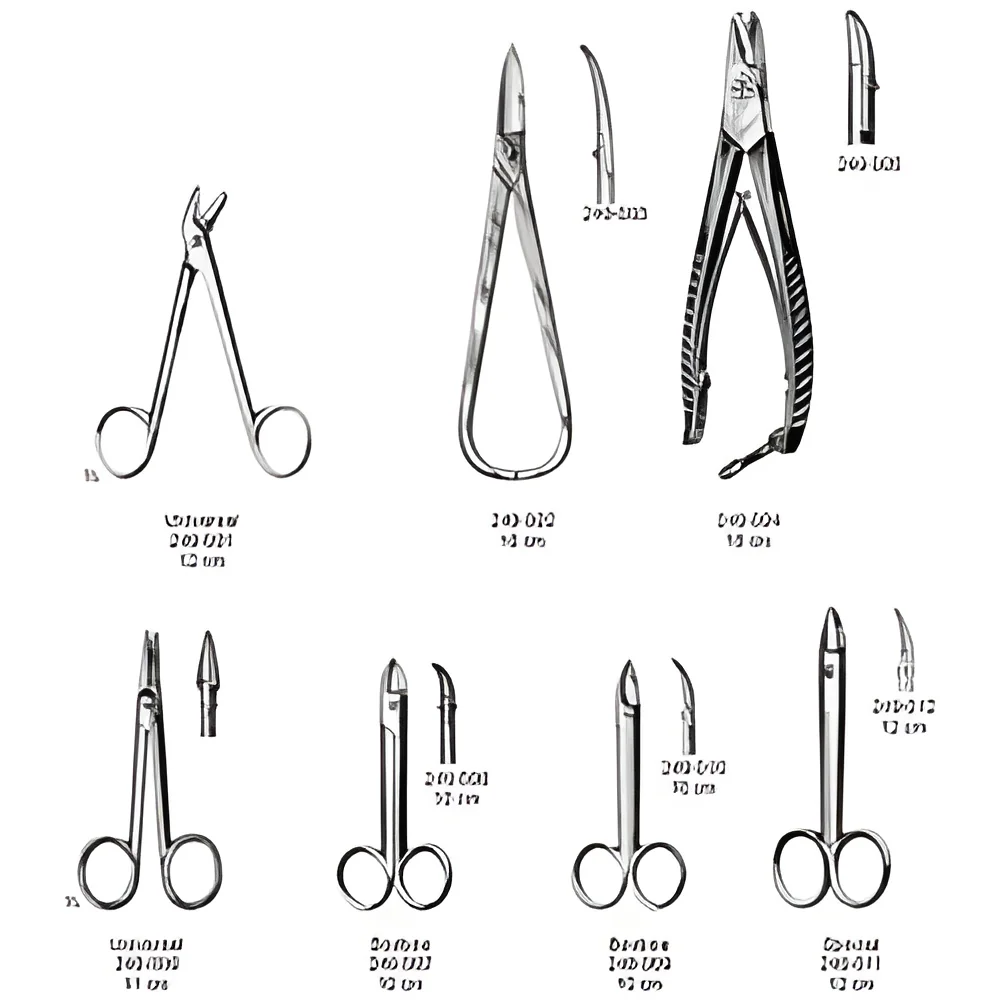
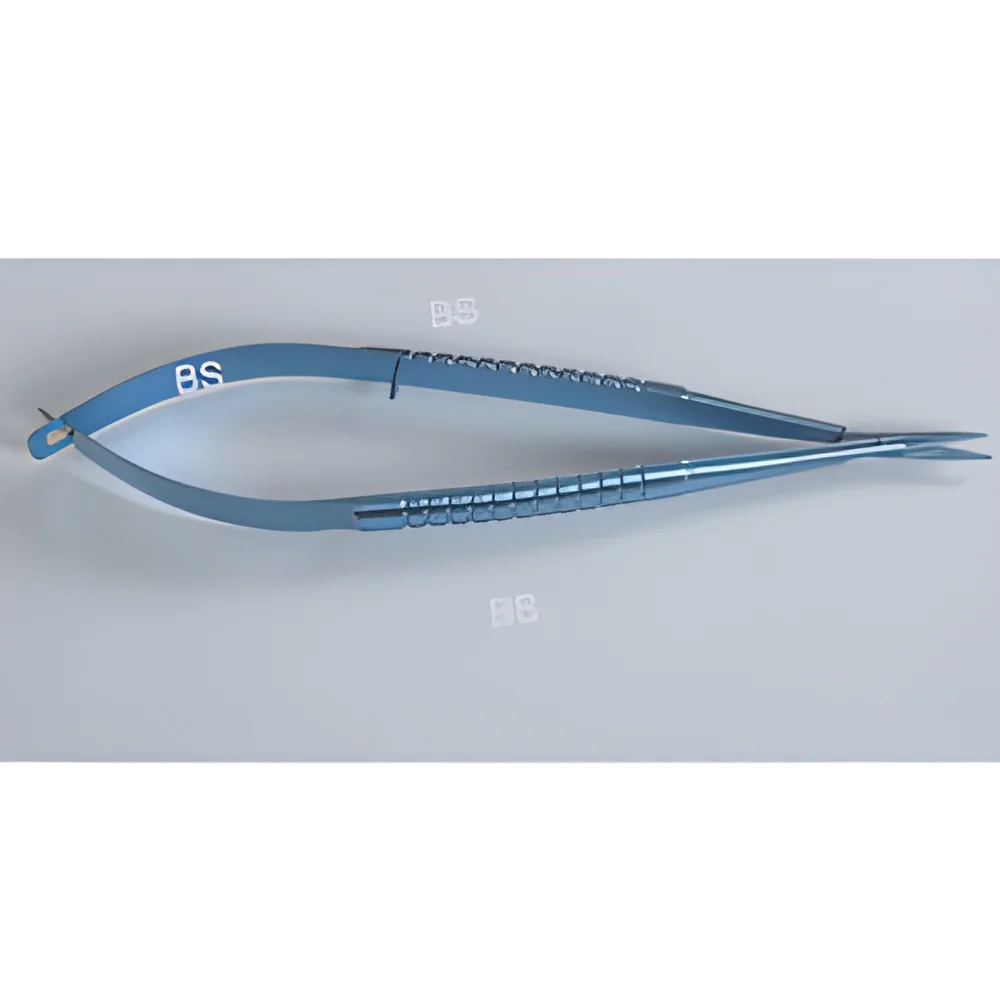
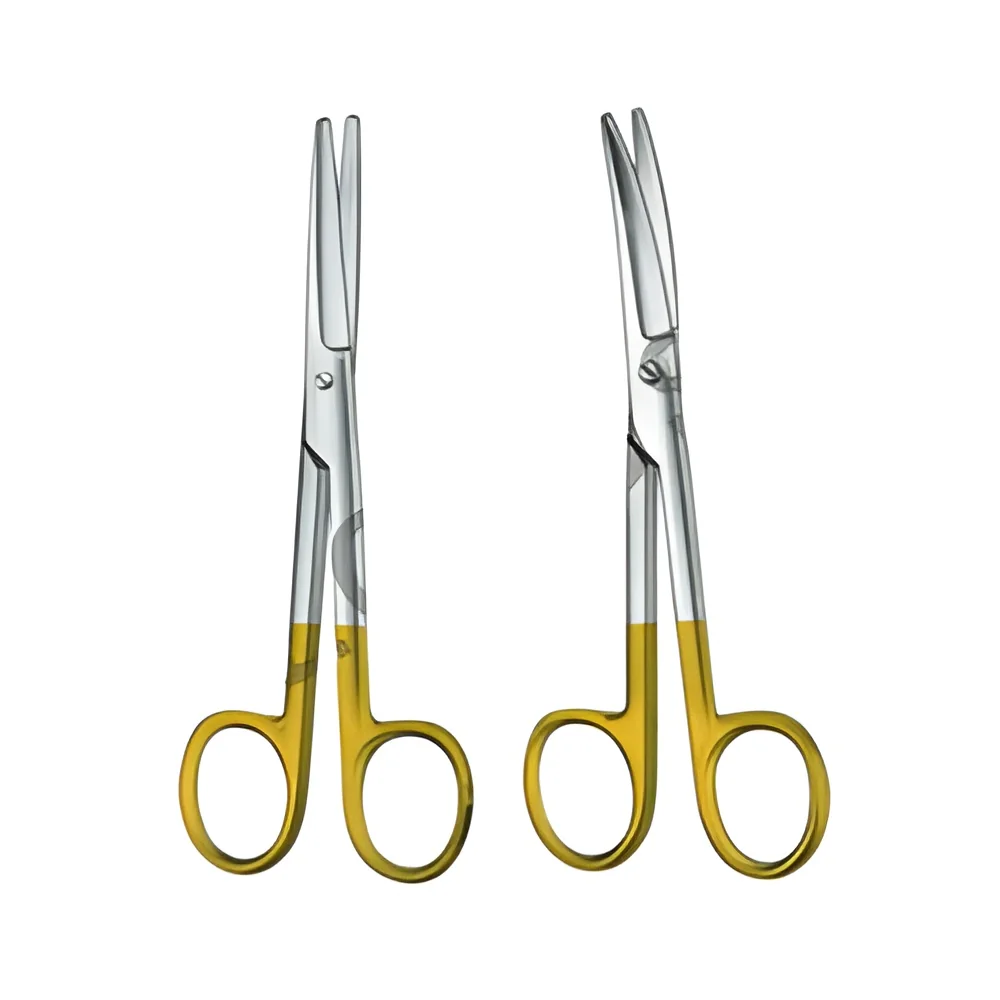
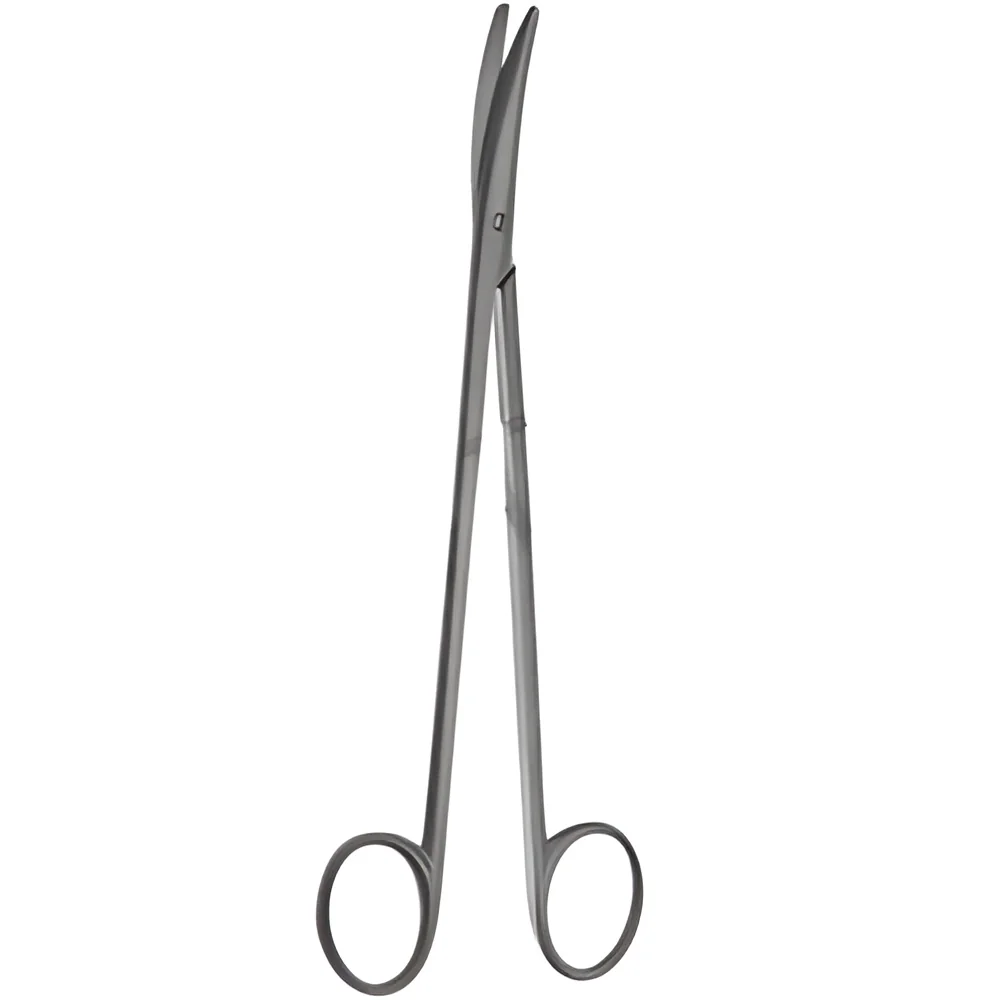
Key Features and Specifications
The features and specifications of surgical, suture, and bandage scissors are crucial for their effective use in medical applications. These scissors are designed with specific attributes that cater to the needs of healthcare professionals.
Key specifications include:
1. Blade Material
- Typically made from stainless steel for durability and corrosion resistance
- May include coatings for enhanced performance
2. Blade Type
- Straight or curved blades depending on the application
- Sharpness and edge design tailored for specific cutting tasks
3. Length
- Available in various lengths (generally ranging from 4 to 8 inches)
- Size selection based on task requirements and user preference
4. Handle Design
- Ergonomic handles for comfort and control during use
- Finger rings designed for a secure grip
5. Weight
- Lightweight construction for ease of handling
- Balance designed for precise cutting actions
6. Sterilization Compatibility
- Designed to withstand autoclaving and other sterilization methods
- Ensures compliance with hygiene standards
7. Tip Design
- Blunt or sharp tips available depending on the application
- Blunt tips reduce the risk of accidental punctures
8. CE Certification
- Compliance with European health and safety regulations
- Assurance of quality and safety standards in production
In summary, the specifications of surgical, suture, and bandage scissors are tailored to meet the high standards of the medical industry, ensuring that they provide reliability and precision in various applications.
Common Applications and Use Cases
Surgical, suture, and bandage scissors find utility across several industries beyond just healthcare, highlighting their versatility and essential role.
1. Healthcare: In hospitals and clinics, these scissors are used for various procedures, including surgery, wound care, and dressing changes. Their design allows for precise cuts in delicate situations.
2. Veterinary: Veterinary professionals use surgical scissors for animal surgeries and medical treatments, ensuring safe and effective procedures for pets and livestock.
3. Emergency Services: First responders rely on bandage scissors to quickly and efficiently cut through clothing and dressings in emergency situations, providing critical care to patients.
4. Education: Medical training institutions incorporate these scissors into their curricula, teaching students the proper techniques for surgical procedures and wound management.
5. Manufacturing: Some manufacturing sectors use specialized scissors for cutting materials during the production of medical devices and supplies.
6. Crafting: Certain models of surgical scissors are used in specialized crafting applications, where precision cutting is required.
7. Research: In laboratory settings, these scissors are employed for dissections and other precision tasks, aiding in scientific studies.
Product Variants and Subcategories
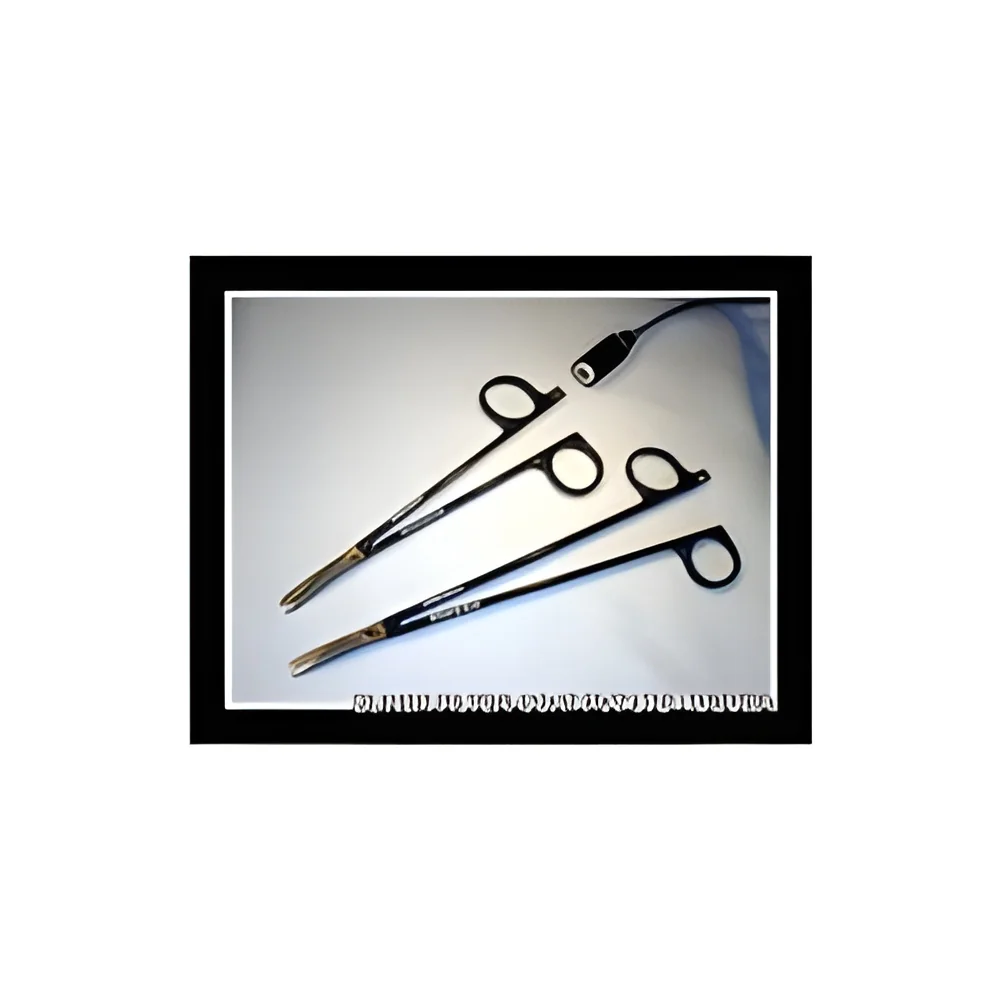
Surgical, suture, and bandage scissors offer a range of variants to meet diverse user needs. Each variant is tailored to specific applications, providing unique features.
Scalpel Scissors
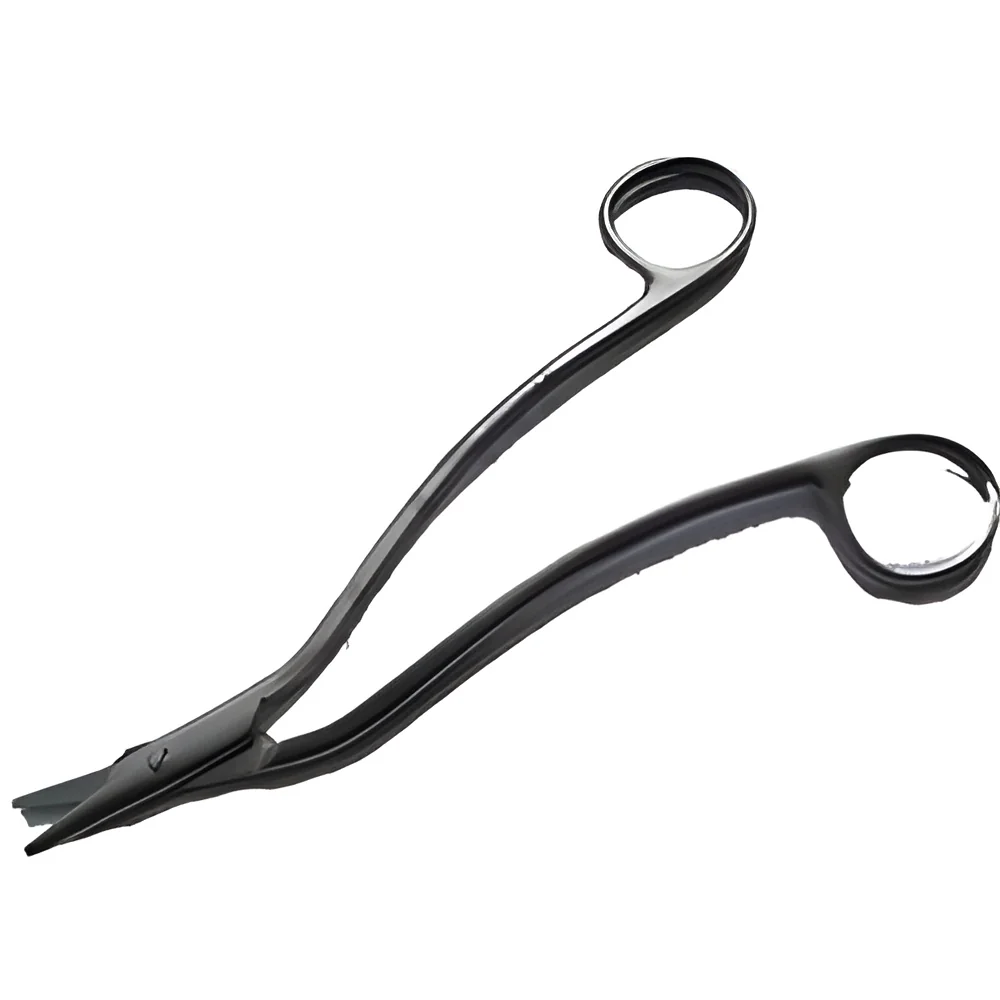
These scissors combine the functionality of a scalpel and traditional scissors, allowing precise cutting and dissection in surgical settings. They are particularly useful in procedures requiring fine control and accuracy.
Suture Scissors
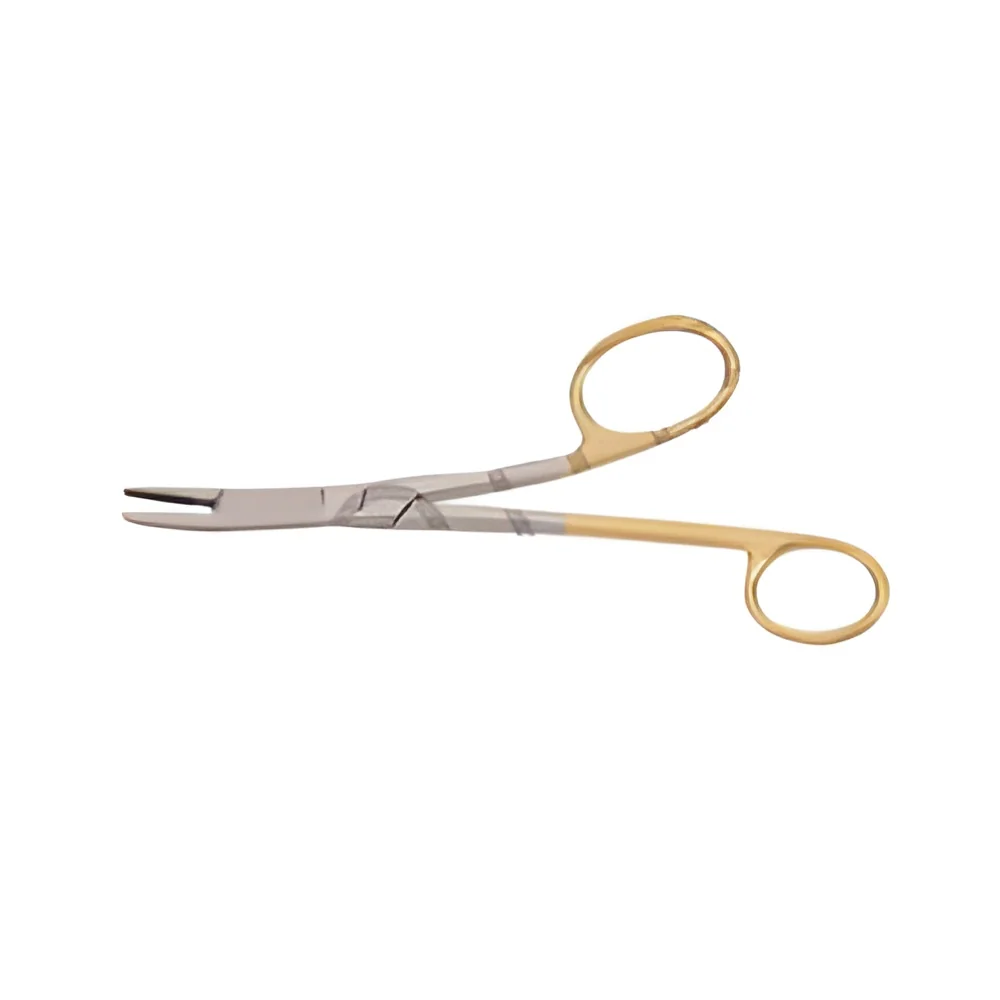
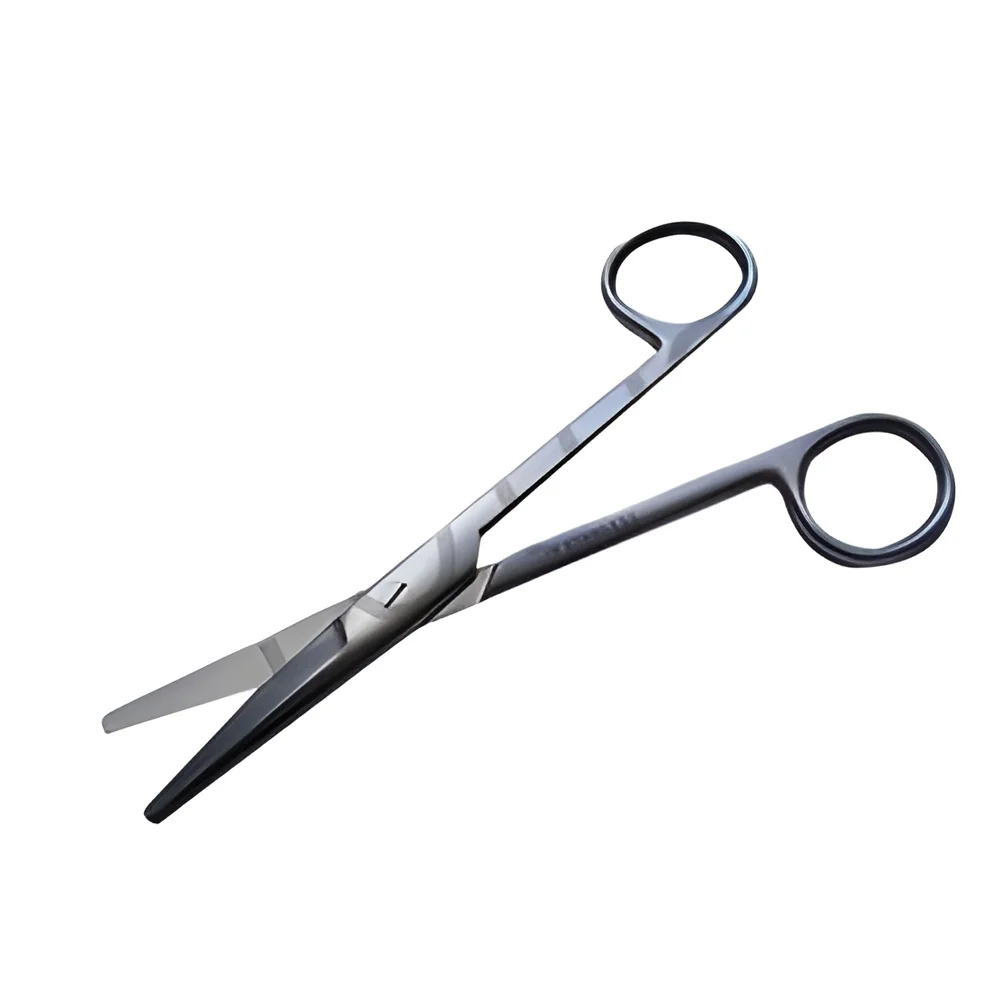
Designed specifically for cutting sutures, these scissors often feature a blunt tip to reduce the risk of injury. Their sharp blades ensure clean cuts, making them ideal for removing stitches in various medical contexts.
Bandage Scissors
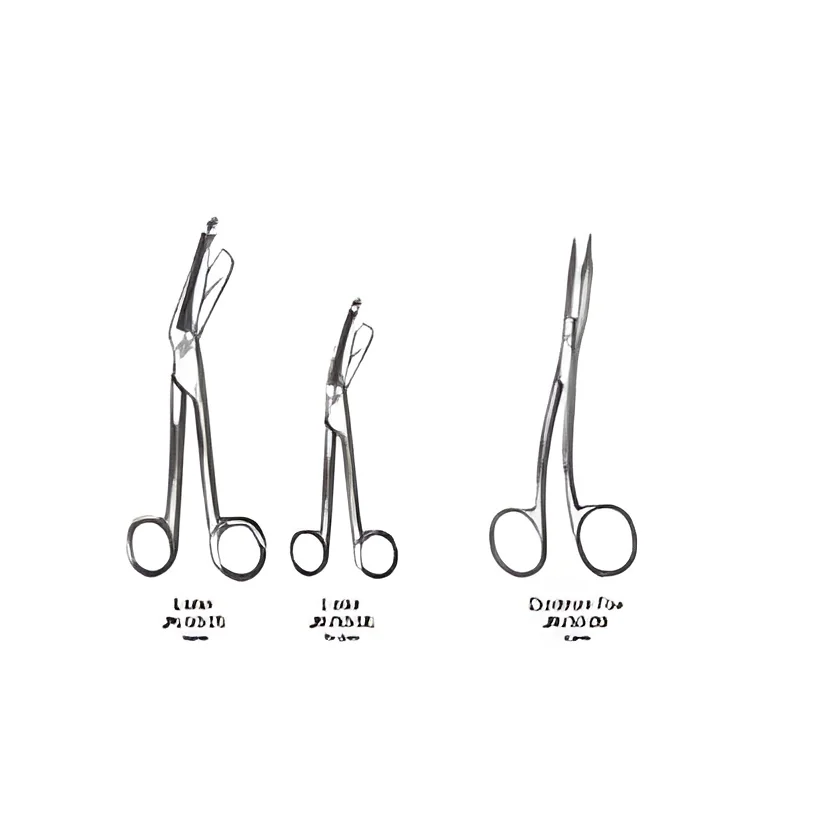
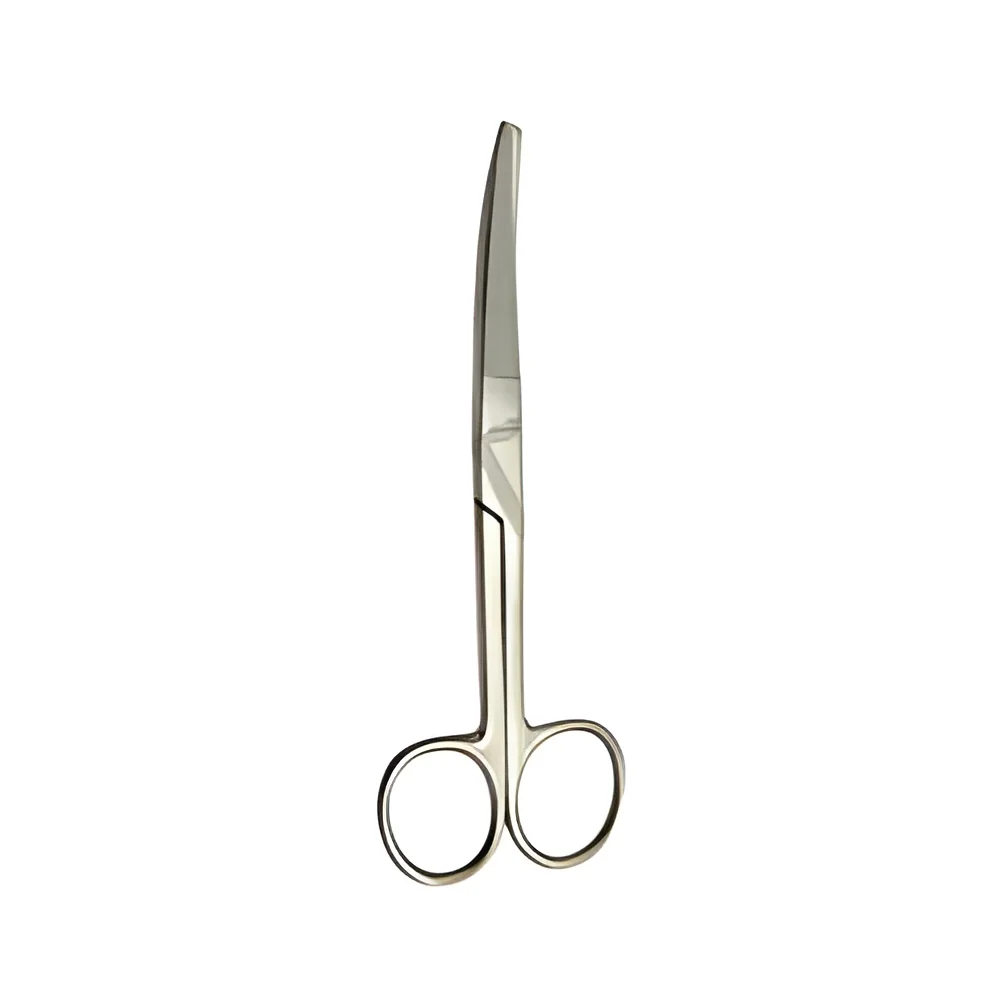
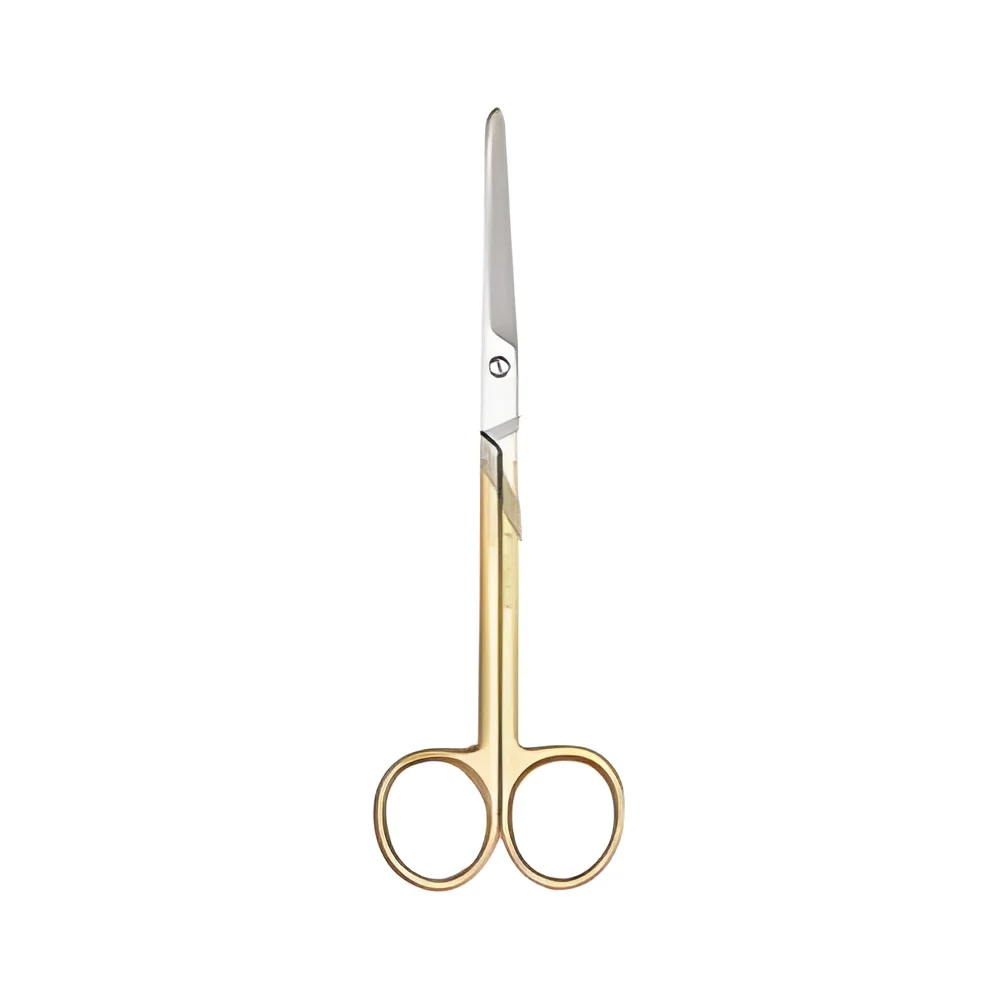
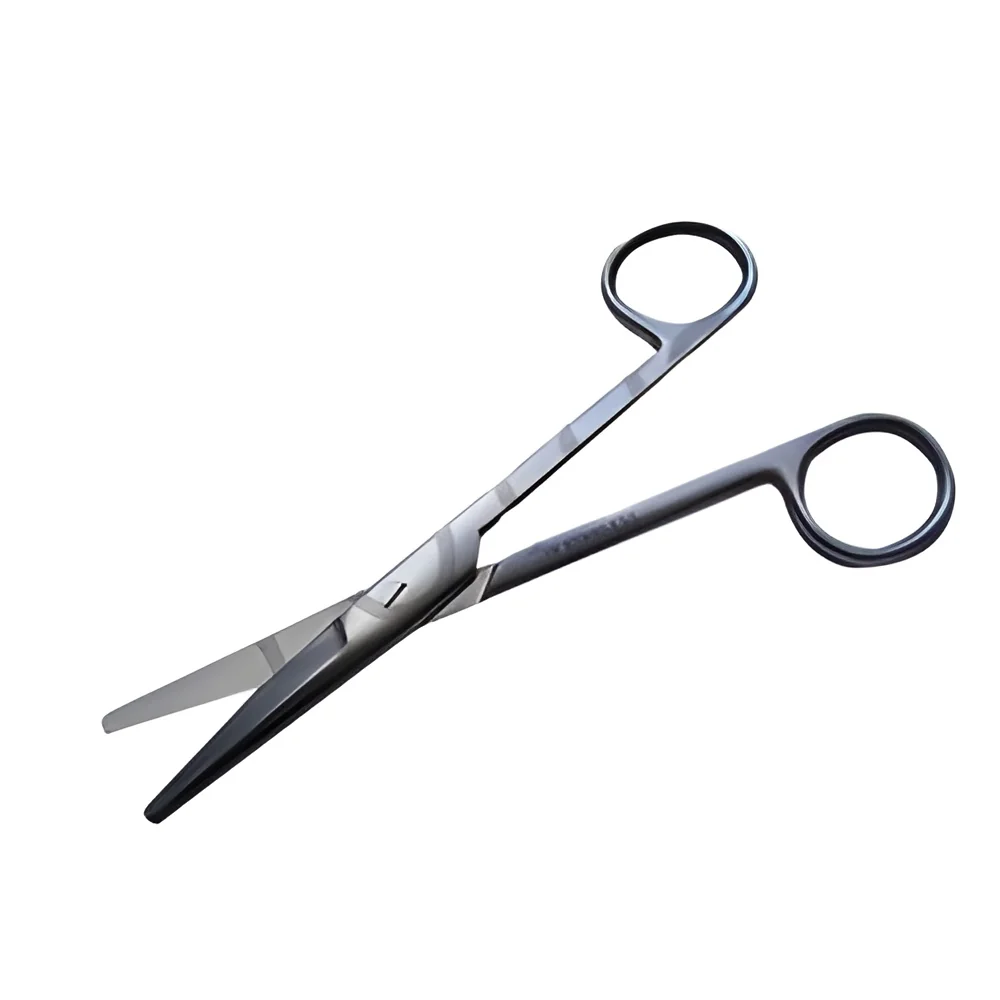
Characterized by a blunt tip and a curved blade, bandage scissors are designed for safely cutting through dressings and bandages without harming the skin. Their unique design is essential in emergency settings.
Surgical Scissors
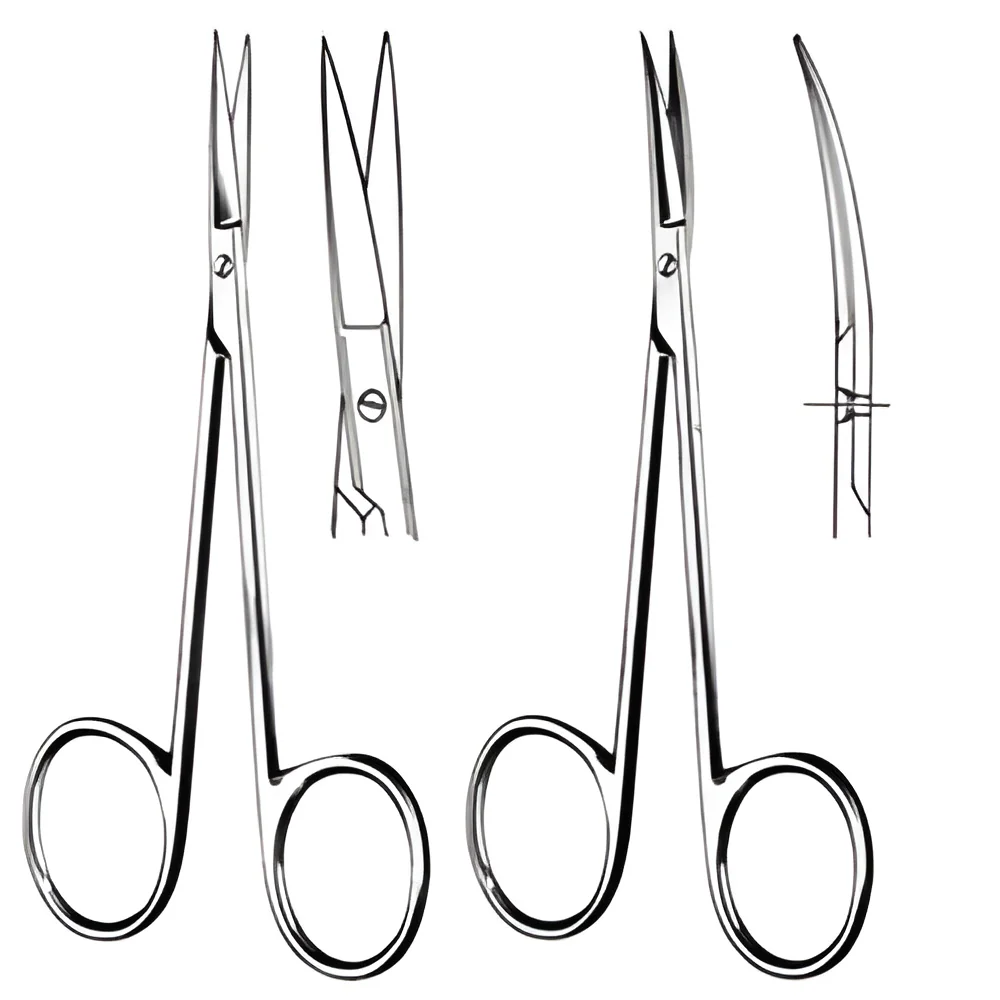
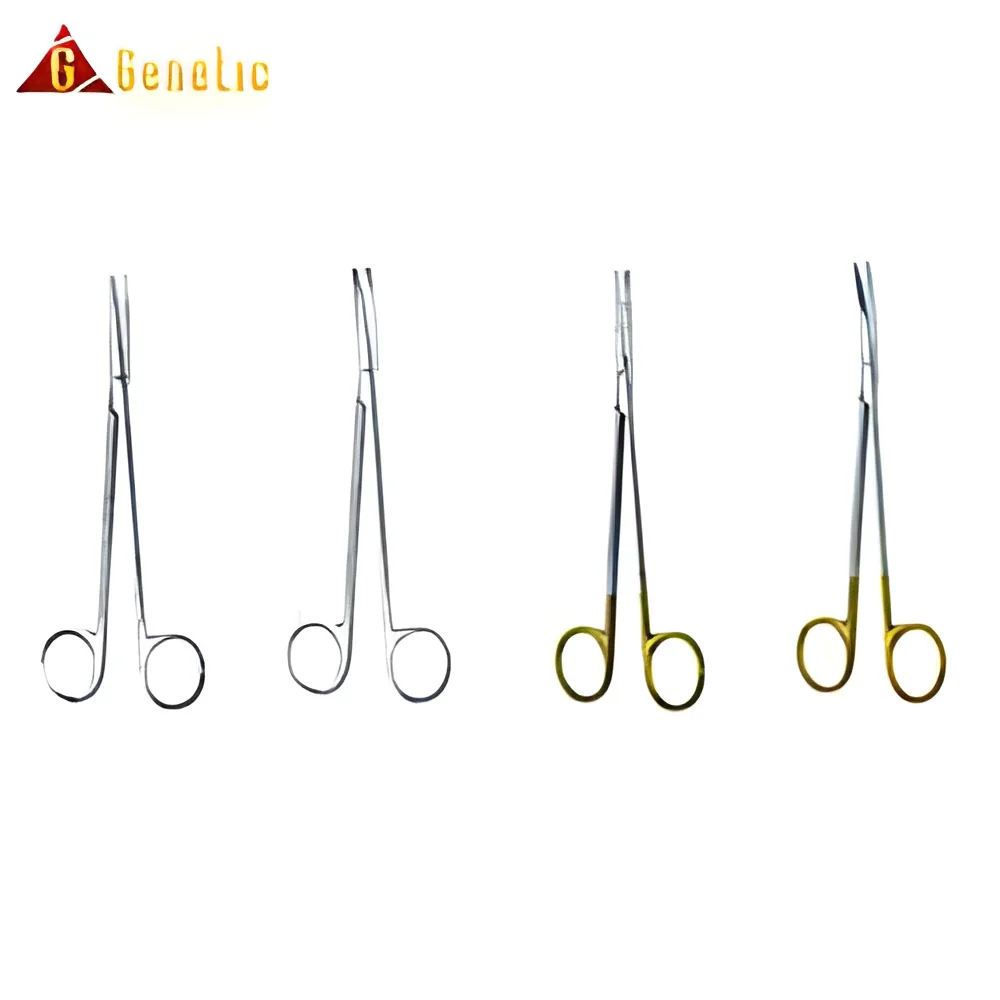
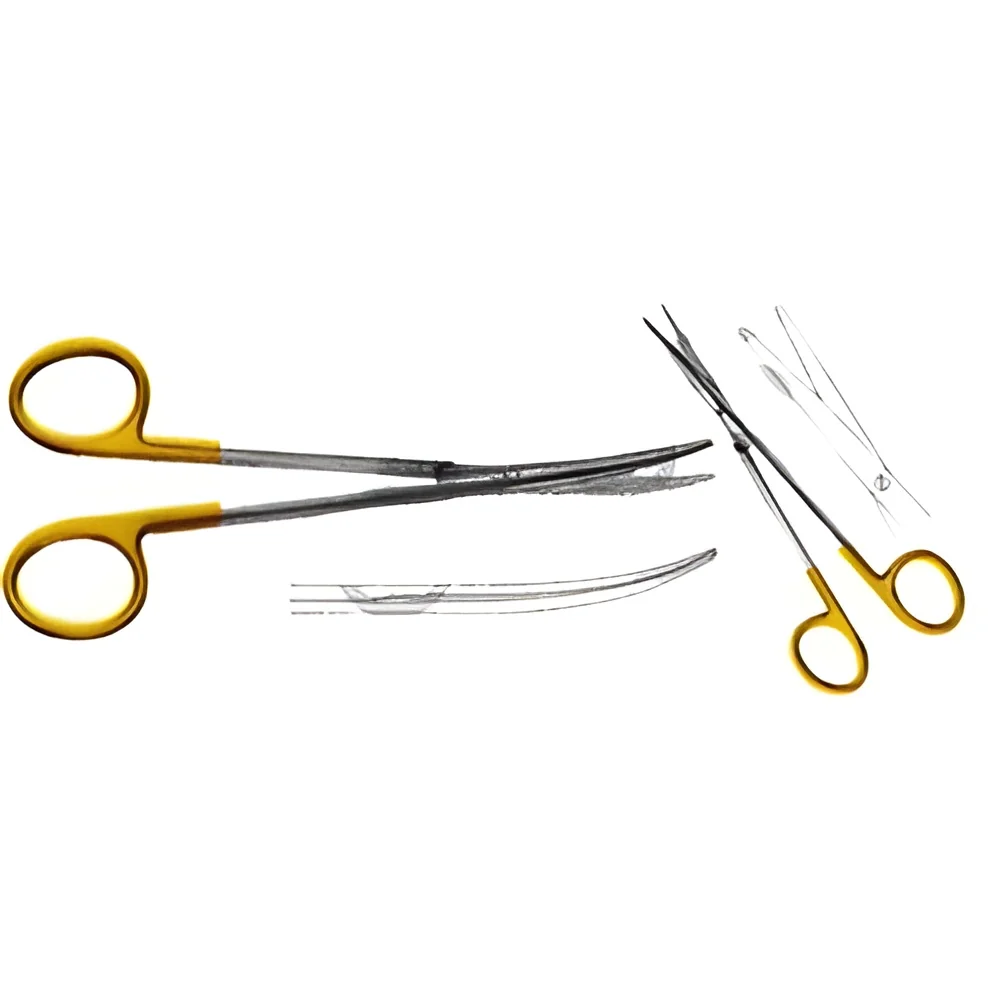
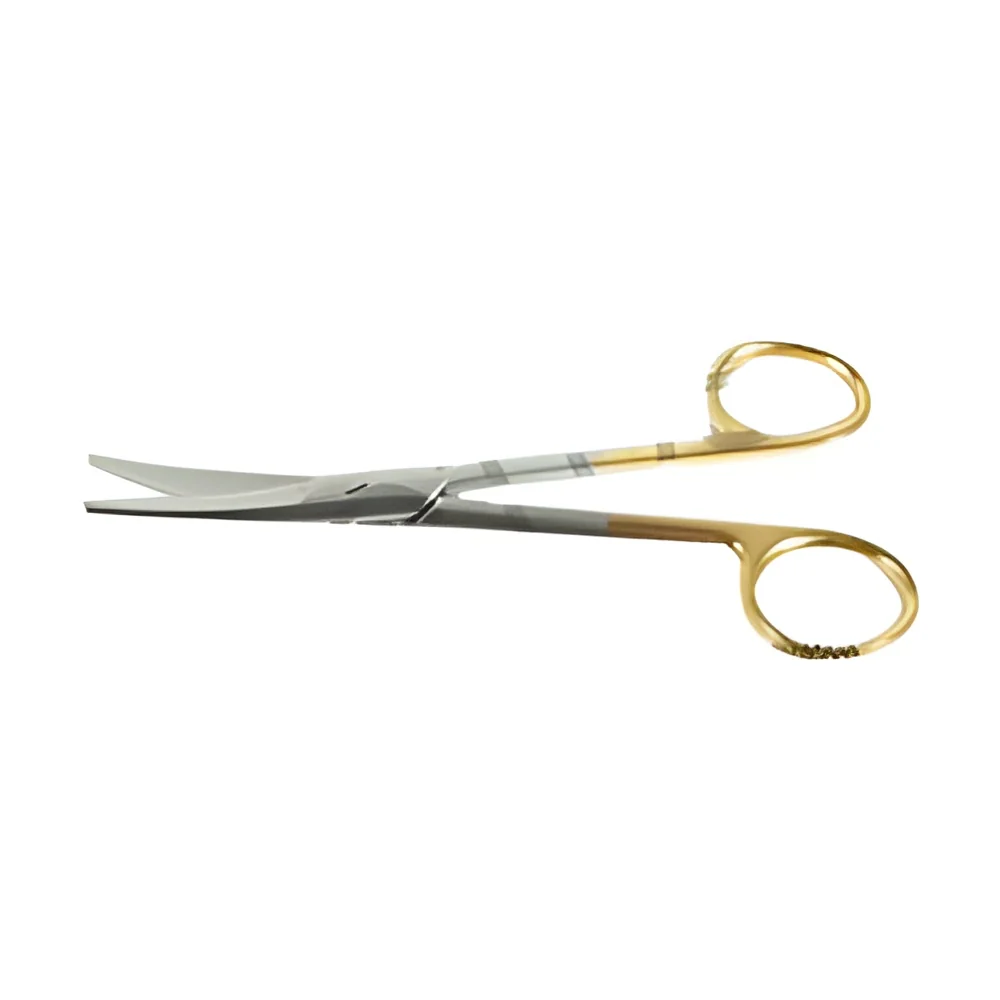
These scissors come in various types, including Metzenbaum and Mayo scissors, each designed for specific surgical tasks. They are essential for cutting tissues or sutures during surgical procedures.
Benefits and Advantages
Sourcing surgical, suture, and bandage scissors provides numerous benefits for healthcare providers and organizations.
Key benefits include:
1. Precision Cutting: These scissors are designed for accuracy, ensuring clean cuts that are essential in medical procedures.
2. Enhanced Safety: Features like blunt tips on certain models minimize the risk of accidental injury during use.
3. Durability: Made from high-quality materials, these scissors are built to last, offering long-term performance in demanding environments.
4. Ergonomic Design: Many models include features that promote user comfort and reduce fatigue during extended use.
5. Compliance with Standards: Sourcing CE-certified scissors ensures adherence to industry quality and safety standards.
6. Versatility: The range of scissors available allows for specialized use in various applications, from surgery to emergency care.
Buying Guide for B2B Buyers
When sourcing surgical, suture, and bandage scissors, several factors should be considered to ensure quality and reliability.
1. Quality Assessment: Evaluate the materials and construction of the scissors. Look for stainless steel options and confirm any certifications that indicate adherence to quality standards.
2. Supplier Verification: Conduct thorough checks on potential suppliers. This includes reviewing their reputation, product offerings, and compliance with industry regulations.
3. Pricing and MOQ: Understand the pricing structure and minimum order quantities (MOQ) required by suppliers. This helps in budgeting and inventory management.
4. Delivery and Lead Times: Inquire about logistics and delivery timelines to ensure that the scissors can be obtained promptly when needed.
5. Compliance Requirements: Stay informed about relevant regulatory needs for medical instruments in your region. Ensure that the products sourced meet these compliance standards.
Compliance and Certifications
Compliance and certifications are critical aspects of sourcing surgical, suture, and bandage scissors. These instruments must adhere to rigorous quality standards to ensure safety and efficacy in medical applications.
Relevant quality standards such as ISO 9001 are crucial for manufacturers, signifying a commitment to quality management systems. Compliance with the Hazard Analysis and Critical Control Points (HACCP) framework is also essential, particularly in ensuring safety in healthcare settings.
Industry certifications, including CE marking, demonstrate that the scissors meet European health and safety regulations. This certification assures users of the product's quality and reliability.
Safety and testing requirements are integral to the manufacturing process. Scissors must undergo thorough testing to verify their performance and safety features. Additionally, regional compliance considerations may vary, so understanding local regulations is vital for importers and distributors.
Why Source Scissors (Surgical, Suture, Bandage) from Pepagora?
Pepagora offers a reliable platform for sourcing surgical, suture, and bandage scissors, backed by several key advantages.
Verified Supplier Network: Pepagora connects buyers with a network of verified suppliers. This ensures that all products listed meet high-quality standards and regulatory requirements.
Streamlined RFQ Process: The Request for Quotation (RFQ) system simplifies the purchasing process, enabling buyers to receive competitive quotes easily. This efficiency helps organizations make informed decisions quickly.
Trade Assurance and Support: Pepagora provides trade assurance, ensuring buyer protection and support throughout the procurement process. This builds confidence in sourcing decisions.
Regional Coverage: With a focus on markets in India, the GCC, and Southeast Asia, Pepagora offers extensive regional coverage. This geographic reach facilitates easier access to a diverse range of medical instruments, including surgical scissors.

 IN
IN