What are Graspers & Dissectors?
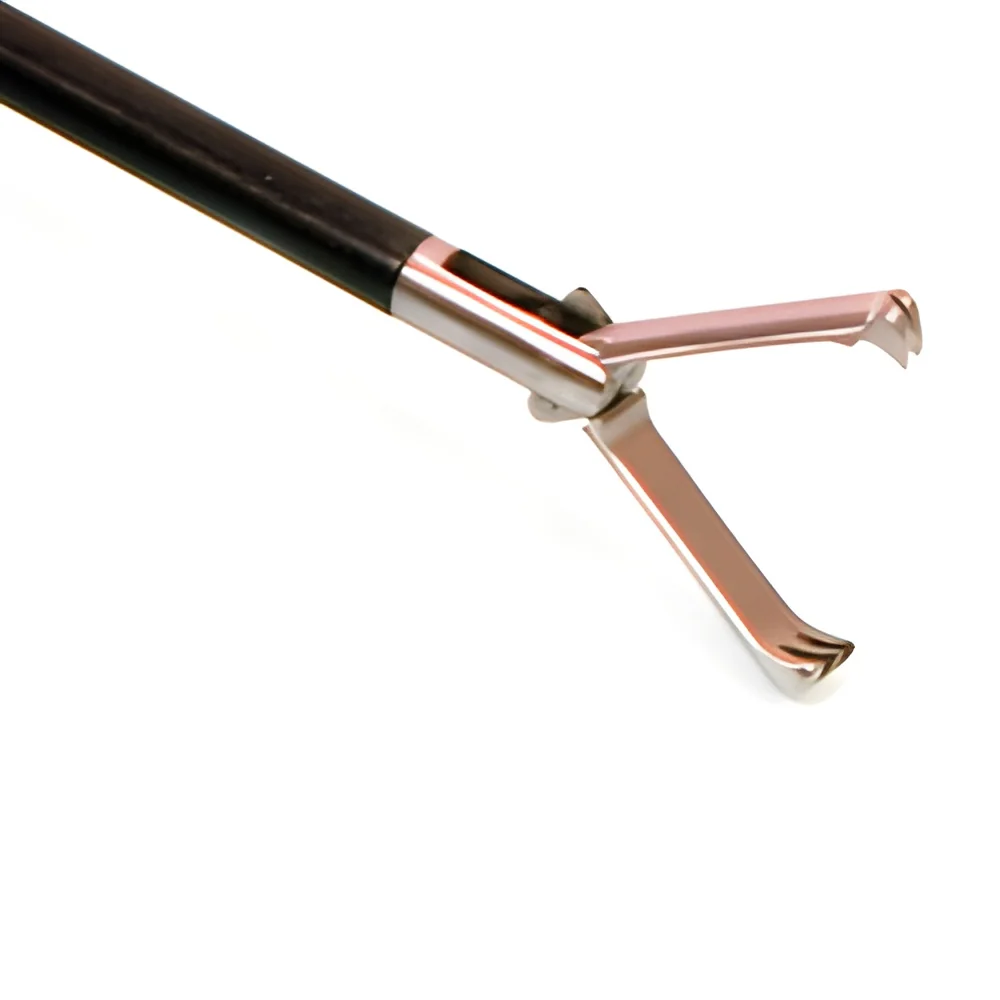
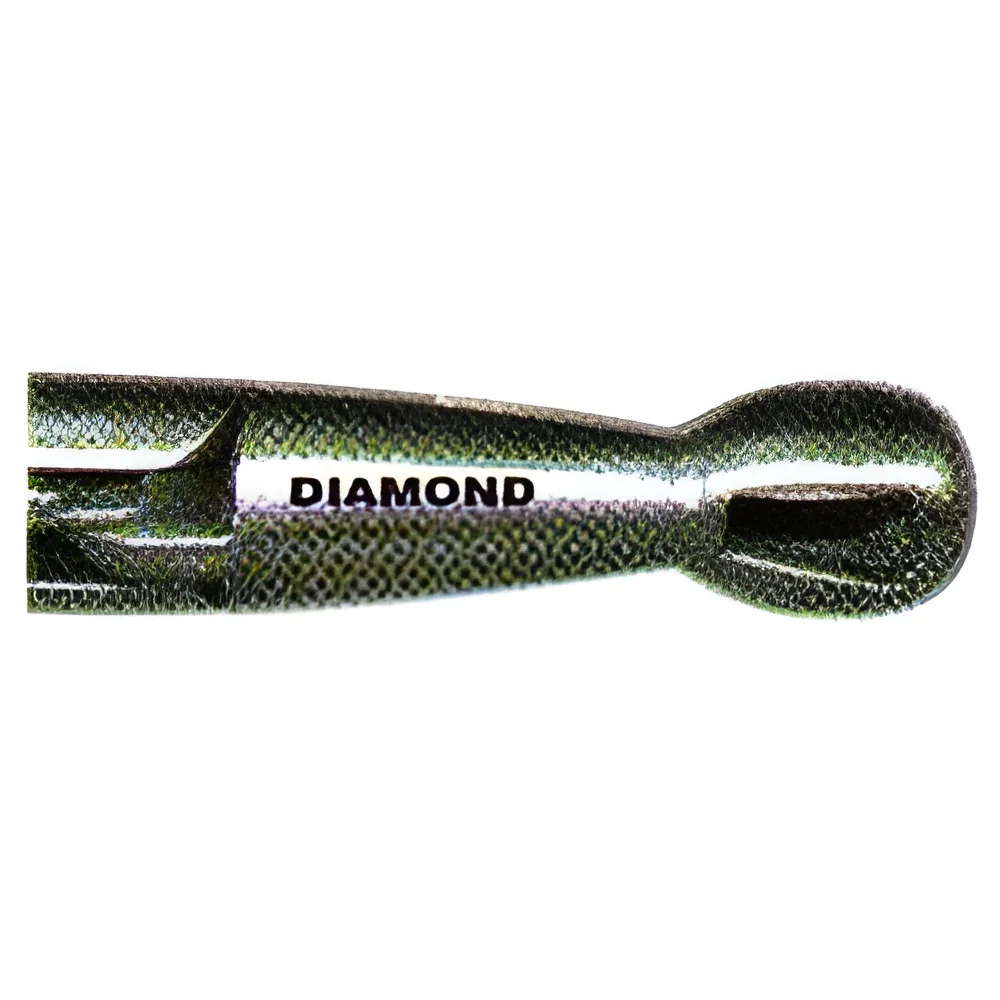
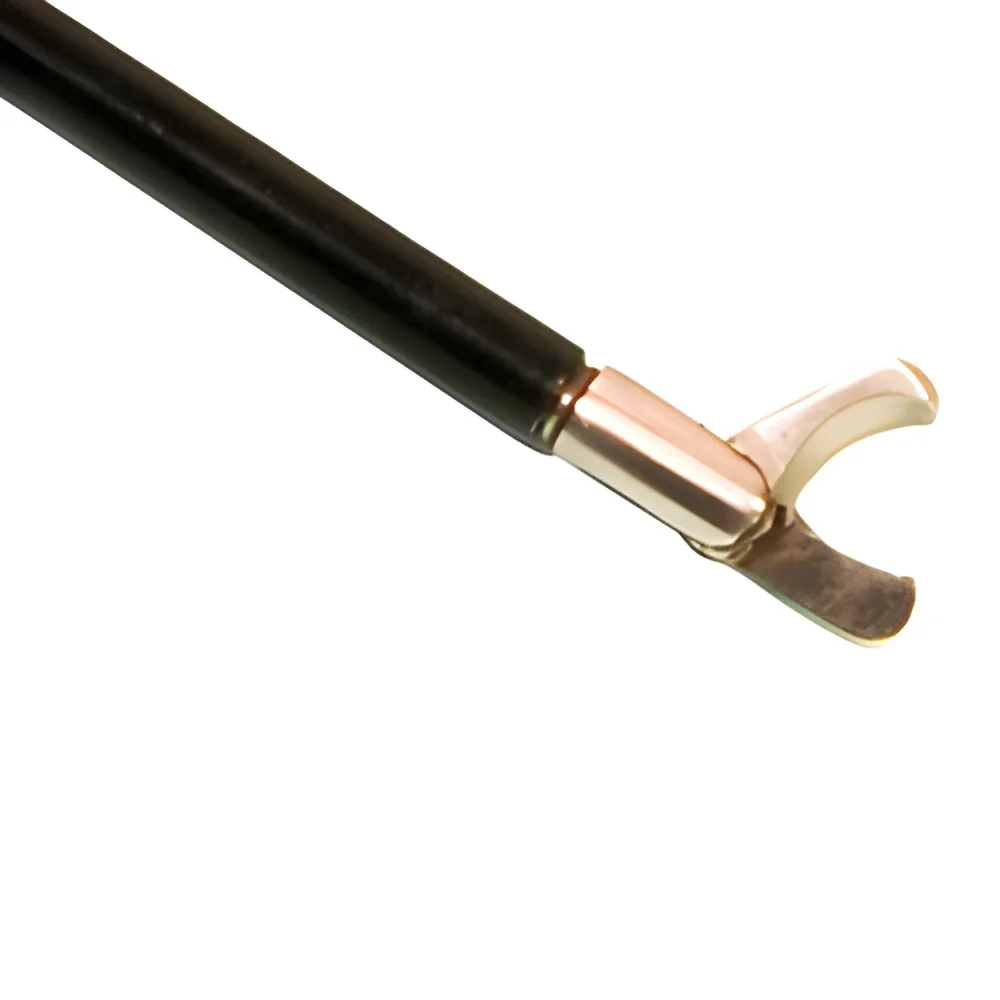
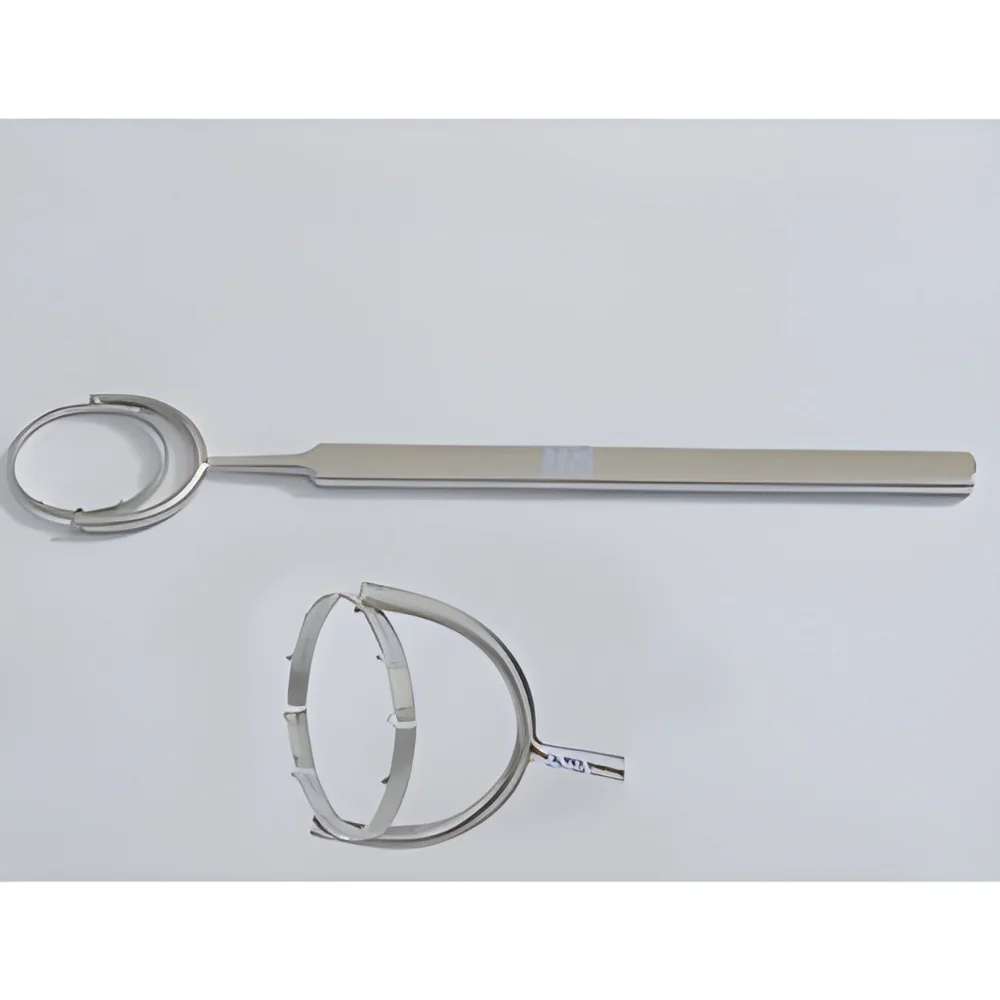
Graspers and dissectors are essential surgical instruments used in various medical procedures. Graspers are designed to securely hold and manipulate tissues, while dissectors are employed to separate or dissect tissues during surgeries. Both instruments come in different shapes and sizes, catering to specific surgical needs, enhancing precision and control for surgeons.
These instruments are primarily utilized in minimally invasive procedures, including laparoscopic surgeries, where precision is critical. They enable surgeons to perform complex tasks with minimal incisions, leading to quicker recovery times for patients. Graspers and dissectors are vital in various surgical disciplines, including general surgery, gynecology, and urology, making them indispensable tools in modern medical practice.
In the current market, the demand for high-quality graspers and dissectors is on the rise due to advancements in surgical techniques and an increasing preference for minimally invasive procedures. This growth is reflected across multiple healthcare sectors, driving innovation and development in the design and functionality of these tools.
Key Features and Specifications
Graspers and dissectors come with various features that enhance their utility and effectiveness in surgical contexts. Understanding these specifications is crucial for B2B buyers looking for high-quality instruments.
Key specifications include:
1. Material Composition
- Typically made from stainless steel or high-grade plastic
- Ensures durability and resistance to corrosion
2. Instrument Length
- Commonly ranges from 20 cm to 40 cm
- Length options cater to different surgical requirements
3. Grip Design
- Ergonomic shapes for enhanced control
- Non-slip surfaces to prevent accidental slips during procedures
4. Tips and End Effectors
- Available in various shapes, such as blunt or sharp
- Designed for specific tissue handling needs
5. Sterilization Compatibility
- Suitable for steam sterilization and other methods
- Ensures compliance with hygiene standards
6. Weight
- Lightweight options available for ease of use
- Reduces hand fatigue during extended procedures
7. Flexibility
- Some models feature articulated joints
- Allows for better maneuverability in confined spaces
8. CE Certification
- Complies with European health, safety, and environmental protection standards
- Ensures reliable quality and performance
In summary, these features and specifications highlight the importance of selecting the right graspers and dissectors based on surgical needs and compliance with industry standards.
Common Applications and Use Cases
Graspers and dissectors are versatile tools applicable in various industries and medical fields.
1. General Surgery: These instruments are used for tissue manipulation and dissection during procedures like appendectomies and hernia repairs.
2. Gynecology: In gynecological surgeries, graspers assist in holding and manipulating reproductive organs, while dissectors aid in tissue separation.
3. Urology: Graspers and dissectors are utilized in urological procedures, such as nephrectomies, providing precision in delicate tissue handling.
4. Orthopedics: These tools facilitate tissue dissection and manipulation during joint surgeries, enhancing surgical precision.
5. Cardiac Surgery: Graspers help in handling heart tissues during bypass surgeries and other procedures, ensuring safety and accuracy.
6. Neurosurgery: In neurosurgical applications, these instruments are crucial for delicately handling and dissecting brain tissues.
7. Veterinary Surgery: Graspers and dissectors are also used in veterinary practices for a range of surgical procedures, ensuring animal safety and care.
Product Variants and Subcategories
Graspers and dissectors come in various forms to meet the specific needs of different surgical procedures.
Straight Graspers: These instruments feature a straight design, ideal for straightforward tissue handling tasks. Their simplicity makes them a staple in many surgical kits.
Curved Graspers: Curved variants allow for better access to tissues in difficult-to-reach areas. The design aids in maneuverability during complex surgeries.
Blunt Dissector: This type focuses on separating tissues without cutting, making it suitable for delicate operations where precision is key.
Sharp Dissector: Sharp variants are used for cutting and dissecting tissues, providing surgeons with the necessary tools for more invasive procedures.
Robotic Graspers: Designed for use in robotic surgeries, these graspers enhance precision and control, aligning with the advancements in surgical technology.
Benefits and Advantages
Sourcing high-quality graspers and dissectors offers numerous advantages for healthcare providers.
Key benefits include:
1. Enhanced Precision: These tools allow surgeons to perform intricate procedures with high accuracy, reducing the risk of complications.
2. Improved Patient Outcomes: The use of graspers and dissectors in minimally invasive surgeries leads to shorter recovery times and less postoperative pain.
3. Versatility: Available in various designs and sizes, these instruments can be adapted for use in multiple surgical specialties.
4. Durability: Made from high-quality materials, graspers and dissectors are designed to withstand repeated sterilization and usage, ensuring longevity.
5. Ergonomic Design: Many models are crafted to reduce hand fatigue, promoting better control during long surgical procedures.
6. Compliance with Standards: Instruments that meet industry regulations ensure safety and reliability in medical practices.
Buying Guide for B2B Buyers
When sourcing graspers and dissectors, buyers should consider several critical factors to ensure they make informed purchasing decisions.
1. Quality Assessment: It is essential to evaluate the quality of materials and craftsmanship. Look for instruments made from durable, corrosion-resistant materials and check for design features that enhance usability.
2. Supplier Verification: Vet potential suppliers to ensure they have a reliable track record in providing high-quality medical instruments. Look for certifications and customer reviews.
3. Pricing and MOQ: Understand the pricing structure and minimum order quantities (MOQ) set by suppliers. This helps in budgeting and ensures you are getting competitive rates.
4. Delivery and Lead Times: Inquire about delivery timelines and logistics. Timely delivery is crucial in medical settings where instruments are often needed urgently.
5. Compliance Requirements: Ensure that the instruments meet relevant regulatory standards and certifications. Compliance with health and safety regulations is non-negotiable in medical settings.
Compliance and Certifications
Graspers and dissectors must meet various compliance standards to ensure safety and efficacy.
One of the key quality standards applicable is ISO 9001, which outlines requirements for a quality management system. This standard ensures that products consistently meet customer and regulatory requirements.
Additionally, instruments are often required to meet the CE certification, indicating that they comply with European health, safety, and environmental protection legislation. This certification is crucial for facilitating trade in many markets.
Safety and testing requirements are also paramount. Instruments must undergo rigorous testing to ensure they perform reliably in clinical settings. This may include testing for durability, sterilization efficacy, and overall functionality.
Regional compliance considerations can vary significantly. It is essential for buyers to be aware of local regulations and standards that may impact the use and sale of surgical instruments.
Why Source Graspers & Dissectors from Pepagora?
Pepagora is a trusted platform for sourcing graspers and dissectors, offering significant advantages to B2B buyers.
Verified Supplier Network: Pepagora connects buyers with a network of verified suppliers, ensuring that all products meet high-quality standards. This verification process helps buyers make confident purchasing decisions.
Streamlined RFQ Process: The platform simplifies the quotation process, enabling buyers to quickly request and receive quotations from multiple suppliers. This efficiency saves time and helps find the best prices.
Trade Assurance and Support: Buyers are protected through trade assurance policies that ensure product quality and timely delivery. Pepagora provides support throughout the sourcing process, offering peace of mind.
Regional Coverage: With a broad geographic reach covering India, the GCC, and Southeast Asia, Pepagora ensures that buyers can access a diverse range of products and suppliers, catering to varying regional needs.
In conclusion, sourcing graspers and dissectors from Pepagora offers a reliable and efficient way for medical professionals and institutions to acquire high-quality surgical instruments.

 IN
IN