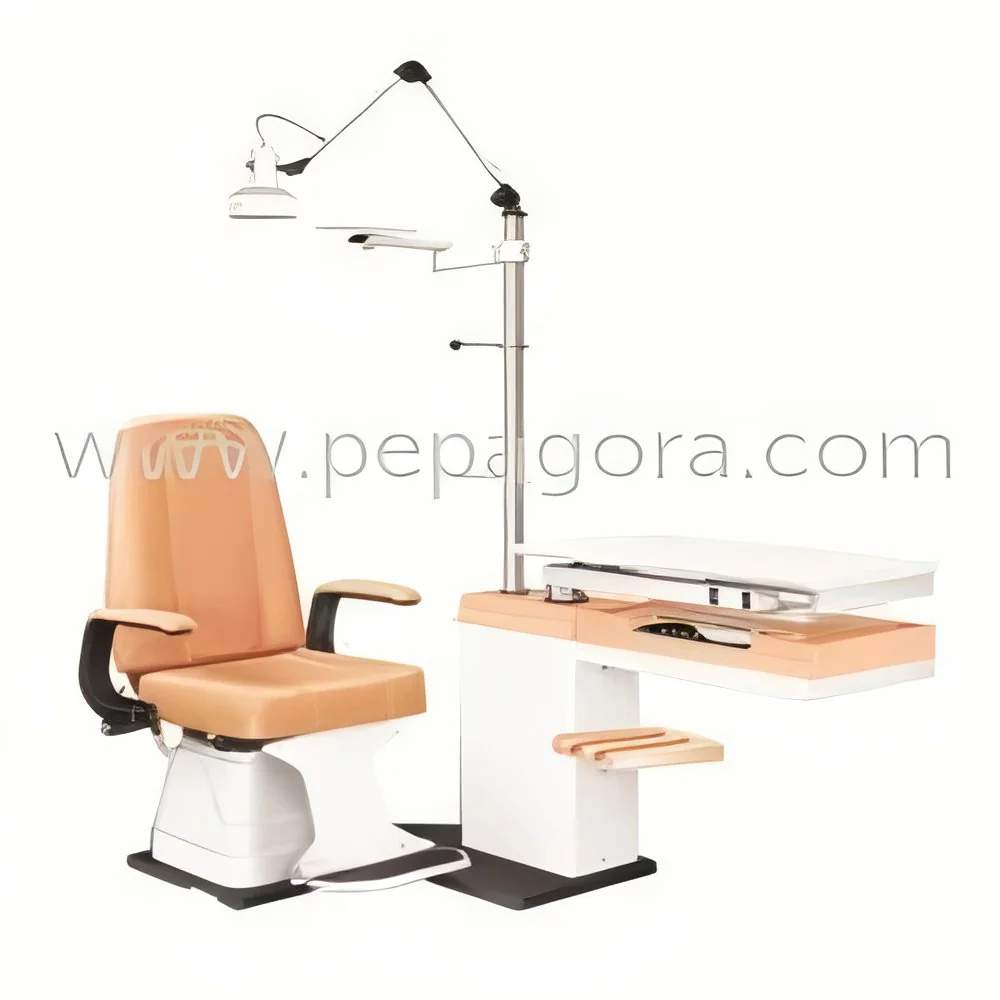
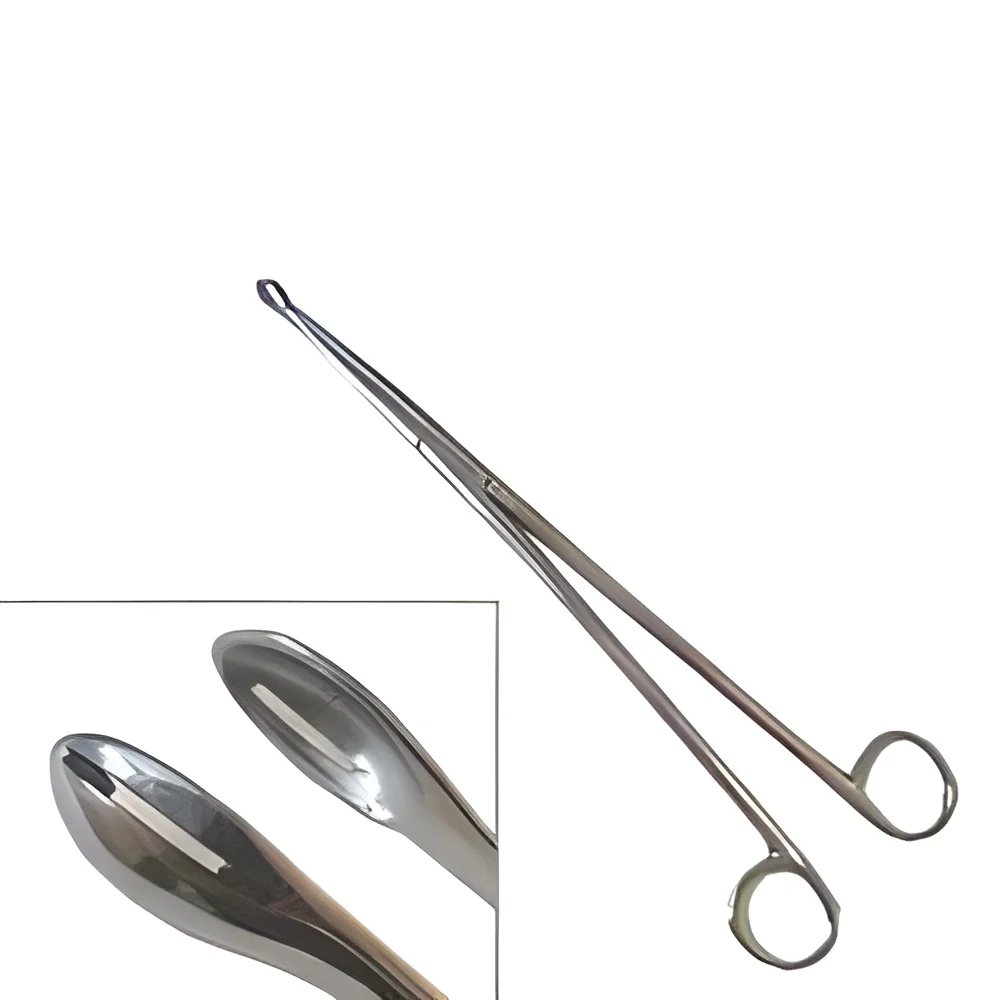
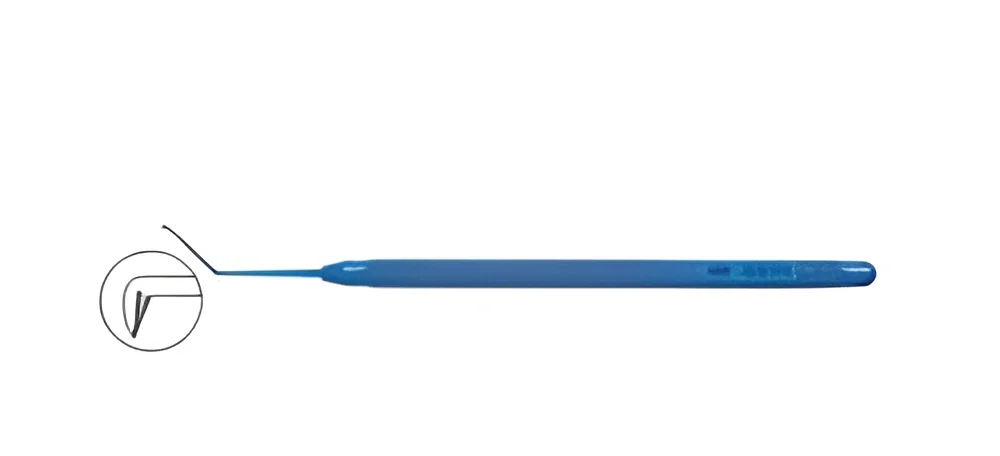
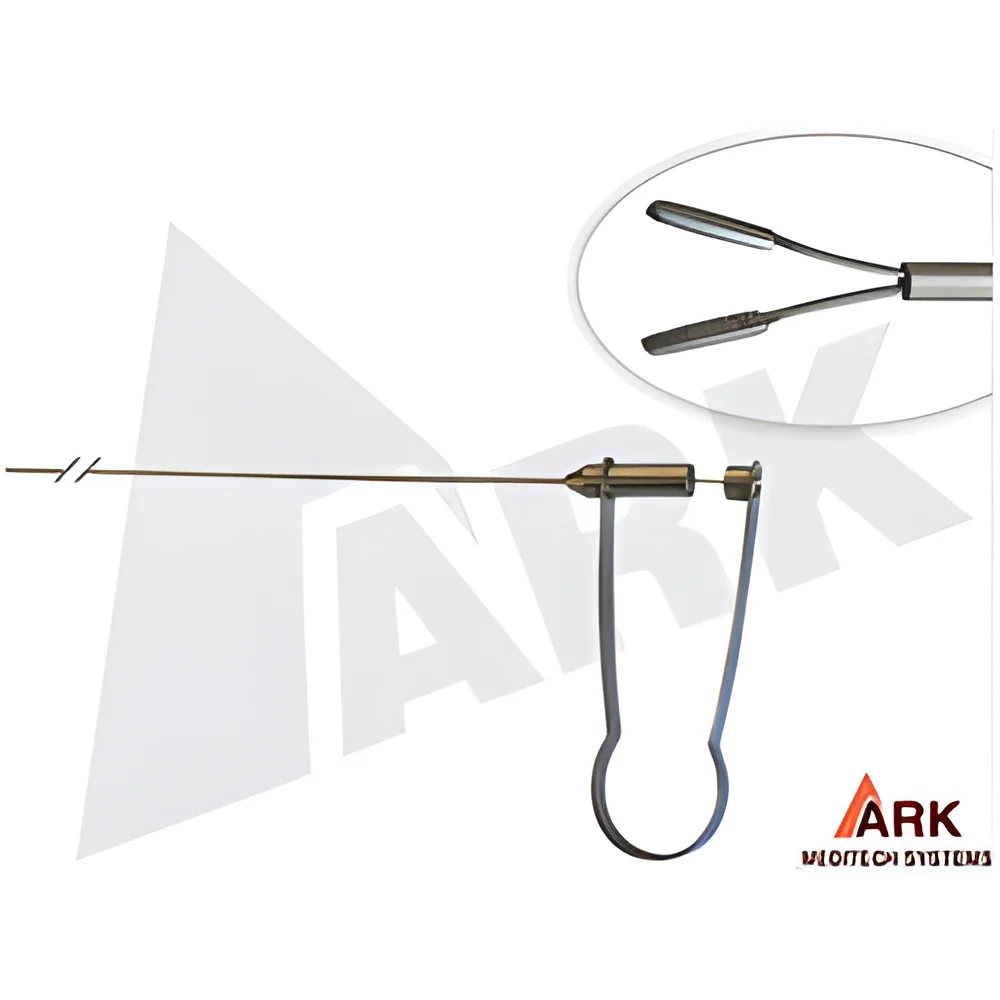
𝗪𝗵𝗮𝘁 𝗮𝗿𝗲 𝗦𝘂𝗿𝗴𝗶𝗰𝗮𝗹 𝗜𝗻𝘀𝘁𝗿𝘂𝗺𝗲𝗻𝘁𝘀?
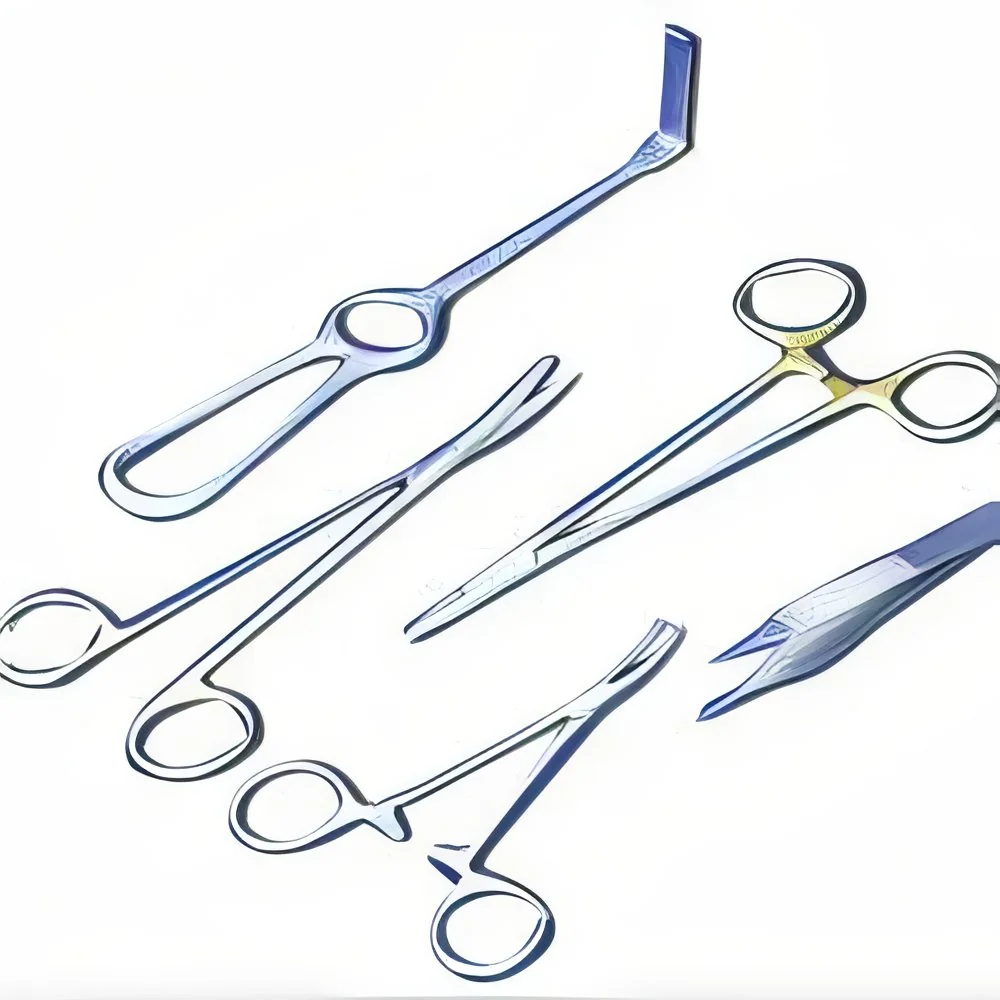
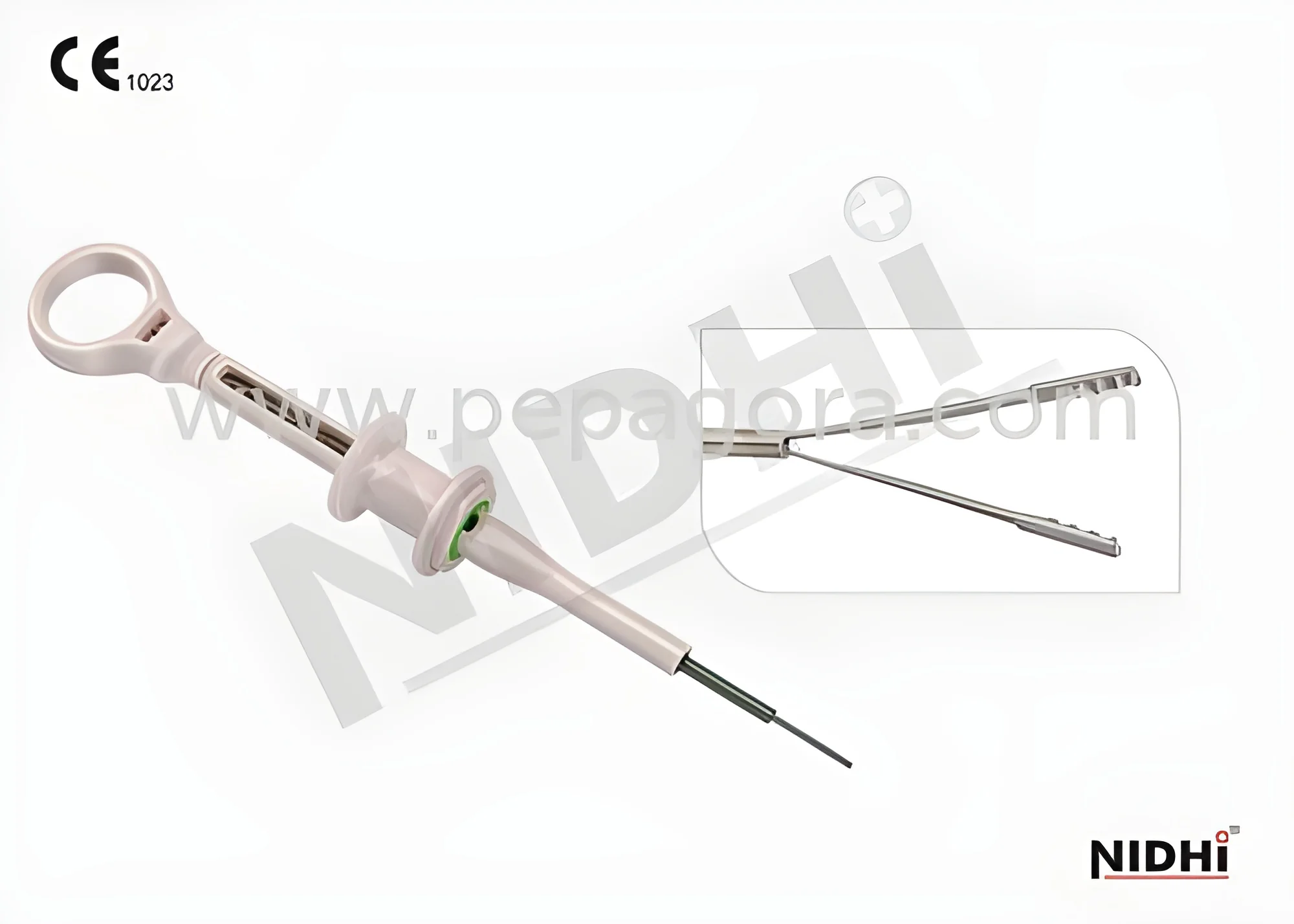
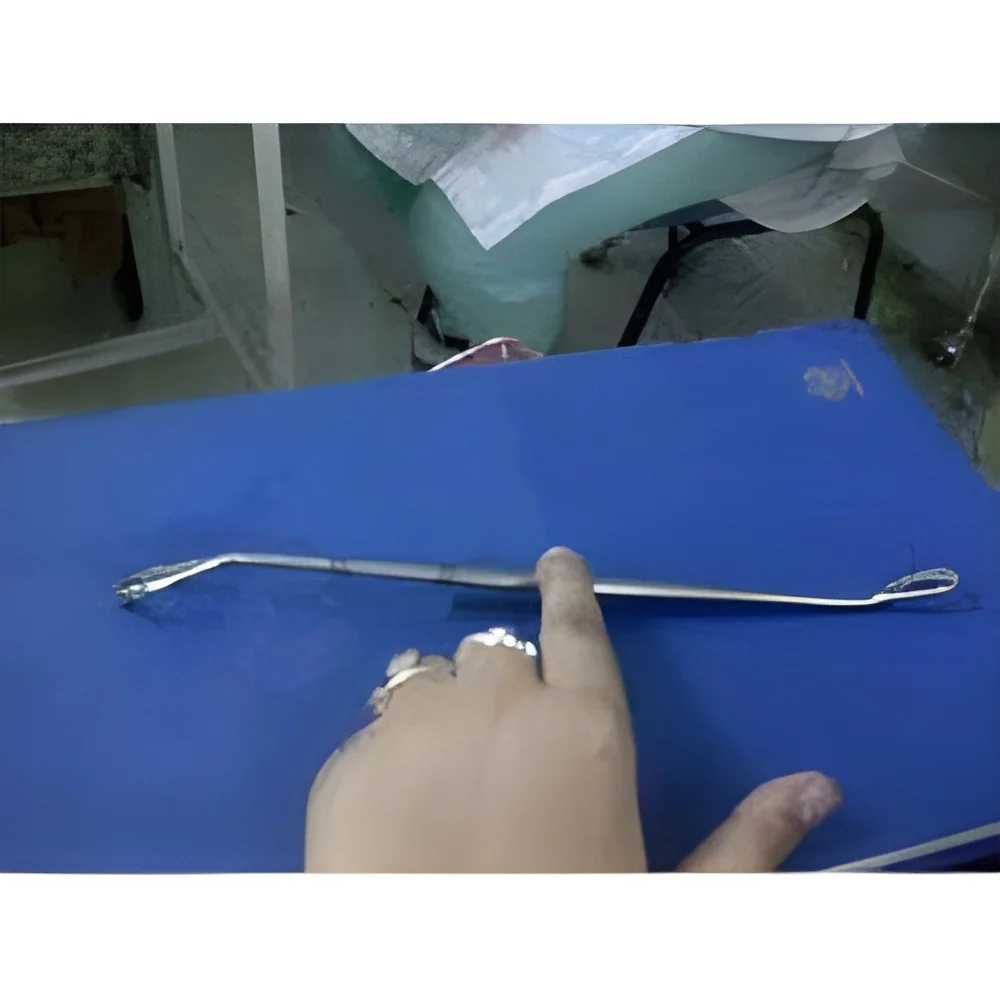
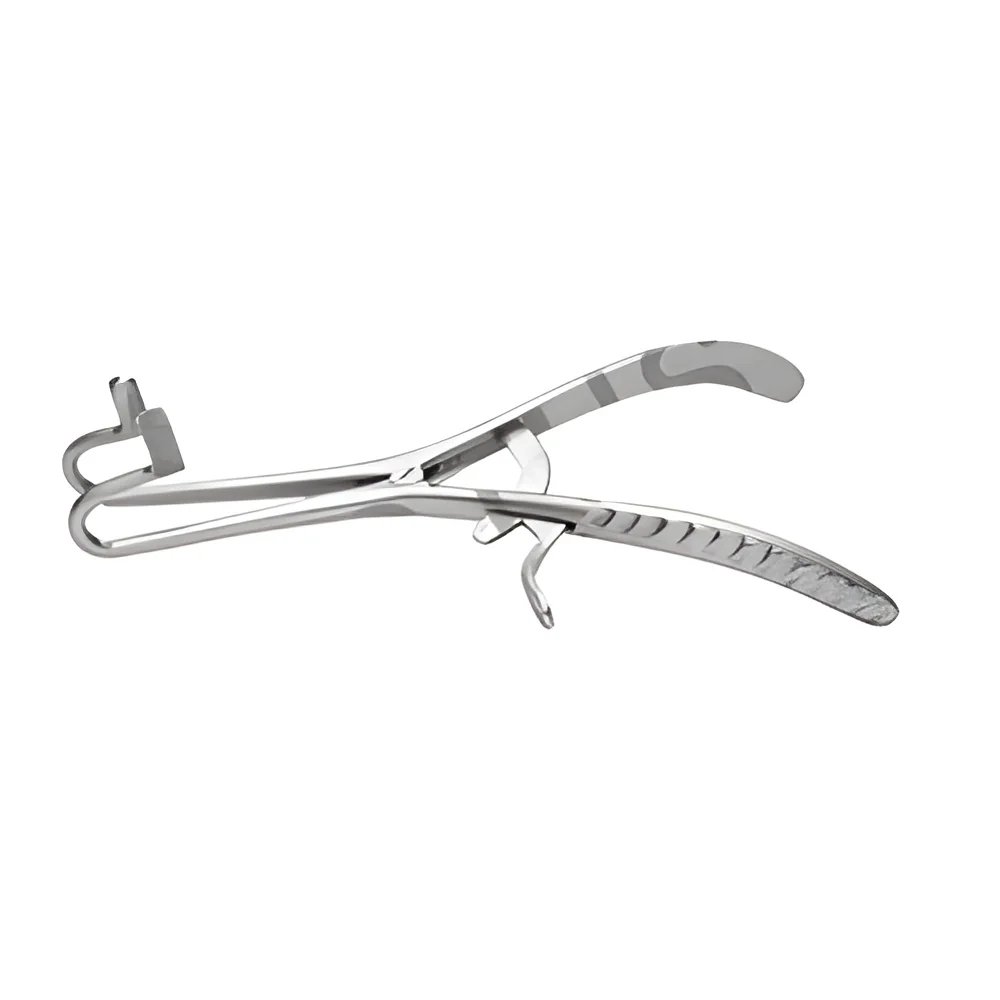
Surgical instruments are specialized tools designed for performing surgical procedures. They are essential for various tasks including cutting, dissecting, grasping, holding, and suturing tissues. Surgical instruments are crafted from high-quality materials such as stainless steel to ensure durability, precision, and easy sterilization. The design and functionality of these instruments vary significantly based on their intended use, making them a critical component in medical settings.
These instruments are primarily used in hospitals and surgical centers, where they support a wide range of surgical disciplines like orthopedics, general surgery, and cardiac surgery. The instruments facilitate safe and effective surgical procedures, contributing to better patient outcomes. Their relevance in the medical field cannot be overstated, as advancements in surgical techniques and technologies continually drive demand for high-quality surgical instruments. The global market for surgical instruments is expanding, reflecting the growth in surgical procedures and the increasing focus on healthcare quality and patient safety.
𝗞𝗲𝘆 𝗙𝗲𝗮𝘁𝘂𝗿𝗲𝘀 𝗮𝗻𝗱 𝗦𝗽𝗲𝗰𝗶𝗳𝗶𝗰𝗮𝘁𝗶𝗼𝗻𝘀
Surgical instruments are characterized by specific features and specifications that determine their suitability for various surgical applications. Understanding these aspects is essential for making informed purchasing decisions.
Key specifications include:
1. Material Composition
- Typically made from stainless steel for strength and corrosion resistance
- May include other materials such as titanium for specialized applications
2. Sterilization Compatibility
- Designed to withstand multiple sterilization methods including autoclaving
- Ensures compliance with hygiene standards in surgical environments
3. Design and Ergonomics
- Features ergonomic designs for better grip and control
- Tailored for specific procedures to enhance precision
4. Size and Dimensions
- Available in various sizes to suit different types of surgeries
- Specific dimensions are crucial for compatibility with surgical techniques
5. Functionality
- Each instrument serves a distinct purpose, such as cutting or suturing
- Instruments are often categorized into groups based on their functions
6. Durability and Longevity
- Built to endure repeated use without compromising performance
- High-quality instruments can last for years with proper care
7. Compliance with Standards
- Must meet international quality standards such as CE certification
- Ensures safety and effectiveness in medical applications
8. Customization Options
- Some suppliers offer customization to meet specific surgical requirements
- Allows for tailored solutions based on surgical preferences
In summary, understanding the key features and specifications of surgical instruments is vital for healthcare providers. It enables them to select the right tools for their surgical needs while ensuring compliance with industry standards.
𝗖𝗼𝗺𝗺𝗼𝗻 𝗔𝗽𝗽𝗹𝗶𝗰𝗮𝘁𝗶𝗼𝗻𝘀 𝗮𝗻𝗱 𝗨𝘀𝗲 𝗖𝗮𝘀𝗲𝘀
Surgical instruments find applications across various medical fields, each requiring specific tools for optimal performance and safety.
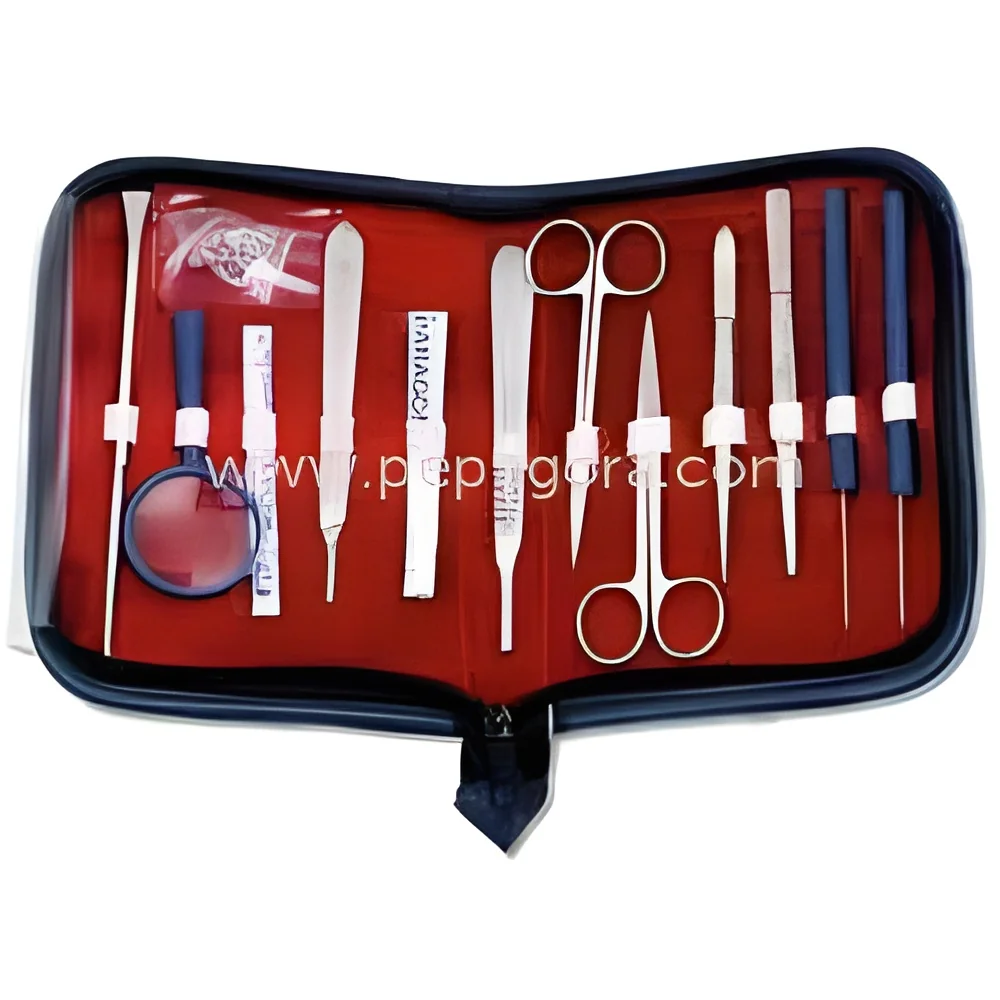
1. General Surgery: Surgical instruments are widely used in general surgery for procedures like appendectomies and hernia repairs. They include scalpels, forceps, and scissors designed for precision and control.
2. Orthopedic Surgery: In orthopedic settings, instruments like bone saws and drills are essential for procedures involving bones and joints. These tools are engineered for strength and accuracy.
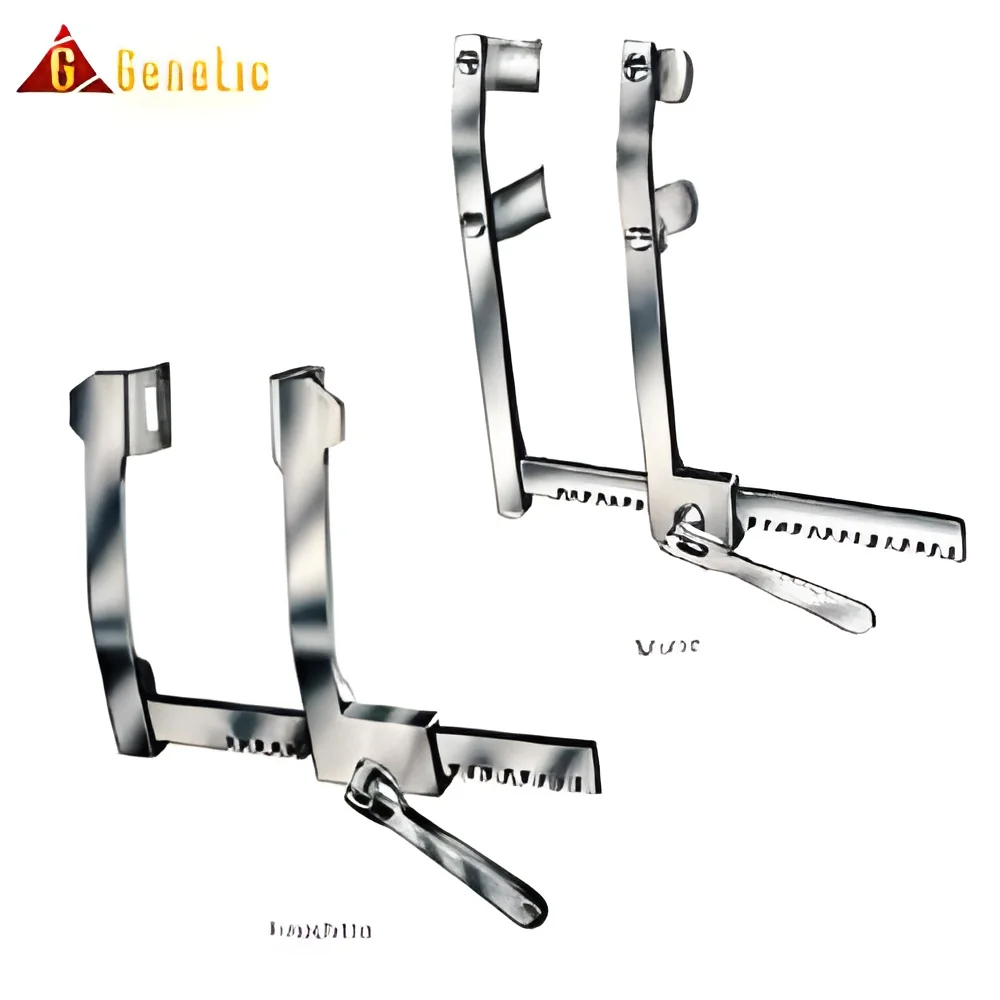
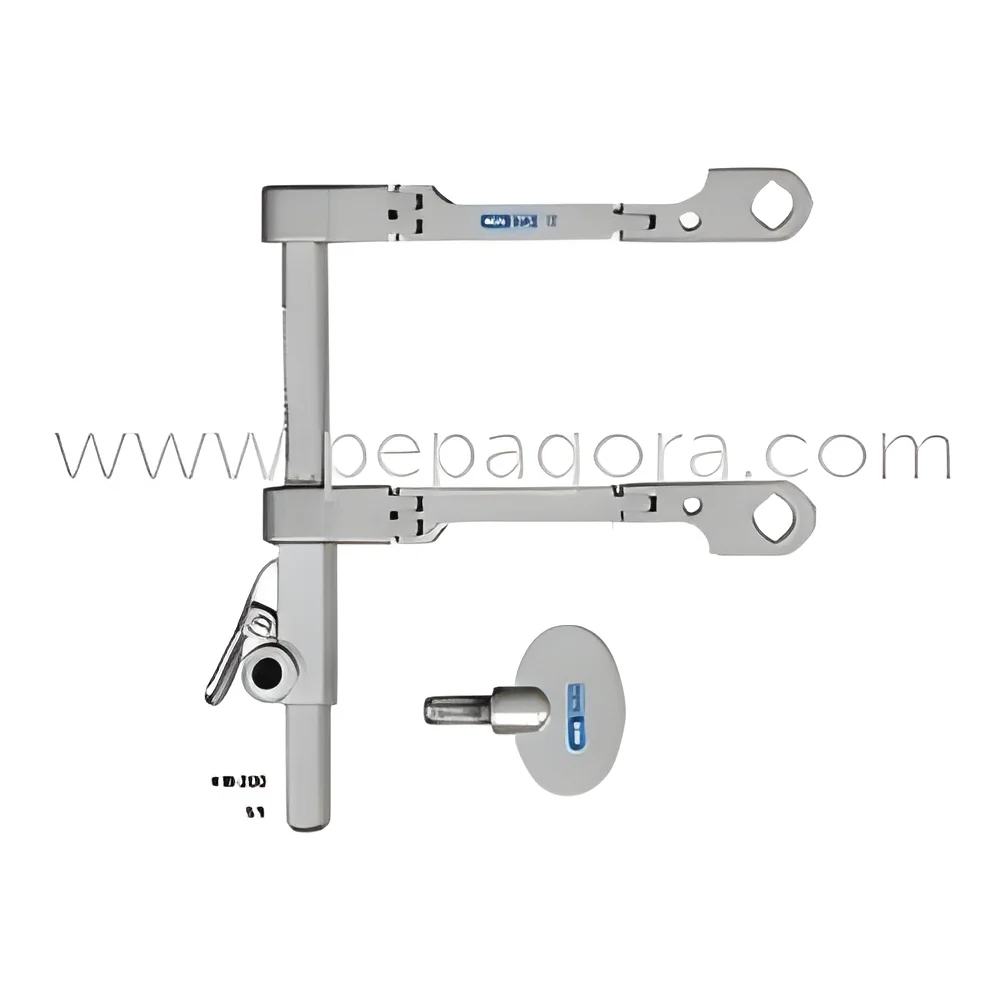
3. Cardiothoracic Surgery: Instruments such as clamps and retractors are critical in cardiothoracic surgeries. They enable surgeons to access the heart and lungs safely while maintaining a clear surgical field.
4. Neurosurgery: Specialized instruments for neurosurgery include micro-scissors and forceps that allow for delicate handling of brain tissues. Precision is paramount in these procedures to minimize risks.
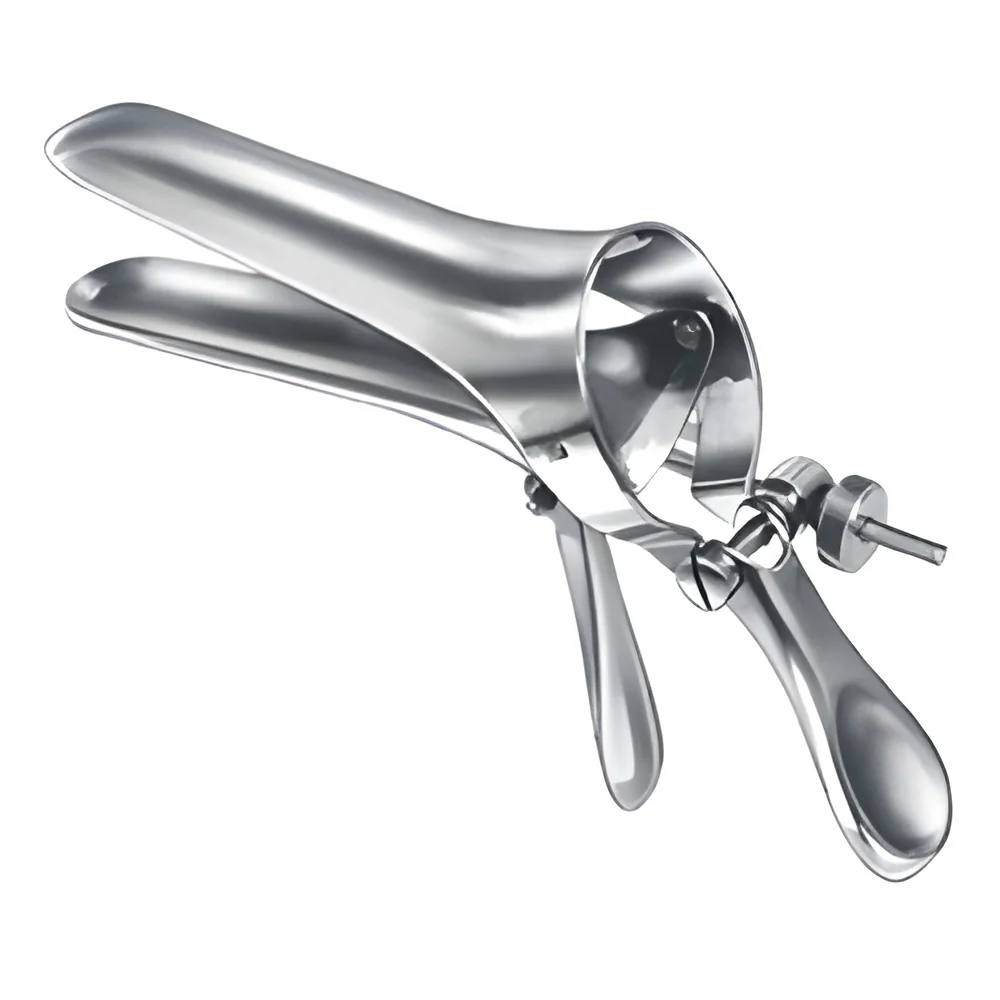
5. Gynecological Surgery: Surgical instruments like speculums and uterine manipulators are used in gynecological operations, helping clinicians perform procedures with minimal invasiveness.
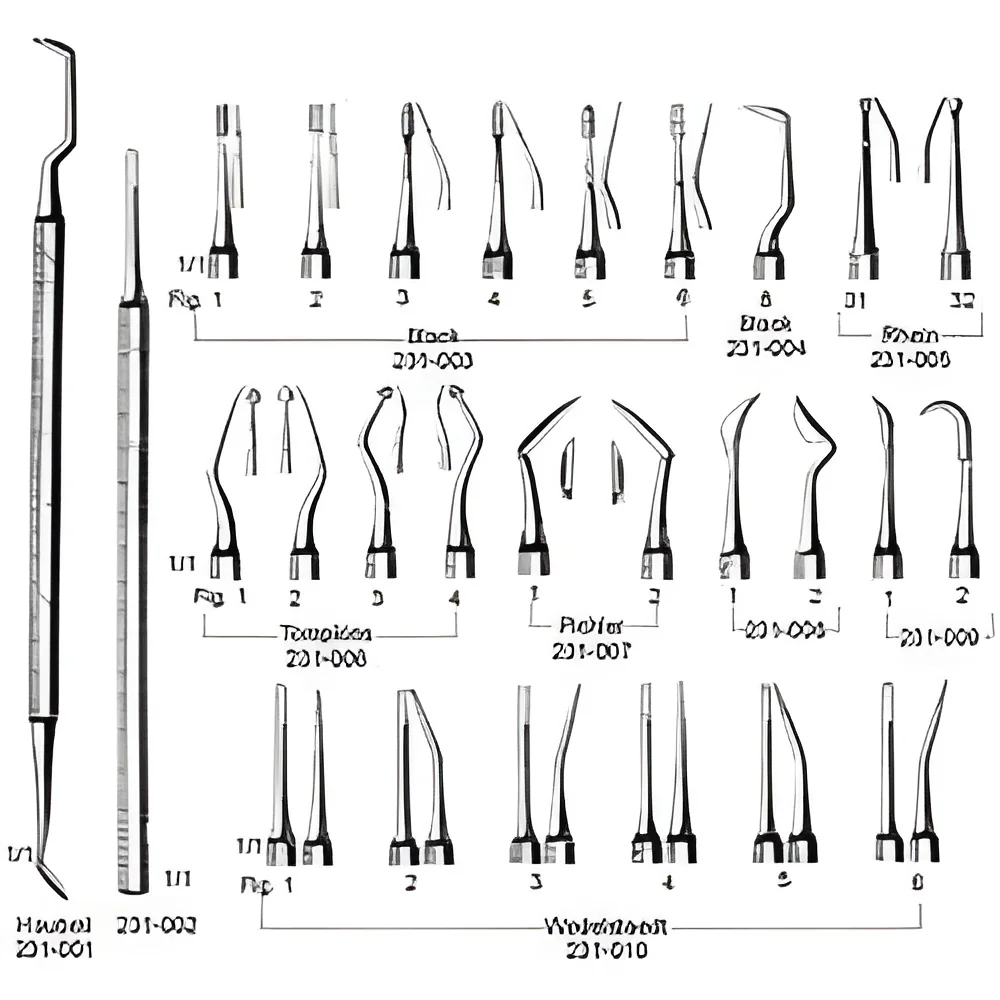
6. Dental Surgery: Instruments such as scalpels, extraction forceps, and curettes are essential in dental procedures, facilitating tooth extractions and other oral surgeries.
7. Plastic and Reconstructive Surgery: Instruments in this category often include specialized scissors and clamps that enable meticulous work on soft tissues and cosmetic enhancements.
In total, surgical instruments are integral to numerous medical specialties, ensuring that procedures are performed safely and effectively.
𝗣𝗿𝗼𝗱𝘂𝗰𝘁 𝗩𝗮𝗿𝗶𝗮𝗻𝘁𝘀 𝗮𝗻𝗱 𝗦𝘂𝗯𝗰𝗮𝘁𝗲𝗴𝗼𝗿𝗶𝗲𝘀
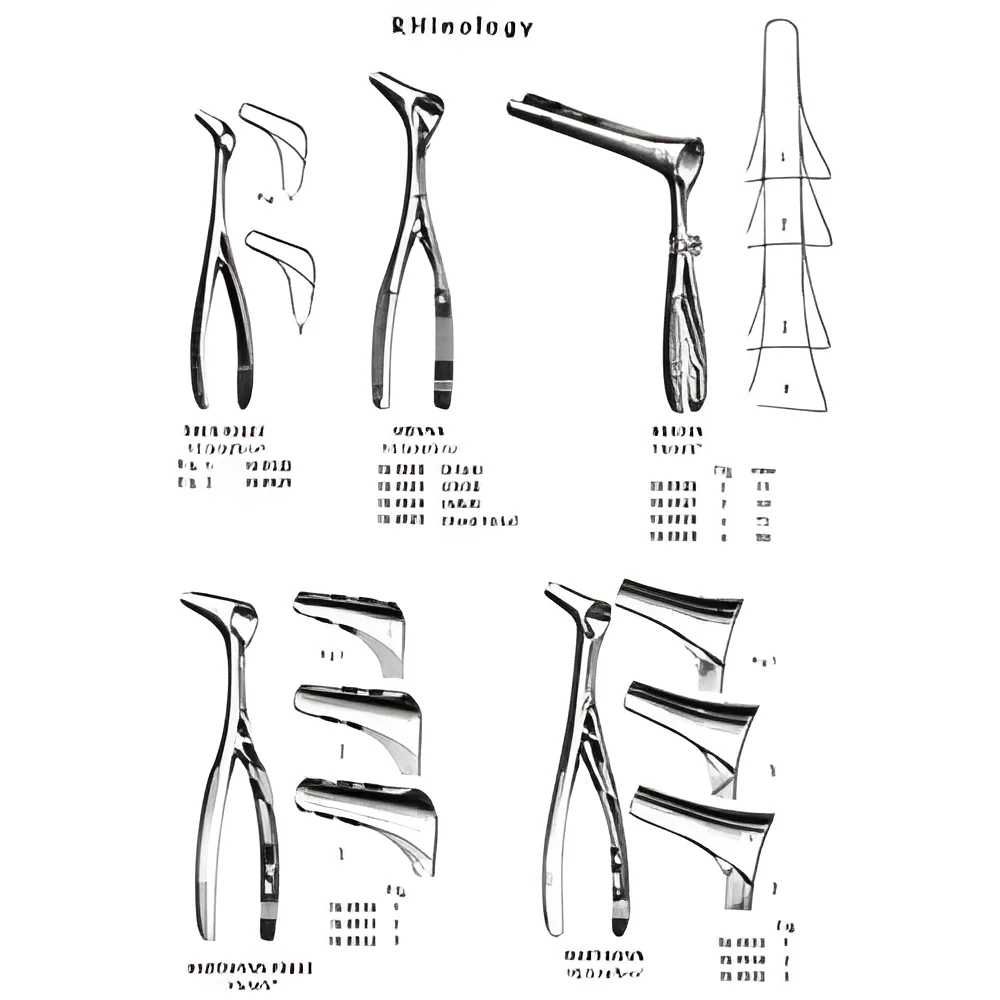
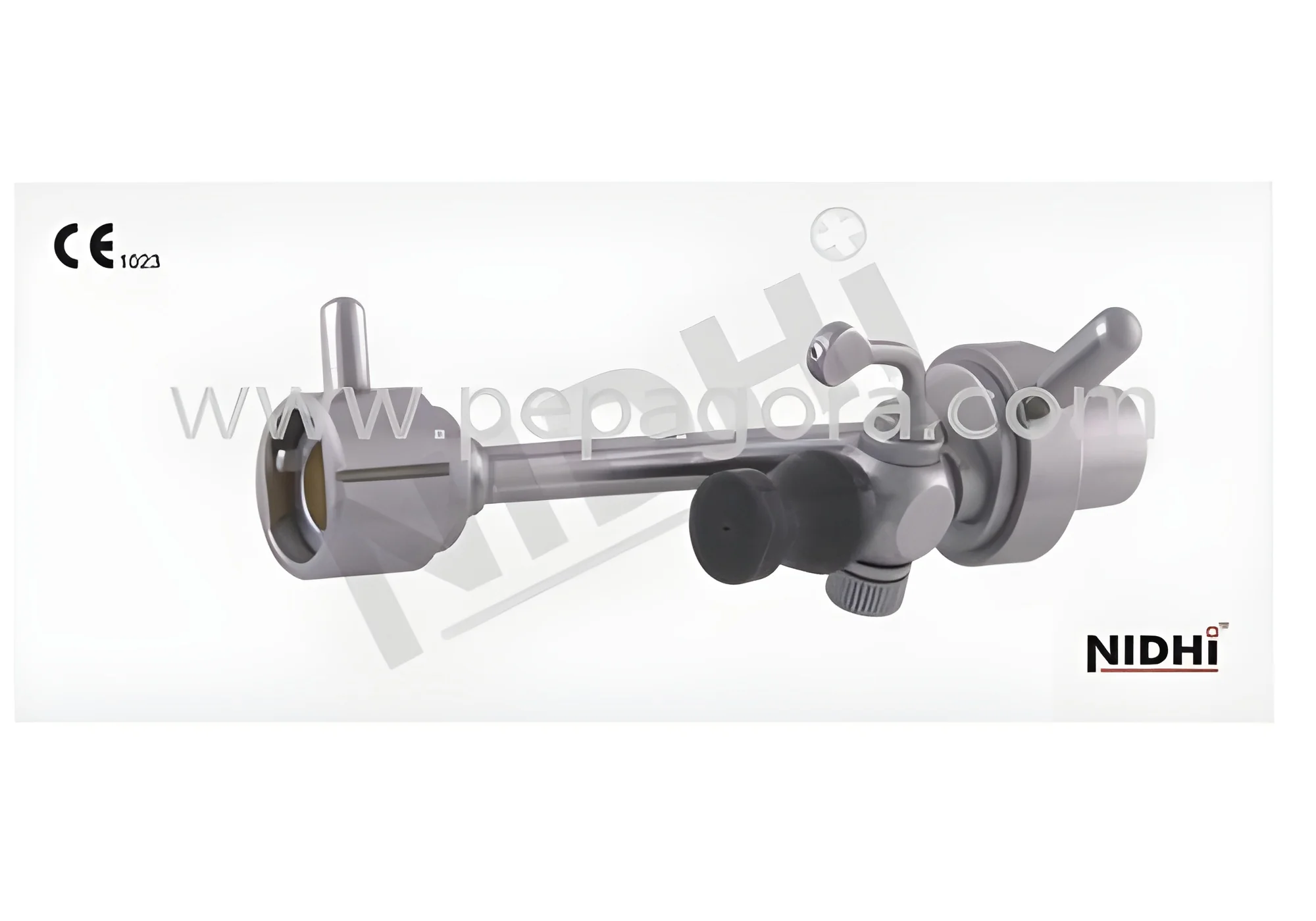
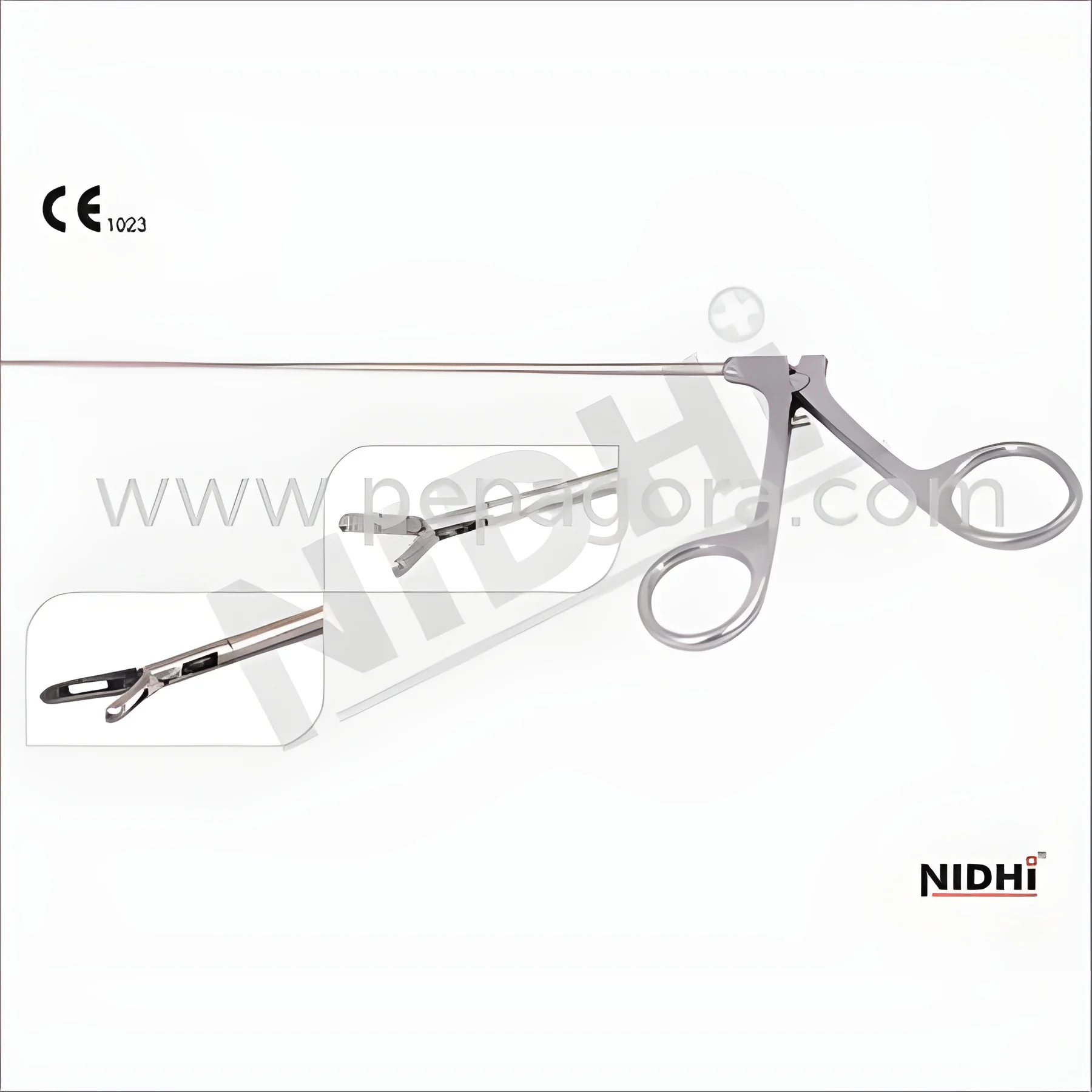
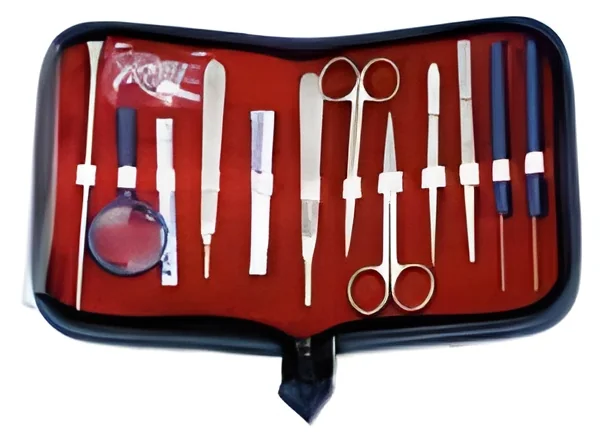
Surgical instruments come in a variety of forms, each designed for specific surgical tasks. This diversity allows healthcare providers to select the most appropriate tools for their needs.
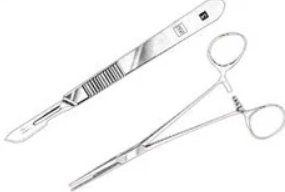
Surgical Scalpels: These are sharp instruments used for making incisions into the skin or other tissues. They are crucial in almost all surgical procedures and come in different blade sizes.
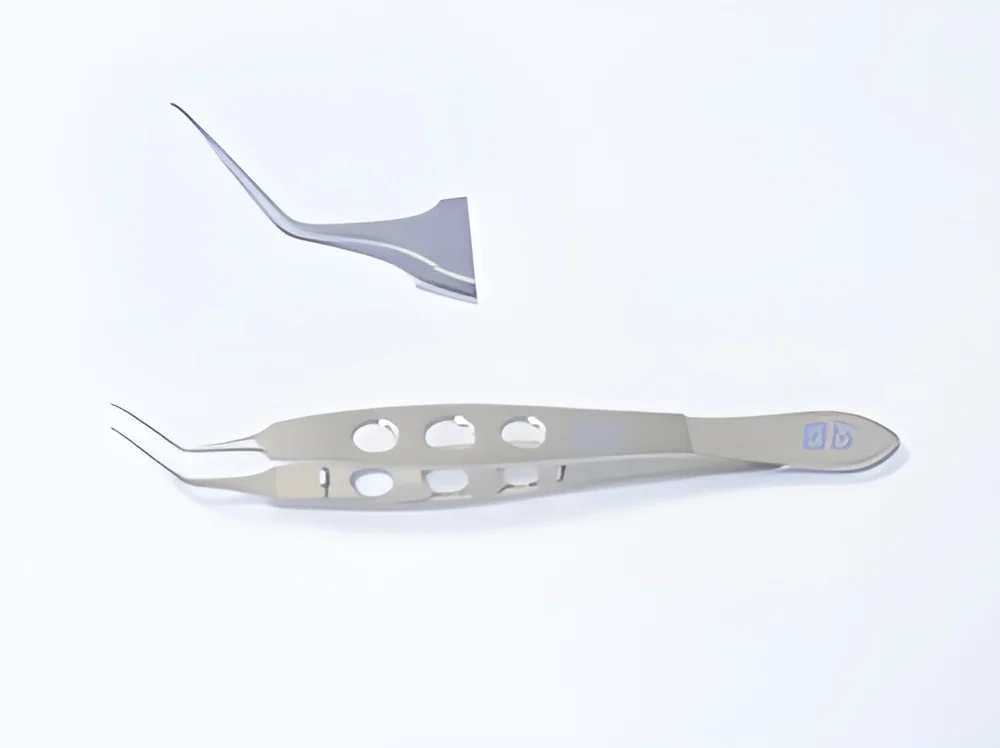
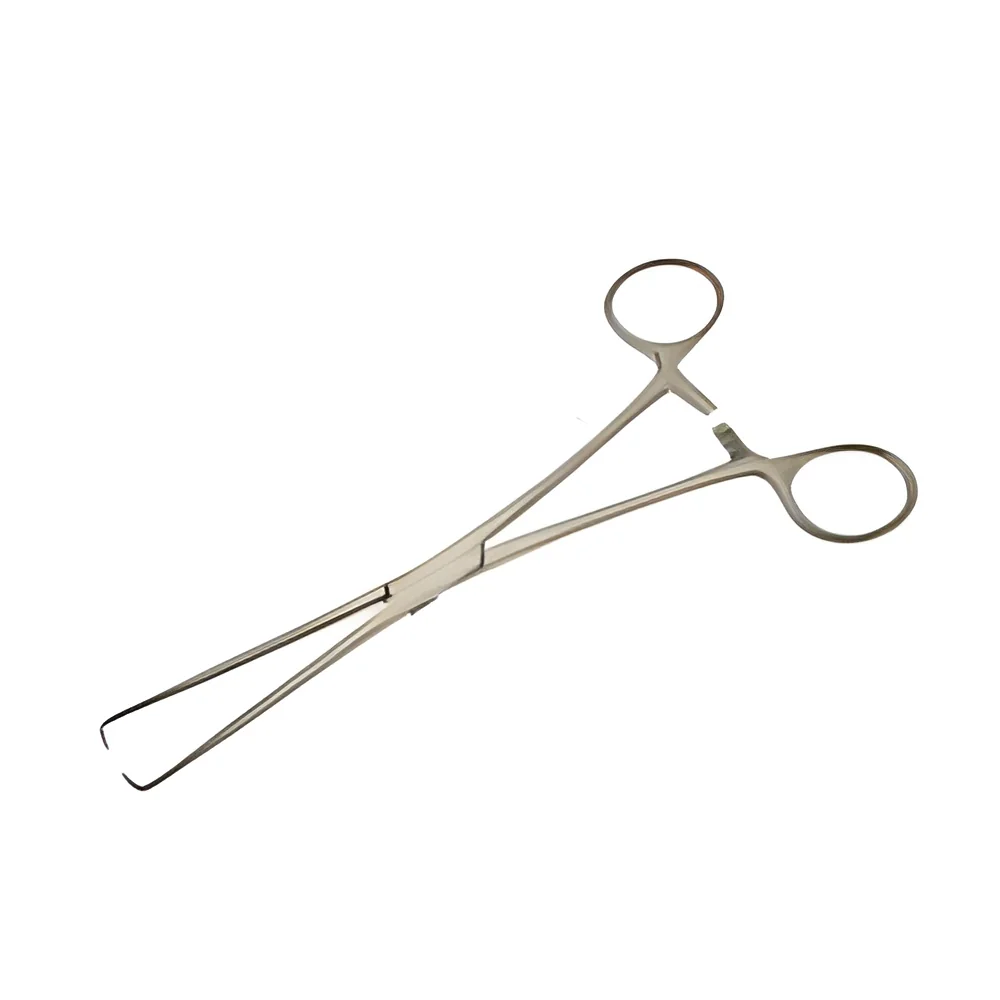
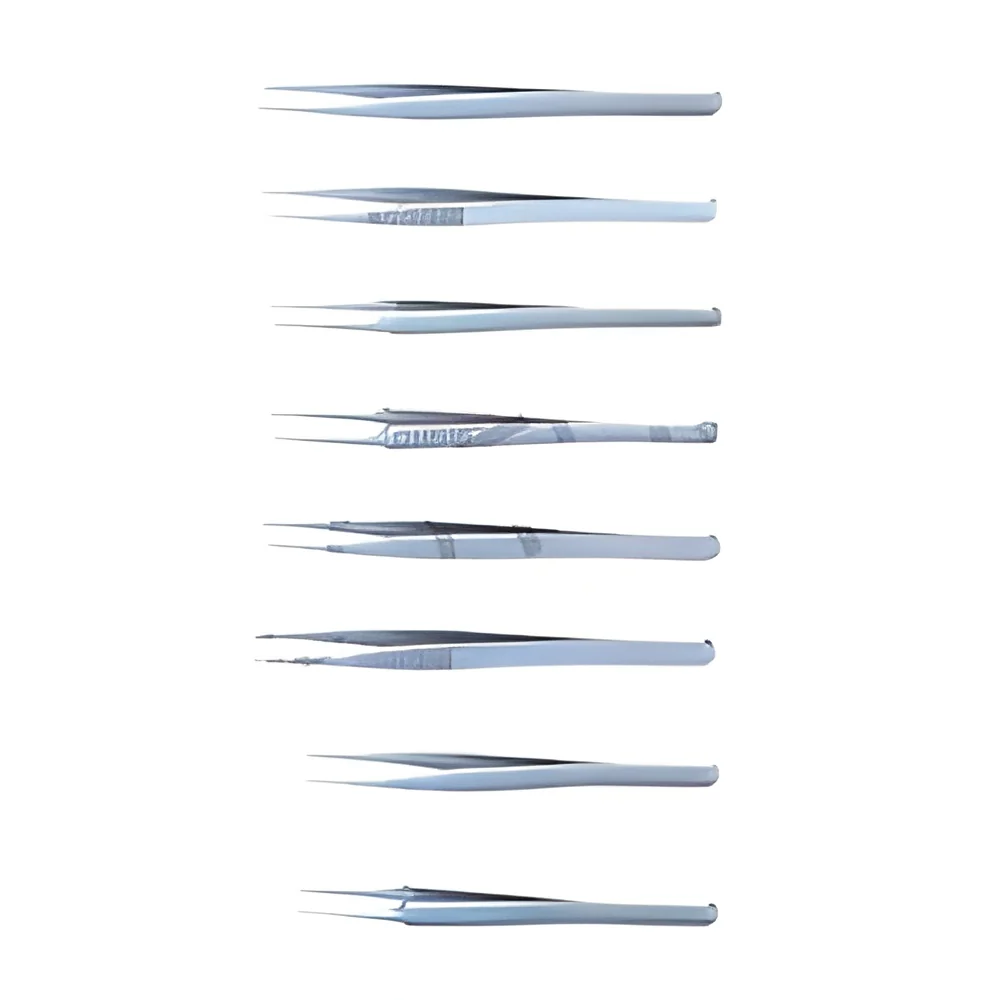
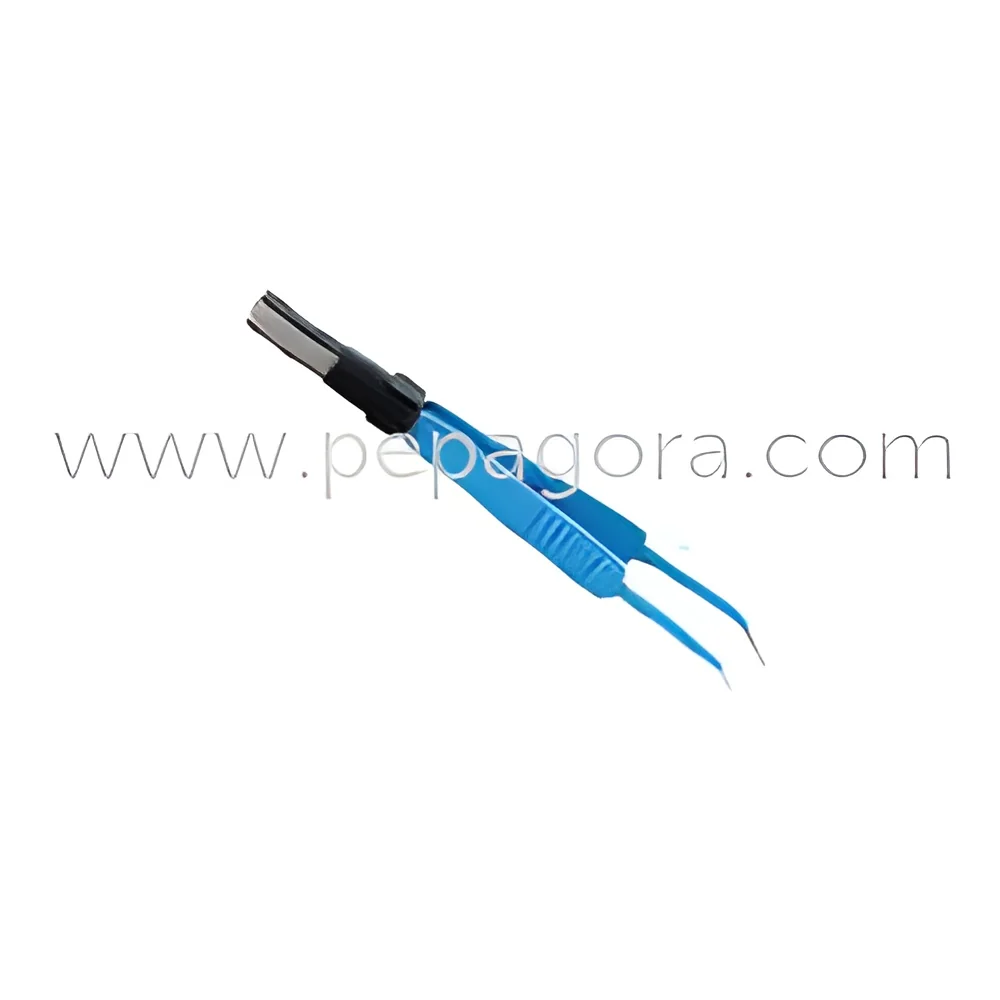
Surgical Forceps: Forceps are used to grasp and hold tissues during surgery. They can be straight or curved and are available in various sizes depending on the application.
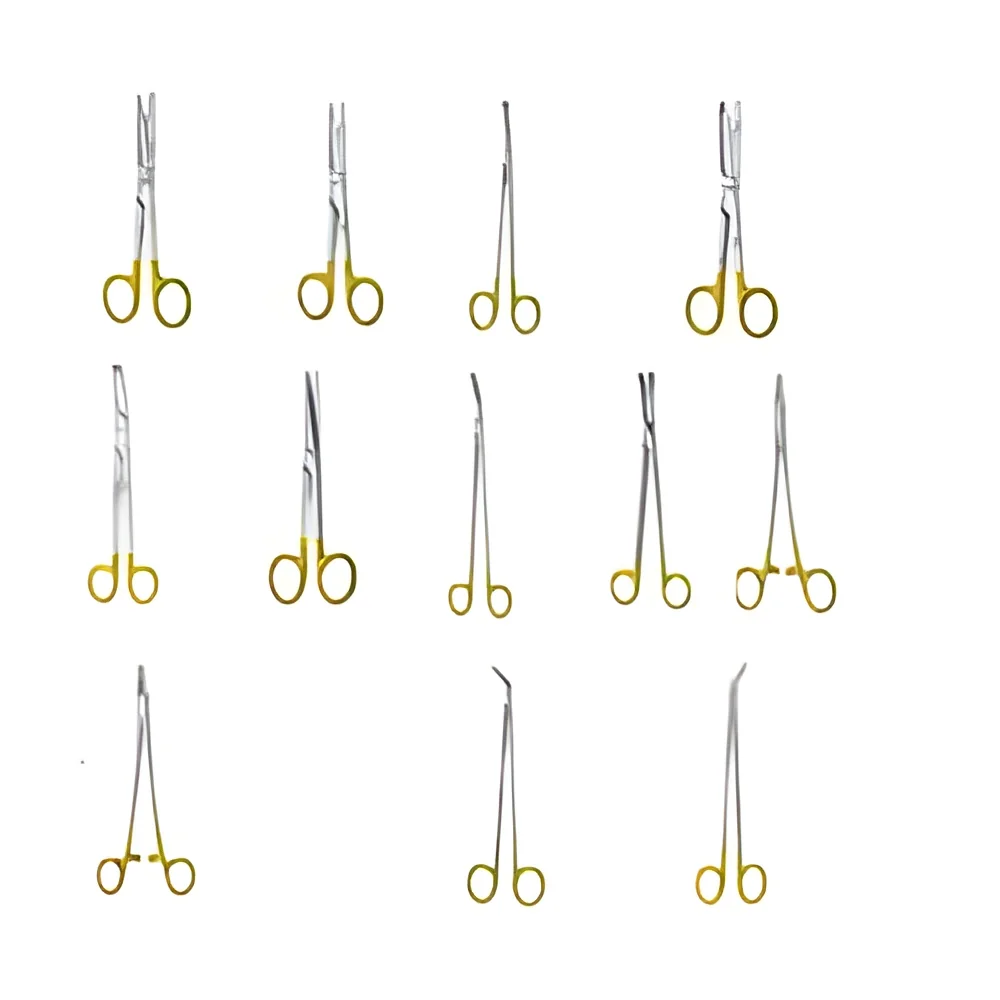
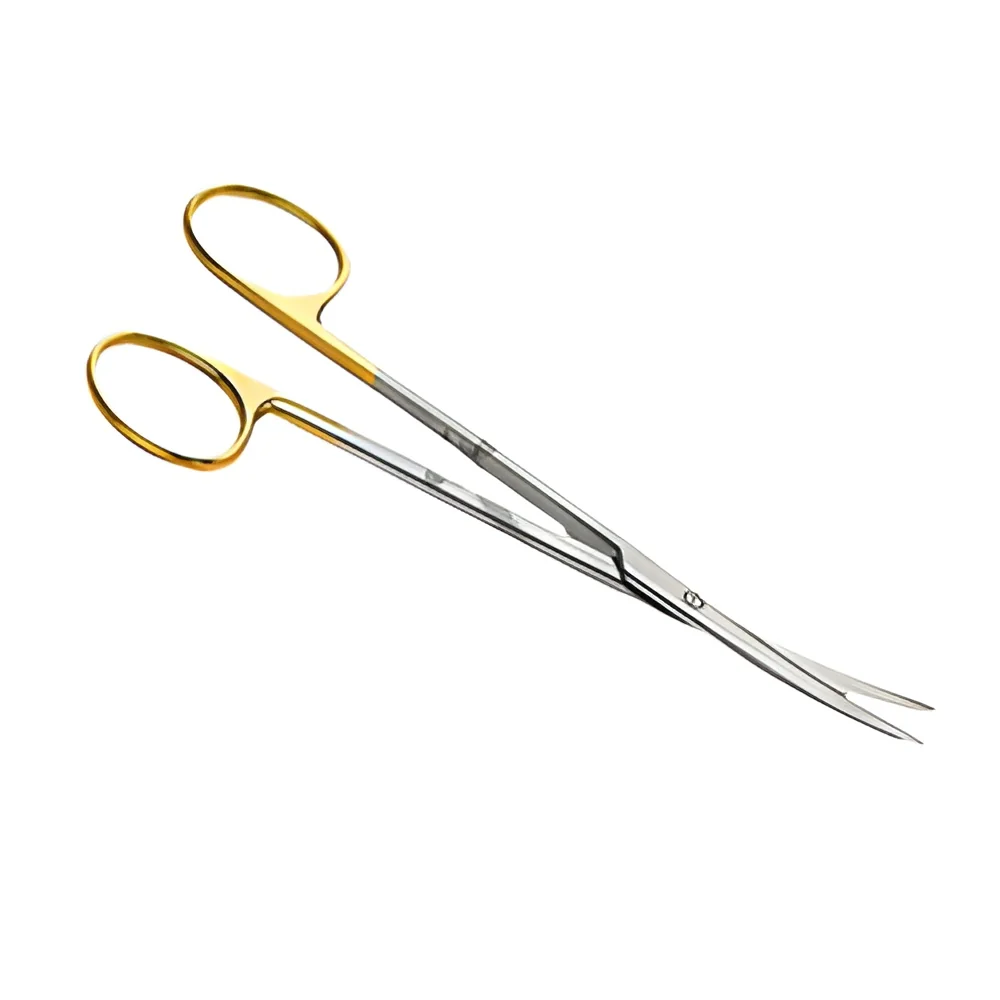
Scissors: Surgical scissors are designed for cutting tissues and sutures. They come in different shapes and sizes, including straight, curved, and specialized types for precise cutting.
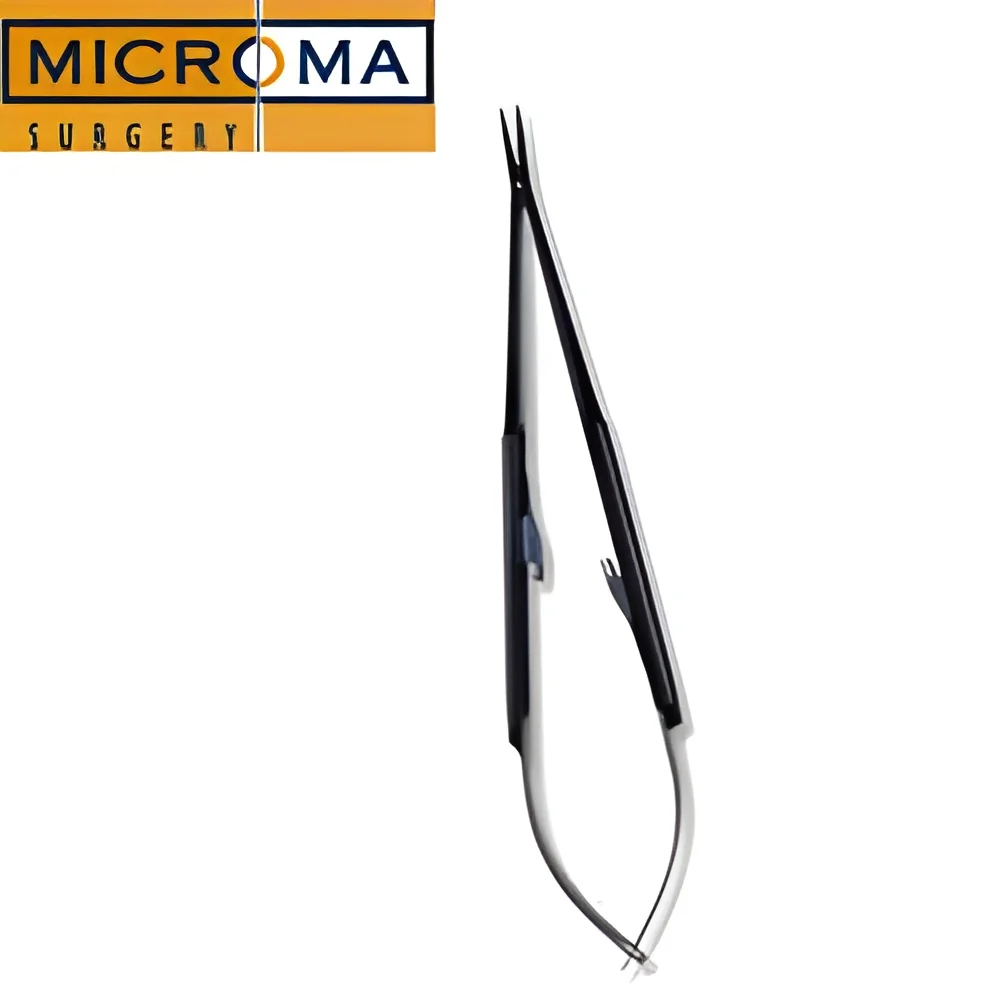
Needle Holders: These instruments are used to hold needles while suturing. They provide a firm grip, allowing for accurate placement of stitches during surgical procedures.
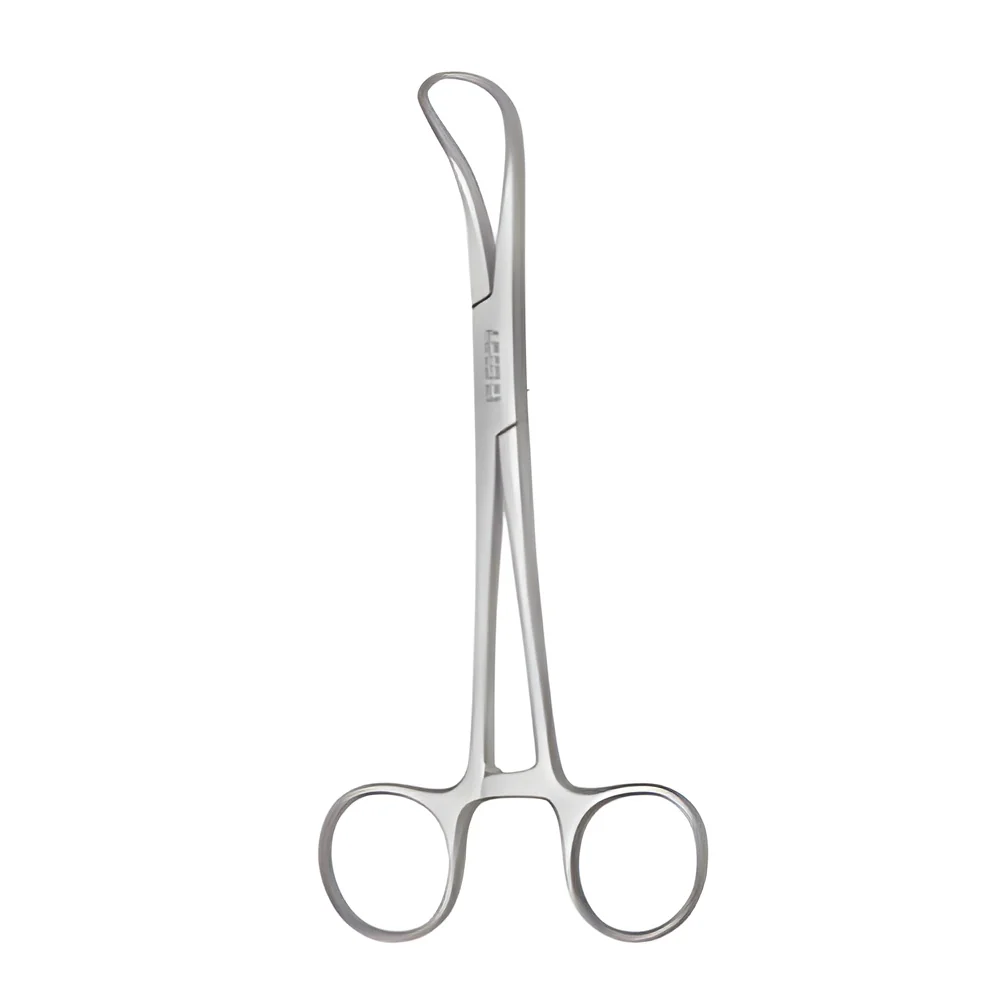
Hemostatic Clamps: These clamps are essential for controlling bleeding during surgery. They help occlude blood vessels and maintain a clear surgical field.
𝗕𝗲𝗻𝗲𝗳𝗶𝘁𝘀 𝗮𝗻𝗱 𝗔𝗱𝘃𝗮𝗻𝘁𝗮𝗴𝗲𝘀
Surgical instruments offer numerous benefits that contribute to successful surgical outcomes. Their design and functionality enhance the efficiency of surgical procedures.
Key benefits include:
1. Precision and Accuracy: Surgical instruments are engineered for high precision, allowing surgeons to perform intricate tasks with confidence.
2. Enhanced Safety: High-quality instruments reduce the risk of complications during surgery, ensuring better patient safety.
3. Durability: Made from robust materials, surgical instruments withstand repeated use and sterilization, making them a cost-effective investment.
4. Ergonomic Design: Many instruments are designed with ergonomics in mind, reducing strain on surgeons and improving control during procedures.
5. Compliance with Standards: Instruments that meet industry certifications assure users of their safety and effectiveness in medical applications.
6. Versatility: Surgical instruments are available in various designs and sizes, making them suitable for a wide range of surgical specialties.
In summary, the benefits of using high-quality surgical instruments significantly enhance the surgical experience for both practitioners and patients alike.
𝗕𝘂𝘆𝗶𝗻𝗴 𝗚𝘂𝗶𝗱𝗲 𝗳𝗼𝗿 𝗕𝟮𝗕 𝗕𝘂𝘆𝗲𝗿𝘀
When sourcing surgical instruments, B2B buyers should consider several critical factors to ensure they make the best purchasing decisions.
1. Quality Assessment: Evaluate the quality of instruments by checking for certifications and adherence to industry standards. Instruments should be durable and reliable for repeated use.
2. Supplier Verification: Research potential suppliers to confirm their credibility. Check for reviews and testimonials, and assess their history in supplying surgical instruments.
3. Pricing and MOQ: Understand the pricing structures and minimum order quantities offered by suppliers. Balance cost against quality to find the best value for your needs.
4. Delivery and Lead Times: Inquire about delivery schedules and lead times. Timeliness is critical in healthcare, so ensure that suppliers can meet your requirements.
5. Compliance Requirements: Ensure that the instruments comply with local and international regulations. This includes verifying certifications such as CE and understanding any regional compliance issues.
𝗖𝗼𝗺𝗽𝗹𝗶𝗮𝗻𝗰𝗲 𝗮𝗻𝗱 𝗖𝗲𝗿𝘁𝗶𝗳𝗶𝗰𝗮𝘁𝗶𝗼𝗻𝘀
Compliance with industry standards and certifications is crucial for surgical instruments. These instruments must meet quality and safety regulations to ensure they are safe for patient use.
ISO 9001 is a widely recognized standard that outlines quality management principles. Surgical instruments certified to this standard are proven to meet high-quality benchmarks.
CE certification is essential for surgical instruments sold in Europe. It indicates that the product complies with European health, safety, and environmental protection standards.
Safety and testing requirements are rigorous in the medical field. Instruments undergo extensive testing to ensure their performance and reliability during surgical procedures.
Regional compliance considerations vary based on location. Buyers should be aware of local regulations that govern the use and distribution of surgical instruments to ensure full compliance.
𝗪𝗵𝘆 𝗦𝗼𝘂𝗿𝗰𝗲 𝗦𝘂𝗿𝗴𝗶𝗰𝗮𝗹 𝗜𝗻𝘀𝘁𝗿𝘂𝗺𝗲𝗻𝘁𝘀 𝗳𝗿𝗼𝗺 𝗣𝗲𝗽𝗮𝗴𝗼𝗿𝗮?
Pepagora provides a trusted platform for sourcing surgical instruments, offering several key advantages for B2B buyers.
Verified Supplier Network: Pepagora has a robust network of verified suppliers who meet stringent quality standards. This ensures that buyers can find reliable sources for high-quality surgical instruments.
Streamlined RFQ Process: The Request for Quotation (RFQ) process on Pepagora is designed to be user-friendly. Buyers can easily submit requests and receive competitive quotes from multiple suppliers, saving time and effort.
Trade Assurance and Support: Pepagora prioritizes buyer protection through trade assurance measures that provide security in transactions. Buyers can confidently source instruments knowing they are supported throughout the purchasing process.
Regional Coverage: With a strong presence in India, the GCC, and Southeast Asia, Pepagora caters to a diverse range of buyers. This regional coverage enhances accessibility and offers localized support for all sourcing needs.

 IN
IN