IN
IN₹
Apparel & Fashion
Description
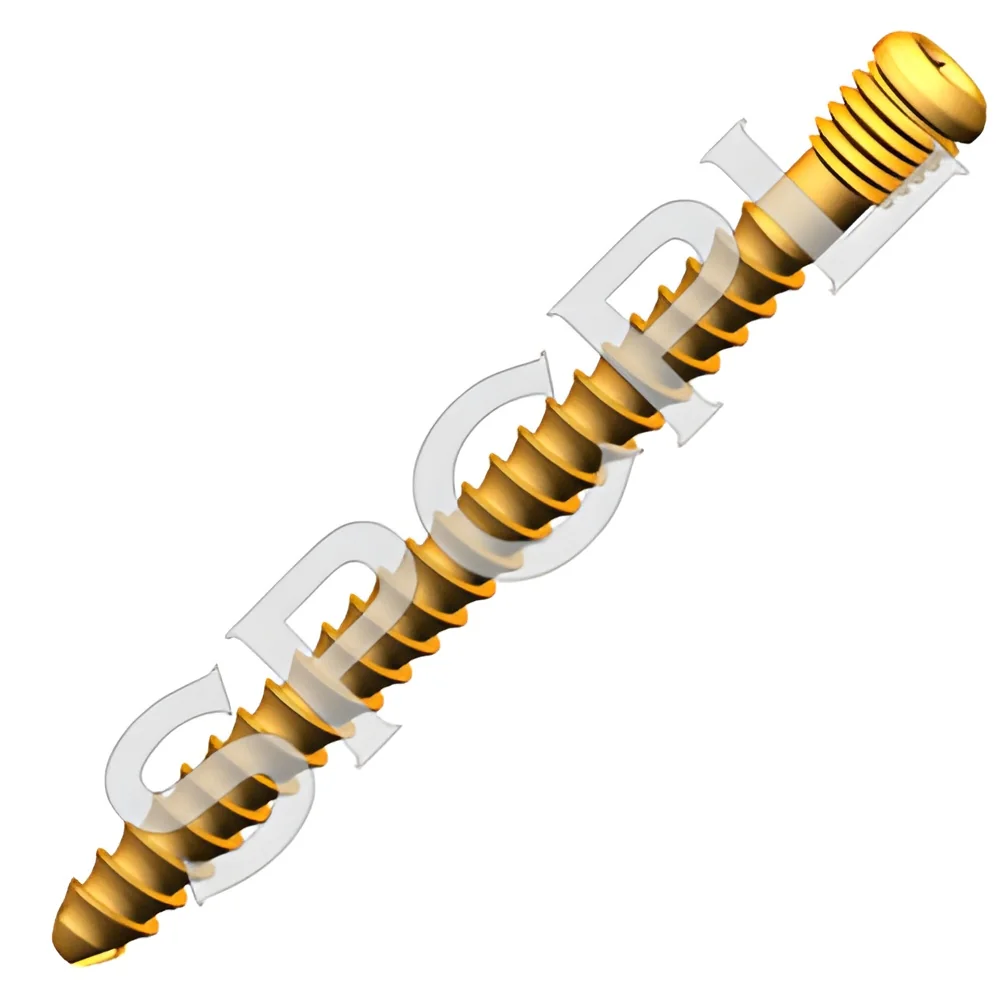
The 4.0mm cancellous locked screw represents precision engineering for orthopedic applications, designed specifically for secure bone fixation in demanding surgical scenarios. These medical-grade screws feature robust construction with either stainless steel or titanium materials, providing surgeons with options based on specific procedural requirements and patient compatibility. The screw's 4.0mm diameter is optimized for cancellous bone engagement, while the star drive design ensures maximum torque transmission during insertion without stripping. Available in lengths ranging from 10mm to 60mm with 2mm increments, these screws offer surgeons precise selection for various anatomical situations. The locking mechanism provides angular stability when used with compatible plates, creating fixed-angle constructs that maintain reduction and promote proper healing throughout the recovery process.

These cancellous locked screws serve critical roles across multiple orthopedic specialties, incl...
The 4.0mm cancellous locked screw represents precision engineering for orthopedic applications, designed specifically for secure bone fixation in demanding surgical scenarios. These medical-grade screws feature robust construction with either stainless steel or titanium materials, providing surgeons with options based on specific procedural requirements and patient compatibility. The screw's 4.0mm diameter is optimized for cancellous bone engagement, while the star drive design ensures maximum torque transmission during insertion without stripping. Available in lengths ranging from 10mm to 60mm with 2mm increments, these screws offer surgeons precise selection for various anatomical situations. The locking mechanism provides angular stability when used with compatible plates, creating fixed-angle constructs that maintain reduction and promote proper healing throughout the recovery process.

These cancellous locked screws serve critical roles across multiple orthopedic specialties, including trauma surgery, joint reconstruction, and spinal procedures. In trauma applications, they provide essential fixation for metaphyseal fractures where conventional screws might lack sufficient purchase. Orthopedic implant manufacturers incorporate these screws into their locking plate systems for distal radius, proximal humerus, tibial plateau, and ankle fractures. The medical device industry relies on these components for their consistent quality and performance in original equipment manufacturer applications. Hospitals and surgical centers stock these screws for emergency trauma cases and elective orthopedic procedures, knowing they deliver reliable performance when patient outcomes depend on hardware integrity and precision engineering.

The business value of these cancellous locked screws lies in their proven reliability and positive surgical outcomes. For medical device distributors and manufacturers, these screws represent trusted components that reduce the risk of intraoperative complications and postoperative failures. The availability of both stainless steel and titanium options provides flexibility for different market requirements and pricing segments. The rigorous manufacturing standards ensure each screw meets precise dimensional tolerances and material properties, giving surgeons confidence in their performance during critical procedures. This reliability translates to fewer surgical revisions and better patient outcomes, ultimately protecting both medical reputations and business performance through consistent delivery of high-quality orthopedic solutions.

Key Features:
- Medical-grade stainless steel or titanium construction for durability
- Precise 4.0mm diameter optimized for cancellous bone fixation
- Star drive design ensuring secure screwdriver engagement and torque transmission
- Comprehensive length options from 10mm to 60mm in 2mm increments
- Designed for compatibility with various locking plate systems

Benefits:
- Enhanced surgical precision through optimized diameter and length options
- Reduced risk of stripping during insertion with secure drive design
- Improved bone healing through stable fixation and angular stability
- Flexibility in material selection for different procedural requirements
- Consistent performance across various orthopedic applications
Specifications
| Additional Information | |
|---|---|
| Country of Origin | India |
Application
The 4.0mm cancellous locked screw delivers critical stability in orthopedic and trauma surgeries where secure bone fixation is essential. Its specialized thread design ensures excellent purchase in cancellous bone, making it particularly effective for metaphyseal fractures and osteoporotic bone applications. When used with compatible locking plates, these screws create angular stable constructs that support proper bone healing and alignment throughout the recovery process.
Orthopedic surgeons rely on these screws for various fixation systems, especially in procedures involving joints and soft bone regions. The availability of both stainless steel and titanium materials provides compatibility with different plate systems and meets diverse procedural requirements. The star drive design guarantees secure screwdriver engagement, minimizing the risk of stripping during insertion. With length options ranging from 10mm to 60mm in precise 2mm increments, surgeons can select the perfect size for specific anatomical needs in demanding surgical environments.
- Fixation of distal radius fractures using volar locking plate systems
- Repair of proximal humerus fractures with modern locking plate technology
- Treatment of tibial plateau fractures requiring stable fragment fixation
- Orthopedic procedures involving osteoporotic bone where enhanced purchase is critical
- Revision surgeries where previous hardware has failed and more stable fixation is required
Trade Details
| Available Stock | In Stock |
| Sample Availability | No |
Payment Terms
| Payment Terms |
|
Company Profile

Bharucha Associates, Gujarat
 Gujarat, India
Gujarat, IndiaHealth & Personal Care•Distributor / Wholesaler•Retailer•Importer / Exporter
Factory Details
Factory SizeBelow 1000 sqm
Annual Production Capacity0
Orthopedic 4.0mm Cancellous Locked Screw Stainless Steel Titanium 10 60mm
Orthopedic 4.0mm cancellous locked screws provide secure bone and plate fixation in stainless steel or titanium options. Available in 10-60mm lengths for precise surgical applications with reliable performance.
Min. Order Quantity: 1 unit
Shipping
Shipping fee and delivery date to be negotiated. Contact supplier now for more details.
Bharucha Associates
 Gujarat, India
Gujarat, IndiaHealth & Personal CareDistributor / Wholesaler