
 IN
Hydraulic Tools
582 products available
𝗪𝗵𝗮𝘁 𝗮𝗿𝗲 𝗛𝘆𝗱𝗿𝗮𝘂𝗹𝗶𝗰 𝗧𝗼𝗼𝗹𝘀?
Hydraulic tools are specialized equipment that utilize pressurized hydraulic fluid to perform various mechanical tasks. They are designed to exert a significant amount of force and torque, making them essential in many industrial applications. These tools operate on the principle of Pascal's law, where a change in pressure applied to an enclosed fluid results in force transmission across the fluid. This allows for the efficient handling of heavy machinery and materials.
These tools find primary uses in industries such as construction, automotive, manufacturing, and maintenance. They are employed for tasks like lifting, cutting, crimping, and bolting. Businesses rely on hydraulic tools for their ability to handle demanding workloads with precision and safety. The market for hydraulic tools is driven by the growing need for automation and efficiency in industrial operations, leading to an increased adoption of these tools across various sectors.
𝗞𝗲𝘆 𝗙𝗲𝗮𝘁𝘂𝗿𝗲𝘀 𝗮𝗻𝗱 𝗦𝗽𝗲𝗰𝗶𝗳𝗶𝗰𝗮𝘁𝗶𝗼𝗻𝘀
Hydraulic tools come with a range of features and specifications that enhance their performance and usability. Understanding these specifications is crucial for selecting the right tool for specific applications.
Key specifications include:
1. Operating Pressure
- Typical ranges from 700 to 3500 psi
- Determines the force output of the tool
2. Flow Rate
- Commonly varies from 1 to 10 gallons per minute
- Affects the speed of operation
3. Weight
- Generally ranges from 5 to 50 pounds
- Influences portability and ease of use
4. Hose Length
- Standard lengths range from 10 to 50 feet
- Impacts maneuverability in tight spaces
5. Compatibility
- Designed to work with various hydraulic fluids
- Ensures versatility in different environments
6. Safety Features
- Often includes pressure relief valves and locking mechanisms
- Enhances user safety during operation
7. Durability Ratings
- Materials often rated for high resistance to wear and tear
- Extends the tool's lifespan in demanding conditions
In summary, understanding these specifications helps businesses select hydraulic tools that meet their operational needs effectively.
𝗖𝗼𝗺𝗺𝗼𝗻 𝗔𝗽𝗽𝗹𝗶𝗰𝗮𝘁𝗶𝗼𝗻𝘀 𝗮𝗻𝗱 𝗨𝘀𝗲 𝗖𝗮𝘀𝗲𝘀
Hydraulic tools are versatile and serve various industries with distinct applications.
1. Construction: Hydraulic tools are used for lifting heavy materials, breaking concrete, and compacting soil. They enhance efficiency on construction sites, allowing for quicker project completion.
2. Automotive: In the automotive industry, hydraulic tools assist in lifting vehicles, performing repairs, and assembling components. They are vital for ensuring precision in manufacturing and maintenance tasks.
3. Manufacturing: Hydraulic tools play a crucial role in manufacturing processes such as metal forming, welding, and assembly. They help streamline production lines and improve product quality.
4. Oil and Gas: These tools are essential for drilling operations and pipeline maintenance. They provide the necessary force to efficiently handle heavy equipment and materials.
5. Aerospace: Hydraulic tools are utilized for testing and handling components in aerospace applications. Their precision and reliability are key for safety in flight operations.
6. Shipbuilding: In shipbuilding, hydraulic tools are employed for lifting large sections of ships and performing heavy-duty tasks. They ensure that operations are safe and efficient.
7. Maintenance and Repair: Hydraulic tools are commonly used in maintenance operations across various industries. They provide the necessary power to perform repairs quickly and safely.
𝗣𝗿𝗼𝗱𝘂𝗰𝘁 𝗩𝗮𝗿𝗶𝗮𝗻𝘁𝘀 𝗮𝗻𝗱 𝗦𝘂𝗯𝗰𝗮𝘁𝗲𝗴𝗼𝗿𝗶𝗲𝘀
Hydraulic tools come in various forms to cater to specific needs, showcasing a diverse range of options.
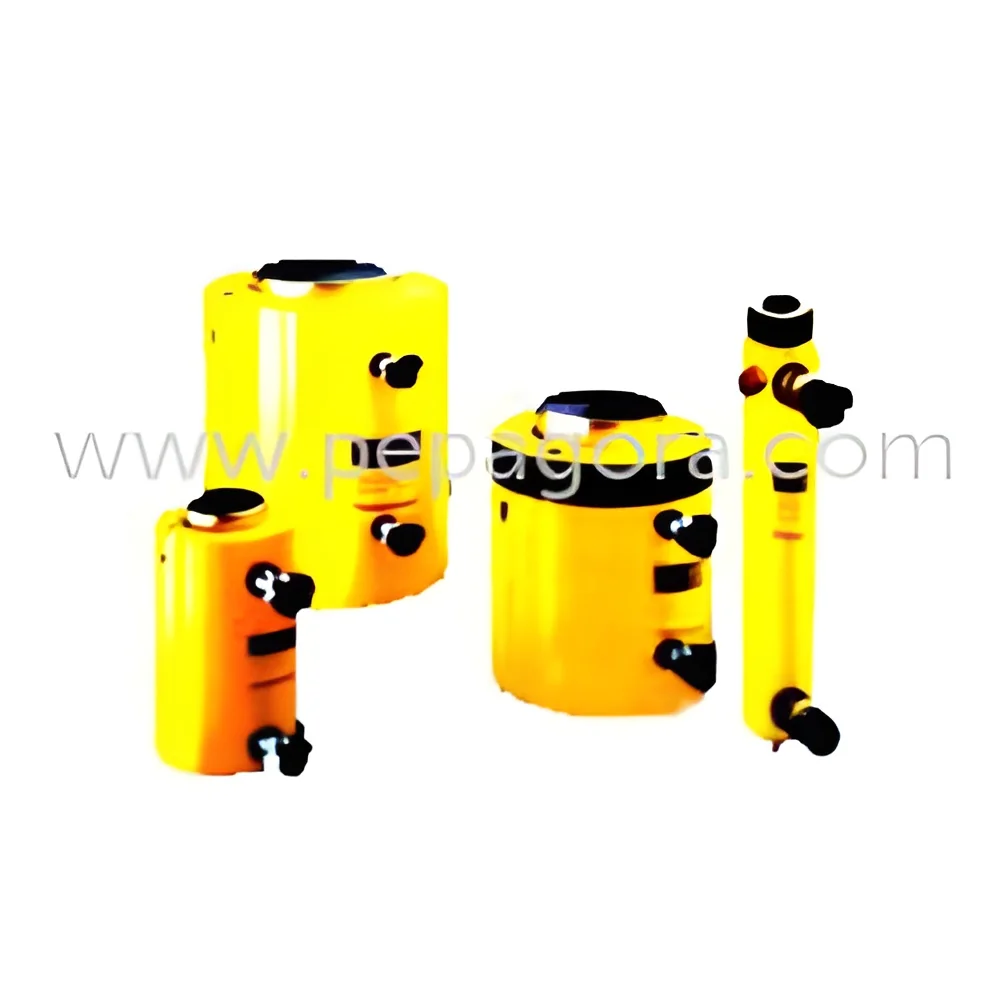
Hydraulic Jacks: These tools are designed for lifting heavy loads in construction and automotive applications. They feature a compact design for easy transport and operation.
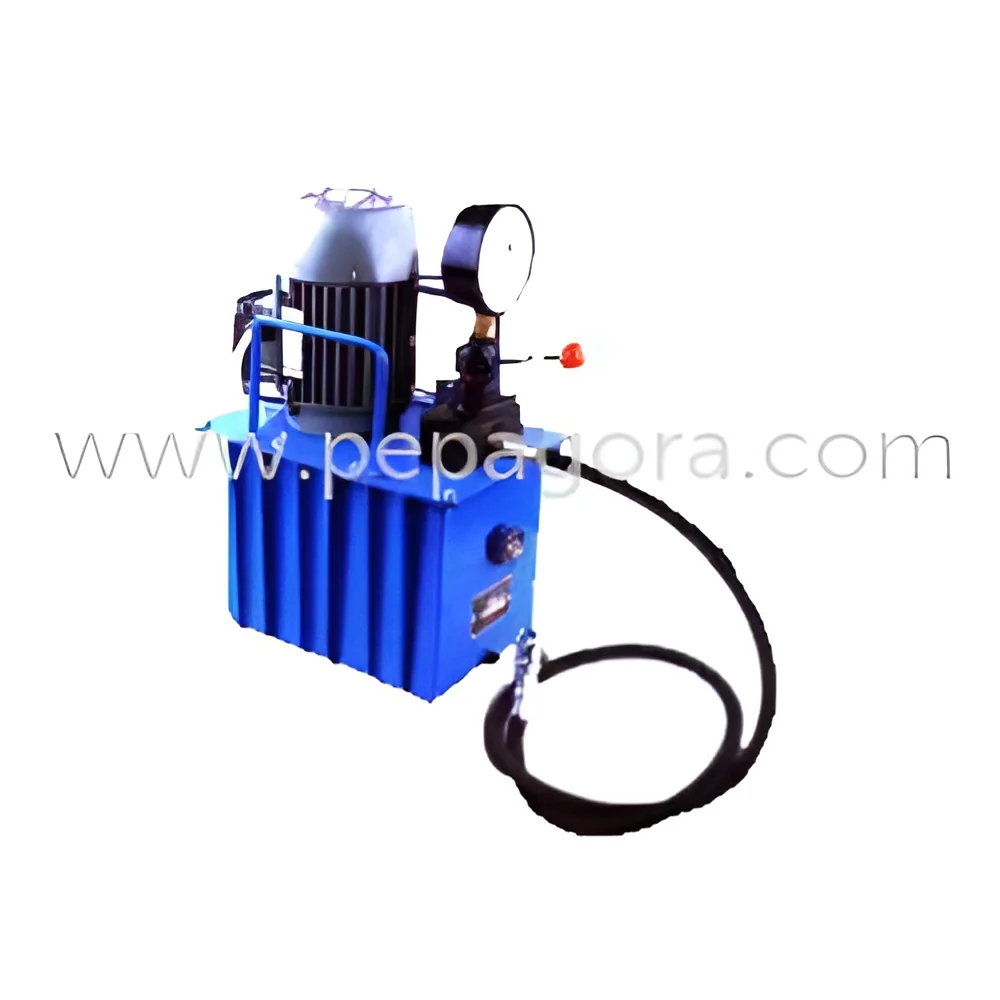
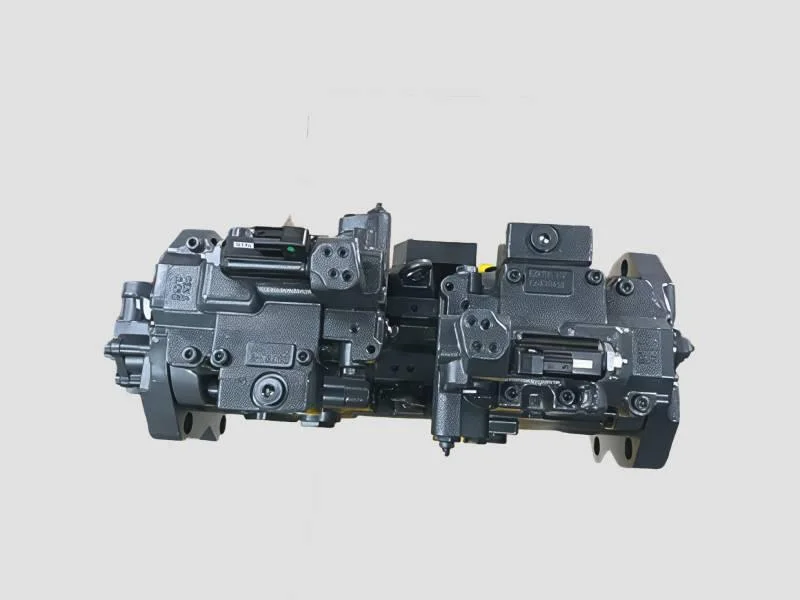
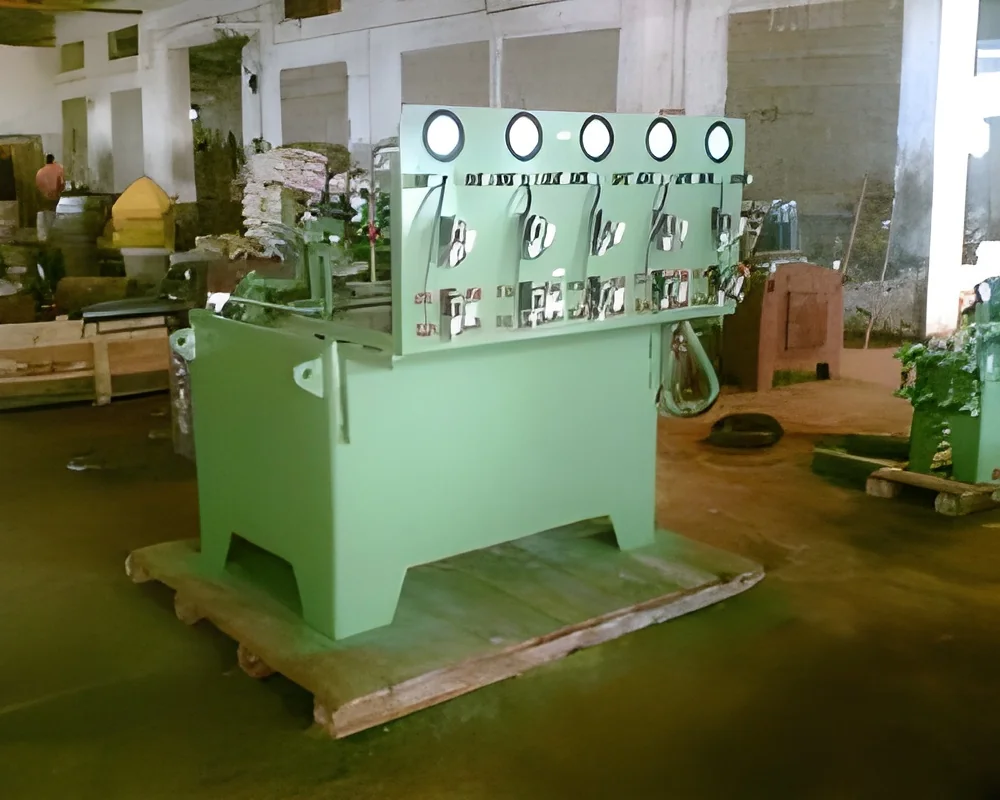
Hydraulic Pumps: Used to generate hydraulic pressure, these pumps are essential for powering other hydraulic tools. They come in manual and electric variants, catering to different operational requirements.
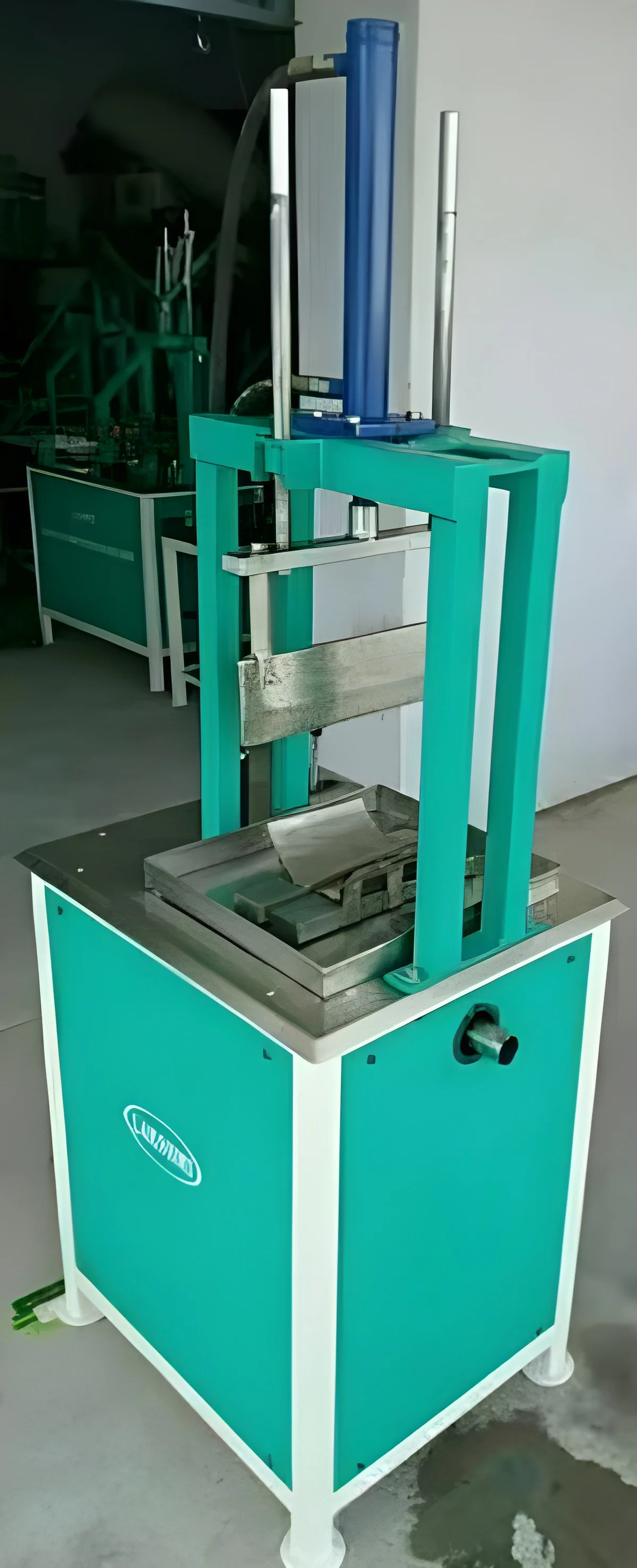
Hydraulic Shears: These tools are utilized for cutting through tough materials like metal and plastic. They are commonly used in manufacturing and recycling industries.
Hydraulic Torque Wrench: This variant provides precise torque application, essential for bolting and assembling tasks. Its accuracy helps prevent damage to components.
𝗕𝗲𝗻𝗲𝗳𝗶𝘁𝘀 𝗮𝗻𝗱 𝗔𝗱𝘃𝗮𝗻𝘁𝗮𝗴𝗲𝘀
Hydraulic tools offer several benefits that enhance their value in industrial applications.
1. Increased Efficiency: Hydraulic tools enable faster operations, reducing the time required for tasks. This boosts overall productivity in industrial settings.
2. Superior Force Output: They provide significant force relative to their size, allowing for the handling of heavy loads without excessive effort.
3. Precision and Control: Hydraulic systems allow for precise control over movements, which is essential for tasks that require accuracy.
4. Versatility: Hydraulic tools can be used across various industries and applications, making them a flexible choice for businesses.
5. Safety Features: Many hydraulic tools come with built-in safety mechanisms that protect operators during use, minimizing the risk of accidents.
6. Reduced Labor Costs: By automating tasks that would typically require manual labor, hydraulic tools help businesses save on labor costs.
𝗕𝘂𝘆𝗶𝗻𝗴 𝗚𝘂𝗶𝗱𝗲 𝗳𝗼𝗿 𝗕𝟮𝗕 𝗕𝘂𝘆𝗲𝗿𝘀
When sourcing hydraulic tools, B2B buyers should consider several critical factors to ensure they make informed decisions.
1. Quality Assessment: Buyers should evaluate the quality of hydraulic tools by reviewing manufacturer standards and material durability. Tools should meet industry requirements to ensure reliability.
2. Supplier Verification: It is essential to vet suppliers by checking their credentials, reputation, and customer reviews. This ensures that buyers are working with reputable manufacturers.
3. Pricing and MOQ: Understanding pricing structures and minimum order quantities is crucial for budgeting. Buyers should compare prices across suppliers to find the best value.
4. Delivery and Lead Times: Buyers should inquire about the expected delivery timelines to plan accordingly. Timely delivery is essential for keeping projects on schedule.
5. Compliance Requirements: Ensure that the hydraulic tools comply with relevant regulations and industry standards. This includes certifications like UL and CE.
𝗖𝗼𝗺𝗽𝗹𝗶𝗮𝗻𝗰𝗲 𝗮𝗻𝗱 𝗖𝗲𝗿𝘁𝗶𝗳𝗶𝗰𝗮𝘁𝗶𝗼𝗻𝘀
Compliance and certification are vital in ensuring hydraulic tools meet industry standards and safety requirements. Relevant quality standards include ISO 9001, which focuses on quality management systems, ensuring that manufacturing processes are efficient and consistent.
Industry certifications like UL and CE indicate that hydraulic tools have undergone rigorous testing and meet safety standards for use. These certifications are crucial for ensuring that products are safe for operators and the environment.
Safety and testing requirements must be adhered to during the manufacturing process to minimize risks associated with hydraulic tool usage. Additionally, regional compliance considerations may vary, so it is essential for manufacturers and suppliers to understand local regulations.
𝗪𝗵𝘆 𝗦𝗼𝘂𝗿𝗰𝗲 𝗛𝘆𝗱𝗿𝗮𝘂𝗹𝗶𝗰 𝗧𝗼𝗼𝗹𝘀 𝗳𝗿𝗼𝗺 𝗣𝗲𝗽𝗮𝗴𝗼𝗿𝗮?
Pepagora provides a trusted platform for sourcing hydraulic tools, offering several key advantages for B2B buyers.
Verified Supplier Network: Pepagora ensures that all suppliers in its network are thoroughly vetted. This guarantees that buyers are dealing with reputable manufacturers who adhere to industry standards.
Streamlined RFQ Process: The platform features an efficient request for quotation (RFQ) system that allows buyers to easily compare offers from multiple suppliers. This helps in making quick and informed purchasing decisions.
Trade Assurance and Support: Pepagora offers trade assurance, protecting buyers throughout the transaction process. This includes support in case of disputes, ensuring a secure purchasing experience.
Regional Coverage: Pepagora has a wide geographic reach, covering regions such as India, the Gulf Cooperation Council (GCC), and Southeast Asia. This makes it easier for businesses in these regions to source hydraulic tools efficiently and effectively.



Frequently Asked Questions
What are Hydraulic Tools?
Hydraulic tools are equipment that use hydraulic power to perform various tasks such as lifting, cutting, or compressing. They operate by converting hydraulic energy into mechanical energy, allowing them to exert significant force with minimal physical effort.
What are the different types of Hydraulic Tools?
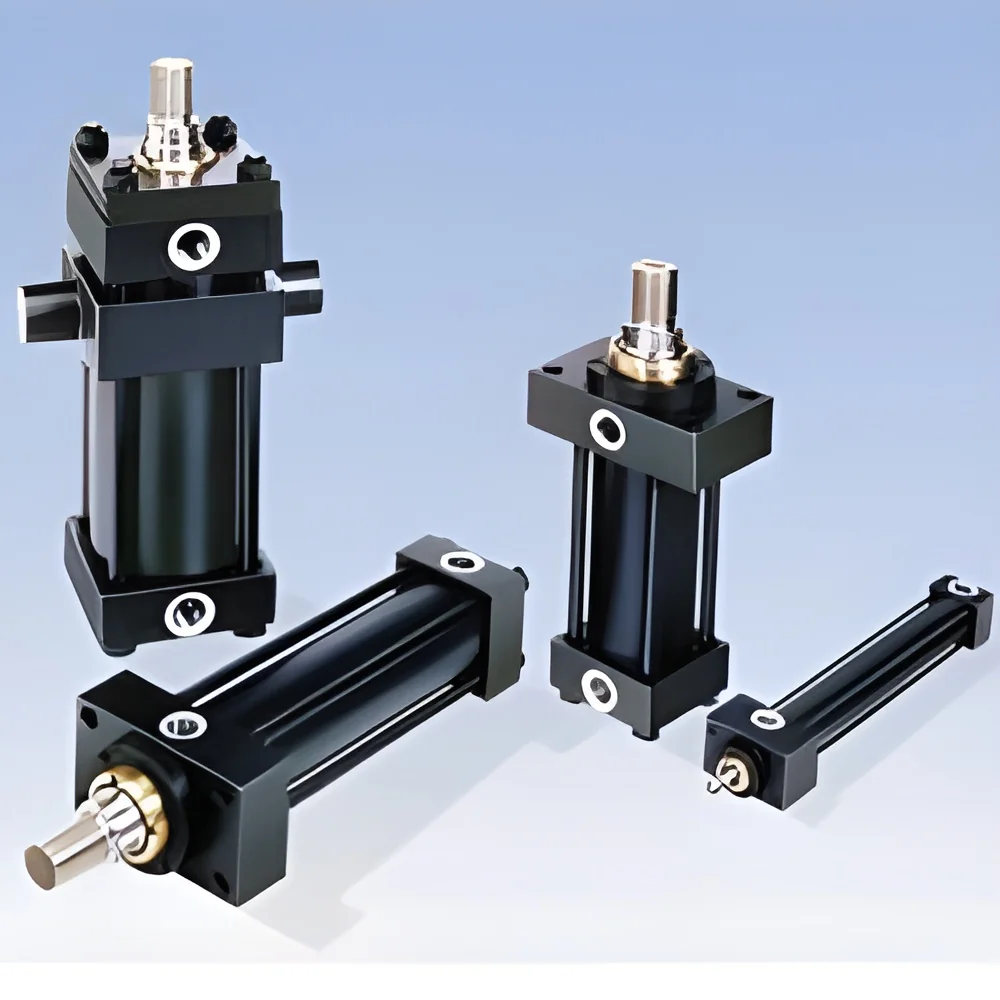
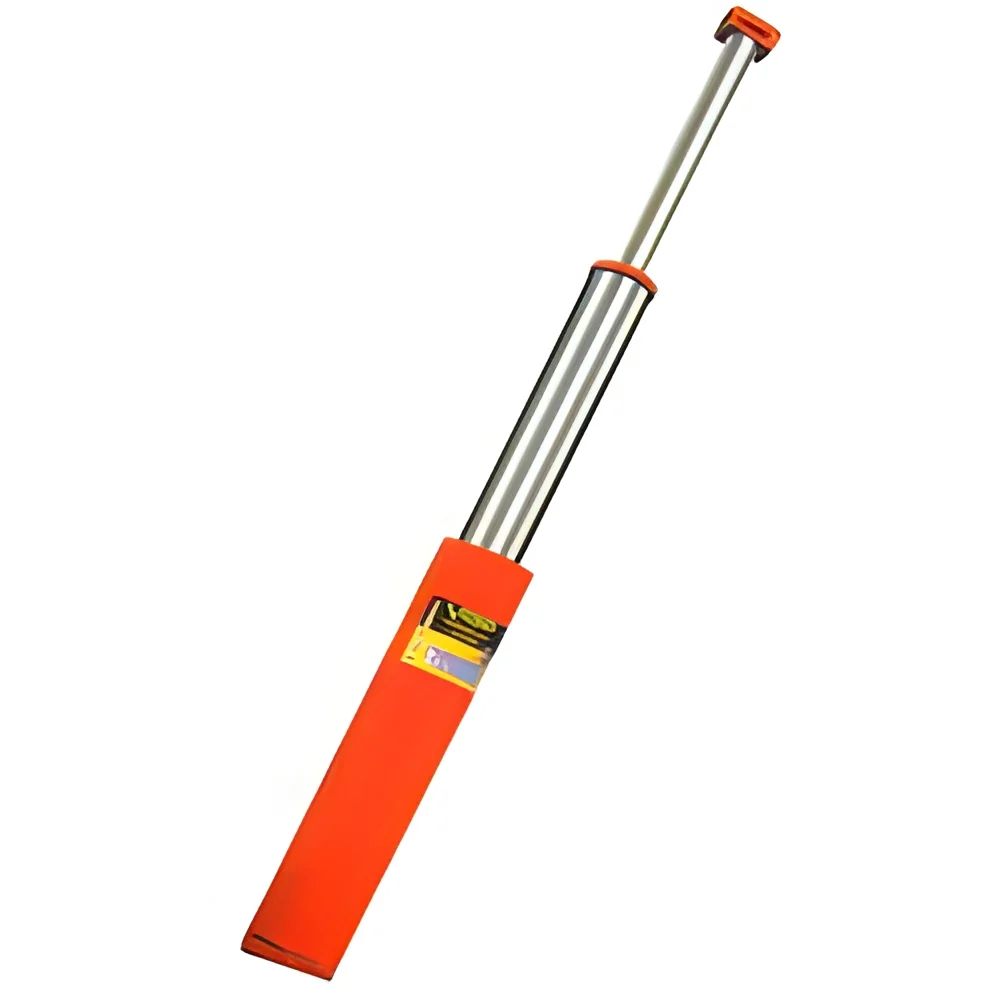
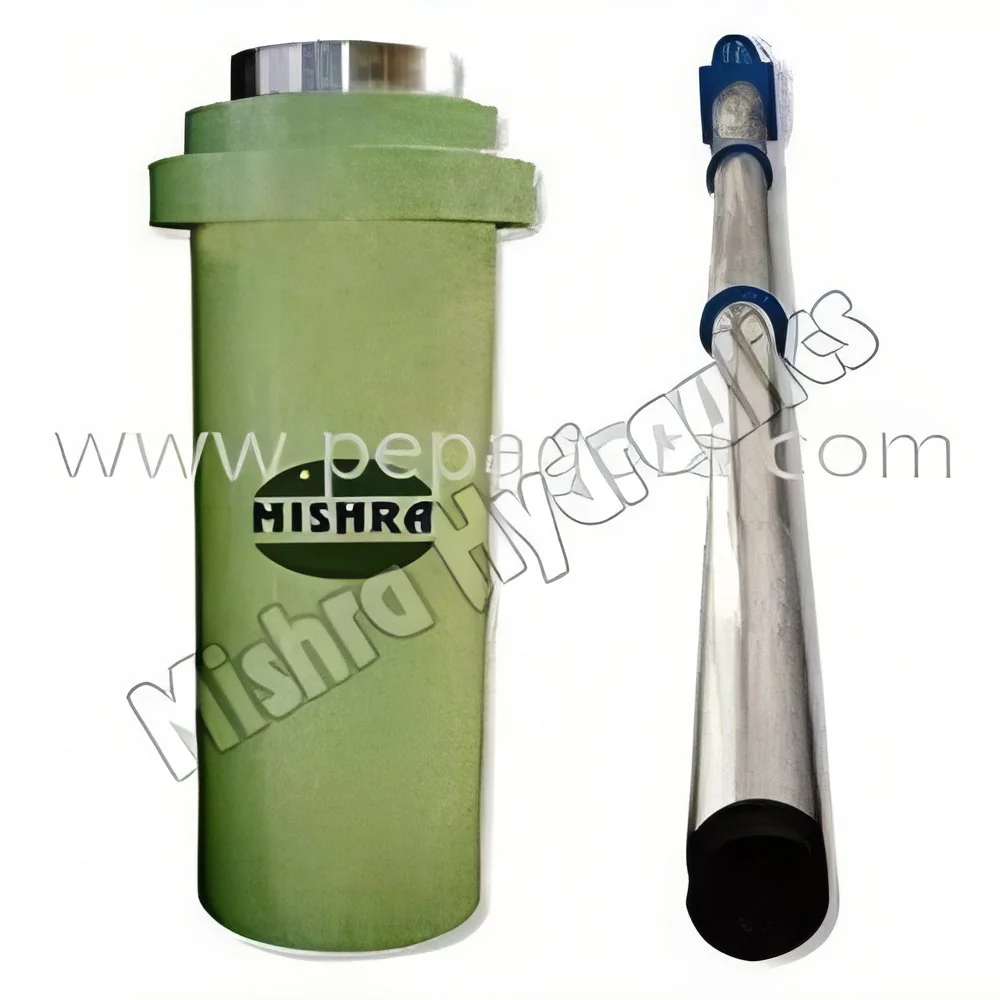
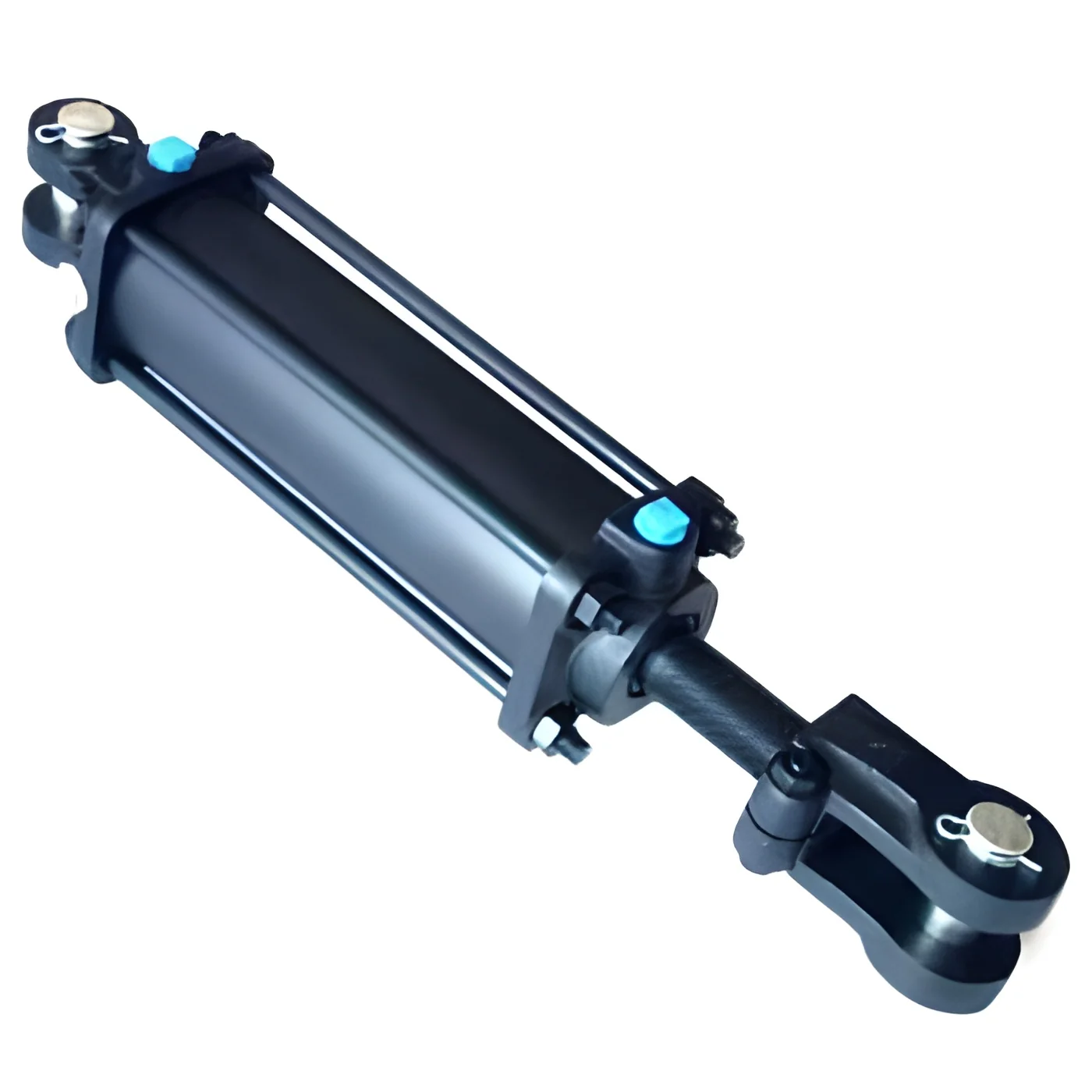
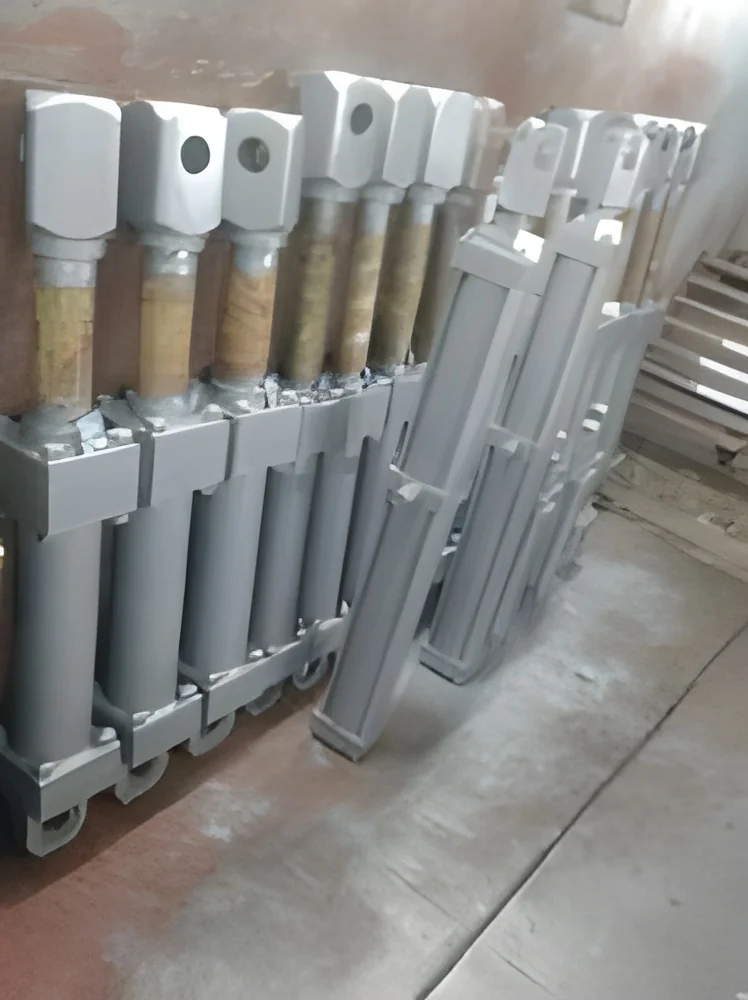
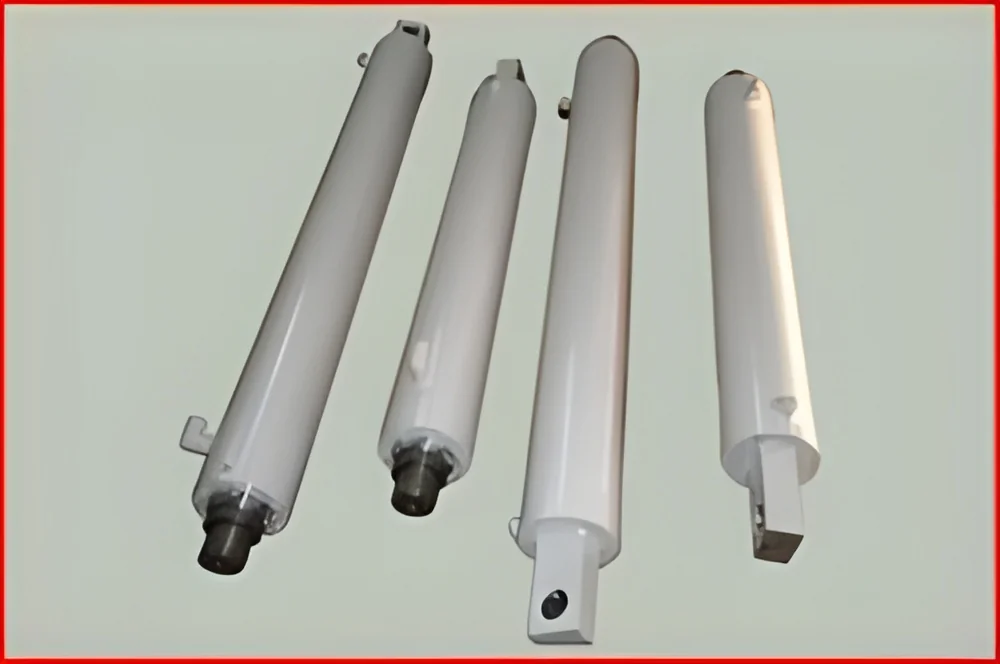
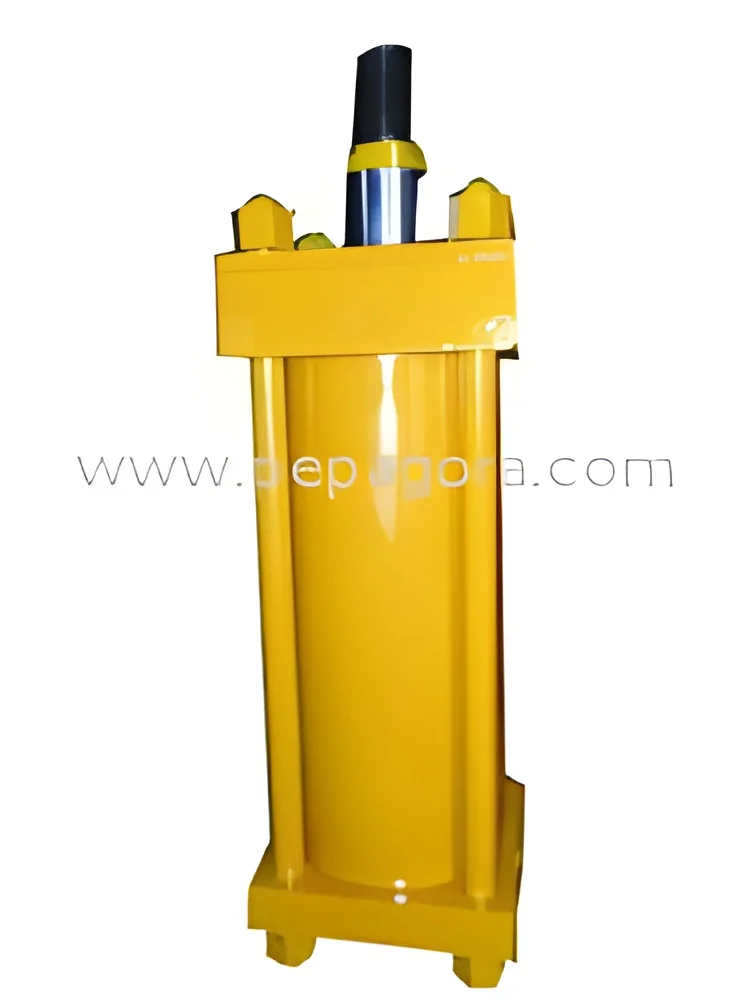
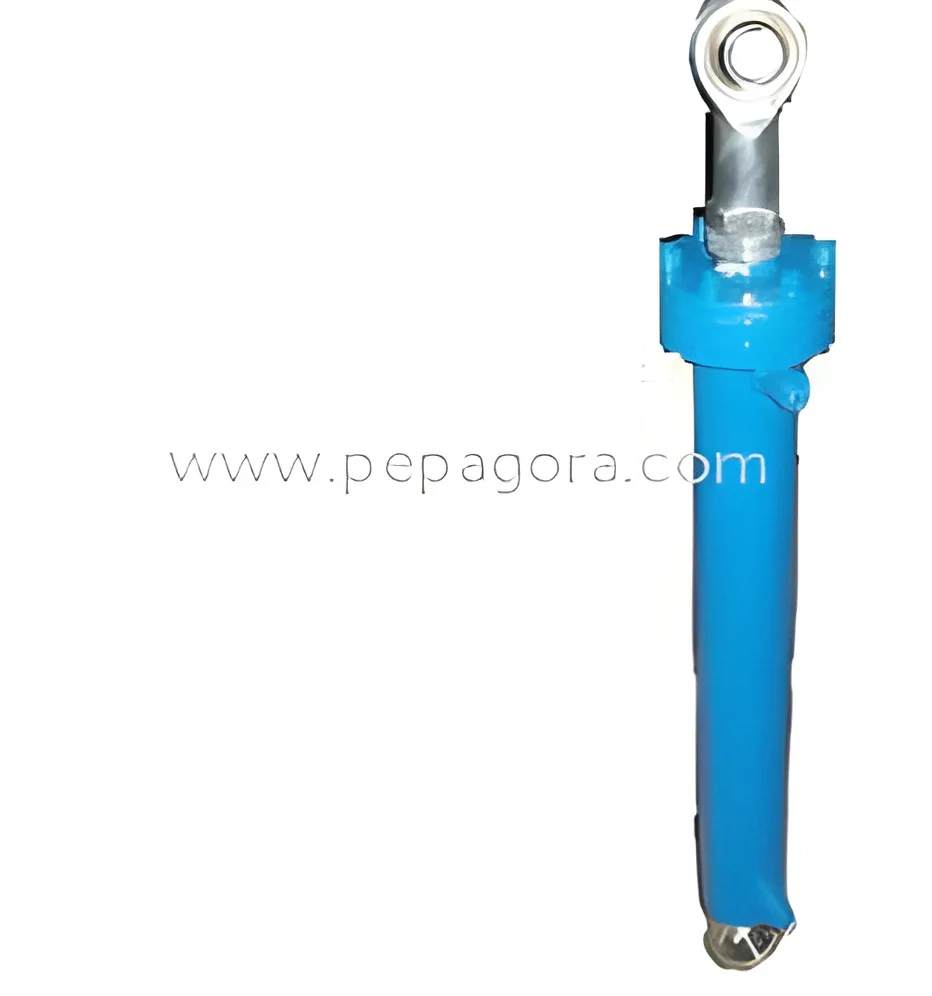
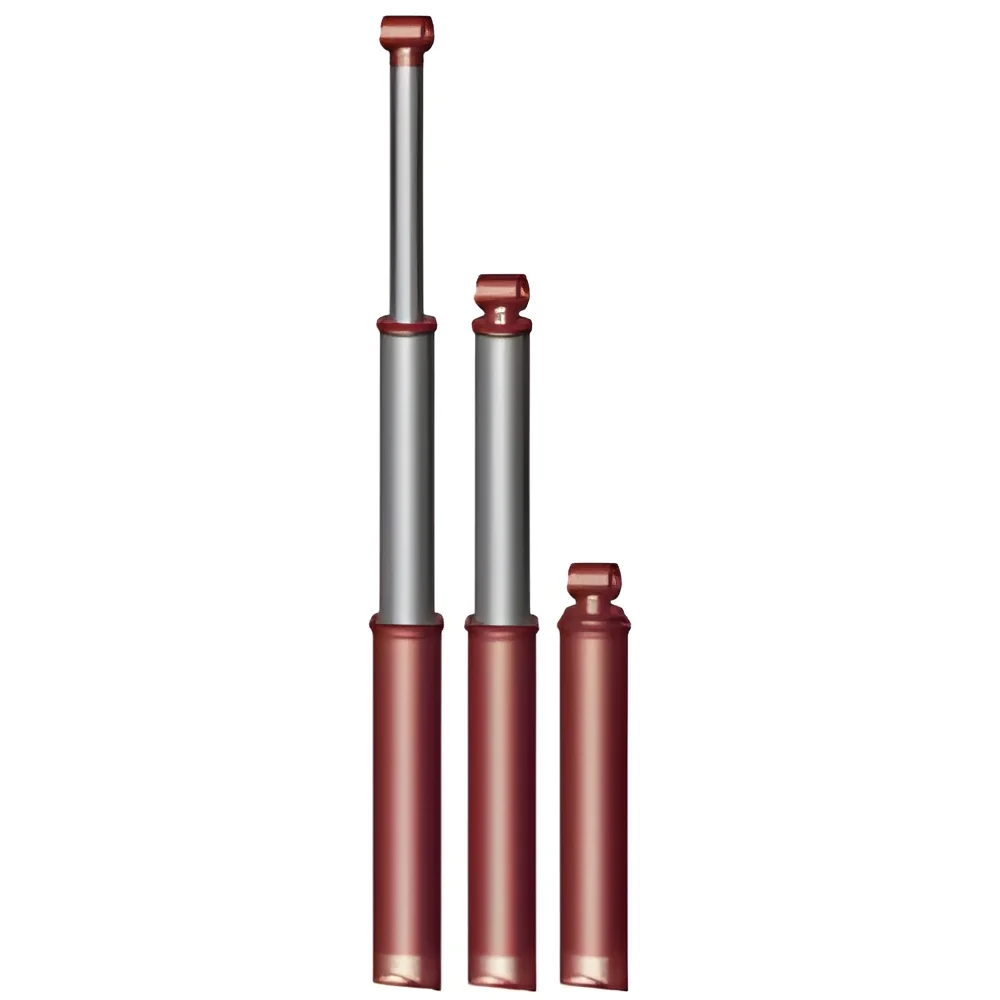
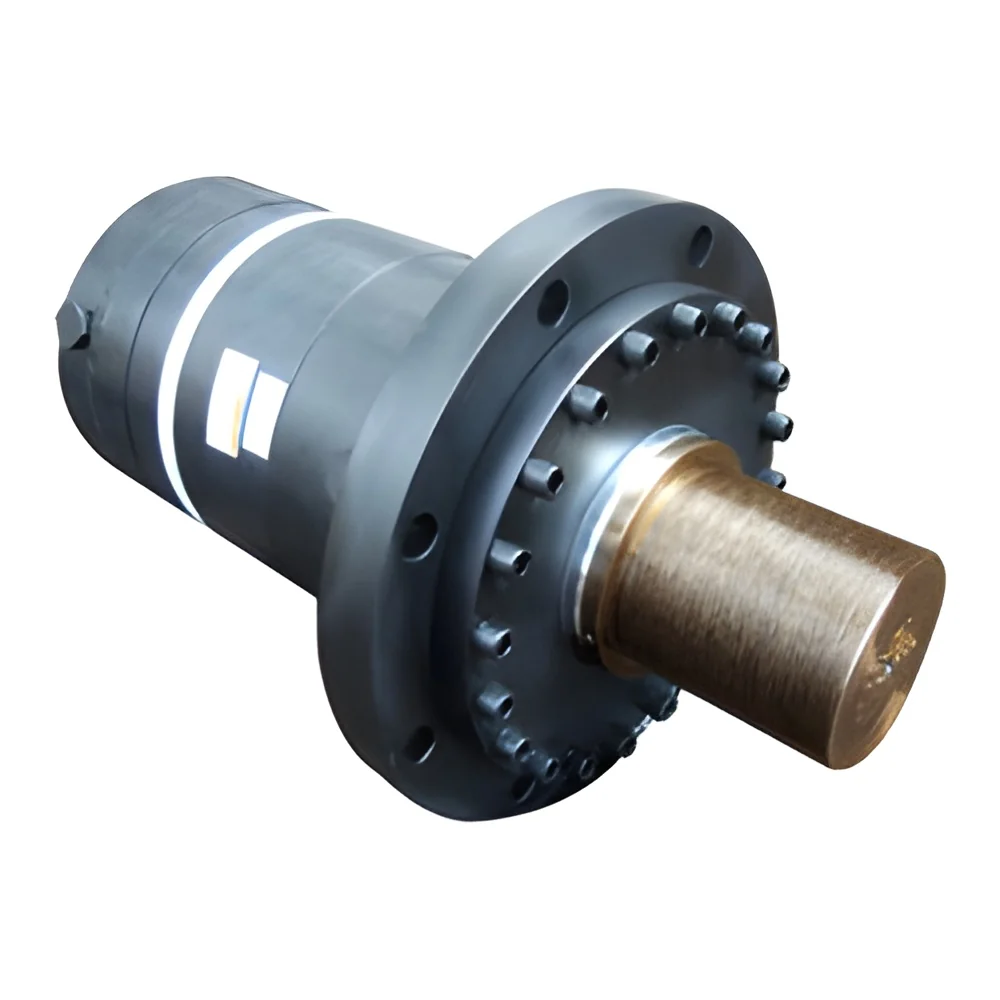
There are several types of hydraulic tools including hydraulic jacks, hydraulic wrenches, hydraulic pumps, and hydraulic cylinders. Each type serves specific applications, such as lifting heavy loads or applying torque to fasteners.
How do I choose the right Hydraulic Tools?
Choosing the right hydraulic tools involves assessing your specific needs, such as the weight or size of the object to be manipulated and the required force. Additionally, consider factors like compatibility with existing equipment, ease of use, and safety features.
What are the standard specifications for Hydraulic Tools?
Standard specifications for hydraulic tools typically include operating pressure, lifting capacity, and flow rate. It is essential to check these specifications to ensure the tools meet the requirements of your specific application.
What is the price range for Hydraulic Tools?
The price range for hydraulic tools can vary significantly based on the type and brand, generally starting from around INR 5,000 and going up to INR 1,00,000 or more. Factors influencing price include quality, features, and manufacturer reputation.
What quality standards apply to Hydraulic Tools?
Hydraulic tools must comply with various quality standards such as ISO 9001 for quality management systems and ISO 14001 for environmental management. Additionally, tools may need to meet specific safety standards depending on the application and industry.
Where can I find Hydraulic Tools suppliers in India?
You can find hydraulic tools suppliers in India through B2B marketplaces, industry trade shows, and online directories. Websites like Pepagora.com list numerous manufacturers and suppliers for easy access to a variety of hydraulic tools.
Can Hydraulic Tools be customized?
Yes, many manufacturers offer customization options for hydraulic tools to meet specific requirements. Customizations may include alterations in size, capacity, or additional features tailored to particular applications.
What is the typical minimum order quantity for Hydraulic Tools?
The typical minimum order quantity (MOQ) for hydraulic tools can vary widely depending on the supplier and the type of tool. Generally, MOQs can range from a single unit for standard tools to larger quantities for custom or specialized equipment.
What is the typical lead time for Hydraulic Tools?
The typical lead time for hydraulic tools can range from a few days to several weeks, depending on the supplier's inventory and the complexity of the order. Custom orders may take longer due to the manufacturing process involved.
Why Businesses Trust Pepagora
Thousands of companies trust Pepagora to source smarter and sell faster
Expand Your Sales Globally

Source Smarter,Grow Faster
