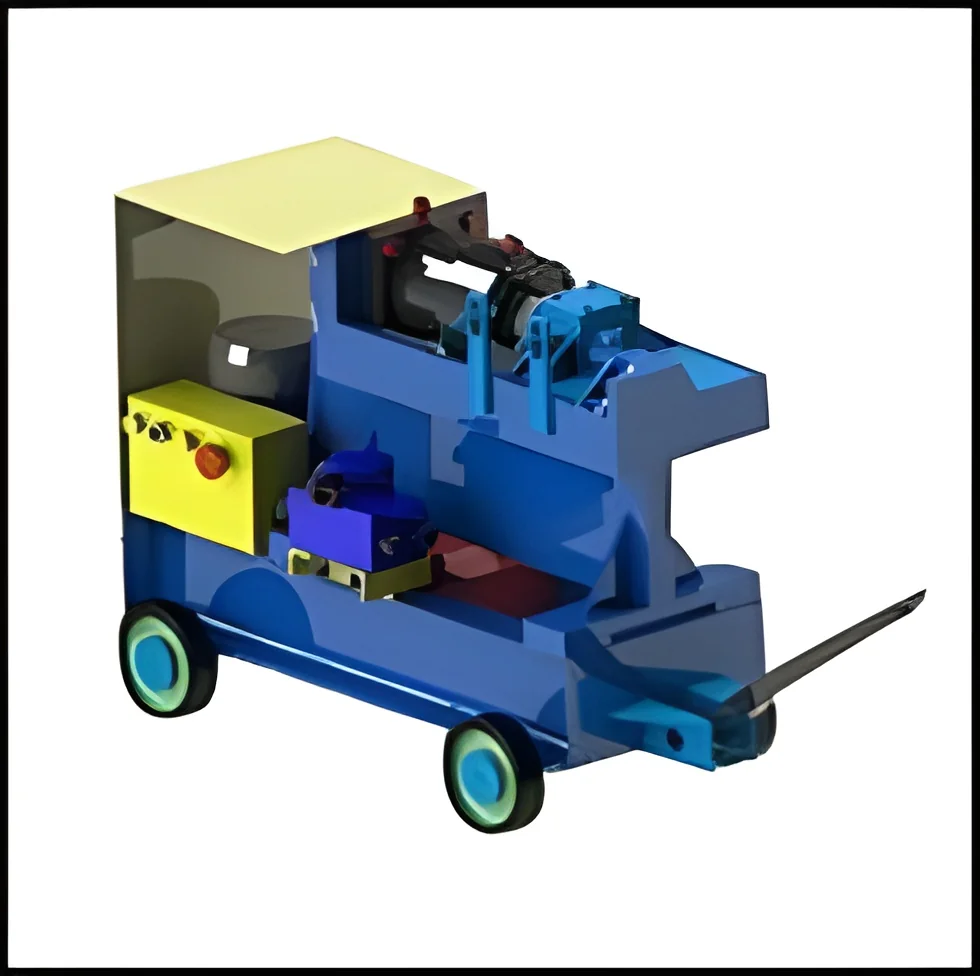
What are Hydraulic Rebar Cutters?
Hydraulic rebar cutters are specialized tools designed for cutting reinforced steel bars (rebar) with precision and efficiency. These machines utilize hydraulic power to generate the force needed for cutting through various rebar sizes and grades. The operation is typically faster and requires less physical effort compared to manual cutting methods, making them essential in construction and fabrication settings.
The primary applications of hydraulic rebar cutters include construction projects, metal fabrication, and infrastructure development. These devices are widely used by contractors, engineers, and construction workers to ensure that rebar is cut to the necessary lengths for concrete reinforcement. The ability to quickly and accurately cut rebar enhances productivity and reduces labor costs in large-scale projects.
In the current market, hydraulic rebar cutters are increasingly relevant due to the growing demand for construction and infrastructure improvement. With the rise of urbanization and construction activities, these tools have become indispensable for businesses seeking to optimize their operations and deliver high-quality results.
Key Features and Specifications
Hydraulic rebar cutters come equipped with several features that enhance their performance and usability. These specifications allow businesses to select the right equipment based on their specific needs and operational requirements.
Key specifications include:
1. Cutting Capacity
- Typically ranges from 16mm to 40mm in diameter
- Suitable for various rebar grades
2. Motor Power
- Options usually vary from 1.5 kW to 3.0 kW
- Ensures efficient operation and cutting speed
3. Hydraulic Pressure
- Operating pressure generally between 700 to 1200 bar
- Provides sufficient force for clean cuts
4. Weight
- Varies from 20 kg to 50 kg depending on the model
- Considerations for portability and ease of use
5. Cutting Speed
- Average cutting time of 3 to 5 seconds per cut
- Significant time savings for large projects
6. Material Construction
- Typically made from high-strength steel
- Ensures durability and longevity
7. Safety Features
- Includes emergency stop buttons and safety guards
- Protects operators during use
8. Power Supply
- Available in both electric and battery-operated models
- Flexibility to suit different job site requirements
These specifications provide a comprehensive overview of what businesses can expect from hydraulic rebar cutters, ensuring that they select the most suitable equipment for their operations.
Common Applications and Use Cases
Hydraulic rebar cutters are utilized across a variety of industries, each benefiting from the efficiency and precision these tools offer.
1. Construction Industry: In construction, hydraulic rebar cutters are essential for preparing rebar for concrete reinforcement. They enable quick cutting to required lengths, facilitating smoother workflow on job sites.
2. Manufacturing: In the manufacturing sector, these cutters are used to prepare rebar for prefabricated structures. They improve production efficiency by allowing for precise cutting with minimal waste.
3. Infrastructure Development: Hydraulic rebar cutters are crucial in infrastructure projects such as bridges and highways. Their ability to handle large volumes of rebar quickly supports the demands of large-scale projects.
4. Demolition: In demolition work, these tools allow for the quick removal of rebar from structures, making the process safer and more efficient.
5. Metal Fabrication: Metal fabricators use hydraulic rebar cutters to prepare rebar for various applications, ensuring accurate dimensions and reducing manual labor.
6. Renovation Projects: During renovations, these cutters help in adjusting existing rebar to accommodate new structural designs.
7. Landscaping: In some landscaping applications, they are employed to cut rebar used in decorative features or as part of structural supports.
Product Variants and Subcategories
Hydraulic rebar cutters come in various models, each designed to meet specific operational needs.
Electric Hydraulic Rebar Cutter
This variant is powered by electricity, making it ideal for indoor use or locations with reliable power sources. It offers consistent performance and is generally quieter than its battery-operated counterparts.
Battery-Powered Hydraulic Rebar Cutter
This model provides portability, allowing users to operate the cutter in remote locations without access to electricity. It is designed for convenience and ease of use, making it suitable for on-site tasks.
Manual Hydraulic Rebar Cutter
A more cost-effective option, manual hydraulic cutters require less initial investment. They are suitable for smaller projects or applications where electric or battery power is not available.
Benefits and Advantages
Hydraulic rebar cutters offer numerous benefits that make them a valuable investment for businesses.
Key benefits include:
1. Enhanced Efficiency: These tools significantly reduce the time required for cutting rebar, increasing overall productivity on job sites.
2. Improved Precision: Hydraulic cutters provide clean and accurate cuts, reducing the need for rework and ensuring that rebar meets specifications.
3. Reduced Labor Costs: By automating the cutting process, businesses can minimize labor costs and allocate resources more effectively.
4. Safety Features: Equipped with safety mechanisms, these tools help protect operators from potential injuries associated with manual cutting methods.
5. Versatility: Hydraulic rebar cutters can handle a range of rebar sizes and grades, making them suitable for various applications across different industries.
6. Portability: Many models are designed to be lightweight and easy to transport, allowing for flexibility in usage across multiple job sites.
Buying Guide for B2B Buyers
When sourcing hydraulic rebar cutters, it is essential for businesses to consider several key factors to ensure they make informed purchasing decisions.
1. Quality Assessment: Evaluate the build quality and materials used in the construction of the cutters. Look for reputable brands known for durability and reliability.
2. Supplier Verification: Conduct thorough research to verify suppliers' credentials and industry reputation. Check for customer reviews and past project references.
3. Pricing and MOQ: Understand the pricing structure and minimum order quantities (MOQ) required by suppliers. Compare costs to ensure you are getting competitive rates.
4. Delivery and Lead Times: Discuss delivery schedules and lead times to ensure that the equipment arrives when needed for projects.
5. Compliance Requirements: Be aware of any industry-specific regulations or compliance standards that the hydraulic rebar cutters must meet to operate legally and safely.
Compliance and Certifications
Hydraulic rebar cutters must adhere to various quality standards and certifications to ensure safety and reliability.
The ISO 9001 standard is often a baseline for manufacturers, indicating a commitment to quality management systems. This certification assures customers that the products meet international quality standards.
Additionally, industry certifications such as UL and CE demonstrate compliance with safety and performance regulations. These certifications ensure that the equipment has been tested and meets specific operational standards.
Safety and testing requirements are critical, particularly in construction environments where equipment reliability is paramount. Manufacturers should provide documentation verifying that their products have undergone rigorous testing.
Regional compliance considerations may vary based on local regulations and industry standards. It is crucial for buyers to ensure that their equipment meets the specific requirements of the regions in which they operate.
Why Source Hydraulic Rebar Cutters from Pepagora?
Pepagora provides a trusted platform for sourcing hydraulic rebar cutters with several key advantages.
Verified Supplier Network: Pepagora has a comprehensive network of verified suppliers who meet stringent quality standards. This ensures that buyers can source reliable equipment from reputable manufacturers.
Streamlined RFQ Process: The request for quotation (RFQ) process on Pepagora is designed to be efficient and user-friendly. Buyers can easily compare quotes and specifications from multiple suppliers, facilitating informed decision-making.
Trade Assurance and Support: Pepagora offers trade assurance, providing buyers with protection throughout the purchasing process. This includes support in case of disputes or issues with suppliers.
Regional Coverage: With a strong presence in India, the GCC, and Southeast Asia, Pepagora ensures that businesses can access hydraulic rebar cutters that meet their regional needs, enhancing convenience and accessibility.

 IN
IN