What are Hydraulic Pumps (Hand, Electric, Air-Driven)?
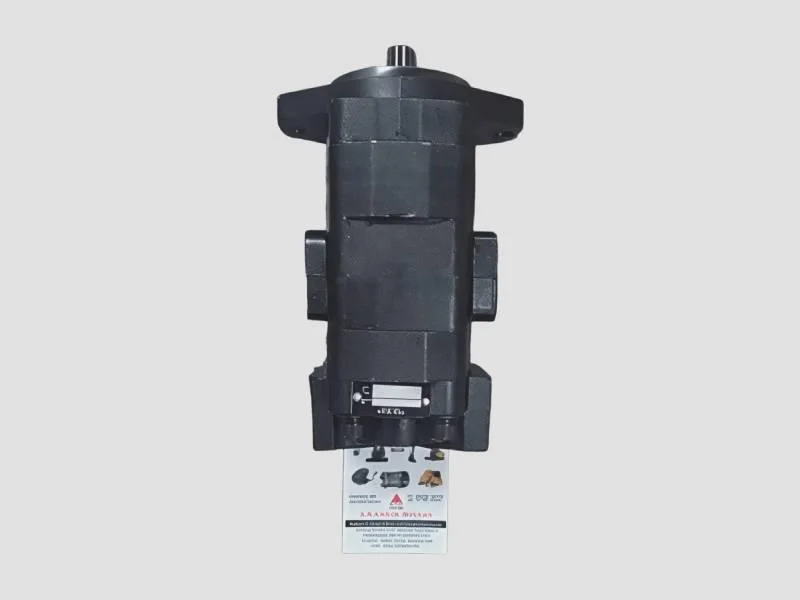
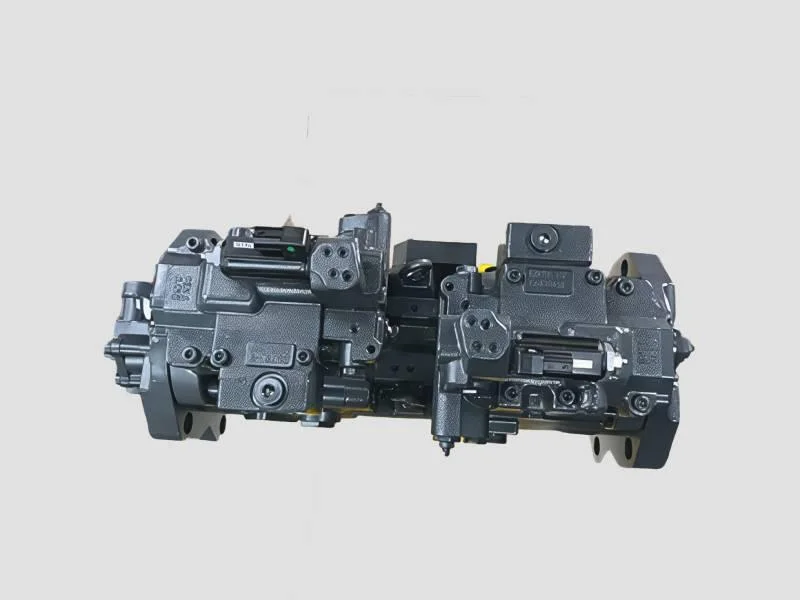
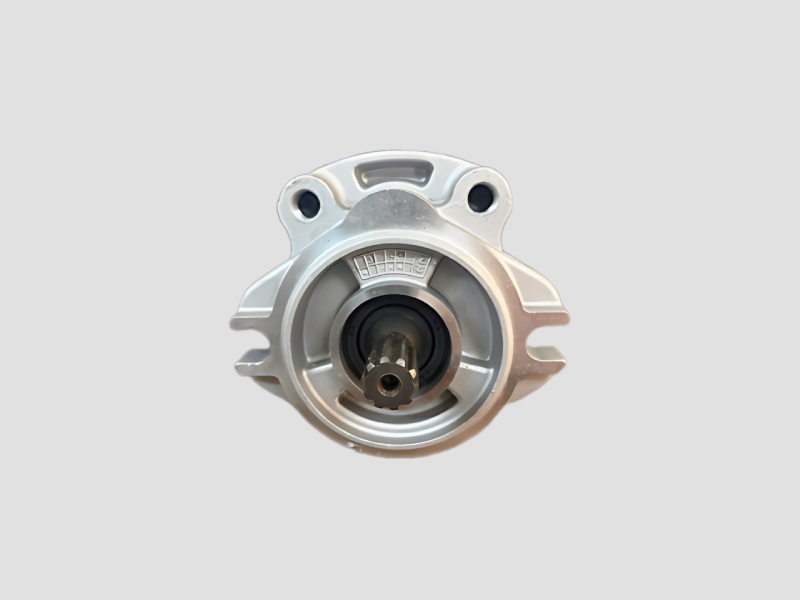
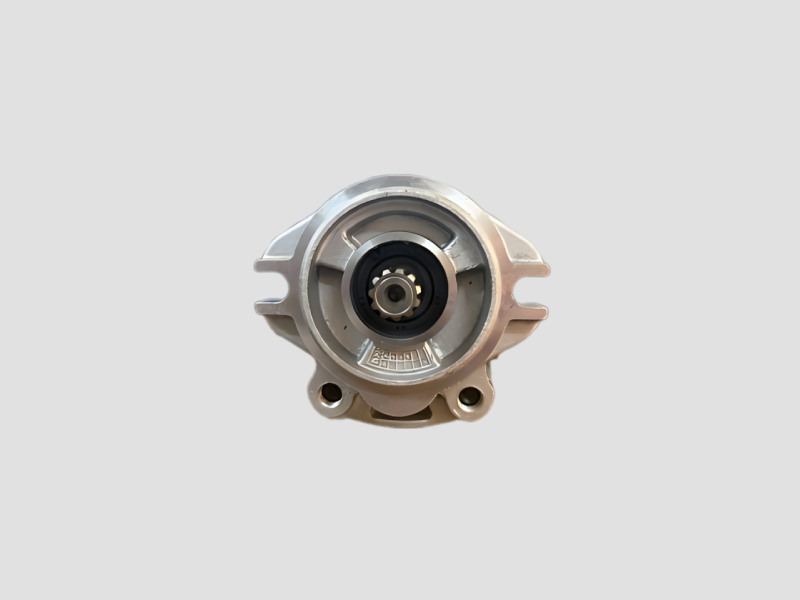
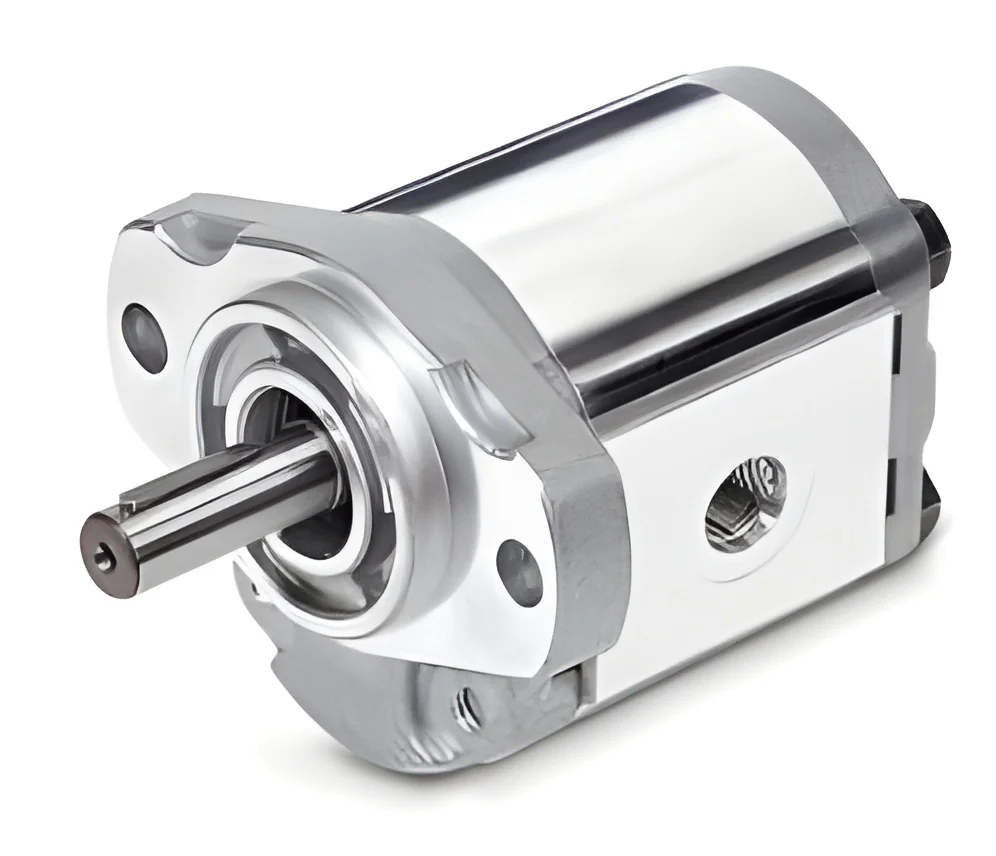
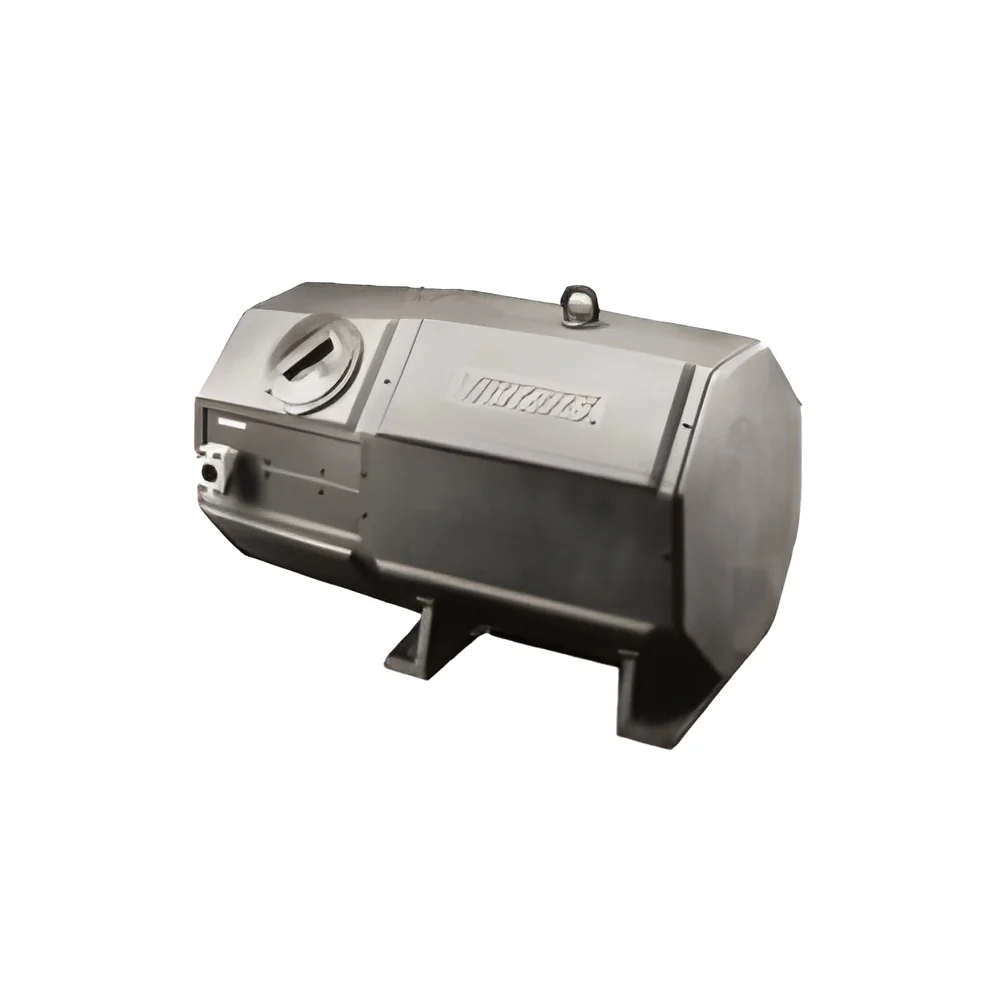
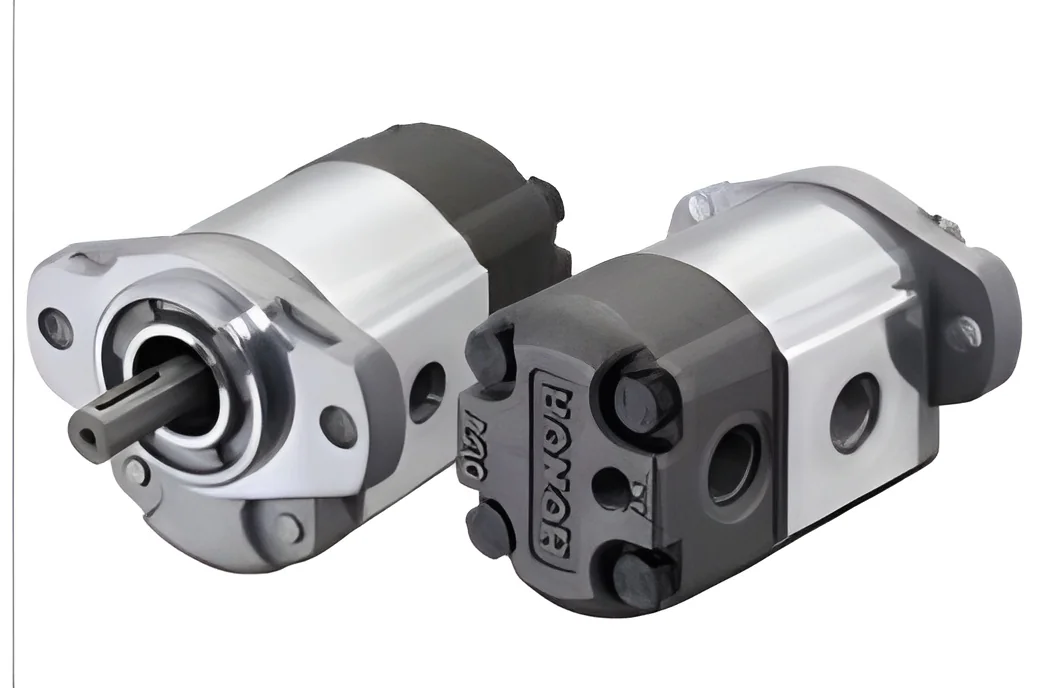
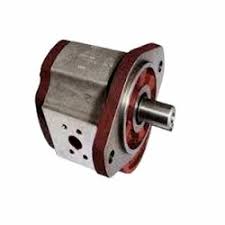
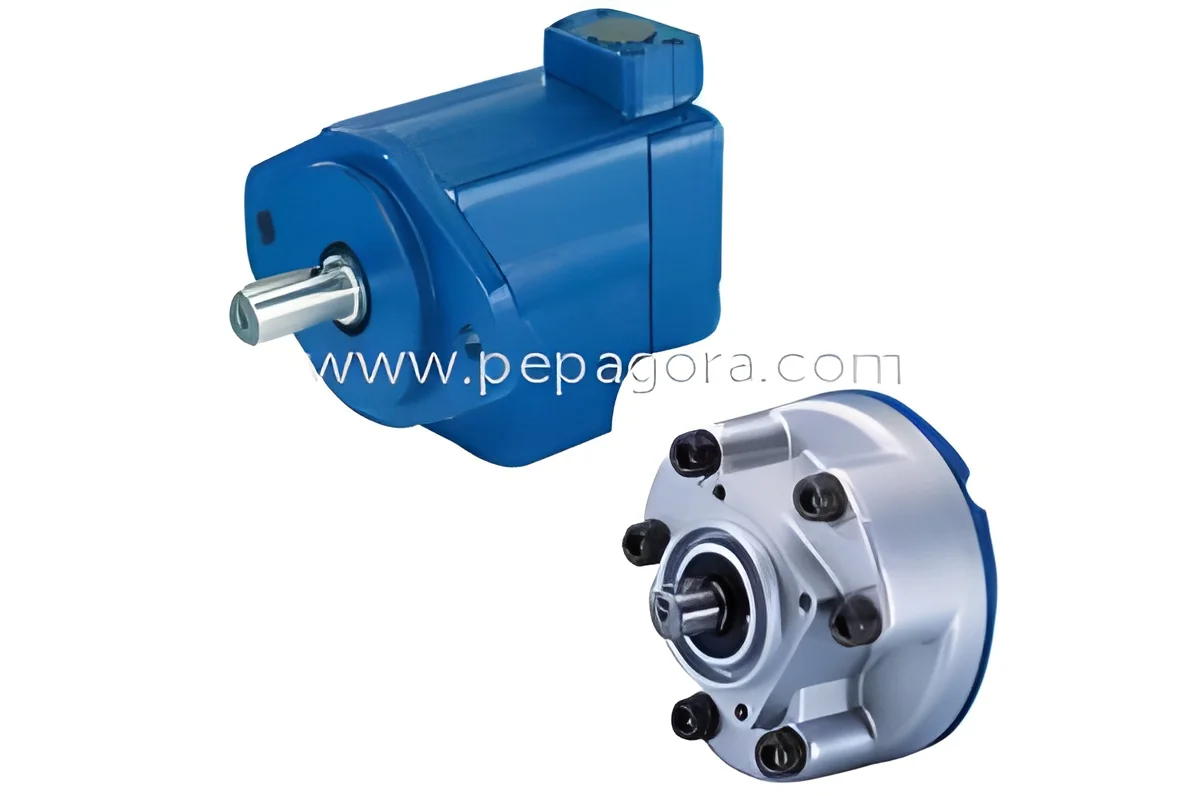
Hydraulic pumps are devices used to convert mechanical energy into hydraulic energy through the movement of fluid within a hydraulic system. They are essential components in various industrial applications, allowing for the efficient transfer of power and movement. Hydraulic pumps can be categorized into three main types: hand pumps, electric pumps, and air-driven pumps. Each type operates on different principles and is suited for specific applications, providing flexibility in usage.
These pumps find extensive use across several industries, including construction, manufacturing, and automotive sectors. They play a critical role in operating machinery, hydraulic presses, and lifting equipment, facilitating tasks that require significant force and precision. As industries continue to evolve and demand more efficient solutions, hydraulic pumps remain a relevant choice due to their effectiveness in managing high-pressure systems and facilitating complex operations.
In the current market, the hydraulic pump industry is experiencing steady growth driven by advancements in technology and increased automation in manufacturing processes. As businesses look to enhance productivity and reduce labor costs, the adoption of hydraulic systems is becoming more prevalent. This trend highlights the relevance of hydraulic pumps in meeting the demands of modern industrial applications.
๐๐ฒ๐ ๐๐ฒ๐ฎ๐๐๐ฟ๐ฒ๐ ๐ฎ๐ป๐ฑ ๐ฆ๐ฝ๐ฒ๐ฐ๐ถ๐ณ๐ถ๐ฐ๐ฎ๐๐ถ๐ผ๐ป๐
Hydraulic pumps come with a variety of features and specifications that cater to different operational needs. Understanding these specifications is crucial for selecting the right pump for a specific application. Below are some of the key specifications associated with hydraulic pumps.
Key specifications include:
1. Pump Type
- Hand, electric, or air-driven
- Each type has unique operational advantages and applications
2. Pressure Rating
- Range of pressure that the pump can handle
- Typically measured in bars or PSI
3. Flow Rate
- Volume of fluid the pump can move per unit of time
- Measured in liters per minute (L/min) or gallons per minute (GPM)
4. Power Source
- Source of energy for the pump operation
- Options include manual operation, electric motors, or compressed air
5. Material Construction
- Composition of the pump body and components
- Common materials include aluminum, steel, and composite materials
6. Port Size and Type
- Dimensions and connection type for fluid inlet and outlet
- Important for compatibility with existing systems
7. Weight
- Total weight of the pump
- Relevant for transportation and installation considerations
8. Safety Features
- Built-in mechanisms to prevent overpressure and leaks
- Critical for ensuring safe operation in high-pressure environments
These specifications provide a comprehensive overview of hydraulic pumps, helping buyers make informed decisions based on their specific operational needs.
๐๐ผ๐บ๐บ๐ผ๐ป ๐๐ฝ๐ฝ๐น๐ถ๐ฐ๐ฎ๐๐ถ๐ผ๐ป๐ ๐ฎ๐ป๐ฑ ๐จ๐๐ฒ ๐๐ฎ๐๐ฒ๐
Hydraulic pumps play a vital role in a wide array of industries, each utilizing these devices for different applications.
1. Construction: Hydraulic pumps are commonly used in construction equipment such as excavators and bulldozers. They power hydraulic cylinders that lift and move heavy loads, enabling efficient site operations.
2. Manufacturing: In manufacturing, hydraulic pumps are essential for operating machinery such as hydraulic presses and injection molding machines. They provide the necessary force for shaping materials and assembling products.
3. Automotive: The automotive industry uses hydraulic pumps in various applications, including braking systems and power steering. They ensure smooth operation and enhanced safety for vehicles.
4. Agriculture: Hydraulic pumps are used in agricultural machinery such as tractors and harvesters. They facilitate tasks like lifting and transporting heavy materials, improving overall productivity.
5. Marine: In marine applications, hydraulic pumps are utilized for powering winches and steering systems. They are crucial for ensuring the efficient operation of boats and ships.
6. Aerospace: Hydraulic systems in aerospace rely on hydraulic pumps for various functions, including landing gear operation and flight control systems. They contribute to the safety and performance of aircraft.
7. Oil and Gas: In the oil and gas industry, hydraulic pumps are used for drilling operations and equipment maintenance. They enable the efficient handling of fluids in challenging environments.
๐ฃ๐ฟ๐ผ๐ฑ๐๐ฐ๐ ๐ฉ๐ฎ๐ฟ๐ถ๐ฎ๐ป๐๐ ๐ฎ๐ป๐ฑ ๐ฆ๐๐ฏ๐ฐ๐ฎ๐๐ฒ๐ด๐ผ๐ฟ๐ถ๐ฒ๐
Hydraulic pumps are available in several variants, each designed to meet specific operational requirements.
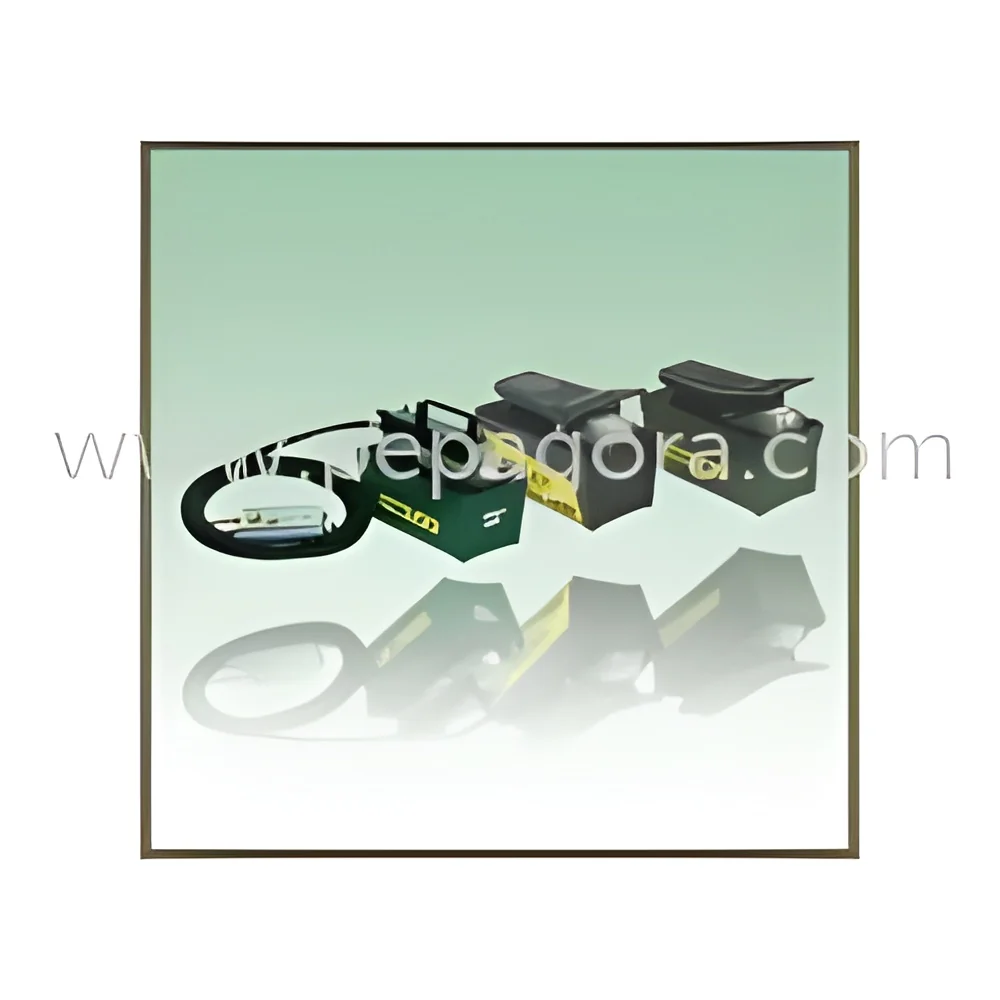
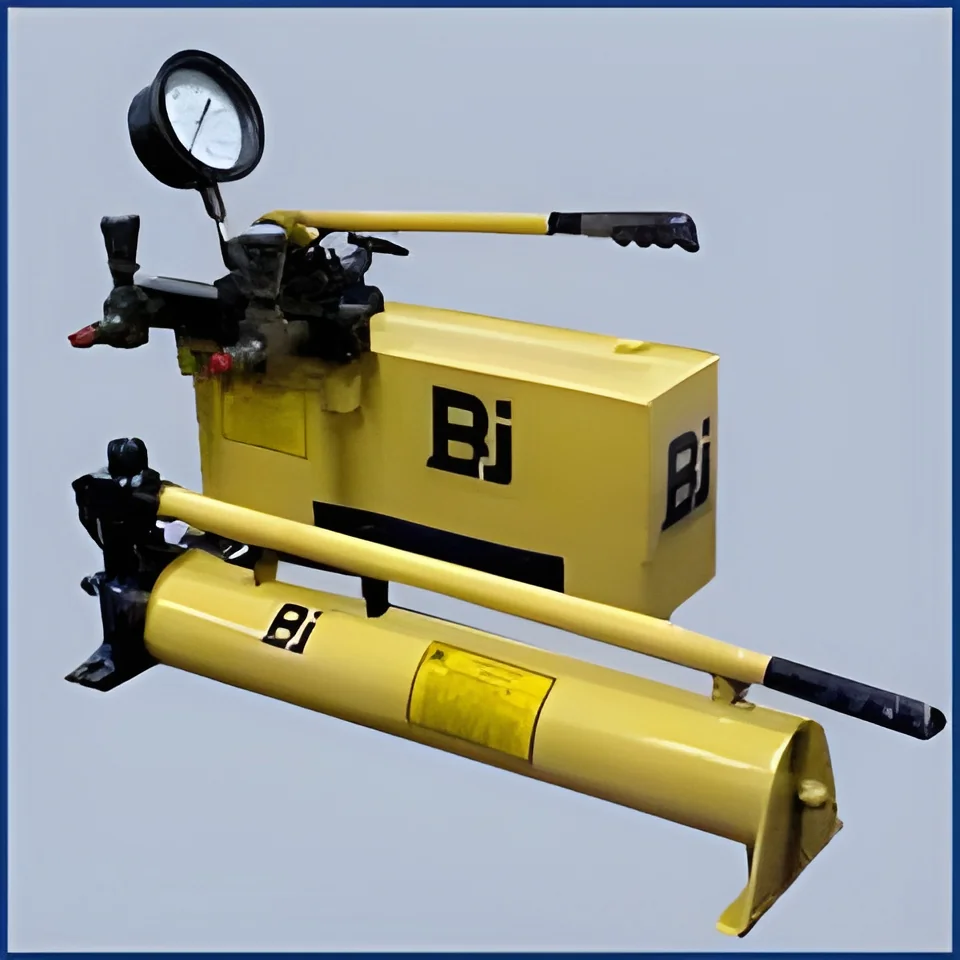
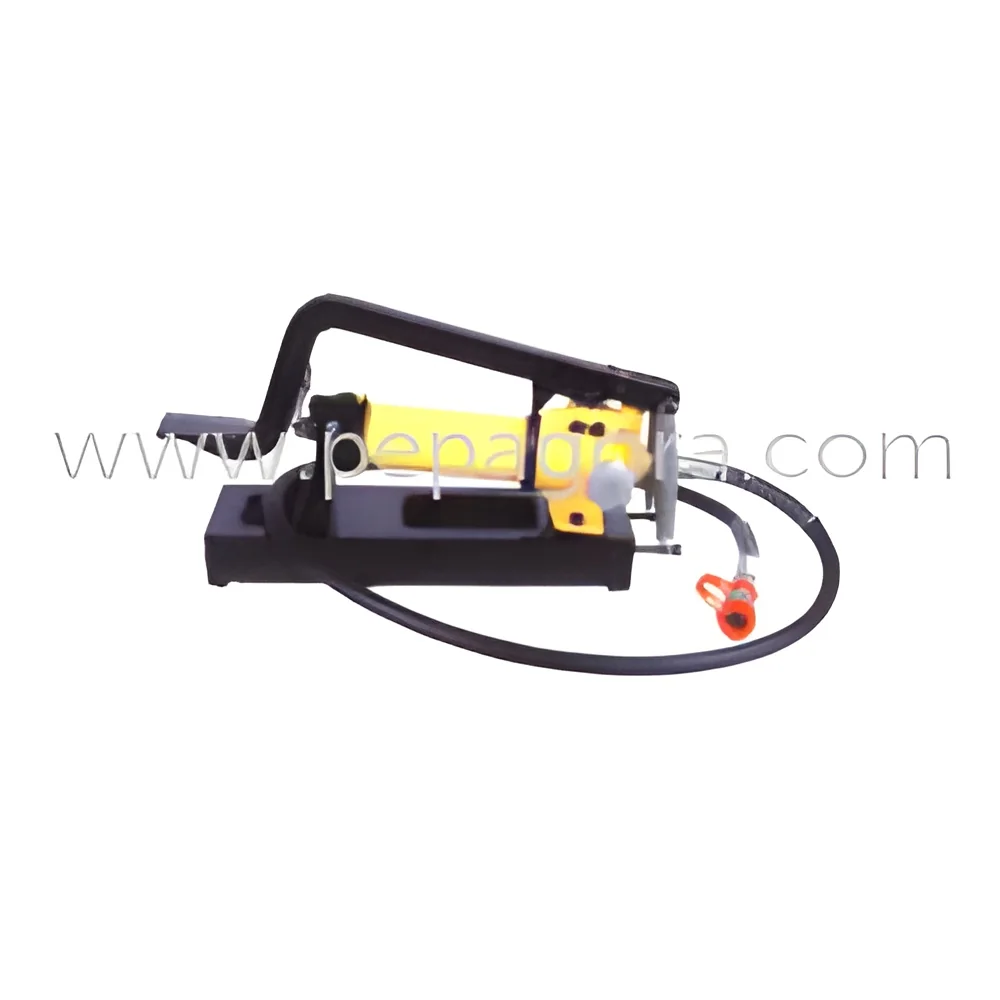
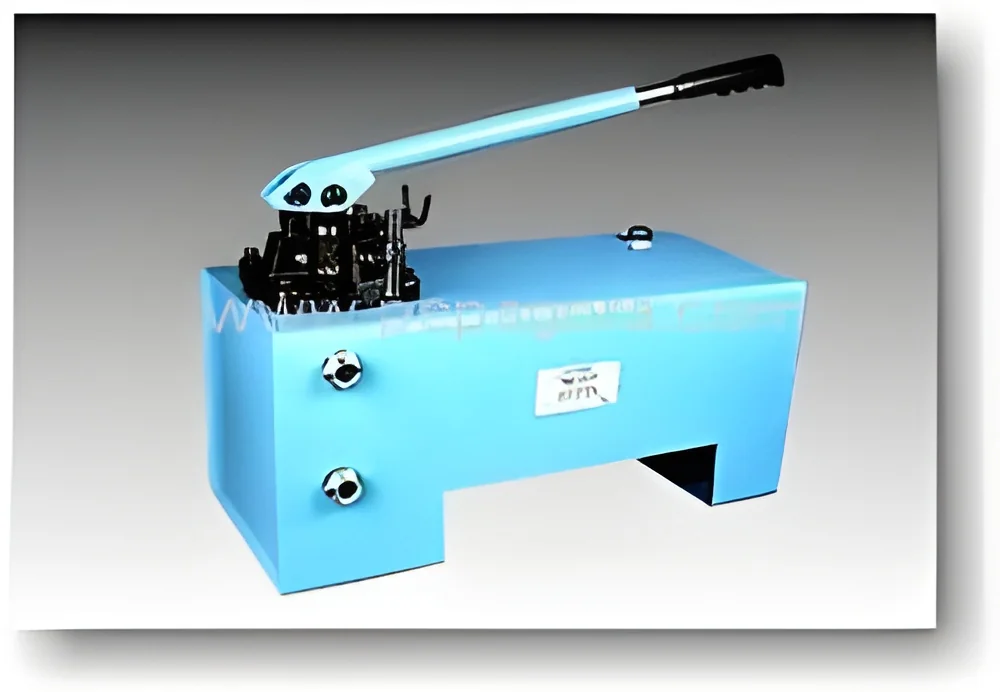
Hand Pumps: These pumps are manually operated and are often used for low-pressure applications. They are portable and ideal for environments where electricity or air supply is unavailable.
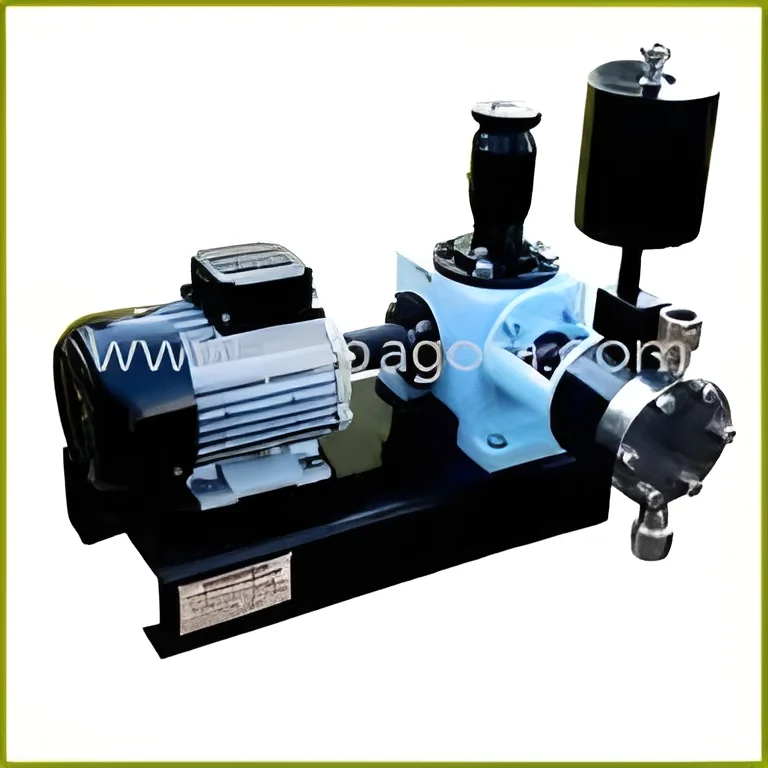
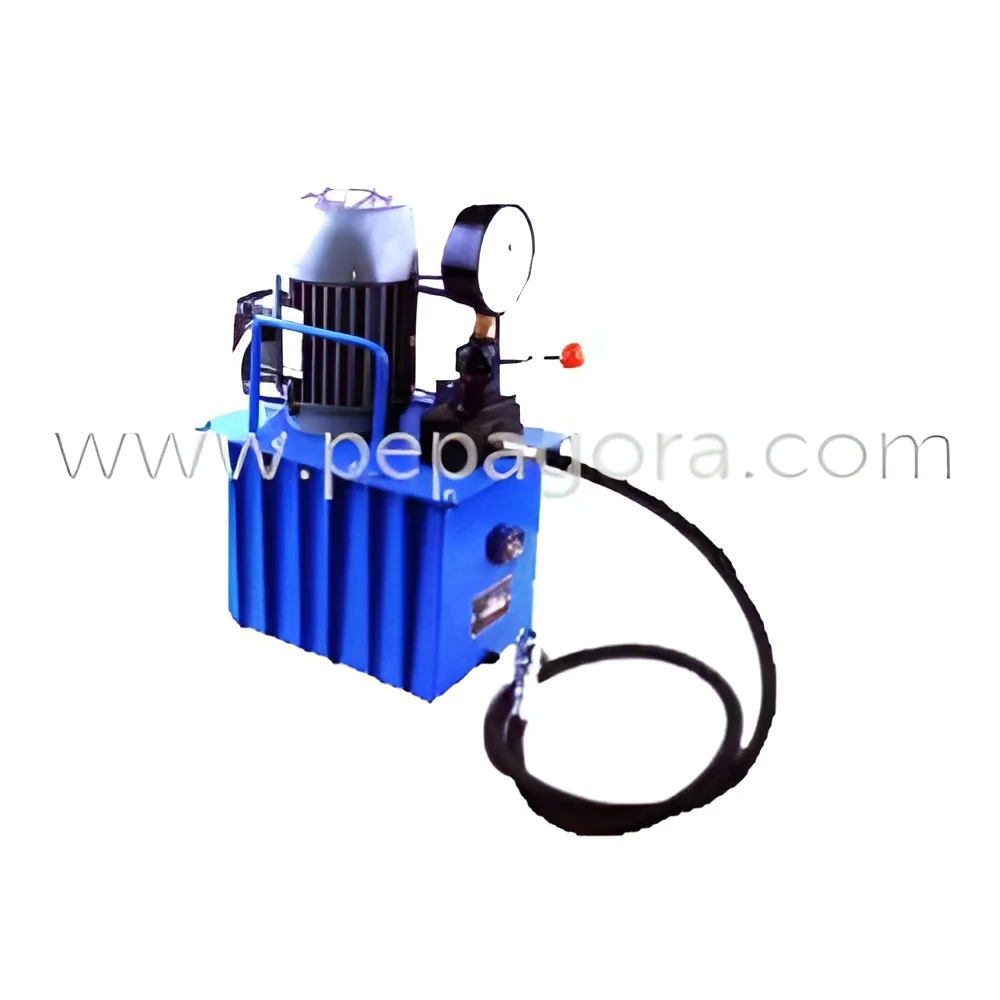
Electric Pumps: Powered by electric motors, these pumps are suitable for high-volume applications. They offer consistent performance and are commonly used in industrial settings.
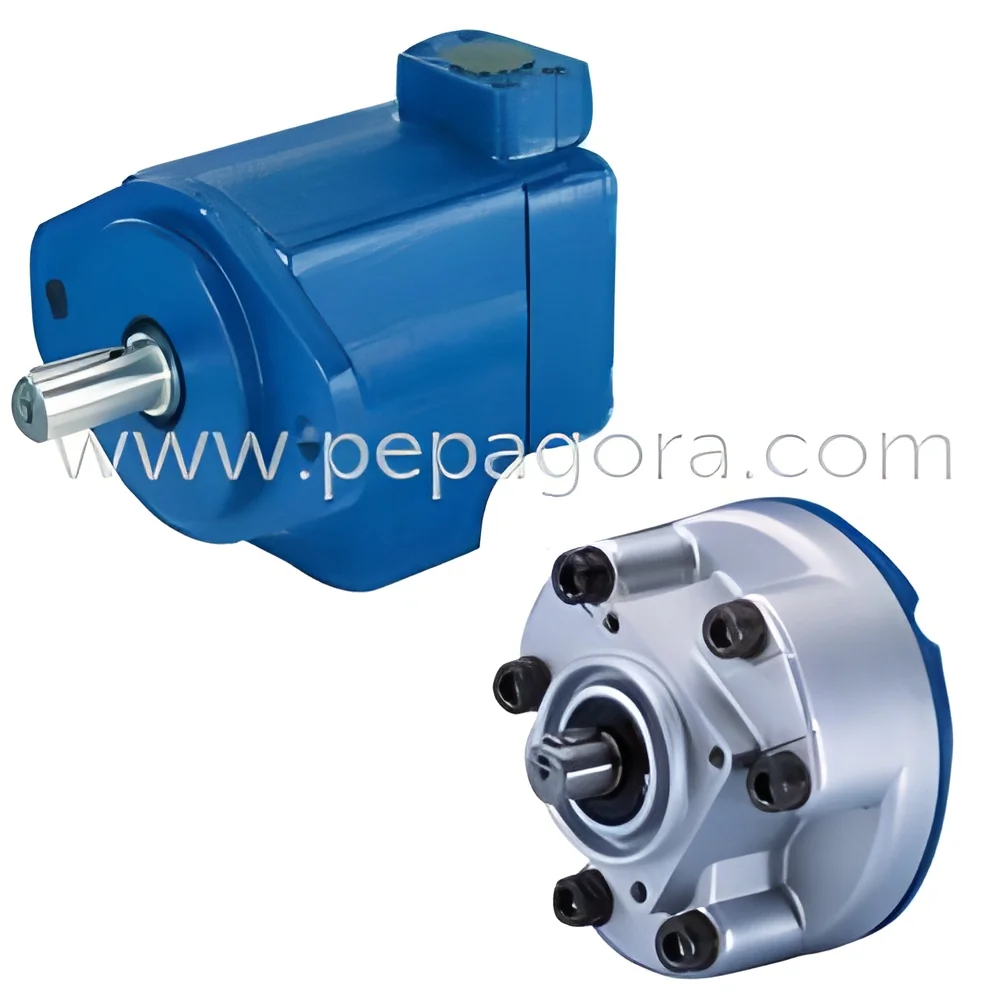
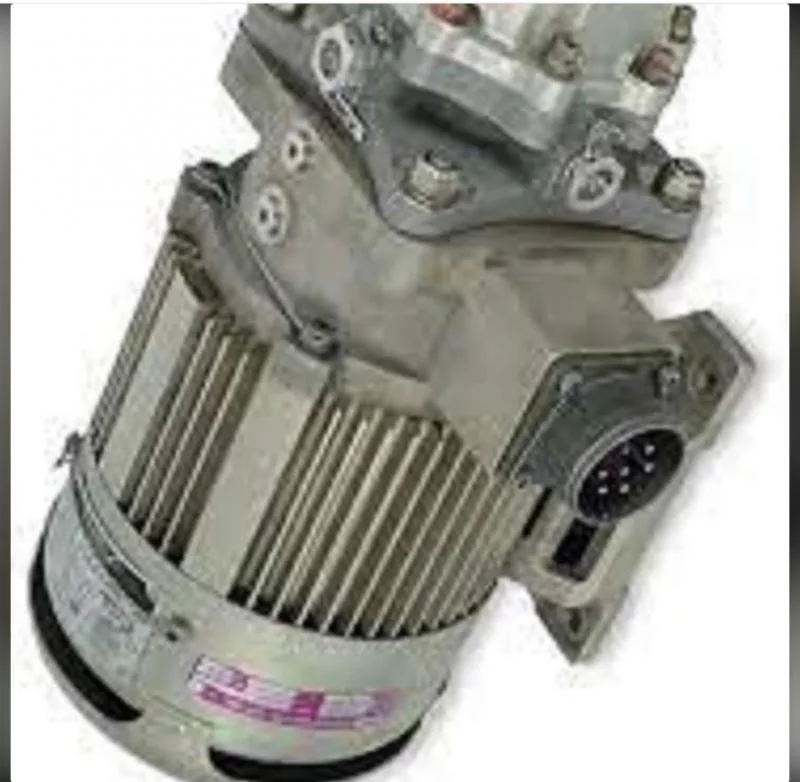
Air-Driven Pumps: These pumps utilize compressed air to operate. They are often used in environments where electric power is not feasible and are valued for their efficiency and ease of use.
Each variant offers distinct features and applications, allowing users to select the most appropriate pump based on their operational needs and constraints.
๐๐ฒ๐ป๐ฒ๐ณ๐ถ๐๐ ๐ฎ๐ป๐ฑ ๐๐ฑ๐๐ฎ๐ป๐๐ฎ๐ด๐ฒ๐
Choosing hydraulic pumps for industrial applications offers numerous advantages.
1. High Efficiency: Hydraulic pumps provide efficient power transfer, allowing for greater force application with less energy consumption.
2. Versatility: With various types and configurations, hydraulic pumps can be tailored to meet a wide range of applications across different industries.
3. Precision Control: Hydraulic systems allow for precise control of motion and force, essential for tasks requiring accuracy.
4. Compact Design: Many hydraulic pumps are designed to be compact and lightweight, making them easy to install and transport.
5. Durability: Constructed from robust materials, hydraulic pumps are built to withstand demanding environments and extended use.
6. Safety Features: Many hydraulic pumps come equipped with safety mechanisms to prevent accidents and ensure safe operation under pressure.
These benefits highlight why hydraulic pumps are a preferred choice in numerous industrial applications.
๐๐๐๐ถ๐ป๐ด ๐๐๐ถ๐ฑ๐ฒ ๐ณ๐ผ๐ฟ ๐๐ฎ๐ ๐๐๐๐ฒ๐ฟ๐
When sourcing hydraulic pumps (hand, electric, air-driven), buyers should consider several critical factors.
1. Quality Assessment: Evaluate the quality of the hydraulic pumps through certifications and standards compliance. Look for ISO certifications and other relevant quality marks to ensure reliability.
2. Supplier Verification: Conduct thorough research on potential suppliers. Verify their reputation, customer feedback, and history in the industry before making a decision.
3. Pricing and MOQ: Understand the pricing structure and minimum order quantity (MOQ) requirements. This ensures you can plan your budget and procurement process effectively.
4. Delivery and Lead Times: Confirm the expected delivery timelines and lead times. Timely delivery is crucial for maintaining project schedules.
5. Compliance Requirements: Be aware of any regulatory requirements that may apply to hydraulic pumps in your region. Compliance with local standards is essential for legal operation.
By carefully considering these factors, B2B buyers can make informed decisions and select the best hydraulic pumps for their specific needs.
๐๐ผ๐บ๐ฝ๐น๐ถ๐ฎ๐ป๐ฐ๐ฒ ๐ฎ๐ป๐ฑ ๐๐ฒ๐ฟ๐๐ถ๐ณ๐ถ๐ฐ๐ฎ๐๐ถ๐ผ๐ป๐
Compliance and certifications are crucial for ensuring the safety and effectiveness of hydraulic pumps. Common quality standards include ISO 9001, which focuses on quality management systems, and other industry-specific standards such as HACCP and GDP.
Industry certifications such as UL and CE indicate that the products meet specific safety and performance criteria. These certifications provide assurance to buyers regarding the reliability and safety of hydraulic pumps.
Additionally, safety and testing requirements must be adhered to, ensuring that hydraulic pumps can operate effectively under specified conditions. Buyers should also consider regional compliance regulations that may impact product selection and application.
Why Source Hydraulic Pumps (Hand, Electric, Air-Driven) from Pepagora?
Pepagora provides a trusted platform for sourcing hydraulic pumps (hand, electric, air-driven) with several key advantages.
Verified Supplier Network: Pepagora connects buyers with a network of verified suppliers, ensuring that the products meet industry standards and quality expectations. This reduces the risk associated with sourcing.
Streamlined RFQ Process: The request for quotation (RFQ) process on Pepagora is designed to be straightforward, allowing buyers to easily compare offers from multiple suppliers. This helps in making informed purchasing decisions.
Trade Assurance and Support: Pepagora offers trade assurance to protect buyers, ensuring that their transactions are secure and that they receive the products as described. Support services are also available to assist buyers throughout the procurement process.
Regional Coverage: With a strong presence in India, the GCC, and Southeast Asia, Pepagora provides extensive geographic reach. This allows buyers to access a diverse range of suppliers and products tailored to their regional needs.
In conclusion, Pepagora stands out as a reliable source for hydraulic pumps, offering quality products and a seamless procurement experience.