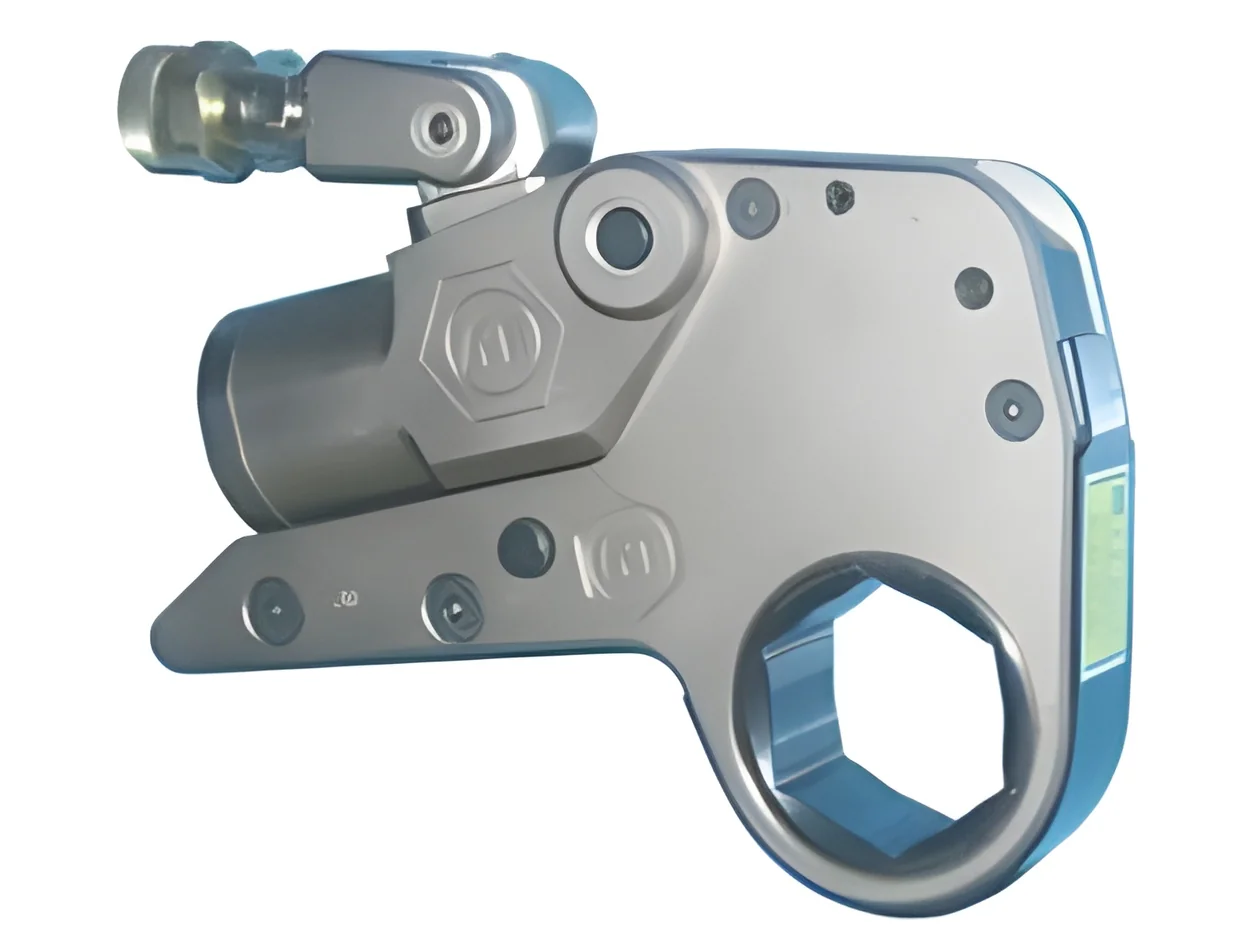
What are Hydraulic Torque Wrenches?
Hydraulic torque wrenches are specialized tools designed to apply a specific amount of torque to fasteners such as bolts and nuts. These wrenches utilize hydraulic power to generate high torque levels, ensuring precise and consistent fastening. The hydraulic mechanism allows for greater torque output compared to manual or electric tools, making them ideal for heavy-duty applications. Their design typically features a hydraulic cylinder, a torque measurement system, and an interchangeable socket to fit various fastener sizes.
These tools are widely used in industries such as construction, manufacturing, and oil and gas. They are essential for tasks that require high torque applications, including assembling and disassembling large machinery, securing pipelines, and maintaining infrastructure. By providing accurate torque application, hydraulic torque wrenches help prevent over-tightening or under-tightening, which can lead to equipment failure or safety hazards. The relevance of hydraulic torque wrenches in the market stems from the increasing demand for reliability and efficiency in industrial operations.
Key Features and Specifications
Hydraulic torque wrenches come equipped with several key features that enhance their performance and usability. These features cater to various industrial needs, ensuring that users can find a suitable tool for their specific applications.
Key specifications include:
1. Maximum Torque Capacity
- This specification indicates the highest torque the wrench can deliver.
- Typically ranges from 100 ft-lbs to over 20,000 ft-lbs depending on the model.
2. Operating Pressure
- Refers to the hydraulic pressure required for optimal operation.
- Commonly operates between 700 to 10,000 psi.
3. Weight
- This impacts the ease of use during operation.
- Generally, weights range from 5 lbs to 30 lbs for portability.
4. Socket Compatibility
- Defines the range of socket sizes that can be used with the wrench.
- Common sizes include 1/2 inch to 3 inches.
5. Construction Material
- Indicates the durability and strength of the wrench.
- Often made from high-grade steel or aluminum for lightweight yet strong designs.
6. Accuracy
- Refers to the precision of torque application.
- Typically, hydraulic torque wrenches offer accuracy within ±3%.
7. Temperature Range
- Specifies the operating temperature limits.
- Data not available.
8. Certification
- Indicates compliance with industry standards.
- Common certifications include UL and CE.
These specifications contribute to the overall performance and reliability of hydraulic torque wrenches, making them indispensable in various industrial applications.
Common Applications and Use Cases
Hydraulic torque wrenches serve a wide range of industries, each with specific applications that benefit from their precision and efficiency.
1. Construction: In construction, hydraulic torque wrenches are used for securing structural components, ensuring bolts are tightened to appropriate specifications to maintain integrity.
2. Oil and Gas: In the oil and gas sector, these wrenches are critical for assembling pipeline joints and securing flanges, where high torque is necessary to withstand pressure.
3. Automotive: The automotive industry utilizes hydraulic torque wrenches for engine assembly and maintenance, providing the required torque for fasteners in various components.
4. Shipbuilding: In shipbuilding, these tools are essential for fastening heavy equipment and components, ensuring safety and reliability in marine environments.
5. Power Generation: Hydraulic torque wrenches are used in power plants for maintenance of generators and turbines, where precise torque application is crucial.
6. Aerospace: The aerospace industry relies on hydraulic torque wrenches for assembling aircraft components, where precision and safety are paramount.
7. Manufacturing: In manufacturing, these tools are employed in assembly lines for consistent and reliable fastening of components across various products.
Product Variants and Subcategories
Hydraulic torque wrenches come in various types to meet different operational needs and preferences. Each variant is designed for specific applications and offers unique features.
Standard Hydraulic Torque Wrench
This variant is the most common and is designed for general-purpose use in various industries. It features a robust construction and is suitable for a wide range of torque applications.
Pneumatic Hydraulic Torque Wrench
This variant combines hydraulic and pneumatic technologies, allowing for faster operation. It is ideal for high-volume applications where speed is essential, such as in assembly lines.
Low-Profile Hydraulic Torque Wrench
Designed for tight spaces, this variant has a compact design that allows users to apply torque in confined areas. It is particularly useful in mechanical maintenance and repair tasks.
Benefits and Advantages
Hydraulic torque wrenches offer numerous benefits that make them a preferred choice in industrial applications.
Key benefits include:
1. High Precision: Hydraulic torque wrenches provide accurate torque application, reducing the risk of over-tightening or under-tightening.
2. Increased Efficiency: These tools can deliver high torque with less effort, speeding up the fastening process significantly.
3. Versatility: Suitable for a wide range of applications across various industries, hydraulic torque wrenches can be adapted to different fastening needs.
4. Enhanced Safety: By ensuring proper torque settings, these tools help prevent equipment failures and safety incidents.
5. Durability: Built with high-quality materials, hydraulic torque wrenches are designed to withstand demanding environments and provide long-lasting performance.
6. Reduced Operator Fatigue: The hydraulic mechanism minimizes manual effort, making it easier for operators to work for extended periods.
Buying Guide for B2B Buyers
When sourcing hydraulic torque wrenches, several factors should be carefully considered to ensure the best purchase decision.
1. Quality Assessment: Always evaluate the quality of the hydraulic torque wrench by checking certifications and user reviews. Quality tools tend to have better precision and durability.
2. Supplier Verification: Vet suppliers by researching their reputation and customer feedback. Working with verified suppliers ensures reliability and quality in the products offered.
3. Pricing and MOQ: Understand the pricing structure and minimum order quantities. Ensure that the costs align with your budget and operational requirements.
4. Delivery and Lead Times: Confirm delivery schedules and lead times with suppliers. Timely delivery is crucial in maintaining project timelines.
5. Compliance Requirements: Be aware of industry-specific compliance and regulatory standards for hydraulic tools. Ensuring that products meet these requirements is essential for safety and legality.
Compliance and Certifications
Hydraulic torque wrenches must adhere to various compliance standards and certifications to ensure safety and reliability in their operation.
Relevant quality standards include ISO 9001, which emphasizes quality management systems, and others such as HACCP and GDP that apply to specific industries. These standards help ensure that the products meet rigorous quality and safety requirements.
Industry certifications such as UL and CE confirm that hydraulic torque wrenches have undergone necessary testing and meet international safety standards. These certifications are crucial for building trust with users and ensuring compliance with regulatory requirements.
Safety and testing requirements are vital in the manufacturing of hydraulic tools, ensuring that they operate reliably under specified conditions. In addition, regional compliance considerations may vary, so buyers should verify that the products comply with local regulations in their operational areas.
Why Source Hydraulic Torque Wrenches from Pepagora?
Pepagora provides a trusted platform for sourcing hydraulic torque wrenches with several key advantages that benefit B2B buyers.
Verified Supplier Network: Pepagora connects buyers with a network of verified suppliers, ensuring that all listed products meet high-quality standards. This network helps streamline the purchasing process and reduces the risk of unreliable products.
Streamlined RFQ Process: The request for quotation (RFQ) system at Pepagora simplifies the procurement process, allowing buyers to receive competitive quotes from multiple suppliers. This feature enables informed decision-making and enhances cost-effectiveness.
Trade Assurance and Support: Pepagora offers trade assurance and support to buyers, providing protection throughout the transaction process. This feature enhances buyer confidence and satisfaction.
Regional Coverage: Pepagora’s extensive reach across India, the GCC, and Southeast Asia ensures that buyers have access to a wide variety of hydraulic torque wrenches tailored to their specific needs and regional compliance requirements. This geographic diversity enhances sourcing opportunities for businesses looking to expand their operational capabilities.

 IN
IN