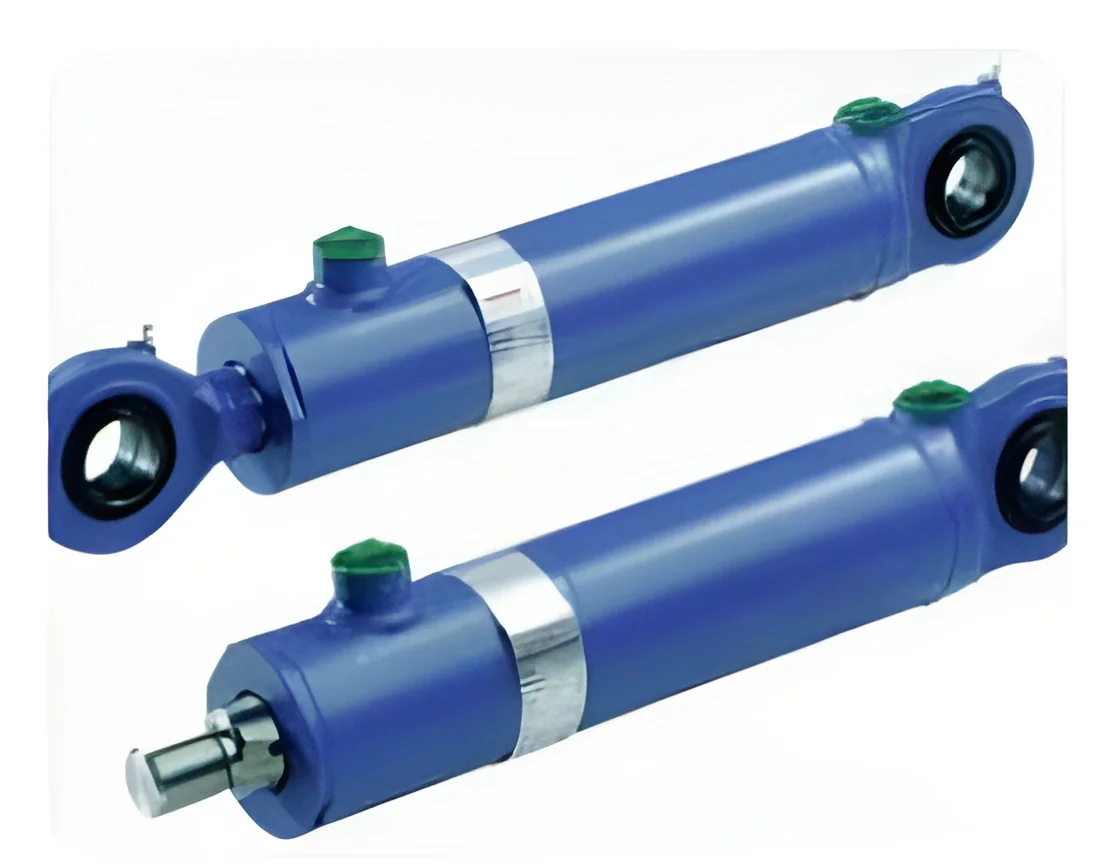
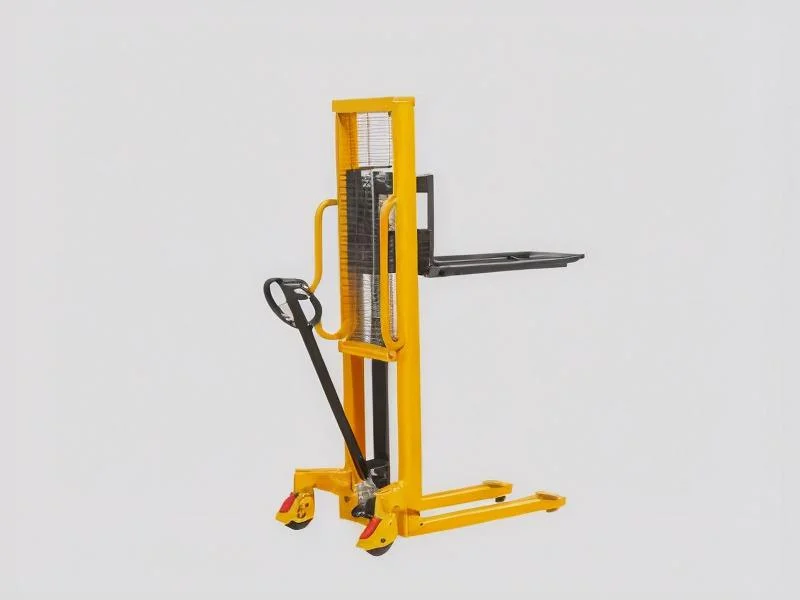
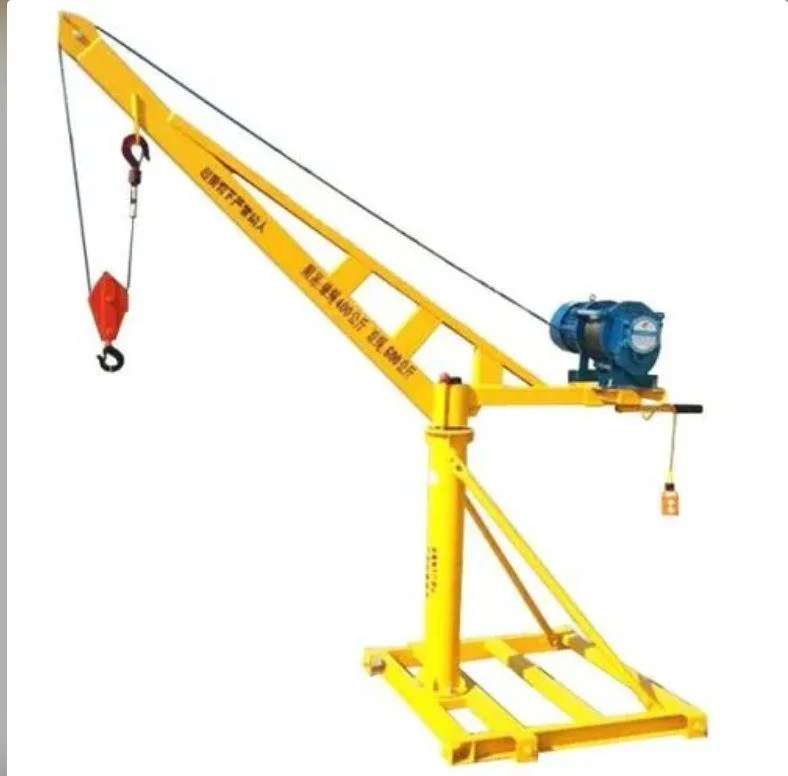
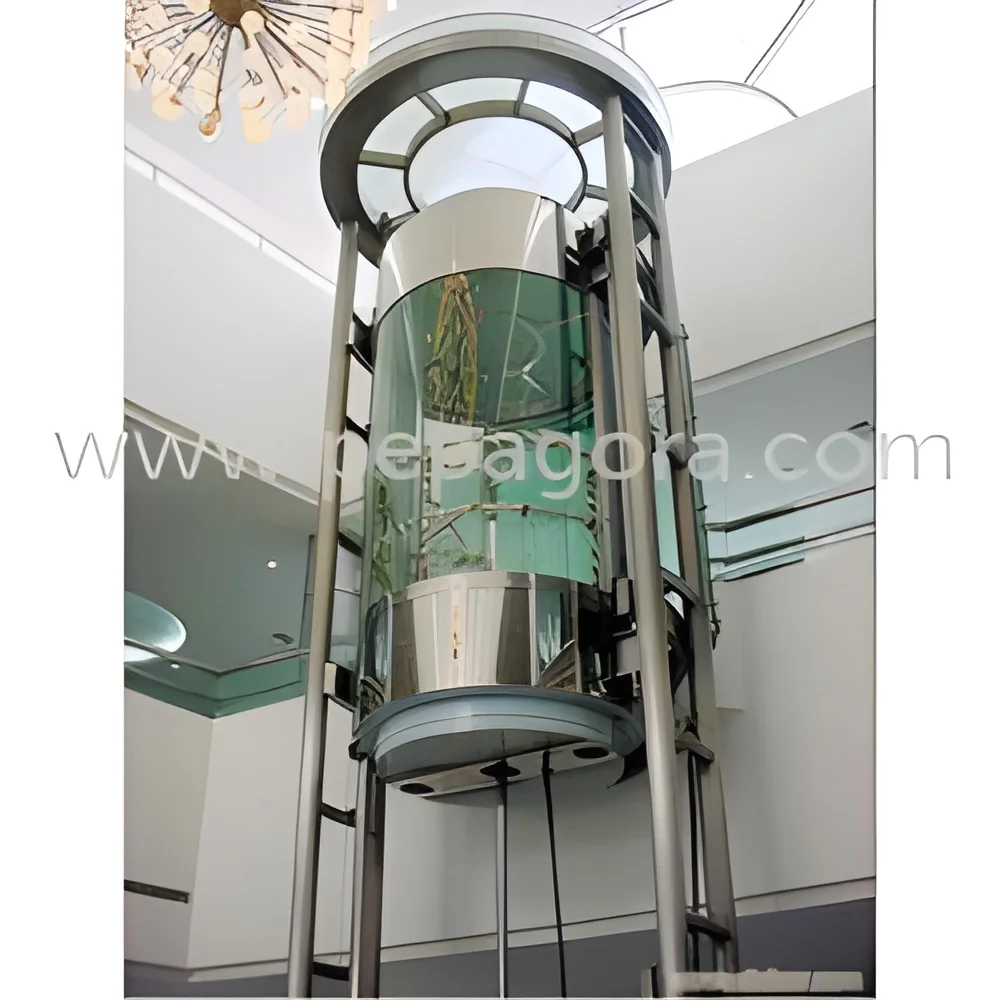
What are Hydraulic Lifting Equipment?
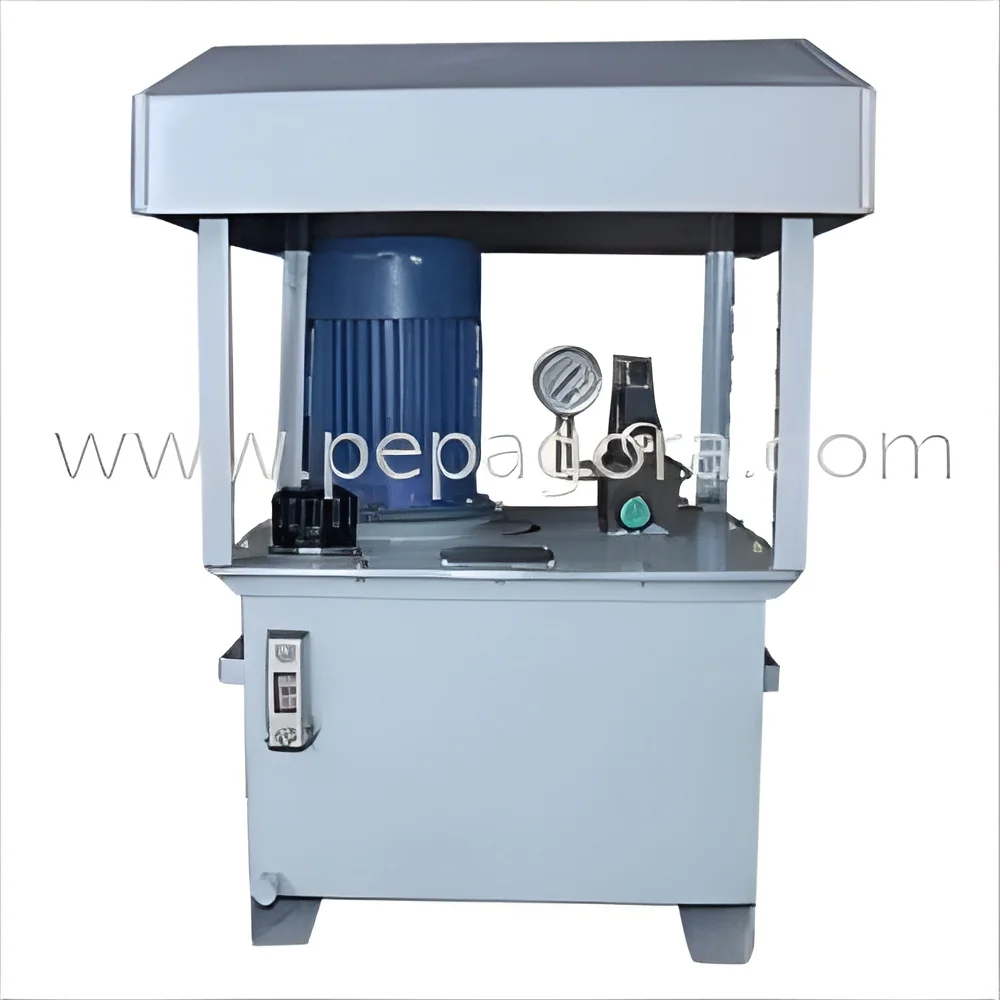
Hydraulic lifting equipment refers to a range of tools and machinery designed to lift heavy loads using hydraulic power. These devices utilize hydraulic fluid to transmit force and create lifting motion, leveraging the principles of fluid mechanics. Hydraulic lifting equipment comes in various forms, including hydraulic jacks, lifts, and hoists, making it essential for operations requiring significant weight handling.
The primary uses of hydraulic lifting equipment span numerous industries, including construction, manufacturing, and logistics. In construction, they are vital for lifting materials and equipment to heights, while in manufacturing, they help assemble heavy machinery. Logistics companies utilize hydraulic lifts for loading and unloading goods efficiently. As businesses increasingly prioritize automation and efficiency, the demand for hydraulic lifting equipment continues to grow, reflecting its importance in modern industrial operations.
Key Features and Specifications
Hydraulic lifting equipment boasts several key features and specifications that enhance its functionality and reliability. These specifications are critical for businesses to assess when selecting suitable equipment for their operations.
Key specifications include:
1. Load Capacity
- Defines the maximum weight the equipment can lift safely.
- Typically ranges from a few tons to several hundred tons, depending on the model.
2. Lifting Height
- Indicates the maximum vertical distance the equipment can lift loads.
- Common lifting heights range from a few feet to over 30 feet.
3. Power Source
- Refers to the type of power used to operate the hydraulic system.
- Options include electric, pneumatic, or manual operation.
4. Hydraulic Fluid Type
- Specifies the type of hydraulic fluid required for optimal operation.
- Common fluids include mineral oil or biodegradable fluids.
5. Weight
- Describes the overall weight of the equipment.
- Heavier models provide greater stability but may require more robust infrastructure.
6. Dimensions
- Provides the overall size of the equipment.
- Important for ensuring compatibility with workspace constraints.
7. Safety Features
- Includes mechanisms such as overload protection and emergency stop buttons.
- Essential for ensuring operator safety during use.
8. Certification Standards
- Indicates compliance with relevant safety and quality standards, such as UL and CE.
- Important for ensuring reliability and industry compliance.
In summary, understanding these specifications helps businesses make informed decisions when selecting hydraulic lifting equipment for their specific needs.
Common Applications and Use Cases
Hydraulic lifting equipment serves various industries, each with unique applications.
1. Construction: Hydraulic lifts and jacks are commonly used to move heavy materials and equipment on construction sites, enabling efficient vertical transport.
2. Manufacturing: In manufacturing facilities, hydraulic lifting equipment assists in assembling heavy machinery and parts, streamlining production processes.
3. Warehousing: In warehouses, hydraulic pallet jacks and lifts are essential for loading and unloading goods, enhancing logistics operations.
4. Automotive: Automotive repair shops utilize hydraulic lifts to raise vehicles for maintenance and repairs, improving accessibility for technicians.
5. Aviation: In the aviation industry, hydraulic lifting equipment is used to lift aircraft components for assembly and maintenance tasks.
6. Marine: Shipyards employ hydraulic lifts for dry docking and launching vessels, facilitating essential repairs and maintenance.
7. Mining: In mining operations, hydraulic equipment is utilized for transporting heavy materials and equipment across rugged terrain.
Product Variants and Subcategories
Hydraulic lifting equipment comes in various forms, catering to different lifting needs and specifications.
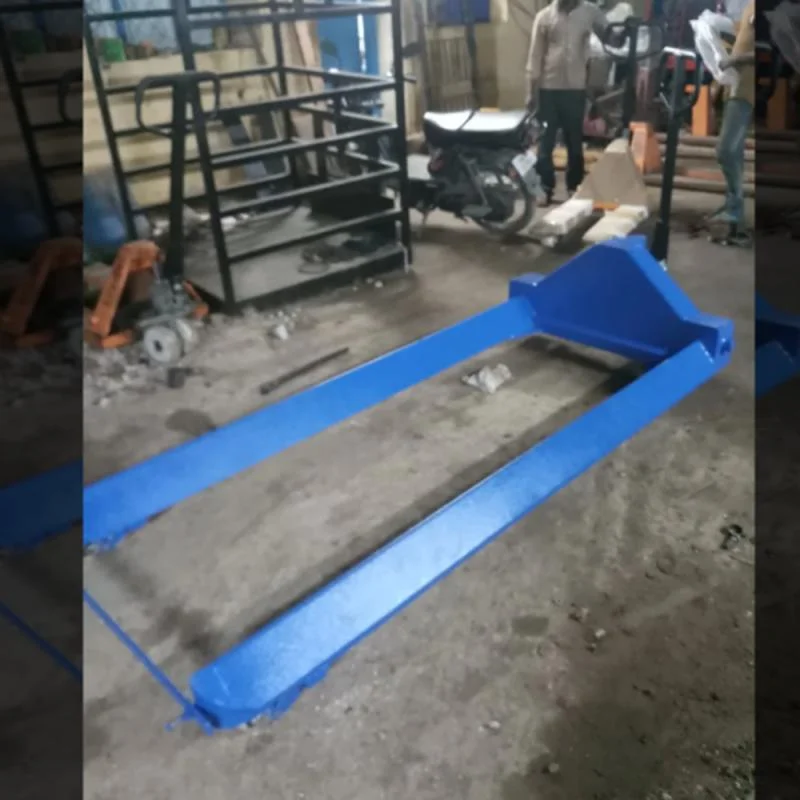
Hydraulic Jacks: Hydraulic jacks are portable devices designed for lifting heavy loads in confined spaces. They are ideal for automotive applications and can lift vehicles or machinery with ease.
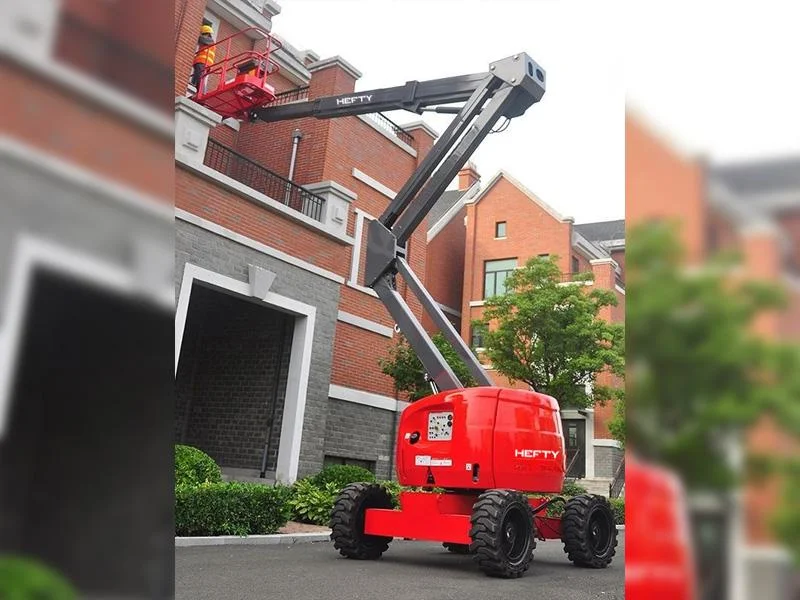
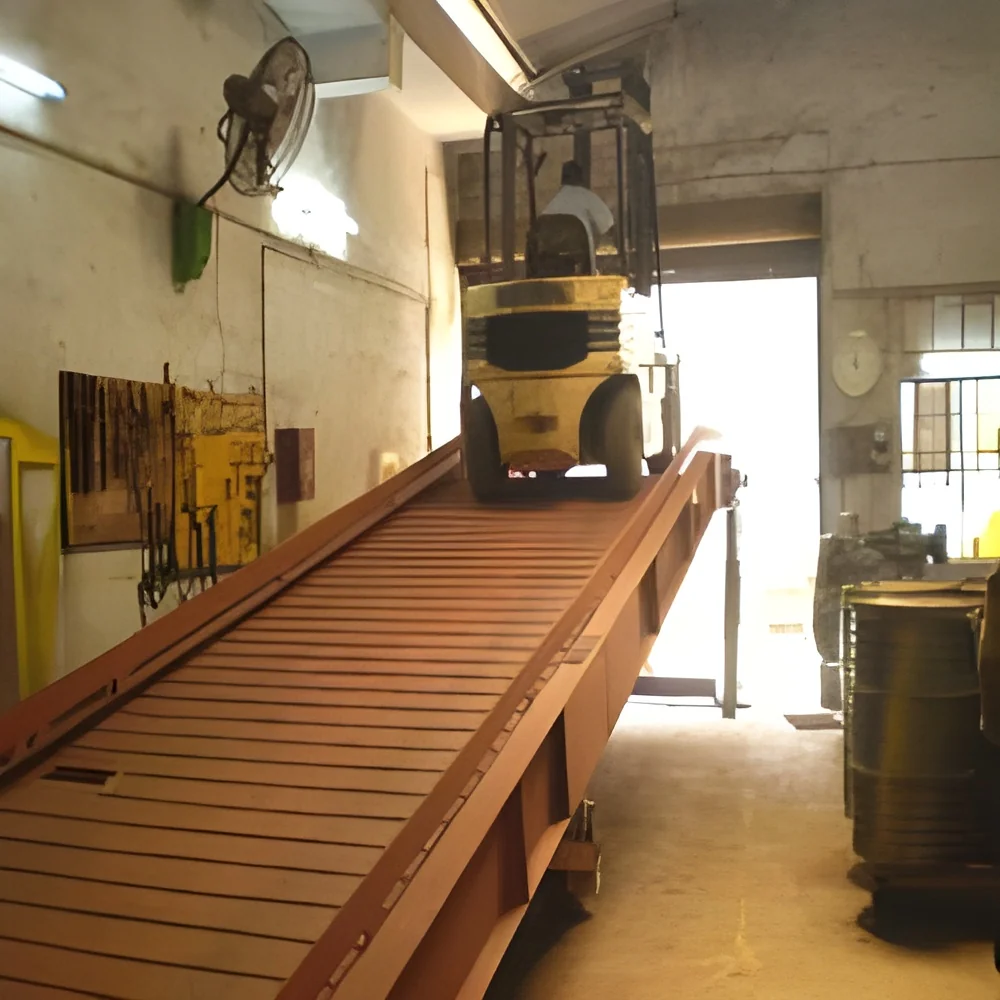
Hydraulic Lifts: These are typically larger systems used in commercial and industrial settings. They allow for the vertical movement of goods and personnel, making them essential for warehouses and factories.
Hydraulic Hoists: Used for lifting and lowering heavy loads vertically, hydraulic hoists are often found in construction and manufacturing environments. They provide precision and control in lifting operations.
Benefits and Advantages
Investing in hydraulic lifting equipment provides numerous benefits for businesses.
1. Increased Efficiency: Hydraulic systems enable faster lifting and lowering of heavy loads, improving overall operational efficiency.
2. Enhanced Safety: With built-in safety features, hydraulic lifting equipment reduces the risk of accidents and injuries during lifting tasks.
3. Versatility: Hydraulic lifting equipment can handle various loads and applications, making it suitable for multiple industries.
4. Durability: Designed for heavy-duty use, hydraulic equipment typically offers a long service life, reducing the need for frequent replacements.
5. Reduced Labor Costs: Automating lifting tasks with hydraulic equipment minimizes the need for manual labor, leading to lower operational costs.
6. Precision Control: Hydraulic systems provide smooth and controlled lifting motions, allowing for accurate placement of materials.
Buying Guide for B2B Buyers
When sourcing hydraulic lifting equipment, it is essential for B2B buyers to consider several critical factors.
1. Quality Assessment: Evaluate the equipment's construction and materials to ensure durability and reliability. Look for compliance with industry standards and certifications.
2. Supplier Verification: Vet suppliers through research and reviews to confirm their credibility and track record in providing quality hydraulic equipment.
3. Pricing and MOQ: Consider the cost of equipment, including maintenance and operational expenses. Be aware of minimum order quantities that may affect bulk purchasing decisions.
4. Delivery and Lead Times: Assess the supplier's ability to meet delivery timelines, as timely access to equipment is crucial for maintaining operational schedules.
5. Compliance Requirements: Ensure that the chosen equipment adheres to local and international safety regulations and standards, as this is vital for legal compliance and operational safety.
Compliance and Certifications
Compliance with industry standards and certifications is critical for hydraulic lifting equipment. Relevant quality standards include ISO 9001, which ensures a consistent level of quality in manufacturing processes. Additionally, certifications such as UL and CE signify that the equipment has met specific safety and performance criteria.
Safety and testing requirements must be adhered to, ensuring that the equipment operates safely under intended conditions. Regular inspections and adherence to maintenance schedules are essential for upholding compliance.
Regional compliance considerations may vary based on the geographical market. It is vital for businesses to understand local regulations to ensure that their hydraulic lifting equipment meets all necessary legal requirements.
Why Source Hydraulic Lifting Equipment from Pepagora?
Pepagora provides a trusted platform for sourcing hydraulic lifting equipment, offering several key advantages for B2B buyers.
Verified Supplier Network: Pepagora has built a network of verified suppliers, ensuring that businesses can trust the quality and reliability of the equipment they procure.
Streamlined RFQ Process: The platform simplifies the request for quotation (RFQ) process, allowing buyers to quickly compare offers and select the best options for their needs.
Trade Assurance and Support: Buyers benefit from trade assurance programs that protect their investments and ensure that they receive the equipment as described.
Regional Coverage: Pepagora serves a broad geographic area, including India, the GCC, and Southeast Asia, providing access to a diverse range of suppliers and equipment options. This extensive reach makes it easier for businesses to find the right hydraulic lifting solutions for their specific markets.

 IN
IN