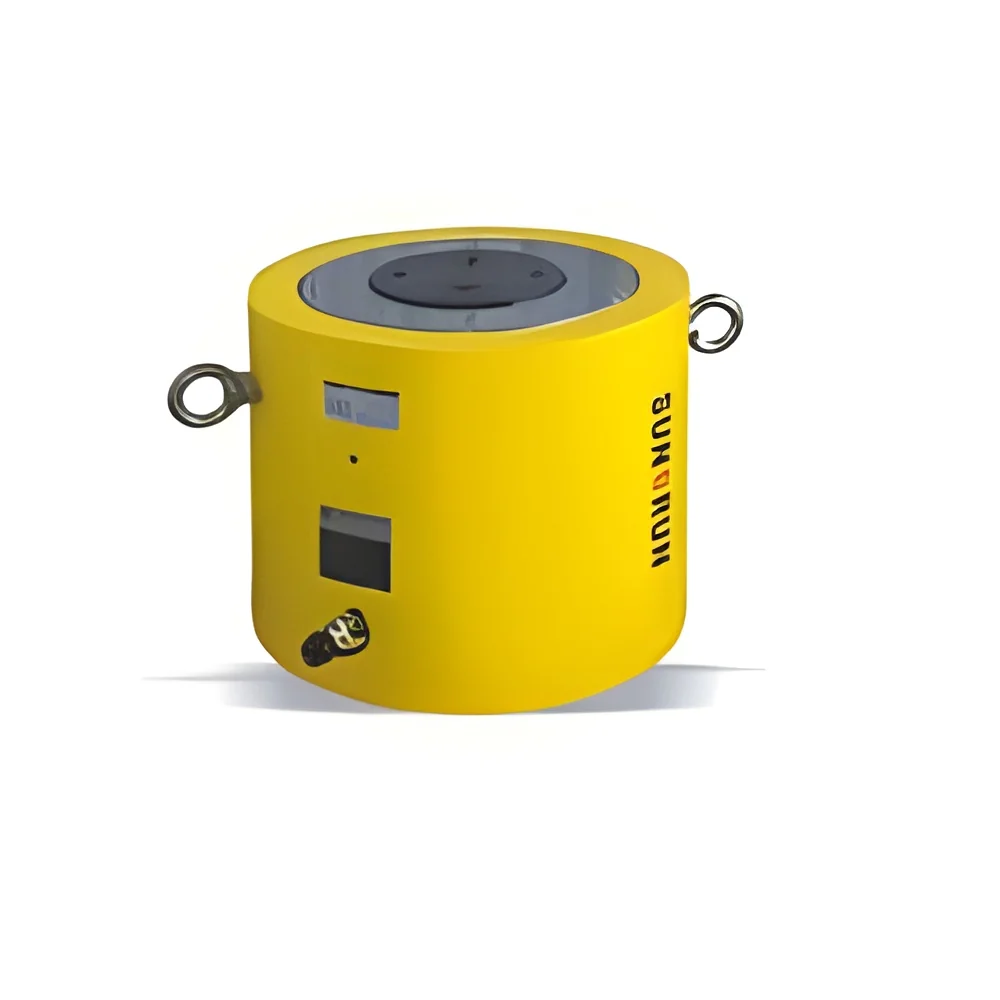
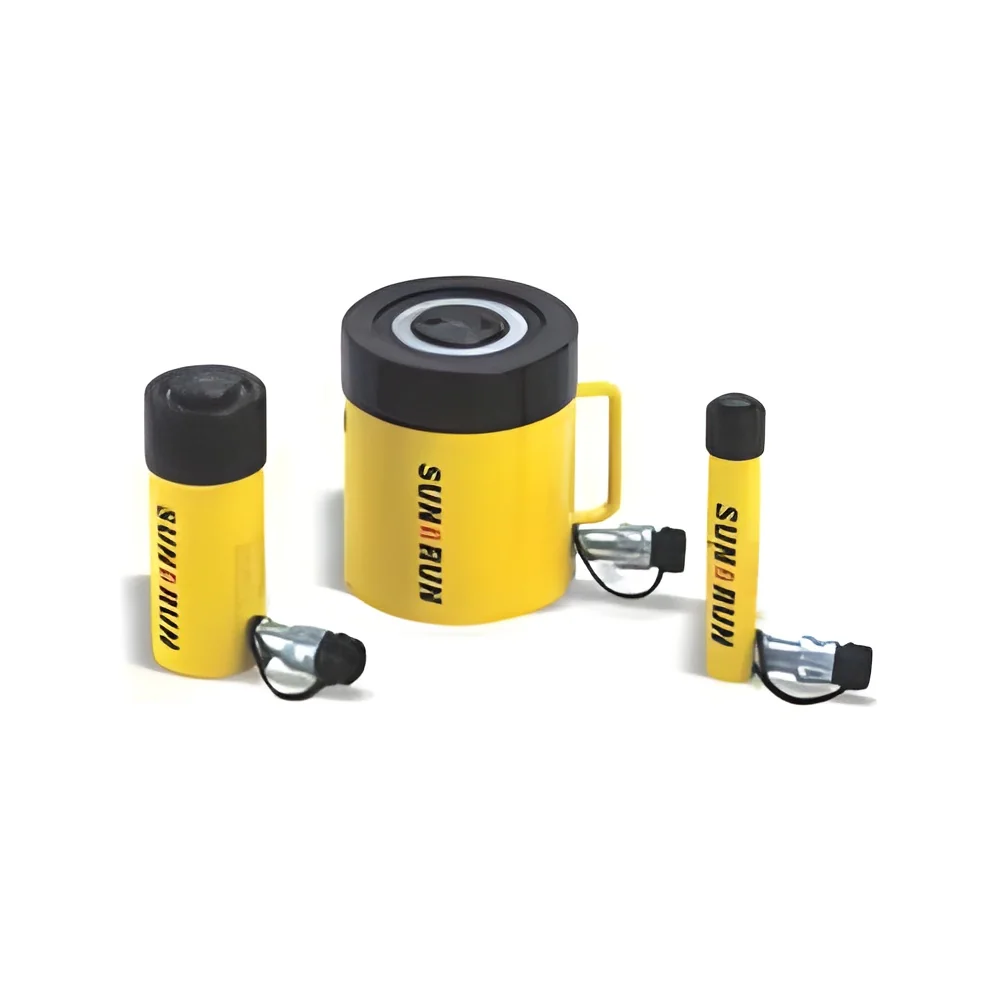
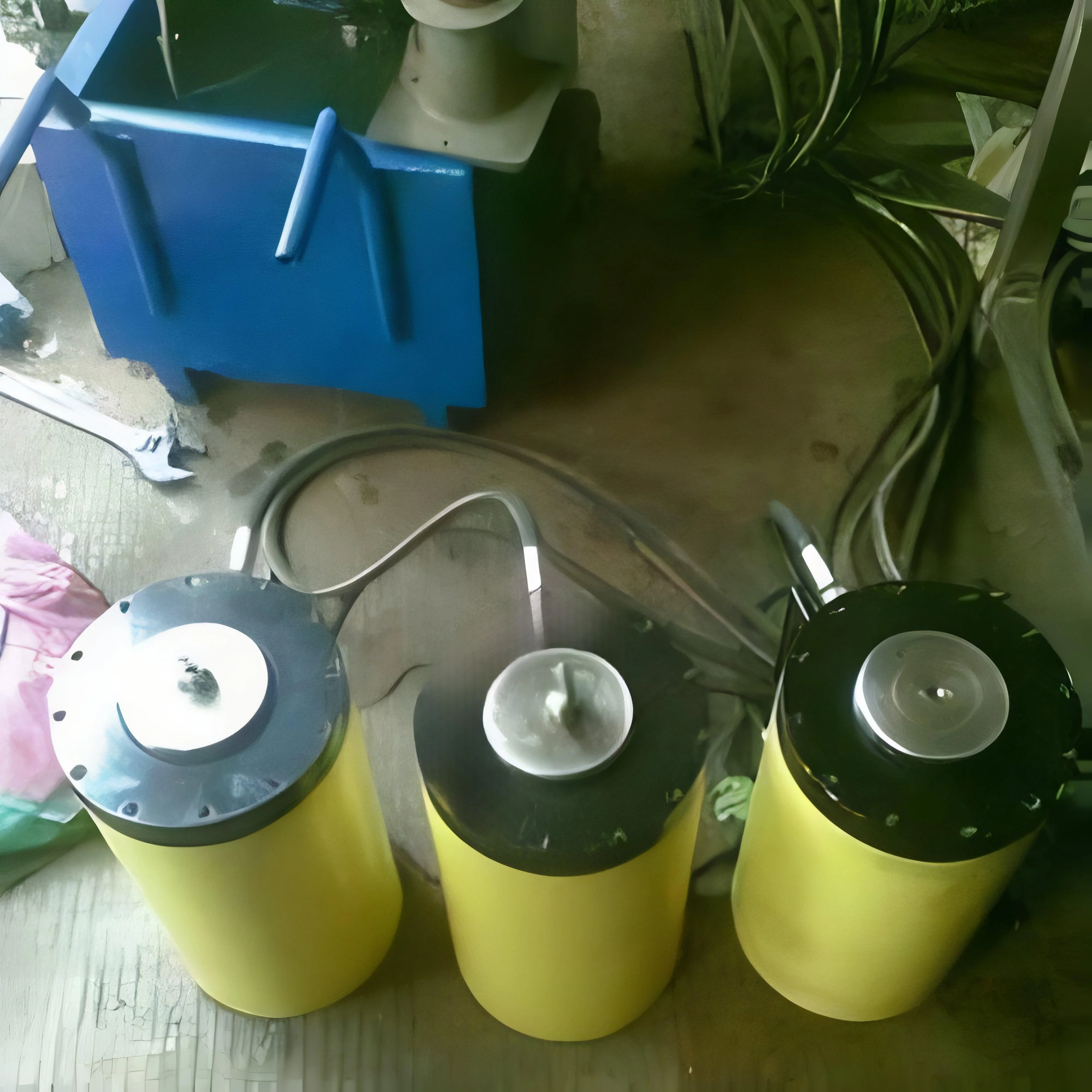
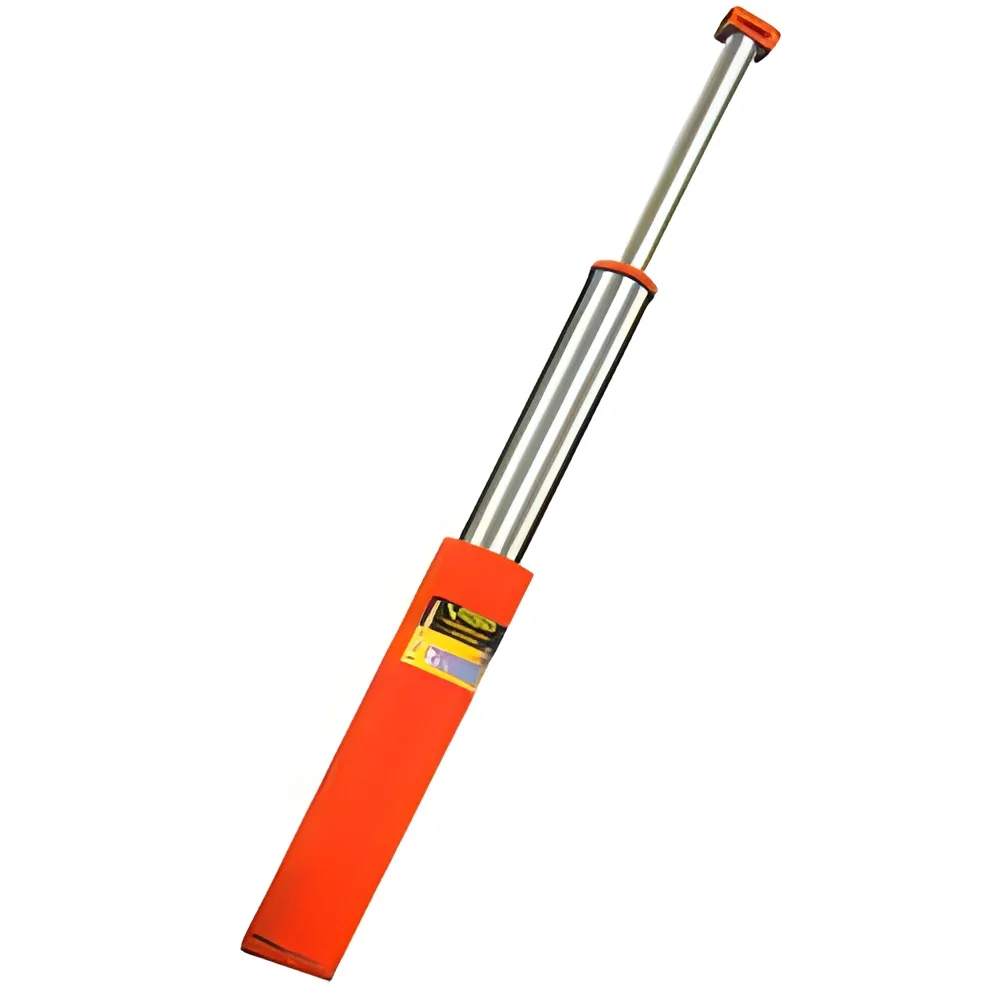
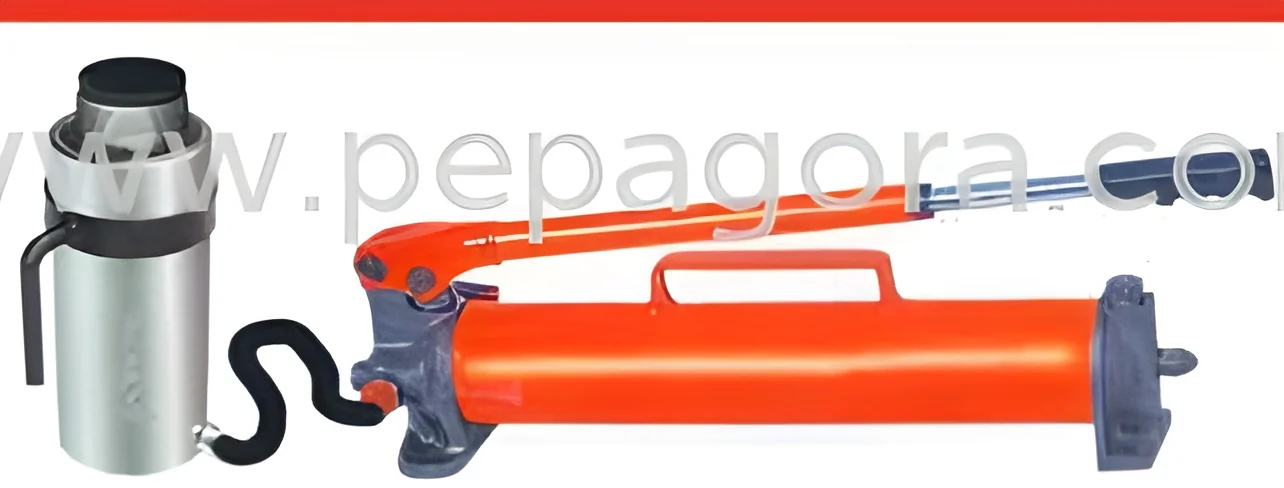
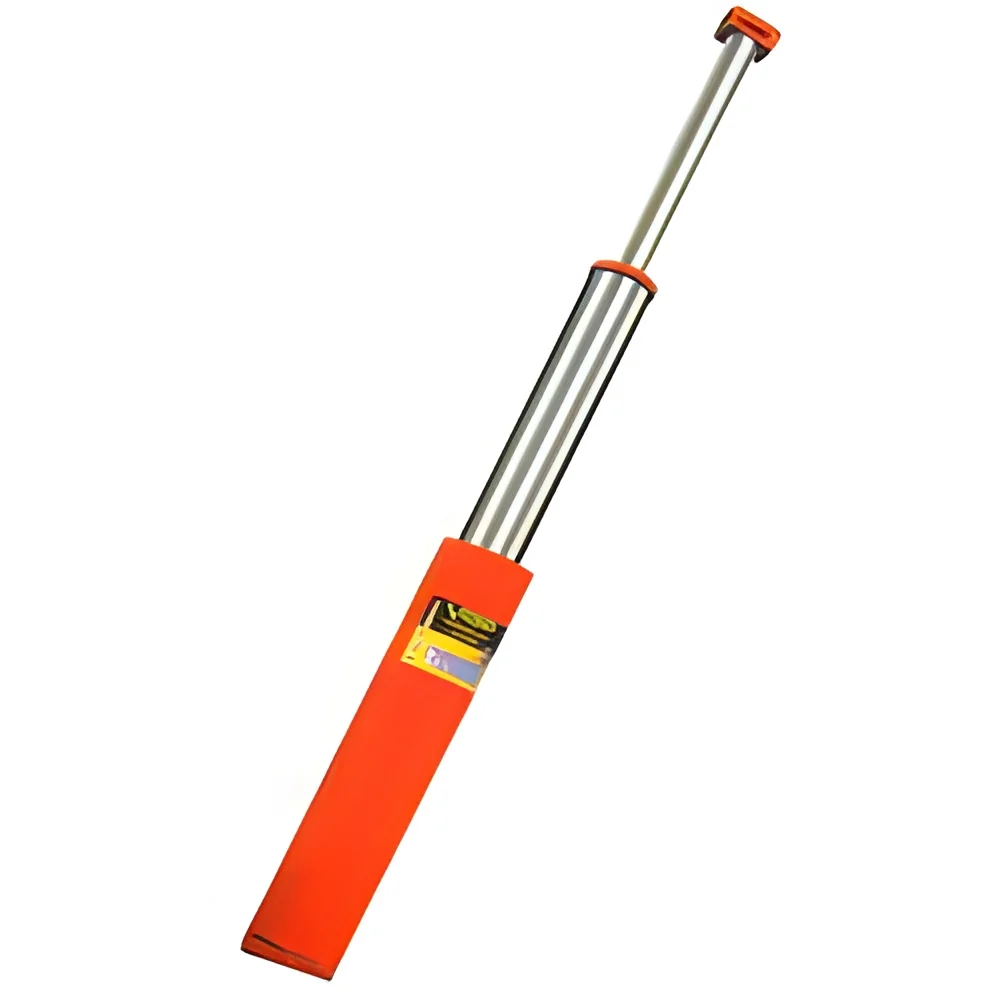
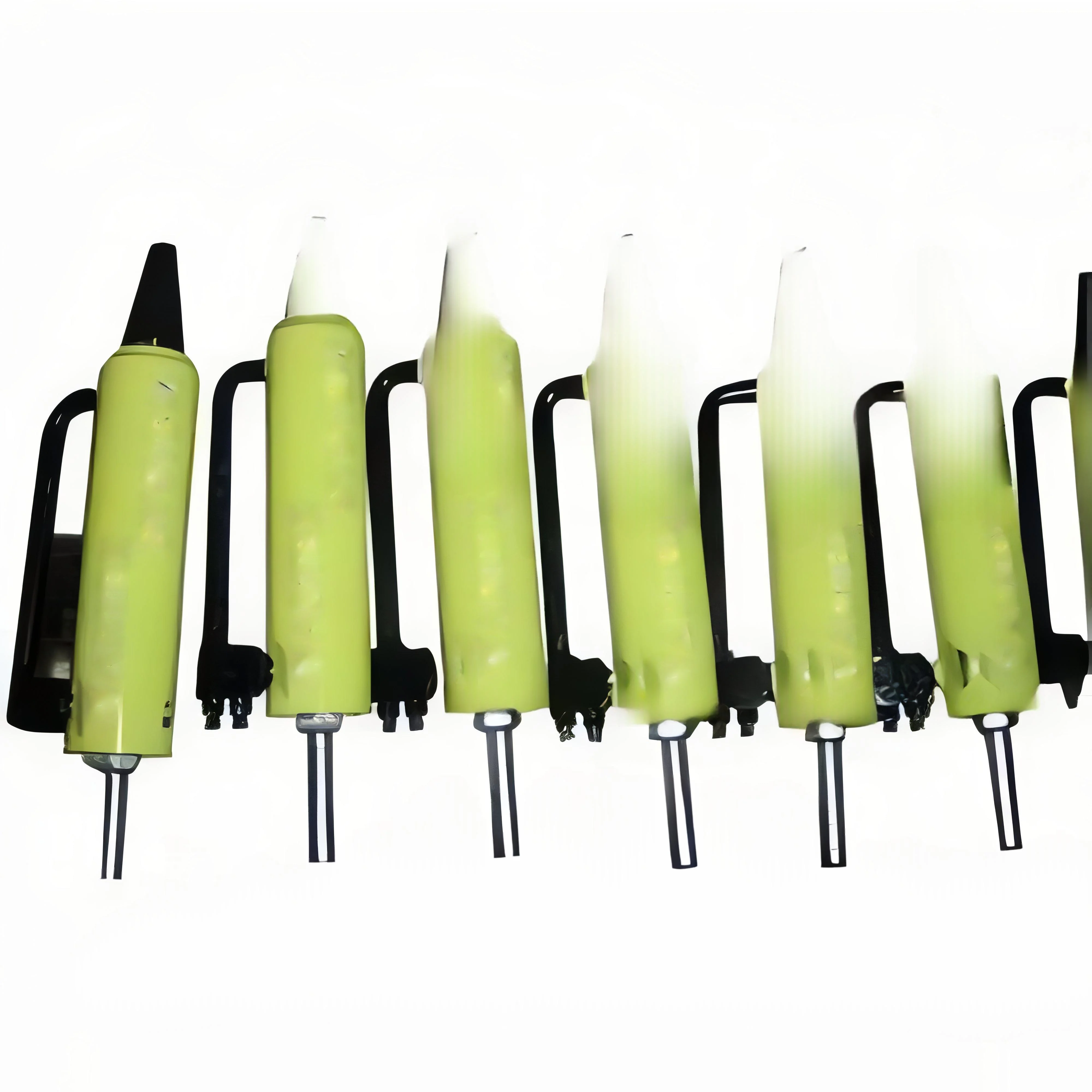
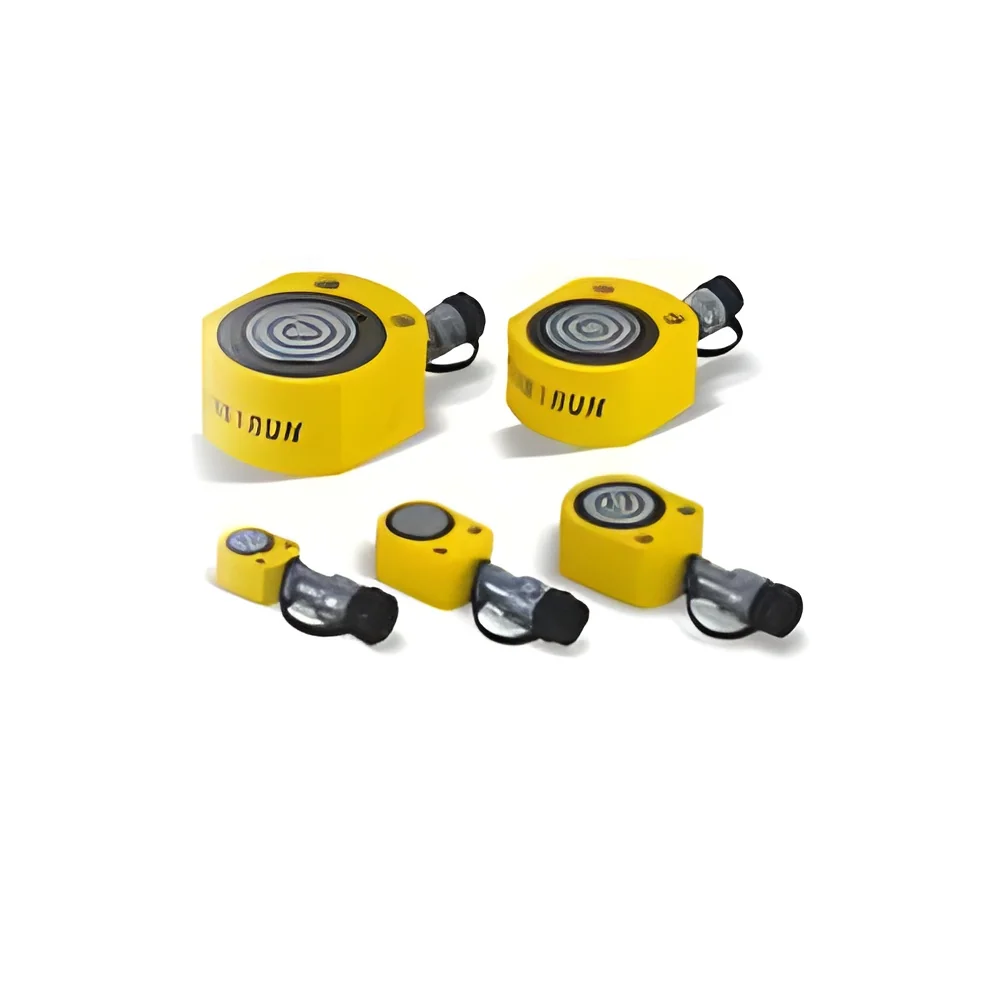
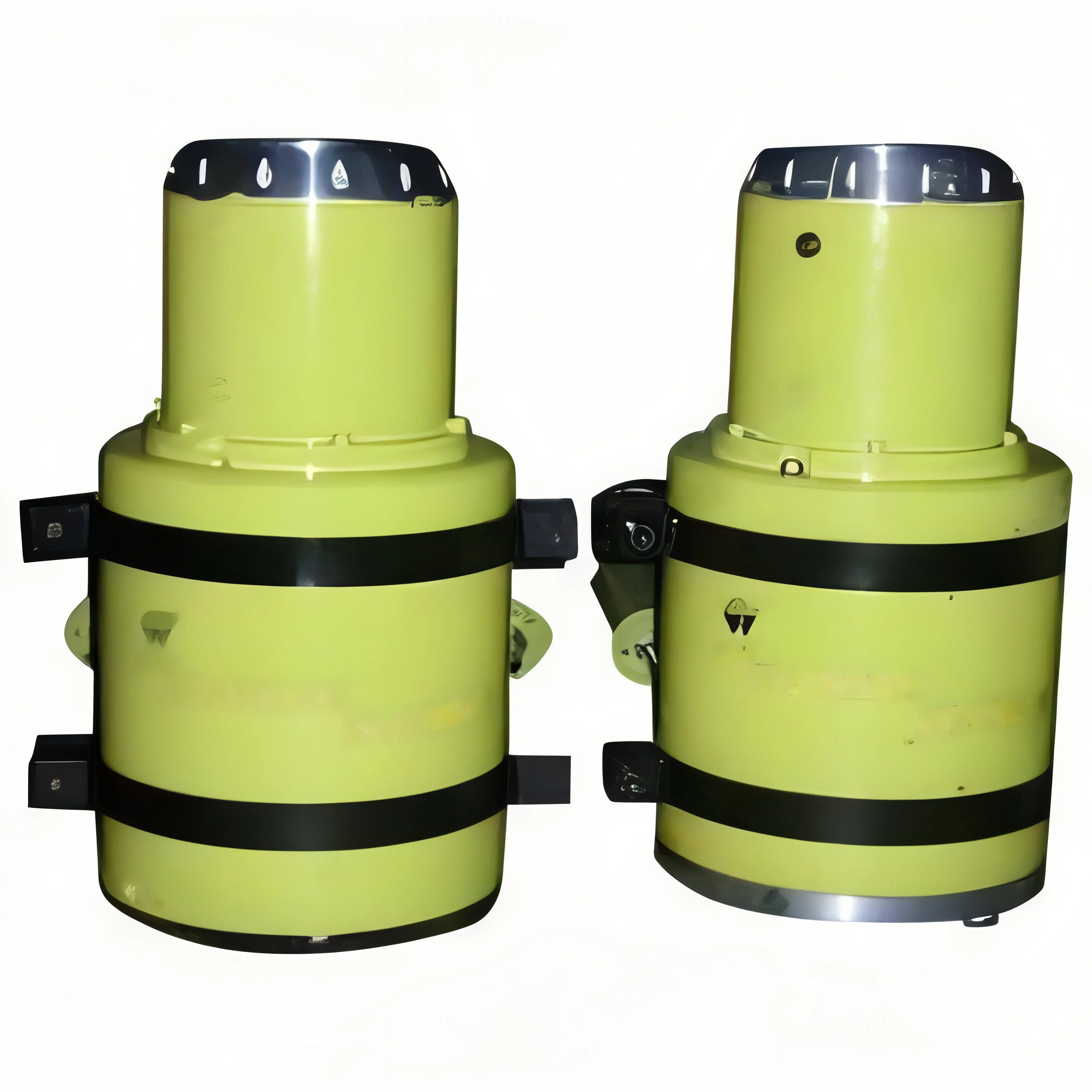
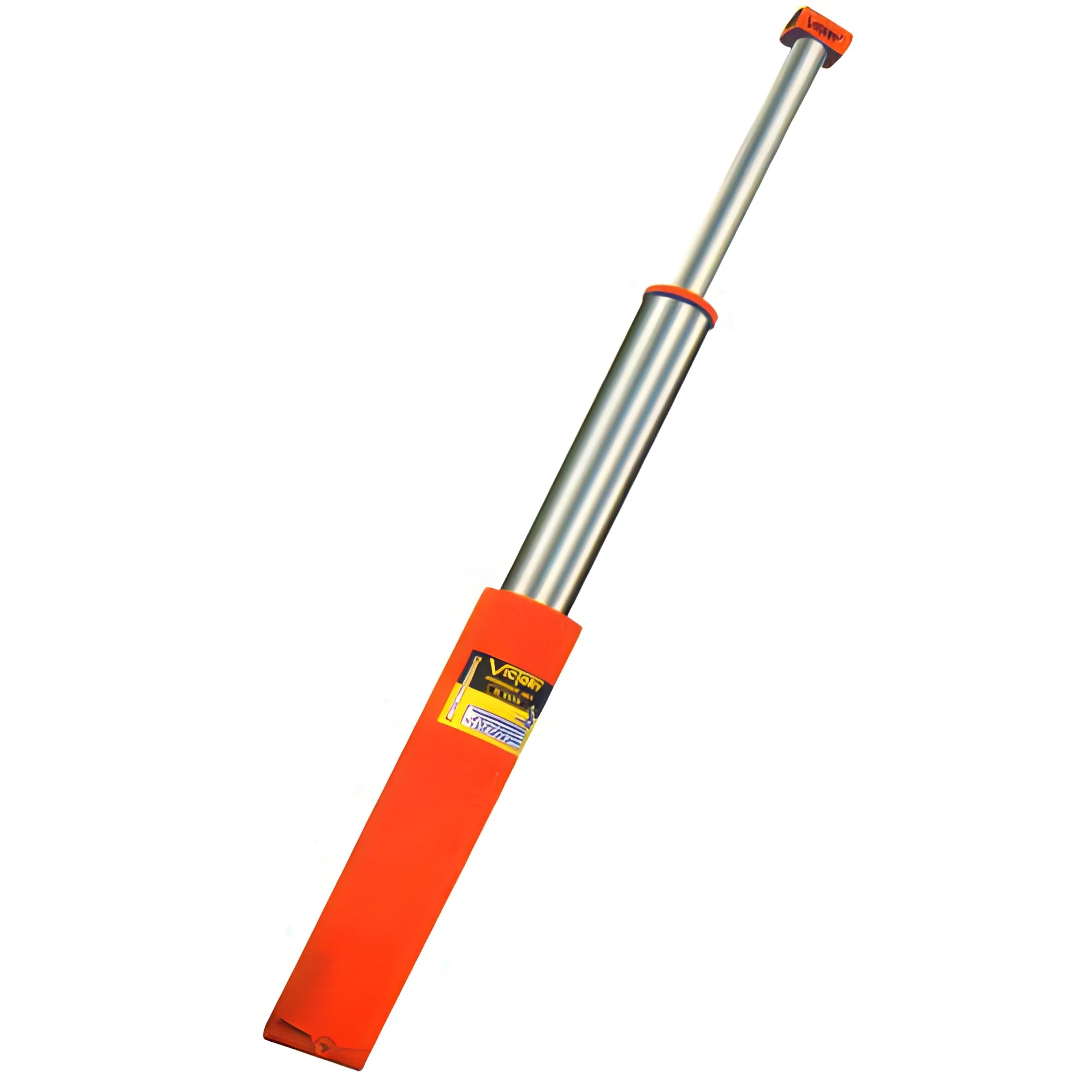
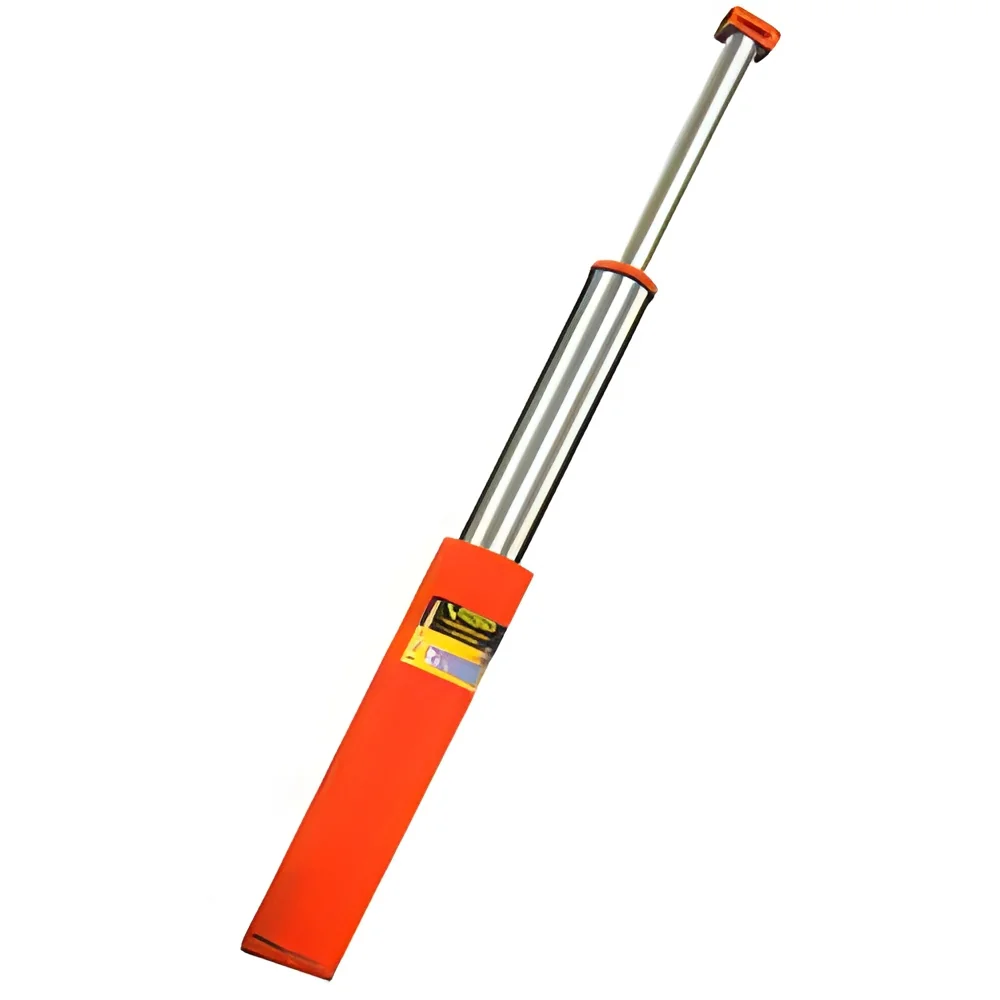
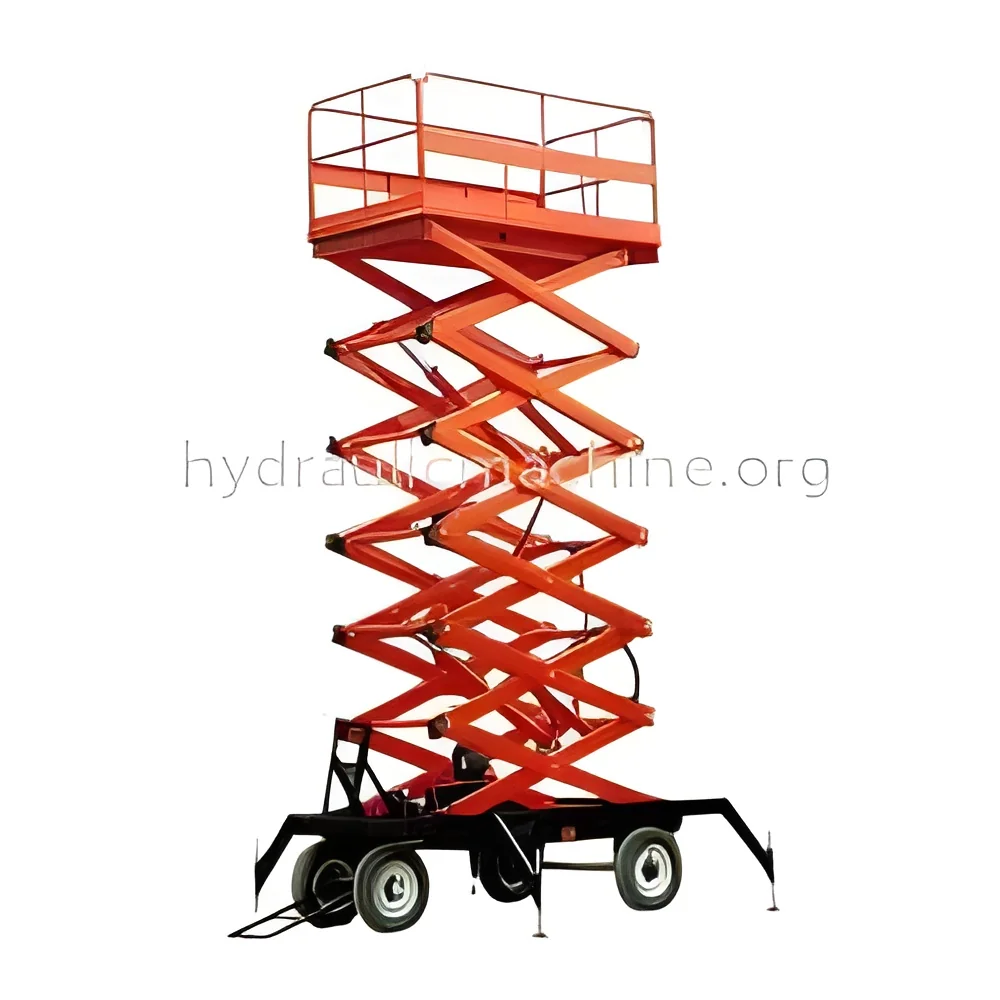
What are Hydraulic Jacks?
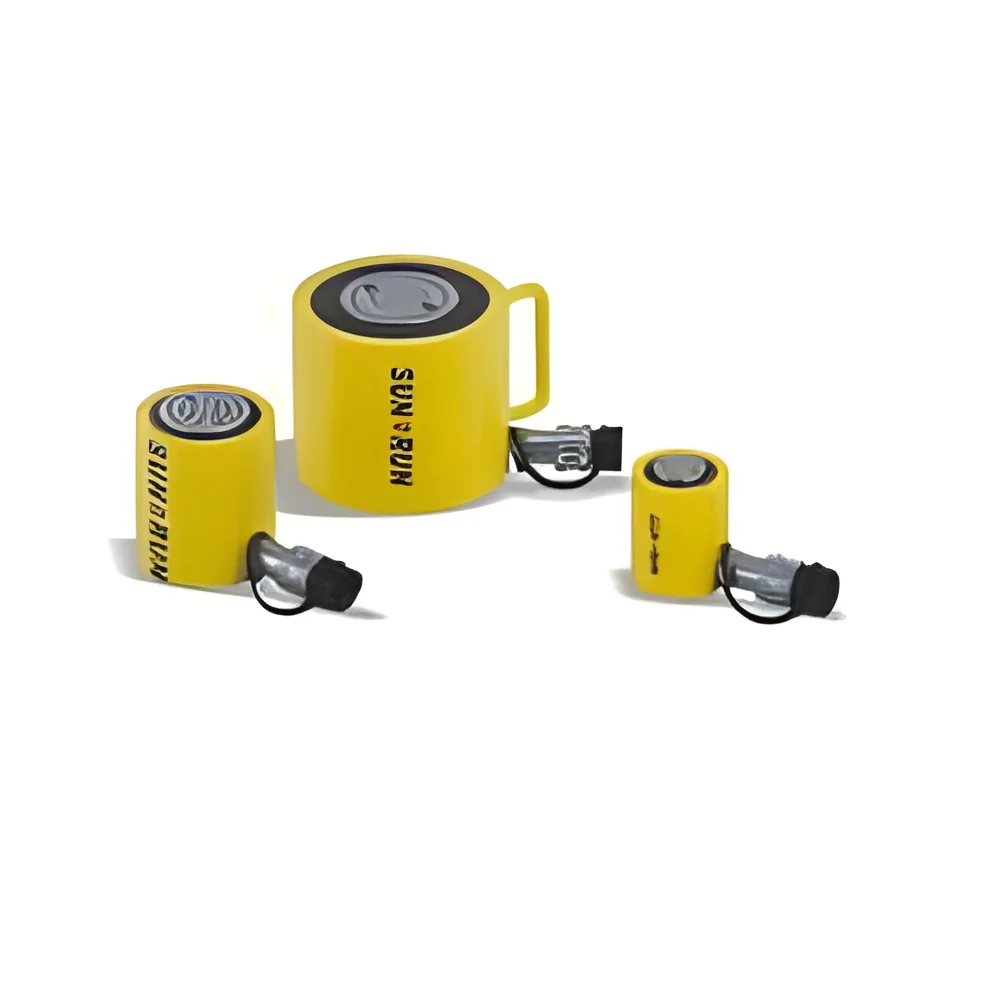
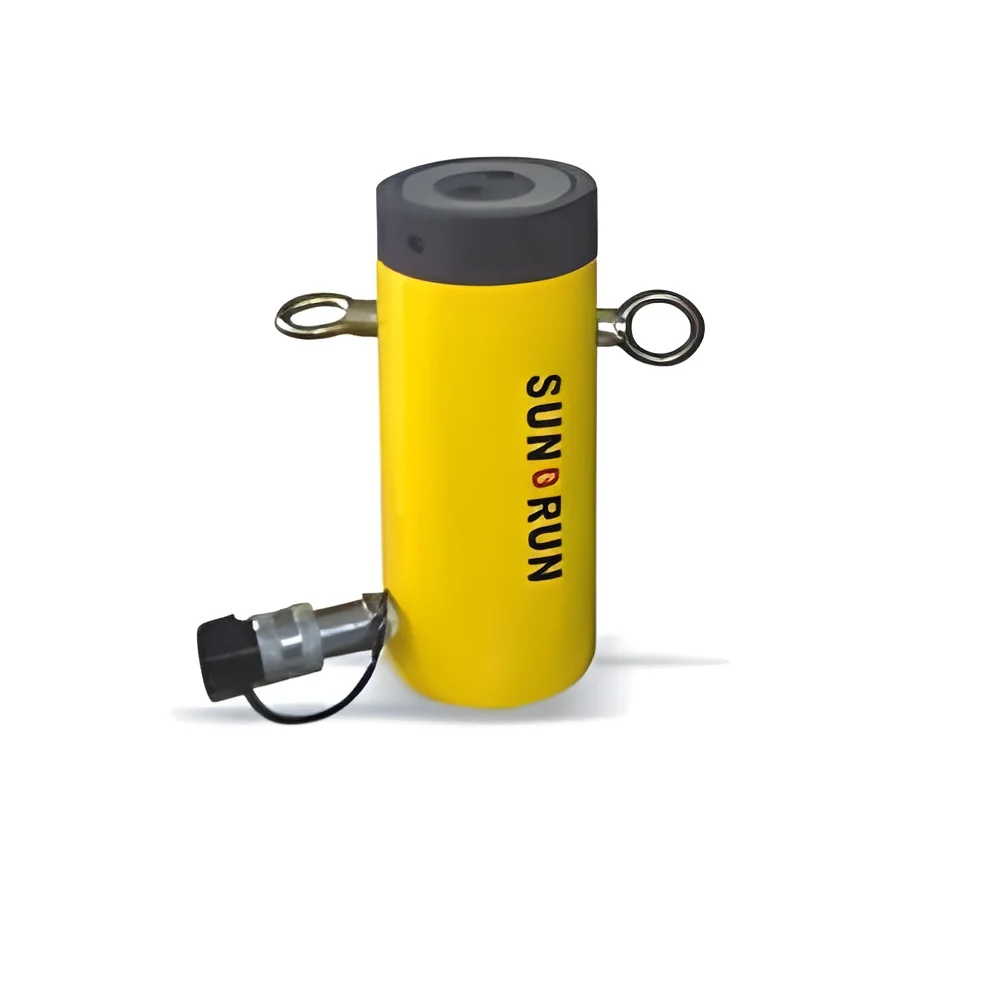
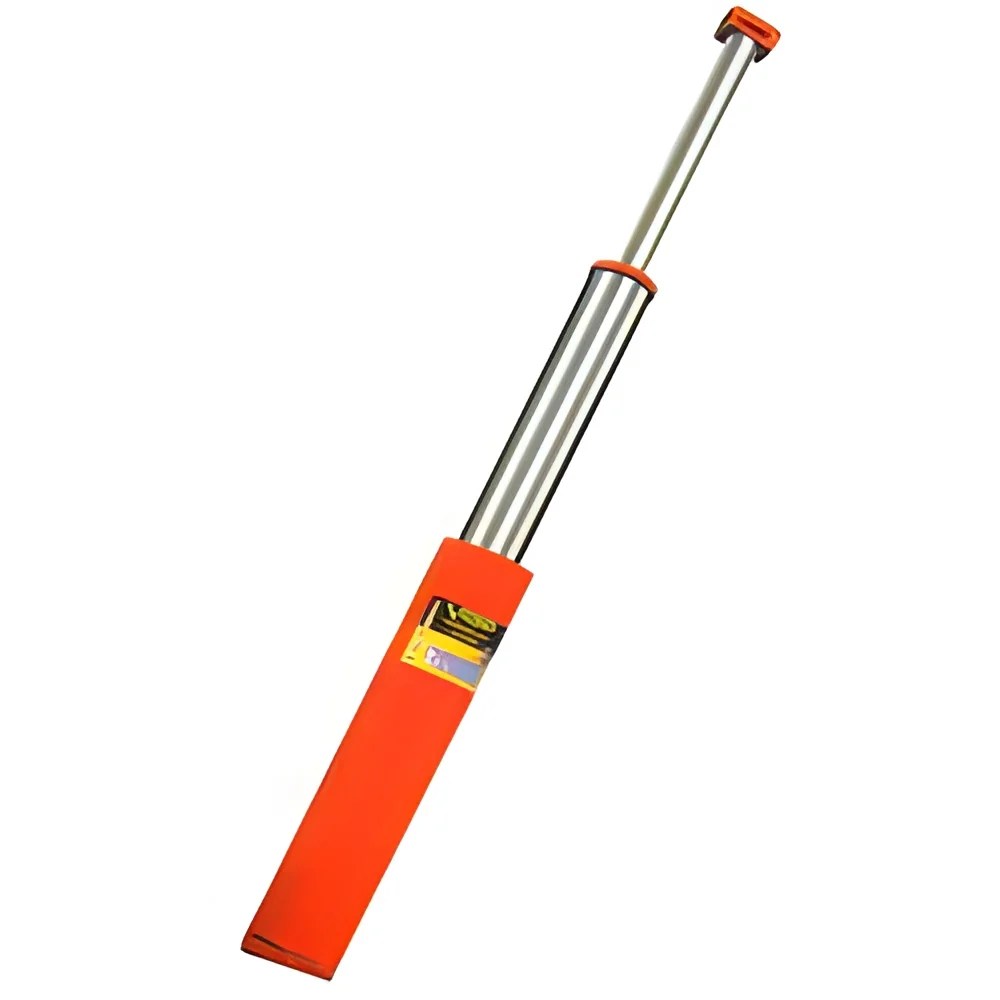
Hydraulic jacks are mechanical devices used to lift heavy loads using hydraulic force. They operate on the principle of Pascal's law, where pressure applied to a fluid in a confined space results in an equal pressure change throughout the fluid. This allows a small force applied at one point to create a much larger force at another point, making hydraulic jacks powerful tools for lifting and moving heavy objects with ease.
These jacks find extensive use across various industries, including construction, manufacturing, automotive, and logistics. They are essential in applications such as lifting vehicles for repairs, hoisting heavy machinery during installation, and supporting structures during construction projects. The growing demand for efficient lifting solutions in industrial settings has led to an increase in the use of hydraulic jacks, making them relevant in today’s market.
In the context of industry relevance, the hydraulic jack market continues to expand with advancements in technology. Modern hydraulic jacks are designed for improved safety, efficiency, and user-friendliness, catering to the evolving needs of businesses. This places hydraulic jacks as a crucial component in numerous industrial operations.
Key Features and Specifications
Hydraulic jacks come equipped with several key features that enhance their performance and usability. Understanding these specifications is vital for businesses looking to invest in reliable lifting equipment.
Key specifications include:
1. Load Capacity
- The maximum weight the jack can lift, typically ranging from a few tons to over 100 tons depending on the model.
2. Lifting Height
- The distance the jack can raise an object, which usually ranges from a few inches to several feet.
3. Actuation Method
- Hydraulic jacks can be manually operated or powered by electric or pneumatic sources.
4. Construction Material
- Most jacks are made from durable steel or aluminum to withstand heavy loads and harsh working conditions.
5. Safety Features
- Includes overload protection and safety valves to prevent accidents during operation.
6. Portability
- Many models are designed with wheels or a compact form factor for easy transportation.
7. Maintenance Requirements
- Regular checks for hydraulic fluid levels and seals to ensure optimal performance.
8. Compliance Standards
- Adherence to industry standards such as CE and UL for safety and reliability.
In summary, understanding the key features and specifications of hydraulic jacks is essential for making informed purchasing decisions in a B2B context.
Common Applications and Use Cases
Hydraulic jacks serve various industries, each benefiting from their unique lifting capabilities.
1. Automotive Industry: Hydraulic jacks are commonly used in vehicle repair shops to lift cars and trucks for maintenance and inspections. They provide mechanics with the necessary height to work comfortably and safely.
2. Construction: In construction sites, hydraulic jacks assist in lifting heavy materials and equipment. They are crucial for supporting structures during the building process, ensuring stability and safety.
3. Manufacturing: In manufacturing plants, hydraulic jacks are used for assembling products, lifting molds, and moving heavy machinery. Their efficiency speeds up production processes.
4. Transportation and Logistics: Hydraulic jacks are instrumental in warehouses for loading and unloading goods. They facilitate the movement of heavy pallets and equipment, improving operational efficiency.
5. Aerospace: In the aerospace sector, hydraulic jacks are utilized for lifting aircraft during maintenance checks and repairs. Their precision and reliability are critical in ensuring safety.
6. Marine: Hydraulic jacks are employed in shipbuilding and repair to lift heavy components and equipment, streamlining maritime operations.
7. Electrical: In electrical work, hydraulic jacks help lift heavy transformers and other equipment, ensuring safe installation and maintenance procedures.
Product Variants and Subcategories
Hydraulic jacks come in various types to meet specific lifting needs. Each variant is designed with unique features tailored for different applications.
Floor Jacks: These are commonly used in automotive workshops. They are low-profile and have a long reach, making them ideal for lifting cars and trucks. Their design allows easy maneuverability under vehicles.
Bottle Jacks: Compact and portable, bottle jacks are designed for lifting heavy loads in tight spaces. They are often used in construction and emergency situations where space is limited.
Scissor Jacks: These jacks feature a scissor-like mechanism that provides a stable lifting platform. They are widely used in both automotive and industrial applications for their reliable lifting capabilities.
Trolley Jacks: Designed for mobility, trolley jacks can easily be moved around the workspace. They are commonly used in garages and workshops where heavy lifting is required frequently.
Benefits and Advantages
Investing in hydraulic jacks offers numerous advantages for businesses across various sectors.
1. High Efficiency: Hydraulic jacks provide quick lifting capabilities, significantly reducing the time required for lifting tasks compared to manual methods.
2. Safety: Equipped with safety features such as overload protection, hydraulic jacks minimize the risk of accidents, ensuring a safer working environment.
3. Versatility: With different models available, hydraulic jacks can be used in a wide range of applications, from automotive repairs to heavy machinery lifting.
4. Ease of Use: Hydraulic jacks are designed for user-friendliness, often requiring minimal physical effort to operate, which enhances productivity.
5. Durability: Constructed from robust materials, hydraulic jacks are built to withstand rigorous use, offering long-lasting performance.
6. Cost-Effective: While the initial investment may be higher, the efficiency and durability of hydraulic jacks lead to cost savings in the long run through reduced labor costs and increased productivity.
Buying Guide for B2B Buyers
When sourcing hydraulic jacks, it is essential for B2B buyers to consider several critical factors to ensure they make informed decisions.
1. Quality Assessment: Evaluate the build quality and materials used in the hydraulic jack. Look for models with certifications such as CE and UL to ensure they meet industry safety standards.
2. Supplier Verification: Conduct thorough research on potential suppliers. Check their reputation, customer reviews, and previous experience in the industry to ensure reliability.
3. Pricing and MOQ: Understand the pricing structure and minimum order quantities (MOQ) offered by suppliers. This will help in budgeting and evaluating the cost-effectiveness of the purchase.
4. Delivery and Lead Times: Inquire about delivery schedules and lead times to ensure that the hydraulic jacks can be obtained when needed, particularly for urgent projects.
5. Compliance Requirements: Familiarize yourself with any regulatory requirements specific to your industry or region to ensure that the hydraulic jacks meet necessary compliance standards.
Compliance and Certifications
Hydraulic jacks must adhere to various quality and safety standards to ensure their reliability and effectiveness in industrial applications. Key standards include ISO 9001, which outlines quality management systems, and HACCP, which focuses on safety in handling products. Additionally, compliance with Good Distribution Practices (GDP) is essential in certain industries to ensure the safe transportation and handling of equipment.
Industry certifications such as CE and UL signify that hydraulic jacks have been tested and meet stringent safety requirements. These certifications are crucial for building trust with customers and ensuring that the products are safe for use.
Moreover, hydraulic jacks must undergo rigorous safety and testing requirements, which may include load testing and stress analysis, to assess their performance under various conditions. Buyers should also consider regional compliance requirements, as these can vary significantly based on local regulations.
Why Source Hydraulic Jacks from Pepagora?
Pepagora provides a trusted platform for sourcing hydraulic jacks, offering several key advantages to B2B buyers.
Verified Supplier Network: Pepagora connects buyers with verified suppliers, ensuring that all listed vendors meet specific quality and reliability standards. This reduces the risk associated with sourcing products from unknown manufacturers.
Streamlined RFQ Process: The platform simplifies the request for quotation (RFQ) process, enabling buyers to receive competitive quotes quickly. This efficiency helps businesses make timely purchasing decisions.
Trade Assurance and Support: Pepagora offers buyer protection through trade assurance services, ensuring that transactions are secure and that buyers receive the products as promised.
Regional Coverage: With a strong presence in India, the Gulf Cooperation Council (GCC), and Southeast Asia, Pepagora connects buyers with suppliers across these regions, making it easier to source hydraulic jacks that meet specific needs. Through its extensive network, Pepagora facilitates smooth transactions while ensuring compliance with regional regulations.

 IN
IN