IN
₹
Description
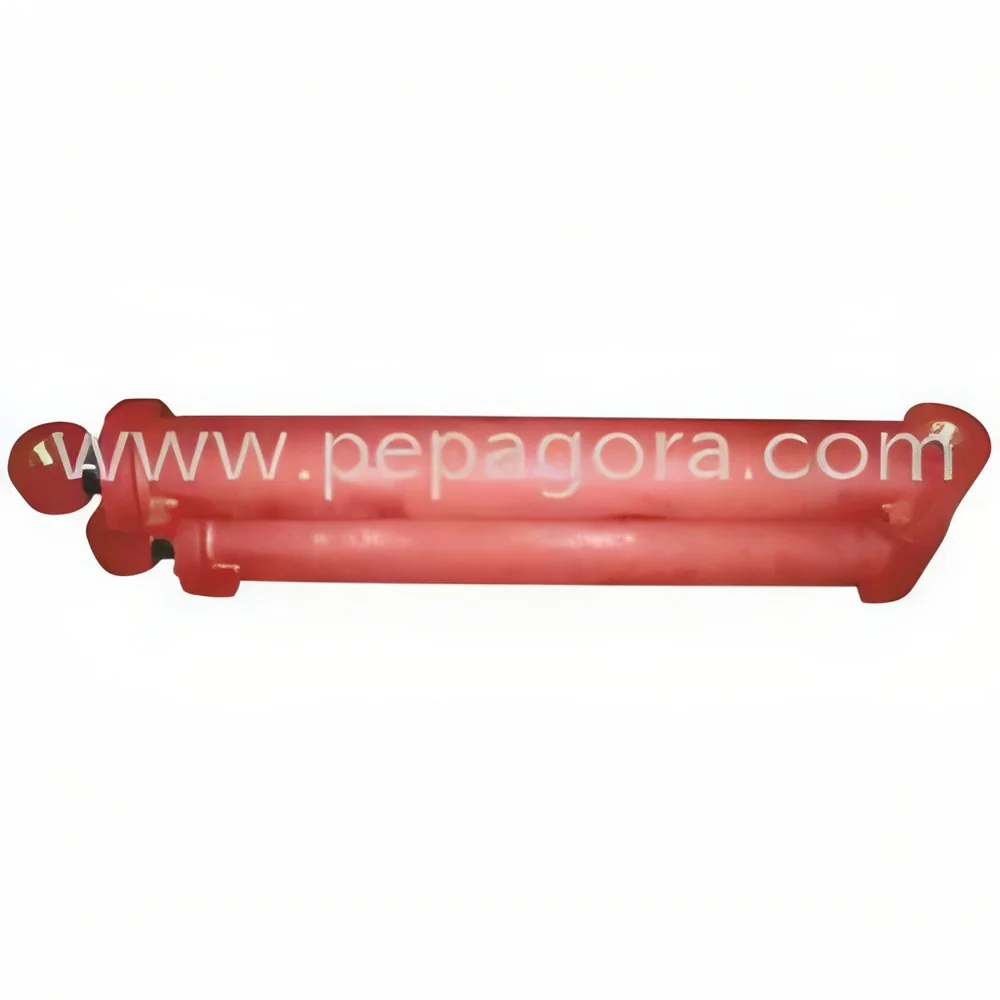
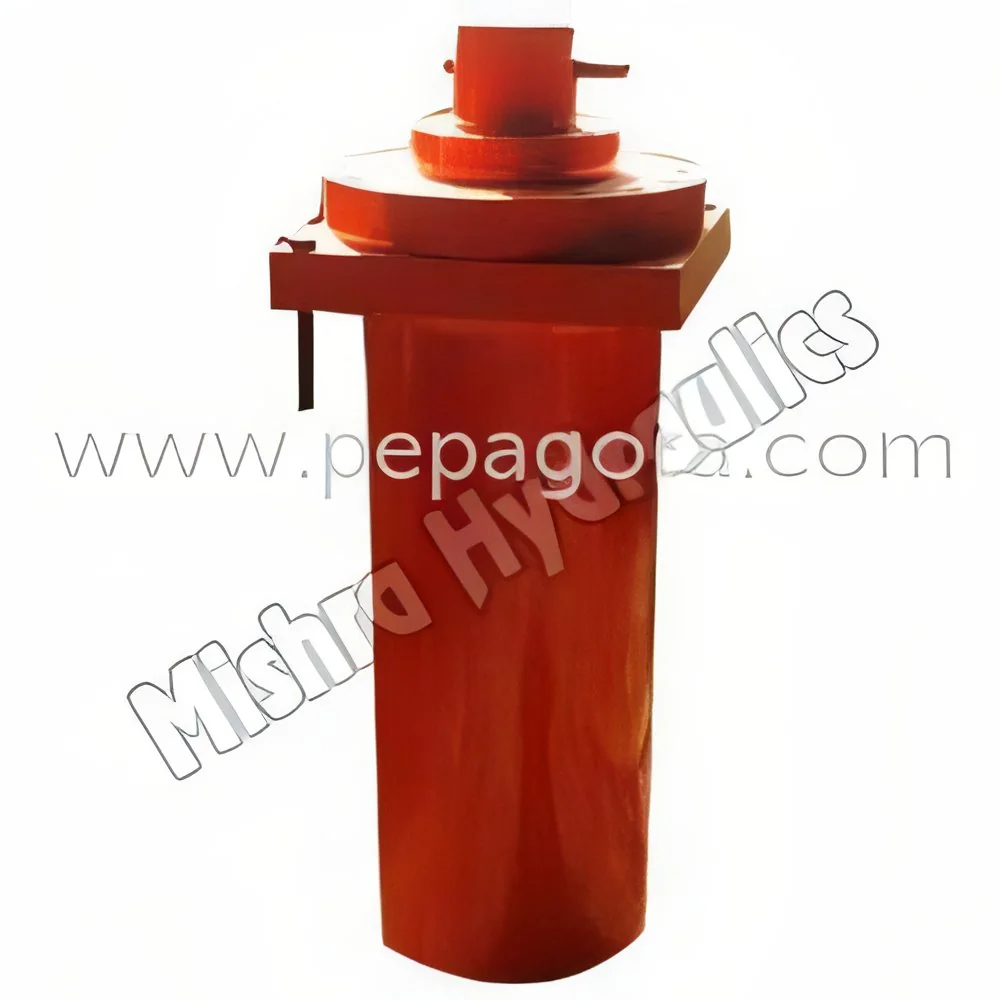
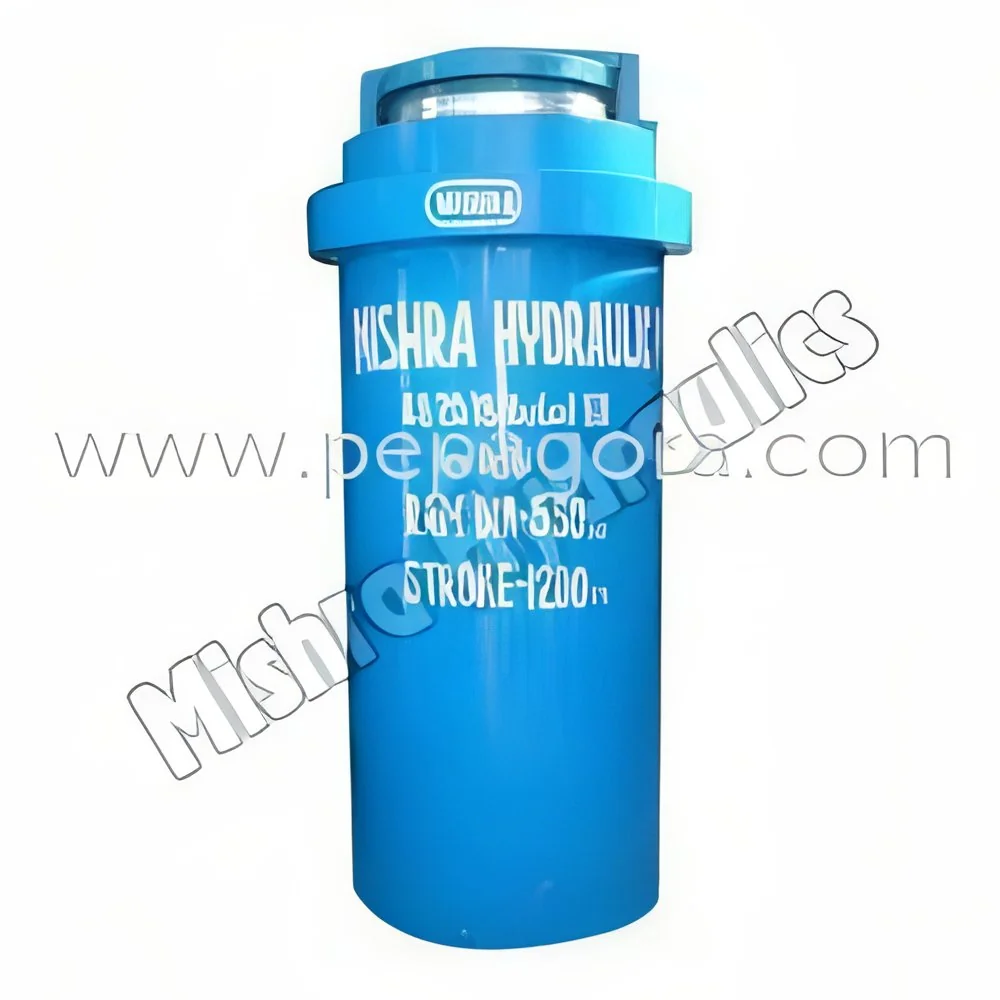
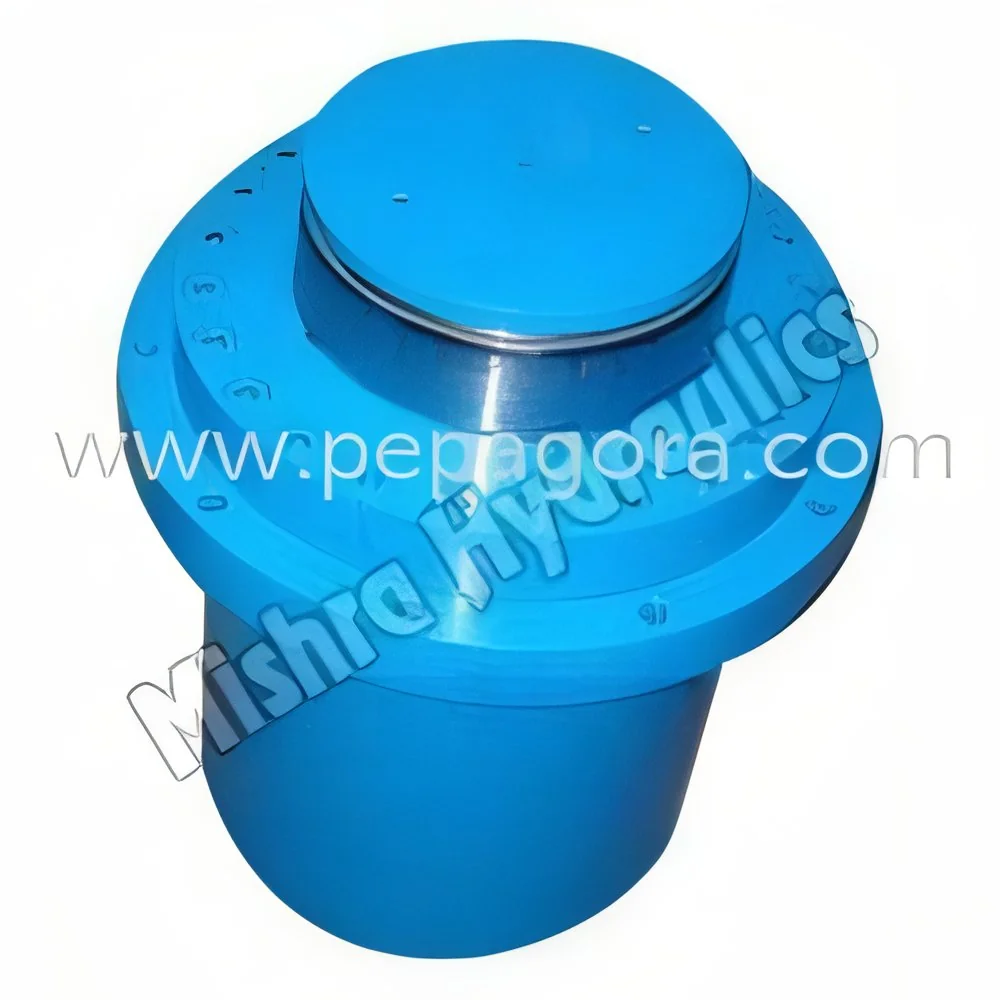
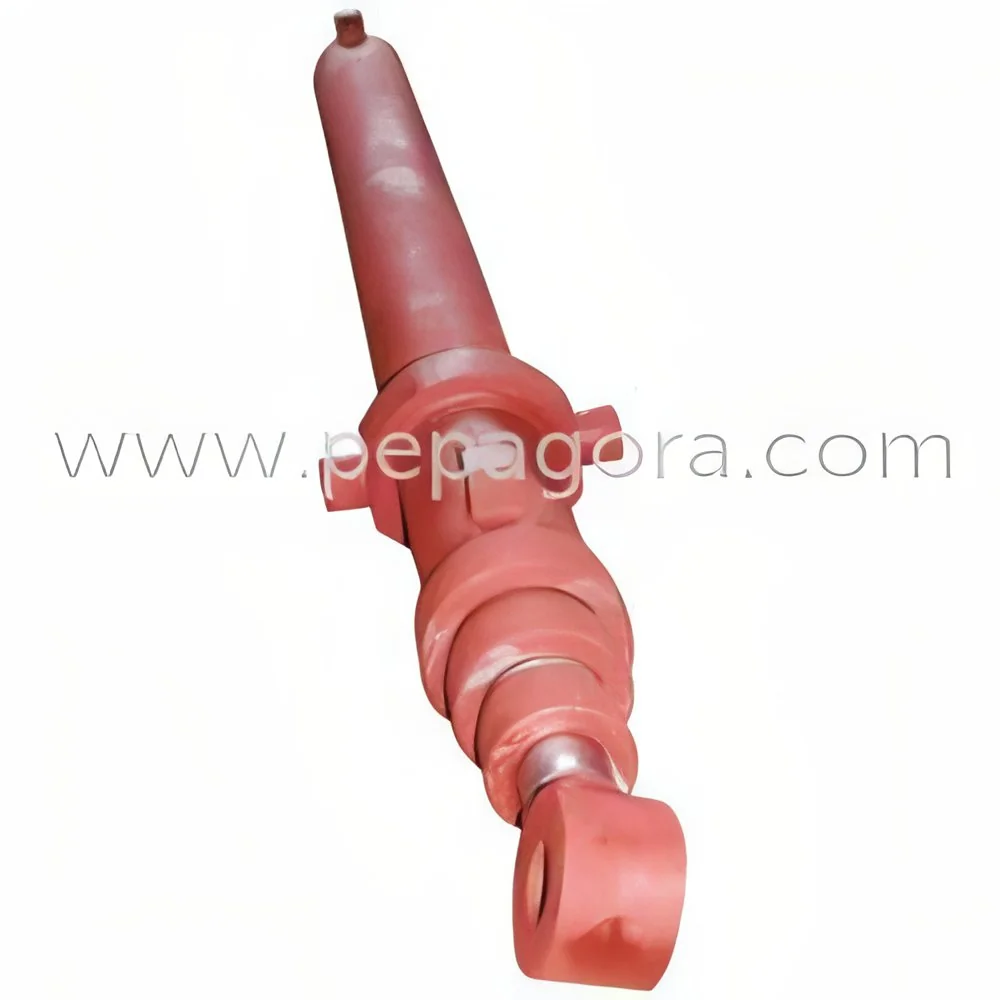
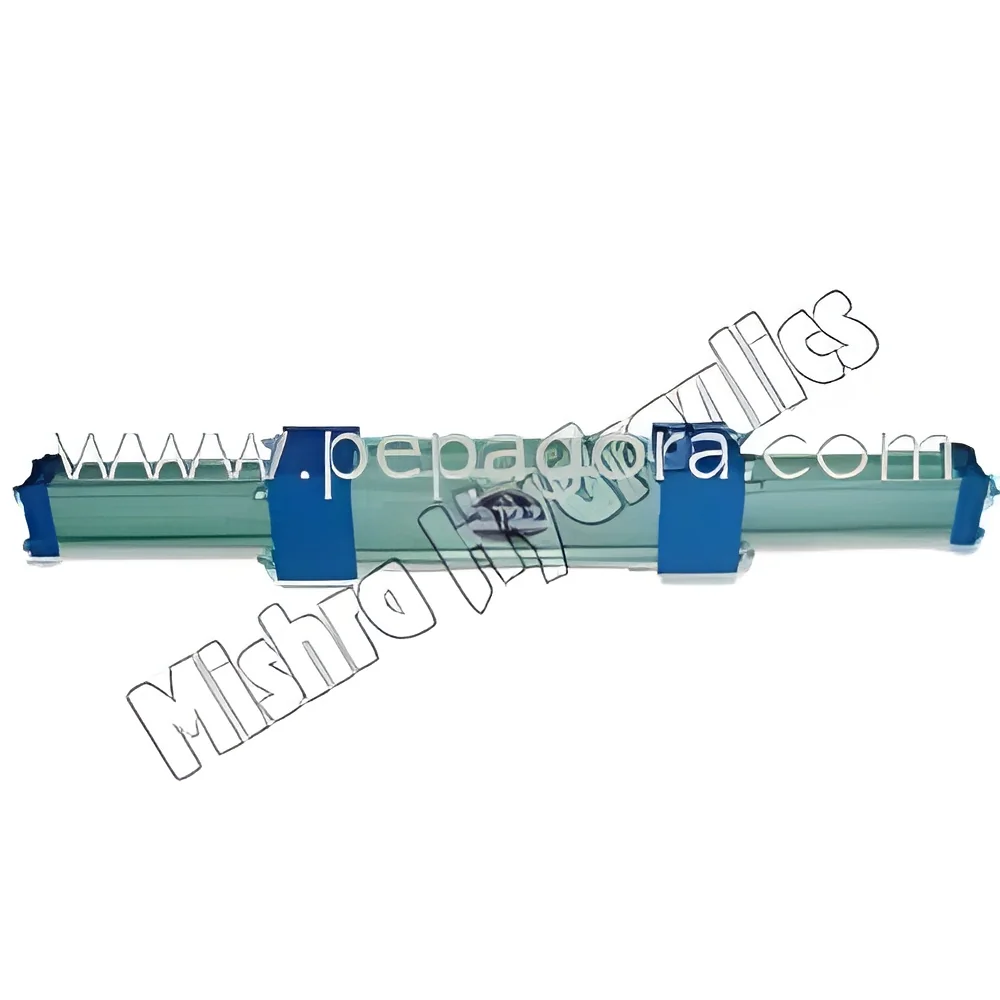
Industrial Hydraulic Intensifiers are precision-engineered devices designed to amplify hydraulic pressure efficiently and reliably. They operate on a fundamental principle where lower pressure input, typically from standard hydraulic oil or air sources, acts upon a larger piston area. This force transfers to a smaller diameter ram, resulting in multiplied output pressure. This process delivers high-pressure hydraulic fluid without requiring complex, high-power primary systems. Built for durability and consistent performance, these intensifiers offer a compact, energy-saving solution for operations seeking to enhance hydraulic capabilities without significant infrastructure investment. Their straightforward mechanics ensure reliable operation with minimal maintenance, making them a trusted component in demanding industrial environments where uptime is essential.

These intensifiers serve as critical components across industries where controlled high-pressure fluid power drives productiv...
Industrial Hydraulic Intensifiers are precision-engineered devices designed to amplify hydraulic pressure efficiently and reliably. They operate on a fundamental principle where lower pressure input, typically from standard hydraulic oil or air sources, acts upon a larger piston area. This force transfers to a smaller diameter ram, resulting in multiplied output pressure. This process delivers high-pressure hydraulic fluid without requiring complex, high-power primary systems. Built for durability and consistent performance, these intensifiers offer a compact, energy-saving solution for operations seeking to enhance hydraulic capabilities without significant infrastructure investment. Their straightforward mechanics ensure reliable operation with minimal maintenance, making them a trusted component in demanding industrial environments where uptime is essential.

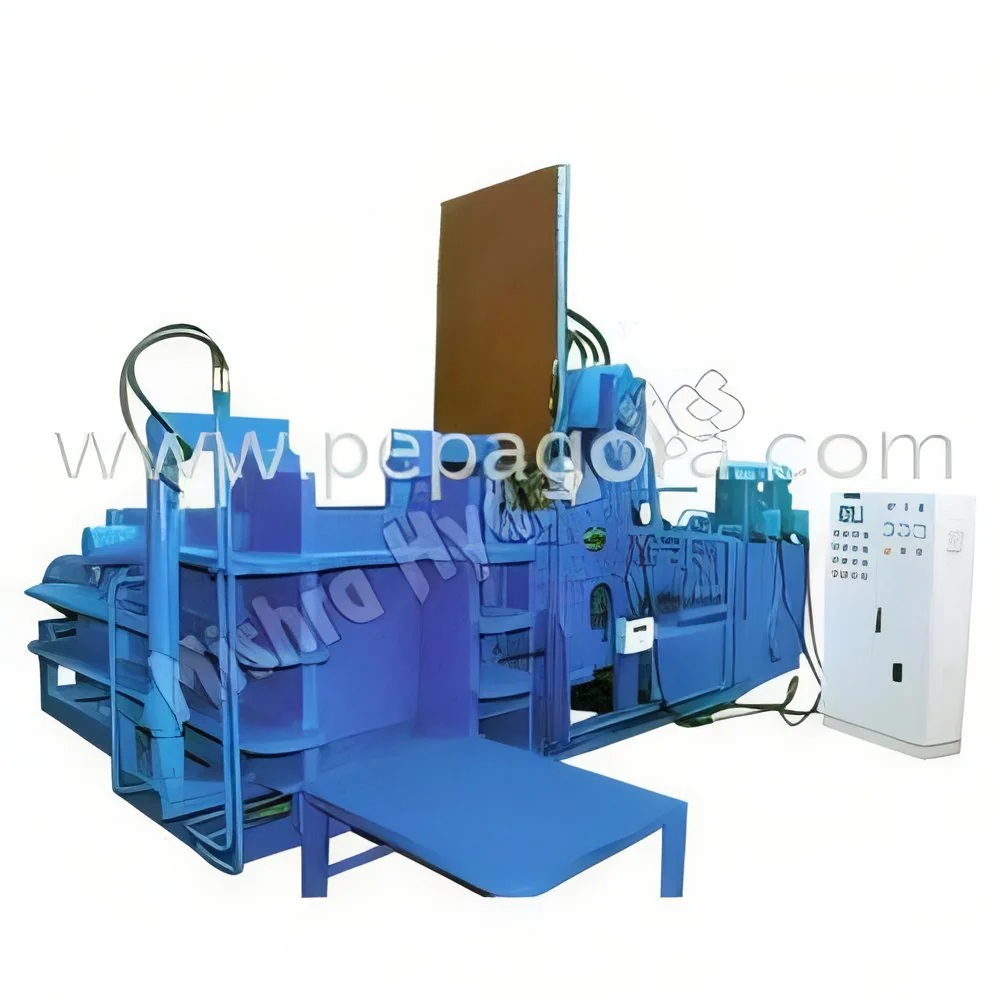
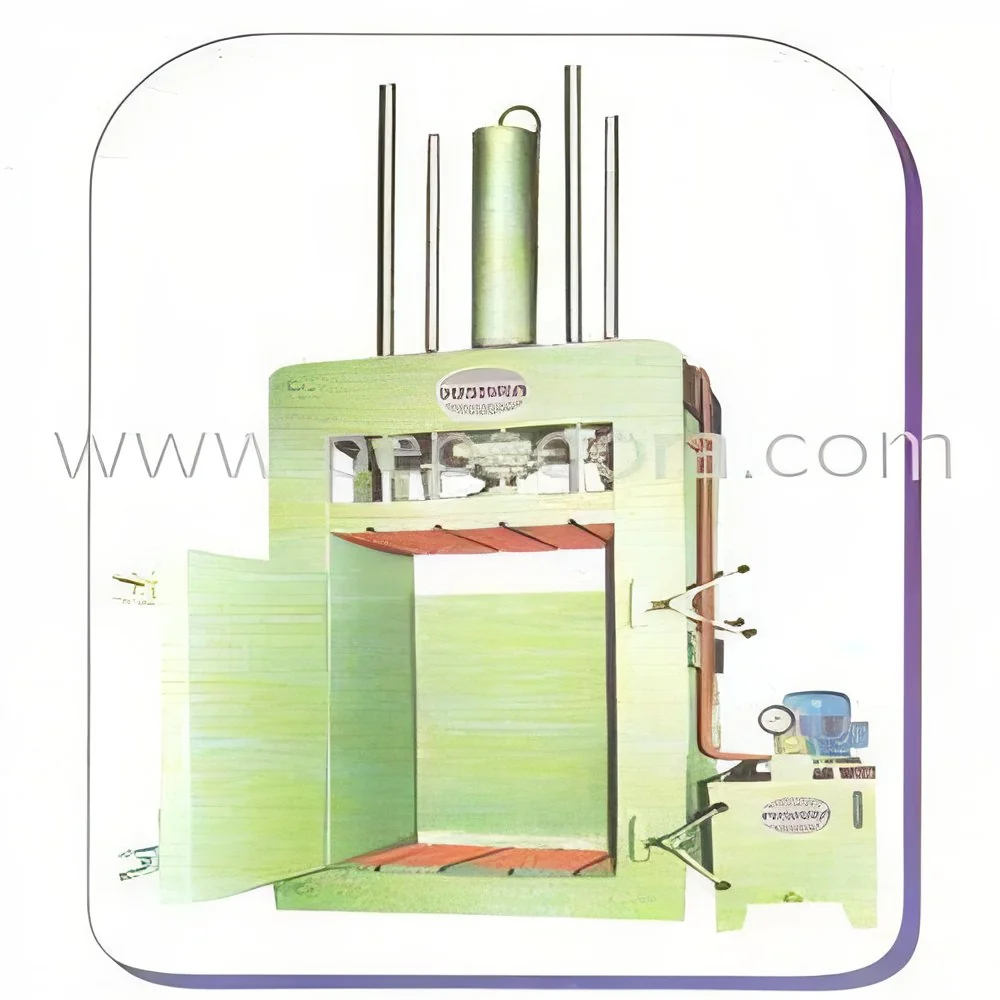
These intensifiers serve as critical components across industries where controlled high-pressure fluid power drives productivity. In manufacturing and metalworking, they are integral to hydraulic presses for forming, bending, and punching operations that shape materials. The automotive and aerospace sectors utilize them in test benches for validating the integrity of brakes, hoses, and structural components under extreme pressure conditions. Within the oil and gas industry, they enable efficient pipeline operations, wellhead control, and hydraulic tool functioning. Construction and heavy machinery benefit from their power in driving piling equipment, tunnel boring machines, and heavy-lift systems. Their versatility also extends to plastics manufacturing for injection molding and to general industrial automation for precise actuator control in assembly lines.

The value of integrating these hydraulic intensifiers is rooted in enhanced operational efficiency, cost reduction, and improved system reliability. By generating high pressure from a standard power unit, they significantly lower energy consumption compared to dedicated high-pressure pumps, reducing operational expenses. Their compact footprint saves valuable floor space in crowded plants and facilities. The robust design minimizes downtime through reliable performance and straightforward serviceability, protecting production schedules and output targets. This reliability translates into predictable operational costs and a strong return on investment. For operations, this means achieving higher productivity, meeting stringent quality and safety standards, and maintaining a competitive edge through efficient, dependable hydraulic power that supports growth and operational goals.

Key Features:
- Efficiently generates high-pressure hydraulic fluid from standard lower-pressure sources.
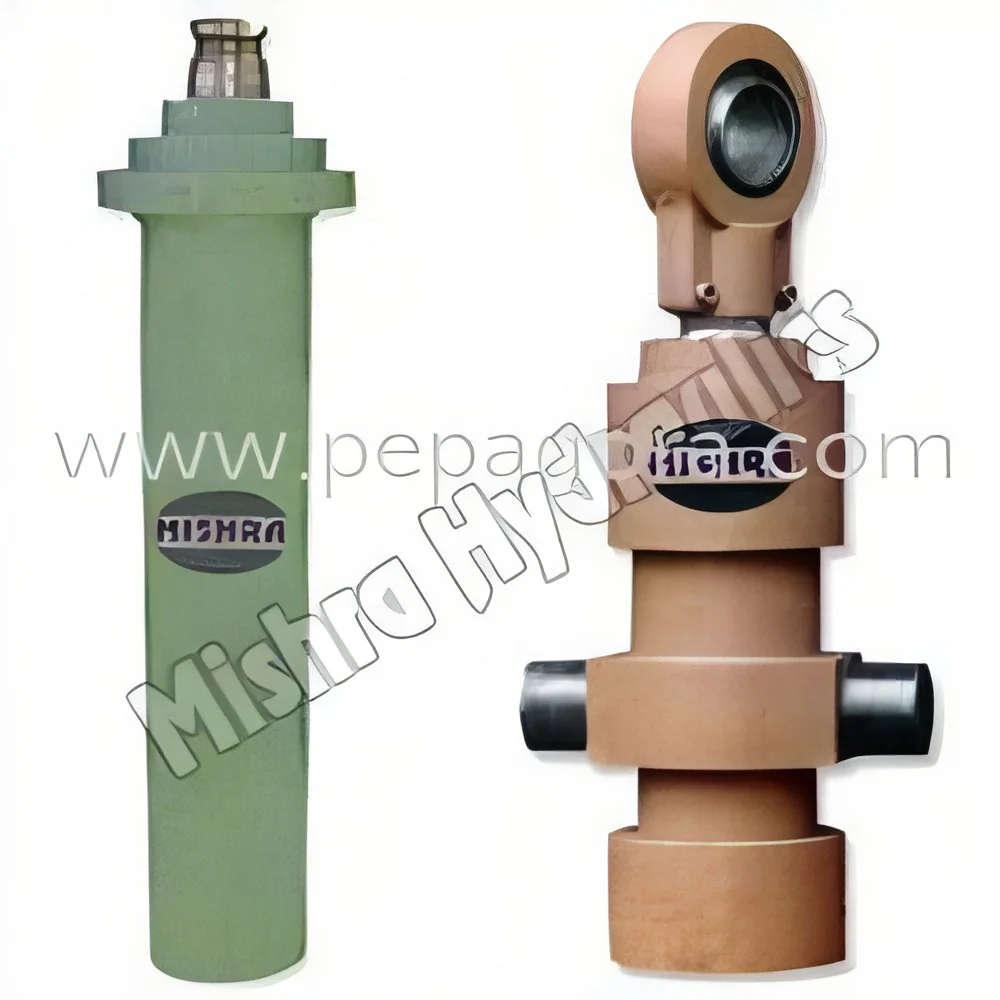
- Available in various configurations including single-acting and double-acting for operational flexibility.
- Compact and space-saving design allows for easy integration into existing systems and layouts.
- Simple mechanical operation ensures reliability, ease of maintenance, and reduced complexity.
- Constructed with durable materials and components for long service life in demanding industrial conditions.

Benefits:
- Reduces energy consumption and operational costs by utilizing existing power units and systems.
- Enhances system capabilities and pressure output without requiring expensive, high-power primary replacements.
- Minimizes downtime and protects productivity through robust construction and reliable, consistent performance.
- Offers a space-efficient solution for upgrading hydraulic pressure in constrained or crowded plant environments.
- Provides a versatile and dependable method for achieving precise high-pressure control across various applications and industries.
Specifications
| Additional Information | |
|---|---|
| Country of Origin | India |
Application
Industrial hydraulic intensifiers transform standard input pressure into significantly higher output pressure through efficient mechanical action. Using hydraulic oil or air acting on a piston and ram system, they deliver intensified fluid volume with minimal energy loss. This straightforward, reliable operation makes them ideal for integration into systems where dependable pressure amplification is critical for operational success and productivity.
These devices provide substantial advantages by optimizing space, reducing energy consumption, and lowering capital expenditure compared to larger high-pressure systems. Their robust construction and proven configurations ensure they meet specific process requirements, from continuous operation to intermittent high-pressure bursts. Industries value them for enhancing system capabilities without complete overhauls, making them a practical upgrade for improving efficiency and meeting demanding production schedules.
- Powering hydraulic presses for metal forming, stamping, and fabrication in manufacturing facilities.
- Operating high-pressure testing rigs for component validation in automotive and aerospace quality assurance.
- Facilitating efficient fluid injection and transfer within oil and gas pipeline systems and well control operations.
- Driving heavy-duty clamping, lifting, and positioning systems in construction equipment and industrial machinery.
- Enabling precise pressure control in plastic injection molding machines and automated production cells.
Trade Details
| Available Stock | In Stock |
| Sample Availability | No |
Payment Terms
| Payment Terms |
|
Company Profile
Mishra Hydraulics, New Delhi
 New Delhi, India
Tools & Hardware•Manufacturer•Distributor / Wholesaler•Importer / Exporter
Factory Details
Factory SizeBelow 1000 sqm
Annual Production Capacity0
Industrial Hydraulic Intensifiers For High Pressure Efficiency
Industrial Hydraulic Intensifiers efficiently boost pressure from standard sources for manufacturing, automotive, and oil & gas applications. These reliable devices save energy and costs while delivering consistent high-pressure performance.
Min. Order Quantity: 1 unit
Shipping
Shipping fee and delivery date to be negotiated. Contact supplier now for more details.
Mishra Hydraulics
 New Delhi, India
Tools & HardwareManufacturer