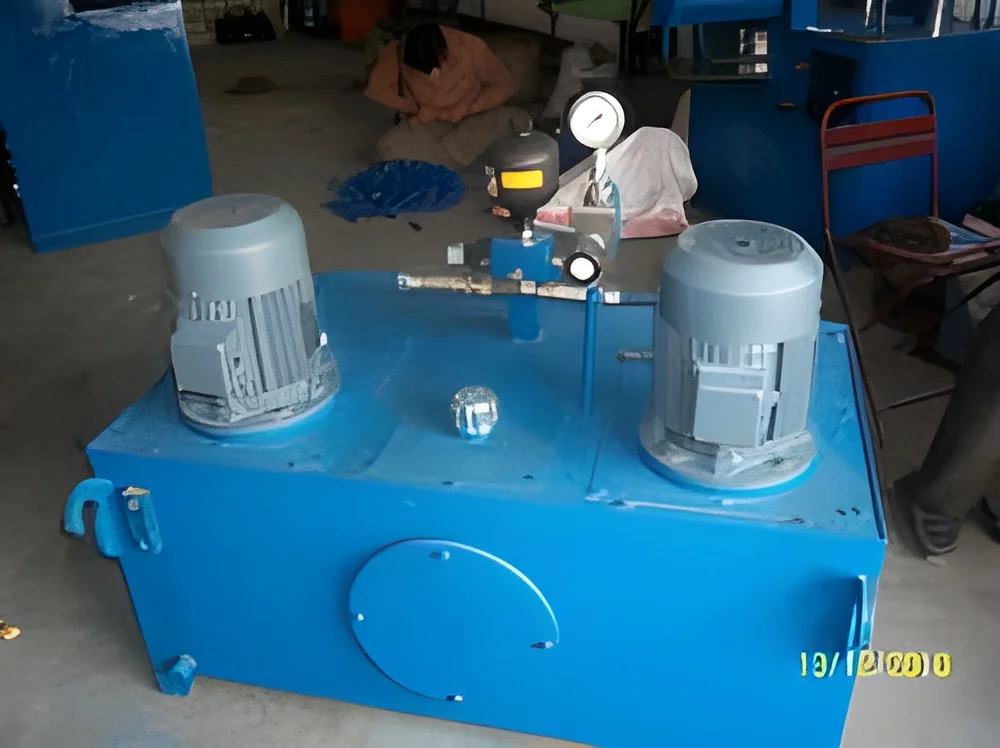
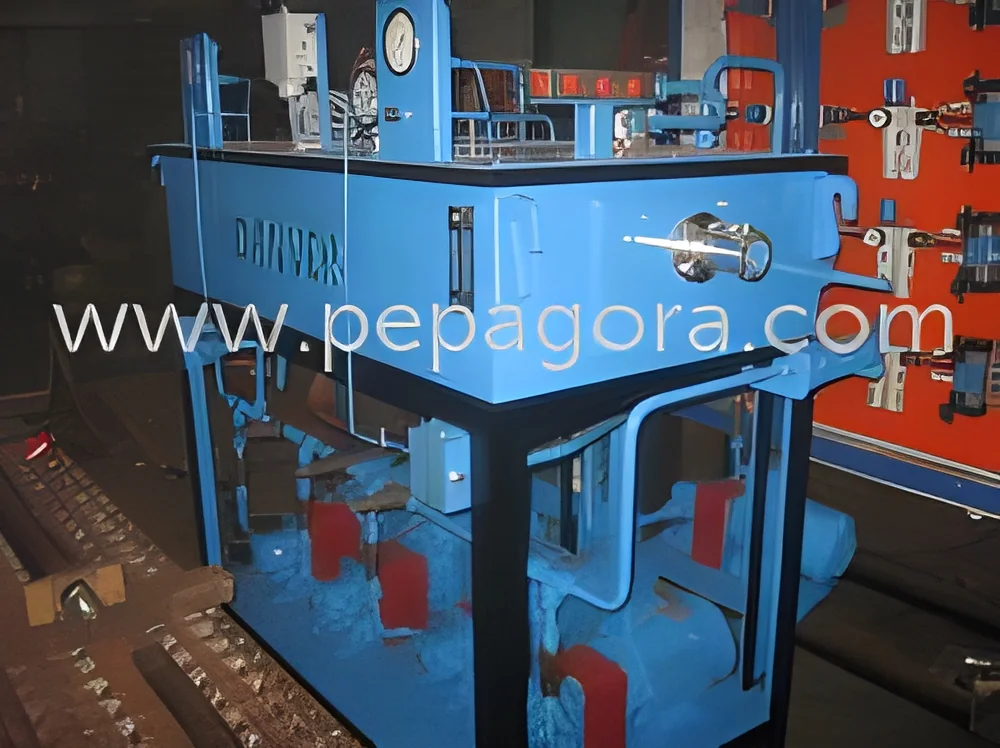
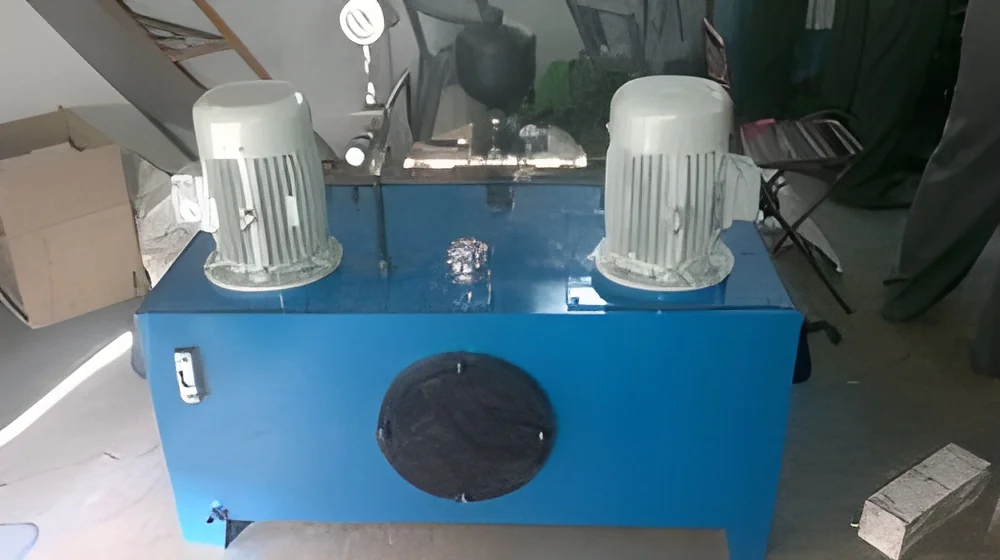
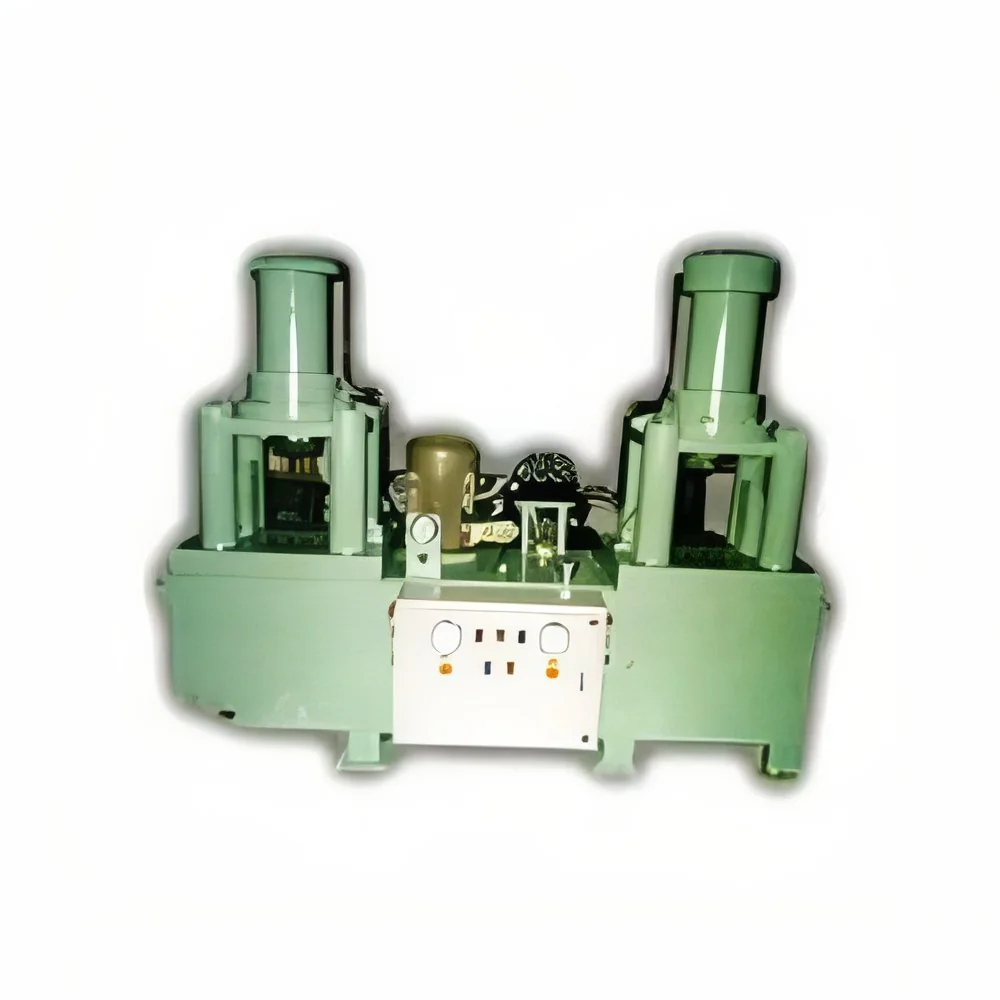
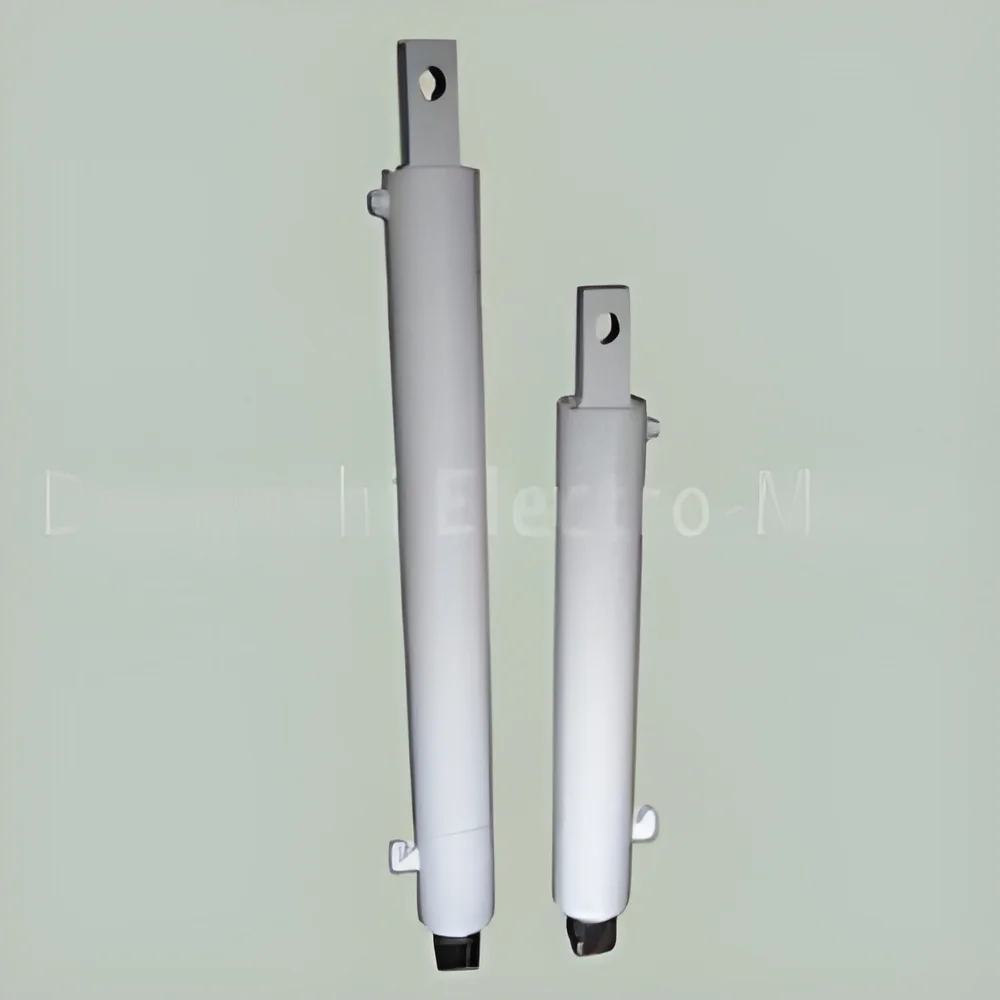
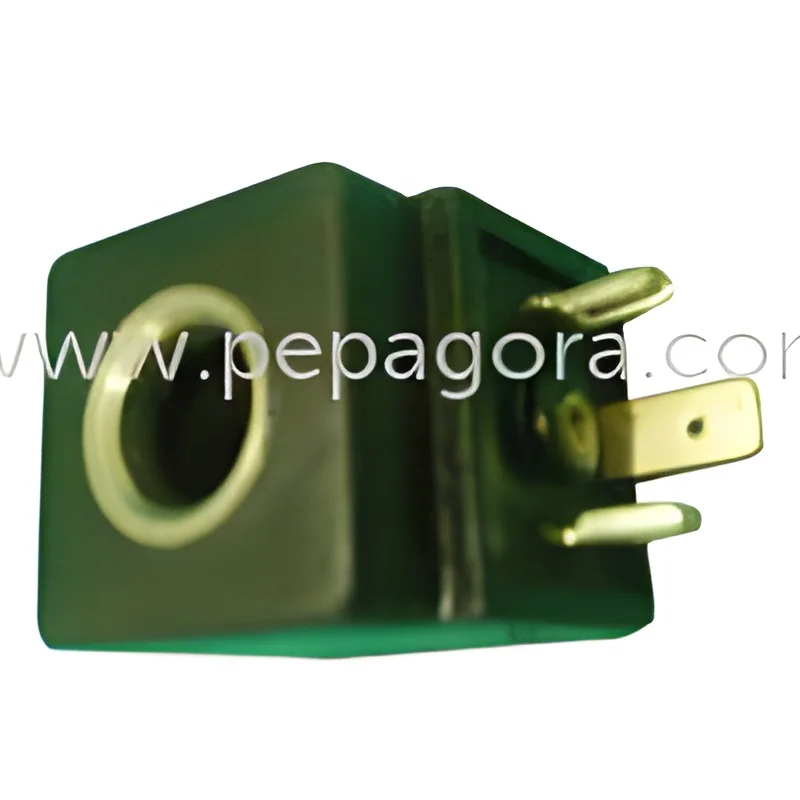
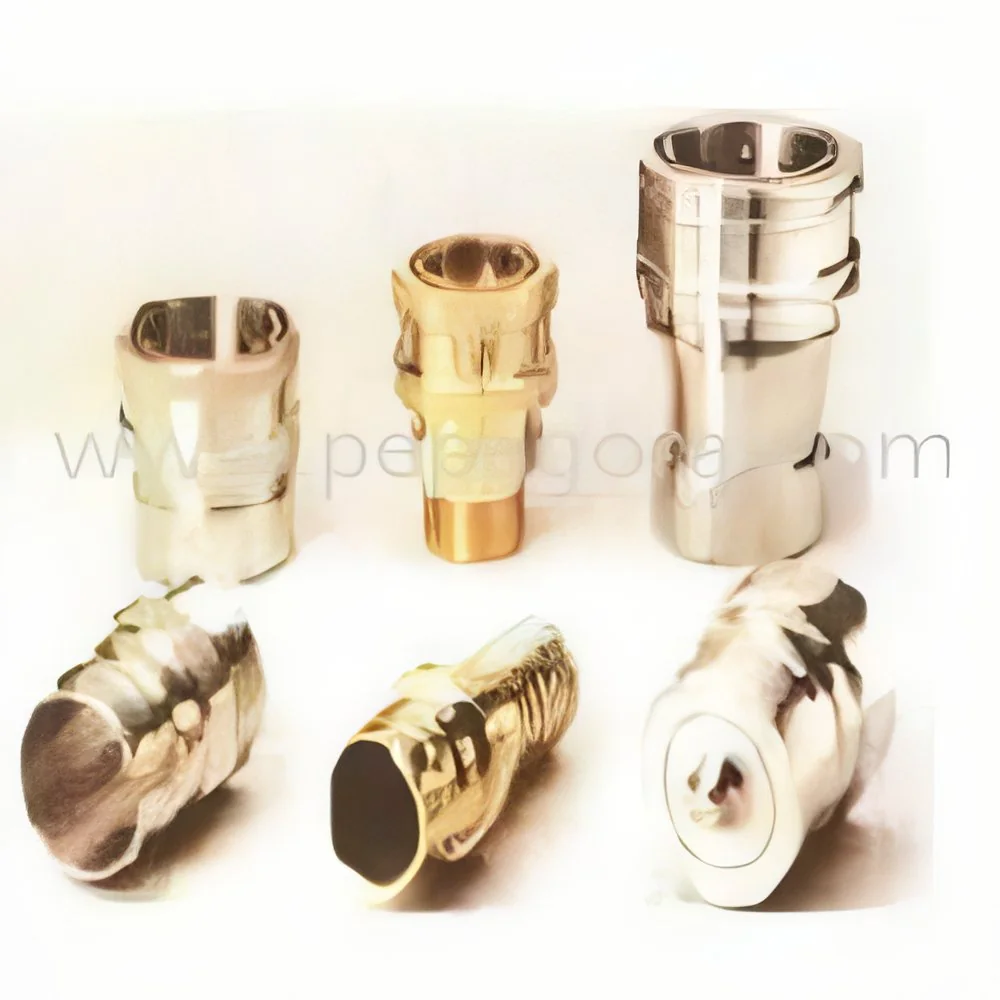
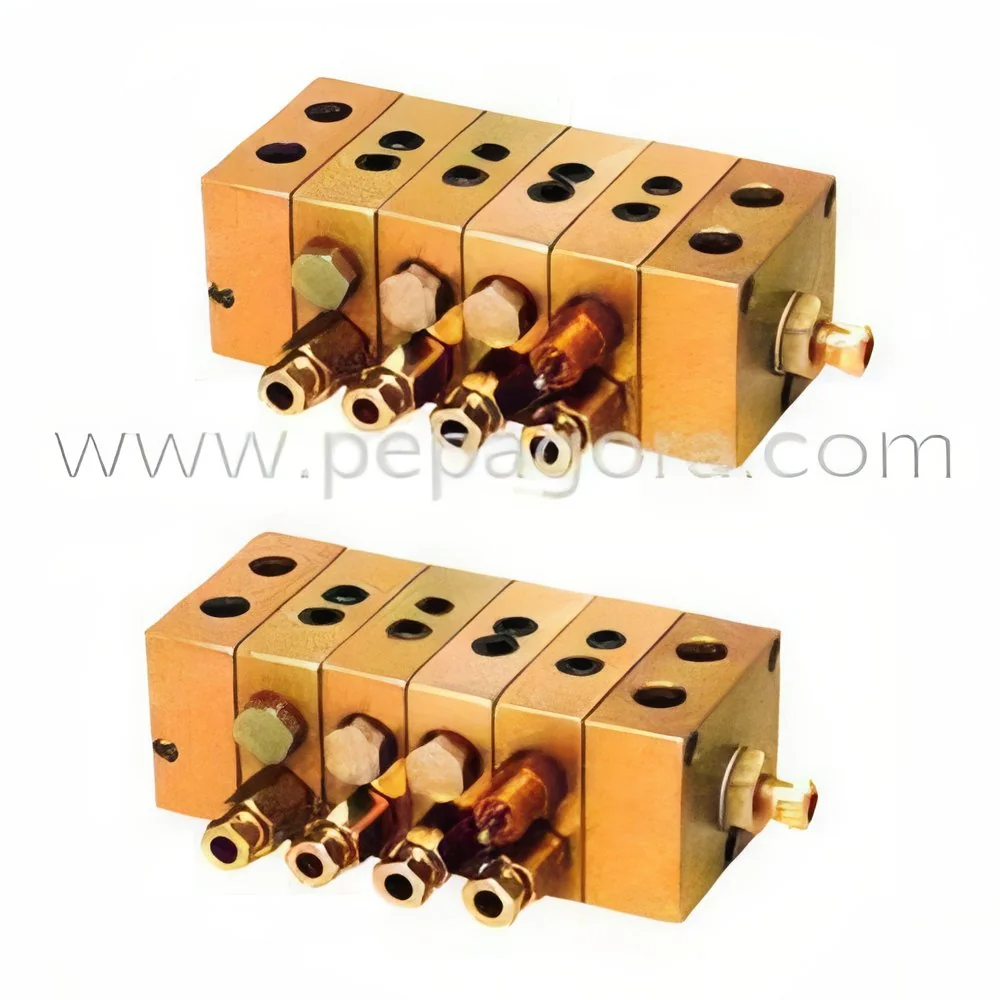
What are Hydraulic Accessories & Kits?
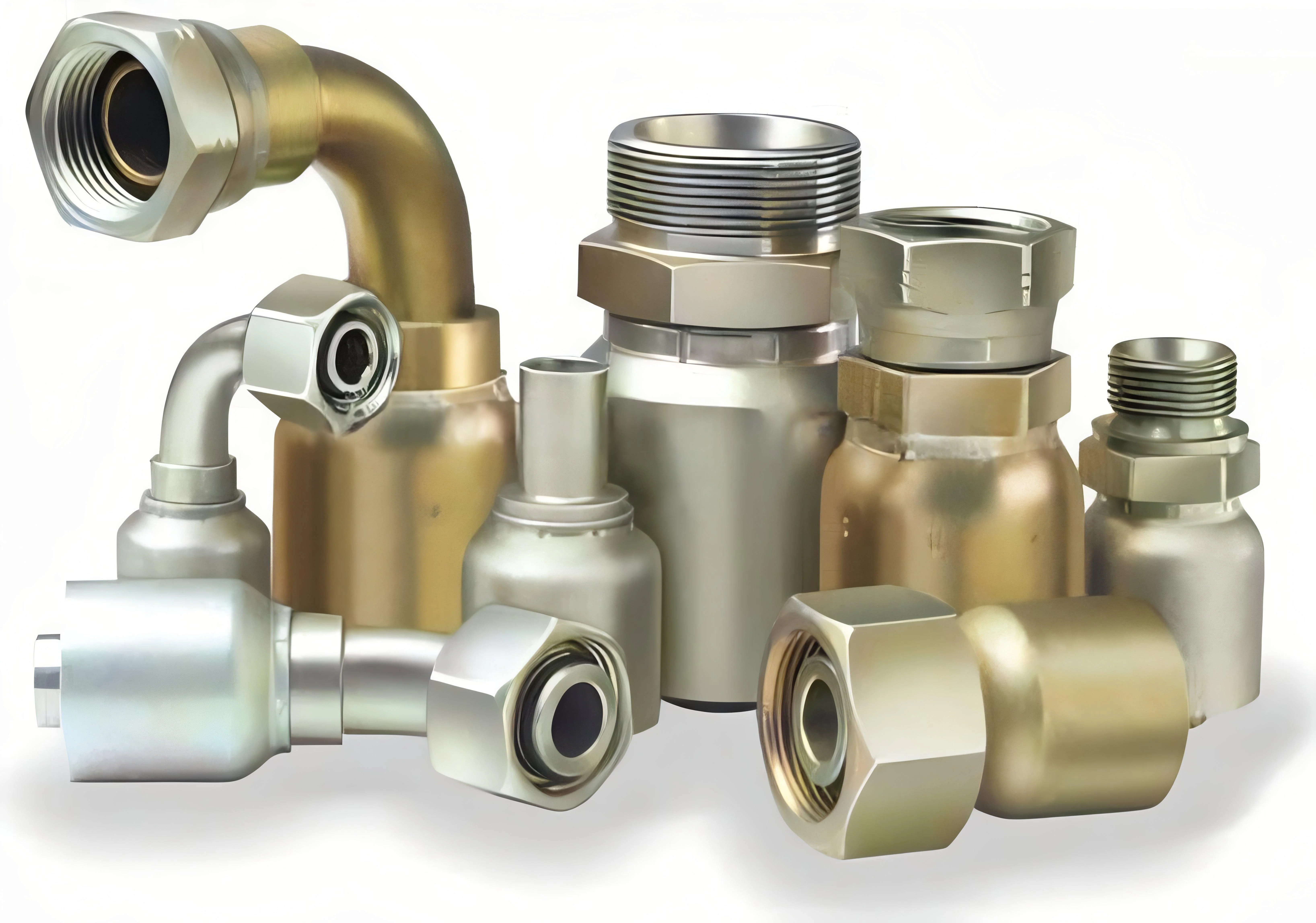
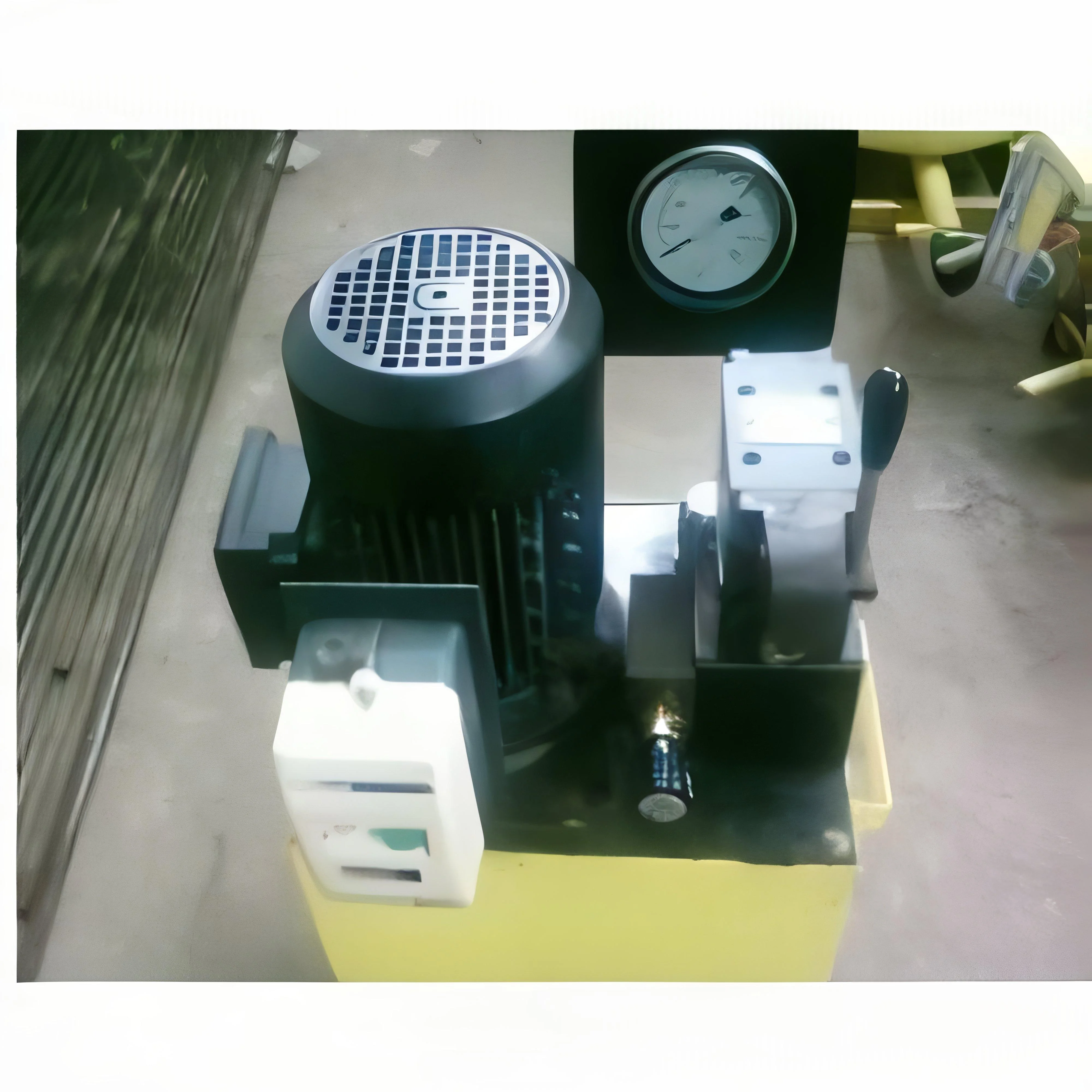
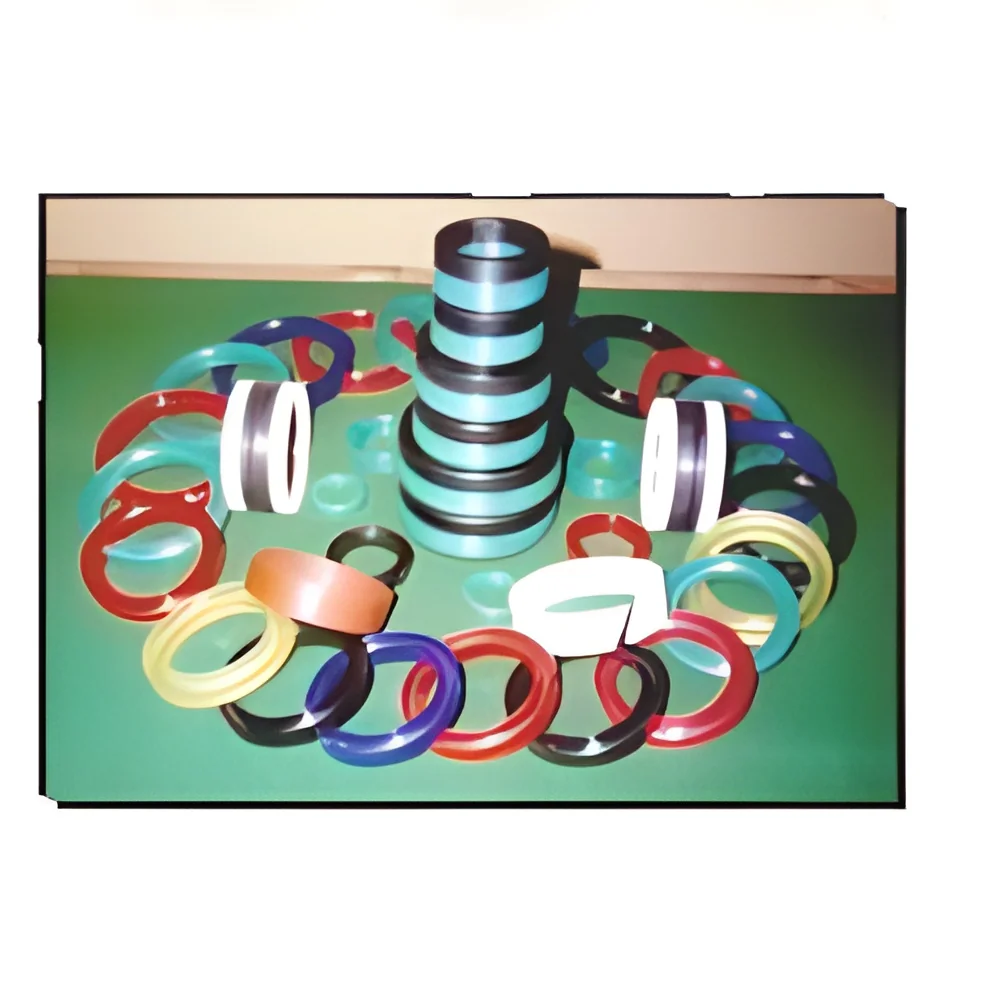
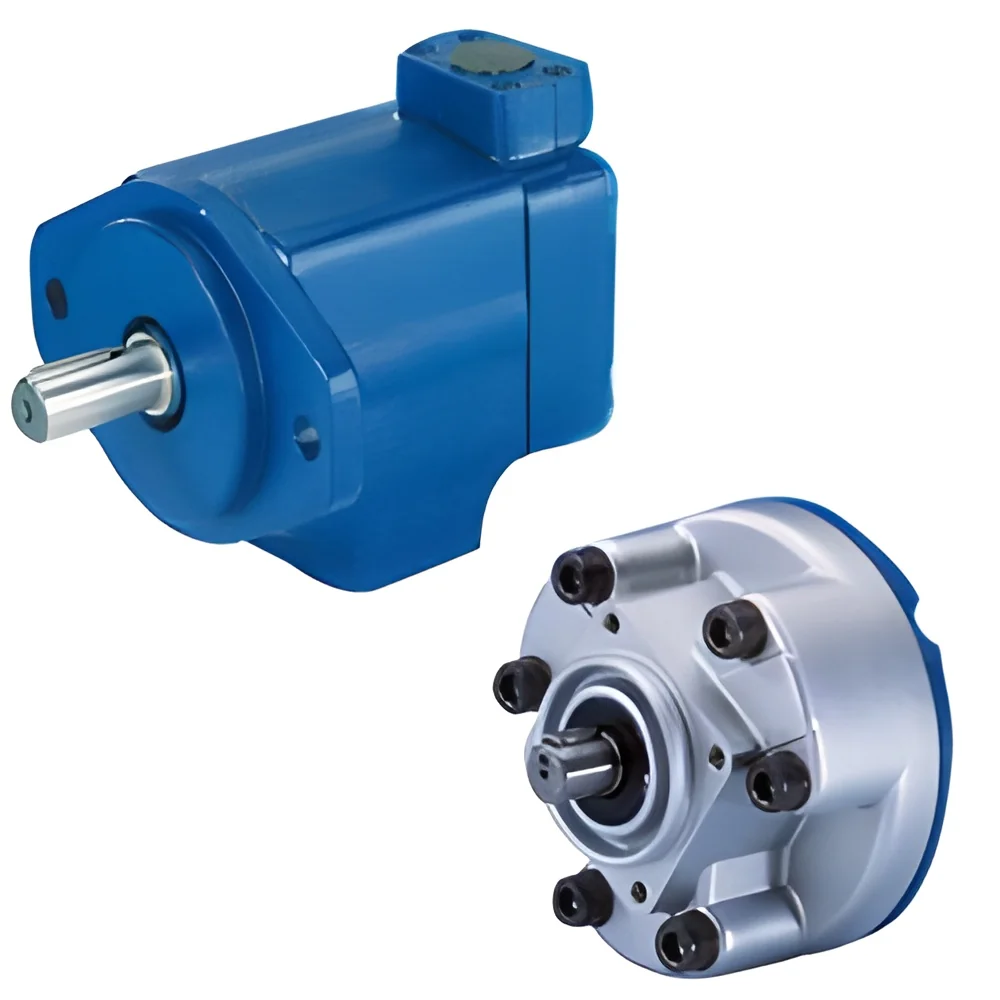
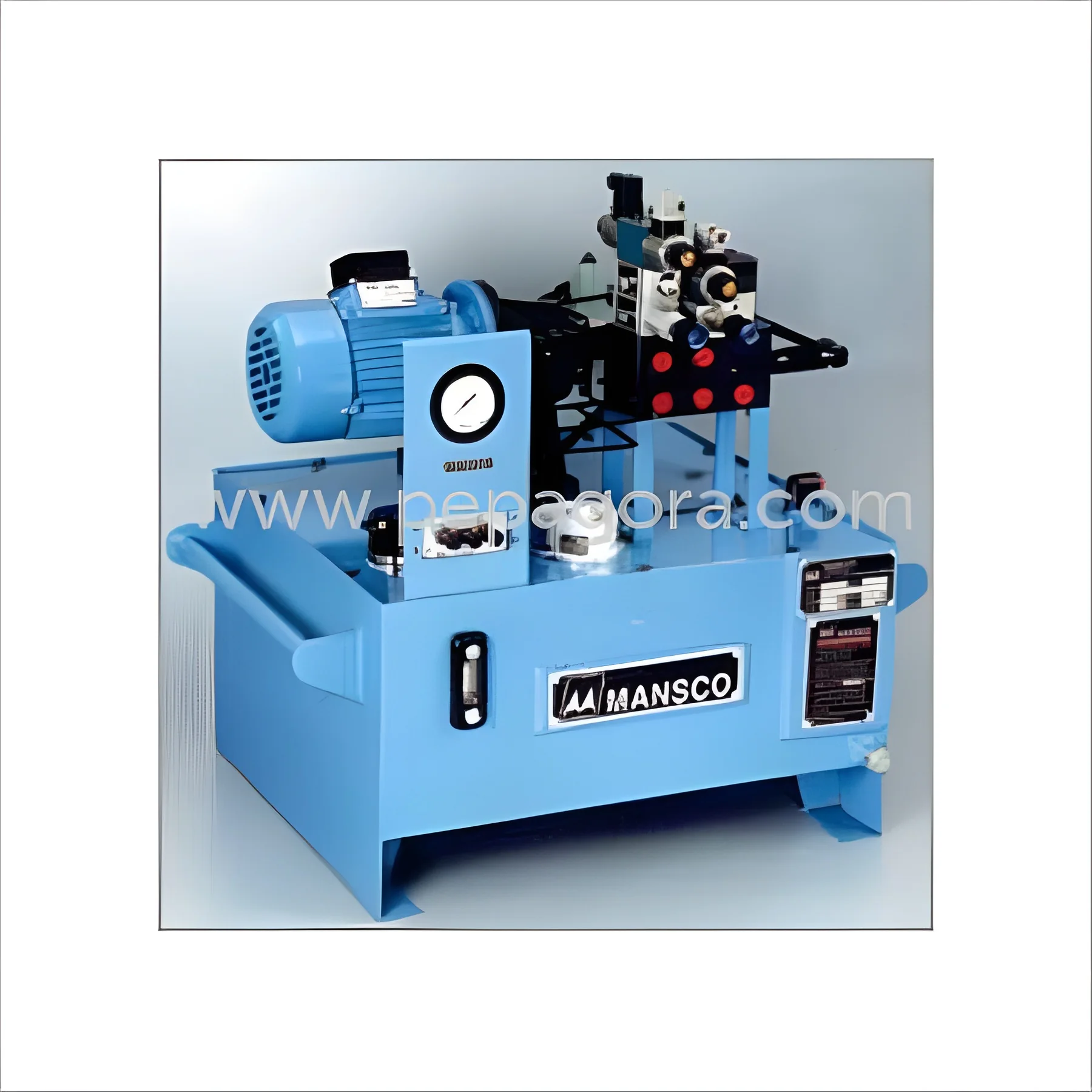
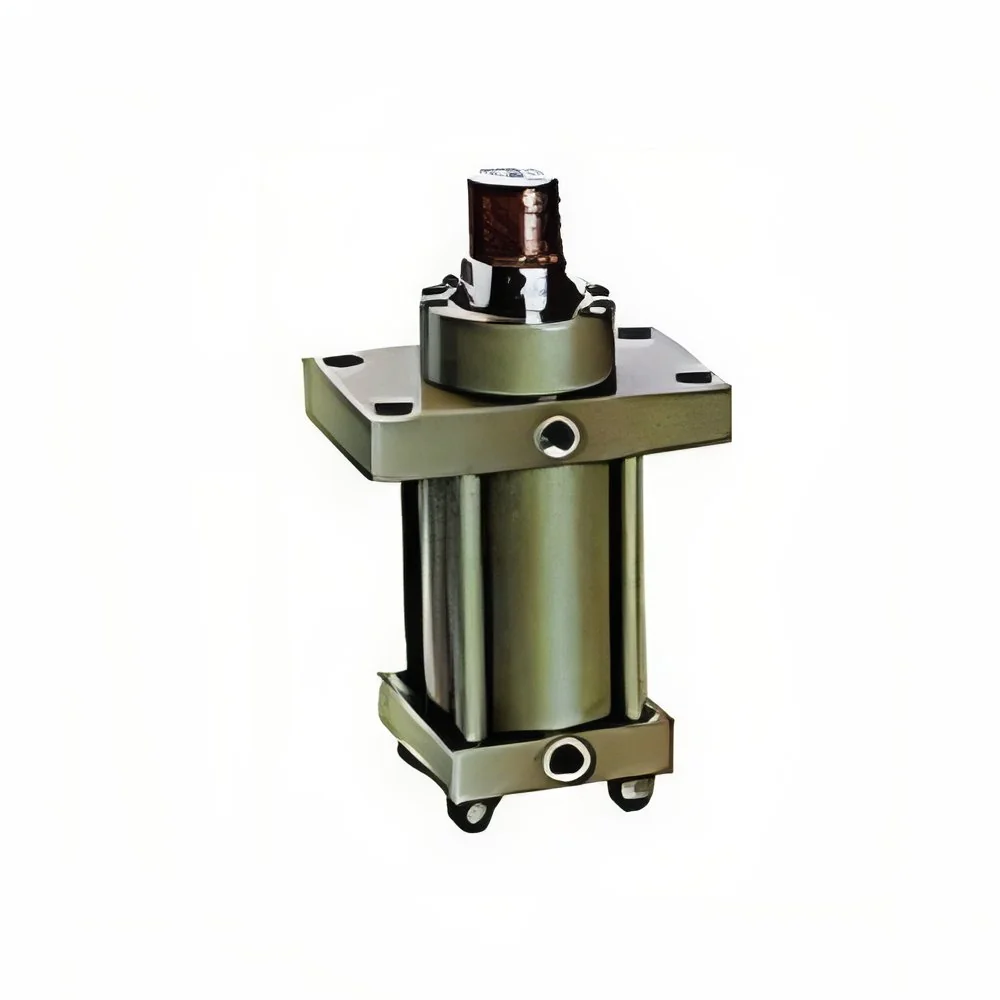
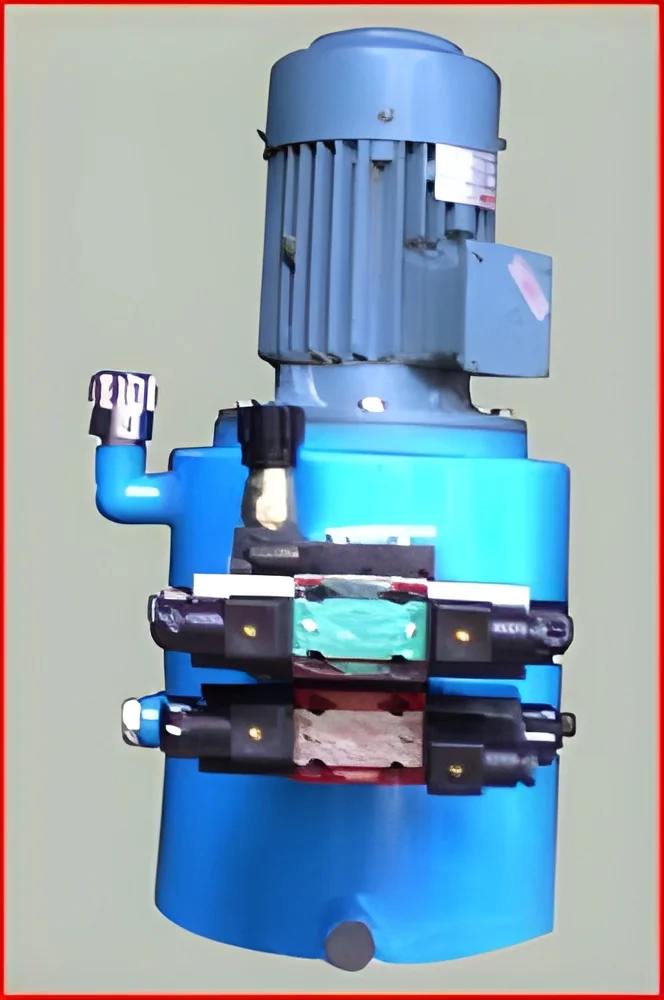
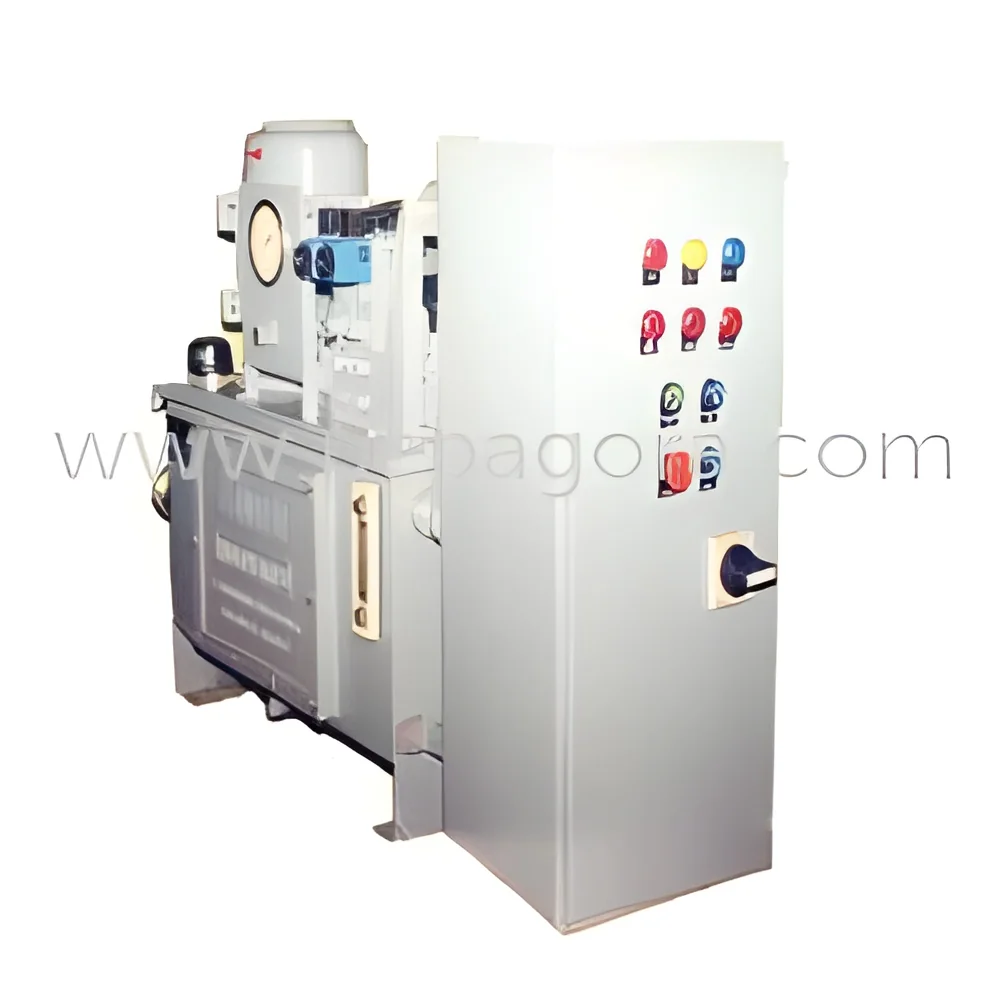
Hydraulic accessories and kits are essential components designed to enhance the functionality and efficiency of hydraulic systems. These products include a wide range of items such as hoses, fittings, couplings, and valves that work in conjunction with hydraulic machinery. The primary purpose of these accessories is to facilitate the safe and effective transfer of fluids under pressure, ensuring optimal performance in various applications.
These hydraulic accessories are widely used in industries such as construction, agriculture, manufacturing, and transportation. Businesses rely on these components to maintain the efficiency and reliability of their hydraulic systems. By integrating high-quality accessories, companies can enhance the performance of machinery, reduce downtime, and improve overall operational effectiveness. The market for hydraulic accessories is growing as industries seek reliable solutions for complex hydraulic applications.
Key Features and Specifications
Hydraulic accessories and kits are characterized by a range of features and specifications that cater to different industrial needs. Understanding these specifications is crucial for selecting the right components for specific applications.
Key specifications include:
1. Material Composition
- Typically constructed from steel, aluminum, or specialized polymers
- Ensures durability and resistance to corrosion
2. Pressure Rating
- Designed to handle pressures ranging from low to high
- Common ratings include 1500 PSI, 3000 PSI, and above
3. Temperature Range
- Operational temperature ranges from -20°C to 100°C
- Suitable for various environmental conditions
4. Compatibility
- Compatible with standard hydraulic fittings and hoses
- Ensures seamless integration with existing systems
5. Connection Types
- Available in threaded, quick-connect, and flanged configurations
- Offers versatility in installation options
6. Flow Rate
- Varies based on the size and type of accessory
- Common flow rates range from 10 to 100 liters per minute
7. Certifications
- Many products are certified by industry standards like UL and CE
- Ensures compliance with safety and quality requirements
In summary, selecting hydraulic accessories involves considering these specifications to ensure compatibility and performance in specific applications.
Common Applications and Use Cases
Hydraulic accessories and kits serve a wide array of industries, providing critical support in various applications.
1. Construction: Used in excavators, bulldozers, and cranes to facilitate the movement of heavy materials and equipment.
2. Agriculture: Employed in tractors and harvesters, these accessories help in efficient operation and control of hydraulic systems.
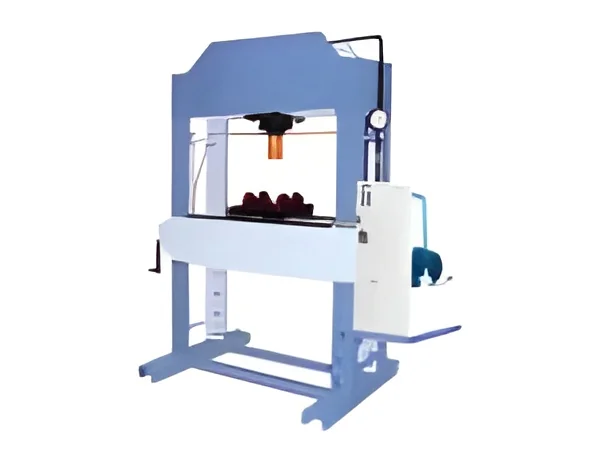
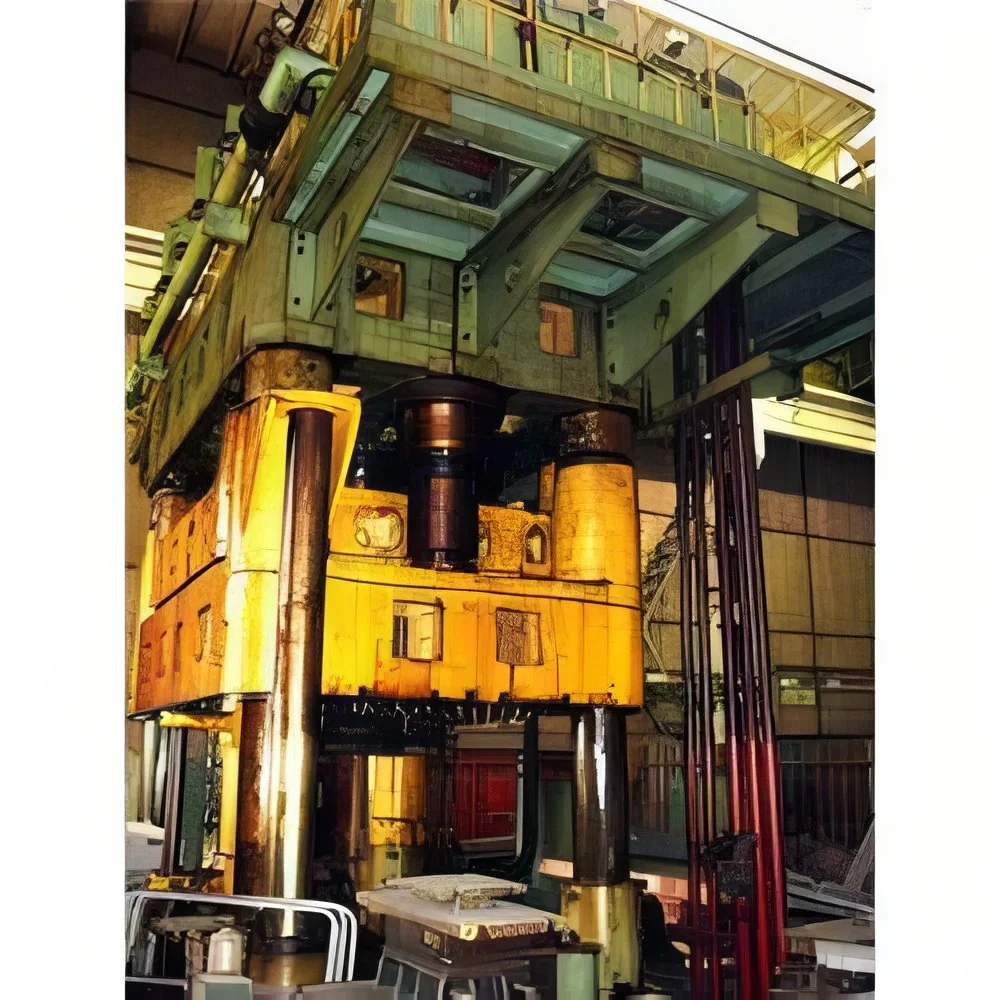
3. Manufacturing: Integral in machinery such as presses and conveyor systems, hydraulic accessories ensure smooth operation and productivity.
4. Transportation: Used in vehicles like trucks and trailers, they assist in loading and unloading operations.
5. Mining: Essential for equipment such as loaders and drill rigs, hydraulic accessories contribute to the safe and efficient extraction of resources.
6. Marine: Utilized in ships and offshore platforms, these components help manage hydraulic systems for various operations.
7. Aerospace: Important for hydraulic systems in aircraft, ensuring safety and reliability during flight operations.
Product Variants and Subcategories
Hydraulic accessories and kits come in various configurations to meet specific needs across different sectors.
Hoses
Hydraulic hoses are flexible tubes designed to carry hydraulic fluid under pressure. They come in various sizes and pressure ratings, ensuring suitability for different applications.
Fittings
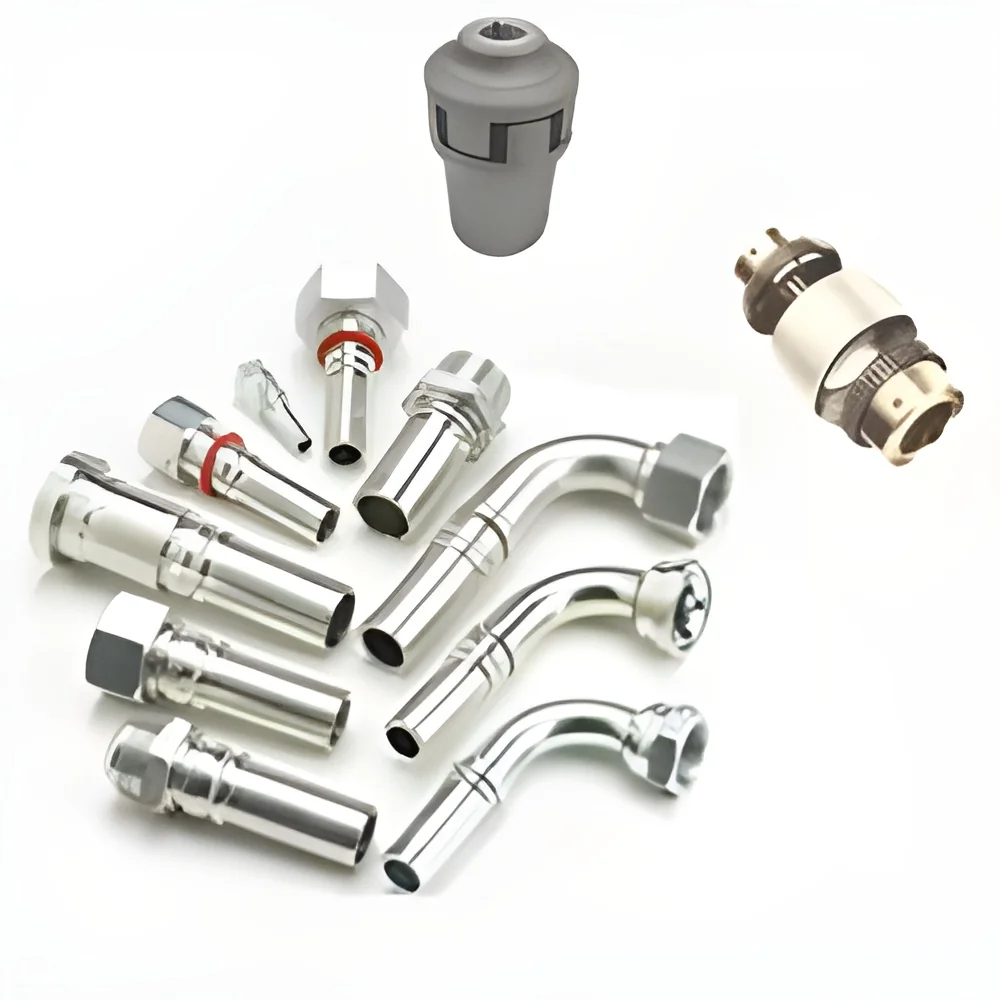
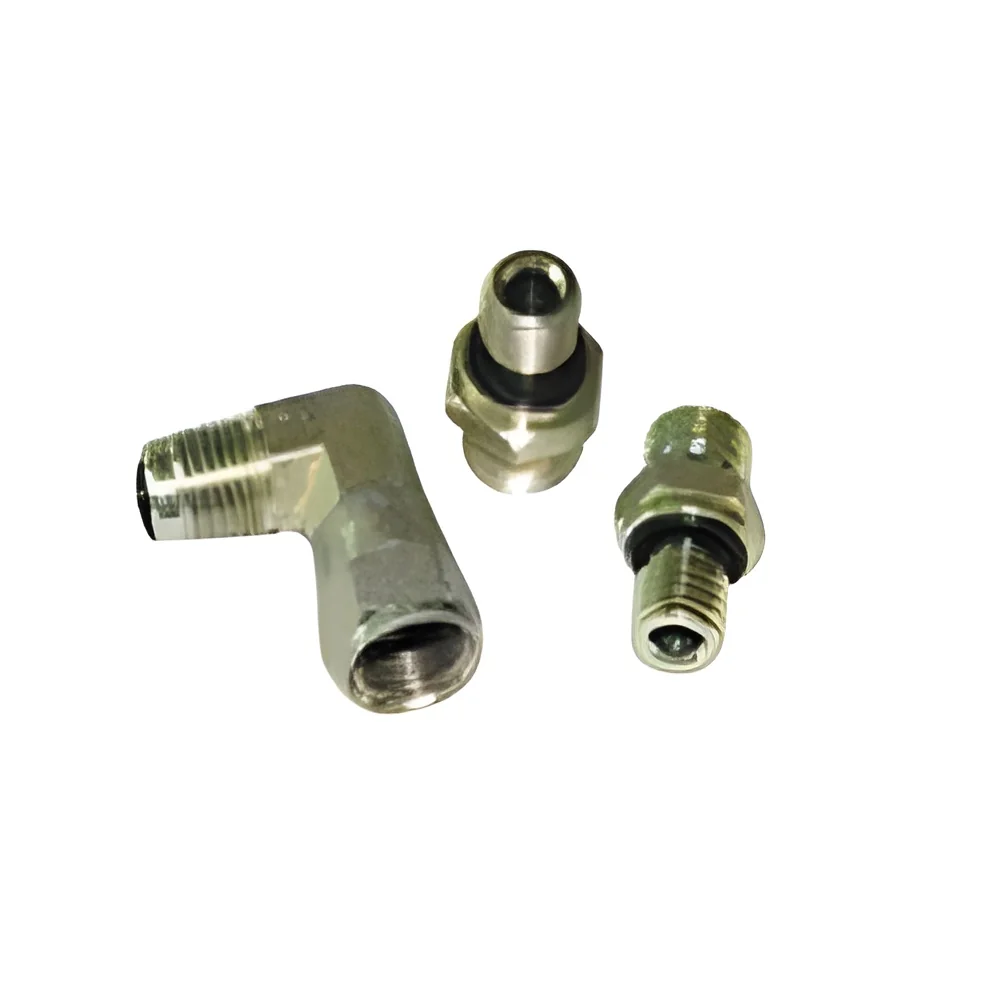
These are connectors used to join hoses and pipes in hydraulic systems. They are available in multiple styles, including threaded and quick-connect options, for ease of use and installation.
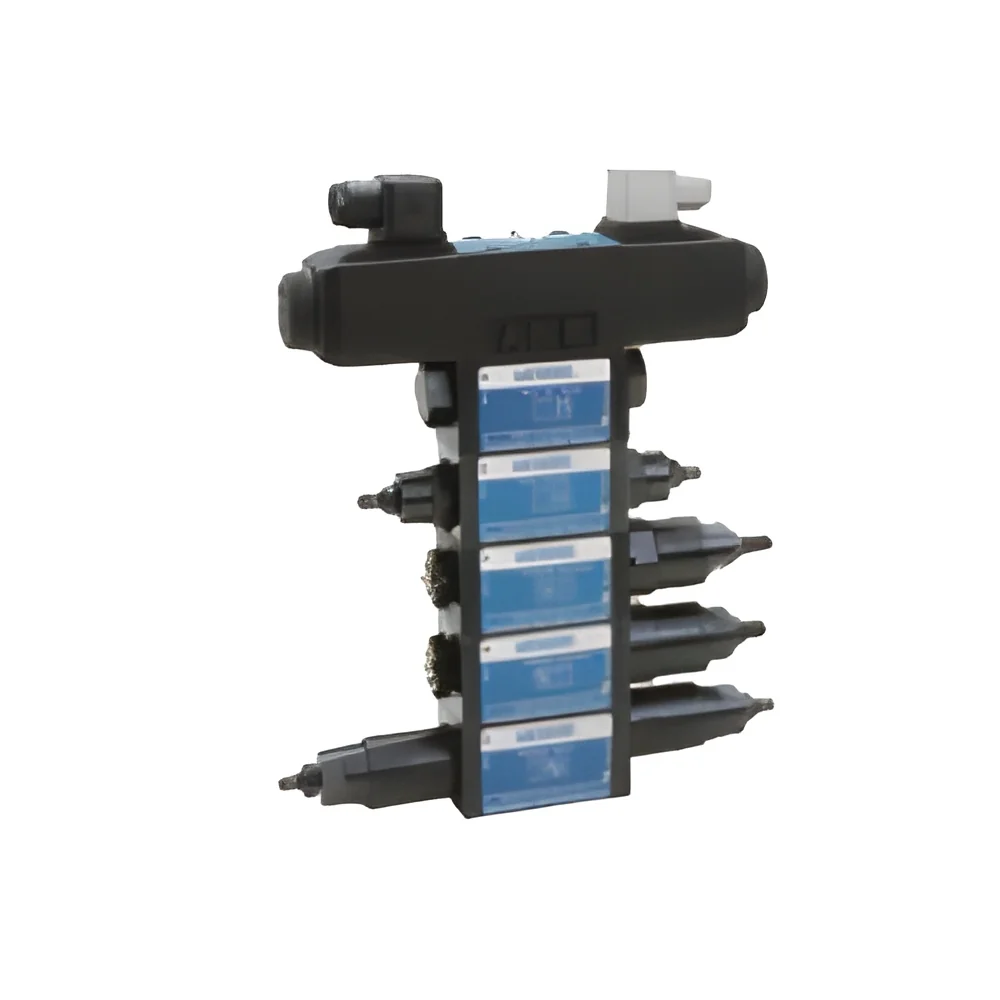
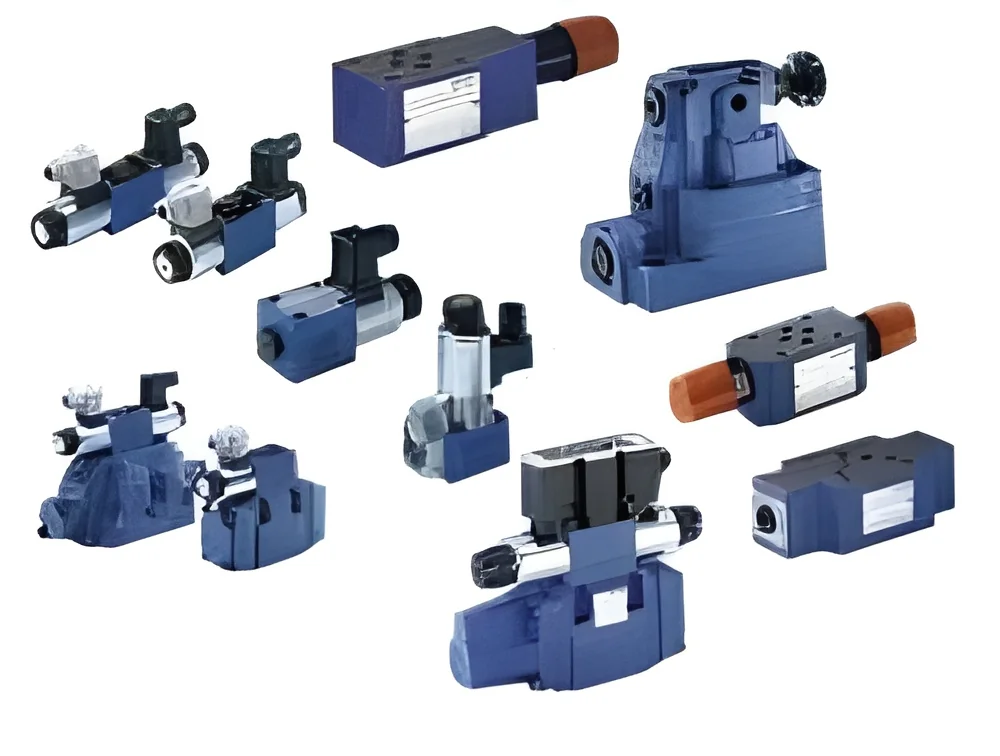
Valves
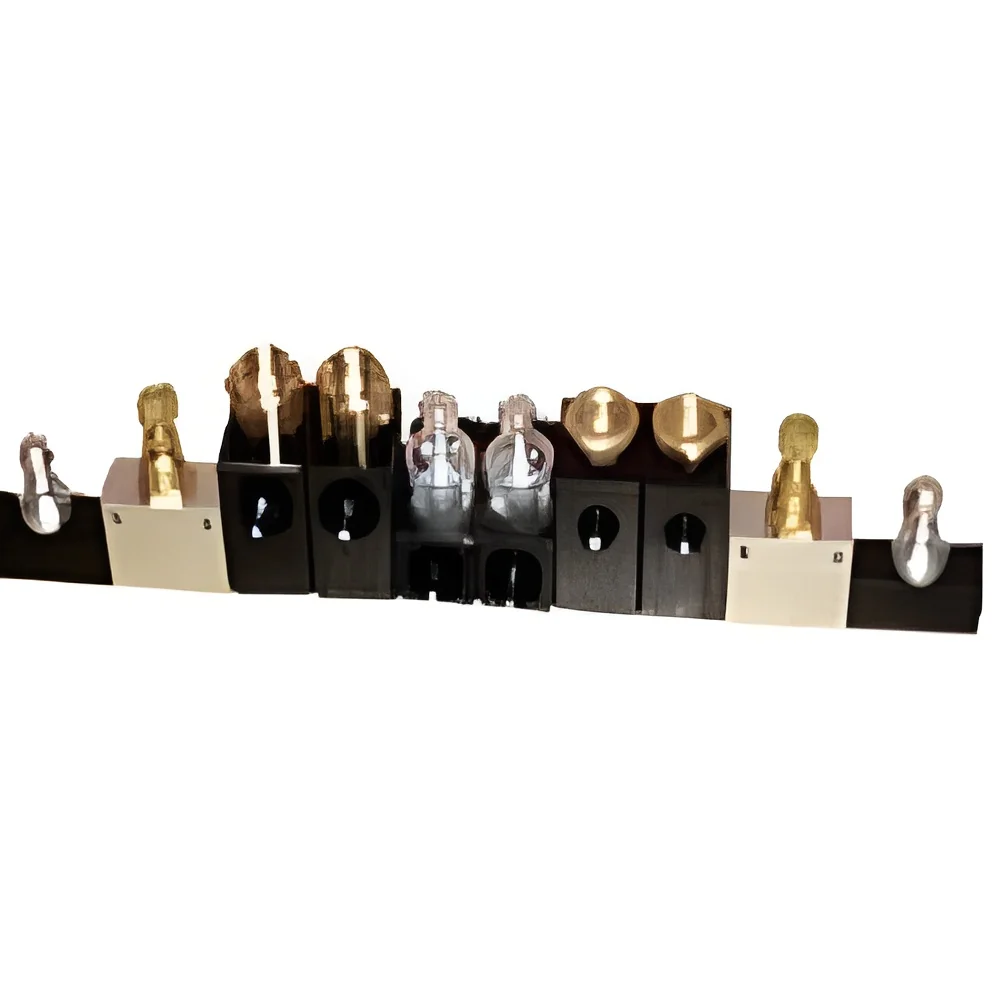
Hydraulic valves control the flow and pressure of hydraulic fluid within the system. They can be manual or automatic, providing versatility in operation.
Couplings
Couplings are used to connect hoses or pipes, allowing for quick and easy disconnection when necessary. They are essential for maintenance and repairs.
Benefits and Advantages
Choosing hydraulic accessories and kits offers several advantages that enhance operational efficiency.
1. Enhanced Performance: High-quality accessories improve the performance of hydraulic systems, leading to increased productivity.
2. Reduced Downtime: Reliable components minimize the risk of breakdowns, ensuring that operations run smoothly without interruptions.
3. Cost Efficiency: Investing in quality hydraulic accessories can lead to long-term savings by reducing maintenance costs and equipment failures.
4. Improved Safety: Certified products comply with safety standards, reducing the risk of accidents in the workplace.
5. Versatility: A wide range of accessories allows for customization based on specific operational needs, enhancing system capabilities.
6. Easy Maintenance: Components designed for quick installation and removal simplify maintenance tasks, saving time and resources.
Buying Guide for B2B Buyers
When sourcing hydraulic accessories and kits, it is crucial for B2B buyers to consider several key factors to ensure they make informed decisions.
1. Quality Assessment: Evaluate the quality of materials and construction to ensure longevity and reliability in demanding environments.
2. Supplier Verification: Vet suppliers for their reputation and track record in providing quality hydraulic products. Look for reviews and testimonials from previous clients.
3. Pricing and MOQ: Consider the price range and minimum order quantities to align with budget constraints while ensuring sufficient stock levels.
4. Delivery and Lead Times: Assess logistics and delivery schedules to prevent delays in operations. Timely access to components is critical for maintaining productivity.
5. Compliance Requirements: Understand relevant regulatory requirements and ensure that the products meet necessary compliance standards.
Compliance and Certifications
Hydraulic accessories and kits must adhere to several important quality standards and certifications to ensure safety and reliability.
ISO 9001 is a widely recognized standard that ensures quality management systems are in place, demonstrating a commitment to quality control in production.
Additionally, certifications such as UL and CE indicate that products meet specific safety and performance requirements, offering assurance to buyers regarding their reliability.
Safety testing is crucial to verify that hydraulic accessories can withstand the demands of high-pressure environments. Ensuring compliance with these standards helps mitigate risks associated with hydraulic system failures.
Regional considerations may also affect compliance, as different regions may have specific regulations governing hydraulic components. It is essential for buyers to stay informed about these requirements to ensure full compliance.
Why Source Hydraulic Accessories & Kits from Pepagora?
Pepagora is a trusted platform for sourcing hydraulic accessories and kits, offering numerous advantages to B2B buyers.
The verified supplier network ensures that buyers connect with reputable manufacturers who adhere to quality standards. This verification process reduces the risk of sourcing inferior products.
The streamlined RFQ process simplifies the quotation and procurement process, allowing buyers to receive competitive offers efficiently. This system enhances transparency and facilitates better negotiation.
Trade assurance and support provide additional buyer protection, ensuring transactions are secure and that buyers receive the products as specified.
With regional coverage extending across India, the GCC, and Southeast Asia, Pepagora enables businesses to access quality hydraulic accessories and kits tailored to their operational needs. The platform connects buyers with suppliers across diverse geographical areas, ensuring that they have access to the components they need, wherever they are.

 IN
IN