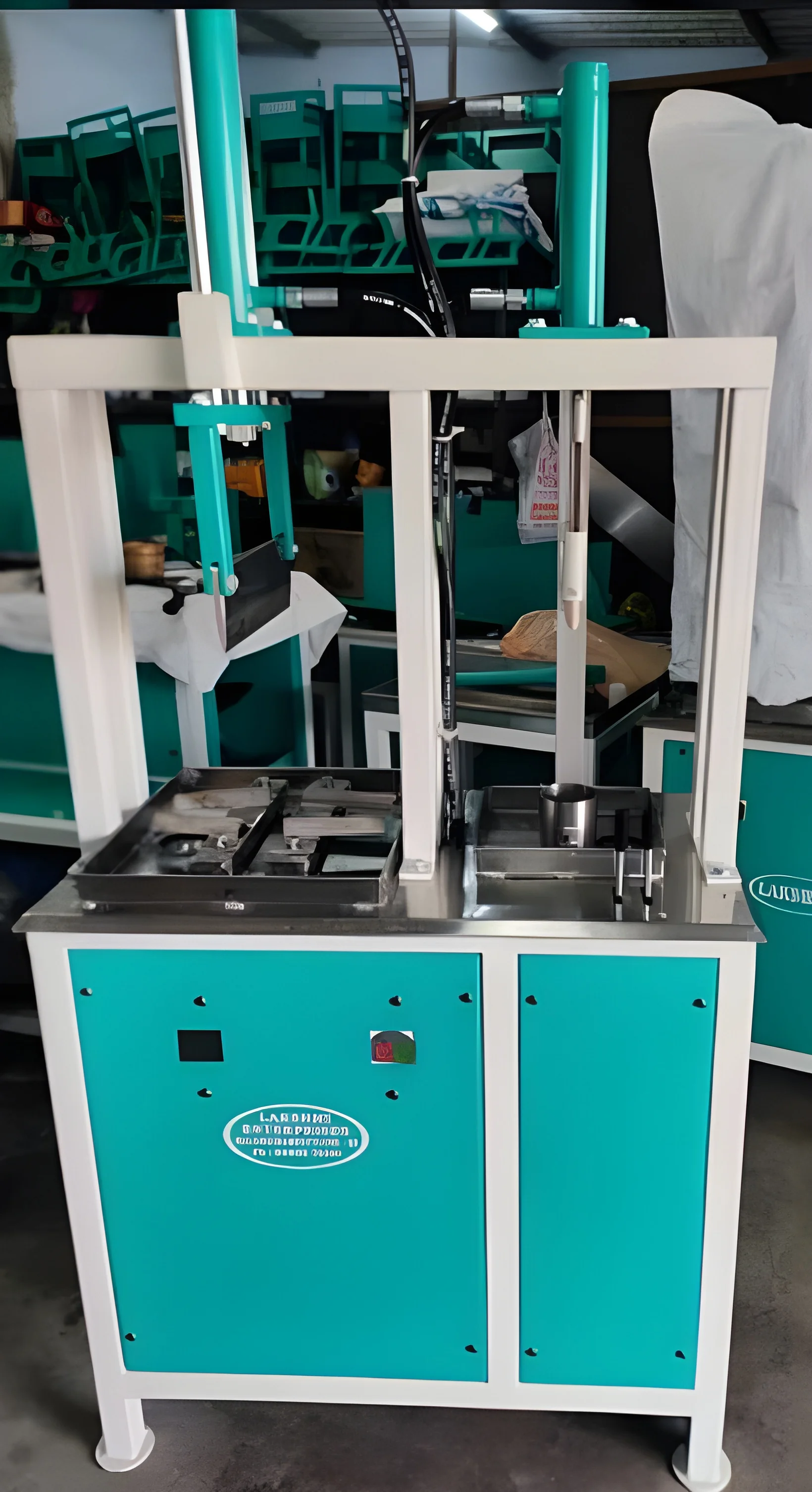
What are Hydraulic Cutters?
Hydraulic cutters are powerful tools designed for cutting through various materials using hydraulic pressure. They operate by utilizing a hydraulic mechanism that generates a significant amount of force, allowing for precision cutting in tough environments. Hydraulic cutters are equipped with sharp blades that can slice through metal, concrete, and other rigid materials, making them essential in various industrial applications.
These tools are primarily used in construction, demolition, and manufacturing industries. In construction, hydraulic cutters are employed to cut rebar, structural steel, and other materials during the building process. In demolition, they facilitate the dismantling of structures by effectively cutting through concrete and metal components. Their ability to handle different materials makes them invaluable in recycling operations and maintenance tasks as well.
The market for hydraulic cutters is growing as industries seek more efficient and effective tools for their operations. The demand for advanced cutting solutions is driven by the need for improved safety, higher productivity, and the ability to work in confined spaces. Hydraulic cutters are increasingly relevant in sectors that prioritize speed and efficiency in their projects.
Key Features and Specifications
Hydraulic cutters come with several key features that enhance their performance and functionality. Understanding these specifications is crucial for selecting the right model for specific applications.
Key specifications include:
1. Cutting Force
- Typically ranges from 10 to 200 tons.
- Determines the maximum thickness of material that can be cut.
2. Blade Length
- Common lengths range from 12 inches to 36 inches.
- Affects the size of the material that can be processed.
3. Operating Pressure
- Usually operates between 700 to 1,500 bar.
- Higher pressures allow for cutting denser materials.
4. Weight
- Generally weighs between 20 to 100 pounds.
- Heavier models may offer increased stability and cutting power.
5. Power Source
- Available in electric or hydraulic-powered options.
- Choice depends on the application and available resources.
6. Safety Features
- Includes automatic shut-off and emergency stop functions.
- Ensures safe operation in hazardous environments.
7. Portability
- Some models are designed for easy transport.
- Essential for fieldwork or jobs requiring mobility.
8. Durability
- Constructed with high-strength materials for long-lasting use.
- Resistance to wear and tear is crucial in harsh conditions.
In summary, understanding these features and specifications is essential for selecting hydraulic cutters that meet specific operational needs.
Common Applications and Use Cases
Hydraulic cutters serve various industries, each with unique applications that highlight their versatility.
1. Construction: Hydraulic cutters are used to cut through rebar and steel beams during the construction of buildings. Their ability to handle tough materials streamlines the construction process and enhances safety.
2. Demolition: In demolition projects, these cutters efficiently slice through concrete and metal structures, allowing for controlled dismantling of buildings.
3. Recycling: Hydraulic cutters play a vital role in recycling operations by cutting scrap metal and other materials into manageable sizes for processing.
4. Automotive: In the automotive industry, hydraulic cutters are used for dismantling vehicles, allowing for quick access to valuable components.
5. Oil and Gas: These cutters are employed to sever pipes and other materials in oil and gas operations, facilitating maintenance and repairs.
6. Marine: Hydraulic cutters are utilized in shipbuilding and maintenance, effectively cutting through metal parts for repairs or modifications.
7. Electrical: In the electrical sector, hydraulic cutters are helpful for cutting cables and wires, ensuring precise and safe operations.
Product Variants and Subcategories
Hydraulic cutters come in different variants to cater to diverse needs and applications. Each variant is designed with specific features that enhance functionality.
Portable Hydraulic Cutters
These models are lightweight and easy to transport, making them ideal for fieldwork. They are versatile and can handle various materials, ensuring efficiency in different environments.
Stationary Hydraulic Cutters
Designed for fixed installations, these cutters offer high cutting power and are typically used in workshops or factories. They provide stability and efficiency for high-volume cutting tasks.
Heavy-Duty Hydraulic Cutters
These variants are built for extreme applications, capable of cutting through very thick materials. They are often used in demolition and heavy industrial tasks, providing the strength required for challenging jobs.
Battery-Powered Hydraulic Cutters
These cutters offer the convenience of being cordless, making them suitable for remote locations where power sources are unavailable. They combine mobility with the efficiency of hydraulic cutting.
Benefits and Advantages
Hydraulic cutters provide numerous benefits that make them a preferred choice in various industries.
1. Increased Efficiency: These tools operate quickly, reducing cutting time and increasing overall productivity on job sites.
2. Precision Cutting: Hydraulic cutters deliver precise cuts, which improves the quality of work and minimizes material wastage.
3. Enhanced Safety: Equipped with safety features, hydraulic cutters reduce the risk of accidents during operation, making them safer than manual cutting tools.
4. Versatility: They can cut through a wide range of materials, from metal to concrete, making them suitable for a variety of applications.
5. Low Maintenance: Hydraulic cutters require minimal maintenance, which helps in reducing downtime and operational costs.
6. Ergonomic Design: Many models are designed with user comfort in mind, reducing fatigue during extended use.
Buying Guide for B2B Buyers
When sourcing hydraulic cutters, it is crucial for B2B buyers to consider several factors to ensure they select the right equipment for their needs.
1. Quality Assessment: Evaluate the build quality and performance specifications to ensure the product meets industry standards. Look for models with proven reliability and durability.
2. Supplier Verification: Vet suppliers to ensure they have a solid reputation. Check for reviews and testimonials from other businesses that have purchased similar equipment.
3. Pricing and MOQ: Understand the pricing structures and minimum order quantities. This will help in budgeting and ensuring that the investment aligns with your operational needs.
4. Delivery and Lead Times: Inquire about delivery schedules and lead times. Timely delivery is essential to avoid delays in projects.
5. Compliance Requirements: Ensure that the hydraulic cutters meet local and international compliance standards. This includes safety certifications and quality benchmarks.
Compliance and Certifications
Hydraulic cutters must adhere to various compliance and certification standards to ensure safety and quality in operation.
Relevant quality standards include ISO 9001, which focuses on quality management systems, ensuring that products are consistently produced to meet customer and regulatory requirements.
Industry certifications such as UL and CE signify that the hydraulic cutters meet specific safety and performance standards. These certifications are crucial for gaining trust in the market and ensuring the equipment's reliability.
Safety and testing requirements are also paramount. Hydraulic cutters undergo rigorous testing to ensure they can withstand operational stresses and provide safe performance in demanding environments.
Regional compliance considerations may vary, so it is essential for buyers to be aware of local regulations and standards that may apply to hydraulic cutters in their area.
Why Source Hydraulic Cutters from Pepagora?
Pepagora provides a trusted platform for sourcing hydraulic cutters with several key advantages.
Verified Supplier Network: Pepagora has established a network of verified suppliers, ensuring that buyers can connect with reputable manufacturers and distributors. This reduces the risks associated with sourcing equipment from unknown suppliers.
Streamlined RFQ Process: The Request for Quotation (RFQ) process is efficient and user-friendly, allowing buyers to quickly obtain quotes from multiple suppliers. This speeds up the procurement process and helps in making informed decisions.
Trade Assurance and Support: Buyers benefit from trade assurance programs that protect their purchases. Pepagora offers support throughout the buying process, ensuring that any issues are addressed promptly.
Regional Coverage: With a strong presence in India, the GCC, and Southeast Asia, Pepagora provides extensive geographic reach. Buyers can access a wide range of hydraulic cutters tailored to their regional needs, enhancing their operational capabilities.

 IN
IN