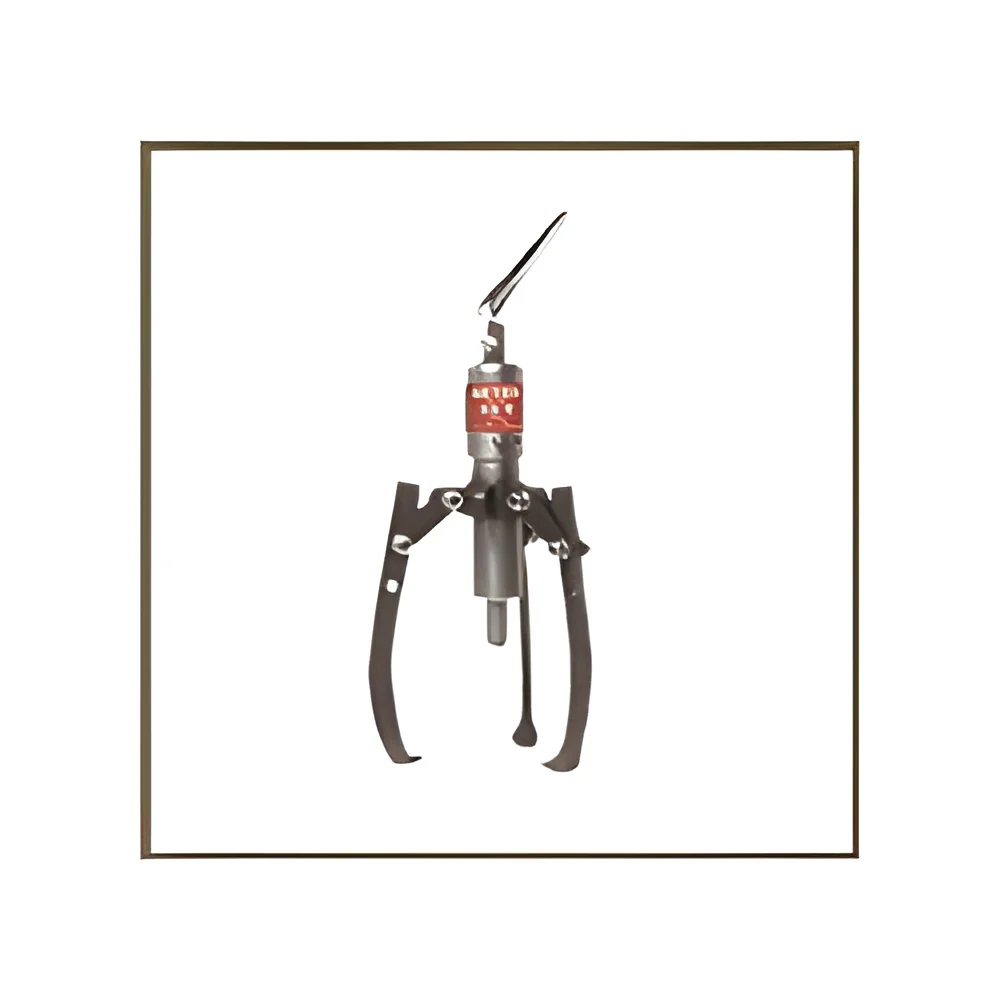
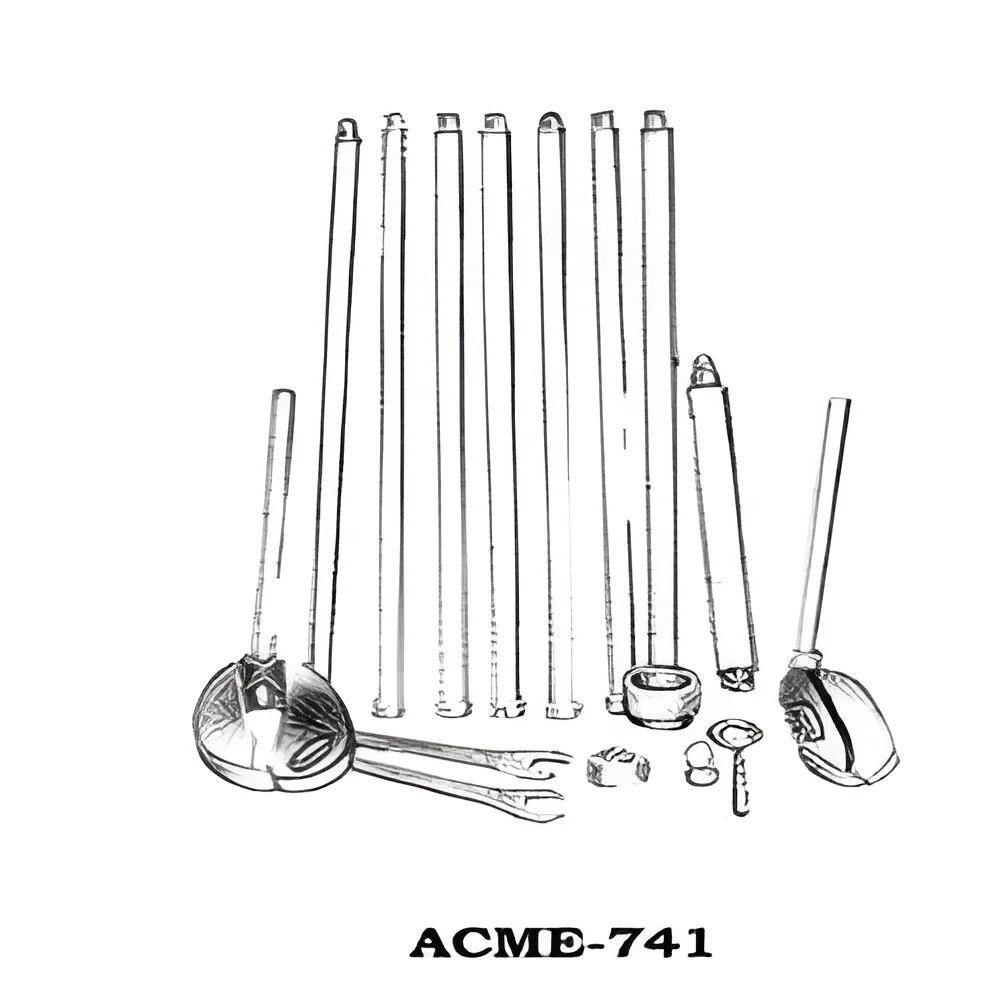
What are Hydraulic Bearing Pullers?
Hydraulic bearing pullers are specialized tools designed to remove bearings from shafts or housings with minimal effort and maximum precision. These tools utilize hydraulic pressure to generate the force needed to extract bearings without damaging the surrounding components. This makes them essential in maintenance and repair operations across various industries.
The primary uses of hydraulic bearing pullers include automotive repair, machinery maintenance, and industrial applications. They are particularly valuable in settings where bearings are tightly fitted and conventional pullers may be ineffective. The ability to apply controlled force reduces the risk of damaging both the bearings and the equipment they are attached to. As such, hydraulic bearing pullers are crucial for improving operational efficiency and ensuring the longevity of machinery.
In today’s market, hydraulic bearing pullers are relevant across multiple sectors, including automotive, manufacturing, and heavy industry. The increasing complexity of machinery and the need for precise maintenance solutions have led to a growing demand for these tools. Companies are investing in high-quality hydraulic bearing pullers to enhance their maintenance capabilities and reduce downtime.
Key Features and Specifications
Hydraulic bearing pullers come with a variety of features that enhance their performance and usability. Understanding these specifications is crucial for selecting the right tool for specific applications.
Key specifications include:
1. Pulling Capacity
- The maximum force the puller can exert, typically ranging from 5 to 50 tons.
- Important for determining suitability for different bearing sizes.
2. Jaw Configuration
- Available in two or three-jaw designs to accommodate various bearing shapes.
- Three-jaw pullers provide better grip on irregularly shaped bearings.
3. Hydraulic Cylinder Stroke
- The distance the hydraulic cylinder can extend, usually between 5 to 10 inches.
- A longer stroke allows for easier extraction of deep-seated bearings.
4. Material Construction
- Commonly made from high-strength steel or alloy materials for durability.
- Ensures longevity and resistance to wear and tear.
5. Weight
- Weights vary based on size and design, typically ranging from 5 to 30 pounds.
- The weight affects portability and ease of handling.
6. Safety Features
- Equipped with safety locks and pressure relief valves to prevent accidents.
- Essential for safe operation under high pressure.
7. Compatibility
- Designed to work with various bearing sizes and types, including roller and ball bearings.
- Versatility increases usability across different applications.
In summary, understanding the features and specifications of hydraulic bearing pullers is essential for making an informed purchasing decision. The right tool can significantly enhance maintenance efficiency and effectiveness.
Common Applications and Use Cases
Hydraulic bearing pullers are utilized in a wide array of industries, demonstrating their versatility and importance.
1. Automotive Industry: In automotive repair, hydraulic bearing pullers are essential for removing wheel bearings, crankshaft bearings, and other components without damaging the vehicle.
2. Manufacturing: In manufacturing settings, these pullers are used for the maintenance of machinery, ensuring that production lines operate smoothly by facilitating quick bearing replacements.
3. Aerospace: The aerospace industry relies on hydraulic bearing pullers for the precise maintenance of aircraft components, where safety and precision are paramount.
4. Marine: In marine applications, hydraulic bearing pullers help maintain engines and other critical components, ensuring reliability in harsh environments.
5. Construction: Construction equipment often requires regular maintenance, and hydraulic bearing pullers make it easier to service heavy machinery.
6. Railways: In the railway sector, these tools are vital for the maintenance of trains and tracks, allowing for efficient bearing replacements.
7. Power Generation: In power plants, hydraulic bearing pullers are used to maintain turbines and generators, ensuring consistent energy production.
Product Variants and Subcategories
Hydraulic bearing pullers come in various variants tailored for specific needs.
Standard Hydraulic Pullers
These are the most common type, offering essential functionality for general bearing removal tasks. They are versatile and suitable for a range of applications, making them a staple in many workshops.
Heavy-Duty Hydraulic Pullers
Designed for industrial applications, these pullers can handle larger, more robust bearings. They are built to withstand extreme conditions and provide enhanced durability.
Compact Hydraulic Pullers
Ideal for tight spaces, compact hydraulic pullers deliver powerful performance in a smaller footprint. They are perfect for automotive work and machinery with limited access.
Benefits and Advantages
Using hydraulic bearing pullers offers numerous advantages that enhance operational efficiency.
1. Increased Efficiency: Hydraulic pullers reduce the time and effort required to remove bearings, minimizing downtime in maintenance operations.
2. Reduced Risk of Damage: The controlled hydraulic force minimizes the chance of damaging bearings or surrounding equipment during removal.
3. Versatility: These tools can be used across various industries and applications, making them a valuable addition to any maintenance toolkit.
4. Enhanced Safety: Equipped with safety features, hydraulic pullers ensure safer operations compared to manual pullers.
5. Easy Operation: The user-friendly design allows for simple setup and operation, making them accessible for technicians of all skill levels.
6. Cost-Effectiveness: Investing in a hydraulic bearing puller can lead to long-term savings by reducing repair costs and prolonging equipment life.
Buying Guide for B2B Buyers
When sourcing hydraulic bearing pullers, it is essential to consider several key factors to ensure you select the right tool for your needs.
1. Quality Assessment: Look for hydraulic bearing pullers that meet high-quality standards. Consider factors such as material construction and user reviews to gauge reliability.
2. Supplier Verification: Vet potential suppliers by checking their credentials, industry experience, and customer feedback. A reputable supplier will offer quality products and reliable service.
3. Pricing and MOQ: Understand the pricing structure and minimum order quantities (MOQ) required by suppliers. This can impact your overall purchasing strategy and budget.
4. Delivery and Lead Times: Inquire about delivery schedules and lead times. Timely delivery is crucial for maintaining operational efficiency and reducing downtime.
5. Compliance Requirements: Ensure that the hydraulic bearing pullers comply with relevant industry standards and regulations. This is essential for maintaining safety and operational integrity.
Compliance and Certifications
Hydraulic bearing pullers must adhere to various compliance and certification standards to ensure safety and reliability in their use. Key quality standards include ISO 9001, which focuses on quality management systems, ensuring that manufacturers consistently produce high-quality products.
Additionally, industry certifications such as UL and CE indicate that the products meet specific safety and performance criteria. These certifications provide assurance to buyers that the tools have been rigorously tested and are safe for use.
Safety and testing requirements often mandate that hydraulic equipment undergo rigorous evaluation to meet operational standards. Regional compliance considerations may vary, so it is crucial for buyers to confirm that their chosen products meet local regulations.
Why Source Hydraulic Bearing Pullers from Pepagora?
Pepagora offers a trusted platform for sourcing hydraulic bearing pullers, providing several key advantages for buyers.
Verified Supplier Network: Pepagora ensures that all suppliers are thoroughly vetted, guaranteeing that you are working with reputable manufacturers and distributors. This reduces the risk of subpar products and enhances your purchasing experience.
Streamlined RFQ Process: The request for quotation (RFQ) process at Pepagora is designed to be efficient and straightforward. Buyers can quickly obtain multiple quotes, allowing for informed decision-making based on pricing and availability.
Trade Assurance and Support: Pepagora provides trade assurance, offering buyer protection that ensures you receive the products as described. Their dedicated support team assists buyers throughout the purchasing process, addressing any concerns or questions.
Regional Coverage: With a vast network that spans India, the GCC, and Southeast Asia, Pepagora can connect buyers with suppliers that meet their specific regional needs. This broad coverage enhances access to quality hydraulic bearing pullers tailored for various industrial applications.

 IN
IN