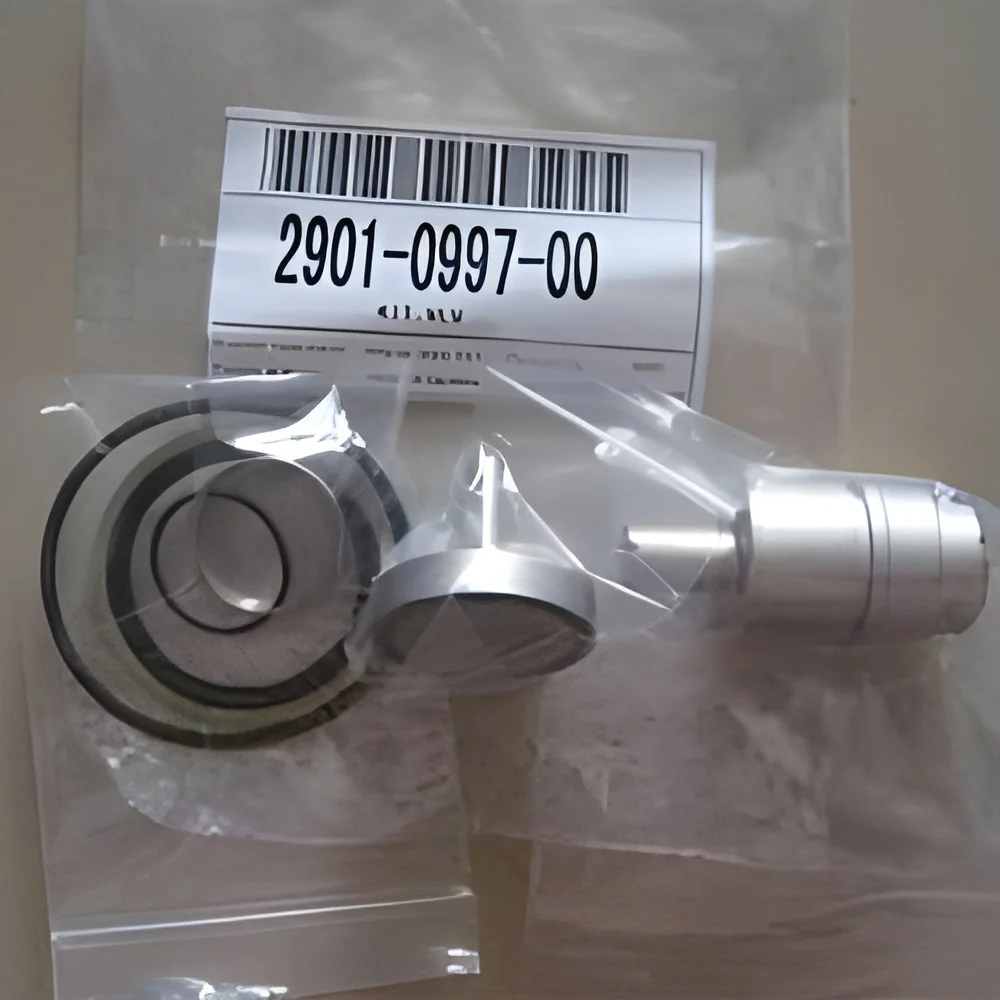
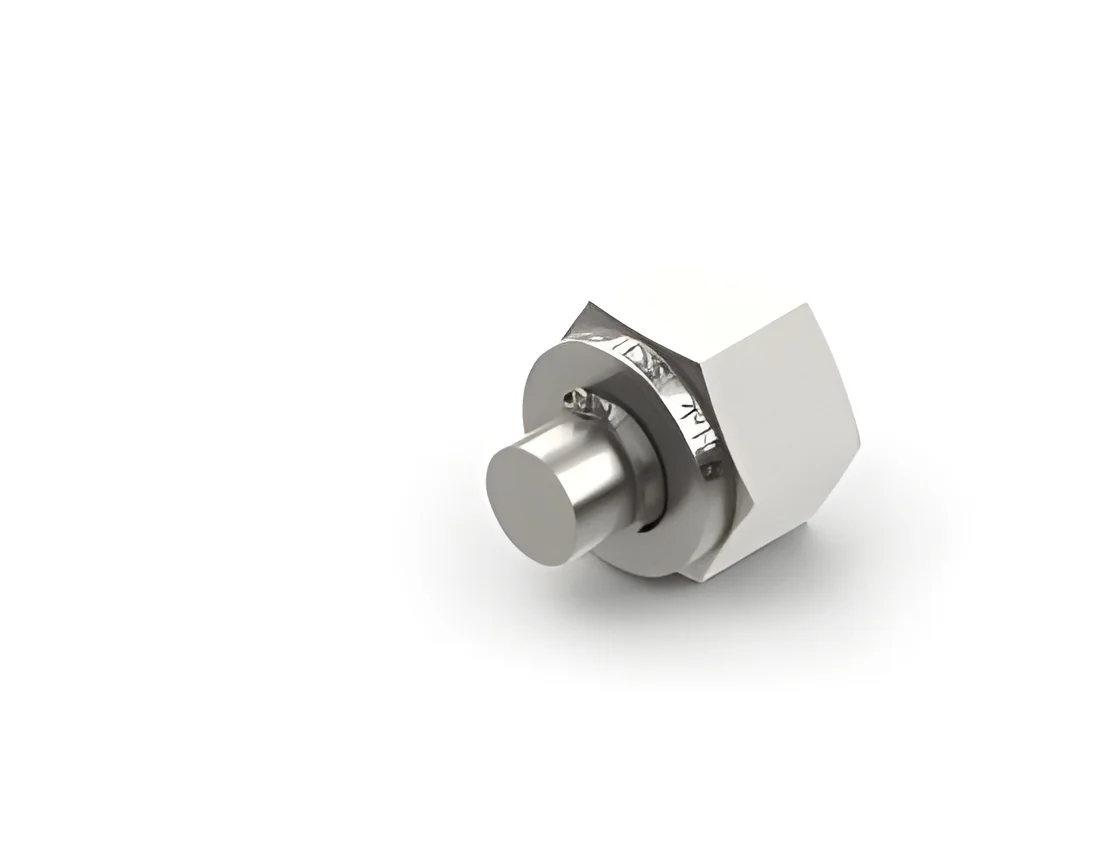
What are Hydraulic Maintenance Tools?
Hydraulic maintenance tools are specialized instruments designed to assist in the maintenance and repair of hydraulic systems. These tools utilize hydraulic power to perform tasks such as lifting, pressing, and moving heavy components with precision and ease. They are essential for ensuring the optimal functioning of hydraulic machinery, which is commonly used in various industrial applications.
These tools serve a vital role in industries such as manufacturing, automotive, construction, and aerospace. They are employed to maintain and troubleshoot hydraulic systems, ensuring that equipment operates efficiently and safely. Businesses rely on hydraulic maintenance tools to minimize downtime and prolong the life of their hydraulic systems, making them a critical investment for any operation that utilizes hydraulic technology.
In the current market, the demand for hydraulic maintenance tools is steadily increasing. As industries continue to advance technologically, the need for reliable and efficient maintenance solutions becomes more pronounced. This creates a robust environment for suppliers and manufacturers of hydraulic maintenance tools, as businesses seek to enhance their operational capabilities and ensure compliance with industry standards.
Key Features and Specifications
Hydraulic maintenance tools come equipped with various features that enhance their usability and effectiveness. Understanding these specifications is crucial for businesses looking to invest in high-quality tools.
Key specifications include:
1. Pressure Rating
- Maximum operating pressure is typically measured in psi or bar.
- Common ranges include 1,500 psi to 10,000 psi, depending on the tool type.
2. Tool Weight
- Weight affects portability and ease of use.
- Typical weights range from 5 lbs to over 50 lbs, based on the tool's design and purpose.
3. Material Construction
- Durable materials such as steel and aluminum are commonly used for longevity.
- Corrosion-resistant finishes are often applied for enhanced durability.
4. Operating Temperature Range
- Tools are designed to function optimally within specific temperature limits.
- Common operating ranges are between -20°C to 50°C.
5. Hose Length
- Varies according to the tool's application.
- Standard lengths typically range from 3 feet to 10 feet.
6. Connection Type
- Tools may feature different connection types such as quick-connect or threaded fittings.
- Compatibility with hydraulic systems is essential for effective operation.
7. Safety Features
- Includes pressure relief valves and overload protection mechanisms.
- Ensures safe operation during high-pressure tasks.
8. Portability Options
- Some tools come with wheels or handles for easier mobility.
- Lightweight designs facilitate transportation between job sites.
In summary, understanding the key features and specifications of hydraulic maintenance tools helps businesses select the right equipment tailored to their specific needs.
Common Applications and Use Cases
Hydraulic maintenance tools are versatile and find applications across various industries.
1. Automotive: Used for lifting vehicles during maintenance, performing repairs on hydraulic brakes, and servicing hydraulic lifts.
2. Construction: Essential for operating hydraulic excavators, lifting heavy materials, and maintaining construction equipment.
3. Aerospace: Employed in the maintenance of hydraulic systems in aircraft, including landing gear and control surfaces.
4. Manufacturing: Used in assembly lines for clamping, pressing, and lifting heavy components during production processes.
5. Marine: Vital for servicing hydraulic systems on ships, including steering systems and cargo handling equipment.
6. Oil and Gas: Used for maintenance of drilling equipment and hydraulic fracturing systems.
7. Agriculture: Employed for servicing hydraulic tractors and equipment, ensuring efficient operation in farming tasks.
Product Variants and Subcategories
Hydraulic maintenance tools come in various forms, catering to different applications and industry needs.
Hydraulic Jacks
Hydraulic jacks are commonly used for lifting heavy loads. They are ideal for automotive repairs and maintenance, allowing mechanics to lift vehicles safely for inspection and repairs.
Hydraulic Pumps
These devices are used to generate the hydraulic pressure needed for various tasks. They are essential for operating hydraulic cylinders and tools, making them crucial in construction and manufacturing industries.
Hydraulic Cylinders
Hydraulic cylinders convert hydraulic energy into linear motion. They are widely used in machinery for pushing, pulling, and lifting applications.
Hydraulic Torque Wrenches
These specialized wrenches provide precise torque when tightening or loosening bolts. They are particularly useful in industrial settings where accurate fastening is critical.
Benefits and Advantages
Investing in hydraulic maintenance tools provides numerous advantages to businesses.
1. Increased Efficiency: Hydraulic tools streamline maintenance tasks, allowing for quicker repairs and reduced downtime.
2. Enhanced Precision: These tools offer greater control and accuracy, minimizing the risk of damage to components during maintenance.
3. Improved Safety: Hydraulic maintenance tools are designed with safety features that protect operators from high-pressure hazards.
4. Longevity of Equipment: Regular maintenance using hydraulic tools can extend the lifespan of hydraulic systems, reducing the need for costly replacements.
5. Versatility: Hydraulic maintenance tools can be used across multiple industries, making them a valuable asset for diverse operations.
6. Cost-Effectiveness: Although the initial investment may be significant, hydraulic tools can save money in the long run by reducing repair costs and downtime.
Buying Guide for B2B Buyers
When sourcing hydraulic maintenance tools, several key factors should be considered for an informed purchase.
1. Quality Assessment: Look for tools that meet industry standards and are constructed from durable materials. Quality tools contribute to safety and reliability.
2. Supplier Verification: Vet suppliers by checking their reputation, certifications, and customer reviews. A reliable supplier can provide support and ensure product availability.
3. Pricing and MOQ: Compare prices among suppliers and be aware of minimum order quantities. Understanding cost structures helps in budgeting and negotiating.
4. Delivery and Lead Times: Consider logistics, including shipping options and expected delivery times. Timely delivery is crucial for maintaining production schedules.
5. Compliance Requirements: Ensure that the tools meet regulatory standards specific to your industry. This includes certifications like UL and CE, which assure quality and safety.
Compliance and Certifications
Hydraulic maintenance tools must adhere to various compliance standards and certifications to ensure quality and safety.
Relevant quality standards include ISO 9001, which outlines criteria for quality management systems. This certification ensures that manufacturers maintain consistent quality in their products.
Industry certifications such as UL and CE signify that tools meet specific safety and performance requirements. These certifications are critical, particularly in industries where safety is paramount.
Safety and testing requirements also play a significant role in the compliance landscape. Tools must be tested for durability and safety under high-pressure conditions to mitigate risks during operation.
Additionally, regional compliance considerations vary and may require adherence to local regulations regarding hydraulic systems. It's essential for businesses to stay informed about these requirements to ensure their tools are compliant.
Why Source Hydraulic Maintenance Tools from Pepagora?
Pepagora is a trusted platform for sourcing hydraulic maintenance tools, offering several key advantages to businesses.
Verified Supplier Network: Pepagora ensures that all suppliers on its platform are verified, providing buyers with confidence in the quality and reliability of the products they purchase.
Streamlined RFQ Process: The request for quotation process is simplified, allowing buyers to quickly obtain quotes from multiple suppliers, saving time and enhancing purchasing efficiency.
Trade Assurance and Support: Pepagora offers trade assurance, protecting buyers against risks associated with transactions. Their support team is available to assist with any inquiries or issues that may arise.
Regional Coverage: With a strong presence in India, the GCC, and Southeast Asia, Pepagora provides extensive geographic reach, ensuring that businesses can access hydraulic maintenance tools tailored to their regional needs.
By choosing Pepagora, buyers can leverage these advantages to make informed decisions and secure the best hydraulic maintenance tools for their operations.

 IN
IN