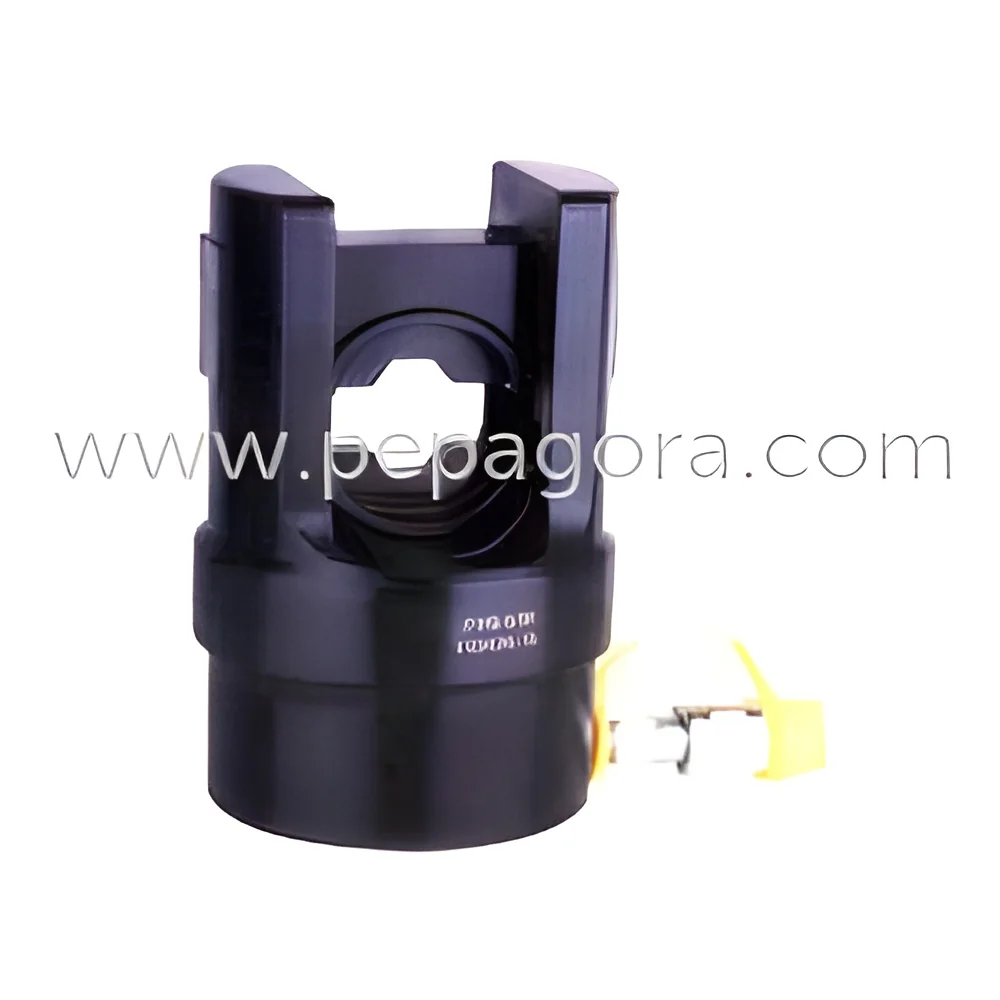
What are Hydraulic Crimping Tools?
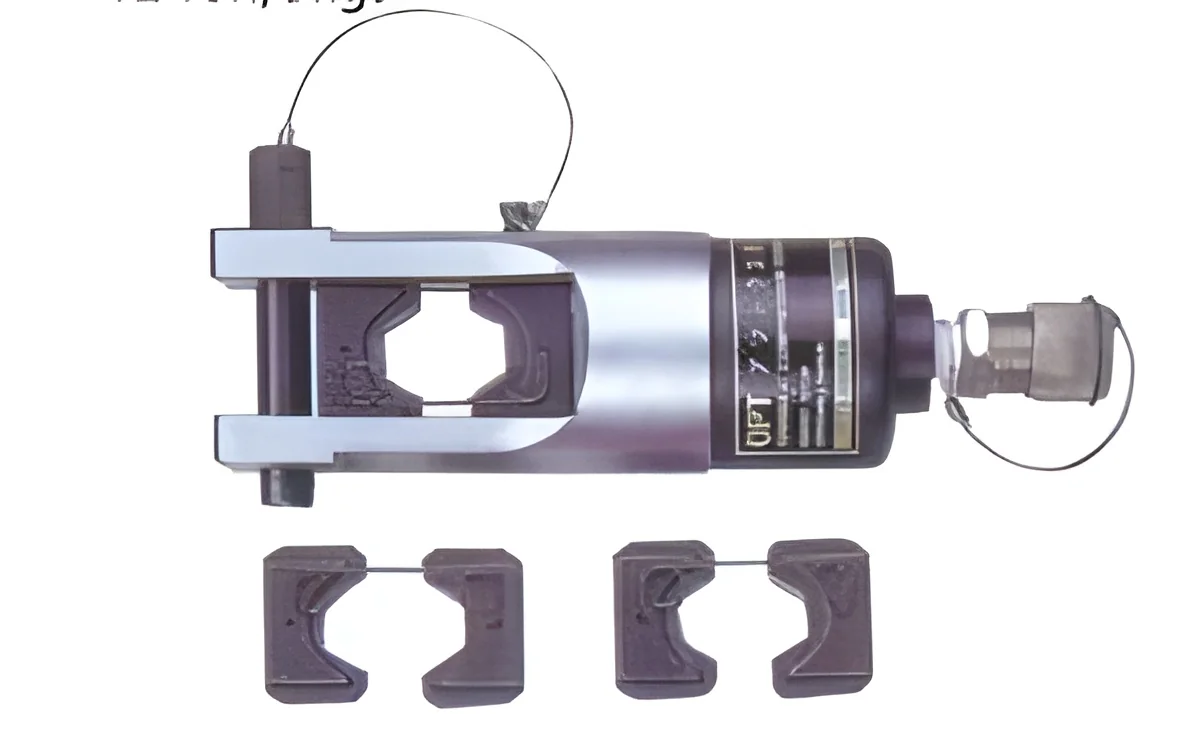
Hydraulic crimping tools are specialized devices used for joining two components together by deforming one or both of them. This process, known as crimping, utilizes hydraulic pressure to create a secure and permanent connection. These tools are essential in various applications where strong and reliable electrical connections are needed, such as in the assembly of cables and wires.
Primarily, hydraulic crimping tools are used in industries such as electrical, construction, and manufacturing. They are particularly effective in creating connections for high-voltage cables and heavy-duty wiring. The hydraulic mechanism allows for more forceful crimping compared to manual tools, resulting in more durable connections. As industries evolve, the demand for efficient and reliable hydraulic crimping tools has increased, making them a fundamental component in many manufacturing processes.
The growing emphasis on safety and efficiency in industrial operations drives the market for hydraulic crimping tools. With advancements in technology, these tools have become more sophisticated, featuring various specifications to meet the specific needs of different applications. As a result, they are relevant across multiple sectors, including telecommunications, automotive, and aerospace.
Key Features and Specifications
Hydraulic crimping tools come with numerous features that make them suitable for a variety of applications. Their specifications are critical in determining their effectiveness and efficiency. Below are some key specifications that buyers should consider when evaluating hydraulic crimping tools.
Key specifications include:
1. Crimping Capacity
- The maximum wire size that the tool can handle.
- Ranges typically from 10 AWG to 500 MCM depending on the model.
2. Hydraulic Pressure
- The pressure needed to achieve a proper crimp.
- Commonly ranges from 6,000 to 12,000 psi.
3. Tool Weight
- The weight of the tool can affect portability and ease of use.
- Generally varies between 5 to 20 pounds.
4. Battery Life (for cordless models)
- Duration the tool can operate on a single charge.
- Typically ranges from 30 minutes to 2 hours.
5. Material Construction
- The materials used in manufacturing the tool affect durability and performance.
- Often made from steel or high-strength aluminum.
6. Die Sets Included
- The number and types of crimping dies that come with the tool.
- Usually includes multiple dies for various sizes and applications.
7. Safety Features
- Built-in safety mechanisms to prevent accidental operation.
- Includes features like trigger locks and pressure release valves.
8. Warranty and Service
- Length and terms of warranty provided by the manufacturer.
- Usually ranges from 1 to 3 years.
In summary, understanding these key specifications will help buyers select the right hydraulic crimping tools that meet their specific needs and applications.
Common Applications and Use Cases
Hydraulic crimping tools are used across various industries, providing essential services in electrical connections and assembly.
1. Electrical Industry: These tools are widely used for crimping connectors on power cables, ensuring secure and reliable electrical connections in both commercial and residential applications.
2. Telecommunications: In this sector, hydraulic crimping tools are critical for connecting fiber optic cables and coaxial cables, which require precision and durability to maintain signal integrity.
3. Automotive: Hydraulic crimping tools play a vital role in the assembly of wiring harnesses, where multiple electrical connections must be made reliably for vehicle operation.
4. Aerospace: In the aerospace industry, these tools are used to create strong connections for various components, ensuring safety and performance in high-stakes environments.
5. Renewable Energy: Hydraulic crimping tools are essential in the installation of solar panels and wind turbines, where durable electrical connections are crucial for energy efficiency.
6. Marine: Used in the marine industry for crimping cables and connectors, ensuring they withstand harsh environmental conditions.
7. Construction: In construction, these tools are used for crimping electrical wiring in buildings, facilitating safe and efficient electrical installations.
Product Variants and Subcategories
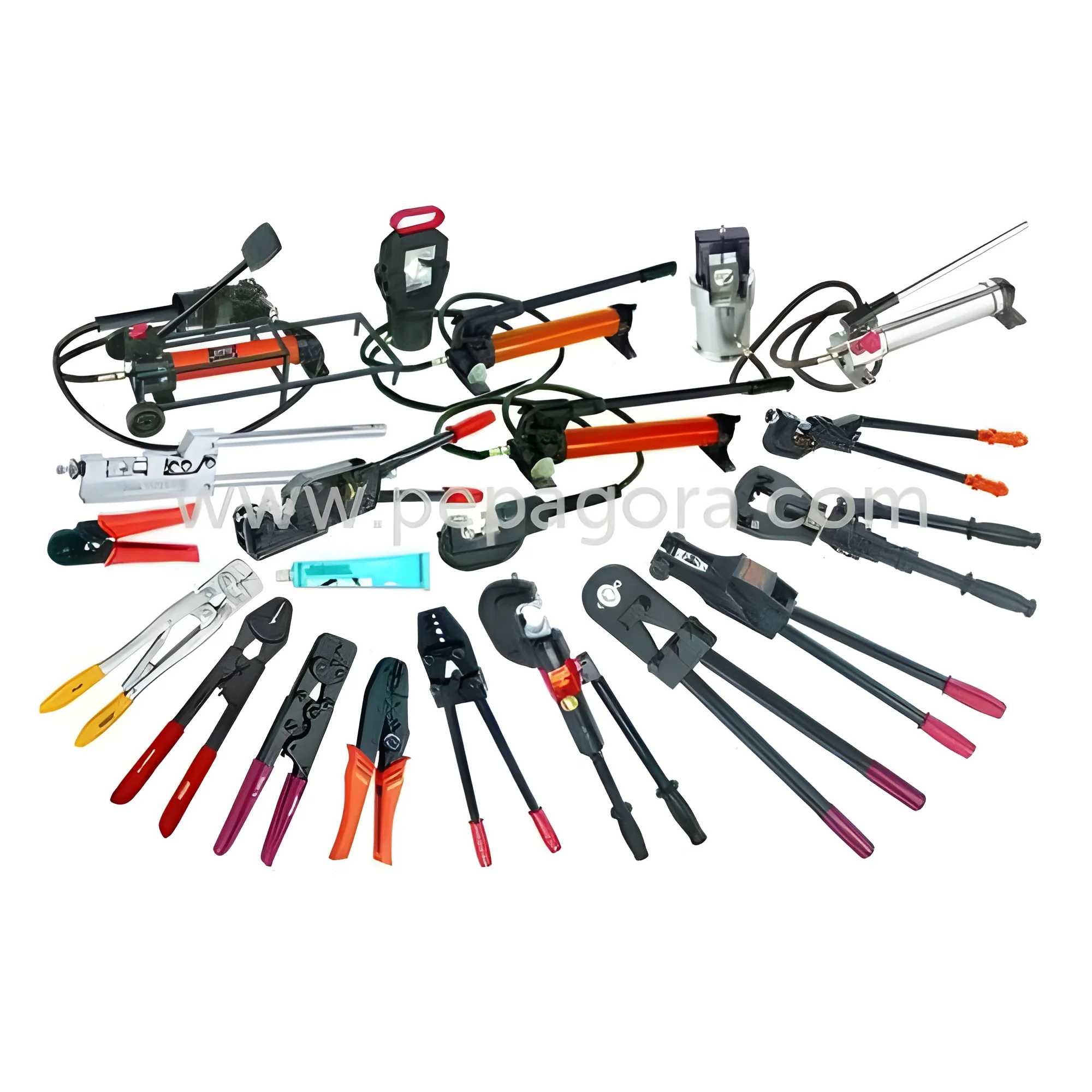
Hydraulic crimping tools come in various models designed to meet specific needs within different industries. This diversity allows businesses to choose the most appropriate tool for their applications.
Portable Hydraulic Crimping Tools: These are lightweight and battery-operated, ideal for fieldwork where mobility is crucial. They often provide the same crimping power as larger models while allowing for ease of transport.
Industrial Hydraulic Crimping Tools: Designed for high-volume production environments, these tools are typically heavier and more robust. They are suitable for continuous use in manufacturing settings, capable of handling larger wire sizes.
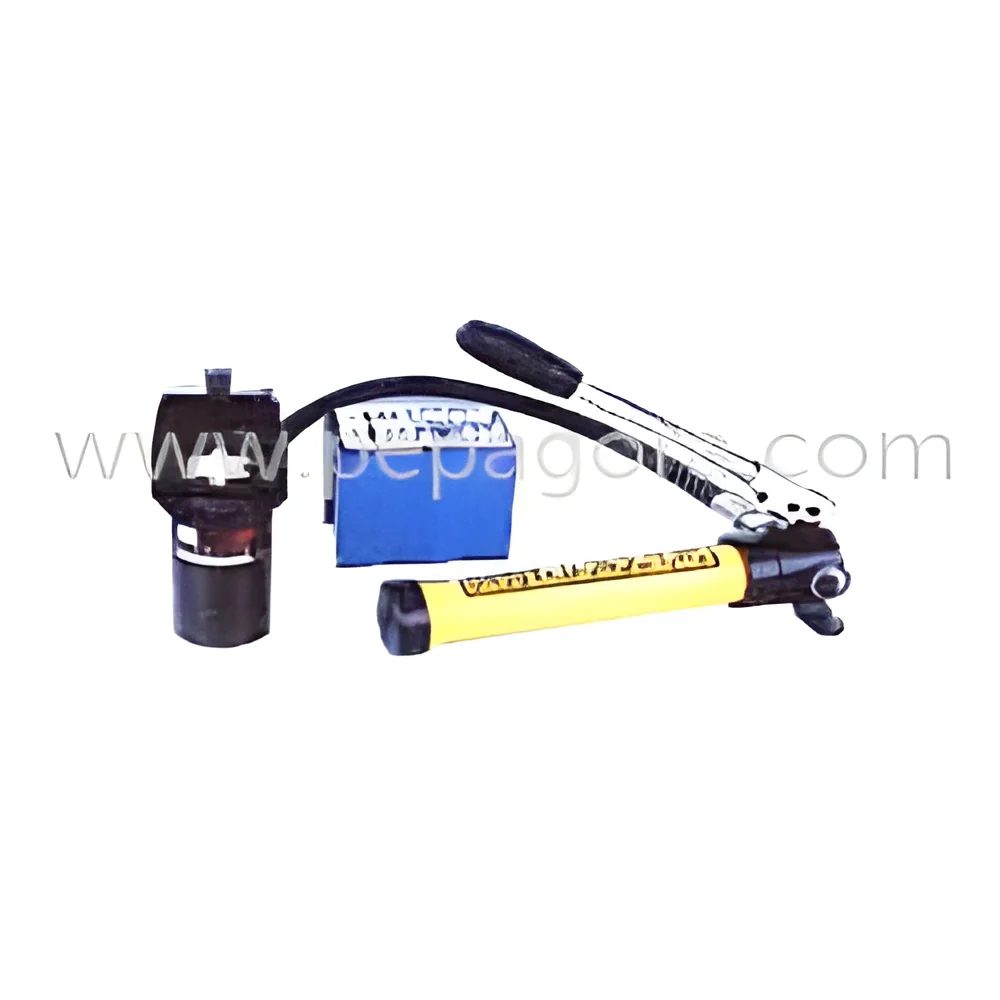
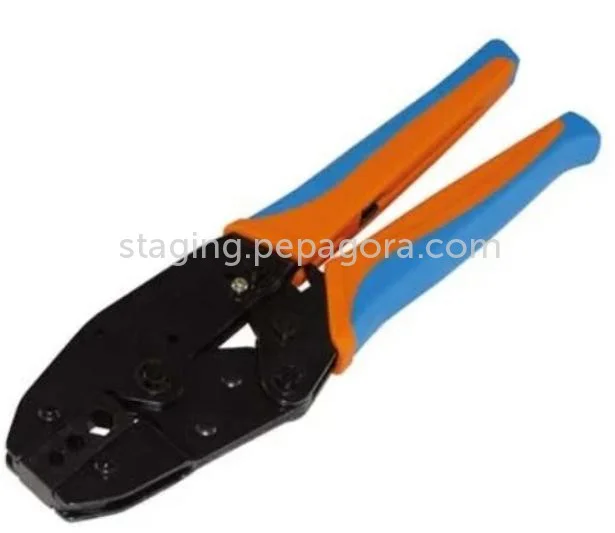
Manual Hydraulic Crimping Tools: These tools require manual operation but provide the advantage of being cost-effective and easy to use. They are ideal for smaller projects or less frequent use.
Benefits and Advantages
Hydraulic crimping tools offer numerous benefits that enhance the quality and efficiency of electrical connections.
1. Enhanced Reliability: These tools provide consistent and secure connections, reducing the risk of failures in electrical systems.
2. Increased Efficiency: The hydraulic mechanism allows for faster crimping, leading to increased productivity in manufacturing and assembly processes.
3. User-Friendly Operation: Many models are designed with intuitive controls, making them easier to operate, even for those with minimal training.
4. Versatility: Hydraulic crimping tools can be used for a wide range of applications, from small-scale projects to large industrial tasks.
5. Durability: Built from high-quality materials, these tools are designed to withstand demanding environments and provide long-lasting performance.
6. Safety Features: Many hydraulic crimping tools come equipped with safety mechanisms that protect users during operation, enhancing overall workplace safety.
Buying Guide for B2B Buyers
When sourcing hydraulic crimping tools, it is essential for B2B buyers to consider several factors to ensure they make informed decisions.
1. Quality Assessment: Buyers should evaluate the quality of the tools by reviewing manufacturer specifications, customer reviews, and compliance with industry standards.
2. Supplier Verification: It is crucial to vet suppliers by checking their credentials, customer feedback, and history of providing reliable products.
3. Pricing and MOQ: Understanding the pricing structure and minimum order quantities is vital for budgeting and ensuring the best value for money.
4. Delivery and Lead Times: Buyers should inquire about logistics, including delivery timelines and shipping costs, to plan their project schedules accordingly.
5. Compliance Requirements: Ensuring that the tools meet all relevant regulatory and safety standards is critical for legal and operational compliance.
Compliance and Certifications
Hydraulic crimping tools must adhere to various industry standards and certifications to ensure quality and safety. Key quality standards include ISO 9001, which focuses on maintaining consistent quality management systems, and other relevant industry-specific standards.
Certifications such as UL and CE indicate that the tools have passed rigorous testing and comply with safety and performance criteria. These certifications are essential for ensuring that the tools are reliable and safe for use in critical applications.
Moreover, regional compliance considerations may vary, and manufacturers must ensure that their products meet local regulations. This may include compliance with environmental standards and safety regulations relevant to the specific industry in which the tools will be used.
Why Source Hydraulic Crimping Tools from Pepagora?
Pepagora provides a trusted platform for sourcing hydraulic crimping tools with several key advantages.
The verified supplier network ensures that buyers can access high-quality products from reputable manufacturers. Each supplier is vetted for reliability and performance, providing peace of mind for businesses making significant investments in equipment.
The streamlined RFQ process allows buyers to request quotations efficiently, saving time and effort while ensuring they receive competitive pricing. This user-friendly approach enhances the purchasing experience and facilitates informed decision-making.
Trade assurance and support services add an extra layer of security for buyers. This means that transactions are protected, and assistance is available throughout the purchasing process, making it easier for companies to source the tools they need.
Pepagora also offers regional coverage across India, the GCC, and Southeast Asia, making it easy for businesses in these areas to find and procure hydraulic crimping tools tailored to their specific needs. This broad geographic reach enhances accessibility and convenience for B2B buyers.

 IN
IN