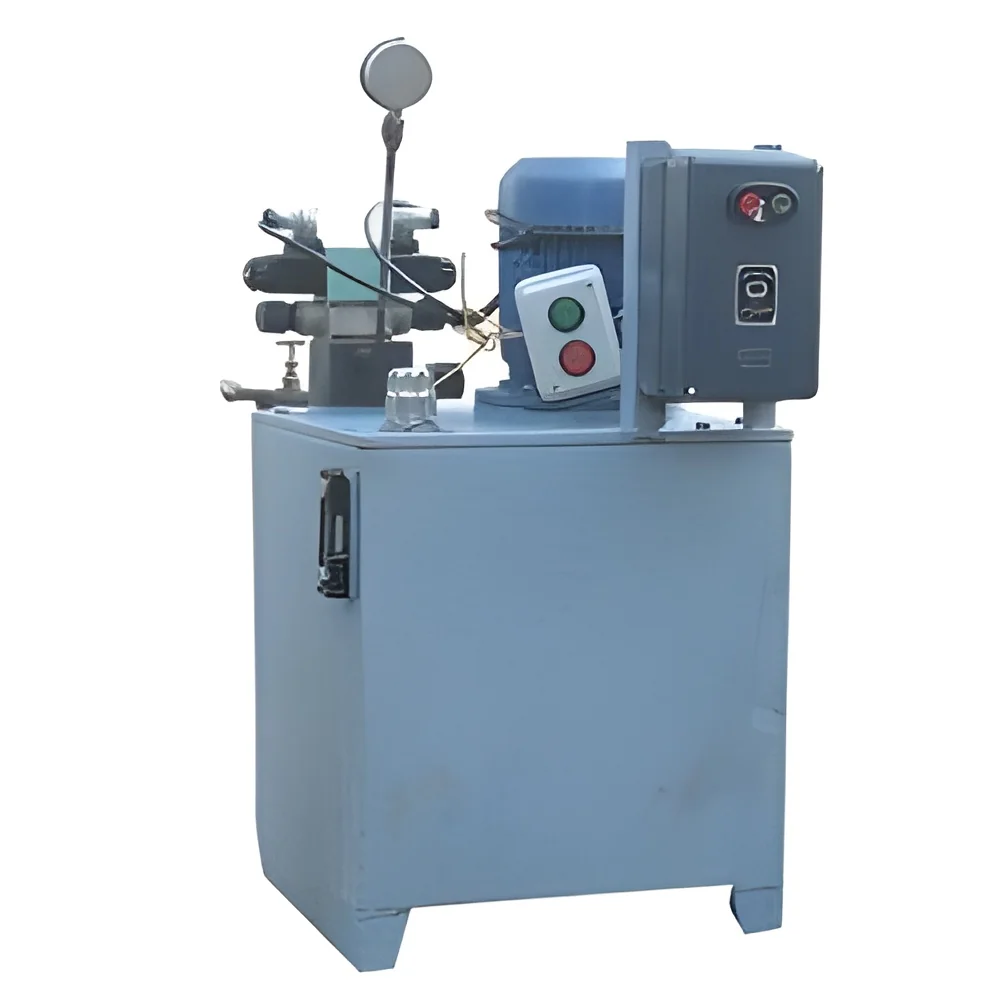
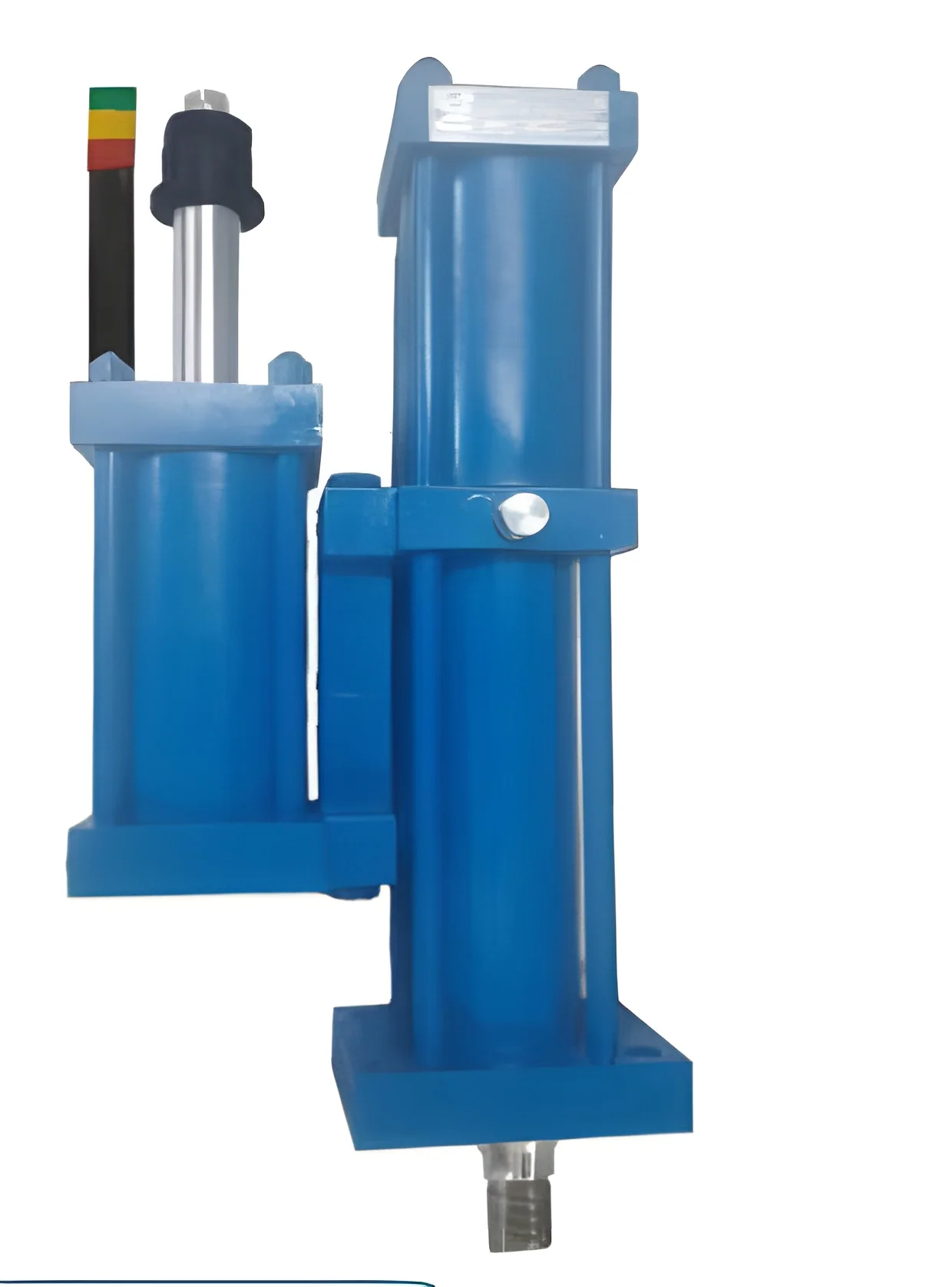
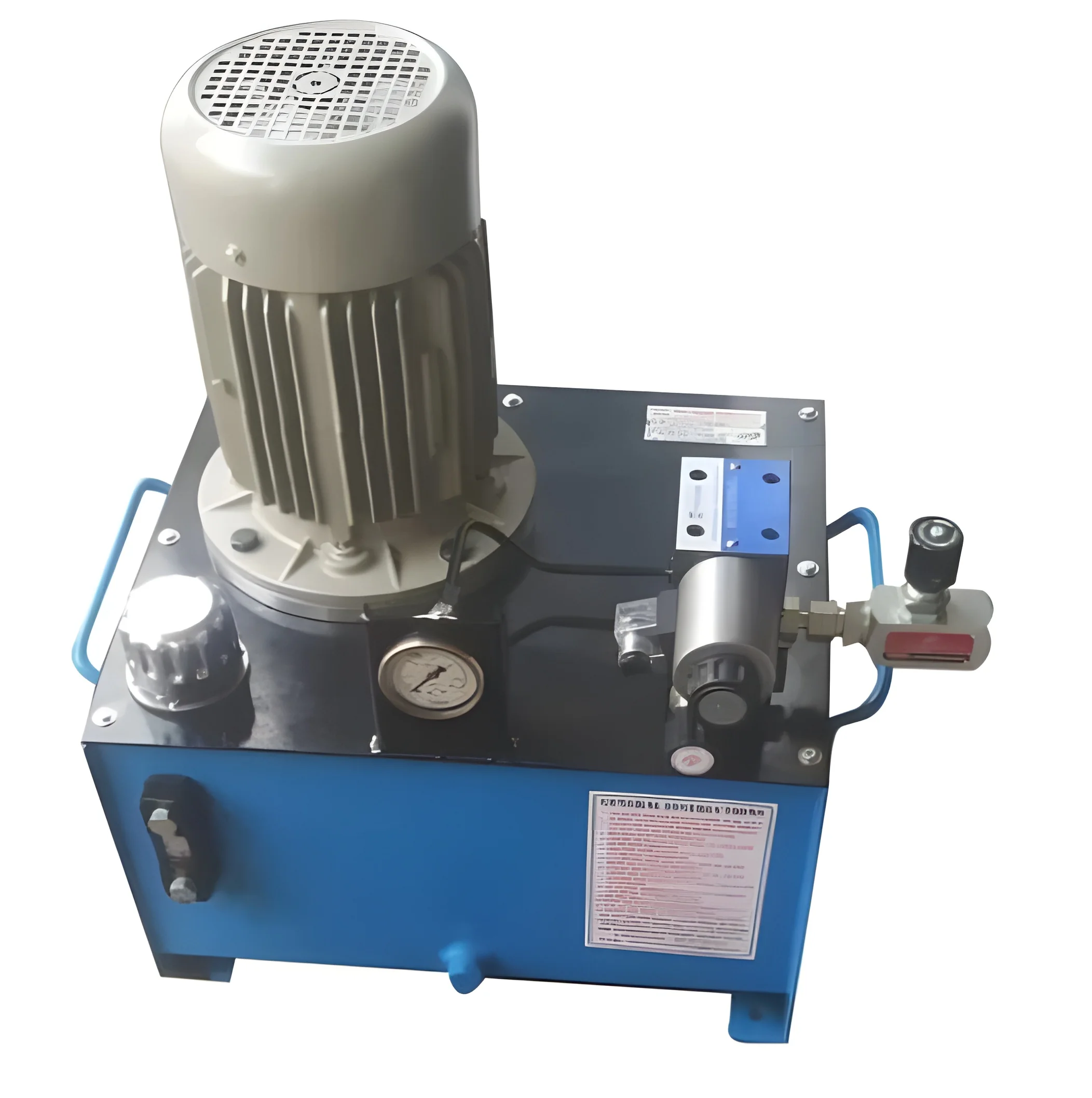
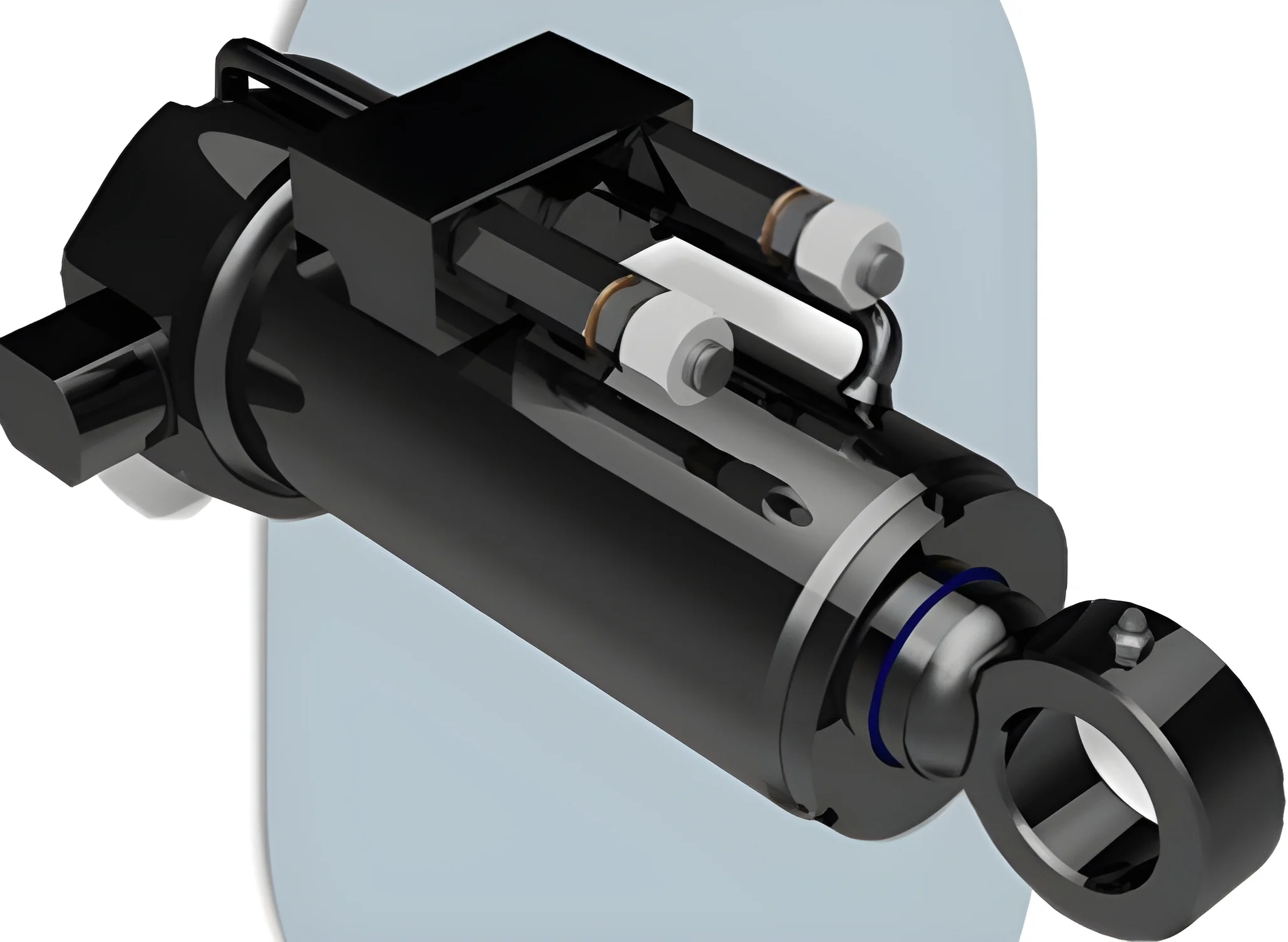
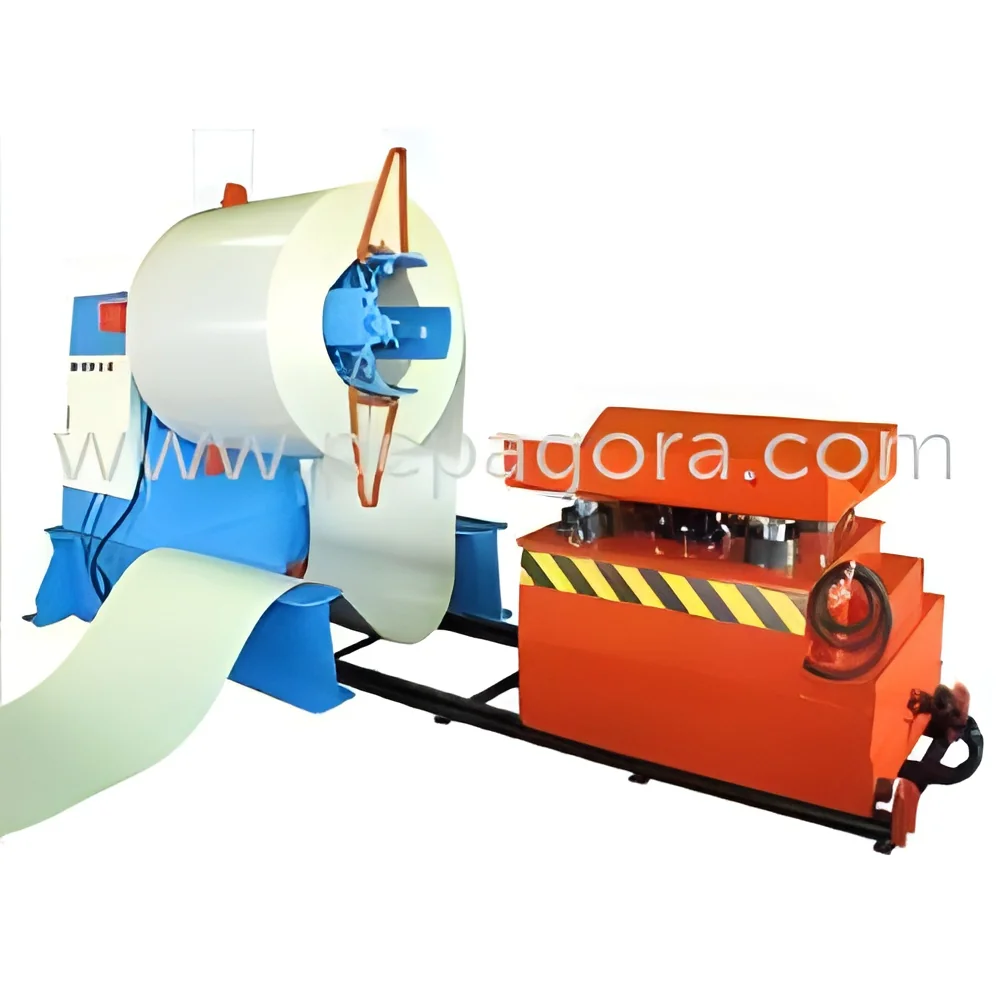
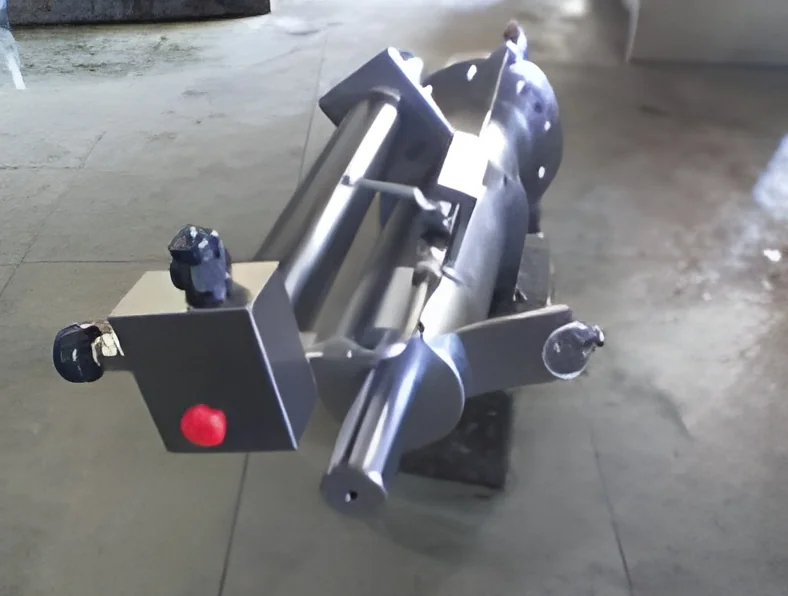
What are Industrial Hydraulic Tools?
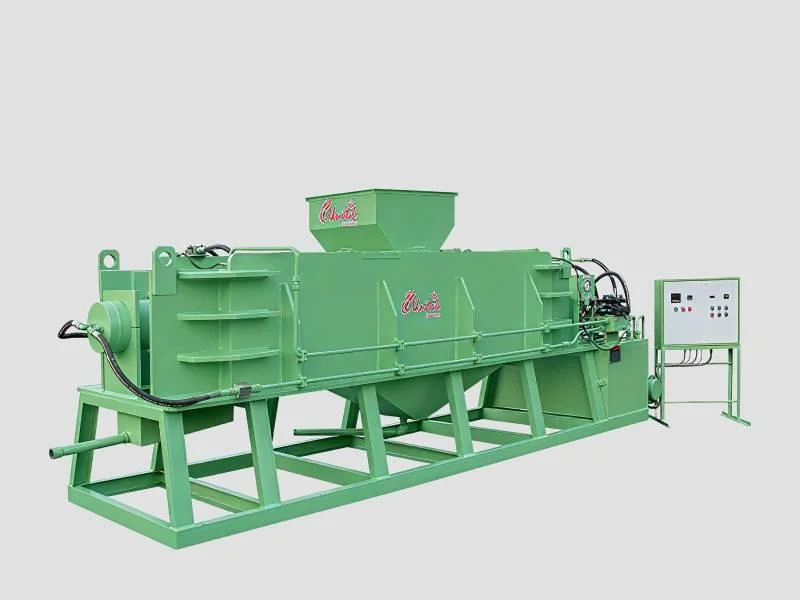
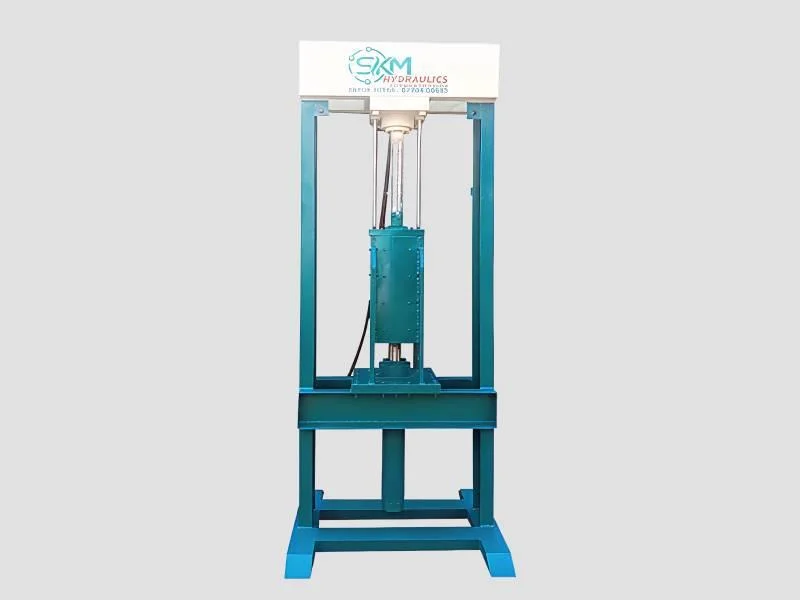
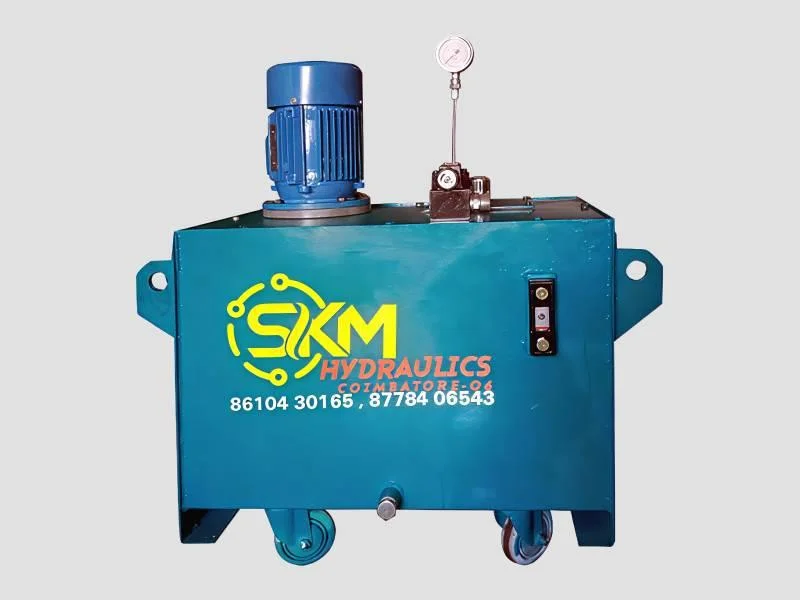
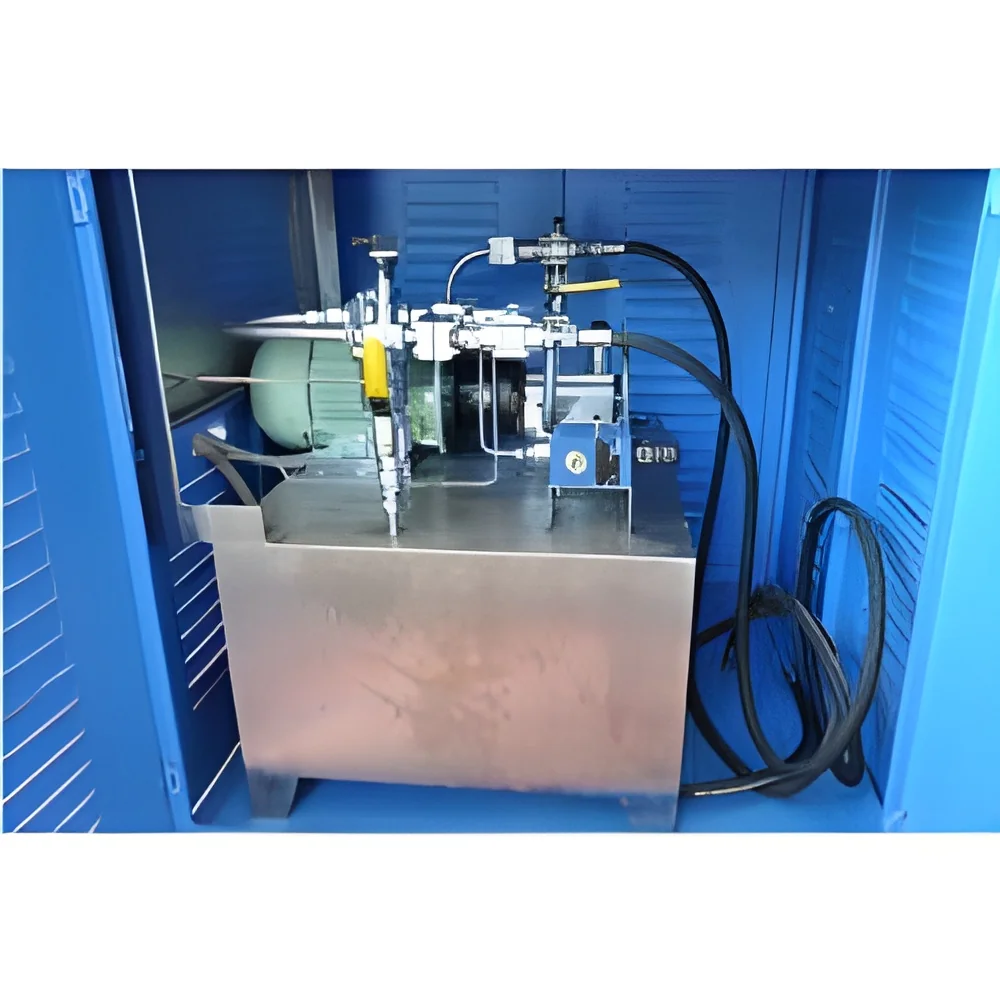
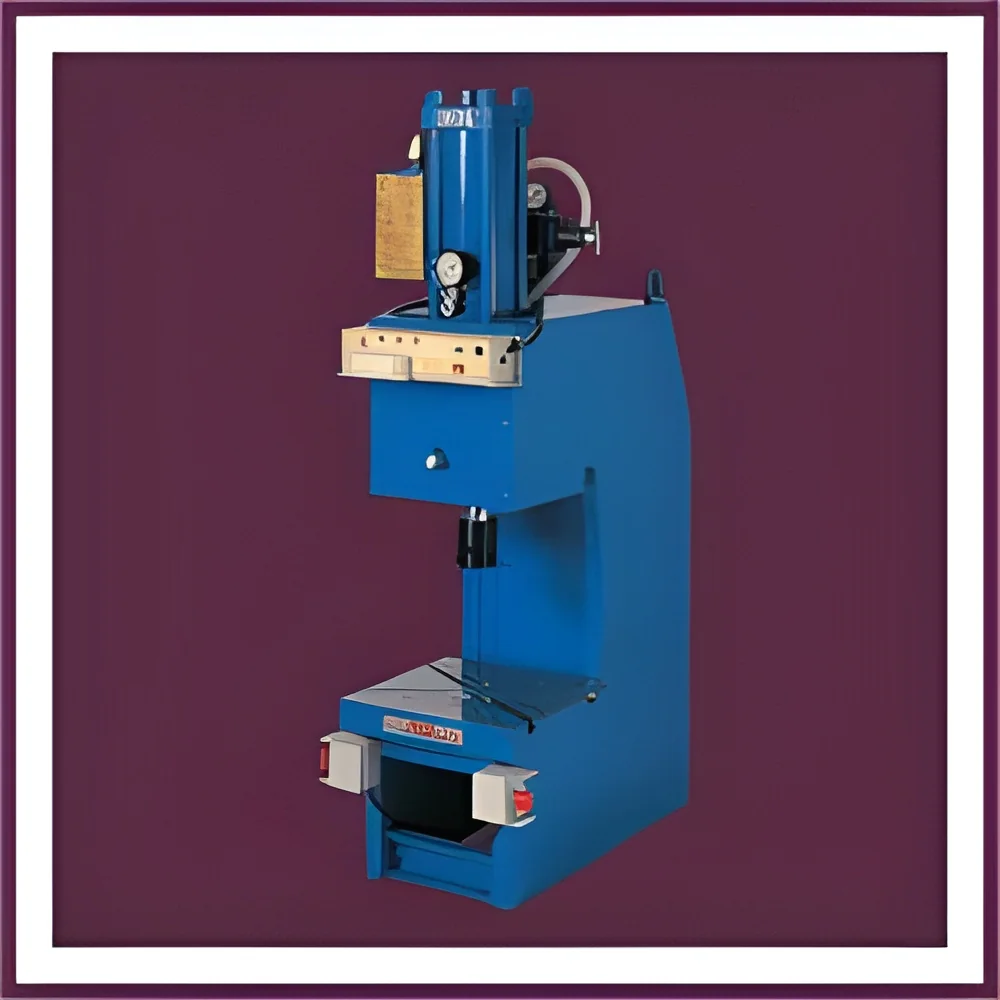
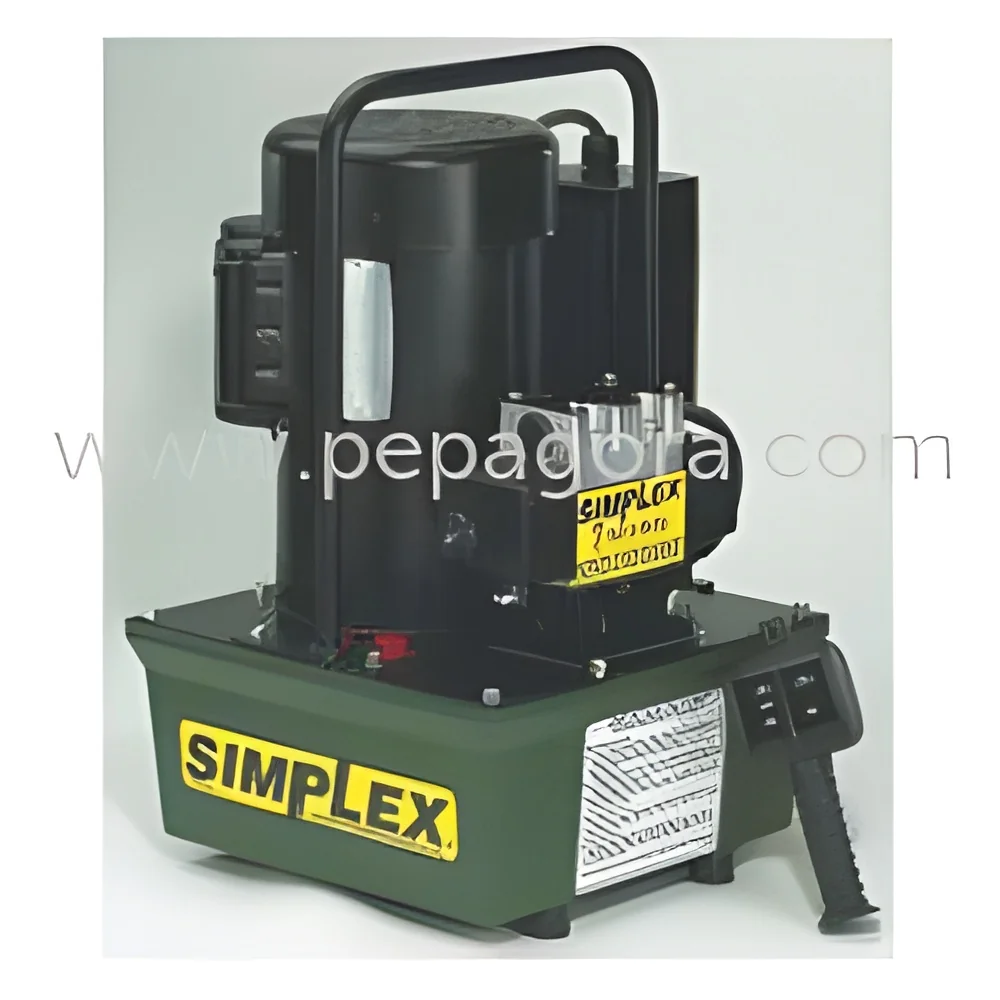
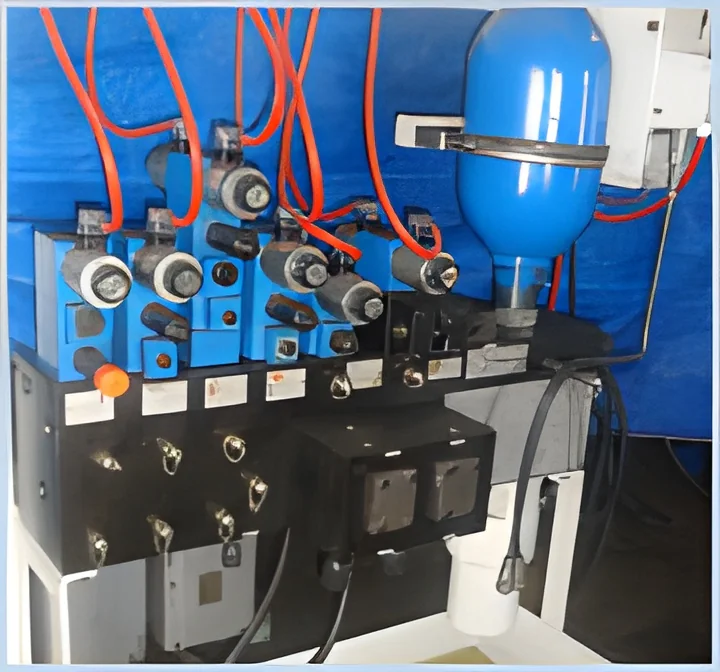
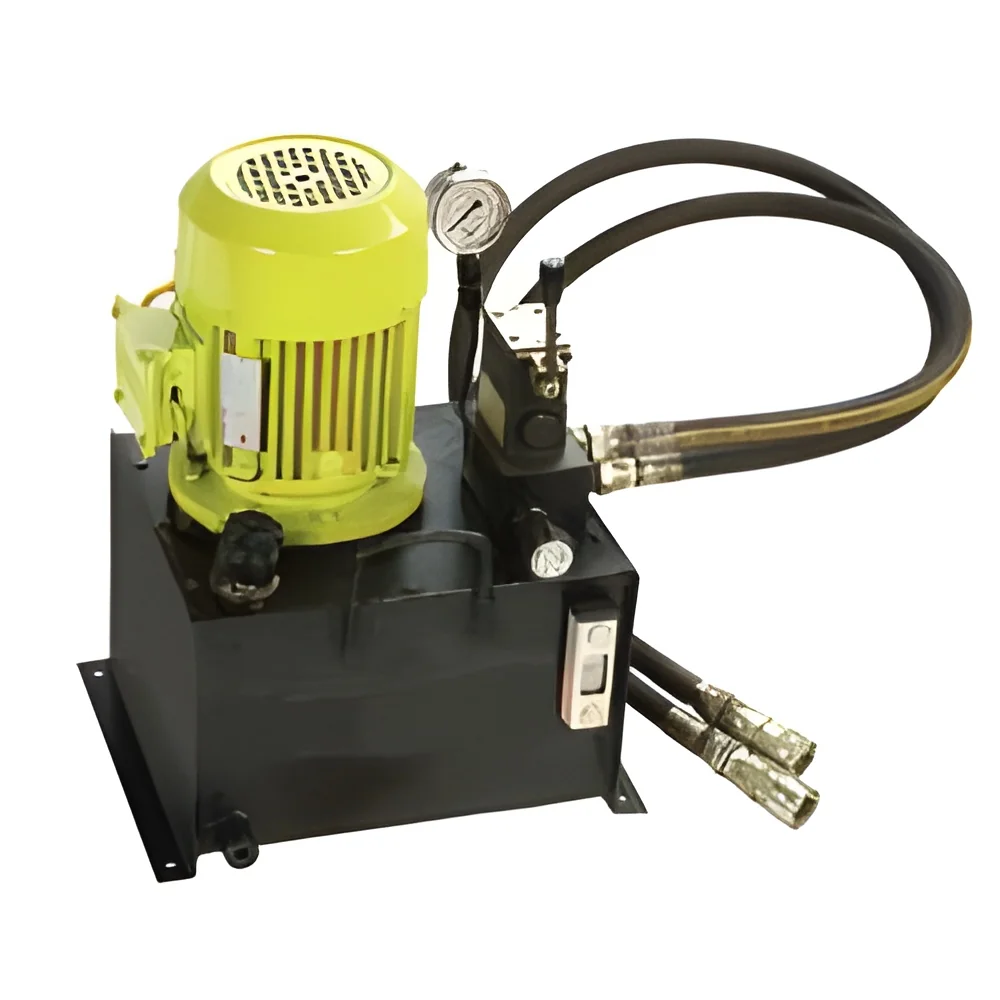
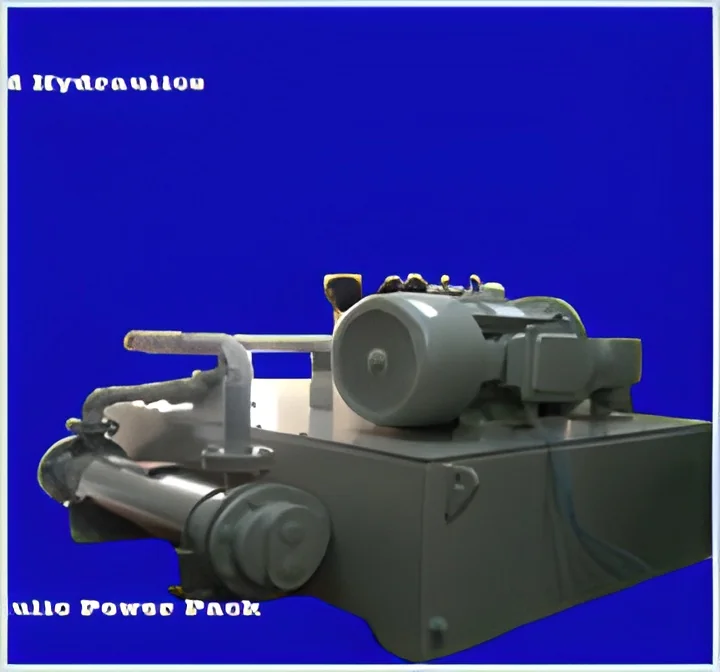
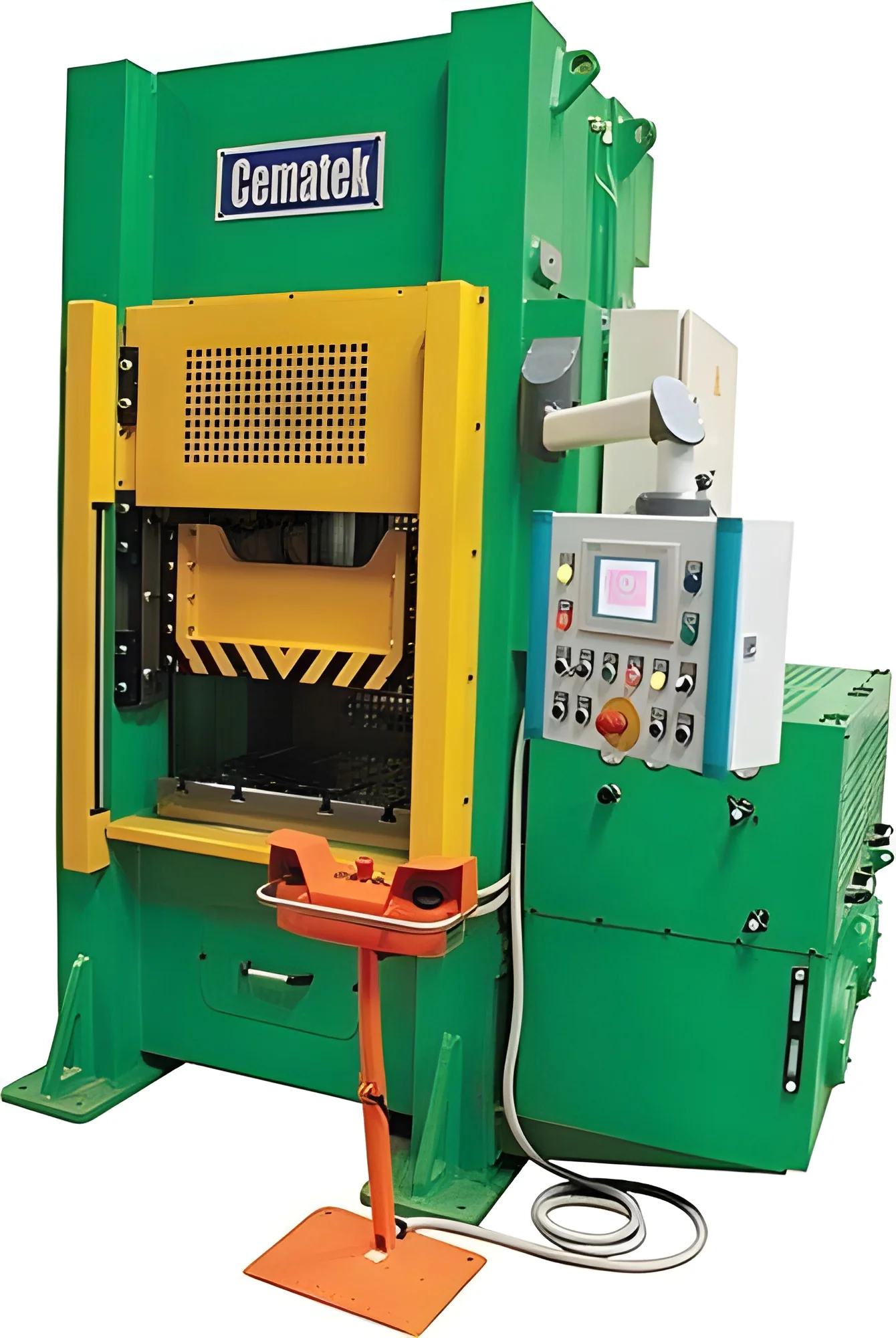
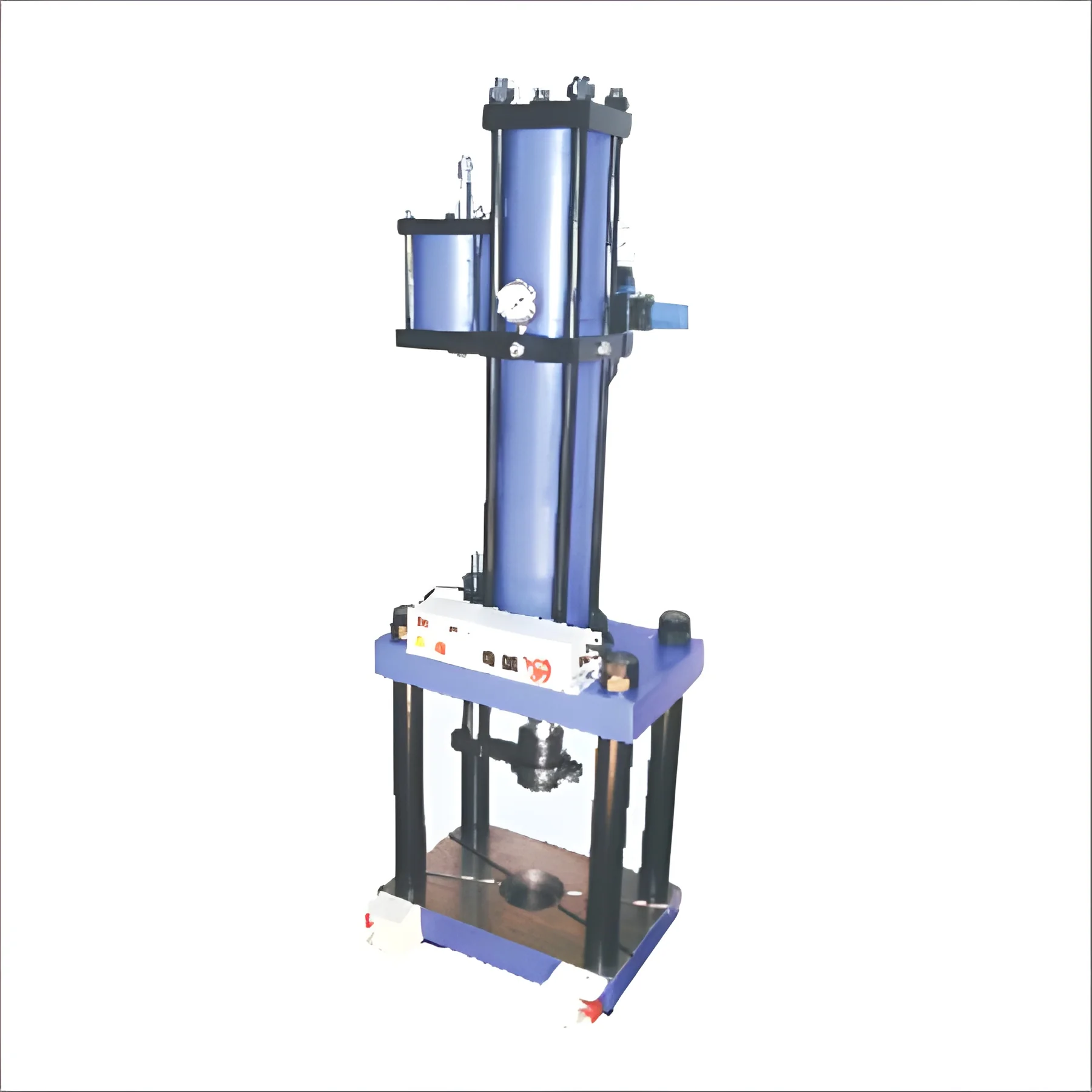
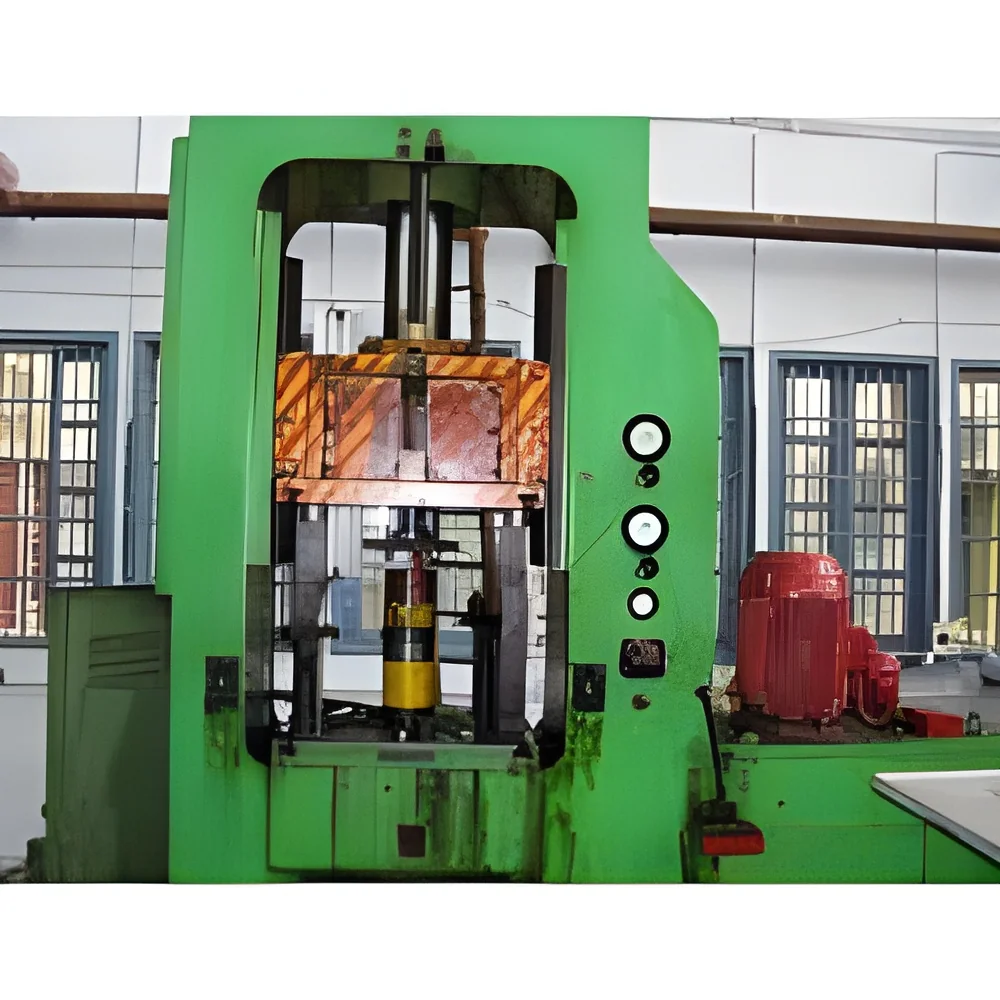
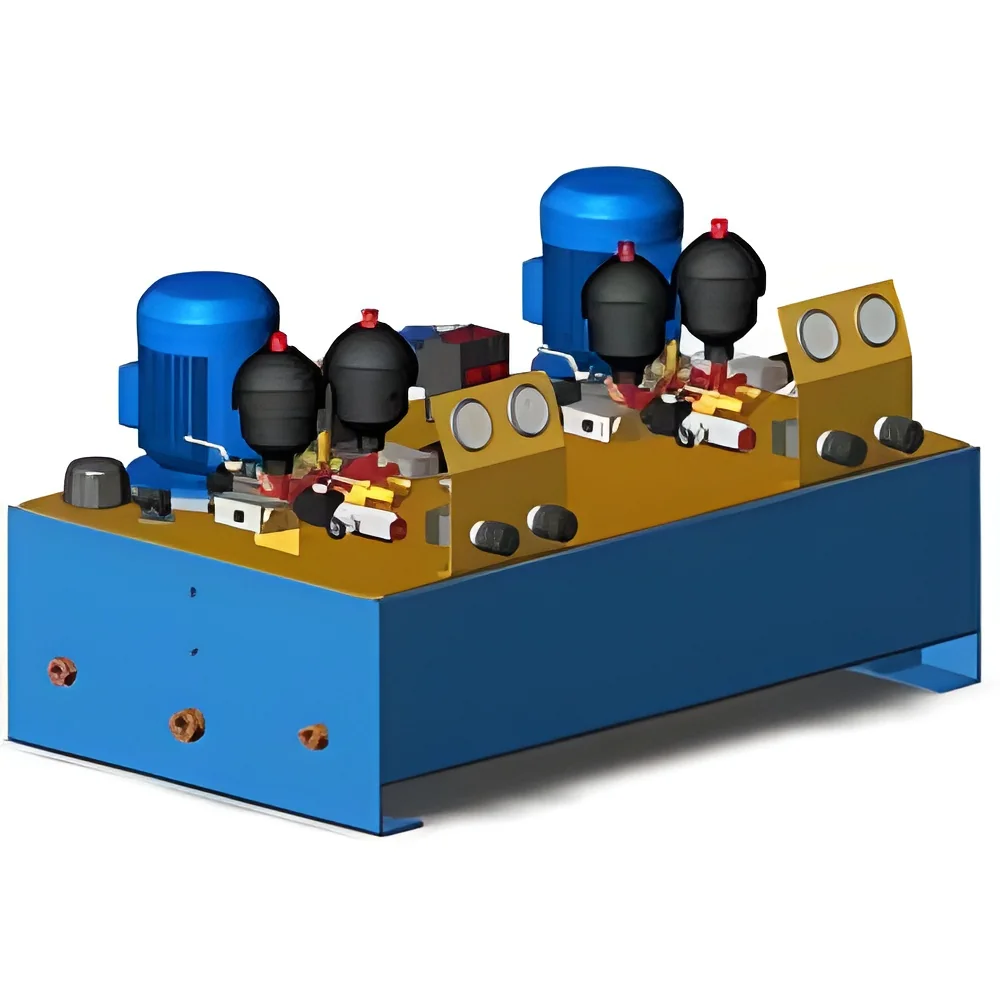
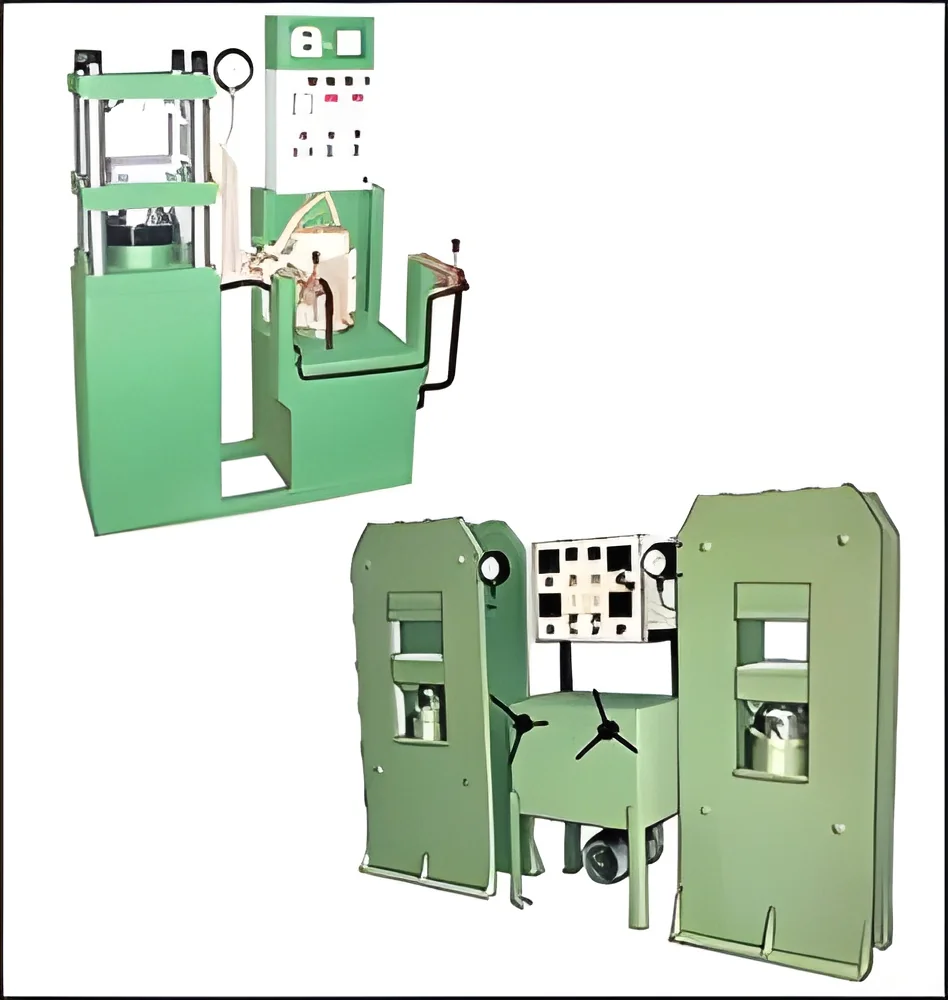
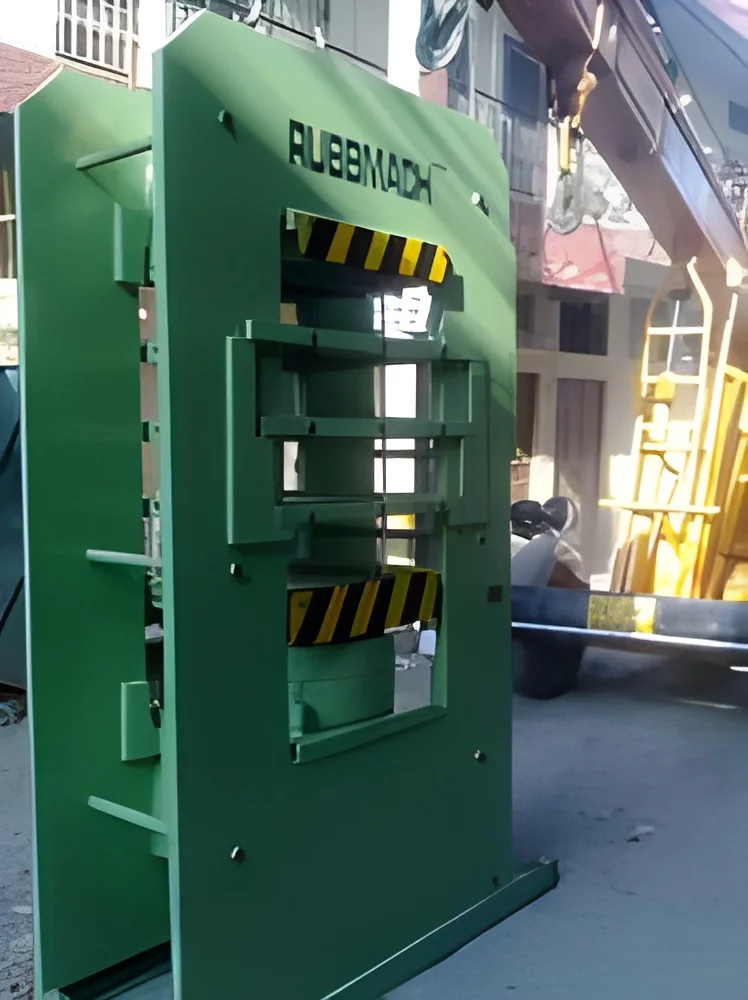
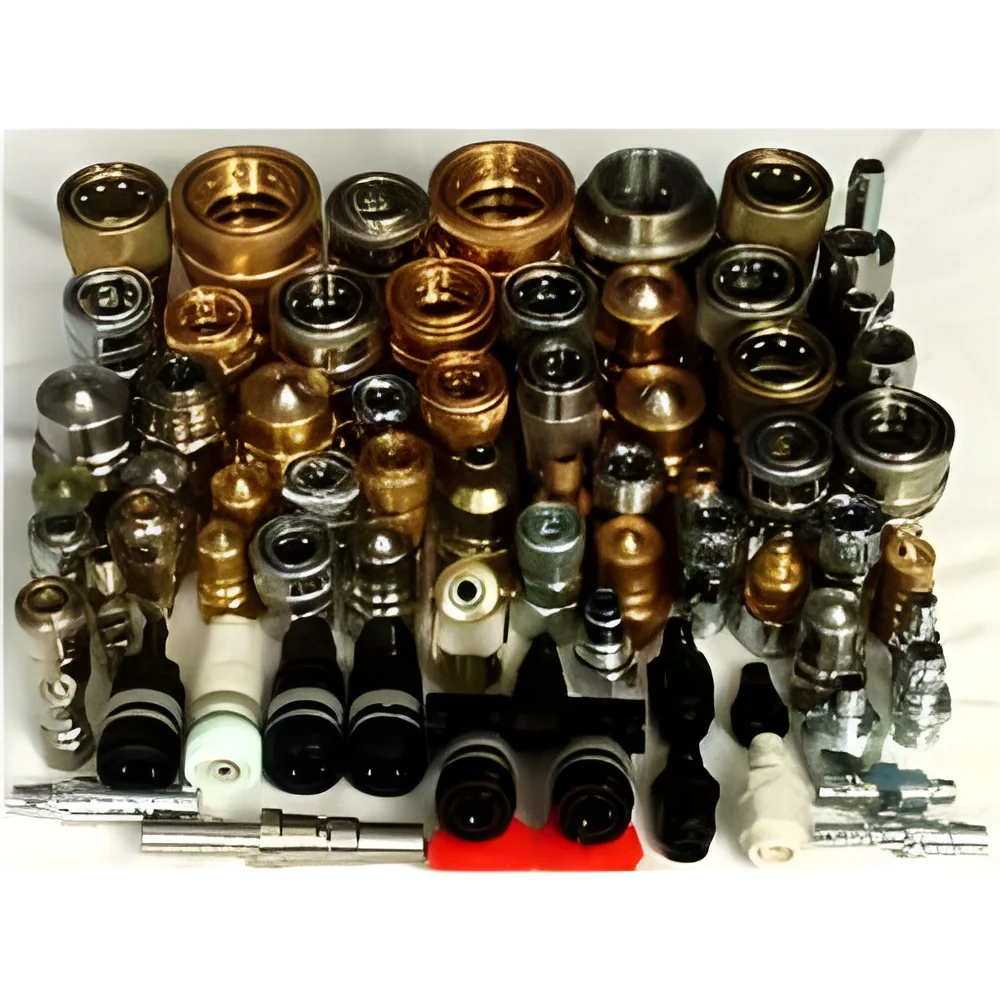
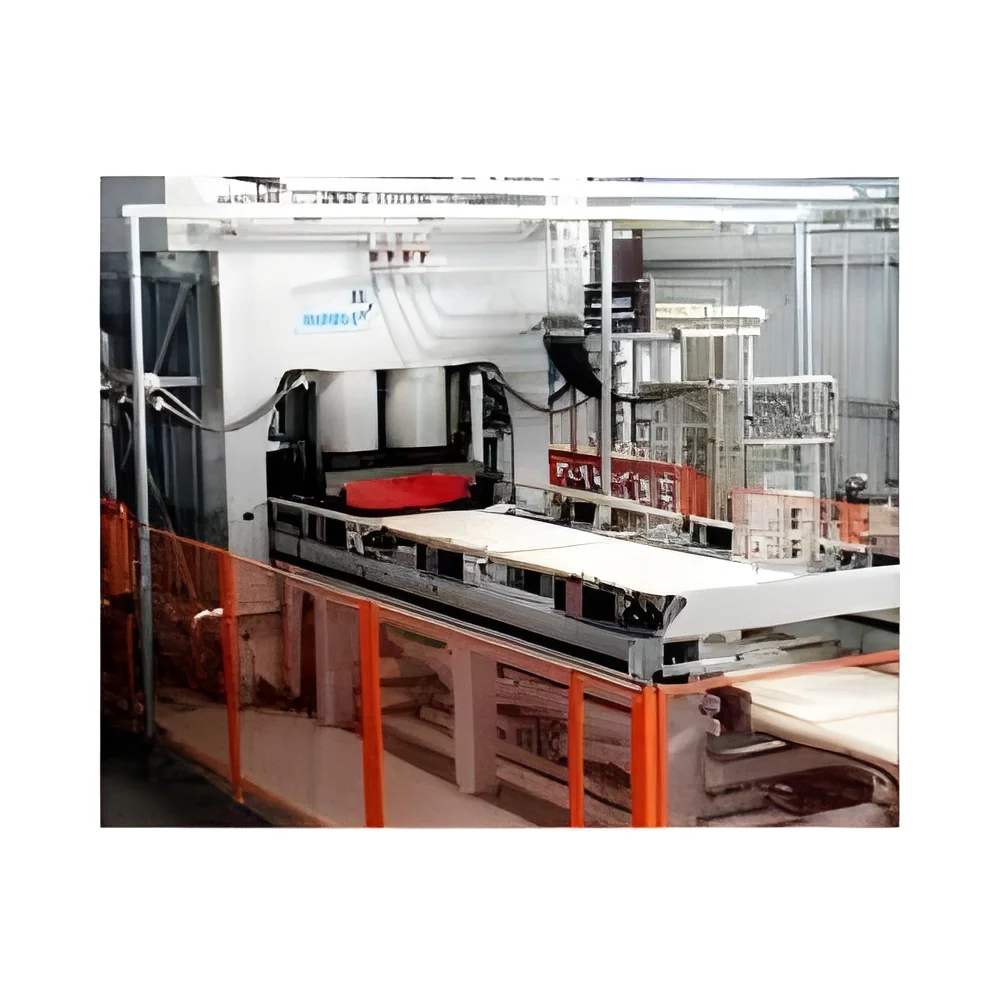
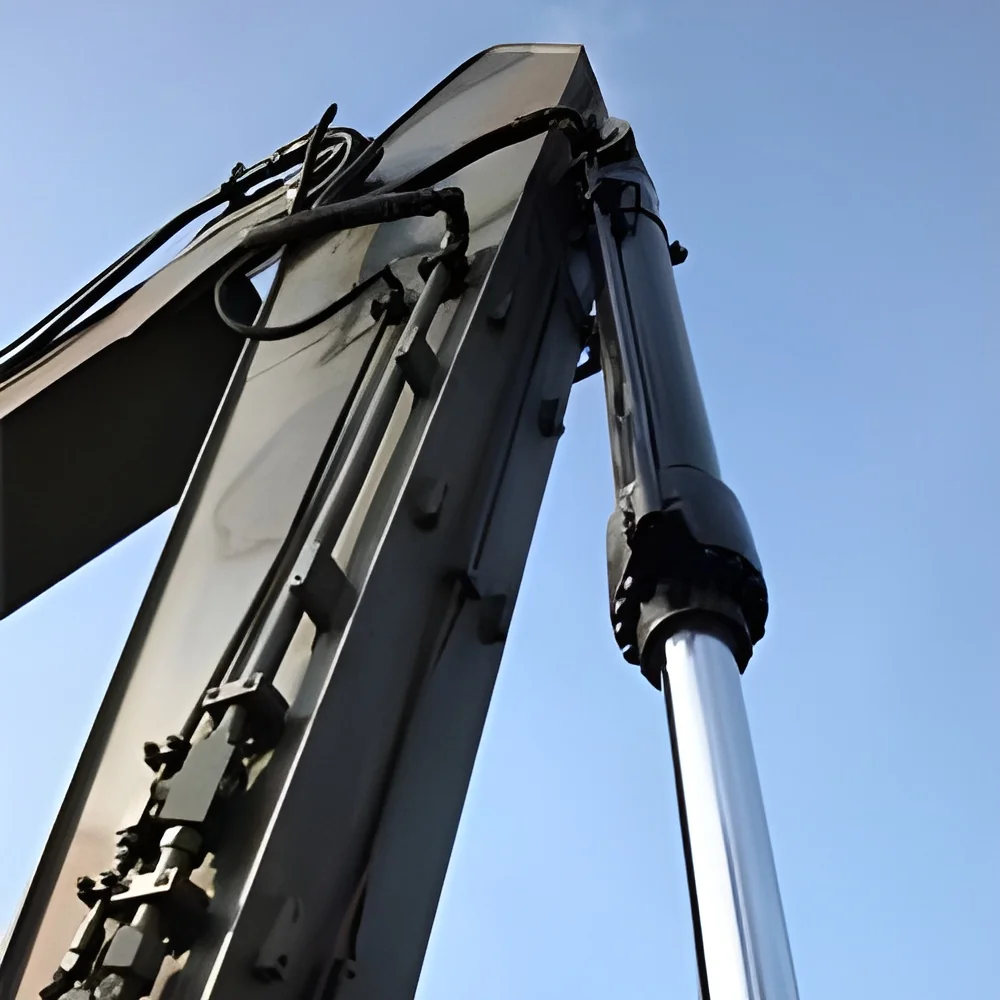
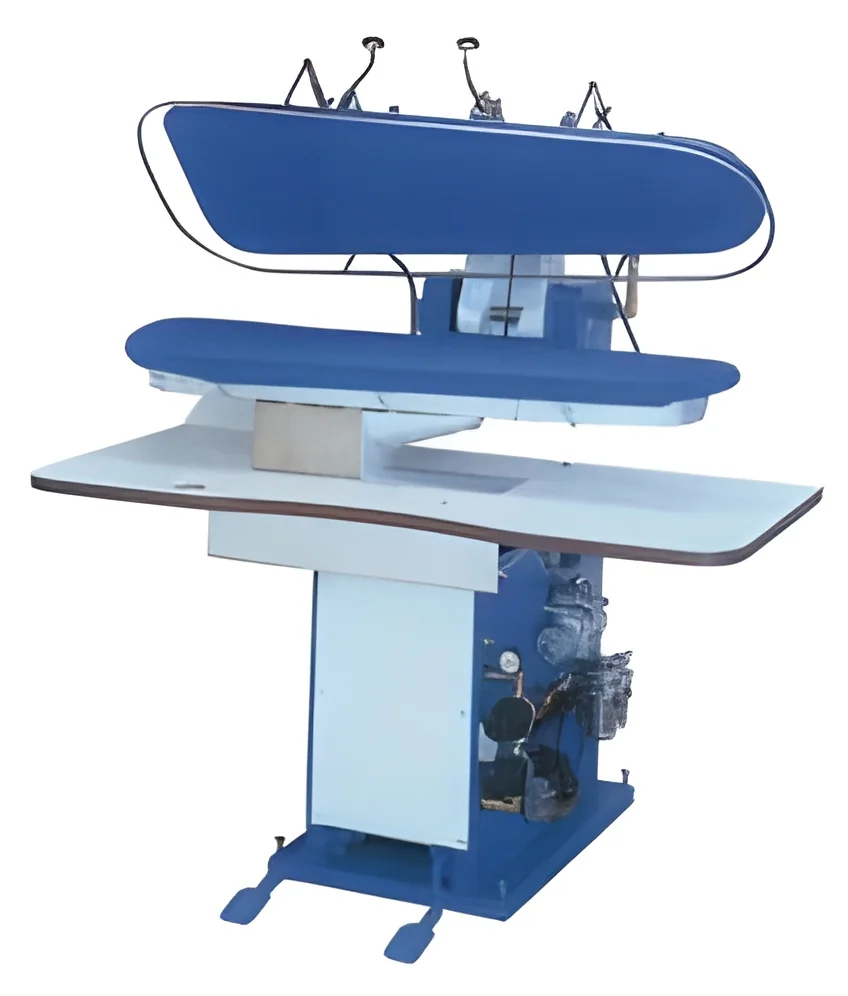
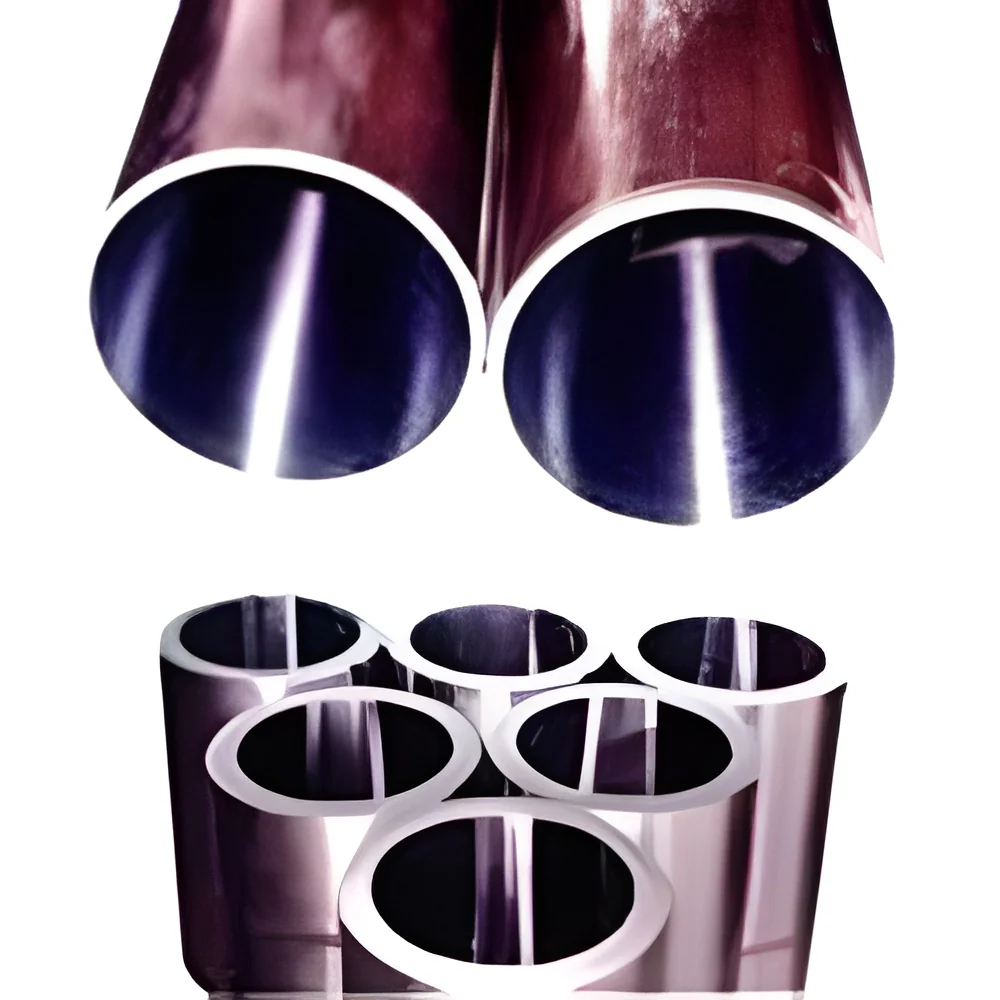
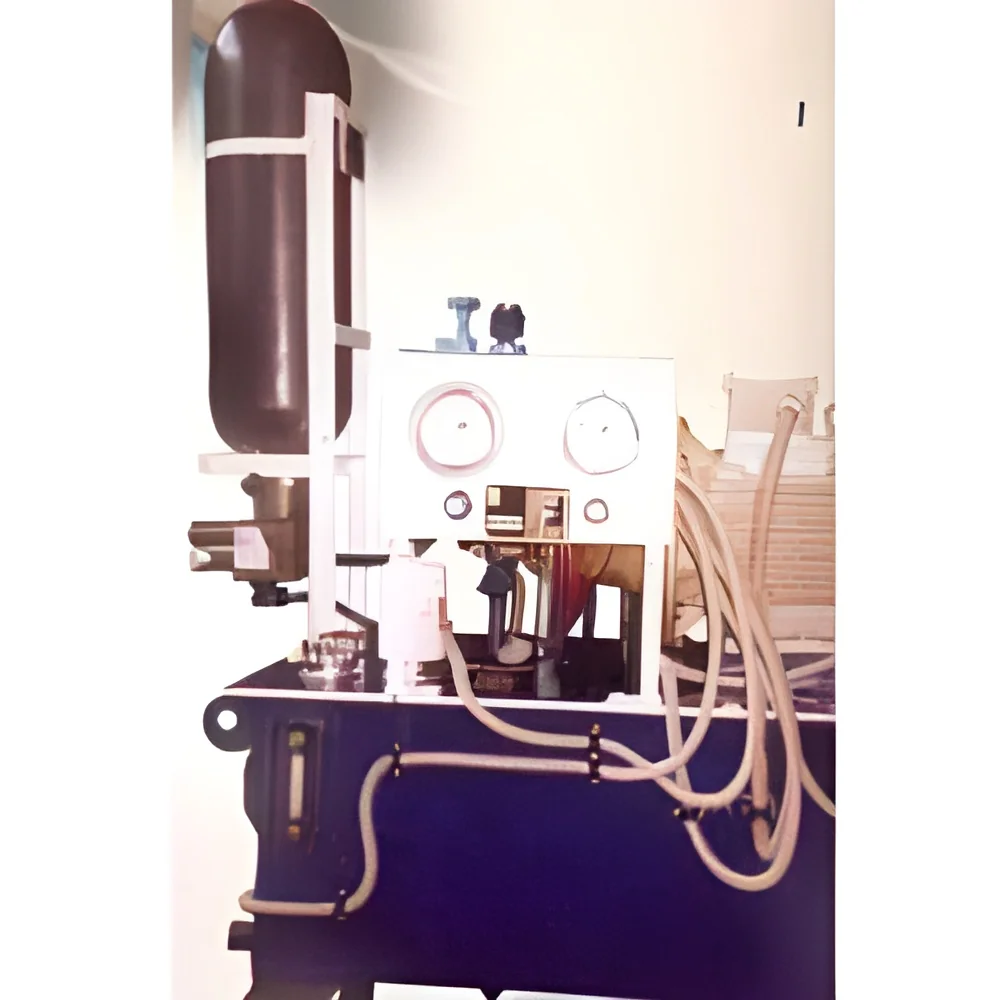
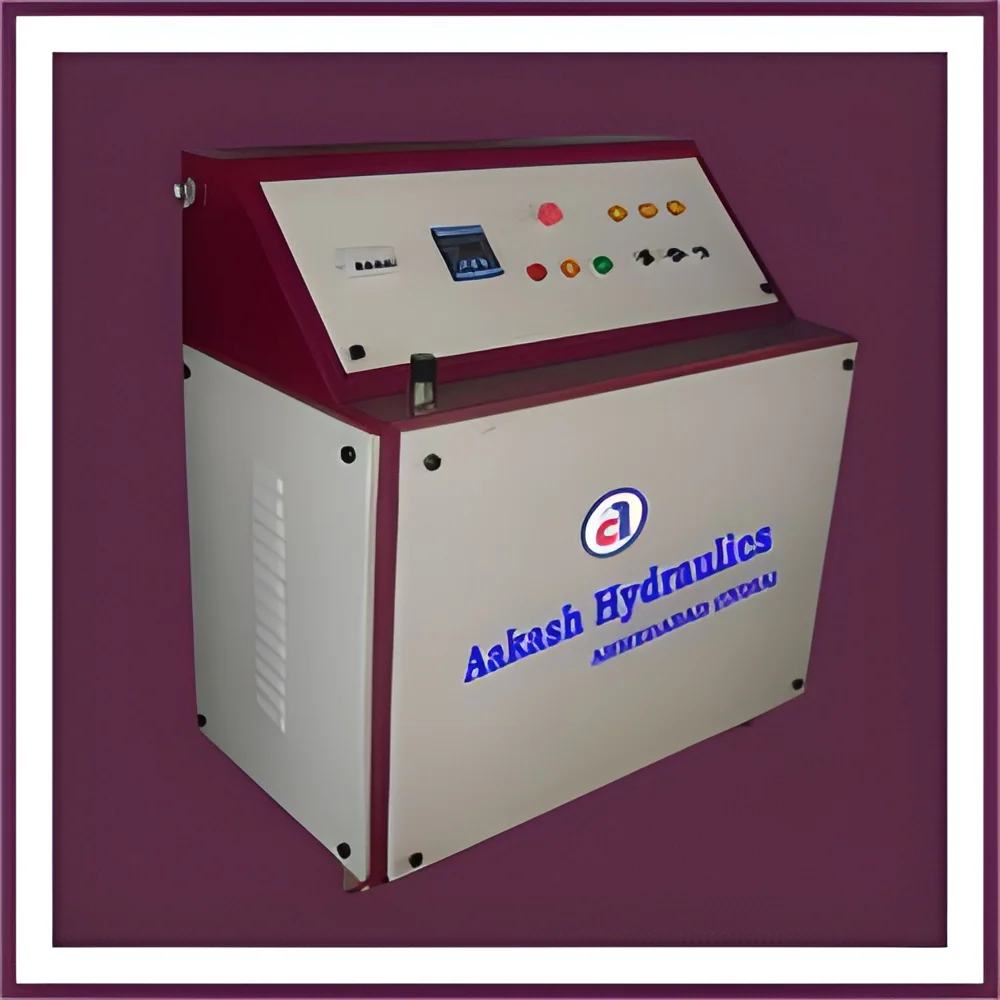
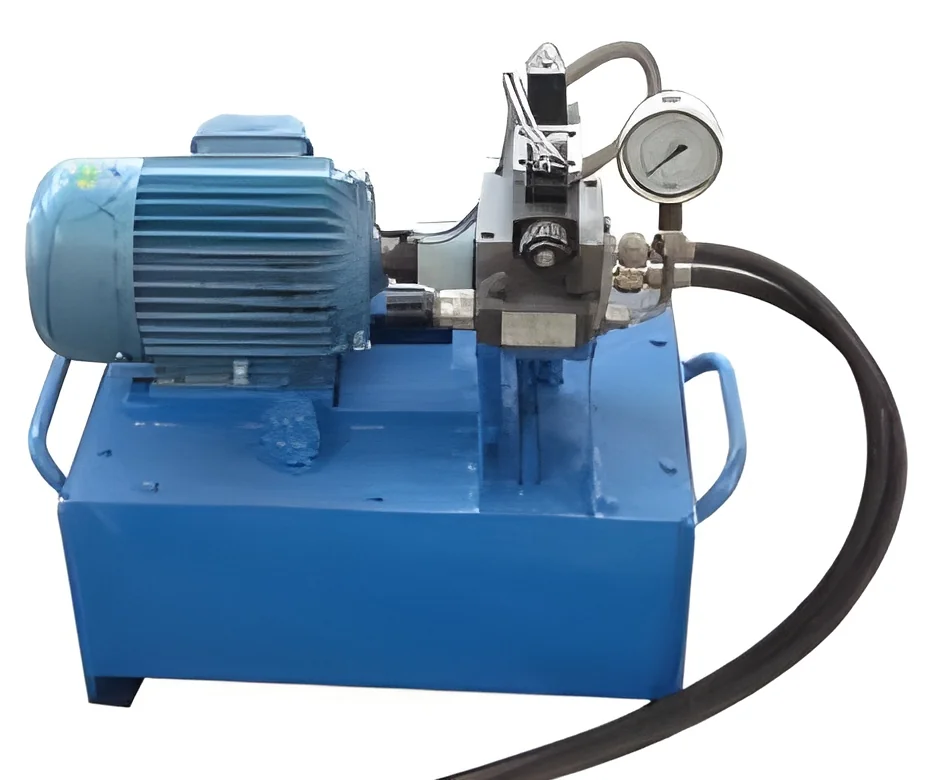
Industrial hydraulic tools are specialized equipment that utilize hydraulic power to perform various tasks in industrial settings. These tools operate through the principles of hydraulics, where pressurized fluid is used to generate force and motion. This technology allows for high power output with relatively low physical effort, making it essential for heavy-duty applications.
These tools are primarily used in industries such as construction, manufacturing, and automotive repair. They are designed for tasks such as lifting, cutting, crimping, and bolting. The efficiency and precision of hydraulic tools make them invaluable for tasks that require significant strength or accuracy. As industries continue to innovate and automate processes, the demand for reliable hydraulic tools remains strong, underscoring their relevance in the current market.
Key Features and Specifications
Industrial hydraulic tools come with a variety of features that enhance their performance and usability. Understanding these specifications is crucial for selecting the right tool for specific applications.
Key specifications include:
1. Maximum Pressure Rating
- Indicates the maximum hydraulic pressure the tool can withstand
- Typically ranges from 5,000 to 10,000 PSI
2. Power Source
- Defines the type of power supply, such as electric or battery-operated
- Options vary based on portability needs
3. Weight
- Refers to the overall weight of the tool
- Generally ranges from 5 to 50 pounds depending on the tool type
4. Tool Type
- Specifies the category of the tool, such as hydraulic wrenches or jacks
- Each type serves specific functions in various industries
5. Hose Length
- Indicates the length of the hydraulic hose
- Typically ranges from 3 to 10 feet, affecting maneuverability
6. Operating Temperature Range
- Defines the temperature conditions under which the tool can operate effectively
- Data not available for specific ranges
7. Safety Features
- Includes mechanisms such as pressure relief valves and safety locks
- Essential for preventing accidents during operation
8. Compliance Standards
- Pertains to industry standards such as UL and CE certifications
- Ensures adherence to safety and quality regulations
These specifications play a vital role in determining the ideal hydraulic tool for a given task, ensuring efficiency and safety in industrial operations.
Common Applications and Use Cases
Industrial hydraulic tools have versatile applications across several sectors.
1. Construction: Hydraulic tools are extensively used for lifting heavy materials, such as steel beams, and for tasks like concrete breaking and demolition.
2. Manufacturing: In manufacturing settings, hydraulic tools assist in assembling machinery, performing precision cuts, and applying heavy torque for fastening.
3. Automotive Repair: These tools are essential in automotive workshops for lifting vehicles, removing stubborn bolts, and performing maintenance on heavy machinery.
4. Aerospace: Hydraulic tools are utilized in the assembly and maintenance of aircraft, where precision and reliability are critical.
5. Oil and Gas: In this sector, hydraulic tools are used for drilling, pipe fitting, and other operations that require high force and precision.
6. Marine: Hydraulic tools aid in shipbuilding and maintenance, particularly in lifting heavy components and performing repairs in challenging environments.
7. Mining: These tools are crucial for tasks such as drilling and lifting in mining operations, where high power output is necessary.
Product Variants and Subcategories
Industrial hydraulic tools come in various forms to cater to different industrial needs.
Hydraulic Wrenches
Hydraulic wrenches are designed for high-torque applications, making them ideal for bolting and unbolting heavy machinery. They provide precise torque settings and reduce the risk of damage to components.
Hydraulic Jacks
Hydraulic jacks are used for lifting heavy loads, such as vehicles or machinery. They come in various sizes and styles, including floor jacks and bottle jacks, to accommodate different lifting requirements.
Hydraulic Crimpers
These tools are specifically designed for crimping applications, ensuring secure connections in electrical and plumbing installations. They are essential for tasks that require consistent and reliable crimping.
Hydraulic Cutters
Hydraulic cutters are utilized for cutting through tough materials, including metal and wire. They are commonly used in construction and demolition projects for their ability to deliver powerful cutting action.
Benefits and Advantages
Investing in industrial hydraulic tools offers numerous benefits to businesses.
Key benefits include:
1. Increased Efficiency: Hydraulic tools can perform tasks faster and with less physical effort, leading to higher productivity.
2. Enhanced Precision: These tools provide greater control and accuracy, reducing the likelihood of errors in applications.
3. Versatility: A wide range of hydraulic tools can handle various tasks, making them suitable for multiple industries and applications.
4. Reduced Labor Costs: By minimizing the physical effort required, hydraulic tools can lower overall labor costs in operations.
5. Improved Safety: Many hydraulic tools come with safety features that protect operators during use, reducing workplace accidents.
6. Longevity: With proper maintenance, hydraulic tools can have a long service life, offering good return on investment.
Buying Guide for B2B Buyers
When sourcing industrial hydraulic tools, several factors should be considered to make an informed purchase.
1. Quality Assessment: It's important to evaluate the quality of the tools. Look for reputable brands and check for certifications that ensure compliance with industry standards.
2. Supplier Verification: Vetting suppliers is crucial. Ensure that they have a reliable track record and positive customer reviews to guarantee that you are getting quality products.
3. Pricing and MOQ: Understand the pricing structures and minimum order quantities. Compare prices among different suppliers to ensure you are getting a fair deal.
4. Delivery and Lead Times: Consider the logistics of delivery. Ensure that suppliers can meet your timelines to avoid disrupting your operations.
5. Compliance Requirements: Be aware of any regulatory needs specific to your industry. Compliance with standards such as UL and CE can impact your operational safety and legality.
Compliance and Certifications
Compliance and certifications play a pivotal role in the quality and safety of industrial hydraulic tools. Key quality standards include ISO 9001, which ensures that manufacturing processes meet stringent quality management criteria.
Additionally, certifications like UL and CE are critical as they indicate that products have undergone rigorous testing to meet safety and performance standards. These certifications provide assurance to buyers that the tools will perform reliably under specified conditions.
Safety and testing requirements also must be considered. Tools should undergo thorough testing to ensure they can withstand the pressures and stresses of industrial applications.
Lastly, regional compliance considerations are essential, as different countries may have varying regulations concerning hydraulic equipment. Understanding these requirements helps businesses avoid legal issues and ensures safe use.
Why Source Industrial Hydraulic Tools from Pepagora?
Pepagora provides a trusted platform for sourcing industrial hydraulic tools, offering several key advantages.
Verified Supplier Network: Pepagora has established a robust network of verified suppliers. Each supplier undergoes a thorough vetting process to ensure they meet high standards of quality and reliability.
Streamlined RFQ Process: The Request for Quotation (RFQ) process is designed to be quick and efficient. Buyers can easily compare multiple quotes, helping them make informed decisions.
Trade Assurance and Support: Pepagora offers trade assurance programs that protect buyers throughout the purchasing process. This includes support for resolving disputes and ensuring satisfaction with purchases.
Regional Coverage: With a strong presence in India, the GCC, and Southeast Asia, Pepagora connects buyers with suppliers across these regions, facilitating access to a wide range of hydraulic tools tailored to diverse industrial needs.

 IN
IN