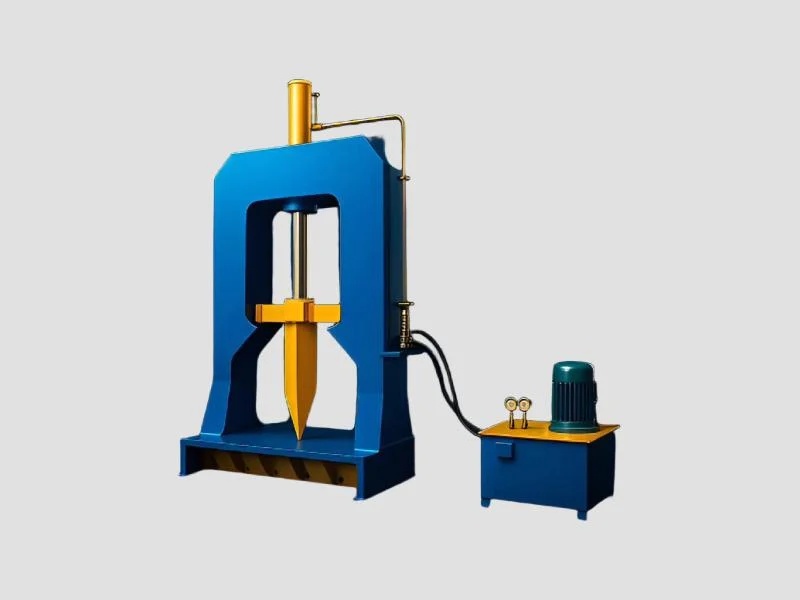
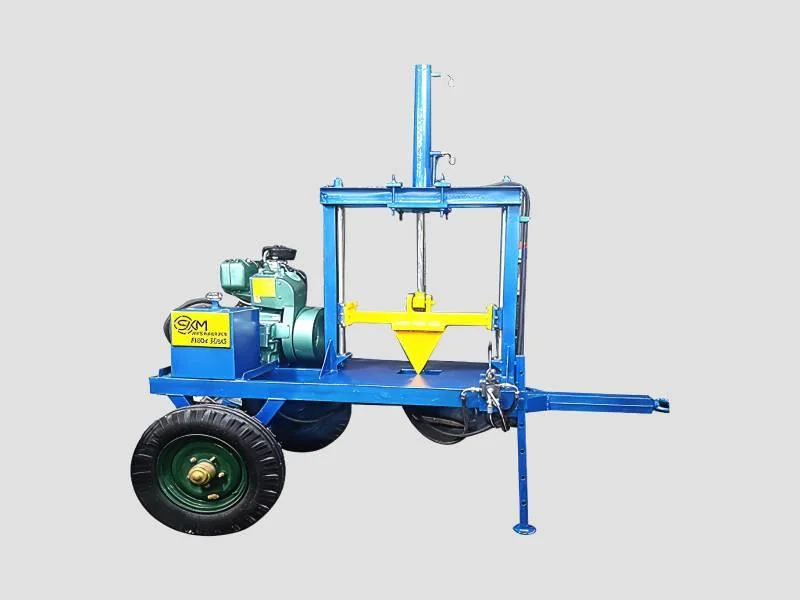
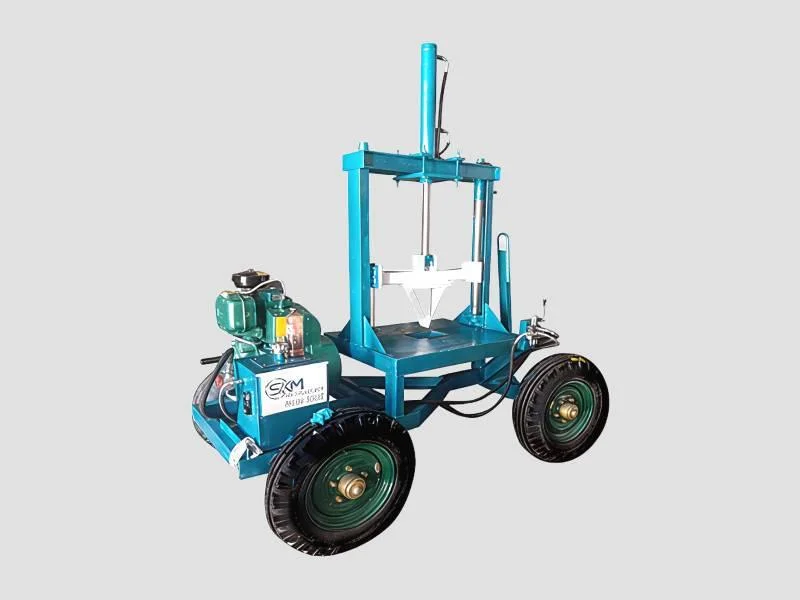
What are Portable Hydraulic Tools?
Portable hydraulic tools are essential devices that utilize hydraulic power to perform a variety of industrial tasks. These tools are compact and designed for mobility, allowing operators to use them in diverse environments without the need for permanent installations. The hydraulic system relies on fluid pressure to generate force, making these tools highly efficient for heavy-duty applications.
These tools find primary use in construction, maintenance, and repair operations. They are ideal for tasks such as cutting, crimping, and bending materials like metal and concrete. Businesses across various sectors, including manufacturing and utilities, leverage portable hydraulic tools to enhance productivity and ensure safety during operations. The relevance of these tools in the market is significant, as they support the increasing demand for efficient and versatile equipment in industries where portability is crucial.
Key Features and Specifications
Portable hydraulic tools come with an array of features that enhance their usability and performance. These specifications are critical for B2B buyers to understand the capabilities of each tool.
Key specifications include:
1. Power Source
- Typically powered by electric or battery-operated systems.
- Provides flexibility in various job site conditions.
2. Maximum Pressure
- Commonly ranges from 700 to 10,000 psi.
- Determines the tool's capacity to handle heavy-duty tasks.
3. Weight
- Generally varies from 5 to 30 pounds.
- Lightweight models facilitate easier handling and transport.
4. Tool Type
- Includes hydraulic cutters, crimpers, and spreaders.
- Each type serves specific applications and functions.
5. Operating Temperature Range
- Data not available.
6. Safety Features
- Equipped with overload protection and ergonomic handles.
- Enhances user safety during operation.
7. Hose Length
- Lengths typically range from 10 to 25 feet.
- Allows for greater reach in various work environments.
8. Certification
- Common certifications include UL and CE.
- Ensures compliance with safety and quality standards.
In summary, understanding the key features and specifications of portable hydraulic tools helps businesses select the right equipment for their specific needs, ensuring efficiency and reliability in operations.
Common Applications and Use Cases
Portable hydraulic tools serve various industries, making them versatile in their applications.
1. Construction: Used for cutting rebar and steel beams, these tools facilitate fast and efficient building processes.
2. Manufacturing: They are essential in assembly lines for crimping and joining components, enhancing production efficiency.
3. Utilities: Portable hydraulic tools assist in maintenance work for pipelines and electrical installations, ensuring quick repairs.
4. Automotive: They play a critical role in automotive repair shops for tasks like bending and cutting metal parts.
5. Shipbuilding: Used for assembling and disassembling heavy components, these tools improve productivity in maritime operations.
6. Mining: Portable hydraulic tools assist in breaking rock and other materials, crucial for extraction processes.
7. Aerospace: They are utilized in aircraft maintenance to ensure precision and safety in repairs.
Product Variants and Subcategories
Portable hydraulic tools come in various types to meet specific industry needs.
Hydraulic Cutters
These tools are designed for cutting through tough materials like metal and plastic. They are often lightweight and easy to maneuver, making them ideal for construction and demolition applications.
Hydraulic Crimpers
Used primarily for electrical and mechanical applications, hydraulic crimpers ensure secure connections in wiring and tubing. Their portability allows for on-site adjustments and installations.
Hydraulic Spreaders
These tools excel in applications requiring the separation of heavy materials. They are commonly used in rescue operations as well as in construction to create space between objects.
Hydraulic Benders
Designed for bending metal pipes and rods, these tools provide precise angles and are essential in plumbing and metalworking industries.
Benefits and Advantages
Portable hydraulic tools offer numerous benefits that enhance operational efficiency.
1. Enhanced Efficiency: These tools allow for rapid execution of tasks, reducing downtime and increasing productivity on job sites.
2. Portability: Their lightweight and compact design make them easy to transport, facilitating use in various locations.
3. Versatility: Suitable for multiple applications across different industries, these tools can adapt to diverse tasks.
4. Safety Features: Equipped with advanced safety mechanisms, they minimize risks associated with heavy-duty operations.
5. Reduced Labor Costs: By enabling faster completion of tasks, businesses can save on labor expenses.
6. Quality and Reliability: Well-manufactured portable hydraulic tools ensure consistent performance, reducing the risk of equipment failure during critical operations.
Buying Guide for B2B Buyers
When sourcing portable hydraulic tools, it is essential to consider several key factors that impact purchasing decisions.
1. Quality Assessment: Evaluate the materials and construction quality of the tools. Look for certifications that ensure compliance with industry standards, such as UL and CE.
2. Supplier Verification: Conduct thorough research on potential suppliers. Check reviews, ratings, and references to ensure reliability and credibility in the market.
3. Pricing and MOQ: Understand the price range for the tools and inquire about minimum order quantities. This helps in budget planning and ensures that you get the best value.
4. Delivery and Lead Times: Discuss logistics with suppliers to understand delivery schedules. Timely delivery is critical for maintaining project timelines.
5. Compliance Requirements: Be aware of any regional regulations or certifications required for the tools. Compliance ensures safety and legal operation within your industry.
Compliance and Certifications
Compliance and certifications are vital considerations for portable hydraulic tools. Adhering to relevant quality standards such as ISO 9001 ensures that the tools meet established benchmarks for quality management systems. These standards are crucial for maintaining consistency in manufacturing processes.
Industry certifications like UL and CE indicate that the tools have passed rigorous safety and performance tests. These certifications are important for buyer assurance and foster trust in the product's reliability.
Additionally, safety and testing requirements must be met to ensure that the tools perform effectively and safely under various conditions. Buyers should also consider regional compliance, as different areas may have specific regulations that must be followed.
Why Source Portable Hydraulic Tools from Pepagora?
Pepagora provides a trusted platform for sourcing portable hydraulic tools, offering several key advantages to B2B buyers.
Verified Supplier Network: Pepagora maintains a robust network of verified suppliers, ensuring that buyers can access high-quality products from reputable sources. This network facilitates confidence in the purchasing process.
Streamlined RFQ Process: The request for quotation system simplifies the buying experience. Buyers can easily compare offers from multiple suppliers, enabling informed decision-making.
Trade Assurance and Support: Pepagora offers buyer protection through trade assurance programs. This support provides peace of mind, ensuring that transactions are secure and reliable.
Regional Coverage: With a presence in India, the GCC, and Southeast Asia, Pepagora provides extensive geographic reach. This allows buyers to access portable hydraulic tools that meet local demands and specifications.

 IN
IN