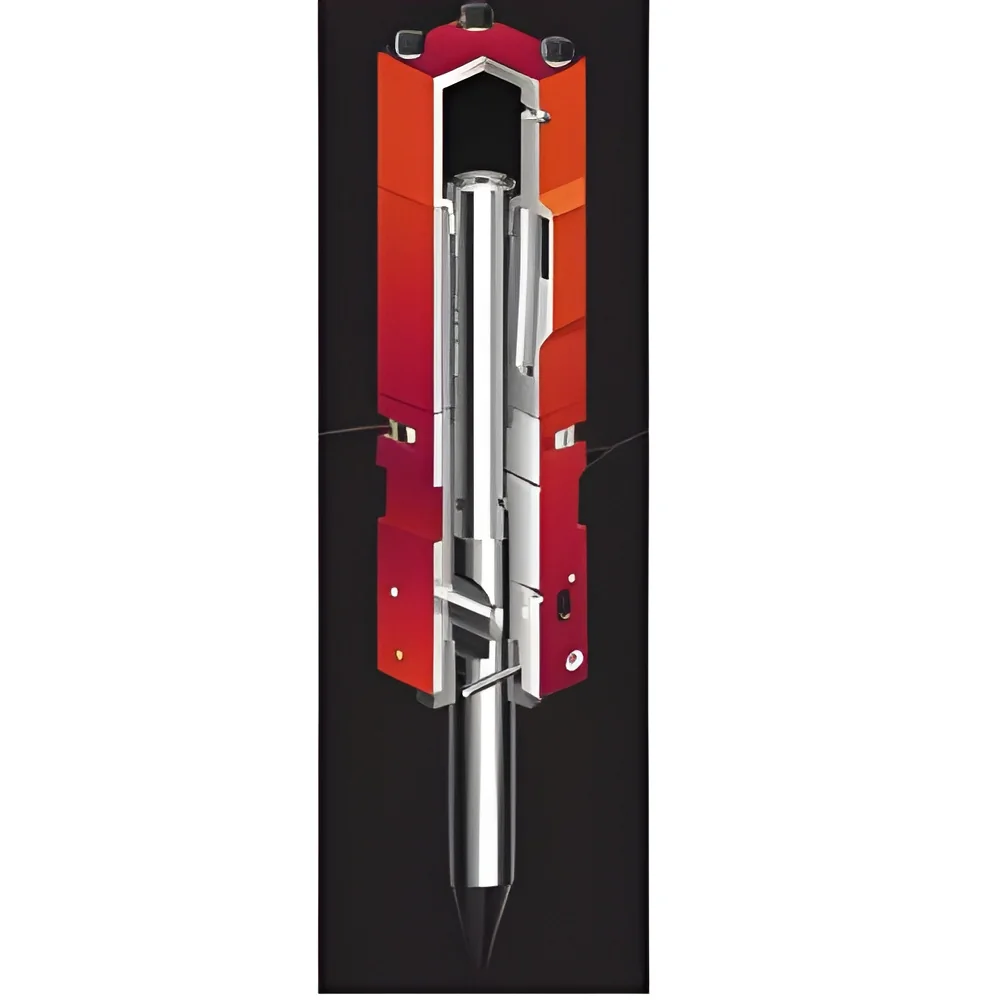
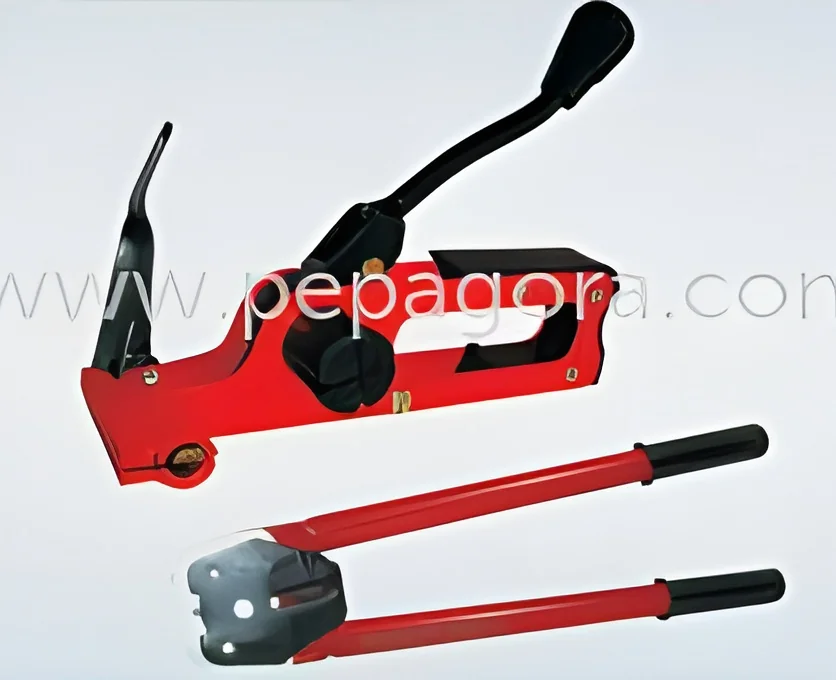
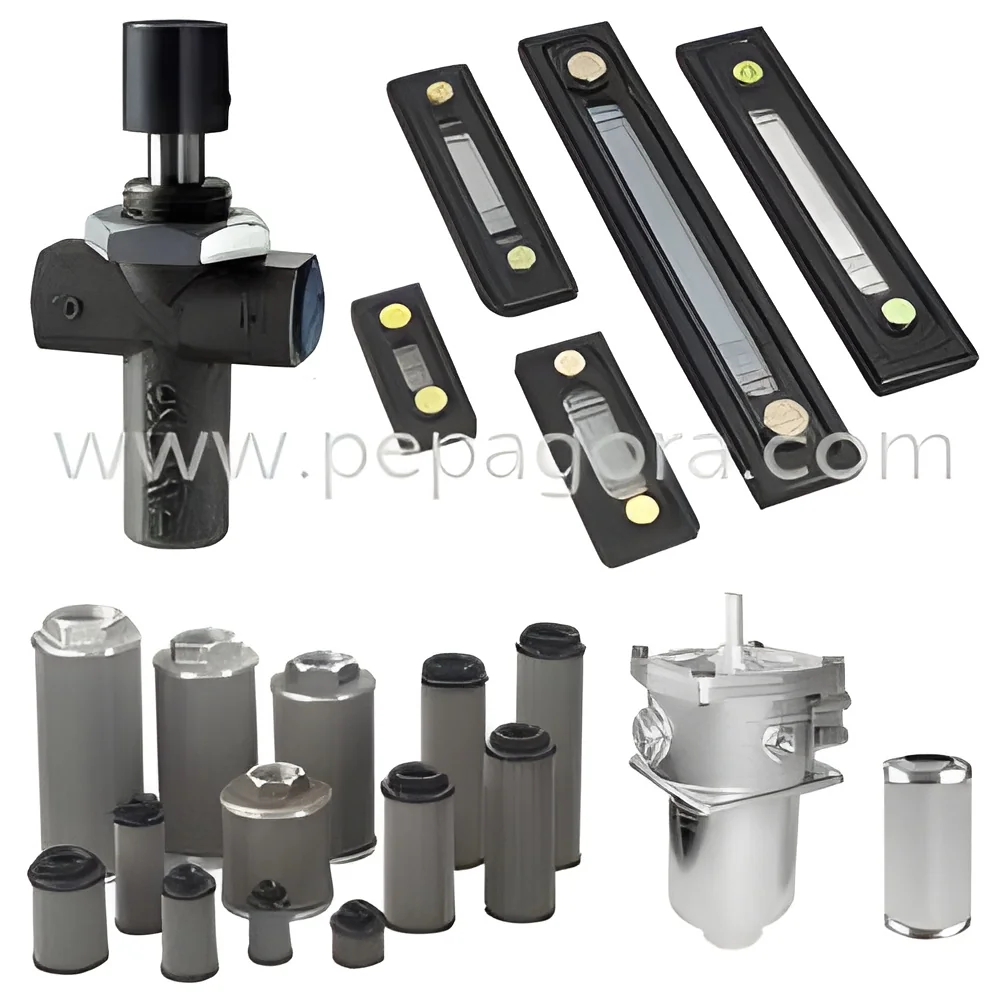
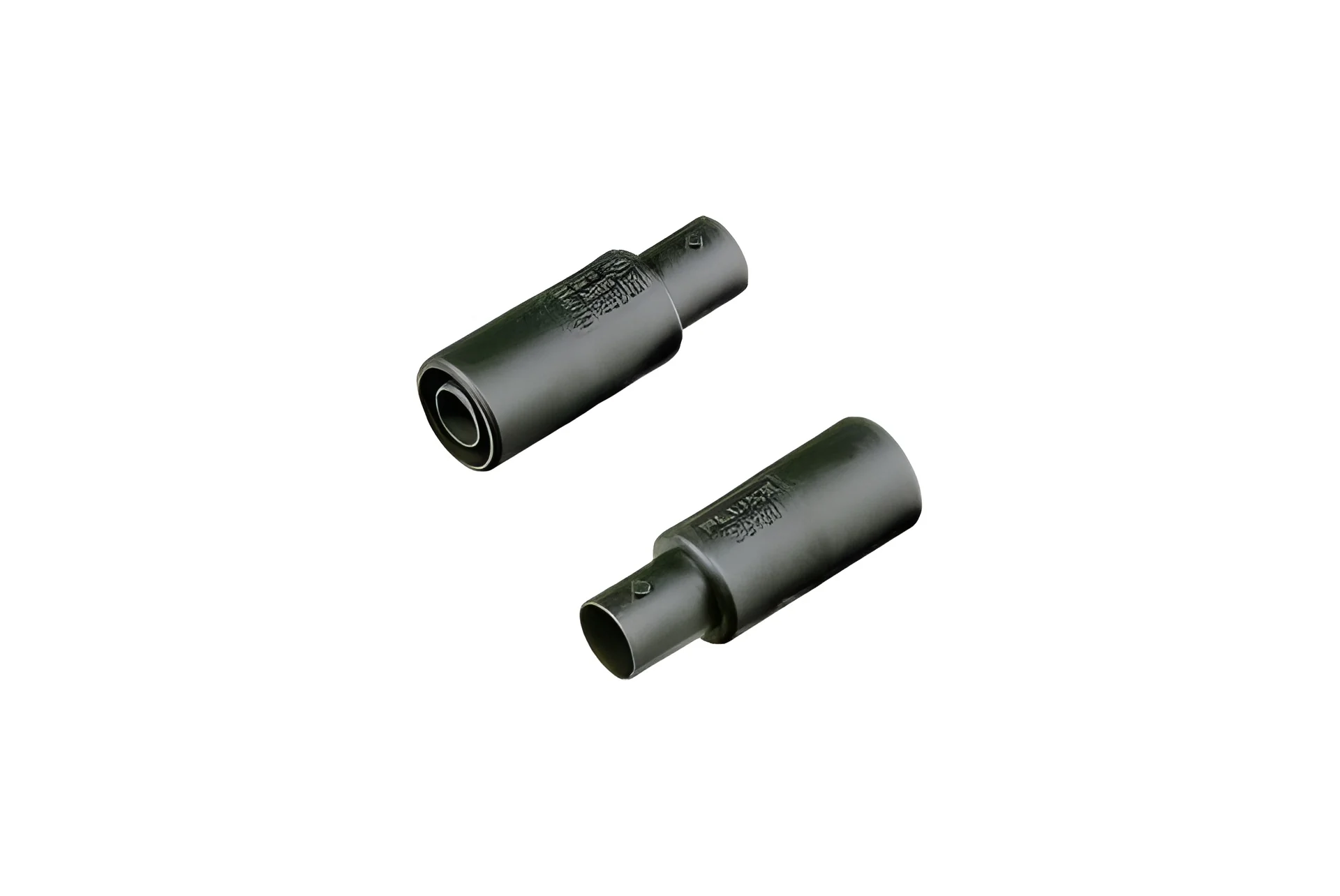
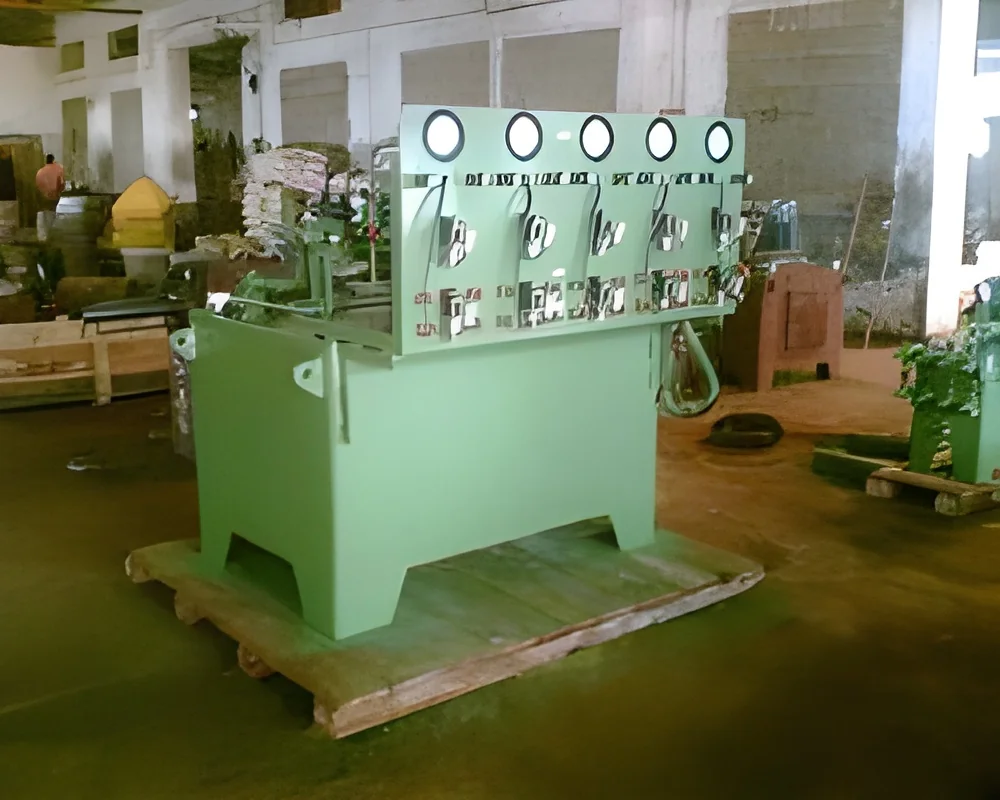
What are Other Hydraulic Tools?
Other hydraulic tools encompass a wide range of equipment designed to utilize hydraulic power for various applications. These tools operate on the principle of fluid mechanics, where hydraulic fluid transmits force to perform tasks such as lifting, pushing, pulling, and cutting. They are essential in industries that require heavy lifting and precision, making them vital in construction, manufacturing, and maintenance operations.
The primary uses of other hydraulic tools include tasks that require significant force and control. They are commonly used in sectors such as automotive repair, construction, and heavy machinery maintenance. Their ability to handle demanding tasks with ease makes them invaluable for businesses seeking efficiency and productivity. The versatility of these tools allows them to adapt to different functions, making them a staple in various industrial environments.
In the current market context, the demand for other hydraulic tools is growing, driven by advancements in technology and a focus on safety and efficiency in industrial operations. Companies are increasingly adopting these tools to meet their operational needs while complying with safety regulations. As industries continue to evolve, the relevance of hydraulic tools remains strong, supporting a wide array of applications and enhancing overall productivity.
Key Features and Specifications
Other hydraulic tools come equipped with various features that enhance their performance and usability. These tools are designed with durability and efficiency in mind, ensuring they can withstand rigorous use in demanding environments.
Key specifications include:
1. Pressure Rating
- Typically ranges from 1000 PSI to 10,000 PSI
- Determines the maximum force the tool can exert
2. Flow Rate
- Usually between 0.5 to 20 GPM
- Affects the speed at which the hydraulic fluid moves through the system
3. Weight Capacity
- Varies widely depending on the tool type
- Can support loads from a few hundred pounds to several tons
4. Hose Length
- Standard lengths range from 3 to 50 feet
- Longer hoses allow for greater maneuverability in tight spaces
5. Material Construction
- Common materials include steel and aluminum
- Ensures durability and resistance to corrosion
6. Safety Features
- Often includes pressure relief valves and overload protection
- Enhances user safety during operation
7. Operating Temperature Range
- Generally operates effectively from -20°C to 100°C
- Important for maintaining performance in various environmental conditions
8. Compatibility
- Designed to work with various hydraulic systems
- Ensures versatility across different applications
In summary, understanding the key features and specifications of other hydraulic tools is essential for selecting the right equipment for specific industrial applications.
Common Applications and Use Cases
Other hydraulic tools serve multiple industries, each benefiting from their unique capabilities.
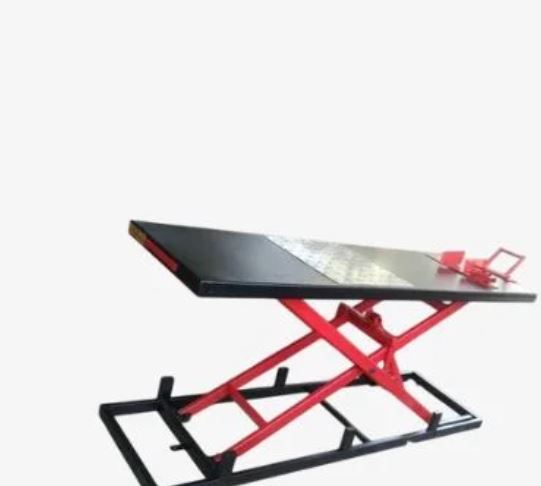
1. Automotive Industry: Hydraulic tools are used for lifting vehicles, performing repairs, and changing tires. They enhance efficiency in auto shops and garages.
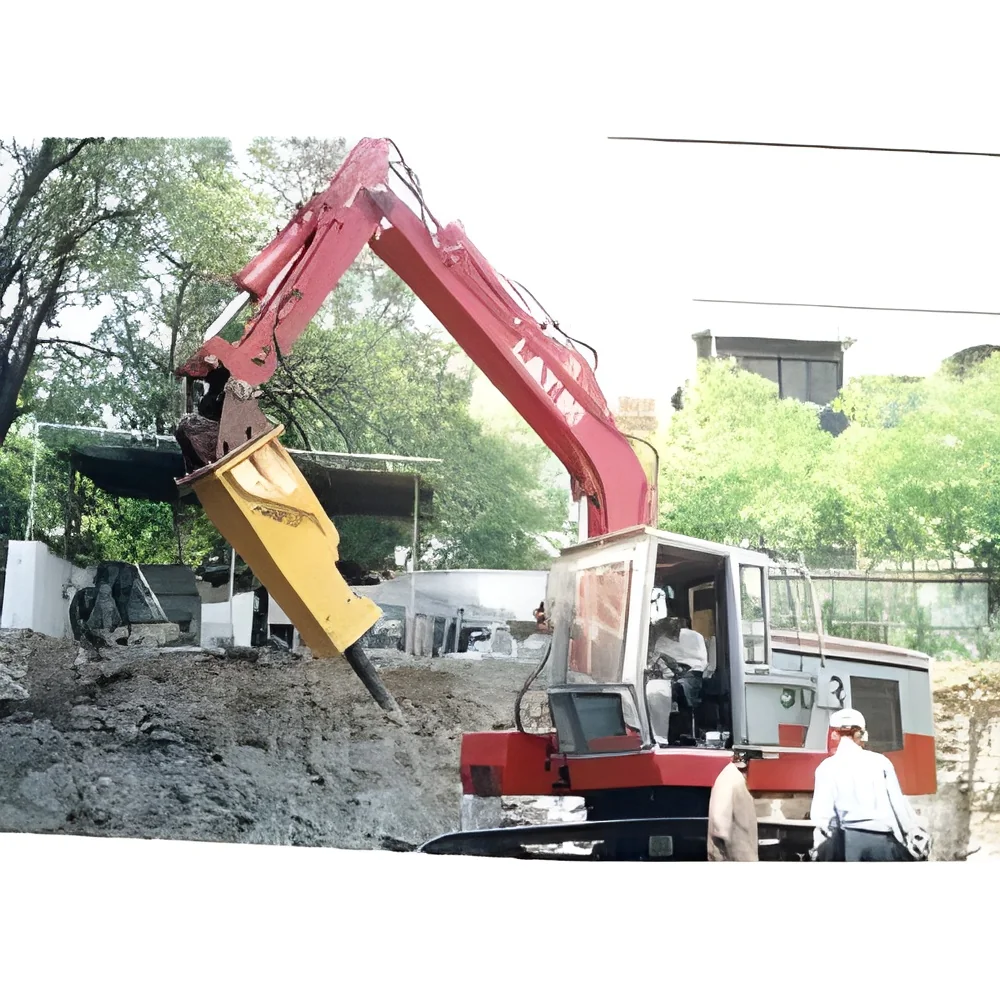
2. Construction Industry: These tools are critical for lifting heavy materials, breaking concrete, and performing excavation tasks. They ensure that construction projects can be completed safely and on time.
3. Manufacturing Sector: In manufacturing, hydraulic tools are used for assembly lines and machinery maintenance, enhancing productivity and reducing downtime.
4. Mining Industry: Hydraulic tools help in the extraction of minerals and the maintenance of heavy mining equipment, making operations smoother and safer.
5. Aerospace Industry: These tools are utilized for assembling aircraft and performing repairs, ensuring precision and reliability in a high-stakes environment.
6. Marine Applications: Hydraulic tools are essential for shipbuilding and maintenance, providing the necessary force for various tasks.
7. Energy Sector: Used in the installation and maintenance of energy infrastructure, hydraulic tools are vital for safe and efficient operations in this field.
Product Variants and Subcategories
The diversity of other hydraulic tools allows for various product variants, each tailored for specific applications.
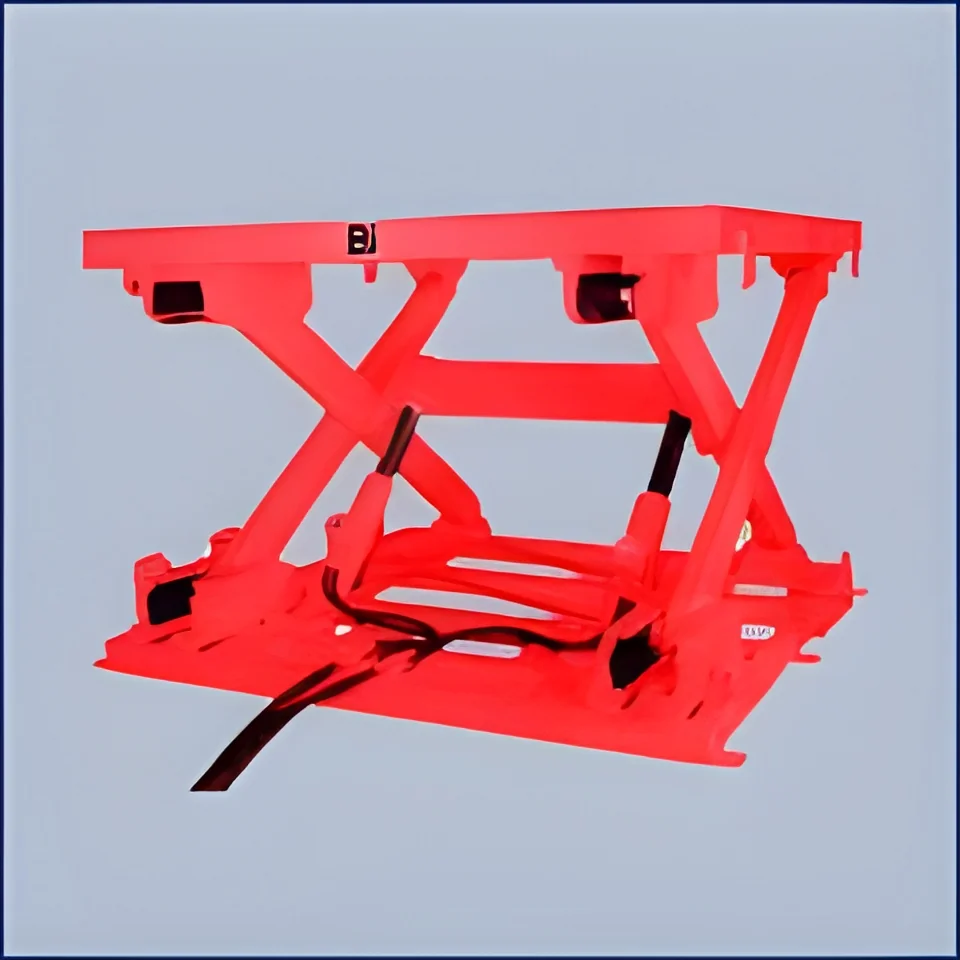
Hydraulic Jacks
Hydraulic jacks are designed for lifting heavy loads with minimal effort. They are widely used in automotive and construction settings, providing reliable lifting capabilities.
Hydraulic Pumps
These pumps are crucial for generating hydraulic power. They are used across many industries to supply fluid pressure to hydraulic systems, ensuring effective operation of hydraulic tools.
Hydraulic Cutters
Hydraulic cutters are specialized tools used for cutting through tough materials like metal and concrete. They are essential in demolition and construction projects.
Hydraulic Crimping Tools
Used for crimping connections on hoses and cables, these tools provide strong and secure fittings essential for safe hydraulic operations.
Benefits and Advantages
Choosing other hydraulic tools offers numerous benefits that can enhance operational efficiency.
1. Increased Efficiency: Hydraulic tools allow for faster completion of heavy-duty tasks, reducing labor time and improving productivity.
2. Enhanced Safety: With safety features such as pressure relief valves, these tools minimize risks associated with heavy lifting and operation.
3. Versatility: Hydraulic tools can be adapted for various applications, making them suitable for multiple industries.
4. Reduced Physical Strain: These tools enable users to perform tasks with less physical effort, reducing the risk of injury.
5. Cost-Effective Solutions: Investing in hydraulic tools can lead to long-term savings by increasing operational efficiency and reducing downtime.
6. Precision and Control: Hydraulic systems allow for fine-tuned control over operations, enhancing the quality of work performed.
Buying Guide for B2B Buyers
When sourcing other hydraulic tools, businesses should consider several key factors to ensure they make informed purchasing decisions.
1. Quality Assessment: Evaluate the materials and construction of the tools. Look for reputable manufacturers that adhere to industry standards for quality and performance.
2. Supplier Verification: Vet suppliers by checking their credentials, customer reviews, and industry reputation. A reliable supplier can provide support and assurance regarding product quality.
3. Pricing and MOQ: Understand the cost implications and minimum order quantities. Compare prices from different suppliers to find a competitive deal that meets your budget.
4. Delivery and Lead Times: Consider the supplier's logistics capabilities. Ensure they can meet your delivery expectations to avoid project delays.
5. Compliance Requirements: Familiarize yourself with any regulatory standards relevant to your industry. Ensure the tools meet necessary compliance and safety certifications.
Compliance and Certifications
Compliance and certification are critical factors in the hydraulic tool market. Relevant quality standards, such as ISO 9001, ensure that products meet high levels of quality management. Certification from bodies like CE and UL indicates adherence to safety and performance standards, which are essential for user safety.
Safety and testing requirements are also crucial. Hydraulic tools must undergo rigorous testing to verify their performance under various conditions. This includes checking for pressure resistance and operational efficiency.
Additionally, regional compliance considerations may vary, so it is essential to be aware of local regulations governing hydraulic tools. Ensuring compliance not only enhances safety but also builds trust with clients and stakeholders.
Why Source Other Hydraulic Tools from Pepagora?
Pepagora provides a trusted platform for sourcing other hydraulic tools, offering several key advantages to B2B buyers.
Verified Supplier Network: Pepagora connects buyers with a network of verified suppliers, ensuring that you can source high-quality products with confidence. Each supplier is vetted for reliability and performance.
Streamlined RFQ Process: The request for quotation (RFQ) process is simplified on Pepagora. Buyers can easily submit their needs and receive tailored quotes from multiple suppliers, facilitating informed decision-making.
Trade Assurance and Support: Pepagora offers trade assurance, providing a layer of protection for buyers. This includes support for negotiation and transaction processes, ensuring a positive sourcing experience.
Regional Coverage: With a strong presence in India, the GCC, and Southeast Asia, Pepagora can cater to various regional needs. This geographic reach ensures that businesses can access the tools they need, regardless of location.
By choosing Pepagora, businesses can enhance their sourcing efficiency while ensuring compliance and quality in their hydraulic tool acquisitions.

 IN
IN