What are Hydraulic Control Valves?
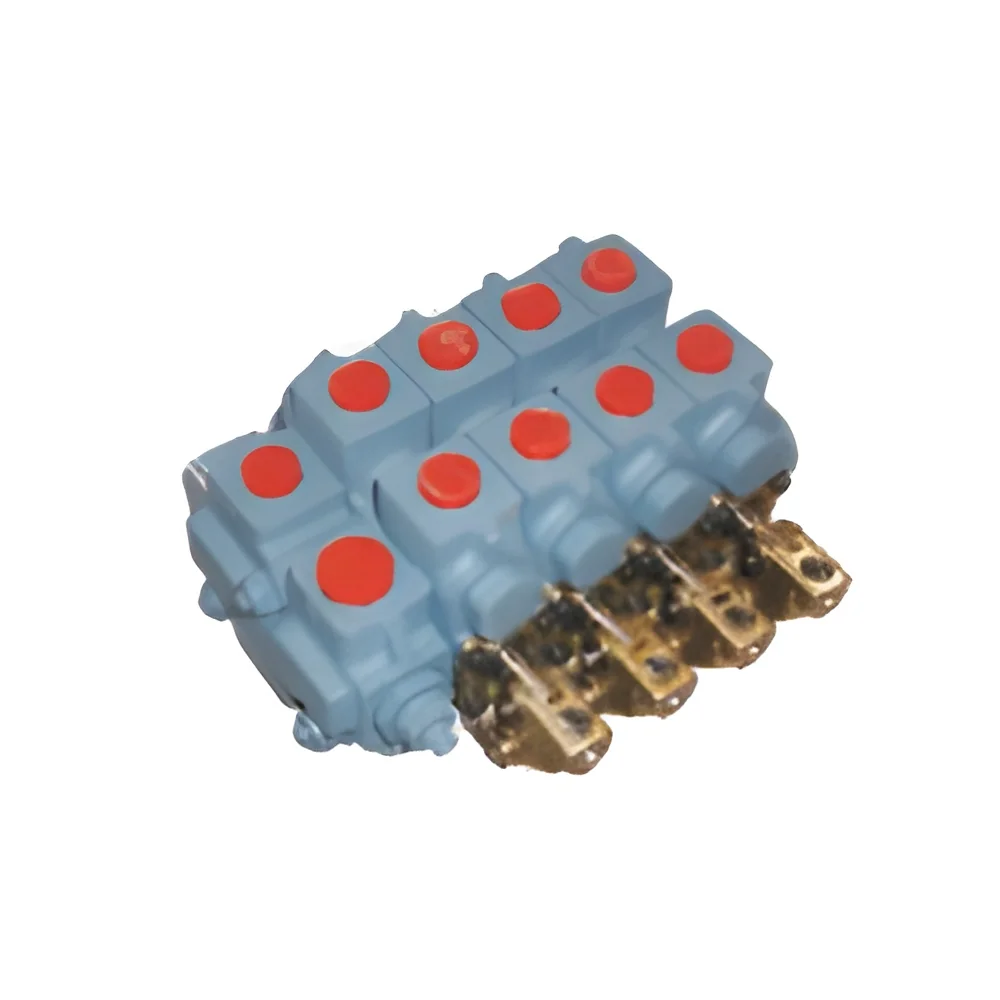
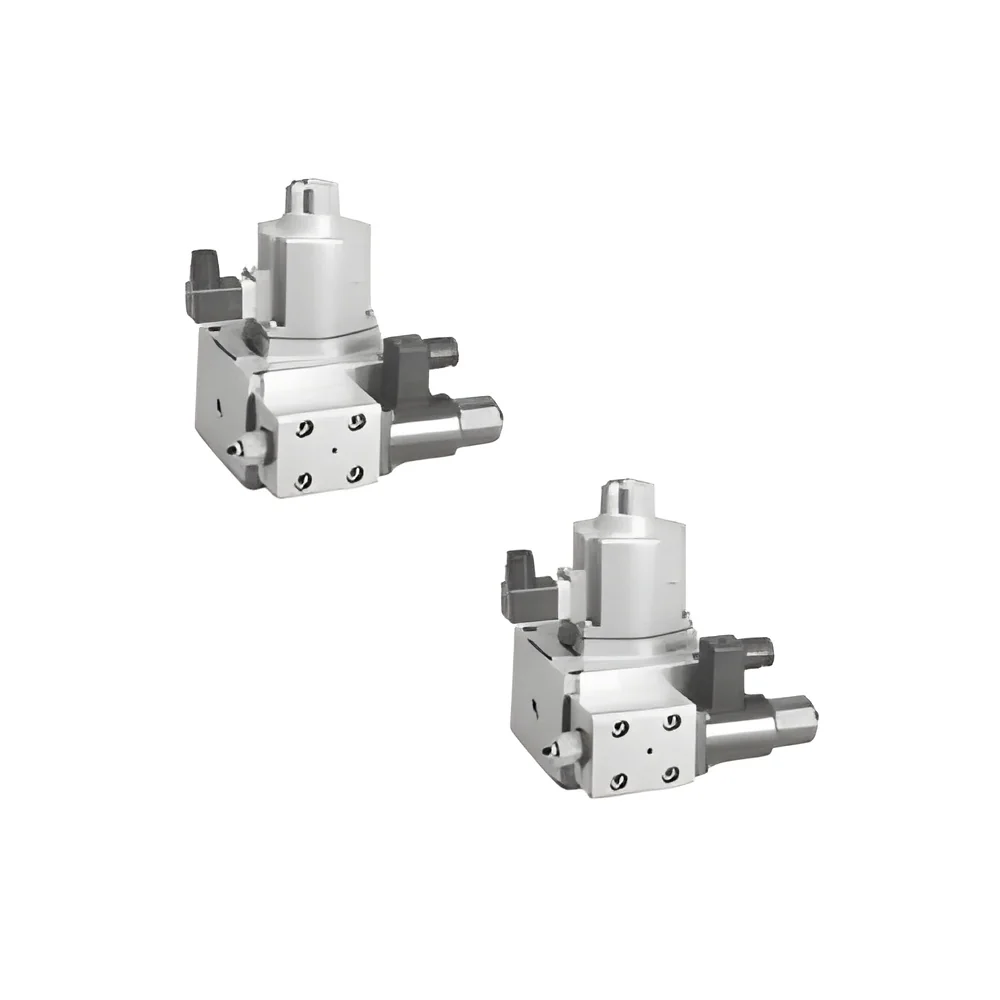
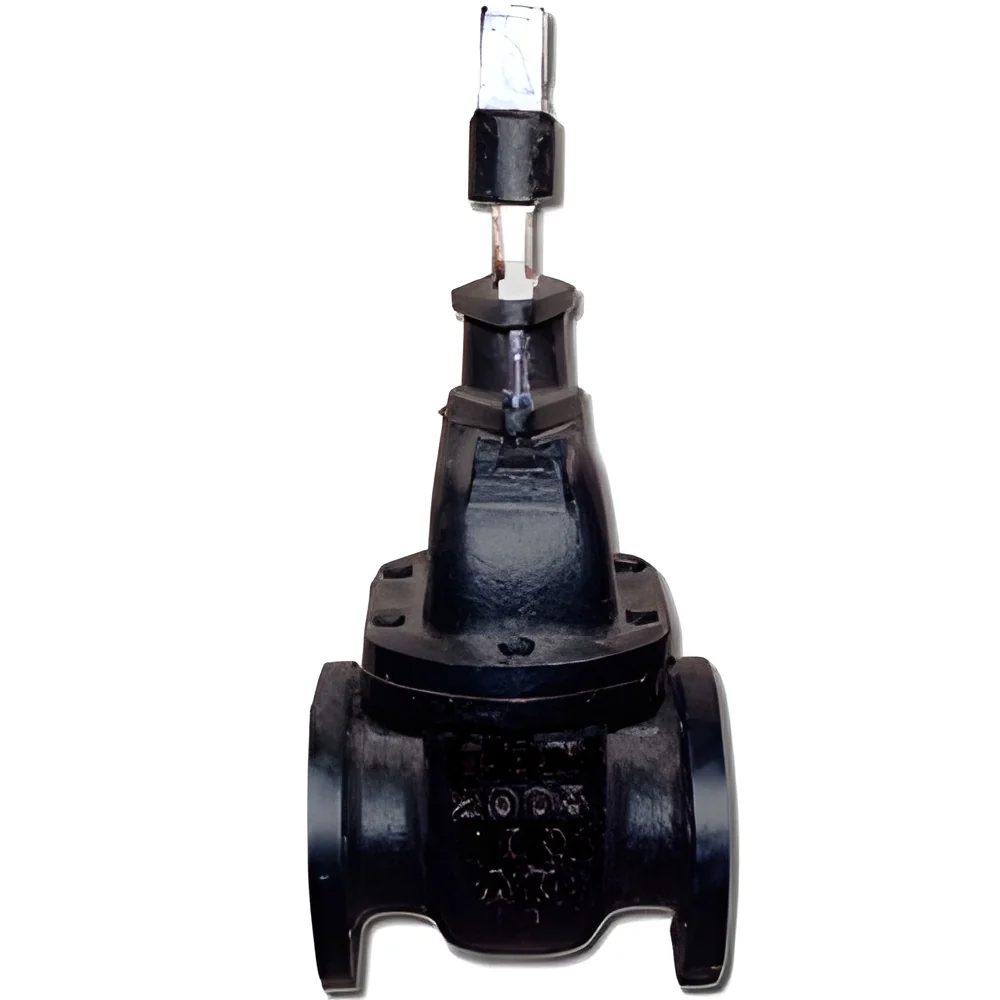
Hydraulic control valves are essential components in hydraulic systems, used to control the flow and pressure of hydraulic fluids. These valves regulate the movement of fluid, allowing operators to manage the performance of hydraulic machinery effectively. Hydraulic control valves can be categorized into various types, such as directional control valves, pressure control valves, and flow control valves. Each type serves a specific purpose in managing hydraulic fluid dynamics.
Primarily, hydraulic control valves are utilized in industries such as manufacturing, construction, and agriculture. They play a crucial role in operating hydraulic machinery like excavators, forklifts, and hydraulic presses. Their ability to control and direct fluid flow makes them indispensable in applications requiring precision and efficiency. As industries continue to adopt automated and hydraulic technologies, the demand for reliable hydraulic control valves is expected to grow.
In the current market, hydraulic control valves are increasingly relevant due to advancements in technology and automation. Manufacturers are continually innovating to improve performance, reliability, and energy efficiency. This makes understanding the specifications and capabilities of hydraulic control valves essential for businesses looking to enhance their operational efficiency.
Key Features and Specifications
Hydraulic control valves come equipped with various features that enhance their functionality and efficiency. Understanding these specifications is vital for selecting the right valve for specific applications.
Key specifications include:
1. Flow Rate
- Indicates the volume of fluid that can pass through the valve per unit of time.
- Measured in liters per minute (LPM) or gallons per minute (GPM).
2. Pressure Rating
- The maximum pressure the valve can handle without failure.
- Typically expressed in bar or psi.
3. Temperature Range
- The operational temperature range for the valve.
- Specifications may vary, but typically range from -20°C to 80°C.
4. Port Size
- The size of the inlet and outlet ports.
- Common sizes include 1/4 inch, 1/2 inch, and 3/4 inch.
5. Type of Actuation
- Refers to how the valve is operated, such as manual, pneumatic, or electric.
6. Seal Material
- The material used for seals, affecting compatibility with different fluids.
- Common materials include Nitrile, Viton, and PTFE.
7. Body Material
- The material used to construct the valve body, impacting durability and corrosion resistance.
- Common materials are aluminum, stainless steel, and cast iron.
8. Response Time
- The time taken for the valve to react to a control signal.
- Important for applications requiring quick adjustments.
In summary, knowing the specifications of hydraulic control valves is crucial for ensuring they meet the operational demands of specific applications.
Common Applications and Use Cases
Hydraulic control valves serve a wide variety of industries, each with unique applications.
1. Manufacturing: In manufacturing, hydraulic control valves are essential in machinery like presses and injection molding machines, ensuring precise control of fluid power.
2. Construction: In the construction industry, these valves are used in equipment such as bulldozers and backhoes, allowing operators to manage hydraulic functions effectively.
3. Agriculture: Agricultural machinery, such as tractors and harvesters, relies on hydraulic control valves to operate implements and attachments, enhancing productivity.
4. Mining: In mining operations, hydraulic control valves control drilling equipment and other machinery, enabling efficient resource extraction.
5. Automotive: Hydraulic systems in automotive manufacturing utilize control valves to operate assembly line equipment and testing rigs.
6. Marine: In marine applications, hydraulic control valves are used in steering systems and deck machinery, ensuring safe and reliable operations.
7. Aerospace: Aerospace systems employ hydraulic control valves for landing gear operations and other critical functions.
Product Variants and Subcategories
Hydraulic control valves come in various types, each designed for specific operational needs.
Directional Control Valves: These valves manage the direction of hydraulic fluid flow. They are crucial for applications requiring precise movement control, such as in hydraulic cylinders.
Pressure Control Valves: Designed to regulate the pressure within a hydraulic system, these valves prevent over-pressurization and protect machinery from damage.
Flow Control Valves: These valves adjust the flow rate of hydraulic fluid, ensuring smooth operation of hydraulic systems. They are commonly used in applications where speed control is essential.
Relief Valves: These safety devices protect hydraulic systems from excessive pressure by diverting flow when preset limits are exceeded.
Proportional Control Valves: These advanced valves offer variable control based on input signals, allowing for more precise adjustments in flow and pressure.
Benefits and Advantages
Hydraulic control valves offer numerous benefits to businesses that employ them in their operations.
1. Precision Control: They provide precise control over fluid movement, enhancing the efficiency of hydraulic systems.
2. Safety: Hydraulic control valves help prevent system failures by regulating pressure and flow, reducing the risk of accidents.
3. Versatility: These valves can be used in a variety of applications across different industries, making them a versatile choice.
4. Durability: Built from robust materials, hydraulic control valves are designed to withstand harsh operating conditions, ensuring long service life.
5. Efficiency: By optimizing fluid flow, these valves can improve the overall efficiency of hydraulic machinery, leading to lower operational costs.
6. Automation Compatibility: Hydraulic control valves can be easily integrated into automated systems, enhancing operational productivity.
Buying Guide for B2B Buyers
When sourcing hydraulic control valves, several factors should be considered to ensure the right choice for your business needs.
1. Quality Assessment: Evaluate the quality of hydraulic control valves based on materials, construction, and performance metrics. Look for certifications that validate their reliability.
2. Supplier Verification: Vet suppliers for their reputation, experience, and customer reviews. A reliable supplier can provide support and ensure the availability of high-quality products.
3. Pricing and MOQ: Understand the pricing structure and minimum order quantities (MOQ) required by suppliers. Compare prices to ensure you are getting competitive rates.
4. Delivery and Lead Times: Consider the logistics of sourcing valves, including delivery times and the reliability of the supplier's shipping process.
5. Compliance Requirements: Ensure that the hydraulic control valves meet applicable industry regulations and standards. This includes checking for certifications like UL and CE.
Compliance and Certifications
Compliance with quality standards is critical for hydraulic control valves to ensure safety and effectiveness. Key standards include ISO 9001, which outlines quality management systems, and industry-specific certifications like UL and CE, ensuring products meet safety and performance criteria.
Safety and testing requirements are paramount in manufacturing hydraulic control valves. These valves must undergo rigorous testing to verify their performance under various conditions. Additionally, regional compliance considerations may vary, requiring manufacturers to adhere to specific regulations based on geographic location.
Understanding these compliance and certification requirements helps businesses select hydraulic control valves that not only meet operational needs but also ensure safety and reliability.
Why Source Hydraulic Control Valves from Pepagora?
Pepagora provides a trusted platform for sourcing hydraulic control valves, offering several key advantages that set it apart from competitors.
Verified Supplier Network: Pepagora features a network of verified suppliers, ensuring that buyers can trust the quality and reliability of the products they purchase. This network helps mitigate risks associated with sourcing from unknown vendors.
Streamlined RFQ Process: The request for quotation (RFQ) process on Pepagora is designed for efficiency. Buyers can quickly obtain quotes from multiple suppliers, facilitating comparison and selection.
Trade Assurance and Support: Pepagora offers trade assurance, providing buyer protection throughout the purchasing process. This support helps build confidence in transactions, ensuring that buyers receive what they expect.
Regional Coverage: With a strong presence in regions like India, the GCC, and Southeast Asia, Pepagora connects buyers with suppliers in diverse markets. This regional coverage enhances accessibility to quality hydraulic control valves tailored to specific operational needs.

 IN
IN