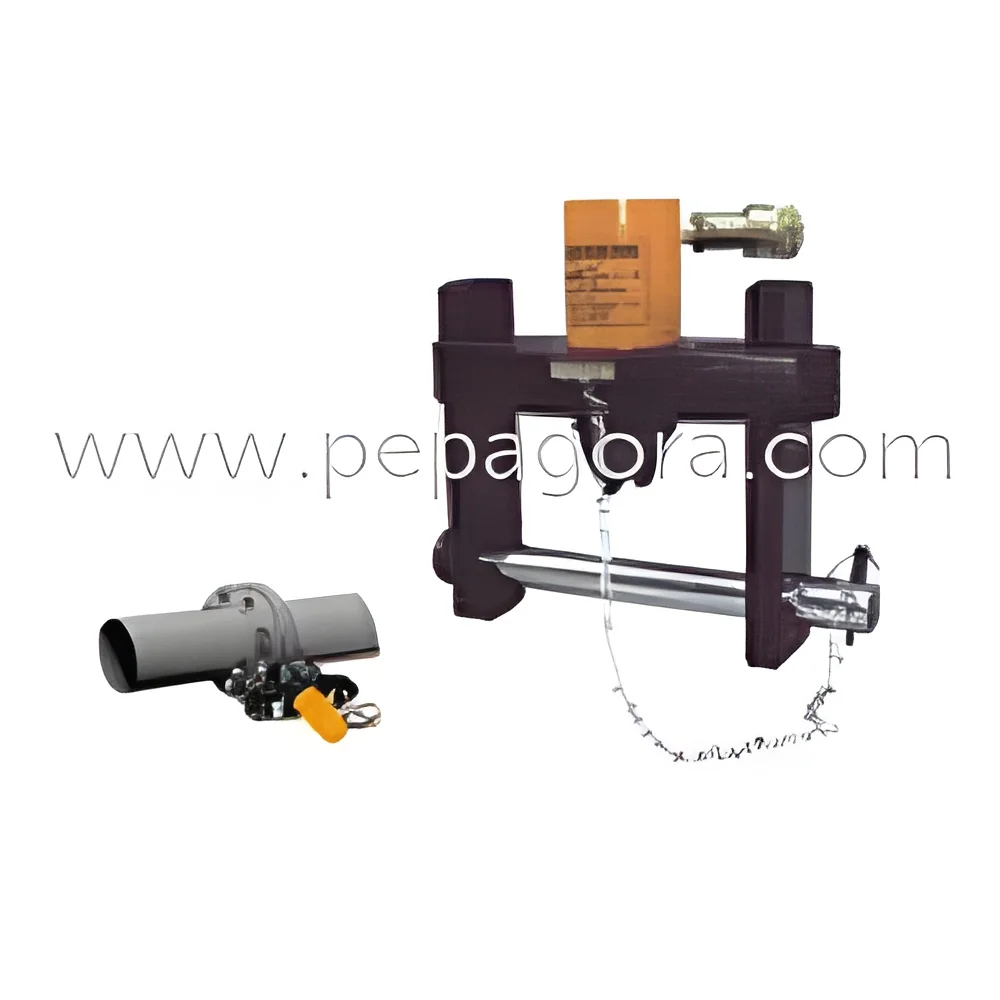
What are Hydraulic Flange Spreaders?
Hydraulic flange spreaders are specialized tools designed to separate and align flanges in various industrial applications. Utilizing hydraulic force, these devices can create precise gaps between flanges, allowing for easier maintenance, installation, and inspections of piping systems. The hydraulic mechanism enables them to exert substantial force, making them highly effective in operations where manual methods would be insufficient.
These tools are commonly used in industries such as oil and gas, power generation, and manufacturing, where flanged connections are prevalent. Their primary applications include facilitating the removal of gaskets, preventing damage to flange surfaces, and ensuring proper alignment during assembly. The ability to operate in confined spaces while delivering significant force makes hydraulic flange spreaders essential for effective maintenance practices.
In the current market, the demand for hydraulic flange spreaders is driven by the increasing complexity of industrial systems and the need for reliable maintenance practices. As industries continue to evolve, these tools play a crucial role in enhancing operational efficiency and safety.
Key Features and Specifications
Hydraulic flange spreaders come with a range of features that enhance their effectiveness and usability. Understanding these specifications is essential for selecting the right tool for your specific needs.
Key specifications include:
1. Maximum Operating Pressure
- Typically ranges from 700 to 10,000 PSI
- Ensures adequate force for separating flanges of various sizes
2. Spreading Force
- Can generate between 10 to 30 tons of force
- Sufficient for most industrial applications
3. Flange Width Capacity
- Accommodates flange widths of 1 to 12 inches
- Versatile for different types of flanges
4. Weight
- Usually weighs between 20 to 50 pounds
- Lightweight design aids in portability and ease of use
5. Material Construction
- Made from high-strength steel or aluminum
- Ensures durability and resistance to wear
6. Hydraulic Cylinder Stroke
- Stroke length typically ranges from 2 to 6 inches
- Allows for effective spreading without excessive force
7. Safety Features
- Includes overload protection and secure locking mechanisms
- Enhances user safety during operation
8. Compatibility
- Designed to work with standard hydraulic pumps
- Ensures ease of integration into existing systems
In summary, understanding the key features and specifications of hydraulic flange spreaders enables businesses to make informed decisions that align with their operational requirements.
Common Applications and Use Cases
Hydraulic flange spreaders are utilized across various industries, reflecting their versatility and importance in industrial operations.
1. Oil and Gas: In this sector, flange spreaders are essential for pipeline maintenance, allowing for quick removal and replacement of flanges during inspections.
2. Power Generation: Used in power plants, these tools facilitate the maintenance of turbine and generator flanges, ensuring efficient operations and minimizing downtime.
3. Manufacturing: In manufacturing environments, flange spreaders assist in the assembly and disassembly of machinery, streamlining maintenance processes.
4. Chemical Processing: These tools are vital for safely accessing and maintaining equipment in chemical plants, where flange connections are common.
5. Marine: Hydraulic flange spreaders are used in shipbuilding and repair, enabling easy access to critical components.
6. Construction: In construction projects, they help with the installation and maintenance of large structural components.
7. HVAC: Used in heating, ventilation, and air conditioning systems, these tools aid in the installation and maintenance of ductwork flanges.
Product Variants and Subcategories
Hydraulic flange spreaders come in various configurations to meet different operational needs. This diversity allows businesses to select models that best suit their specific applications.
Standard Flange Spreader
This variant is designed for general use in a variety of industries. It features a robust design that provides reliable performance for standard flange sizes.
Heavy-Duty Flange Spreader
Engineered for more demanding applications, this variant can handle larger flanges and higher pressure levels. It is ideal for industries such as oil and gas where strength is paramount.
Compact Flange Spreader
Designed for use in confined spaces, this model offers a smaller footprint while maintaining effective spreading force. It is particularly useful in maintenance tasks where space is limited.
Electric Hydraulic Flange Spreader
This variant features an electric hydraulic pump, simplifying operation and reducing manual effort. It is suitable for applications requiring frequent use and efficiency.
Benefits and Advantages
Choosing hydraulic flange spreaders offers numerous advantages that enhance maintenance operations across various industries.
1. Increased Efficiency: Hydraulic flange spreaders significantly reduce the time required for flange separation and alignment, streamlining maintenance tasks.
2. Enhanced Safety: Equipped with safety features, these tools minimize the risk of injury to operators during flange operations.
3. Reduced Risk of Damage: The precise control offered by hydraulic spreaders helps prevent damage to flange surfaces, which can lead to costly repairs.
4. Versatility: These tools can be used in a variety of settings, from oil rigs to manufacturing plants, making them a valuable addition to any maintenance toolkit.
5. Ease of Use: Hydraulic flange spreaders are user-friendly, requiring minimal training to operate effectively.
6. Cost-Effectiveness: By reducing labor time and minimizing the risk of damage, these tools can lead to significant cost savings in maintenance operations.
Buying Guide for B2B Buyers
When sourcing hydraulic flange spreaders, it is essential to consider several key factors to ensure you make a well-informed purchase.
1. Quality Assessment: Evaluate the materials and manufacturing processes of the spreaders. Ensure they meet industry standards for durability and performance.
2. Supplier Verification: Vet suppliers by checking their reputation, customer reviews, and certifications. This ensures that you are purchasing from a reliable source.
3. Pricing and MOQ: Understand the cost of the spreaders and any minimum order quantities. This will help you budget effectively and plan your procurement.
4. Delivery and Lead Times: Confirm delivery schedules and lead times to avoid disruptions in your operations. Timely access to equipment is crucial.
5. Compliance Requirements: Verify that the products meet relevant industry regulations and safety standards. This ensures that you remain compliant with local and international laws.
Compliance and Certifications
Compliance and certifications are critical aspects of hydraulic flange spreaders. These tools must adhere to various quality standards and safety regulations to ensure safe and effective operation.
Many hydraulic flange spreaders are manufactured in accordance with ISO 9001, which outlines quality management principles. This certification ensures that products are consistently produced to meet customer expectations.
Additionally, industry certifications such as UL and CE signify that the products have been tested for safety and performance. These certifications provide assurance that the flange spreaders meet stringent safety standards.
Safety and testing requirements also play a vital role in the design and manufacture of these tools. Manufacturers often conduct rigorous testing to ensure that their products can withstand the operating conditions they will encounter in the field.
Regional compliance considerations should also be taken into account, as regulations may vary across different jurisdictions. Ensuring that your equipment meets local compliance standards is essential for operational success.
Why Source Hydraulic Flange Spreaders from Pepagora?
Pepagora offers a trusted platform for sourcing hydraulic flange spreaders, providing several key advantages to buyers.
Verified Supplier Network: Pepagora has established a comprehensive network of verified suppliers, ensuring that buyers can access high-quality products from reliable sources. This verification process helps mitigate risks associated with procurement.
Streamlined RFQ Process: The platform simplifies the request for quotation (RFQ) process, allowing buyers to quickly obtain quotes from multiple suppliers. This efficiency can lead to better pricing and faster decision-making.
Trade Assurance and Support: Pepagora provides trade assurance, protecting buyers throughout the purchasing process. This includes support for resolving any disputes that may arise, ensuring a smooth transaction.
Regional Coverage: With a strong presence in India, the GCC, and Southeast Asia, Pepagora can facilitate sourcing across diverse markets. This geographic reach allows buyers to tap into a wide range of suppliers and products, enhancing their procurement options.

 IN
IN