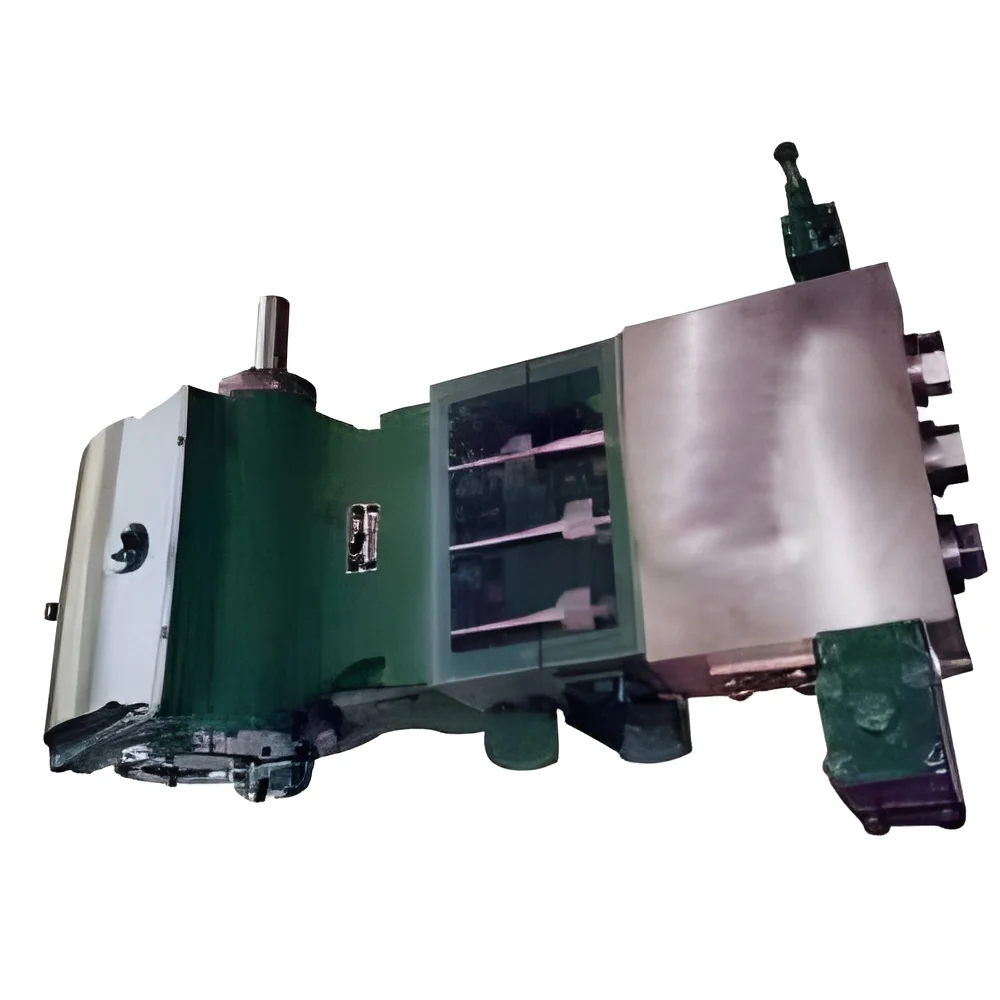
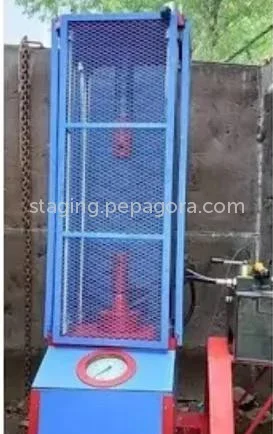
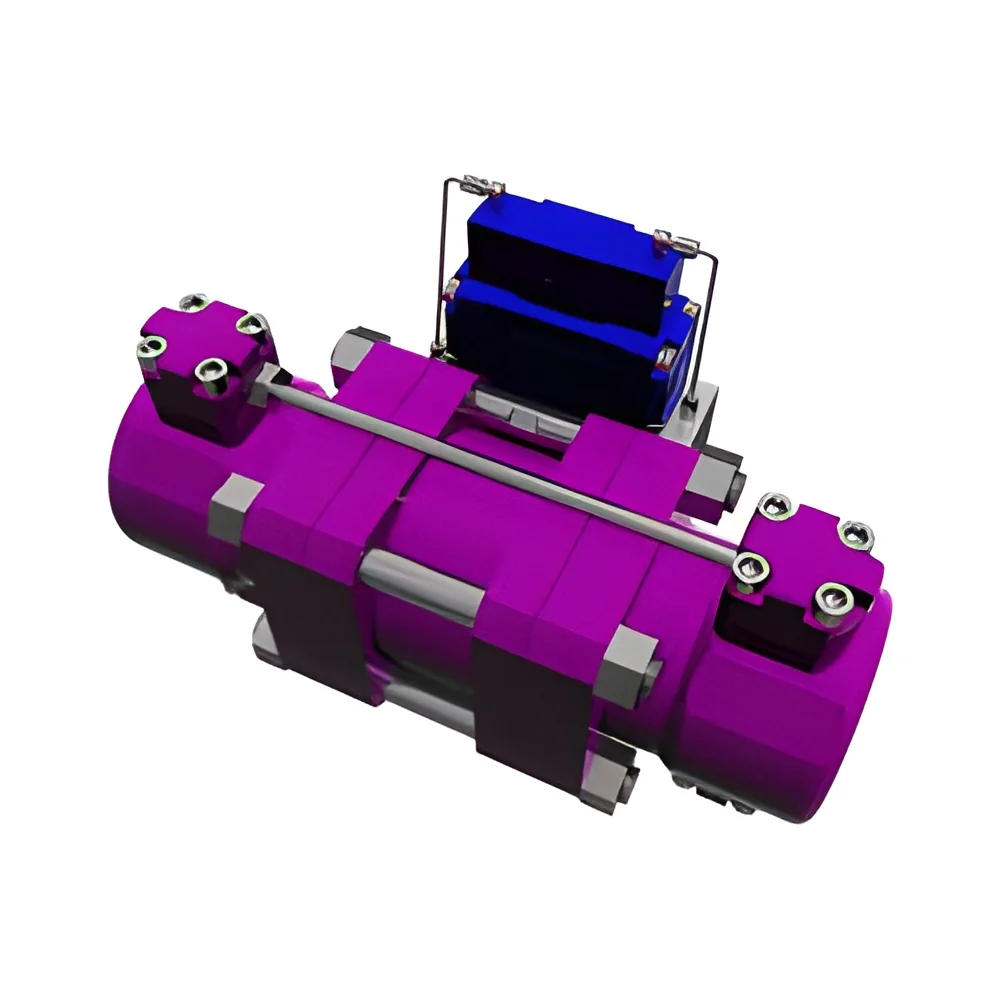
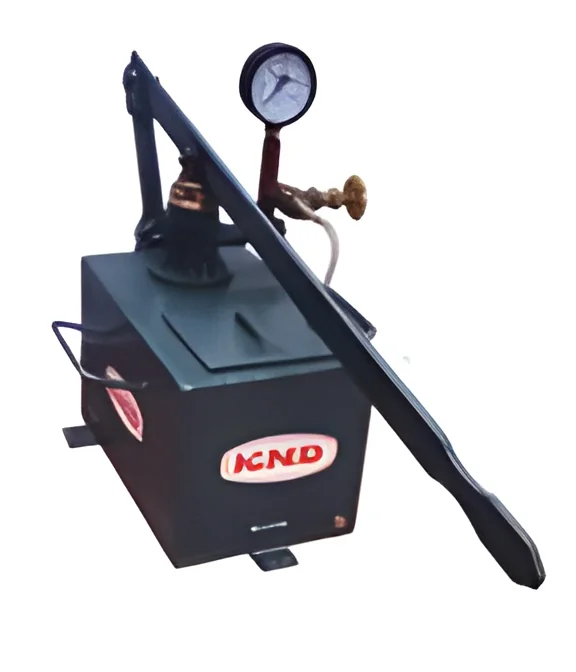
What are Hydraulic Test Pumps?
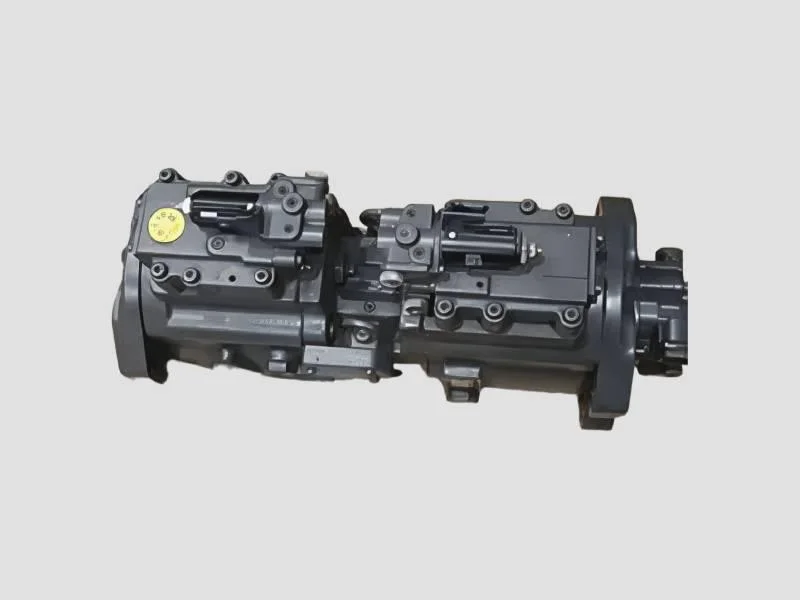
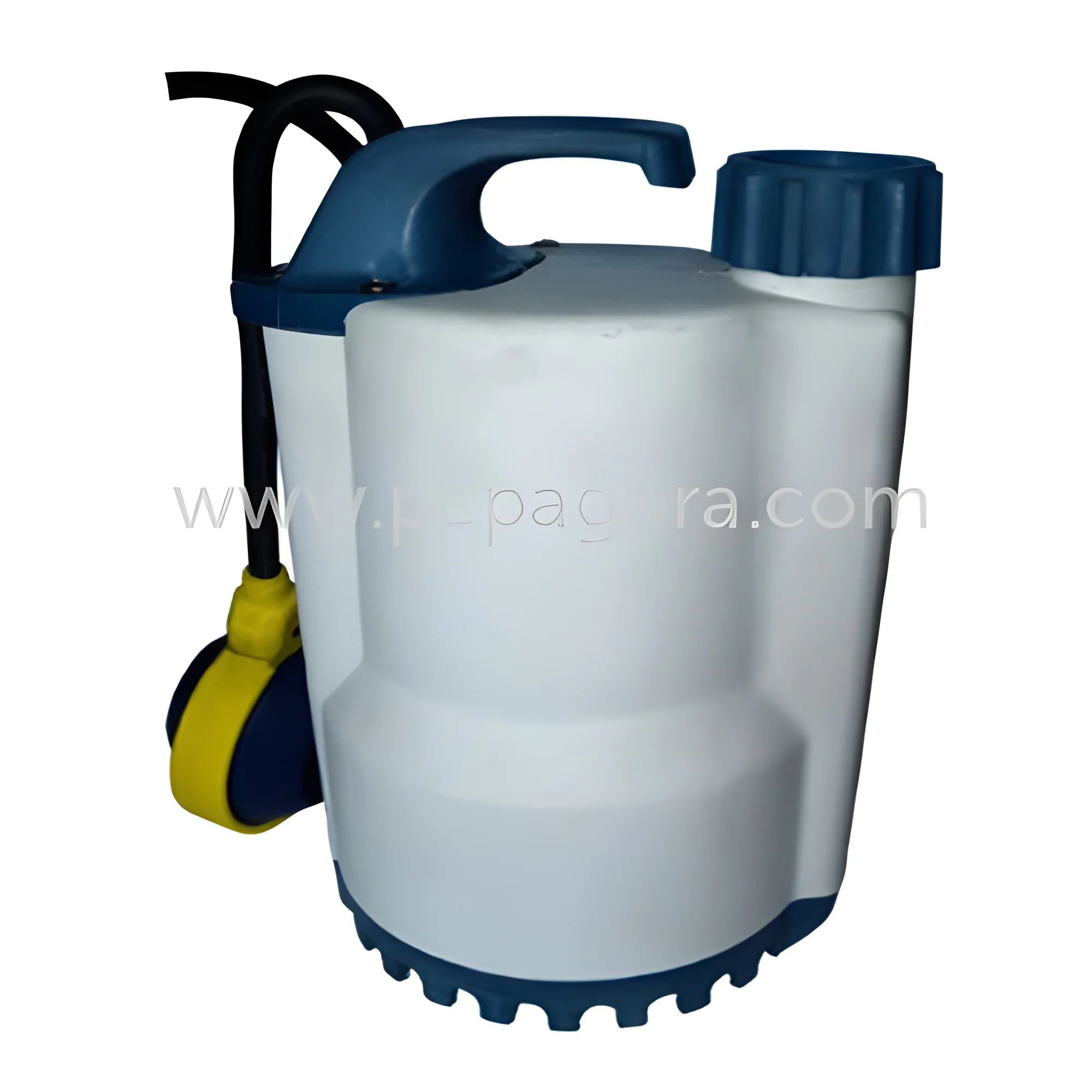
Hydraulic test pumps are specialized devices designed to generate pressure for testing the integrity and performance of hydraulic systems and components. These pumps are essential in various industrial applications where it is critical to ensure that pipes, valves, tanks, and other hydraulic equipment can withstand pressure without leaking or failing. By simulating real-world conditions, hydraulic test pumps help identify potential weaknesses or defects before actual use.
The primary uses of hydraulic test pumps include pressure testing, leak detection, and equipment validation. Industries such as oil and gas, manufacturing, and construction rely heavily on these pumps to maintain safety and compliance standards. Businesses utilize hydraulic test pumps to conduct routine inspections, perform maintenance tasks, and verify that their systems meet necessary operational requirements. With the increasing focus on safety and quality assurance, the demand for hydraulic test pumps continues to grow across various sectors.
In the current market context, hydraulic test pumps are vital for maintaining operational safety standards in numerous industries. The global push for improved infrastructure and advanced technology solutions further underscores their importance. As industries evolve, the need for reliable testing methods becomes imperative, highlighting the relevance of hydraulic test pumps in ensuring system reliability and compliance with regulatory standards.
Key Features and Specifications
Hydraulic test pumps come equipped with a variety of features that enhance their functionality and efficiency. Understanding these specifications is crucial for businesses looking to invest in reliable testing equipment.
Key specifications include:
1. Pressure Range
- These pumps typically operate within a pressure range of up to 10,000 PSI.
- Higher pressure capabilities may be available for specialized applications.
2. Flow Rate
- Flow rates can vary depending on the model, generally ranging from 0.5 to 5 GPM.
- Adjustable flow rates allow for versatile testing options.
3. Material Construction
- Common materials include stainless steel and high-grade aluminum for durability.
- Corrosion-resistant coatings may be available for enhanced longevity.
4. Power Source
- Hydraulic test pumps can be manual or electrically powered.
- Electric models provide ease of use and consistent pressure generation.
5. Portability
- Many models feature lightweight designs for easy transport.
- Compact sizes help with storage and maneuverability in tight spaces.
6. Safety Features
- Pressure relief valves and gauges are standard to prevent over-pressurization.
- Some units include automatic shut-off mechanisms for added safety.
7. Calibration
- Calibration capabilities ensure accuracy in pressure readings.
- Regular calibration is recommended for optimal performance.
8. Compatibility
- Hydraulic test pumps are designed to be compatible with various hydraulic systems.
- Adaptors and fittings may be required for specific applications.
In summary, understanding the features and specifications of hydraulic test pumps is essential for making informed purchasing decisions. Selecting a model that meets specific testing requirements is crucial for ensuring safety and compliance in hydraulic applications.
Common Applications and Use Cases
Hydraulic test pumps serve various industries, providing essential testing capabilities for numerous applications.
1. Oil and Gas: In this industry, hydraulic test pumps are used to test the integrity of pipelines and drilling equipment. This ensures that systems can withstand high pressures and prevents leaks that could lead to environmental hazards.
2. Manufacturing: Manufacturers utilize hydraulic test pumps to validate hydraulic components such as cylinders and valves. Regular testing guarantees that products meet quality standards before reaching the market.
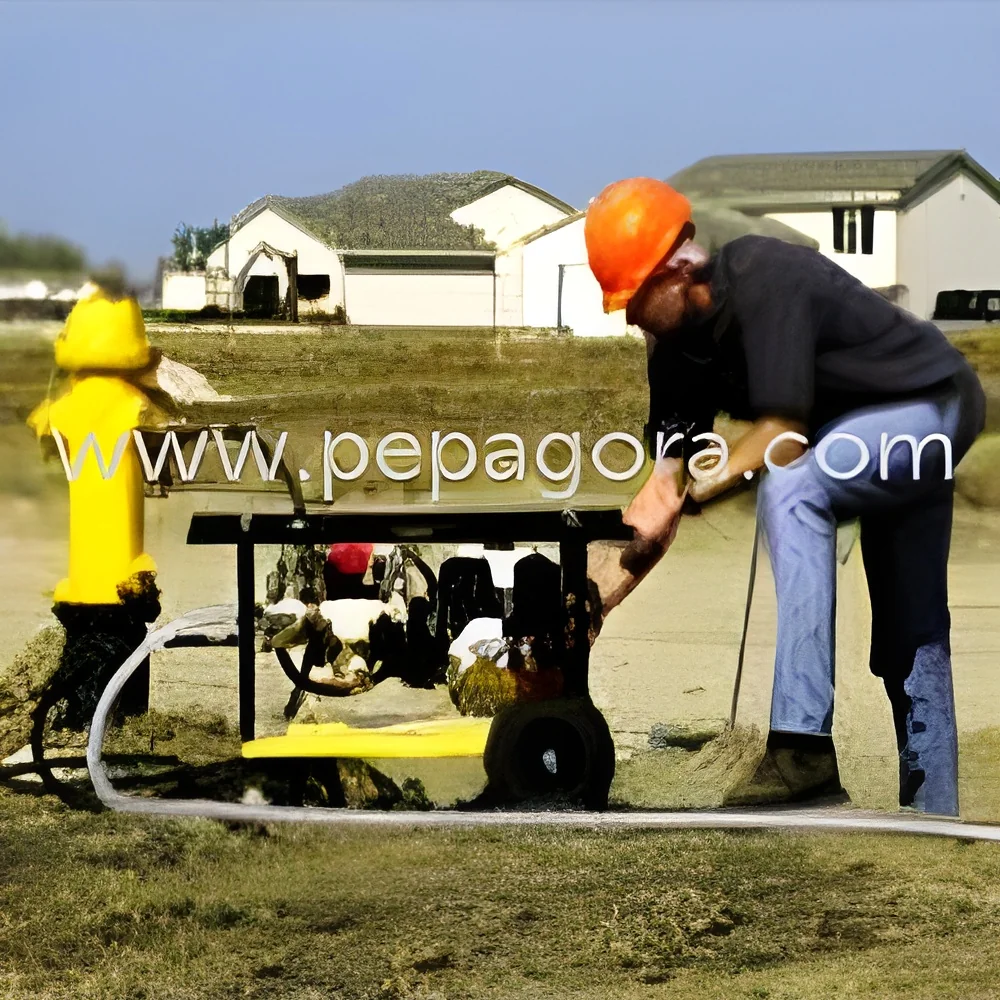
3. Construction: In construction, hydraulic test pumps are deployed for pressure testing of water and gas lines. This is crucial for ensuring that newly installed systems function effectively and meet safety regulations.
4. Aerospace: Aerospace applications involve testing hydraulic systems in aircraft for reliability and safety. Hydraulic test pumps help verify that these systems can handle extreme pressure conditions.
5. Automotive: In the automotive industry, hydraulic test pumps are used to test brake systems and hydraulic lifts. This ensures that vehicles operate safely under various conditions.
6. Water Treatment: Hydraulic test pumps are essential in testing the pressure of pipes in water treatment facilities. This guarantees that infrastructure can handle the demands of water distribution.
7. Power Generation: In power generation, hydraulic test pumps are used to test turbine systems. Ensuring these systems are leak-free is vital for operational efficiency and safety.
Product Variants and Subcategories
Hydraulic test pumps come in various models to cater to different industry needs. Understanding the available variants is important for selecting the right equipment.
Manual Hydraulic Test Pump: This variant is operated by hand, making it simple and cost-effective for small-scale applications. Ideal for maintenance tasks, it provides accurate pressure testing without the need for electricity.
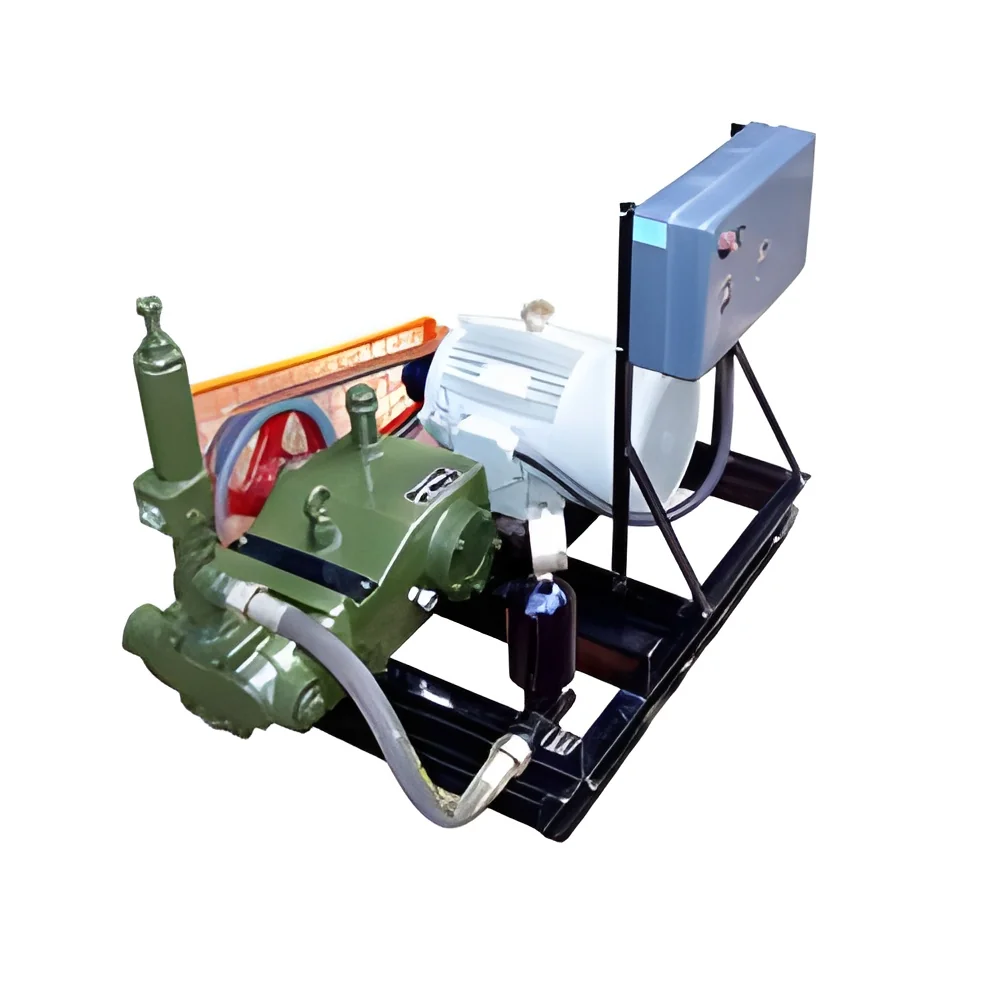
Electric Hydraulic Test Pump: Designed for larger operations, this variant offers automated pressure generation with consistent performance. It is suitable for high-volume testing and can handle more demanding applications.
Portable Hydraulic Test Pump: This model is lightweight and compact, making it easy to transport to various job sites. It is perfect for field testing and applications where space is limited.
High-Pressure Hydraulic Test Pump: Specifically built for high-pressure testing, this variant is ideal for industries requiring rigorous pressure assessments, such as oil and gas and aerospace.
Benefits and Advantages
Investing in hydraulic test pumps brings a range of benefits to businesses and industries.
1. Enhanced Safety: Regular testing with hydraulic test pumps helps identify potential leaks and weaknesses, reducing the risk of catastrophic failures and ensuring workplace safety.
2. Compliance Assurance: Hydraulic test pumps assist in meeting industry standards and regulatory requirements, helping businesses avoid penalties and maintain their operational licenses.
3. Cost Efficiency: By detecting issues early, companies can save on costly repairs and downtime, leading to overall cost savings in maintenance and operations.
4. Improved Reliability: Consistent testing increases the reliability of hydraulic systems, ensuring they perform as expected under various conditions.
5. Versatility: Hydraulic test pumps are suitable for a wide range of applications across different industries, making them a valuable addition to any maintenance toolkit.
6. Accurate Measurements: These pumps provide precise pressure readings, allowing for effective monitoring and validation of hydraulic systems.
Buying Guide for B2B Buyers
When sourcing hydraulic test pumps, buyers should consider several factors to ensure they choose the right equipment for their needs.
1. Quality Assessment: Evaluate the quality of the pump by reviewing manufacturer specifications and customer reviews. Look for pumps that meet industry standards for durability and performance.
2. Supplier Verification: Vet potential suppliers to ensure they have a solid reputation in the industry. Check for certifications and customer feedback to gauge their reliability.
3. Pricing and MOQ: Understand the price range for hydraulic test pumps and inquire about the minimum order quantity (MOQ). Compare prices from different suppliers to find the best value.
4. Delivery and Lead Times: Consider the logistics of obtaining the pumps, including delivery times and shipping costs. Ensure that suppliers can meet your project timelines.
5. Compliance Requirements: Verify that the pumps meet relevant safety and compliance standards for your industry. This is crucial for avoiding regulatory issues and ensuring safe operations.
Compliance and Certifications
Hydraulic test pumps must adhere to various quality standards and certifications to ensure safety and reliability. Commonly recognized standards include ISO 9001, which focuses on quality management systems, and other industry-specific regulations that govern manufacturing processes.
Certifications such as UL and CE indicate that hydraulic test pumps meet specific safety and performance criteria. These certifications are essential for gaining buyer trust and ensuring compliance with regional regulations.
Safety and testing requirements may vary by industry, so it is vital for manufacturers to stay updated on relevant standards. Additionally, regional compliance considerations may influence the selection of hydraulic test pumps, particularly for businesses operating in multiple countries.
Why Source Hydraulic Test Pumps from Pepagora?
Pepagora provides a trusted platform for sourcing hydraulic test pumps, offering several key advantages to B2B buyers.
The verified supplier network ensures that businesses are connected with reputable manufacturers committed to quality and reliability. This reduces the risk associated with purchasing from unknown sources.
The streamlined RFQ process allows buyers to request quotes easily from multiple suppliers, facilitating informed decision-making. This efficiency saves valuable time and resources in the procurement process.
Trade assurance and support are additional benefits that protect buyers throughout their purchasing journey. This service provides peace of mind knowing that transactions are secure and that assistance is available when needed.
Finally, Pepagora's regional coverage spans India, the GCC, and Southeast Asia, making it a convenient choice for businesses looking to source hydraulic test pumps in these markets. With a focus on connecting buyers with quality suppliers, Pepagora enhances the overall purchasing experience.

 IN
IN